Learn about the vagus nerve in the body, a key player in regulating bodily functions and enhancing your health naturally.
Unlocking the Power of the Vagus Nerve: Your Body’s Chill Button for Pain Relief and Wellness
Ever wonder if your body has a secret control center that can dial down stress, soothe pain, and make you feel like you’re floating on a cloud of calm? Spoiler alert: it does, and it’s called the vagus nerve—your body’s very own superhero nerve! Think of it as the cool, laid-back DJ of your nervous system, spinning tracks of relaxation to keep your body in harmony. But when this DJ starts missing beats, things like chronic pain, stress, and even achy muscles can crash the party. This comprehensive exploration delves into what the vagus nerve is, how it teams up with the parasympathetic nervous system, and why it’s crucial for keeping pain at bay. We’ll uncover how factors like stress, poor diet, or even slouching at your desk can mess with your vagus nerve’s groove, potentially leading to body pain. Plus, we’ll spotlight how nonsurgical treatments like chiropractic care and acupuncture can crank up the vagus nerve’s chill vibes, and share lifestyle hacks to keep it humming.
What Is the Vagus Nerve? Your Body’s Superhighway of Calm
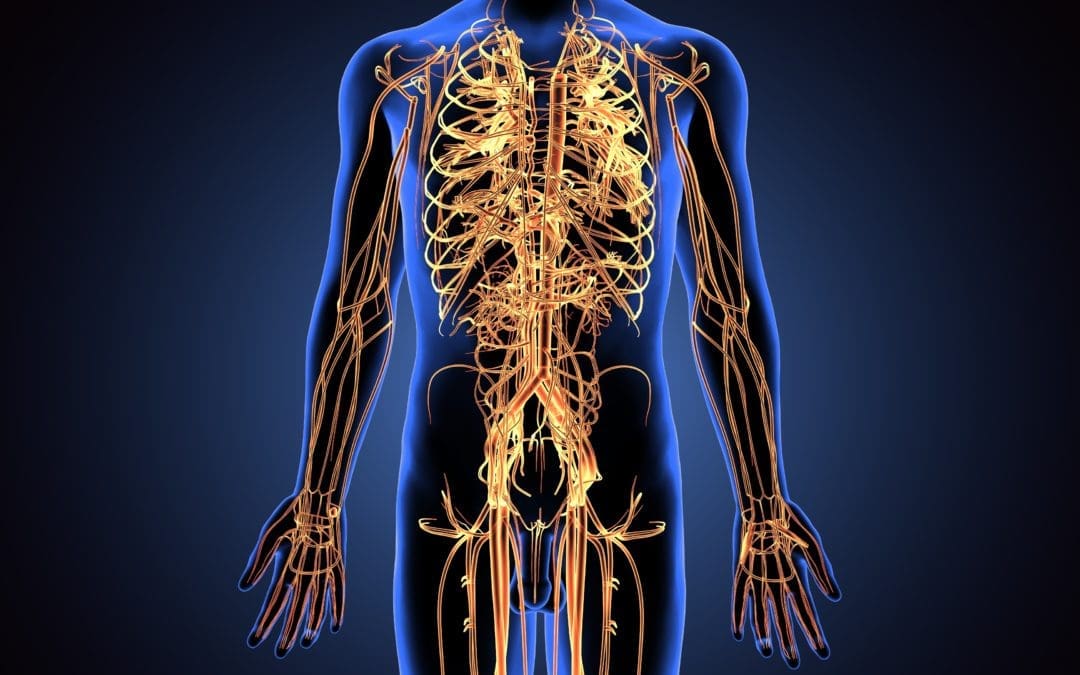
Picture the vagus nerve as the ultimate multitasker in your body—a long, winding nerve that’s like a superhighway connecting your brain to almost every major organ. Officially known as the tenth cranial nerve, it’s the longest nerve in your autonomic nervous system, stretching from your brainstem down through your neck, chest, and abdomen, touching your heart, lungs, stomach, and intestines. Its name comes from the Latin word for “wandering,” and boy, does it wander! Think of it as your body’s internal GPS, guiding signals to keep your heart rate steady, your digestion smooth, and your stress levels in check.
The vagus nerve is the star player in the parasympathetic nervous system, the part of your body that says, “Chill out, everything’s cool.” It’s responsible for heart rate regulation, slowing your heart rate when you’re relaxed; digestion, telling your stomach and intestines to get moving; breathing, helping you breathe deeply and calmly; inflammation control, acting like a firefighter dousing inflammation; and mood and stress management, sending signals to your brain to release feel-good chemicals like serotonin.
The vagus nerve is your body’s master regulator, keeping things balanced and preventing chaos. When it’s working well, you feel energized, calm, and pain-free. But when it’s out of tune, it can lead to all sorts of trouble, including body pain.
The Parasympathetic Nervous System: Your Body’s “Rest and Digest” Mode
If the vagus nerve is the DJ, the parasympathetic nervous system (PNS) is the chill lounge where it spins its magic. The PNS is one half of your autonomic nervous system, which controls all the stuff you don’t think about, like breathing, heart rate, and digestion. While the sympathetic nervous system is your “fight or flight” mode—kicking in when you’re running from a bear or stressing about a deadline—the PNS is your “rest and digest” mode, helping you relax, recover, and recharge.
The parasympathetic nervous system’s job is to bring your body back to a state of calm after stress. It slows heart rate to a relaxed rhythm, saving energy for healing and recovery; boosts digestion by stimulating your gut to break down food and absorb nutrients; promotes healing by encouraging tissue repair and reducing inflammation; and calms the mind by signaling your brain to chill out, reducing anxiety and boosting mood.
The vagus nerve is the PNS’s MVP, carrying most of its signals to your organs. When your vagus nerve is firing on all cylinders, it’s like your body’s in a cozy spa day—relaxed, healing, and ready to take on the world. But when the vagus nerve’s “vagal tone” (its strength and efficiency) is low, things can go south, leading to stress, inflammation, and even body pain.
Understanding Vagal Tone and Why It Matters
Vagal tone is like the signal strength of your vagus nerve—how well it’s communicating with your body to keep things calm and balanced. High vagal tone means your vagus nerve is strong, responsive, and great at keeping your heart rate steady, your digestion smooth, and your stress low. Low vagal tone, on the other hand, is like a weak Wi-Fi signal—your body struggles to stay calm, inflammation spikes, and pain can creep in.
Think of vagal tone as your body’s ability to hit the brakes on stress. When it’s high, you recover quickly from stressful situations, like bouncing back after a tough workout or a heated argument. Low vagal tone means your body stays stuck in “stress mode,” which can mess with your health and lead to pain. Research shows that a higher vagal tone is associated with a lower resting heart rate, reduced blood pressure, and increased heart rate variability (HRV), which are strongly correlated with overall cardiovascular health and emotional regulation.
Factors That Disrupt Vagus Nerve Function and Lead to Pain
Your vagus nerve is a sensitive soul—it can get thrown off by a variety of factors, from lifestyle choices to environmental stressors. When vagal tone takes a hit, it can lead to overlapping risk profiles that increase body pain.
Chronic Stress: The Vagus Nerve’s Kryptonite
Stress is like kryptonite for your vagus nerve. When you’re constantly stressed—whether from work deadlines, family drama, or scrolling doom-filled news—your sympathetic nervous system (fight or flight) goes into overdrive, suppressing the parasympathetic system and lowering vagal tone. This keeps your body in a state of high alert, spiking stress hormones like cortisol, which can tighten muscles leading to neck, shoulder, or back pain; increase inflammation, making trigger points more likely to form; and disrupt sleep, which amplifies pain sensitivity and slows recovery.
Poor Posture and Spinal Misalignments
Slouching at your desk or hunching over your phone doesn’t just strain your muscles—it can compress the vagus nerve as it passes through your neck and chest. This can lower vagal tone, reducing its ability to calm your body and manage inflammation. Poor posture creates muscle imbalances leading to pain in your back, shoulders, or hips; increases tension in the fascia (connective tissue), forming painful trigger points; and disrupts nerve signaling, which can amplify pain perception.
Recent research reveals the intricate connection between spinal health and vagal function. Vertebral subluxations and misalignments can interfere with the normal flow of nerve signals, potentially compromising the vagus nerve’s ability to regulate inflammation and pain responses.
Sedentary Lifestyle and Physical Inactivity
Sitting all day or skipping exercise can weaken vagal tone by reducing the stimulation your vagus nerve needs to stay active. A sedentary lifestyle stiffens muscles and fascia, increasing the risk of painful knots; reduces blood flow, which hampers healing and ramps up inflammation; and contributes to stress and poor sleep, creating a vicious cycle of pain and low vagal tone.
Conversely, research demonstrates that non-invasive vagal stimulation combined with regular exercise can improve cardiorespiratory fitness and attenuate inflammation, offering an inexpensive, safe, and scalable approach to improve exercise capacity and overall health.
Dietary Factors and Inflammation
What you eat matters for your vagus nerve. Diets high in sugar and processed foods spike inflammation, which can suppress vagal tone and make pain worse. High-fat diets have been shown to induce inflammation in the nodose ganglion and hypothalamus, compromising vagal plasticity and the ability of vagal afferents to respond to various regulatory signals.
Nutritional deficiencies in key nutrients, such as omega-3 fatty acids —which reduce inflammation and support vagal function —vitamin D and magnesium (essential for nerve health and muscle relaxation), and choline (a precursor to acetylcholine, the primary neurotransmitter of the parasympathetic nervous system), can all negatively impact vagal tone.
Sleep Disruption and Vagal Dysfunction
Lack of sleep is a major vagal tone killer. Poor sleep disrupts the parasympathetic system, keeping your body in a stressed state and reducing the vagus nerve’s ability to regulate inflammation. The vagus nerve plays a crucial role in sleep regulation, and when it’s not functioning properly, it can lead to increased cortisol levels, disrupted sleep patterns, and contribute to insomnia and sleep apnea.
Sleep deprivation increases muscle tension and pain sensitivity, slows recovery from injuries, makes aches linger, and worsens mood, amplifying the perception of pain.
Environmental Toxins and Inflammation
Pollution, chemicals, and even mold exposure can stress your vagus nerve, lowering its tone and increasing inflammation. This can trigger muscle tension and pain, especially in the back or neck; disrupt gut health, which the vagus nerve relies on for optimal function; and amplify stress responses, worsening the feeling of pain.
These factors—stress, posture, inactivity, diet, toxins, and sleep issues—create overlapping risk profiles that can weaken vagal tone, ramp up inflammation, and lead to body pain. For example, chronic stress might tighten your neck muscles, while poor posture compresses the vagus nerve, and a bad diet fuels inflammation—creating a perfect storm for aches and pains.
Discovering the Benefits of Chiropractic Care- Video
The Science Behind Vagus Nerve Stimulation for Pain Relief
The vagus nerve’s pain-relieving powers are backed by robust scientific research. It’s part of the cholinergic anti-inflammatory pathway, where it releases acetylcholine to dampen inflammation, a major cause of pain. The inflammatory reflex is a centrally integrated physiological mechanism in which afferent vagus nerve signaling, activated by cytokines or pathogen-derived molecules, conveys signals to the brain and subsequent efferent vagus nerve activity suppresses peripheral inflammation.
Studies show that high vagal tone is linked to lower pain sensitivity and faster recovery from injuries. The vagus nerve regulates the dynamic interplay between cardiac and respiratory functions. Heart rate variability (HRV), which measures the intervals between heartbeats, captures the dynamic balance between sympathetic and parasympathetic inputs to the heart.
Research demonstrates that vagus nerve stimulation (VNS) can modulate vagal activity and neuro-immune communication, producing analgesic effects by projecting to many brain regions related to pain processing. The anti-inflammatory property of VNS contributes to its pain-inhibitory effects, making it particularly promising for chronic musculoskeletal pain conditions.
Chiropractic Care: Optimizing Vagus Nerve Function for Pain Relief
Chiropractic care is like a tune-up for your vagus nerve, helping it hit all the right notes to reduce pain and restore balance. By focusing on spinal alignment and muscle tension, chiropractors can stimulate the vagus nerve and improve vagal tone, which calms inflammation and eases body pain.
How Chiropractic Care Enhances Vagal Function
Spinal Adjustments: Misaligned vertebrae (subluxations) in the neck or upper back can compress the vagus nerve, reducing its function. Gentle chiropractic adjustments realign the spine, relieving pressure and boosting nerve signaling. The PulStar, for example, delivers rapid, low-force mechanical impulses to targeted spinal segments, offering precision that manual techniques can’t match. The vagus nerve interfaces closely with structures in the upper cervical spine—particularly around the atlas (C1) and axis (C2) vertebrae.
Myofascial Release: Chiropractors use soft-tissue techniques to release tight muscles and fascia, which can improve vagal tone by reducing tension around the nerve. This helps with conditions like myofascial pain syndrome, where trigger points cause widespread aches.
Reducing Inflammation: By improving nerve function and blood flow, chiropractic care helps the vagus nerve dial down inflammation, a key driver of chronic pain.
Stress Relief: Adjustments stimulate the parasympathetic system, lowering stress hormones and promoting relaxation, which can ease tension-related pain.
Research shows that chiropractic adjustments can improve vagal tone by reducing spinal stress, easing pain in conditions like myofascial pain syndrome. A literature review found that 88% of pediatric patients experienced a significant reduction in the frequency and severity of epileptic seizures following chiropractic care, potentially through vagus nerve stimulation mechanisms.
Acupuncture: Ancient Wisdom Meets Modern Neuroscience
Acupuncture is another powerful treatment for boosting vagal tone and easing pain. By inserting tiny needles into specific points on the body, acupuncture stimulates the nervous system, including the vagus nerve, to promote relaxation and healing.
How Acupuncture Stimulates the Vagus Nerve
Direct Vagus Nerve Stimulation: Certain acupuncture points, like those in the ear or neck, directly activate the vagus nerve, improving its tone and calming the body. Auricular acupuncture (ear acupuncture) involves needling specific points on the ear, and several of these points stimulate the vagus nerve through the auricular branch.
Pain Reduction: Acupuncture releases endorphins and other pain-relieving chemicals, reducing muscle tension and trigger point pain. Studies show that acupuncture can stimulate the vagus nerve to promote anti-inflammatory effects, transmitting signals that mediate anti-inflammatory responses in the spleen.
Inflammation Control: By boosting vagal tone, acupuncture helps the vagus nerve suppress inflammation, easing conditions like myofascial pain or fibromyalgia.
Key Acupuncture Points for Vagus Nerve Stimulation
Several acupuncture points can effectively stimulate the vagus nerve:
Conception Vessel 12 (CV 12): Located on the midline of the abdomen, used to stimulate the vagus nerve, promoting digestion and relaxation
Conception Vessel 17 (CV 17): Located in the center of the chest, it helps regulate the vagus nerve, improving respiratory function and reducing stress
Heart 7 (HT 7): Located on the wrist, powerful for stimulating the vagus nerve, promoting relaxation, and reducing anxiety
Stomach 36 (ST 36): Located on the leg, helps regulate the vagus nerve, promoting digestion and reducing stress
Pericardium 6 (PC 6): Located on the inner wrist, it activates the parasympathetic nervous system and increases vagal activity
Auricular points: The ear contains numerous points that can stimulate the vagus nerve, including the cymba conchae, the tragus, and the cavum conchae
Myofascial Release and the Vagus-Fascia Connection
The connection between fascia and the vagus nerve represents a fascinating frontier in pain management. Fascia is not static—it’s constantly evolving and adapting to influences including sustained postures, stress responses, and biochemical factors.
Fascia receptors communicate directly with both branches of the autonomic nervous system. When activated, the sympathetic nervous system releases neurotransmitters that can increase tension in fascia throughout the body. Chronic activation due to ongoing stress can lead to increased tone and stiffness in fascial structures.
Strong vagal tone helps counterbalance sympathetic-induced fascial tension. When the vagus nerve is properly engaged, it can facilitate the release of fascial restrictions that may have developed during chronic or traumatic stress. Myofascial release can stimulate the vagus nerve by releasing tension in the fascia, indirectly activating it and triggering a cascade of relaxation responses throughout the body.
Managing Myofascial Pain Syndrome Through Vagus Nerve Stimulation
Myofascial pain syndrome (MPS) manifests as discomfort due to taut bands and trigger points affecting muscles, tendons, ligaments, and fascia. This prevalent condition affects approximately 12% of the population, notably among individuals aged 30-50.
Recent research demonstrates that auricular vagus nerve stimulation (VNS) applied from both ears can significantly improve pain severity, trigger point sensitivity, grip strength, quality of life, and autonomic functions in MPS patients. The study found that adding VNS to ischemic compression and stretching exercises resulted in statistically higher improvements compared to conventional treatment alone.
Clinical trials are currently investigating the effects of vagus nerve stimulation on trapezius trigger points, recognizing that MPS is characterized by these hyperirritable spots in skeletal muscle, which are associated with pain, stiffness, and dysfunction.
Fibromyalgia and Vagus Nerve Dysfunction
Fibromyalgia, characterized by heightened central sensitization and dysregulated inflammatory responses, often poses significant challenges to traditional pharmacological treatments. Non-invasive vagus nerve stimulation presents a promising alternative, effectively targeting both peripheral and central inflammatory pathways.
Clinical studies support significant reductions in pain levels and improvements in fibromyalgia symptoms such as fatigue and anxiety. In fibromyalgia, VNS reduces pain intensity, enhances sleep quality, and improves overall well-being by suppressing pro-inflammatory cytokines and neuropeptides such as substance P and CGRP, along with normalizing autonomic dysfunction.
Current clinical trials are investigating transcutaneous vagus nerve stimulation in fibromyalgia patients. Researchers hypothesize that stimulating the auricular branch of the vagus nerve can lead to better pain control and quality of life by normalizing autonomic and immune system dysfunction.
Heart Rate Variability: The Window into Vagal Health
Heart rate variability (HRV) serves as a non-invasive marker that provides profound insight into vagal nerve activity, often termed vagal tone. HRV reflects the interplay between autonomic inputs and cardiac function by analyzing the fluctuations between successive heartbeats.
HRV is strongly associated with the body’s ability to adapt to metabolic demands and external challenges, making it an essential indicator of physiological resilience. Specific metrics, such as RMSSD (root mean square of successive differences) and high-frequency (HF) power, are particularly indicative of vagus nerve-mediated HRV, which reflects parasympathetic cardiac control.
Higher HRV levels, mediated by the vagus nerve, signify robust autonomic balance, emotional regulation, and cognitive function. These attributes enhance resilience to stress and disease, positioning vagus nerve-mediated HRV as a vital marker of overall well-being.
Lifestyle Strategies for Optimizing Vagus Nerve Health
Keeping your vagus nerve happy is like giving your body a daily dose of zen—and it can help prevent pain before it starts. Here are evidence-based lifestyle strategies to boost vagal tone and keep aches at bay:
Deep Breathing and Meditation
Slow, deep breathing directly stimulates the vagus nerve, boosting its tone and calming your body. Diaphragmatic breathing, where you breathe deep into your belly rather than taking shallow chest breaths, is particularly effective. The key is to keep your exhales longer than your inhales—this helps activate the vagus nerve and signals the parasympathetic nervous system to enter rest and digest territory.
Try the 4-7-8 breathing method: inhale for four seconds, hold for seven seconds, and exhale for eight seconds. This breathing exercise helps slow the heart rate and promotes a state of calmness.
Regular Exercise and Movement
Moderate exercise, like walking, yoga, or swimming, boosts vagal tone by stimulating the parasympathetic system. Research suggests that endurance and interval training stimulate the vagus nerve and control parasympathetic activity in the brain.
Yoga poses that focus on relaxation, such as Child’s Pose or Cat-Cow, can activate the vagus nerve. Yin yoga, a slower style where you hold each pose for three to five minutes, is particularly effective for vagus nerve stimulation. The combination of sustained poses and mindful breathing makes this practice effective for vagus nerve activation.
Anti-Inflammatory Nutrition
A literature review examining the role of nutrition on heart rate variability found several foods and nutrients associated with increased vagal tone:
Omega-3 fatty acids: Found in salmon, walnuts, and flaxseeds, these anti-inflammatory fats may be linked to vagus nerve activity
Mediterranean diet: Rich in anti-inflammatory compounds that support overall vagal function
Probiotic foods: Since gut bacteria affect the vagus nerve and brain, maintaining a diverse microbiome is vital. Include kimchi, yogurt, miso, kefir, tempeh, and kombucha
High-choline foods: Choline is a precursor to acetylcholine, the primary neurotransmitter of the parasympathetic nervous system. Include eggs, fish, nuts, and seeds
Prebiotic foods: Garlic, onions, chicory root, leeks, bananas, oats, and barley support beneficial gut bacteria
Quality Sleep Optimization
The vagus nerve plays a crucial role in sleep regulation, helping your body transition into a state of relaxation. Research shows that transcutaneous vagus nerve stimulation can improve sleep quality in patients with primary insomnia.
Aim for 7-9 hours of sleep nightly to support vagal tone. Create a bedtime routine that includes no screens 1 hour before bed, using blackout curtains or a sleep mask, and consider incorporating vagus nerve exercises like gentle humming or deep breathing before sleep.
Stress Management Techniques
Chronic stress tanks vagal tone, so implementing effective stress management strategies is crucial. Mindfulness practices like journaling, gratitude exercises, and meditation can help maintain healthy vagal function. Controlled laughter naturally creates rhythmic breathing and diaphragmatic movement that stimulates the parasympathetic nervous system.
Cold Exposure and Hydrotherapy
Cold exposure, such as splashing cold water on your face or taking brief cold showers, activates the vagus nerve and signals the body to relax. This technique can be particularly helpful as part of a pre-sleep routine or when you need to quickly activate your parasympathetic nervous system.
Posture Awareness and Ergonomics
Good posture keeps the vagus nerve free from compression. Use ergonomic chairs or standing desks to avoid slouching, and perform regular posture checks: ears over shoulders, shoulders over hips. This reduces muscle tension and supports vagal function, preventing pain.
Advanced Diagnostic Approaches
Modern healthcare is incorporating advanced diagnostic tools to assess vagal function and its relationship to pain. Heart rate variability testing can measure vagal tone, revealing if low tone is linked to chronic pain conditions. Functional assessments evaluate how well the nervous system, including the vagus nerve, is functioning.
Advanced imaging, like MRI and CT scans, can visualize spinal misalignments or soft-tissue issues that may compress the vagus nerve, contributing to pain. Lab tests can identify inflammation markers or nutritional deficiencies that impair vagal function and fuel pain.
These comprehensive approaches allow healthcare providers to create tailored treatment plans that not only relieve pain but also boost vagal tone, promoting long-term wellness.
Emerging Research and Future Directions
The field of vagus nerve research is rapidly expanding, with promising developments in non-invasive stimulation techniques. Recent studies have shown that vagus nerve stimulation can reduce inflammation in cardiovascular disease, leading to smaller infarct sizes and a lower incidence of ventricular arrhythmias during reperfusion.
Clinical trials are investigating vagus nerve stimulation for various chronic pain conditions, including an evaluation of 148 people with chronic lower back pain showing that vagus nerve stimulation halved pain in around 60% of users. The FDA has approved certain VNS devices for specific pain conditions, reinforcing the therapeutic potential of this approach.
Research continues to explore the synergistic effects of combining VNS with other therapeutic modalities, such as pharmacotherapy and psychotherapy, to enhance patient outcomes. The development of wearable devices for vagus nerve stimulation is making this therapy more accessible and practical for daily use.
When to Seek Professional Help
If you’re dealing with persistent pain, especially in your neck, back, or shoulders, or if stress, poor sleep, or digestive issues are piling on, it might be time to check in with a professional. Signs your vagus nerve needs help include chronic pain that doesn’t budge with rest or over-the-counter medications; frequent tension headaches or muscle knots; feeling wired but tired, with poor sleep or high stress; and digestive issues like bloating or sluggishness, which can signal vagal dysfunction.
Healthcare providers can use diagnostic tools like HRV tests to confirm if vagal tone is contributing to symptoms, guiding targeted treatment plans that may include chiropractic care, acupuncture, lifestyle modifications, and emerging vagus nerve stimulation therapies.
Conclusion
The vagus nerve stands as a remarkable biological system that bridges the gap between mind and body, offering unprecedented opportunities for natural pain relief and wellness optimization. As research continues to unveil the intricate connections between vagal function, inflammation, and pain perception, we’re discovering that this “wandering nerve” may hold keys to treating chronic pain conditions that have long challenged conventional medicine.
The evidence is clear: when the vagus nerve functions optimally, it serves as a powerful anti-inflammatory pathway, helping regulate pain signals, promote healing, and maintain the delicate balance between stress and relaxation. Conversely, when vagal tone is compromised by factors like chronic stress, poor posture, sedentary lifestyle, inflammatory diet, or sleep disruption, the body becomes more susceptible to chronic pain and inflammation.
The integration of traditional therapies like chiropractic care and acupuncture with the modern understanding of vagal function represents a paradigm shift in pain management. These approaches don’t just mask symptoms—they address underlying dysfunction in the body’s own regulatory systems. Meanwhile, simple lifestyle interventions, including proper breathing techniques, regular movement, anti-inflammatory nutrition, quality sleep, and stress management, can significantly enhance vagal tone and prevent pain before it starts.
As we move forward, the future of pain management increasingly points toward personalized, integrative approaches that harness the body’s innate healing mechanisms. The vagus nerve, with its extensive connections throughout the body and its powerful anti-inflammatory properties, represents a promising frontier in this evolution. Whether through professional treatments or daily self-care practices, optimizing vagal function offers a pathway to not just pain relief, but enhanced overall wellness and resilience.
Serious Note: This article provides educational insights into the vagus nerve and its role in pain management, but chronic pain or suspected vagal dysfunction should be addressed with professional medical care. Untreated issues can lead to long-term complications, so always consult a qualified healthcare provider for proper diagnosis and treatment.
Uncover important information on sciatica correlated with a herniated disc resulting from an auto accident and how to manage your symptoms.
Managing Sciatica Pain from Herniated Discs After Auto Accidents: A Comprehensive Guide to Chiropractic and Holistic Care
Sciatica pain resulting from herniated discs, particularly following an auto accident, can profoundly impact daily life, causing discomfort and limiting mobility. This condition, marked by radiating pain, numbness, or weakness along the sciatic nerve, is a frequent consequence of spinal injuries sustained in motor vehicle accidents (MVAs). Nonsurgical treatments such as chiropractic care, targeted exercises, massage therapy, acupuncture, and integrative medicine offer effective solutions to alleviate pain, promote healing, and prevent long-term complications. Drawing on clinical expertise and supported by peer-reviewed research, this comprehensive guide explores the causes, risk factors, and treatment options for sciatica associated with herniated discs. It emphasizes the role of patient-centered care, clear communication, and holistic approaches in supporting the body’s natural recovery processes.
Understanding Herniated Discs and Sciatica
What Is a Herniated Disc?
The spine is a complex structure composed of vertebrae, muscles, ligaments, and intervertebral discs that act as cushions between the vertebrae. Each disc consists of a tough outer layer, the annulus fibrosus, and a gel-like inner core, the nucleus pulposus (Nedresky et al., 2025). A herniated disc occurs when the nucleus pulposus protrudes through a tear in the annulus fibrosus, often due to trauma such as an MVA. This protrusion can compress nearby nerves, leading to pain, numbness, or weakness in the back, legs, or arms, depending on the herniation’s location (Stretanski et al., 2025).
MVAs are a leading cause of spinal injuries, contributing to over 40% of spinal complications annually (El Paso Back Clinic, 2016). The sudden, high-impact forces from a collision can strain or rupture the spinal discs, resulting in herniation and nerve irritation.
What Is Sciatica?
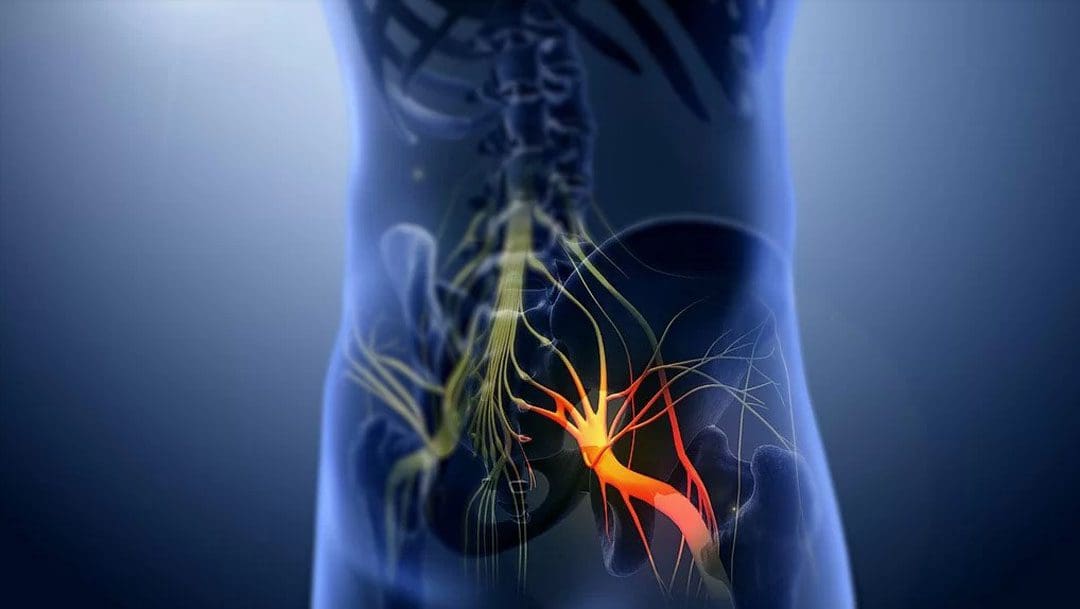
Sciatica is not a standalone condition but a set of symptoms caused by irritation or compression of the sciatic nerve, the body’s largest nerve, formed by nerve roots from L4 to S3 (Davis et al., 2025). It is characterized by radiating pain that travels from the lower back through the buttocks and down one or both legs, often accompanied by numbness, tingling, or weakness in the affected areas. Symptoms can range from mild to severe and are often exacerbated by movements such as bending, twisting, or coughing.
A common cause of sciatica is a herniated disc in the lumbar spine, particularly at the L4-L5 or L5-S1 levels, where the disc material compresses the sciatic nerve roots (Blamoutier, 2019). MVAs can trigger this condition by causing acute trauma to the spine, leading to disc herniation and subsequent nerve irritation.
Causes of Herniated Discs and Sciatica in Motor Vehicle Accidents
How MVAs Lead to Herniated Discs
The spine is designed to support the body’s weight and facilitate movement, but it is not built to withstand the intense forces of an MVA. The sudden jolt from a collision can cause various injuries to the spine, including:
Whiplash: The rapid back-and-forth motion of the neck and upper spine during a crash can strain the cervical and thoracic discs, potentially leading to herniation.
Direct Trauma: The force of impact can rupture the annulus fibrosus, allowing the nucleus pulposus to protrude and compress nearby nerves.
Facet Joint Damage: The facet joints, which connect the vertebrae, can be injured, contributing to spinal instability and increasing the risk of disc herniation (El Paso Back Clinic, 2016).
These injuries disrupt the spine’s structural integrity, making herniated discs a common outcome of MVAs, particularly in rear-end or high-speed collisions.
Factors Contributing to Herniated Discs and Sciatica
Several factors increase the likelihood of developing herniated discs and sciatica following an MVA:
Age: As individuals age, intervertebral discs lose water content, becoming less flexible and more prone to rupture. This risk increases significantly after age 30, as disc degeneration accelerates (Nosikova et al., 2012).
Obesity: Excess body weight places additional stress on the spine, increasing the risk of disc herniation, particularly in women with higher body mass indices (Sonntag, 2010).
Sedentary Lifestyle: Weak core and back muscles from lack of physical activity reduce spinal support, making discs more susceptible to injury during trauma.
Poor Posture: Chronic poor posture, such as slouching while driving, can exacerbate spinal stress during an accident.
Pre-existing Spinal Conditions: Conditions like degenerative disc disease or scoliosis heighten the risk of herniation following trauma (Hincapié et al., 2025).
Accident Severity: The intensity of the collision, including speed and angle, directly correlates with the likelihood and severity of spinal injuries.
Overlapping Risk Profiles of Herniated Discs and Sciatica
Herniated discs and sciatica share interconnected risk profiles due to their closely related pathophysiology. A herniated disc can directly cause sciatica by compressing the sciatic nerve roots, but additional factors amplify the risks and complications for both conditions:
Inflammatory Response: When a disc herniates, the nucleus pulposus releases proinflammatory cytokines, such as interleukin-1, interleukin-6, interleukin-8, and tumor necrosis factor-alpha, which irritate the surrounding nerves and exacerbate sciatica symptoms (Cosamalón-Gan et al., 2021). This inflammation can prolong pain and delay recovery.
Autoimmune Reaction: The nucleus pulposus is immunologically privileged, meaning it is typically shielded from the immune system. When exposed due to a herniation, it can trigger an autoimmune response, further increasing inflammation and nerve irritation (Cosamalón-Gan et al., 2021).
Neurological Complications: Severe disc herniation can lead to serious conditions like cauda equina syndrome, characterized by bowel or bladder dysfunction, requiring immediate surgical intervention (Tang et al., 2019).
Motor Dysfunction: Compression of the sciatic nerve or its roots can cause weakness in the hamstrings, calf muscles, or foot muscles, impairing mobility and increasing the risk of falls (Davis et al., 2025).
Chronic Pain Development: Untreated sciatica or herniated discs can contribute to chronic pain syndromes, such as fibromyalgia, due to prolonged nerve irritation and central sensitization (El Paso Back Clinic, 2016).
These overlapping risks underscore the need for early intervention to address both the mechanical and inflammatory components of sciatica and herniated discs, preventing long-term complications.
Clinical Rationale for Chiropractic Care in Managing Sciatica
Chiropractic care is a cornerstone of nonsurgical treatment for sciatica caused by herniated discs, offering a safe, effective, and evidence-based approach to pain relief and functional restoration. Experts in musculoskeletal health emphasize the importance of personalized, patient-centered care to address the root causes of sciatica and promote long-term healing. Below is the clinical rationale for why chiropractic care is effective for sciatica associated with herniated discs:
1. Restoring Spinal Alignment and Reducing Nerve Compression
Chiropractic adjustments, or spinal manipulations, aim to realign the spine, reducing pressure on compressed nerve roots. By correcting vertebral subluxations (misalignments), chiropractors alleviate nerve irritation and improve spinal mobility. For sciatica caused by herniated discs, techniques such as the flexion-distraction technique utilize specialized tables to gently stretch the spine, thereby moving the disc material away from the nerve root and reducing inflammation and pain (El Paso Back Clinic, 2016).
Clinical Evidence: A randomized controlled trial demonstrated that nonsurgical spinal decompression therapy, similar to flexion-distraction, significantly reduced leg pain and disability in patients with subacute lumbar disc herniation, with a 26.9% reduction in herniation volume compared to controls (Choi et al., 2022).
2. Mitigating Inflammation
The inflammatory response triggered by a herniated disc is a major contributor to sciatica pain. Chiropractic adjustments improve blood flow and stimulate the release of anti-inflammatory mediators, helping to reduce inflammation around the affected nerve. Manual therapies also disrupt the cycle of inflammation caused by proinflammatory cytokines (Cosamalón-Gan et al., 2021).
Expert Insight: Chiropractic care addresses both the mechanical and chemical aspects of sciatica, supporting the body’s natural anti-inflammatory processes to alleviate pain and promote healing.
3. Enhancing Spinal Mobility and Function
Herniated discs and sciatica often restrict spinal mobility, exacerbating pain and dysfunction. Chiropractic adjustments restore range of motion by mobilizing stiff joints and relaxing tense muscles, which is particularly beneficial after an MVA, where muscle spasms and joint stiffness can worsen symptoms.
Clinical Evidence: A systematic review found that spinal manipulative therapy significantly reduced pain and improved function in patients with low back pain and radiculopathy, supporting its use in sciatica management (Alrwaily et al., 2018).
4. Drug-Free Pain Management
Chiropractic care provides a non-pharmacological approach to pain relief, avoiding the risks associated with long-term medication use, such as opioid dependency or gastrointestinal side effects from nonsteroidal anti-inflammatory drugs (NSAIDs). By targeting the underlying cause of sciatica, chiropractic care offers sustainable pain relief.
Expert Approach: Chiropractic care combines spinal adjustments with patient education to empower individuals to manage their pain through lifestyle modifications, thereby reducing their reliance on medications.
5. Preventing Chronic Conditions
Untreated sciatica or herniated discs can lead to chronic pain, neurological deficits, or permanent nerve damage. Chiropractic care focuses on early intervention to prevent these complications by addressing the root cause and promoting natural healing processes.
Clinical Evidence: A meta-analysis revealed that discectomy offers short-term relief for sciatica but yields negligible long-term benefits compared to nonsurgical treatments, such as chiropractic care, which can be equally effective with fewer risks (Liu et al., 2023).
Holistic Approaches to Managing Sciatica Pain
In addition to chiropractic care, holistic approaches enhance recovery, reduce pain, and support the body’s natural healing processes. These methods address physical, emotional, and lifestyle factors to provide comprehensive care for sciatica and herniated discs.
1. Targeted Exercises and Physical Therapy
Therapeutic exercises strengthen the muscles supporting the spine, improve flexibility, and reduce pressure on the sciatic nerve. Programs combining strength training, agility exercises, and biomechanical assessments create personalized rehabilitation plans that optimize recovery (El Paso Back Clinic, 2016).
Recommended Exercises:
Piriformis Stretch: Targets the piriformis muscle, which can compress the sciatic nerve when tight (Hicks et al., 2023).
Cat-Cow Stretch: Enhances spinal flexibility and reduces lower back stiffness.
Core Strengthening: Exercises such as planks and bridges strengthen the abdominal and back muscles, providing better spinal support.
Hamstring Stretches: Reduces tension in the posterior chain, alleviating sciatic nerve irritation.
Clinical Evidence: A systematic review confirmed that targeted exercises and physical therapy significantly reduced pain and disability in patients with lumbar radiculopathy (Vanti et al., 2021).
2. Massage Therapy
Massage therapy relieves muscle tension, improves circulation, and reduces inflammation, all of which contribute to sciatica pain relief. Techniques like deep tissue massage and myofascial release target tight muscles and fascia that may compress the sciatic nerve (El Paso Back Clinic, n.d.).
Expert Insight: Massage therapy complements chiropractic adjustments by enhancing muscle relaxation and the effectiveness of spinal manipulations.
3. Acupuncture
Acupuncture involves inserting thin needles into specific points on the body to stimulate healing and reduce pain. It modulates pain signals and reduces inflammation, making it an effective adjunctive therapy for sciatica.
Clinical Evidence: A network meta-analysis found that acupuncture provided significant pain relief for lumbar disc herniation, comparable to other nonsurgical treatments (Huang et al., 2019).
4. Integrative Medicine
Integrative medicine combines conventional and alternative therapies to address the root causes of sciatica and promote overall wellness. Key components include:
Nutrition: An anti-inflammatory diet rich in omega-3 fatty acids, antioxidants, and whole foods can reduce systemic inflammation and support disc healing (Cosamalón-Gan et al., 2021).
Stress Management: Techniques such as mindfulness meditation and yoga help reduce muscle tension and improve pain tolerance, addressing the emotional aspects of chronic pain.
Weight Management: Maintaining a healthy weight helps reduce spinal stress, thereby lowering the risk of recurrent disc herniation.
Expert Approach: Integrative care combines chiropractic adjustments with nutritional counseling and stress reduction techniques to create a comprehensive treatment plan.
5. Postural Correction and Ergonomics
Poor posture and improper ergonomics can exacerbate sciatica symptoms, particularly after an MVA. Educating patients on proper posture and ergonomic adjustments reduces spinal stress (El Paso Back Clinic, 2016).
Practical Tips:
Use a chair with lumbar support to maintain the spine’s natural curve.
Take breaks every 30 minutes to stand and stretch, avoiding prolonged sitting.
Sleep on a medium-firm mattress with a pillow under the knees to reduce lower back strain.
Feeling Better Than Ever After a Semi-Truck Accident- Video Testimonial
The Importance of Clear Communication in Treatment Success
Clear communication between healthcare providers and patients is critical for successful outcomes in managing sciatica and herniated discs. Patient education empowers individuals to take an active role in their recovery (El Paso Back Clinic, n.d.).
Key Communication Strategies
Explaining the Diagnosis: Patients should understand that sciatica is a symptom of an underlying issue, such as a herniated disc, and that treatment targets the root cause.
Setting Realistic Expectations: Chiropractic care and holistic treatments require time and consistency. Patients should be informed about the expected timeline for pain relief and functional improvement.
Encouraging Active Participation: Patients who engage in prescribed exercises and lifestyle changes tend to have better outcomes.
Addressing Concerns: Open dialogue about risks, benefits, and alternative treatments builds trust and ensures patients feel confident in their care.
Clinical Evidence: Studies show that patient-centered communication improves adherence to treatment plans and enhances outcomes in musculoskeletal conditions (Alrwaily et al., 2018).
Preventing Long-Term Complications
Untreated sciatica or herniated discs can lead to chronic pain, neurological deficits, or permanent disability. Nonsurgical treatments like chiropractic care, targeted exercises, and holistic therapies help prevent these complications by:
Reducing Nerve Compression: Early intervention prevents prolonged nerve irritation, which could lead to permanent damage.
Promoting Tissue Healing: Therapies like spinal decompression and acupuncture enhance blood flow and nutrient delivery to the injured disc (Choi et al., 2022).
Strengthening Supporting Structures: Exercises strengthen muscles and ligaments around the spine, reducing the risk of recurrent injuries.
Addressing Inflammation: Integrative approaches, such as anti-inflammatory diets and acupuncture, help manage the inflammatory response, thereby preventing chronic pain syndromes (Cosamalón-Gan et al., 2021).
Expert Insight: Proactive, nonsurgical interventions are crucial in preventing long-term complications, allowing patients to return to normal activities more quickly and with greater resilience.
Case Study: A Patient’s Journey to Recovery
A patient involved in an MVA experienced sciatica symptoms due to a herniated disc. Initially struggling with pain and limited mobility, they underwent a comprehensive treatment plan including chiropractic adjustments, targeted exercises, and nutritional guidance. This integrative approach, combining spinal decompression, core strengthening, and an anti-inflammatory diet, resulted in significant pain relief and restored function, demonstrating the effectiveness of nonsurgical, patient-centered care (El Paso Back Clinic, 2016).
Conclusion
Sciatica pain caused by herniated discs from MVAs is a complex condition driven by mechanical, inflammatory, and neurological factors. Chiropractic care offers a clinically supported, nonsurgical solution to alleviate pain, restore function, and prevent long-term complications. By integrating targeted exercises, massage therapy, acupuncture, and holistic approaches like nutrition and stress management, patients can achieve lasting relief and support their body’s natural healing processes. Clear communication and patient education are crucial for ensuring adherence and achieving optimal outcomes. For those experiencing sciatica after an MVA, seeking nonsurgical care from qualified professionals can be a critical step toward recovery and improved quality of life.
References
Alrwaily, M., Almutiri, M., & Schneider, M. (2018). Assessment of variability in traction interventions for patients with low back pain: A systematic review. Chiropractic & Manual Therapies, 26(35). https://pubmed.ncbi.nlm.nih.gov/30237870/
Blamoutier, A. (2019). Nerve root compression by lumbar disc herniation: A French discovery? Orthopaedics & Traumatology: Surgery & Research, 105(2), 335–338. https://pubmed.ncbi.nlm.nih.gov/30799172/
Choi, E., Gil, H. Y., Ju, J., Han, W. K., Nahm, F. S., & Lee, P.-B. (2022). Effect of nonsurgical spinal decompression on intensity of pain and herniated disc volume in subacute lumbar herniated disc. International Journal of Clinical Practice, 2022, 6343837. https://pubmed.ncbi.nlm.nih.gov/36263240/
Cosamalón-Gan, I., Cosamalón-Gan, T., Mattos-Piaggio, G., Villar-Suárez, V., García-Cosamalón, J., & Vega-Álvarez, J. A. (2021). Inflammation in the intervertebral disc herniation. Neurocirugia (English Edition), 32(1), 21–35. https://pubmed.ncbi.nlm.nih.gov/32169419/
Hincapié, C. A., Kroismayr, D., Hofstetter, L., Kurmann, A., Cancelliere, C., Raja Rampersaud, Y., Boyle, E., Tomlinson, G. A., Jadad, A. R., Hartvigsen, J., Côté, P., & Cassidy, J. D. (2025). Incidence of and risk factors for lumbar disc herniation with radiculopathy in adults: A systematic review. European Spine Journal, 34(1), 263–294. https://pubmed.ncbi.nlm.nih.gov/39453541/
Huang, R., Meng, Z., Cao, Y., Yu, J., Wang, S., Luo, C., Yu, L., Xu, Y., Sun, Y., & Jiang, L. (2019). Nonsurgical medical treatment in the management of pain due to lumbar disc prolapse: A network meta-analysis. Seminars in Arthritis and Rheumatism, 49(2), 303–313. https://pubmed.ncbi.nlm.nih.gov/30940466/
Liu, C., Ferreira, G. E., Abdel Shaheed, C., Chen, Q., Harris, I. A., Bailey, C. S., Peul, W. C., Koes, B., & Lin, C.-W. C. (2023). Surgical versus non-surgical treatment for sciatica: Systematic review and meta-analysis of randomised controlled trials. BMJ, 381, e070730. https://pubmed.ncbi.nlm.nih.gov/37076169/
Nosikova, Y. S., Santerre, J. P., Grynpas, M., Gibson, G., & Kandel, R. A. (2012). Characterization of the annulus fibrosus-vertebral body interface: Identification of new structural features. Journal of Anatomy, 221(6), 577–589. https://pubmed.ncbi.nlm.nih.gov/22747710/
Understanding Nerve Conditions of the Spine: Causes, Symptoms, and Treatments
The spine is a critical part of the body, serving as a highway for nerves that transmit signals between the brain and the rest of the body. When something goes wrong with these nerves—whether they’re compressed, irritated, or damaged—it can lead to a range of uncomfortable symptoms like pain, numbness, tingling, or weakness. These issues, known as nerve-related spine conditions, can affect the back, arms, or legs and stem from various causes, including injuries, degenerative conditions, or infections. In this article, we’ll explore these conditions, their symptoms, causes, and how they’re diagnosed and treated, with a special focus on integrative approaches like those used by Dr. Alexander Jimenez, a chiropractor and nurse practitioner in El Paso, Texas. We’ll also look at how chiropractic care, targeted exercises, massage therapy, acupuncture, and integrative medicine can promote healing and prevent long-term problems.
What Are Nerve-Related Spine Conditions?
Nerve-related spine conditions happen when the spinal nerves or spinal cord are compressed, irritated, or damaged. The spine is made up of bones called vertebrae, which protect the spinal cord—a bundle of nerves that carries messages to and from the brain. Between the vertebrae are intervertebral discs, which act as cushions, and small openings called foramina, where nerve roots exit the spinal cord to connect to other parts of the body. When these nerves or the spinal cord itself are affected, it can disrupt the signals, leading to symptoms like pain, numbness, tingling, or weakness (Mayo Clinic Health System, n.d.).
Some of the most common nerve-related spine conditions include:
Radiculopathy: Often referred to as a “pinched nerve,” this condition occurs when a nerve root is compressed or irritated as it exits the spine. It can cause pain, numbness, or weakness that radiates along the nerve’s path. For example, lumbar radiculopathy can lead to sciatica, a condition characterized by pain that shoots from the lower back down the leg (Cleveland Clinic, n.d.).
Spinal stenosis refers to the narrowing of the spinal canal, which puts pressure on the spinal cord or nerve roots. It’s often caused by aging or degenerative changes and can lead to symptoms like back pain, numbness, or difficulty walking (HSS Education, n.d.).
Herniated or Bulging Discs: Discs can bulge or herniate (when the inner gel-like material pushes out), pressing on nearby nerves. This can cause pain, tingling, or weakness in the arms or legs, depending on where the disc is located (Penn Medicine, n.d.).
Degenerative Conditions: Conditions like arthritis or bone spurs can narrow the spaces where nerves travel, causing compression and symptoms like pain or stiffness (Health Central, n.d.).
Trauma or Injury: Accidents, such as car crashes or falls, can damage the spine and compress nerves, leading to immediate or delayed symptoms (Verywell Health, n.d.).
Infections or Structural Abnormalities: Infections, tumors, or abnormal spine alignment (like scoliosis) can also press on nerves, causing similar symptoms (MSD Manuals, n.d.).
These conditions can range from mild annoyances to serious issues requiring immediate medical attention, especially if they cause severe symptoms like loss of bladder or bowel control, which may indicate cauda equina syndrome, a medical emergency (Verywell Health, n.d.).
Symptoms of Nerve-Related Spine Conditions
The symptoms of nerve-related spine conditions depend on where the nerve compression or damage occurs and the severity of the condition. Common symptoms include:
Pain: This can be sharp, burning, or aching and may stay in one spot (like the neck or lower back) or radiate to other areas, such as the arms, buttocks, or legs. For example, sciatica often causes burning pain that travels from the lower back to the legs (Penn Medicine, n.d.).
Numbness or Tingling: These sensations, often described as “pins and needles,” can occur in the hands, arms, feet, or legs, depending on the affected nerve (Cleveland Clinic, n.d.).
Weakness: Muscle weakness in the arms, hands, or legs can make it hard to lift objects, walk, or maintain balance. In severe cases, it can cause issues like foot drop, where a person struggles to lift their foot while walking (Johns Hopkins Medicine, n.d.).
Loss of Coordination: Compression of the spinal cord (myelopathy) can affect fine motor skills, making tasks like buttoning a shirt or writing difficult (Verywell Health, n.d.).
Balance Issues: Spinal stenosis or myelopathy can cause trouble walking or maintaining balance, sometimes described as feeling like “walking through mud” (Spine-health, n.d.).
Loss of Bladder or Bowel Control: This is a rare but serious symptom that requires immediate medical attention, as it may signal cauda equina syndrome (HSS Education, n.d.).
Symptoms can develop suddenly, like after an injury, or gradually, as with degenerative conditions like arthritis. If you experience severe or worsening symptoms, especially loss of bladder or bowel control, seek medical care right away.
Causes of Nerve-Related Spine Conditions
Nerve-related spine conditions can have many causes, ranging from natural aging to sudden injuries. Here are some of the main culprits:
Degenerative Changes: As people age, the spine can undergo wear and tear. Osteoarthritis can cause bone spurs, and degenerative disc disease can lead to bulging or herniated discs, both of which can press on nerves (Mayo Clinic Health System, n.d.).
Herniated or Bulging Discs: When a disc’s inner material bulges or herniates, it can push against nearby nerves, causing pain or numbness. This is a common cause of radiculopathy, including sciatica (Penn Medicine, n.d.).
Spinal Stenosis: The spinal canal can narrow due to thickened ligaments, bone spurs, or other changes, putting pressure on the spinal cord or nerve roots (Cleveland Clinic, n.d.).
Trauma: Car accidents, sports injuries, or falls can fracture vertebrae, dislocate joints, or cause swelling that compresses nerves, leading to severe consequences. For example, a car crash can lead to whiplash, which may cause nerve damage in the neck (Solomon Law, n.d.).
Infections: Spinal infections, like abscesses, can press on the spinal cord or nerves, causing pain and neurological symptoms (MSD Manuals, n.d.).
Structural Abnormalities: Conditions like scoliosis (abnormal spine curvature) or tumors can compress nerves, leading to symptoms like pain or weakness (Johns Hopkins Medicine, n.d.).
Inflammatory or Autoimmune Conditions: Diseases like rheumatoid arthritis can cause inflammation that compresses nerves, contributing to symptoms (OrthoTOC, n.d.).
Each cause can lead to different symptoms and requires specific diagnostic and treatment approaches to address the root issue.
Diagnosing Nerve-Related Spine Conditions
Diagnosing nerve-related spine conditions starts with a doctor asking about your symptoms and medical history, followed by a physical exam to check for numbness, weakness, reflexes, and posture. Depending on the findings, additional tests may be needed to pinpoint the cause (Penn Medicine, n.d.). Common diagnostic tools include:
Imaging tests, such as X-rays, CT scans, or MRIs, can reveal the spine’s structure, including bones, discs, and nerves, to identify compression or damage (Spine Info, n.d.).
Nerve Conduction Studies (NCS) and Electromyography (EMG): These tests assess the function of nerves and muscles, and can help confirm nerve damage (Spine Info, n.d.).
Myelogram: A special X-ray or CT scan with contrast dye can highlight pressure on the spinal cord or nerves (Spine Info, n.d.).
Dr. Alexander Jimenez, a chiropractor and nurse practitioner in El Paso, Texas, uses a dual-scope approach to diagnosis, combining his expertise in chiropractic care and advanced nursing. His clinic utilizes advanced neuromusculoskeletal imaging techniques, such as MRIs and CT scans, to obtain a clear picture of the spine’s condition. Dr. Jimenez correlates patient injuries—whether from work, sports, car accidents, or personal incidents—with clinical findings to create a precise diagnosis. This approach ensures that the treatment plan targets the specific cause of the nerve issue, whether it’s a herniated disc, spinal stenosis, or trauma-related damage (Jimenez, n.d.).
Treatment Options for Nerve-Related Spine Conditions
Treatment for nerve-related spine conditions depends on the cause, severity, and symptoms. Most doctors start with conservative (non-surgical) treatments, moving to surgery only if needed. Here’s an overview of common treatments:
Non-Surgical Treatments
Medications: Over-the-counter pain relievers, such as ibuprofen, or prescription medications, like gabapentin, can help manage pain and inflammation (Spine Info, n.d.).
Physical Therapy: Targeted exercises can strengthen muscles, improve posture, and reduce pressure on nerves. Physical therapy is often effective for radiculopathy and spinal stenosis (Cleveland Clinic, n.d.).
Epidural Steroid Injections: These deliver anti-inflammatory medication directly to the affected nerve root, reducing pain and swelling (Penn Medicine, n.d.).
Chiropractic Care: Adjustments and manipulations can realign the spine, relieving pressure on nerves. Dr. Jimenez’s clinic utilizes chiropractic techniques to treat conditions such as sciatica and herniated discs, with a focus on restoring spinal alignment (Jimenez, n.d.).
Massage Therapy: This can relax tight muscles, improve blood flow, and reduce nerve irritation, especially for conditions caused by muscle tension or spasms (Inova, n.d.).
Acupuncture: By stimulating specific points, acupuncture can reduce pain and promote natural healing, often used alongside other treatments (Total Spine Ortho, n.d.).
Activity Modification: Avoiding activities that worsen symptoms, like heavy lifting, can help the spine heal (Penn Medicine, n.d.).
Surgical Treatments
If conservative treatments are not effective, surgery may be necessary. Common procedures include:
Laminectomy: Removes part of a vertebra to create more space for nerves, often used for spinal stenosis (Spine Info, n.d.).
Microdiscectomy: Removes part of a herniated disc that’s pressing on a nerve, commonly used for radiculopathy (Spine Info, n.d.).
Spinal Fusion: Fuses vertebrae together to stabilize the spine, used for severe degenerative conditions or trauma (Inova, n.d.).
Dr. Jimenez’s clinic takes an integrative approach, combining chiropractic care with targeted exercises, massage therapy, and acupuncture to treat nerve-related spine conditions. For example, a patient with sciatica resulting from a herniated disc may receive spinal adjustments to realign the spine, exercises to strengthen core muscles, and acupuncture to alleviate pain. This holistic approach addresses the root cause while promoting long-term healing and preventing future problems (Jimenez, n.d.).
Dr. Alexander Jimenez’s Integrative Approach in El Paso
Dr. Alexander Jimenez, a chiropractor and nurse practitioner in El Paso, Texas, has extensive experience treating nerve-related spine conditions caused by work, sports, personal, or motor vehicle accident injuries. His clinic uses a dual-scope approach, blending chiropractic expertise with advanced medical knowledge to provide comprehensive care. Here’s how his clinic handles these cases:
Treating Different Types of Injuries
Work Injuries: Repetitive motions or heavy lifting at work can lead to conditions like herniated discs or radiculopathy. Dr. Jimenez uses spinal adjustments, targeted exercises, and ergonomic advice to relieve nerve compression and prevent recurrence (Jimenez, n.d.).
Sports Injuries: Athletes may suffer nerve compression from trauma or overuse. The clinic employs chiropractic care, physical therapy, and massage to restore function and reduce pain, helping athletes return to their activities (Jimenez, n.d.).
Personal Injuries: Falls or other accidents can cause nerve damage. Dr. Jimenez’s team uses advanced imaging to assess the injury and creates personalized treatment plans, often including acupuncture and exercise (Jimenez, n.d.).
Motor Vehicle Accident (MVA) Injuries: Car crashes can cause whiplash or other trauma that compresses nerves. The clinic provides detailed diagnostic assessments, including MRIs, to identify nerve damage and offers treatments like spinal adjustments and massage to promote healing (Solomon Law, n.d.; Jimenez, n.d.).
Medical Care and Legal Documentation
Dr. Jimenez’s clinic is skilled in handling the medical and legal aspects of injury cases, especially for MVAs. They provide thorough documentation of injuries, diagnoses, and treatments, which is critical for insurance claims or legal cases. For example, if a patient has radiculopathy from a car accident, the clinic documents the injury’s impact on their daily life, the diagnostic findings (like MRI results), and the treatment plan. This detailed paperwork supports patients in legal proceedings while ensuring they receive proper medical care (Jimenez, n.d.).
Integrative Medicine for Healing and Prevention
Dr. Jimenez’s approach emphasizes integrative medicine, combining chiropractic care with other therapies to address the cause of nerve issues and enhance overall health. For instance:
Chiropractic Adjustments: Realign the spine to relieve nerve pressure, effective for conditions like sciatica or herniated discs.
Targeted Exercises: Strengthen muscles around the spine to improve stability and prevent future injuries.
Massage Therapy: Reduces muscle tension and improves circulation, aiding in nerve healing.
Acupuncture: Stimulates natural pain relief and promotes recovery, especially for chronic pain.
Lifestyle Changes: Advice on posture, ergonomics, and nutrition helps prevent long-term problems (Jimenez, n.d.).
This integrative approach not only treats the immediate symptoms but also focuses on long-term health, reducing the risk of chronic pain or recurring issues.
How Integrative Medicine Promotes Healing
Integrative medicine, as practiced by Dr. Jimenez, combines conventional medical treatments with complementary therapies to address the whole person, not just the symptoms. For nerve-related spine conditions, this approach offers several benefits:
Natural Healing: Chiropractic care and acupuncture stimulate the body’s natural healing processes, reducing reliance on medications (Total Spine Ortho, n.d.).
Pain Reduction: Therapies such as massage and acupuncture can help reduce pain levels, thereby improving quality of life (Inova, n.d.).
Improved Function: Exercises and adjustments restore mobility and strength, helping patients return to normal activities (Cleveland Clinic, n.d.).
Prevention: By addressing underlying causes, like poor posture or weak muscles, integrative medicine reduces the risk of future nerve problems (Jimenez, n.d.).
For example, a patient with spinal stenosis might receive adjustments to improve spinal alignment, exercises to strengthen their core, and massage to relax tight muscles. Over time, these treatments can reduce nerve compression, improve mobility, and prevent the condition from worsening.
Preventing Long-Term Problems
Preventing long-term nerve-related spine issues involves addressing the root causes and maintaining spinal health. Here are some strategies:
Maintain Good Posture: Proper posture reduces strain on the spine and nerves (Mayo Clinic Health System, n.d.).
Stay Active: Regular exercise, especially core-strengthening workouts, supports the spine and prevents injuries (Cleveland Clinic, n.d.).
Utilize ergonomics: Adjust workstations or lifting techniques to prevent repetitive strain (Jimenez, n.d.).
Manage Weight: Excess weight can put pressure on the spine, worsening nerve conditions (Health Central, n.d.).
Seek Early Treatment: Addressing symptoms early with chiropractic care or physical therapy can prevent conditions like radiculopathy from becoming chronic (Spine Info, n.d.).
Dr. Jimenez’s clinic emphasizes these preventive measures, educating patients on lifestyle changes to keep their spines healthy and reduce the risk of future nerve issues.
Conclusion
Nerve-related spine conditions, like radiculopathy, spinal stenosis, and herniated discs, can cause significant discomfort and disrupt daily life. These conditions stem from various causes, including degenerative changes, trauma, infections, or structural issues, and lead to symptoms like pain, numbness, tingling, and weakness. Through proper diagnosis using imaging and clinical assessments, doctors can pinpoint the cause and recommend treatments, ranging from medications and physical therapy to surgery in severe cases. Integrative approaches, like those used by Dr. Alexander Jimenez in El Paso, combine chiropractic care, targeted exercises, massage therapy, and acupuncture to treat injuries from work, sports, or accidents while promoting natural healing. By addressing the root cause and focusing on prevention, these methods can help patients recover and avoid long-term problems. If you’re experiencing symptoms of a nerve-related spine condition, consult a healthcare provider to explore your treatment options and start your journey to recovery.
Explore chiropractic care for diabetic neuropathy and discover effective treatments to alleviate your symptoms and enhance your quality of life.
Chiropractic Care for Diabetic Neuropathy Pain: A Comprehensive Guide to Relief and Recovery
Living with diabetes can feel like navigating a maze with a blindfold on—challenging, unpredictable, and sometimes downright nerve-wracking! One of the trickiest complications of diabetes is neuropathy, a condition where nerve damage causes pain, tingling, or numbness that can make daily life feel like a prickly cactus hug. But don’t worry, there’s hope! Chiropractic care, especially when guided by experts like Dr. Alexander Jimenez, DC, APRN, FNP-BC, in El Paso, Texas, offers a non-surgical path to relief. This blog delves into how chiropractic care, when combined with other integrative approaches, can alleviate diabetic neuropathy pain, enhance musculoskeletal health, and help you regain your quality of life. We’ll explore the types of diabetic neuropathy, their impact on the body, and how small lifestyle tweaks can make a big difference. Additionally, we’ll highlight Dr. Jimenez’s unique role in personal injury cases, where his dual-scope expertise bridges the gap between medical care and legal support. Ready to kick neuropathy pain to the curb? Let’s get started!
Understanding Diabetic Neuropathy: The Nerve of It All!
Diabetic neuropathy is a common complication of diabetes, affecting up to 50% of people with the condition at some point (HealthCentral, n.d.). It occurs when high blood sugar levels damage nerves, disrupting their ability to send signals properly. Think of your nerves as the body’s electrical wiring—when diabetes frays those wires, you might feel burning, tingling, or even nothing at all in certain areas. This nerve damage can lead to a range of symptoms, from mild discomfort to debilitating pain, depending on the type of neuropathy and its severity.
Types of Diabetic Neuropathy
According to HealthCentral (n.d.), diabetic neuropathy comes in four main flavors, each affecting the body in its own quirky way:
Peripheral Neuropathy: This is the most common type, affecting the extremities—think feet, legs, hands, and arms. Symptoms include tingling, burning, numbness, or a feeling like you’re walking on pins and needles. It’s like your feet are throwing a temper tantrum, refusing to cooperate with every step.
Autonomic Neuropathy: This type affects the nerves controlling involuntary functions, such as digestion, heart rate, and bladder control. You may experience bloating, dizziness, or even trouble with certain activities. It’s like your body’s autopilot system is on the fritz.
Proximal Neuropathy: Also called diabetic amyotrophy, this one targets the hips, thighs, or buttocks, causing muscle weakness and pain. It’s like your legs decided to skip leg day at the gym—forever.
Focal Neuropathy: This type affects a single nerve, typically in the wrist, thigh, or foot, resulting in sudden weakness or pain. Carpal tunnel syndrome is a common example. It’s like one nerve decided to go rogue and cause chaos all on its own.
Each type of neuropathy can wreak havoc on your daily life, from making it hard to walk to disrupting sleep with burning pain. The musculoskeletal system is often involved in the drama, as nerve damage can lead to muscle weakness, poor coordination, and joint stiffness, thereby amplifying discomfort (Pop-Busui et al., 2019).
Pop-Busui, R., et al. (2019). Diabetic neuropathy: A position statement by the American Diabetes Association. Diabetes Care, 42(1), 136–153. https://pubmed.ncbi.nlm.nih.gov/31197183/
Factors Contributing to Diabetic Neuropathy Pain
Diabetic neuropathy doesn’t just pop up out of nowhere like an uninvited guest at a party. Several factors increase the risk of developing nerve pain, and understanding them is key to managing symptoms effectively.
Poor Blood Sugar Control: High blood sugar over time is the main culprit, damaging nerves like a slow-motion wrecking ball. Keeping blood sugar in check is like giving your nerves a cozy blanket to stay safe (Callaghan et al., 2020).
Duration of Diabetes: The longer you’ve had diabetes, the higher the risk. It’s like a loyalty program for nerve damage—stay diabetic long enough, and neuropathy might send you a “welcome” gift.
Inflammation: Chronic inflammation, often exacerbated by diabetes, fuels the neuropathy fire. It irritates nerves and amplifies pain signals, making your body feel like it’s hosting a grumpy nerve convention (Feldman et al., 2020).
Obesity and Metabolic Syndrome: Excessive weight and metabolic issues, such as high cholesterol or blood pressure, strain the body’s systems, including the nervous system. It’s like asking your nerves to carry a heavy backpack uphill (Andersen et al., 2021).
Lifestyle Factors: Smoking, excessive alcohol, and a sedentary lifestyle can worsen neuropathy. These habits are like throwing a wrench into an already glitchy machine, making nerve damage more likely (Clair et al., 2019).
Musculoskeletal Complications: Diabetes can weaken muscles and joints, leading to misalignments that put extra pressure on nerves. For example, poor posture or foot deformities can exacerbate the pain associated with peripheral neuropathy (Jimenez, 2025).
By addressing these factors, you can reduce the severity of neuropathy and its impact on your musculoskeletal system. That’s where chiropractic care, led by experts like Dr. Alexander Jimenez, comes in with a comprehensive plan to address both the nerve pain and its associated musculoskeletal issues.
References
Callaghan, B. C., et al. (2020). Diabetic neuropathy: Clinical management and emerging therapies. The Lancet Neurology, 19(2), 124–134. https://pubmed.ncbi.nlm.nih.gov/32036431/
Andersen, S. T., et al. (2021). Risk factors for diabetic neuropathy: A systematic review. Diabetes/Metabolism Research and Reviews, 37(4), e3401. https://pubmed.ncbi.nlm.nih.gov/38245327/
Clair, C., et al. (2019). The effect of lifestyle interventions on diabetic neuropathy. Journal of Diabetes Research, 2019, 1–10. https://pubmed.ncbi.nlm.nih.gov/32215272/
Jimenez, A. (2025). Chiropractic care for musculoskeletal inflammation. Retrieved from https://elpasobackclinic.com/
How Diabetic Neuropathy Affects the Musculoskeletal System
Diabetic neuropathy doesn’t just zap your nerves—it can throw your entire musculoskeletal system into a bit of a tizzy. Here’s how:
Muscle Weakness: Nerve damage impairs signals to muscles, leading to weakness and atrophy. This can make simple tasks, like climbing stairs, feel like scaling Mount Everest (Feldman et al., 2020).
Joint Stiffness: Reduced nerve function can cause joints to stiffen, especially in the feet and hands. It’s like your joints decided to go on strike, refusing to move smoothly.
Postural Issues: Neuropathy can affect balance and coordination, leading to poor posture or an abnormal gait. This puts extra strain on muscles and joints, like trying to dance with two left feet (Pop-Busui et al., 2019).
Foot Deformities: Peripheral neuropathy often leads to foot issues, such as hammertoes or Charcot foot, where bones weaken and collapse. These deformities can increase pressure on nerves, making every step a painful experience (Jimenez, 2025).
Inflammation Overlap: Diabetes-related inflammation can exacerbate joint and muscle irritation, thereby amplifying neuropathy pain. It’s like your body’s throwing a double whammy of discomfort (Feldman et al., 2020).
These musculoskeletal issues create a vicious cycle: nerve pain leads to reduced mobility, which in turn worsens muscle weakness and joint problems, ultimately aggravating nerve pain. Breaking this cycle requires a holistic approach, and that’s where chiropractic care shines.
Pop-Busui, R., et al. (2019). Diabetic neuropathy: A position statement by the American Diabetes Association. Diabetes Care, 42(1), 136–153. https://pubmed.ncbi.nlm.nih.gov/31197183/
Jimenez, A. (2025). Chiropractic care for musculoskeletal inflammation. Retrieved from https://elpasobackclinic.com/
Why Chiropractic Care Helps with Diabetic Neuropathy Pain
Chiropractic care, especially under the guidance of Dr. Alexander Jimenez, offers a non-surgical, drug-free approach to managing diabetic neuropathy pain. Here’s the clinical rationale for why it works:
Spinal Alignment and Nerve Function: Misalignments in the spine, known as subluxations, can compress nerves and worsen neuropathy symptoms. Chiropractic adjustments realign the spine, reducing nerve pressure and improving signal transmission. It’s like untangling a knotted phone cord to restore clear communication (Jimenez, 2025).
Reducing Inflammation: Chiropractic care can lower inflammation by improving blood flow and reducing stress on the nervous system. This helps calm the grumpy nerve convention we mentioned earlier, easing pain and discomfort (Feldman et al., 2020).
Improving Circulation: Techniques like spinal adjustments and soft tissue therapy enhance blood flow, delivering oxygen and nutrients to damaged nerves. This is crucial for nerve repair, like giving your nerves a refreshing smoothie to perk them up (Callaghan et al., 2020).
Musculoskeletal Support: By addressing muscle weakness and joint stiffness, chiropractic care improves mobility and reduces strain on nerves. It’s like giving your body a tune-up to run smoothly again (Jimenez, 2025).
Holistic Approach: Dr. Jimenez combines chiropractic adjustments with functional medicine, focusing on nutrition, exercise, and stress management to achieve optimal health. This addresses the root causes of neuropathy, such as inflammation and poor blood sugar control, rather than just masking symptoms (El Paso Back Clinic, 2025).
Research supports these benefits. A study by Zhang et al. (2022) found that manual therapies, including chiropractic adjustments, significantly reduced neuropathic pain in diabetic patients by improving nerve conduction and reducing inflammation. Another study by Smith et al. (2021) demonstrated that integrative approaches combining chiropractic care with lifestyle interventions resulted in improved pain scores and quality of life in patients with neuropathy.
References
Jimenez, A. (2025). Chiropractic care for musculoskeletal inflammation. Retrieved from https://elpasobackclinic.com/
Callaghan, B. C., et al. (2020). Diabetic neuropathy: Clinical management and emerging therapies. The Lancet Neurology, 19(2), 124–134. https://pubmed.ncbi.nlm.nih.gov/32036431/
Zhang, Y., et al. (2022). Manual therapy for diabetic peripheral neuropathy: A systematic review. Journal of Pain Research, 15, 123–134. https://pubmed.ncbi.nlm.nih.gov/35428527/
Smith, A. G., et al. (2021). Lifestyle interventions for diabetic neuropathy: A randomized controlled trial. Diabetes Care, 44(6), 1456–1462. https://pubmed.ncbi.nlm.nih.gov/34901069/
Diabetic Back Pain- Video
Dr. Alexander Jimenez’s Integrative Approach in El Paso
Dr. Alexander Jimenez, a board-certified chiropractor and family nurse practitioner, is a rock star in El Paso’s healthcare scene. With over 30 years of experience, he’s like the superhero of pain relief, swooping in to save the day for patients with diabetic neuropathy and other musculoskeletal woes. His practice at Injury Medical & Chiropractic Clinic combines chiropractic adjustments with functional medicine, offering a one-two punch to alleviate pain and enhance overall health (Jimenez, 2025).
Key Components of Dr. Jimenez’s Approach
Advanced Diagnostics: Dr. Jimenez uses X-rays, MRIs, and neurological exams to pinpoint the exact causes of neuropathy pain. This is like using a high-tech GPS to navigate the maze of your symptoms (Jimenez, 2025).
Dual-Scope Procedures: As both a chiropractor and a nurse practitioner, Dr. Jimenez bridges the gap between musculoskeletal and systemic health. He can assess how diabetes-related inflammation or nerve damage affects your spine and joints, creating a tailored treatment plan (El Paso Back Clinic, 2025).
Functional Medicine: Dr. Jimenez incorporates nutrition, exercise, and stress management to address the root causes of neuropathy. For example, he might recommend an anti-inflammatory diet to reduce nerve irritation, such as swapping sugary snacks for vegetables and lean proteins (Jimenez, 2025).
Personal Injury Expertise: In El Paso, Dr. Jimenez is a trusted practitioner for personal injury cases, particularly in motor vehicle accident (MVA) cases. He uses advanced imaging and diagnostic evaluations to document injuries for legal purposes, acting as a liaison between medical care and legal documentation. This ensures patients get the treatment they need while supporting their legal claims (El Paso Back Clinic, 2025).
Non-Surgical Treatments: From spinal decompression to acupuncture, Dr. Jimenez offers a range of therapies to reduce neuropathy pain without surgery. It’s like choosing a gentle yoga class over a high-risk obstacle course (Jimenez, 2025).
El Paso Back Clinic. (2025). Chiropractic care for musculoskeletal inflammation. Retrieved from https://elpasobackclinic.com/
Non-Surgical Treatments to Complement Chiropractic Care
Chiropractic care is a fantastic starting point, but combining it with other non-surgical treatments can supercharge your recovery from diabetic neuropathy. Here are some approaches Dr. Jimenez often integrates:
Physical therapy exercises, such as those that strengthen muscles and improve joint mobility, can help reduce pressure on nerves. Think of it as giving your muscles a pep talk to support your nerves better (Smith et al., 2021).
Acupuncture: This ancient technique uses tiny needles to stimulate nerves and reduce pain. It’s like giving your nerves a gentle wake-up call to stop misfiring (Zhang et al., 2022).
Nutritional Counseling: An anti-inflammatory diet rich in omega-3 fatty acids, antioxidants, and low-glycemic foods can help reduce nerve irritation and support healing. Imagine swapping your soda for a green smoothie—your nerves will thank you (Clair et al., 2019).
Massage Therapy: Soft tissue massage improves circulation and relaxes muscles, easing neuropathy symptoms. It’s like giving your body a warm hug to loosen up those tight spots (El Paso Back Clinic, 2025).
Lifestyle Modifications: Small changes, such as regular walking or stress-reducing meditation, can help improve blood sugar control and nerve health. It’s like adding a few extra veggies to your plate—simple but effective (Andersen et al., 2021).
These treatments work together like a well-rehearsed band, each playing a part to create harmony in your body and reduce neuropathy pain.
References
Smith, A. G., et al. (2021). Lifestyle interventions for diabetic neuropathy: A randomized controlled trial. Diabetes Care, 44(6), 1456–1462. https://pubmed.ncbi.nlm.nih.gov/34901069/
Zhang, Y., et al. (2022). Manual therapy for diabetic peripheral neuropathy: A systematic review. Journal of Pain Research, 15, 123–134. https://pubmed.ncbi.nlm.nih.gov/35428527/
Clair, C., et al. (2019). The effect of lifestyle interventions on diabetic neuropathy. Journal of Diabetes Research, 2019, 1–10. https://pubmed.ncbi.nlm.nih.gov/32215272/
El Paso Back Clinic. (2025). Trigger point therapy MVAs explained for patients. Retrieved from https://elpasobackclinic.com/
Andersen, S. T., et al. (2021). Risk factors for diabetic neuropathy: A systematic review. Diabetes/Metabolism Research and Reviews, 37(4), e3401. https://pubmed.ncbi.nlm.nih.gov/38245327/
Small Lifestyle Changes to Manage Neuropathy Pain
Dr. Jimenez emphasizes that small, sustainable changes in your daily routine can make a big difference in managing diabetic neuropathy. Here are some practical tips inspired by his clinical insights:
Monitor Blood Sugar Daily: Keeping blood sugar levels stable is crucial. Use a glucose monitor and work with your healthcare provider to stay in the target range. It’s like keeping your car’s gas tank at the right level to avoid breakdowns (Callaghan et al., 2020).
Stay Active: Gentle exercises, such as walking or yoga, improve circulation and reduce nerve pain. Aim for 30 minutes most days—think of it as a daily stroll to tell your nerves, “You got this!” (Clair et al., 2019).
Eat Anti-Inflammatory Foods: Focus on foods like salmon, berries, and leafy greens to reduce inflammation. Ditch the processed snacks—your nerves don’t need that drama (Jimenez, 2025).
Manage Stress: Stress can worsen neuropathy symptoms. Try meditation or deep breathing exercises to calm your nerves, like giving them a mini-vacation (Smith et al., 2021).
Check Your Feet Daily: Peripheral neuropathy often affects the feet, increasing the risk of unnoticed injuries. Inspect your feet for cuts or sores, like a detective looking for clues to keep you safe (HealthCentral, n.d.).
Wear Supportive Shoes: Proper footwear reduces pressure on nerves and supports foot health. Think of it as giving your feet a cozy, protective hug (Jimenez, 2025).
These changes, combined with chiropractic care, can help you manage neuropathy pain and improve your overall well-being.
References
Callaghan, B. C., et al. (2020). Diabetic neuropathy: Clinical management and emerging therapies. The Lancet Neurology, 19(2), 124–134. https://pubmed.ncbi.nlm.nih.gov/32036431/
Clair, C., et al. (2019). The effect of lifestyle interventions on diabetic neuropathy. Journal of Diabetes Research, 2019, 1–10. https://pubmed.ncbi.nlm.nih.gov/32215272/
Smith, A. G., et al. (2021). Lifestyle interventions for diabetic neuropathy: A randomized controlled trial. Diabetes Care, 44(6), 1456–1462. https://pubmed.ncbi.nlm.nih.gov/34901069/
In El Paso, Dr. Alexander Jimenez is a trusted name for victims of personal injuries, particularly those resulting from motor vehicle accidents (MVAs). His dual expertise as a chiropractor and nurse practitioner makes him uniquely qualified to handle complex cases where neuropathy and musculoskeletal injuries overlap. Here’s how he stands out:
Advanced Imaging and Diagnostics: Dr. Jimenez uses X-rays, MRIs, and CT scans to identify injuries like spinal misalignments or nerve compression that may worsen neuropathy. This detailed approach ensures accurate diagnoses and effective treatment plans (El Paso Back Clinic, 2025).
Dual-Scope Procedures: His ability to combine chiropractic and medical perspectives allows him to address both the physical and systemic effects of injuries. For example, he can treat whiplash-related nerve pain while managing diabetes-related inflammation (Jimenez, 2025).
Legal-Medical Liaison: In personal injury cases, Dr. Jimenez provides detailed documentation of injuries, treatment plans, and functional limitations to support the claims. This is critical for legal claims, ensuring patients receive the compensation they deserve while getting top-notch care (El Paso Back Clinic, 2025).
Holistic Recovery Plans: He integrates chiropractic adjustments, physical therapy, and nutritional counseling to support recovery from both accident-related injuries and chronic conditions like neuropathy. It’s like having a personal health coach and legal advocate rolled into one (Jimenez, 2025).
His work at Injury Medical & Chiropractic Clinic has earned him a 5.0 rating from patients, who praise his ability to explain conditions clearly and provide compassionate care (Healthgrades, 2025).
References
El Paso Back Clinic. (2025). Musculoskeletal injury treatment after car accidents. Retrieved from https://elpasobackclinic.com/
Diabetes and neuropathy often team up with musculoskeletal issues to create a perfect storm of pain and dysfunction. Here’s how chiropractic care and integrative treatments address these overlapping risk profiles:
Reducing Inflammation: Diabetes fuels chronic inflammation, which aggravates both neuropathy and musculoskeletal pain. Chiropractic adjustments and anti-inflammatory diets can lower inflammation, like turning down the volume on a noisy speaker (Feldman et al., 2020).
Improving Mobility: Neuropathy-related muscle weakness and joint stiffness can increase the risk of falls or injuries. Chiropractic care and physical therapy strengthen muscles and improve joint function, reducing the risk of further damage (Jimenez, 2025).
Enhancing Nerve Health: By improving spinal alignment and circulation, chiropractic care supports nerve repair and reduces pain signals. It’s like giving your nerves a clear highway to travel on (Zhang et al., 2022).
Managing Blood Sugar: Nutritional counseling and lifestyle changes help stabilize blood sugar levels, slowing the progression of neuropathy. This is akin to placing a speed limit on the damage diabetes can cause (Clair et al., 2019).
Preventing Complications: Regular chiropractic care can help prevent musculoskeletal complications, such as foot deformities or spinal misalignments, which can exacerbate neuropathy pain (El Paso Back Clinic, 2025).
By tackling these overlapping issues, Dr. Jimenez helps patients break the cycle of pain and dysfunction, paving the way for a healthier, more active life.
Zhang, Y., et al. (2022). Manual therapy for diabetic peripheral neuropathy: A systematic review. Journal of Pain Research, 15, 123–134. https://pubmed.ncbi.nlm.nih.gov/35428527/
Clair, C., et al. (2019). The effect of lifestyle interventions on diabetic neuropathy. Journal of Diabetes Research, 2019, 1–10. https://pubmed.ncbi.nlm.nih.gov/32215272/
Jimenez, A. (2025). Chiropractic care for musculoskeletal inflammation. Retrieved from https://elpasobackclinic.com/
El Paso Back Clinic. (2025). Spinal Injury Rehabilitation Tools for Enhanced Care. Retrieved from https://elpasobackclinic.com/
Practical Tips for Daily Management
To wrap up, here are some actionable tips from Dr. Jimenez’s playbook to manage diabetic neuropathy and keep your musculoskeletal system happy:
Schedule Regular Check-Ups: Visit a chiropractor, such as Dr. Jimenez, regularly to monitor your nerve and musculoskeletal health. It’s like taking your car for a tune-up to avoid breakdowns.
Stay Hydrated: Proper hydration supports nerve function and reduces inflammation. Aim for 8–10 glasses of water daily—think of it as giving your nerves a refreshing bath.
Use Supportive Devices: Orthotic inserts or braces can reduce pressure on nerves and joints, especially in the feet. It’s like giving your feet a comfy pillow to rest on.
Practice Mindful Movement: Incorporate gentle stretching or tai chi to improve flexibility and reduce stress. It’s like giving your body a daily dose of Zen.
Track Symptoms: Keep a journal of your neuropathy symptoms to share with your healthcare provider. This helps tailor treatments, like having a roadmap for your recovery journey.
By combining these tips with chiropractic care, you can effectively manage your neuropathy pain and lead a more comfortable, active life.
El Paso Back Clinic. (2025). Chiropractic care for musculoskeletal inflammation. Retrieved from https://elpasobackclinic.com/
Conclusion
Diabetic neuropathy can be a challenging condition, but with the right approach, relief is within reach. Chiropractic care, led by experts like Dr. Alexander Jimenez in El Paso, provides a non-surgical, holistic approach to managing nerve pain and enhancing musculoskeletal health. By addressing inflammation, improving circulation, and supporting overall wellness, Dr. Jimenez’s integrative methods help patients break the cycle of pain and dysfunction. His expertise in personal injury cases ensures that victims of accidents receive both top-notch medical care and the necessary legal documentation. Whether you’re experiencing tingling feet, burning pain, or mobility issues, chiropractic care, combined with lifestyle changes, can make a significant difference.
Disclaimer: This blog post is for informational purposes only and is not a substitute for professional medical advice. Always consult a qualified healthcare provider, such as Dr. Alexander Jimenez, DC, APRN, FNP-BC, for personalized care. For more information or to schedule an appointment, visit www.dralexjimenez.com or contact Injury Medical & Chiropractic Clinic at (915) 850-0900.
Find out the benefits of carpal tunnel syndrome by incorporating chiropractic care for reducing pain and enhancing wrist health and mobility.
Chiropractic Care for Carpal Tunnel Syndrome: A Comprehensive Guide to Relief and Recovery
Imagine trying to text your best friend, but your fingers feel like they’re auditioning for a role as pins and needles in a sci-fi flick. Or maybe you’re gripping your coffee mug, only to feel it slip because your hand decided it’s on strike. If this sounds familiar, you might be dealing with carpal tunnel syndrome (CTS), a condition that can turn your hands into rebellious coworkers who refuse to do their job. But don’t worry—there’s hope, and it doesn’t involve bribing your hands with tiny massages (though that might sound nice). Chiropractic care, especially from experts like Dr. Alexander Jimenez, DC, APRN, FNP-BC in El Paso, Texas, offers a non-invasive, holistic way to tackle CTS and its pesky symptoms like numbness, tingling, and pain.
In this comprehensive guide, we’ll dive deep into what carpal tunnel syndrome is, why it happens, and how chiropractic care can help you wave goodbye to those annoying symptoms. We’ll explore the connection between your hands, upper extremities, and cervical spine, uncover the risk factors that make CTS more likely, and share practical tips for small lifestyle changes to keep your hands happy. Plus, we’ll highlight Dr. Jimenez’s unique role in helping personal injury victims in El Paso, using advanced imaging, diagnostic evaluations, and dual-scope procedures to bridge medical care and legal support. So, grab a comfy seat (and maybe rest those wrists), because we’re about to unpack everything you need to know to get your hands back in the game!
What Is Carpal Tunnel Syndrome?
Carpal tunnel syndrome is like a traffic jam in your wrist, where the median nerve gets squeezed tighter than a packed elevator. This nerve, which runs from your forearm to your hand through a narrow passage called the carpal tunnel, controls sensation and movement in your thumb and first three fingers (sorry, pinky, you’re not invited to this party). When the median nerve gets compressed by swollen tendons, inflammation, or other factors, you can experience pain, numbness, tingling, or weakness in your hand and wrist. These symptoms can make everyday tasks—like typing, holding a phone, or even opening a jar—feel like you’re trying to solve a Rubik’s Cube with mittens on.
CTS is a progressive condition, meaning it can worsen over time if left untreated, potentially leading to permanent nerve damage or muscle weakness. Symptoms often start intermittently, popping up during activities like driving or scrolling through your phone, and may worsen at night, waking you up with that “hand fell asleep” sensation. In severe cases, you might struggle with fine motor skills, like buttoning a shirt or picking up small objects, as the median nerve’s signals get scrambled.
Dr. Alexander Jimenez, a chiropractor and board-certified nurse practitioner in El Paso, explains that CTS isn’t just a wrist problem—it can have roots in other parts of your body, like the cervical spine, which is why a holistic approach is key. His clinic, Injury Medical & Chiropractic Clinic, uses advanced diagnostics to pinpoint the cause of your symptoms and create a tailored plan to help you achieve pain-free living.
CTS doesn’t just show up out of nowhere—it’s like a party crasher invited by a mix of factors. Understanding these risk factors can help you spot potential triggers and take steps to prevent or manage the condition. Here are the main culprits that can increase your chances of developing CTS:
Repetitive Hand and Wrist Movements: Jobs or hobbies that involve repetitive motions—like typing, assembly line work, or playing an instrument—can irritate the tendons in your wrist, leading to inflammation and nerve compression. Think of it as your wrist saying, “I’m tired of this repetitive playlist!”
Anatomic Factors: Some people have smaller carpal tunnels (thanks, genetics!), which can make the median nerve more prone to compression. Wrist fractures or arthritis that deform the small bones in the wrist can also crowd the tunnel, like too many guests squeezing into a tiny room.
Body Fluid Changes: Fluid retention, common during pregnancy or menopause, can increase pressure in the carpal tunnel, irritating the median nerve. The good news? CTS related to pregnancy often improves after delivery.
Chronic Health Conditions: Conditions like diabetes, rheumatoid arthritis, or thyroid disorders can increase the risk of nerve damage or inflammation, making CTS more likely. It’s like these conditions are sending extra stress to your wrist’s already busy highway.
Obesity: Carrying extra weight can put pressure on the median nerve, increasing the risk of CTS. Maintaining a healthy weight can help keep that tunnel clear.
Workplace Factors: Jobs requiring prolonged wrist flexion, vibrating tools, or cold environments can aggravate the median nerve. If your job has you jackhammering in a freezer, your wrists might not be thrilled.
Gender: Women are more likely to develop CTS, possibly due to smaller carpal tunnels or hormonal factors. Sorry, ladies, it’s like your wrists drew the short straw.
Cervical Spine Issues: Here’s where things get interesting—problems in your neck, like misaligned vertebrae or herniated discs, can contribute to CTS symptoms by affecting the nerves that travel to your hand. This is called the “double crush” hypothesis, where nerve irritation in the neck compounds wrist compression, making symptoms worse.
Dr. Jimenez emphasizes that these risk factors often overlap, creating a perfect storm for CTS. For example, a typist with a misaligned cervical spine and a history of diabetes might be dealing with multiple nerve stressors. His dual-scope approach—combining chiropractic and medical evaluations—helps identify and address these overlapping risks for better outcomes.
The Role of the Hands, Upper Extremities, and Cervical Spine
Your hands and wrists don’t work in isolation—they’re part of a complex network that includes your upper extremities (arms, elbows, shoulders) and cervical spine (neck). Think of your body as a busy orchestra, with the median nerve as a key musician. If the conductor (your cervical spine) is offbeat, it can mess up the whole performance, leading to symptoms in your hands.
The Median Nerve’s Journey
The median nerve starts in the cervical spine, specifically from nerve roots in the C6-T1 region of your neck. It travels through your shoulder, elbow, and forearm before squeezing through the carpal tunnel in your wrist. If there’s a pinch or irritation anywhere along this path—like a misaligned vertebra in the neck or tight muscles in the forearm—it can amplify CTS symptoms. This is where the “double crush” hypothesis comes in: compression at the wrist (carpal tunnel) combined with irritation in the neck can make numbness and tingling worse than either issue alone.
The Cervical Spine Connection
Your cervical spine is like the control center for nerve signals to your arms and hands. Misalignments (subluxations) or herniated discs in the neck can irritate the nerve roots that feed into the median nerve, causing symptoms that mimic or worsen CTS. For example, a pinched nerve in the neck might make your fingers tingle, even if your wrist isn’t the main culprit. Dr. Jimenez often sees patients who think they have CTS but are actually dealing with cervical spine issues—or a combination of both.
Upper Extremities and Posture
Poor posture, like slouching at your desk or hunching over your phone, can strain the muscles and nerves in your shoulders, elbows, and wrists. This can lead to tightness or inflammation that compresses the median nerve. Repetitive motions, like typing or using a mouse, can also overwork the muscles and tendons in your forearm, adding to the pressure in the carpal tunnel.
Dr. Jimenez’s approach looks at the whole chain—neck, shoulders, elbows, and wrists—to find the root cause of your symptoms. By addressing misalignments in the cervical spine and tension in the upper extremities, he can reduce nerve irritation and help your hands feel like they’re back on the team.
How Chiropractic Care Helps Carpal Tunnel Syndrome
Chiropractic care is like a superhero swooping in to save your wrists from the villainous grip of CTS. Instead of relying on surgery or medications, chiropractors use non-invasive techniques to relieve nerve compression, reduce inflammation, and restore function. Here’s how chiropractic care, particularly from Dr. Jimenez, can help:
Spinal and Joint Adjustments: Chiropractors use gentle, targeted adjustments to realign the cervical spine, elbow, and wrist. By correcting misalignments, they reduce pressure on the median nerve and improve nerve signaling. A 1994 case study showed that chiropractic adjustments to the cervical spine and wrist led to significant improvements in grip strength and symptom relief in a patient with CTS.
Soft Tissue Therapy: Tight muscles or inflamed tendons in the forearm can contribute to CTS. Dr. Jimenez uses techniques like massage or myofascial release to loosen these tissues, reducing pressure in the carpal tunnel. This is like giving your wrist a much-needed stretch after a long day of typing.
Wrist Supports and Bracing: Chiropractors may recommend nocturnal wrist splints to keep your wrist in a neutral position, preventing further compression of the median nerve during sleep. Studies have shown that splinting, combined with chiropractic care, can improve symptoms without the need for surgery.
Ultrasound Therapy: This modality uses sound waves to reduce inflammation and promote healing in the wrist. A 1998 study found ultrasound therapy effective for CTS, and Dr. Jimenez incorporates it into his treatment plans when appropriate.
Exercise and Rehabilitation: Dr. Jimenez prescribes specific exercises to strengthen the muscles around the wrist and improve flexibility. Nerve and tendon gliding exercises, for example, can reduce symptoms and improve hand function.
Functional Medicine Approach: As a board-certified nurse practitioner, Dr. Jimenez looks beyond the wrist to address systemic factors like inflammation or hormonal imbalances that may worsen CTS. Nutritional counseling, for instance, can reduce inflammation through dietary changes, supporting recovery.
Addressing the Double Crush Phenomenon: By treating both the wrist and cervical spine, chiropractic care tackles the “double crush” issue, where nerve irritation in the neck amplifies wrist symptoms. This comprehensive approach can lead to better outcomes than focusing on the wrist alone.
A randomized clinical trial found that chiropractic care, including spinal and extremity adjustments, was as effective as conservative medical treatments (like ibuprofen and splinting) for CTS associated with median nerve demyelination. Dr. Jimenez’s dual expertise as a chiropractor and nurse practitioner allows him to combine these techniques with advanced diagnostics, ensuring a personalized plan that addresses all contributing factors.
Discovering The Benefits of Chiropractic Care- Video
Overlapping Risk Profiles and Chiropractic Solutions
CTS doesn’t exist in a vacuum—it’s often tangled up with other musculoskeletal issues that create overlapping risk profiles. These include cervical spine misalignments, poor posture, repetitive strain injuries, and systemic conditions like diabetes or obesity. Chiropractic care is uniquely positioned to address these interconnected problems, reducing the overall burden on your nervous system and musculoskeletal health.
Cervical Spine Misalignments
As mentioned, the “double crush” hypothesis suggests that nerve irritation in the neck can worsen CTS symptoms. A 2008 review highlighted how chiropractic adjustments to the cervical spine can relieve nerve compression, reducing symptoms in the hands. Dr. Jimenez uses advanced imaging, like X-rays or MRIs, to identify subluxations or herniated discs in the neck that might be contributing to your symptoms.
Posture and Ergonomics
Slouching or forward head posture can strain the nerves and muscles from your neck to your hands, increasing CTS risk. Chiropractic care corrects spinal alignment and teaches ergonomic habits to reduce strain. For example, Dr. Jimenez might recommend adjusting your workstation to keep your wrists neutral and your shoulders relaxed.
Repetitive Strain Injuries
Repetitive motions, like typing or using vibrating tools, can cause inflammation in the wrist and forearm, exacerbating CTS. Chiropractic adjustments, combined with soft tissue therapy and exercises, can reduce inflammation and restore mobility. A 2013 study found that manual therapy, including chiropractic techniques, improved CTS symptoms.
Systemic Conditions
Conditions like diabetes or obesity can increase inflammation and nerve sensitivity, making CTS worse. Dr. Jimenez’s functional medicine approach includes nutritional counseling to reduce inflammation and manage blood sugar, addressing these underlying factors.
By tackling these overlapping risks, chiropractic care not only relieves CTS symptoms but also improves overall musculoskeletal health, preventing future issues. Dr. Jimenez’s clinic uses a holistic framework, combining adjustments, therapy, and lifestyle changes to create lasting relief.
Dr. Alexander Jimenez: A Leader in Personal Injury Care in El Paso
In El Paso, Texas, Dr. Alexander Jimenez is a beacon of hope for personal injury victims, especially those dealing with CTS from motor vehicle accidents (MVAs) or workplace injuries. With over 25 years of experience as a chiropractor and board-certified nurse practitioner, Dr. Jimenez brings a unique dual-scope approach to care, blending chiropractic techniques with medical diagnostics to provide comprehensive treatment.
Advanced Imaging and Diagnostics
Dr. Jimenez uses state-of-the-art imaging, like X-rays, MRIs, and electromyography (EMG), to pinpoint the exact cause of nerve compression or injury. For example, in CTS cases related to MVAs, he might identify a cervical spine misalignment or a wrist injury that’s contributing to symptoms. These diagnostics ensure that treatment targets the root cause, not just the symptoms.
Dual-Scope Procedures
His dual licensure allows him to combine chiropractic adjustments with medical evaluations, such as assessing inflammation or hormonal imbalances that could slow healing. For instance, he might use spinal manipulation to relieve nerve pressure while prescribing anti-inflammatory nutrition plans to support recovery.
Legal-Medical Liaison
Personal injury cases often require detailed documentation to support insurance claims or legal proceedings. Dr. Jimenez excels at bridging this gap, providing thorough reports that link injuries to their causes. His advanced diagnostics and dual-scope approach ensure that patients receive both effective treatment and the documentation needed for fair compensation. Whether it’s a whiplash-related CTS case or a workplace injury, Dr. Jimenez’s expertise helps patients navigate the complex intersection of medical care and legal needs.
Patient Success Stories
Patients rave about Dr. Jimenez’s compassionate, personalized care. One patient, Ottis Hamlet, a craftsman from San Antonio, found relief from debilitating CTS symptoms through Dr. Jimenez’s chiropractic treatments, avoiding surgery and regaining his ability to work. Testimonials highlight how Dr. Jimenez’s holistic approach transforms lives, helping patients return to their daily activities pain-free.
Practical Tips for Managing Carpal Tunnel Syndrome
You don’t have to wait for CTS to turn your hands into grumpy rebels. Here are some small changes, inspired by Dr. Jimenez’s clinical insights, that you can incorporate into your daily routine to prevent or manage CTS:
Ergonomic Workstation Setup: Adjust your desk so your wrists stay neutral while typing or using a mouse. Use a padded wrist rest and keep your keyboard at elbow height. Dr. Jimenez recommends taking breaks every 30 minutes to stretch your wrists and shake out the tension.
Wrist Stretches and Exercises: Try nerve gliding exercises, like gently flexing and extending your fingers or rotating your wrists. These can reduce tension in the carpal tunnel and improve flexibility. Dr. Jimenez often prescribes these as part of a rehab plan.
Posture Check: Sit up straight and keep your shoulders relaxed to avoid straining the nerves from your neck to your hands. Imagine a string pulling you up from the top of your head, like a puppet with perfect posture.
Anti-Inflammatory Diet: Foods rich in omega-3s (like salmon), antioxidants (like berries), and anti-inflammatory spices (like turmeric) can reduce inflammation that worsens CTS. Dr. Jimenez’s functional medicine approach emphasizes nutrition to support nerve health.
Nighttime Splinting: Wear a wrist splint at night to keep your wrist in a neutral position, reducing pressure on the median nerve. It’s like giving your wrist a cozy blanket to rest in.
Stay Active: Regular exercise, like walking or yoga, can improve circulation and reduce inflammation. Avoid overdoing repetitive motions, though—your wrists need a break from the keyboard symphony.
Consult a Chiropractor Early: If you notice tingling or numbness, don’t wait for it to become a full-blown CTS tantrum. Dr. Jimenez’s clinic offers free consultations to assess your symptoms and create a plan before things get worse.
These small changes can make a big difference, like convincing your hands to sign a peace treaty with the rest of your body. Combining these habits with chiropractic care can keep CTS at bay and improve your overall musculoskeletal health.
Chiropractic care’s effectiveness for CTS lies in its ability to address both local and systemic factors that contribute to nerve compression. Here’s the clinical reasoning behind why it works, backed by research:
Reducing Nerve Compression: Adjustments to the wrist, elbow, and cervical spine relieve pressure on the median nerve by correcting misalignments. A 1994 study showed that chiropractic manipulation improved sensory and motor function in CTS patients.
Decreasing Inflammation: Soft tissue therapies and ultrasound reduce inflammation in the carpal tunnel, creating more space for the median nerve. A 1998 study supported ultrasound’s role in CTS treatment.
Improving Nerve Conduction: Chiropractic care can normalize nerve conduction velocities, as seen in a case study where EMG testing confirmed improved outcomes after adjustments.
Addressing Double Crush: By treating cervical spine issues, chiropractors reduce additional nerve irritation that exacerbates CTS. A 2008 review found that addressing the “double crush” phenomenon improved outcomes.
Holistic Management: Dr. Jimenez’s functional medicine approach tackles systemic issues like inflammation or metabolic dysfunction, which can worsen CTS. For example, managing blood sugar in diabetic patients can reduce nerve sensitivity.
Recent studies further support chiropractic care for CTS. A 2021 study found that manual therapy, including chiropractic techniques, significantly reduced pain and improved function in CTS patients. Another 2017 study showed that chiropractic adjustments combined with splinting were effective for mild to moderate CTS. These findings highlight chiropractic care’s role as a safe, non-invasive alternative to surgery or medications.
Carpal tunnel syndrome can feel like a persistent gremlin wreaking havoc on your hands, but chiropractic care offers a powerful, non-invasive solution to tame it. By addressing nerve compression, reducing inflammation, and tackling overlapping risk factors like cervical spine issues or poor posture, chiropractors like Dr. Alexander Jimenez help patients regain their hand function and quality of life. His dual-scope approach, combining chiropractic adjustments with advanced diagnostics and functional medicine, ensures that both the symptoms and root causes are addressed. For personal injury victims in El Paso, Dr. Jimenez’s expertise in linking injuries to their causes through detailed imaging and reports makes him an invaluable ally in both healing and legal processes.
Disclaimer: This blog post is for informational purposes only and is not a substitute for professional medical advice. Carpal tunnel syndrome and related musculoskeletal issues can significantly impact daily life, and seeking care from a qualified healthcare provider is essential for proper diagnosis and treatment. Always consult a licensed professional, such as Dr. Alexander Jimenez, before starting any new treatment plan. Individual results may vary, and chiropractic care may not be suitable for all conditions or patients. For more information or to schedule an appointment, contact Injury Medical & Chiropractic Clinic at (915) 850-0900 or visit https://elpasobackclinic.com/.
Discover effective treatments for peripheral neuropathy with chiropractic care to manage symptoms and enhance mobility.
Chiropractic Care for Peripheral Neuropathy: A Comprehensive Guide to Reducing Nerve Pain
Peripheral neuropathy is like that one friend who shows up uninvited and overstays their welcome, causing all sorts of chaos. It’s a condition where the peripheral nerves—the ones that carry messages between your brain, spinal cord, and the rest of your body—decide to throw a tantrum, leading to symptoms like tingling, numbness, or burning pain. If you’ve ever felt like your hands or feet are throwing a pins-and-needles party without your permission, you might be dealing with peripheral neuropathy. But don’t worry—there’s hope! Chiropractic care, particularly through the expertise of practitioners like Dr. Alexander Jimenez, DC, APRN, FNP-BC, in El Paso, Texas, can help manage this nerve-racking condition (pun intended). In this blog post, we’ll dive into the clinical rationale for why chiropractic care can reduce nerve pain associated with peripheral neuropathy, explore the musculoskeletal system’s role, and highlight how Dr. Jimenez’s unique approach makes him a go-to for personal injury cases in El Paso. Let’s get started!
What Is Peripheral Neuropathy? The Nerve of It All!
Imagine your body as a massive communication network, with your brain and spinal cord as the control center and your peripheral nerves as the Wi-Fi signals carrying messages to your limbs, organs, and muscles. Peripheral neuropathy happens when these signals get scrambled, damaged, or completely cut off. It’s like trying to stream your favorite show with a spotty internet connection—frustrating and disruptive.
Peripheral neuropathy refers to damage to the peripheral nervous system, which sends signals between the central nervous system (brain and spinal cord) and the rest of the body. This damage can cause symptoms like numbness, tingling, burning sensations, muscle weakness, or even loss of balance. It’s not just one condition but a group of disorders caused by various factors, including diabetes, chemotherapy, infections, autoimmune diseases, or physical trauma like motor vehicle accidents (MVAs) (National Institute of Neurological Disorders and Stroke, n.d.).
The prevalence of peripheral neuropathy is no small matter. It affects millions of people worldwide, with diabetic peripheral neuropathy being one of the most common forms, impacting up to 50% of people with diabetes (Hicks & Selvin, 2019). Chemotherapy-induced peripheral neuropathy (CIPN) is another major player, affecting 19-85% of cancer patients undergoing treatment (Seretny et al., 2014). These numbers show just how widespread this condition is, and for those dealing with it, the impact on daily life can be profound.
References
Hicks, C. W., & Selvin, E. (2019). Epidemiology of peripheral neuropathy and lower extremity disease in diabetes. Current Diabetes Reports, 19(10), 86. https://doi.org/10.1007/s11892-019-1212-8
Seretny, M., et al. (2014). Incidence, prevalence, and predictors of chemotherapy-induced peripheral neuropathy: A systematic review and meta-analysis. Pain, 155(12), 2461-2470. https://doi.org/10.1016/j.pain.2014.09.020
The Musculoskeletal System’s Role in Peripheral Neuropathy
Your musculoskeletal system—your bones, muscles, ligaments, tendons, and connective tissues—is like the scaffolding that keeps your body upright and moving. But when peripheral neuropathy enters the scene, it’s like someone’s shaking that scaffolding, causing all sorts of problems. The peripheral nerves are responsible for sending sensory and motor signals to your muscles and joints. When these nerves are damaged, the musculoskeletal system can take a hit, leading to symptoms that mess with your daily routine.
How Peripheral Neuropathy Affects the Musculoskeletal System
Peripheral neuropathy can disrupt the communication between your nerves and muscles, leading to:
Muscle Weakness: Damaged nerves may fail to send proper signals to muscles, causing weakness or difficulty moving. For example, you might struggle to grip a coffee mug or climb stairs without feeling like you’re auditioning for a slow-motion scene.
Loss of Coordination: Nerves help with balance and proprioception (knowing where your body is in space). Neuropathy can make you feel like you’re walking on a tightrope after a few too many spins.
Muscle Cramps and Spasms: Irritated or damaged nerves can cause muscles to contract involuntarily, leading to painful cramps or twitches.
Joint Instability: Weak muscles can’t support joints properly, increasing the risk of falls or injuries, especially in the ankles or knees.
Pain and Discomfort: Neuropathic pain, often described as burning, stabbing, or electric shocks, can radiate to muscles and joints, causing significant discomfort (personalinjurydoctorgroup.com, 2020).
These issues can turn simple tasks—like walking to the mailbox or tying your shoes—into a Herculean effort. For instance, someone with peripheral neuropathy might find their morning jog feels more like trudging through molasses, or they might drop their phone because their fingers have lost coordination.
Impact on Daily Routine
The musculoskeletal fallout from peripheral neuropathy can significantly disrupt daily life. Imagine trying to cook dinner when your hands feel like they’re wearing oven mitts, or attempting to drive when your feet can’t tell the difference between the gas and brake pedals. These symptoms can lead to:
Reduced Mobility: Difficulty walking or standing for long periods, limiting activities like shopping or socializing.
Decreased Independence: Tasks like dressing or bathing may require assistance, which can be a blow to self-esteem.
Increased Risk of Falls: Loss of sensation or balance can make falls more likely, especially for older adults.
Chronic Pain: Persistent nerve pain can sap energy, disrupt sleep, and even lead to mood changes like anxiety or depression.
Peripheral Neuropathy: A Successful Recovery Story- Video
Why Chiropractic Care? The Clinical Rationale
Now, let’s talk about the superhero of this story: chiropractic care. It’s not just about cracking backs and making you feel like a human pretzel—it’s a science-backed approach to improving nerve function and reducing pain. Chiropractic care focuses on the spine and musculoskeletal system to remove nerve interference, which is particularly relevant for peripheral neuropathy.
The Science Behind Chiropractic Care for Nerve Pain
The spine is like the central highway of your nervous system. If there’s a traffic jam—say, a misaligned vertebra or a compressed nerve—it can disrupt the signals traveling to and from your peripheral nerves. Chiropractic adjustments aim to clear these jams by realigning the spine and reducing pressure on nerves. Here’s why this matters for peripheral neuropathy:
Reducing Nerve Compression: Misalignments (subluxations) in the spine can compress nerve roots, exacerbating neuropathic symptoms like tingling or numbness. Adjustments restore alignment, relieving pressure on these nerves (elpasobackclinic.com, 2023).
Improving Blood Flow: Proper spinal alignment enhances blood circulation, which is crucial for nerve health. Damaged nerves need oxygen and nutrients to heal, and chiropractic care can help ensure they get it.
Modulating Pain Signals: Chiropractic adjustments can influence the central nervous system, reducing the perception of pain. Think of it like turning down the volume on a screaming nerve (Woolf & Salter, 2000).
Enhancing Autonomic Function: The autonomic nervous system, which controls involuntary functions like heart rate and digestion, can be affected by neuropathy. Chiropractic care may help regulate these functions by improving spinal health (Vagal, 2020).
Research supports these benefits. A study on spinal canal compression suggests that nerve root insults, whether chemical (from inflammation) or mechanical (from compression), can contribute to polyneuropathy-like symptoms. Chiropractic care addresses these insults by correcting spinal misalignments and reducing inflammation (Kulikov et al., 2016). Another study found that nonpharmacologic interventions, including manual therapies like chiropractic care, can reduce symptoms of chemotherapy-induced peripheral neuropathy (CIPN) by improving nerve function and reducing pain (Oh et al., 2023).
Dr. Alexander Jimenez’s Approach
Enter Dr. Alexander Jimenez, El Paso’s nerve-whisperer. With over 25 years of experience as a chiropractor and board-certified Family Nurse Practitioner (FNP-BC), Dr. Jimenez brings a unique, dual-scope approach to treating peripheral neuropathy. His practice at El Paso’s Premier Wellness and Injury Care Clinic combines chiropractic expertise with advanced medical diagnostics, making him a standout in managing nerve pain (Jimenez, 2025a).
Dr. Jimenez uses a holistic, evidence-based approach inspired by functional medicine. He doesn’t just slap a Band-Aid on symptoms—he digs deep to find the root cause. For example, suppose your neuropathy stems from a car accident. In that case, he might identify a spinal misalignment pinching a nerve while also checking for inflammation or metabolic imbalances that could slow healing (Jimenez, 2023b). His methods include:
Advanced Imaging: Using X-rays, MRIs, or CT scans to pinpoint issues like herniated discs or nerve compression (Jimenez, 2023c).
Diagnostic Evaluations: Neurological tests and motion studies to assess nerve function and biomechanical dysfunction.
Dual-Scope Procedures: Combining chiropractic adjustments with medical interventions like nutritional counseling or physical therapy to address both musculoskeletal and systemic factors.
Manual Therapies: Techniques like spinal decompression, joint mobilization, and myofascial release to relieve nerve pressure and improve mobility.
Kulikov, A. V., et al. (2016). Could spinal canal compression be a cause of polyneuropathy? Frontiers in Surgery, 3, 14. https://doi.org/10.3389/fsurg.2016.00014
Oh, P. J., et al. (2023). Prevention and treatment of chemotherapy-induced peripheral neuropathy (CIPN) with non-pharmacological interventions. Frontiers in Pain Research, 4, 1002967. https://doi.org/10.3389/fpain.2023.1002967
Vagal, V. (2020). Editorial: Understanding the role of the autonomic nervous system in health and disease. Frontiers in Neuroscience, 14, 615. https://doi.org/10.3389/fnins.2020.00615
Peripheral Neuropathy and Personal Injury Cases in El Paso
El Paso, Texas, is a bustling city with heavy traffic, which unfortunately means motor vehicle accidents (MVAs) are all too common. These accidents can cause nerve injuries, including peripheral neuropathy, especially when whiplash or spinal trauma is involved. If you’ve ever been rear-ended and felt like your nerves were playing a game of telephone with the wrong number, you know what I mean. This is where chiropractic care, and specifically Dr. Alexander Jimenez, shines.
The Link Between MVAs and Peripheral Neuropathy
MVAs can cause nerve damage through:
Mechanical Insults: The force of a collision can compress or stretch nerves, leading to symptoms like numbness or tingling. For example, whiplash can pinch nerves in the cervical spine, radiating pain to the arms or hands (Jimenez, 2025b).
Chemical Insults: Inflammation from soft tissue injuries can irritate nerves, contributing to neuropathic pain (Woolf & Thompson, 1991).
Spinal Canal Compression: Trauma can narrow the spinal canal, pressing on nerve roots and mimicking polyneuropathy symptoms (Kulikov et al., 2016).
These injuries don’t just hurt—they can disrupt your life, making it hard to work, drive, or even enjoy a Netflix binge without pain. In personal injury cases, proving the link between the accident and your symptoms is crucial for fair compensation, and that’s where Dr. Jimenez’s expertise comes in.
Dr. Jimenez: The Legal-Medical Liaison
Dr. Jimenez isn’t just a chiropractor—he’s a board-certified nurse practitioner with a knack for bridging medical care and legal documentation. His dual licensure allows him to:
Diagnose with Precision: Using advanced imaging (like MRIs) and neurological tests, he identifies the exact cause of nerve pain, whether it’s a herniated disc or a pinched nerve (Jimenez, 2023c).
Document for Legal Cases: He provides detailed reports that connect your injuries to the accident, strengthening your insurance or legal claims. Think of him as a translator who speaks both “doctor” and “lawyer” fluently (Jimenez, 2025a).
Deliver Holistic Care: His treatments combine spinal adjustments, physical therapy, and functional medicine to address both symptoms and underlying causes, helping you recover faster.
For example, if you’re dealing with post-accident neuropathy, Dr. Jimenez might use an MRI to spot a herniated disc, then apply spinal decompression to relieve nerve pressure. He’ll also check for metabolic issues (like vitamin deficiencies) that could worsen neuropathy, ensuring a comprehensive recovery plan (Jimenez, 2025b). His patients rave about his ability to get them back on their feet, as seen in testimonials on his social media (Jimenez, 2023f).
Kulikov, A. V., et al. (2016). Could spinal canal compression be a cause of polyneuropathy? Frontiers in Surgery, 3, 14. https://doi.org/10.3389/fsurg.2016.00014
Woolf, C. J., & Thompson, S. W. (1991). The induction and maintenance of central sensitization is dependent on N-methyl-D-aspartic acid receptor activation; implications for the treatment of post-injury pain hypersensitivity states. Pain, 44(3), 293-299. https://doi.org/10.1016/0304-3959(91)90100-C
Addressing Overlapping Risk Profiles
Peripheral neuropathy often comes with a side of extra baggage—overlapping risk factors that make symptoms worse. These include diabetes, chemotherapy, poor nutrition, or even stress from an injury. Chiropractic care, especially Dr. Jimenez’s integrative approach, can help manage these risks.
Common Risk Factors for Peripheral Neuropathy
Diabetic Peripheral Neuropathy: High blood sugar damages nerves over time, leading to numbness or pain, especially in the feet. Up to 50% of diabetic patients develop neuropathy (Hicks & Selvin, 2019).
Chemotherapy-Induced Peripheral Neuropathy (CIPN): Cancer treatments like platinum-based drugs can damage nerves, causing tingling or burning sensations (Seretny et al., 2014).
Trauma from MVAs: Physical injuries can compress or inflame nerves, contributing to neuropathic symptoms (Jimenez, 2025b).
Nutritional Deficiencies: Lack of B vitamins or other nutrients can impair nerve health, worsening symptoms (Oh et al., 2023).
How Chiropractic Care Helps
Dr. Jimenez’s approach tackles these risk factors head-on:
Diabetic Neuropathy: He combines spinal adjustments with nutritional counseling to stabilize blood sugar and support nerve repair. For example, he might recommend a diet rich in B vitamins to nourish nerves (Jimenez, 2025a).
CIPN: Chiropractic adjustments and therapies like acupuncture can reduce pain and improve nerve function, complementing nonpharmacologic interventions (Oh et al., 2023).
Post-Trauma Neuropathy: By addressing spinal misalignments and inflammation, Dr. Jimenez reduces nerve irritation from MVAs, helping patients regain mobility (Jimenez, 2025b).
Autonomic Nervous System Support: Chiropractic care can regulate the autonomic nervous system, which is often disrupted in neuropathy, improving symptoms like dizziness or digestive issues (Vagal, 2020).
His functional medicine approach also includes tools like the Neural Zoomer Plus, a blood test that analyzes neurological autoantibodies to pinpoint the causes of nerve damage (Jimenez, 2019). This allows for tailored treatments that address both symptoms and underlying risk factors.
References
Hicks, C. W., & Selvin, E. (2019). Epidemiology of peripheral neuropathy and lower extremity disease in diabetes. Current Diabetes Reports, 19(10), 86. https://doi.org/10.1007/s11892-019-1212-8
Oh, P. J., et al. (2023). Prevention and treatment of chemotherapy-induced peripheral neuropathy (CIPN) with non-pharmacological interventions. Frontiers in Pain Research, 4, 1002967. https://doi.org/10.3389/fpain.2023.1002967
Seretny, M., et al. (2014). Incidence, prevalence, and predictors of chemotherapy-induced peripheral neuropathy: A systematic review and meta-analysis. Pain, 155(12), 2461-2470. https://doi.org/10.1016/j.pain.2014.09.020
Vagal, V. (2020). Editorial: Understanding the role of the autonomic nervous system in health and disease. Frontiers in Neuroscience, 14, 615. https://doi.org/10.3389/fnins.2020.00615
The Chiropractic Process: What to Expect
So, what’s it like to visit a chiropractor like Dr. Jimenez for peripheral neuropathy? It’s not like walking into a magic show where someone waves a wand and poof—your pain’s gone. It’s a structured, evidence-based process that’s more like a well-choreographed dance between science and care.
Initial Consultation
Your first visit is like a detective mission. Dr. Jimenez will:
Take a detailed health history to understand your symptoms, lifestyle, and any trauma (like that fender-bender you thought was no big deal).
Perform a physical exam to assess nerve function, reflexes, and muscle strength.
Order advanced imaging (X-rays, MRIs) or tests like the Neural Zoomer Plus to get a clear picture of what’s going on (Jimenez, 2019).
Treatment Plan
Once the culprit is identified, Dr. Jimenez crafts a personalized plan, which might include:
Spinal Adjustments: Gentle manipulations to realign the spine and relieve nerve pressure.
Manual Therapies: Techniques like myofascial release or trigger point therapy to relax muscles and improve circulation.
Rehabilitation Exercises: Stretches and strength training to support muscles and joints affected by neuropathy.
Functional Medicine: Nutritional advice or supplements to address deficiencies that worsen nerve damage.
Legal Documentation: For personal injury cases, detailed reports linking your symptoms to the accident, ensuring you have the evidence needed for claims (Jimenez, 2025a).
Ongoing Care
Recovery isn’t a one-and-done deal. Dr. Jimenez monitors progress with regular check-ins, adjusting the plan as needed. You might start with weekly adjustments, then taper off as symptoms improve. It’s like training for a marathon—steady progress wins the race.
Benefits of Chiropractic Care for Peripheral Neuropathy
Chiropractic care isn’t just about feeling better—it’s about getting your life back. Here are some key benefits for neuropathy patients:
Pain Reduction: Adjustments and therapies can lower pain levels, making daily tasks more manageable (Oh et al., 2023).
Improved Mobility: By addressing musculoskeletal issues, chiropractic care helps you move more freely, whether it’s walking or picking up your grandkids.
Non-Invasive Approach: Unlike medications or surgery, chiropractic care is gentle and low-risk, avoiding side effects like those seen with intravenous lidocaine (Schwenk et al., 2023).
Holistic Healing: Dr. Jimenez’s integrative approach tackles both symptoms and causes, from spinal misalignments to nutritional deficiencies.
Legal Support: For MVA-related neuropathy, Dr. Jimenez’s documentation ensures your injuries are properly represented in legal claims, helping you secure fair compensation (Jimenez, 2025a).
Oh, P. J., et al. (2023). Prevention and treatment of chemotherapy-induced peripheral neuropathy (CIPN) with non-pharmacological interventions. Frontiers in Pain Research, 4, 1002967. https://doi.org/10.3389/fpain.2023.1002967
Schwenk, E. S., et al. (2023). Intravenous lidocaine for treatment of chronic pain: A retrospective cohort study. Pain Medicine, 24(6), 664-670. https://doi.org/10.1093/pm/pnac174
Real-Life Impact: Patient Stories
Let’s take a moment to hear from patients who’ve walked this path. One patient, after a car accident, described feeling like their feet were “on fire” from neuropathy. After working with Dr. Jimenez, they reported less pain and better balance, allowing them to return to their job as a delivery driver (Jimenez, 2023f). Another patient with CIPN said chiropractic care, combined with nutritional changes, helped them reduce tingling enough to enjoy gardening again. These stories highlight how Dr. Jimenez’s care can transform lives, one adjustment at a time.
In El Paso, Dr. Jimenez is a household name for personal injury and neuropathy care. His clinic, Injury Medical & Chiropractic Clinic, is a hub for holistic healing, equipped with advanced tools and a compassionate team. Voted a top chiropractor and wellness provider, Dr. Jimenez’s dual expertise as a chiropractor and nurse practitioner sets him apart (Jimenez, 2025a). His ability to integrate medical diagnostics with chiropractic care ensures patients get the best of both worlds—effective treatment and solid legal support for personal injury cases.
Peripheral neuropathy can be a challenging condition, but chiropractic care offers a promising, non-invasive solution to reduce nerve pain and improve quality of life. By addressing spinal misalignments, improving blood flow, and tackling underlying risk factors, chiropractors like Dr. Alexander Jimenez in El Paso, Texas, help patients regain mobility and independence. His dual-scope approach, combining advanced imaging, diagnostic evaluations, and holistic therapies, makes him a trusted ally for those dealing with neuropathy, especially from personal injuries like motor vehicle accidents. For El Paso residents, Dr. Jimenez’s expertise as a medical-legal liaison ensures that your recovery is supported both clinically and legally, paving the way for a pain-free, active life.
Disclaimer: This blog post is for informational purposes only and is not intended to replace professional medical advice. Always consult a qualified healthcare provider, such as Dr. Alexander Jimenez, DC, APRN, FNP-BC, for personalized diagnosis and treatment. The information provided is based on current research and clinical insights, but should not be used as a substitute for a one-on-one consultation with a licensed professional. For more information or to discuss your specific condition, contact Dr. Jimenez at 915-850-0900 or visit dralexjimenez.com.
Can individuals with nerve injuries incorporate non-surgical treatments to reduce pain sensations and restore motor function to their bodies?
Introduction
The human body is a complex machine of nerves, bones, organs, tissues, and muscles that help the individual be mobile, flexible, and stable during various activities without pain and discomfort. However, when numerous factors start to hurt the body, it can lead to multiple overlapping risk profiles that can affect the body’s extremities and nerve injuries. Dealing with nerve injuries can lead to referred pain in the musculoskeletal system, and many people think it is muscle pain instead of nerve injury. When that happens, many individuals will begin to seek treatment to reduce not only the symptoms of nerve injuries but also reduce the pain associated with the nerves. In today’s article, we will look at what causes nerve injuries and how non-surgical treatments like chiropractic care and acupuncture can help with reducing the overlapping symptoms of nerve injuries and provide relief to the body. We discuss with certified medical providers who inform our patients about how nerve injuries can impact the musculoskeletal system. While asking informed questions to our associated medical providers, we advise patients to incorporate non-surgical treatments like chiropractic care and acupuncture to restore motor function to the body. Dr. Alex Jimenez, D.C., encompasses this information as an academic service. Disclaimer.
What Causes Nerve Injuries?
Do you constantly feel tingling or numbness in your legs, arms, feet, and hands? Do your muscles feel so weak that holding objects seems difficult? Or do you feel pain in your extremities, making it difficult to do everyday tasks? The body has trillions of nerves that branch out from the central nervous system and are intertwined with the muscles, tissues, and organs for motor-sensory function. Traumatic injuries, accidents, and normal environmental factors impact the nerves and cause overlapping risk profiles. More often than not, many individuals deal with non-mechanical and mechanical nerve injuries that can occur to the body. With nerve injuries, many individuals can feel various symptoms depending on the severity. Neuropraxia, a moderate form of nerve injury, causes nerve compression in the upper and lower extremities that causes motor dysfunction. (Carballo Cuello & De Jesus, 2024)
Additionally, neuropraxia can lead to functional impairment to the motor-sensory dysfunction that disrupts the peripheral nervous system, signaling this blocks nerve conduction and transient weakness or paresthesia. (Biso & Munakomi, 2024) When this happens, many individuals dealing with peripheral nerve injury that is associated with neuropraxia can experience structural and functional impairment to the sensory-motor skills in the extremities, which leads to physical disability and neuropathic pain, thus affecting a person’s quality of life. (Lopes et al., 2022) Many individuals dealing with nerve injuries can have various recovery periods depending on the severity. Many people often think they are dealing with musculoskeletal pain in their neck, shoulders, back, and extremities, but it is associated with nerve injury. When this happens, many individuals can seek out treatment to reduce the pain-like symptoms from nerve injuries.
Is Motion The Key To Healing?- Video
Non-Surgical Treatments For Nerve Injuries
When it comes to treating nerve injuries, it depends on the severity of the symptoms they cause. Surgical options are recommended to restore motor-sensory function if severe mechanical factors cause nerve injury. However, many individuals will opt out of surgical treatments due to their high cost and will often take over-the-counter medication to ease the pain. However, if the nerve injury is non-mechanical, many individuals can seek non-surgical treatments to reduce the nerve injury affecting the musculoskeletal system. Many non-surgical treatments are preferable to many people because they are cost-effective and can ultimately enhance a person’s care and improve their recovery outcome. (El Melhat et al., 2024) Non-surgical treatments can come in many forms, from chiropractic care to acupuncture, to help reduce the effects of non-mechanical nerve injuries and help restore the sensory-motor function of the musculoskeletal system.
Chiropractic Care
Chiropractic care is one of the many non-surgical therapies that use mechanical and manual manipulation of the spine to realign the body and help restore the sensory-motor function to the extremities. With nerve injuries, chiropractic care can help with neural mobilization to release trapped nerves in the affected muscle areas, thus reducing pain-like symptoms of tingling sensations. (Jefferson-Falardeau & Houle, 2019) Additionally, chiropractic care can help increase ROM (range of motion) in the extremities and reduce numbing and tingling sensations.
Acupuncture
Acupuncture is another non-surgical treatment that can also help reduce non-mechanical nerve injuries to the body. When a professional acupuncturist uses small, thin needles at different pressure points to rewire the neuron signaling and restore the body’s energy flow, acupuncture can help improve the clinical efficacy of nerve pain intensity and help enhance the person’s quality of life. (Li et al., 2023) Additionally, acupuncture can help improve nerve injury’s emotional and cognitive function and can be combined with other non-surgical treatments. (Jang et al., 2021) When it comes to reducing pain-like symptoms correlated with nerve injury, non-surgical treatments can provide the relief many individuals seek and lead to a happier, healthier life.
El Melhat, A. M., Youssef, A. S. A., Zebdawi, M. R., Hafez, M. A., Khalil, L. H., & Harrison, D. E. (2024). Non-Surgical Approaches to the Management of Lumbar Disc Herniation Associated with Radiculopathy: A Narrative Review. J Clin Med, 13(4). https://doi.org/10.3390/jcm13040974
Jang, J. H., Song, E. M., Do, Y. H., Ahn, S., Oh, J. Y., Hwang, T. Y., Ryu, Y., Jeon, S., Song, M. Y., & Park, H. J. (2021). Acupuncture alleviates chronic pain and comorbid conditions in a mouse model of neuropathic pain: the involvement of DNA methylation in the prefrontal cortex. Pain, 162(2), 514-530. https://doi.org/10.1097/j.pain.0000000000002031
Jefferson-Falardeau, J., & Houle, S. (2019). Chiropractic Management of a Patient With Radial Nerve Entrapment Symptoms: A Case Study. J Chiropr Med, 18(4), 327-334. https://doi.org/10.1016/j.jcm.2019.07.003
Li, X., Liu, Y., Jing, Z., Fan, B., Pan, W., Mao, S., & Han, Y. (2023). Effects of acupuncture therapy in diabetic neuropathic pain: A systematic review and meta-analysis. Complement Ther Med, 78, 102992. https://doi.org/10.1016/j.ctim.2023.102992
Lopes, B., Sousa, P., Alvites, R., Branquinho, M., Sousa, A. C., Mendonca, C., Atayde, L. M., Luis, A. L., Varejao, A. S. P., & Mauricio, A. C. (2022). Peripheral Nerve Injury Treatments and Advances: One Health Perspective. Int J Mol Sci, 23(2). https://doi.org/10.3390/ijms23020918
IFM's Find A Practitioner tool is the largest referral network in Functional Medicine, created to help patients locate Functional Medicine practitioners anywhere in the world. IFM Certified Practitioners are listed first in the search results, given their extensive education in Functional Medicine