Neuropathy Relief Through Integrative Chiropractic Care in El Paso
Neuropathy can make daily life challenging. Many people experience burning pain, tingling, numbness, weakness, or a “pins and needles” sensation in the feet, legs, hands, or arms. These symptoms can affect sleep, walking, balance, exercise, and work. For many patients, the best long-term plan is not built around a single pill or a single procedure. It is built around a full recovery strategy that improves nerve function, supports the spine and joints, boosts circulation, and helps the body heal from the inside out.
At El Paso Back Clinic, the focus is naturally on integrative chiropractic care, physical therapy, rehabilitation, functional medicine, and lifestyle support. In that kind of setting, platelet-rich plasma, or PRP, may be used as a background regenerative option in selected cases, but it is not the center of the treatment plan. The main goal is to improve mobility, reduce pressure on irritated nerves, reduce inflammation, restore function, and address the root causes that sustain neuropathy (Mayo Clinic, 2023; NIDDK, 2018).
What Is Neuropathy?
Neuropathy means nerve damage. Peripheral neuropathy is one of the most common forms and often affects the hands and feet. Diabetic neuropathy is another major type and happens when high blood sugar damages nerves over time. Other causes may include spine problems, chronic inflammation, poor circulation, vitamin deficiencies, repetitive stress, injury, and metabolic imbalance (National Institute of Diabetes and Digestive and Kidney Diseases [NIDDK], 2018; Mayo Clinic, 2023).
Common symptoms include:
Burning pain
Tingling
Numbness
Sharp or shooting pain
Muscle weakness
Poor coordination
Trouble with balance
Reduced sensation in the feet or hands
These symptoms do not just affect comfort. They can also reduce quality of life and raise the risk of falls, poor posture, and less activity. Over time, that can create even more weakness and stiffness in the body (NIDDK, n.d.).
Why an Integrative Chiropractic Approach Matters
Neuropathy is often treated as if it were only a nerve problem. In reality, many cases involve much more than the nerve itself. The spine, muscles, joints, posture, circulation, inflammation levels, blood sugar control, and nutrition can all affect how nerves feel and function. That is why an integrative chiropractic and physical therapy setting can be such a good fit.
Instead of focusing only on symptom control, an integrative clinic may look at:
Spinal alignment and joint motion
Muscle tightness and weakness
Balance and gait problems
Mobility loss
Blood sugar and metabolic health
Inflammation
Nutritional deficiencies
Functional movement patterns
Daily habits that keep nerves irritated
This broader model is important because a nerve that is already stressed may be further affected by poor biomechanics, limited circulation, chronic inflammation, and weak supporting muscles (Mayo Clinic, 2023; Jimenez, n.d.-a).
How Chiropractic Care May Support Neuropathy Patients
Chiropractic care does not claim to “cure” every case of neuropathy. But it may help patients by addressing the mechanical and functional issues that often worsen nerve symptoms. When the spine and joints do not move well, the body may develop abnormal tension, poor posture, reduced mobility, and stress on surrounding tissues. These problems can increase pain and decrease function.
Chiropractic care may help by:
Improving spinal and joint motion
Reducing mechanical stress on irritated nerves
Helping posture and balance
Lowering muscle tension
Supporting better movement patterns
Improving comfort during walking and daily activity
Working together with rehabilitation and exercise care
For some patients, especially those with back-related leg symptoms, sciatica-like symptoms, or nerve irritation associated with spinal dysfunction, chiropractic treatment may be an important part of a broader care plan. When paired with rehab and lifestyle support, it can help patients move better and feel more stable (Lowery Chiropractic, n.d.; Mayo Clinic, 2023).
The Role of Physical Therapy and Rehabilitation
Search engines already recognize El Paso Back Clinic as a chiropractic and physical therapy clinic, and that makes sense because rehab is a major part of neuropathy support. A person with nerve pain often changes the way they walk, stand, bend, or exercise. Over time, those changes can create greater weakness, poorer balance, and increased strain on the body.
Physical therapy and rehab may focus on:
Balance training
Stretching tight muscles
Strengthening the legs, hips, core, and postural muscles
Improving gait
Restoring range of motion
Teaching safer movement patterns
Supporting better function in daily life
This matters because nerves do not work in isolation. They work inside a moving body. When muscles are weak and joints are stiff, the nervous system often performs worse. Better motion and stronger support can help reduce the overload on sensitive areas and improve quality of life (Mayo Clinic, 2023).
Functional Medicine and Nutritional Support for Root-Cause Care
A strong neuropathy program should also look at internal health. If the body is dealing with high blood sugar, insulin resistance, chronic inflammation, poor gut health, low B vitamins, oxidative stress, or other metabolic problems, nerve tissue may have a harder time recovering.
An integrative clinic may use functional and nutritional strategies to support:
Blood sugar control
Reduced inflammation
Better circulation
Healthier nerve metabolism
Improved energy production
Weight management
Better tissue healing
This root-cause approach fits neuropathy care very well. For example, diabetic neuropathy cannot be fully addressed without improving metabolic control. Even in non-diabetic cases, poor nutrition and chronic inflammation can make nerve symptoms worse. That is why APRNs, FNPs, CFMPs, and IFMCP-trained providers may add strong value to a chiropractic clinic model. They help connect musculoskeletal care with whole-body healing (NIDDK, 2018; Mayo Clinic, 2023).
Where PRP Fits In
PRP should be seen as a supportive regenerative option, not the main focus of a neuropathy article for a chiropractic and rehab-centered clinic. Platelet-rich plasma is made from the patient’s own blood and contains a higher concentration of platelets and growth factors. Research suggests these growth factors may help nerve healing, reduce inflammation, improve local blood flow, and support tissue repair (Shang et al., 2025; Wang et al., 2024).
As part of an integrative treatment plan, PRP may be considered in selected cases to support the recovery of damaged tissue and nerves. It may be especially useful when imaging-guided precision treatment is needed as part of a larger care strategy. Still, PRP is best understood as an added regenerative tool, not a replacement for chiropractic care, rehab, nutrition, exercise, and metabolic correction.
That is important because neuropathy usually does not improve with a single isolated treatment. Most patients need a layered approach to improve both nerve health and bodily function over time (Kennedy et al., 2025; Hassanien et al., 2020).
What the Research Says About PRP for Neuropathy
The research on PRP for neuropathy is promising but still developing. Reviews suggest PRP may support nerve regeneration, reduce neuropathic pain, and help with recovery in peripheral nerve conditions. Growth factors in PRP may stimulate Schwann cells, support axon repair, and improve the healing environment around injured nerves (Shang et al., 2025; Wang et al., 2022).
One randomized clinical study in patients with painful diabetic neuropathy found that ultrasound-guided perineural PRP, combined with medical treatment, improved pain and neuropathic symptoms more than medical treatment alone over several months (Hassanien et al., 2020). That is encouraging, but it does not mean PRP is a stand-alone answer for every patient.
The better message for a chiropractic and rehab audience is this: PRP may support healing in the background, but daily function improves most when patients also work on movement, stability, posture, circulation, metabolic health, and long-term lifestyle change.
Clinical Observations from Dr. Alexander Jimenez
Clinical materials from Dr. Alexander Jimenez, DC, APRN, FNP-BC, describe a multidisciplinary model that blends chiropractic care, physical medicine, rehabilitation, functional medicine, nutrition, and advanced clinical assessment. His observations support the idea that neuropathy care should not focus only on pain suppression. Instead, it should examine structure, movement, inflammation, metabolic health, and tissue healing together (Jimenez, n.d.-a; Jimenez, n.d.-b).
This type of model is a natural fit for El Paso Back Clinic because it keeps the main focus on the following:
Chiropractic treatment
Physical therapy and rehab
Functional movement
Metabolic and nutritional support
Whole-body recovery
Long-term improvement instead of short-term symptom masking
In this setting, regenerative treatments like PRP can stay in the background as one part of a broader plan rather than becoming the main message.
A Better Long-Term Message for Neuropathy Patients
Patients with neuropathy often want simple answers, but healing usually requires a combination of strategies. The best message is not “one injection fixes everything.” The stronger message is that an integrative chiropractic clinic can help patients improve function, reduce nerve stress, strengthen the body, and support healthier tissue over time.
A full neuropathy strategy may include:
Chiropractic adjustments when appropriate
Physical therapy and rehabilitation
Balance and gait training
Stretching and strengthening
Nutrition support
Functional medicine evaluation
Blood sugar and inflammation management
Imaging-guided regenerative support in select cases
This type of plan matches how real recovery works. Nerves need support, but so do muscles, joints, posture, circulation, and metabolism.
Final Thoughts
Neuropathy is complex, and many patients need more than symptom control. A chiropractic and physical therapy clinic like El Paso Back Clinic is well-positioned to help by focusing on biomechanics, movement, rehabilitation, and root-cause care. Integrative chiropractic treatment should remain front and center because it aligns with the clinic’s identity and offers patients a more comprehensive, natural path to relief.
PRP injections can be mentioned as a supportive regenerative option in the background, especially in selected cases where tissue repair and nerve support are part of the plan. But for search visibility and patient clarity, the stronger focus should stay on chiropractic care, rehabilitation, functional medicine, and long-term healing strategies that improve the body’s overall function.
When neuropathy care is built around structure, motion, metabolism, and recovery, patients get a more realistic and more complete path forward (Mayo Clinic, 2023; NIDDK, 2018; Jimenez, n.d.-a).
Sciatic Nerve Health and Sciatica Relief: An Integrative Chiropractic Approach at El Paso Back Clinic
The sciatic nerve should work like a clear, pain-free communication line between the lower spine and the lower body. When it is healthy, it carries nerve signals smoothly from the lower back through the hips, buttocks, legs, and feet. This allows comfortable walking, bending, standing, climbing, and turning. It also helps the body perceive touch, pressure, and position in the lower leg and foot. In simple terms, optimal sciatic nerve function means you can move well, feel normal sensation, and stay steady on your feet without burning, tingling, weakness, or pain traveling down the leg (Cleveland Clinic, 2026; Health.com, 2024; MedlinePlus, 2024).
The sciatic nerve is the longest and widest single nerve in the body. It is formed from spinal nerve roots L4 through S3 and travels from the lower spine through the pelvis, under the buttock area, down the back of the thigh, and toward the lower leg and foot. Because it is so long, irritation in the lower back, pelvis, or deep hip area can create symptoms that run down the leg. That is why sciatica often feels like more than just back pain. It can affect movement, balance, comfort, and daily function from the low back all the way to the foot (TeachMeAnatomy, 2025; Cleveland Clinic, 2026).
Why the Sciatic Nerve Matters So Much
The sciatic nerve has both motor and sensory jobs. On the motor side, it helps control the hamstrings and, through its branches, many muscles in the lower leg and foot. That means it plays a major role in bending the knee, moving the ankle, controlling the foot, and helping the body walk with stability. On the sensory side, it helps carry feeling from much of the lower leg and foot. Without normal sciatic nerve function, movement may feel weak or awkward, and sensation may feel dull, numb, sharp, or irritated (TeachMeAnatomy, 2025; NCBI Bookshelf, 2023).
When the sciatic nerve is functioning well, people often do not think about it at all. That is actually a positive sign. The nerve is quietly doing its job, helping the lower body move smoothly and respond to its environment.
Healthy sciatic nerve function supports:
Comfortable walking and standing
Smooth bending and lifting
Stable balance and coordination
Normal sensation in the lower leg and foot
A fuller, less painful range of motion
Better confidence in everyday movement
When any part of that nerve pathway becomes irritated, compressed, or inflamed, the result may be sciatica. Sciatica is not a separate disease by itself. It is a symptom pattern that usually happens when the sciatic nerve or the nerve roots that form it become irritated (Cleveland Clinic, 2026; Mayo Clinic, 2025).
What Can Interfere With Sciatic Nerve Function?
The sciatic nerve works best when signals can move freely without obstruction. Problems begin when pressure, inflammation, or mechanical strain affects the nerve roots or the nerve itself. One of the most common reasons is a herniated lumbar disc. Other causes include spinal stenosis, bone spurs, spondylolisthesis, muscle imbalance, piriformis syndrome, postural strain, and movement patterns that keep irritating the nerve (Mayo Clinic, 2025; MedlinePlus, 2024; Health.com, 2024).
People with sciatica may notice:
Sharp, shooting, or burning pain down one leg
Tingling or “pins and needles”
Numbness in part of the leg or foot
Weakness when walking or climbing stairs
Pain that worsens with long sitting
Tightness or pulling in the buttocks and thighs
Trouble standing up straight or moving normally
Sciatica can range from mild to severe. Some people feel a dull ache. Others feel intense nerve pain that makes simple movement difficult. Symptoms often get worse with prolonged sitting, repeated bending, lifting, twisting, or sudden spikes in activity (MedlinePlus, 2024; Hinge Health, 2025).
What Healthy Sciatic Function Feels Like
When the sciatic nerve is healthy, the lower body usually feels freer and more responsive. The hips and legs move with less guarding. Walking feels smoother. The foot responds normally. Stretching and changing position do not trigger a wave of pain down the leg. Good sciatic function also supports better posture and more efficient movement because the muscles and sensory pathways are working together the way they should (TeachMeAnatomy, 2025; Cleveland Clinic, 2026).
A healthy sciatic nerve should allow:
Nerve signals travel freely from the lower back to the foot
Stronger and more coordinated leg movement
Better lower-body flexibility
Comfortable daily activity with less compensation
Less irritation during sitting, standing, and walking
How an Integrative Chiropractic Clinic Can Help
At El Paso Back Clinic, sciatica care fits into a broader multidisciplinary model. The clinic website highlights chiropractic care, sciatica treatment, mobility and flexibility science, rehabilitation, exams and imaging diagnostics, injury care, and integrative wellness services as part of its approach to musculoskeletal recovery and function
That matters because sciatica is often more than a simple pain complaint. It can involve the spine, discs, joints, muscles, fascia, movement patterns, posture, and sometimes broader health and recovery factors. A more complete evaluation can help uncover why the nerve is irritated, rather than just covering up symptoms.
An integrative chiropractic clinic may help by focusing on:
Spinal alignment and joint motion
Disc stress and nerve root irritation
Muscle tightness and soft tissue tension
Hip and pelvic imbalance
Poor posture and repetitive strain
Weakness in the core, hips, and lower body
Mobility limits that keep the nerve irritated
When these issues are addressed together, the goal is to reduce pressure on the irritated nerve, improve motion, and help the body function better without relying only on pain medication.
Conservative, Non-Surgical Support for Sciatica
Many people with sciatica improve with conservative care. A non-surgical approach may include chiropractic adjustments, mobilization, soft tissue work, guided exercise, stretching, walking progression, posture correction, and activity modification. NICE guidance states that manual therapy, such as spinal manipulation, mobilization, or massage, may be considered as part of a treatment package that includes exercise for low back pain with or without sciatica (National Institute for Health and Care Excellence [NICE], 2016).
That kind of combined care can be helpful because the nerve usually responds best when the surrounding body is also improving. If the spine moves better, the soft tissues calm down, the hips become more balanced, and the core becomes stronger, then the lower back and nerve pathway may be under less stress.
Conservative sciatica care may include:
Chiropractic spinal adjustments or mobilization
Soft tissue therapy for the low back, gluteal area, and hips
Stretching for tight muscles that may affect nerve movement
Core and hip strengthening
Walking and mobility drills
Ergonomic and posture coaching
Recovery strategies that reduce repeated flare-ups
Cleveland Clinic also notes that stretching, light movement, and exercise can help relieve pressure, build strength, and support recovery in many cases of sciatica (Cleveland Clinic, 2026).
Clinical Observations from Dr. Alexander Jimenez
Dr. Alexander Jimenez, DC, APRN, FNP-BC, describes sciatica care as a root-cause process that should look beyond pain alone to identify why the nerve is being irritated. On his clinical and professional platforms, he emphasizes integrative, personalized treatment plans designed to improve mobility, reduce nerve irritation, and support long-term healing rather than only temporary symptom control
His published clinical perspective also supports a broader model of care. That includes chiropractic treatment, rehabilitation strategies, movement assessment, posture evaluation, and, when needed, more advanced diagnostic thinking. Because of his dual licensure as a chiropractor and nurse practitioner, Dr. Jimenez often frames sciatic pain as something that benefits from both structural and clinical evaluation, especially in more complex cases involving severe pain, weakness, chronic recurrence, or injury-related nerve irritation
That style fits the El Paso Back Clinic platform well. The site presents itself as a multidisciplinary clinic focused on severe pain, mobility, flexibility, injury recovery, rehabilitation, and advanced diagnostics, all of which are highly relevant when dealing with sciatica or nerve-related lower back pain
Restoring Mobility, Flexibility, and Daily Function
A major goal in sciatica care is not just pain relief. It is restoring function. Many people with sciatic irritation stop moving normally. They sit, stand, and walk differently, and avoid bending, lifting, or exercising. That can create a cycle where stiffness, weakness, fear of movement, and poor mechanics keep the problem going.
An integrative chiropractic approach tries to break that cycle. Early care may focus on calming pain, reducing guarding, and improving tolerance for basic movement. Later care often shifts toward strengthening, posture correction, improved movement habits, and prevention of new flare-ups.
That functional recovery may include:
Improving walking tolerance
Restoring hip and lower back mobility
Building core support
Relearning safer lifting and bending
Reducing repeated postural strain
Improving flexibility without overstretching the nerve
Helping patients return to work, exercise, and normal daily life
Ohio State Wexner Medical Center and Hinge Health both emphasize prevention strategies, such as regular movement, posture awareness, exercise, and limiting long periods of sitting, to reduce the risk of sciatic flare-ups (Hinge Health, 2025; Ohio State Wexner Medical Center, n.d.).
Why Medication Alone Is Not the Full Answer
Pain medication may sometimes help control symptoms, especially during a severe flare. But medication alone usually does not correct the mechanical or functional issue that keeps the nerve irritated. If the body still has poor spinal motion, muscle imbalance, repeated compression, or weak support systems, the symptoms may return.
That is why a more complete plan often works better for long-term progress. A patient may still need medical guidance, but the strongest long-term gains usually come from improving how the body moves, supports itself, and protects the irritated nerve pathway (NICE, 2016; Cleveland Clinic, 2026).
When Sciatica Needs Urgent Medical Attention
Even though many cases respond well to conservative care, some symptoms should be treated as urgent. Mayo Clinic advises prompt medical attention for sudden severe weakness, numbness, bowel or bladder control changes, or pain after major trauma. Those symptoms may point to a more serious problem and should not be ignored (Mayo Clinic, 2025).
Red flags include:
Sudden leg weakness
Loss of bowel or bladder control
Numbness in the groin or saddle area
Severe pain after a fall or crash
Rapidly worsening symptoms
When conservative care is appropriate, a good integrative clinic should recognize the need for referral, imaging, or urgent medical evaluation.
Conclusion
For optimal health, the sciatic nerve should function as a pain-free, unobstructed pathway for nerve signals between the lower spine and lower body. It should help the legs move with strength and coordination while providing sensory feedback that supports balance, movement, and comfort. Because it is the largest and longest nerve in the body, irritation anywhere along its pathway can significantly affect daily life, leading to symptoms such as pain, numbness, or weakness in the legs, which can hinder mobility and overall quality of life.
At El Paso Back Clinic, the sciatica model presented across the site supports a broader view of recovery that includes chiropractic care, rehabilitation, mobility work, injury support, diagnostics, and integrative wellness services. That kind of approach is useful because sciatica often involves more than pain alone. It may involve disc stress, joint restriction, muscle imbalance, posture, weakness, reduced flexibility, and repeated mechanical strain.
When care focuses on identifying and correcting underlying issues, patients may experience improved mobility, greater flexibility, reduced nerve irritation, and less dependence on medication alone. In that way, integrative chiropractic care can support not just temporary relief but also stronger long-term function and better lower-body movement.
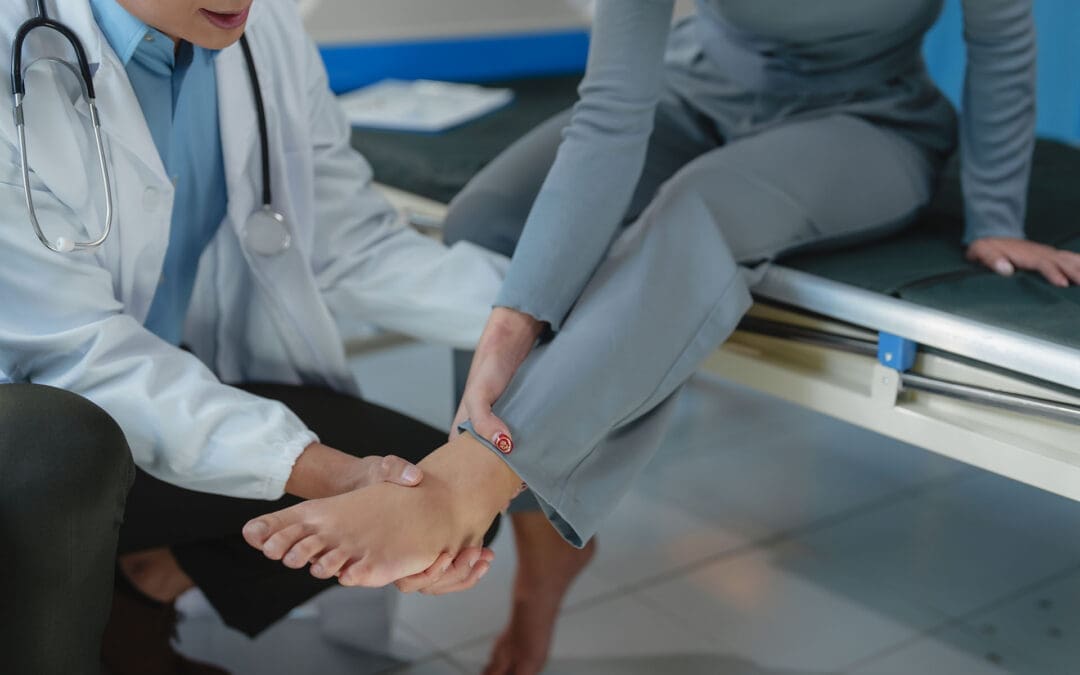
A physiotherapist works on a patient’s foot as part of their neuropathy treatment in the clinic
A Local, Integrative Approach from El Paso Back Clinic
Peripheral neuropathy is a common concern for many people in El Paso. Questions usually center on why symptoms are happening, how diabetes and spine health are connected, and what can be done beyond medication. At El Paso Back Clinic, care focuses on non-invasive, whole-person strategies that improve nerve function, movement, and daily quality of life.
This article answers the most common local questions in clear language and explains how integrative chiropractic care—coordinated with nurse practitioner (NP) oversight—addresses neuropathy by treating both symptoms and root causes. Clinical insights reflect the experience of Dr. Alexander Jimenez, DC, APRN, FNP-BC.
What Is Peripheral Neuropathy?
Peripheral neuropathy happens when nerves outside the brain and spinal cord are damaged or irritated. These nerves help you feel sensation, move muscles, and regulate automatic body functions like sweating and digestion. When nerve signals are disrupted, symptoms can feel burning, sharp, numb, or electric (West Texas Pain Institute, n.d.; Frontier Neurology, n.d.).
Most Common Neuropathy Symptoms We See in El Paso
People in El Paso often describe similar patterns:
Burning or throbbing pain (especially at night)
Tingling or “pins and needles”
Numbness in the feet or hands
Electric or shooting pain
Muscle weakness or cramping
Balance problems or frequent trips
Sensitivity to touch
In more advanced cases, symptoms can involve digestion, bladder control, or sweating (Frontier Neurology, n.d.).
Why Neuropathy Is So Common in This Region
A major driver locally is diabetes and prediabetes. High blood sugar can injure small blood vessels that feed nerves, leading to poor nerve signaling over time.
Other contributors include:
Spine and posture problems that stress nerve roots
Vitamin deficiencies (especially B vitamins)
Circulation issues
Prior injuries or repetitive strain
Certain medications or alcohol overuse
Inflammatory or autoimmune conditions
Many patients have multiple contributing factors, which is why a full evaluation is important (Medicos Family Clinic, n.d.; West Texas Pain Institute, 2023).
How Diabetic Neuropathy Affects Daily Life
Diabetic neuropathy often begins in the feet and slowly progresses upward. Common concerns include:
Burning feet at night
Loss of protective sensation
Higher risk of cuts, sores, and ulcers
Changes in walking or posture
Increased fall risk
Early integrative care can slow progression and reduce complications (El Paso Feet, n.d.; iVascular Center, n.d.).
How Neuropathy Is Evaluated at El Paso Back Clinic
Diagnosis is not based solely on symptoms. A complete assessment looks at the whole person.
Evaluation commonly includes:
Detailed health and symptom history
Review of blood sugar control and medications
Neurological and sensory testing
Posture and movement analysis
Spinal and joint evaluation
Imaging when nerve compression is suspected
Dr. Jimenez emphasizes that neuropathy symptoms often overlap with spinal nerve irritation or biomechanical stress, making dual-scope evaluation especially valuable (Jimenez, n.d.-a; Nonsurgical Spine Center, n.d.).
Can Neuropathy Improve Without Surgery?
For many people, yes. Most patients want conservative options before considering surgery or long-term medication use.
Non-surgical strategies may include:
Chiropractic care
Targeted exercise and physical therapy
Lifestyle and nutrition guidance
Laser therapy
Nerve stimulation techniques
Footwear and balance support
Stress and sleep optimization
Combining approaches is often more effective than relying on just one method (P3 Physical Therapy, n.d.; El Paso Feet, n.d.).
How Chiropractic Care Supports Nerve Health
Chiropractic care focuses on restoring healthy movement in the spine and joints, thereby reducing stress on nerves.
At El Paso Back Clinic, care may include:
Gentle spinal adjustments
Joint mobilization
Postural correction
Nerve decompression strategies
Soft tissue techniques
Guided movement and mobility work
Clinical observations show that improving spinal mechanics can enhance nerve signaling and reduce irritation—especially when neuropathy overlaps with back or neck problems (Jimenez, n.d.-b; El Paso Back Clinic, n.d.).
The Role of Nurse Practitioners in Neuropathy Care
Nurse practitioners (NPs) are essential for addressing medical and metabolic contributors to nerve damage.
NP-guided support may involve:
Lab testing and result interpretation
Diabetes and metabolic management
Identifying vitamin or nutrient deficiencies
Reviewing medication side effects
Monitoring nerve-related complications
Dr. Jimenez’s dual licensure allows structural findings and medical factors to be evaluated together, helping patients understand why symptoms are happening—not just where they hurt (Jimenez, n.d.-c).
Why an Integrative Approach Works Best
Neuropathy rarely has a single cause. Integrative care addresses multiple systems at once.
Benefits include:
More accurate diagnosis
Personalized care plans
Reduced dependence on pain medications
Improved balance, strength, and confidence
Better long-term nerve health
This approach is especially helpful for people with diabetes, chronic back pain, or long-standing symptoms (HealthCoach Clinic, n.d.; Pain and Wellness Institute, n.d.).
Physical Therapy and Movement for Nerve Recovery
Physical therapy complements chiropractic care by retraining safe movement and improving circulation.
Physical therapy may help by:
Strengthening supportive muscles
Improving balance and coordination
Reducing fall risk
Teaching nerve-friendly movement patterns
When coordinated with chiropractic and NP care, recovery is often faster and more sustainable (P3 Physical Therapy, n.d.).
Lifestyle Habits That Matter for Neuropathy
Daily habits can either protect or irritate nerves.
Helpful habits include:
Keeping blood sugar stable
Wearing supportive footwear
Limiting alcohol and avoiding smoking
Staying physically active
Managing stress
Prioritizing sleep
Small, consistent changes can reduce flare-ups and improve comfort over time (Modern Pain Houston, n.d.; Dr. Dennis Harris, n.d.).
Emotional and Community Support
Living with nerve pain can affect mood and sleep. Support makes a difference.
Education and coaching
Stress-management strategies
Peer or virtual support groups
Family involvement in care plans
Support resources help patients feel informed and empowered (Foundation for Peripheral Neuropathy, n.d.).
When to Seek Professional Help
Consider an evaluation if you notice:
Persistent tingling or numbness
Burning or electric pain
Muscle weakness
Balance problems or frequent falls
Foot wounds that heal slowly
Early care can help prevent progression and complications (West Texas Pain Institute, n.d.; Frontier Neurology, n.d.).
The El Paso Back Clinic Difference
At El Paso Back Clinic, neuropathy care is centered on conservative, patient-focused solutions. By combining chiropractic care with nurse practitioner oversight and lifestyle strategies, patients receive practical, non-invasive options designed to improve nerve function and daily life.
IFM's Find A Practitioner tool is the largest referral network in Functional Medicine, created to help patients locate Functional Medicine practitioners anywhere in the world. IFM Certified Practitioners are listed first in the search results, given their extensive education in Functional Medicine