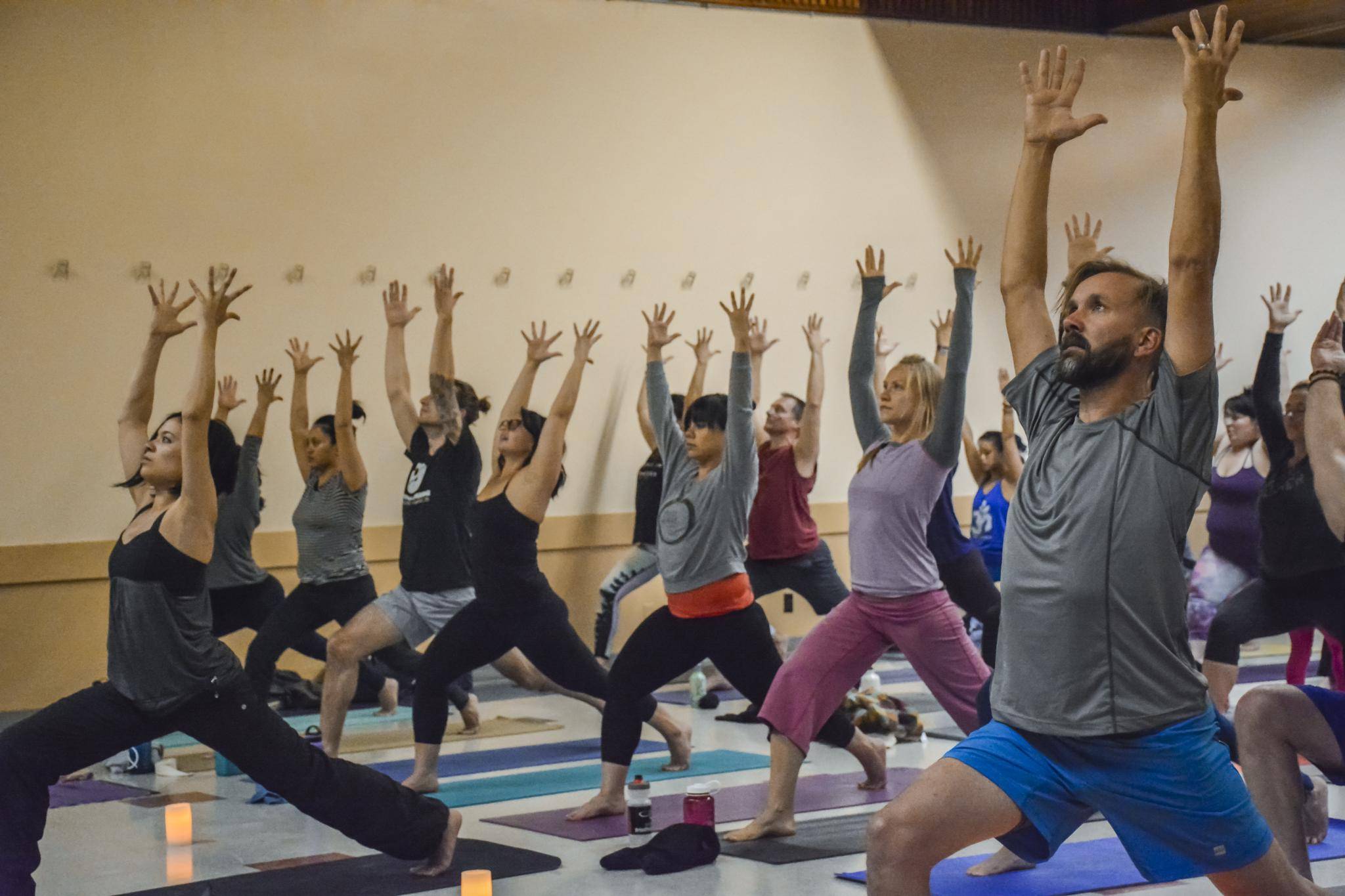
When many individuals look for ways to relax after a stressful event in their daily lives, many people have an exercise regime that allows them to take their minds off of their hectic lives. When finding the proper exercise, it is best to consider that everybody is different and has different fitness levels. Many individuals could be dealing with chronic issues that affect them drastically and with so much pain in their bodies. When these chronic issues overlap with muscle and joint pain, it can make the body dysfunctional while potentially being involved in environmental factors. Yoga is a low-impact exercise that helps tone muscles, relax tension in the body, and focus on deep breathing. Today’s article looks at the benefits of yoga for the body, how chiropractic care works together with yoga, and different yoga poses can help manage various chronic issues. We refer patients to certified providers specializing in musculoskeletal treatments to help many individuals with musculoskeletal problems affecting their bodies. We also guide our patients by referring to our associated medical providers based on their examination when it’s appropriate. We find that education is the solution to asking our providers insightful questions. Dr. Alex Jimenez DC provides this information as an educational service only. Disclaimer
The Benefits of Yoga For The Body
Have you been dealing with chronic stress affecting your quality of life? Have you been dealing with bladder or gut issues constantly? What about feeling muscle stiffness in your back, neck, shoulders, or pelvic regions? Some of these symptoms are signs that you could risk developing musculoskeletal problems associated with pain. Dealing with musculoskeletal issues related to pain can make a person feel miserable and have stress affecting their bodies. Yoga is a low-impact exercise that doesn’t put pressure on the joints and will provide a full-body workout through strengthening and stretching weak muscles. Yoga has many benefits for many individuals that are dealing with the following:
Studies reveal that environmental factors are involved in non-specified chronic pain in the spine, overlapping musculoskeletal disorders causing many individuals to try to find relief. Many individuals incorporate yoga because it is a safe and effective way to alleviate various forms of back, neck, or pelvic pain causing issues to the body. Yoga utilizes gentle stretching and strengthening of weak, injured muscles while increasing blood circulation to promote healing in the body.
Chiropractic Care & Yoga
When people are dealing with health conditions or injuries that have affected their bodies, it can make them feel frustrated and think their injuries are taking forever to heal. Many individuals don’t realize that incorporating yoga practices provides impressive health benefits while mirroring the similar foundations of chiropractic care. Both chiropractic care and yoga provide many beneficial results to an aching body that needs a good stretch and ready the body to heal itself naturally. Chiropractic care includes spinal manipulation to the spinal joints while reducing inflammation and strengthening weak muscles. Yoga allows the body to increase its flexibility and stamina, reduces stress and blood pressure, and provides a better sense of breathing and balance.
Yoga For Chronic Pain-Video
Have you felt muscle stiffness in your neck, back, or body? Have you felt sluggish or overly stressed from your day-to-day lives? Do you want to improve your balance? If you have been experiencing these issues affecting your quality of life, why not incorporate yoga as part of your exercise regime? The video above shows that yoga poses for chronic pain affect the body, including the neck, back, and pelvic regions. Studies reveal that yoga can help relieve intense neck pain while improving pain-related function disability. Yoga allows the muscles to not only relax but strengthen them as well. Yoga can also help improve the body’s range of motion through deep breathing and give more awareness of how the body holds tension in places a person hasn’t realized they were holding onto.
Yoga Poses For Different Issues
When a person does yoga, they will go through various poses and repeat them constantly as their body begins to get used to the movements. This allows the body to challenge itself and helps the individual focus more on deep breathing. A good example would be an individual taking a yoga class due to experiencing pelvic pain. By going through each yoga pose, many individuals suffering from pelvic pain will reduce the pain intensity while improving their quality of life. Below are some yoga poses that anyone can do to reduce pain associated with their back, neck, or pelvis.
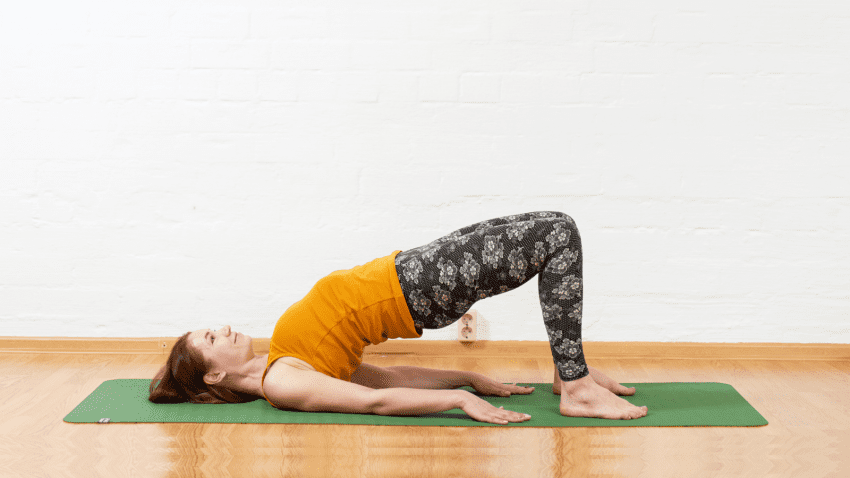
Bridge Pose
Lie on your back
Bend both knees while placing the feet on the floor at hip-width apart
Arm on the sides with palms facing down
Press feet to the floor and lift the hips as you inhale
Engage the legs and buttock
Hold 4-8 breaths and exhale to lower the hips back to the ground slowly
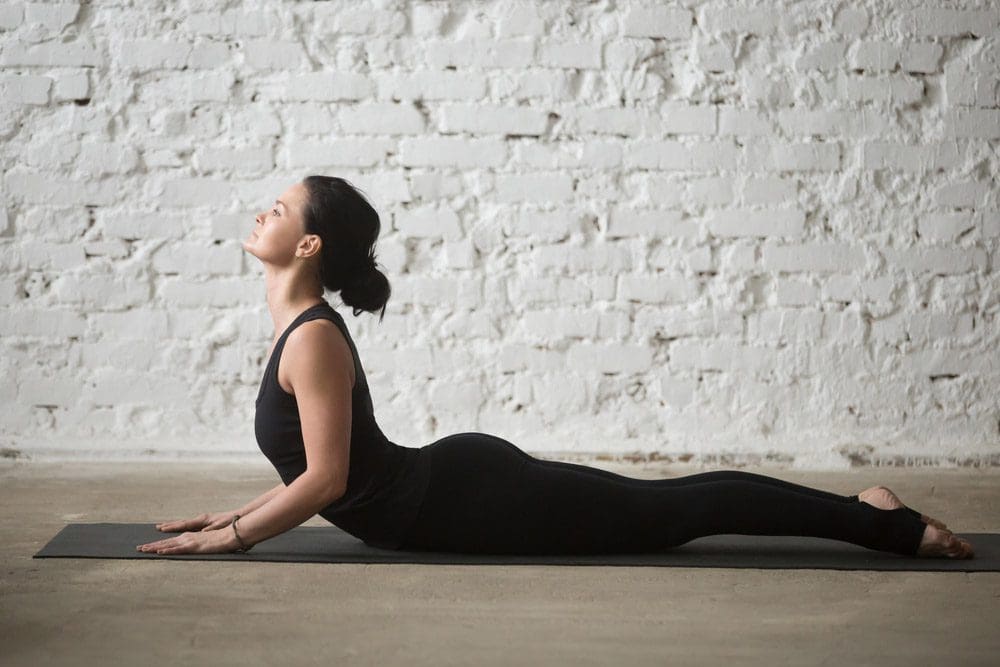
Cobra Pose
Lie on your stomach with hands near the chest just under the shoulders and fingers facing forward
Keep elbows close to sides
Press hands on the floor and slowly lift your head, chest, and shoulders while slightly bending the elbows by inhaling
Exhale to go back down slow and rest your head
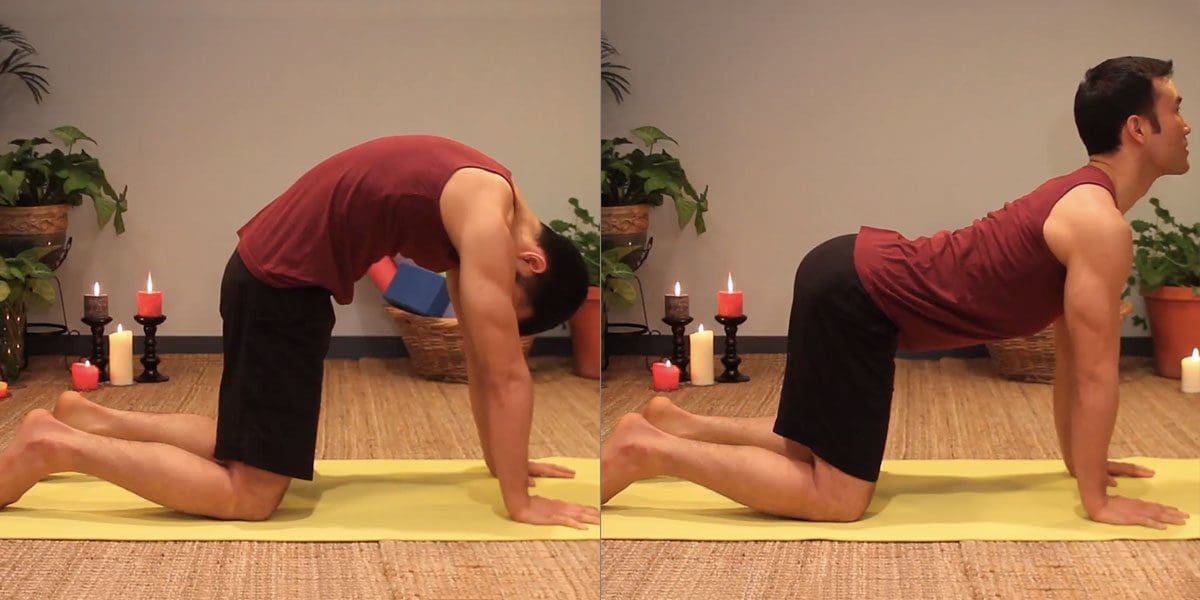
Cat-Cow
Be on all fours, hands under the shoulders and knees under hips (Think like a table)
Inhale to lower your core to the floor as your head looks up to the sky
Exhale slowly to lower your chin to the chest as you round your back
Continue fluid motion for a minute
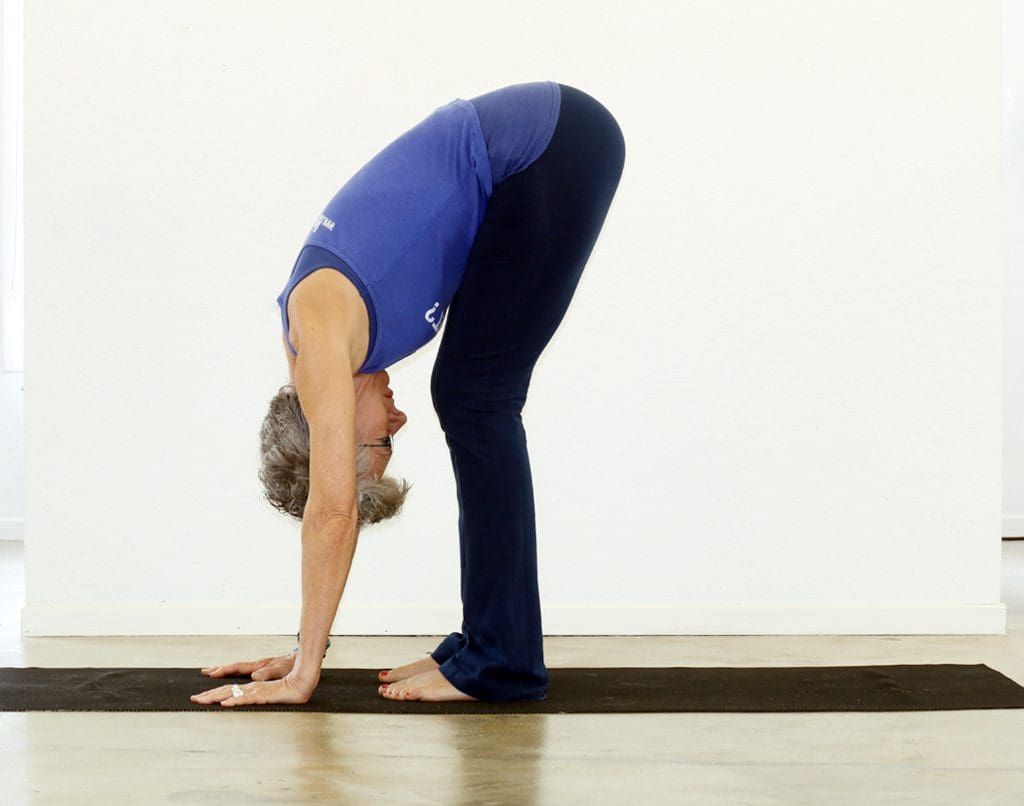
Forward Bend
Be in a standing position, and feet are at a hip distance apart
Lengthen the body as you lean forward while keeping the knees slightly bended
Place hands on either legs, yoga block, or the floor (Whichever makes you comfortable)
Tuck the chin into the chest, letting the neck and head relax
Gently rock your head side to side to relieve tension in the neck and shoulders
Slowly roll up to a standing position allowing the arms and head to be the last to rise
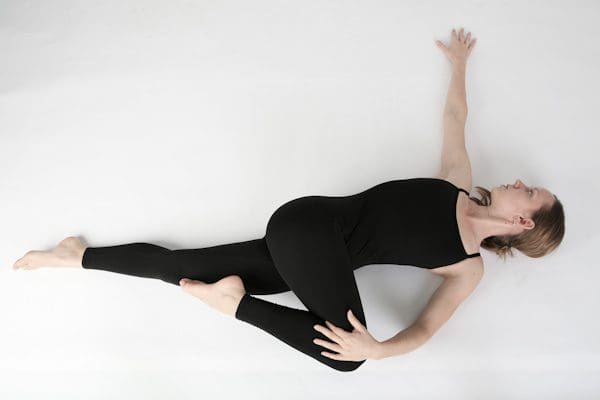
Supine Spinal Twist
Lie on your back while your knees bent and feet flat on the floor
Extend arms out of the side and place palms down on the floor
As you inhale, breathe into the gut and lower limbs
Exhale to lower knees on the left side (Look at the opposite way to slowly stretch the neck and shoulder muscles)
Pay attention to the stretches for 5 breathes as well as the lengthening sensations on the ribs
Return the knees to the middle and repeat on the right side
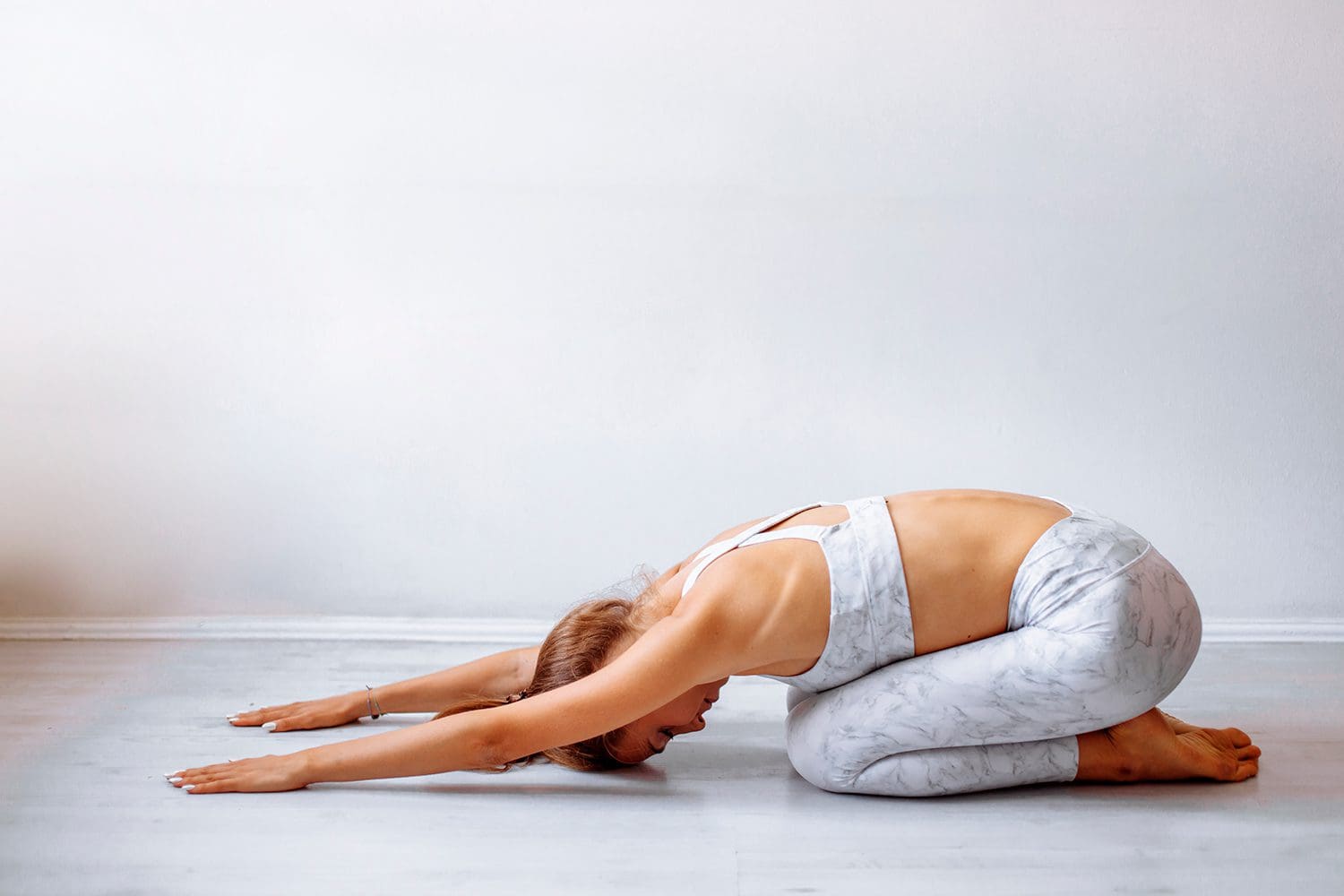
Child’s Pose
Sit back on the heels with the knees together (For added support, you can use a rolled-up blanket under your knees)
Bend forward and walk hands in front of you
Gently rest your forehead on the floor
Keep arms extended in the front while focusing on relieving tension in the back as the upper body falls to the knees
Stay in that pose for 5 minutes
Conclusion
Incorporating yoga as part of an exercise regime allows the individual to focus on deep breathing while calming the mind. Yoga is a low-impact exercise that helps strengthen weak muscles associated with pain and inflammation. Yoga provides a full-body workout that benefits many people dealing with chronic pain. Utilizing yoga as part of a daily practice might help individuals learn to be calm and practice mindfulness.
Crow, Edith Meszaros, et al. “Effectiveness of Iyengar Yoga in Treating Spinal (Back and Neck) Pain: A Systematic Review.” International Journal of Yoga, Medknow Publications & Media Pvt Ltd, Jan. 2015, https://www.ncbi.nlm.nih.gov/pmc/articles/PMC4278133/.
Li, Yunxia, et al. “Effects of Yoga on Patients with Chronic Nonspecific Neck Pain: A Prisma Systematic Review and Meta-Analysis.” Medicine, Wolters Kluwer Health, Feb. 2019, https://www.ncbi.nlm.nih.gov/pmc/articles/PMC6407933/.
Saxena, Rahul, et al. “Effects of Yogic Intervention on Pain Scores and Quality of Life in Females with Chronic Pelvic Pain.” International Journal of Yoga, Medknow Publications & Media Pvt Ltd, 2017, https://www.ncbi.nlm.nih.gov/pmc/articles/PMC5225749/.
Wrestling is a sport that requires speed, strength, and endurance that involves intense physical contact, pushing and pulling the muscles, tendons, ligaments, and joints to their limits. Wrestlers’ are constantly contorting their bodies. Pushing the body to its limits increases the risk of developing wrestling injuries that include:
The most common injuries usually occur from forceful contact or twisting forces. And if a wrestler has been injured, there is an increase for re-injury. Wrestling tournaments typically take place over days, often with back-to-back matches, which significantly fatigues the body and increases injury risk. The most common wrestling injuries include:
Muscle strains of the lower extremities and/or the back.
Chronic problems can result from hours in the forward stance posture and repetitive motions.
Dislocations and sprains of the elbow or shoulder from take-downs.
Cauliflower ear – is a condition that can cause ear deformity and develops from friction or blunt trauma to the ears.
Skin infections occur from constant contact, sweating, bleeding, and rolling on the mats. Infections include herpes gladitorium, impetigo, folliculitis, abscesses, and tinea/ringworm.
Concussions are usually caused by hard falls/slams or violent collisions with the other wrestler.
Injuries can cause wrestlers to alter/change their technique, exacerbating the existing damage and potentially creating new injuries.
Chiropractic Rehabilitation and Strengthening
There can be a variety of pain generators/causes when it comes to wrestling injuries. Joints and muscles can get overstretched, muscles can spasm, and nerves can become compressed and/or irritated. For example, a neck muscle spasm could be caused by nerve irritation from a shifted vertebrae. To determine the specific cause or causes of the injury/pain, a detailed chiropractic examination will be performed that includes:
Range of motion testing
Ligament tests
Muscle palpation
Gait testing
Injuries often relate to the proper weight, neuromuscular control, core strength, proper technique, hygiene, and hydration management. Successful treatment depends on identifying the root cause of the wrestling injury. Chiropractic restores proper alignment through massage, specific manual adjustments, decompression, and traction therapies. Adjustments can include the back, neck, shoulder, hips, elbows, knees, and feet. Once correct body alignment is achieved, rehabilitative exercises and stretches are implemented to correct and strengthen muscle function. We work with a network of regional medical doctors specializing in referral situations and strive to return the athlete to their sport as soon as possible.
Wrestling Match
References
Boden, Barry P, and Christopher G Jarvis. “Spinal injuries in sports.” Neurologic clinics vol. 26,1 (2008): 63-78; viii. doi:10.1016/j.ncl.2007.12.005
Cervical spinal stenosis is a condition that causes narrowing of the neck region of the spine. This narrowing can compress the nerves causing pain and discomfort. The symptoms are caused by the misalignment/subluxation of the neck, which is usually the c1 and c2 vertebrae. Misalignments can be caused by daily wear and tear; injuries and tumors can cause or worsen the condition. Cervical spinal stenosis is a severe condition that worsens as time progresses and can cause permanent damage and paralysis. Chiropractor recommendations and non-invasive techniques can alleviate the symptoms, along with therapeutic stretches and exercises, and diet is all part of a personalized treatment plan.
Stenosis Symptoms
The most common symptom is neck pain. Doctors recommend avoiding all activities that worsen the pain; however, chiropractors suggest remaining as active as possible to keep the muscles strong. This is because inactivity over time can lead to muscular deterioration around the neck. Other symptoms besides neck pain include:
Neck discomfort and pain
Headaches
Numbness, tingling in the shoulder, arm, hand
Difficulty maintaining balance
Walking problems
Chiropractor Recommendations
Pain Or Stiffness In The Neck Should Not Be Ignored
Pain or stiffness in the neck that worsens rapidly or does not ease up or go away after two weeks requires medical attention.
Ignoring or dismissing the pain or stiffness can worsen the condition.
Looking Down At A Phone Too Long
Looking down too long increases the strain on the neck.
Keeping the head forward for extended periods increases the chances of pinching/compressing nerves and causing radiculopathy.
Exercises That Roll The Neck Around
Exercises that roll or pull the neck are not advised as they can exacerbate the condition.
A chiropractor will recommend specific neck stretches and exercises on a case-by-case basis.
Heavy Bag, Purse, BackPack On One Shoulder
It is recommended to carry a backpack with both shoulders to distribute the weight evenly.
Over time, a backpack, bag, or purse on the same shoulder will disrupt the walk cycle and pull down on one side of the neck, exacerbating cervical spinal stenosis.
For bags and purses with one strap, it is recommended to alternate shoulders or use a crossbody strap.
Sleeping On The Stomach
Sleeping on the stomach means having to turn the neck to one side.
This stresses and aggravates cervical stenosis.
It is recommended to sleep on the side or back.
Treatment, Therapy, and Rehabilitation
Chiropractic is recommended for spinal stenosis because it corrects and re-aligns dislocated and herniated discs and decompresses the spine.
Treatment reduces pressure on the spinal cord and its joints and nerve networks.
Various techniques include physiotherapeutic massage, spinal adjustments, cervical traction, spinal decompression, and flexion-distraction, which will address stenosis symptoms, treat pain, reduce inflammation, numbness, and restore muscle function.
Non-Surgical Cervical Decompression
References
Clark, Aaron J et al. “Cervical spinal stenosis and sports-related cervical cord neurapraxia.” Neurosurgical focus vol. 31,5 (2011): E7. doi:10.3171/2011.7.FOCUS11173
Kukurin, George W. “The amelioration of symptoms in cervical spinal stenosis with spinal cord deformation through specific chiropractic manipulation: a case report with long-term follow-up.” Journal of manipulative and physiological therapeutics vol. 27,5 (2004): e7. doi:10.1016/j.jmpt.2004.04.009
Isaac Z. Evaluation of the patient with neck pain and cervical spine disorders. UpToDate. https://www.uptodate.com/contents/evaluation-of-the-patient-with-neck-pain-and-cervical-spine-disorders. Last updated May 2, 2016. Accessed February 25, 2018.
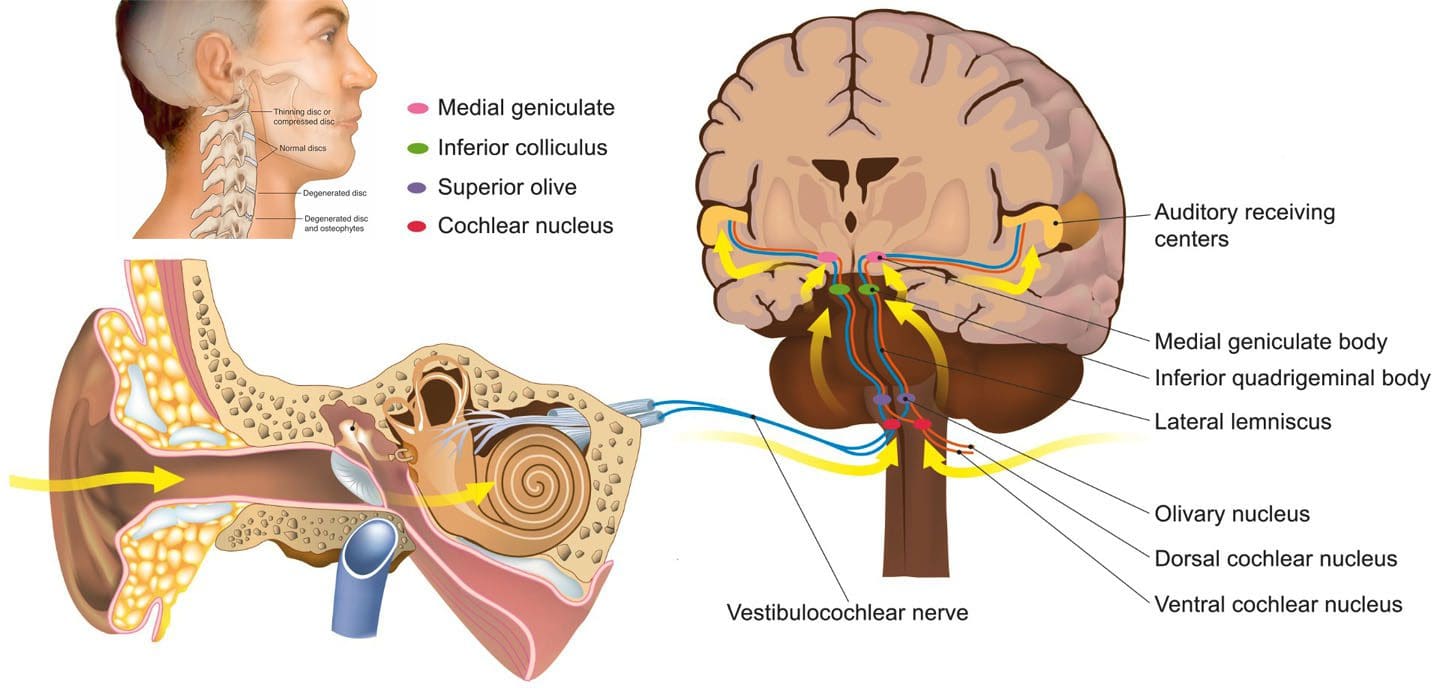
Ear problems like blockages or congestion can cause irritation and pain, as well as symptoms such as dizziness, ear discomfort, headaches, and sinus pain that can lead to infection. This condition can happen to anyone but is prevalent in children, individuals that live in high altitudes, and individuals who suffer from allergies. Spinal misalignments can cause interference to the nervous system that can create problems elsewhere in the body, like the ears.
If there is neck misalignment along with pinched, tangled nerve/s signal transmissions can misfire or cut off messages disrupting the process of draining the Eustachian tube. This creates a buildup of bacteria and fluid, which can cause pain and pressure. Chiropractic decompression treatment uses gentle manipulation of the cervical spine to release the pressure affecting the ear.
Ear Problems
Bacteria or viruses cause ear infections in the middle ear. Infection often results from another illness like cold, sore throat, flu, respiratory disease, or allergies that causes congestion and swelling of the nasal passages, throat, and eustachian tubes.
Eustachian Tubes
The tubes functions include:
Regulating air pressure in the middle ear
Resupply fresh air in the ear
Drain the middle ear
The eustachian tubes are two canals that connect the middle ear to the throat and nasal cavity, known as the nasopharynx. (The eustachian tubes are more narrow in children, which makes them difficult to drain and more likely to get clogged.)When the lining of these canals comes under stress, they can become inflamed/swollen, blocking or filling with fluid causing excessive pressure and pain. This fluid can become infected and cause ear infection symptoms.
If the ear problem is connected to a misalignment of the cervical spine, the following symptoms may be experienced:
Fluid/effusion stays in the middle ear for an extended time.
It can build up over and over, despite no infection.
It can also affect hearing.
Misalignment in the upper cervical spine can cause muscles to flex awkwardly/irregularly, disrupting the opening and closing of the eustachian tubes and their positioning. This often causes inflammation along the eustachian canal, upper throat, and nasal cavity. If left untreated, the inflammation can develop into an infection, causing swelling and/or fluid buildup in the inner and middle ear. Common symptoms of middle ear infections in adults include:
Pain in one or both ears
Hearing is muffled
Sore throat
Fluid drainage from the ear
Chiropractic Realignment
Treatments are helpful for individuals who want to reduce taking antibiotics, which can minimize immunity by destroying the healthy bacteria in the gut. Chiropractic is a simple and effective way to treat ear problems. Realigning the vertebrae relieves tissue inflammation/swelling around the Eustachian tube to allow drainage, relieve pressure, and restore health.
Spinal Decompression Chiropractor
References
Collins, Rachael, et al. “Paralysis from an ear infection: a severe case of otitis externa leading to acute complete cervical cord syndrome.” BMJ case reports vol. 14,12 e245594. 1 Dec. 2021, doi:10.1136/bcr-2021-245594
Harmes, Kathryn M et al. “Otitis media: diagnosis and treatment.” American family physician vol. 88,7 (2013): 435-40.
Laulajainen Hongisto, Anu et al. “Severe Acute Otitis Media and Acute Mastoiditis in Adults.” The journal of international advanced otology vol. 12,3 (2016): 224-230. doi:10.5152/iao.2016.2620
Murphy, D R. “Chiropractic rehabilitation of the cervical spine.” Journal of manipulative and physiological therapeutics vol. 23,6 (2000): 404-8. doi:10.1067/mmt.2000.108143
Polkinghorn, B S. “Treatment of cervical disc protrusions via instrumental chiropractic adjustment.” Journal of manipulative and physiological therapeutics vol. 21,2 (1998): 114-21.
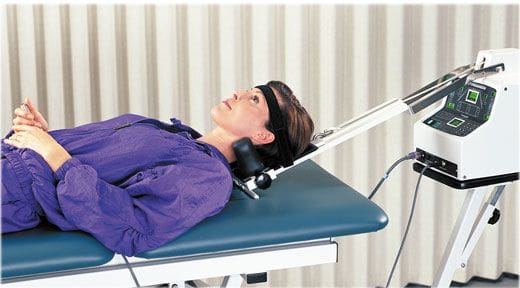
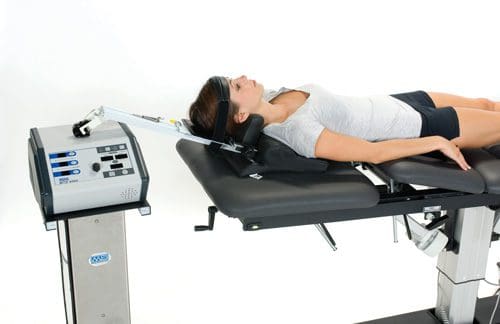
The neck holds the head in place in the body like the lower back has the upper body. The neck’s primary function is to support the head and allow it to turn left to right, rotate both counters and clockwise, and stretch to some extent. The neck is part of the cervical area of the spine and is composed of soft tissue muscles, ligaments, and nerve roots that connect to the central nervous system and the musculoskeletal system. However, like the lower back, the neck is sustainable to injuries that can affect a person. This could be numerous scenarios like an auto accident, neck strains, poor posture, or stiff neck muscles that cause the neck to ache and tense up. Fortunately, non-surgical treatments can help alleviate neck stiffness and bring back mobility to the neck muscles. Today’s article focuses on how whiplash injuries occur, their symptoms, and how cervical decompression can help alleviate whiplash on a person’s neck. By referring patients to qualified and skilled providers specializing in spinal decompression therapy. To that end, and when appropriate, we advise our patients to refer to our associated medical providers based on their examination. We find that education is the key to asking valuable questions to our providers. Dr. Alex Jimenez DC provides this information as an educational service only. Disclaimer
Can my insurance cover it? Yes, it may. If you are uncertain, here is the link to all the insurance providers we cover. If you have any questions, please call Dr. Jimenez at 915-850-0900.
How Does Whiplash Injuries Occur?
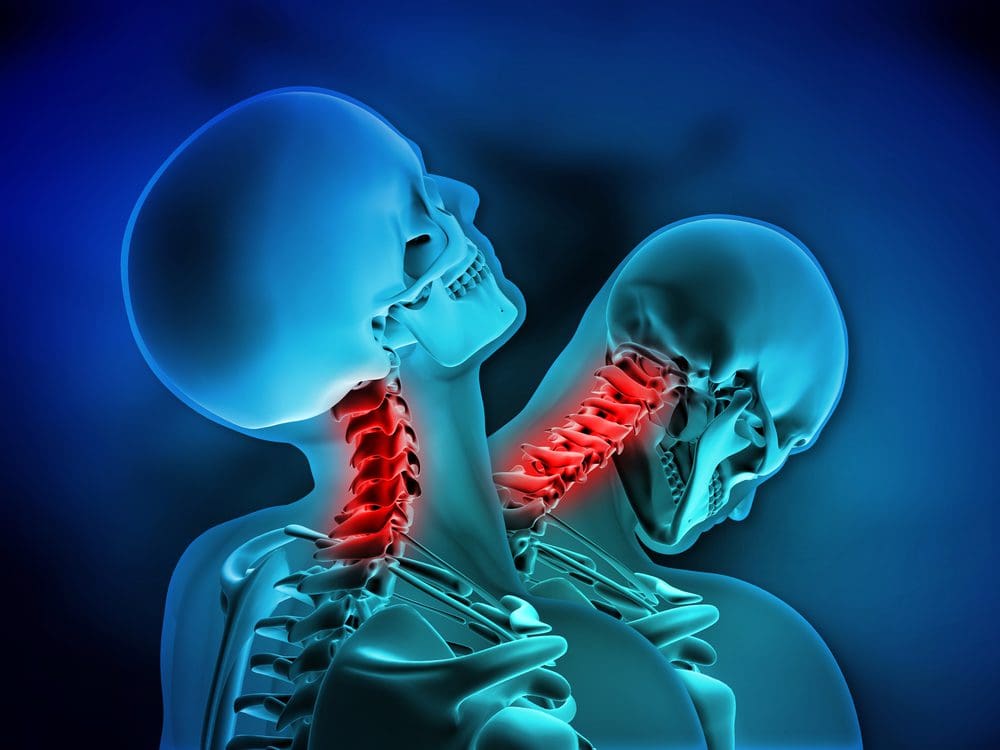
Whiplash is a common injury in many auto accidents and can range from mild to severe depending on which neck muscle is affected or injured. Since the neck is composed of soft tissue muscle, ligaments, and nerves that help protect the cervical area of the spine, injuries can occur to the neck, causing unwanted symptoms like whiplash to cause many issues to the neck. Research studies have found that whiplashes happen when a person has a traumatic experience that causes their neck to be forcefully moved back and forth rapidly like a whip. Other research studies have mentioned that since auto accidents like rear-end collisions are the leading causes of whiplash, other causes like trauma due to sports injuries like football or contact sports can also cause whiplash to occur in the individual.
The Symptoms
When a person gets rear-ended from an auto collision or suffers from a brutal fall due to a sports injury, it can impact the body and the neck, causing unwanted symptoms to occur. Research studies have shown that a whiplash injury causes hyperextension to the neck muscles causing the individual to jerk forward and whip back rapidly, causing pain and injuring the ligaments to the neck. This causes various issues in the aftermath after a person suffers from whiplash and has neck-related symptoms pop up. Other research studies have stated that some of the signs that occur after whiplash has affected a person include:
When this happens to many individuals suffering from whiplash, treatments can help with whiplash symptoms and ease the neck back to functioning normally.
Cervical Decompression Therapy For Whiplash-Video
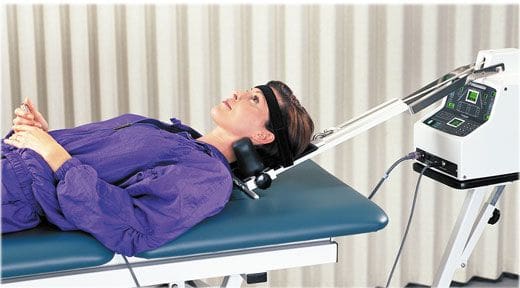
Are you feeling stiffness from turning your neck side to side? How about headaches forming after suffering from an auto accident? How about feeling the case of vertigo after getting up from a sports injury? This is due to whiplash, and cervical decompression can help restore the functionality of the neck. The video above explains how cervical decompression therapy can help alleviate the causes and symptoms of neck pain. What cervical decompression does is that it gently releases the compressed disc in the cervical area through traction and takes the pressure off any injured nerve roots that can cause an individual to be in pain. This non-surgical therapy will relieve the neck and reduce the symptoms that neck injuries have caused. Suppose you want to learn more about cervical decompression therapy and how it can benefit you. In that case, this link will explain what cervical decompression does and reduces neck pain.
How Cervical Decompression Therapy Alleviates Whiplash
Since whiplash is commonly caused by rear-end motor accidents, as stated earlier, the pain can range from mild to severe depending on how injured the neck muscles are and how severe the accident has caused. When this happens, various treatment options can help alleviate the pain and restore the functionality of the neck muscles. Cervical decompression helps loosen up the stiff muscles caused by whiplash and restore the neck function. Research studies have shown that cervical decompression therapy is a non-surgical treatment that can help with recovery by improving neurologic function and helping with mobilization of the neck. Since some of the symptoms of whiplash include muscle stiffness and weakness, neck pain, and headaches, cervical decompression allows the neck muscles to relax through gentle stretching. Cervical decompression therapy enables the pressure to be taken off the anterior nerve root around the cervical area on the spine and causes relief to the individual. Other research studies have shown that when the anterior nerve root goes through cervical decompression therapy, it improves the nerve sensation, and strength is restored in certain neck muscle groups and diminishes the pain from the neck.
Conclusion
Overall, the neck’s primary function is to ensure that the head stays upright while doing everyday movements without feeling any pain in the neck muscles. When a person gets injured and their neck jerks back and forth abruptly can cause whiplash to the neck and unleash a variety of symptoms that can cause the neck to become stiff and be in constant pain. A whiplash is a common form of neck pain that usually involves trauma from a sports injury or an auto accident, and the pain ranges from mild to severe depending on the neck muscles that were injured. Non-surgical treatments like cervical decompression can help alleviate neck pain by using traction to gently stretch the spine in the cervical area and take the pressure off the cervical nerve roots. When individuals utilize cervical decompression as part of their wellness journey for neck pain they are in, they can feel instant relief and improve their neck mobility.
References
Chen, T Y, et al. “The Role of Decompression for Acute Incomplete Cervical Spinal Cord Injury in Cervical Spondylosis.” Spine, U.S. National Library of Medicine, 15 Nov. 1998, https://pubmed.ncbi.nlm.nih.gov/9836353/.
Matz;Holly LT;Groff MW;Vresilovic EJ;Anderson PA;Heary RF;Kaiser MG;Mummaneni PV;Ryken TC;Choudhri TF;Resnick DK; ;, Paul G. “Indications for Anterior Cervical Decompression for the Treatment of Cervical Degenerative Radiculopathy.” Journal of Neurosurgery. Spine, U.S. National Library of Medicine, Aug. 2009, https://pubmed.ncbi.nlm.nih.gov/19769497/.
Staff, Mayo Clinic. “Whiplash.” Mayo Clinic, Mayo Foundation for Medical Education and Research, 11 Feb. 2022, https://www.mayoclinic.org/diseases-conditions/whiplash/symptoms-causes/syc-20378921.
Tanaka, Nobuhiro, et al. “Pathology and Treatment of Traumatic Cervical Spine Syndrome: Whiplash Injury.” Advances in Orthopedics, Hindawi, 28 Feb. 2018, https://www.ncbi.nlm.nih.gov/pmc/articles/PMC5851023/.
Yadla, Sanjay, et al. “Whiplash: Diagnosis, Treatment, and Associated Injuries.” Current Reviews in Musculoskeletal Medicine, Humana Press Inc, Mar. 2008, https://www.ncbi.nlm.nih.gov/pmc/articles/PMC2684148/.
The neck allows the head to turn up, down, left, right, and side to side while supporting it. The neck is also part of the cervical spine as ligaments, muscles, and spinal discs surround it. However, just like the lower back, the neck is sustainable to suffer from neck-related injuries or pulled muscles that can cause many individuals to suffer from neck pain. Luckily there are ways to treat neck pain like gentle stretches, chiropractic adjustments, massages, and decompression therapy. Today’s article will discuss the cervical nerves, what happens to the neck when these nerves are pinched, and how cervical decompression therapy can help alleviate the pinched cervical nerves from the neck. By referring patients to qualified and skilled providers specializing in spinal decompression therapy. To that end, and when appropriate, we advise our patients to refer to our associated medical providers based on their examination. We find that education is the key to asking valuable questions to our providers. Dr. Alex Jimenez DC provides this information as an educational service only. Disclaimer
Can my insurance cover it? Yes, it may. If you are uncertain, here is the link to all the insurance providers we cover. If you have any questions, please call Dr. Jimenez at 915-850-0900.
The Cervical Nerves
The cervical nerve’s function is to conduct information on the motor and sensory skills that the neck is allowed to do. Since the neck’s primary function is to keep the head upright, research studies have found that the cervical regions of the spinal cord are where the cervical nerves lie. The cervical nerves branched out all over the neck muscles as the central nervous system allows the neuron signals to send the information to the cervical nerves. These nerve functions help control the head, neck, shoulders, and upper limbs to move in any direction without feeling pain. However, just like the lower back, the neck can also suffer from injuries, pulled muscles, or chronic conditions that can cause a person to be in pain.
What Happens When The Cervical Nerves Are Pinched?
Have you ever felt your back, neck, arms, or legs stiff? How about the sensations of feeling tingles on your shoulders, lower back, or even your arms? This might be due to pinched nerves if you suffer from these conditions. When the neck suffers from an injury or the muscles have become tense, this is due to a pinched cervical nerve. Research studies have found that a pinched nerve in the cervical area of the spine is mostly a compressed nerve due to a herniated disc. This causes pressure on the cervical nerve roots and causes radiating pain from the neck to the shoulders and down to the arms.
The cervical nerves send out radiating pain signals to the upper body and neck due to being compressed, causing the individual to be miserable. Other research studies have found that when the cervical nerve roots are being pinched, it can cause a condition known as cervical radiculopathy. This causes symptoms of pain, sensory and motor deficits, and even diminishes reflexes from the neck to the arms. When this happens to the neck, it can cause many problems for the individual. Research studies have stated that mechanical and degenerative factors are presented for many suffering from chronic neck pain. In contrast, those suffering from cervical spondylosis complain about neck stiffness, degenerative changes, and neurological complications to the body and neck.
Treating Pinched Nerves With Decompression Therapy-Video
Has your neck been feeling stiff lately? Does it hurt when you are turning your head from side to side? You could be experiencing a pinched nerve in the cervical area of the spine, and decompression therapy could be the answer. Cervical decompression allows a person to lay on a motorized traction table, and the machine gently pulls on the cervical spine and takes the pressure off the cervical nerve root. When the cervical decompression machine gently pulls the cervical spine, it allows the necessary nutrients to rehydrate the herniated disc and reduce the pain that the neck muscles were suffering from, causing them to relax. In case you want to learn more about cervical decompression therapy, this link will explain its benefits and how it can alleviate pinched cervical nerves.
As stated earlier, many treatments can help many dealing with neck pain and compressed cervical pinch nerves. One of these treatments is cervical traction decompression therapy, and it can help alleviate not only neck pain but also reduce it. Research studies have found that many individuals suffering from cervical radiculopathy utilize cervical traction to increase the intervertebral disc gap while also relieving the pressure off the cervical root. This allows the neck muscles to relax and pull the herniated cervical disc back to the spine. When people utilize cervical decompression to alleviate their neck pain, they can feel relief after a few sessions.
Conclusion
Overall, cervical decompression therapy allows the individual to feel relief through gentle stretching on the cervical spinal discs and takes the pressure off the cervical roots. When the cervical roots are compressed, it causes a wide variety of symptoms that causes problems from the neck down to the arms. Some of these symptoms can even affect a person’s quality of life and make them miserable if not treated right away. Utilizing decompression therapy and other non-surgical treatments allows the person to be pain-free and continue their wellness journey.
References
Binder, Allan I. “Cervical Spondylosis and Neck Pain.” BMJ (Clinical Research Ed.), BMJ Publishing Group Ltd., 10 Mar. 2007, https://www.ncbi.nlm.nih.gov/pmc/articles/PMC1819511/.
Iyer, Sravisht, and Han Jo Kim. “Cervical Radiculopathy.” Current Reviews in Musculoskeletal Medicine, Springer US, Sept. 2016, https://www.ncbi.nlm.nih.gov/pmc/articles/PMC4958381/.
Khan, Rehan Ramzan, et al. “A Randomized Controlled Trial of Intermittent Cervical Traction in Sitting vs. Supine Position for the Management of Cervical Radiculopathy.” Pakistan Journal of Medical Sciences, Professional Medical Publications, 2017, https://www.ncbi.nlm.nih.gov/pmc/articles/PMC5768820/.
Waxenbaum, Joshua A, et al. “Anatomy, Head and Neck, Cervical Nerves.” StatPearls [Internet]. Treasure Island (FL), StatPearls Publishing, 26 July 2021, https://www.ncbi.nlm.nih.gov/books/NBK538136/.
Do you ever get that stiff feeling just by turning your head, or do your shoulders start to feel tense after a stressful day at work? How about feeling a headache coming on for no apparent reason? This is due to neck pain, and many factors can cause a person to have neck pain. Even though neck pain can be a nuisance to many individuals, there are therapeutic ways to alleviate neck pain: one of them is cervical decompression therapy. This article will look at what neck pain is, its symptoms, and how decompression therapy can help alleviate neck pain for many individuals. By referring patients to qualified and skilled providers specializing in spinal decompression therapy. To that end, and when appropriate, we advise our patients to refer to our associated medical providers based on their examination. We find that education is the key to asking valuable questions to our providers. Dr. Alex Jimenez DC provides this information as an educational service only. Disclaimer
Can my insurance cover it? Yes, it may. If you are uncertain, here is the link to all the insurance providers we cover. If you have any questions, please call Dr. Jimenez at 915-850-0900.
What Is Neck Pain?
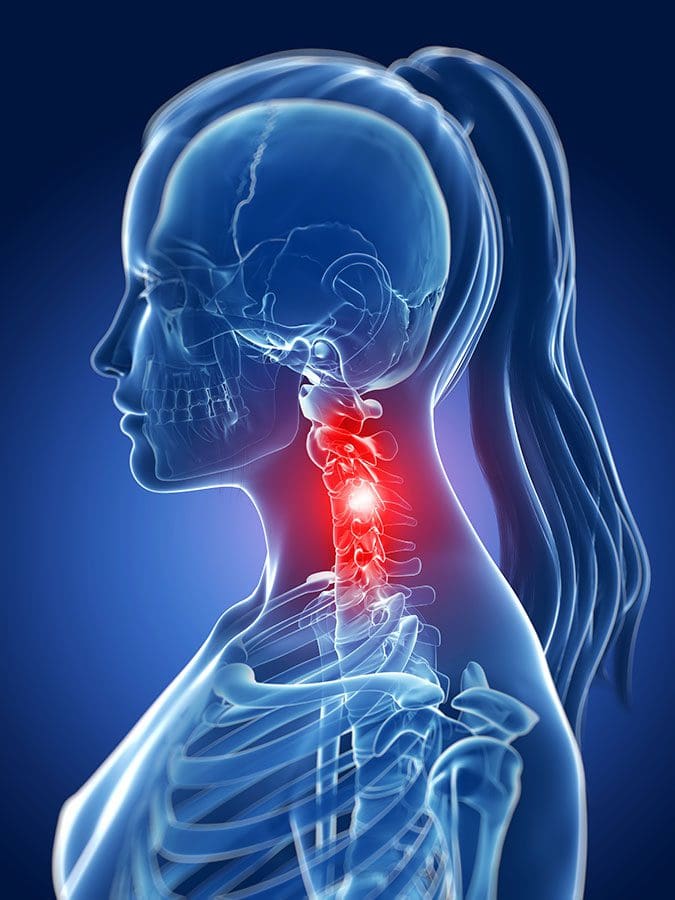
As part of the cervical spine, the neck supports the head while surrounding and protecting the spinal cord and allows a wide range of motion. Research studies have found that the neck has a coordinated network of nerves, bones, joints, and muscles that have an essential job but have several problems that can cause pain. Neck pain is a common complaint among many individuals, as the neck muscles are strained for long periods due to poor posture. Other research studies have found any injuries or conditions affecting the neck, causing a restricted range of motion. This can be scary for many individuals due to being hunched over by looking at their phones, being on the computer, even minor things like reading a book or suffering from an auto accident, and having rheumatoid arthritis can affect the neck.
The Symptoms For Dealing With Neck Pain
Pain can come in two types of forms, which are acute and chronic. Acute pain can become a dull, mild ache that can last from a few hours to a few days, depending on where the person is injured. Chronic pain, however, can become a nuisance as it can send constant radiating pain that can cause a hindrance to any part of the body. As research has shown, the pain can vary for neck pain as it can become mild and uncomfortable to excruciating, where excess movement can make it worst. Some of the most common neck pain symptoms usually involve:
Even though neck pain can become a nuisance for many individuals, there are ways to alleviate the symptoms of neck pain and provide relief.
Cervical Decompression Therapy-Video
Research studies have found that manipulation, stretching, and strengthening of the neck muscle can reduce the chronic pain symptoms that it has caused. The video above shows what cervical decompression does for many individuals suffering from cervical pain and neck pain. Cervical decompression therapy lets individuals lay their heads on the traction table and are strapped in. The traction machine gently stretches the cervical spine to release the compressed spinal disc. Cervical decompression therapy allows the compressed spinal nerve roots to be alleviated from the cervical spine. It will enable the beneficial oxygen to come back into the spinal disc and increase the disc height for the neck. If you want to learn more about spinal decompression therapy, this link will explain the benefits of spinal decompression and how it can alleviate low back pain symptoms.
How Can Decompression Therapy Help With Neck Pain
As stated earlier in the article, feeling stiffness when turning your head, feeling the tension in the shoulders, and having headaches pop up out of nowhere is scary when you don’t know how they happened. When these symptoms start to turn into chronic issues, it can be hard to find relief to get rid of the pain. Luckily there is a solution for alleviating neck pain, and cervical decompression therapy could help get rid of the pain. Cervical decompression therapy allows individuals to lay their heads on the traction table and be strapped in, causing the traction machine to stretch the neck to alleviate the painful symptoms gently. Research studies have found that cervical decompression therapy can relieve tension headaches and improve the range of motion. This will cause the spinal disc to be stretched and alleviate symptoms caused by cervical herniated discs. Combined with light stretching, cervical decompression therapy can also improve cervical disc herniation symptoms. Research shows that this combination of treatments promotes neuromuscular tissue edema and inflammatory absorption from the cervical herniated disc. This will allow the restoration of the curvature of the cervical vertebrae and reduce disc pressure by improving it.
Conclusion
Having any neck pain is a nuisance, and if it is not treated right away, it can become an issue over time. Neck pain can cause stiffness to the neck muscles and disrupt the range of motion, making it unbearable for the individual to turn their heads from left to right and up and down. Luckily treatments like cervical decompression therapy allow individuals to feel relief from neck pain. Cervical decompression therapy provides traction to the individual by stretching the neck ligament gently to release the compressed cervical spinal discs and will enable the reduction of pain that is causing discomfort to the neck. When this happens, many individuals suffering from neck pain will feel instant relief and an improvement in their range of motion from their necks.
References
Binder, Allan I. “Neck Pain.” BMJ Clinical Evidence, BMJ Publishing Group, 4 Aug. 2008, https://www.ncbi.nlm.nih.gov/pmc/articles/PMC2907992/.
Landers, Merrill R, et al. “Anterior Cervical Decompression and Fusion on Neck Range of Motion, Pain, and Function: A Prospective Analysis.” The Spine Journal: Official Journal of the North American Spine Society, U.S. National Library of Medicine, Nov. 2013, https://pubmed.ncbi.nlm.nih.gov/24041918/.
Staff, Mayo Clinic. “Neck Pain.” Mayo Clinic, Mayo Foundation for Medical Education and Research, 31 July 2020, https://www.mayoclinic.org/diseases-conditions/neck-pain/symptoms-causes/syc-20375581.
Xu, Qing, et al. “Nonsurgical Spinal Decompression System Traction Combined with Electroacupuncture in the Treatment of Multi-Segmental Cervical Disc Herniation: A Case Report.” Medicine, Lippincott Williams & Wilkins, 21 Jan. 2022, https://www.ncbi.nlm.nih.gov/pmc/articles/PMC8772752/.
IFM's Find A Practitioner tool is the largest referral network in Functional Medicine, created to help patients locate Functional Medicine practitioners anywhere in the world. IFM Certified Practitioners are listed first in the search results, given their extensive education in Functional Medicine