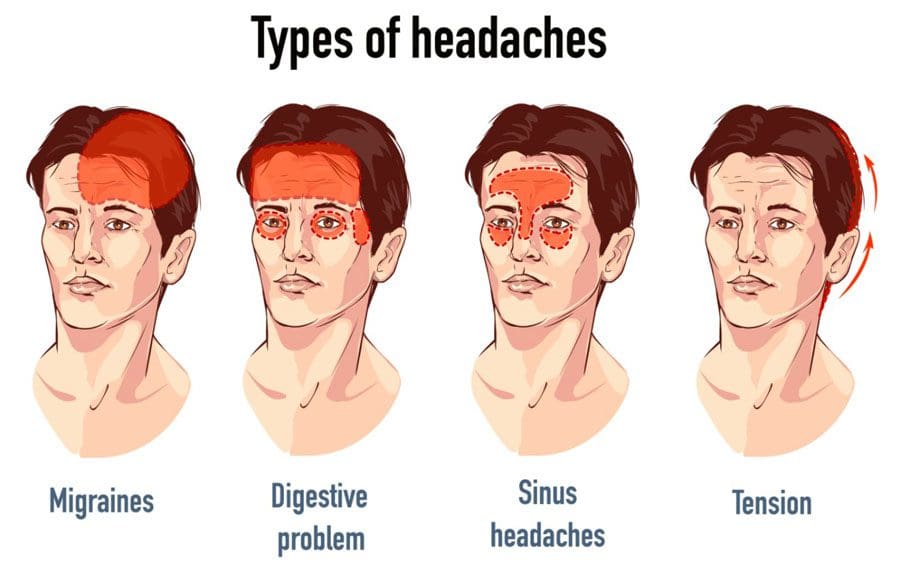
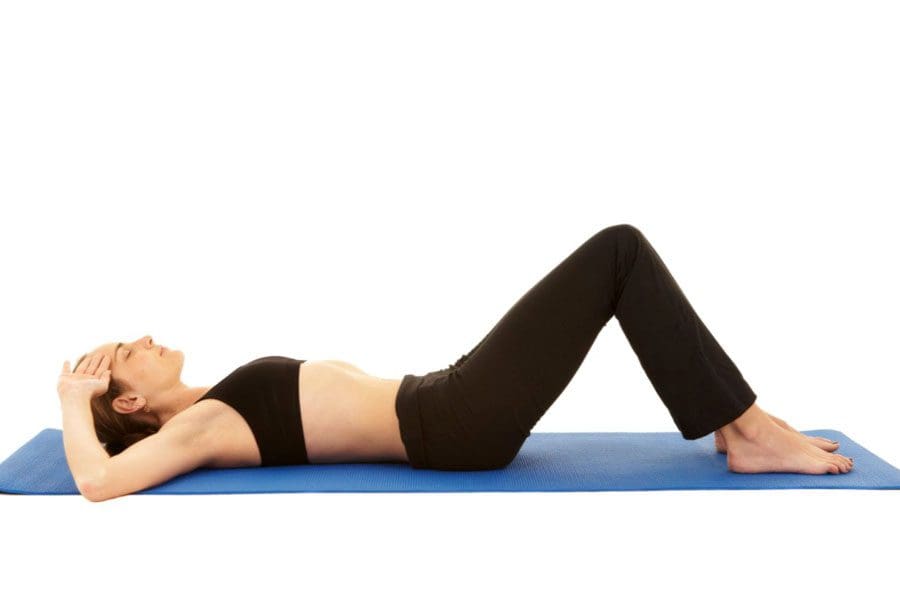
The most common form of pain is the headache. Whether dealing with a mild, dull ache, severe throbbing, or painful tension along the scalp and neck, headaches can disrupt and get in the way of everyday life. Over-the-counter pain medications can offer temporary relief, but they don’t get to the root and solve the cause. Chiropractic is a safe and effective treatment option that will bring head pain relief and treat what is causing the headache/s.
Triggers
Individuals engage in more sedentary activities, and more hours spent in one fixed position combined with poor posture can increase joint irritation and muscle tension in the neck, upper back, and scalp. Headaches can have a variety of causes or triggers. These can include:
Stress is the most common trigger
Muscle tension
Insomnia
Environmental stimuli – noises, lights, smells
Dehydration
Weather changes
Foods
Blood sugar changes
Excessive exercise
Most Common Types
There are two main categories: primary and secondary headaches.
Primary headaches
Primary headaches are when the headache itself is the main problem and is not a symptom of underlying diseases or conditions. These include:
Headache pain comes from interacting signals in the brain, blood vessels, and nerves. A mechanism activates specific nerves that affect the muscles and blood vessels, sending pain signals back to the brain. If any of the following is occurring it is recommended to contact a doctor, headache specialist, or chiropractor.
Three or more headaches a week.
Headaches that get worse or don’t go away.
Having to take a pain reliever every day or almost every day.
Need more than 2-3 doses of over-the-counter medications a week to relieve symptoms.
Headaches triggered by strenuous activity, hard work/exertion, bending, coughing.
What time of day/night the headache usually occurs?
How long does the headache last?
Where the pain is located?
Type of pain – throbbing, comes and goes, dull aching, one-sided, etc.
Does the headache come on suddenly without warning or slowly progress?
Are there other symptoms like weakness, nausea, sensitivity to light or noise, decreased appetite, changes in attitude or behavior?
Chiropractic
A chiropractor will assess, diagnose, conduct a physical examination to determine the cause and develop a personalized treatment plan to alleviate the pain and help to manage and prevent headaches. Treatment approaches include:
A combination of chiropractic manipulative therapy.
Activate trigger points to release tension and allow for optimal nerve and blood circulation.
Active and passive exercises.
Massage.
Health coaching.
Body Composition
Water
Most of the body is made up of water with the percentage of body composition that is water changing based on individual functional needs. Essential functions of water include:
Help to build/repair almost every cell in the body.
Regulating body temperature through sweating and respiration.
Energy from carbohydrates and proteins is transported by water through the blood.
Assists in the removal of metabolic waste through urination.
Acts as a shock absorber to protect the brain and spinal cord.
Creates saliva/fluids to lubricate the joints.
The amount of water in the body depends on various factors that include:
The most common water comes from lean body mass. This includes blood, organs, and muscle. Major body organs’ water content:
Lungs – 83%
Muscles and kidneys – 79%
Brain and heart – 73%
Skin – 64%
Bones – 31%
References
Bryans, Roland et al. “Evidence-based guidelines for the chiropractic treatment of adults with headache.” Journal of manipulative and physiological therapeutics vol. 34,5 (2011): 274-89. doi:10.1016/j.jmpt.2011.04.008
Tyagi, Alok. “New daily persistent headache.” Annals of Indian Academy of Neurology vol. 15,Suppl 1 (2012): S62-5. doi:10.4103/0972-2327.100011
Improving posture can be challenging. Poor posture is often the source of various musculoskeletal issues like chronic pain throughout the body. Poor posture can be so ingrained in the brain that it becomes an unconscious positioning reflex that feels right but could be worsening spinal, hip, and leg problems. The Alexander Technique could be a treatment option that could help long-term.
Alexander Technique
The approach focuses on learning mind-body awareness. It is an educational process to teach individuals to become aware of their body positioning and change unhealthy posture/movement habits into healthy ones. The objective is learning to utilize sufficient levels of muscle tension for everyday activities, like sitting, standing up, and walking in a healthy way to maintain optimal health of the musculoskeletal system.
The theory is that less tension minimizes wear and tear on the muscles and structures of the spine vulnerable to compression.
The fundamental goal of the Alexander Technique is to undo all the unhealthy tension habits to decompress the spine and retrain the mind and body to approach movement and body positioning in a new and healthy way.
Teachings
The technique can be done in a class setting or one-on-one teaching because everyone’s postural and movement habits are unique. A teacher helps identify the tension-inducing postures and educates the individual on how to correct them. Human touch is an integral part of the Alexander Technique. Using their hands gently to adjust the individual to a proper upright position, a teacher helps release pressure from the head, neck, shoulders, and upper back. The individual learns to release the tension throughout their body. The Alexander Technique is a type of hands-on therapy; it is not manipulation or massage. It uses a light touch with no risk of injury to the spine, allowing anyone to participate. However, individuals must be willing to participate/engage in the process to get the benefits. Most individuals can tell if it’s right for them during the first lesson.A typical program teaches:
Staying alert to the body’s warning of tension and compression.
Tension Build Up
Individuals usually don’t even realize they’re constantly placing pressure on their spine from unhealthy postural habits, building up muscular tension they never knew they created. For example, unhealthy neck position habits include:
Pushing the head forward
Slumping over
Pinning the shoulders back
These postures generate/build pressure and tension that radiates outward and down to the large muscles of the spine.
Habitual downward pressure can pull and change the spine’s shape, leading to degenerative forms of spinal deformity in severe cases.
When the tension is released, the neck and body begin to stand upright comfortably, without pulling down or pulling back.
Frederick Matthias Alexander
Developed the technique in the 1890s to help his muscle tension problems affecting his acting career. When performing, he would stiffen his neck and pull his head back and up, building tension that caused him to tighten his throat and lose his voice. He did not know he was doing this until he performed in front of a mirror and saw his awkward positioning. He realized this and retrained himself to pose naturally, stay relaxed, and be aware of any tension building in the muscles to release it immediately. Alexander Technique educators/practitioners practice all over the world. The American Society for the Alexander Technique or AmSAT website has a Find A Teacher Tool that connects individuals to AmSAT-approved teachers.
Body Composition
Practicing Mindfulness
Developing a mindfulness practice can help identify triggers of negative behavior or thoughts. Just like diet and exercise, practicing mindfulness is unique to everyone. It is recommended to try different things like:
Journaling is another way to tune into oneself. Grab a pen and paper, a computer, tablet, or phone, and take a few minutes to write every day.
Write one thing that makes you happy.
One thing you want to improve.
One goal you want to accomplish that day or that week.
Mindful music listening can help reduce stress by allowing the individual to focus their attention when their mind is going in all directions.
Instead of turning to the news or email when waking up, grab a cup of coffee or tea and listen to a favorite podcast or music.
Put the phone away and listen to your mind and self.
Try to meditate in the morning when waking up. This helps set the day’s goals/plans. Goal-setting mindfulness has been shown to reduce stress levels and anxiety. However, if the morning is not possible then at night before bed can be used to reflect on the day’s activities, what went well, what didn’t, how to improve something, whatever the case, the point is to make time for yourself to reflect, set goals, and develop a plan to achieve those goals.
References
Becker, Jordan J et al. “Preliminary evidence for feasibility, efficacy, and mechanisms of Alexander technique group classes for chronic neck pain.” Complementary therapies in medicine vol. 39 (2018): 80-86. doi:10.1016/j.ctim.2018.05.012
Cacciatore et al., Improvement in automatic postural coordination following Alexander technique lessons in a person with low back pain. Physical Therapy Journal, 2005; 85:565-578. Accessed January 5, 2011
Chin, Brian et al. “Psychological mechanisms driving stress resilience in mindfulness training: A randomized controlled trial.” Health psychology: official journal of the Division of Health Psychology, American Psychological Association vol. 38,8 (2019): 759-768. doi:10.1037/hea0000763
Little P, Lewith G, Webley F, et al. Randomised controlled trial of Alexander technique lessons, exercise, and massage (ATEAM) for chronic and recurrent back pain. The BMJ. 2008;337:a884. doi: https://doi.org/10.1136/bmj.a884.
Paolucci, Teresa et al. “Chronic low back pain and postural rehabilitation exercise: a literature review.” Journal of pain research vol. 12 95-107. December 20 2018, doi:10.2147/JPR.S171729
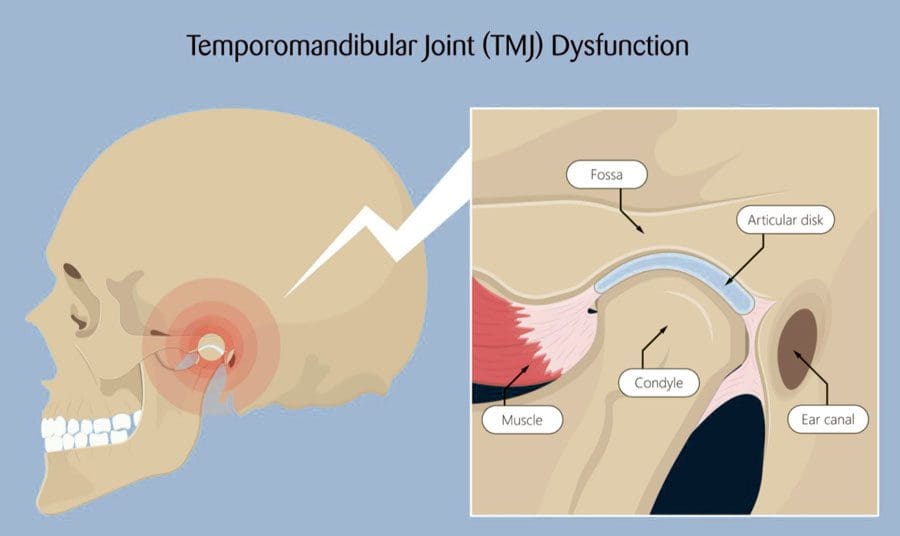
The temporomandibular (tem-puh-roe-man-dib-u-lur) joint TMJ acts as a sliding hinge that connects the jawbone to the skull. There is one joint on each side of the jaw. TMJ jaw disorders are also known as temporomandibular disorders – TMD. These disorders affect the connecting point between the jaw and the skull that causes swelling and pain in the joint and the muscles that control movement. The disorder can be caused by a combination of factors, like stress, genetics, arthritis, or injury. The symptoms, pain, and discomfort are often temporary and can be relieved with self-care and nonsurgical treatment like chiropractic.
Jaw Disorders
If the jaw is not moving correctly or becomes imbalanced, it can stress the temporomandibular joint. If this happens, the jaw muscles and the neck and shoulder muscles can tense up and over time become fatigued as they overwork to compensate and keep the jaw balanced. The bones that interact in the joint are covered with cartilage and are separated by a small shock-absorbing disc to maintain smooth movement. Jaw disorders can happen if:
The disc erodes or moves out of alignment.
The joint’s cartilage is damaged by arthritis.
The joint is damaged by impact trauma like hitting the head from a fall or sports accident.
Individuals that have been in an automobile accident.
Other factors include:
Tension or stress can cause individuals to grind or clench their teeth, known as bruxism.
Symptoms of TMJ vary from case to case. These symptoms might include:
Problems with opening or closing the mouth
Difficulty or pain while chewing
Pain or tenderness of the jaw
Pain in one or both of the temporomandibular joints
Aching facial pain
Neck and shoulder pain
Headaches
Aching pain in and around the ear
Dizziness
Locking of the joint
Clicking sound
Grating sensation
Chiropractic Relief
Chiropractors can help with TMJ by alleviating tension and dysfunction in the shoulder, neck, and jaw. Once the dysfunction is relieved, it reduces the pressure on various nerves. Treatment includes:
Manipulation of the jaw joint so it can move easily
Not all carbs are equal, with some having a more significant effect on insulin levels than others. For individuals with diabetes or insulin resistance, this is important. A food’s Glycemic Index – ranging from 0 to 100 – indicates how a particular carbohydrate will affect blood sugar and insulin levels.
Foods that digest quickly are high on the index.
Foods that digest slowly are lower on the index.
Foods high on the GI scale, include potatoes and white bread, are quickly broken down. This is what happens when going through a sugar rush that comes crashing down minutes later. Foods low on the GI scale, include sweet potatoes and whole oats, are digested gradually. This results in a steady rise in blood sugar levels. The following factors may influence the GI scale:
Food processing
The more processed the food, the higher the GI.
Fat and acid content
Foods high in fat, acid, or carbs eaten with fat or acid tend to have a lower GI.
Fiber content
Fiber slows down the rate of digestion, leading to a gradual, healthy rise in blood sugar levels.
Ripeness
Ripened fruits tend to have a higher GI than unripened fruit.
References
Alcantara, Joel et al. “Chiropractic care of a patient with temporomandibular disorder and atlas subluxation.” Journal of manipulative and physiological therapeutics vol. 25,1 (2002): 63-70. doi:10.1067/mmt.2002.120415
DeVocht, James W et al. “A pilot study of a chiropractic intervention for management of chronic myofascial temporomandibular disorder.” Journal of the American Dental Association (1939) vol. 144,10 (2013): 1154-63. doi:10.14219/jada.archive.2013.0034
Pavia, Steven et al. “Chiropractic Treatment of Temporomandibular Dysfunction: A Retrospective Case Series.” Journal of chiropractic medicine vol. 14,4 (2015): 279-84. doi:10.1016/j.jcm.2015.08.005
Rubis, Lisa M et al. “A collaborative approach between chiropractic and dentistry to address temporomandibular dysfunction: a case report.” Journal of chiropractic medicine vol. 13,1 (2014): 55-61. doi:10.1016/j.jcm.2013.10.003
Individuals turn to chiropractic care neck adjustments to help ease neck problems and alleviate pain. Some of the different types of neck-cervical conditions that chiropractic treats include:
Cervical intervertebral disc injuries
Cervical sprain injuries
Degenerative joint syndrome of the neck
Facet joint sprain
Whiplash
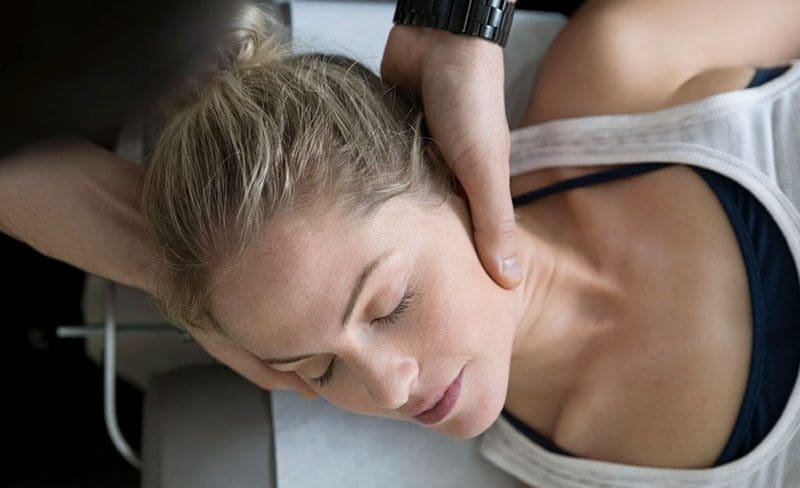
A chiropractor will evaluate the whole spine because other regions may be affected and/or contribute to the problems. They will determine areas of restricted movement and will look at walking gait, overall posture, and spinal alignment. Before deciding which approach to use, the chiropractor will thoroughly examine the specific cause of the problems. Neck adjustments consist of various techniques and methods.
Neck Adjustments
Cervical Mobilization
Cervical mobilization focuses on using gentle motions around the neck.
This adjustment is best for reducing pain and increasing the neck’s range of motion.
Cervical Drop
The cervical drop technique requires the individual to lie on their stomach or side as the chiropractor adjusts the neck, and to prevent any added pressure around the neck, the headrest drops.
After the chiropractor prepares the neck for the adjustment, they will work on specific points, release the headrest, and quickly twist the neck.
This technique improves spinal flexibility by placing the vertebrae in their correct position.
Manual Traction
The patient sits in a chair for this neck adjustment.
Manual traction allows the chiropractor to move the neck at different angles and helps them determine the right amount of force during the adjustment.
A chiropractor will cradle the head in the palms of their hands and quickly move it from side to side.
Soft Tissue Massage
This technique is often used after a complete adjustment.
A chiropractor will gently massage the neck and apply pressure to any inflamed areas.
This increases blood circulation and prevents muscles from tensing and contracting.
Chiropractic Benefits
The benefits that come with using chiropractic neck adjustments include.
Improves Flexibility
One benefit of chiropractic neck adjustments is that they improve your flexibility.
Tight muscles or joints out of place make it harder for the neck to move, limiting its range of motion.
Chiropractic works to reduce poor flexibility by ensuring the bones and muscles are in their proper position.
Prevents Tension
Individuals that deal with severe tension often notice their neck and upper back feeling sore.
Tension tightens the muscles and can cause them to press on nerves.
If too much pressure is on them, the nerves can send out painful pulses.
A chiropractor will feel around the neck and shoulders to identify areas of concern. After the examination, they will make the proper adjustments to reduce pressure on the nerves and calm inflamed muscles.
Prevents Arthritis
Arthritis causes inflammation throughout the body. If not treated, this inflammation can increase the wearing down of bones.
Worn-down bones reduce strength and can irritate nerves.
Chronic neck pain could indicate that the joints in the neck are misplaced.
If these joints are not correctly realigned, the constant friction can begin to break down the bones leading to arthritis.
Chiropractic neck adjustments prevent this by ensuring the joints are in place and maintaining joint health by flushing toxins in and around them.
Anti-Inflammatory Food
Most neck pain is the result of inflammation. Individuals can take synthetic medications to reduce inflammation, but they have side effects. It is recommended to add natural anti-inflammatory foods to one’s diet. These won’t only reduce inflammation but can increase energy levels and help the body heal quicker. A few recommended foods include:
Heart disease is the leading cause of death of adults in the United States. Many factors can contribute to heart disease, and research has pointed to inflammation caused by obesity as one of the most significant factors contributing to the development. The main culprits are cytokines produced by excess fat in the body. These cytokines cause inflammation of the walls of the arteries, causing damage and increasing blood pressure. Blood pressure is the force of blood pushing against the walls of the blood vessels. When high blood pressure is present, the heart does not pump blood effectively, causing the heart to enlarge. An enlarged heart is a significant risk factor for heart failure if steps are not taken to remedy it.
References
Bradley S. Polkinghorn, Christopher J. Colloca, Chiropractic treatment of postsurgical neck syndrome with mechanical force manually assisted short-lever spinal adjustments, Journal of Manipulative and Physiological Therapeutics, Volume 24, Issue 9,
2001, Pages 589-595, ISSN 0161-4754, https://doi.org/10.1067/mmt.2001.118985. (https://www.sciencedirect.com/science/article/pii/S0161475401836915)
Haldeman S. Principles and Practice of Chiropractic. York, PA: McGraw-Hill; 2005.
Hawk, Cheryl et al. “Best Practices for Chiropractic Management of Patients with Chronic Musculoskeletal Pain: A Clinical Practice Guideline.” Journal of alternative and complementary medicine (New York, N.Y.) vol. 26,10 (2020): 884-901. doi:10.1089/acm.2020.0181
Eric L. Hurwitz, Hal Morgenstern, Philip Harber, Gerald F. Kominski, Fei Yu, and Alan H. Adams, 2002: A Randomized Trial of Chiropractic Manipulation and Mobilization for Patients With Neck Pain: Clinical Outcomes From the UCLA Neck-Pain Study American Journal of Public Health 92, 1634_1641, https://doi.org/10.2105/AJPH.92.10.1634
Wang, Zhaoxia, and Tomohiro Nakayama. “Inflammation, a link between obesity and cardiovascular disease.” Mediators of inflammation vol. 2010 (2010): 535918. doi:10.1155/2010/535918
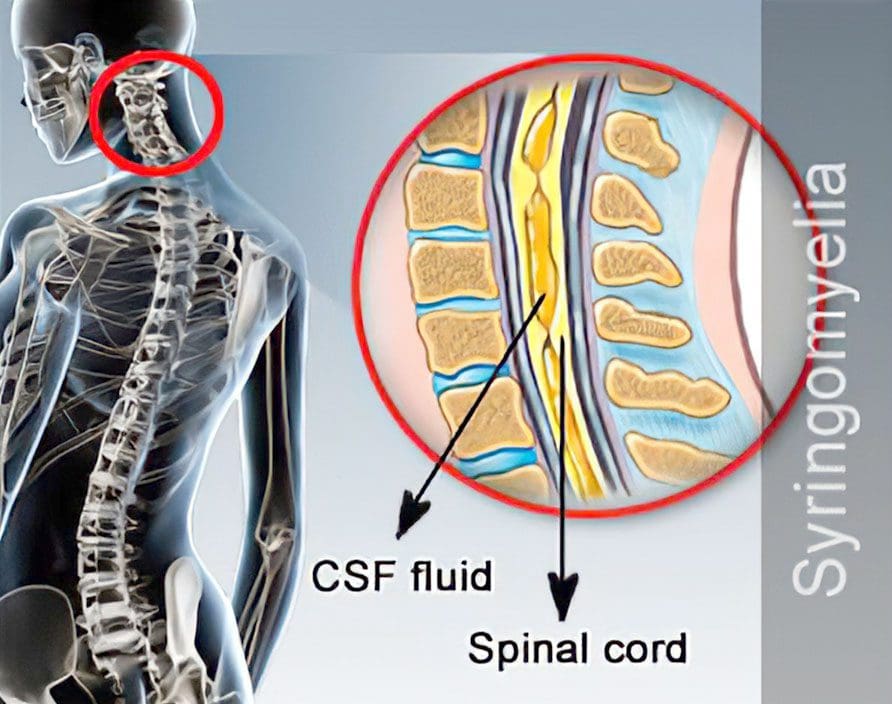
Syringomyelia is a disorder in which afluid-filled cyst/syrinx forms within the spinal cord. It is progressive, meaning that the cyst grows with time causing compression and damage to the spinal cord. The cyst usually begins in the neck/cervical spine but can develop in any area along the spinal cord. There are several possible causes; however, most are associated with a condition known as Chiari malformation. This is where the skull and neck come together, and either the skull is too small or shaped in a way that causes brain tissue to come out and settle in the spinal canal.
Syringomyelia Causes
Syringomyelia can be caused by or from complications of:
Chiari type I malformation develops during the fetal developmental stage and causes the lower part of the brain or cerebellum to stick out from its standard location.
Hemorrhage/bleeding
Inflammation of the spinal cord from virus or bacterial infection like meningitis
Spinal cord injury
Spinal cord tumor
Symptoms
A damaged spinal cord disrupts communication between the brain and the body. Symptoms differ for every individual, but common syringomyelia symptoms include:
Pain, stiffness, or weakness in the neck, arms, back, and/or legs
Symptoms usually develop slowly, but exercise, coughing, or some form of strain can cause sudden onset.
Diagnosis
Physical and neurological exams are performed to determine loss of feeling or inability to move around normally, like walking. Diagnostic tests of the spine will include a CT scan with contrast dye and/or an MRI. Early detection can help before it progresses, causing further damage, and delaying treatment can cause irreversible spinal cord injury. It is recommended at the first sign of symptoms to contact a doctor.
Treatment
Some individuals who have syringomyelia may have no symptoms. These individuals can go about their everyday lives but are recommended to be cautious with neck and back strain. For individuals experiencing symptoms, the primary treatment objectives are to:
Stop or control damage to the spinal cord
Preserve function
Prevent disability
Treatment options include:
Draining the cyst
Surgical removal of the cyst
Chiropractic and physical therapy could be included in the treatment plan to help the individual rebuild lost muscle strength and regain flexibility.
All too often, individuals with this disorder experience treatment delay/s because symptoms can be nonspecific or vague. Education is the key, and individuals can be diagnosed sooner by paying attention to the body’s warning signs.
Body Composition
Does too much protein hurt the kidneys?
While protein restriction can be appropriate for treating existing kidney disease, research shows that high protein intake in healthy individuals does not disrupt or cause damage to the kidneys or kidney function. The amino acids in protein are more likely to be excreted through urine when not being used. However, there are certain risks associated with consuming too much protein, and it is recommended to keep track of protein intake. Eating more protein:
Makes the body feel full longer
Can help curb overeating
Is essential for recovery and growth
When achieving daily caloric goals, maintaining a balance of nutrients like carbohydrates and healthy fats is essential for overall health.
References
Batzdorf, Ulrich. “Primary spinal syringomyelia. Invited submission from the joint section meeting on disorders of the spine and peripheral nerves, March 2005.” Journal of neurosurgery. Spine vol. 3,6 (2005): 429-35. doi:10.3171/spi.2005.3.6.0429
Di Lorenzo, N, and F Cacciola. “Adult syringomyelia. Classification, pathogenesis and therapeutic approaches.” Journal of neurosurgical sciences vol. 49,3 (2005): 65-72.
Fernández, Alfredo Avellaneda et al. “Malformations of the craniocervical junction (Chiari type I and syringomyelia: classification, diagnosis, and treatment).” BMC musculoskeletal disorders vol. 10 Suppl 1, Suppl 1 S1. 17 Dec. 2009, doi:10.1186/1471-2474-10-S1-S1
Naftel, Robert P et al. “Worsening or development of syringomyelia following Chiari I decompression: case report.” Journal of neurosurgery. Pediatrics vol. 12,4 (2013): 351-6. doi:10.3171/2013.7.PEDS12522
Roy, Anil K et al. “Idiopathic syringomyelia: retrospective case series, comprehensive review, and update on management.” Neurosurgical focus vol. 31,6 (2011): E15. doi:10.3171/2011.9.FOCUS11198
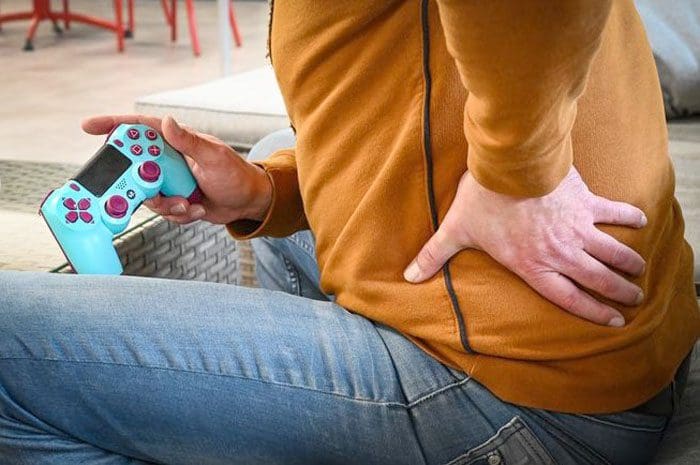
Video gaming has grown to over 150 million individuals in the United States playing. Around 60% of Americans play video games every day, with the average gamer being 34 years old. Playing video games for an extended amount of time takes a toll on the body. Individuals are experiencing the same kind of pains and aches from sitting and standing all day at work or school. Sitting positions, holding the controllers, and the different accessories can impact the nerves, muscles, and Posture. E-sports professionals understand the physical toll their bodies take with constant practice, tournaments, clinics, etc. They do cardiovascular conditioning, strength train, and stretch to improve their gaming abilities and also take into account:
Taking steps can prevent strain, injuries and minimize the risk of long-term damage. If strain and injuries are present, professional chiropractic treatment can help alleviate the pain, rehabilitate/strengthen the muscles, ligaments, tendons, and recommend exercises and stretches.
Video Gaming Posture
Proper Posture is vital to maintaining spinal as well as overall health. Poor Posture is the most common cause of back and neck pain.
Video Gaming Positions
Common gaming positions include the couch slouch where the gamer is slumped back into the couch with their feet up. This can lead to low back pain and sciatica. The full-on position is where the individual leans forward, elbows on their knees, head tilted forward, and staring up at the screen. Hours in these positions cause the neck, back, and other body areas to stiffen, generating soreness from the restricted movement. Many gamers use ergonomic gaming chairs. They have found that using the gaming chair improves Posture, eliminating the forward head and rounded shoulders. Gaming chairs can provide the health benefit of sitting correctly, reducing and eliminating neck and back tension or strain.
Injuries and Health Issues
Common musculoskeletal issues caused by excessive gaming and lack of movement include:
Eyestrain
Headaches
Neck pain
Elbow, arm, wrist pain
Thumb pain
General hand pain
Carpal tunnel syndrome
Postural stress
Back pain
Chiropractic Treatment
Shoulder Massage
The intensity of gaming can cause the shoulders to tense up and stiffen. When using the controller, the shoulders can slightly lift, building up lactic acid, interrupting blood circulation, causing an accumulation of unwanted toxins inflaming trigger points. A chiropractic massage will release tightened muscles, provide relaxation, and increase the blood flow.
Hand and Wrist Treatment
The most used body parts for video games include the hands and wrist. Individuals grip the controllers or constantly use the keyboard and mouse. No matter what form of input is used, prolonged use can cause hand and wrist injuries. Injuries include:
Inflammation
Hand muscle aches
Chiropractic focuses on specific areas to help treat the body through a hand and wrist massage. Advanced techniques include electrical muscle stimulation to help stimulate and loosen the muscles. A chiropractor will recommend stretches and exercises, and hand/wrist supports, guards, or special gloves to alleviate muscle pains while still playing.
Neck and Back Adjustments
Poor posture can result in a misaligned spine or back muscle spasms. During extended game sessions, pain and fatigue can begin to present. A chiropractic adjustment can realign the muscles and set them back in place. The tissue surrounding the neck may thicken and focus on a specific area. Leaning too far forward or using a heavy gaming headset can result in a forward head posture placing a constant strain on the neck. Chiropractic adjustments will loosen the tissue and release any tension. Stretches and exercises will be recommended as well.
Body composition refers to how various substances in the body are proportioned. A few examples of the components that make up the body include:
Water
Protein
Fat
Minerals
All of these components generate balance in the body. When individuals exercise, they begin to notice changes in their body composition. For individuals that exercise regularly, it is vital to track weight gain, weight loss, and changes in body composition. This is to ensure that they aren’t losing muscle mass. As individuals exercise, muscle fibers are torn. During the recovery process, muscles are rebuilt. Overtraining can lead to muscle mass reduction because the body cannot catch up and rebuild the number of muscle fibers, eventually leading to lost muscle.
References
Emara, Ahmed K et al. “Gamer’s Health Guide: Optimizing Performance, Recognizing Hazards, and Promoting Wellness in Esports.” Current sports medicine reports vol. 19,12 (2020): 537-545. doi:10.1249/JSR.0000000000000787
Geoghegan, Luke, and Justin C R Wormald. “Sport-related hand injury: a new perspective of e-sports.” The Journal of hand surgery, European volume vol. 44,2 (2019): 219-220. doi:10.1177/1753193418799607
McGee, Caitlin, et al. “More Than a Game: Musculoskeletal Injuries and a Key Role for the Physical Therapist in Esports.” The Journal of orthopedic and sports physical therapy vol. 51,9 (2021): 415-417. doi:10.2519/jospt.2021.0109
McGee, Caitlin, and Kevin Ho. “Tendinopathies in Video Gaming and Esports.” Frontiers in sports and active living vol. 3 689371. 28 May. 2021, doi:10.3389/fspor.2021.689371
Zwibel, Hallie et al. “An Osteopathic Physician’s Approach to the Esports Athlete.” The Journal of the American Osteopathic Association vol. 119,11 (2019): 756-762. doi:10.7556/jaoa.2019.125
Waking up with neck soreness, stiffness, achiness, and pain can take a toll throughout the day. Individuals, that experience this regularly wonder what happened while laying down in bed? Individuals can wake up with one or a combination of these symptoms after sleeping. A few ways to prevent neck pain after sleeping and self-care to relieve any symptoms.
What Is Happening?
The spine keeps the body upright and moving and regularly resists gravity and other forces acting upon it. The neck, aka the cervical spine, is a little more delicate. The neck has the important job of holding up the head. The human head weighs around 10 to 12 lbs, and that’s using proper posture. According to a study, the head’s weight can increase up to 60 lbs. with a 60-degree tilt. This can happen from looking down at a phone for too long. All that weight makes the muscles that support the head and neck work overtime contributing to fatigued muscles.
Then when sleeping, cervical spinal misalignment starts to set in, producing torticollis. Torticollis, aka wry neck, is a condition where the neck gets twisted or tilted at an awkward angle. Babies can be born with it, known as congenital torticollis, and individuals can develop it from various sources. It can be temporary, chronic, and it can be caused by acute trauma. Torticollis is not considered a condition like ankylosing spondylitis but more like a symptom with overlapping sources.
The neck’s ligaments can become irritated and inflamed.
Neck muscle spasms can cause soreness and inflammation.
Either of these can be caused by sleeping in an awkward position or by using the wrong pillow.
Waking With Neck Pain
When waking up with neck pain, it could be that the pillow no longer provides sufficient support, the pillow is too thick, placing the neck in an awkward position, the individual’s sleeping position strains the muscles and ligaments, or a combination. It is usually a pillow that is too soft with no support that causes neck pain. Maintaining spinal alignment when sleeping is just as crucial as during the day, as it helps to prevent overly taxing the muscles and ligaments.
How to control posture when sleeping?
The pillow could be the answer. A firm pillow will keep the spine in a straight line from the atlas, which is the first cervical vertebra/C1, down to the coccyx or the tailbone. The way an individual sleeps also affects how they wake up. The most recommended sleeping position for individuals with morning neck pain is on the back. Back sleeping might not work for everyone as it can aggravate conditions like sleep apnea. If that is the case, sleeping on the side is the next recommended position. It is recommended to avoid sleeping on the stomach. The head could slip down the pillow edge causing the head to be in a tilted position. This can place added pressure on the nerves that start in the neck, leading to further neck pain or radiculopathy pain that spreads out to the arms or legs.
What To Do?
If neck pain presents after waking, get some ice or a cold pack on it. Try 20 minutes on, 20 minutes off. This will reduce inflammation. Also, over-the-counter nonsteroidal anti-inflammatory medications like ibuprofen can help. If neck pain continues, switch from ice to heat also 20 minutes on, 20 off. If the pain is caused by spasming muscle/s, heat can relax the area and increase blood circulation. A gentle massage on and around the area can help spread the circulation and ease the spasm.
Stretching the neck
Stretching the neck will keep the muscles loose and reduce the risk of ligament, muscle and tendon strains, and torticollis.
Body composition change and losing fat mass are also related to sleep. Losing fat requires the body to be in a caloric deficit. This means having the body use more energy than the body takes in. This is accomplished by restricting calories through diet or increasing calories used through physical activity/exercise. However, most individuals utilize a combination. This can be referred to as calories in/calories out. Losing sleep can sabotage fat loss goals by stealing both the calories in and calories out.
References
Hansraj, Kenneth K. “Assessment of stresses in the cervical spine caused by posture and position of the head.” Surgical technology international vol. 25 (2014): 277-9.
Preventing Neck Pain from Sleeping: National Sleep Foundation. (n.d.) “How to Prevent Neck Pain While Sleeping.” sleep.org/articles/prevent-neck-pain-while-sleeping/
IFM's Find A Practitioner tool is the largest referral network in Functional Medicine, created to help patients locate Functional Medicine practitioners anywhere in the world. IFM Certified Practitioners are listed first in the search results, given their extensive education in Functional Medicine