The NHTSA records show that rear-end collisions are the most common and make up 30% of all traffic accidents, crashes, and collisions. Rear-end collisions can come out of nowhere. One moment a driver is waiting at a stop or light, and suddenly they are catapulted forward by the intense force of another vehicle/s resulting in serious and sustaining injuries that can impact an individual’s physical capabilities. Rear-end collision injuries most commonly affect the neck and back. This is because of the excessive force and intense shifting and whipping the body goes through. Chiropractic care, massage, and decompression therapy can realign the body, relax the muscles, release compressed nerves, expedite recovery, and restore mobility and function.
Rear-End Collision Injuries
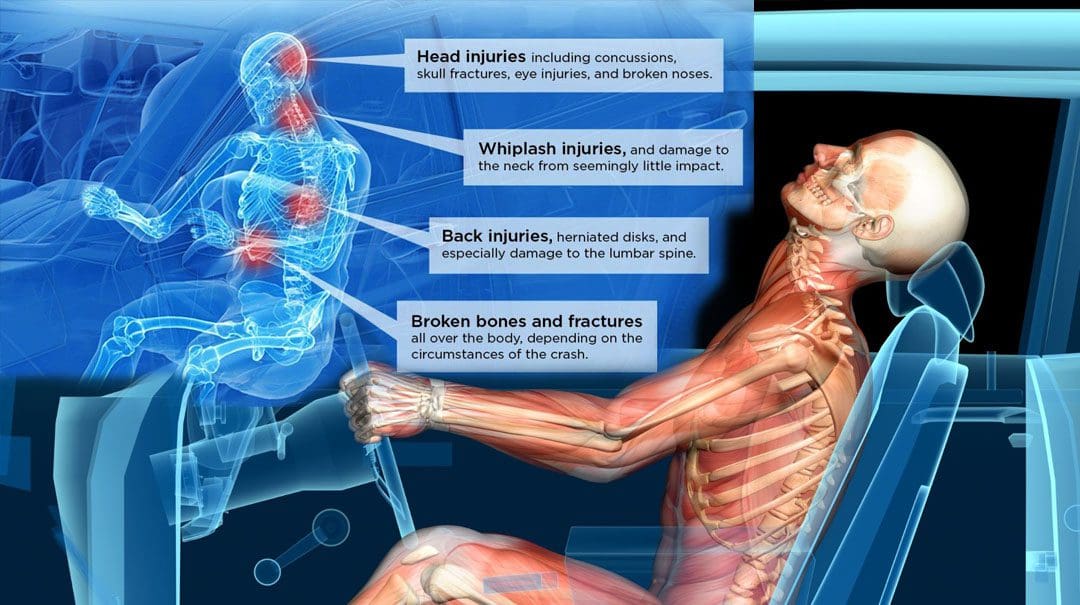
Rear-end collision injuries can range from mild to serious, and what seems like a minor pull can result in a severe injury. The most common injuries include:
Pre-existing conditions such as degenerative disc disease can worsen.
Collision Types
A rear-end collision can occur in several ways. The most common types include:
Tailgating
When drivers in the rear follow another motorist too closely, and the lead motorist slows down or has to stop quickly, the rear driver hits the vehicle because there was not enough adequate time and distance to stop.
Slow Speed Collisions
Slow-speed/low-impact collisions or fender benders can result in spinal injuries and concussions.
They can also lead to facial and head injuries from sudden airbag deployment.
Vehicle Pile-Ups
A single rear-end collision on a busy street or interstate highway can cause a chain reaction of multiple-vehicle collisions.
These accidents can cause devastating injuries.
Causes
Causes that can take attention away from the road include:
Speeding
Distracted driving – Talking or texting.
Tailgating
Looking at something like an accident while driving by.
Symptoms of rear-end collision injuries may not immediately present following an accident. It can take 24 to 48 hours for discomfort symptoms to come on and sometimes longer. The adrenaline rush allows the individual not to experience the physical symptoms, which is why individuals think they’re fine when they are not. Ignoring signs increases the risk of permanent injury. A herniated disc, for example, left untreated, can lead to permanent nerve damage. Chiropractic treatment for rear-end collisions is one of the most effective options available. A chiropractor manipulates the spine to realign the spinal cord, allowing the body to decrease inflammatory cytokine production, which reduces the inflammatory response. Specific techniques and various tools can realign individual vertebrae, restore joint flexibility, and break up the scar tissue so the areas can heal faster.
The Spine In A Rear-End Auto Accident
References
Chen, Feng, et al. “Investigation on the Injury Severity of Drivers in Rear-End Collisions Between Cars Using a Random Parameters Bivariate Ordered Probit Model.” International journal of environmental research and public health vol. 16,14 2632. 23 Jul. 2019, doi:10.3390/ijerph16142632
Davis, C G. “Rear-end impacts: vehicle and occupant response.” Journal of manipulative and physiological therapeutics vol. 21,9 (1998): 629-39.
Dies, Stephen, and J Walter Strapp. “Chiropractic treatment of patients in motor vehicle accidents: a statistical analysis.” The Journal of the Canadian Chiropractic Association vol. 36,3 (1992): 139–145.
Garmoe, W. “Rear-end collisions.” Archives of physical medicine and rehabilitation vol. 79,8 (1998): 1024-5. doi:10.1016/s0003-9993(98)90106-x
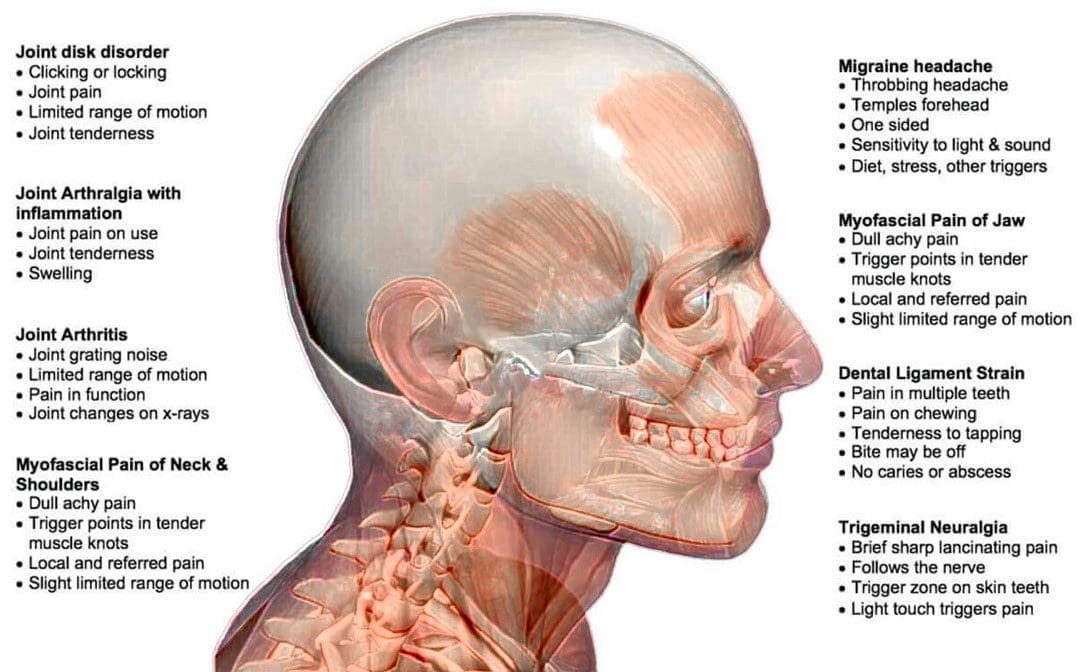
Bruxism is an abnormal jaw clenching or grinding of the teeth, either while awake or during sleep. This can cause neck and shoulder tension caused by excess pressure on the neck and jaw muscles. Individuals may not realize they have bruxism until a dentist notices excess wear and tear or a chiropractor examines their symptoms. Bruxism can play a role in temporomandibular disorders. Doctors and dentists agree that factors like stress increase the likelihood of jaw clenching. Dentists usually recommend a mouth guard to prevent grinding. Chiropractic care, massage, and decompression therapy can relieve symptoms, release and relax the muscles, realign the spine, and restore function.
Bruxism
There is awake bruxism and sleep bruxism. A tight jaw generates tension extending to the neck, shoulder, and upper back muscles. Over time, that excess strain irritates the joints, causing inflammation. Jaw clenching and teeth grinding can lead to health issues like damaged teeth, neck, shoulder, and upper back pain symptoms, and tension headaches.
Symptoms
Signs and symptoms can include:
Face, jaw, neck, and upper back aches, tightness, and soreness.
Tired or tight jaw muscles.
Headaches that start in the temples.
What feels like earache pain symptoms.
Damage from clenching on the inside of the cheek.
Increased tooth sensitivity.
Teeth that are loose, flattened, chipped, or fractured.
Sleep problems.
Risk Factors
Emotional tension – Stress, anxiety, frustration, and anger.
An unhealthy lifestyle – smoking, excess drinking, caffeine, etc., disrupts brain and cardiovascular functions.
Medications
Chiropractic Care for Jaw Clenching
If there is a jaw clenching or grinding issue, it is recommended to see a dentist for a professional diagnosis. Then a chiropractor can develop a personalized treatment plan that utilizes massage and decompression therapy to re-position the jaw, stretch, release and relax the muscles. They will recommend exercises to strengthen and maintain the relaxed jaw muscles and awareness exercises to help identify triggers and prevent clenching.
Jaw Exercises
References
Capellini, Verena Kise, et al. “Massage therapy in managing myogenic TMD: a pilot study.” Journal of applied oral science: Revista FOB vol. 14,1 (2006): 21-6. doi:10.1590/s1678-77572006000100005
Kuhn, Monika, and Jens Christoph Türp. “Risk factors for bruxism.” Swiss dental journal vol. 128,2 (2018): 118-124.
Nishida, Norihiro et al. “Stress analysis of the cervical spinal cord: Impact of the morphology of spinal cord segments on stress.” The journal of spinal cord medicine vol. 39,3 (2016): 327-34. doi:10.1179/2045772315Y.0000000012
Ohayon, M M et al. “Risk factors for sleep bruxism in the general population.” Chest vol. 119,1 (2001): 53-61. doi:10.1378/chest.119.1.53
Santos Miotto Amorim, Cinthia, et al. “Effectiveness of two physical therapy interventions, relative to dental treatment in individuals with bruxism: study protocol of a randomized clinical trial.” Trials vol. 15 8. 7 Jan. 2014, doi:10.1186/1745-6215-15-8
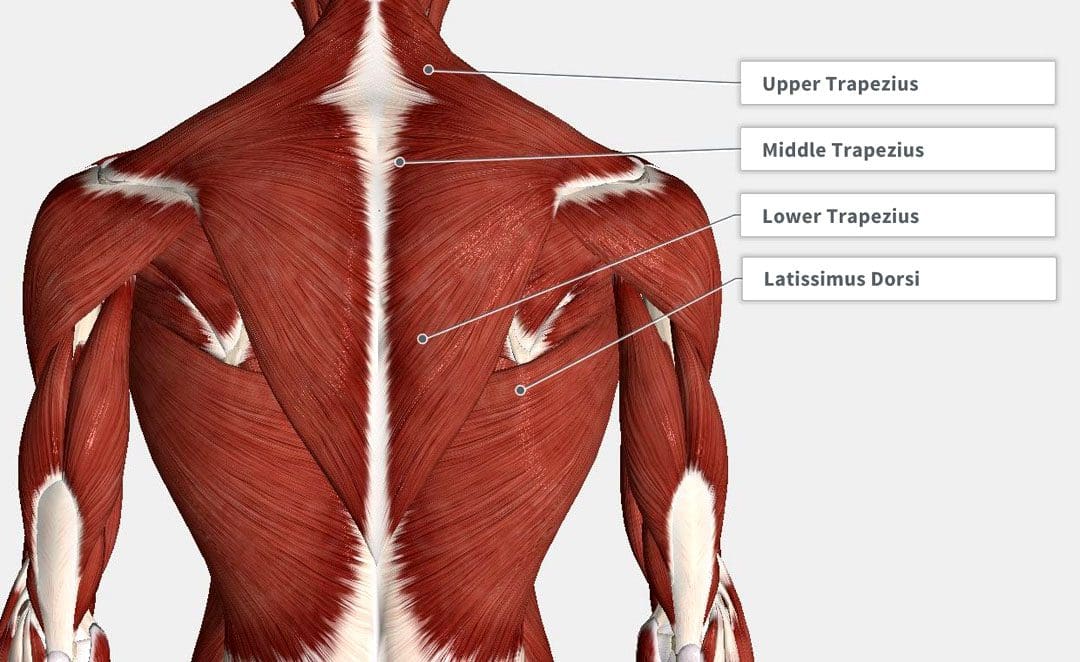
Neck aches, soreness, and pain symptoms are not always neck-related. Tight thoracic or mid-back muscles can pull on the neck muscles causing various symptoms. Upper back tightness occurs anywhere from the neck’s base to the bottom of the rib cage. The bones in the upper area don’t move or flex as much as the neck and low back. This can lead individuals to believe there is nothing wrong with the mid-back, as there are no pain symptoms or signs of discomfort. However, individuals don’t realize how tight the muscles are, which can go on for years, causing neck issues. Injury Medical Chiropractic and Functional Medicine Clinic can relieve symptoms, release, and relax tight muscles, increase circulation, and restore optimal function.
Mid-Back Muscle Tightness
The upper and middle back is the thoracic spine. The thoracic spine has twelve small bones called vertebrae. Each vertebra on the thoracic spine is connected to a pair of ribs. The ribs wrap around the body and attach to a long, flat sternum bone. This forms the rib cage. The bones in the upper back work with the ribs to stabilize the back and protect vital organs, including the heart and lungs. The tightening and pulling eventually cause neck aches that can come out of nowhere; even when not moving and looking straight ahead, there can be persistent dull achiness or stinging sensations.
Causes
Unhealthy posture, disc problems, injuries, fractures, or other issues or conditions can cause mid-back muscle tightness.
Posture
Constant sitting or standing combined with unhealthy posture and being hunched over can cause the muscles to tighten, limiting mobility.
Holding Onto Stress
Chronic stress can cause muscle tightening, whether it is in the low back, mid-back, neck, or elsewhere.
Hereditary
Individual genetic makeup may make the body more susceptible to muscle tightness.
For example, individuals with a lot of muscle tone vs. individuals with less muscle tone may experience muscle tightness more often.
Adequate Hydration
Being properly hydrated is important for muscle and joint lubrication.
Water provides nutrients to contracting muscles.
This keeps the body loose and ready for movement.
Muscle Imbalance and Underlying Weakness
Individuals that tend to work one side of the body more than the other or have repeatedly been moving in a certain way for years can cause muscle imbalances and trigger points to develop.
If muscle tightness continues, even after stretching, it could be an underlying weakness.
The muscles can sometimes seize up and guard, so they feel tight when they have become chronically weak and not strong enough to meet the physical demands.
Chiropractic Care
Chiropractic care involves various therapies to address the root cause fully and relieve neck aches. These include:
Massage therapies to break up compacted muscle tissue.
Remove trigger points.
Relax the muscles to a pliable state.
Perform chiropractic adjustments to realign the spine.
Stretching and strengthening.
Posture training that includes stretches/exercises.
Nutritional plans to help strengthen muscles.
Thoracic Tension Release
References
Gatt, Adrianna, et al. “Anatomy, Fascia Layers.” StatPearls, StatPearls Publishing, Jul 25, 2022.
Liebsch, Christian, and Hans-Joachim Wilke. “How Does the Rib Cage Affect the Biomechanical Properties of the Thoracic Spine? A Systematic Literature Review.” Frontiers in bioengineering and biotechnology vol. 10 904539. Jun 15, 2022, doi:10.3389/fbioe.2022.904539
Maciejewska-Skrendo, Agnieszka et al. “Genetics of Muscle Stiffness, Muscle Elasticity and Explosive Strength.” Journal of human kinetics vol. 74 143-159. 31 Aug. 2020, doi:10.2478/hukin-2020-0027
Modes RJ, Lafci Fahrioglu S. Anatomy, Back. [Updated 2022 Feb 5]. In: StatPearls [Internet]. Treasure Island (FL): StatPearls Publishing; 2022 Jan-. Available from: https://www.ncbi.nlm.nih.gov/books/NBK539746/
Page, Phil. “Current concepts in muscle stretching for exercise and rehabilitation.” International journal of sports physical therapy vol. 7,1 (2012): 109-19.
Petrofsky, Jerrold et al. “The Efficacy of Sustained Heat Treatment on Delayed-Onset Muscle Soreness.” Clinical journal of sports medicine: official journal of the Canadian Academy of Sports Medicine vol. 27,4 (2017): 329-337. doi:10.1097/JSM.0000000000000375
After a car accident, you may notice neck pain. It could be a slight soreness you think is nothing but take care of. More than likely, you have whiplash. And that little soreness can turn into a lifetime of chronic neck pain if only treated with pain meds and not treated at the source.
Whiplash trauma, aka neck sprain or neck strain, is an injury to the soft tissues around the neck.
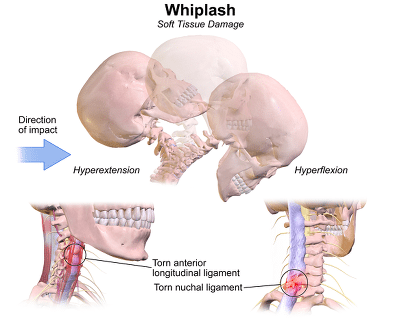
Whiplash can be described as a sudden extension or backward movement of the neck and flexion or forward movement of the neck.
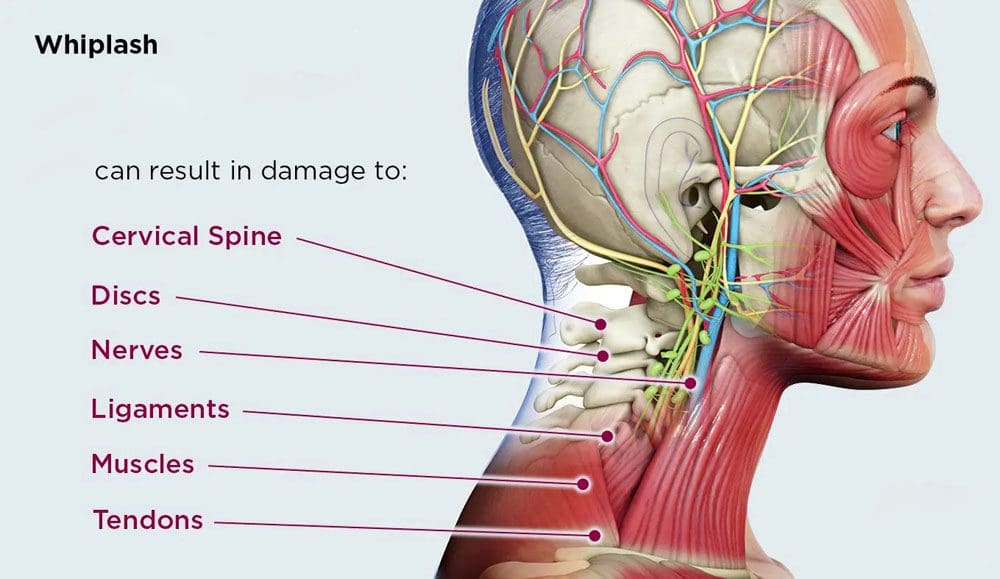
Severe whiplash can also include injury to the following:
Intervertebral joints
Discs
Ligaments
Cervical muscles
Nerve roots
Symptoms of Whiplash
Most people experience neck pain either immediately after the injury or several days later.
Other symptoms of whiplash trauma can include:
Neck stiffness
Injuries to the muscles and ligaments around the neck
Headache and dizziness
Symptoms & possible concussion
Difficulty swallowing and chewing
Hoarseness (possible injury to the esophagus and larynx)
The sensation of burning or prickling
Shoulder pain
Back pain
Diagnosis of Whiplash Trauma
Whiplash trauma usually causes damage to the soft tissues; a doctor will take x-rays of the cervical spine in case of delayed symptoms and rule out other problems or injuries.
Treatment
Fortunately, whiplash is treatable, and most symptoms resolve completely.
Most often, whiplash is treated with a soft cervical collar.
This collar may need to be worn for 2 to 3 weeks.
Other treatments for individuals with whiplash may include the following:
Heat treatment for relaxing muscle tension and pain
Pain meds such as analgesics and non-steroidal anti-inflammatory
Some people will tell you that whiplash is a made-up injury that people use to get more money in a settlement stemming from an accident. They do not believe it is possible in a low-speed rear-end accident and see it as a legitimate injury claim, mainly because there are no visible marks.
Some insurance experts claim that about a third of whiplash cases are fraudulent, leaving two-thirds of the cases legitimate. Much research also supports the claim that low-speed accidents can indeed cause whiplash, which is very real. Some patients suffer from pain and immobility for the rest of their lives.
NCBI Resources
Chiropractors will use different techniques to relieve the pain of whiplash and help with healing.
Chiropractic Adjustment The chiropractor performs spinal manipulation to move the joints into alignment gently. This will help to align the body to relieve pain and encourage healing.
Muscle Stimulation and Relaxation This involves stretching the affected muscles, relieving tension, and helping them relax. Finger pressure techniques may also be combined with trying to alleviate pain.
McKenzie Exercises These exercises help with disc derangement that whiplash causes. They are first performed in the chiropractor’s office, but the patient can be taught how to do them at home. This helps the patient have some degree of control over their healing.
Each whiplash case is different. A chiropractor will evaluate the patient and determine the appropriate treatment case-by-case basis. The chiropractor will determine the best course of treatment that will relieve your pain and restore your mobility and flexibility.
Whiplash-associated disorders, or WAD, describe injuries sustained from sudden acceleration/deceleration movements. It is a common outcome after a motor vehicle collision but can also be caused by sports injuries, falls, or assaults. Whiplash refers to the mechanism of the injury, while WAD refers to the presence of symptoms like pain, stiffness, muscle spasm, and headaches. A WAD prognosis is unpredictable, with some cases remaining acute with a full recovery, while others progress to chronic conditions with long-term symptoms and disability. Early intervention recommendations include rest, chiropractic care and physical rehabilitation, massaging and stretching exercises, and an anti-inflammatory diet.
Whiplash Associated Disorders
Cervical hyperextension injuries happen to drivers and passengers of moving, slow-moving (less than 14 miles per hour), and stationary vehicles when struck from behind.
The individual’s body is thrown forward, but the head does not follow the body and instead whips forward, resulting in hyperflexion or extreme forward movement of the neck.
The chin limits forward flexion, but the momentum can be sufficient to cause cervical distraction and neurological injuries.
When the head and neck have reached maximum flexion, the neck snaps back, resulting in hyperextension or extreme backward movement of the neck.
Pathology
Most WADs are considered soft tissue-based injuries with no fractures.
Stages
The injury goes through stages:
Stage 1
The upper and lower spine experiences flexion in stage one.
Stage 2
The spine takes on an S-shape while extending and eventually straightens, causing lordosis.
Stage 3
The entire spine is hyperextending with an intense force that causes the facet joint capsules to compress.
Symptoms
Whiplash-associated disorders can be classified through grades by the severity of symptoms, including neck pain, stiffness, occipital headache, cervical, thoracic, and lumbar back pain, upper-limb pain, and paraesthesia.
Grade 0
No complaints or physical symptoms.
Grade 1
Neck complaints but no physical symptoms.
Grade 2
Neck complaints and musculoskeletal symptoms.
Grade 3
Neck complaints and neurological symptoms.
Grade 4
Neck complaints and fracture and/or dislocation.
Most cervical fractures occur predominantly at C2 or C6, or C7.
A chiropractor will identify areas of restricted joint motion, muscle tension, muscle spasm, intervertebral disc injury, and ligament injury.
They will analyze posture, and spinal alignment, check for tenderness, tightness, and how well the spinal joints move.
This will allow the chiropractic physical therapy team to understand the injured body mechanics and how the spine is operating to make a thorough diagnosis.
The doctor will order imaging tests like an x-ray or an MRI to evaluate any degenerative changes that may have existed before the whiplash injury.
Once the injury has been accurately diagnosed, the chiropractor will design a personalized treatment plan.
Spinal Adjustments
Spinal manipulation is applied to areas of the spine that are out of alignment to realign the spine and activate the healing process.
Flexion-distraction technique is a gentle technique that uses slower, less intense pushing motions on the discs used to treat disc herniations that often occur after a whiplash injury.
Instrument-assisted manipulation utilizes special instruments to apply various forces or massage settings to the area.
Targeted spinal manipulation targets specific areas to rework, release, and rebuild the structures.
Massage Therapy stimulates the affected muscles to relax them from their tense state.
A treatment plan may utilize:
Instrument-assisted therapy
Trigger point therapy
Resistance-based stretches to rehabilitate soft tissue damage.
Our chiropractic team is ready to help you feel your best so you can return to normal activities and get on with your life.
Ritchie, C., Ehrlich, C. & Sterling, M. Living with ongoing whiplash-associated disorders: a qualitative study of individual perceptions and experiences. BMC Musculoskelet Disord 18, 531 (2017). https://doi.org/10.1186/s12891-017-1882-9
Sterling, Michele. “Whiplash-associated disorder: musculoskeletal pain and related clinical findings.” The Journal of manual & manipulative therapy vol. 19,4 (2011): 194-200. doi:10.1179/106698111X13129729551949
Wong, Jessica J et al. “Are manual therapies, passive physical modalities, or acupuncture effective for the management of patients with whiplash-associated disorders or neck pain and associated disorders? An update of the Bone and Joint Decade Task Force on Neck Pain and Its Associated Disorders by the OPTIMa collaboration.” The spine journal: official Journal of the North American Spine Society vol. 16,12 (2016): 1598-1630. doi:10.1016/j.spinee.2015.08.024
Woodward, M N et al. “Chiropractic treatment of chronic ‘whiplash’ injuries.” Injury vol. 27,9 (1996): 643-5. doi:10.1016/s0020-1383(96)00096-4
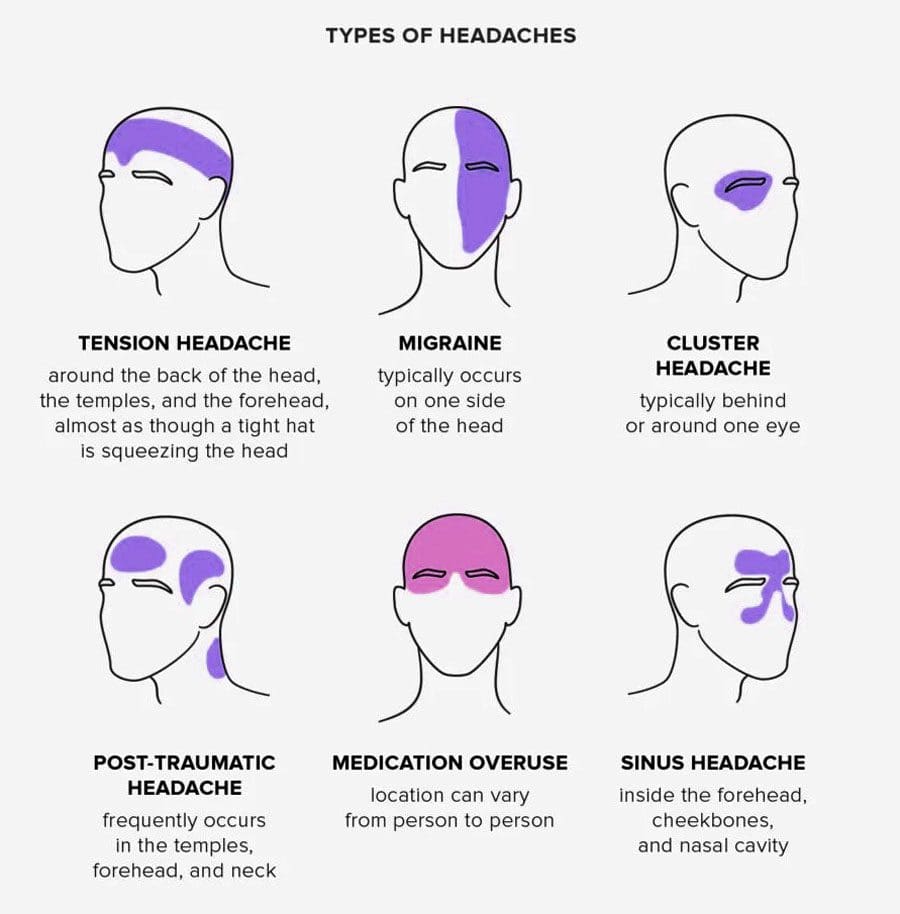
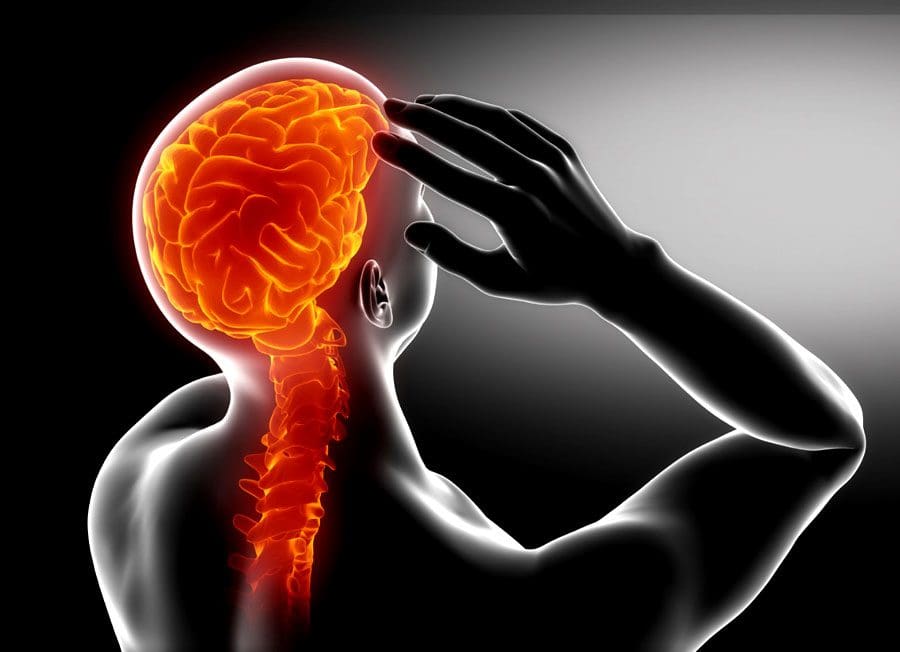
Headaches are a common condition that most experience and can differ greatly regarding type, severity, location, and frequency. Headaches range from mild discomfort to constant dull or sharp pressure and severe throbbing pain. A headache chiropractor, through therapeutic massage, decompression, and adjustments, alleviates the headaches, whether tension, migraine, or cluster, releasing the tension and restoring normal function.
Headache Chiropractor
Ninety-five percent of headaches are primary headaches caused by overactivity, muscle tension, or problems with pain-sensitive structures in the head. These are not a symptom of an underlying disease and include tension, migraine, or cluster headaches. The other 5 percent of headaches are secondaryand are caused by an underlying condition, infection, or physical issue. Headaches have various causes or triggers. These include:
Long hours driving
Stress
Insomnia
Blood sugar changes
Foods
Smells
Noises
Lights
Excessive exercise or physical activity
Individuals spend more hours in one fixed position or posture, like sitting in front of a computer or standing at a workstation. This can increase joint irritation and muscle tension in the upper back, neck, and scalp, causing achiness and discomfort that builds up to throbbing soreness. The headache’s location and the discomfort experienced can indicate the type of headache.
Chiropractic Care
Chiropractors are experts in the neuromusculoskeletal system. Research shows that a headache chiropractor can adjust the spine’s alignment to improve spinal function, release and relax the tense muscles, and alleviate nervous system stress helping decrease the intensity and frequency. Treatment includes:
The Injury Medical Chiropractic and Functional Medicine Teamwill develop a personalized treatment plan for the individual’s specific condition and needs.
Migraine Treatment
References
Biondi, David M. “Physical treatments for headache: a structured review.” Headache vol. 45,6 (2005): 738-46. doi:10.1111/j.1526-4610.2005.05141.x
Bronfort, G et al. “Efficacy of spinal manipulation for chronic headache: a systematic review.” Journal of manipulative and physiological therapeutics vol. 24,7 (2001): 457-66.
Bryans, Roland, et al. “Evidence-based guidelines for the chiropractic treatment of adults with headache.” Journal of manipulative and physiological therapeutics vol. 34,5 (2011): 274-89. doi:10.1016/j.jmpt.2011.04.008
Côté, Pierre, et al. “Non-pharmacological management of persistent headaches associated with neck pain: A clinical practice guideline from the Ontario Protocol for traffic injury management (OPTIMa) collaboration.” European journal of pain (London, England) vol. 23,6 (2019): 1051-1070. doi:10.1002/ejp.1374
The body is a functional machine that requires many muscles, organs, ligaments, joints, and tissues that provide everyday movements. In the upper extremities, the head, neck, and shoulders have many muscles, ligaments, and tissues that work together with the nerve roots from the nervous system that provides sensory-motor function to make the fingers move, the shoulders rotate, and the head turns from side to side. When injuries or common issues affect the muscles in the head, neck, or shoulders, it can cause small nodules to form along the muscle fibers of the affected muscle area and cause referred pain in different locations of the body. Today’s article looks at the scalene muscles, how trigger points affect the scalene muscles while mimicking shoulder pain, and how to manage chronic pain associated with trigger points. We refer patients to certified providers who specialize in musculoskeletal treatments to aid individuals suffering from trigger points related to the shoulders affecting the scalene muscles. We also guide our patients by referring them to our associated medical providers based on their examination when appropriate. We ensure to find that education is the solution to asking our providers insightful questions. Dr. Jimenez DC observes this information as an educational service only. Disclaimer
What Are The Scalene Muscles?
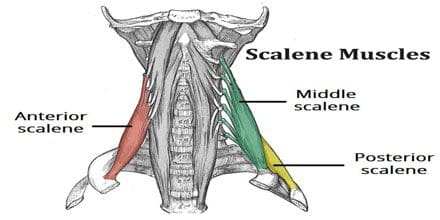
Have you been experiencing tingling sensations running down your fingertips? Do you feel stiffness when rotating your neck or shoulders? Or do you feel muscle soreness in your shoulders? Many individuals who are feeling any of these symptoms affecting their neck or shoulders could be dealing with trigger point pain along the scalene muscles. The scalene muscles play a crucial part in the head and neck as they are deep muscles positioned laterally on the cervical tract of the spine. These muscles have three different branches: the anterior, medius, and posterior, which play the role of being accessory breathing muscles while being an important contributor to head and neck movement. To that point, it allows stability to the cervical spine. The scalene muscles even help support and elevate the upper rib cage when a person is lifting, pulling, or carrying heavy objects. However, like most muscles in the body, the scalene muscles can be prone to injury and can develop issues that can affect the upper extremities of the body.
Trigger Points Affects The Scalene Muscles Mimicking Shoulder Pain
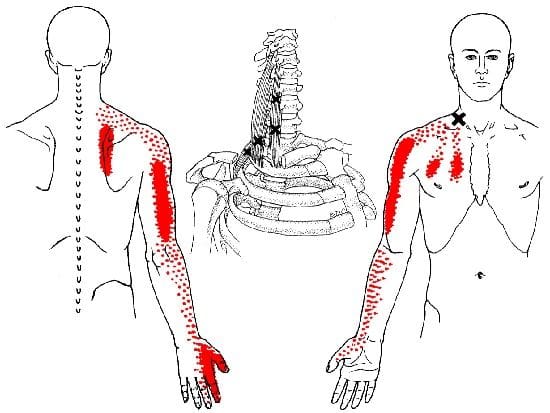
When common injuries like pulling a muscle when carrying a heavy object or even a traumatic injury like being involved in an auto accident can cause pain in the affected area, over time, if not treated, can cause various symptoms to overlap and affect the muscles. When the scalene muscles are affected by injuries, they can develop tiny nodules along the taut muscle fibers and become hyperirritable to the surrounding areas of the upper half of the body. This is known as trigger point pain and can mimic other chronic issues that affect different body areas. To that point, trigger points affecting the scalene muscles may mimic shoulder pain in the upper half of the body. Studies reveal that scalene myofascial pain is a regional pain syndrome that originates pain in the neck area and radiates pain down to the arm. Since trigger points mimic other chronic issues, it is often misdiagnosed as another neck pain associated with radiculopathy when the scalene muscles are affected. When this happens, the muscles become stiff and weak, causing a reduction in the range of movement.
Studies reveal that when individuals suffer from acute whiplash-associated disorders, the local and referred pain can be elicited from active trigger points to reproduce neck and shoulder pain. This causes a higher disability that exhibits widespread pressure causing the muscles to be hypersensitive and reducing the cervical range of motion. Many individuals often complain about shoulder pain while rubbing the upper parts of their arms. The scalene muscle is affected by active trigger points, thus mimicking shoulder pain.
Scalenes Trigger Points-Video
Have you been feeling muscle stiffness in your neck or shoulders? Have you been experiencing a numbing sensation along your arms? Have you felt tenderness along your shoulders when you touch them? Many of these pain symptoms are associated with trigger points along the scalene muscles. The video above explains where the trigger points are located along the scalene muscles and how they are causing referred pain in the neck and shoulder areas. Many factors can lead to the causation of trigger point pain and overlap with other chronic issues that can affect the upper extremities of the body, using sleep as an example. Studies reveal that poor sleeping posture can affect the neck and shoulders, leading to muscle stiffness along the scalene muscles and developing trigger points over time. Fortunately, various ways to manage referred shoulder pain are associated with trigger points.
Management Of Chronic Shoulder Pain Associated With Trigger Points
Many individuals are referred to pain specialists that can alleviate trigger points along the scalene muscle to reduce the effects of shoulder and neck pain. When referred pain along the scalene muscles causes chronic shoulder pain associated with trigger points, many people often do various movements to alleviate the pain. However, it can cause more pain in the affected area and prevent relief from the neck and shoulders. Studies reveal that various treatments like physiotherapy, trigger point injections, manipulation of the cervical spine, or acupuncture can help relax and lengthen the muscle fibers associated with the scalene muscle. To that point, this allows the neck to extend further without pain and reduces the overlapping symptoms that affect the upper extremities of the body.
Conclusion
The scalene muscles play a crucial part in the head and neck area as deep muscles are positioned laterally on the cervical tract of the spine. These muscles help elevate the upper chest and laterally bend the neck from side to side. When injuries affect the scalene muscles and form tiny nodules known as trigger points, it can cause referred pain to the shoulders and the neck. To that point, symptoms like numbing or tingling sensations can travel down the arms and fingers. Fortunately, available treatments can reduce the symptoms and manage myofascial trigger pain along the shoulders and neck associated with the scalene muscles. This allows a better range of motion to the neck and shoulder and prevents future trigger points from forming in the scalene muscles.
References
Abd Jalil, Nizar, et al. “Scalene Myofascial Pain Syndrome Mimicking Cervical Disc Prolapse: A Report of Two Cases.” The Malaysian Journal of Medical Sciences : MJMS, Penerbit Universiti Sains Malaysia, Jan. 2010, https://www.ncbi.nlm.nih.gov/pmc/articles/PMC3216145/.
Bordoni, Bruno, and Matthew Varacallo. “Anatomy, Head and Neck, Scalenus Muscle.” In: StatPearls [Internet]. Treasure Island (FL), StatPearls Publishing, 16 Apr. 2022, https://www.ncbi.nlm.nih.gov/books/NBK519058/.
Fernández-Pérez, Antonio Manuel, et al. “Muscle Trigger Points, Pressure Pain Threshold, and Cervical Range of Motion in Patients with High Level of Disability Related to Acute Whiplash Injury.” The Journal of Orthopaedic and Sports Physical Therapy, U.S. National Library of Medicine, July 2012, https://pubmed.ncbi.nlm.nih.gov/22677576/.
Lee, Won-Hwee, and Min-Seok Ko. “Effect of Sleep Posture on Neck Muscle Activity.” Journal of Physical Therapy Science, The Society of Physical Therapy Science, June 2017, https://www.ncbi.nlm.nih.gov/pmc/articles/PMC5468189/.
Thapa, Deepak, et al. “Management of Chronic Shoulder Pain with Restricted Mobility – a Case Series.” Indian Journal of Anaesthesia, Medknow Publications & Media Pvt Ltd, Nov. 2016, https://www.ncbi.nlm.nih.gov/pmc/articles/PMC5125193/.
IFM's Find A Practitioner tool is the largest referral network in Functional Medicine, created to help patients locate Functional Medicine practitioners anywhere in the world. IFM Certified Practitioners are listed first in the search results, given their extensive education in Functional Medicine








 Headache Chiropractor