Can musculoskeletal therapies treat individuals with upper crossed syndrome to relieve pain, improve posture, and strengthen the muscles in the neck, shoulders and chest?
Upper Crossed Syndrome
Upper crossed syndrome is a condition in which the muscles of the shoulders, neck, and chest become weak and tight, and is usually brought on from practicing unhealthy posture. Symptoms typically include:
Neck stiffness and pulling sensations.
Jaw tension and/or tightness
Upper back tension, lack of flexibility, stiffness, and aching soreness.
Neck, shoulder, and upper back pain.
Tension headaches
Rounded shoulders
Hunched spine
Upper Crossed Syndrome and Posture
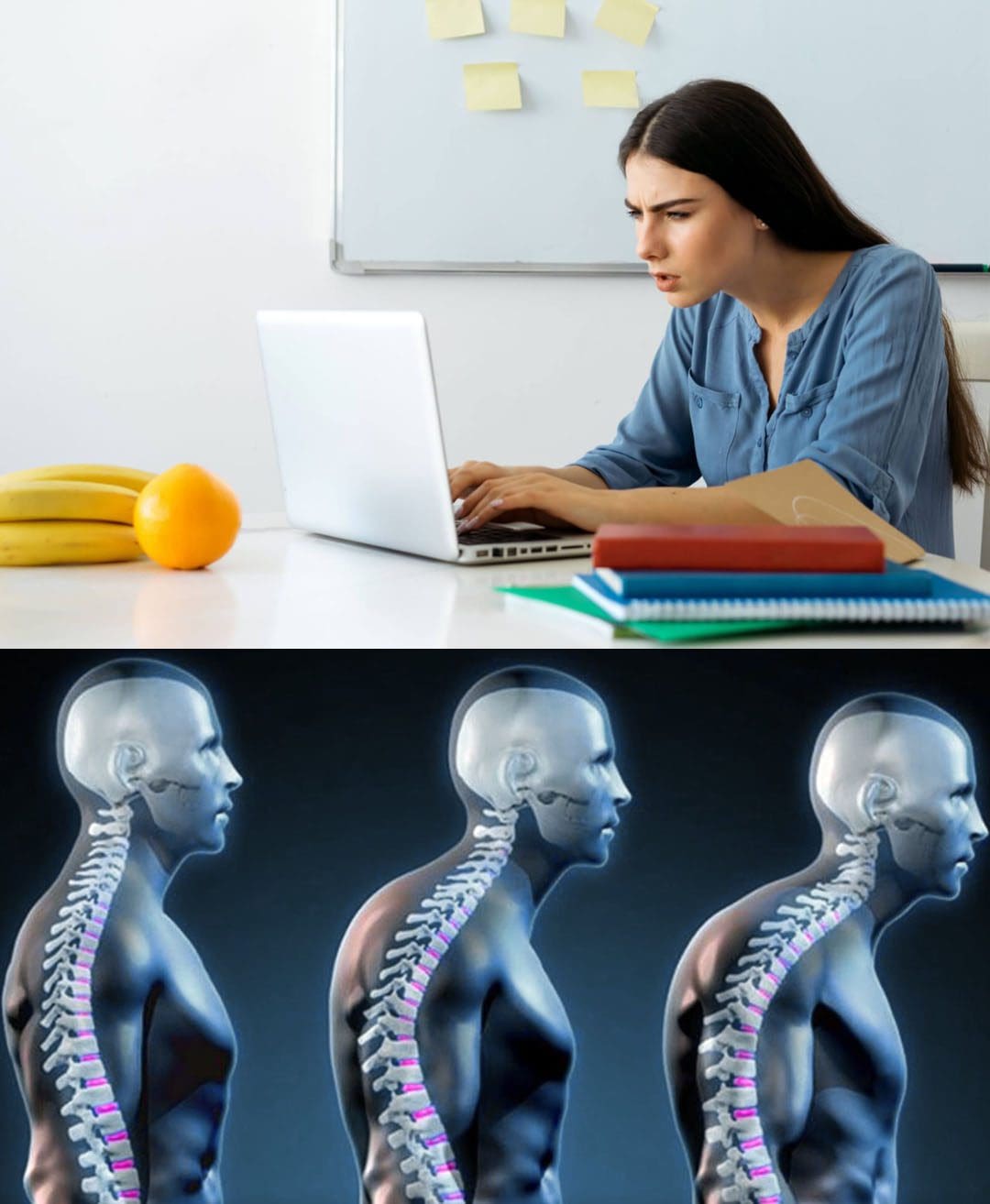
The condition affects healthy posture by creating imbalanced muscles between the upper back and chest.
The tight short muscles in the upper chest get overly stretched and remain in a semi-contracted state pulling on the back muscles.
This causes the muscles in the upper back, shoulders, and neck to get pulled and weaken.
The result is a hunched back, forward shoulders, and protruded neck.
The specific muscles affected include the trapezius and the levator scapula/side of the neck muscles. (Hospital for Special Surgery. 2023)
Prescription anti-inflammatory medication for pain symptoms – short-term.
Individuals may be advised by the chiropractic therapy team to avoid too much bed rest and to limit or avoid activities that can cause pain or worsen symptoms. (Cedars-Sinai. 2022)
Studies have shown chiropractic spinal manipulation effectively reduces neck, spine, and low back pain symptoms. (Gevers-Montoro C, et al., 2021)
Increasing or decreasing physical activity as recommended by the therapy team.
Using ice or heat packs to relieve pain and increase circulation to promote muscle rehabilitation and healing.
Using topical pain creams or gels.
Over-the-counter nonsteroidal – NSAIDs, like Advil or Motrin and Aleve.
Muscle relaxants to relieve tension short-term.
Enhance Your Lifestyle
References
Hospital for Special Surgery. Move with the purpose to combat upper and lower crossed syndromes.
National Institute of Arthritis and Musculoskeletal and Skin Diseases. Back pain.
Seidi, F., Bayattork, M., Minoonejad, H., Andersen, L. L., & Page, P. (2020). Comprehensive corrective exercise program improves alignment, muscle activation, and movement pattern of men with upper crossed syndrome: a randomized controlled trial. Scientific reports, 10(1), 20688. https://doi.org/10.1038/s41598-020-77571-4
Bae, W. S., Lee, H. O., Shin, J. W., & Lee, K. C. (2016). The effect of middle and lower trapezius strength exercises and levator scapulae and upper trapezius stretching exercises in upper crossed syndrome. Journal of physical therapy science, 28(5), 1636–1639. https://doi.org/10.1589/jpts.28.1636
National Institute of Neurological Disorders and Stroke. Back pain.
Cedars-Sinai. Back and neck pain.
Gevers-Montoro, C., Provencher, B., Descarreaux, M., Ortega de Mues, A., & Piché, M. (2021). Clinical Effectiveness and Efficacy of Chiropractic Spinal Manipulation for Spine Pain. Frontiers in pain research (Lausanne, Switzerland), 2, 765921. https://doi.org/10.3389/fpain.2021.765921
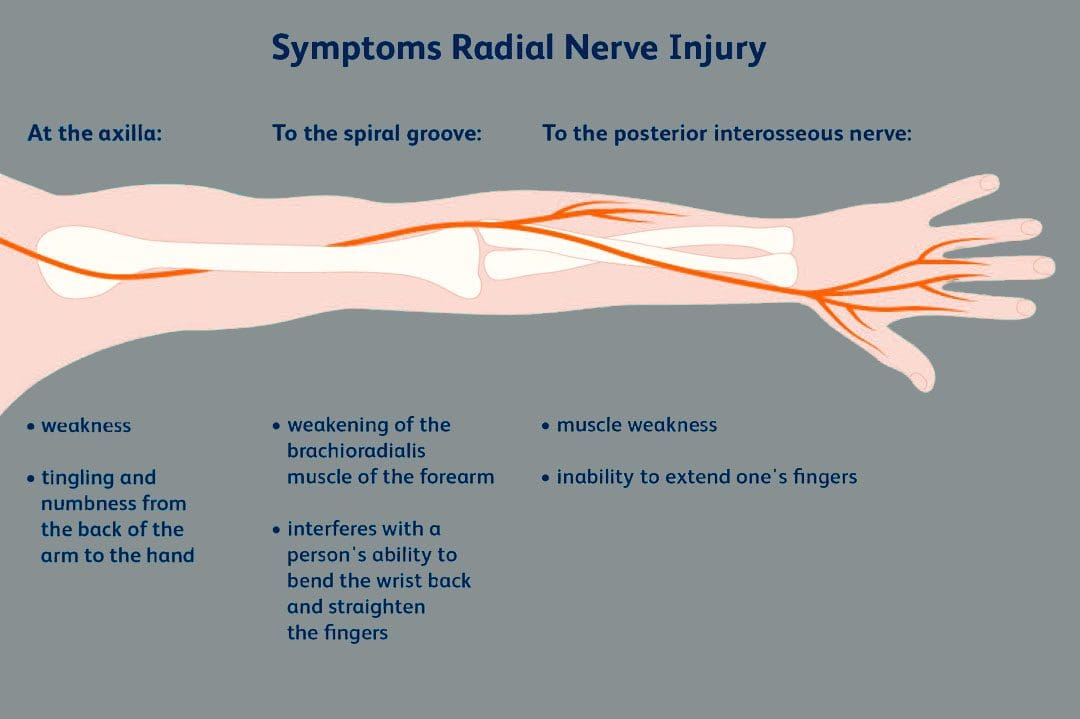
The brachial plexus is a network of nerves that begin in the cervical/neck spinal cord and travel down the cervicoaxillary canal into the armpit. Forming in the area of the shoulder joint at the branch junction of the brachial plexus, the radial nerve extends down the arm, through the elbow joint, into the forearm, across the wrist, and tips of the fingers. The nerves are susceptible to injury that can cause abnormal function leading to unusual sensations and impaired muscle function.
Radial Nerve
One of the major nerves of the upper extremity.
There is one brachial plexus on each side of the body that carries the nerves to each arm.
The radial nerve has two major functions.
One is to provide sensations in the hands, forearms, arms, and fingers.
The other is to deliver messages to muscles about when to contract.
Motor Function
The radial nerve transmits signals to the muscles of the back of the arm and forearm on when to contract.
Individuals who have abnormal radial nerve function can experience weakness of the muscles and symptoms like wrist drop.
A wrist drop occurs when the back forearm muscles cannot support the wrist, causing the individual to hold the wrist in a flexed posture.
Abnormal radial nerve function can cause symptoms of numbness or tingling in the back of the hand.
Conditions
Associated conditions to the radial nerve include lacerations, contusions, fractures, and palsies.
Nerve Contusion
A contusion typically occurs through blunt force trauma that can crush and smash the nerve area.
This causes abnormal or no function.
A nerve contusion can occur from a personal, work, or sports injury or other conditions that generate intense pressure on the nerve/s.
Nerve Lacerations
A laceration occurs when there is a penetrating injury that cuts and/or severs the nerve.
This injury can occur from stab wounds or sliced by broken glass, metal, etc.
Fractures
Broken bones of the upper extremity can lead to extended damage to the nerves near the damaged bone.
The most common type of fracture associated with radial nerve malfunction is fractures to the humerus bone.
The nerve wraps tightly around the humerus and can be injured with a fracture.
Most fracture-related radial nerve injuries heal on their own and do not require surgery.
However, the way the injury heals can be the difference between normal function and chronic pain.
Crutch Palsy
Crutch palsy is pressure on the radial nerve in the armpit resulting from using crutches incorrectly.
To use crutches properly, the individual needs to support their body weight through the hands.
However, many tend to place pressure around the armpit at the top of the crutch, causing irritation to the nerve in that area.
Padding the top of crutches and using the proper form can prevent the condition.
Saturday Night Palsy
Saturday night palsy is the abnormal function of the radial nerve after sleeping in a position that causes direct pressure against the nerve.
This often occurs when an individual falls asleep with their arm draped over an armrest on a chair.
The name comes from when individuals are intoxicated and fall asleep in a location other than the bed and in awkward positions.
Treatment
Nerve injuries often cause symptoms at different locations other than where the nerve damage is, complicating diagnosis. Determining the specific location of nerve damage is the first step in developing an appropriate treatment plan. Once the location has been identified, steps can be taken to prevent worsening damage to the nerve.
The objective is to relieve the pressure from the irritation or compression.
Massage to relax the area and increase blood circulation.
Decompression to physically restore alignment.
Adjustments to restore body balance.
Exercises and stretches to maintain treatment, strengthen the muscles, and prevent injuries.
In cases where there is structural damage, surgery may be necessary to remove pressure or repair damage.
Avoid Surgery
References
Ansari FH, Juergens AL. Saturday Night Palsy. [Updated 2023 Apr 24]. In: StatPearls [Internet]. Treasure Island (FL): StatPearls Publishing; 2023 Jan-. Available from: https://www.ncbi.nlm.nih.gov/books/NBK557520/
Barton, N J. “Radial nerve lesions.” The Hand vol. 5,3 (1973): 200-8. doi:10.1016/0072-968x(73)90029-6
Daly, Michael, and Chris Langhammer. “Radial Nerve Injury in Humeral Shaft Fracture.” The Orthopedic Clinics of North America vol. 53,2 (2022): 145-154. doi:10.1016/j.ocl.2022.01.001
DeCastro A, Keefe P. Wrist Drop. [Updated 2022 Jul 18]. In: StatPearls [Internet]. Treasure Island (FL): StatPearls Publishing; 2023 Jan-. Available from: https://www.ncbi.nlm.nih.gov/books/NBK532993/
Eaton, C J, and G D Lister. “Radial nerve compression.” Hand Clinics vol. 8,2 (1992): 345-57.
Glover NM, Murphy PB. Anatomy, Shoulder and Upper Limb, Radial Nerve. [Updated 2022 Aug 29]. In: StatPearls [Internet]. Treasure Island (FL): StatPearls Publishing; 2023 Jan-. Available from: https://www.ncbi.nlm.nih.gov/books/NBK534840/
Ljungquist, Karin L et al. “Radial nerve injuries.” The Journal of hand surgery vol. 40,1 (2015): 166-72. doi:10.1016/j.jhsa.2014.05.010
Many people experience neck and back pain due to various factors that affect their daily routine. These pain conditions are common and can be caused by repetitive motions that impact the surrounding muscles, tissues, ligaments, and spinal discs. Chronic pain can develop depending on the severity and duration of the condition. People with demanding jobs, pre-existing conditions, or older adults may seek medical attention to reduce the pain-like symptoms of neck and back pain. However, treatment costs can be high. There are safe, cost-effective, and non-invasive treatments to relieve neck and back pain. This article will explore why neck and back pain is expensive and why non-surgical treatments are cost-effective. It will also discuss how non-surgical therapies like spinal decompression can alleviate back and neck pain. We work with certified medical providers who use our patients’ valuable information to treat individuals suffering from back and neck pain while informing them about non-surgical treatments like spinal decompression that can help relieve their neck and back pain. We encourage patients to ask essential questions and seek education from our associated medical providers about their condition. Dr. Jimenez, D.C., provides this information as an educational service. Disclaimer
Why Does Back & Neck Pain Cost More?
Many people report to their primary doctors that they are experiencing radiating pain from the neck or lower back, which affects their upper or lower extremities. For neck pain, they may experience headaches or shoulder pain that causes pain-like symptoms like numbness or tingling sensations down to their arms and fingers. For back pain, they may experience muscle soreness in their lumbar region, which can result in numbness in the glute muscles or cause sciatic nerve pain, affecting their walking ability. Research studies reveal that cognitive, affective, and lifestyle factors all affect the neck and back. High-demanding jobs, stress, or trauma from an accident can develop neck and back pain. As a result, the body takes more overbearing loads, tightening the surrounding muscles in the neck and back. If not treated right away, it can lead to problematic issues that disrupt their routine.
Based on the book “The Ultimate Spinal Decompression” by Dr. Eric Kaplan D.C., FIAMA, and Dr. Perry Bard, D.C., humans’ evolution to walk upright has strained their stability, leading to axial overload and potential neck and back pain. The book also highlights that the human body was not meant to remain sedentary, which can also contribute to the development of such pain. Research studies revealed that neck and back pain can be nociceptive with neuropathic components, making treatment costly and time-consuming. This economic burden can discourage individuals from seeking treatment despite the pain and expense involved.
Fighting Inflammation Naturally- Video
Are you experiencing persistent neck and back pain? Do your upper or lower extremities feel stiff or tingly? Or is your mobility limited, interfering with your daily activities? These issues are often associated with neck and back pain, disrupting a person’s routine and preventing them from enjoying life. Neck and back pain are common ailments that can be expensive to treat. Research studies revealed that they can also influence individuals’ ability to return to work, increasing treatment costs.
Additionally, pain-like symptoms often accompany neck and back pain, leading some individuals to spend nearly a billion dollars on treatment. However, cost-effective treatments are available that can help alleviate these symptoms. The video above explains how non-surgical treatments can reduce neck and back pain and relieve pain-like symptoms.
Why Non-Surgical Treatments Are Cost Effective?
Research studies have shown that non-surgical treatments are a cost-effective and effective solution for neck and back pain. Many individuals can utilize these treatments combined with various therapies to improve their quality of life and reduce pain symptoms. Non-surgical treatments offer personalized plans as healthcare providers work together to find solutions. They provide individuals with a positive approach to regaining their health and wellness by informing them about their bodies and how to be more mindful of how pain affects their daily routines. Some non-surgical treatments that can relieve neck and back pain include:
Chiropractic care
Physical therapy
Spinal Decompression
Acupuncture
Massage therapy
How Spinal Decompression Can Alleviate Back & Neck Pain
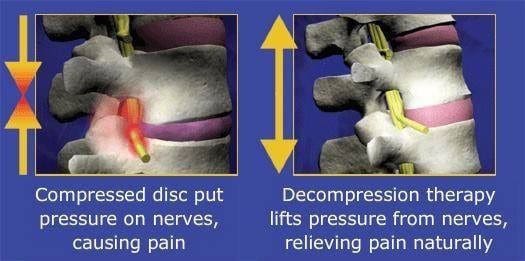
You might be interested in non-surgical treatments like spinal decompression if you suffer back or neck pain. This technique uses gentle traction on the spinal column to alleviate pain while helping your body heal naturally. Research studies have found that cervical spinal decompression can increase disc height and reduce pain caused by compressed cervical discs. This treatment can also alleviate residual pain symptoms like headaches or muscle stiffness and restore mobility to the neck. For back pain, research suggests that spinal decompression can reduce the effects of compressed spinal discs, which can aggravate nerve roots like the sciatic nerve in the lumbar region. Many people who try spinal decompression feel relief after just a few sessions and become more mindful of what triggers their pain. This can help them make small lifestyle changes to continue their journey toward health and wellness.
Conclusion
Many people struggle with neck and back pain, which can be caused by multiple normal and traumatic factors and can be costly. Individuals often prefer to endure the pain rather than subject themselves to invasive treatments. However, non-surgical therapies that are cost-effective and gentle on the body are available. Spinal decompression therapy is one such treatment that can help alleviate pain and promote the body’s natural healing processes. By reducing pain symptoms, many individuals who undergo spinal decompression therapy can return to their daily routines pain-free.
The neck is an extremely flexible part of the upper body that allows the head to move without causing pain or discomfort. It is part of the musculoskeletal system‘s cervical spinal region, which supports the spinal column and is surrounded by various muscles, tissues, and ligaments that protect the spinal cord. However, poor posture, spending too much time hunched over a computer, or looking down at our cellphones can cause neck muscles to become overstretched, leading to compression of the cervical spinal discs. This can cause the cervical discs to bulge or herniate, aggravating the spinal cord and causing neck pain and other associated conditions. This post will discuss how cervical disc compression affects neck pain and how decompression surgery and spinal decompression can help alleviate this condition. We work with certified medical providers who use our patients’ valuable information to treat individuals dealing with cervical disc compression affecting their necks and causes mobility issues. We encourage patients to ask essential questions and seek education from our associated medical providers about their condition. Dr. Jimenez, D.C., provides this information as an educational service. Disclaimer
What Is Cervical Disc Compression?
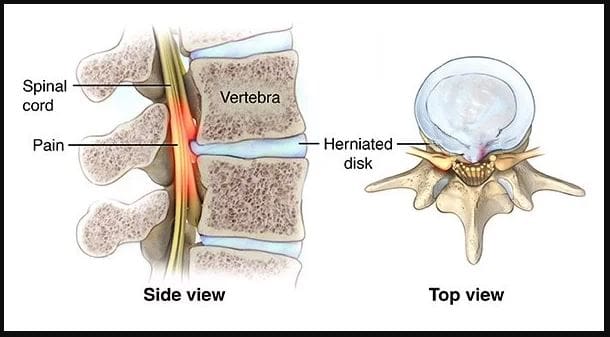
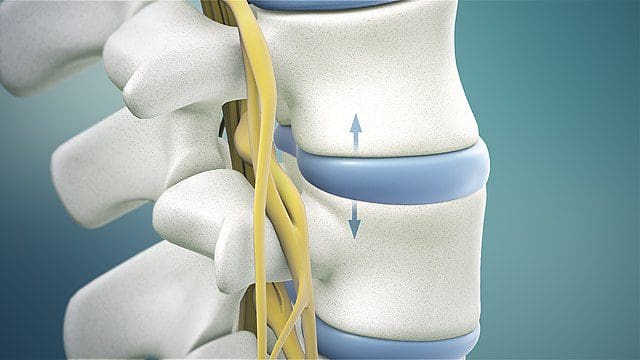
Have you been experiencing neck pain or muscle aches in your shoulders? Do you feel numbness or tingling running down your arms and fingers? These symptoms may be signs of cervical disc compression. The cervical spinal discs act as shock absorbers for the spine, preventing unwanted pressure and mobility issues. Research studies revealed that age-related degenerative properties like dehydration could cause herniated and compressed cervical discs, leading to posterior disc protrusion into the spinal cord. Trauma can also cause extreme hyperflexion or hyperextension of the posterior neck muscles, resulting in various neck symptoms. Additional research studies stated cervical disc displacement could cause compression or impingement on spinal nerve roots, leading to inflammation and neck pain.
How Is It Associated With Neck Pain?
When the spinal cord and nerve roots in the cervical region are affected by cervical disc compression, the pain can be dull or sharp, depending on how it affects many individuals. According to research studies, many people are unaware that repetitive normal factors or traumatic forces can cause a challenge in determining the origin of the pain from symptomatic or asymptomatic disc compression. Additional research studies mentioned that cervical disc compression could cause upper and lower extremities abnormalities, such as loss of deep tendon reflexes in the arms and legs, loss of motor function in the hands and feet, muscle weakness, headaches, and gait imbalances. However, various treatments can alleviate the pain-like symptoms associated with cervical disc compression and help the body’s natural healing process.
From Inflammation To Healing-Video
Are you experiencing inflammation and pain in your neck? Do you notice a tingling or numb sensation in your hands or feet? Or do you feel stiffness in your shoulders or neck? These symptoms can be caused by compressed cervical discs, which many people are unaware of. The compression of cervical discs is a common source of neck pain and can even cause referred pain in the upper and lower extremities. Repetitive motions to the neck can cause the posterior neck muscles to overstretch and lead to pain. Normal or traumatic factors can also lead to neck pain associated with cervical disc compression, resulting in disc herniation. Fortunately, non-surgical therapies like chiropractic care and spinal decompression can help alleviate the symptoms of pain, discomfort, and inflammation caused by cervical disc compression. Check out the video above for more information on these treatments.
Posterior Cervical Disc Decompression Surgery
If you experience cervical compression on your neck, it can lead to persistent neck pain and discomfort if left untreated. Many people opt for posterior cervical disc decompression surgery to alleviate the effects of disc herniation. According to “The Ultimate Spinal Decompression” by Dr. Perry Bard, D.C., and Dr. Eric Kaplan, D.C., FIAMA, cervical disc herniation can sometimes affect the back of the neck and cause persistent pain. In such cases, decompression surgery is often performed. During the procedure, a small incision is made at the back of the neck, and a portion of the damaged disc is removed to ease the irritated nerve. This brings relief to the individual suffering from neck pain.
Non-Surgical Decompression For Compressed Cervical Disc
If you’re not interested in surgery for cervical disc compression, consider non-surgical spinal decompression instead. Studies have shown that spinal decompression is a safe, non-invasive treatment involving gentle cervical spine traction to reposition the herniated disc. This treatment can also help rehydrate the spinal disc by bringing in nutrients and oxygenated blood to promote natural healing. Additionally, spinal decompression can alleviate any remaining symptoms of neck pain.
Conclusion
The neck is a highly flexible area that enables smooth head movement without discomfort or pain. However, it is also a part of the musculoskeletal cervical region that can be prone to injuries. Compression of the disc due to normal or traumatic factors can result in herniation, causing pain if left untreated. Fortunately, several treatments are available to alleviate neck pain caused by cervical compression and make the neck mobile again.
Neck injuries are more common than people realize and can lead to mobility issues, affecting the head and shoulders. This is caused by herniated or compressed cervical discs, which can irritate spinal nerve roots. Neck muscles can also be injured, resulting in shoulder pain, stiffness, or headaches. Neck pain is the second most common problem after back pain. Poor posture, phone usage, and computer work can all contribute to neck pain, which can worsen over time if left untreated. Fortunately, therapies are available to gently stretch affected muscles and realign cervical discs, providing relief. Our article discusses how neck pain affects the body, factors related to anterior cervical compression, and how spinal decompression can alleviate neck pain. We work with certified medical providers who use our patients’ valuable information to provide cervical disc treatments for individuals with neck pain affecting their cervical spine and causing mobility issues. We encourage patients to ask essential questions and seek education from our associated medical providers about their condition. Dr. Jimenez, D.C., provides this information as an educational service. Disclaimer
How Does Neck Pain Affect The Body?
Are you experiencing muscle stiffness between your neck and shoulders? Do you feel discomfort when working for long periods in a hunched position? Or are you suffering from persistent headaches that won’t go away? These symptoms could be caused by neck pain associated with anterior cervical disc compression, a common issue affecting many people. Neck pain is the second most common pain-related problem after low back pain, and it carries corresponding risk profiles that can lead to its development. Research studies revealed that cervical disc herniation associated with neck pain can affect the upper body extremities, ranging from mild to severe symptoms. The spine has three regions: cervical, thoracic, and lumbar, which protect the spinal cord that branches out the nerve roots, allowing mobility and flexibility for the head, neck, and shoulders. When the cervical discs become herniated, they can aggravate the nerve roots, leading to numerous symptoms that can affect the surrounding muscles in the neck and shoulders. Further research studies have revealed that when the cervical intervertebral discs are compressed, they become a common source of neck pain, usually accompanied by neck stiffness and other overlapping risk profiles that can cause referred pain to the upper body extremities. Therefore, neck pain associated with anterior cervical disc compression can become an issue when multiple environmental factors are involved.
Factors Associated With Anterior Cervical Compression To The Neck
Neck pain caused by anterior cervical compression can be due to numerous factors such as poor posture, degenerative disc disease (DDD), spinal stenosis, constantly looking down at a cell phone, being in a hunched or slouched position at work, and repetitive lifting of heavy objects. When individuals engage in repetitive motions that strain the neck, it can result in cervical compression that affects the nerve roots, causing abnormal neuron signals and shoulder or neck pain, according to research studies. This can also lead to overlapping risk profiles, causing referred pain to the upper extremities and somato-visceral pain. Additionally, anterior cervical compression can affect the cardiovascular system, resulting in unwanted symptoms like headaches and neck stiffness, causing significant discomfort.
Chiropractic Recovery Testimony-Video
Are you experiencing frequent headaches or stiffness between your shoulders and neck? Do you feel pain when stretching your neck from side to side? These symptoms may be related to anterior cervical compression in your cervical spine, which can cause herniation of the spinal disc and affect the nerve roots within muscle and tissue fibers. This can lead to referred pain in the neck and shoulder regions. Fortunately, there are various ways to alleviate pain and stiffness in the neck and treat chronic conditions associated with cervical disc herniation. Non-surgical treatments like chiropractic care can relieve neck and shoulder pain caused by cervical disc herniation. Combining non-surgical treatments with other therapies can prevent neck pain from recurring and improve posture. Chiropractic care can also alleviate referred pain caused by neck pain through manual and mechanical manipulation. Check out the video above for more information on non-surgical treatments for cervical disc herniation.
How Spinal Decompression Can Alleviate Neck Pain
Neck pain can be confusing because it can affect the shoulders and chest, leading to referred visceral-somatic pain. Fortunately, many treatments are available to alleviate neck pain and its associated symptoms. According to “The Ultimate Spinal Decompression” by Dr. Eric Kaplan, D.C., FIAMA, and Dr. Perry Bard, D.C., unwanted pressure on the cervical spinal disc can cause damage and ongoing pain by pressing the nerve root. If this happens, some people choose anterior cervical discectomy, which involves a small incision in the neck to remove the damaged disc and relieve pressure on the nerve root. Others opt for spinal decompression if the disc is herniated and aggravates the nerve root in the cervical spine region.
Studies have shown that spinal decompression can help ease neck and shoulder pain by gently stretching the spine through traction. This allows the herniated disc to be pulled back to its original position, relieving pressure on the affected nerve root and muscles. Spinal decompression is a safe and non-invasive treatment option that can be combined with other non-surgical therapies. It is also cost-effective and can benefit individuals who incorporate it into their health and wellness plans.
Conclusion
Neck pain is commonly caused by cervical disc herniation, leading to discomfort in the upper extremities around the neck. Repetitive motions associated with normal activities, such as poor posture, phone usage, and desk work, can also contribute to neck pain. Fortunately, non-surgical treatments like spinal decompression are available. This gentle technique uses traction to stretch the spine and alleviate pain from disc herniation, making it a cost-efficient option. By combining spinal decompression with other therapies, individuals can prevent the recurrence of neck pain and enjoy a pain-free life.
References
Kaplan, E., & Bard, P. (2023). The Ultimate Spinal Decompression. JETLAUNCH.
Shoulder and neck discomfort, pain, and headaches could be caused by vision problems and eye strain that require corrective glasses, contact lenses, or an updated prescription. Spending long periods of activity involving eye usage, like driving, reading/writing reports, studying plans, instructions, reviewing charts, orders, etc., on mobile devices and computer screens fatigues the eyes. Individuals with tired eyes try to reduce eye strain by tilting their head or neck and hunching forward, which results in an unhealthy posture. And for individuals that need glasses squinting and straining the eyes also leads to unhealthy postures, directly contributing to neck and shoulder pain and headaches. Injury Medical Chiropractic and Functional Medicine Clinic can repair and heal musculoskeletal injuries and refer patients to the proper specialist, in this case, an eye care professional.
Vision Problems
Like any muscle, the eyes can be overworked, causing unconscious tensing of the neck, upper back, and shoulder muscles, leading to muscle tension in the back of the skull. The tense muscles can cause blood flow and circulation restriction. Individuals compensate by tilting the head towards one shoulder, craning the neck, or leaning/hunching. This can help for a little while but does not relieve muscle soreness, headaches, or migraines, as well as the throbbing around the temples or the fact that it will keep happening. Individuals learn to live with the pain and push through it. This is unhealthy and can lead to serious, chronic musculoskeletal conditions that can cascade into other health problems. For individuals, the symptoms they are experiencing are common in conditions they may have been previously or currently diagnosed with, including:
Neck Strain
The risk of neck strain or injury comes with the overuse of the neck muscles and tendons.
This results in neck pain, tenderness, and a decreased range of motion.
With vision problems, individuals have additional stress on their neck muscles as they tilt their heads to relieve the discomfort.
Neck Muscle Spasms
When the muscles in the neck involuntarily tighten, it can cause sharp or sudden pain; this is referred to as a muscle spasm.
Individuals can experience muscle spasms for minutes, hours, or even days.
Constantly tilting the head to one side to realign vision can cause overuse and strain on the neck muscles, resulting in muscle spasms.
Torticollis/Wry Neck
With torticollis, individuals will likely have a head tilt and experience neck muscle tenderness, stiffness, and pain.
Chiropractic Treatment
Chiropractors are experts in relieving discomfort symptoms and restoring the neuromusculoskeletal system to optimal function. They help reduce inflammation and muscle spasms through heat, cold, stretches and exercises, and electrical stimulation to expedite healing. They also retrain individuals on posture training eliminating the need to tilt the head and being more aware of body positioning.
As primary care doctors, chiropractors can refer their patients to specialists.
Chiropractors work with a wide range of medical professionals, depending on the needs of their patients.
When neck and shoulder discomfort and headaches become chronic and do not heal or improve, they could be vision problems.
By treating the vision misalignment, pressure can be relieved in the neck and shoulders, reducing and eliminating spasms.
Beyond Medicine
References
Bryans, Roland, et al. “Evidence-based guidelines for the chiropractic treatment of adults with headache.” Journal of manipulative and physiological therapeutics vol. 34,5 (2011): 274-89. doi:10.1016/j.jmpt.2011.04.008
Gowrisankaran, Sowjanya, and James E Sheedy. “Computer vision syndrome: A review.” Work (Reading, Mass.) vol. 52,2 (2015): 303-14. doi:10.3233/WOR-152162
Kaur, Kirandeep, et al. “Digital Eye Strain- A Comprehensive Review.” Ophthalmology and therapy vol. 11,5 (2022): 1655-1680. doi:10.1007/s40123-022-00540-9
Lodin, Camilla, et al. “Eye- and neck/shoulder-discomfort during visually demanding experimental near work.” Work (Reading, Mass.) vol. 41 Suppl 1 (2012): 3388-92. doi:10.3233/WOR-2012-0613-3388
Richter, Hans O. “Neck pain brought into focus.” Work (Reading, Mass.) vol. 47,3 (2014): 413-8. doi:10.3233/WOR-131776
Zetterberg, Camilla et al. “Neck/shoulder discomfort due to visually demanding experimental near work is influenced by previous neck pain, task duration, astigmatism, internal eye discomfort, and accommodation.” PloS one vol. 12,8 e0182439. 23 Aug. 2017, doi:10.1371/journal.pone.0182439
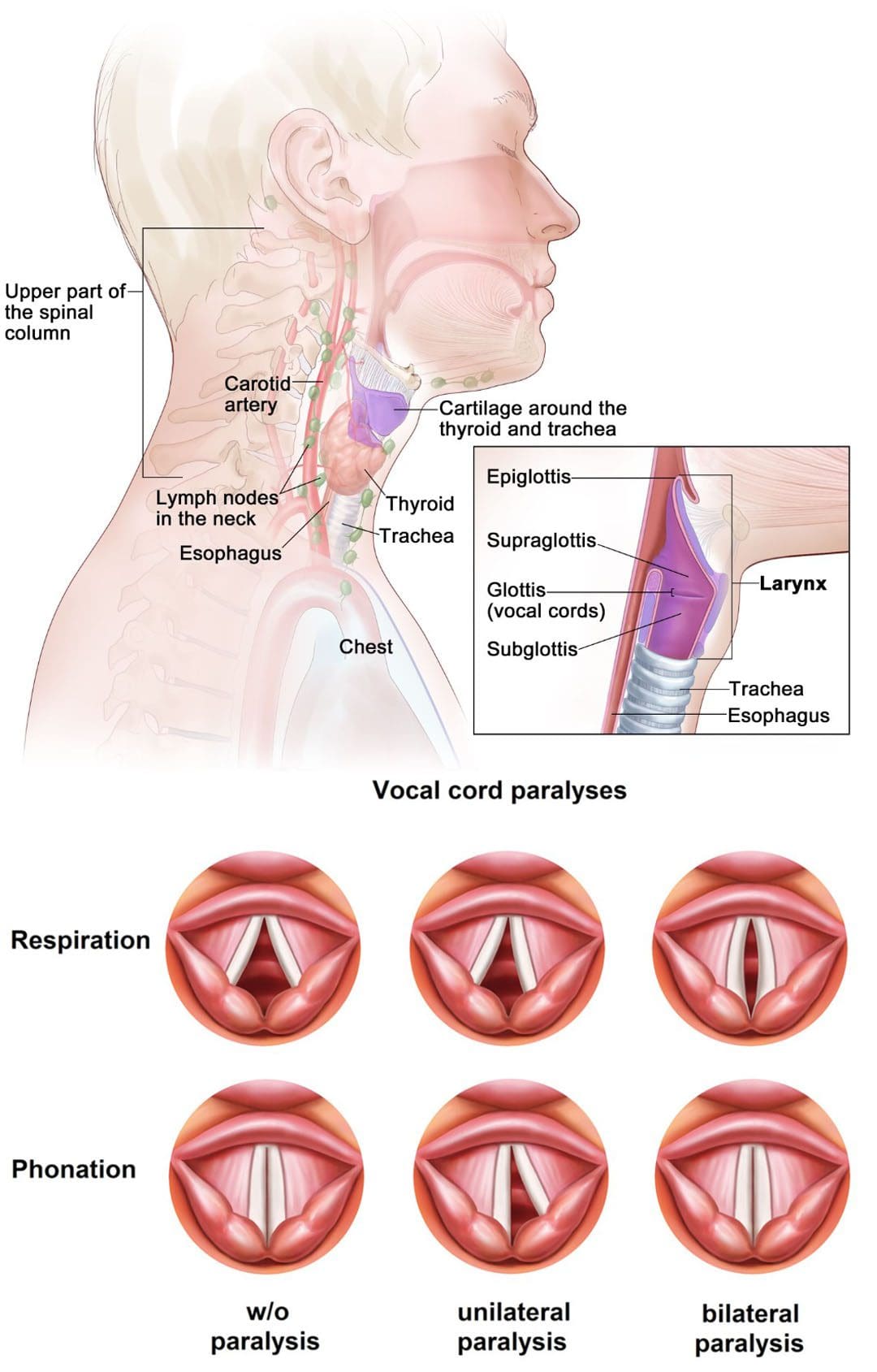
Automobile collisions, work, sports, and personal accidents can cause neck injuries that can affect other areas, leading to long-term health problems. Neck injuries involving soft tissue damage frequently persist after the incident. One of the injuries includes vocal cord damage caused by impact to the larynx. The larynx, or voicebox, is an organ that is behind the Adam’s apple. A neck injury impacting the larynx can affect the ability to speak and breathe and cause vocal cord paralysis. Treatment can involve surgery, voice therapy, physical therapy, and chiropractic.
Vocal Cord Injury
The vocal cords are two flexible bands of muscle tissue at the entrance of the trachea. The vocal cords are normally in a relaxed open position to allow breathing. When talking, the bands combine and vibrate to make a sound. Surgery, viral infections, certain cancers, and neck trauma can cause vocal cord paralysis. In this condition, nerve damage blocks or inhibits impulses from transmitting to the voice box. The muscles, usually one of them, become paralyzed, preventing swallowing and ingesting saliva through the windpipe/trachea. In rare cases, both muscles are unable to move.
Trauma to the neck or chest can injure the voice box nerves.
Infections
Infections like Lyme disease, Epstein-Barr virus, and herpes can cause inflammation and nerve damage.
Tumors
Tumors, cancerous and noncancerous, can grow inside or around the muscles, cartilage, and nerves.
Neurological
Neurological conditions like multiple sclerosis or Parkinson’s disease can lead to vocal cord paralysis.
Surgical Injury
Surgical procedure mistakes or complications on or near the neck or upper chest can result in damage to the voice box nerves.
Surgeries to the thyroid or parathyroid glands, esophagus, neck, and chest have an increased risk.
Stroke
A stroke chokes blood flow to the brain and can damage the region of the brain that transmits messages to the voice box.
Treatment
Treatment is determined by a doctor based on the individual medical condition and diagnostic tests. Treatment can involve:
Speech Therapy
Speech therapy is recommended as the laryngeal muscles are strengthened through various exercises, improving breathing function. A speech therapist will begin working with the individual on exercises targeting the weakened vocal folds by enhancing airflow and blood circulation.
Physical Therapy and Chiropractic
Treatment involves performing gentle exercises that work on the vocal cords gradually and progressively but does not stress them. Chiropractors work with the physical therapist performing high-velocity, low-amplitude manipulation targeted at the lower neck and upper thoracic area, the C3/T1 vertebrae. A treatment plan will also use massage, non-surgical decompression, instrument/tool-assisted soft-tissue mobilization, low laser or ultrasound, and at-home stretches and exercises.
Surgery
Surgery could be necessary for individuals experiencing no improvement despite doing the prescribed speech and physical therapy exercises. Different types of procedures are based on the degree and extent of the paralysis:
Injections – Collagen and fillers are injected into the vocal cords to reposition the affected muscles closer to the larynx.
Phonosurgery – The vocal cords are repositioned through restructuring.
Tracheotomy – If the vocal folds are closing, a surgeon may make an incision in the neck at the opening of the windpipe and insert a breathing tube. This bypasses the air blockage caused by the vocal folds and promotes proper air circulation.
Cervical Spine Instability
References
Chen, Ching-Chang, et al. “Long-term result of vocal cord paralysis after anterior cervical discectomy.” The European spine journal: official publication of the European Spine Society, the European Spinal Deformity Society, and the European Section of the Cervical Spine Research Society vol. 23,3 (2014): 622-6. doi:10.1007/s00586-013-3084-y
Dankbaar JW, et al. Vocal cord paralysis: Anatomy, imaging, and pathology. Insights in Imaging. 2014; doi:10.1007/s13244-014-0364-y.
Fitzpatrick, P C, and R H Miller. “Vocal cord paralysis.” The Journal of the Louisiana State Medical Society: official organ of the Louisiana State Medical Society vol. 150,8 (1998): 340-3.
Kriskovich, M D et al. “Vocal fold paralysis after anterior cervical spine surgery: incidence, mechanism, and prevention of injury.” The Laryngoscope vol. 110,9 (2000): 1467-73. doi:10.1097/00005537-200009000-00011
Vocal fold paralysis. National Institute on Deafness and Other Communication Disorders. https://www.nidcd.nih.gov/health/vocal-fold-paralysis. Accessed May 18, 2022.
Vocal fold paralysis. American Speech-Language-Hearing Association. https://www.asha.org/public/speech/disorders/Vocal-Fold-Paralysis. Accessed May 18, 2022.
Waddell, Roger K. “Chiropractic care for a patient with spasmodic dysphonia associated with cervical spine trauma.” Journal of chiropractic medicine vol. 4,1 (2005): 19-24. doi:10.1016/S0899-3467(07)60108-6
IFM's Find A Practitioner tool is the largest referral network in Functional Medicine, created to help patients locate Functional Medicine practitioners anywhere in the world. IFM Certified Practitioners are listed first in the search results, given their extensive education in Functional Medicine