Join Drs. Jason Deitch and Tom Klapp as they lay out the rationale for remaining one of the few�drug-free options for improving health and wellbeing.
Dr. Klapp says there are three drivers for chiropractors who are trying to bring drugs into the profession�all based on false premises:
Schools teaching a medical/allopathic approach instead of the chiropractic approach
Unsuccessful chiropractors who believe drugs would make them more money
�Pied pipers� who claim prescribing drugs would make chiropractic more �advanced�
Bottom line: Americans� declining health is NOT�because we�are suffering from a deficiency of drugs.
Video Transcription
Jason Deitch:��Hello, everyone. Dr. Jason Deitch here, and today I�m excited to be having a great conversation with my great friend Dr. Tom Klapp. Dr. Tom, thanks so much for making some time in your busy schedule to talk about, what I believe, might just be one of, if not the most important conversation in the chiropractic profession, which is asking the question, �Why is the chiropractic profession better off a drug-free profession?� Now before we get into that, a lot of people know you, you�re on the board of Life University, you�ve been very involved in the politics in the state of Michigan, but for those that may not be aware of who you are, recent graduates and so on, before we get into the message, let�s talk about the messenger. Share with us some of your background and why you have really become one of, I�ll say the world�s, most vocal proponents about keeping chiropractic as a drug-free profession.
Tom Klapp: �Well first of all, I�ve been in practice for, it�ll be 37 years next month, and I have a lot of experience in politics, as you mentioned. I�m the past president of the Michigan Chiropractic Association. I�m the past chairman of the Michigan Association of Chiropractors, which was the newly merged association in Michigan that came together 10 years ago now, believe it or not. I am, as you mentioned, on the board of Life University, and I have a long list of low paying jobs in this profession, so for whatever that�s worth, I know my way around the profession. Let�s put it that way.
Jason Deitch:��Right. You�re being facetious about low-paying jobs, but what you�ve done is you�ve volunteered and participated on a lot of levels around the world in this conversation or really about how to elevate our profession, I�ll say, to the stature that it really deserves to be. You were instrumental, I know, in the mergers of the two state associations. You�re being humble and so on, and that�s all well and good. Let�s get into it. For those chiropractors watching, you may have some chiropractors that have been around for decades, others who are in school, let�s have the conversation. There are those within our profession that actively believe that we will be a better profession with drugs. Why is that not true?
Tom Klapp: �Well, the first reason it�s not true is because there are plenty of professions already out there that are willing, ready and able, and in fact eager, to write as many prescriptions as humanly possible. Currently in the United States, the average American, get this, it�s 13 prescriptions written for him or her annually, and 75% of Americans are taking at least one prescription drug.
The first question I would ask a chiropractor thinking this way is what benefit do you bring to a patient above and beyond what all these other providers and physicians that are writing prescriptions for drugs like crazy, what benefit do you bring that they�re not already getting?
That�s the first question. Then on the other side of the coin, what destruction are you doing, are you wreaking, on the world�s only drug-free [healthcare] profession?If you look around the landscape, there�s all kinds of providers, and I would even argue people like homeopaths and naturopaths, in their own way, have a form of prescribing what could be considered drugs. Yet here we are, we are a holdout.
Several years ago, the Foundation for Chiropractic Progress did significant market surveys, focus groups, and a variety of other methods of determining what does the public believe about chiropractic? What do they like about us? What do they not like about us?
The number one thing that the public likes and appreciates about the chiropractic profession is that we are drug free. The public loves knowing that there is a doctor out there that they can go to that isn�t standing ready as they walk in the door to write a prescription. We have other ways, magnificent, effective, sometimes even unbelievably effective, ways of healing without the necessity, without the bastardization of bringing drugs into our beautiful profession.
Jason Deitch:��What are some of the claims? Those that do believe this. Maybe just share for those that are new to the conversation, why do they think that it�s a better profession with drugs?
Tom Klapp:��I have looked this over, and I�ve kind of come down to three reasons why the profession wants to go down this path. Let�s call them drivers, if you will.
The first driver is that there�s a lot of colleges out there, chiropractic colleges, that are training their doctors in, what I would call, allopathic practice. They teach them how to diagnose; they teach them how to refer to medical doctors; they teach them how to practice, think, and act like a medical doctor. Then what happens to these graduates is when they graduate and they get their chiropractic license, they realize chiropractic is not allopathic, that all the things that they may have been taught in these allopathic-leaning schools, they can�t do. What that leads to is a lot of frustration, anger, maybe they feel � like they were baited and switched, but in any case, they feel like they�ve been, maybe even defrauded. In my mind, maybe they were defrauded.
So we have a lot of dissatisfied graduates when they get out of school thinking, �Well, when I get out of school, I�m going to be a doctor.� They�re a doctor, but not an allopathic doctor. So it leads to �Maybe we should change the profession to reflect what I was taught.� Okay. I�m deeply opposed to anyone who graduates from a college thinking I�m going to change the profession instead of adapting my practice to the laws that govern chiropractic. Because that�s what this amounts to. We have laws that govern what we do, and the schools should be teaching what those laws allow and not all this other stuff. Okay? That�s one major driver.
I think another driver is, simply, lack of success, that a lot of doctors aren�t as successful as they feel like they want to be or they feel like they should be. They look at the medical profession, they see that they get paid when they send a bill to the insurance company, and they think, �Well, if I could only do what they do, maybe I could get paid like they get paid.� Well, that�s very wrong thinking because you�re still a doctor of chiropractic, and there�s no indication that if you were to, all of a sudden, be able to write a prescription, that somehow you�d get paid more. In fact, I�m going to throw a factoid out there that a lot of people may not have even thought of and it�s this: there�s no CPT code for writing a prescription. It�s part of the E and M code, the evaluation and management code. You can already do that. So where�s the advantage? I�d like to see them pay us now for the E and M that we can already do, instead of trying to add prescriptive rights to something and then try to send that in for payment. There�s no indication we�re going to get paid more.
Jason Deitch:��Right.
Tom Klapp:��It�s a pipe dream. The other drivers are there�s the pied pipers in the profession. There�s a group out of Florida that makes a lot of noise about how much more advanced we could be if we could just write prescriptions. Well, I would argue the opposite. We would be devolving as a profession if all of a sudden we [started] acting like every other profession. What makes us powerful, what makes us different, and especially in the mind of the public, is that we are drug free.
Jason Deitch:��Right.
Tom Klapp:��I�d like to see the pied pipers tone down their rhetoric because in addition to all the other bad ideas out there, to make this happen, politically, would be a nightmare for our profession.
Jason Deitch:��There are some that argue that they want the rights in order to be able to take people off of drugs. Do you believe that as a rational argument? It sounds logical. What do you say to those that say, �That�s why I want these rights�?Tom Klapp:��If you believe that argument, there�s a bridge in Brooklyn that I�d love to sell you because it�s just about as ridiculous. I don�t believe a word that these people are saying when they say, �Well, I want to take my patients off drugs.� Here�s what I do, I ask every patient that I see who is on a lot of medications, and believe me, we all see it, I sit down with the patient and I suggest to them that they go see their medical doctor and ask him or her which of the drugs that they�re taking can they live without. Let the medical doctor do his job. His job is to take people off drugs and put them on drugs and all that. My job is to educate my patients that there�s a better way than just dousing your body in harmful chemicals and toxins in the form of prescription medication.
Jason�Deitch:��Okay, so is that-
Tom Klapp:��That�s a false argument.
Jason Deitch:��So it�s an argument that on the surface seems logical but that may have some underlying ulterior motives behind it.
Tom Klapp:��Right.
Jason Deitch:��What about those in the profession that say, �Hey listen. I don�t want to prescribe drugs. Tom, I agree with you. I think you�re right. It�s our tradition, it�s our history, it�s our unique selling factor. But what�s the harm if some people in our profession would like to do it? I don�t want to do it.� What impact does sort of opening this door or going off that cliff, what impact will it have for those that think that we can sort of live and let live? Let those that want to do it, do it. I don�t choose to do it. I�m just making a living helping people in my community.
Tom Klapp:��I have two historical pieces of evidence that will defeat that argument specifically. The first one is the osteopathic profession, who began very much as the chiropractic profession, as a vitalistic manipulation-oriented profession. That�s what they did. They were vitalistic and they manipulated the joints of the body to increase blood flow, blah blah blah blah. In 1958, they had a movement similar to what we have today in chiropractic that said, �Hey, let�s start prescribing drugs. You folks over here, you just keep doing what you�re doing. We�re going to do this.� And that�s exactly what happened. Today, the people that were left to do manipulation are virtually gone, and I would love for you to find me an osteopath today who even remotely looks like one of those osteopaths from 1958. My point is this, that the minute that one chiropractor gets the right to prescribe, it won�t be long before the rest of us will probably be required to prescribe.
Then my second example from history is simply this, that in the various states where the arguments have been made, the liberal chiropractor would say to the conservative, �Let me do what I want to do, and I�m going to let you keep doing what you�re going to keep doing.� Okay? This has gone on � We have 50 states like this, and in all 50 states, when the final bell was rung and the whistle blew and the gun went off, the conservative chiropractor ended up having to be qualified in the exact same manner, take the exact same courses, get the exact same license as the broader-scope chiropractor. So that argument fails because we know what happens.
Jason Deitch:��What I�m hearing you say is that it�s not a live-and-let-live approach. That may seem like that at the moment, however the implications are that in order to prescribe drugs, there�s more education. If there�s more education, there�s more testing. If there�s more testing, higher requirements for licensing, increased malpractice insurance costs because that has to be spread out over everybody basically,-
Tom Klapp:��A big [crosstalk 00:13:58]
Jason Deitch:��-that it sounds good but may not necessarily be the reality when it�s all said and done, [crosstalk 00:14:07]
Tom Klapp:��It sounds good, but it never, ever turns out that way.
Jason Deitch:��Okay. I�m not even sure it sounds good, but it sounds good to some.
Tom Klapp:��Right.
Jason Deitch:��The arguments are that this is a positive step or an advancement of our profession. Others say, �This is who we�ve always been. This is who we should continue to be. It�s what the market is asking for. People are appreciating drug free.� How does this proceed from here? What do people watching, what should they get from it and what should they do? How do they get involved? Do they just watch the potential train wreck happen or is there something they can do to participate, get involved, share their voice, perhaps even inspire others to see it a little bit more clearly, and so on?
Tom Klapp:��Well, that�s a great question because there are a lot of chiropractors sitting on the sidelines of this debate. They�re kind of wondering what�s really wrong with it? Why wouldn�t we do drugs? Then there�s some who know intuitively that they�re against it, and yet they really don�t want to take a stand because taking a stand sometimes can be a problem, can be difficult.
The first recommendation I would make is if you believe that this is a bad idea, going into the path of drugs, if you believe as I do, take a stand. You need to decide within yourself no, this is not what I want to do. When you went to college, Jason, and every other doctor watching this, you didn�t get in it to prescribe drugs. It was never even a discussion. Nobody thought of it. Nobody wanted it. Now all of a sudden it�s a thing. You got into a drug-free profession. From the very get-go, that�s how it was when you got in, and that�s how we should keep it for so many reasons that � We don�t really have all day to enumerate them all but-
Jason Deitch:��That was the deal. We signed up for that deal.
Tom Klapp:��We signed up for it�s drug free.
Jason Deitch:��Right.
Tom Klapp:��Now go with it. The public is getting wise to the drugs. Okay, so what can you do? Stand up, be counted, take a stand against this whole movement, and support the people who are doing the same thing. For example, you and I are involved in a new organization, or a coalition, we call One Chiropractic. We want to unify the profession around one sentence: subluxation-centered, drug-free chiropractic. There you go. How many of us just think it�s that right there? We can create a big, big movement with just that, and there are other organizations out there. My own state of Michigan, the Michigan Association of Chiropractors, to my knowledge, is one of the very few state associations who have passed a resolution that we are drug free, we intend to remain drug free, and it�s not an issue for us.
But if your state association hasn�t done that, get involved. Ask them to take that same position. There are national associations. There are definitely colleges. We know Life University (Life Vision, Today�s Chiropractic Leadership), Life West, there are other colleges that have taken this same position. Those are the folks who need your support. On the other hand, there are colleges, there are individuals, there are associations out there who think that chiropractors should give up their history, give up their philosophy, give up who they are and become allopaths. Well, if you�re supporting them, take your support away. That�s how you can vote with your feet, as they say.
Jason Deitch:��That�s exactly. That�s exactly. It�s a big topic. It�s a big issue. We�ve been close, I think, in New Mexico years ago. It was only by certain individuals, Drs. Guy Riekeman, Gerry Clum, and several others, that we sort of saved it from going over the edge. Is that true? Do you want to give any predictions as to how you think this might play out so that people can sort of be aware of what�s really happening, you know, in today, tomorrow�s time so they can get a sense of the urgency? Is this some theoretical potential problem or how serious is it?
Tom Klapp:��Well, what�s happening even as we�re having this conversation, there are chiropractors, chiropractic associations, who are planning on introducing legislation that would allow chiropractors to prescribe drugs. Now, there are so many problems in passing this kind of legislation. The biggest problem is that other chiropractors don�t agree with it. Okay? We have one state, Wisconsin, where one association decided they were going to go into drugs, and they spawned a completely new association whose intent was it to make sure drugs never came to Wisconsin. What that means in Wisconsin is now you have a divided state. They�re never going to pass a law for drugs there because the legislators look at a divided profession, they�ll never pass it. Yet, the doctors in Wisconsin are being cheated out of a single, powerful, unified association that could be getting good things done.
How about instead of going for drugs, how about we start going for access to chiropractic care? That�s the holy grail. If we could just get what we do paid for on a par that the system pays for allopathy, my god, what an amazing win that would be for our profession. There�s always going to be � As long as this movement stays alive, somebody�s going to be out there trying to pass the law, but I�m telling you right here and right now, we are watching. I�m not even going to tell you who we are, but if somebody so much as introduces anything anywhere, we are going to know about it, we are going to oppose it, and we are going to kill it.
Now, there�s another kind of movement that�s sprung up that�s helping our cause, and that�s this whole idea of opioid addiction. Well, all of a sudden this has become a big thing, and the reason it�s a big thing is because MDs are prescribing opioid drugs, people are becoming addicted, then the MD takes them off the prescription, and now they have to go seek the same high with heroine. Now, you take a perfectly normal human being that had a job, had a family, had a life, and all of a sudden they become a street drug addict, and then they die. This is a serious problem. Why would we want to be involved in that?
See, now the chiropractic profession at the highest levels of leadership are all starting to get together and understand that this would be a disaster for chiropractors to even think about getting involved in any kind of prescriptive rights, especially if they involve opioid drugs. Let�s be smart. Let�s present ourselves as the solution to that problem and not simply buy in, sell our souls for a buck, so we can hand out drugs like Halloween candy, like the MDs do. It�s insane.
Jason Deitch:��I�m hearing you say, on a lot of levels, just one, we�re not filling a need that�s not already being filled.
Tom Klapp:��Exactly.
Jason Deitch:��That�s a perfectly great argument. Two, drugs are dangerous. They have risks, and why would we want to increase any risk of somebody�s life and so on. What you cite is not the exception, it is become the rule. It is a problem epidemic that everybody agrees with at the highest levels. What do you see as the solution, Tom? There are some that say let�s, sort of, split the profession into two: those that want, those that don�t. Sort of create them into two professions or tier the profession, I think is the term that�s been used. That doesn�t seem to be a solution because that then, I guess, implies all these regulations that most of the profession doesn�t want to, and may have issues having to, address later on in their careers. There may be new testing for doctors that have been around for decades that all of a sudden are going to have to go back to school to perhaps take new tests and so on.
All of those things are possible, but what is the solution? For those ardent chiropractors that do feel duped, that do feel �Hey listen, maybe they did go to a school where that was part of the agenda from the get-go,� and as far as they�re concerned, they�re saying, �Wait a minute. The deal that they signed up for was that we were going to do what we can to serve patients, and in some cases some of the times, this is a good thing.� What do you tell those doctors? What�s their solution?
Tom Klapp:��That�s a great question. There are any number of professions out there for which a chiropractor is eminently qualified: nursing, physicians assisting. Go back to DO school, I bet they�d take a lot off your credits. If you want to prescribe, I�m in favor of you prescribing, but I�m not in favor of you prescribing with your DC license. I�d like to quote the late Nancy Reagan, �Just say no.� That�s what this profession � We just need to finalize the decision and make a decision once and for all, it�s too dangerous, it�s too divisive, its consequences are too long-lasting for us to consider doing this, and that all of us will be so much better off using our efforts and our resources to getting more patients, and getting access to more patients, as opposed to getting access to prescription rights.
Jason Deitch:��Absolutely. There is a pathway for those that really want it, really believe in it, really in their gut, assuming there are some out there that actually think this is a great solution, for those individuals, they absolutely can get the appropriate degrees to have the ability to do what it is they want to do. The real issue is don�t change the drug-less profession for your individual preference. Get the degrees from those professions that have those rights as it is. That�s what I�m hearing you say, and that�s totally rational.
Tom Klapp:��That�s right. There are drug-dealing professions all over the place.Jason Deitch:��All right.Tom Klapp:��Leave mine alone.
Jason Deitch:��Let�s wrap things up. Let�s conclude in just a few moments. My closing comments, from what I�m hearing you say, Tom, is you�ve got to take a stand, and what that means is just sitting back and hoping a few leaders are going to handle this without supporting them, whether it�s financially, whether it�s showing up at events, participating in movements, organizations, new coalitions, and so on, shouldn�t be an option. That there is a very real and imminent threat, that this could go through because they�re vocal, they�re active, they raise money, who knows what other sources of money they�re getting, but they�re active and the drug-free movement tends not to be so active for a variety of reasons.
So what I�m hearing you say is it�s time to, basically, take a stand; make your opinion heard; support those groups, organizations, and schools; send students to those schools that are very clearly saying we stand for drug-free chiropractic; support those associations, state associations, coalitions that will protect your rights to stay drug-free, and to � I love what you said in terms of what you do in your practice to, in fact, enhance those that think that having this as an option, or that they�re lesser qualified doctors because they can�t, really need to shift that perspective to realize that � As you�ve told me, time and time again, one of the things your patients appreciate most is that you�re actually a doctor who�s looking out for their long-term interests, and almost as an advocate can say, �Go back to the guy who prescribed you the drugs and just ask for only the ones that are life-saving and really required.� That sounds like a phenomenal service that doesn�t happen within the medical profession, for the most part, as a system.
Let�s close this up with some final thoughts. Please get involved. I�ll just say join us at LIFE Vision Seminars. This is a movement of people just like us who are looking to focus on our unique advantages and bring them to the world as a new force, a new movement, a new group. Send your students to Life University, where it�s very clear that this is a school that stands for, promotes, not just for its own state or for its own protection, but for the entire profession, stands up for the rights to stay drug free. OneChiropractic.org is something to look into. It�s going to spread wildly, I think, once people are aware of what exactly it is and the potential it has. Our future�s only as good as your engagement, as our profession�s engagement. Tom, what am I missing? What other closing comments do you have?
Tom Klapp:��Well, if we sit back and do nothing, if all of us who just assume that chiropractic is and always has been and always will be drug free, and if we sit back and just allow these people to do what they do � And here�s what they do, they very quietly, behind the scenes, do a lot of work. They lay a lot of political groundwork, they acquire political capital, and then they start to quietly move behind the scenes. I would even characterize it as they do it secretly because when people really understand what�s going on behind the scenes, by the time they find out, it�s too late. It�s a done deal. So don�t assume that it�s always going to be the way it�s been. Okay? Don�t get me wrong. We can improve our profession, but putting drugs and prescription rights in our profession is the exact wrong way to do that. In fact, ultimately, that would kill our profession.So be on the lookout. Be vigilant. Keep your eyes open for signs that this movement is gaining traction. Again, support those who support drug-free subluxation-centered chiropractic.
Jason Deitch:��And withdraw your support for those that you think might threaten that.
Tom Klapp:��Absolutely.
Jason Deitch:��Tom, I appreciate your time. We�ll get back to work on all the things that we love, but thanks for joining me here today and really sharing your passion and your expertise with everyone today.
When most people think of injury or inflammation, they think of a sprained ankle or injured low back due to acute trauma.
However, inflammation is a far more serious health issue.
In fact, it can be said that inflammation is the root of all disease.
One may not even notice the immediate affects of chronic inflammation, but it can be there, particularly if you don�t eat properly or exercise constantly.
That�s because inflammation is actually the body�s natural response to stress�be it physical, dietary,� environmental and/or even emotional. Once your body starts to become inflamed, it places you at risk for everything from weight gain, allergies, migraines, and susceptibilities to more serious illnesses such as heart disease, stroke, gout, diabetes, Alzheimer�s disease and even cancer.
Even the healthiest among us will have some type of inflammation�if you live in today�s fast and toxin-filled world, you have inflammation. The real question is what do you plan to do about it?
Where Does Inflammation Start?
The process of inflammation actually begins in your gut!
People tend to overlook their digestive system as a source of disease, but it makes sense when you consider that our guts are home to about 70 percent of our immune system and where 80 percent or more of our IgA cells (immune cells) live.
Where inflammation comes in is when the permeability of this organ starts to vary depending on different chemicals and conditions.
This, in turn, allows things like toxins, viruses, and bacteria, even undigested food, to enter your bloodstream through the larger holes in this lining. This condition, known as a leaky gut syndrome (LGS), is key to inflammation and where things can start going downhill�fast.
Constant damage to your intestinal lining from the leaky gut syndrome eventually will destroy the essential microvilli � tiny projections that exist in, on, and around the cells in your intestine and help with absorption and secretion.
When damaged the microvilli are unable to process and utilize the necessary nutrients and enzymes for digestion, which means your digestion eventually becomes disabled. When this happens, your body essentially sends out an alarm and starts an attack on the foreign bodies, such as the undigested food particles or viruses, yeast, etc.
And as part of this response, it becomes inflamed, causing allergic reactions and eventually other symptoms (diseases).
Common Inflammation Triggers
More and more, research is linking food to disease. We know that certain foods are clearly not healthy, while others have shown to promote healing.
But there are also some foods�mainly the majority of those that make up the standard American diet�that can be considered �inflammatory foods.�
Today, there are food additives in basically anything that isn�t organic. And now, we are starting to realize that even some foods that would otherwise seem �natural� can also be triggers.
These inflammatory triggers include such things as refined sugar, chemical additives, GMOs, artificial dyes and anything processed. All of these essentially trigger inflammation in your gut and can lead to devastating health issues.
The Biggest Cause Of Inflammation
Food and chemicals are not the only triggers.
Stress is also one of the biggest causes of inflammation.
Probably one of the reasons we don�t always link stress to disease is that it takes time for it to wreak havoc on our bodies. But anyone who has been under long-term stress will tell you that is can be deadly.
Eventually, your body starts to give out and break down. But now that you know this, you can limit the damage by recognizing the 14 most common signs of inflammation before they get out of hand.
14 Warning Signs Of Inflammation
1. Chronic fatigue
2. Acne
3. Food cravings
4. Binge eating
5. Unexplainable weight gain (not associated with eating more)
6. Bloating
7. Water retention
8. Diarrhea or constipation
9. High blood pressure
10. Irritable bowel syndrome (IBS)
11. Joint pain
12. Stiffness
How To Treat Inflammation Naturally
Diet is the most important stuff to look at when addressing inflammation. Before the invasion of drugs to treat everything imaginable, the food was considered medicine.
Hippocrates said, �Let food be thy medicine and medicine be thy food.� These are words to live by, literally.
The only caution is that the food must be fresh, unprocessed and as natural as possible. The type of food you eat also determines the types of microbes that will grow and live in your gut.
Good microbes are necessary for proper digestion and absorption of the vitamins, minerals, and nutrients in your food. Processed foods are the main cause of inflammation, so you will need to start by eliminating all of these from your diet.
Refined sugar and wheat are also big contributors. And if you have food sensitivities, which is highly likely if you have inflammation, foods such as gluten, and cow�s milk can trigger further inflammation.
A diet based on fresh, mostly raw vegetables, salads, good sources of protein, such as eggs, seafood, organic or grass-fed meat and poultry, as well as healthy fats that include omega-3 fats, fresh fruit and plenty of nuts and seeds (again raw is better) and plenty of probiotics, is what is going to heal inflammation for good. As a good rule of thumb, try to avoid any food that comes pre-packaged.
There are also many foods that have been shown to be especially good for fighting inflammation. Choosing as many of these as possible will help to speed the healing process.
Spices (turmeric, ginger, curry, garlic, chili peppers, cinnamon, etc.)
Probiotics and fermented foods (kefir, kombucha, sauerkraut, yogurt)
Inflammatory Foods To Avoid Completely:
Processed foods
Certain dairy
Processed meats
Refined sugars
Trans fats
Gluten
Soda
Lard
Caffeine
Alcohol
Other Tips
Drink plenty of filtered water as water helps flush toxins out of your body and keeps you hydrated. Try to reduce, if not eliminate all stressors in your life as much as possible. Make sure to get regular exercise and try things like meditation, aromatherapy, massage, and soothing music to relax your mind and body. And above all else, get enough sleep!
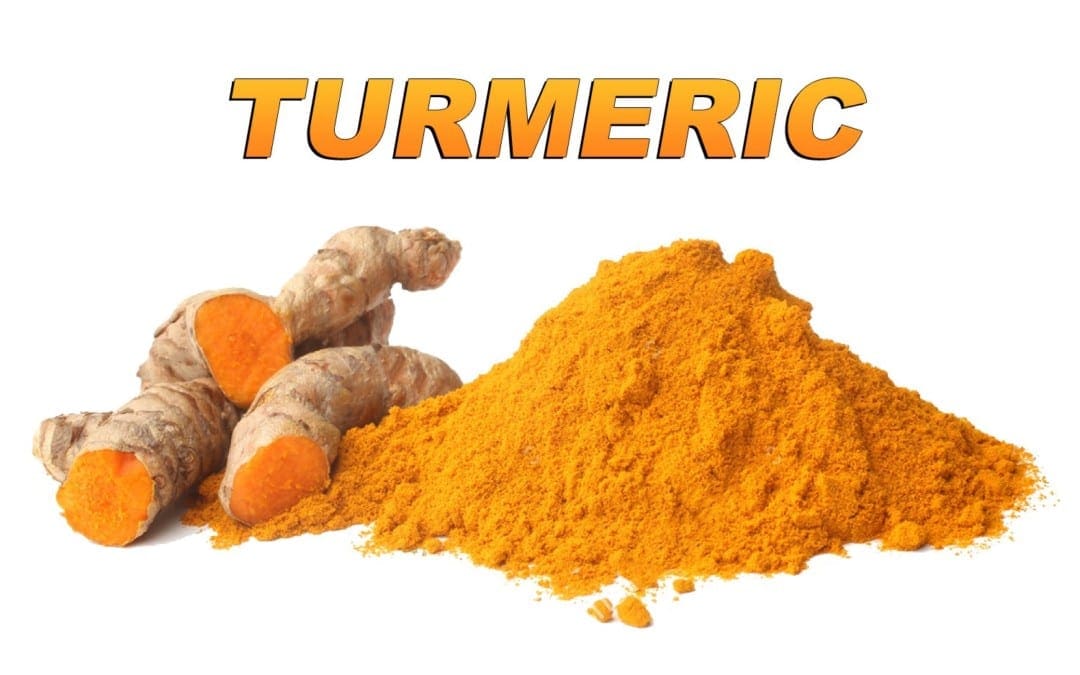
The ability of turmeric to fight cancer has been extensively researched. In fact, over 1,500 published studies show that curcumin, turmeric�s active ingredient, is an effective treatment for over 100 different types of cancer.
The fact that mainstream medicine hasn�t embraced turmeric as a non-toxic cancer therapy is nothing short of outrageous. But a new study, in which curcumin outperformed conventional chemotherapy drugs, may finally bring turmeric the recognition it deserves.
Turmeric Gains Popularity From Growing Awareness Of Chemotherapy & Side Effects
Chemotherapy targets cancer cells as foreign invaders to be eliminated � an approach that ignores the root causes of the disease, and doesn�t help to create an �anticancer� environment in the body. Toxic chemotherapy drugs � which kill healthy cells and cause debilitating side effects � are not very effective against cancer stem cells, the �mother cells� that regulate the growth of tumors.
In fact, the result of these toxic drugs is to make the body even more susceptible to the cancer stem cells � spurring them to create even more treatment-resistant cells.
However, chemotherapy does succeed in killing significant amounts of cancer cells, and this is not to say it should never be used. But, the opinion of many integrative healthcare professionals is that it should be used as a last resort, not a first line of defense � especially when safer, non-toxic options are available.
Curcumin Makes Chemotherapy Safer & More Effective
In a 2015 study published in Cancer Letters, curcumin was tested in conjunction with the chemotherapy drugs 5-fluoroucil and oxaliplatin against colorectal cancer. Adding curcumin to the regimen improved the efficacy of the drugs � the curcumin inhibited cancer cell growth and even increased apoptosis, or cancer cell suicide.
Even more impressive, the curcumin appeared to help the chemo drugs specifically target cancer stem cells, reinforcing the drugs� cancer-fighting abilities while lessening the side effects � including the neuropathies that can be caused by oxaliplatin. Side effects from curcumin � on the other hand � were minimal, involving mild gastrointestinal upset and dry mouth. Researchers concluded that curcumin is a �safe and tolerable adjunct� treatment.
But this wasn�t even the most significant result of the study.
In a small subset of patients, curcumin alone was found to be more effective in reducing overall cancer cells and cancer stem cells than the pair of chemo drugs alone. In other words, curcumin went head-to-head with chemo drugs and outperformed them � a truly astonishing result.
Researchers credited curcumin�s multiple methods of action with its success. Curcumin not only directly killed cancer cells, but also induced apoptosis, inhibited the growth of new cancer cells on a genetic level, and prevented blood supply from reaching new tumors.
All this, while promoting health with beneficial anti-inflammatory, antioxidant and hormone-balancing properties.
Extensive Studies Attest To Curcumin�s Ability To Fight Many Types Of Cancer
As the researchers noted, clinical trials of curcumin in an oncology setting have targeted many types of cancer, including colorectal, pancreatic, breast and blood cancers.
In one study, colorectal cancer patients who were given 1,080 mgs of curcumin daily showed an increase in the amount of dying cancer cells, a reduction of inflammation, improved body weight, and higher gene expression indicating suppression of cancer.
In another study published in Nutrition Research, curcumin-supplemented lab animals showed a 40 percent decrease in the development of colon tumors. These results are supported by an animal model of colon cancer in which curcumin improved survival rate and colon health by completely eliminating cancerous tumors.
In yet another study, patients with pancreatic cancer who were given 8,000 mgs of curcumin a day showed increased survival time along with significant reductions in tumor size � in one case, up to 73 percent.
And, finally, in a study involving prostate cancer, curcumin was shown to cut in half the growth rate of prostate-specific androgen, a marker of tumor progression.
Turmeric Is Still Unapproved & Unacknowledged By Conventional Medicine
In spite of its proven results, turmeric is not approved by the FDA for cancer treatment � and does not enjoy mainstream acceptance in the conventional medical community. The reason, many say, is financial � with hundreds of millions of dollars invested in clinical trials, and massive profits to be made, big pharma doesn�t have much incentive to develop a treatment from a common kitchen spice.
In fact, the industry lobbies to make treatment of cancer by alternative means a criminal offense.
Having said that, we naturally suggest you talk to a trusted medical professional before using turmeric � for any reason � and, don�t stop taking prescribed medication unless advised by your physician.
It should be noted that in the past, turmeric�s therapeutic potential has been limited by its poor bioavailability � the fact that the body doesn�t absorb or use it effectively. But, the development of liposomalized turmeric extract has changed all that, increasing the bioavailability 10 to 20-fold and allowing the curcumin to begin its health-promoting and cancer-fighting work.
Hopefully, the research � presented in this article � will shine a light on the amazing healing potential of turmeric. We encourage every caring physician to do their own research � for the sake of their patients.
Editor�s note: I, personally, use a wonderful liposomal form of turmeric � which you can purchase here and, yes, your purchase does support our operations � at no extra cost to you.
More Americans are looking beyond Western medicine to help relieve their back, neck, and spinal joint pain, including osteoarthritis of the backbone. In this specific article, we discuss Complementary and Alternative Medicine (CAM), which is also called Complementary and Integrative Medicine.
Interchangeable Terms
When an option (not mainstream) practice is combined with standard (mainstream) medicine, it�s called �complemental� or �integrative� health care. It�s called �alternative.� when it�s used in place of traditional medicine Nevertheless, these terms are frequently used interchangeably.
Complementary Alternative/Integrative Treatments
Although treatments might be combined you will find five general types of CAM therapies.
1. Alternative Medical Systems
Naturopathic or naturopathy medical care may include water therapy, massage, and herbal drugs.
2. Head-Body Techniques
Head-body techniques may help a patient with back or neck pain to utilize their head to change or restrain their symptoms in a way that is positive, therefore reducing pain.
3. Biologically-Based Therapies
Biologically-based treatments feature nature-based substances such as botanicals and dietary supplements to ease pain. Natural substances contain ginseng, ginkgo, fish oil, or Echinacea and could be obtainable in different kinds, including a tea, aromatherapy oils, syrup, powder, pill, or capsule.
4. Body-Based Practices
Body-established practices include different types of massage, body alignment techniques, osteopathic manipulation and chiropractic.
5. Energy Therapies
Energy therapies unblock energy fields or may help shift. Qi gong (eg, breathing techniques), Reiki (eg, stress reduction/relaxation), and magnets are treatments based on transferring energy.
Is Alternative, Complementary Or Integrative Therapy Right For You?
To assist you decide, look at the next points.
If insurance coverage is essential to you, be sure to consult your health insurance provider before you select a CAM treatment to make certain the professional is insured.
Learn as much as you can about the alternate treatment you’re enthusiastic about.
Take into account that although a complementary alternative treatment may be popular, that doesn�t make it correct for you personally.
Unlike mainstream medical care and procedures, some (if not most) alternative therapies are not scientifically validated by clinical trials and/or research studies. The amount of human players is frequently little, while there may be studies supporting a particular practice.
Simply because a material is natural doesn�t mean it can�t damage you, cause illness or allergic reaction, or a serious interaction with a drug. For instance, blood pressure can be raised by ginseng.
Always tell your treating physician about all of the herbs, vitamins and nutritional supplements (in any kind) that you take, particularly if you’re scheduled to get a neck or back process (eg, spinal injection, operation).
Select your alternative therapy professional with all precisely the same attention and concern you would for pain management specialist or a back surgery.
Call Today!
Sources:
Rosenzweig S. Overview of Complementary and Alternative Medicine. Merck Manual. Consumer Version.� www.merckmanuals.com/home/special-subjects/complementary-and-alternative-medicine-cam/overview-of-complementary-and-alternative-medicine.
National Center for Complementary and Integrative Health (NCCIH). Complementary, Alternative, or Integrative Health: What�s In a Name? March 2015. https://nccih.nih.gov/health/integrative-health.
You get up with it. You go to sleep with it. An incredible number of men and women live with chronic back or neck pain every day. What’s chronic pain? It is technically defined as pain that lasts for 12 weeks or more�even after pain isn’t any longer acute (short-term, serious pain) or the injury has healed.
Accurate Analysis
Getting an exact identification of the reason for neck pain or your back is vital to the outcome of your treatment plan. Depending on the severity and cause of your pain that is chronic, you might need to find out different specialists in addition to your own primary care physician�pain medicine specialist, orthopaedic spine surgeon, neurosurgeon, physiatrist, rheumatologist, physical therapist among others. Over time your chronic pain need to be reevaluated, and may transform, which might affect the way it is handled.
Your chronic back or neck pain treatment generally features a variety of treatments to maximize results that are great. A number of the treatments your doctor prescribes and recommends may include:
Physical Therapy:
Extending and strengthening muscles is vital in the treatment of neck pain or chronic back.
Chiropractic Care:
Depending on your own diagnosis, chiropractic care may be recommended by your doctor. Studies have demonstrated that two weeks of day-to-day exploitation by a chiropractor can result in considerable progress in a few patients with persistent low back pain and referred leg pain.
Medicines:
There are lots of different prescription medications to take care of neuropathic pain, inflammation, muscle spasms, and pain. Additionally, you will find drugs to treat conditions that often accompany chronic pain, including drugs that will help you sleep, alleviate depression, and reduce nervousness.
Processes:
Your doctor may recommend a spinal cord stimulator, spinal injections, drug heart, or spine surgery. You can get a second opinion, in the event you might be uncertain about the treatment plan recommended.
Coping skills:
Never underestimate the power of your head. Your mood and mental perspective can greatly make an impact on your level of pain. Talk with a trained specialist to understand relaxation and coping skills.
Complementary Treatments:
Many physicians recommend acupuncture and other types of traditional Chinese medicine. Speak to your doctor about these choices.
A couple of words about …. age, fitness, body weight
You probably involve some control over body weight and your level of fitness, although you can�t stop aging or its effects. While you can�t stop the clock on the cellular changes that are recognized to accompany aging�such as loss of muscle mass and bone density �you can take little steps today to build a more stronger�you tomorrow.
It�s understood that patients with chronic back or neck pain may not feel like being active, going to the gym and even adhering to a home exercise program. Yet, being active can help chronic pain because during exercise your body releases endorphins�your body�s natural painkiller.
Moreover, by teaming up together with and/or your physician physical therapist you can start to build abdominal muscles that are strong �essential to your own body�s center strength which helps support your back.
Did you know that by simply losing even 5 to 10 pounds you can reduce back pain? It�s true. Carrying around extra weight translates to added stress to the low back that may exacerbate pain.
Conclusion
In many instances, aggressive and early treatment of chronic back or neck pain can make a life-changing difference. But remember that knowledge is power: Be certain you comprehend your alternatives before deciding which route to take.
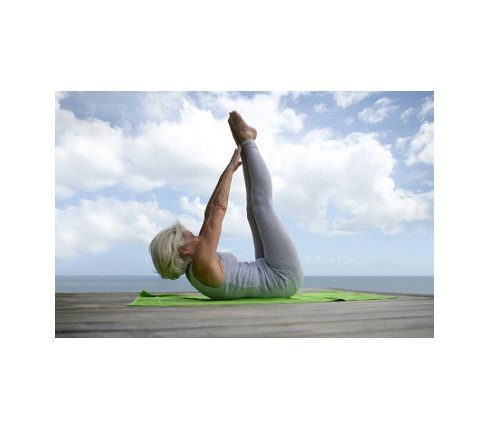
Exercise can help with back pain�you’ve probably heard that before. And Pilates tops the list of “helpful for your back” exercises.
This shows 4 Pilates moves to prevent pain. Of course, talk to your doctor before beginning an exercise plan.
Warm-up Your Spine with this Exercise
Cat/Cow
The cat/cow stretch lengthens and strengthens the muscles along your spine.
Start on hands (shoulder-distance apart) and knees (hip-distance apart).
Inhale and look up as you slightly arch your spine. Then exhale, engage your abdominal muscles, and draw your belly button toward your spine as you gaze at your navel. Repeat 5 to 10 times every day.
Chest Lift
Not Your Average Sit-up
The chest lift is similar to a basic crunch. The difference? This move deeply targets your abs.
Lie on your back with knees bent and feet flat (hip-distance apart). Bring hands behind head with fingertips touching. Elbows are wide open.
Inhale, and then as you exhale, pull belly button toward the spine and lift the shoulders off the ground (leading with chest). Really use your abs to lift�not your neck. Inhale again as you release toward the ground. Repeat 6 to 8 times daily.
Pelvic Curl
A Pose to Help Ease Low Back Pain
Doing this exercise regularly teaches you how to engage your abs to help support and lengthen the low back.
Start by lying on your back with knees bent and feet flat (hip-distance apart).
Arms are straight along the sides of your body and palms are touching the ground. Inhale deeply and engage your abs as you lift your hips off the floor�vertebra by vertebra.
Exhale and roll back down very slowly, engaging core muscles. Link breath with movement. Repeat 3 to 5 times daily.
Child�s Pose
An Easy, Restorative Stretch
This move really stretches tight, sore low back muscles.
From hands and knees, bring hips toward heels, and stretch arms in front of you so palms are touching the ground.
Press forehead gently to the floor and do some deep belly breathing. Bring hands toward the legs to slowly sit up. Repeat 3 times daily.
While most of us know that good nutrition is vital in assisting us reach our optimum health and feel our best; finding time to eat a balanced diet on a daily basis seems a formidable job in this fast paced, affluent society. Though your life may be frantic, there are still many good tasting, healthful alternatives which can assist you to lose weight and enhance your health. This information is designed to be a practical guide in finding those alternatives whether you are at a friend’s home, on the job, on the road, or at home. The good news is that by taking charge of your diet plan, you can improve your well-being while reducing your own risk of “lifestyle” diseases including heart disease or cancer.
A nice spot to start is defining what constitutes a “healthy” diet. The “Four Food Group” Plan of yesteryear meant that foods in the Meat, Dairy Product, Breads and Vegetable Fruit group were identical in their contribution to a healthy diet. Today, researchers show that diets rich in complex carbohydrates and low in saturated fats may reduce our risk of chronic disease. Health professionals designed the “Food Pyramid” guide to translate these recommendations into a food strategy for daily living.
Complex Carbohydrates
Complex carbohydrates are present in cereals, whole grain breads, starches and fruits and vegetables. These foods are not just rich in B vitamins and trace minerals, but they also contribute dietary fiber that has been shown to reduce risk for helping in weight control, lowering cholesterol levels and developing specific cancers.
Six to twelve servings of cereals, breads and starches may seem like a lot of food, but if you consider one cup of rice is three servings of cereal, you can see that fulfilling these guidelines isn’t that difficult.
Fruits & Vegetables
Similarly for vegetables and fruits. The majority of people gag in the thought of eating four to seven servings daily until they find one medium piece of fruit is two servings.
Proteins
Proteins are observed in the meat and dairy group.
Foods in the dairy group not only provide protein, nevertheless they also bring other essential nutrients needed for synthesizing teeth and healthy bones, Vitamin D and calcium. They could be a significant source of saturated fat, so picked two to three helpings of the low-fat (1% fat or less) milks, yogurts and cheeses.
The meat group includes nuts, fish, chicken and beans or legumes. A three ounce serving is around approximated by a deck of cards and also you need at least two portions a day. These foods provide magnesium, zinc and iron which, along with protein, are used by the body in creating hemoglobin and slender body tissue. These foods may also contribute to a raised intake of saturated fat, so picked lean cuts of meat like round or flank steak, pork tenderloin, ham and leg of lamb. Jump the skin on chicken or turkey and you’ll miss much of the fat and cholesterol.
Fats & Sugar
Sugars, fats and alcohol have the least amount of surface area on the pyramid for a reason. They bring more than calories to the dietary plan and they will be squeezed by your body into a fat cell. Yet, your body will really create another fat cell until they may be burned off, to harbor them,
Many health organizations, like the American Heart Association and also the American Cancer Society, agree that limiting your fat intake to less than 30% of calories goes a ways to protect you from life threatening ailments. That isn’t much fat, as a gram of fat has nine calories. You are better off to avoid adding fat to your food as there’s some fat in dairy products and meat, chicken and fish. Fortunately, there are numerous good tasting low-fat or nonfat salad and sandwich spreads which make the task of averting added fat a lot easier.
Yes, certain fats are essential to good nutrition (like linoleic acid), but these are seen in ample numbers in whole grain breads, cereals and vegetables. Corn, for instance, is where mother nature initially set corn oil. Why don’t you bypass the margarine and merely eat corn?
Overview
In a nutshell, good nutrition means eating a wide selection of foods from each of the five food groups. The Food Pyramid reveals us that by eating more complex carbohydrates and not as total fat and saturated fat, we can become empowered by the good life and not fall victim to it.
IFM's Find A Practitioner tool is the largest referral network in Functional Medicine, created to help patients locate Functional Medicine practitioners anywhere in the world. IFM Certified Practitioners are listed first in the search results, given their extensive education in Functional Medicine