Chiropractic care may be able to bring about relief for allergy sufferers. Allergy symptoms may be triggered by misalignments in the neck and upper back, which contain nerves important for the body’s respiratory and immune systems. These misalignments are believed to interfere with the communication between these systems and the brain and cause or worsen allergy symptoms. Advanced Chiropractic Wellness offers adjustments which are targeted to reduce the effects of allergies on the body.
Allergies Result When The Body’s Immune System Is Triggered To Action By Substances That Should Be Considered Innocuous
Typically, this results in the release of excess histamine, which causes the characteristic watery and itchy eyes, stuffy nose, and increased sinus pressure. The sinus pressure may cause extremely painful headaches on top of the general discomfort of the other two. In some cases, body parts may also swell. The eye area is most commonly affected by such puffiness.When all of these symptoms are put together, it can cause serious suffering. Many people find that they can’t go outdoors during the height of the seasons in which their allergy triggers are released. Such triggers include the pollen from juniper and elm trees. This pollen is among the first of the allergens to hit in the spring, so Illinois residents will be encountering it soon if they aren’t already.
Later, Flower Pollen, Molds & Dust Take The Place Of The Tree Pollen
“After a full winter, nobody wants to have to stay indoors breathing filtered air. It’s time to go out and have fun! Yet for many, allergy medication isn’t a good solution. Drowsiness is a common side-effect, and even the non-drowsy types have side-effects of their own. What people need is a solution that addresses the problem at its roots,” said Dr. Scott Stratton, a chiropractor at Advanced Chiropractic Wellness.This solution, according to Dr. Stratton, is chiropractic realignment of the vertebrae that contain the nerves that communicate between the brain and the body’s respiratory and immune systems. The theory is that misalignment here causes miscommunication between these systems, resulting in exaggerated bodily responses to allergens.”When the brain and body can’t get a clear signal pathway between each other, only some of the needed information makes it through. Then, both sides have to try to fill in missing information, and this results in bad guesses. Chiropractic realignment clears up the signal and allows the brain and body to make appropriate responses to its environment,” Dr. Stratton explained.About Advanced Chiropractic WellnessThe Advanced Chiropractic Wellness clinic offers chiropractic care, lifestyle counseling, laser treatments, and more. They take a holistic approach that aims to improve a patient’s overall health instead of simply treating specific symptoms.
The McKenzie system is a way of evaluating and treating spinal disorders. It’s practiced commonly throughout the entire world. Physical therapists contain the bulk of McKenzie practitioners but physicians and chiropractors practice the process additionally.
Numerous exercise regimens have been recommended for treating spinal pain. Although the dependability of McKenzie’s classification and evaluation system was challenged in the literature, this method of spinal rehabilitation has provided considerable relief of pain for patients that were innumerable. Like all spinal exercise plans, the precise prescription of exercise should be customized to the individual ‘s physical examination findings.
Training
Training includes a sequence of four courses over a specific amount of time culminating in a certification assessment. For many who pursue additional training, a diploma program (consisting of a 3 month residency) is offered. The McKenzie Institute is a not-for-profit organization that oversees the education and training of clinicians that are interested.
Spinal TechniqueIn the McKenzie system, clinicians perform a thorough history and evaluation. This consists of finding the patient’s response to duplicated, end-range spinal movements. The patient is then given a “mechanical analysis.” Most patients are diagnosed with derangement, dysfunction or postural syndromes. Patients are treated by a composite of postural alterations, specific exercises, and in a few instances, spinal mobilization or manipulation.
Common Analysis
The most common diagnosis is the derangement syndrome. It is believed to result from an alteration in the structure and mechanics of the intervertebral disc. In the derangement syndrome, positions and exercises that “centralize” the pain (move it closer to the back) are highlighted. Those movements and positions that peripheralize the pain (move it away from the back) are averted.
Patients Take An Active Role In Recovery
The patient must take an active part in their own healing. The process was created to accomplish favorable results in as few treatments as possible. It is hoped that continuance of appropriate positions of maintenance as well as exercises will prevent recurrence. Patients will probably have the capacity to treat themselves, without intervention, if pain does recur.
The process was examined extensively and is supported by research. For more information, get in touch with a certified professional. Patients are counseled to seek treatment from a certified or a diplomaed clinician although McKenzie techniques are used by many professionals. Credentialed practicioners will have the initials Cert. MDT, or Dip.
Seizing on the opioid epidemic as a chance to expand their reach, naturopaths and chiropractors�are aggressively lobbying Congress and state governments to elevate the role of�alternative therapies�in treating chronic pain. They�ve scored several victories in recent months, and hope the Trump administration will give them a further boost.
Their Most Powerful Argument: We Don�t Prescribe Addictive Pain Pills
Shunning pharmaceuticals, they treat pain with everything from acupuncture to massage to castor oil ointments. They offer herbal supplements and homeopathic pills.
There�s little rigorous scientific research to back up such treatments. Yet patients often say they feel relief. And providers say their alternative approaches are vitally needed at a time when more than 30,000 people a year die of opioid overdose in the US alone � and half of those deaths involve a prescription painkiller, according to the Centers for Disease Control and Prevention.
�I am surprised that with the crisis where it is today, more people aren�t picking up on alternative treatments,� said John Falardeau, a senior vice president with the American Chiropractic Association.
Chiropractors scored a big victory recently in Oregon, where the state Medicaid program decided to cover spinal adjustment for lower back pain starting in 2016. Vermont, Virginia, and Nevada are considering similar moves.
Another win came earlier this year, when the American College of Physicians recommended non-surgical interventions such as acupuncture, yoga, and chiropractic care as the go-to treatments for lower back pain.
�The American College of Physicians is our new best friend,� said Robert Hayden, a Georgia chiropractor and spokesperson for the�American Chiropractic Association. Hayden said the the industry considers the decision �a direct result of the fact that we are in an opioid crisis in this country.�
Hoping For Help From The Trump Administration
Hoping to make even more inroads, both naturopaths and chiropractors are lobbying Congress to push the Veterans Affairs health system to hire alternative providers. Chiropractors are also pushing for a role in the National Health Service Corps, which puts providers to work in community health centers, often in rural areas.
And this month, naturopaths will descend on Washington, D.C., for a meeting all about chronic pain. �Naturopathic doctors are poised to be the leaders in combating the opioid epidemic,� the promotional materials claim.
The pain workshops will be followed by a three-day conference to set a lobbying agenda and teach naturopaths organizing techniques.
The American Association of Naturopathic Physicians clearly sees an opening to make gains: The arrival of the Trump administration and a new, Republican-controlled Congress �opens up new opportunities for AANP to push for insurance non-discrimination, to have [naturopaths] included in the VA, and to emphasize that naturopathic care is a much-needed alternative to opioids for the treatment of chronic pain,� the AANP website declares.
Chiropractors, too, are hopeful. President Trump has talked about giving more Americans access to flexible spending accounts�for health care. That, they say, will make it easier for�consumers to pay for treatments that insurance doesn�t cover � like chiropractic care.
�I think they see an opening. Whether it actually works or not is secondary. It�s basically an opening for them to try to claim some legitimacy.�
Dr. David Gorksi, surgical oncologist
Some mainstream doctors � who often range from skeptical to fiercely critical of alternative medicine � are wary. They worry that naturopaths or chiropractors might persuade patients with serious diseases to shun conventional medical care. And they point out that some herbal treatments interact badly with chemotherapy or other pharmaceuticals.
Other skeptics dismiss the push to claim a role in treating pain as a public relations ploy.
�I think they see an opening,� said Dr. David Gorski, a surgical oncologist and an editor of the blog Science-Based Medicine. �Whether it actually works or not is secondary. It�s basically an opening for them to try to claim some legitimacy.�
He finds it particularly galling that alternative providers often mix sound advice on diet and exercise, drawn from mainstream medicine, with fringe therapies that have no evidence behind them, like homeopathy pills. �It becomes hard for the average person to figure out what is and it isn�t quackery,� he said.
But other doctors are cautiously embracing the idea of new ways to treat chronic pain. They say if alternative remedies help � even if only through a placebo effect � patients may be able to avoid addictive pills.
Helping Patients Gain Control Over Their Pain
Emily Telfair, a naturopath in Maryland, said she often sees chronic pain patients who feel frustrated that conventional treatments haven�t worked to treat their pain. Or those patients haven�t been able to tolerate the tough side effects of pain medication. They come to her hoping for relief.
�That�s the place where naturopathic medicine shines. It offers another option for folks who haven�t found help,� Telfair said.
Telfair uses massage therapy, including a specific type of treatment known as craniosacral massage. She also sends patients home with castor oil packs and topical creams to apply to their pain points, all of which she said are noninvasive ways �to invite the body to heal and let go of the chronic symptom.�
�It offers another option for folks who haven�t found help.�
Emily Teflair, naturopath
She said her job isn�t always to cure a patient�s pain � it�s to help patients see that their pain won�t always be unrelenting and oppressive, and to help them gain control.
�Knowing their pain can be different from one day to the next, that is a very powerful tool,� she said. �I know I can�t help everybody with chronic pain. But you [can] change the person�s relationship to their pain.�
That�s been the case for 70-year-old James Fite, who has had both hips replaced and now needs a shoulder replaced. He�s hesitant to have the surgery because of his chronic pain.
�It�s always there. Sometimes it�s just blinding, excruciating,� he said. But he�s found relief with an acupuncturist and naturopathic care from Telfair.
He uses roll-on castor oil, sticks to an anti-inflammatory diet, and also receives massage therapy. Other times, he takes opioids. Fite said he has had 15 providers trying to treat aspects of his pain. He feels his acupuncturist and Telfair are the most �tuned in� to his body�s condition.
�None of these things are cure-alls for a chronic condition like mine,� he said. �But I�ve gotten as much help from them as from anybody.�
With various combinations of treatments, Fite said he�s more able to manage his pain than he has been before. He�s found the energy to teach chess after school twice a week at a nearby library and can spend more time playing with his grandkids.
Other naturopaths said they see their goal as finding and addressing the root cause of a patient�s pain. And they argue they have more time than a medical doctor to do that.
�It�s not as simple as a replacement for an opioid. We treat the cause of the pain. We don�t just mask it with a painkiller,� said Michelle Brannick, a naturopathic provider in Illinois who markets her services specifically to pain patients. Brannick relies on homeopathic arnica and herbal supplements, among other treatments.
A Cautious Approach From Physicians
Taxpayers subsidize roughly $120 million a year in federal grants to research alternative medicine through the National Institutes of Health.
Even after all that research, Dr. Josephine Briggs, the director of the NIH�s National Center for Complementary and Integrative Health, said she is aware there isn�t much robust evidence to support many alternative pain therapies.
�We can�t call this a slam dunk. This is not a situation where we�ve got an easy answer for a tough clinical problem,� she said.
But she pointed out that many alternative remedies are fairly low-risk. And some physicians are opening their minds up to the idea � with caveats.
�As a physician, I would never just say, �You have pain, so we�re going to just put you on pain medicine,�� said Dr. Andrew Esch, a clinician and consultant with the Center to Advance Palliative Care in New York.
Doctors stress that pain can vary wildly from one patient to the next, and treatments won�t be the same for every patient, either. �Sometimes that�s physical therapy and Motrin, sometimes it�s acupuncture and antidepressants,� said Esch.
Dr. Charles von Gunten, a palliative care specialist at OhioHealth, agreed alternative therapies like acupuncture and massage can be part of a doctor�s toolkit.
�They�re not either-or types of approaches,� he explained.
�As a physician, I would never just say, �You have pain, so we�re going to just put you on pain medicine.��
Dr. Andrew Esch, palliative care expert
But doctors also are leery of sending cancer patients or others with serious illnesses to a naturopathic provider who might convince them to go off of chemotherapy or forgo conventional medical care.
�That�s certainly a concern,� said Briggs. There�s also concern that homeopathic remedies like St. John�s wort will interfere with a patient�s prescribed medication and make those drugs less effective. Encouraging pain patients to experiment with alternative treatments might open the door to those risks.
But Esch said he doesn�t see those concerns as a reason for doctors to dismiss naturopathic approaches that their chronic pain patients are interested in trying. Most patients he sees are using some sort of alternative treatment � and many will continue to do so whether doctors like it or not, he said.
�If someone is going to take shark cartilage because they think it will make their pain better, my approach is not to immediately say no,� he said.
Instead, he scours the evidence, the side effects, and the potential drug interactions that might put a patient at risk. If it seems safe for a patient to try, he gives them the green light and checks back regularly to see if it�s helping.
�It�s part of the responsibility of physicians to know what people are taking and not dismiss it, because it�s our job to know they�re going to do it safely,� he said.
One State Weighs The Costs Of Treating Pain
Many dietary supplements � which don�t have to go through a regulatory review for safety or efficacy before hitting the market � are relatively cheap: Shoppers can snag 60 homeopathic arnica tablets off a drugstore shelf for less than $10.
But other alternative therapies can be costly: Craniosacral massage and acupuncture, for instance, can each run over $100 for an hourlong session, and patients may need multiple visits each month.
The Oregon Health Plan, which is the state version of Medicaid, weighed those expenses when deciding whether to cover chiropractic adjustment for lower back pain.
The chiropractic care costs more than would for a short course of opioids � a single vertebrae adjustment can cost around $65. But health officials are hopeful that they�ll save money in the long run by reducing the number of people addicted to opioids.
�We�re trying to offer up some of these treatment options from the beginning, with the goal of trying to reduce the transition from acute pain to chronic pain,� said Denise Taray, who coordinates the Oregon Pain Management Commission.
That commission spearheaded the research into what treatments should be covered and ultimately recommended that state Medicaid cover chiropractic care. They�re now looking at alternative medicine treatments for other pain conditions, such as fibromyalgia.
�We�re all focused on the opioid epidemic and managing prescribing,� said Taray. �The part that still seems to be falling through the cracks is the patient perspective and the treatment and the care of pain.�
Living with chronic back or neck pain can lead to depression, feelings of worry, nervousness, hopelessness, as well as other mental health-associated symptoms. Your pain medicine physician or your back specialist may refer you to a psychologist or psychiatrist. Referring you doesn�t mean your physician believes your pain is all in your mind! Rather, he/she is taking an optimistic step in treating you as a whole individual � by treating both the physical and psychological pain.
Chronic Neck &�Back�Pain Is Complicated
As someone living with chronic pain caused spondylosis, degenerative disc disease, spinal cord injury or some other back problem, you understand pain is a complicated issue, and treatment requires the expertise of a spine�specialist. Perhaps your pain management plan features a blend of treatments � medication for neuropathic pain, a periodic epidural spinal shot, a muscle relaxant, or physical therapy. Treatment of stress, nervousness, and depression (there are various types) needs the same level of expertise but from somebody who focuses on managing mental health problems.
Depression & Chronic Pain
Are you aware that depression and chronic pain often go together? Depression is a critical condition, and nothing to be embarrassed of. It has been reported that as many as 50% of individuals with chronic pain are depressed.1 So, if you are depressed, you’re far from being alone.
The signs and symptoms of depression can manifest themselves differently in each individual, but tiredness, sleep disruption, changes in eating habits, listlessness, and feelings of hopelessness are all quite common. Aches and pains are a very common symptom of depression notably, depression can lead directly to neck and long-term back pain.
Treating Depression & Pain
Two classes of antidepressants often used to treat depression in those that experience chronic pain are selective serotonin reuptake inhibitors (SSRIs) and serotonin and norepinephrine reuptake inhibitors (SNRIs). Generally prescribed SSRIs include and fluoxetine (Prozac) and sertraline (Zoloft), whereas usually prescribed SNRIs include duloxetine (Cymbalta) and venlafaxine (Effexor). These drugs have now been demonstrated to be effective and safe for handling depression in the context of continual pain, but like all medicines, they come with some risk of unwanted effects. As always, be sure to go over these drugs in detail together with your physician before beginning any treatment regimen that includes them, and inform your physician of all of the medicines (including over the counter medicines), herbal remedies, and nutritional supplements you’re currently taking so as to avoid any negative drug interactions.
Moreover, or in addition to medications, other types of treatment may include:
Talk therapy, more officially called cognitive behavioral therapy (CBT). The focus of CBT is to help the individual manage their situation and may include learning how to problem solve, thus engaging the individual to alter specific thought patterns to your more positive outlook, and conquering�fears.
Practice relaxation techniques such as meditation or breathing exercises.
Routine exercise might help curb feelings of worry, stress as well as depression. Exercise causes the entire body to release endorphins, which can cause you to feel much better and may reduce pain perception too.
Call Today!
Reference
1. Tartakovsky M. Living with chronic pain and melancholy. PsychCentral.com. http://psychcentral.com/lib/living-with-chronic-pain-and-depression/. Got July 30, 2015.
Chiropractor, Dr. Alexander Jimenez examines being able to have sex despite having back pain.
The results of SpineUniverse’s national survey on Sexual Satisfaction and Back Pain (read the article Back Pain and Its Impact on Sexual Satisfaction for survey results) indicate that back pain is ruining the sex lives of many people.
It is vital to consider that behind the numbers are real individuals, while the statistical results of the survey are very important. People who care about their partner’s and about their sexual gratification satisfaction. People who are now frustrated and even depressed regarding the impact of back pain on their sex lives.
What exactly can they do to better their situation?
Most specialists agree that three tips can allow you to have better sex� even with back pain:
Tip # 1: Talk It Out
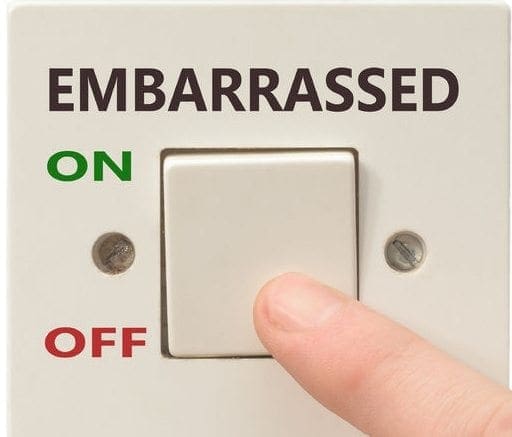
For many people, talking about sex comes for others, their faces turn red even thinking about possibly referring to sex.
Nonetheless, you as well as your partner have to locate a method to discuss your back malady, and the way that it will impact-� or already does change�your relationship.
Take the time to talk through the five dilemmas below:
Back pain: How intense is the pain? Where does it hurt? What moves or increase or positions alleviate the pain?
Sex drive: Is your back pain killing your sex drive? Then you’ve got to discuss this, if it is. If you do not clarify why and simply begin avoiding having sex, you�re your relationship with your partner can be damaged. It’s more straightforward to identify that it is a problem, and never simply theirs �and then find a solution together.
Emotional Impact: What does back pain do to your emotions? Do you feel less appealing to your own partner? Depressed?
Physical Limitations: Living with back pain means living with physical constraints in multiple facets of your daily life. What physical constraints would you now need to work about during sex?
Intimacy: What physical and nonphysical steps can enhance familiarity? (Yes, familiarity means more than sex.) Within the limits caused by back pain, what else can you do to feel close and connected?
Tip # 2: Practical Changes
Here we go, the nitty gritty details of what to do (or not do). (It is ok in case you skipped ahead to this part, but make sure to return and browse the remaining post.)
Position Matters
It may not be the sexiest thing to think about, but you have to remember your diagnosis. Have you got spinal stenosis? A herniated disc? Degenerative changes in your spine? Because what is causing your pain affects how your body reacts to different positions, your analysis is vitally important during sex. For example:
If you have spinal stenosis, your back pain will probably get worse if you arch your back during sex.
Your pain will probably improve should you bend forward during sex when you have a disc herniation or degenerative disk disorder.
So if you’re able to identify which positions naturally lessen your back pain, you can then accommodate your position during sex to help make the experience less painful, given your specific state. For example:
Men that have degenerative disk disease may locate their back pain is decreased by lying with a pillow placed under their low back, while their partner straddles them.
Change The Place
As we’ve learned from Hollywood films, sex does not occur merely in a bed. And perhaps being out of bed will actuality help lower your back pain. For example:
In case you like lying in your back during sex, a solid surface, such as a rug on the floor, may be more comfy for you.
But remember, back pain is individual, if you are on a soft mattress, and perhaps your pain is less during sex. You are required to figure out what’s best for you and your partner.
Rest Your Back
Back pain is frequently made worse by your muscles becoming tense as well as knotted around the region that was painful. Going in a hot tub before sex, having a soothing massage, and sometimes even just using heat or ice packs on the affected region can all ease away muscle pains just before sex.
For more practical tips about sex and back pain and more details on sexual positions go to Sex & Back Pain.
Tip # 3: Speak To A Medical Specialist
We know, talking about sex together with your doctor isn’t the most appealing notion (unless your doctor is Dr. Ruth). But think of this: When Viagra first became available, many men were too embarrassed to talk about erectile dysfunction using their doctor. Subsequently Bob Dole appeared in among their advertisements, and that made it more easy to talk to your physician about sex. (Maybe the thinking was�’If Bob Dole, a politician, can declare he has a problem, maybe I can, too!’)
Besides, physicians have heard it all and they’re prepared to help. Your physicians care about all facets of your physical and emotional well-being; they won’t pity, judge or mock you. So take a deep breath, push past the potential embarrassment, and confer with your physician about how back pain is affecting your sex life. Often, physicians can give advice that is really useful. By way of example, even just a modest change in a medication can make a major difference to your pain.
Because Sex Is More Than�
Sex is more than just the sum of its own physical parts�it’s more than a formula of physical steps that lead to the “perfect” experience. Lots of that which we see in films and on TV these days makes sex the pinnacle of a relationship, the one thing that clearly defines you as a couple (think Grey’s Anatomy).
However, for the vast bulk of people, sexual satisfaction depends on numerous variables, not just physical performance. Factors for example emotional connectedness, a bouquet of flowers sent for no reason, attentive listening, saying thank you for the small things, or sending the kids to Grandma can add to sexual gratification.
And your back pain limits none of those things. You can still have a satisfying, intimate relationship�back pain or not.
Many of us experience back and neck pain. But when is it the right time to see a chiropractor for a diagnosis or treatment? And can they really help? The answer is yes.
Chiropractors have been around for a hundred years, and are licensed doctors who are required to pass a series of four national board exams and are regulated by state licensing boards. They are medical professionals who diagnose and treat musculoskeletal and nervous system disorders.
A chiropractor can use many different techniques to relieve pain, including applied pressure, massage, and hands-on manipulation (adjustment) of the vertebrae and joints. They may also order X-rays, MRI studies, and lab work. Chiropractors don�t prescribe medications, but they do recommend such things as therapeutic and rehabilitative exercises and nutritional and lifestyle counseling to help the body heal itself.
Chiropractors believe one of the main causes of back or neck pain is subluxation. Subluxation occurs when your vertebrae become misaligned. Treating subluxations can help to alleviate pain associated with a myriad of conditions, including:
headaches
sciatica
trauma, such as whiplash
scoliosis
leg pain
sports injuries
bursitis and tendonitis
fibromyalgia
spinal arthritis (spondylosis)
Sometimes chiropractic care (eg, an adjustment) can cause mild soreness or aching but that usually resolves itself within 12 to 48 hours.
Chiropractic Tests
When you visit your chiropractor for the first time, he/she will probably ask you to perform a series of simple tests to evaluate your posture and range of motion. You may be asked to bend forward,� backward or side-to-side. The chiropractor will also check the way you walk and how your posture looks sitting down and standing up.� Other tests may include:
Piriformis Test: The patient flexes and bends the knee while lying down.
Straight Leg Raise: One leg at a time is raised in a locked-knee position to check the sciatic nerve and flexibility of the hamstring muscle.
Measuring the length of each leg helps determine if there is a discrepancy in leg length or if the pelvis is out of balance.
Hand strength (grip)
Evaluation of reflexes and muscle testing
Sometimes you might hear a pop while the chiropractor is testing or adjusting you, which is perfectly normal. This is caused by small pockets of air or bubbles in the fluid that surrounds your joints. When joint tissues are stretched, those pockets of air �pop,� which creates the cracking sound you hear.
Diagnosis
Once the chiropractor identifies the problem, he/she can recommend treatment options, and explain how many chiropractic visits are necessary to reach an expected outcome (eg, resolution of pain). He/she may also suggest improvements to your diet and lifestyle, such as quitting smoking or increasing/modifying certain activities. A chiropractor may also recommend certain types of exercises in conjunction with chiropractic treatment to stretch and/or strengthen the back and neck.
Adjustment Techniques
A chiropractor is educated in dozens of ways to treat pain. Here is a sampling of the different techniques that may be used.
Toggle Drop � The chiropractor presses down firmly on a particular area of the spine followed by a quick and precise thrust.
Lumbar Roll � With the patient on his/her side, a quick thrust is applied to the misaligned vertebrae.
Release Work � The chiropractor uses gentle pressure with the fingertips to separate the vertebrae.
TENS (Transcutaneous electrical stimulation) � This device sends stimulating pulses across the surface of the skin and nerve strands to block pain signals along the nerves and release endorphins which are natural painkillers.
Cold/Heat Treatment � Chiropractors may alternate between ice and heat therapy to treat back or neck pain. Ice packs are used to reduce inflammation (swelling) for 15 minutes at a time. A heating pad (or other heat source) helps increase circulation and may promote faster healing.
Table Adjustments � The patient lies on a special table with a �drop piece� then a quick thrust is applied when the table drops.
Instrument Adjustments � Instead of hands-on manipulation, the patient lies on the table face down while the chiropractor uses a spring-loaded activator instrument to perform the adjustment.
Manipulation Under Anesthesia � This is performed by chiropractors certified in this technique. The treatment is performed in a hospital outpatient setting.
Keep in mind that chiropractic care is not a cure-all for your back and neck pain! However, it is considered by many to be a safe and effective way to help relieve pain and improve spinal function. Many physicians and surgeons recommend chiropractic care to their patients.
What Is Neck Pain (Cervical Pain)?� The cervical spine is a marvelous and complex structure. It is capable of supporting a head weighing 15 or more pounds while moving in several directions. No other region of the spine has such freedom of movement. This combination however, complexity and mobility, make the neck susceptible to pain and injury.
Quick Cervical Spine Anatomy Lesson
This complex structure includes 7 small vertebrae, intervertebral discs to absorb shock, joints, the spinal cord, 8 nerve roots, vascular elements, 32 muscles, and ligaments.
The nerve roots stem from the spinal cord like tree branches through foramen in the vertebrae. Each nerve root transmits signals (nerve impulses) to and from the brain, shoulders, arms, and chest. A vascular system of 4 arteries and veins run through the neck to circulate blood between the brain and the heart. Joints, muscles, and ligaments facilitate movement and serve to stabilize the structure.
Neck mobility is matchless. It is capable of moving the head in many directions: 90� of flexion (forward motion), 90� of extension (backward motion), 180� of rotation (side to side), and almost 120� of tilt to either shoulder.
Neck Pain Causes
The causes of neck pain are as varied as the list is long. Consider a few examples:
Injury and Accidents: Whiplash is a common injury sustained during an auto accident. This is typically termed a hyperextension and/or hyperflexion injury because the head is forced to move backward and/or forward rapidly beyond the neck’s normal range of motion. The unnatural and forceful movement affects the muscles and ligaments in the neck. Muscles react by tightening and contracting creating muscle fatigue resulting in pain and stiffness.
Growing Older: Degenerative disorders such as osteoarthritis, spinal stenosis, and degenerative disc disease are known to affect the spine.
Osteoarthritis is a common joint disorder causing progressive deterioration of cartilage. The body reacts by forming new bone termed osteophytes (bone spurs) that impact joint motion.
Spinal stenosis causes the foramen, small neural passageways, to narrow possibly compressing and entrapping nerve roots. Stenosis may cause neck, shoulder, and arm pain and numbness when these nerves are unable to function normally.
Degenerative disc disease (DDD) can cause the intervertebral discs to become less hydrated, resulting in decreased disc elasticity and height. Over time, a disc may bulge or herniate causing upper extremity pain, tingling, and numbness.
Everyday Life: Poor posture, obesity, and weak abdominal muscles disrupt the spine’s balance often causing the neck to bend forward to compensate. Stress and emotional tension can cause muscles to tighten and contract resulting in pain and stiffness.
Other Disease Processes: Although neck pain is commonly caused by strain, prolonged pain and/or neurologic deficit may be an indication of something more serious. These symptoms should not be ignored. Spinal infection, spinal cord compression, tumor, fracture, and other disorders can occur. If head injury has been sustained, more than likely the neck has been affected too. It is wise to seek medical attention promptly.
Neck Pain Diagnosis: Figuring Out What is Causing Your Pain
Obtaining a proper diagnosis is paramount to determine the best course of treatment for neck pain. You have to know what spinal condition is causing your neck pain before you can know how to treat it.
The physician will take the your medical history. The oral segment of the examination often includes many questions such as:
When did the pain start?
What activities preceded the pain?
What have you tried to relieve the neck pain?
Does the pain radiate or travel into other body parts?
What makes the pain less or greater?
A physical examination includes observing the your posture, range of motion, and physical condition. Any movement generating pain is carefully noted. The physician will palpate or feel the curvature of the spine, vertebral alignment, and detect muscle spasm.
The neurological examination tests the patient’s reflexes, muscle strength, sensory and/or motor changes, and pain distribution.
Radiographic studies may be ordered. An x-ray can reveal narrowing of disc space, fracture, osteophyte formation, and osteoarthritis. Bulging discs and herniations, often responsible for neurologic symptoms, are detected using MRI.
If nerve damage is suspected, the physician may order a special test to measure how quickly nerves conduct impulses. These tests are termed nerve conduction studies and/or electromyography. Typically these studies are not performed immediately because it may take several weeks for nerve impairment to become apparent.
Common Questions About Neck Pain
I woke up with neck pain. What can I do?
Daily life (and night life) can take its toll on your neck. You may have slept wrong last night, causing your neck muscles to tighten. The best thing to do is give your body time to heal on its own. To get through the day without letting the pain interfere with your normal activities, you have a few options.
Gently stretch your neck.
Take over-the-counter pain medications, such as Tylenol or Advil.
Alternate between heat and ice treatments on your neck: 20 minutes of heat followed by 20 minutes of ice should help the pain and the healing process.
Will I need surgery?
Most patients with neck pain respond well to non-surgical treatments (such as medication), so cervical spine surgery is seldom needed to treat it. In fact, less than 5% of neck pain patients need surgery. However, there are situations when you may want to go ahead with spine surgery.
Non-surgical treatment is not helping�that is, you’ve tried a combination of chiropractic care, physical therapy, medication, massage, exercises, and more, and you’re still in pain.
You experience progressive neurological symptoms (numbness, tingling, weakness) involving your arms and legs.
You’re having trouble with balance or walking.
You are otherwise in good health.
Generally, surgery is done for degenerative disc disease, trauma, or spinal instability. These conditions may put pressure on your spinal cord or on the nerves coming from the spine.
Typically, surgeons use 2 surgical techniques for cervical spine surgery.
Decompression, where they remove tissue pressing against a nerve structure
Stabilization, where they work to limit motion between vertebrae
There are different types of decompression procedures such as discectomy, corpectomy, and TransCorporeal MicroDecompression (TCMD).
Discectomy: The surgeon removes all or part of a damaged disc.
Corpectomy: The vertebral body is removed to access whatever is compressing the spinal cord or nerve.
TransCorporeal MicroDecompression (TCMD): The surgeon accesses the cervical spine from the front of the neck. TCMD is performed through a small channel made in the vertebral body to access and decompress the spinal cord and nerve.
Your surgeon will determine what’s best for your condition.
Stabilization surgery is sometimes�but not always�done at the same time as a decompression surgery. In some forms of decompression surgery, the surgeon may need to remove a large portion of the vertebra or vertebrae. That results in an unstable spine, meaning that it moves in abnormal ways, and that puts you more at risk for serious neurological injury. In that case, the surgeon will restabilize the spine. Commonly, this is done with a fusion and spinal instrumentation, or implantation of an artificial disc.
Some patients are at high-risk for poor bone healing or unsuccessful fusion. Smoking and diabetes are two of several risk factors that impede bone healing and fusion. A bone growth stimulator may be recommended and prescribed for patients with certain risk factors.
What are some non-surgical options for treating my neck pain?
Less than 5% of neck pain patients will need surgery, and there are a lot of options for you to try before surgery.
IFM's Find A Practitioner tool is the largest referral network in Functional Medicine, created to help patients locate Functional Medicine practitioners anywhere in the world. IFM Certified Practitioners are listed first in the search results, given their extensive education in Functional Medicine