Can many individuals with sleep issues incorporate natural botanicals to get a good night’s sleep and reduce stress?
Why Sleep Is Important?
Often, many people are constantly on the move and trying to find ways to rest and relax; however, in today’s world, many individuals are still experiencing various sleep issues that are not fulfilling them to achieve the full 8 hours of restful sleep. How often have you experienced fatigue throughout the day due to staying up late working on a project? Do you doom scroll on your phone while lying in bed at night that you accidentally stayed up late? Or do chronic health issues keep you up at night, which makes sleep difficult? When it comes to understanding why sleep is important, many people do not realize that sleep plays a huge role in cognitive functioning, mental health, and creativity. (Charest & Grandner, 2020) When environmental factors start to impact the body over time, it can lead to the development of sleep disorders. Environmental factors like stress can affect the circadian rhythm, causing dysregulation and sleep disorders. (Agorastos & Olff, 2021) However, there is some good news: there are various natural ways to help relax the body, get the full recommended amount of sleep without medications, and even help many people stay asleep longer. We associate with certified medical providers who inform our patients of the benefits of getting the full recommended amounts of sleep to reduce the stress affecting the body. While asking important questions to our associated medical providers, we advise patients to integrate natural ways to reduce stress and sleep disorders to ensure proper sleeping habits. Dr. Alex Jimenez, D.C., envisions this information as an academic service. Disclaimer.
Balancing Body & Metabolism- Video
Natural Botanicals & Remedies To Promote Sleep
When it comes to incorporating healthy sleeping habits, many individuals have found natural remedies to not only stay asleep but also reduce any stressors associated with environmental factors. Many people trying to make small changes in their sleeping habits can do some of the following:
Have the room be in a comfortable, cool temperature
Additionally, herbal botanicals can help relax the body and ensure proper sleep. Almost all natural botanicals are found in teas and supplements at the local grocery store. Below are some botanicals that can help many individuals get quality sleep.
Valerian
As a native to Europe and Asia, valerian is a perennial flowering plant with a unique and long history in traditional medicine, as it is used as a sedative and an anxiolytic. However, it has many sleep-promoting effects. (Yeom & Cho, 2024) The unique characteristic of valerian is that it interacts with the neurotransmitter GABA, as it is used to reduce sleep onset latency and increase sleep quality. (Bruni et al., 2021) The valerian plant can be utilized in a tea or a supplement as it is given to individuals for about 2 weeks at a time for its beneficial effects to start to work.
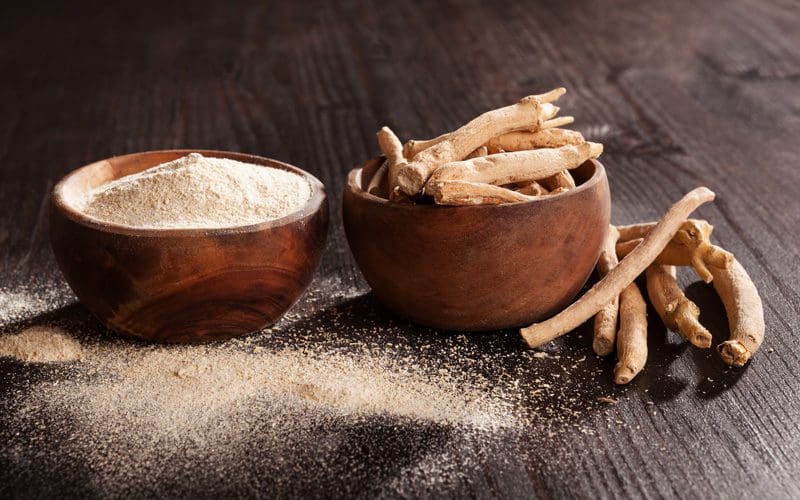
Ashwagandha
Known as winter cherry and located in India, ashwagandha has numerous health properties that can help many people with multiple ailments. The entire plant has been marketed in many forms and is common in pills and capsules as it possesses anti-inflammatory and antioxidant properties. (Cheah et al., 2021) Additionally, ashwagandha in small dosages can help improve cognitive function and immunity and reduce cortisol levels to help relax the body. (Park et al., 2023) Sleep can come easily to the individual when the body is relaxed after taking ashwagandha.
Chamomile
A common herb that can be used in teas, oils, or extracts, chamomile has been used as a sedative, mild analgesic, and sleep medication as it induces relaxation. (“Chamomile,” 2012) In tea form, this herb can become the most relaxing drink to sip at night and make a person sleepy. At the same time, when people drink chamomile, its soothing, beneficial properties can relieve and target the receptors in their central nervous system, causing them to be stressed and anxious, thus calming them down.
Lavender
As one of the most popular herbs everyone uses, from teas to aromatherapy, lavender is a multipurpose plant with many beneficial properties that can help anyone. Lavender has two main components, linalool, and linalyl, with sedative, antinociceptive, and anti-spasmolytic effects to stimulate the parasympathetic system. (Hamzeh et al., 2020) This, in turn, can help relax the body with its calming aroma and provide beneficial results for individuals dealing with insomnia. In its essential oil form, lavender can help increase the total amount of NREM (non-rapid eye movement) and reinforce a person’s sleep ability. (Ren et al., 2025) By making small changes and incorporating these natural botanicals to provide better sleep quality, many people will notice their bodies becoming more relaxed, their minds less anxious, and finally get that full 8 hours of sleep they deserve because sleep is for everyone, not the weak.
Bruni, O., Ferini-Strambi, L., Giacomoni, E., & Pellegrino, P. (2021). Herbal Remedies and Their Possible Effect on the GABAergic System and Sleep. Nutrients, 13(2). https://doi.org/10.3390/nu13020530
Charest, J., & Grandner, M. A. (2020). Sleep and Athletic Performance: Impacts on Physical Performance, Mental Performance, Injury Risk and Recovery, and Mental Health. Sleep Med Clin, 15(1), 41-57. https://doi.org/10.1016/j.jsmc.2019.11.005
Cheah, K. L., Norhayati, M. N., Husniati Yaacob, L., & Abdul Rahman, R. (2021). Effect of Ashwagandha (Withania somnifera) extract on sleep: A systematic review and meta-analysis. PLOS ONE, 16(9), e0257843. https://doi.org/10.1371/journal.pone.0257843
Hamzeh, S., Safari-Faramani, R., & Khatony, A. (2020). Effects of Aromatherapy with Lavender and Peppermint Essential Oils on the Sleep Quality of Cancer Patients: A Randomized Controlled Trial. Evid Based Complement Alternat Med, 2020, 7480204. https://doi.org/10.1155/2020/7480204
Park, C. W., Hong, K. B., Suh, H. J., & Ahn, Y. (2023). Sleep-promoting activity of amylase-treated Ashwagandha (Withania somnifera L. Dunal) root extract via GABA receptors. J Food Drug Anal, 31(2), 278-288. https://doi.org/10.38212/2224-6614.3456
Ren, Y. L., Chu, W. W., Yang, X. W., Xin, L., Gao, J. X., Yan, G. Z., Wang, C., Chen, Y. N., Xie, J. F., Spruyt, K., Lin, J. S., Hou, Y. P., & Shao, Y. F. (2025). Lavender improves sleep through olfactory perception and GABAergic neurons of the central amygdala. J Ethnopharmacol, 337(Pt 3), 118942. https://doi.org/10.1016/j.jep.2024.118942
Yeom, J. W., & Cho, C. H. (2024). Herbal and Natural Supplements for Improving Sleep: A Literature Review. Psychiatry Investig, 21(8), 810-821. https://doi.org/10.30773/pi.2024.0121
Can individuals with arthritis incorporate various natural remedies to reduce joint pain in their extremities and restore mobility?
Introduction
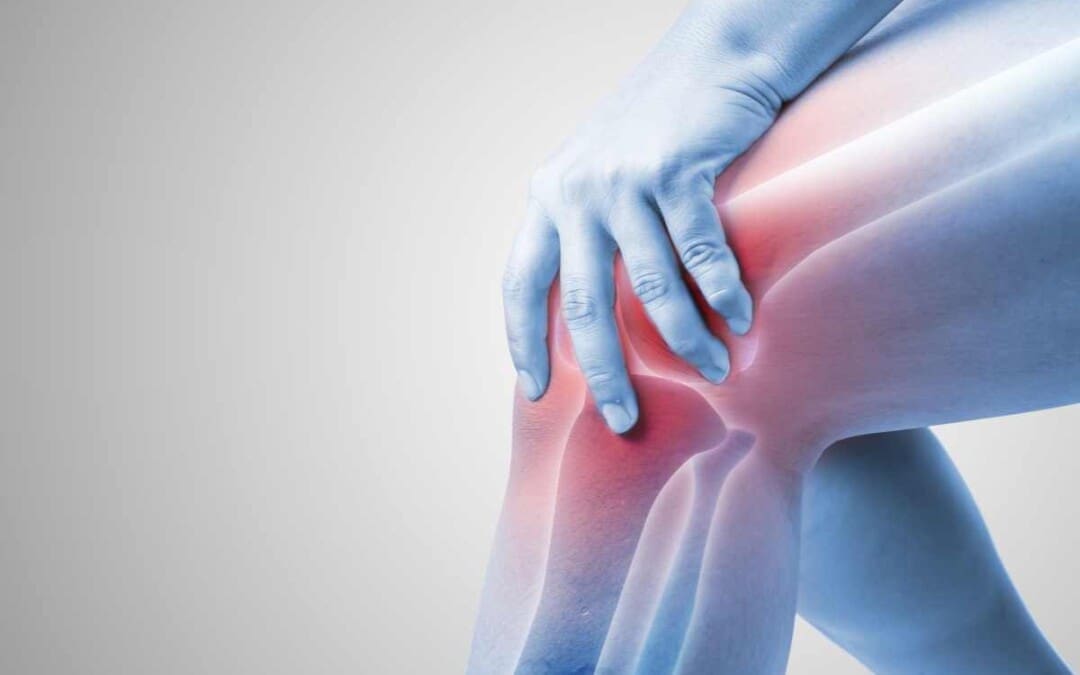
Regarding the body, joints allow the upper and lower extremities to be mobile. This allows the host to move, bend, flex, and rotate without feelings of pain and discomfort. However, as many people age, so do the body and joints, as wear and tear can cause limited movement and stiffen the body. When this happens, it can lead to inflammatory effects and joint disorders. When the joints develop limited mobility and have overlapping risk profiles, it can come in the form of arthritis. When it comes to arthritis can come into two forms: osteo and rheumatoid, and both forms can cause two different inflammatory effects on the joints, causing pain and discomfort to the individual. Luckily, there are natural ways to manage the overlapping pain profiles caused by arthritis. In today’s article, we will look at the difference between the two forms of arthritis and how various natural remedies can help reduce pain-like symptoms caused by arthritis. We associate with certified medical providers who inform our patients of how arthritis can affect the joints and cause pain-like symptoms to their extremities. While asking important questions to our associated medical providers, we advise patients to incorporate various natural remedies to reduce pain-like symptoms related to arthritis and restore joint health. Dr. Alex Jimenez, D.C., envisions this information as an academic service. Disclaimer.
Osteoarthritis Vs. Rheumatoid Arthritis
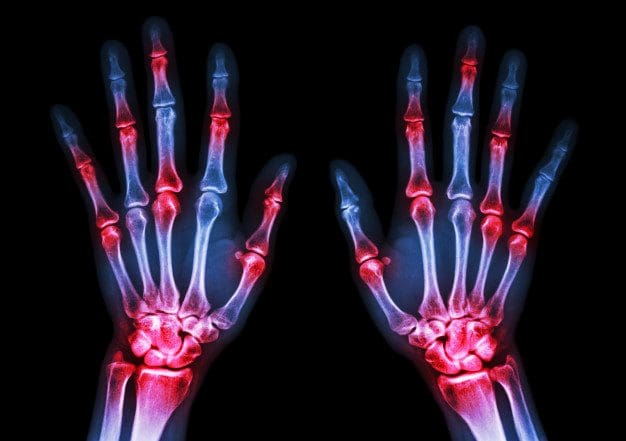
How often do you experience pain in your upper and lower extremities in the cold and feel better with the heat? Do you experience your fingers locking up constantly, making it difficult to grasp objects? Or do you notice swelling or redness in your joints, causing a decreased range of motion? When it comes to the joints dealing with these pain-like issues, it could be due to inflammation, causing the surrounding muscles, tissues, and tendons to become swollen. When it is not being treated, it can lead to the development of arthritis. Arthritis can come in two forms: osteoarthritis and rheumatoid arthritis. These two forms can affect the joints differently, confusing many individuals. Rheumatoid arthritis is a common autoimmune joint disease that causes hyperplasia of the joint tissue and synovial inflammation, which causes cortical bone loss and marginal bone erosion. (Liu et al., 2021) Osteoarthritis can develop when the cartilage between the bones wears down, and it causes the pain associated with inflammation that sensitizes the joint capsule. (Knights et al., 2023) At the same time, osteoarthritis is a well-known degenerative joint disease that is the main cause of disability in a person’s daily living. It has a multifactorial etiology affecting the joint structures. (Yunus et al., 2020) When dealing with either of these forms of arthritis, many people have found natural remedies to help manage the symptoms and reduce the pain.
Unlock The Secrets of Inflammation- Video
Natural Remedies For Arthritis
When it comes to reducing pain-like symptoms that are caused by arthritis and managing their associated symptoms, many people start to make small changes in their daily routine. Many people start changing their eating habits by incorporating anti-inflammatory and antioxidant foods to reduce inflammatory cytokines and help reduce the progression of arthritis. (Gioia et al., 2020) At the same time, changing dietary habits are a small part of creating healthy habits. Therapeutic exercises and braces for the joints can also help reduce the pain and progression of arthritis. (Siddiq et al., 2024) When people commit to a healthy diet full of antioxidants and anti-inflammatory properties and exercise, it can help reduce not only arthritis but also the co-morbidities associated with arthritis, like chronic musculoskeletal pain. (Sakamoto et al., 2023)
Turmeric & Magnesium
Another natural remedy that many people can incorporate to reduce arthritis affecting their joints is taking turmeric and magnesium supplements. Turmeric is part of the curcumin plant, a powerful antioxidant that can help reduce pain affecting the joints by decreasing the inflammatory status of arthritis. (Calderon-Perez et al., 2021) This is because turmeric and curcumin are natural oxygen scavengers and active nitrogen providers that effectively treat pain from arthritic joints. (Zeng et al., 2021) At the same time, magnesium supplements can help relieve pain and arthritic joints by achieving a holistic analgesic effect on the individual. (Zhu et al., 2024) By incorporating these supplements as part of a holistic treatment plan for individuals with arthritis in their joints, they can manage their symptoms and reduce pain.
References
Calderon-Perez, L., Llaurado, E., Companys, J., Pla-Paga, L., Boque, N., Puiggros, F., Valls, R. M., Pedret, A., Llabres, J. M., Arola, L., & Sola, R. (2021). Acute Effects of Turmeric Extracts on Knee Joint Pain: A Pilot, Randomized Controlled Trial. J Med Food, 24(4), 436-440. https://doi.org/10.1089/jmf.2020.0074
Gioia, C., Lucchino, B., Tarsitano, M. G., Iannuccelli, C., & Di Franco, M. (2020). Dietary Habits and Nutrition in Rheumatoid Arthritis: Can Diet Influence Disease Development and Clinical Manifestations? Nutrients, 12(5). https://doi.org/10.3390/nu12051456
Knights, A. J., Redding, S. J., & Maerz, T. (2023). Inflammation in osteoarthritis: the latest progress and ongoing challenges. Curr Opin Rheumatol, 35(2), 128-134. https://doi.org/10.1097/BOR.0000000000000923
Liu, Y. Q., Liu, Y., Chen, Z. Y., Li, H., & Xiao, T. (2021). Rheumatoid arthritis and osteoporosis: a bi-directional Mendelian randomization study. Aging (Albany NY), 13(10), 14109-14130. https://doi.org/10.18632/aging.203029
Sakamoto, J., Miyahara, S., Motokawa, S., Takahashi, A., Sasaki, R., Honda, Y., & Okita, M. (2023). Regular walking exercise prior to knee osteoarthritis reduces joint pain in an animal model. PLOS ONE, 18(8), e0289765. https://doi.org/10.1371/journal.pone.0289765
Siddiq, M. A. B., Oo, W. M., & Hunter, D. J. (2024). New therapeutic strategies in osteoarthritis. Joint Bone Spine, 91(6), 105739. https://doi.org/10.1016/j.jbspin.2024.105739
Yunus, M. H. M., Nordin, A., & Kamal, H. (2020). Pathophysiological Perspective of Osteoarthritis. Medicina (Kaunas, Lithuania), 56(11). https://doi.org/10.3390/medicina56110614
Zeng, L., Yu, G., Hao, W., Yang, K., & Chen, H. (2021). The efficacy and safety of Curcuma longa extract and curcumin supplements on osteoarthritis: a systematic review and meta-analysis. Biosci Rep, 41(6). https://doi.org/10.1042/BSR20210817
Zhu, Y., Shen, S., Cui, L., Wu, L., & Zhang, B. (2024). Magnesium sulphate and sodium bicarbonate as additives for periarticular local infiltration analgesia improve pain management after unicompartmental knee arthroplasty: a prospective, double-blind, randomized controlled trial. J Orthop Surg Res, 19(1), 764. https://doi.org/10.1186/s13018-024-05233-6
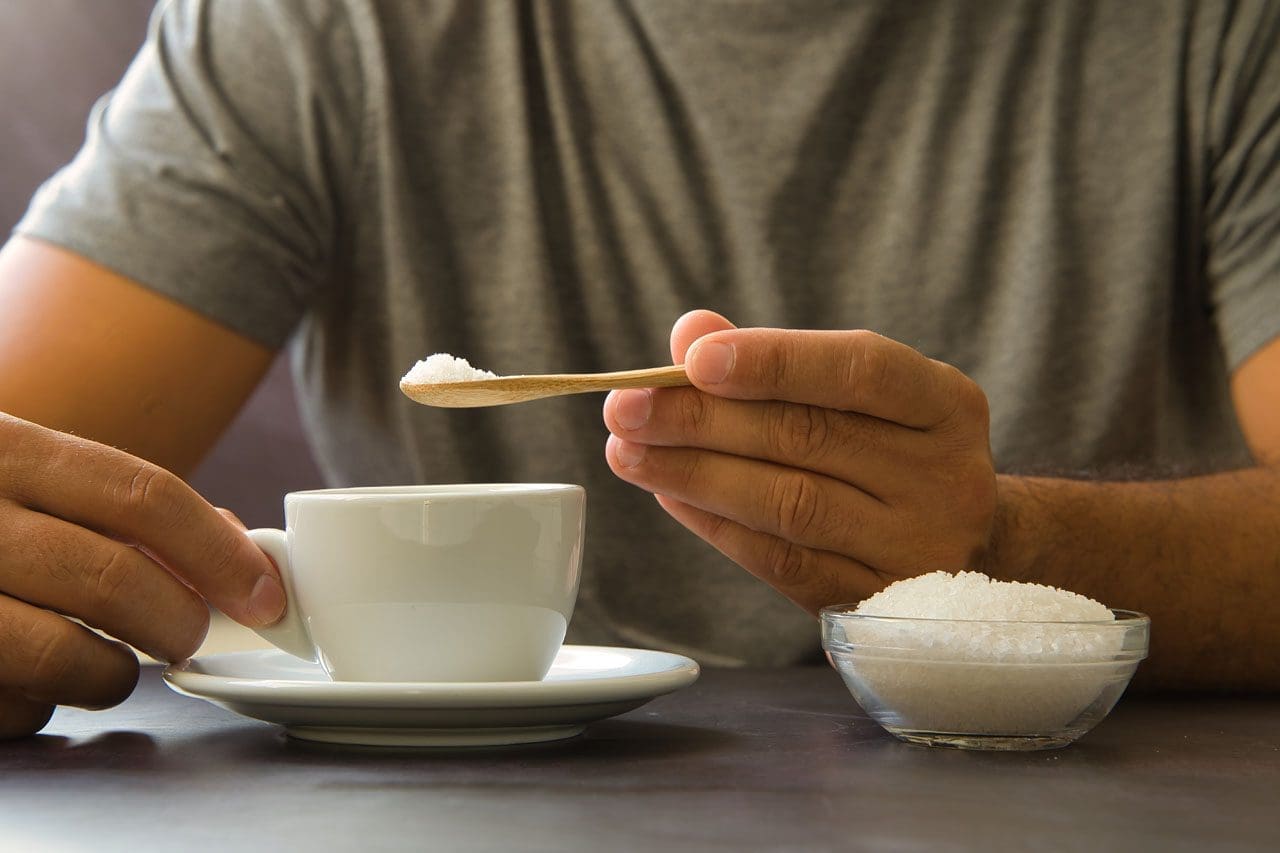
Sweet foods were a delicacy for our ancestors. Can individuals incorporate these 5 natural sweeteners to curb any sugar cravings in food?
Introduction
Everyone worldwide craves sweet foods to get through their day and have the energy to move around. At everyone’s disposal, many foods and beverages contain an unlimited supply of sugar. At that point, when many people start to consume excessive amounts of sugary foods and beverages, it can lead to the development of chronic conditions. Hence, many people start to consume less sugary foods and beverages by switching to natural sweeteners to satisfy their sugar cravings. In today’s article, we will look at how natural sweeteners affect blood glucose levels, divide them into the top 5 natural sweeteners, and see their natural benefits when consumed. We associate with certified medical providers who inform our patients of the effects of excessive sugar and how it can affect their blood glucose levels. While asking important questions to our associated medical providers, we advise patients to incorporate healthy natural sweeteners in their foods as part of their customized treatment plan. Dr. Alex Jimenez, D.C., envisions this information as an academic service. Disclaimer.
Natural Sweeteners Effect On Blood Glucose
Do you have an intense craving for sweet treats or chips and pasta constantly throughout the day? Have you experienced low energy throughout the day, and does eating something help you continue your errands? Or have you been healing with constant headaches that make concentrating difficult? Many of these environmental factors are associated with excessive sugar cravings. The human body can produce glucose energy levels from food a person is consuming, and when environmental factors start to affect the body, it can cause issues like insulin resistance. Insulin resistance is a complex condition that causes the body to not respond to the insulin hormone. It can impair biological response to the liver, muscles, and tissues. (Martins & Conde, 2022) Since blood glucose plays a vital role in the body as it gives the host energy, environmental factors, and food play a huge part in blood glucose.
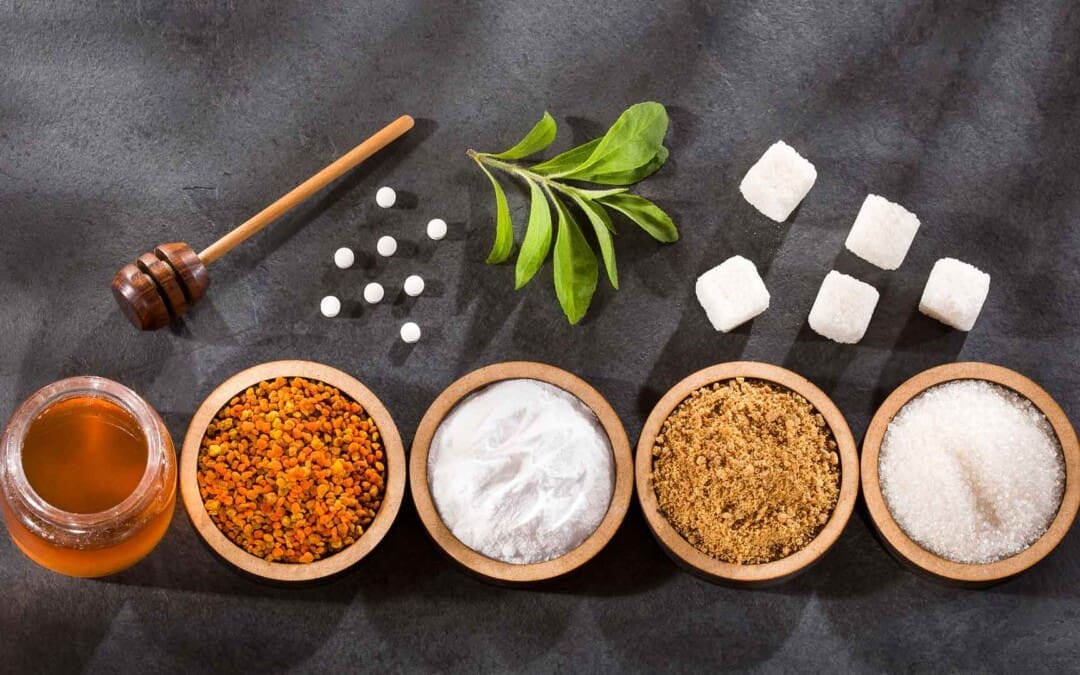
Environmental factors, such as blood glucose and natural sweeteners or sugary foods and drinks, are also in play for many people. Multiple environmental factors influence people’s food environment. (St-Onge et al., 2023) Since many individuals have a sweet tooth, consuming that much glucose can lead to the development of chronic conditions like diabetes, insulin resistance, and cellular inflammation. Some symptoms of consuming excessive amounts of glucose include elevated blood sugar, fat accumulation, and referred pain in the musculoskeletal system. Luckily, many individuals who want healthier eating habits can change their food consumption and sugar intake by swapping processed sweeteners with natural sweeteners when the sugar craving starts taking control. Switching to a natural sweetener can be effective when consumed in moderation to curb the sugar cravings that people mostly crave. Below are some of the top 5 natural sweeteners with low glycemic indicators and nutritional benefits.
Nutrition Fundamentals-Video
Stevia
Located in South America, the Stevia plant contains rebaudiosides and steviosides used in many food products as a substitute for sugar and a low-calorie natural sweetener. (Schiatti-Siso et al., 2023) At the same time, Stevia has beneficial properties that can help reduce plasma glucose concentration and inflammation while providing anti-glycemic and anti-viral effects to the body. (Kasti et al., 2022) Many people who switch out regular sugar for Stevia can incorporate Stevia in their cooking, and to prevent an aftertaste, they can add a bit of sea salt to mitigate the aftertaste.
Stevia Nutritional Benefits
One of the nutritional benefits Stevia offers is that it contains antioxidant properties that can help neutralize inflammation, which is a co-factor when a person consumes excess amounts of sugar combined with environmental factors. (Peteliuk et al., 2021) Some of the other benefits that Stevia has includes:
Anti-cancer properties
Improve kidney function
Lowers blood pressure
Diabetes reduces
Monk Fruit
Located in southern China and northern Thailand, monk fruit has a very low glycemic and sugar content. Most of its sweetness comes from a chemical structure in the fruit called mogrosides (Additives et al., 2019). Additionally, monk fruit is an intrinsic natural sweetener, as it is highly sweeter than other sweeteners and is found in nature. (Mahato et al., 2020) Plus, it has nutritional beneficial properties that make it amazing.
Monk Fruit Nutritional Benefits
Some of the nutritional benefits that monk fruit provides include:
Has antioxidants
Promotes weight loss
Has anti-cancer properties
Decreases blood sugar, total cholesterol & triglycerides
Improves the digestive and respiratory system
Yacon
Like the Stevia plant, yacon is an indigenous root in South America that can be extracted and turned into syrup. It is a popular sugar substitute for its sweet taste and has been used for medicinal purposes. (Braschi et al., 2024) Additionally, many people who utilize yacon will begin to notice that their gut will feel better. This is because yacon contains prebiotic fibers that can modify the composition and activity of intestinal microbiota. (Ribeiro et al., 2023)
Yacon Nutritional Benefits
Some of the nutritional benefits that Yacon provides include:
Increase body metabolism
Reduce hunger cravings
Has anti-inflammatory properties
Reduce constipation
Coconut Sugar
Coconut sugar is a popular sweetener that is used in southeastern Asian cuisines. It is made from phloem sap from coconut palm tree blossoms. (Saraiva et al., 2023) As one of the lowest natural sweeteners, it can substitute for many dairy products like ice cream to provide sweetness. (Beegum et al., 2022) Additionally, coconut sugar contains over 16 amino acids and four different B vitamins.
Coconut Sugar Nutritional Benefits
Some of the nutritional benefits of coconut sugar include:
Being a source of iron, potassium, magnesium, & zinc
Relieve diabetic neuropathy symptoms
Reduce anxiety, depression, and bipolar mood disorder
Treats high blood pressure
Honey
Honey is a superfood that positively affects blood sugar and has numerous properties worldwide. It contains numerous minerals and nutrients that can help with cellular insulin sensitivity and must be consumed in moderation for blood sugar balance. Many people have used honey for medicinal purposes, including wound healing and gut ailments. (Iftikhar et al., 2022) At the same time, honey, especially raw honey, can help reduce allergy symptoms.
Honey Nutritional Benefits
Some of the nutritional benefits that honey provides include:
Immunity & energy booster
Has anti-fungal properties
A natural cough suppressant
Reduce allergies
Skin moisturizer
References
Additives, E. P. o. F., Flavourings, Younes, M., Aquilina, G., Engel, K. H., Fowler, P., Frutos Fernandez, M. J., Furst, P., Gurtler, R., Gundert-Remy, U., Husoy, T., Mennes, W., Moldeus, P., Oskarsson, A., Shah, R., Waalkens-Berendsen, I., Wolfle, D., Degen, G., Herman, L.,…Castle, L. (2019). Safety of use of Monk fruit extract as a food additive in different food categories. EFSA J, 17(12), e05921. https://doi.org/10.2903/j.efsa.2019.5921
Beegum, P. P. S., Nair, J. P., Manikantan, M. R., Pandiselvam, R., Shill, S., Neenu, S., & Hebbar, K. B. (2022). Effect of coconut milk, tender coconut and coconut sugar on the physico-chemical and sensory attributes in ice cream. J Food Sci Technol, 59(7), 2605-2616. https://doi.org/10.1007/s13197-021-05279-y
Braschi, G., Njieukam, J. A., Gottardi, D., Genovese, J., Tylewicz, U., Patrignani, F., & Rocculi, P. (2024). Investigating the potential of yacon (Smallanthus sonchifolius) juice in the development of organic apple-based snacks. Heliyon, 10(11), e32342. https://doi.org/10.1016/j.heliyon.2024.e32342
Iftikhar, A., Nausheen, R., Muzaffar, H., Naeem, M. A., Farooq, M., Khurshid, M., Almatroudi, A., Alrumaihi, F., Allemailem, K. S., & Anwar, H. (2022). Potential Therapeutic Benefits of Honey in Neurological Disorders: The Role of Polyphenols. Molecules, 27(10). https://doi.org/10.3390/molecules27103297
Kasti, A. N., Nikolaki, M. D., Synodinou, K. D., Katsas, K. N., Petsis, K., Lambrinou, S., Pyrousis, I. A., & Triantafyllou, K. (2022). The Effects of Stevia Consumption on Gut Bacteria: Friend or Foe? Microorganisms, 10(4). https://doi.org/10.3390/microorganisms10040744
Mahato, D. K., Keast, R., Liem, D. G., Russell, C. G., Cicerale, S., & Gamlath, S. (2020). Sugar Reduction in Dairy Food: An Overview with Flavoured Milk as an Example. Foods, 9(10). https://doi.org/10.3390/foods9101400
Martins, F. O., & Conde, S. V. (2022). Impact of Diet Composition on Insulin Resistance. Nutrients, 14(18). https://doi.org/10.3390/nu14183716
Peteliuk, V., Rybchuk, L., Bayliak, M., Storey, K. B., & Lushchak, O. (2021). Natural sweetener Stevia rebaudiana: Functionalities, health benefits and potential risks. EXCLI J, 20, 1412-1430. https://doi.org/10.17179/excli2021-4211
Ribeiro, P. V. M., Veloso, T. G., de Oliveira, L. L., Mendes, N. P., & Alfenas, R. C. G. (2023). Consumption of yacon flour and energy-restricted diet increased the relative abundance of intestinal bacteria in obese adults. Braz J Microbiol, 54(4), 3085-3099. https://doi.org/10.1007/s42770-023-01140-w
Saraiva, A., Carrascosa, C., Ramos, F., Raheem, D., Lopes, M., & Raposo, A. (2023). Coconut Sugar: Chemical Analysis and Nutritional Profile; Health Impacts; Safety and Quality Control; Food Industry Applications. Int J Environ Res Public Health, 20(4). https://doi.org/10.3390/ijerph20043671
Schiatti-Siso, I. P., Quintana, S. E., & Garcia-Zapateiro, L. A. (2023). Stevia (Stevia rebaudiana) as a common sugar substitute and its application in food matrices: an updated review. J Food Sci Technol, 60(5), 1483-1492. https://doi.org/10.1007/s13197-022-05396-2
St-Onge, M. P., Cherta-Murillo, A., Darimont, C., Mantantzis, K., Martin, F. P., & Owen, L. (2023). The interrelationship between sleep, diet, and glucose metabolism. Sleep Med Rev, 69, 101788. https://doi.org/10.1016/j.smrv.2023.101788
Individuals dealing with fibromyalgia can find natural remedies to reduce the pain-like symptoms and provide relief to their bodies?
Introduction
When it comes to the immune system in the human body, it is the number one defender in healing the body naturally from chronic illness or injuries to which the host has succumbed. When the body is dealing with unwanted pathogens, the immune system sends out inflammatory cytokines to attach to the affected area, allowing the healing process to take effect. However, when environmental factors or pathogens develop inside the body over time, the immune system can become confused and begin to attack healthy cells; when this happens, the body can develop autoimmune diseases. This causes chronic issues and overlapping risk profiles to develop and cause the body to succumb to pain and discomfort. Autoimmune diseases like fibromyalgia can affect the various muscles in the body and cause a person to be in tremendous amounts of pain. Luckily, there are different natural remedies to dampen the pain-like effects of fibromyalgia. In today’s article, we are looking at the impact of fibromyalgia on the body and how various natural remedies can help reduce fibromyalgia flare-ups. We discuss with certified medical providers who inform our patients how fibromyalgia can affect the body and be correlated with pain-like symptoms. While asking informed questions to our associated medical providers, we advise patients to incorporate various natural remedies to reduce the chances of fibromyalgia causing more issues in the body. Dr. Alex Jimenez, D.C., encompasses this information as an academic service. Disclaimer.
How Fibromyalgia Affects The Body
Have you been dealing with pain and discomfort in different areas of your body? Do you feel exhausted throughout the day despite having a good night’s rest? Or have you been dealing with constant migraines that you would rather stay in bed all day? Many pain-like scenarios are associated with musculoskeletal conditions that can affect the entire body through painful sensations. However, musculoskeletal conditions have a casual relationship with not only environmental factors but also with autoimmune diseases like fibromyalgia. Now, fibromyalgia is characterized by chronic and widespread musculoskeletal pain and can be associated with hypersensitivity processing to pain in the brain. (Siracusa et al., 2021) This is because many factors like genetics, environmental, hormonal, neural, and immunological are all associated with fibromyalgia and can cause the neuron signals to be haywire and hypersensitive to the body. (Garcia Rodriguez & Abud Mendoza, 2020) When that happens, the body begins to experience musculoskeletal pain-like symptoms like muscle-joint stiffness and fatigue that can cause the vagus nerve to be in a constant hyperactive state in the body.
Additionally, since fibromyalgia is an autoimmune disease, the role of the immune system and inflammation also come into play as the body produces altered levels of pro-inflammatory cytokines to dysregulate neuro-sensitizing molecules and affect the small nerve fibers in the body (Clauw et al., 2024). Unfortunately, when doctors diagnose fibromyalgia, comorbidities can cause overlapping risk profiles in the body. Fortunately, there are numerous treatments and natural remedies available to reduce and manage pain-like symptoms associated with fibromyalgia.
Fibromyalgia: Food Choices & Neutraceutical Options- Video
Natural Remedies To Reduce Fibromyalgia
When it comes to finding numerous ways to reduce the pain-like effects of fibromyalgia, many people seek out over-the-counter medicine to reduce the musculoskeletal pain associated with fibromyalgia, which can provide temporary relief. Luckily, there are natural remedies that can improve overall fibromyalgia symptoms that can improve the global functioning of the body, pain reduction, psychological relief, and brain activity. (Assavarittirong et al., 2022) Many natural remedies for fibromyalgia include:
Incorporating vitamins and supplements
Making small changes in diet and lifestyle
Utilizing non-surgical treatments
Supplements
When it comes to reducing fibromyalgia flare-ups, many people wonder where to start on their health and wellness journey. The best way to start making small changes to their health and reducing fibromyalgia flare-ups is by incorporating vitamins and supplements. Vitamins and supplements can help the body by incorporating the necessary nutrients that the body needs to provide energy and function to the muscles, tissues, bones, and vital organs. When it comes to incorporating various vitamins and supplements to reduce fibromyalgia symptoms, many people have started incorporating vitamin D to boost the immune system and reduce muscle impairment in tissue structure and function. (Lombardo et al., 2022) This is because when individuals are dealing with fibromyalgia flare-ups, they experience extreme muscle pain, and it spreads throughout the entire body. At the same time, many people can also incorporate magnesium as part of the regime to reduce fibromyalgia. When people start to integrate magnesium, they will experience reduced symptoms of muscle pain, fatigue, anxiety, and improved sleep difficulties. (Boulis et al., 2021) By incorporating vitamins and supplements into individuals with fibromyalgia, they will begin to notice over time that the symptoms associated with fibromyalgia are reduced.
Diet & Lifestyle Changes
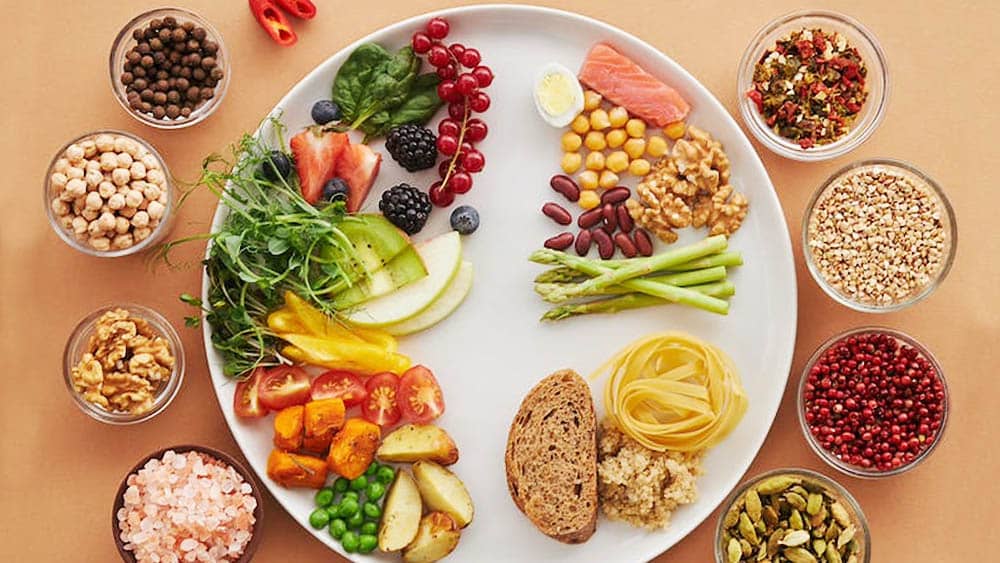
Another way for individuals dealing with fibromyalgia is by incorporating a diet that has anti-inflammatory properties and lifestyle changes that can be customized for the person’s treatment plan. When it comes to the diet portion of reducing fibromyalgia, many wonder how to start. Since a healthy diet is crucial for a natural treatment to reduce fibromyalgia, the main goal is to reduce the inflammatory effects associated with fibromyalgia. When people start incorporating fruits and vegetables that have been shown not only to reduce oxidative stress but also to reduce the inflammatory markers caused by fibromyalgia. (Lowry et al., 2020) While incorporating a healthy diet containing anti-inflammatory foods, exercising and utilizing non-surgical treatments also play a crucial role in managing fibromyalgia. When it comes to exercising can be a multimodal treatment as it can help create a physiological response that decreases the sympathetic activity and shifts the parasympathetic activity that relaxes the muscular and nervous system, thus reducing the stress levels of individuals with fibromyalgia. (Metyas et al., 2024) This allows people to manage their symptoms and make small changes in their health and well-being. At the same time, they can incorporate non-surgical treatments like chiropractic care and acupuncture to realign the body and reduce symptoms of stiffness and pain correlated with fibromyalgia. By doing so and managing their fibromyalgia symptoms, many people can begin taking back their health and wellness with these natural remedies for their fibromyalgia.
References
Assavarittirong, C., Samborski, W., & Grygiel-Gorniak, B. (2022). Oxidative Stress in Fibromyalgia: From Pathology to Treatment. Oxid Med Cell Longev, 2022, 1582432. https://doi.org/10.1155/2022/1582432
Boulis, M., Boulis, M., & Clauw, D. (2021). Magnesium and Fibromyalgia: A Literature Review. J Prim Care Community Health, 12, 21501327211038433. https://doi.org/10.1177/21501327211038433
Clauw, D., Sarzi-Puttini, P., Pellegrino, G., & Shoenfeld, Y. (2024). Is fibromyalgia an autoimmune disorder? Autoimmun Rev, 23(1), 103424. https://doi.org/10.1016/j.autrev.2023.103424
Garcia Rodriguez, D. F., & Abud Mendoza, C. (2020). Physiopathology of fibromyalgia. Reumatol Clin (Engl Ed), 16(3), 191-194. https://doi.org/10.1016/j.reuma.2020.02.003 (Fisiopatologia de la fibromialgia.)
Lombardo, M., Feraco, A., Ottaviani, M., Rizzo, G., Camajani, E., Caprio, M., & Armani, A. (2022). The Efficacy of Vitamin D Supplementation in the Treatment of Fibromyalgia Syndrome and Chronic Musculoskeletal Pain. Nutrients, 14(15). https://doi.org/10.3390/nu14153010
Lowry, E., Marley, J., McVeigh, J. G., McSorley, E., Allsopp, P., & Kerr, D. (2020). Dietary Interventions in the Management of Fibromyalgia: A Systematic Review and Best-Evidence Synthesis. Nutrients, 12(9). https://doi.org/10.3390/nu12092664
Metyas, C., Aung, T. T., Cheung, J., Joseph, M., Ballester, A. M., & Metyas, S. (2024). Diet and Lifestyle Modifications for Fibromyalgia. Curr Rheumatol Rev, 20(4), 405-413. https://doi.org/10.2174/0115733971274700231226075717
Siracusa, R., Paola, R. D., Cuzzocrea, S., & Impellizzeri, D. (2021). Fibromyalgia: Pathogenesis, Mechanisms, Diagnosis and Treatment Options Update. Int J Mol Sci, 22(8). https://doi.org/10.3390/ijms22083891
For individuals suffering from allergies, could using acupuncture help relieve and manage symptoms?
Acupuncture Can Help With Allergies
Acupuncture is becoming a more respected alternative treatment for various medical issues, from anxiety to fibromyalgia to weight loss. There is evidence that acupuncture can help with allergies by alleviating symptoms and improving the quality of life. (Shaoyan Feng, et al., 2015) The American Academy of Otolaryngology-Head and Neck Surgery Foundation recommends doctors offer acupuncture to patients looking for nonpharmacological treatments for their allergies or refer them to an acupuncturist. (Michael D. Seidman, et al., 2015)
Acupuncture
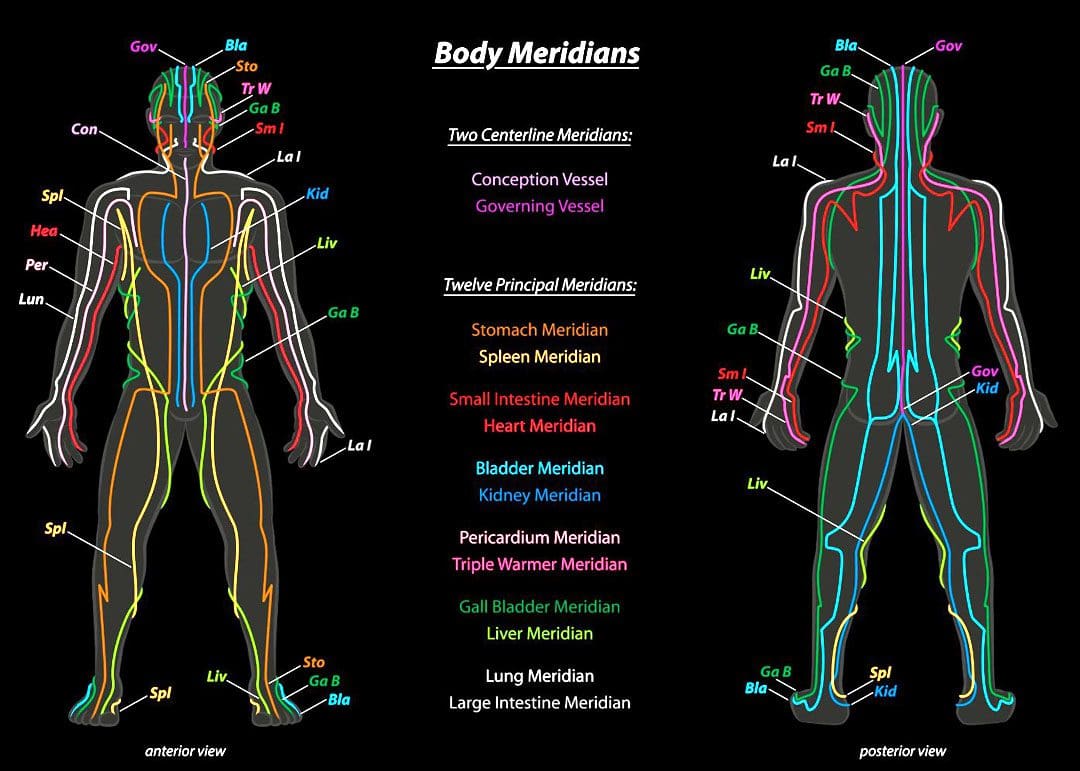
Acupuncture is a traditional Chinese medicine/TCM practice in which extremely thin needles are inserted into the body at specific points, creating a network of energy pathways known as meridians.
These pathways circulate vital life energy/chi or qi.
Each meridian is associated with a different body system.
Needles are placed to target the organs associated with the condition being treated.
Acupuncture can help with allergies by targeting several meridians, including the lungs, colon, stomach, and spleen. These meridians are believed to circulate defensive life energy or a type of immunity energy.
A backup of defensive energy or a deficiency can cause allergy symptoms like swelling, watery eyes, runny nose, sneezing, allergic eczema, and conjunctivitis. (Bettina Hauswald, Yury M. Yarin. 2014)
The objective is to stimulate the points to restore balance in the energies and relieve symptoms.
Scientific Theories
One theory is the needles work directly on nerve fibers, influencing messages to the brain or the autonomic nervous system and transmission of signals within the body, including the immune system. (Tony Y. Chon, Mark C. Lee. 2013)
Another is the needles influence certain activities of cells, particularly the transport, breakdown, and clearance of bioactive mediators.
The combination of these actions is thought to decrease inflammatory conditions like allergic rhinitis – hay fever, in which the inside of the nose becomes inflamed and swollen after breathing in an allergen. (Bettina Hauswald, Yury M. Yarin. 2014)
A 2015 review concluded there have been high-quality randomized controlled trials demonstrating acupuncture’s efficacy in treating seasonal and perennial allergic rhinitis. Smaller studies have shown some preliminary benefits of acupuncture when compared with antihistamines, but more research is needed. (Malcolm B. Taw, et al., 2015)
Treating Allergies
Some individuals who choose acupuncture are seeking alternatives to standard treatment like medications, nasal sprays, and immunotherapy.
Others are looking for ways to enhance the effectiveness of medications already being taken, such as antihistamines or nasal sprays, or shorten how long or how frequently they are needed.
Initial treatment usually involves weekly or twice-weekly appointments over several weeks or months, depending on symptom severity.
Improperly administered acupuncture needles can cause serious side effects that range from infections, punctured organs, collapsed lungs, and injury to the central nervous system. (National Center for Complementary and Integrative Health. 2022) Before trying acupuncture, consult your primary healthcare provider, allergist, or integrative medicine specialist to make sure it’s a safe and viable option and the best way to integrate it into overall allergy care.
Fighting Inflammation Naturally
References
Feng, S., Han, M., Fan, Y., Yang, G., Liao, Z., Liao, W., & Li, H. (2015). Acupuncture for the treatment of allergic rhinitis: a systematic review and meta-analysis. American journal of rhinology & allergy, 29(1), 57–62. https://doi.org/10.2500/ajra.2015.29.4116
Seidman, M. D., Gurgel, R. K., Lin, S. Y., Schwartz, S. R., Baroody, F. M., Bonner, J. R., Dawson, D. E., Dykewicz, M. S., Hackell, J. M., Han, J. K., Ishman, S. L., Krouse, H. J., Malekzadeh, S., Mims, J. W., Omole, F. S., Reddy, W. D., Wallace, D. V., Walsh, S. A., Warren, B. E., Wilson, M. N., … Guideline Otolaryngology Development Group. AAO-HNSF (2015). Clinical practice guideline: Allergic rhinitis. Otolaryngology–head and neck surgery : official journal of American Academy of Otolaryngology-Head and Neck Surgery, 152(1 Suppl), S1–S43. https://doi.org/10.1177/0194599814561600
Hauswald, B., & Yarin, Y. M. (2014). Acupuncture in allergic rhinitis: A Mini-Review. Allergo journal international, 23(4), 115–119. https://doi.org/10.1007/s40629-014-0015-3
Chon, T. Y., & Lee, M. C. (2013). Acupuncture. Mayo Clinic proceedings, 88(10), 1141–1146. https://doi.org/10.1016/j.mayocp.2013.06.009
Taw, M. B., Reddy, W. D., Omole, F. S., & Seidman, M. D. (2015). Acupuncture and allergic rhinitis. Current opinion in otolaryngology & head and neck surgery, 23(3), 216–220. https://doi.org/10.1097/MOO.0000000000000161
As the body grows older the ability to live life to the fullest can be difficult. Can using natural biologics help enhance the body’s natural ability to heal?
Natural Biologics
Though sometimes a necessary treatment option, surgical procedures can be the first line of treatment introduced to patients. Natural biologics is a less invasive alternative that can eliminate hospitalizations and expedite recovery. (Riham Mohamed Aly, 2020)
What Are They?
The body is born with components to initiate healing and recovery. These components include:
Cells
Cytokines
Proteins
Collagens
Elastin
Hyaluronic acid
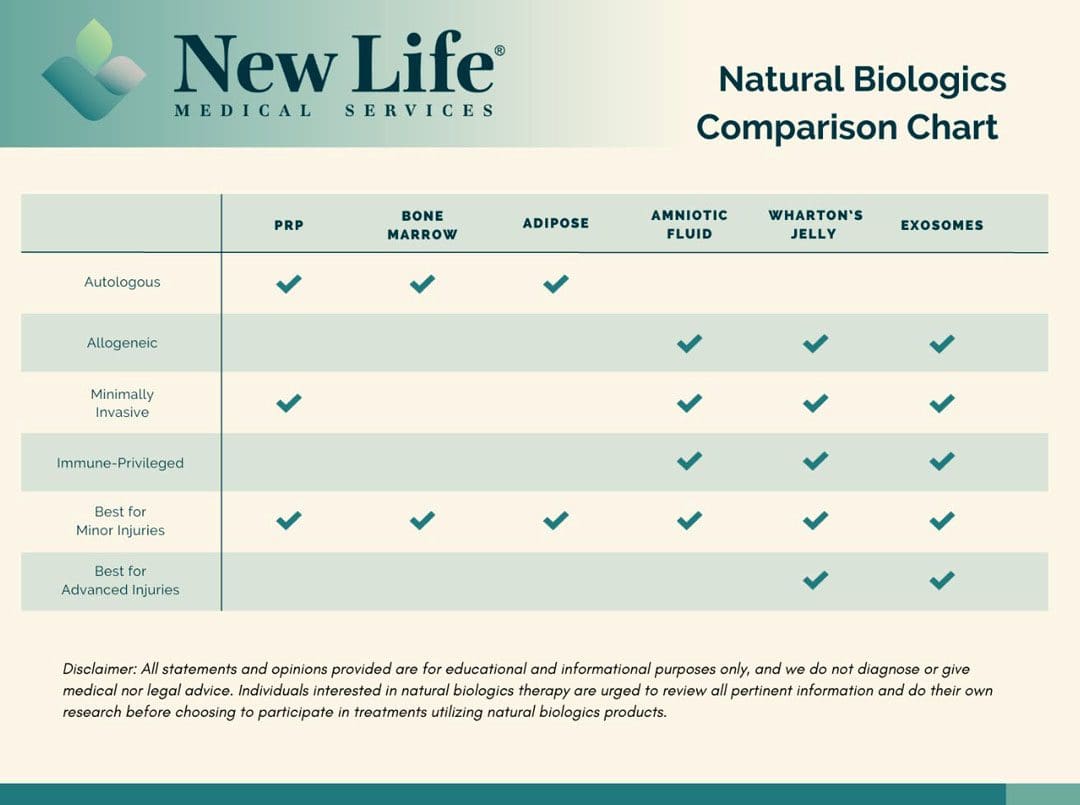
At the time of birth, these components are in abundance but decrease as the body ages. This is why children recover from injuries quicker than adults. Recovery for adults can be slower from a decrease in these natural healing components. The objective of natural biologics treatments is to increase the healing components by reintroducing the body’s own components – autologous – or by bringing in new components – allogeneic – from a donor. (National Institutes of Health 2016) Choosing between the two options depends on an individual’s age and health, as those who are older or in poor physical health may experience complications from inferior component amounts.
Healing components derived from donor sources can show more promise, as treatments are usually acquired from discarded birth tissues at delivery.
Birth tissues are rich in healing components, containing the most abundant collection of natural healing elements.
It’s important to note that there is no harm to the mother or the baby from the obtained tissue products.
Platelet-rich plasma is cultivated by drawing an individual’s blood and spinning it in a centrifuge to separate the plasma.
The resulting liquid is reinjected into the injured area to generate a healing environment.
This form of natural biologics is effective for individuals with minor injuries that can be repaired easily.
This process is not as effective for older individuals who already have a reduction in natural healing components.
Lifestyle factors such as smoking, unhealthy diet, and alcohol/substance abuse can decrease the effectiveness of PRP treatments.
Bone Marrow Aspirate
This is an invasive, painful process that begins by putting a patient under anesthesia and drilling into the bone to extract the marrow. (American Cancer Society, 2023)
Like PRP, success depends on the individual’s age, health, and lifestyle.
Invasive procedures like this have a higher probability of infection and require a long-term recovery period.
Adipose-Derived Stem Cells
Adipose tissue/fat treatments are collected through a procedure that resembles the process of liposuction.
The procedure is done under general anesthesia and is an invasive process.
The treatment’s success depends on the individual’s health, age, and lifestyle.
There is more risk of infection when choosing this procedure and a long-term recovery period.
Allogeneic Treatment
Donor-based regenerative cells.
Amniotic Fluid Therapy
Amniotic fluid contains various growth factors, cytokines, and anti-inflammatory proteins that may promote tissue repair, reduce inflammation, and stimulate cellular regeneration. (Petra Klemmt. 2012)
Collected at the time of birth, this therapy is an ideal treatment for individuals who have sustained injuries that affect day-to-day functionality.
Physicians and clinicians are utilizing amniotic fluid therapy to treat many conditions, from orthopedic to wound care.
Amniotic fluid is collected at the time of birth and is abundant with increased healing components compared to autologous sources.
Amniotic fluid is immune-privileged (limits or suppresses immune response) and the risk of rejection is rare.
These therapies are usually done in a physician’s office with minimal downtime after treatment.
Wharton’s Jelly
Wharton’s jelly is derived from the umbilical cord at the time of birth and is primarily composed of a gel substance made up of hyaluronic acid and a network of collagen fibers.
Believed to contain a population of mesenchymal stem cells that have the capacity to differentiate into various cell types, and other secreted growth factors and cytokines. (F. Gao, et al., 2016)
It is considered the most valuable source to enhance the healing of various tissues, including bone, cartilage, skin, and nerve tissue.
It is immune-privileged with little risk of rejection and minimal if any, recovery time after an in-office treatment.
Exosomes
Exosomes are small, membrane-bound vesicles that play a role in intercellular communication within the body. (Carl Randall Harrell, et al., 2019)
They contain a variety of bioactive molecules, including proteins, lipids, nucleic acids (like RNA), and signaling molecules.
They serve as vehicles for transferring the signaling molecules from one cell to another, allowing cells to influence the behavior and function of neighboring or distant cells.
They can be collected or isolated from various biological fluids and cell cultures through specialized techniques but are most robust when collected at birth.
The exosomes within the umbilical cord are utilized for tissue repair and regeneration, signaling the cells to promote:
Proliferation – increase in the number of cells through cell division.
Differentiation – the transformation of unspecialized cells into specialized cells.
Tissue healing in damaged or injured areas.
Exosomes from the umbilical cord are immune-privileged with minimal risk of rejection.
Treatments are ideal for increasing cell communication and initiating repair when paired with another source of allogeneic therapy like amniotic fluid or Wharton’s Jelly.
Choosing which natural biologics therapy is the best is different for everyone. When selecting a treatment, it is essential for individuals to consult their primary healthcare provider to determine which application will have optimal results.
Is Motion Key To Healing?
References
Aly R. M. (2020). Current state of stem cell-based therapies: an overview. Stem cell investigation, 7, 8. https://doi.org/10.21037/sci-2020-001
Mazini, L., Rochette, L., Admou, B., Amal, S., & Malka, G. (2020). Hopes and Limits of Adipose-Derived Stem Cells (ADSCs) and Mesenchymal Stem Cells (MSCs) in Wound Healing. International journal of molecular sciences, 21(4), 1306. https://doi.org/10.3390/ijms21041306
Klemmt P. (2012). Application of amniotic fluid stem cells in basic science and tissue regeneration. Organogenesis, 8(3), 76. https://doi.org/10.4161/org.23023
Sabapathy, V., Sundaram, B., V M, S., Mankuzhy, P., & Kumar, S. (2014). Human Wharton’s Jelly Mesenchymal Stem Cells plasticity augments scar-free skin wound healing with hair growth. PloS one, 9(4), e93726. https://doi.org/10.1371/journal.pone.0093726
Gao, F., Chiu, S. M., Motan, D. A., Zhang, Z., Chen, L., Ji, H. L., Tse, H. F., Fu, Q. L., & Lian, Q. (2016). Mesenchymal stem cells and immunomodulation: current status and future prospects. Cell death & disease, 7(1), e2062. https://doi.org/10.1038/cddis.2015.327
Harrell, C. R., Jovicic, N., Djonov, V., Arsenijevic, N., & Volarevic, V. (2019). Mesenchymal Stem Cell-Derived Exosomes and Other Extracellular Vesicles as New Remedies in the Therapy of Inflammatory Diseases. Cells, 8(12), 1605. https://doi.org/10.3390/cells8121605
Maintaining a healthy and well-balanced nutritional plan is recommended for overall health. When the body is nourished healthily, it will perform optimally. Stress is part of daily life, and certain foods can enhance the body’s ability to handle stress, help target physical and emotional states, and protect the brain. The Injury Medical Chiropractic and Functional Medicine Clinic Team can provide therapeutic massage to increase circulation, and relax the mind and body, adjustments to restore any misalignments, and nutritional support and health coaching for total wellness.
Foods For Stress
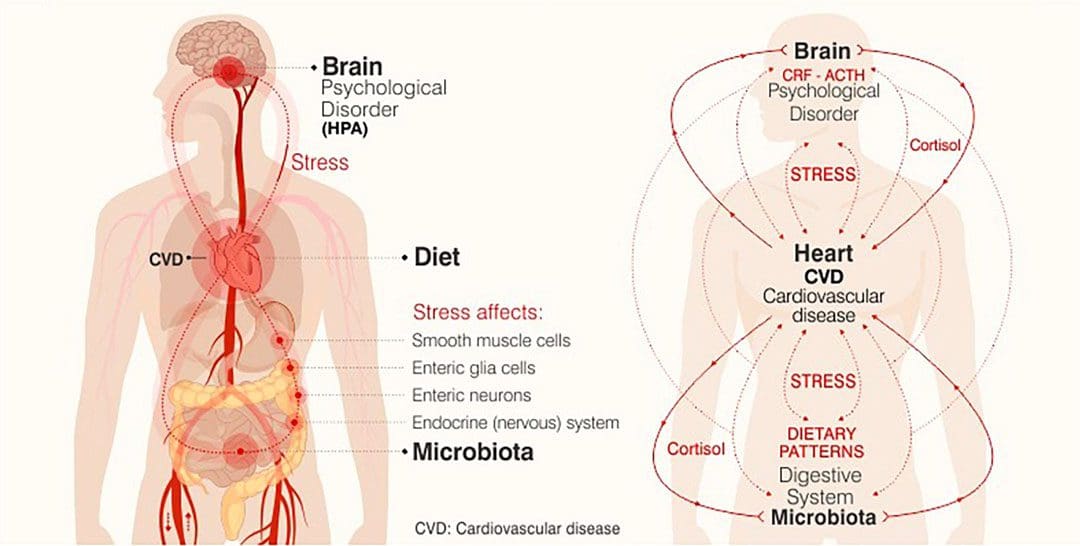
Anxiety is a widespread condition affecting millions of individuals. Trying to lower stress levels includes self-care, sleep management, physical activity, and incorporating foods to reduce cortisol levels, the primary hormone responsible for stress.
Cortisol
Cortisol has a variety of functions that include:
Manages how the body uses carbohydrates, fats, and proteins.
Sleep cycle regulation.
Blood pressure regulation.
Increases blood sugar.
Decreases inflammation.
Cortisol is sometimes known as the stress hormone because the adrenal gland releases it when experiencing stress or when the body is under physical stress/inflammation. It is the key to managing the fight-or-flight instinct and is healthy for a short period as a protective mechanism providing the energy needed to respond to short-term stress. However, the long-term release of cortisol generates tension in the body, leading to chronic inflammation and raised blood pressure. Learning how to manage stress is necessary for lowering cortisol levels.
Symptoms
Symptoms vary and are different for everybody.
Physical
Exhaustion.
Sleep problems.
Headaches.
Muscle tension.
Jaw clenching.
Aches and pains.
Chronic illness from a weakened immune system.
Stomach or digestive problems.
High blood pressure.
Chest pain or a feeling like the heart is racing.
Dizziness.
Shaking.
Emotional and mental
Irritability and or anxiousness.
Sadness.
Depression.
Panic attacks.
Foods
The objective is to reduce inflammation, thus reducing cortisol levels. Recommended foods for stress include foods high in magnesium, vitamin B, Omega-3 fatty acids, protein, and foods that benefit the gut. Here are a few.
Magnesium
Magnesium is highly beneficial in reducing inflammation, metabolizing cortisol, and relaxing the mind and body.
Dark chocolate.
Bananas.
Broccoli.
Spinach.
Avocados.
Pumpkin seeds.
Vitamin B
Vitamin B12 can help with the metabolism of cortisol.
The key to lowering stress is a whole-body approach that includes exercise, proper sleep, and managing chronic diseases like diabetes, hypertension, and obesity, all of which can put the body in a prolonged state of inflammation. Incorporating these foods into a nutritional plan can help relieve stress naturally.
Impact of Stress
References
Aucoin, Monique, and Sukriti Bhardwaj. “Generalized Anxiety Disorder and Hypoglycemia Symptoms Improved with Diet Modification.” Case reports in psychiatry vol. 2016 (2016): 7165425. doi:10.1155/2016/7165425
Errisuriz, Vanessa L et al. “Perceived stress and dietary choices: The moderating role of stress management.” Eating behaviors vol. 22 (2016): 211-216. doi:10.1016/j.eatbeh.2016.06.008
Norwitz, Nicholas G, and Uma Naidoo. “Nutrition as Metabolic Treatment for Anxiety.” Frontiers in psychiatry vol. 12 598119. 12 Feb. 2021, doi:10.3389/fpsyt.2021.598119
Serafini, Mauro, and Ilaria Peluso. “Functional Foods for Health: The Interrelated Antioxidant and Anti-Inflammatory Role of Fruits, Vegetables, Herbs, Spices and Cocoa in Humans.” Current pharmaceutical design vol. 22,44 (2016): 6701-6715. doi:10.2174/1381612823666161123094235
Zellner, Debra A et al. “Food selection changes under stress.” Physiology & behavior vol. 87,4 (2006): 789-93. doi:10.1016/j.physbeh.2006.01.014
IFM's Find A Practitioner tool is the largest referral network in Functional Medicine, created to help patients locate Functional Medicine practitioners anywhere in the world. IFM Certified Practitioners are listed first in the search results, given their extensive education in Functional Medicine