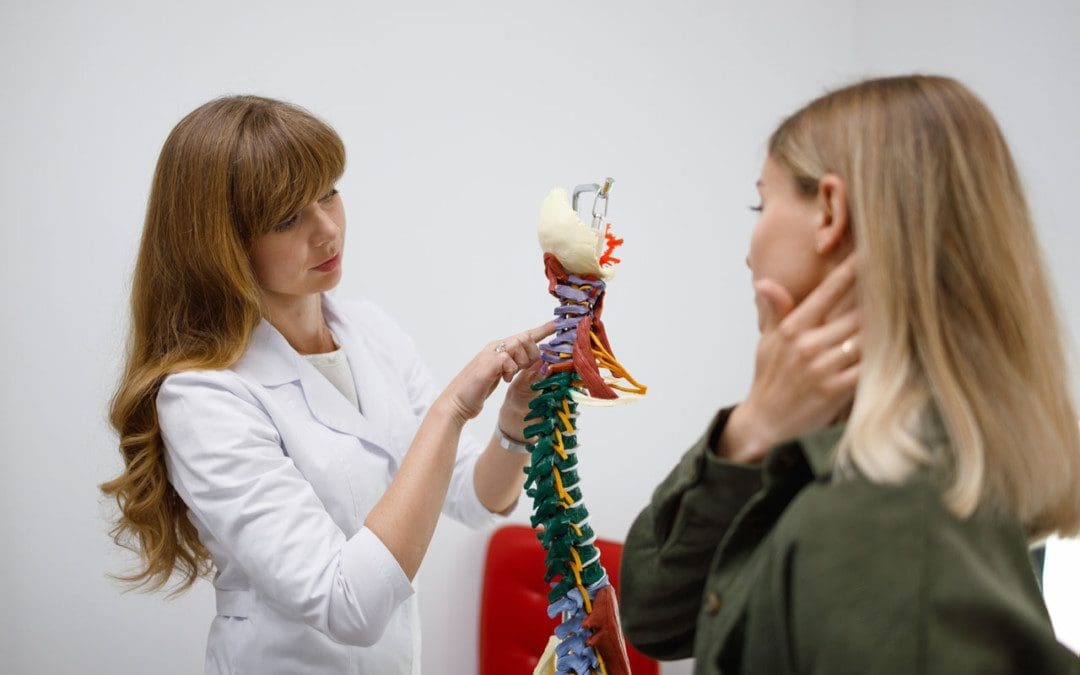
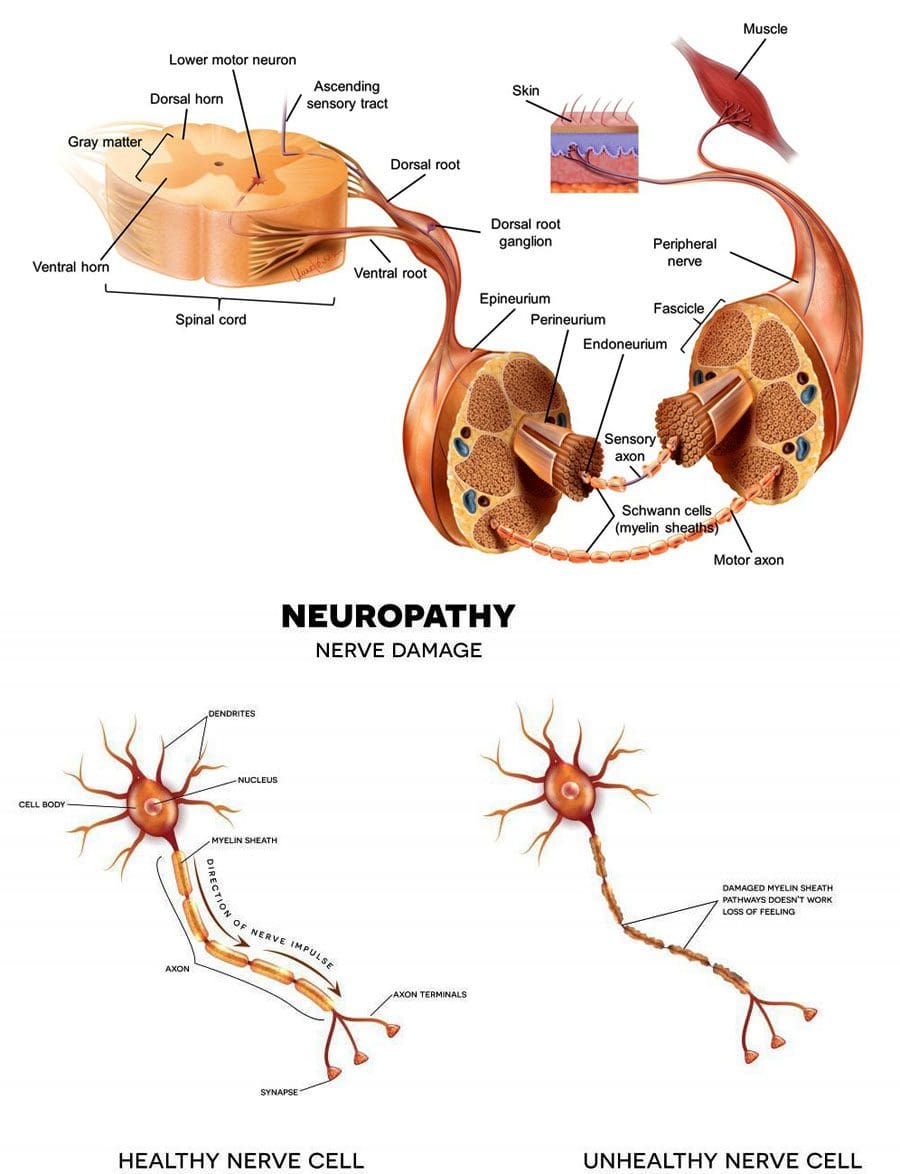
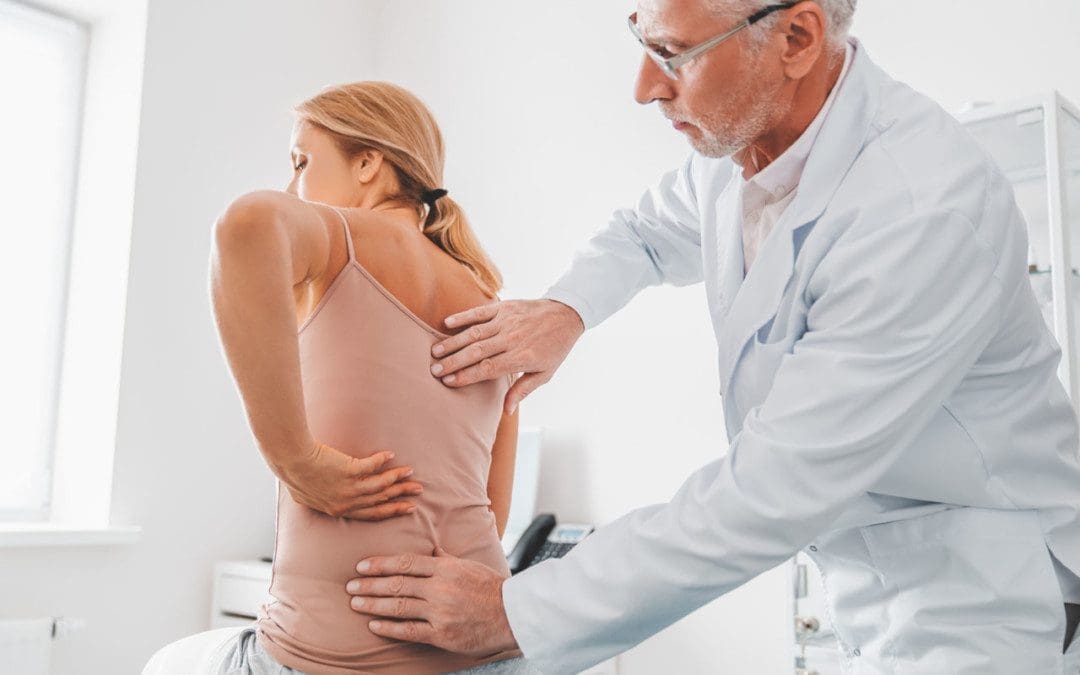
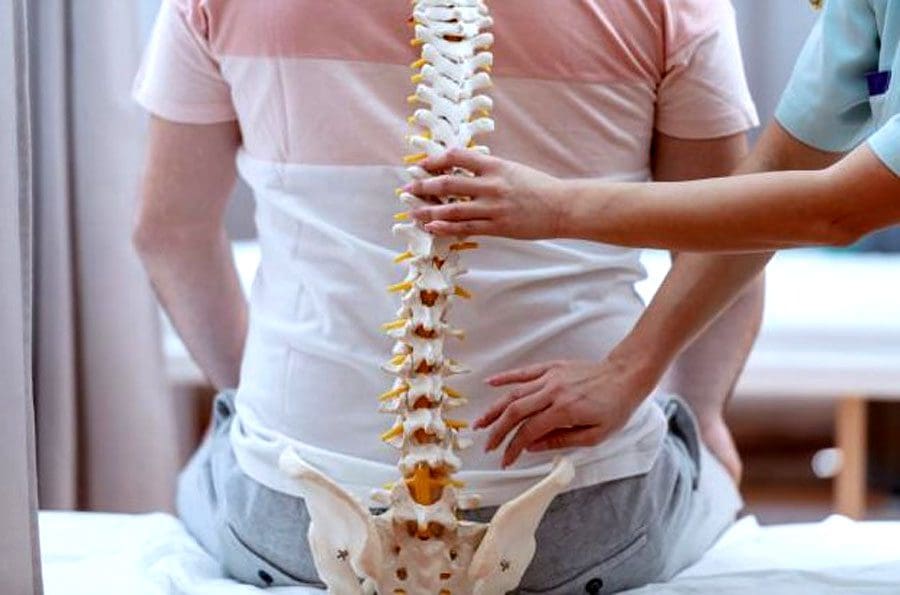
Nerve damage is also known as peripheral neuropathy. Peripheral nerves transmit information to and from the brain through the spinal cord to the rest of the body. Nerve damage symptoms are common in the neck, arms, hands, low back, legs, and feet. Communication becomes weakened, interrupted, or no longer transmits sensation signals. Nerve damage can be a complication from conditions like diabetes or present after an injury. Injury Medical Chiropractic and Functional Medicine Clinic recognize the symptoms and can treat the injuries rehabilitating the nerves back to functional health.
Nerve Damage Symptoms
Nerve damage symptoms can happen to a single nerve or a group of nerves that can affect the rest of the body. Damage depends on the severity of the condition or injury.
Partially damaged nerves can heal on their own with minimal treatment to ensure they heal correctly.
The fibers are covered with tissues that are a type of insulation.
Sometimes only the fibers get damaged.
Sometimes a nerve gets stuck or jammed inside a tight space, causing irritation and, over time, scarring.
Severe nerve damage can involve the fibers and tissues and often require surgery.
Symptoms can range from mild to severe and depend on which nerve fibers are damaged. These could be the following:
Motor nerves
These nerves regulate all the muscles under conscious control.
These control motor functions like walking, talking, and grabbing and holding objects.
Damage to these nerves usually causes muscle weakness, cramps, and uncontrollable muscle twitching or spasms.
Sensory nerves
These nerves relay sensory information, including touch, taste, smell, vision, temperature, and pain.
Symptoms can include numbness or tingling.
There can also be difficulties:
Sensing pain
Sensing temperature changes.
Walking
Maintaining balance with your eyes closed.
Working with the hands.
Autonomic nerves
This group of nerves regulates unconscious actions, including breathing, heart and thyroid function, and digestion.
Symptoms include excessive sweating, blood pressure variations, inability to tolerate heat, and gastrointestinal issues.
Various symptoms can be experienced as many peripheral nerve injuries affect more than one type of nerve.
Signs
Improperly functioning nerves can cause uncomfortable or painful sensations because the nerves cannot carry the correct signals from the brain to the spinal cord. The signs of nerve damage include the following:
Feeling like you’re wearing an overly tight glove or sock constricting circulation and movement.
Numbness or tingling.
Pins and needles or what feels like mild electrical sensations.
Specific body/limb positions can cause or decrease numbness, tingling, or pins and needles.
Muscle weakness.
Dropping objects regularly.
Sharp pains in the hands, arms, low back, legs, or feet.
Restoring Function
Chiropractic treatments can help restore function and include:
Therapeutic Massage
Therapeutic massage will promote circulation to relieve numbness and tightness and help restore function and feeling.
Chiropractic
Chiropractic adjustments will realign the body and keep affected muscles and joints active.
Electrical Stimulation
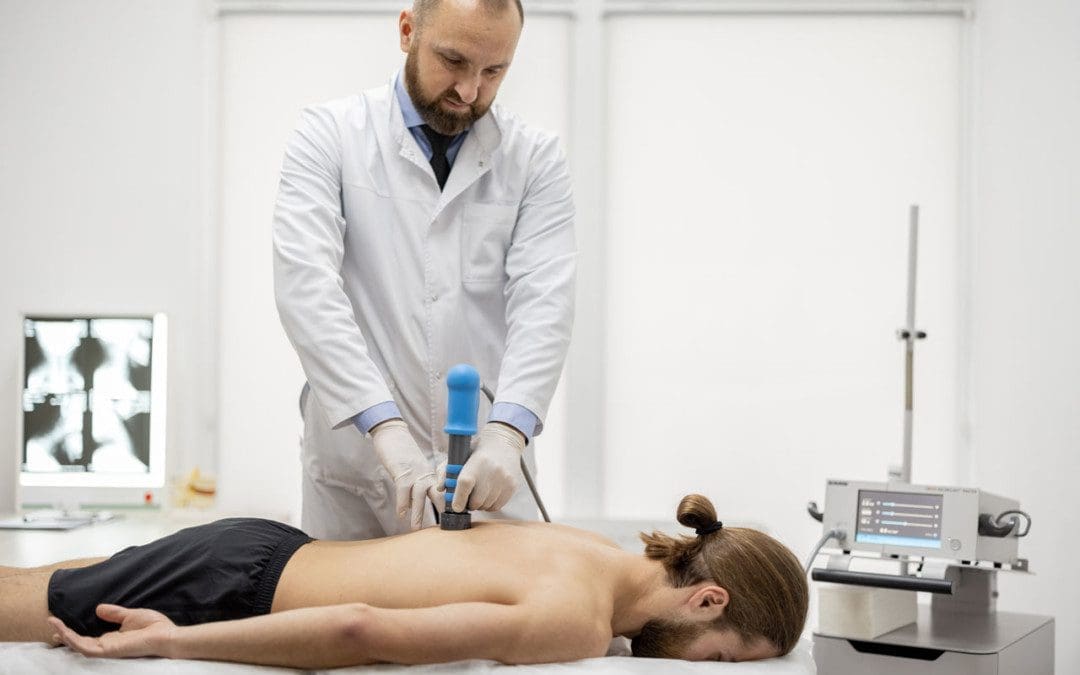
Stimulators can activate injured nerves and muscles while the nerve regenerates and recovers.
Braces or Splints
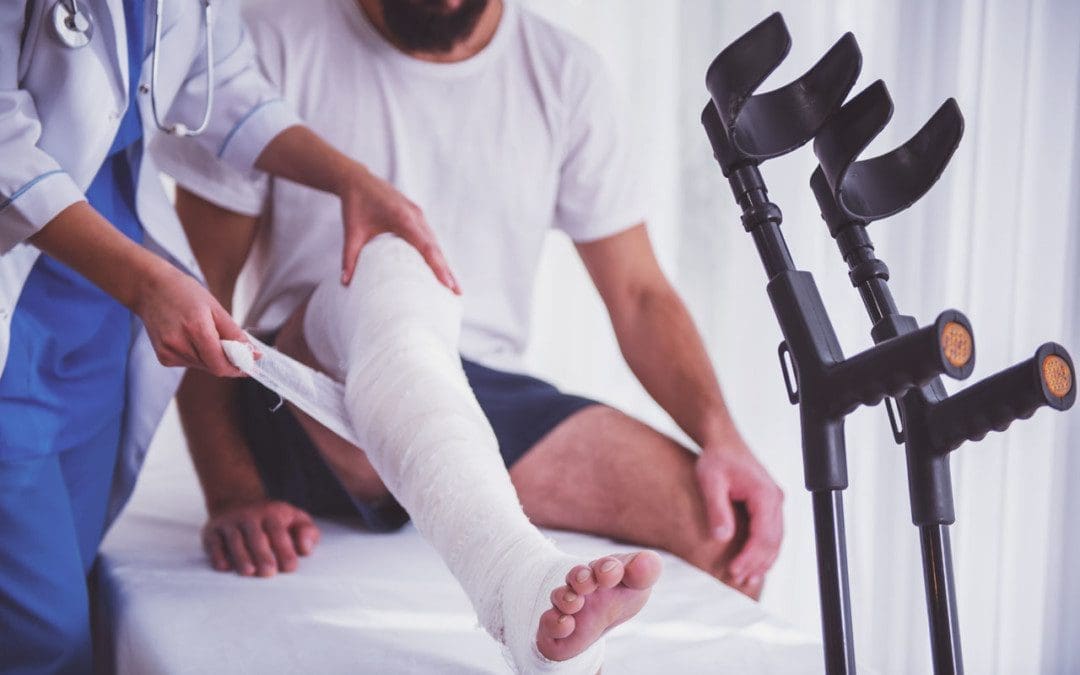
These devices could be used to maintain the position of the affected limb, fingers, hand, or foot to improve muscle function and promote healing.
Exercise
Specifically, prescribed exercises will improve muscle strength, help to maintain range of motion, and reduce muscle cramps.
Diet
A nutritionist will develop a personalized anti-inflammatory diet to expedite healing.
Peripheral Therapy
References
Chen, Zhengrong. “Progress of peripheral nerve repair.” Chinese Journal of traumatology = Zhonghua Chuang Shang za Zhi vol. 5,6 (2002): 323-5.
Gordon, Tessa. “Electrical Stimulation to Enhance Axon Regeneration After Peripheral Nerve Injuries in Animal Models and Humans.” Neurotherapeutics: the journal of the American Society for Experimental NeuroTherapeutics vol. 13,2 (2016): 295-310. doi:10.1007/s13311-015-0415-1
WEBB, E M. “Peripheral nerve injuries; early surgical treatment.” California medicine vol. 80,3 (1954): 151-3.
Welch, J A. “Peripheral nerve injury.” Seminars in veterinary medicine and surgery (small animal) vol. 11,4 (1996): 273-84. doi:10.1016/s1096-2867(96)80020-x
Herniated, slipped, or ruptured discs affect 80% or more of the population. Most individuals don’t even realize they suffered a vertebral subluxation, as it shifted slightly but returned on its own and healed itself. Herniated disc/s symptoms can subside over time and can heal on their own. However, there are times when chiropractic is necessary to help the slipped or ruptured disc back into correct alignment and to help prevent re-injury or the development of new ones.
When Chiropractic Is Necessary
When an individual’s ability to move is limited is definitely when chiropractic is necessary. Individuals twist and turn their bodies, and the rotational force that comes from lifting and moving objects at home, work, school, sports, or lifting weights increases the risk of disc injury.
The lumbar spine or lower back is the most common location for a herniated disc injury.
The pain can spread to the glutes and legs, causing sciatica or sciatica-like symptoms.
When back pain spreads to the shoulder through the arm, it s caused by a herniated neck/cervical disc.
When the cushioning material from the disc/nucleus pulposus presses on surrounding nerves, it causes inflammation, pain, and numbness.
Individuals can suffer a herniated disc after changing a flat tire, stepping/slipping out of the bath/shower, or coughing and sneezing.
Healing
Herniated discs can be treated with ice packs and heat, over-the-counter medications, and anti-inflammatories. However, if these approaches are not producing results, chiropractic and physical therapy could be necessary to address the pain, reactivate the body’s healing system, and get the body’s circulation energy flowing. Exercises/movements are recommended depending on the injury to allow the musculoskeletal system to realign and circulate the nutrient-rich blood.
Evaluation
The chiropractic team must check if the individual is cleared for chiropractic care. Some individuals cannot undergo chiropractic adjustments because of the following:
The chiropractor will assess the injury and damage by evaluating the spine’s overall health, not just the painful areas.
They will inquire about medical history and conduct a physical examination.
Diagnostic tests could be necessary depending on the condition.
The team will evaluate the following criteria:
If reflexes are normal.
If there is muscle loss or decreased muscle strength.
If there is numbness or loss of sensation.
Loss of reflexes, muscle strength, and sensation could indicate the need for more aggressive treatment.
Depending on what is found, they may refer the individual to a spinal surgeon or specialist.
Techniques
Chiropractic focuses on restoring structural integrity to the body, reducing pressure on neurological tissue, and re-establishing a normal range of motion. With this treatment, pain and inflammation will be reduced or eliminated, and regular movement and reflexes will return. The body is realigned, stress is reduced, and the body’s natural energy can repair the damage. Adjustments involve:
HVLA is a high velocity, low amplitude short thrust to vertebrae that are out of position.
Mobilization involves low-velocity manipulation, stretching, and moving affected muscles and joints.
Joint cavitation expels oxygen, nitrogen, and carbon dioxide from the vertebrae and releases pressure on the affected area.
This technique uses a drop table while the chiropractor uses quick thrust and release manipulation.
Logan Basic Technique
This technique uses a light touch to level the sacrum.
Thompson Terminal Point Technique or Thompson Drop
This table technique adjusts with a weight mechanism to keep the patient in the correct position before the thrust is applied.
DOC Decompression Table
References
Danazumi, Musa S et al. “Two manual therapy techniques for management of lumbar radiculopathy: a randomized clinical trial.” Journal of osteopathic medicine vol. 121,4 391-400. 26 Feb. 2021, doi:10.1515/jom-2020-0261
Kerr, Dana, et al. “What Are Long-term Predictors of Outcomes for Lumbar Disc Herniation? A Randomized and Observational Study.” Clinical orthopedics and related research vol. 473,6 (2015): 1920-30. doi:10.1007/s11999-014-3803-7
Lurie, Jon D et al. “Surgical versus nonoperative treatment for lumbar disc herniation: eight-year results for the spine patient outcomes research trial.” Spine vol. 39,1 (2014): 3-16. doi:10.1097/BRS.0000000000000088
Wang, Jeffrey C et al. “Epidural injections for the treatment of symptomatic lumbar herniated discs.” Journal of spinal disorders & techniques vol. 15,4 (2002): 269-72. doi:10.1097/00024720-200208000-00001
Yussen, P S, and J D Swartz. “The acute lumbar disc herniation: imaging diagnosis.” Seminars in ultrasound, CT, and MR vol. 14,6 (1993): 389-98. doi:10.1016/s0887-2171(05)80032-0
Injury Medical Chiropractic Decompression Clinic focuses on the whole body, realigns the bones and joints, and helps strengthen the muscles. This helps prevent pain and injury and maintains spinal stability. Strong back muscles can help promote correct posture and keep the spine free from restriction. A stable spine is achieved when the back muscles can support and balance the everyday forces and stress of rigorous physical activity. Strengthening the back muscles can be done through yoga, weightlifting, and other recommended chiropractic exercises.
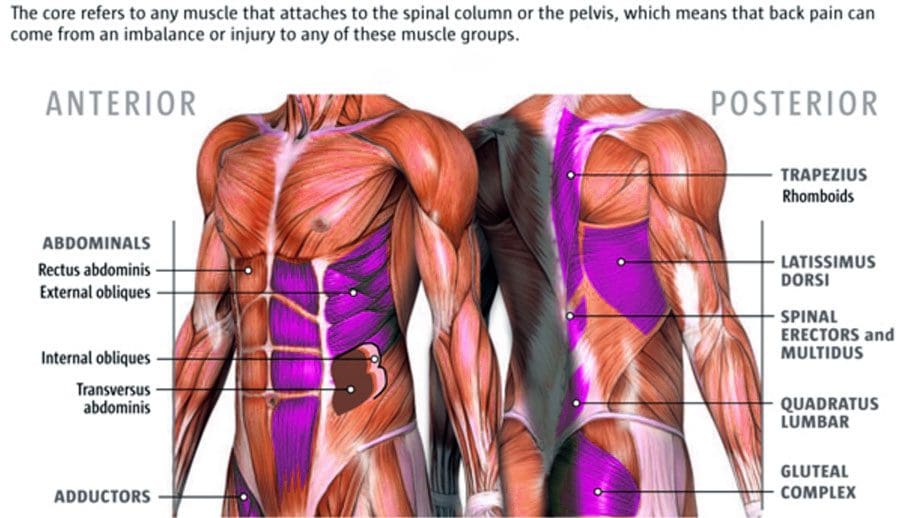
The core is a crucial area of the body. The body utilizes the core for all movements and as a stabilization unit. Lack of strength places unwanted tension and pressure on the spine. Chiropractic ensures all the joints function correctly and enhances the core to brace more effectively and efficiently.
Chiropractic Balance
Adjustments and decompression realign the muscles into the proper position and help lubricate the muscles to help ease the stabilizer muscles that could be tight or tense. Treatments used can include:
Spinal manual and motorized decompression
Extremity adjustments
Myofascial release
Active Release Technique
Trigger point therapy
Benefits
Natural pain relief
Injury prevention
Enhanced muscle performance
Expedited recovery
Increased endurance
Mobility enhancement
Increased strength
Core strength and stability play a huge factor in everyday life and functions. Maintaining health results requires attention to detail. Injury Medical Decompression Clinic will create a personalized optimal health treatment plan that focuses on whole-body realignment, simple lifestyle adjustments, health coaching/nutrition, and strength training to improve balance, strength, and core stability.
Spinal Decompression DRX9000
References
Globe G, Morris C, Whalen W, et al., “Chiropractic Management of Low Back Disorders: Report from a Consensus Process,” Journal of Manipulative and Physiological Therapeutics November/December 2008: 651-658.
Keller, MD, et al., “Trunk Muscle Strength, Cross-sectional Area, and Density in Patients With CLBP Randomized to Lumbar Fusion or Cognitive Intervention and Exercises,” Spine, 2004 29(1): 3-8 (3)
Mayer J, DC, Ph.D. Mooney V, MD, Dagenais S, DC Ph.D., “Evidence-informed management of CLBP with lumbar extensor strengthening exercises,” T Spine J, 2008;8:96-113. (3)
McKenzie, RA, “The Lumbar Spine: Mechanical Diagnosis and Therapy,” Spinal Publications/Printed by Wright & Carman, LTD, Upper Hutt, New Zealand, 1989 reprinted.
Sculco AD, Paup DC, Fernhall B, Sculco MJ, “Effects of aerobic exercise on low back pain patients in treatment,” Spine J, 1(2):95-101 (2001).
Injury Medical Spinal Decompression: Spinal decompression therapy/treatment can be surgical or non-surgical, with differences in the procedure, recovery time, and results. Individuals who experience compression-related problems can have severe and prolonged spinal conditions that can lead to various health issues. Individuals experiencing persistent or chronic neck, back, or leg pain should know the differences between surgical and non-surgical spinal decompression. Spinal decompression aims to relieve pressure on the discs and reduce stress on the nervesto eliminate the pain associated with compression on the spine,restoring optimal circulation and improving spinal function.
Surgical Procedure
It is invasive, must be performed by a surgeon, and can have a recovery time of up to 6 weeks.
Surgery is usually suggested as a last resort after alternative therapies have not succeeded or when the compression is so severe that surgery is the only option.
Surgical spinal decompression is directed towards removal to reduce pressure instead of adjusting or stretching the discs.
In cases of severe nerve compression, surgery can be an effective option.
Risks include infection, damage to the spinal cord, and blood clots.
Types of Spinal Decompression Surgery
Types of surgeries; spinal fusion could be necessary to stabilize the spine. Common types of back surgery:
Discectomy
This procedure removes a portion of the disc to relieve pressure on nerves.
Laminotomy
The procedureremoves a small portion of the bone or a section of the bony arch to increase the size of the spinal canal and relieve pressure.
Laminectomy
The procedureremoves theentire bony arch or lamina to increase the size of the spinal canal and relieve pressure.
Foraminotomy
This procedure removes bone and other tissue to widen the openings for the nerve roots to pass through.
The procedure removes a vertebral body along with discs.
Injury Medical Spinal Decompression
Surgery for a damaged/injured spine is not always necessary. Treatment regimes vary depending on each individual’s medical condition. Non-surgical motorized spinal decompression is a non-invasive back treatment that uses a mechanized decompression table to slowly and gently stretch the spine. The therapy gradually relieves the pressure on the compressed nerve root/s resulting in reduced or complete alleviation of pain.
Oxygen, water, and nutrients circulate abundantly, promoting healing as the discs re-hydrate, and are re-nourished, improving and enhancing spine function. Individuals can enjoy increased levels of mobility, strength in the spine and muscles, and more flexibility.
Descompresión Espinal Con La DRX9000
References
American Spinal Decompression Association: “Spinal Decompression Therapy.”
Daniel, D.M. Chiropractic and Osteopathy, 2007.
Macario, Alex, and Joseph V Pergolizzi. “Systematic literature review of spinal decompression via motorized traction for chronic discogenic low back pain.” Pain practice: the official journal of World Institute of Pain vol. 6,3 (2006): 171-8. doi:10.1111/j.1533-2500.2006.00082.x
O’Hara K, editor. Decompression: a treatment for back pain. Vol. 11. National Association of Healthcare Professionals; 2004. pp. 1-2.http://www.naohp.com/menu/publications/mccu/bibliography.htm#10 [Google Scholar]
Detoxifying does not necessarily mean juicing and going on a diet. Detoxing is about cleansing the whole body of environmental pollutants, food waste, bacteria, and toxins. Things like medications and alcohol also need to be flushed from the body. When the body becomes unhealthy and overweight, it can put its systems in a chronically stressed state, leading to nerve energy production failure, fatigue, a weakened immune system, and disease. The body constantly works to cleanse itself. Exercise helps expedite the process.
Exercise To Detoxify
Exercise removes harmful toxins by getting the lungs and the blood pumping and increasing sweat production, which encourages detoxification. More blood circulating throughout the body allows the liver and the lymph nodes to flush out toxins properly. With exercise, fluid intake increases, allowing more sweat production to release toxins. Drinking more water during workouts also helps the kidneys function at optimal levels to flush out toxins, fats, and waste.
Aerobics
Any low-intensity aerobic exercise that increases heart rate and increases heavier breathing is recommended as long as the breathing is within the fat-burning heart rate. Exercises can be anything from:
Bouncing on a mini-trampoline, also known as rebounding, is another form of exercise that promotes toxin release. The low-impact motion stimulates the lymphatic system. Lymph nodes filter substances and fight off infections by attacking bacteria/germs that travel into the lymph fluid. Twenty minutes on the trampoline two or three times a week to detoxify.
Yoga
There are yoga poses that help to detoxify specific organs. Yoga can help the body cleanse inside and generate more energy.
This pose improves circulation, stretches, and strengthens the low back, hips, hamstrings, and calves.
Step with the feet 3 to 4 feet apart.
Hands-on hips.
Lift tall through the whole torso.
Fold slowly over the legs.
Bend from the hip joints without rounding the lower back.
If the back starts to round, stop folding forward.
Sweating and Detoxing
Sweat is one of the body’s primary ways of eliminating toxins. However, more sweat does not mean more toxins are being flushed. Excess sweat could be caused by the body overheating and can lead to dehydration. This is why it’s vital to maintain the body’s hydration levels while working out. Fluids like juice and sports drinks can help maintain hydration, but they contain sugar and other ingredients that could interfere with thorough detoxifying.
Body Composition
Before Starting A Detox Diet
Individuals are recommended to talk with their doctor, nutritionist, health coach about detox diet methods to lose and maintain weight.
Talk with a doctor
Seek consultation with a physician before starting any body detox cleanse, especially if there are underlying medical conditions like diabetes or kidney disease.
For individuals struggling with obesity, a physician can recommend alternative diet approaches and exercise programs.
Realistic expectations
Detox diets work primarily through caloric restriction like a conventional diet.
Individuals could feel better from a body cleanse because they will likely be avoiding processed foods and empty calories.
Adopt a long-term frame of mind
Diet and exercise to achieve and maintain a healthy weight is a lifelong journey.
Detox diets can be a helpful tool to get going in the right direction.
References
Ernst, E. “Alternative detox.” British medical bulletin vol. 101 (2012): 33-8. doi:10.1093/bmb/lds002
Klein, A V, and H Kiat. “Detox diets for toxin elimination and weight management: a critical review of the evidence.” Journal of human nutrition and dietetics: the official journal of the British Dietetic Association vol. 28,6 (2015): 675-86. doi:10.1111/jhn.12286
Obert, Jonathan et al. “Popular Weight Loss Strategies: a Review of Four Weight Loss Techniques.” Current gastroenterology reports vol. 19,12 61. 9 Nov. 2017, doi:10.1007/s11894-017-0603-8
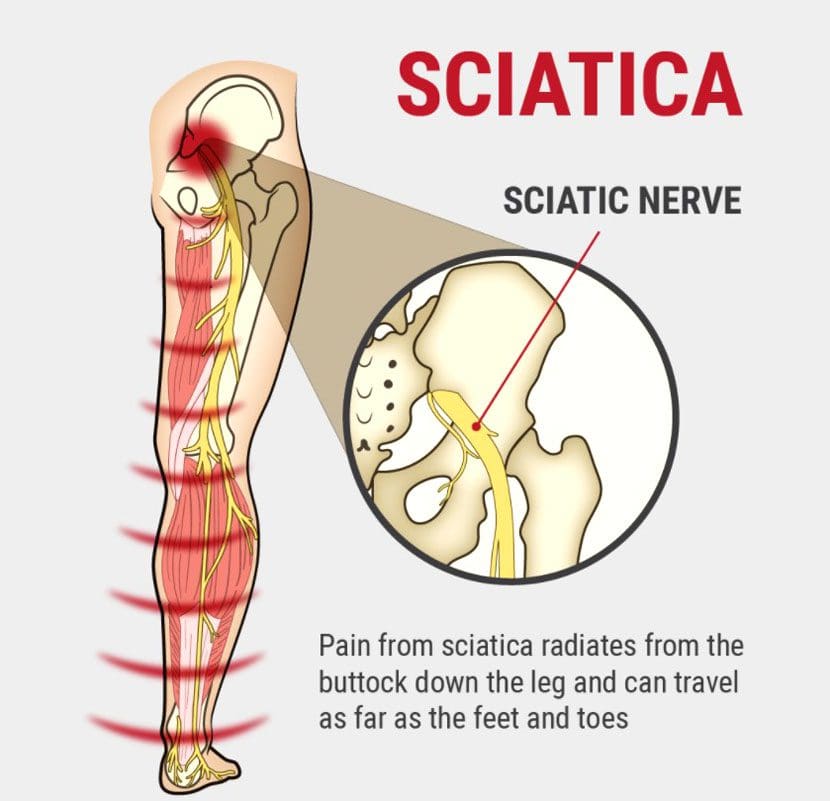
Sciatic nerve injury happens from trauma to the nerve and can cause numbness, tingling, loss of muscle power, and pain. The traumatic experience can be a muscle spasm that pulls and/or pinches the sciatic nerve, force/pressure impact injury, over-stretching injury, or a laceration/cutting injury. A slipped disk, or herniated disk, is the most common cause of irritation on the sciatic nerve. A slipped disk occurs when one becomes slightly dislodged, pushing out from the spine. This places pressure/compression on the sciatic nerve.
Trauma to the lower back, buttocks, or leg from an automobile accident, sports injury, work injury.
Medical treatment causes:
Direct surgical trauma.
Total hip replacement surgery can cause nerve compression and stretch during the procedure, causing damage to the sciatic nerve resulting in dysfunction.
Injection injuries via intramuscular injection in the gluteal region. This is a situation where there is a loss of movement and or lack of sensation at the affected lower extremity with or without pain.
Injection palsy can begin suddenly or hours following damage to the sciatic nerve.
A misplaced intramuscular injection at the gluteal region is the most common cause of injury. It is attributed to frequent injections or poor techniques resulting from inadequately trained or unqualified staff.
Complaints of radiating pain in the leg, which follows a sensory nerve pattern.
Pain radiates below the knee, into the foot.
Complaints of low back pain, which is often less severe than leg pain.
Report of electrical, burning, numbing sensations.
Diagnosis
A detailed subjective and objective physical examination is necessary to figure out the severity of the sciatic nerve injury. Diagnostic studies include:
Chiropractic and physical therapy exercises and stretches improve nerve regeneration after nerve damage.
Electrical Muscle Stimulation
TENS and Electroacupuncture have been shown to help enhance nerve regrowth.
Bio-laser stimulation can help with nerve nutrition and regeneration.
Joint or Soft Tissue mobilization
Helps to retain muscle, nerve, and soft tissue flexibility and prevent deformity.
Balance Training
Coordination, strength, and flexibility exercises help to restore balance.
Splinting
In the early stages after a sciatic nerve injury, bracing may be needed to prevent deformity and new injury or re-injury risks.
Ankle Foot Orthosis – AFO can help prevent foot drop, muscle damage, and falls risk.
Body Composition
Optimize Diet for Fat Loss
Individuals that want to lose fat need to create a calorie deficit. Individuals need to consistently eat less than they need for Total Daily Energy Expenditure – TDEE. The safest way to handle a caloric reduction is to reduce calorie intake in small doses like 200-300 calories, for example. After a week or two, perform a body composition analysis. If Fat Mass numbers begin to drop or not, adjust calorie needs accordingly. Restricting calories is the most common way, a deficit can also be created by increasing calorie needs through exercise.
References
Kline, D G et al. “Management and results of sciatic nerve injuries: a 24-year experience.” Journal of neurosurgery vol. 89,1 (1998): 13-23. doi:10.3171/jns.1998.89.1.0013
Schmalzried, TP et al. “Update on nerve palsy associated with total hip replacement.” Clinical Orthopedics and related research,344 (1997): 188-206.
Shim, Ho Yong et al. “Sciatic nerve injury caused by a stretching exercise in a trained dancer.” Annals of rehabilitation medicine vol. 37,6 (2013): 886-90. doi:10.5535/arm.2013.37.6.886
Suszyński, Krzysztof et al. “Physiotherapeutic techniques used in the management of patients with peripheral nerve injuries.” Neural regeneration research vol. 10,11 (2015): 1770-2. doi:10.4103/1673-5374.170299
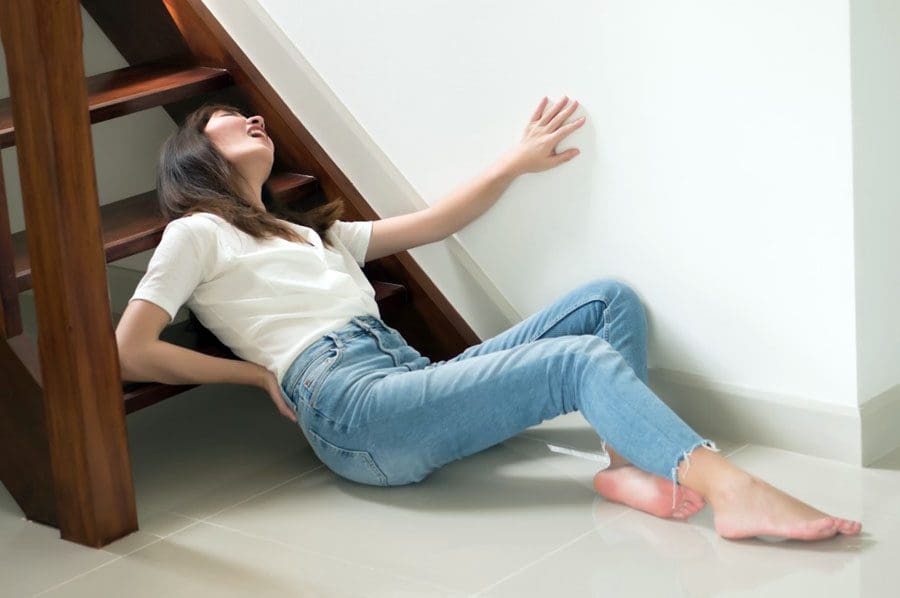
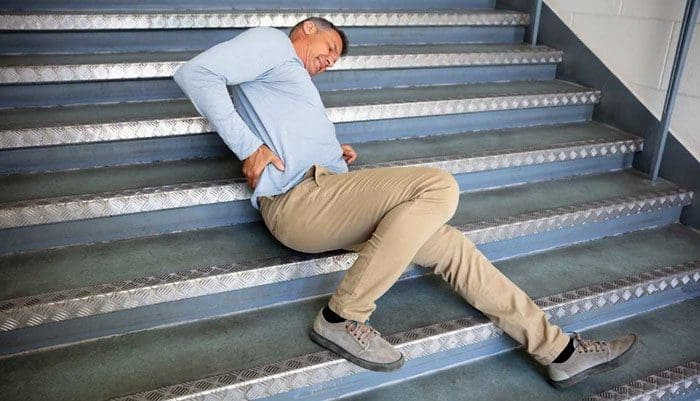
Individuals involved in slip and fall accidents lead to around 9 million emergency room visits a year. Recovering from a severe injury suffered in a slip and fall accident requires extensive medical care and physical rehabilitation. Older adults are susceptible to slip and fall injuries. According to the CDC, falls are the leading cause of nonfatal injuries of older adults and are a common hazard in nursing homes, where between half of the residents fall each year. The most common injuries sustained include:
Cuts and Abrasions
Cuts and abrasions can be minor to severe. Leg and arm abrasions are the most common, followed by wounds to the head and hips. These injuries require superficial treatment and possibly stitches. However, if the impact of the fall is severe, cuts and abrasions can overlap more severe injuries like concussions and broken bones.
Soft Tissue Injuries
Soft tissue injuries often do not get noticed, so individuals don’t realize they have a mild tissue injury until days or weeks after the fall.Soft tissue injuries can range from minor ankle and/or wrist sprains to severe tears in tendons and ligaments.Left untreated, these injuries can lead to chronic pain conditions making the body more vulnerable to further injuries.Even when individuals feel fine after a slip and fall accident, they are recommended to seek medical care or consult an injury specialist as soft tissue injuries don’t often produce immediate symptoms.
Sprains and Strains
A slip and fall accidents often happen as a result of taking an uneven or awkward step. Individuals also often react with their hands in front to try to cushion the fall. Both the awkward step and pushing the hands out can cause the wrist or ankle to tear, causing a sprain or a strain. The ligaments do not circulate a lot of blood, meaning that healing and recovery can take a significant amount of time.
Broken Bones
A fall can result in stressful forces on the bones of the body. In slip and fall accidents, hip, wrist, and ankle fractures are the most common bones that get broken. The older an individual is, the more likely they will break a bone from a slip and fall accident.
Hip Fractures
More than 95% of broken hips are caused by falls, according to the CDC.Hip fractures often require surgery that can include implantation of an artificial hip and hospitalization for about a week, followed by extensive physical therapy and rehabilitation.
Knee Injuries
Knee injuries can result from a slip and fall, especially if the knee gets rotated the wrong way or twisted. Knees are made up of bone and ligaments, meaning it could take a long to heal and recover. Dislocation of the patella is also a possibility that could require knee reconstruction.
Neck and Shoulder Injuries
Shoulder and neck injuries can be the result of landing on the shoulder or neck. They can also occur from overexertion when trying to right oneself during a fall. Neck injuries can range from:
Muscle sprains
Spinal injuries
Paralysis
Shoulder injuries can result in:
Shoulder dislocation
Torn nerves
Collarbone breaks
Even the most minor neck and shoulder injuries can require surgery and rehabilitation.
Back and Spinal Cord Injuries
Severe impact on the body in a slip and fall accident can cause slipped or herniated discs and fractured vertebrae, causing significant pain and limiting mobility. An injury to the spinal cord can lead to temporary paralysis, permanent paralysis, neurologic and sensory impairments. According to the Mayo Clinic, falls cause more than a quarter of spinal cord injuries and the majority of spinal injuries among adults 65 and older.
Traumatic Brain Injuries
Traumatic brain injuries occur when an individual hits their head on a hard surface during a fall. Traumatic brain injuries can range from:
A chiropractor will review imaging scans, medical history, and current symptoms to determine the best form of treatment. Inflammation is common and is the body’s defense to protect the injured area by slowing down the blood flow in that area to allow the body’s internal defenses to repair the injury. Sometimes the body overreacts to the problem and produces far more inflammation than is needed. Depending on the severity of the injury, various massage, manipulation techniques, and tools will be utilized to help the body heal itself.
Body Composition
Recovery and Swelling
Recovery is an essential part of individuals involved in physical training programs and after injury. A significant sign that the body has undergone intense physical exertion and requires recovery is swelling. Swelling occurs for several reasons and is the body’s response to tiny, microscopic muscle tears that arise from intense use. It is possible to see this swelling in body composition results. Recovery is about giving the body a chance to:
Relax
Recuperate
Recover from the swelling to resume normal physical activities.
References
Courtney, T K et al. “Occupational slip, trip, and fall-related injuries–can the contribution of slipperiness be isolated?.” Ergonomics vol. 44,13 (2001): 1118-37. doi:10.1080/00140130110085538
Kannus, Pekka et al. “Prevention of falls and consequent injuries in elderly people.” Lancet (London, England) vol. 366,9500 (2005): 1885-93. doi:10.1016/S0140-6736(05)67604-0
Reuben, David B et al. “The Strategies to Reduce Injuries and Develop Confidence in Elders Intervention: Falls Risk Factor Assessment and Management, Patient Engagement, and Nurse Co-management.” Journal of the American Geriatrics Society vol. 65,12 (2017): 2733-2739. doi:10.1111/jgs.15121
Rosen, Tony et al. “Slipping and tripping: fall injuries in adults associated with rugs and carpets.” Journal of injury & violence research vol. 5,1 (2013): 61-9. doi:10.5249/jivr.v5i1.177
IFM's Find A Practitioner tool is the largest referral network in Functional Medicine, created to help patients locate Functional Medicine practitioners anywhere in the world. IFM Certified Practitioners are listed first in the search results, given their extensive education in Functional Medicine