For individuals that are feeling unmotivated to work out and exercise can developing a fitness mindset help improve and maintain motivation?
Fitness Mindset Motivation
Learning to exercise as part of a regular workout routine can have a significant impact on health and well-being. In the beginning, individuals are all in, but as time goes on, mental blocks can interfere with workout motivation. Being flexible with oneself and fitness/health goals is part of the process, and overcoming mental blocks is key to maintaining motivation. It’s all about creating a fitness mindset to maintain confidence and motivation and enjoy the benefits of regular exercise.
Feeling Tired
When feeling tired, individuals should ask themselves if it’s physical or mental fatigue. If the exhaustion is not from lack of sleep, illness, or a physically demanding job, it is more than likely mental tiredness. Mental exhaustion can often feel physical, and a recommended cure is physical activity. Often, once an individual starts working out and gets over the mental fatigue, they feel better. (Juriena D. de Vries et al., 2016) Regular physical activity can increase energy levels and leave the body feeling less fatigued. (Bryan D. Loy et al., 2013) However, individuals need to make sure there is ample recovery time to repair and restore the body after working out.
Self-Talk
Sometimes there is a small voice that says to take a day off or perform an easier workout. It’s okay to be flexible, but most times, individuals need to be ready to stand up to the skip-the-workout voices and stay motivated.
Remove Obstacles
Remove obstacles that can distract from exercising.
Have the workout gear ready and exercise time pre-scheduled so there are no second thoughts.
If limited space is an issue, find compact equipment like a cordless jump rope that doesn’t require a lot of room.
Don’t Allow Relaxation Takeover
Individuals who plan to exercise after school or work shouldn’t go home, sit down, and relax watching TV before working out.
Individuals who may need a transition to work out should try something gentle but active, like stretching or doing a light chore.
Individuals who exercise in the morning should wear their workout clothes immediately, so they can’t second guess and can continue their workout.
Remind yourself of the reasons for committing to exercise.
Research shows that using second-person self-talk can help maintain motivation. Encouraging oneself with phrases like you can do this, you got this, or you are going to achieve your fitness goals improves the chances of obtaining the desired outcome. (Sanda Dolcos, Dolores Albarracin. 2014)
Fight Through The Doubt
Start with small steps. Ask if doubt is stopping you from starting. If doubt begins to arise:
Ask For Help
A colleague, friend, or partner can help reinspire motivation.
Tell them about the challenges of sticking with exercise.
Ask them to work out together.
Do What Is Possible
If working out for 30 minutes is too difficult, don’t worry about it.
Go for as long as possible and try for more the next time.
Working out can feel like a job, but it does not have to.
For example, individuals sitting or standing all day can approach the workout as 30 minutes to get out and move around.
Or, after getting the kids settled in, it is time to do something for yourself and exercise the stress away.
Healthy Reminders
Write inspirational fitness mindset notes and put them where they will be seen regularly.
These can be exercise goals; for example, I will exercise for 30 minutes because I want more energy, better sleep, strength, etc.
Train The Brain For Exercise
When the issue is motivation, the mind needs to be convinced to exercise. How to use mind-over-matter skills:
Rewards
When finishing a workout, rewards can help.
Exercise has its own rewards – more energy, improved mood, stress relief, and reduced disease risk.
Maybe a new pair of shoes, earbuds or headphones, workout equipment, or a massage will increase motivation.
Make A Deal
Continue to exercise for whatever amount of time, and if the desire to stop is still present, then stop.
Nine times out of 10, individuals will keep going.
Pretend
Make-believe can encourage the fitness mindset.
Pretending to be in a race, or in a movie, anything that makes the body want to move.
Set Achievable Goals
Making difficult goals can generate the fear of being unable to achieve them.
Aim for small achievable goals that go along with a bigger overall goal.
That way, there are more victories, and the motivation to keep moving is maintained.
Competition
Healthy competition can be a great motivator.
Competing with oneself for faster times, heavier weights, or more frequency can keep the inspiration going.
Social media and apps to compete with family and friends can also help.
Visualization
Athletes use visualization techniques of going through the game, match, and tournament to get themselves prepared and ready to execute what they’ve been practicing.
Individuals can do the same thing by picturing themselves going through their workout from beginning to end.
Exercise provides meditation time to think about problems and challenges.
Use the workout time to work through the problems and refocus strategies to solve them.
Process Goals
Choosing specific goals that are part of the workout process, like working out 3-4 times per week, is recommended compared to using outcome goals, like losing ten pounds.
Outcome goals can be out of the individual’s control; instead, focus on the steps to achieve the goals, which lessens stress and is a more controllable method of working out. (Kylie Wilson Darren Brookfield. 2011)
Changing lifestyle to include exercise is not easy. The most important step is having the right attitude. (Margie E. Lachman et al., 2018) Thinking about exercise as an obligation will discourage motivation. Instead, create a fitness mindset to treat exercise like a break from all the stress and a reward for the mind and body to a healthier life.
Home Exercises for Pain Relief
References
de Vries, J. D., van Hooff, M. L., Geurts, S. A., & Kompier, M. A. (2016). Exercise as an Intervention to Reduce Study-Related Fatigue among University Students: A Two-Arm Parallel Randomized Controlled Trial. PloS one, 11(3), e0152137. https://doi.org/10.1371/journal.pone.0152137
Bryan D. Loy, Patrick J. O’Connor & Rodney K. Dishman (2013) The effect of a single bout of exercise on energy and fatigue states: a systematic review and meta-analysis, Fatigue: Biomedicine, Health & Behavior, 1:4, 223-242, DOI: 10.1080/21641846.2013.843266
Dolcos S, Albarracin D. (2014). The inner speech of behavioral regulation: Intentions and task performance strengthen when you talk to yourself as a You. Eur J Social Psychol. 44(6):636-642. doi:10.1002/ejsp.2048.
Lachman, M. E., Lipsitz, L., Lubben, J., Castaneda-Sceppa, C., & Jette, A. M. (2018). When Adults Don’t Exercise: Behavioral Strategies to Increase Physical Activity in Sedentary Middle-Aged and Older Adults. Innovation in aging, 2(1), igy007. https://doi.org/10.1093/geroni/igy007
Renner, F., Murphy, F. C., Ji, J. L., Manly, T., & Holmes, E. A. (2019). Mental imagery as a “motivational amplifier” to promote activities. Behaviour research and therapy, 114, 51–59. https://doi.org/10.1016/j.brat.2019.02.002
Kylie Wilson & Darren Brookfield (2009). Effect of Goal Setting on Motivation and Adherence in a Six‐Week Exercise Program, International Journal of Sport and Exercise Psychology, 7:1, 89-100, DOI: 10.1080/1612197X.2009.9671894
For individuals looking to improve heart health, can consuming prunes help support cardiovascular health?
Prunes and Heart Health
Prunes, or dried plums, are fiber-rich fruits that are more nutrient-dense than fresh plums and help digestion and bowel movement. (Ellen Lever et al., 2019) New research suggests they could offer more than digestion and constipation relief, according to new studies presented at the American Society for Nutrition. Eating prunes daily can improve cholesterol levels and reduce oxidative stress and inflammation.
Eating five to 10 prunes a day may support heart health.
Heart health benefits of regular consumption were seen in men.
In older women, regularly eating prunes had no negative effect on total cholesterol, blood sugar, and insulin levels.
Another study found that eating 50–100 grams or five to ten prunes daily was associated with reduced heart disease risks. (Mee Young Hong et al., 2021)
The reductions in cholesterol and inflammation markers were because of improvements in antioxidant levels.
The conclusion was that prunes can support cardiovascular health.
Prunes and Fresh Plums
Although studies have suggested that prunes can support heart health, that doesn’t mean fresh plums or prune juice can offer the same benefits. However, there are not many studies on the benefits of fresh plums or prune juice, but it is possible that they would. However, further research is needed. Fresh plums that have been dried in hot air improve the nutritional value and shelf life of the fruit, which could be the reason the dried version retains more nutrients. (Harjeet Singh Brar et al., 2020)
Individuals may have to eat more plums to acquire the same benefits.
Eating 5–10 prunes seems to be easier than trying to equal the same amount, or more, of fresh plums.
But either option is recommended instead of prune juice as whole fruits have more fiber, make the body feel fuller, and are lower in calories.
Benefits For Young Individuals
Most of the research has been conducted on postmenopausal women and men over 55, but younger individuals can also benefit from eating prunes. A diet that is rich in fruits and vegetables is considered healthy, so adding prunes to one’s diet will add to health benefits. For individuals who don’t like prunes, fruits like apples and berries are also recommended for heart health. However, fruits only make up one part of the diet, and it is important to focus on a balanced diet with vegetables, legumes, and heart-healthy oils. Prunes contain a lot of fiber, so individuals are recommended to add them slowly into their daily routine, as adding too much at once can lead to cramping, bloating, and/or constipation.
Conquering Congestive Heart Failure
References
Lever, E., Scott, S. M., Louis, P., Emery, P. W., & Whelan, K. (2019). The effect of prunes on stool output, gut transit time and gastrointestinal microbiota: A randomised controlled trial. Clinical nutrition (Edinburgh, Scotland), 38(1), 165–173. https://doi.org/10.1016/j.clnu.2018.01.003
Hong, M. Y., Kern, M., Nakamichi-Lee, M., Abbaspour, N., Ahouraei Far, A., & Hooshmand, S. (2021). Dried Plum Consumption Improves Total Cholesterol and Antioxidant Capacity and Reduces Inflammation in Healthy Postmenopausal Women. Journal of medicinal food, 24(11), 1161–1168. https://doi.org/10.1089/jmf.2020.0142
Harjeet Singh Brar, Prabhjot Kaur, Jayasankar Subramanian, Gopu R. Nair & Ashutosh Singh (2020) Effect of Chemical Pretreatment on Drying Kinetics and Physio-chemical Characteristics of Yellow European Plums, International Journal of Fruit Science, 20:sup2, S252-S279, DOI: 10.1080/15538362.2020.1717403
For individuals dealing with injuries and pain conditions, can incorporating acupuncture into a treatment plan help alleviate and manage pain?
Acupuncture Pain Management
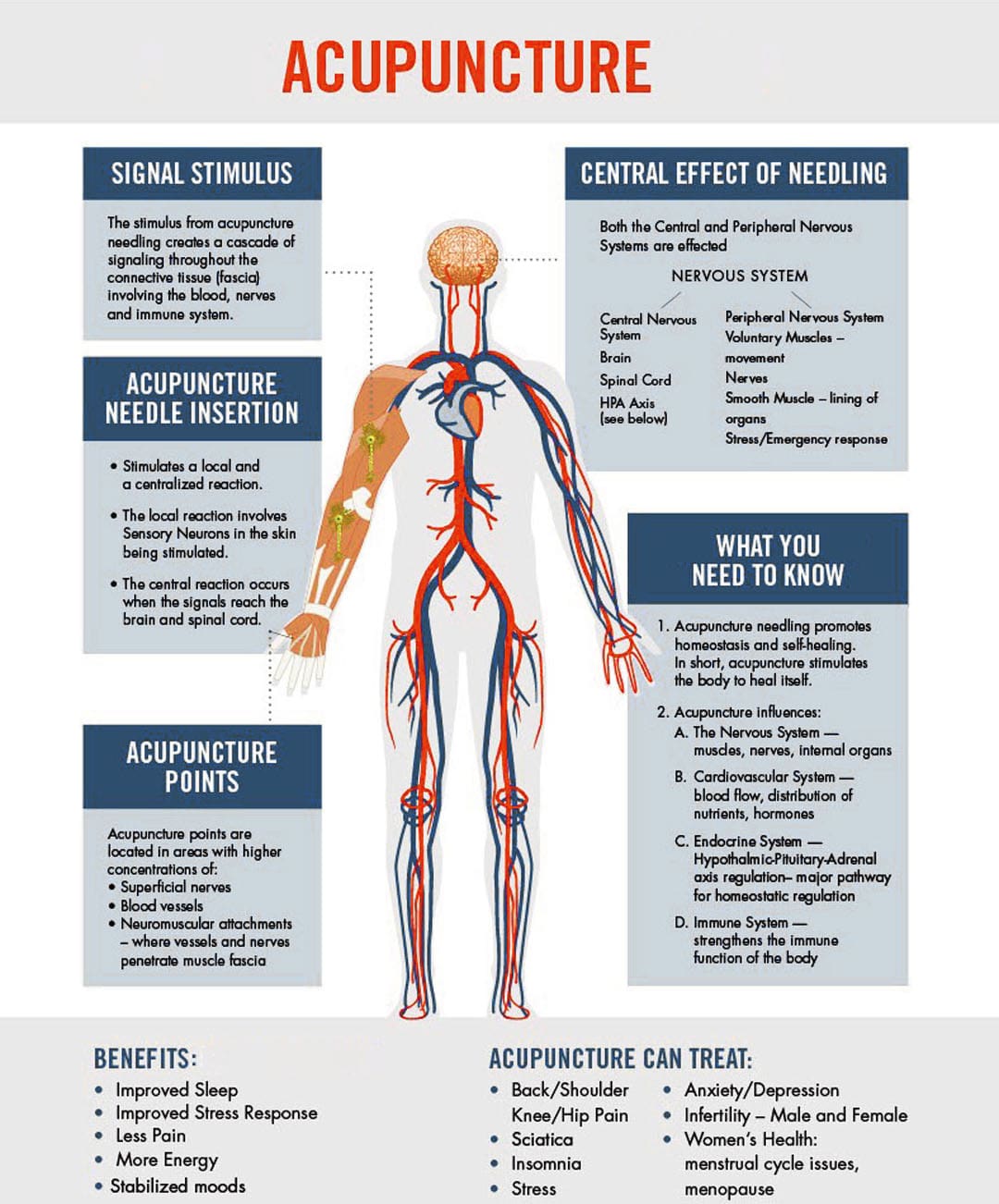
Pain management techniques include physical therapy, medications, cold therapies, chiropractic, and massages. One method that is growing is acupuncture. (World Health Organization. 2021) According to a report by the World Health Organization, acupuncture is the most commonly used form of traditional medicine practiced globally. (World Health Organization. 2021) More than 10 million acupuncture treatments are administered annually in the U.S. (Jason Jishun Hao, Michele Mittelman. 2014)
What Is It?
Acupuncture is a medical practice that involves placing solid but super thin needles at specific points in the body to treat certain health issues. They can be used on their own or stimulated with electric currents, called electroacupuncture. Acupuncture originated in China about 3,000 years ago and is known as traditional Chinese medicine or TCM. In more recent years, the practice has gained acceptance and demand worldwide. (Jason Jishun Hao, Michele Mittelman. 2014)
How Does It Work?
Acupuncture pain management works by balancing the flow of qi/chi/energy, which moves through meridians, or channels in the body. By inserting needles into specific points along these channels, balance is reestablished for overall health and well-being. When the energy is imbalanced due to internal and external stressors that can include injuries, underlying conditions, unhealthy diet, and stress, individuals can present with symptoms and illness. Using diagnostic techniques and comprehensive interviews, practitioners can determine which organ systems and meridian channels need addressing to restore function. There are more than 2,000 acupoints in the body. (Johns Hopkins Medicine. 2024) Each point has its own purpose and function: some increase energy, others decrease it, helping balance the body to support healing and recovery. Acupuncture pain management goes beyond energy healing and can help alleviate pain by stimulating nerves, muscles, and fascia/connective tissue, regulating immune response, nervous system response, lymphatic flow, and increasing muscle relaxation.
Types
Different types of acupuncture have been modified in training and styles, but all involve needling into certain points and include:
Orthopedic/Dry Needling
This technique combines Traditional Chinese Medicine and structure manipulation to treat pain, tissue injuries, imbalances in the body, and other general systemic disorders.
Five Element Style
This is a spiritual and emotional technique that uses the five elements of nature, including wood, fire, earth, metal, and water, to transfer energy, creating balance in the body.
Japanese Style
uses similar techniques to TCM but uses a more subtle approach, such as using fewer needles or inserting them at lower depths in the body.
Korean
This technique uses both techniques from Chinese and Japanese acupuncture.
Practitioners may use more needles and different kinds of needles, like a copper variety, instead of the standard stainless steel type.
This type of acupuncture uses only acupoints on the hand to treat different areas of the body.
Auricular
This is similar to Korean acupuncture but relies on certain points in the ear to treat other areas of the body.
The goal is to overcome imbalances and disharmonies.
Distal
This technique treats pain indirectly.
Practitioners place needles in spots other than the area of discomfort.
For example, practitioners may place needles around the elbows for knee pain or the lower legs for shoulder pain.
Acupressure
This form of therapy stimulates different acupoints without using needles.
Practitioners use precise finger placements, hands, or other tools and essential oils to apply pressure over specific points to enhance energy flow.
Providers can combine and use various forms based on an individual’s needs.
Conditions
One analysis of more than 2,000 scientific reviews of acupuncture therapies found it to be effective for post-stroke aphasia, neck, shoulder, lower back pain, muscle pain, fibromyalgia pain, lactation issues after delivery, vascular dementia symptoms, and allergy symptoms. (Liming Lu et al., 2022) A study on mice by neuroscientists found that electroacupuncture can decrease inflammation. (Shenbin Liu et al., 2020) The National Center for Complementary and Integrative Health found that acupuncture can be helpful for: (National Center for Complementary and Integrative Health. 2022)
Nausea and vomiting in cancer patients undergoing treatment
Chronic prostatitis
Digestion
Irritable bowel syndrome
Seasonal allergies
Urinary incontinence
Infertility
Asthma
Quitting smoking
Depression
Safety
When the treatment is performed by a highly trained, licensed, and certified acupuncturist, it is very safe. The most common serious adverse events were pneumothorax/collapsed lung, cardiovascular problems, and fainting, which in some cases caused trauma, like fractures. (Petra Bäumler et al., 2021) There are some short-term risks associated with acupuncture, including:
Pain
Bleeding
Bruising
Drowsiness
Dizziness for individuals that have not eaten or fear of needles.
Serious side effects associated with acupuncture, like a punctured lung or infection, are very rare. For individuals that have a metal allergy, infection, or open wound in the area where the needles will be inserted, it is recommended to avoid acupuncture. Individuals who have a bleeding disorder, are taking any medicines like an anticoagulant, or are pregnant, should talk to the acupuncturist before beginning a treatment plan.
What to Expect
Everyone’s visit will be tailored to their specific needs, and the first visit will likely last an hour or two. The initial evaluation will include a full medical/health history. The individual will spend a few minutes discussing concerns and health goals with the acupuncturist. Individuals will be asked to lie on the treatment table so the practitioner can access their limbs, back, and abdomen. After inserting needles, they will stay in place for about 20 to 30 minutes. At this time, individuals can relax, meditate, sleep, listen to music, etc. The practitioner may monitor if and how the pulse has changed and add or remove needles. After the needles are removed, the practitioner will determine the course of treatment. Depending on how chronic or severe the condition is, they may recommend several acupuncture pain management treatments over the course of several weeks.
Chiropractic Care For Healing After Trauma
References
World Health Organization. (2021). WHO benchmarks for the practice of acupuncture.
Hao, J. J., & Mittelman, M. (2014). Acupuncture: past, present, and future. Global advances in health and medicine, 3(4), 6–8. https://doi.org/10.7453/gahmj.2014.042
Johns Hopkins Medicine. (2024). Acupuncture.
Lu, L., Zhang, Y., Tang, X., Ge, S., Wen, H., Zeng, J., Wang, L., Zeng, Z., Rada, G., Ávila, C., Vergara, C., Tang, Y., Zhang, P., Chen, R., Dong, Y., Wei, X., Luo, W., Wang, L., Guyatt, G., Tang, C., … Xu, N. (2022). Evidence on acupuncture therapies is underused in clinical practice and health policy. BMJ (Clinical research ed.), 376, e067475. https://doi.org/10.1136/bmj-2021-067475
Liu, S., Wang, Z. F., Su, Y. S., Ray, R. S., Jing, X. H., Wang, Y. Q., & Ma, Q. (2020). Somatotopic Organization and Intensity Dependence in Driving Distinct NPY-Expressing Sympathetic Pathways by Electroacupuncture. Neuron, 108(3), 436–450.e7. https://doi.org/10.1016/j.neuron.2020.07.015
National Center for Complementary and Integrative Health. (2022). Acupuncture: what you need to know.
Bäumler, P., Zhang, W., Stübinger, T., & Irnich, D. (2021). Acupuncture-related adverse events: systematic review and meta-analyses of prospective clinical studies. BMJ open, 11(9), e045961. https://doi.org/10.1136/bmjopen-2020-045961
For a hearty side of potatoes, can oven roasting and paying attention to portion size make for a healthy meal?
Oven Roasted Potatoes
Potatoes are starchy, but that does not make them unhealthy. This is where individuals need to take portion size into consideration. Starchy foods like potatoes should take up around a quarter of the plate, with room for vegetables and a protein source.
Potatoes can provide a good source of vitamin C, calcium, magnesium, potassium, folate, and fiber.
Potatoes contain certain antioxidants – lutein and zeaxanthin.
These antioxidants help protect eyesight and help lower the risk of macular degeneration, which can lead to vision loss. (Umesh C. Gupta Subhas C. Gupta 2019)
Ingredients
2 pounds red or white potatoes, with skin left on.
2 tablespoons olive oil.
2 tablespoons fresh minced rosemary.
1 teaspoon garlic, chopped.
1/2 teaspoon salt.
1/4 teaspoon black pepper.
Preparation
Preheat the oven to 425F.
Wash the potatoes and let them dry.
The potatoes don’t need to be peeled, but cut out surface blemishes.
Cut large potatoes into 2-inch pieces.
If using small potatoes, they can be left whole.
Place on a baking dish in a single layer.
Drizzle olive oil.
Add the rosemary, garlic, salt, and pepper.
Toss the potatoes until they are evenly coated.
Roast uncovered for 45 minutes to 1 hour, turning occasionally.
The potatoes are done when easily pierced with a fork.
Variations and Substitutions
Dried rosemary can be used instead of fresh rosemary, but not as much is needed.
2 teaspoons will suffice.
If there is no rosemary, thyme or oregano can be used.
Another option is using a combination of favorite herbs.
Cooking and Serving
When roasting, don’t over-crowd the potatoes on the baking pan, as this can cause them to cook unevenly or become mushy.
Ensure the potatoes are spread out and distributed in a single layer.
Choose potatoes that are firm and don’t have a green tint.
Green-tinted potatoes contain a compound called solanine.
Individuals may not realize they have a cracked rib until symptoms like pain when taking in a deep breath begin to present. Can knowing the symptoms and causes of cracked or broken ribs help in diagnosis and treatment?
Cracked Rib
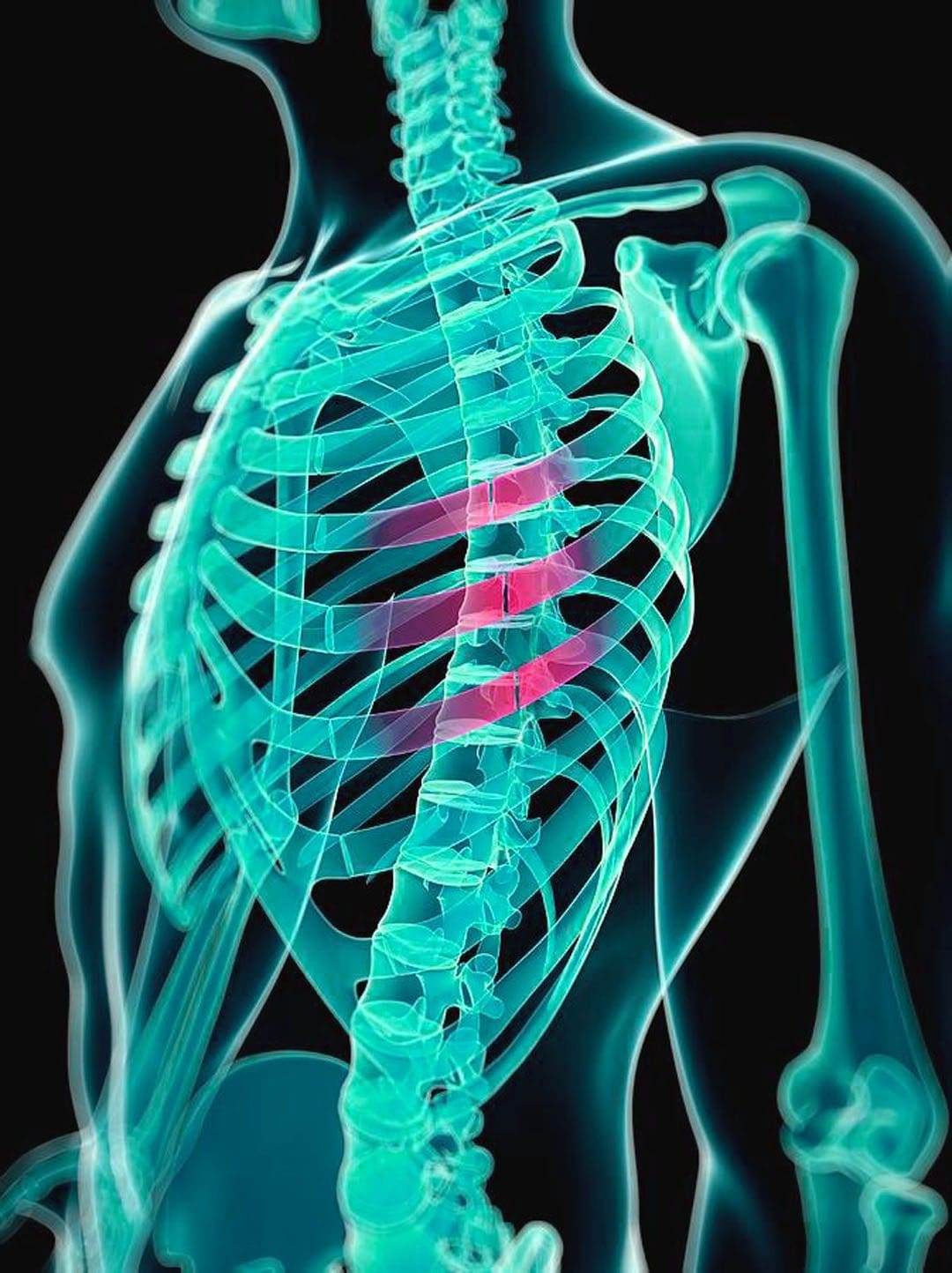
A broken/fractured rib describes any break in the bone. A cracked rib is a type of rib fracture and is more a description than a medical diagnosis of a rib that has been partially fractured. Any blunt impact to the chest or back can cause a cracked rib, including:
Falling
Vehicle collision
Sports injury
Violent coughing
The main symptom is pain when inhaling.
The injury typically heals within six weeks.
Symptoms
Cracked ribs are usually caused by a fall, trauma to the chest, or intense violent coughing. Symptoms include:
Swelling or tenderness around the injured area.
Chest pain when breathing/inhaling, sneezing, laughing, or coughing.
Chest pain with movement or when lying down in certain positions.
Possible bruising.
Although rare, a cracked rib can cause complications like pneumonia.
See a healthcare provider immediately if experiencing difficulty breathing, severe chest pain, or a persistent cough with mucus, high fever, and/or chills.
Types
In most cases, a rib usually gets broken in one area, causing an incomplete fracture, which means a crack or break that does not go through the bone. Other types of rib fractures include:
Displaced and Nondisplaced Fractures
Completely broken ribs may or may not shift out of place.
If the rib does move, this is known as a displaced rib fracture and is more likely to puncture lungs or damage other tissues and organs. (Yale Medicine. 2024)
A rib that stays in place usually means the rib is not completely broken in half and is known as a nondisplaced rib fracture.
Flail Chest
A section of the ribcage can break away from the surrounding bone and muscle, although this is rare.
If this happens, the ribcage will lose stability, and the bone will move freely as the individual inhales or exhales.
This broken ribcage section is called a flail segment.
This is dangerous as it can puncture the lungs and cause other serious complications, like pneumonia.
Causes
Common causes of cracked ribs include:
Vehicle collisions
Pedestrian accidents
Falls
Impact injuries from sports
Overuse/Repetitive stress brought on by work or sports
Severe coughing
Older individuals can experience a fracture from a minor injury due to the progressive loss of bone minerals. (Christian Liebsch et al., 2019)
The Commonality of Rib Fractures
Rib fractures are the most common type of bone fracture.
They account for 10% to 20% of all blunt trauma injuries seen in emergency rooms.
In cases where an individual seeks care for a blunt injury to the chest, 60% to 80% involve a broken rib. (Christian Liebsch et al., 2019)
Diagnosis
A cracked rib is diagnosed with a physical exam and imaging tests. During the examination, a healthcare provider will listen to the lungs, press gently on the ribs, and watch as the rib cage moves. The imaging test options include: (Sarah Majercik, Fredric M. Pieracci 2017)
X-rays – These are for detecting recently cracked or broken ribs.
CT Scan – This imaging test comprises multiple X-rays and can detect smaller cracks.
MRI – This imaging test is for soft tissues and can often detect smaller breaks or cartilage damage.
Bone Scan – This imaging test uses a radioactive tracer to visualize the structure of bones and can show smaller stress fractures.
Treatment
In the past, treatment used to involve wrapping the chest with a band known as a rib belt. These are rarely used today as they can restrict breathing, increasing the risk of pneumonia or even a partial lung collapse. (L. May, C. Hillermann, S. Patil 2016). A cracked rib is a simple fracture that requires the following:
Rest
Over-the-counter or prescription medications can help manage pain symptoms.
Nonsteroidal anti-inflammatory drugs – NSAIDs like ibuprofen or naproxen are recommended.
If the break is extensive, individuals may be prescribed stronger pain medication depending on the severity and underlying conditions.
Physical therapy can expedite the healing process and help maintain the range of motion of the chest wall.
For patients who are frail and elderly individuals, physical therapy can help the patient walk and normalize certain functions.
A physical therapist can train the individual to transfer between bed and chairs safely while maintaining awareness of any movements or positioning that make the pain worse.
A physical therapist will prescribe exercises to keep the body as strong and limber as possible.
For example, lateral twists can help improve the range of motion in the thoracic spine.
During the early stages of recovery, it is recommended to sleep in an upright position.
Lying down can add pressure, causing pain and possibly worsen the injury.
Use pillows and bolsters to help support sitting up in bed.
What may feel like a cracked rib may be a similar condition, which is why it’s important to get checked out. Other possible symptom causes can include:
Bruised ribs – This occurs when the ribs are not cracked, but the smaller blood vessels around the region burst and leak into surrounding tissues. (Sarah Majercik, Fredric M. Pieracci 2017)
Pulled muscle – A muscle strain, or pulled muscle, occurs when the muscle gets overstretched, which can lead to a tear. The ribs are not affected, but it can feel like they are. (Sarah Majercik, Fredric M. Pieracci 2017)
Emergency
The most common complication is being unable to take a deep breath because of the pain. When the lungs cannot breathe deeply enough, mucous and moisture can build up and lead to an infection like pneumonia. (L. May, C. Hillermann, S. Patil 2016). Displaced rib fractures can also damage other tissues or organs, increasing the risk of a collapsed lung/pneumothorax or internal bleeding. It is recommended to seek immediate medical attention if symptoms develop like:
Shortness of breath
Difficulty breathing
A bluish color of the skin caused by lack of oxygen
A persistent cough with mucus
Chest pain when breathing in and out
Fever, sweating, and chills
Rapid heart rate
The Power of Chiropractic Care In Injury Rehabilitation
Liebsch, C., Seiffert, T., Vlcek, M., Beer, M., Huber-Lang, M., & Wilke, H. J. (2019). Patterns of serial rib fractures after blunt chest trauma: An analysis of 380 cases. PloS one, 14(12), e0224105. https://doi.org/10.1371/journal.pone.0224105
Postural orthostatic tachycardia syndrome is a medical condition that causes lightheadedness and palpitations after standing. Can lifestyle adjustments and multidisciplinary strategies help reduce and manage symptoms?
Postural Orthostatic Tachycardia Syndrome – POTS
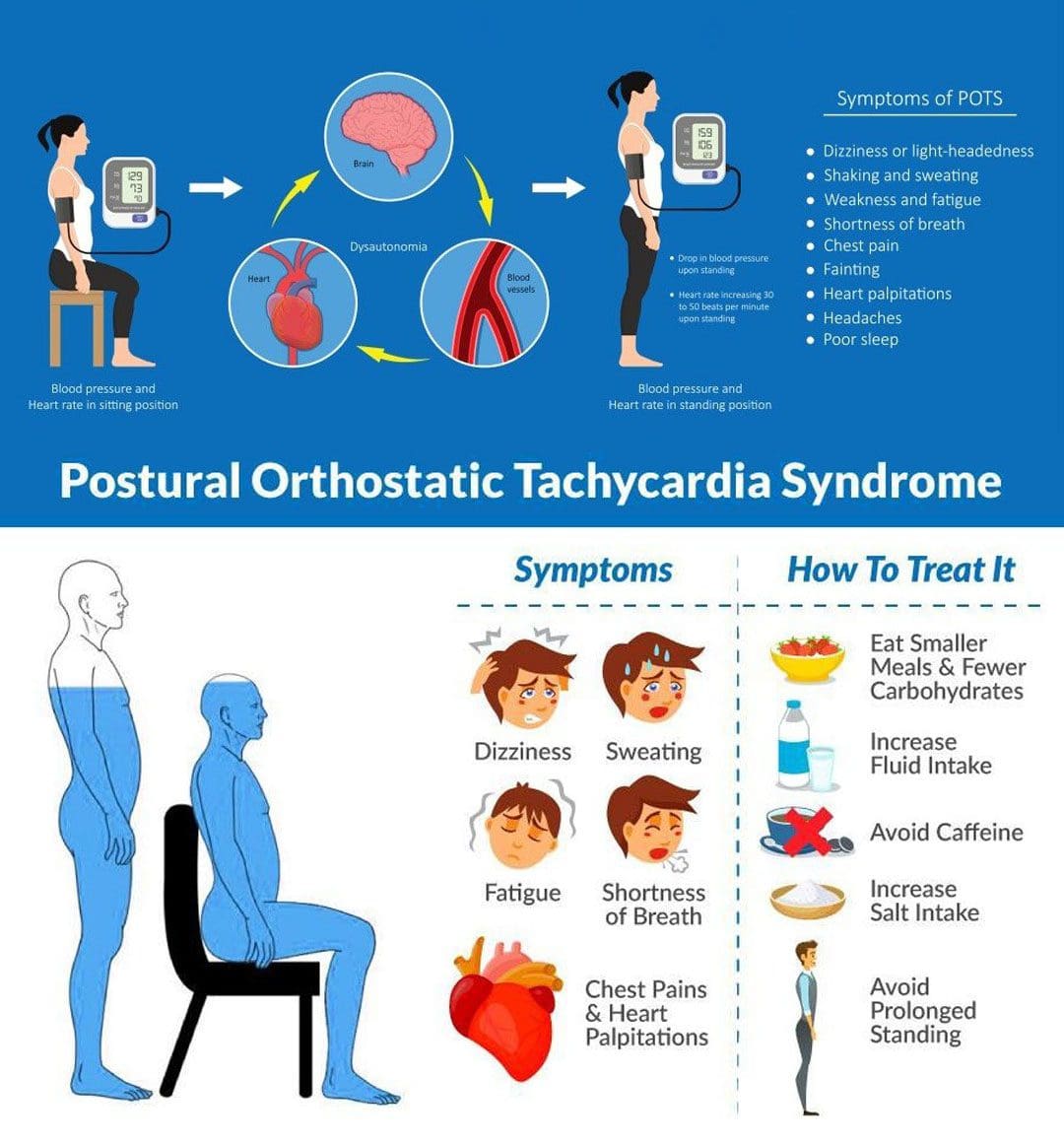
Postural orthostatic tachycardia syndrome, or POTS, is a condition that varies in severity from relatively mild to incapacitating. With POTS:
The heart rate increases dramatically with body position.
This condition often affects young individuals.
Most individuals with postural orthostatic tachycardia syndrome are women between the ages of 13 and 50.
Some individuals have a family history of POTS; some individuals report POTS began after an illness or stressor, and others report it began gradually.
It usually resolves over time.
Treatment can be beneficial.
Diagnosis is based on assessing blood pressure and pulse/heart rate.
Symptoms
Postural orthostatic tachycardia syndrome can affect young individuals who are otherwise healthy and can begin suddenly. It usually happens between the ages of 15 and 50, and women are more likely to develop it than men. Individuals can experience various symptoms within a few minutes of standing up from a lying or seated position. The symptoms can occur regularly and daily. The most common symptoms include: (National Institutes of Health. National Center for Advancing Translational Sciences. Genetic and Rare Diseases Information Center. 2023)
Anxiety
Lightheadedness
A feeling like you’re about to pass out.
Palpitations – sensing rapid or irregular heart rate.
Dizziness
Headaches
Blurred vision
Legs turn to reddish-purple.
Weakness
Tremors
Fatigue
Sleep problems
Trouble concentrating/brain fog.
Individuals may also experience recurrent episodes of fainting, usually without any trigger/s other than standing up.
Individuals can experience any combination of these symptoms.
Sometimes, individuals cannot handle sports or exercise and may feel light-headed and dizzy in response to mild or moderate physical activity, which can be described as exercise intolerance.
Associated Effects
Postural orthostatic tachycardia syndrome can be associated with other dysautonomia or nervous system syndromes, like neurocardiogenic syncope.
Individuals are often co-diagnosed with other conditions like:
Chronic fatigue syndrome
Ehlers-Danlos syndrome
Fibromyalgia
Migraines
Other autoimmune conditions.
Bowel conditions.
Causes
Usually, standing up causes blood to rush from the torso to the legs. The sudden change means less blood is available for the heart to pump. To compensate, the autonomic nervous system sends signals to the blood vessels to constrict to push more blood to the heart and maintain blood pressure and a normal heart rate. Most individuals do not experience significant changes in blood pressure or pulse when standing up. Sometimes, the body is unable to perform this function correctly.
If blood pressure drops from standing and causes symptoms like lightheadness, it is known as orthostatic hypotension.
If the blood pressure remains normal, but the heart rate gets faster, it is POTS.
The exact factors that cause postural orthostatic tachycardia syndrome are different in individuals but are related to changes in:
The autonomic nervous system, adrenal hormone levels, total blood volume, and poor exercise tolerance. (Robert S. Sheldon et al., 2015)
Autonomic Nervous System
The autonomic nervous system controls blood pressure and heart rate, which are the areas of the nervous system that manage internal bodily functions like digestion, respiration, and heart rate. It is normal for blood pressure to drop slightly and the heart rate to speed up a little when standing. With POTS, these changes are more pronounced.
POTS is considered a type of dysautonomia, which is diminished regulation of the autonomic nervous system.
Several other syndromes are also thought to be related to dysautonomia, like fibromyalgia, irritable bowel syndrome, and chronic fatigue syndrome.
It isn’t clear why the syndrome or any of the other types of dysautonomia develop, but there seems to be a familial predisposition.
Sometimes the first episode of POTS manifests after a health event like:
Pregnancy
Acute infectious illness, for example, a severe case of influenza.
An episode of trauma or concussion.
Major surgery
Diagnosis
A diagnostic evaluation will include a medical history, a physical examination, and diagnostic tests.
The healthcare provider will take blood pressure and pulse at least twice. Once while lying down and once while standing.
Blood pressure measurements and pulse rate lying down, sitting, and standing are orthostatic vitals.
Typically, standing up increases the heart rate by 10 beats per minute or less.
With POTS, heart rate increases by 30 beats per minute while blood pressure remains unchanged. (Dysautonomia International. 2019)
The heart rate stays elevated for over a few seconds upon standing/usually 10 minutes or more.
Symptoms happen frequently.
Lasts more than a few days.
Positional pulse changes are not the only diagnostic consideration for postural orthostatic tachycardia syndrome, as individuals can experience this change with other conditions.
During this test, blood pressure and pulse are measured several times when lying on a table and when the table is moved to an upright position.
Differential Diagnosis
There are various causes of dysautonomia, syncope, and orthostatic hypotension.
Throughout the evaluation, the healthcare provider may look at other conditions, like dehydration, deconditioning from prolonged bed rest, and diabetic neuropathy.
Medications like diuretics or blood pressure medication can cause similar effects.
Treatment
Several approaches are used in managing POTS, and individuals may require a multidisciplinary approach. The healthcare provider will advise regularly checking blood pressure and pulse at home to discuss the results when going in for medical checkups.
Fluids and Diet
Drinking non-caffeinated fluids can keep the body hydrated.
A healthcare provider can calculate the right amount of fluids that are needed each day.
Overnight dehydration is common, so it is especially important to drink fluids first thing in the morning, preferably before getting out of bed and standing.
Exercise and physical therapy can help the body learn to adjust to an upright position.
Because it can be challenging to exercise when dealing with POTS, a targeted exercise program under supervision may be required.
An exercise program may begin with swimming or using rowing machines, which do not require upright posture. (Dysautonomia International. 2019)
After a month or two, walking, running, or cycling may be added.
Studies have shown that individuals with POTS, on average, have smaller cardiac chambers than individuals who don’t have the condition.
Regular aerobic exercise has been shown to increase cardiac chamber size, slow heart rate, and improve symptoms. (Qi Fu, Benjamin D. Levine. 2018)
Individuals must continue an exercise program for the long term to keep symptoms from returning.
Medication
Prescription medications to manage POTS include midodrine, beta-blockers, pyridostigmine – Mestinon, and fludrocortisone. (Dysautonomia International. 2019)
Ivabradine, used for the heart condition of sinus tachycardia, has also been used effectively in some individuals.
Conservative Interventions
Other ways to help prevent symptoms include:
Sleeping in the head-up position by elevating the head of the bed off the ground 4 to 6 inches utilizing an adjustable bed, blocks of wood, or risers.
This increases the blood volume in circulation.
Performing countermeasure maneuvers like squatting, squeezing a ball, or crossing the legs. (Qi Fu, Benjamin D. Levine. 2018)
Wearing compression stockings to prevent too much blood from flowing into the legs when standing can help avoid orthostatic hypotension. (Dysautonomia International. 2019)
Conquering Congestive Heart Failure
References
National Institutes of Health. National Center for Advancing Translational Sciences. Genetic and Rare Diseases Information Center (GARD). (2023). Postural orthostatic tachycardia syndrome.
Sheldon, R. S., Grubb, B. P., 2nd, Olshansky, B., Shen, W. K., Calkins, H., Brignole, M., Raj, S. R., Krahn, A. D., Morillo, C. A., Stewart, J. M., Sutton, R., Sandroni, P., Friday, K. J., Hachul, D. T., Cohen, M. I., Lau, D. H., Mayuga, K. A., Moak, J. P., Sandhu, R. K., & Kanjwal, K. (2015). 2015 heart rhythm society expert consensus statement on the diagnosis and treatment of postural tachycardia syndrome, inappropriate sinus tachycardia, and vasovagal syncope. Heart rhythm, 12(6), e41–e63. https://doi.org/10.1016/j.hrthm.2015.03.029
For athletes, fitness enthusiasts, and individuals getting into regular exercise, can taking a workout break be beneficial if structured properly?
Workout Break
Giving oneself permission to take a break from exercising is necessary, especially to maintain a current fitness level. To stay fit at every level and injury-free, the body needs rest and recovery, especially to progress in performance levels. Regular exercise is important for:
Building endurance
Improving strength
Losing and maintaining weight
Relieving stress
What Is It?
A voluntary pause/workout break is a dedicated amount of time when the individual chooses not to work out. It is typically a response to individual body cues when the person knows their mind and body need to take a break from exercising. A workout break is different than a rest day as it may last one or two weeks from the regular training routine. Individuals may need to take a break because the workouts are becoming boring and/or the possibility of burning out or overtraining.
Fitness Impact
Studies on recreational soccer players showed that three to six weeks of inactivity did not change aerobic capacity and muscle strength. (Chang Hwa Joo. 2018)
Extremely fit individuals will experience a rapid drop in fitness during the first three weeks of inactivity before leveling off. (Chang Hwa Joo. 2018)
Medical experts provide terms for individuals who may be doing too much:
Overreaching is when the training becomes excessive, and performance begins to fall. It can be short- or long-term.
Overtraining occurs when overreaching is not addressed.
Overtraining syndrome/OTS lasts longer and results in more serious performance setbacks along with symptoms like hormone changes, depression, fatigue, and systemic inflammation. (Jeffrey B. Kreher. 2016)
Overreaching or overtraining feels like fitness progress is moving backward instead of forward. The more training, the slower and more fatigued the body becomes.
Endurance athletes have an increased risk of overreaching and overtraining. (Jeffrey B. Kreher. 2016)
The endurance mindset encourages pushing more hours of training to get stronger and faster. However, at a certain point, performance suffers.
Taking a break allows the restoration of balance to focus on work or school, manage various life events, and enjoy friends and family time. Studies have suggested that achieving a better work/life balance can improve:
Overtraining usually results from training too much and insufficient recovery.
Fitness and training experts recommend rest and light training as therapy for overtraining. (Jeffrey B. Kreher. 2016)
Signs The Body Needs A Break
A few signs and common symptoms may indicate a workout break may be needed.
Constantly unmotivated or bored
Not looking forward to working out
Poor performance
Physical exhaustion
Fatigue
Soreness that does not resolve
Lack of progress in workouts
Alternate Activities
During the workout break, engage in other active things that work the body differently, like playing table tennis, for example, or activities that are fun but keep the body moving without doing hard workouts. Remember, the body doesn’t have to be completely inactive. Individuals can try out:
Leisurely bike riding
Dancing
Climbing
Easy yardwork
Yoga or Pilates
Stretching
Returning To Working Out
It could feel like starting over, but it won’t take long for the body to remember how to exercise. It just needs to get used to working out again. It can be tempting to jump into an all-out workout routine, but that is not recommended because of the risk of injury. Here are a few basic principles to keep the body strong and healthy while easing back into a regular workout routine.
Start Simple
Start with a lighter version of the regular routine using lighter weights and less intensity.
Give The Body Time
Use the first two weeks for the body to get used to the workouts.
It can take up to three weeks to get back, depending on workouts before and how much relaxation time has passed.
Take Extra Rest Days
Returning to exercise means the body is going to be extra sore.
Plan extra recovery days so the body can heal and gain strength.
Each week, gradually increase the intensity until it is back to regular performance.
Revolutionizing Healthcare
References
Joo C. H. (2018). The effects of short term detraining and retraining on physical fitness in elite soccer players. PloS one, 13(5), e0196212. https://doi.org/10.1371/journal.pone.0196212
St-Amand, J., Yoshioka, M., Nishida, Y., Tobina, T., Shono, N., & Tanaka, H. (2012). Effects of mild-exercise training cessation in human skeletal muscle. European journal of applied physiology, 112(3), 853–869. https://doi.org/10.1007/s00421-011-2036-7
Kreher J. B. (2016). Diagnosis and prevention of overtraining syndrome: an opinion on education strategies. Open access journal of sports medicine, 7, 115–122. https://doi.org/10.2147/OAJSM.S91657
Cadegiani, F. A., & Kater, C. E. (2019). Novel insights of overtraining syndrome discovered from the EROS study. BMJ open sport & exercise medicine, 5(1), e000542. https://doi.org/10.1136/bmjsem-2019-000542
Gragnano, A., Simbula, S., & Miglioretti, M. (2020). Work-Life Balance: Weighing the Importance of Work-Family and Work-Health Balance. International journal of environmental research and public health, 17(3), 907. https://doi.org/10.3390/ijerph17030907
IFM's Find A Practitioner tool is the largest referral network in Functional Medicine, created to help patients locate Functional Medicine practitioners anywhere in the world. IFM Certified Practitioners are listed first in the search results, given their extensive education in Functional Medicine