For individuals starting to lift weights, motor units are important for muscle movement. Can building more motor units help build strength and maintain muscle mass?
Motor Units
Motor units control the skeletal muscles and are the force behind every body movement. (C J. Heckman, Roger M. Enoka 2012)
This includes voluntary movements like lifting weights and involuntary movements like breathing. When lifting objects and weights, the body adapts to motor unit needs, meaning that individuals must consistently increase the weight to progress.
Lifting weights regularly trains the body to generate more motor units and force.
General guidelines recommend lifting weights for all muscle groups two to three non-consecutive days a week.
Consistency helps maintain muscle mass.
Regular progression increases the risk of plateauing.
What They Are
Exercise increases the body’s muscle strength, while sedentariness and inactivity weaken them. A motor unit is a single nerve cell/neuron that supplies the nerves to innervate a group of skeletal muscles. The neuron receives signals from the brain that stimulate all the muscle fibers in that particular motor unit to generate movement.
Muscles comprise different fiber types.
They are attached to the bones with connective tissue, which is stronger than the muscle.
Multiple motor units are dispersed throughout the muscle.
The motor units help ensure muscle contraction force is evenly spread throughout the muscle.
Motor units are different sizes and operate differently depending on where and what they do.
Small motor units might only innervate five or ten fibers. For example, to blink or sniff.
Large motor units can comprise hundreds of muscle fibers for swinging or jumping movements.
How They Work
The number of units activated depends on the task. Stronger muscle contractions require more. However, fewer units are needed to accomplish the movement for individuals expending less effort.
Contraction
Once a unit receives a signal from the brain, the muscle fibers contract simultaneously.
The force generated depends on how many units are required to accomplish the task. (Purves D. et al., 2001)
For example, picking up small objects like a pen and paper requires only a few units to generate the force needed.
If picking up a heavy barbell, the body needs more units because more force is needed to lift the heavier load.
The body can generate more force with stronger muscles.
This happens when lifting weights on a regular basis and overloading the muscles with more weight than they can handle.
This process is known as adaptation.
Adaptation
The purpose of lifting weights is to challenge the muscles so they adapt to the new challenge and grow in strength and mass. Motor units are a major part of the adaptation process. (Dr. Erin Nitschke. American Council on Exercise. 2017)
As individuals continue working out, their ability to generate more force increases and units activate more rapidly.
This makes movements more efficient.
Individuals can increase motor unit recruitment by consistently increasing the weight challenge to their muscles.
The development creates movement memory.
A relationship between the brain, muscles, and motor units is established even if the individual stops working out. The pathways are still there no matter how long the individual takes off.
When returning to training, the body will remember how to ride a bike, do a bicep curl, or squat.
However, the muscles will not have the same strength as the strength needs to be built back along with endurance that may have been lost.
It is the movement memory that remains.
Military Training and Chiropractic Care: Maximizing Performance
References
Heckman, C. J., & Enoka, R. M. (2012). Motor unit. Comprehensive Physiology, 2(4), 2629–2682. https://doi.org/10.1002/cphy.c100087
Purves D, Augustine GJ, Fitzpatrick D, et al., editors. (2001). Neuroscience. 2nd edition. Sunderland (MA): Sinauer Associates; 2001. The Motor Unit. Available from: https://www.ncbi.nlm.nih.gov/books/NBK10874/
Dr. Erin Nitschke. American Council on Exercise. (2017). How Muscle Grows (Exercise Science, Issue. https://www.acefitness.org/resources/everyone/blog/6538/how-muscle-grows/
Pete McCall. American Council on Exercise. (2015). 10 Things to Know About Muscle Fibers (Exercise Science, Issue. https://www.acefitness.org/resources/pros/expert-articles/5411/10-things-to-know-about-muscle-fibers/
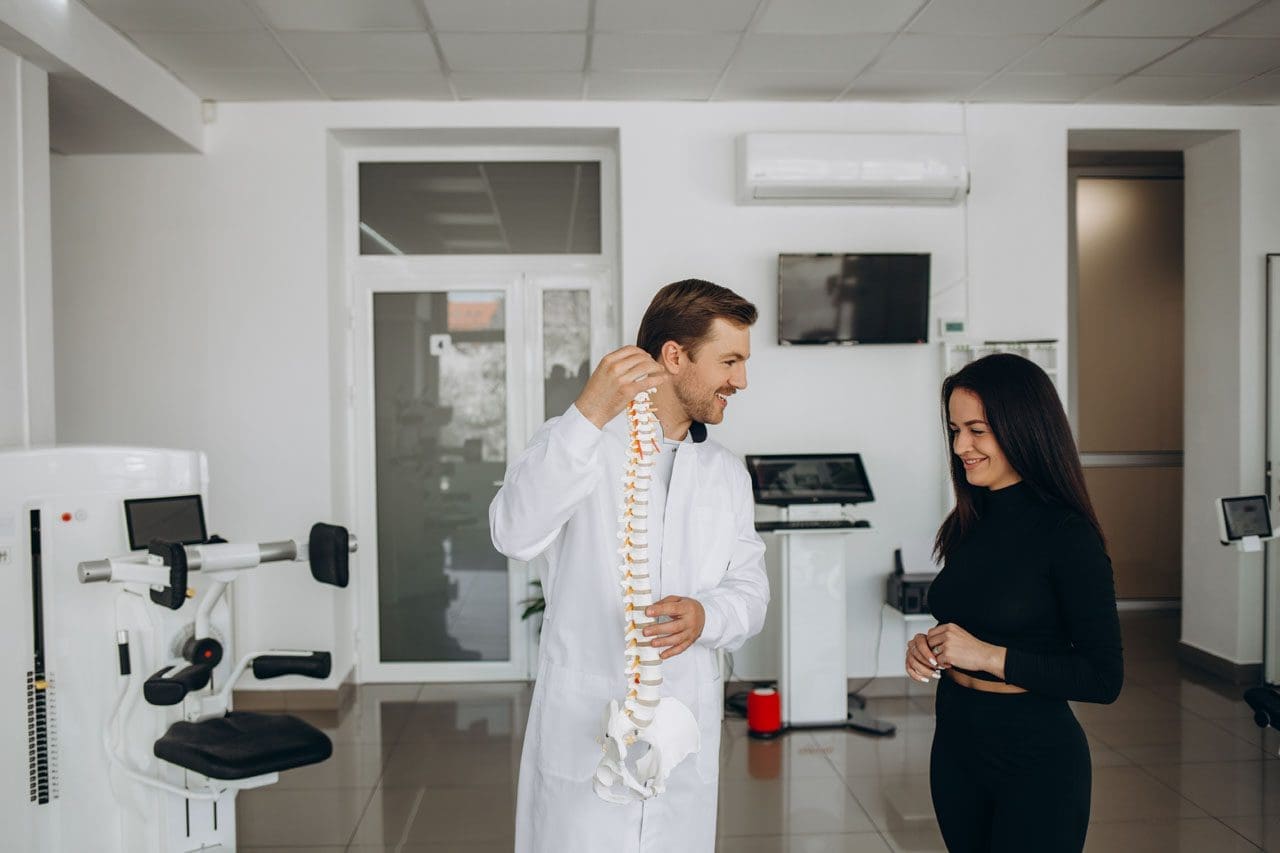
For individuals suffering from back pain, can knowing basic chiropractic terminology help in understanding diagnosis and treatment plan development?
Chiropractic Terminology
The chiropractic principle is that a properly aligned spine positively affects an individual’s overall health. One of the main aspects of chiropractic care is applying calculated force to the spinal joints to restore correct spinal alignment. Chiropractic terminology describes specific types of techniques and care.
General Subluxation
A subluxation can mean different things for various doctors. In general, a subluxation is a significant structural displacement or an incomplete or partial dislocation of a joint or organ.
To medical doctors, a subluxation refers to a partial dislocation of a vertebrae.
This is a serious condition, usually brought on by trauma, that can result in a spinal cord injury, paralysis, and/or death.
X-rays show a conventional subluxation as an obvious disconnect between the vertebrae.
Chiropractic Subluxation
The chiropractic interpretation is more subtle and refers to the misalignment of adjacent spinal vertebrae.
Subluxation in this context refers to position changes in the joints and soft tissues of the spine.
Vertebral misalignment is believed to lead to pain and abnormal intervertebral joint motion.
This difference between the serious subluxation medical condition and the chiropractic version may cause individuals to dismiss seeking back pain treatments.
Motion Segment
Chiropractors and surgeons use it as a technical term.
Motion segment refers to two adjacent vertebrae and the intervertebral disc between them.
This is the area chiropractors assess and adjust.
Adjustment
The chiropractor performs a spinal manual adjustment to realign joint subluxations.
Adjustments involve applying force to motion segments to bring them back into a centered alignment.
The goal for adjustments and realigning the vertebrae includes:
Spinal manipulation is a technique used by chiropractors to provide relief for musculoskeletal pain related to the back and neck. Manipulation provides mild to moderate relief and works as well as some conventional treatments like pain-relieving medications. (Sidney M. Rubinstein et al., 2012)
Spinal manipulation is divided into grades of mobilization.
Depending on their training, practitioners of various medical disciplines may be licensed to perform grade 1 to grade 4 mobilizations.
Only physical therapists, osteopathic physicians, and chiropractors are licensed to perform grade 5 mobilizations, which are high-velocity thrust techniques.
Most massage therapists, athletic trainers, and personal trainers are not licensed to perform spinal manipulations.
Based on a systematic review, the effectiveness of these treatments found that there is quality evidence that manipulation and mobilization can help reduce pain and improve function for individuals with chronic low back pain, with manipulation appearing to produce a more profound effect than mobilization. Both therapies are safe, with multimodal treatments potentially being an effective option. (Ian D. Coulter et al., 2018)
As with any treatment, results vary from person to person and with different chiropractors. There are also potential risks with spinal manipulation. Though rare, cervical, carotid, and vertebral artery dissections have occurred with cervical/neck manipulation. (Kelly A. Kennell et al., 2017) Individuals with osteoporosis may be advised to avoid chiropractic adjustments or manipulation because of the increased risk of injury. (James M. Whedon et al., 2015)
Many individuals choose chiropractic treatment for a variety of conditions. Understanding chiropractic terminology and reasoning allows individuals to ask questions as they discuss their symptoms to develop a personalized treatment plan and restore function and wellness.
What Causes Disc Herniation?
References
Henderson C. N. (2012). The basis for spinal manipulation: chiropractic perspective of indications and theory. Journal of electromyography and kinesiology : official journal of the International Society of Electrophysiological Kinesiology, 22(5), 632–642. https://doi.org/10.1016/j.jelekin.2012.03.008
Blanchette, M. A., Stochkendahl, M. J., Borges Da Silva, R., Boruff, J., Harrison, P., & Bussières, A. (2016). Effectiveness and Economic Evaluation of Chiropractic Care for the Treatment of Low Back Pain: A Systematic Review of Pragmatic Studies. PloS one, 11(8), e0160037. https://doi.org/10.1371/journal.pone.0160037
Rubinstein, S. M., Terwee, C. B., Assendelft, W. J., de Boer, M. R., & van Tulder, M. W. (2012). Spinal manipulative therapy for acute low-back pain. The Cochrane database of systematic reviews, 2012(9), CD008880. https://doi.org/10.1002/14651858.CD008880.pub2
Coulter, I. D., Crawford, C., Hurwitz, E. L., Vernon, H., Khorsan, R., Suttorp Booth, M., & Herman, P. M. (2018). Manipulation and mobilization for treating chronic low back pain: a systematic review and meta-analysis. The spine journal : official journal of the North American Spine Society, 18(5), 866–879. https://doi.org/10.1016/j.spinee.2018.01.013
Kennell, K. A., Daghfal, M. M., Patel, S. G., DeSanto, J. R., Waterman, G. S., & Bertino, R. E. (2017). Cervical artery dissection related to chiropractic manipulation: One institution’s experience. The Journal of family practice, 66(9), 556–562.
Whedon, J. M., Mackenzie, T. A., Phillips, R. B., & Lurie, J. D. (2015). Risk of traumatic injury associated with chiropractic spinal manipulation in Medicare Part B beneficiaries aged 66 to 99 years. Spine, 40(4), 264–270. https://doi.org/10.1097/BRS.0000000000000725
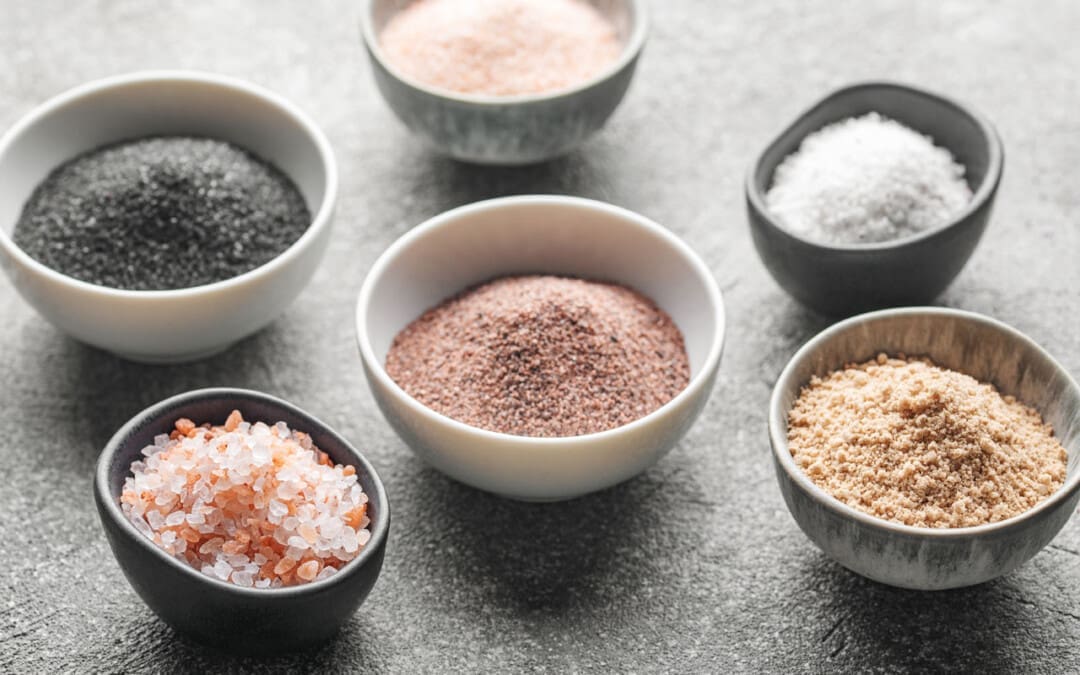
For individuals looking to improve their diet, can knowing the different salt types help in food preparation and health?
Salt Types
Salt brings out the natural flavor of foods and can be used as a preservative. Salt types come in various colors and textures for cooking, flavor, and health. Some are considered healthier compared to regular table salt, like pink Himalayan salt and different sea salts. Some individuals prefer them because most go through less processing and can have more trace minerals like magnesium and potassium. However, all salts are healthy in moderation, as sodium is a necessary part of a balanced diet. Although essential for the body, sodium can be harmful when too much is consumed. A study examining consumer-grade pink Himalayan sea salts available in Australia determined that to receive the additional health benefits of the minerals from this type of salt, individuals must consume so much that it elevates the amount of sodium in the body to dangerous levels. (Flavia Fayet-Moore et al., 2020)
Salt
Salt is a mineral made from the combined elements:
Sodium – Na
Chlorine -Cl
Together, they form crystallized sodium chloride NaCl.
The majority of salt production comes from evaporated seawater and salt mines. Many salts used in food preparation are iodized. Iodine is added to various refined salt products to help meet nutritional requirements. Iodine intake levels that fall below the recommended values could result in a deficiency and develop goiter. Goiter is associated with hypothyroidism. (Angela M. Leung et al., 2021) Lack of iodine can also have adverse effects on growth and development. (National Institutes of Health Office of Dietary Supplements. 2023)
Essential for Health
Salt sustains life and optimal bodily function. Sodium and chlorine are important elements that maintain:
Cellular balance
Circulation
Blood sugar levels
Sodium is a mineral and an electrolyte. Common electrolytes include potassium, calcium, and bicarbonate. Without adequate sodium levels, the brain cannot send the necessary impulses to the rest of the body to function properly. However, consuming too much salt can cause health issues.
Higher salt intake in individuals who are sensitive to salt can increase blood pressure.
Doctors usually recommend that individuals with hypertension reduce sodium intake or follow a low-sodium diet.
Elevated sodium levels also cause water retention – considered a protective response as the body works to regulate serum sodium levels concentration in the blood to maintain balance.
If levels are too high, a condition known as hypernatremia can develop, which can cause:
Excessive thirst
Vomiting
Infrequent urination
Diarrhea
Sodium levels that are too low can lead to hyponatremia, which can cause:
Though there are different types of salt, they all contain roughly the same amount of sodium.
Types
The average sodium intake by adults is around 3,393mg per day, ranging between 2,000–5,000mg. Guidelines recommend a maximum intake of 2,300mg per day. (U.S. Department of Health and Human Services and U.S. Department of Agriculture. 2020) Whether from unhealthy dietary choices like processed foods or incorrect knowledge of sodium content when cooking, an American Heart Association survey showed that more than half of respondents inaccurately stated that sea salt had a lower sodium content than table salt. (American Heart Association. 2024)
Refined – Table Salt
Refined/iodized salt is finely granulated and commonly used in cooking. This type is highly refined to remove impurities and eliminate trace minerals often found in specialty salts. Because the salt is finely ground, anti-caking agents are added to ensure the salt doesn’t clump. Some table salts also have added sugar and other additives.
Refined table salt is about 97–99% sodium chloride (NaCl).
Iodine is added to prevent iodine deficiency.
Individuals trying to reduce sodium intake but meet iodine levels can do so with foods like eggs, dairy products, and fish.
Kosher
Kosher salt is coarse and flakey and can add a crunchy texture to dishes and drinks. Pure kosher salt does not contain additives like anti-caking agents and iodine. The size of the salt crystals is ideal for drawing out moisture.
Per teaspoon, kosher salt generally has less sodium than 1 teaspoon of table salt.
Because it has a coarser grain, less salt fits in the measuring spoon.
Sea Salt
Sea salt is produced from evaporated seawater and comes as fine grains or large crystals. Examples include:
Black Sea
Celtic
French – fleur de sel
Hawaiian sea salt
Sea salt can have trace amounts of minerals like iron, potassium, and zinc, which can produce different flavors in cooking but no additional health benefits with normal consumption. Some sea salts may also contain trace amounts of microplastics. However, research indicates these amounts are too low to warrant public health concerns. (Ali Karami et al., 2017)
Himalayan Pink Salt
Himalayan pink salt is mined in the red salt range in Pakistan, the second-largest salt mine in the world, and in the Andes mountains of Peru. Trace amounts of iron oxide make the salt pink. It is typically used at the end of cooking to add flavor and a crunch. Himalayan salt is popular for its health benefits and mineral properties. However, using Himalayan salt over other types has no known health advantages. Researchers concluded that the potential health benefits provided by the higher nutrient content would be counteracted by the large amount of sodium that would need to be consumed. (Flavia Fayet-Moore et al., 2020)
Substitutes
Salt substitutes contain some or all sodium and potassium, magnesium, or other minerals. Substitutes can be half sodium chloride and half potassium chloride. Monosodium glutamate/MSG can also be used as an alternative. A study found that substituting salt with MSG is safe and comparable to salt flavor. (Jeremia Halim et al., 2020) Individuals often use substitutes on a sodium-restricted diet but should check with their doctor before using these products, especially if they have kidney conditions.
Body In Balance – Chiropractic+Fitness+Nutrition
References
Fayet-Moore, F., Wibisono, C., Carr, P., Duve, E., Petocz, P., Lancaster, G., McMillan, J., Marshall, S., & Blumfield, M. (2020). An Analysis of the Mineral Composition of Pink Salt Available in Australia. Foods (Basel, Switzerland), 9(10), 1490. https://doi.org/10.3390/foods9101490
Leung, A. M., Braverman, L. E., & Pearce, E. N. (2012). History of U.S. iodine fortification and supplementation. Nutrients, 4(11), 1740–1746. https://doi.org/10.3390/nu4111740
National Institutes of Health Office of Dietary Supplements. (2023). Iodine: Fact Sheet for Professionals. Retrieved from https://ods.od.nih.gov/factsheets/Iodine-HealthProfessional/
U.S. National Library of Medicine. MedlinePlus. (2022). Sodium blood test. Retrieved from https://medlineplus.gov/lab-tests/sodium-blood-test/
U.S. Department of Agriculture. FoodData Central. (2020). Salt. Retrieved from https://fdc.nal.usda.gov/fdc-app.html#/food-details/1112305/nutrients
U.S. Department of Health and Human Services and U.S. Department of Agriculture. (2020). 2020–2025 Dietary Guidelines for Americans. Retrieved from https://www.dietaryguidelines.gov/sites/default/files/2020-12/Dietary_Guidelines_for_Americans_2020-2025.pdf
American Heart Association. (2024). Sea Salt vs. Table Salt (Healthy Living, Issue. https://www.heart.org/en/healthy-living/healthy-eating/eat-smart/sodium/sea-salt-vs-table-salt
Karami, A., Golieskardi, A., Keong Choo, C., Larat, V., Galloway, T. S., & Salamatinia, B. (2017). The presence of microplastics in commercial salts from different countries. Scientific reports, 7, 46173. https://doi.org/10.1038/srep46173
Halim, J., Bouzari, A., Felder, D., & Guinard, J. X. (2020). The Salt Flip: Sensory mitigation of salt (and sodium) reduction with monosodium glutamate (MSG) in “Better-for-You” foods. Journal of food science, 85(9), 2902–2914. https://doi.org/10.1111/1750-3841.15354
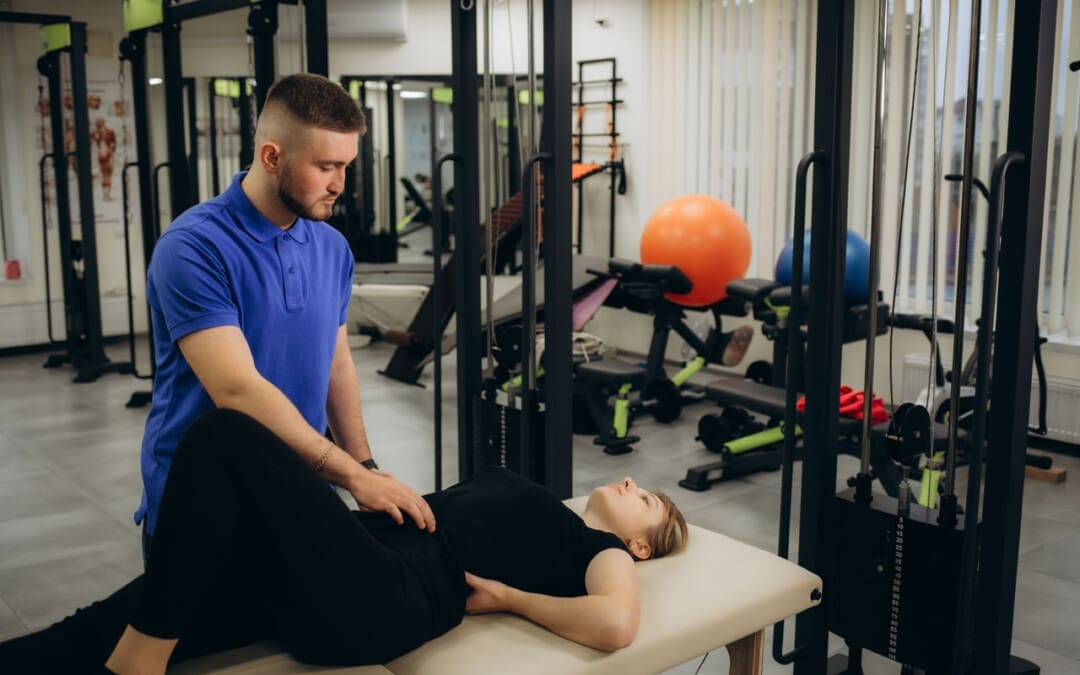
For individuals dealing with lower back pain, it could be quadricep muscle tightness causing the symptoms and posture problems. Can knowing the signs of quadricep tightness help prevent pain and avoid injury?
Quadriceps Tightness
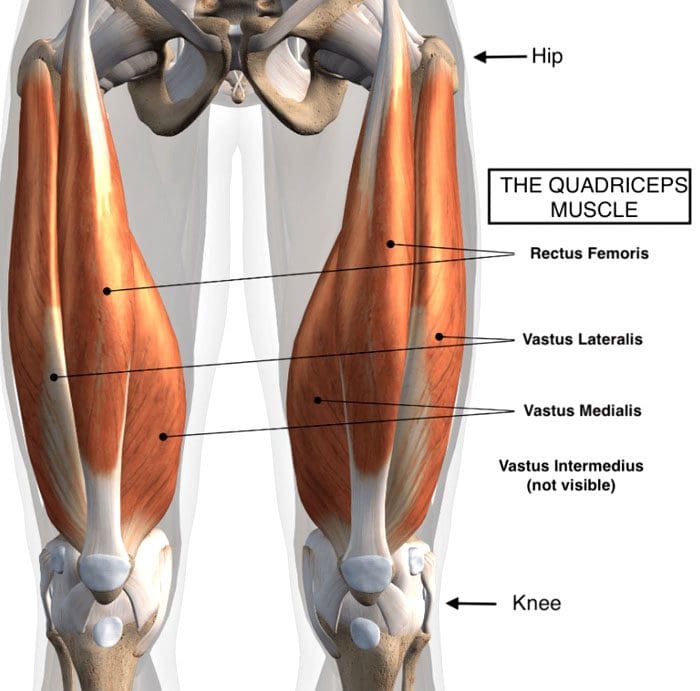
Quadriceps muscles are in the front of the thigh. Forces that could be creating chronic pain and posture problems could be happening at the same time are:
Quadricep tightness causes lower back pain as the pelvis gets pulled down.
Tight quadriceps lead to weakened hamstring muscles.
These are the opposing muscles behind the thigh.
Stress and pressure on the hamstrings can cause back pain and problems.
The rectus femoris attaches to the pelvis at the anterior superior iliac spine, which is the front part of the hip bone.
The rectus femoris is the only muscle in the group that crosses over the hip joint, which also affects movement.
When the quadriceps, especially the rectus femoris, become tight, they pull down on the hips.
The pelvis tilts downward or forward, technically referred to as the anterior tilt of the pelvis. (Anita Król et al., 2017)
The spine is between the pelvis, and if the pelvis tilts forward, the lumbar spine compensates by arching.
A larger arch in the lower back is referred to as excessive lordosis and often causes tightness and pain in the back muscles. (Sean G. Sadler et al., 2017)
Hamstring Compensation
When the quadriceps tighten and the pelvis gets pulled down, the back has an abnormal lift. This puts the hamstring on a consistent stretch that can cause pain symptoms.
Healthy posture and hamstring muscle tone help maintain correct pelvic positioning in the back.
This is correct because it helps maintain a comfortable position.
Quadricep tightness can set off a reaction as the pelvis tilts down in front and up in the back while overly stretching the hamstrings.
Pain and soreness are the usual result
Lack of hamstring strength and quadriceps stretching can cause the hamstrings to lose their ability to support correct pelvic and spinal positions. (American Council on Exercise. 2015)
Knowing When Quads Are Tightening
Individuals often don’t realize their quadriceps are tight, especially those who spend most of the day sitting.
The more time spent in a chair can cause the quadriceps and lower back muscles to tighten steadily.
Individuals can try a few tests at home:
Standing Up
Push the hips forward.
Push from the sitting bones so you’re at the correct level.
How far forward do the hips go?
What is felt?
Pain could indicate tight quadriceps.
In A Lunge Position
With one leg forward and bent in front of the other.
The back leg is straight.
How far forward does the leg go?
What is felt?
How does the front of the hip on the back leg feel?
Standing Bent Leg
Stand with the front leg bent and the back leg straight.
Discomfort in the back leg could mean tight quadriceps.
In A Kneeling Position
Arch the back
Grab the ankles
Modify the position to adjust for any pain or joint issues.
If you have to prop yourself up or modify the pose to reduce pain, it could be tight quadriceps.
Helping to understand the condition can help in communication with a healthcare provider.
A healthcare provider and/or physical therapist can conduct a posture evaluation examination to test the quadriceps.
Understanding Academic Low Back Pain: Impact and Chiropractic Solutions
References
Kripa, S., Kaur, H. (2021). Identifying relations between posture and pain in lower back pain patients: a narrative review. Bulletin of Faculty of Physical Therapy, 26(34). https://doi.org/doi: 10.1186/s43161-021-00052-w
Król, A., Polak, M., Szczygieł, E., Wójcik, P., & Gleb, K. (2017). Relationship between mechanical factors and pelvic tilt in adults with and without low back pain. Journal of back and musculoskeletal rehabilitation, 30(4), 699–705. https://doi.org/10.3233/BMR-140177
Sadler, S. G., Spink, M. J., Ho, A., De Jonge, X. J., & Chuter, V. H. (2017). Restriction in lateral bending range of motion, lumbar lordosis, and hamstring flexibility predicts the development of low back pain: a systematic review of prospective cohort studies. BMC musculoskeletal disorders, 18(1), 179. https://doi.org/10.1186/s12891-017-1534-0
American Council on Exercise. (2015). 3 Stretches for Opening Up Tight Hips (Fitness, Issue. https://www.acefitness.org/resources/everyone/blog/5681/3-stretches-for-opening-up-tight-hips/
For individuals wanting to improve and/or maintain health research shows evidence that acupuncture may help promote weight loss. Can incorporating acupuncture into an overall health plan help achieve this goal?
Acupuncture Weight Loss
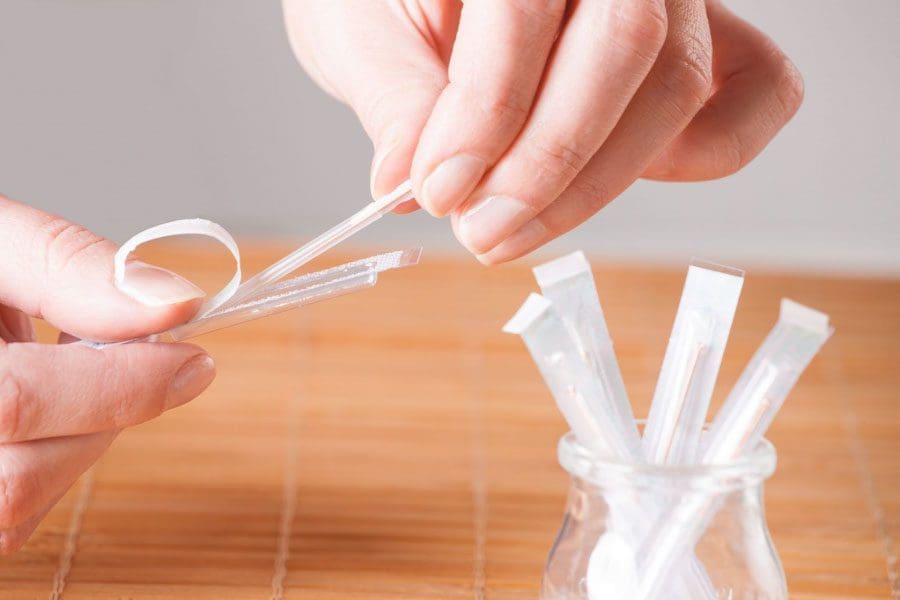
Acupuncture is a traditional medical therapy that inserts thin, flexible needles into the body at specific points. It has been around for more than 2,500 years. The practice is believed to stimulate the body’s energy/circulation, and research suggests that it could improve various factors known to contribute to weight gain and obesity. (Kepei Zhang et al., 2018)
Acupuncture regulates energy flow and helps restore the body’s balance, which is believed to promote homeostasis and self-healing. (Ning-Cen Li et al., 2019)
Acupuncture stimulates connective tissue, which affects blood circulation, nerves, and the immune system.
It has been used to help manage conditions like migraines, infertility, pain management, and weight loss.
At the first appointment, the acupuncturist will take a general medical history and identify weight loss goals.
They will help identify the root causes contributing to weight gain, e.g., slow metabolism, thyroid issues, and overeating, to develop an effective personalized treatment plan.
A trained and licensed practitioner may also be able to provide nutritional and health coaching in addition to acupuncture treatments.
Procedure
The needles are thin and designed to work effectively without causing pain or bleeding.
The needles are left in for 15 to 30 minutes per session, depending on the treatment stage.
The practitioner may lift or rotate the needles as part of the technique during a session.
Many individuals report that acupuncture treatments are relaxing and pain-free.
For weight loss, the ear points will be the focus.
Research suggests that stimulating certain outer ear points may help balance hormones that help decrease cravings and suppress appetite. (Li-Hua Wang et al.,2019)
Two hormones that help in weight loss and acupuncture may help rebalance include: (Li-Hua Wang et al.,2019)
Ghrelin
Controls appetite and meal stimulation.
Leptin
Regulates fat storage and metabolism.
Acupuncture Weight Loss can help:
Decrease food cravings
Suppress appetite
Improve digestion
Increase metabolism
Research
Acupuncture weight loss recent research:
One study compared the effectiveness of auricular/ear acupuncture to body acupuncture in obese women and found that those who received ear acupuncture lost more weight than the individuals who received acupuncture in other body areas. (Cayir Yasemin et al., 2017)
Another study found that overweight females between 20 and 30 years of age who received six weekly treatments of ear acupuncture experienced a reduction in waist circumference. (Felicity Lillingston et al., 2019)
Many individuals gain weight as a result of stress.
Research suggests that acupuncture therapy helps stimulate the release of endorphins or the body’s natural pain-relieving hormones.
This helps create calming, relaxing effects that counteract stress eating caused by tension, frustration, and anxiety. (Laila Ahmed Abou Ismail et al., 2015)
When incorporated with lifestyle adjustments, like regular exercise, improved sleep, stress management, and a balanced diet, a review of studies concluded that acupuncture is effective for weight loss. (S-Y Kim et al, 2018)
Safety
The risks of acupuncture are low when performed by a licensed and certified practitioner. The most common side effects include:
Soreness
Bruising
Minor bleeding where the needles were inserted
Fatigue
Before seeking acupuncture treatment, consult your healthcare provider about consideration. They may recommend a reputable practitioner if the treatment is right for you.
Chiropractic Care and Metabolism
References
Zhang, K., Zhou, S., Wang, C., Xu, H., & Zhang, L. (2018). Acupuncture on Obesity: Clinical Evidence and Possible Neuroendocrine Mechanisms. Evidence-based complementary and alternative medicine : eCAM, 2018, 6409389. https://doi.org/10.1155/2018/6409389
Li, N. C., Li, M. Y., Chen, B., & Guo, Y. (2019). A New Perspective of Acupuncture: The Interaction among Three Networks Leads to Neutralization. Evidence-based complementary and alternative medicine : eCAM, 2019, 2326867. https://doi.org/10.1155/2019/2326867
Wang, L. H., Huang, W., Wei, D., Ding, D. G., Liu, Y. R., Wang, J. J., & Zhou, Z. Y. (2019). Mechanisms of Acupuncture Therapy for Simple Obesity: An Evidence-Based Review of Clinical and Animal Studies on Simple Obesity. Evidence-based complementary and alternative medicine : eCAM, 2019, 5796381. https://doi.org/10.1155/2019/5796381
Yasemin, C., Turan, S., & Kosan, Z. (2017). The Effects of Auricular and Body Acupuncture in Turkish Obese Female Patients: A Randomized Controlled Trial Indicated Both Methods Lost Body Weight But Auricular Acupuncture Was Better Than Body Acupuncture. Acupuncture & electro-therapeutics research, 42(1), 1–10. https://doi.org/10.3727/036012917×14908026364990
Lillingston, F., Fields, P., & Waechter, R. (2019). Auricular Acupuncture Associated with Reduced Waist Circumference in Overweight Women-A Randomized Controlled Trial. Evidence-based complementary and alternative medicine : eCAM, 2019, 6471560. https://doi.org/10.1155/2019/6471560
Ismail, L. A., Ibrahim, A. A., Abdel-Latif, G. A., El-Haleem, D. A., Helmy, G., Labib, L. M., & El-Masry, M. K. (2015). Effect of Acupuncture on Body Weight Reduction and Inflammatory Mediators in Egyptian Obese Patients. Open access Macedonian journal of medical sciences, 3(1), 85–90. https://doi.org/10.3889/oamjms.2015.010
Kim, S. Y., Shin, I. S., & Park, Y. J. (2018). Effect of acupuncture and intervention types on weight loss: a systematic review and meta-analysis. Obesity reviews : an official journal of the International Association for the Study of Obesity, 19(11), 1585–1596. https://doi.org/10.1111/obr.12747
For individuals who have decided to start exercising for fitness and health, walking is a great place to start. Can planning a walking exercise schedule help individuals maintain a fitness routine and improve endurance and speed quicker?
Walking Exercise Planning Schedule
While any amount of walking benefits health, individuals can increase the benefits by walking more per week or by increasing the pace. Brisk walking for 30 minutes per day, totaling 150 minutes per week, is recommended by health experts to decrease risks for heart disease, stroke, diabetes, and other conditions. (Centers for Disease Control and Prevention. 2022)
Individuals with ongoing health conditions should talk to their doctor before starting any new exercise program.
Beginners are encouraged to focus on using proper walking posture and technique to steadily improve strength and endurance.
The increased duration or intensity can help if weight loss is a goal.
Improving diet is also necessary for the best results.
Individuals can build healthy walking habits by tracking walks.
Schedule
Checklist
Individuals can walk outdoors, indoors, or on a treadmill.
Wear proper athletic shoes and clothing.
Check walking posture.
Walk at an easy pace for a couple of minutes before picking up speed.
First Week
An example of what a walking exercise schedule can look like, but it’s advised to consult a professional trainer to develop a personalized fitness plan.
Start with a 15-minute walk at an easy pace.
Walk five days the first week.
Building a healthy habit is the goal, so consistency is important.
Spread out rest days, like making days 3 and 6 rest days.
Weekly goal – 60 to 75 minutes
Second Week
Add five minutes, so the walk time increases gradually.
Or, individuals can extend more on some days, followed by a rest day.
Weekly goal – 80 to 100 minutes
Third Week
Add five more minutes with each session, so the walk increases to 25 minutes.
Weekly goal – 100 to 125 minutes
Fourth Week
Add another five minutes to increase the walk to 30 minutes.
Weekly goal – 120 to 150 minutes
Individuals who find any week to be difficult are suggested to repeat that week instead of adding time until they are able to progress naturally. Once able to walk for 30 minutes at a time comfortably, individuals are ready for a variety of different walking exercise workouts to add intensity and endurance. A weekly walking plan can include:
Longer walks
Higher-intensity walks
Speed-building walks
Beginner Walking Speed
An individual’s objective should be brisk walking to achieve a moderate-intensity workout. This is the intensity that is associated with the most health benefits.
If the speed is slower and the heart rate is lower during the initial weeks, this is normal.
The first goal is to walk for 30 to 60 minutes a day without injury.
Adding speed and intensity gradually.
Staying consistent in regularly walking before trying to walk faster and longer.
Using proper walking posture and arm motion will help in faster walking.
To reduce the risk of injury, gradually increase the length of the walk or pace, only changing one component at a time.
Individuals may consider joining a walking group or club to have others to walk with and an incentive to maintain regular walking.
Home Exercises for Pain Relief
References
Centers for Disease Control and Prevention. (2022). How Much Physical Activity Do Adults Need? Retrieved from https://www.cdc.gov/physicalactivity/basics/adults/index.htm
Centers for Disease Control and Prevention. (2022). Measuring Physical Activity Intensity. Retrieved from https://www.cdc.gov/physicalactivity/basics/measuring/index.html
Centers for Disease Control and Prevention. (2022). Target Heart Rate and Estimated Maximum Heart Rate. Retrieved from https://www.cdc.gov/physicalactivity/basics/measuring/heartrate.htm
Mahmod, S. R., Narayanan, L. T., & Supriyanto, E. (2018). Effects of incremental cardiorespiratory exercise on the speech rate and the estimated exercise intensity using the counting talk test. Journal of physical therapy science, 30(7), 933–937. https://doi.org/10.1589/jpts.30.933
Individuals who participate in physical and sports activities could suffer an Achilles tendon tear. Can understanding the symptoms and risks help in treatment and return the individual back to their sports activity sooner?
Achilles Tendon
This is a common injury that occurs when the tendon attaching the calf muscle to the heel gets torn.
About the Tendon
The Achilles tendon is the largest tendon in the body.
In sports and physical activities, intense explosive movements like running, sprinting, quickly shifting positions, and jumping are exerted on the Achilles.
The injury often occurs without any contact or collision but rather the running, starting, stopping, and pulling actions placed on the feet.
Certain antibiotics and cortisone shots can increase the likelihood of Achilles tear injuries.
A specific antibiotic, fluoroquinolones, has been shown to increase the risk of Achilles tendon problems.
Cortisone shots are also associated with Achilles tears, which is why many healthcare providers don’t recommend cortisone for Achilles tendonitis. (Anne L. Stephenson et al., 2013)
Symptoms
A tendon tear or rupture causes sudden pain behind the ankle.
Individuals may hear a pop or a snap and often report the feeling as being kicked in the calf or heel.
Individuals have difficulty pointing their toes downward.
Individuals may have swelling and bruising around the tendon.
A healthcare provider will examine the ankle for continuity of the tendon.
Squeezing the calf muscle is supposed to cause the foot to point downwards, but in individuals with a tear, the foot will not move, resulting in positive results on the Thompson test.
A defect in the tendon can usually be felt after a tear.
X-rays may be used to rule out other conditions, including ankle fracture or ankle arthritis.
Fluoroquinolone antibiotics are commonly used for the treatment of respiratory infections, urinary tract infections, and bacterial infections. These antibiotics are associated with Achilles tendon rupture, but further research is needed to determine how they affect the Achilles tendon. Individuals taking these medications are advised to consider an alternative medication if Achilles tendon problems begin to develop. (Anne L. Stephenson et al., 2013)
Treatment
Depending on the severity of the injury, treatment can consist of non-surgical techniques or surgery.
The benefit of surgery is there is usually less immobilization.
Individuals can often return to sports activities sooner, and there is less chance of re-rupturing the tendon.
Thevendran, G., Sarraf, K. M., Patel, N. K., Sadri, A., & Rosenfeld, P. (2013). The ruptured Achilles tendon: a current overview from biology of rupture to treatment. Musculoskeletal surgery, 97(1), 9–20. https://doi.org/10.1007/s12306-013-0251-6
Stephenson, A. L., Wu, W., Cortes, D., & Rochon, P. A. (2013). Tendon Injury and Fluoroquinolone Use: A Systematic Review. Drug safety, 36(9), 709–721. https://doi.org/10.1007/s40264-013-0089-8
Pedowitz, D., & Kirwan, G. (2013). Achilles tendon ruptures. Current reviews in musculoskeletal medicine, 6(4), 285–293. https://doi.org/10.1007/s12178-013-9185-8
Yasui, Y., Tonogai, I., Rosenbaum, A. J., Shimozono, Y., Kawano, H., & Kennedy, J. G. (2017). The Risk of Achilles Tendon Rupture in the Patients with Achilles Tendinopathy: Healthcare Database Analysis in the United States. BioMed research international, 2017, 7021862. https://doi.org/10.1155/2017/7021862
IFM's Find A Practitioner tool is the largest referral network in Functional Medicine, created to help patients locate Functional Medicine practitioners anywhere in the world. IFM Certified Practitioners are listed first in the search results, given their extensive education in Functional Medicine