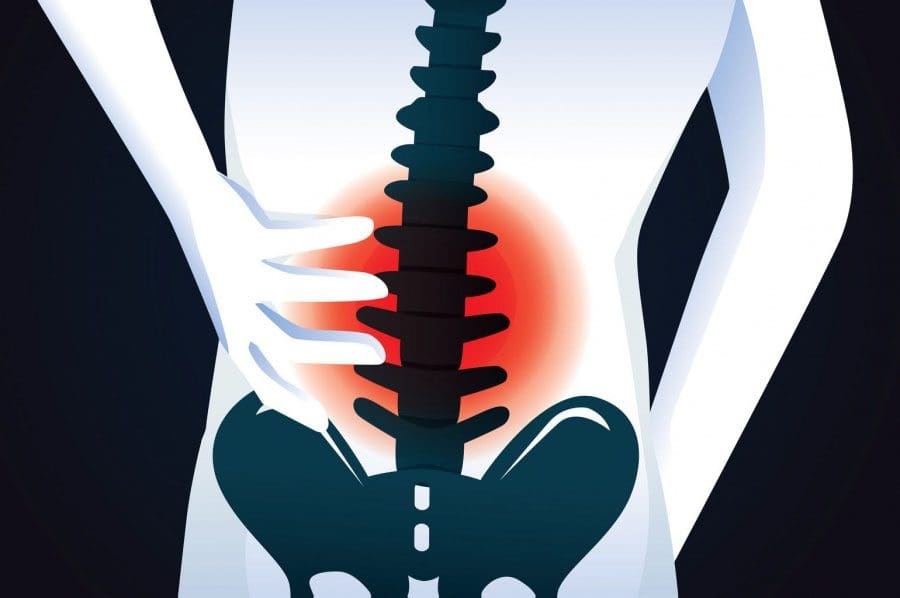
When a machine isn’t working correctly because the mechanism’s parts have slipped, shifted, become loose, and are on the verge of breaking down, an expert/professional is called in to repair the damaged parts. The same can be said of the spine. From all the movement at home, work, shopping, activities the spine also compresses and falls out of place becoming misaligned. That’s when individuals need to call a chiropractor to repair/realign the spine. The spine is an integral component of the body’s functionality and health. This includes:
For the spine to operate at its best proper alignment is necessary. The spine is impacted by everyday activities that shift, jolt, bounce, and stress the spine. Exacerbating the regular wear and tear includes:
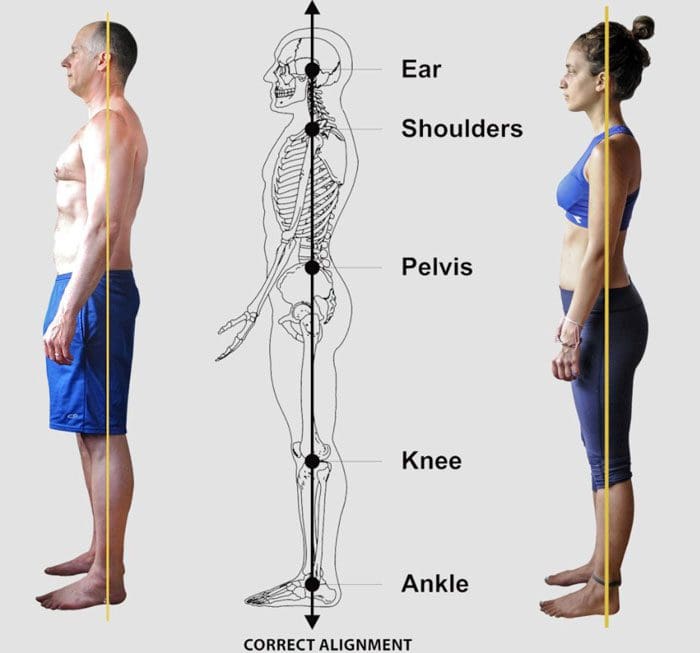
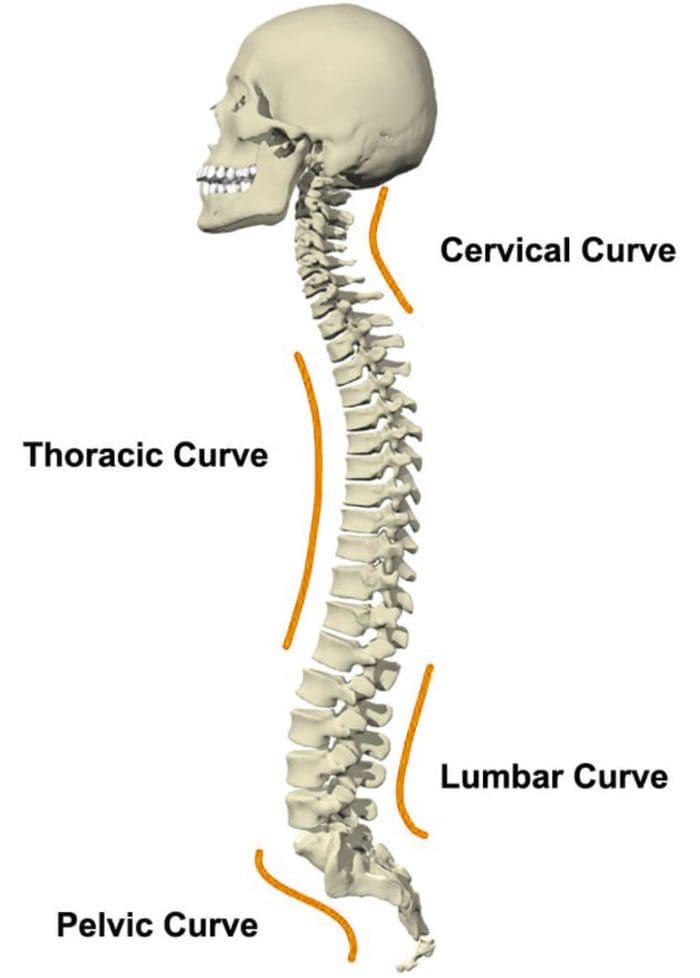
The head, shoulders, and spinal curves align from the side in general creating an S shape
Every individual’s spine varies significantly. This is why a professional chiropractic examination, diagnosis, and customized treatment plan will maximize spinal alignment and overall health.
Chiropractors are the Expert Repair Specialists
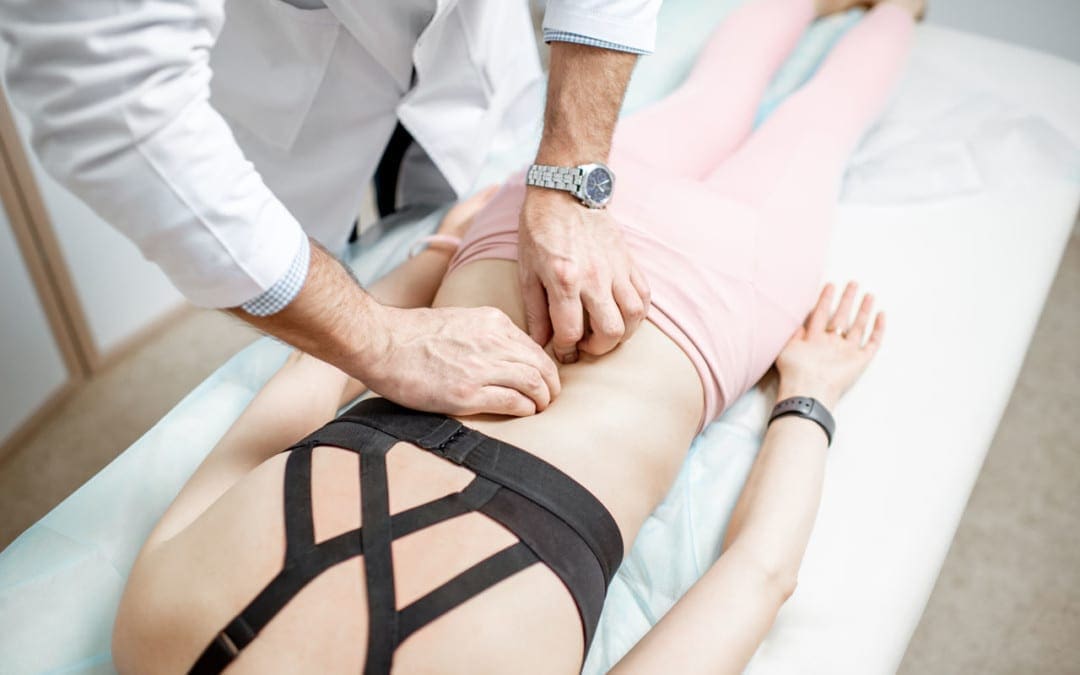
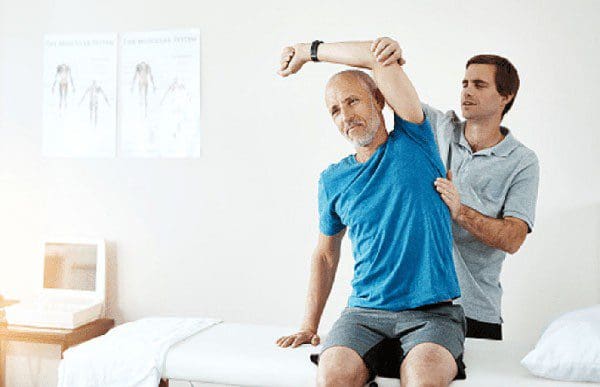
Chiropractors are specially trained at spotting spinal misalignment/s and repair. This is done non-invasively through manual adjustments and mobilization techniques. When the spine is in optimal alignment it will prevent and activate the body’s natural healing abilities. Once spinal alignment is achieved the chiropractor can help maintain proper alignment with exercise, health coaching, lifestyle adjustments, and nutrition to maximize individual health.
Body Composition
A partner, spouse, friend, co-worker, professional for maintaining health
Finding someone to share the highs and lows during an individual’s health journey will significantly help relieve stress and continue to be motivated. It can be a spouse, best friend, coworker, or licensed professional. When an individual vocalizes their thoughts and feelings, they gain confidence in their ability to handle whatever comes their way. This is an individual that will help navigate the negative emotions by listening and providing advice and encouragement.Take some time every week to share successes, failures, goals, etc. Whatever comes to mind to just get it out there so it can be evaluated and broken down into manageable parts. The great thing about sharing is that it can inspire positive changes.
Disclaimer
The information herein is not intended to replace a one-on-one relationship with a qualified health care professional, licensed physician, and is not medical advice. We encourage you to make your own health care decisions based on your research and partnership with a qualified health care professional. Our information scope is limited to chiropractic, musculoskeletal, physical medicines, wellness, sensitive health issues, functional medicine articles, topics, and discussions. We provide and present clinical collaboration with specialists from a wide array of disciplines. Each specialist is governed by their professional scope of practice and their jurisdiction of licensure. We use functional health & wellness protocols to treat and support care for the musculoskeletal system’s injuries or disorders. Our videos, posts, topics, subjects, and insights cover clinical matters, issues, and topics that relate to and support, directly or indirectly, our clinical scope of practice.* Our office has made a reasonable attempt to provide supportive citations and has identified the relevant research study or studies supporting our posts. We provide copies of supporting research studies available to regulatory boards and the public upon request. We understand that we cover matters that require an additional explanation of how it may assist in a particular care plan or treatment protocol; therefore, to further discuss the subject matter above, please feel free to ask Dr. Alex Jimenez or contact us at 915-850-0900.
Dr. Alex Jimenez DC, MSACP, CCST, IFMCP, CIFM, CTG*
email: [email protected]
phone: 915-850-0900
Licensed in Texas & New Mexico
References
Diebo, Bassel G et al. “Sagittal alignment of the spine: What do you need to know?.” Clinical neurology and neurosurgery vol. 139 (2015): 295-301. doi:10.1016/j.clineuro.2015.10.024
Caprara, Sebastiano et al. “Spinal sagittal alignment goals based on statistical modeling and musculoskeletal simulations.” Journal of biomechanics vol. 102 (2020): 109621. doi:10.1016/j.jbiomech.2020.109621
Senzon, Simon A. “The Chiropractic Vertebral Subluxation Part 10: Integrative and Critical Literature From 1996 and 1997.” Journal of chiropractic humanities vol. 25 146-168. 6 Apr. 2019, doi:10.1016/j.echu.2018.10.008
Individuals that have undergone spine surgery or spinal fusion for extreme low back pain caused by degeneration, herniated disks, sciatica, and other injuries could benefit from gentle chiropractic therapy post-surgery. Spinal fusion surgery is one of the last options after non-invasive treatment/s aren’t providing relief like:
Massage
Physical therapy
Chiropractic
Medications
However, many patients still experience pain/discomfort after the surgery and wonder which rehabilitation treatment options are available to them. Is chiropractic care still an option after major spinal surgery? Doctors will warn patients about the risks of receiving chiropractic treatment after surgery. This is true with high-velocity low-amplitude spinal adjustments/manipulation.
But incorporating gentle chiropractic therapy could benefit individuals still experiencing back pain after surgery. However, an individual needs to be adequately healed prior to beginning treatment. At Injury Medical Chiropractic and Functional Wellness Clinic, we regularly consult with patients post-surgery about the effectiveness of spinal rehabilitation therapy.
After the surgery wait time
Spinal fusion surgeryremoves the discs between two or more vertebrae and fuses the bones together with screws and plates. The objective is to correct conditions like herniated discs and degenerative disc disease by immobilizing the spine in that area. It can take three months for the vertebrae to fuse together and create a complete immobilized graft. Once the graft is complete, physical therapy is brought in to strengthen the muscles around the graft. Patients are told to avoid any twisting and bending motions, or the graft could break.
How gentle chiropractic therapy can help
Spinal fusion surgery is not guaranteed to cure the problem causing an individual’s back pain. Gentle chiropractic therapy can help by therapeutically massaging the area/s keeping the muscles loose and flexible. Gentle manipulations are utilized to adjust or realign bones in the spine and other areas of the body. Because chiropractic treatment can involve intricate spinal manipulations, many individuals that have undergone back surgery can be hesitant to consider chiropractic treatment.
Discuss the possibility of receiving chiropractic therapy with a physician to determine whether the surgical graft is strong enough to withstand gentle spinal manipulations. A patient post-surgery is at greater risk of injury if they are not healed correctly before receiving chiropractic treatment. If the graft is adequately healed and a physician feels that the body is strong enough to endure mild spinal manipulations, reach out to a chiropractor to discuss treatment options.
Body Composition Clinic
Benefits of a cheat day
Cheat days can be a highly useful tool to help motivate sticking to a diet plan. Cheat days can help build a positive relationship with food. The goal is to see one’s favorite dessert/comfort food as a reward and not a coping mechanism. However, cheat days not a license to binge eat.
Binge eating can lead to eating-related issues and hurt an individual’s ability to self-regulate. Binge eating does not boost the body’s metabolism, but it can have the opposite effect. After a binge, the body’s system is overloaded with a rush of calories, sugar, and fat. In addition to causing hormone and energy levels to fluctuate, the excess of calories promotes:
Fat storage
Inflammation
Digestive discomfort
Bloating
Constipation
Cheat day frequency
Ultimately, cheat days depend on how well an individual self-regulates and what their short and long-term goals are. However, it can become very easy for a cheat day to become a cheat weekend, to a cheat week, and so on. Next thing an individual is back to old unhealthy eating habits. The objective is to understand what helps maintain motivation and develop a sustainable, long-term plan.
Dr. Alex Jimenez�s Blog Post Disclaimer
The scope of our information is limited to chiropractic, musculoskeletal, physical medicines, wellness, and sensitive health issues and/or functional medicine articles, topics, and discussions. We use functional health & wellness protocols to treat and support care for injuries or disorders of the musculoskeletal system. Our posts, topics, subjects, and insights cover clinical matters, issues, and topics that relate and support directly or indirectly our clinical scope of practice.*
Our office has made a reasonable attempt to provide supportive citations and has identified the relevant research study or studies supporting our posts. We also make copies of supporting research studies available to the board and or the public upon request. We understand that we cover matters that require an additional explanation as to how it may assist in a particular care plan or treatment protocol; therefore, to further discuss the subject matter above, please feel free to ask Dr. Alex Jimenez or contact us at 915-850-0900. The provider(s) Licensed in Texas& New Mexico*
References
Perrucci, Rachel M, and Christopher M Coulis. �Chiropractic management of post-spinal cord stimulator spine pain: a case report.� Chiropractic & manual therapies�vol. 25 5. 6 Feb. 2017, doi:10.1186/s12998-017-0136-0
Fernandez, Matthew et al. �Surgery or physical activity in the management of sciatica: a systematic review and meta-analysis.� The European spine journal: official publication of the European Spine Society, the European Spinal Deformity Society, and the European Section of the Cervical Spine Research Society�vol. 25,11 (2016): 3495-3512. doi:10.1007/s00586-015-4148-y
O’Shaughnessy, Julie et al. �Chiropractic management of patients post-disc arthroplasty: eight case reports.��Chiropractic & osteopathy�vol. 18 7. 21 Apr. 2010, doi:10.1186/1746-1340-18-7
Scar tissue if left untreated/unmanaged could lead to mobility and chronic pain issues. Individuals that are recovering from a traumatic injury often have issues brought on from scar tissue. Scar tissue build-up is part of the healing process but in some cases, the tissue build-up can create another set of health issues. Restricted mobility and range of motion and lack of flexibility can worsen over time.
Chiropractors are taught to consider the presence of scar tissue when performing adjustments. This is especially true for patients recovering from a traumatic injury. If left untreated it could affect:
Recovery progress
Treatment approaches
The capability of the individual to handle the treatment
The planning and execution for a chiropractic recovery strategy
Scar Tissue Breakdown
Scar tissue can be broken up, managed, and kept loose/relaxed through various chiropractic/physical therapy techniques, stretches, exercises, and diet adjustments. Breaking up scar tissue and keeping it relaxed is necessary to restore full movement and range of motion. A certain degree of scar tissue will remain to mark the wound, but the pliability and softness of these tissues can be treated. Chiropractors can implement several techniques to break down scar tissue.
Graston Technique
The Graston technique uses instrumentation for addressing scarring in soft-tissue areas like the legs, neck, and lower back. A chiropractor targets the thicker scar tissue areas gently breaking them down.
Instrument Adjustment
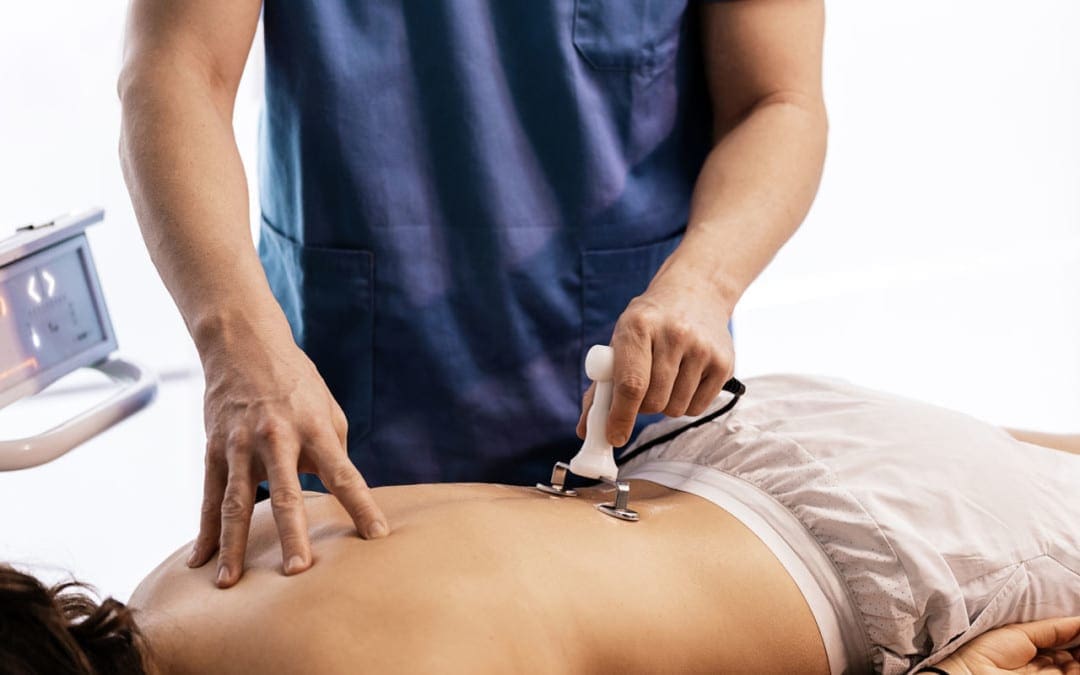
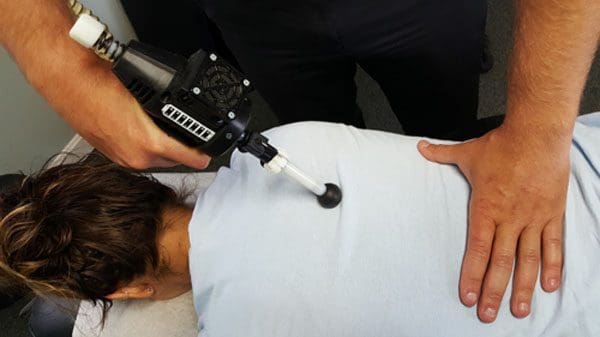
Using a pulsating instrument, chiropractors can target specific areas of scar tissue buildup. The instrument massages the areas to improve flexibility and reduce stress in the tissue.
Assisted Manipulation
The assisted manipulation technique soothes the area before performing manual adjustments. A chiropractor could use light oil for heat, transcutaneous electrical nerve stimulation to loosen tension, or numbing gel/cream to soften any sensitivity.
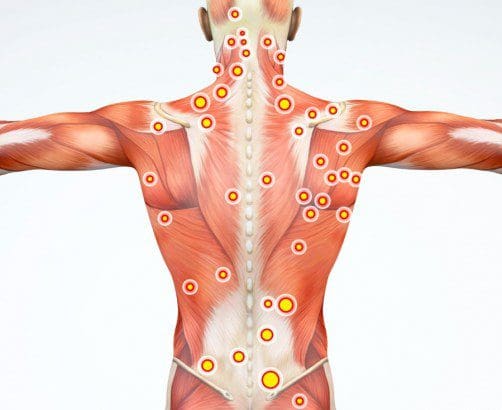
Trigger point therapy
This therapy focuses on heavily scarred tissue areas, where there is substantial buildup. A chiropractor breaks down the scar tissue while continually testing the motion.
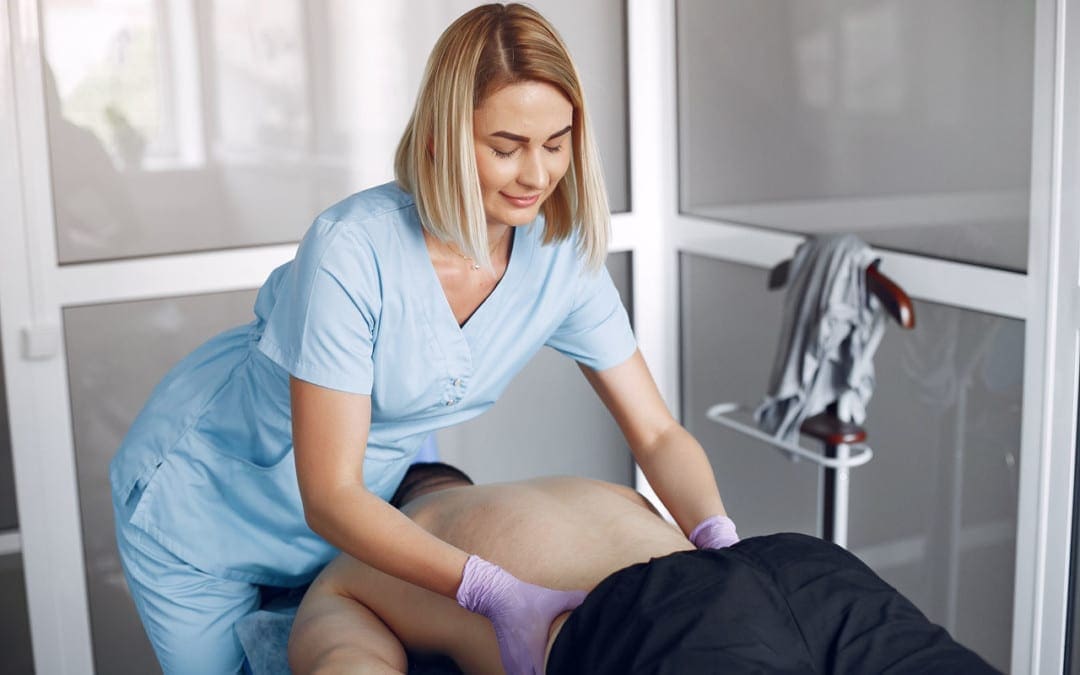
Therapeutic massage
Therapeutic massage is necessary with widespread scar tissue. It improves blood flow and gently stimulates scar tissue to improve movement and alleviate pain. These techniques and how they are applied depending on the individual and the amount of tissue build-up. For example, certain techniques work better for different situations like:
The Graston technique could help after surgery
Trigger point therapy can help when muscle spasms, and knots present
Therapeutic massage could be best suited for soft tissue scarrings, like whiplash or muscle strains
Adjustment Attention
Recent injuries that produce scar tissue can usually be felt while a chiropractor palpates the area, while radiological imaging shows scar tissue from past injuries. A chiropractor will take note of these areas when developing a treatment plan. Severe scar tissue will need special focus, which could mean a longer recovery. This is because the body could take longer to adjust to the adjustments being made. A thorough consultation and investigation will be performed/examined before any adjustments begin.
Chiropractic Massage Rehabilitation
References
Shin, Thuzar M, and Jeremy S Bordeaux. The role of massage in scar management: a literature review. Dermatologic surgery: official publication for American Society for Dermatologic Surgery [et al.] vol. 38,3 (2012): 414-23. doi:10.1111/j.1524-4725.2011.02201.x
Massage therapists have come a long way in reducing pain and improving wellness. Back pain is one of the most common reasons people seek physical therapy, chiropractic care, and massage therapy. Back pain affects around three in four adults at some point in their lives. Research supports that massage is a bona fide back pain treatment option. This could be welcome news to those who prefer not to use medications or invasive approaches to managing back pain. The right massage therapists can make all the difference in achieving the benefits.
Massage goals
The first thing is to figure out what the goals are from the massage itself.
Are there acute back or neck issues that need to be addressed?
Looking for non-invasive therapy for long-term management of a chronic spinal condition?
Is the massage for performance enhancement? Could be athletic or to help perform daily activities easier.
Is it just wanting to relax?
Figuring out what it is to be achieved from the massage is essential to finding the right therapist.
Massage clinic, spa, health club, home
A massage can be performed in health clubs, spas, medical clinics, and at home. The location does not predict the massage type or specialty of the massage therapists, but it can be an indicator. Example: For athletic performance, a gym, or Crossfit center massage therapist is a good place to start. If massage is part of a back and neck pain management plan, look into the massage therapists at a medical clinic or a therapeutic massage clinic.
Ask for recommendations and ask questions
When searching, get recommendations, and ask plenty of questions to get all the information needed.
After a few prospects have been found then ask plenty of questions before making an appointment. This can help determine if this will be a long-term therapeutic relationship or a one-time visit. If looking to manage a serious spinal condition, the recommendation would be to find a therapist with more experience.
Massage education programs that are only entry-level do not provide in-depth education and practice for the many specific and complex spinal conditions. The real experience comes from years of practice along with continued education. This is how massage therapists are able to expand their clinical analysis and treatment development expertise. Get a sense of the massage therapist�s education and practice experience. This will help significantly when choosing a therapist best equipped.
Questions to ask potential therapists:
How long have you been practicing?
What�s your massage education?
Related education or practice experience? Many nurses or occupational therapists go on to become massage therapists. This means the information and knowledge from their nursing are now integrated into their massage practice.
How much-continued education have you gone through?
How many sessions do you offer?
What does the schedule look like? Think about scheduling when the therapist is more refreshed, like early in the workweek or their scheduled shift.
Do you have specialties with specific conditions or techniques?
Do you get massaged? If so, how often? Massage is a labor-intensive task. Therefore, it could be best to go to a therapist that keeps themselves healthy and balanced.
How long does it take for the initial appointment?
Do you have to book ahead?
If a therapist is booked don’t get frustrated
If a long-term therapeutic relationship for the management of a spinal condition is the goal, then it may be worth waiting for. A therapist that has a long wait time for initial appointments means they have patients that see them regularly and that�s a very good sign of quality care. One possible option for individuals waiting for their appointment is to go to a local massage school to get treated. This option is less expensive, great for body maintenance, and provides opportunities for the training therapists.
Professionalism
A quality indicator is the professionalism of the therapist. This includes the extent to which they model the values of a health care professional valued by the patient. This is different for everyone. Questions to consider:
Are they on time?
Does the therapist cancel appointments?
Are you comfortable around them?
Do they listen?
Does the patient help in the development of a treatment plan?
Are they comfortable and engaged in the work?
Are they taking their massage career seriously?
Feeling at ease during the appointment/s is very important to massage success and relief. If anything about the therapist causes hesitation, look for another.
Massage Management
Massage is an excellent back pain treatment option that has gained popularity as a complement to pain management plans and as an alternative to invasive procedures. But, massage is not a cure-all. Often the cause of the back pain does not go away entirely. This is where massage therapy comes in as a pain management tool.
It’s important to consider the condition�s duration and severity when evaluating the success of a session. This helps in planning the massage schedule. When there is a complex and established spinal condition be patient, as a 1-hour massage is not going to solve a 10-year back pain battle. However, with perseverance massage can safely and effectively help reduce pain and promote a better quality of life.
Chiropractic Massage Rehabilitation
Dr. Alex Jimenez�s Blog Post Disclaimer
The scope of our information is limited to chiropractic, musculoskeletal, physical medicines, wellness, and sensitive health issues and/or functional medicine articles, topics, and discussions. We use functional health & wellness protocols to treat and support care for injuries or disorders of the musculoskeletal system. Our posts, topics, subjects, and insights cover clinical matters, issues, and topics that relate and support directly or indirectly our clinical scope of practice.*
Our office has made a reasonable attempt to provide supportive citations and has identified the relevant research study or studies supporting our posts. We also make copies of supporting research studies available to the board and or the public upon request. We understand that we cover matters that require an additional explanation as to how it may assist in a particular care plan or treatment protocol; therefore, to further discuss the subject matter above, please feel free to ask Dr. Alex Jimenez or contact us at 915-850-0900. The provider(s) Licensed in Texas& New Mexico*
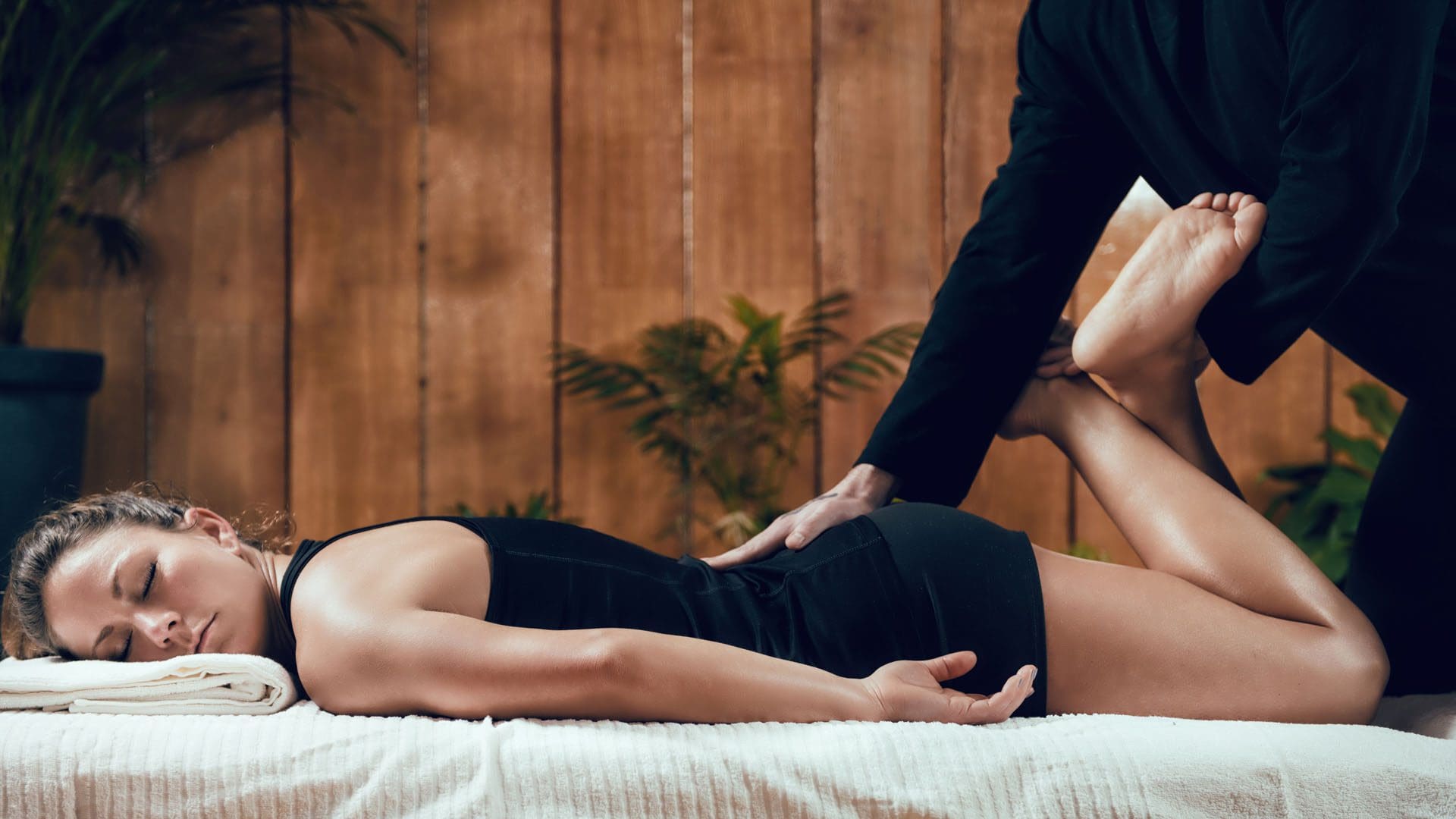
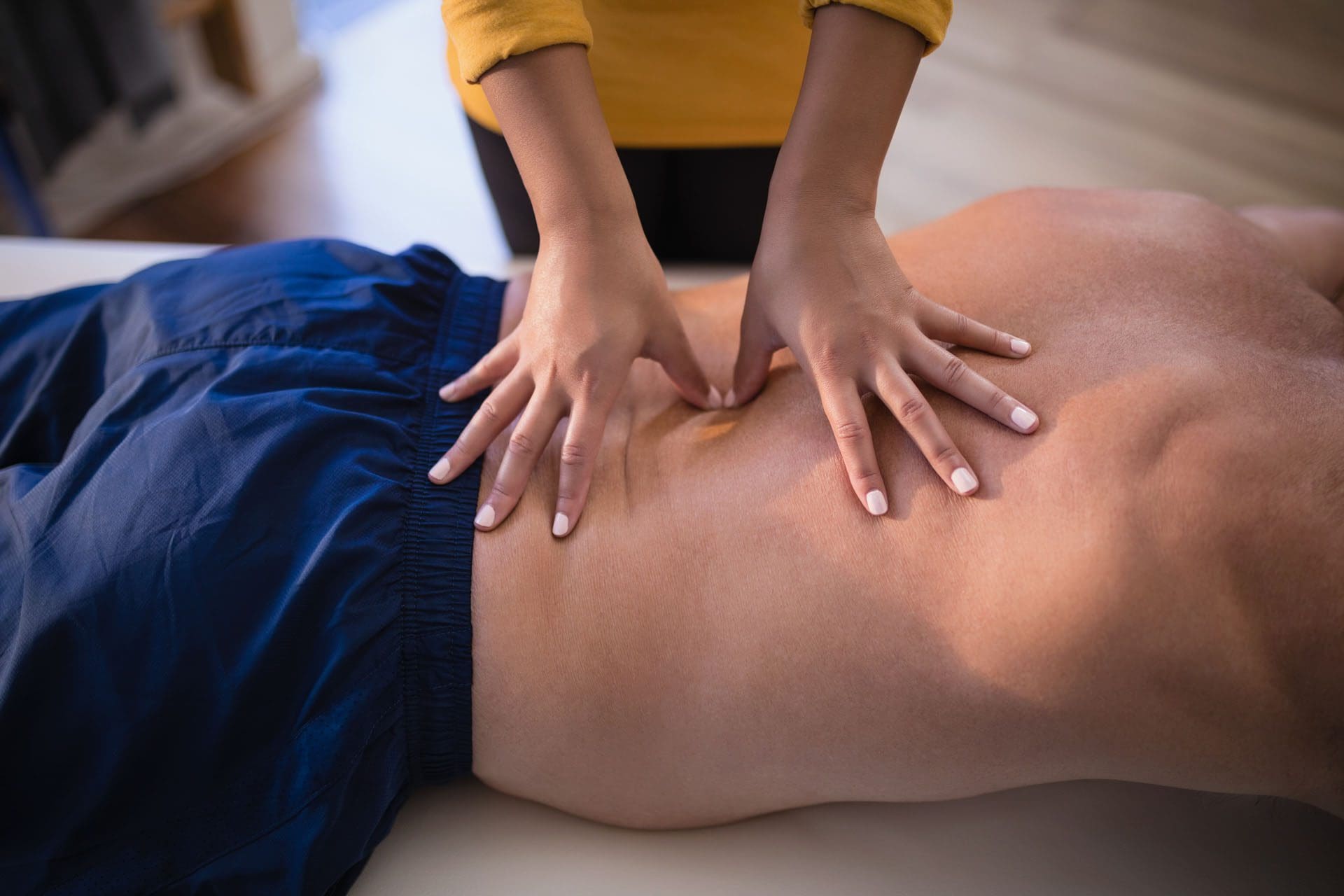
Massage therapeutics is not about the candles, aromatherapy, and the spa. Although those items can be beneficial for relaxation etc, the massage part of the therapy is just that. An intense manual manipulation of the body’s tissues. Made to work out/relax tight, knotted, spasmed, and inflamed muscles, ligaments, and tendons back to a normal and relaxed function. This can be caused by injury, stress, awkward motion/s, etc. Research done by the American Massage Therapy Association shows that 50% of individuals asked for a therapeutic massage for musculoskeletal/stress issues. �
�
�
More physicians, specialists, and surgeons are recognizing the health benefits that massage therapeutics can bring and are sending their patients to certified/licensed massage therapists for treatment. There is now a high demand for massage therapists with the career possibilities being one of the strongest in the health care industry. Massage therapy is the manual manipulation of muscles and soft tissues including:
Connective tissues
Ligaments
Tendons
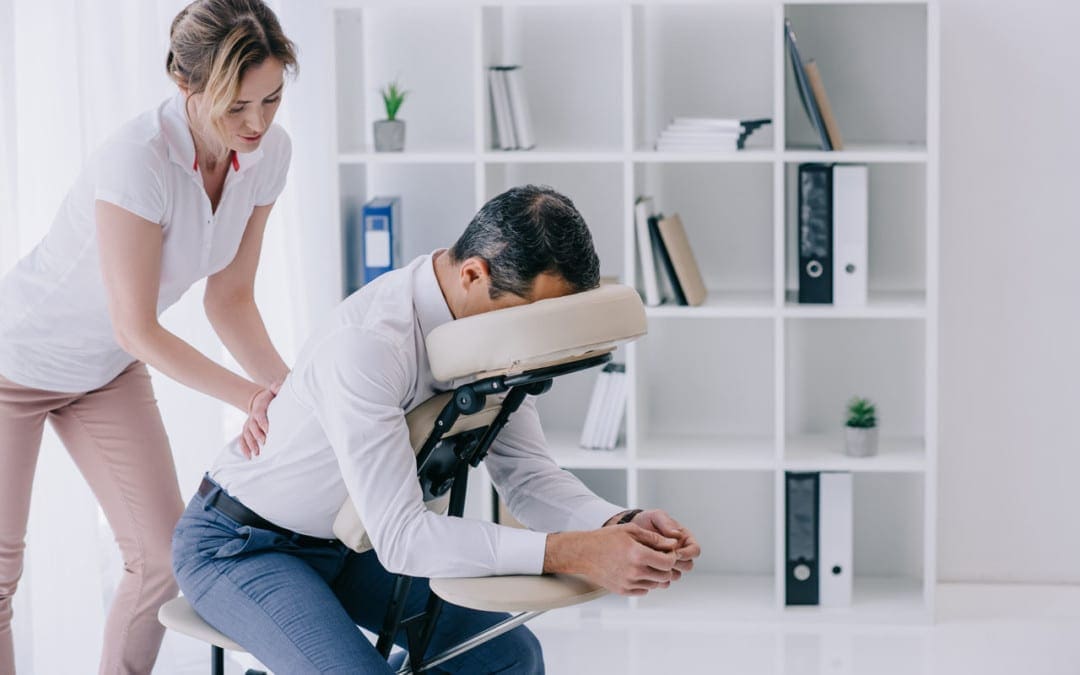
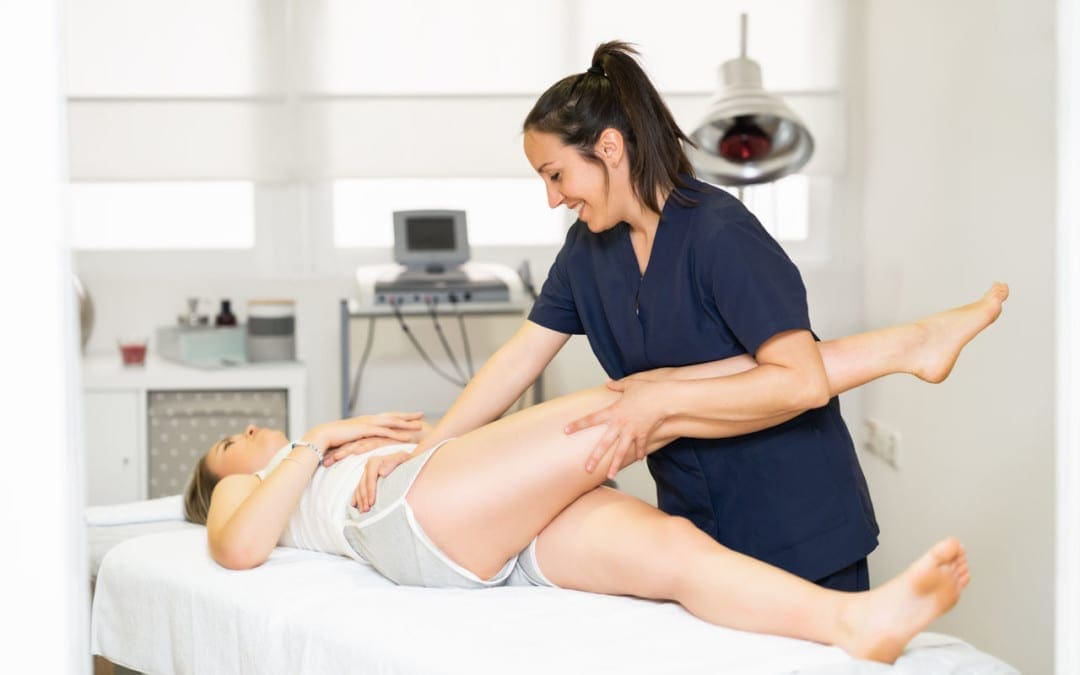
This is all done with the focus of improving an individual’s health and overall well-being. Licensed certified massage therapists are highly-trained and highly-versed in anatomy and physiology. Many often work with chiropractors preparing patients for the chiropractic adjustment/s by loosening up the muscles/tissues, thenafter with a light massage to ease the soreness of the adjustment and if necessary with continued visits with a mild to intense massage session to keep the areas loose and mobile.
Massage therapeutics effectively treats several medical conditions, sports injuries, automobile accident injuries, personal injuries, and helps prevent health problems connected with stress. Research shows that these medical conditions can be significantly improved or even healed with massage therapeutics. �
�
Fitness
Top professional and weekend warrior athletes can benefit from massage therapeutics. Massage has been shown to help:
Reduce muscle tension
Improve exercise performance
Prevent injuries
�
Low Back Pain
The guidelines for treating chronic back pain. Now the suggested guidelines state that alternative treatments/therapies like massage, chiropractic, physical therapy, and acupuncture should be utilized before prescription medication, which is now the last resort, is implemented. �
�
Headaches
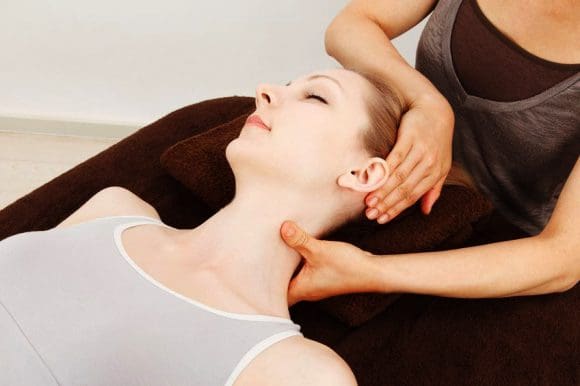
Head and neck massage reduces chronic tension headaches, along with the stress that often comes with headaches. �
�
Compromised Immune System Function
Myofascial massage has been shown to improve the nervous system, which is crucial to a healthy immune system. Through massage which increases blood circulation helps to increase the activity of T cells, which recognize and destroy cells that are infected with viruses. Stress reduction has been found to be a universally recognized benefit of massage therapeutics, and can also strengthen the immune system. �
�
Blood Pressure
Improved blood flow with massage therapeutics can also bring blood pressure down and elevates heart health. �
�
Fibromyalgia
Currently, there is no cure for fibromyalgia, but studies are showing a definite connection for those that receive myofascial massage therapeutics and improved quality of life. Reduced pain and anxiety, and quality sleep were has been experienced by individuals getting regular massage therapy. �
�
Cancer Pain
A common symptom for individuals battling cancer is pain, which can be mild to severe. Used in conjunction with other pain management techniques recommended by doctors, massage therapeutics have been shown to reduce pain along with anxiety symptoms.
�
PTSD
Those with post-traumatic stress disorder can benefit from massage therapy. Massage can help reduce:
Anxiety
Stress
Depression
Pain associated with trauma/images/memories
Massage is often recommended as a companion for PTSD psychotherapy. Therapists are well established at many medical clinics and hospitals. With the opioid epidemic, the need for safe, natural, and effective pain therapy, then massage therapists can definitely help out. �
�
Chiropractic Care Massage Therapy
Dr. Alex Jimenez�s Blog Post Disclaimer
The scope of our information is limited to chiropractic, musculoskeletal, physical medicines, wellness, and sensitive health issues and/or functional medicine articles, topics, and discussions. We use functional health & wellness protocols to treat and support care for injuries or disorders of the musculoskeletal system. Our posts, topics, subjects, and insights cover clinical matters, issues, and topics that relate and support directly or indirectly our clinical scope of practice.*
Our office has made a reasonable attempt to provide supportive citations and has identified the relevant research study or studies supporting our posts. We also make copies of supporting research studies available to the board and or the public upon request. We understand that we cover matters that require an additional explanation as to how it may assist in a particular care plan or treatment protocol; therefore, to further discuss the subject matter above, please feel free to ask Dr. Alex Jimenez or contact us at 915-850-0900. The provider(s) Licensed in Texas& New Mexico*
Chiropractor, Dr. Alex Jimenez shares some how-to advice on taking hot baths for back tension and pain. A bath can be a wonderful and fulfilling experience in self-care for back pain. There are medical benefits from taking a hot bath, as well. A hot bath can be extremely helpful when it comes to back pain.
Dr. Jimenez helps his patients with spinal ailments and conditions that range from arthritis, degenerative disc disease to nerve compression, sciatica, auto accident injuries, sports injuries, etc. In addition to chiropractic, physical therapy, diet, and exercise, he has also seen the power of home remedies, like a hot bath.
There are scientific studies that have shown how hydrotherapy can relieve back pain. Dr. Jimenez describes a hot bath as a muscle-relaxing stimulus. It opens up the muscles, which allows more blood to flow through, which in turn helps to heal injury/s, tightness, and soreness. It helps to clean out lactic acid, which is known to cause muscle pain, fatigue, and muscle cramps.
Here is what usually happens to the spine when soreness, tightness, aching, and pain present. A spinal structure like a nerve, disc, vertebral bone, or other tissue is injured or on the verge of injury, and the muscles around it contract closely in to prevent more damage.
This is called muscle spasm. Don’t worry the body is supposed to respond this way, as it means the damaged tissue is less likely to sustain further injury. However, muscle spasms can be painful. Much like a Charley horse, a back spasm can have the same effect.
For example, someone standing or working for an extended period places the muscle/s under constant tension, which means they have a higher chance of having a spasm and developing painful symptoms. A hot bath relaxes the muscle/s and reduces/removes the aching soreness and pain. Here are some tips to help relax the back muscles. �
Try Epsom Salt
Taking a bath with Epsom salt or minerals that dissolve in water can be helpful, but are not necessary. Many are fantastic skin relaxants, but if you have a hot bath with or without the salt, it�s not going to make a huge difference. What makes the bath work is the heat and the floatation. This what creates the benefits.
Soak 15-20 Minutes
It is really up to the individual, as to how long they want to stay in the tub. One question to ask is how long can you take sitting in hot water? Hot tubs are normally heated to about 102 to 103 degrees. With these types of tubs, individuals can sit for a half-hour or more. However, most of us do not have a jacuzzi, so remember that a regular bath will be warmer possibly 105 or 106 degrees. It all depends on how long you can take the heat. �
� Remember not to scald yourself with a bath that is way too hot to soak in, please. It�s ok to get the water running hot, but as it fills turn the heat down and let it cool slightly before stepping in. Most individuals don�t need more than 15 to 20 minutes of soaking time maximum.
As for how often one should take a hot bath, Dr. Jimenez explains that it depends on the severity of the back pain and what type of work and activities the individual does. For most three times a week offers a balanced therapy. If an individual has a strenuous physical job like construction work, manual lifting, standing work, or doing highly repetitive work then they�ll need to do more than 3 times a week.
Strengthen the Body’s Core
A strong core can support and protect the spine, along with the rest of the body. Squeezing and contracting the back, side, and front muscles make the core strong and robust. It behaves like a steel beam supporting the spine when added protection is needed.
Stretch Out
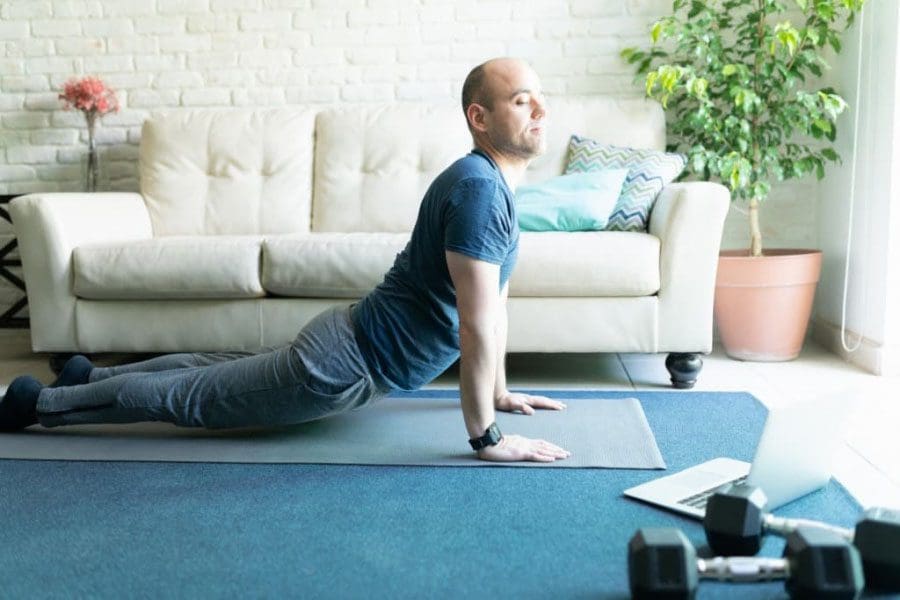
After a hot bath is a perfect time to stretch. Toe touches can loosen tight hamstrings that can strain the lower back. Also, try out yoga’s upward-facing dog pose. Sun salutationscan help the spine go through a wide range of motion. Therefore do them slowly and hold each pose for a few breaths. A long salutation or two can feel tremendous when the spine is nice and relaxed.
Take Care When Getting Out
Hot baths might not be a good idea or the right option for certain people. If there is instability in your spine and the vertebra move around more than they are supposed to then a hot bath might not be the best option. Instead, a hot shower with a massage setting could be equivalent to taking a hot bath.
However, if a hot bath is not helping with back pain it could be a sign of something more than muscle tightness or a muscle spasm. A spine specialist or chiropractor can give you a proper diagnosis.
Pregnancy back pain is very common. At least 50 percent of pregnant women and up to 80 percent will experience back pain at some point during their pregnancy. This is completely natural from the added weight of the baby. However, combined with all the other issues that arise during pregnancy ranging from:
Mood swings
Morning sickness
Fatigue
Urinary issues
Lower back pain
This can cause uncomfortable symptoms and take a serious toll on the body. Severe back pain during pregnancy is rare. We’ll look at why you could develop pregnancy back pain, along with steps and proven ways to feel better.
Back Pain Causes
Pain can occur at any trimester, but it usually arises in the later months as the baby and belly grow. Pain can be mild to severe and usually happens in the lower back. There does not have to be pre-existing back problems.
Pregnancy itself changes the body in ways that can lead to back pain.Example: As the uterus gets heavier, there is the added strain placed on the back muscles. This can alter proper posture and cause discomfort/pain. Pregnancy changes the center of gravity and accentuates the spine’s curve in the lower back. When the abdominal muscles and core are weak and not strong enough, the changes of the curvature worsen since it is these muscles that stabilize the back.
When pregnant, the body releases a hormone called relaxin that loosens ligaments, which is the tissue that connects the bones to each other inside the pelvis. The ligament loosening can affect back support and be a cause for pain. Other reasons women experience pregnancy back pain include:
Stress
Poor posture
Standing for too long
Injury
Trauma
Tips for Relief
There are ways to ease pregnancy back pain without medical intervention. Here’s how:
Pay Attention to Posture
When standing up, make sure to stand straight with the shoulders held back. If you must remain standing for a long time, elevate one foot on a box, chair, or stool to relieve the pressure on the spine. Try to avoid standing for long periods. Remember to take regular breaks and get off your feet. Maintain proper posture when sitting, as well.
Utilize an Ergonomic Chair
Both at home and at work that offers plenty of support for the back. Also, a small cushion or pillow placed behind the lower back, along with a stool or footrest for elevating the feet can be highly beneficial.
Proper Lifting
Of course, do not lift heavy objects, and avoid bending at the waist to pick up items off the floor. Instead squat, bend the knees, and lift with the legs, not with the back.
Exercise
The best time to start an exercise regiment is before conception. Regular physical activity/exercise can help prevent and ease back pain, along with all of the other benefits.
Doing simple exercises before getting pregnant can improve core strength, which can go a long way. Try to get as close as possible to a healthy weight before getting pregnant. This has the added benefit of reducing pregnancy risks and cesarean delivery.
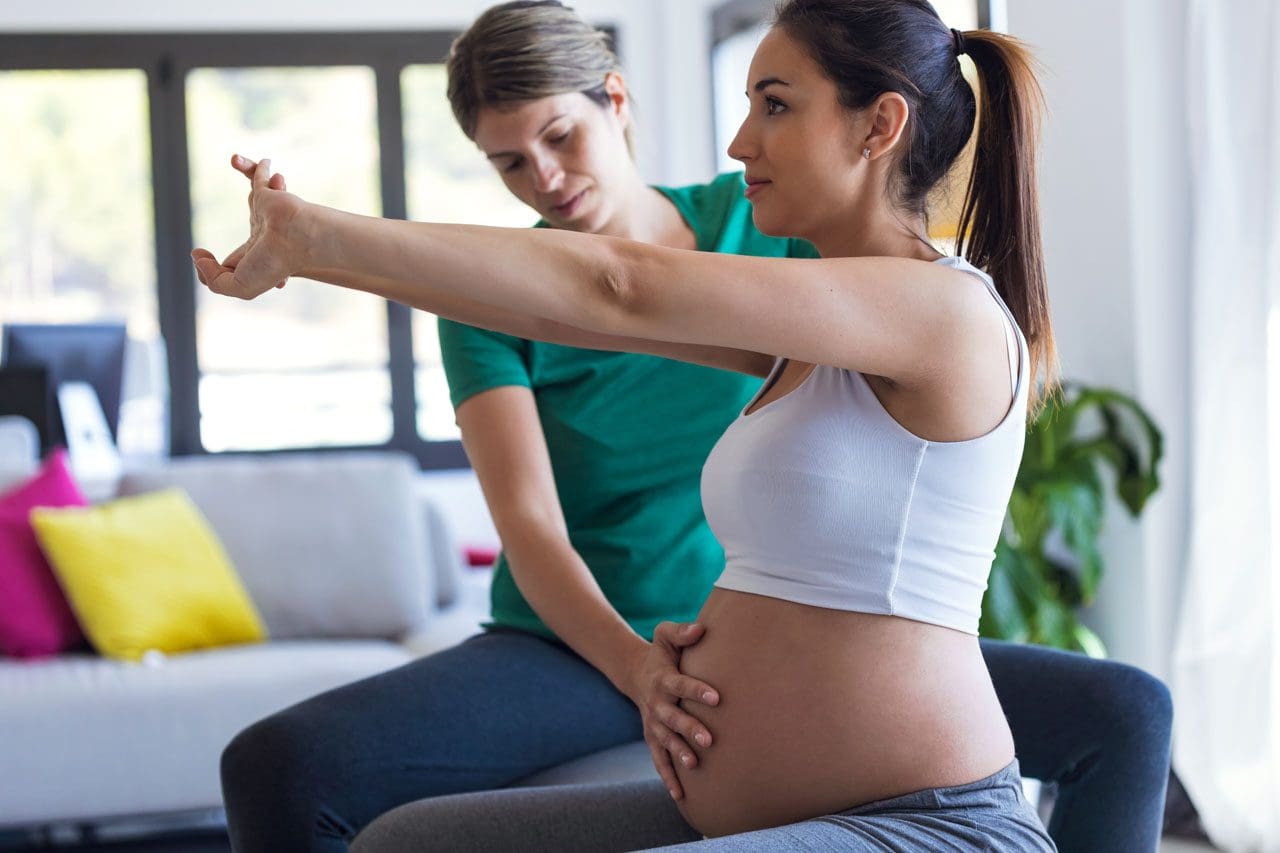
Once pregnant, mild or moderate exercise can help get a handle on back pain and prep the body for childbirth. Gentle workouts are the way to go. These will strengthen the back, core, and leg muscles. Recommended for pregnant women are:
Walking
Swimming
Prenatal yoga
Stretches
Ask your provider which exercises, stretches are best for you. Remember movement is far better than resting too much. Also, working with a physical therapist or chiropractor in back strength will help immensely.
Exercise Clothes
Wear comfortable, spine supportive shoes. High heels should be removed altogether and take caution with flats, as these can and do often lack arch support. Shoe inserts/orthotics can help.
Maternity support belts for back pain relief can also be an added tool. Currently, there is not a great deal of scientific proof that they work. But many women swear by them when they were pregnant.
Sleep Adjustments
Try sleeping on one side with the knees bent, along with a pillow between the knees or under the abdomen. Another possibility is using a firmer mattress. This can support the back better than a soft sinking mattress. If a firm mattress is not possible, consider placing a stiff board under the mattress for added firmness.
Take naps, making sure to get the proper sleep that the body needs. This is especially true as the later weeks of pregnancy approach. This is easier said than done, but a warm bath can help the body relax before bed.
Complementary practices
Some women have found alternative medical approaches like acupuncture and prenatal massage to be quite helpful in easing pregnancy back pain. Before trying it out talk to your OB/GYN. Once discussed, you can decide if it’s a healthy choice. Make sure the masseuse or alternative practitioner has experience working with pregnant women.
Pain Meds
Pregnancy back pain is a leading cause of opioid prescriptions. When it comes to medication, a critical issue is a potential for opioid abuse. There are some over-the-counter meds that can help ease back pain.
However, Non-steroidal anti-inflammatory drugs or NSAIDs have been linked to pregnancy complications, and most doctors recommend not using them. Instead, try acetaminophen, which is just as effective and safe during pregnancy. Using hot and cold compresses and pain relief creams/ointments can also help. Pregnant women should always speak with a healthcare provider before starting any medication.
Medical Help for Pregnancy Back Pain
During pregnancy, some back pain is normal. When there is severe pain, sudden pain, or pain that lasts longer than two weeks this could be a sign of a more serious condition. It could be an indication of preterm labor, a urinary tract infection, or kidney stones.
Call a doctor if you experience any of the following:
Accompanied back pain with vaginal bleeding, fever, urinary burning or changein vaginal discharge
Suddenly unable to walk due to pain or weakness
Lose feeling in the back, legs, buttocks, and pelvis
Numbness could be the sign of a compressed nerve
Conclusion
Pregnancy back pain usually fades away once the baby is born, these steps can be taken in the meantime to ease any discomfort. Don’t forget to ask your OB/GYN for recommendations.
IFM's Find A Practitioner tool is the largest referral network in Functional Medicine, created to help patients locate Functional Medicine practitioners anywhere in the world. IFM Certified Practitioners are listed first in the search results, given their extensive education in Functional Medicine