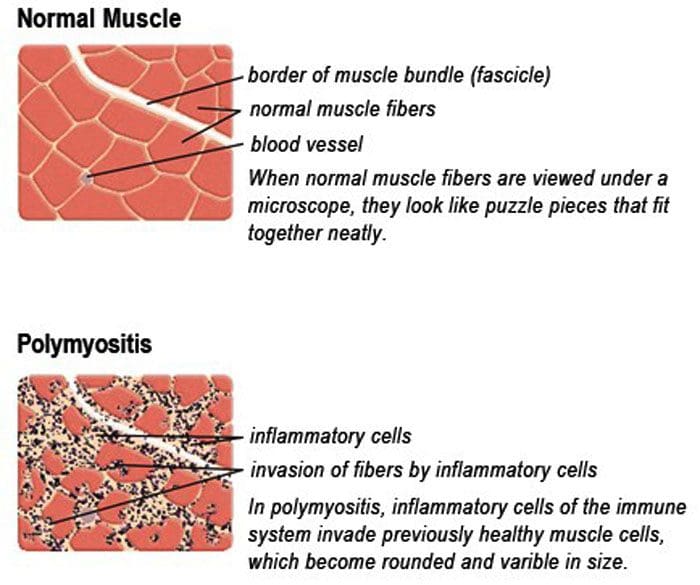
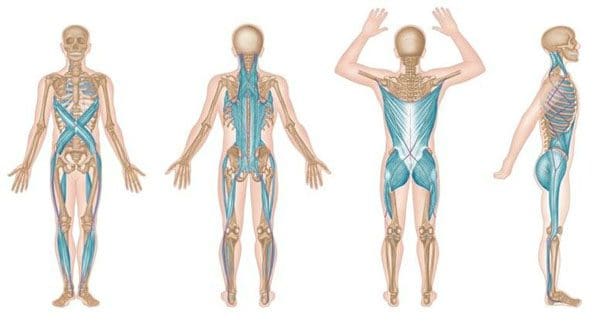
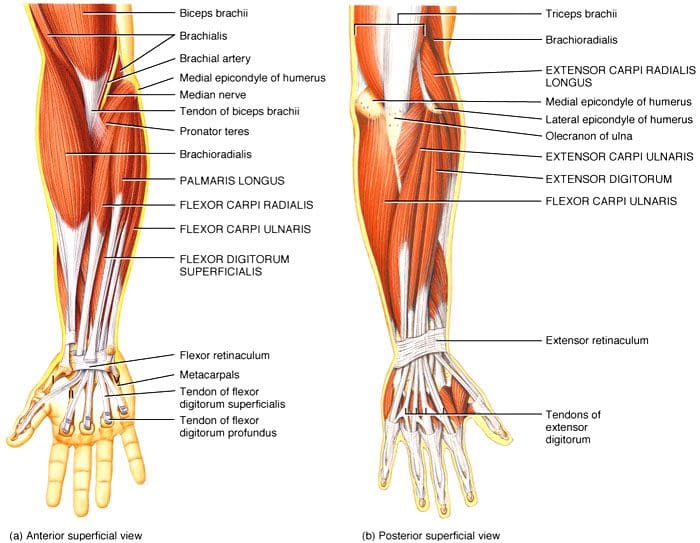
Polymyositis is a disease that causes the body’s muscles to become irritated and inflamed. It can affect the muscles all over the body. The muscles gradually begin to break down and weaken, making everyday movements difficult. This disease falls into a category known as inflammatory myopathies.
Polymyositis Unknown Causation
The causes of polymyositis are currently unknown. However, experts believe it could be associated with or triggered by a virus or an autoimmune reaction. An autoimmune response is when the body attacks itself along with the body’s tissues. It’s seen in individuals ages 31 to 60 and is rarely seen in individuals younger than 18. In some instances, medication can lead to an allergic reaction/response that causes muscle irritation and damage. But in most cases, healthcare experts are not able to find the exact cause.
Symptoms
The condition can affect the muscles all over the body. Physical activities like walking, getting up from a chair, or lifting objects can become difficult to perform. It can also affect the muscles that allow for eating and breathing. The muscles at the center of the body tend to be affected the most. Common symptoms include:
Muscle pain.
Muscle stiffness.
Muscle weakness, specifically in the abdomen, shoulders, upper arms, and hips.
Joint pain and stiffness.
Breathing problems.
Problems swallowing.
Abnormal weight loss can become an issue if there are problems with swallowing.
Irregular heart rhythms if the heart muscle/myocardium becomes inflamed.
Individuals may notice they have trouble climbing stairs or lifting their arms.
The inflammation can worsen, causing pain and weakness that affects the wrists, lower arms, and ankles.
Diagnosis
Diagnosis begins with the individual’s medical history, family medical history if necessary, and a physical examination. The examination includes seeing and feeling the strength of the muscles. Tests will be required that include:
Blood Tests
Blood tests allow the doctor to see if there are signs of muscle inflammation.
They also show if there are abnormal proteins that form in autoimmune diseases.
Electromyogram EMG
This test can be used to find abnormal electrical activity in the affected muscles.
MRI
Magnets and computer graphic imagery are used to help the doctor inspect for inflammation in the body.
Muscle Biopsy
A small piece of muscle tissue is removed to be analyzed with a microscope.
Treatment
Treatment depends on how severe the condition is,individual symptoms, age, and overall health. Currently, there is no cure for polymyositis, but symptoms can be managed. Individuals are recommended to utilize more than one type of treatment because the treatment plan may also need to be changed as treatment progresses. Treatments include:
Anti-inflammatory Medication
Steroid medication can help manage the disease and reduce symptoms, and corticosteroids can help ease inflammation in the body. The symptoms improve within 4 to 6 weeks, and a healthcare provider can lower the dosage after the symptoms decrease to reduce and ease any side effects.
Immunosuppressive Medication
These medications block or slow down the body’s immune system responses.
Talk with a doctor about the risks, benefits, and side effects of all medications.
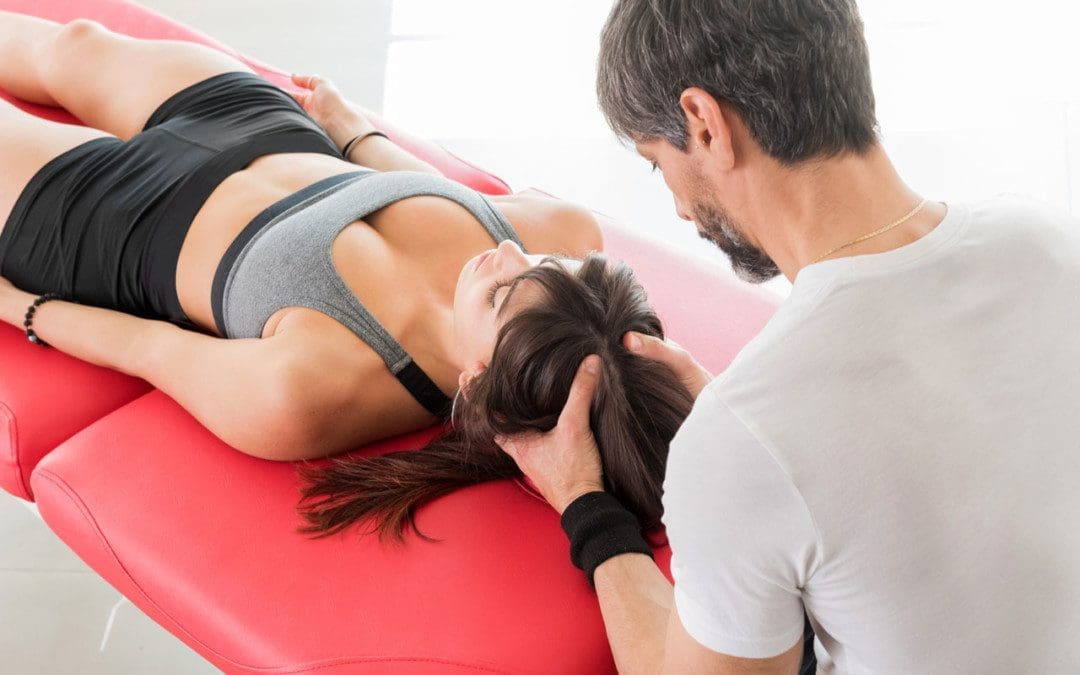
Chiropractic and Physical therapy
Chiropractic treatment and physical therapy can help:
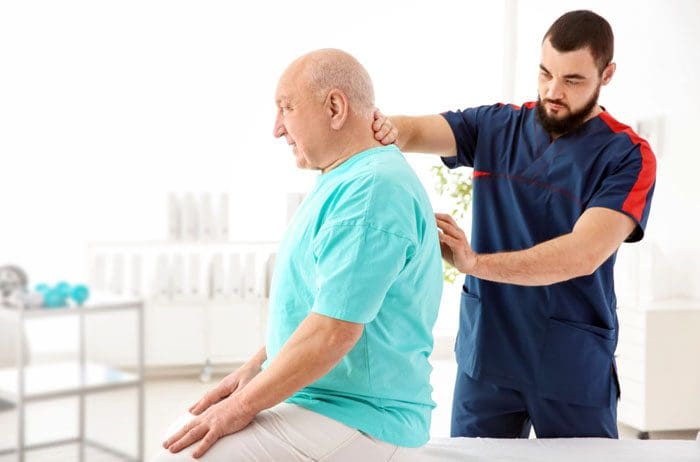
Aligning the spine to provide optimal nerve energy and blood circulation.
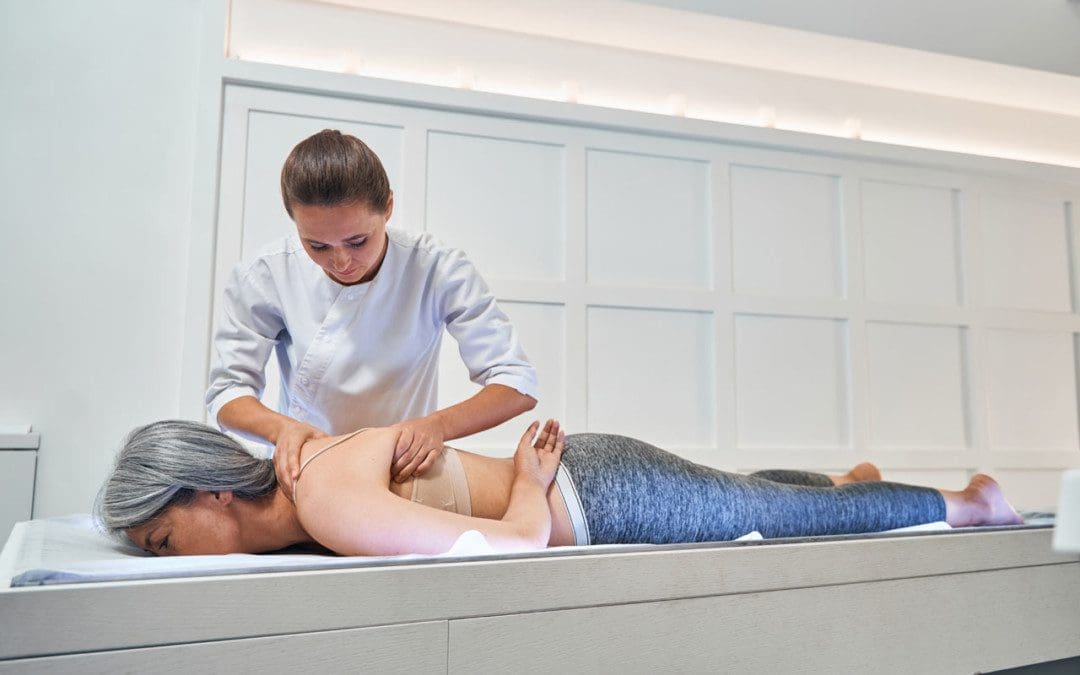
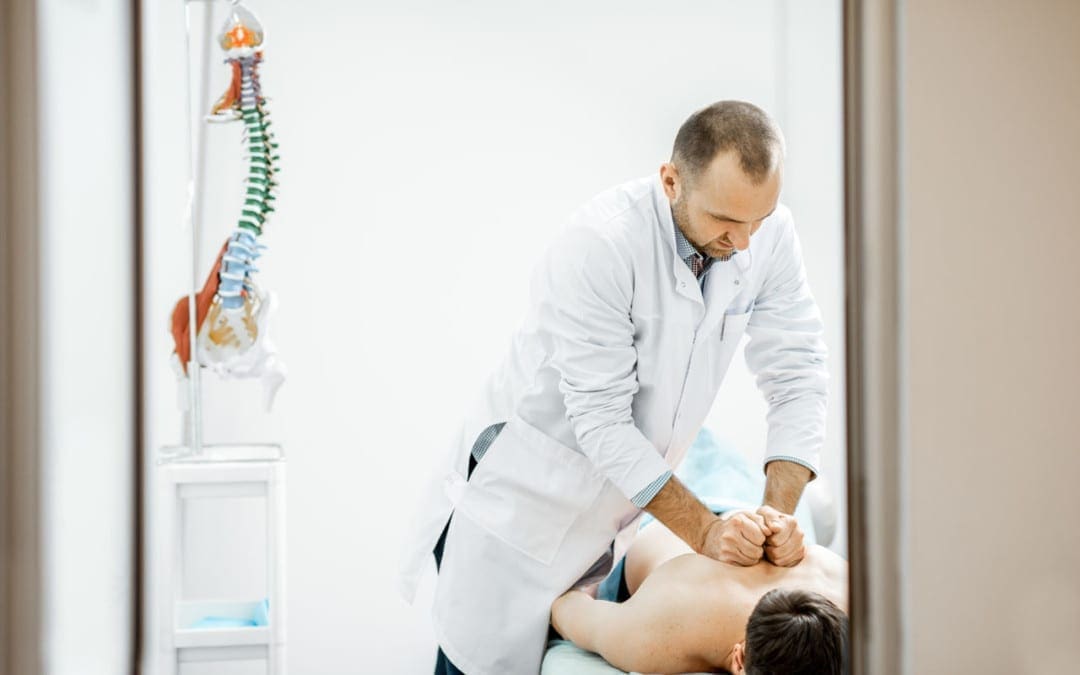
Therapeutic massage to stimulate and keep the muscles loose.
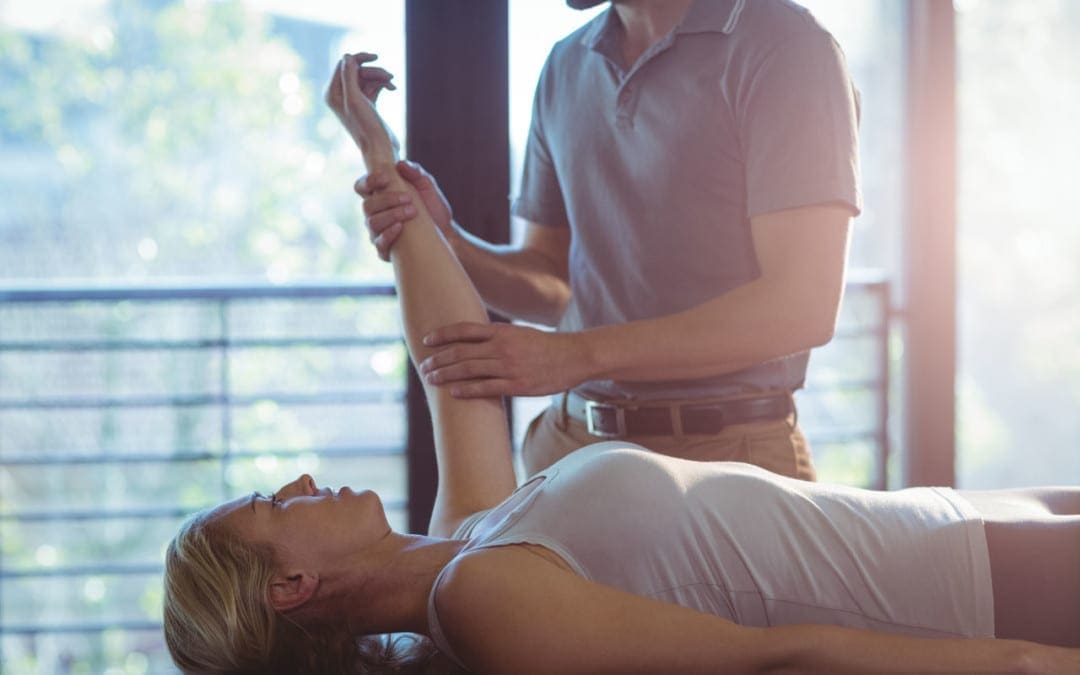
Specific exercises to help stretch and strengthen the muscles.
These can help keep the muscles from shrinking.
Heat therapy and Rest
Heat therapy and allowing the body to rest thoroughly can help decrease pain symptoms.
Special Braces
Body, hip, and leg braces can help support the muscles and help with mobility.
Complications
Polymyositis left untreated can lead to severe complications. The muscles become weaker, increasing the risk of falling and limiting daily activities.
If the chest muscles are affected, there could be problems with breathing that can lead to respiratory failure.
If the digestive tract is affected, malnutrition and unintentional weight loss can result.
Polymyositis poorly managed well can cause severe disability.
Body Composition
Nutrition and Muscle Growth
Protein
Protein is the foundation for gaining muscle.
This essential component is for all of the body’s daily functions.
It is essential to balance protein increase with overall diet.
Carbs should be a daily element of nutritional intake because they are the primary component.
Acquiring energy
Preventing muscle weakness and degradation
Consuming Carbs
Understanding how accurate results only happen when both sides work together.
Healthy consumption of protein and carbohydrates can help muscle growth and sustain optimal health for all body types.
References
Corrado, Bruno et al. “Supervised Physical Therapy and Polymyositis/Dermatomyositis-A Systematic Review of the Literature.” Neurology international vol. 12,3 77-88. 24 Nov. 2020, doi:10.3390/neurolint12030015
Findlay, Andrew R et al. “An overview of polymyositis and dermatomyositis.” Muscle & nerve vol. 51,5 (2015): 638-56. doi:10.1002/mus.24566
Sasaki, Hirokazu, and Hitoshi Kohsaka. “Current diagnosis and treatment of polymyositis and dermatomyositis.” Modern rheumatology vol. 28,6 (2018): 913-921. doi:10.1080/14397595.2018.1467257
Van Thillo, Anna et al. “Physical therapy in adult inflammatory myopathy patients: a systematic review.” Clinical rheumatology vol. 38,8 (2019): 2039-2051. doi:10.1007/s10067-019-04571-9
Triathlon training involves running, biking, and swimming. This much fitness training takes a toll on the body. Pulled hamstrings, twisted ankles, and sore heels are common, but triathlon training can also cause or worsen back pain. Because the back muscles are connected to many other muscles, certain types of movement after a tough training session can present with back pain. There was an Ironman triathlete study that found that 90% of the athletes suffered some form of soft-tissue injury during training, with 70% reporting low back pain and/or sciatica. A 2020 study in BMC Musculoskeletal Disorders found that 14% of recreational half-marathon runners presented with low-back pain.
Triathlon Training Hard on the Back
High-impact activities/exercises, constant repetitive motion, places a heavy pounding on the body that impacts the joints and spine. Using improper techniques will aggravate any issues. The stresses applied from repetitive motions, and poor form can lead to the joints breaking down. If new to intense training the muscles might not be strong enough yet, which could also cause back pain and injury. The back stabilizer muscles tend to get neglected in the training, but these muscles support the structures in the midline, spine, and joints. Strengthening the:
Ensures stability of the spine and joints from all the wear and tear.
Training and Overtraining Errors
Even veteran athletes can make mistakes during their training that can lead to sore backs. The biggest mistake individuals make during triathlon training is that they only swim, bike, and run. Training for the specific sport/s is important; but weight lifting, core strengthening, and flexibility training are just as important. Proper rest can become neglected as the individual wants to get in as much training as possible that often gets overlooked, leading to overuse injuries. However, rest is a vital part of training to allow the body to fully recover and operate at full and optimal potential.
Preventing and Avoiding Back Pain When Training
How to sidestep back pain altogether during training includes:
Sleep
A healthy lifestyle includes proper sleep cycles and is even more important during training. The mental aspects a triathlon competition can create require proper rest. Fatigue can also lead to poor technique/form, placing excess stress on the joints and the spine, leading to injury.
Flexibility
Muscles need to maintain flexibility to preserve function and recovery ability. After a training session stretching and working on flexibility will help with overall performance. Stretching should be done after activity when the muscles are warm, and the fibers can be stretched/elongated for optimal recovery.
Proper nutrition
The body needs high-performance fuel to support high-calorie deficits that are associated with intense training and competition.
Strengthening the body
Having a solid body foundation is the objective. Everything is balanced with strong muscles supporting healthy bones. Specific exercises that target the multifidus muscles. These are the body’s back brace. Strengthening these muscles will help prevent spinal injury/s. Back-strengthening exercises include:
Plan rest days no matter what. Pushing through will not make the body stronger or able to perform better, and could cause performance to decrease leading to injury. This does not mean sleeping all day, but engaging in active recovery where the body gets the rest it needs while still maintaining fitness. Active recovery includes:
Allows for a thorough recovery and enhances training.
Technique Improvement
Proper form and technique can really make the difference between staying injury-free and injury/s. Using the right form promotes healthy function. It could help to have gait, swim stroke, and bike techniques evaluated by a professional to ensure that proper form is being utilized.
Body awareness
Stop if the body signals one to stop. This is why the body feels pain. It is the internal mechanism that tells the individual something is wrong. It is not recommended to follow the phrases train through the pain, and no pain, no gain. Individuals are recommended to:
Always pay attention if pain presents and does not go away after exercising or warming up.
Pain that limits function.
Pain that interferes with daily activities.
These could significantly exacerbate a spinal injury and should be checked by a doctor.
Body Composition
Rest and Recovery
During rest and recovery, the body goes back to normal or homeostasis. This is the body’s resting rate or normal phase. The body is always trying to go back to homeostasis. This is done by:
Maintaining core temperature
Blood pressure stable
Muscles refreshed
When exercising/training, the homeostasis phase is disturbed, meaning the body needs a period of rest to return to normal. The process of homeostasis uses a lot of energy, which results in an abundant amount of calories burned. After exercise, there is an increase in excess post-exercise oxygen consumption or EPOC. The body uses up more oxygen during recovery than it does before or during exercise. This increase results in burned calories and strong muscles. The most important part of recovery is the rebuilding of muscle. When working out, especially resistance training, tiny tears are made in the muscle fibers. For the tiny tears to turn into growing muscles, they need to repair themselves. This happens during rest. Apart from the physiological benefits, rest helps prevent injury caused by overuse and assists in healing when injuries do occur. Time off helps with mental health as well to refocus, reassess, and apply what has been learned. What rest and recovery can do for the body includes:
Burn massive calories
Build muscle
Refuels the muscles
Prevents injury
Improves mental health and motivation
References
American journal of physical medicine & rehabilitation/Association of Academic Physiatrists. (October 2014) “Efficacy of Aerobic Exercise for Treatment of Chronic Low Back Pain: A Meta-Analysis” https://www.researchgate.net/publication/266682158_Efficacy_of_Aerobic_Exercise_for_Treatment_of_Chronic_Low_Back_Pain_A_Meta-Analysis
Stretch Before and After Journal of Chiropractic Medicine. (Winter 2003) “Changes in low back pain in a long-distance runner after stretching the iliotibial band” https://www.sciencedirect.com/science/article/pii/S0899346707600718
Pregnancy can take a toll on a woman’s body. New aches and pains start to present as the pregnancy progresses. Hormonal changes can affect the state of mind, making trying to relax or relieve stress extremely difficult to impossible, causing more frustration and tensed muscles. It’s absolutely safe and beneficial to get a professional therapeutic massage while pregnant. Most pregnant women are cleared to get massages after their first trimester. However, if it is a high-risk pregnancy, talk to your doctor before scheduling a massage.
Benefits of Therapeutic Massage
A therapeutic massage while pregnant, known as prenatal massage, generates a peaceful and serene mindset. Studies show prenatal massage is beneficial for the mother and baby. Pregnant women that are unable to find discomfort/pain relief benefit from prenatal massage. Benefits include:
Swelling is reduced
Improved hormone regulation helps reduce instances of low birth weight
Joint, back, and nerve pain/sciatica is reduced, and function improved
Headaches lessen in severity and frequency
Blood and nerve circulation improves
Sleep cycles improve
Anxiety, depression, and stress improves
Types of Massage
Safe massages when pregnant. The most common prenatal massage is a Swedish Massage. This type of massage is gentle but forceful enough to provide the aforementioned benefits. Swedish Massage focuses on the topmost layer of muscle with long strokes that incorporate movement of the joints. Avoid deep-tissue massage when pregnant, as this is a more aggressive style of massage.
Back Massage
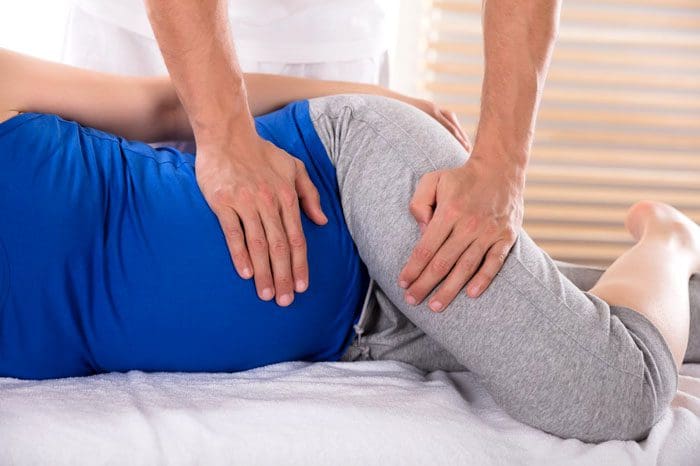
During pregnancy, posture changes from the added weight. The center of gravity shifts making the spine and back muscles work harder. This regularly makes the muscles achy, sore, and stiff. Prenatal back massage is done while sitting or lying on the side. Long strokes are performed on the muscles, along with gentle kneading. The focus is on the muscles along the spine and the low back. This type of massage is highly beneficial if sciatica is presenting.
Neck Massage
Massaging the neck loosens tight muscles, improves awkward neck posture, alleviates nerve pain preventing tension headaches, and promotes flexibility. Most therapists will start with the neck and arms while the individual sits up, then lie down to work on the rest of the body.
Chiropractic Massage
This type of massage is performed by a licensed chiropractor and/or a physical massage therapist at the direction of a chiropractor. Chiropractic massage therapists have undergone thorough training and always take care to avoid any pressure points or areas that could cause discomfort.
Areas that Are Avoided During Massage
Professional massage therapists know what areas to avoid during the therapeutic massage, but it’s also important for the patient. The areas that will be avoided include:
The pressure points in the wrist and around the ankles. These areas have points that could cause uterine contractions and cervical ripening.
Around the belly. However, it is recommended to perform gentle, low-pressure massaging at home.
Around open wounds, rashes, or skin conditions.
Safety Tips
Other precautions to take when receiving a massage during pregnancy. The massage therapist should look out for blood clot symptoms or varicose veins. Other precautions to follow:
Make sure the massage therapist knows you are pregnant before beginning.
If the massage triggers nausea, discomfort, or is not enjoyable, ask to stop.
Avoid massage tables that have a hole cut out for the belly.
The recommended method is on the side, supported with proper padding to ensure stability and comfort.
The massage should be no more than an hour.
A massage in the first trimester is not recommended.
A trained massage therapist should perform a prenatal therapeutic massage. However, a partner can perform an easy, safe massage at home following a few guidelines.
Avoid the ankles and the areas around the wrists.
Avoid the belly and the area around it.
Back, neck, scalp, and foot rubs are recommended.
Utilize long gentle strokes with all-natural and safe massage oils or lotions.
Talk to your physician if you have an increased risk for blood clots.
Get a Massage
A prenatal therapeutic massage can improve hormone regulation, help sleep, reduce stress and anxiety, and promote a healthy and optimal delivery.
Body Composition
Diastasis Recti Post-Baby Weight
Pregnancy can cause abdominal muscle separation or diastasis recti.
This happens when the outermost abdominal muscles/rectus abdominis, which are the muscles from the breastbone to the pubic bone pull apart from the fibrous attachment point/linea alba. Muscle separation is common after pregnancy, but the degree and location of the separation are what vary from one woman to another. As the pregnancy progresses, the uterus makes room for the growing baby. This can cause the abdominal – recti muscles to stretch and become flabby. This muscle separation is not linked with complications for the mother or the baby and it is not a sign of muscle loss.
References
Hall, Helen et al. “The effectiveness of complementary manual therapies for pregnancy-related back and pelvic pain: A systematic review with meta-analysis.” Medicine vol. 95,38 (2016): e4723. doi:10.1097/MD.0000000000004723
“Perineal Massage in Pregnancy.” Journal of midwifery & women’s health vol. 61,1 (2016): 143-4. doi:10.1111/jmwh.12427
Schreiner, Lucas et al. “Systematic review of pelvic floor interventions during pregnancy.” International journal of gynecology and obstetrics: the official organ of the International Federation of Gynaecology and Obstetrics vol. 143,1 (2018): 10-18. doi:10.1002/ijgo.12513
Muscle cramp and muscle spasm: Three types of muscles make up the body.
Cardiac muscle makes up the heart.
Smooth muscle cells line the blood vessels, gastrointestinal tract, and organs.
Skeletal muscles attach to the bones and are used for voluntary movements.
A muscle spasm happens when skeletal muscle contracts and does not go back to its relaxed state. Spasms are forceful and involuntary. A muscle spasm that sustains/continues is a muscle cramp. The leg muscles, especially the quadriceps/thigh, hamstrings/back of the thigh, and gastrocnemius/calves, are prone to cramping, but any skeletal muscle can cramp. Charley horse is another name for a muscle cramp.
Causes
There can be a variety of causes for muscle cramps. This includes:
Physical exertion in hot weather
Overexertion
Dehydration
Electrolyte imbalance
Physical deconditioning
Certain medications and supplements could contribute to muscle cramping.
They can interfere with electrolyte levels, contribute to the breakdown of muscle tissue, and/or interfere with blood circulation. Any medication-related muscle cramping should be reported to a doctor.
Night Cramping
Night cramping, especially in the calves, is common and affects up to 60% of adults. Women are more prone to night-leg cramps than men. They are also common with age and a common contributor to insomnia. Muscle fatigue and nerve dysfunction are believed to be a factor. Management remedies include:
Stretching
Self-Massage
Topical muscle pain ointments/creams
Ice therapy
Remedies and Treatment
The majority of cramps resolve on their own within a few minutes without treatment.
It is recommended that as soon as a cramp begins, stop the activity.
Stretch and massage the area,
Hydrate with water and, if necessary healthy sports drink to replenish sodium, vitamins, electrolytes, and more.
Apply heat to help relax the muscle.
Apply an ice pack.
Nonsteroidal anti-inflammatory medications (NSAIDs) can help if the pain is substantial.
Consult a doctor if cramps are severe or are recurring often.
Prevention
Strategies for reducing the risk include:
To vary exercise routines
Maintain proper hydration
Maintain proper levels of electrolytes. Sodium and potassium are lost during physical activity, especially in the heat and with consistent sweating.
Regular Stretching
Warm-up with a quick jog or quick walk before stretching the body.
Body Composition
Insulin and the body
Insulin assists the transport and storage of energy glucose to cells, tissues, and organs. These include the body’s glucose storage like the skeletal muscles and liver. Once the blood sugar returns to a base level as the glucose is absorbed, the pancreas begins producing glucagon instead of insulin. Glucagontells the liver to release the stored sugar, which typically happens between meals. What happens to the body when eating too much sugar and carbohydrates than the glucose-storing organs can handle?
Individuals with Type 1 diabetes have a pancreas that does not produce insulin. Type 1 diabetics need to control their glucose levels with lifelong insulin therapy.
With Type 2 diabetes, the pancreas ends up producing insulin through frequent outbursts. When this starts to happen more than normal, the cells eventually lessen their insulin sensitivity. The body becomes numb to the signaling that there is excess blood sugar in the body. This is what happens in individuals with insulin resistance or Type 2 diabetes. This type of diabetes can be managed or prevented with diet adjustments.
References
AAOS: “Muscle Cramps.” Jun. 2017.
American Academy of Orthopedic Surgeons: “Muscle Cramp.”
American Academy Physician: “AAN Recommendations on Symptomatic Treatment for Muscle Cramps.”
American Family Physician: “Nocturnal Leg Cramps.”
American Osteopathic Association: “Muscle Cramp – A Common Pain.”
Journal of the American Academy of Orthopedic Surgeons: “The Athlete With Muscular Cramps: Clinical Approach.”
National Cancer Institute: “Muscle Types.”
National Institute of Mental Health: “What Is Generalized Anxiety Disorder?”
More individuals are reporting extreme levels of stress. Studies indicate that an increasing number of individuals are feeling worried, anxious, or depressed regularly from various stressors. Maintaining the body’s health includes:
Following a balanced diet
Getting enough exercise
Taking vitamins or supplements to ensure the body gets what it needs for optimal function.
However, research has found that a sudden increase in stress, specifically stress associated with anger, can trigger:
This type of stress can affect individuals that did not know they had heart disease. Intense short-term stress can have dangerous effects on the body’s health, leading to chronic stress. Chronic stress continues at a low level for weeks, months, or years. It can significantly change the way the body functions. Stress management is very important for overall well-being. Learning how to handle stress properly is the goal.
Poor Stress Management
When stress hits it triggers the brain to release various hormones. These hormones increase heart rate and raise blood pressure. This comes from evolution that helped early humans escape from predators and stay safe from different types of physical danger. This same stress reaction is what we go through, however, it is not to escape danger but to deal with work, family, school, commuting, and social issues, etc. And when the stress response happens on a regular basis it can have serious and long-term effects on the body’s ability to function properly. Stress includes mental, behavioral, and physical symptoms. The effects of stress that are most familiar are related to mood. Mood changes that can result from chronic low-level stress include:
These mood changes can be tied to changes in behavior. The following behaviors are associated with increased stress levels:
Alcohol and/or drug abuse
Starting or increasing tobacco use
Eating changes – undereating or overeating
Withdrawing from friends and family
Avoiding social interaction
Little to no physical activity
Physical effects that are associated with long-term stress.
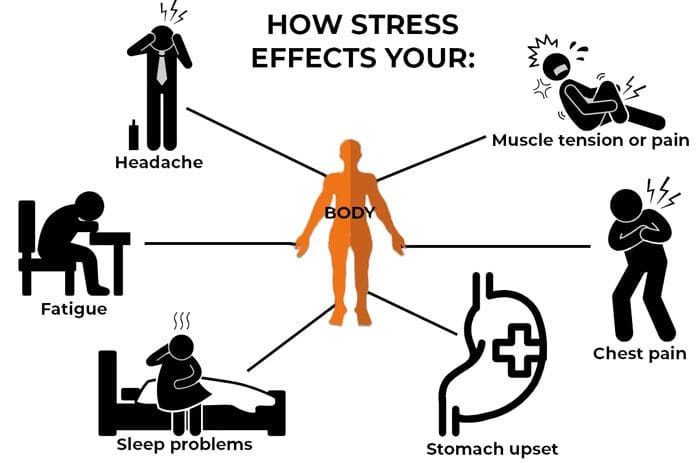
Chronic stress that lasts for a long period can affect the whole body. The immune system, digestive system, sleep cycles, etc. Physical symptoms include:
Tension in the neck and back
Persistent headaches
Stomach aches
Constant fatigue, even after waking up
Sleeping pattern changes
Insomnia
Muscle pain
Changes in libido
Being more prone to infections because of a weakened immune system
Chest pain
Learning Healthy Stress Management
Mental health is now an important part of living a healthy life. Stress comes from all kinds of different places. We can’t always change these moments, but we can change our reactions to reduce the negative effects and results. To manage stress, it is important to know what is causing it.
It could be an argument with a boss, co-worker, family member, or significant other.
Work deadlines
School grades, teachers, kids, etc
Bills
Repairs
Clearly identifying the main stressors will help individuals anticipate them and form a plan. There are different ways of dealing with it. The different strategies need to be researched and tried by individuals to see what works for them. Think about what helps the mind and body relax and unwind. A few recommended ways include:
These are strategies that can be incorporated into regular daily life. Be sure to set time aside to focus on mental wellbeing. Learn to recognize the signs when getting overwhelmed. Don’t hesitate to ask for help when needed. This can be a support system or mental health professional. This is to empower individuals to take better care of themselves in both body and mind.
Body Composition
Setting Attainable Goals
Individuals that have trouble achieving health goals might want to look at the goals themselves. Individuals typically have a general idea of their fitness journey. However, it is hard to reach those goals without a map. Losing weight or getting healthy is the goal but these goals are not measurable. This is too broad that can be different things to different people. Trying to accomplish a vague goal makes it hard to plan, making it happen, or seeing progress. A recommended strategy for goal setting is to use the SMART system. The acronym stands for:
Specific
Measurable
Attainable
Realistic
Timed
When goals fall into these parameters, it provides a clear picture of what is trying to get accomplished and the ability to plan accordingly. An example could be: An individual will work out at home or the gym for one hour, five days a week for one month. This is a specific and measurable goal when compared to I’m going to work out more. This provides clear guidelines of what needs to happen to achieve success.
References
Bailey, Ryan R. “Goal Setting and Action Planning for Health Behavior Change.” American journal of lifestyle medicine vol. 13,6 615-618. 13 Sep. 2017, doi:10.1177/1559827617729634
Carlson, Linda E et al. “Integrative Approaches to Stress Management.” Cancer journal (Sudbury, Mass.) vol. 25,5 (2019): 329-336. doi:10.1097/PPO.0000000000000395
Jamison, J R. “Stress management: an exploratory study of chiropractic patients.” Journal of manipulative and physiological therapeutics vol. 23,1 (2000): 32-6. doi:10.1016/s0161-4754(00)90111-8
Jamison, J. “Stress: the chiropractic patients’ self-perceptions.” Journal of manipulative and physiological therapeutics vol. 22,6 (1999): 395-8. doi:10.1016/s0161-4754(99)70085-0
The hands are used for all kinds of tasks/chores day and night. Using the hands requires the wrists. When wrist pain presents, it can make life unbearable, causing individuals to make all kinds of awkward and unhealthy habits that can worsen and cause further injury. Chiropractic wrist and hand adjustments are recommended for this type of injury. A majority of wrist injuries are the result of micro-stress/repetitive tearing use. Repetitive stress injuries often require a multifaceted treatment approach. This is why chiropractic is so effective, in that it treats the symptoms and the causes to get back to work, school, and normal life quickly.
Wrist Tendonitis
Wrist tendonitis happens when a tendon becomes inflamed. This is common among athletes, store workers, clerks, warehouse workers, hair stylists/barbers, etc. Individuals that are constantly using their hands, wrists, and arms have an increased risk of developing tendonitis. And without proper treatment and rest, the inflammation continues and worsens. Chiropractic wrist adjustments for wrist tendonitis include:
Diagnosis and assessment.
Swelling and pain are alleviated using ice, bracing, ultrasound, laser therapy, and other inflammation-reducing techniques.
Once the inflammation has been brought down, massage therapy is incorporated to keep the tendons loose and relaxed.
Physical therapy and manual manipulation will restore mobility and flexibility to the wrist.
When the pain is completely reduced and mobility is restored, chiropractic wrist adjustments will break down the scar tissue to prevent future injury.
The chiropractor will recommend ergonomic tips and exercises to prevent flare-ups.
Wrist Crepitus
Another common issue that can be painful is crepitus, which is a popping, clicking, and/or cracking in the wrist when moving the hand. Different causes depend on the type the popping/clicking/cracking. If it occurs without pain, more than likely, it is the gases escaping from the wrist joint. This is normal and is not something to worry about. However, a chiropractor can help if it becomes burdensome. Another cause is when a tendon extends or contracts over the bone with certain types of movements. This type of popping often results in pain and should be addressed by a professional to prevent further damage. Both issues are commonly treated with wrist adjustments.
Dislocated Wrist
A dislocated wrist needs immediate medical care from the emergency room. The wrist needs to be reset and given time to recover/heal before a chiropractor can work on it to repair any issues that the dislocation caused. There are benefits from chiropractic after a serious wrist injury that includes:
Pain relief
Function restored
Mobility restoration
Proper wrist alignment
Scar tissue removal
Strength training
Aching, popping, and cracking relief
Chiropractic Wrist Adjustment
Wrist adjustments depend on the injury/condition that the individual is going through. A chiropractor uses different approaches and techniques that return the joints to the proper alignment. Wrist adjustments are usually done by hand and are gentle. This is because the bones and tendons do not need major force to correct. Chiropractors focus on the wrist the same way they focus on the whole body.
They relieve pain and swelling first.
They determine what caused the injury.
Then focus on strengthening the joint.
Develop a prevention regimen to keep it from recurring.
Body Composition
Complete Body Measurement
Getting body composition tested will help progress to optimal health by the results, not the weight scale. Determining progress with metrics like this and lean body mass equips individuals with the knowledge needed to get the results faster and smarter. The quickest and easiest way to determine body composition is to use the InBody. This means focusing on body fat percentage instead of weight. The devices being used today are extremely accurate at giving reliable body fat percentage results. Get a complete readout of your body that includes:
Muscle mass
Fat mass
Body water
Body fat percentage
Getting as much information as possible using optimal tests will help with goal planning and achieving optimal health.
References
Hulbert, James R et al. “Chiropractic treatment of hand and wrist pain in older people: systematic protocol development Part 2: cohort natural-history treatment trial.” Journal of chiropractic medicine vol. 6,1 (2007): 32-41. doi:10.1016/j.jcme.2007.02.011
Prasad, Ganesh, and Mustafa J Bhalli. “Assessing wrist pain: a simple guide.” British journal of hospital medicine (London, England: 2005) vol. 81,5 (2020): 1-7. doi:10.12968/hmed.2019.0051
Sadowski, M, and D Della Santa. “Les syndromes douloureux du poignet” [Wrist pain]. Revue medicale suisse vol. 2,92 (2006): 2919-23.
Individuals that go through severe low back pain caused by degeneration, herniated discs, vehicle, personal, work, and sports injuries, surgery, or spinal fusion is usually a last resort if non-invasive treatments fail to provide relief or not enough relief. Patients try to avoid spinal fusion because it can be an intense experience and requires a year-long recovery period. Unfortunately, individuals still experience discomfort and pain after surgery. Do individuals want to know what other treatment options are available, including chiropractic care?
Doctors will inform post-op patients of the risks involved with chiropractic therapy. However, chiropractic medicine can bring natural pain relief after surgery. Chiropractic treatment requires that an individual be adequately or fully healed before beginning a personalized treatment plan. At Injury Medical Chiropractic and Functional Medicine Clinic, we consult patients post-surgery about the effectiveness of rehabilitation spinal adjustments and physical therapy massage.
Wait Time After Surgery
Spinal fusion surgery involves removing the discs between two or more vertebrae and fusing the bones with metal screws and plates. The objective is to correct conditions like herniated discs and degenerative diseases by immobilizing the spine in that area. It can take at least three months for the vertebrae to fuse for a fully immobilized graft. Once the graft is complete, a few months of physical therapy are recommended to loosen/stretch and strengthen the muscles around the graft. Initial recovery combined with physical therapy typically takes a full year for a complete recovery.
It is during recovery where it can be difficult and for discomfort and pain to present. The reason is patients are recommended to avoid any twisting, bending, over-reaching motions, or the graft could break. This can make an individual take on awkward poses/postures, flexing and contracting muscles incorrectly, causing strain. The result is added discomfort and/or pain.
How Chiropractic Helps
Spinal fusion is not guaranteed to alleviate an individual’s back pain completely. But many do experience discomfort or pain post-surgery. This could be for a little while or longer, depending on their condition or injuries. Fortunately, chiropractic treatment can help bring pain relief through mobilization, manipulation, and massage techniques. Manipulations’ objective is to adjust and/or realign the bones of the spine and other areas of the body. Because of the intricacy of spinal manipulations, many who have undergone back or spinal fusion surgery are hesitant to seek chiropractic treatment. Discuss possible chiropractic care with your physician to determine if the surgical graft is strong enough to withstand spinal manipulations. If the graft is adequately/fully healed and your physician believes it can endure mild adjustments, reach out to a chiropractor to discuss a customized treatment plan.
Body Composition Testing
Poor Leg Skeletal Muscle Mass
The gluteal muscles or buttock muscles are the largest muscle group in the body. Individuals can start losing bone density by their 30s. This increases the risk of injury and further bone density loss. Bone density loss is a natural process, but the process can be accelerated for individuals with under-developed skeletal muscle mass. The health of muscles and bones are closely linked. Researchers found that individuals with less muscle mass than average for their height tended to have narrower and thinner bones. This resulted in limited lower bending strength.
Decreased muscle mass was shown to be linked to balance problems and increased risk of falls. There is a higher prevalence of sarcopenia or muscle wasting for patients with hip fractures and a reduction of leg muscle mass. The combination of:
Low muscle mass
Low bone density
Hip fractures
It can have lifelong consequences
References
Fernandez, Matthew et al. “Surgery or physical activity in the management of sciatica: a systematic review and meta-analysis.” The European spine journal: official publication of the European Spine Society, the European Spinal Deformity Society, and the European Section of the Cervical Spine Research Society vol. 25,11 (2016): 3495-3512. doi:10.1007/s00586-015-4148-y
Keller, Glenda. “The effects of massage therapy after decompression and fusion surgery of the lumbar spine: a case study.” International journal of therapeutic massage & bodywork vol. 5,4 (2012): 3-8. doi:10.3822/ijtmb.v5i4.189
O’Shaughnessy, Julie et al. “Chiropractic management of patients post-disc arthroplasty: eight case reports.” Chiropractic & osteopathy vol. 18 7. 21 Apr. 2010, doi:10.1186/1746-1340-18-7
Perrucci, Rachel M, and Christopher M Coulis. “Chiropractic management of post-spinal cord stimulator spine pain: a case report.” Chiropractic & manual therapies vol. 25 5. 6 Feb. 2017, doi:10.1186/s12998-017-0136-0
Szulc, Pawel et al. “Low skeletal muscle mass is associated with poor structural parameters of bone and impaired balance in elderly men–the MINOS study.” Journal of bone and mineral research: The American Society for Bone and Mineral Research vol. 20,5 (2005): 721-9. doi:10.1359/JBMR.041230
IFM's Find A Practitioner tool is the largest referral network in Functional Medicine, created to help patients locate Functional Medicine practitioners anywhere in the world. IFM Certified Practitioners are listed first in the search results, given their extensive education in Functional Medicine