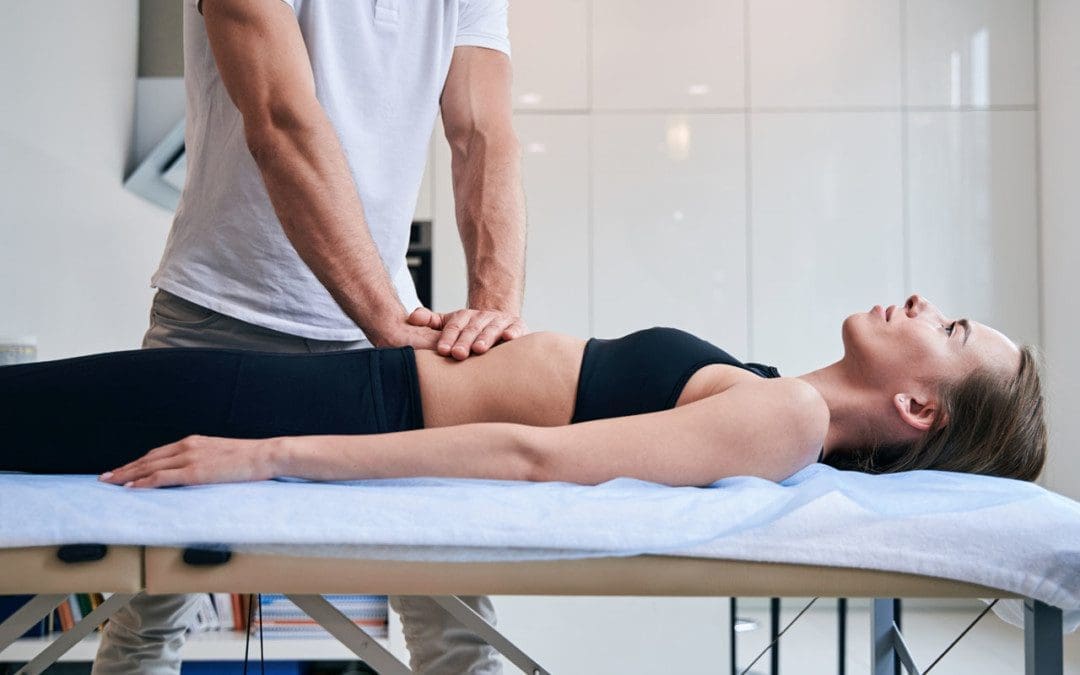
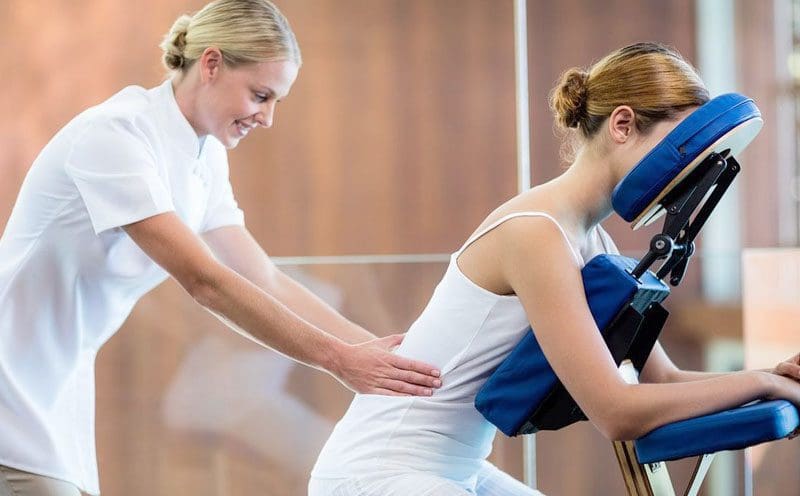
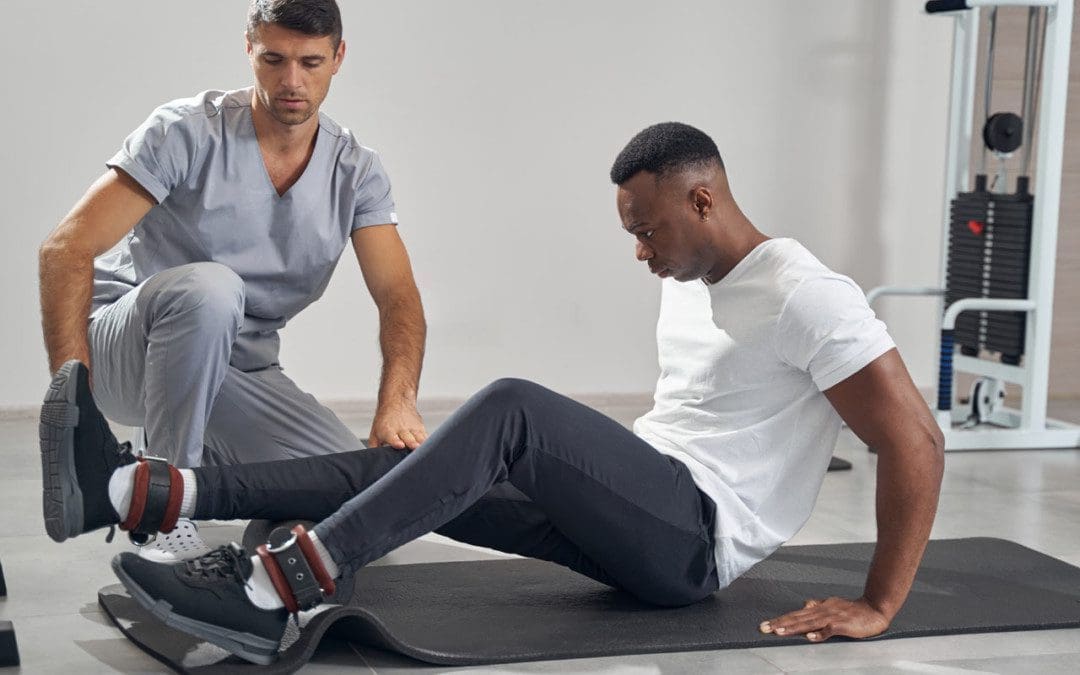
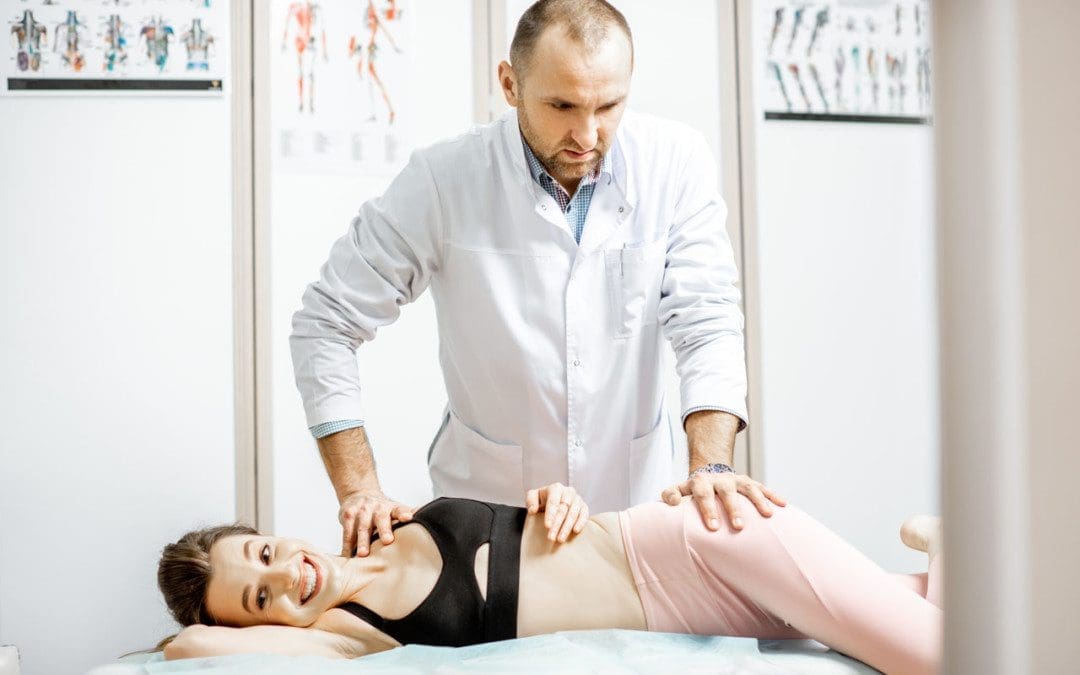
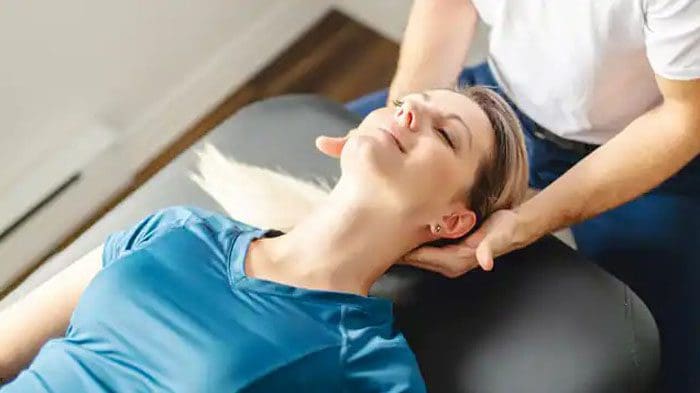
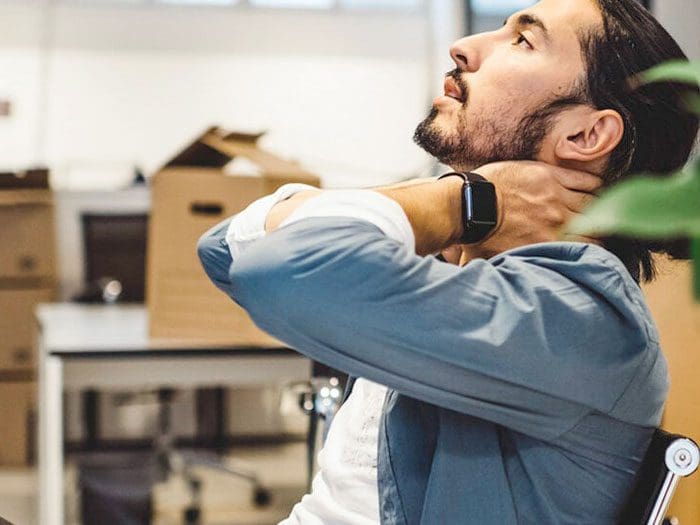
Orthopedic massage is part of injury rehabilitation that focuses on the muscles and soft tissues surrounding the joints and ligaments. Pain could be caused post-surgery, an acute injury, or overuse/repetitive motion injury from work or sports. The objective is to:
Decrease pain
Release tension
Restore balance
Increase mobility and flexibility
Preparing the body to return to everyday routines and activities.
Whatever the cause of the muscle damage or injury, an orthopedic massage will lengthen and soften the muscles and ligaments, allowing for a better range of motion of the affected joints.
Orthopedic Massage
All massage techniques can improve joint movement and function. Orthopedic massage is specifically designed to return the joints to their normal position function and alleviate pain with movement.
Swedish massage focuses on overall relaxation.
Deep tissue massage reduces deep muscle pain and strain.
Orthopedic massage therapists have an extensive understanding of anatomy, soft tissues, and misalignment of the musculoskeletal system that can cause pain and injury. It is similar to sports massage targeting damaged areas for recovery and rehabilitation from conditions and injuries. Sports massage helps the individual strengthen and retrain the damaged areas back to optimal performance and prevent injury. Orthopedic massage utilizes:
Massage benefits many symptoms and conditions. It has been shown to help with:
Sprains
Pulled muscles
Torn ligaments
Carpal-tunnel syndrome
Frozen shoulder
Tennis elbow
Tendinitis
Sciatica
Bulging discs
Post-surgery
Techniques
A therapist will look at the range of motion, flexibility, and rotation of the tissues. This will help determine what muscle groups and tendons are involved and which techniques to use. Massage therapists use an assortment of approaches to loosen muscles and tendons. These include:
Active Engagement
This is used to reach deep, hard-to-reach muscles by applying pressure and massaging lengthwise in a perpendicular motion.
It is beneficial for whiplash and/or back pain.
Positional Release
This is a gentle treatment for inflamed muscles and tissues highly sensitive to other techniques.
Soft tissues are manipulated into comfortable positions and held in place for a specific time.
This lengthens and softens tissues to bring pain relief.
Nerve Mobilization
Also known as neural mobilization, this method addresses strained nerves and pain sources.
Muscle Energy Release
The therapist provides resistance while the individual voluntarily contracts muscles.
Effective with low back pain.
Trigger Point Therapy
Pressure intervals are held on trigger areas to release lactic acid and promote circulation.
Myofascial Release
Gentle pressure is applied to stretch fascia tissues.
Body Composition
Brittle Bones
The reason bones become weaker is that bone tissue is living tissue that constantly forms new bone material and absorbs the old bone material. As the body ages, the rate at which bone is reabsorbed becomes faster than newly formed bone material. One reason for rapid bone loss is lack of exercise and physical activity. The Mayo Clinic has stated that individuals that spend a great deal of time sitting, whether at home or work, have an increased risk of osteoporosis than more active individuals. Sitting too much with little to no activity can lead to weakened bones. Just like the muscles, bones get stronger when they are in use. Walking, running, jumping, and getting the body moving along with using some resistance, can increase the strength and durability of the bones.
References
Kim, Seung-Kook et al. “Clinical outcomes and cost-effectiveness of massage chair therapy versus basic physiotherapy in lower back pain patients: A randomized controlled trial.” Medicine vol. 99,12 (2020): e19514. doi:10.1097/MD.0000000000019514
Klein, Ifat et al. “Lymphatic treatments after orthopedic surgery or injury: A systematic review.” Journal of bodywork and movement therapies vol. 24,4 (2020): 109-117. doi:10.1016/j.jbmt.2020.06.034
Loew, Laurianne M et al. “Deep, transverse friction massage for treating lateral elbow or lateral knee tendinitis.” The Cochrane database of systematic reviews vol. 2014,11 CD003528. 8 Nov. 2014, doi:10.1002/14651858.CD003528.pub2
Majewski-Schrage, Tricia, and Kelli Snyder. “The Effectiveness of Manual Lymphatic Drainage in Patients With Orthopedic Injuries.” Journal of sport rehabilitation vol. 25,1 (2016): 91-7. doi:10.1123/jsr.2014-0222
Calf pain is common in individuals who spend a lot of time on their feet, whether standing at work, school, or training athletes. The calf muscle/s take on a tremendous amount of load throughout the day. Climbing stairs, jogging, running, and hiking increase strain on the muscles. In most cases, calf pain results from an overuse injury of the calf muscles. Improper footwear can also contribute to issues around the foot and ankle that include:
Tightness
Loss of strength of the foot
Decreased mobility
Short or tight calves can lead to dysfunctional movement, cramping symptoms, chronic pain, and stiffness. A combination of chiropractic active release treatment and physical therapy can help quickly eliminate calf pain.
Anatomy
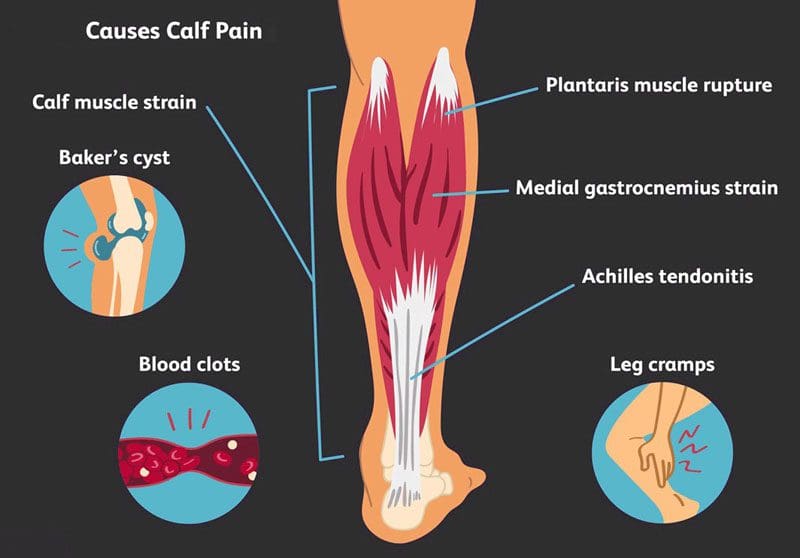
The calves are comprised of two muscles, the gastrocnemius, and soleus.
The gastroc originates just above the knee.
The soleus is below the knee.
They both insert on the back of the ankle as they join to form the Achilles tendon. The gastrocnemius is the power muscle used for explosive movements like jumping. The soleus muscle is predominately a slow-twitch muscle. This means it is very active during extended activities, like standing, walking, exercising, and running. When dealing with calf and ankle issues, other muscles can also contribute. These include:
The posterior tibialis lies deep in the inner portion of the calf and plays a role in foot and ankle function.
Most commonly, calf pain is caused by the overuse of the calf muscles. This is often the result of the consistent pounding of the feet and lower legs from standing, walking, and working. Over time, the repetitive pounding can cause tiny tears in the muscles of the lower legs and calves. If detected, early rest and recovery are recommended to allow the muscles to relax, loosen, and heal. However, repeated use can lead to more severe injury without proper treatment, like compartment syndrome. Certain types of calf pain can signify a medical emergency that requires immediate treatment.
Compartment Syndrome
A tough and fibrous covering surrounds the calf called the fascia. During physical activity or exercise, blood flows into these muscles, causing them to increase in size. If the fascia cannot stretch enough when these muscles enlarge, pain and tightness can develop. This is known as chronic posterior compartment syndrome. The discomfort typically goes away when the activity stops but is likely to return without proper treatment.
Calf Overuse Injury
Soreness, tightness, and pain are usually felt along the back or inside of the lower leg. The calf muscles are generally not painful to touch but maybe tender when deep pressure is applied. Calf pain and tightness often come with extended physical activity, exercise and disappear once the activity is stopped. If the injury becomes chronic, calf stiffness can present even when not active, along with numbness and/or tingling in the lower leg or foot.
Treatment
It is recommended not to ignore any discomfort, pain, and stiffness in the calves. Continued overuse can lead to scar tissue formation and chronic pain potential without proper care. Active Release – ART, and chiropractic effectively treat this type of injury. ART breaks up scar tissue, returning normal function to the calf muscles. And chiropractic loosens up stiff joints in the hips, ankles, and feet that may be contributing to wear and tear on the calves. Together they can quickly and eliminate calf pain. Part of a treatment plan includes:
Aerobic exercise substantially impacts the body’s muscles’ energy production system and cardiovascular adaptation. The blood delivers oxygen to the muscle cells to produce energy that powers all the exercise being done. Aerobic exercise primarily relies on oxidative energy production, which takes place within the cells called mitochondria. Aerobic exercise also breaks down fat molecules for energy, which can only happen within mitochondria.
Aerobic exercise training improves the muscle cells’ ability to burn fat by generating more mitochondria and enhancing their functionality. Specifically, the body burns more fat than usual in the hours following each training session.
With more precise quality and quantity of fat-burning machinery, aerobic training can increase the resting metabolic rate, resulting in more calories burned.
High-intensity aerobic exercise also increases the excess post-exercise oxygen consumption – EPOC, resulting in increased calorie burn in addition to what was burned during the exercising.
References
Alfredson, H et al. “Heavy-load eccentric calf muscle training for the treatment of chronic Achilles tendinosis.” The American journal of sports medicine vol. 26,3 (1998): 360-6. doi:10.1177/03635465980260030301
Bright, Jacob Michael et al. “Ultrasound Diagnosis of Calf Injuries.” Sports health vol. 9,4 (2017): 352-355. doi:10.1177/1941738117696019
Campbell, John T. “Posterior calf injury.” Foot and ankle clinics vol. 14,4 (2009): 761-71. doi:10.1016/j.fcl.2009.07.005
Green, Brady, and Tania Pizzari. “Calf muscle strain injuries in sport: a systematic review of risk factors for injury.” British journal of sports medicine vol. 51,16 (2017): 1189-1194. doi:10.1136/bjsports-2016-097177
Getting ready for holiday celebrations takes a great deal of work. Visiting family and friends, traveling, spending hours shopping, wrapping gifts, setting up lights, trees, planning meals can make the body feel achy, tight, tired, and sore. Stress is multiplied by ten, adding to the muscle tension, which can cause illness and other health problems. Chiropractic treatment alleviates symptoms bringing stress relief to enjoy the holidays. This includes body adjustments, therapeutic massage, health coaching, nutrition guidance, strengthening exercises, stretch training, and everything to maintain full-body health, prevent illness and injury so individuals can feel and function at their best.
Aches and Pains
Shopping at stores, malls can cause the body to experience adverse physical effects. Spending hours walking and standing can trigger neck, shoulder, back, leg, and foot pain. Spending hours hunched over a computer, laptop, tablet, or phone while online shopping can also cause neck, back, and shoulder pain. Soreness and pain can result from the spine and the rest of the body becoming misaligned.
Muscle tightening is a common sign of stress. When the mind and body become overwhelmed or anxious, the neck, shoulders, or upper back muscles can tense up. Muscle tension can limit the body’s range of motion and trigger headaches. Therapeutic massage, mobilization, soft tissue therapy, ultrasound, and other chiropractic treatments can generate stress relief. Massaging the body also triggers the release of endorphins that help the body calm down and relax. The adjustments and massage also increase/improve blood flow that supports healing and reduces anxiety when stress begins to build.
Stomach Issues
Following the usual diet during the holiday season is a challenge. Work parties, restaurant parties, and family meals offer an array of holiday foods and treats. The body is not used to eating a lot of rich, fatty, sugary, or fried foods, and can experience bloating, constipation, gas, and other uncomfortable symptoms. These issues can be traced to the nerves that control the organs. Chiropractic can balance the nerves to help avoid uncomfortable digestive problems and help the body handle the rich diet better.
Maintaining Health and Stress Relief
Aches and pains are not the only effects of stress, body misalignment, and tight joints and/or muscles. If these structures press against the nerves and/or organs, it can affect immune system function. Chiropractic ensures that the organs communicate correctly through the nerves, balance the body, reduce inflammation, and improve lymph fluid drainage. The fluid removes toxins and wastes from the body, making fighting colds and other illnesses easier.
Body Composition
White Coat Syndrome
White Coat Syndrome is the term used for any changes in blood pressure that individuals experience in response to being in a medical office or clinic. Three distinct diagnoses are based on how an individual’s blood pressure responds to being in the presence of a healthcare professional:
White Coat hypertension
This is when an individual is not taking medication for blood pressure but presents with high blood pressure in a medical office and returns to normal once they leave the medical facility.
White Coat effect
This is when an individual is taking medication for high blood pressure and shows a high blood pressure reading in a medical office that indicates their medication is not working.
Masked Hypertension
This is when an individual has normal blood pressure in a medical office but high blood pressure elsewhere.
References
Ahmad, Asma Hayati, and Rahimah Zakaria. “Pain in Times of Stress.” The Malaysian journal of medical sciences: MJMS vol. 22,Spec Issue (2015): 52-61.
PBS NewsHour. (December 2018) “Poll: How stressed are Americans this holiday season?” https://www.pbs.org/newshour/nation/poll-how-stressed-are-americans-this-holiday-season
Pioli, Mariana R et al. “White coat syndrome and its variations: differences and clinical impact.” Integrated blood pressure control vol. 11 73-79. 8 Nov. 2018, doi:10.2147/IBPC.S152761
The United States Consumer Product Safety Commission (CPSC). (2019) “Holiday Safety Information Center” https://www.cpsc.gov/Safety-Education/Safety-Education-Centers/holiday-safety
Individuals talk about how they don’t sleep much because they have so much to do and can operate/function on only 5 or 6 hours of sleep and are surprised when they develop serious health problems and mental health issues. However, inadequate sleep is a big deal. Depriving the body and mind of proper sleep leads to all kinds of health problems that include:
Chiropractors focus on whole-body health, are specialists in the musculoskeletal system, and take a multifaceted approach to treat fatigue and inadequate sleep. They can help with sleep problems and other health factors by bringing the body back into alignment/balance, improving circulation, nerve energy flow, and nervous system function. This includes chiropractic adjustments and therapeutic massage.
Spinal Adjustments
Misalignment of the cervical spine could be contributing to issues breathing and getting into a deep sleep.
Spinal realignment can help with better sleep.
Posture Analysis and Sleep Positions
Posture is a significant part of optimal health, especially when breathing correctly.
A chiropractor can analyze and correct any posture misalignments.
They can also advise how best to sleep, so the airway does not become obstructed during the night.
Health Factors
A recommendation for fatigue and inadequate sleep is to lose weight if overweight or obese.
A trained nutritionist or health coach can help develop healthy eating and lifestyle habits.
Less Stress and Plenty of Sleep
The combination of spinal adjustments and therapeutic massage can generate significant benefits to help keep the body healthy. Chiropractic adjustments have been found to release stress-reducing hormones like oxytocinand neurotensin. And therapeutic massage has been shown to improve inadequate sleep patterns, as well as:
Jamison, Jennifer R. “Insomnia: does chiropractic help?.” Journal of manipulative and physiological therapeutics vol. 28,3 (2005): 179-86. doi:10.1016/j.jmpt.2005.02.013
Jehan, Shazia et al. “Obstructive Sleep Apnea and Obesity: Implications for Public Health.” Sleep medicine and disorders: international journal vol. 1,4 (2017): 00019.
Kashani, Fahimeh, and Parisa Kashani. “The effect of massage therapy on the quality of sleep in breast cancer patients.” Iranian journal of nursing and midwifery research vol. 19,2 (2014): 113-8.
Kingston, Jana et al. “A review of the literature on chiropractic and insomnia.” Journal of chiropractic medicine vol. 9,3 (2010): 121-6. doi:10.1016/j.jcm.2010.03.003
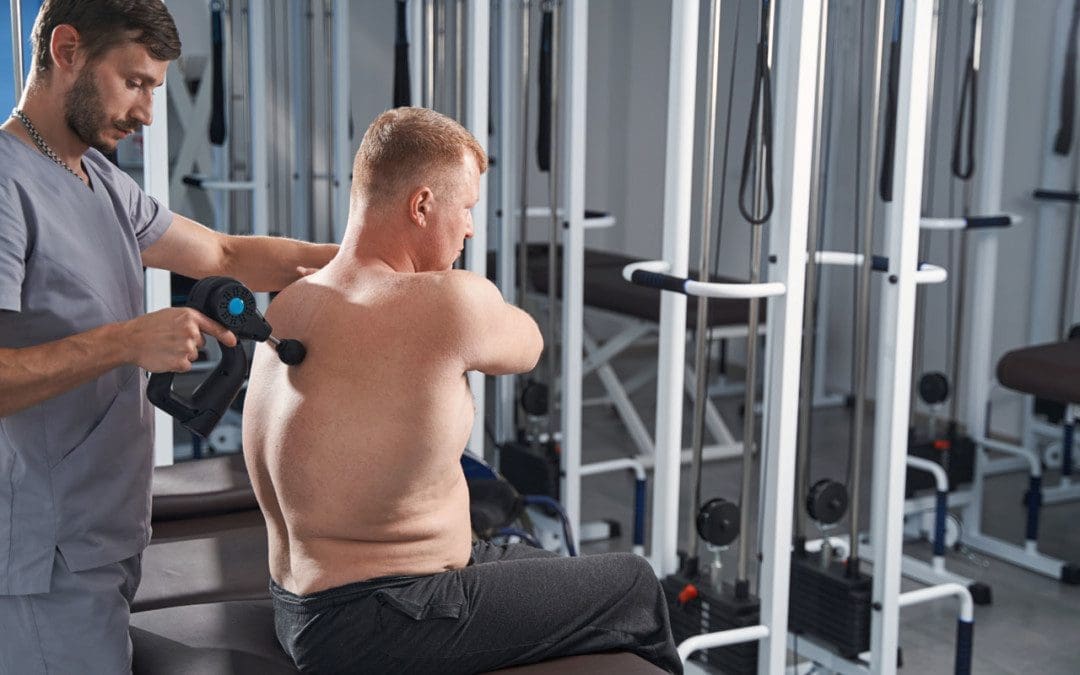
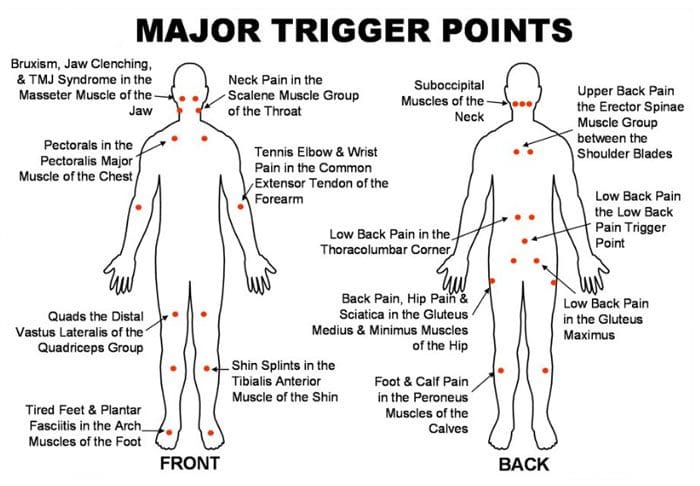
A neuromuscular massage is a form of manual massage used to release strained muscles. Strained areas are also known as trigger points that tend to be the cause of muscular pain symptoms. Trigger points are small areas of the muscle that contract the tissue. The lack of blood and nutrients in these areas causes an inability for the muscles to relax. The area becomes hypersensitive, causing fatigue, weakness, inflammation, and pain. Trigger points can lead to referred pain in which other areas of the body experience sensations of pain, tingling or numbness.
Neuromuscular Massage
Neuromuscular massage treatment involves applying alternating levels of concentrated pressure on the trigger point/s done through manual and instrument manipulation. Neuromuscular therapy is also called trigger point myotherapy. The American Academy of Pain Management recognizes this form of treatment as an effective treatment for pain caused by soft tissue injury.
Deep Tissue Massage
A deep tissue massage is generally used to address muscle aches and pains and is administered on an on-off basis. Neuromuscular manual therapy techniques are specialized and designed to correct pain and movement dysfunction by treating:
Neuromuscular massage is considered an ongoing treatment.
Massage Reduces Pain
Muscles, when spasming, are painful to the touch. The pain is caused by ischemic muscle tissue. Ischemia means the muscle is lacking proper blood flow because of the spasm. This causes adverse effects because the muscles are not receiving enough blood; the muscles also do not receive enough oxygen.
The lack of oxygen causes the muscles to produce lactic acid.
The lactic acid causes the muscles to feel sore following physical activity.
Neuromuscular massage therapy relaxes the muscles releasing the lactic acid, allowing the muscles to receive enough blood and oxygen. Neuromuscular therapy can feel painful at first, but the pressure of the massage will alleviate the muscle spasm/s. It is crucial to communicate with the chiropractor and massage therapist about the pressure – whether it is too much, too little, feels better, feels worse, etc. Massage therapy pressure should never be overly painful. Individuals often describe the pressure as good pain, where they can feel the difference. Following a neuromuscular massage, the soreness should fade after twenty-four to thirty-six hours. The tight muscles should remain relaxed for four to fourteen days, depending on activities and stress levels.
Massage Treatment
Medical issues and conditions for which neuromuscular massage can treat include:
Tendonitis
Headaches
Temporomandibular joint pain – TMJ disorders
Jaw pain
Carpal tunnel
Upper back pain
Low back pain
Sciatica
Hip pain
Knee pain
Iliotibial band syndrome
Calf cramps
Plantar fasciitis
Neuromuscular Massage Benefits
Individuals who undergo neuromuscular massage therapy can experience the following benefits:
Reduced and/or complete elimination of pain.
Increased blood circulation.
Body toxin release.
Increased flexibility and strength.
Better movement.
Improved posture.
Balanced musculoskeletal and nervous systems.
Increased energy and vitality.
Body Composition
Fatigue
When it comes to getting fit, remember it is a long-distance marathon, not a quick sprint. Whether physical, mental, or a combination, fatigue is a common obstacle for successfully reaching health goals. Physical fitness requires energy:
Energy for work or school.
Energy to set up the gear or get to the gym.
Energy for the workout.
Energy to prepare regular healthy meals.
Combined with the pressures of everyday life can make it a challenge to work out consistently. The objective is to make gradual changes rather than significant immediate changes. This will help prevent/avoid early burnout and help lead to maintaining healthy habits. One tip could be scheduling the workouts and meal prep time for the day or week when most active. For example, knowing that after work or school, the body can’t take a workout and needs to crash at the end of the day, set up the exercise for the morning or afternoon. And once the workouts become a routine, energy levels will improve, allowing for more activity.
References
Bervoets, Diederik C et al. “Massage therapy has short-term benefits for people with common musculoskeletal disorders compared to no treatment: a systematic review.” Journal of physiotherapy vol. 61,3 (2015): 106-16. doi:10.1016/j.jphys.2015.05.018
Field, Tiffany. “Massage therapy research review.” Complementary therapies in clinical practice vol. 24 (2016): 19-31. doi:10.1016/j.ctcp.2016.04.005
Furlan, Andrea D et al. “Massage for low-back pain.” The Cochrane database of systematic reviews,9 CD001929. 1 Sep. 2015, doi:10.1002/14651858.CD001929.pub3
Qaseem, Amir et al. “Noninvasive Treatments for Acute, Subacute, and Chronic Low Back Pain: A Clinical Practice Guideline From the American College of Physicians.” Annals of internal medicine vol. 166,7 (2017): 514-530. doi:10.7326/M16-2367
In today’s podcast, Dr. Alex Jimenez DC, Health Coaches Adriana Caceres and Faith Arciniega, Massage Therapist Amparo Armendáriz-Pérez, and Clinical Nutritionist Ana Paola Rodriguez Arciniega discuss today what they do and offer with Functional Medicine.
Discussion
Dr. Alex Jimenez introduces his guests.
[01:00:11] Dr. Alex Jimenez DC*: Welcome, guys. We’re here talking today about what we do. Today is a special day. It’s my father’s birthday, Alberto Jimenez. Alberto Augusto Jimenez. He is an immigrant from Colombia who gave me my knowledge. My amazing father. So happy birthday, dad. We’re going to be talking today is we’re going to be talking about what we do. We have a group of wonderful individuals here. We have five individuals. We have a whole lot more people in the background. So what we’re doing today is we’re beginning a process of notifying ourselves of a change that is going on. We’re going to be talking about nutrition, wellness, exercise, what we do in the office, how we do a little bit different techniques within the office, and how we compare and contrast to other services and let people understand what we do as we do change. So today, we’re in a new podcast room where we left the Push Fitness Center, which is now going to be another big, fantastic thing. So as they do the construction, we moved our podcast here. So you’re going to notice that we’re going to be communicating from this particular podcast. Still, we’re so connected to our Push counterparts and our Push Fitness centers and Daniel Alvarado, and we’ll be making that happen as it starts coming up. So today, we’re going to be talking about nutrition. I have Ana Paola Rodriguiez Arciniega here, so say hello there. We have Faith Arciniega. We have Adriana Caceres, and we have Amparo Armendáriz-Pérez as a massage therapist there. So we are going to be talking about different things. So each one of us has different specialties. So I’m going to start with some of the unique things we’re doing in our office, such as the types of treatments we do. We deal with a lot of inflammation, many injuries, a lot of trauma, and many soft tissue injuries. But you can’t get away from soft tissue injuries without discussing inflammation. So at the basis of inflammation, what we do is we associate, collaborate, find out the coincidence of inflammation to injuries, and we deal with the true causation of inflammation and come up with treating protocols and health care plans that affect people and their disorders. So many people come to us with a back injury or a neck injury after, let’s say, a motor vehicle accident, a car accident, or a work-related accident. But they may also have, you know, subclinical issues of inflammation that are just looming and then aggravate the direct trauma that’s going on. So what we’re going to do is introduce our team here one at a time so we can see what’s going on. And we’re going to start with Ana Paola Rodriguez Arciniega. Ana, how are you doing?
[01:02:57] Ana Paola: I am doing fine, and how are you doing?
[01:03:00] Dr. Alex Jimenez DC*: Good, can you hear us OK over there?
[01:03:02] Ana Paola: Yes, I can hear you, OK.
[01:03:04] Dr. Alex Jimenez DC*: Excellent. Tell us a bit of what you do, and we actually because you work hand-in-hand with us all here, and you are our virtual eye in the sky for nutrition at this point. But the nutrition that you deal with works a little bit with functional medicine. Tell us what you do and how we integrate that particular type of practice in our office.
Ana Paola Rodriguez Arciniega
Clinical Nutritionist Ana Paola Rodriguez Arciniega introduces herself and talks about what she does.
[01:03:23] Ana Paola: OK, so I am the head nutritionist, and basically, what I do is I take care of their nutritional assessment. But as you said before, we try to look for the root causes, and this allows us to create a more integral treatment plan for our patients, so that is focusing a little bit more on finding what is the root cause of the inflammation because it is related to injuries, accident, and stress, and to maybe delay the recovery part of our patients. So this is what we are trying to do to get like a fast track recovery for our patients for nutrition because it has to do with that.
[01:04:09] Dr. Alex Jimenez DC*: Yes. And then? Don’t worry.
[01:04:17] Ana Paola: OK, I’m here.
[01:04:18] Dr. Alex Jimenez DC*: It’s all technology. Just keep on going and telling me. We’ll figure it out as we go.
[01:04:22] Ana Paola: So what we always start doing is very simple. I try to focus on what is going on with my patient physically, which has a lot to do with the body composition of my patient. So I find that that is the principle, not the principle, but the first step could do it that way. So we try to integrate this body composition analysis with the Inbody 770 machine that we use. And that way, we can correlate all the body composition, either a fat mass percentage or BMI or muscle mass or lean body mass, that our patient has and try to associate with injuries or correlated with inflammation. And it is often, very often, or all of the time, that we find a direct correlation with inflammation or this type of injury. Specifically, talking about intracellular and extracellular water is one of the most exciting starting with my patients. But the thing about nutritional assessment is that even if it’s like separated into different parts, it kind of overlaps within each other, and that is like the thing that has in common with functional medicine, functional nutrition, then trying to treat your patient as a holistic, like a whole person and try to integrate the nutritional part of it, the fast recovery of an injury, the massage therapist and of course, all the wellness part of their recovery that has to do with our health coaches. So mostly, what I think that I do right here is that I perform for that. I am part of a team that integrates like a holistic care plan for patients.
Adriana Caceres
Health Coach Adriana Caceres introduces herself and explains what she does.
[01:06:28] Dr. Alex Jimenez DC*: Well said. That is very, very good. I have to tell you there is no separating inflammation, nutrition, and injuries that there’s no way. So as we deal with it, we can learn about it. It’s almost like saying exercising and not talking nutrition. We have to deal with nutritional components. Now, specifically that we are talking about exercise. Adrianna, here, she’s our specialist and our expert on exercise physiology. She works with nutrition. She has extensive experience of working with clients online and in video as well as in your home. So she gets in there and exercises with you as she does her thing. Adriana, tell us a bit of your experience and what you do and what you offer these particular dynamics with our team here.
[01:07:14] Adriana Caceres: Sure. Well, my name is Adriana Caceres, and I’m your health coach, fitness trainer, and of course, exercise specialist. And as Ana was saying, nutrition and exercise go hand in hand. Nutrition is the base, but exercise gives you the mobility and gives you that range of mobility that you need to live a proper and, well, life until you know when you age. So definitely, it’s the base for a lot of recovery for injuries. The stretching is super important, and we use that a lot here to stretch our patients and make them do their small stretching so they can grow their range of mobility and have a better life in their daily life, their daily style. Right now, I work online a lot. So since COVID started, we started working out online with our patients and clients, and it’s different. But at the same time is super fun. The difference between going to an in-person exercise session and doing an online session is that you don’t have the time. We always hear excuses like; I can’t make it. I don’t have the time. I’m too busy. I know that I’m in pain, but I just think it’s too far. So the online cuts all those excuses. I mean, you’re doing that from the comfort of your home. You are just opening your TV or your computer, laptop, or tablet and connecting to a session. It’s on your time. So that helps a lot. The second excuse we always hear is if we are parents who watch our kids, what will I do? There’s no daycare, and this is just the same thing. It’s at your home, so you can even involve your family in this new and different lifestyle. Usually, when we have somebody who is overweight, it is a family. It’s the household. Because of course, it’s the same poor nutrition that they have or bad nutrition that they have and the same habits. So starting with the workouts online helps you realize, or your household realize that it’s a group thing, it’s a whole lifestyle, and you want to be the role model for your kids. You always want the best for your kids, so you want to be the role model for them. Normally they will. If you’re overweight or have a little extra pounds on, your kids usually will have the same habits. And of course, we’ll tend to be with the same kind of overweight that you have. So this helps them see a life change experience and get involved in this new experience.
[01:10:12] Dr. Alex Jimenez DC*: You know, now that you mention that, you know, it’s essential to be the change that you expect in the world. I think Gandhi or something that says, might that be the change you want to see? Right. So the thing is, when you go purchase foods or exercise in front of your kids and see what you do, this is who they will become and what do we want for our children? We want the best. Our legacy is our family sometimes or our friends. And when you have family, they’re watching you. They learn they observe and appreciate mom, you know, wiggling around the living room and dealing with it. Everyone’s got memories of their parents exercising or doing something. And then, you know what happens, later on, we end up becoming our parents? Right. So if we have good habits, we eventually will become habits. I have become my father, and it’s the truth. The reality is in my son, and I listen to him. He doesn’t realize it, but he says everything I used to say. So it’s a continuous change. So if you’ve got nutrition and exercise, which seems to be one of the most extraordinary kinds of collaborative associative and treatment protocols, you can’t separate exercise from recovery. So Parkinson’s… exercise, Alzheimer’s… exercise, diabetes… exercise, brain disorder… exercise, health issues… exercise is such an essential component of fitness that by not doing it and not being part of it, you’re going to minimize the ability to return to an optimal configuration. Now, whether you like it or not, exercising mobility is one of the most important key factors. I realize that when you start working on so many patients over the years, you kind of start kind of seeing the intent of God. Right. So the intent of God is mobility, and he gives you tons of joints. I mean, why does he give you so many joints so we can wiggle, OK? To move, right? So using that and integrating the brain and the function of the brain with your body moving and pumping, and blood does heal a lot of issues and should be part of most treatment protocols. Even if exercise doesn’t look like, let’s say, a Zumba class, maybe it’s just wiggling around in a chair or doing certain things. We can do it for a lot of people. People think that I’ve seen from, you know, a nine-month literally about to have a baby, women doing CrossFit, and the baby is born fine. The body is designed to handle certain things too. Older adults about 100 years old, exercising. And children, they love to exercise. So it’s an essential component. So yes, that is what you do, Adriana, and we integrate that in the office, and we look or minimize the excuses to do that, so that’s very important. So do you also do nutrition a little bit?
[01:13:06] Adriana Caceres: Yes, I do. I’m a nutrition consultant, so I do help a lot with that part. As I said, it goes hand in hand, definitely to have a higher health span. You want to have a healthy habit, so one thing is lifespan, and one thing is healthspan, and lifespan comes out of years we’re going to live. Yes, eventually, we’ll die, and then our health span is how we want to live them. Are we going to leave them healthy our last ten years? Are we going to be able to walk? Are we going to able to say, are we going to be able to get out of a bathtub? So that’s what you want to have, and that’s what we don’t think about when we say, Oh, you know what? I know what I’m doing, and I don’t think exercising is for me. Everybody has a fitness level, and everybody has a way. And the trick for this is to find what you want to do. And what we do here is a lot of that we build up people and save injury, save from injuries and, you know, prolong their life and prolong how they live, their life, their daily activities.
Amparo Armendáriz-Pérez
Massage Therapist Amparo Armendáriz-Pérez introduces herself and talks about what she does.
[01:14:15] Dr. Alex Jimenez DC*: You know, it’s excellent that approach. Now we also have a young lady named Amparo Armendáriz-Pérez. So for Amparo, she does our massage. And what she does is she works on individuals with a deep level of knowledge of fitness. Now, she comes to us with a vast amount of personal experience working with people and her desire for health care. So I would like her to tell us. Welcome. And tell us about what you do in terms of massage as a component within this group.
[01:14:55] Amparo Armendáriz-Pérez: Thank you. Being here as a part of this family, this community of servers, because that’s what we do. We serve those that come to us. We’re all about education. So we’re listening to, you know, nutritional education, physical education on how to help them to make better choices for themselves. What I do is I discuss with our patients what I’m going to do for them, what’s happening as I put my hands on their muscles. What I feel, and they even ask me questions, Well, what is that? Why do I feel so restricted? What’s happening? So I enjoy helping them understand their own body with all my heart because they’re in their own body. We exist in our body, and we know we have hands and feet and all these components. But sometimes, when they’re not operating correctly, we don’t know why, and that’s very frustrating. And so, I enjoy discussing with the patients. OK, well, this is what I’m feeling, and how do you feel as I’m, you know, applying pressure here as we’re moving and grooving here? And the feedback is what helps them to accelerate. They want to learn more. They want to know; well, what else can I do? You know, when I go home, how do I prolong this feeling of feeling like I’m standing up straight now? Like I feel more empowered? You know, I didn’t realize my feet felt that way. I didn’t know my arm felt that way. And I understand where they’re coming from because massage therapy was one of my avenues of healing when I went through a healing process. So it’s just a fantastic tool to reach out to the patients and allow them to know that this is another way that we support them is not just OK; we’re going to do this one two three. No, it goes further than that. These are your muscles, and this is how you can assist yourself, and this is what we’re going to do for you. And you can take it a step further and understand that you have the power to help these muscles become more pliable through nutrition, exercise, movement, and anyway, shape or form. And you can put your hand on yourself and feel like, you know, that’s tight today. I think I can kind of touch that a little and massage that, and you don’t need a license to touch your arm. And I think that that’s what’s beautiful about what we do. We empower our patients, and that’s important.
[01:17:16] Dr. Alex Jimenez DC*: You know, when you were saying that in your approach, because I see that when you work on the patients, sometimes there are areas in the body that hurt. However, the human dynamics is that the body was designed with duality, such as one muscle affects another. The tricep, you know, pushes the bicep disengages. There’s a constant synergy with the muscular structure. Sometimes the pain or discomfort in those areas is remote or not, even in the area where you had, you know, you were initially told where the person’s issues were. Tell us a bit of that, Amparo. How you kind of tracked down the discomfort in, let’s say, an area over a problem that you’ve treated in the past.
[01:18:07] Amparo Armendáriz-Pérez: One of the most common areas I’ve experienced with many patients is when they discuss low back pain or sometimes even sciatic pain. And they tell me, you know, this is restricting me from sitting up straight. It’s restricting me from just going in the grocery store and walking to and from and not having to feel like I need to sit. And so, OK, I understand. And then they get on the table, and as I’m working on their back, I’m listening to what they’re saying. I also married together, what my hands are saying, and basically, my hands are just interpreting what their muscles are saying because sometimes, we can say something. I know in and out ourselves, OK, I feel this pain right here. However, the muscle is saying, well, something else is happening, and it’s extending, so they’ll tell me my pain is in the lower back while I follow the connection from that low back. And as I’m feeling alongside the side of their leg, I feel how tight it is, and it’s like, that’s got to be very restrictive down to the knee. And I’m like, OK, so let’s release that. And then as I’m working on that, it’s very powerful to hear the patient say, Wow, I can feel that, but you’re on my knee, and I’m like, It all goes together because the knee attachments go straight into the low back or into the hip area. And it was beautiful. Is that when they love to, everybody loves to learn about themselves? Why wouldn’t you want to know about yourself? It helps you become a better you. And so when I love to explain that to them, they’re like, Wow, so if I do this, I can feel better doing this. Absolutely. You know, ma’am or sir, right in here is where I’m touching. I’m massaging, and I’m applying compressions. It’s straightforward. It’s even over your clothes. I’m just playing some pressure right there, gently releasing, and they’re like, Wow, the movement is a lot better. And it’s interesting that just to the right around the knee, in the back and the front even, and it helps to release that low back pain.
[01:20:05] Dr. Alex Jimenez DC*: You know, you mentioned just like the referral pain patterns, it’s incredible. How the body adapts is like that gecko, you know, when it’s hot and lifts its left leg and throws up on a different leg; that’s what the human body works. So if you have a lower back problem, it will affect the mid-back. It will affect your knees. The knees and lower back are directly and indirectly related. So as we look at those dynamic changes. One of the things we look at as we track down the problem. OK, it’s not just so easy to treat a low back problem for what it is. We have to find out the problem for every person and every person’s design, and we can track it down quickly after a couple of minutes of working in your body. We got the suspect in, and it’s not so apparent many times that it’s just a low back problem. You mentioned sciatica. Sciatica is one of these things where it isn’t a disorder. It’s a group of syndrome disorders that creates a lot of drama, and it almost has its mind. It’s like, it’s like you’ve got stress or sciatica flares up. You got, you know, you get upset about financial worries, sciatica flares up. It’s like it sits there looming, and it bites you, and it causes a whole array of problems and hinders a lot of people, which we don’t want to do surgically. And sometimes, there are issues where it does require surgical intervention. We have diagnostic procedures to determine the differences over a thousand reasons, and I would venture to say there are even more than a thousand reasons for causing sciatica. So we got to get to the root cause of it. And does nutrition play? Yes. Will exercise play? Yes, we have to look at all these components. Now we have another individual here, that is Faith Arciniega. So Faith comes to us with a lot of great experiences. She’s going to be an incredible doctor, nurse practitioner. That’s the goal right now. She’s in the process of going through that, but she also does our health coach integration. So she does many different things from, you know, body compositions, as Ana mentioned, all the way to in laboratory tests and X-rays are integrated with Ana. So we facilitate the ability to communicate the issues, treat the problems, and develop an appropriate care plan. So Faith, tell us a bit of what you do here in this particular group of people?
Faith Arciniega
Health Coach Faith Arciniega introduces herself and explains what she does.
[01:22:27] Faith Arciniega: Absolutely. So as Dr. Jimenez mentioned, my name is Faith Arciniega. I bridged the gap between Ana and Adriana, and Amparo. We all work very closely together to ensure the patients leave here to understand better how their bodies should operate and function. So if the doctor goes in and finds out they’re having issues with their sciatica, I will go in before that gather together their medical history, see what’s going on, and see if they have problems with the gut. Depression, anxiety. And then, I would then communicate with Ana about those issues, and we can work together to find supplements or with the correct diet for them. So I work together with Ana and Adriana to ensure that the patient leads healthier and better understands their body because a car wouldn’t operate correctly. If we fill it with water, the human body will not function if we don’t fuel it correctly, so we teach them. How they should eat, what supplements they should take, and how they should exercise so that they’re moving and operating as they should be like the body was created to.
[01:23:26] Dr. Alex Jimenez DC*: You know, as like you, as you kind of work with patients, we mean right before we have this little unified meeting together. We noticed that we had a patient that had, you know, chronic inflammation and pain everywhere. And it’s crazy. But you know, the problem comes as a low back problem and leads to ankle issues. But we could see that there was a dietary issue, and it was almost like inflammation. No injury; keeps on inflaming. Then we find out that there’s a lot of sugar, many processed foods, a lot of meat. Well, to say that those are bad, it’s not just that easy, but we have to figure out the cause for that particular individual. We assess food sensitivities, and we do laboratory diagnostics. We figure out what it is the root cause. Not everything is a surgical procedure; as a matter of fact, most things are non-surgical. So what we try to do is is allow the intelligence of the body wants to figure it out, using the knowledge that we have and the expertise that we have in functional wellness and functional nutrition to be able to come up with a treatment plan that’s appropriate with exercise and the protocols that we use. So we have a lot going on here. So we wanted to do this as a beginning because we will be doing quite a few different presentations. But as we do changes, we haven’t been communicating well. So now what we’re going to be doing is we’re going to be coming back at different presentations, discussing particular topics. If you have a specific topic that you want us to discuss, particularly about an injury, inflammation, and a disorder that falls into the world of functional wellness and even functional medicine, we commonly associate and look for corporations related to the musculoskeletal system. So what we want to do is to be able to assess and determine the true causes because once we fix you, we want to improve you, right? We want to give you the tools to go on and live an extraordinary life because everyone here knows that I touted as much as possible. And man, if we’re designed to live 100 years and probably more, according to even the statisticians out there, if you take care of everything, the heart will continue to pump years after it’s removed from the body. So our body doesn’t get clogged with some atherosclerotic plaques or inflammatory disorders or some diseases or cancers; if we can keep it healthy, we will live a good life. God willing, God wants you to take you now. OK, so we all know that. So the focus of today was to present a little bit of a review. So Ana, thank you very much for helping us out. You know, a little bit of information there. You know, Faith, you’re out there. You’ve got the calm, soothing voice, and she’s cool with her voice there; you’ve got Amparo, which is our therapist that finds and tracks down. We got everyone here. We have many massage therapists that track down the issues. She’s just the one that has been able to formulate the ability to communicate the intention of the human body, which is and also the results, and that takes years to do. You can’t just go ahead and present yourself. Doctors worldwide will tell you a doctor that graduates, whether it’s in any clinical practice on his first day, is not the same doctor ten years later. And they’re like wine. They get better each time, and most of the time, you’ll find that doctors, the wiser they become, the more they rely on the wisdom of the body to manipulate and facilitate the healing process. So for Adriana, she’s our exercise, and she’ll have you dancing and doing the Zumba and seeing, you know, what’s best for you. And by the way, if you feel ugly that day, you can put the screen off, so you don’t have to be showing your body. You just know that she’s there, and you just tell her you’re doing the exercise. It’s pretty funny. Someone probably has the video off and is sitting there, you know, eating something. Yeah, I’m exercising, but we do have tools for that, like a cardio thing. They’ll tell us what your heart rate’s at; we will know if you are fibbing, but it doesn’t happen anyway. But anyway, it was a tremendous little connection today. It was the first, and we looked forward to more. Thank you, guys. Thank you very much, and does anyone have anything else to say. Faith, anything good, anything you want to add.
Conclusion
Dr. Alex Jimenez and crew recap on Functional Medicine.
[01:27:40] Faith Arciniega: No, just super excited for you all to come in here so that we can work together to find the best treatment plan for you. We’re all very passionate about patient care, and we’re excited to work with you.
[01:27:49] Dr. Alex Jimenez DC*: All right, Amparo?
[01:27:50] Amparo Armendáriz-Pérez: Just like, she said. We’re ready to help you be empowered. Understand that you are the boss of you.
[01:27:58] Dr. Alex Jimenez DC*: I’m the boss of me. I tell my wife that you know what she says all the time; you think you’re the boss of you, right?
[01:28:02] Dr. Alex Jimenez DC*: And like I’m saying, OK. Anyways.
[01:28:05] Dr. Alex Jimenez DC*: Ana, anything you have to say.
[01:28:10] Ana Paola: We’re so excited to work with all our patients, and we try to follow through and listen to all of the symptoms you’re having. So I guess that from our part, you will always have ears to follow through.
[01:28:32] Dr. Alex Jimenez DC*: Thank you so much. Adriana, anything?
[01:28:34] Adriana Caceres: Well, we are here waiting for all of you, and we have a great team, all very passionate, as you see. And we are just here waiting for you to come in, and we will help you resolve.
[01:28:47] Dr. Alex Jimenez DC*: We’re going to tear it up, guys. We’re going to tear it up. We’re going to make it. We’re going to happen. OK, so this is called Cobra Kai Chiropractic Center. OK, so if you think you’re going to come in here and just have a little talk? We’re going to get it on. We’re going to get it on with your body, and we’re going to take it to the next level. And yeah, we got to go, OK, we’re going to make the body what it should be, OK. And we’re going to release it without in pain, and it’s going to be a very comfortable dynamic. So thank you, guys, and we look forward to being connected the next one. So God bless you guys. Have a good one.
The body needs consistent energy to get through the day. The central nervous system runs from the brain, down through the spine, and then towards every organ and region of the body. The central nervous system works by sending signals to the organs or the body’s moving parts. But when there is a kink, misalignment, damage, or injury in the spine or other joints, the signals don’t get sent or received correctly.
Pressure builds on the nerves causing the signals/messages sent from the brain to the body to start to slow down and the body’s responses. This includes not just physical reactions but the body’s metabolism. Slow metabolism causes the body to become sluggish and slow. Regular chiropractic adjustments can remove the kinks restoring proper energy flow. When the body’s cells and organs are sending and receiving the signals correctly, the body gets the full force of the energy that the body has stored.
Energy Drain
Spinal misalignments can cause a multitude of symptoms. The most common problem is pain. Misalignments can also lead to energy-draining problems. These include:
Headaches
Difficulty concentrating
Joint pain
Inflammation
The body absorbs toxins from the air, water, food, or direct contact. A buildup of toxins can make the body sluggish. Chiropractic adjustments release these toxins so that the body can rid itself of them. Being out of alignment and balance requires the body to use more energy to get anything done. Even easy to do activities, chores, tasks, etc. When the body’s natural balance is restored, the result is more available energy.
Stress Management
Stress management is vital as chronic stress increases the risk of developing health problems. Learning to manage stress can help increase energy. Therapeutic massage can help with stress relief. A chiropractor will determine the best type of massage for each individual’s situation. The physiological effects of massage to reduce stress include:
Increased endorphins, serotonin, dopamine.
Decreased cortisol.
Increased tissue elasticity.
Endorphins, serotonin, and dopamine are neurotransmitters that are released by the autonomic system when stimulated.
Endorphins are responsible for relieving anxiety.
Serotonin prevents depression and gives a sense of well-being.
Dopamine increases motivation and prevents self-doubt.
When the body lacks these positive hormones, an individual can become stressed, anxious, and overwhelmed. A therapeutic massage stimulates the autonomic system, increasing the release of positive hormones. Increasing the level of positive hormones reduces stress and anxiety and improves overall mood.
When a decrease in cortisol occurs, stress is also reduced. Cortisol is a negative hormone released from the adrenal gland when stimulated by the brain’s hypothalamus region. The adrenal gland is located on top of the kidneys. Cortisol is released into the blood and is transported around the body. Cortisol increases:
Stress
Anxiety
Depression
Responsible for the fight or flight response.
When large amounts of cortisol are released in response to pain, stress levels increase, and the immune system is suppressed. A massage helps flush out the cortisol from the blood and replace it with the positive hormone endorphins, serotonin, and dopamine, decreasing stress and increasing relaxation.
Central Nervous System and Chiropractic
Chiropractic looks for the root cause of the problem and addresses that issue. Individuals can keep their bodies stay in balance by:
Chiropractic treatment can help improve quality of life and overall health.
Body Composition
Neglecting A Healthy Diet
Individuals might begin a weight loss journey by going to the gym, which is great, but neglecting a healthy diet is just wasting energy. Fat loss happens when the body is in a caloric/energy deficit. This means an individual has to take in fewer calories than the body is using. According to the CDC, individuals need to reduce food intake by at least 500 calories a day to lose around a pound of body fat a week.
Individuals that start increasing exercise/workouts make the body instinctively want to increase calorie intake.
Eating more calories than are burned means the individual is wasting the workout.
For example, the body needs a 2,100 calorie diet to maintain its weight, and on average, an individual eats 2,100 calories.
This means the weight won’t change much, if at all.
If an individual burns 300 calories from a workout, the body needs 2,400 calories to maintain weight.
If no changes are made to the diet, the individual will be in a negative -300 caloric deficit.
Suppose an individual starts increasing their caloric intake because they think their metabolism is speeding up, which is not how it works, then the individual negates any energy deficit that they worked for, leading to no fat loss.
References
Carlson, Linda E et al. “Integrative Approaches to Stress Management.” Cancer journal (Sudbury, Mass.) vol. 25,5 (2019): 329-336. doi:10.1097/PPO.0000000000000395
Kültür, Turgut et al. “Evaluation of the effect of chiropractic manipulative treatment on oxidative stress in sacroiliac joint dysfunction.” Turkish Journal of physical medicine and rehabilitation vol. 66,2 176-183. 18 May. 2020, doi:10.5606/tftrd.2020.3301
Salleh, Mohd Razali. “Life event, stress, and illness.” The Malaysian Journal of medical sciences: MJMS vol. 15,4 (2008): 9-18.
IFM's Find A Practitioner tool is the largest referral network in Functional Medicine, created to help patients locate Functional Medicine practitioners anywhere in the world. IFM Certified Practitioners are listed first in the search results, given their extensive education in Functional Medicine