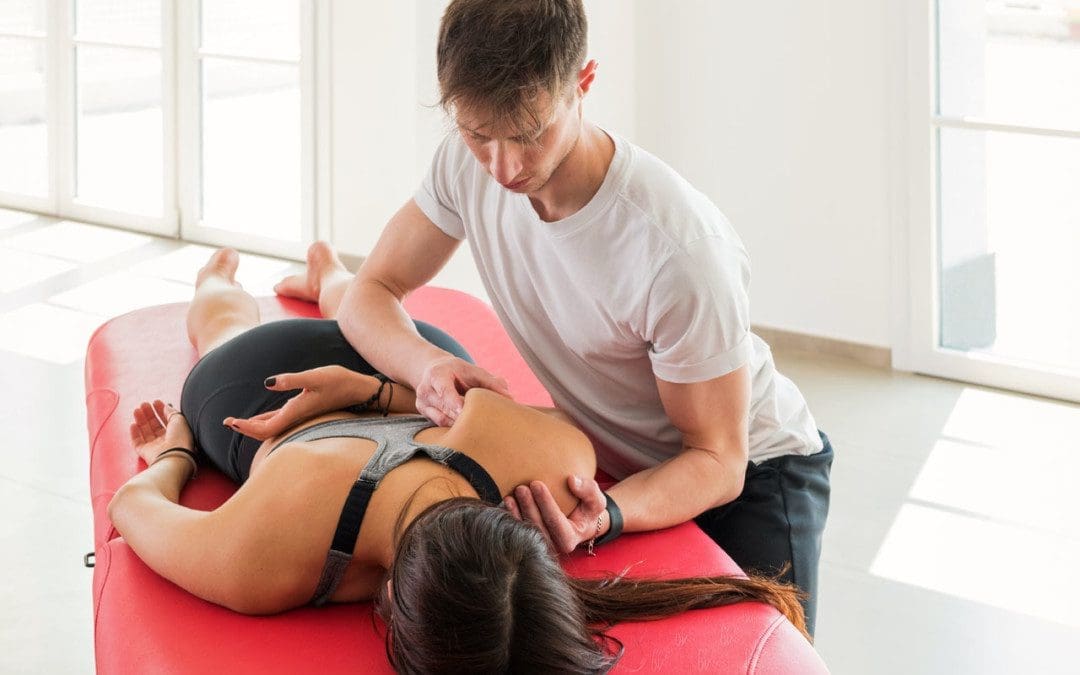
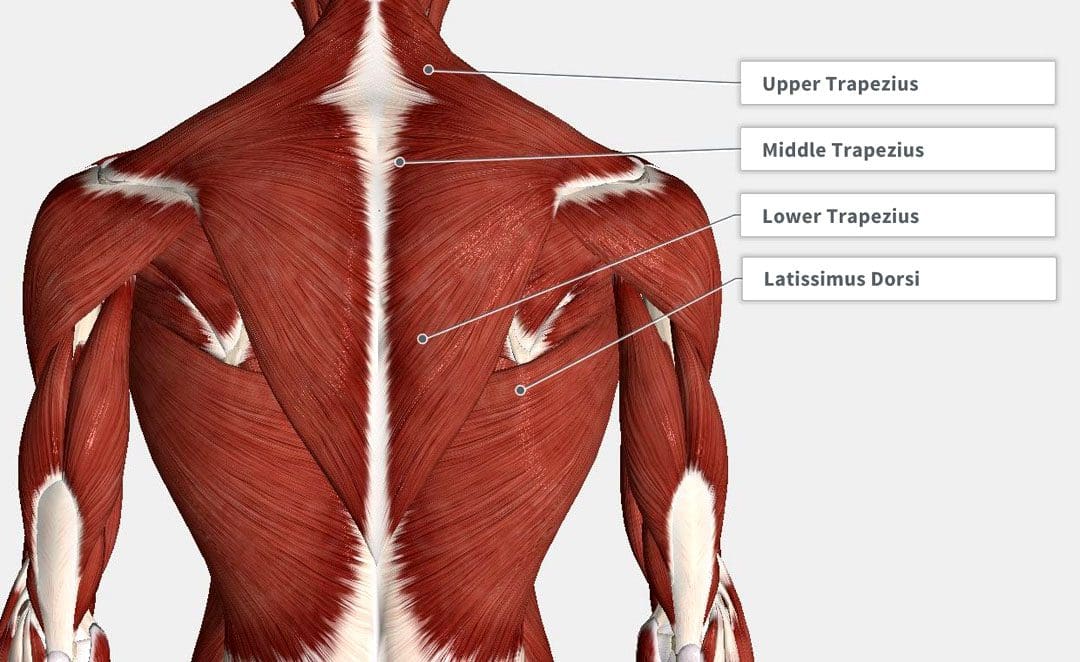
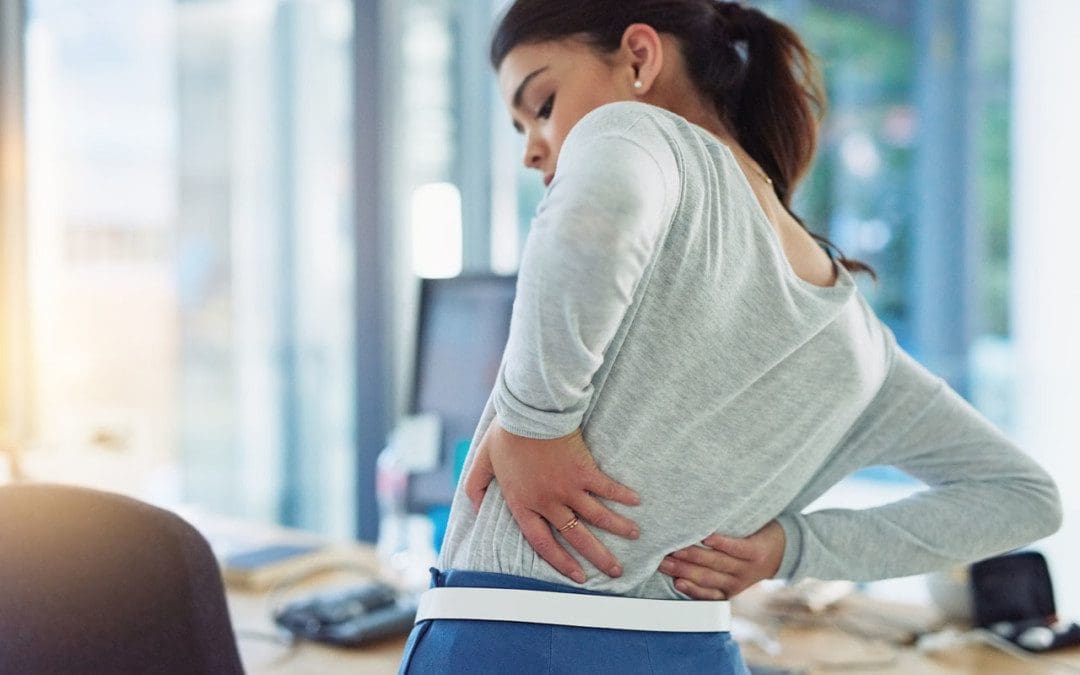
Unhealthy posture and slouching incorrectly position the body unnaturally, adding chronic strain on the muscles and ligaments. For example, when sitting or standing at a workstation, individuals start to relax by slumping forward because it feels comfortable; however, they don’t realize that their shoulders are hunching over, and their neck is in an awkward forward position. For every inch the head moves forward, its weight on the neck and upper back muscles increases by 10 pounds. Individuals that stay in this position for a long time often experience neck soreness, tension in the shoulder muscles, and low back discomfort. Chiropractic care, massage, and decompression therapy can realign the spine to its natural position and train individuals to maintain a healthy posture.
Slouching
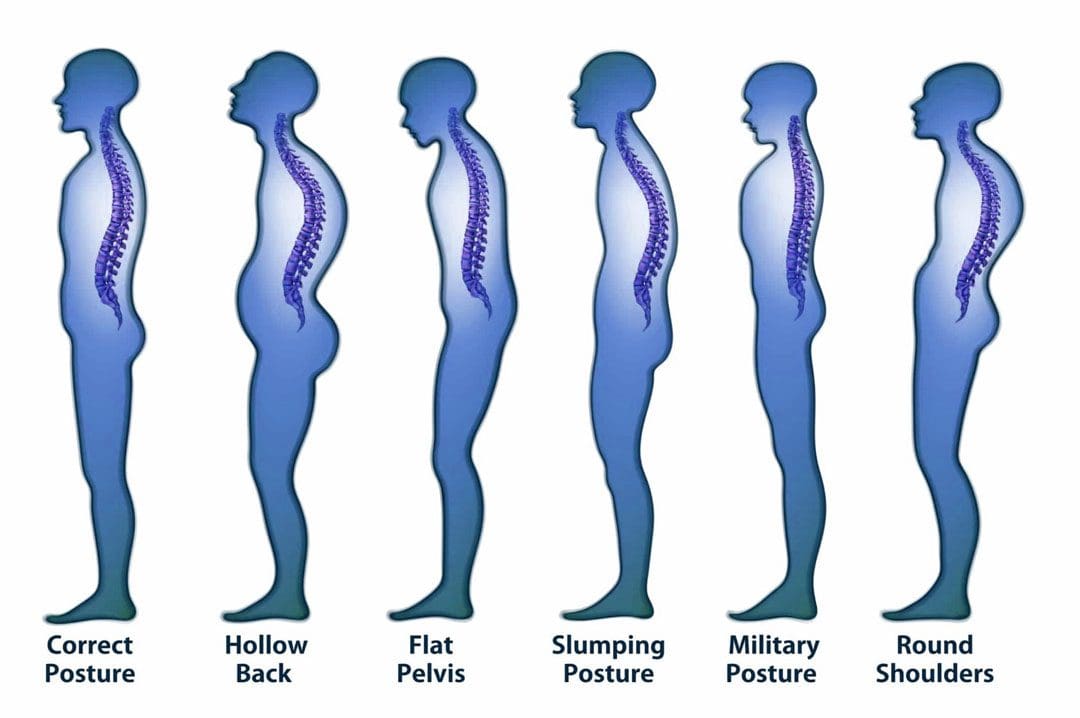
Posture is the body’s position in space, the relationship of the body’s parts, head, torso, and limbs to each other. Maintaining the natural lumbar curve in the low back is essential to preventing posture-related discomfort symptoms. This natural curve works as a shock absorber, helping to distribute weight along the length of the spine. The most common causes for slouching posture are:
Repetitive motions or tasks can cause physical and mental fatigue, causing individuals to relax their core muscles.
Combined with the repetitiveness, individuals also begin implementing unhealthy movements because it makes the job easier.
Often individuals want to finish their work tasks, and even though they can feel their muscles and body stiffening and tightening up, they continue to work through the discomfort and don’t take a quick break to move around and stretch.
Stressful situations can cause muscle tension.
Carrying heavy bags, purses, backpacks, etc.
Weight fluctuation.
Pregnancy.
Spine
Muscles move the skeletal system and provide resistance against movement.
The musculoskeletal system comprises soft tissue structures that provide active and passive spinal stabilization.
The spine has natural curves to distribute weight/loads evenly.
The cervical and lumbar spine have a lordosis or forward curve.
The thoracic spine and sacrum have a kyphosis or backward curve.
They help to mitigate the forces exerted on passive stabilizing structures like the ligaments, joint capsules, and intervertebral discs.
A prolonged seated or standing position fatigues the muscles that stabilize the spine from the forces of gravity and body weight. When the tired muscles no longer provide stability, the spine must rely on the passive structures of the musculoskeletal system for support. Without the support, the spine gradually loses its natural cervical and lumbar curves and becomes more kyphotic or slouched. Slouching can provide relaxation and relief to the fatigued muscles; however, repetitive or prolonged stress to the passive structures can result in discomfort and injury to those tissues. This is how nerve compression, ligament inflammation, and disc herniations start.
Symptoms of Unhealthy Posture
Head that leans forward or backward.
Headaches.
Jaw pain.
Poor circulation.
Rounded shoulders.
A decline in breathing efficiency.
Muscle fatigue – Certain muscles can change in length, becoming short and tense or long and weak.
The advantages of practicing healthy posture include the following:
Prevents abnormal wear on the joints.
Lessens stress on the ligaments.
Prevents muscle strain and fatigue.
Prevents the spine from becoming misaligned.
Prevents back aches and soreness.
Reduces the risk of chronic diseases or conditions.
Helps maintain fitness and overall health.
Chiropractic Realignment
Our approach starts by correcting the physical problems caused by slouching, which involves chiropractic adjustments, therapeutic massage, and non-surgical decompression therapy. The objective is to fix the root cause to ensure that the treatment lasts and maintains neuromusculoskeletal health.
Examination
The initial assessment looks at an individual’s posture and a physical evaluation to identify the root cause.
When muscles become weak, over or underused, or suffer injury, others tighten or tense up.
A chiropractor looks at how an individual stands from behind and from the sides, noting issues like uneven shoulders, arched back, twisted pelvis, or other symmetry issues.
Treatment
Massage will increase circulation and reduce tension.
Muscle release and relaxation for any overactive muscles.
A chiropractor will perform slow joint movements.
Targeted stretches and strength exercises will correct imbalances, maintain flexibility, and strengthen the core muscles.
Postural training will help individuals learn to use proper body mechanics and to listen to their bodies.
Impact of Stress
References
Defloor, T, and M H Grypdonck. “Sitting posture and prevention of pressure ulcers.” Applied nursing research: ANR vol. 12,3 (1999): 136-42. doi:10.1016/s0897-1897(99)80045-7
Fortner, Miles O et al. “Treating ‘slouchy’ (hyperkyphosis) posture with chiropractic biophysics®: a case report utilizing a multimodal mirror image® rehabilitation program.” Journal of physical therapy science vol. 29,8 (2017): 1475-1480. doi:10.1589/jpts.29.1475
Katzman, Wendy B et al. “Age-related hyperkyphosis: its causes, consequences, and management.” The Journal of orthopedic and sports physical therapy vol. 40,6 (2010): 352-60. doi:10.2519/jospt.2010.3099
Korakakis, Vasileios, et al. “Physiotherapist perceptions of optimal sitting and standing posture.” Musculoskeletal science & practice vol. 39 (2019): 24-31. doi:10.1016/j.msksp.2018.11.004
Snijders, Chris J et al. “Effects of slouching and muscle contraction on the strain of the iliolumbar ligament.” Manual therapy vol. 13,4 (2008): 325-33. doi:10.1016/j.math.2007.03.001
Yoong, Nicole Kah Mun et al. “Commercial Postural Devices: A Review.” Sensors (Basel, Switzerland) vol. 19,23 5128. 23 Nov. 2019, doi:10.3390/s19235128
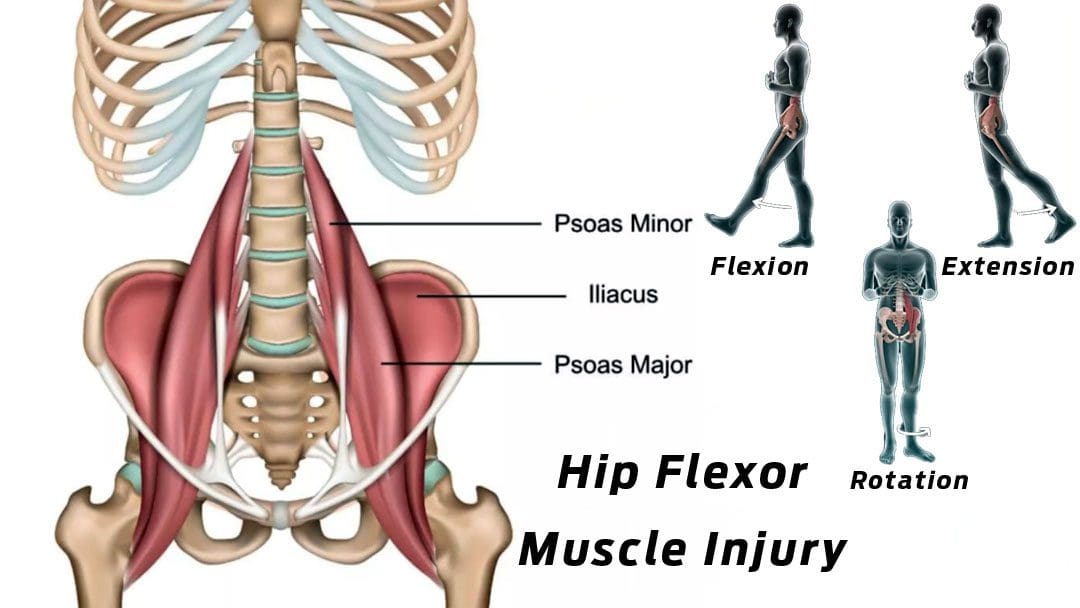
The iliopsoas muscle is a primary hip flexor that assists in the femur’s external rotation and maintains the hip joint’s strength and integrity. It also helps to stabilize the lumbar spine and pelvis. Athletes often overuse these muscles with all the sprinting, jumping, kicking, and changing directions when running, causing strains and/or tears. Repetitive hip flexion can result in chronic degenerative tendon changes. Chiropractic care and physical therapy can assist in the early phases of healing, safely transitioning to rehabilitation, and returning to physical activities.
Iliopsoas Muscle
The hip flexors are the group of muscles, including the iliac and psoas major muscles/iliopsoas and the rectus femoris/quadriceps. One of the largest and thickest muscles in the body, the psoas, extends from the lumbar vertebrae, crosses in front of each hip, and attaches to the inside top of the thigh bone. The muscle works by flexing the hip joint and lifting the upper leg towards the body. These fibers can tear if tension is more than the muscle can bear. An iliopsoas strain occurs when one or more of these hip flexor muscles become overly stretched or begin to tear.
Injury
The injury can occur from sports or everyday physical activities. This leads to inflammation, pain, and scar tissue formation. An iliopsoas injury is commonly caused by sudden movements, including sprinting, kicking, and changing direction fast while running. Individuals participating in any sports, especially cycling, running, dance, tennis, martial arts, and soccer, are more likely to experience this injury. Other contributing factors include:
Muscle tightness
Joint stiffness
Muscle weakness
Inadequate core stability
Not warming up correctly
Improper biomechanics
Decreased fitness and conditioning
Individuals will feel a sudden stinging pain or pulling sensation, usually on the front of the hip, groin, or abdominal area. Other symptoms include:
Healing and recovery depend on the severity of the injury. A minor iliopsoas muscle injury can take around three weeks to recover fully. More serious strains and tears take six to eight weeks before returning to activity, as the tissue needs time to repair before starting rehabilitation.
Chiropractic Rehabilitation and Recovery
The first steps when dealing with this injury should be P.R.I.C.E. protection, rest, ice, compression, and elevation. It is important to rest and seek treatment immediately; if left untreated, the condition could worsen, lead to a chronic condition, and require surgery. A chiropractic treatment and rehabilitation plan will consist of the following:
Soft tissue massage
Joint mobilization
A chiropractor may recommend crutches to keep the weight off the hip.
A brace can help compress and stabilize the hip flexor to expedite healing.
A flexibility and strengthening program will be implemented to target the muscles around the hip.
Core strengthening exercises will improve the stability of the pelvis area to prevent any further overuse problems.
Wearing compression clothing could also be recommended, as the clothing helps maintain muscle temperature.
Labral Tear
References
Dydyk AM, Sapra A. Psoas Syndrome. [Updated 2022 Oct 24]. In: StatPearls [Internet]. Treasure Island (F.L.): StatPearls Publishing; 2022 Jan-. Available from: https://www.ncbi.nlm.nih.gov/books/NBK551701/
Lifshitz, Liran BPt, MSc, PT; Bar Sela, Shlomo BPt MPE; Gal, Noga BPt, MSc; Martin, RobRoy PhD, PT; Fleitman Klar, Michal BPt. Iliopsoas the Hidden Muscle: Anatomy, Diagnosis, and Treatment. Current Sports Medicine Reports 19(6):p 235-243, June 2020. | DOI: 10.1249/JSR.0000000000000723
Rauseo, Carla. “THE REHABILITATION OF A RUNNER WITH ILIOPSOAS TENDINOPATHY USING AN ECCENTRIC-BIASED EXERCISE-A CASE REPORT.” International journal of sports physical therapy vol. 12,7 (2017): 1150-1162. doi:10.26603/ijspt20171150
Rubio, Manolo, et al. “Spontaneous Iliopsoas Tendon Tear: A Rare Cause of Hip Pain in the Elderly.” Geriatric orthopedic surgery & rehabilitation vol. 7,1 (2016): 30-2. doi:10.1177/2151458515627309
It is a common scenario, whether sitting or standing when we need to bend down or forward, and suddenly there is a sharp sting on one side of the low back. The sensation can cause the knees to buckle. So we stand up slowly to assess the condition and realize it is almost impossible to stand completely straight and even harder to bend forward. So we sit back down to try and relieve the pressure. It helps a little, but the injury has caused the back muscles to spasm and get tighter and tighter. When we try to get up, there can be one big or several mild to severe electrical shock sensations traveling through the back. A severely over-rotated vertebrae could be the cause and require chiropractic care, massage, and/or decompression therapy.
Over Rotated Vertebrae
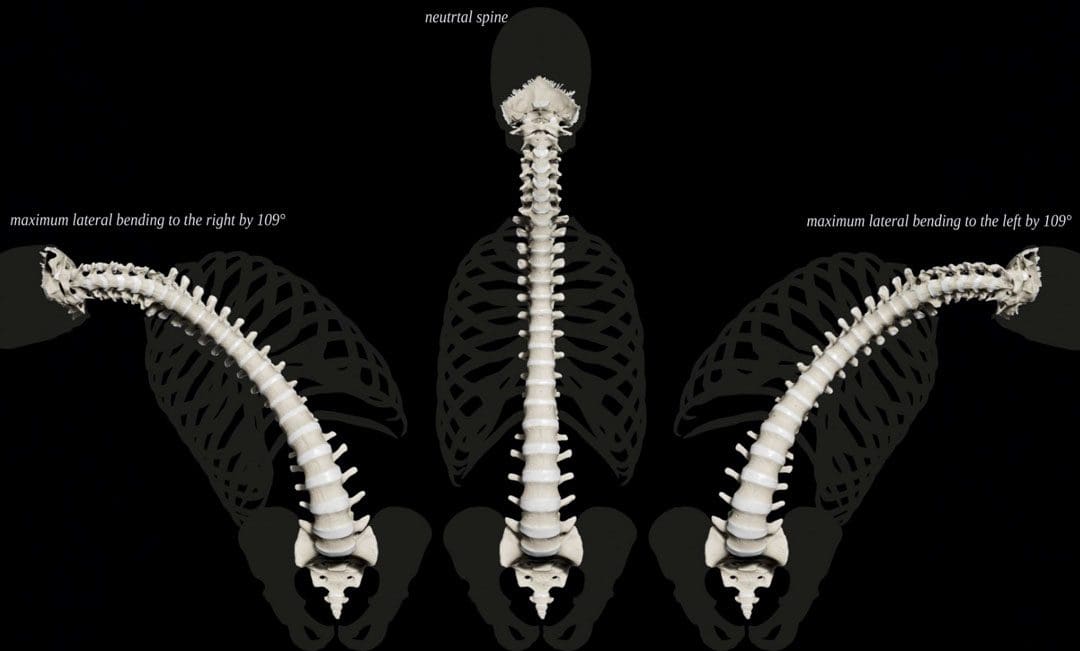
The spinal column is made of 26 interconnected vertebrae. When in motion, each vertebra moves, and as the torso rotates, the spine must rotate as well. The spine can move in several ways, including:
Bending
Rounding forward.
Extending or arching backward.
Twisting
Tilting sideways uses some of the same muscles when twisting.
Although the spine can move in various directions, there are limits to how far it can and should go. For example, when bending forward to lift an object, an individual can unknowingly over-extend and over-rotate vertebrae. This is where the risk of injury increases. A rotational injury of the spine occurs when the torso turns too far, and the spinal cord can’t handle it. This can stretch the ligaments in the spine to the point of snapping, causing the facet joints to dislocate. Ligament strains and facet dislocations are two of the most common rotational spine injuries.
Complications
An over-rotated vertebrae injury can also lead to complications that include.
Chronic Pain
Spinal nerve damage can lead to chronic pain conditions.
Mobility Problems
Mobility problems are common following an injury of the spine.
This comes from damage to the nerves that innervate the legs, causing weakness and coordination problems.
Pressure Ulcers
Numbness following a spine injury can cause individuals not to notice pressure ulcers developing.
These can lead to infections and could require hospitalization.
Individuals accumulate tension and/or weakness in the oblique abdominal muscles and other trunk muscles that can lead to chronic tightness and weakness, affecting movement and decreasing the range of motion.
Chiropractic Treatment Plan
Depending on the time and severity of the injury, a personalized treatment plan may consist of the following:
Chiropractic mobilization to release the spasms and reset the spine.
Rest
Facet Syndrome Treatment
References
Janssen, Michiel M A, et al. “Pre-existent vertebral rotation in the human spine is influenced by body position.” The European spine journal: official publication of the European Spine Society, the European Spinal Deformity Society, and the European Section of the Cervical Spine Research Society vol. 19,10 (2010): 1728-34. doi:10.1007/s00586-010-1400-3
Kruger, Erwin A et al. “Comprehensive management of pressure ulcers in spinal cord injury: current concepts and future trends.” The Journal of spinal cord medicine vol. 36,6 (2013): 572-85. doi:10.1179/2045772313Y.0000000093
Passias, Peter G et al. “Segmental lumbar rotation in patients with discogenic low back pain during functional weight-bearing activities.” The Journal of bone and joint surgery. American volume vol. 93,1 (2011): 29-37. doi:10.2106/JBJS.I.01348
Shan, X., Ning, X., Chen, Z. et al. Low back pain development response to sustained trunk axial twisting. Eur Spine J 22, 1972–1978 (2013). https://doi.org/10.1007/s00586-013-2784-7
Chiropractic care has a powerful therapeutic effect on the body’s systems. This includes the nervous, muscular, skeletal, and lymphatic. The lymphatic system is a part of the immune system. It circulates lymph, a fluid comprised of white blood cells that support the immune system, proteins, and fats. The lymphatic system collects toxins, moves waste, and protects the body from foreign invaders. Together with the immune system, the lymphatic system keeps the body balanced. However, imbalances occur due to misalignments, subluxations, compressed nerves, chronic conditions, and injuries. Chiropractic care, massage, and decompression therapy can help mobilize stuck or misaligned joints, reduce muscular tension, alleviate nerve inflammation and discomfort, and restore optimal function.
Spinal Lymphatic Detox
Lymphatic System
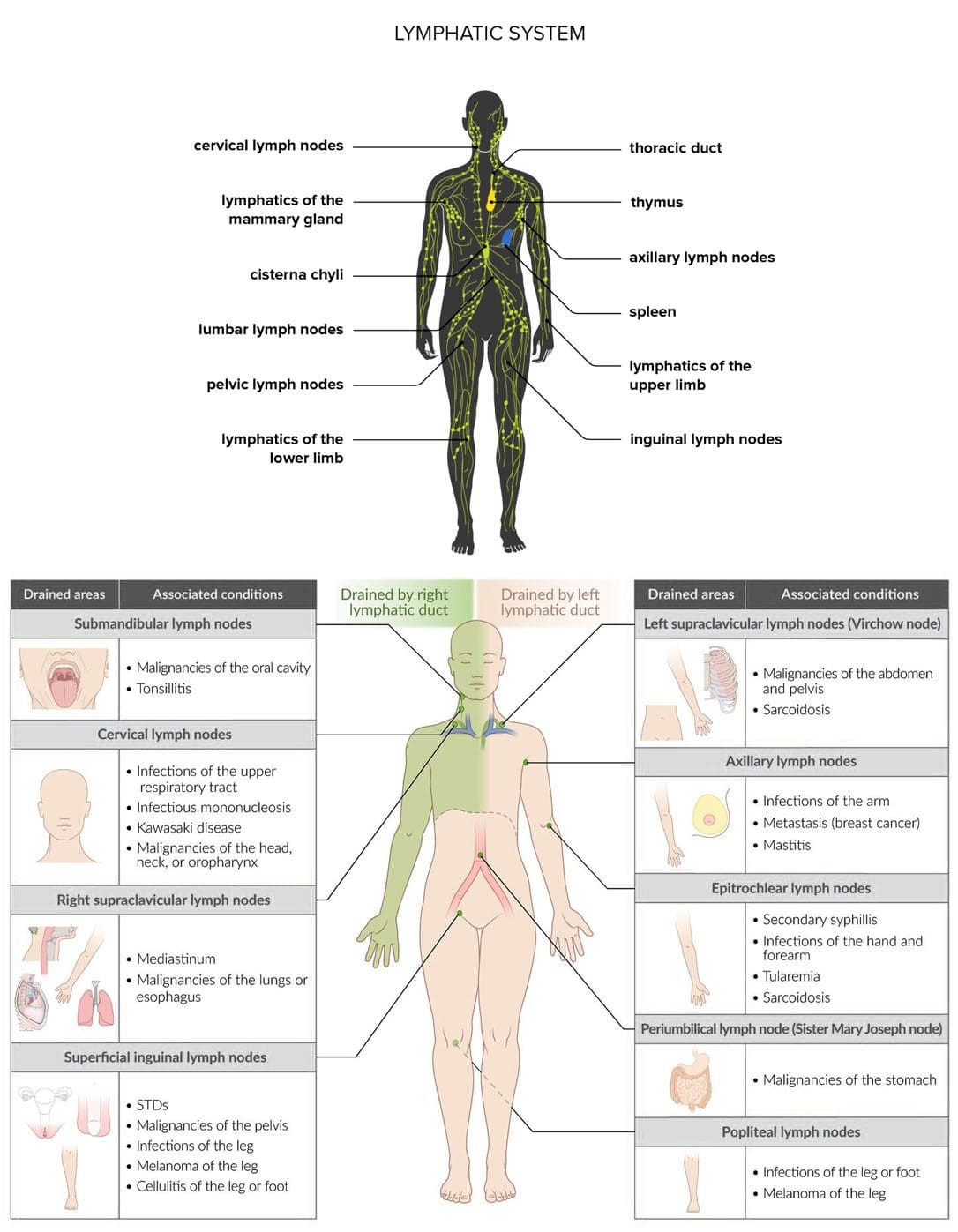
The lymphatic system is a network throughout the body. The system drains lymph fluid from the blood vessels into the tissues and empties it back into the bloodstream through the lymph nodes. The main functions of the system include the following:
Regulates fluid levels in the body.
Activates when bacteria or viruses enter.
Manages and removes cancer cells or cell byproducts that could result in disease or disorders.
Absorbs some of the fats from the intestine.
The lymph nodes and other structures like the spleenand thymushouse specialized white blood cells called lymphocytes. These are ready to go and can rapidly multiply and release antibodies when bacteria, viruses, and other stimuli, enter the body.
Fluid Balance
The blood in the vessels is under constant pressure. Nutrients, fluids, and certain cells need to circulate throughout the body to supply the tissues and maintain the system’s defense. The lymphatic system:
Removes all fluids and contents that leak into the tissues.
Eliminates waste products formed in the tissues.
Eliminates bacteria that enter through the skin.
The digestive and respiratory systems are lined with lymphatic tissue because the systems are exposed. The most important sites are the tonsils, the intestinal region, and the appendix. Lymph nodes are the filters. Viruses and cancer cells get trapped and destroyed in the lymph nodes. More lymphocytes are produced when an infection is present, which is why the nodes experience swelling. When the lymphatic system does not drain fluids from the tissues properly, the tissues swell and can cause symptoms of discomfort. If the swelling is only for a short period, it is called edema. If it lasts more than three months, it is called lymphoedema.
Symptoms of Unhealthy Circulation
Unhealthy circulation can include the following symptoms:
Fatigue
Concentration problems
Cold hands or feet
Swelling
Muscle cramps
Numbness
Tingling
Stinging
Throbbing
Development of ulcers on the feet, ankles, and legs.
Chiropractic Care
A chiropractic spinal lymphatic detoxtreatment releases stagnant fluid collected in the joints, muscles, and tissues. A personalized treatment plan will consist of massage therapy to increase circulation, release and relax the muscles and nerves, chiropractic to realign the body, decompression to open the spine, stretching techniques to improve flexibility, and nutritional guidance to support optimal circulation. The benefits include:
Discomfort and pain relief.
Stress and anxiety relief.
Balanced and realigned body.
Relaxed muscles.
Helps with allergy symptoms.
Detoxes bacteria along the spine.
Lymphatic Anatomy
References
Dmochowski, Jacek P et al. “Computational Modeling of Deep Tissue Heating by an Automatic Thermal Massage Bed: Predicting the Effects on Circulation.” Frontiers in medical technology vol. 4 925554. 14 Jun. 2022, doi:10.3389/fmedt.2022.925554
Majewski-Schrage, Tricia, and Kelli Snyder. “The Effectiveness of Manual Lymphatic Drainage in Patients With Orthopedic Injuries.” Journal of sport rehabilitation vol. 25,1 (2016): 91-7. doi:10.1123/jsr.2014-0222
Mihara, Makoto et al. “Combined conservative treatment and lymphatic venous anastomosis for severe lower limb lymphedema with recurrent cellulitis.” Annals of vascular surgery vol. 29,6 (2015): 1318.e11-5. doi:10.1016/j.avsg.2015.01.037
Mortimer, Peter S, and Stanley G Rockson. “New developments in clinical aspects of lymphatic disease.” The Journal of clinical investigation vol. 124,3 (2014): 915-21. doi:10.1172/JCI71608
Weerapong, Pornratshanee et al. “The mechanisms of massage and effects on performance, muscle recovery and injury prevention.” Sports medicine (Auckland, N.Z.) vol. 35,3 (2005): 235-56. doi:10.2165/00007256-200535030-00004
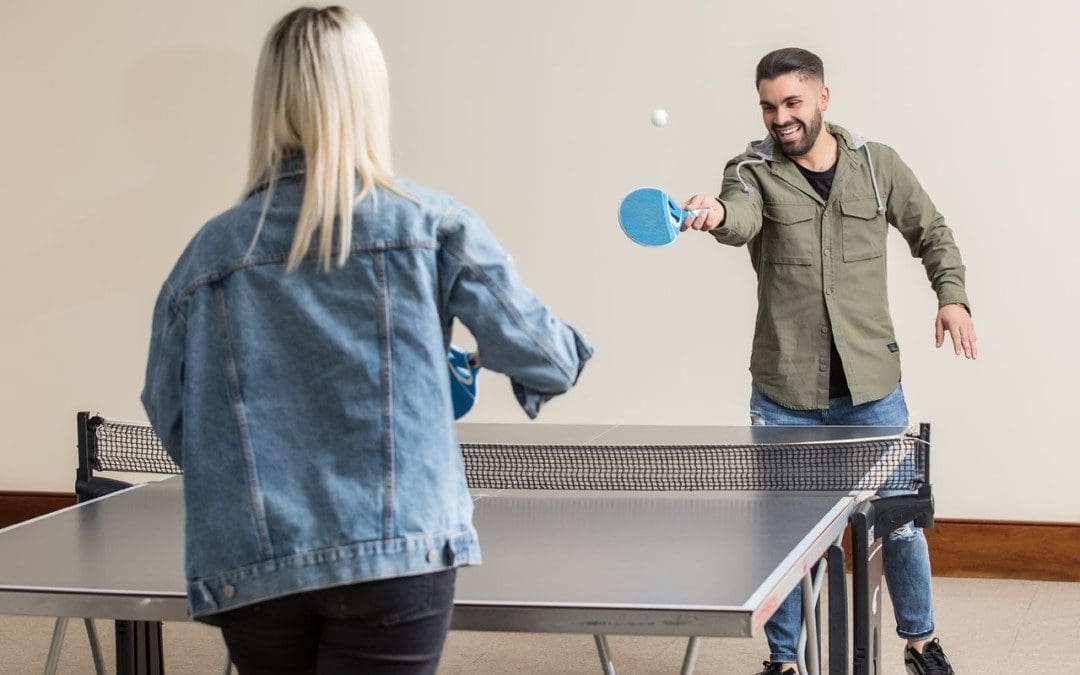
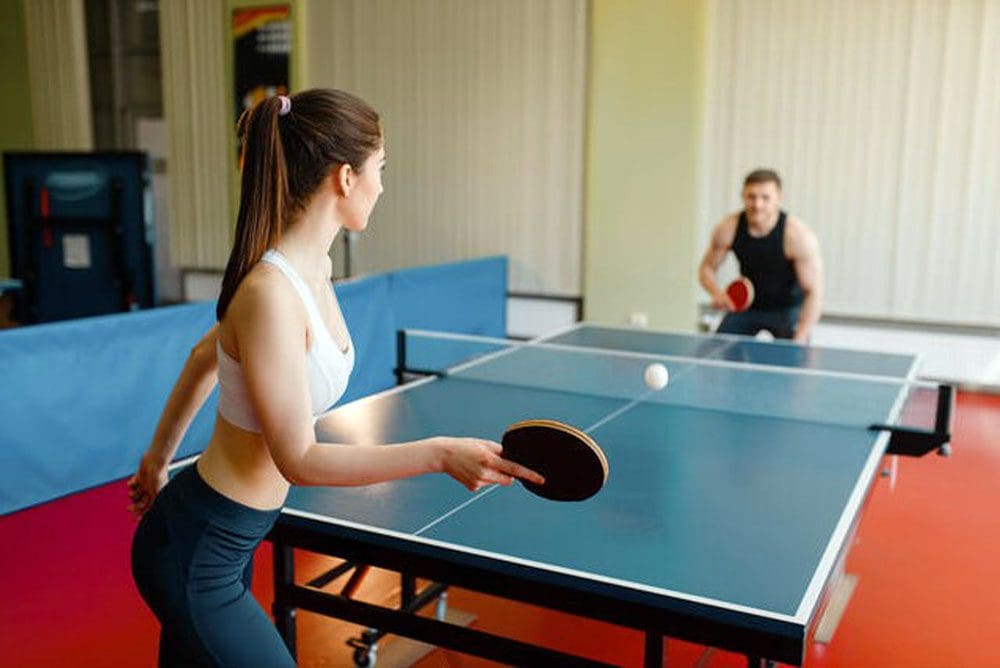
Table tennis is a sport that individuals of all ages and abilities can play. The small scale and reduced movement make it more accessible. It has become more physical, with professional players making fitness an important part of their training. However, at all levels, it offers moderate-intensity activity, which is good for the heart, mind, and body. Recreational table tennis has been found to increase concentration, stimulate brain function, help develop tactical thinking skills and hand-eye coordination, and provide aerobic exercise and social interaction.
Table Tennis
The setup and rules are similar to tennis and can be played solo or in doubles. The skills needed to develop are learning to hit and control the ball consistently. Table tennis can be complex, with various shots, spins, and styles, but the foundational skills required include:
Proper Footwork
Although the body does not move that far, footwork is essential with the quick movements that are made in a short period.
Basic footwork techniques include fast dynamic movement, balance, and weight distribution.
Serving
Basic serving is necessary to get the point going.
Different stroke styles can be used, but forehand and backhand strokes are the most common.
Learning how the body activates and responds to the swing, the point of contact and the follow-through of each stroke is essential to get the most out of each stroke.
Speed and Agility
Table tennis is a fast-twitch muscle sport that utilizes quick bursts of energy and explosive strength.
Coaches and players use a combination of hybrid, high-intensity, and functional training to condition the body.
High-intensity interval training incorporates explosive movements, like squat jumps, to activate the muscles and the anaerobic threshold.
Hand-eye coordination
Playing improves hand-eye coordination skills and stimulates mental alertness and concentration.
This is great for sharpening overall reflexes.
Health Benefits
Table tennis offers several health benefits that include:
It is a social sport that provides a fun way to spend time with family and friends.
The overall risk for injury is low.
Easy on the muscles and joints.
Increases energy.
Improves balance.
Improves reflexes.
Burns calories.
Keeps the brain sharp.
Relieves stress.
Table Tennis
References
Biernat, Elżbieta, et al. “Eye on the Ball: Table Tennis as a Pro-Health Form of Leisure-Time Physical Activity.” International journal of environmental research and public health vol. 15,4 738. 12 Apr. 2018, doi:10.3390/ijerph15040738
Picabea, Jon Mikel, et al. “Physical Fitness Profiling of National Category Table Tennis Players: Implication for Health and Performance.” International journal of environmental research and public health vol. 18,17 9362. 4 Sep. 2021, doi:10.3390/ijerph18179362
Pilis, Karol, et al. “Body composition and nutrition of female athletes.” Roczniki Panstwowego Zakladu Higieny vol. 70,3 (2019): 243-251. doi:10.32394/rpzh.2019.0074
Zagatto, Alessandro Moura, et al. “Energetic demand and physical conditioning of table tennis players. A study review.” Journal of sports sciences vol. 36,7 (2018): 724-731. doi:10.1080/02640414.2017.1335957
Zhu, Ke, and Lina Xu. “Analysis on the Influence of Table Tennis Elective Course on College Students’ Health.” Journal of healthcare engineering vol. 2022 8392683. 17 Jan. 2022, doi:10.1155/2022/8392683
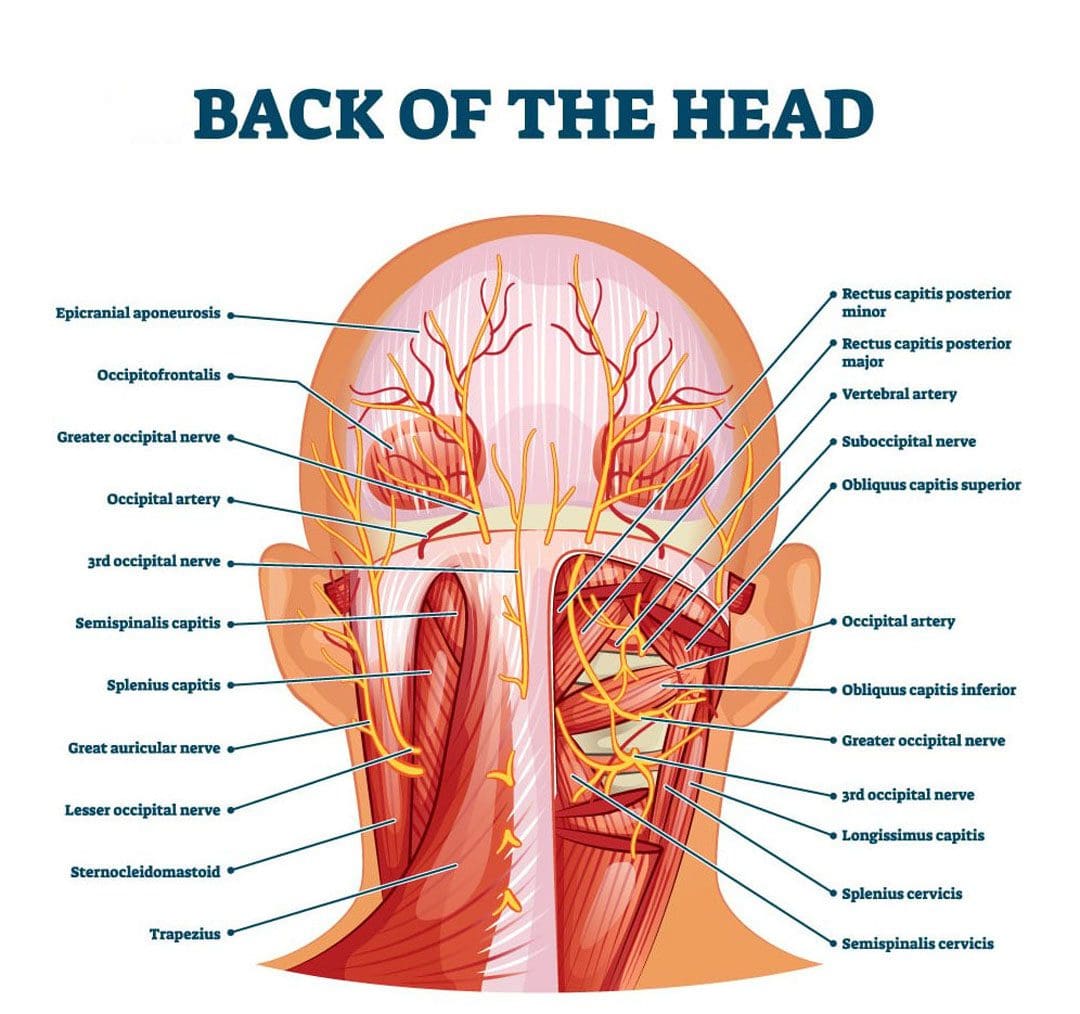
Neck injuries and whiplash symptoms can be minor and go away within a few days. However, whiplash symptoms can manifest days later and become varied and chronic, ranging from severe pain to cognitive problems. These are collectively called whiplash-associated disorders because of the varied complexity of the symptoms. A common condition is a whiplash nerve injury. These injuries can be severe and require chiropractic treatment.
Whiplash Nerve Injury
Surrounding muscles, tissues, bones, or tendons can cause a whiplash nerve injury. The neck’s spinal nerve roots become compressed or inflamed, leading to cervical radiculopathy symptoms of tingling, weakness, and numbness that can radiate down the shoulder, arm, hand, and fingers. Typically, cervical radiculopathy is only felt on one side of the body, but in rare cases, it can be felt on both sides if more than one nerve root is affected.
Neurological Cervical Radiculopathy
Neurological problems can become severe and can reduce the ability to perform many routine tasks, such as gripping or lifting objects, writing, typing, or getting dressed.
Cervical radiculopathy involves one or more of the following neurological deficiencies.
Sensory – Feelings of numbness or reduced sensation. There can also be tingling and electrical sensations.
Motor – Weakness or reduced coordination in one or more muscles.
Reflex – Changes in the body’s automatic reflex responses. An example is a diminished ability or reduced hammer reflex exam.
Symptoms
Because every case is different, symptoms vary depending on the location and severity. Symptoms can flare up with certain activities, like looking down at a phone. The symptoms then go away when the neck is upright. For others, symptoms can become chronic and do not resolve when the neck is resting and supported. Common symptoms include:
Fatigue
Decreased energy levels could be related to sleep problems, depression, stress, pain, concussion, or nerve damage.
Memory and/or concentration problems
Cognitive symptoms could involve difficulty with memory or thinking.
Symptoms can start shortly after the injury or not appear until hours or days later.
Cognitive problems could be from a brain injury or related to various types of stress.
Headaches
This could be neck muscles tightening or a nerve or joint becoming compressed or irritated.
Dizziness
Dizziness could be from neck instability, a concussion/mild traumatic brain injury, and nerve damage.
Vision problems
Blurry vision or other visual deficits could result from any number of causes, including concussion or nerve damage.
Vision problems could also contribute to dizziness.
Ringing in the ears
Also called tinnitus, this can be ringing or buzzing in one or both ears and can range from intermittent and minor to constant and severe.
Whiplash complications such as injury to the brain region that controls hearing, nerve or vascular damage, jaw injury, or stress can lead to tinnitus.
Chiropractic Care
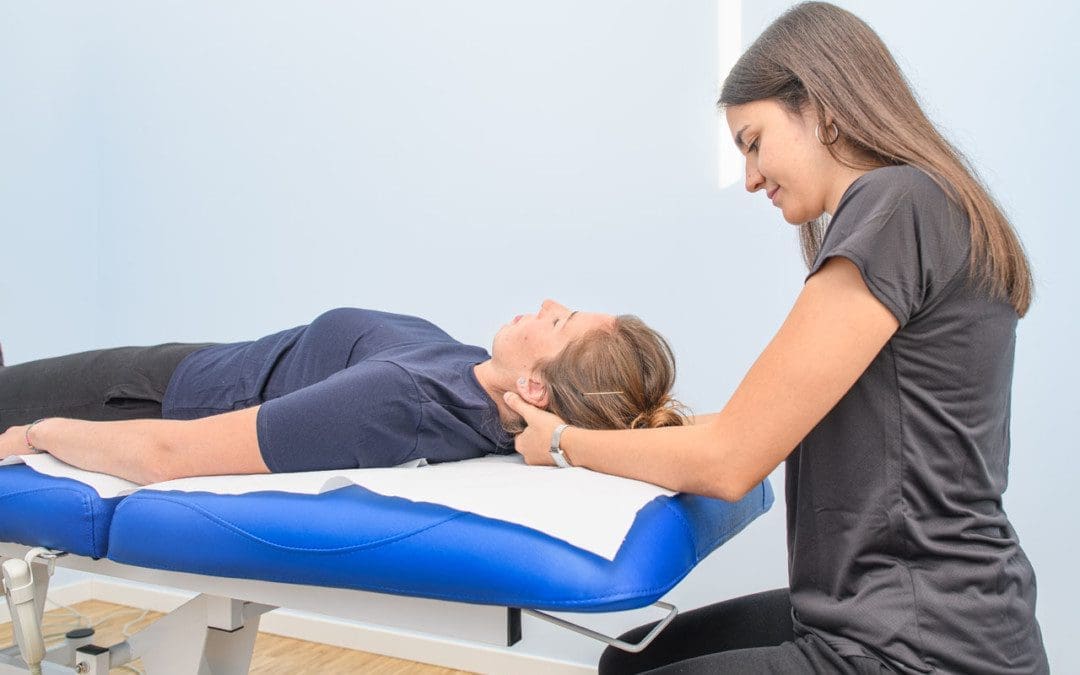
The appropriate chiropractic treatment is unique to each whiplash nerve injury and is directed at the primary dysfunctions detected during the initial examination. A personalized treatment plan addresses factors in an individual’s work, home, and recreational activities. Treatment includes:
Massage manual and percussive for nerve and muscle relaxation
Goldsmith R, Wright C, Bell S, Rushton A. Cold hyperalgesia as a prognostic factor in whiplash-associated disorders: A systematic review. Man Ther. 2012; 17: 402-10.
McAnany SJ, Rhee JM, Baird EO, et al. Observed patterns of cervical radiculopathy: how often do they differ from a standard “Netter diagram” distribution? Spine J. 2018. pii: S1529-9430(18)31090-8.
Murphy DR. History and physical examination. In: Murphy DR, ed. Conservative Management of Cervical Spine Syndromes. New York: McGraw-Hill, 2000:387-419.
Shaw, Lynn, et al. “A systematic review of chiropractic management of adults with Whiplash-Associated Disorders: recommendations for advancing evidence-based practice and research.” Work (Reading, Mass.) vol. 35,3 (2010): 369-94. doi:10.3233/WOR-2010-0996
Travell JG, Simons DG. Myofascial Pain and Dysfunction: The Trigger Point Manual. Vol. 1, 2nd ed. Baltimore, MD: Williams and Wilkens, 1999.
Neck aches, soreness, and pain symptoms are not always neck-related. Tight thoracic or mid-back muscles can pull on the neck muscles causing various symptoms. Upper back tightness occurs anywhere from the neck’s base to the bottom of the rib cage. The bones in the upper area don’t move or flex as much as the neck and low back. This can lead individuals to believe there is nothing wrong with the mid-back, as there are no pain symptoms or signs of discomfort. However, individuals don’t realize how tight the muscles are, which can go on for years, causing neck issues. Injury Medical Chiropractic and Functional Medicine Clinic can relieve symptoms, release, and relax tight muscles, increase circulation, and restore optimal function.
Mid-Back Muscle Tightness
The upper and middle back is the thoracic spine. The thoracic spine has twelve small bones called vertebrae. Each vertebra on the thoracic spine is connected to a pair of ribs. The ribs wrap around the body and attach to a long, flat sternum bone. This forms the rib cage. The bones in the upper back work with the ribs to stabilize the back and protect vital organs, including the heart and lungs. The tightening and pulling eventually cause neck aches that can come out of nowhere; even when not moving and looking straight ahead, there can be persistent dull achiness or stinging sensations.
Causes
Unhealthy posture, disc problems, injuries, fractures, or other issues or conditions can cause mid-back muscle tightness.
Posture
Constant sitting or standing combined with unhealthy posture and being hunched over can cause the muscles to tighten, limiting mobility.
Holding Onto Stress
Chronic stress can cause muscle tightening, whether it is in the low back, mid-back, neck, or elsewhere.
Hereditary
Individual genetic makeup may make the body more susceptible to muscle tightness.
For example, individuals with a lot of muscle tone vs. individuals with less muscle tone may experience muscle tightness more often.
Adequate Hydration
Being properly hydrated is important for muscle and joint lubrication.
Water provides nutrients to contracting muscles.
This keeps the body loose and ready for movement.
Muscle Imbalance and Underlying Weakness
Individuals that tend to work one side of the body more than the other or have repeatedly been moving in a certain way for years can cause muscle imbalances and trigger points to develop.
If muscle tightness continues, even after stretching, it could be an underlying weakness.
The muscles can sometimes seize up and guard, so they feel tight when they have become chronically weak and not strong enough to meet the physical demands.
Chiropractic Care
Chiropractic care involves various therapies to address the root cause fully and relieve neck aches. These include:
Massage therapies to break up compacted muscle tissue.
Remove trigger points.
Relax the muscles to a pliable state.
Perform chiropractic adjustments to realign the spine.
Stretching and strengthening.
Posture training that includes stretches/exercises.
Nutritional plans to help strengthen muscles.
Thoracic Tension Release
References
Gatt, Adrianna, et al. “Anatomy, Fascia Layers.” StatPearls, StatPearls Publishing, Jul 25, 2022.
Liebsch, Christian, and Hans-Joachim Wilke. “How Does the Rib Cage Affect the Biomechanical Properties of the Thoracic Spine? A Systematic Literature Review.” Frontiers in bioengineering and biotechnology vol. 10 904539. Jun 15, 2022, doi:10.3389/fbioe.2022.904539
Maciejewska-Skrendo, Agnieszka et al. “Genetics of Muscle Stiffness, Muscle Elasticity and Explosive Strength.” Journal of human kinetics vol. 74 143-159. 31 Aug. 2020, doi:10.2478/hukin-2020-0027
Modes RJ, Lafci Fahrioglu S. Anatomy, Back. [Updated 2022 Feb 5]. In: StatPearls [Internet]. Treasure Island (FL): StatPearls Publishing; 2022 Jan-. Available from: https://www.ncbi.nlm.nih.gov/books/NBK539746/
Page, Phil. “Current concepts in muscle stretching for exercise and rehabilitation.” International journal of sports physical therapy vol. 7,1 (2012): 109-19.
Petrofsky, Jerrold et al. “The Efficacy of Sustained Heat Treatment on Delayed-Onset Muscle Soreness.” Clinical journal of sports medicine: official journal of the Canadian Academy of Sports Medicine vol. 27,4 (2017): 329-337. doi:10.1097/JSM.0000000000000375
IFM's Find A Practitioner tool is the largest referral network in Functional Medicine, created to help patients locate Functional Medicine practitioners anywhere in the world. IFM Certified Practitioners are listed first in the search results, given their extensive education in Functional Medicine


 Slouching

 Whiplash Nerve Injury