Sciatica can range from mild to severe. Most individuals are familiar with severe cases because of the intense shooting throbbing pain. On the other hand, mild cases can present with little to no discomfort or pain but involve tingling, pins and needles, electrical buzzing, and numbing sensations. This can make individuals think there is nothing wrong and their foot just fell asleep. It can come from nowhere, as there was no obvious back or leg trauma causing injury. However, somewhere along the nerve’s path, the nerve has become compressed, pinched, trapped, stuck, or twisted, most likely from a spasming muscle group in the low back, buttocks, or legs causing the sciatica foot symptoms. Chiropractic, massage, and decompression therapy can relax the muscles, relieve the symptoms, release the nerve, and restore function.
Sciatica Foot Symptoms
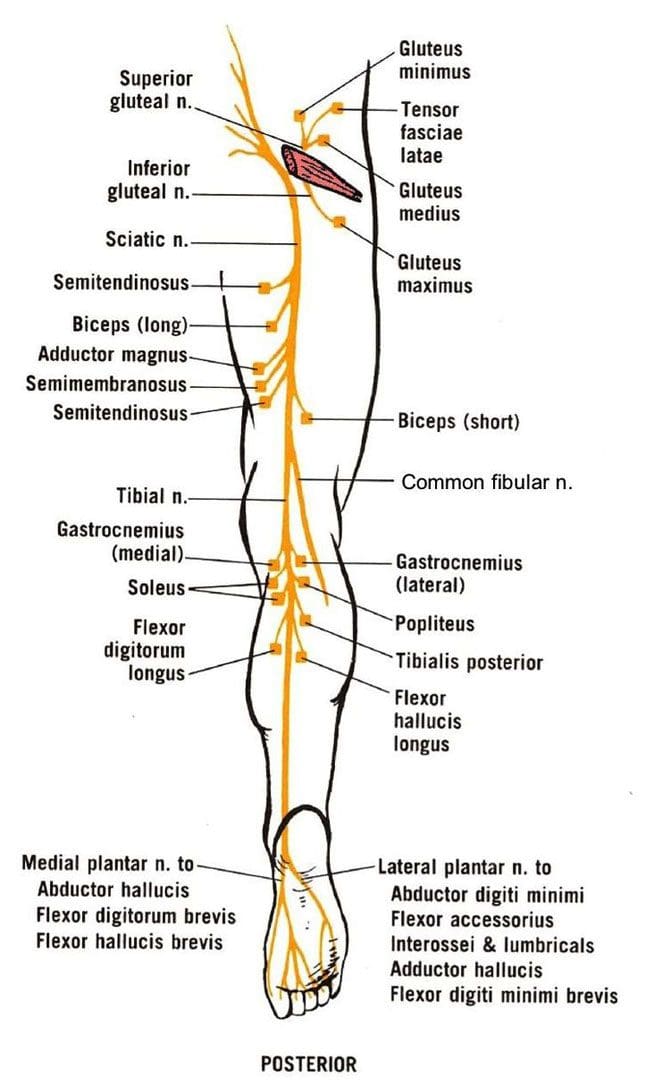
The sciatic nerve extends from the lower spine to the feet. Sciatica foot symptoms could be caused by several possibilities that range from piriformis syndrome to a developing slipped disc or spasming muscles. The symptoms travel through the nerve and can be felt anywhere along the nerve’s path, not necessarily at the source. This is why mild cases may only present with slight pricking/tingling sensations. However, left untreated, the cause can progress and develop into a severe case of sciatica.
Symptoms
The length of time that sciatica foot symptoms last will depend on the underlying cause. For example, if a herniated disc is the cause, the numbness may last for a few weeks or months until the disc heals. However, the numbness may be more long-lasting if sciatica is caused by degenerative disc disease. Sometimes, the nerve can be permanently damaged, leading to chronic pain and numbness. This is more likely to occur in individuals with diabetes or another condition that causes nerve damage.
A varying degree of leg weakness can present as the spinal nerve root issues interfere with effective signal communication between the brain and the leg muscles.
Leg weakness may also be interpreted as a pulling sensation in the leg.
Weakness in the foot or toe muscles can also present.
Leg movements such as walking, running, lifting the leg, or flexing the foot can also be affected.
The tingling and numbing sensations may worsen when sitting or standing for long periods or moving the back in certain ways.
Treatment
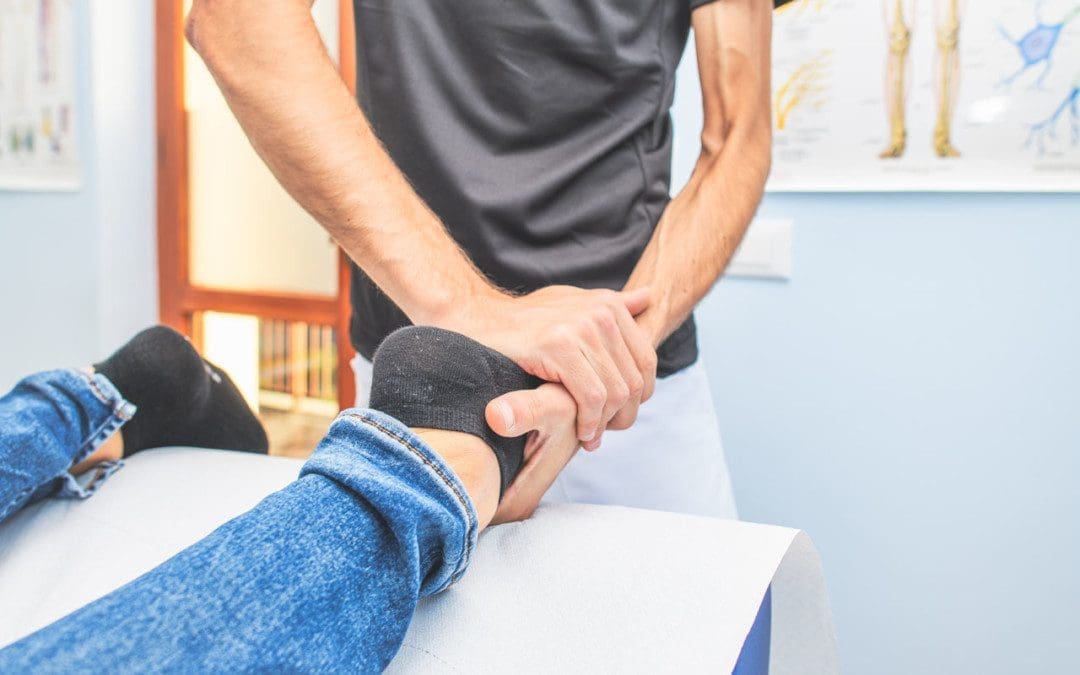
Chiropractic care is an excellent option for treating sciatica foot symptoms and starts with a personalized plan based on individual symptoms, injury, and medical history. Chiropractors are neuromusculoskeletal experts on the spine, vertebrae, surrounding muscles, tissues, and nerves. Treatment includes spinal and extremity adjustments to realign the body, decrease inflammation, relieve pressure, release the nerve, and ultimately allow the body to activate its natural healing processes.
Massage
Massage therapy can relieve muscle tension and spasms in the back and legs, reducing pressure on the sciatic nerve.
Massage also increases blood circulation and relaxes the muscles, speeding healing and recovery.
Electrical Stimulation
Electrical stimulation activates the nerves and muscles and reduces symptoms by blocking signals.
Physical Therapy
Physical therapy exercises can help stretch and strengthen the back and leg muscles.
Targeted exercises can be done at home to continue strengthening and maintaining the muscles.
Foot Orthotics
Using orthotic devices such as arch supports or heel cups can help relieve pressure on the feet.
Arch supports are especially helpful if sciatica foot symptoms are exacerbated by flat feet or other foot conditions.
Heel cups can help with the frequent use of high heels.
Sciatica Specialists
References
American Academy of Orthopaedic Surgeons. “Sciatica.” https://orthoinfo.org/en/diseases–conditions/sciatica/
Emary, Peter C. “Evidence-based prognostication in a case of sciatica.” The Journal of the Canadian Chiropractic Association vol. 59,1 (2015): 24-9.
Frost, Lydia R et al. “Deficits in foot skin sensation are related to alterations in balance control in chronic low back patients experiencing clinical signs of lumbar nerve root impingement.” Gait & posture vol. 41,4 (2015): 923-8. doi:10.1016/j.gaitpost.2015.03.345
Mayo Clinic. “Sciatica.” https://www.mayoclinic.org/diseases-conditions/sciatica/symptoms-causes/syc-20377435?p=1
National Institutes of Health. “Sciatica.” https://medlineplus.gov/sciatica.html
Shakeel, Muhammad, et al. “An uncommon cause of sciatica.” Journal of the College of Physicians and Surgeons–Pakistan: JCPSP vol. 19,2 (2009): 127-9.
Tampin, Brigitte, et al. “Disentangling ‘sciatica’ to understand and characterize somatosensory profiles and potential pain mechanisms.” Scandinavian journal of pain vol. 22,1 48-58. 2 Aug. 2021, doi:10.1515/sjpain-2021-0058
High Blood Pressure and Physical Activity: Blood pressure flows throughout the body to meet metabolic demands. During periods of physiological stress like physical activity, exercise, or feeling overwhelmed, blood pressure can increase for a short period but is not considered dangerous or unhealthy. However, when an individual’s baseline resting blood pressure readings stay high, the risk of developing serious health conditions increases. High blood pressure is reversible with lifestyle adjustments and physical activity for a more healthy and sustainable level.
High Blood Pressure and Physical Activity
Everything individuals need to know and understand about high blood pressure includes:
Common causes
Healthy readings
Monitoring pressure
Beneficial activities to lower blood pressure and improve health.
Blood pressure measures the force exerted on the circulatory system. Blood pressure changes throughout the day, depending on the following:
Nutrition
Activity levels
Stress levels
Medical comorbidities
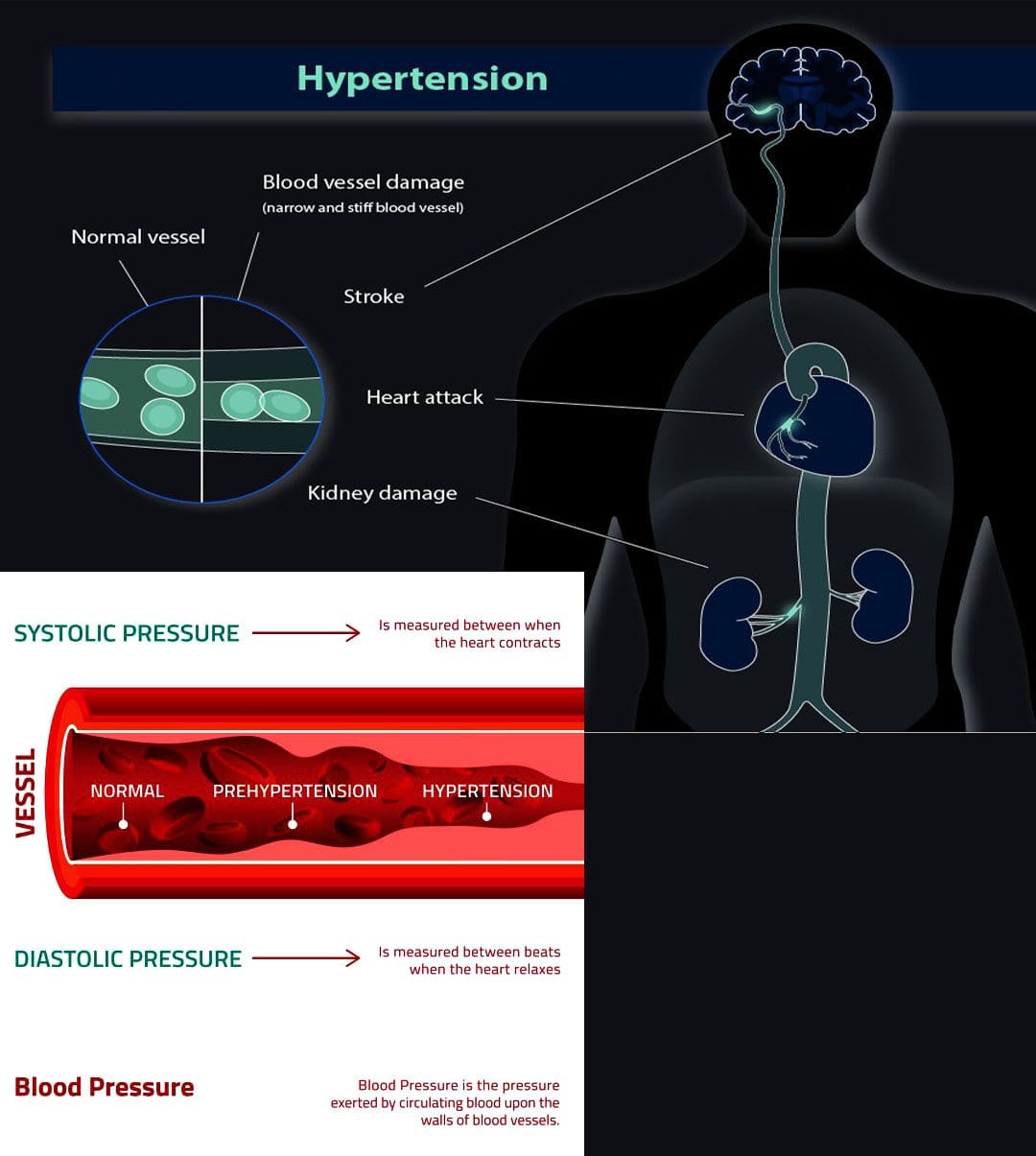
Unlike heart rate or temperature, blood pressure is two separate measurements. Typically seen as a fraction, for example – 120/80 mmHg, each number gives the medical provider information about the function and health of the vascular system:
Systolic
Written as the top number of the measurement, systolic blood pressure refers to the force exerted against the blood vessels during a heartbeat.
This value represents the highest pressure on the arteries, veins, and capillaries.
Diastolic
The bottom number/measurement, the diastolic reading, represents the pressure the vascular system is subjected to between heartbeats.
In most cases, elevated diastolic blood pressure values are seen in individuals with high systolic blood pressure.
Readings
According to the CDC, a healthy blood pressure reading is 120/80 mmHg. As blood pressure changes throughout the day, it is recommended to have a baseline level/when at rest to remain as close as possible to these values. When baseline levels remain high, the risk of developing serious medical complications increases. Criteria for different stages of diagnosis include:
Elevated blood pressure – 120-129 mmHg / 80 or less mmHg.
Stage 1 hypertension – 130-139 mmHg / 80-89 mmHg.
Stage 2 hypertension – 140 or higher mmHg / 90 or higher mmHg.
Prolonged exposure to high pressure damages the vessels and heart.
Measurements
The first step to assessing baseline blood pressure is taking regular and accurate readings. An automatic blood pressure cuff and monitor at home can record readings to determine baseline values. Various factors can contribute to inaccurate readings. Here are a few tips for avoiding inaccuracy:
Keep the arm being measured at the height of the heart.
Avoid taking blood pressure after exercise or stress.
Double-check readings on the opposite arm when possible.
Try to take readings at a similar time during a rest period.
After each reading, record values in a journal for the primary care provider.
Performing daily blood pressure readings for a few weeks can be beneficial to determine baseline levels.
Physical Activity
Aerobic activities increase the body’s need for oxygen. Getting the muscles active and moving during physical activity increases the demand for oxygen, which is why breathing and heart rate increase. The cardiovascular system includes the heart, arteries, and veins. Additional stress is added when the system goes through aerobic activity to maintain metabolic levels, improving strength and endurance. Regular aerobic exercise can decrease high baseline pressure because a stronger heart and vascular system do not need to exert as much energy to maintain cell function. Aerobic activities include:
Brisk Walking
A low-impact aerobic exercise, brisk walking, has been shown to reduce baseline systolic blood pressure in individuals who participated in supervised walking sessions over six months.
Gardening
Gardening activities like digging and lifting are considered moderate-intensity exercises. It is a recommended low-impact option for individuals of all ages.
Bicycle Riding
Cycling has been shown to offer short and long-term benefits for managing blood pressure.
It is common for pressure to increase while biking; studies have shown that regular cycling can reduce baseline systolic and diastolic blood pressure over six months.
It is recommended to start slow. As confidence builds and cardiovascular endurance increases, longer and more regular bike rides become easier to integrate into a routine.
Dancing
All forms of dancing can help to improve cardio endurance and strength, which has been shown to reduce systolic and diastolic blood pressure readings.
Whether line dancing, partner dancing, or dancing alone, dancing regularly can help reduce stress and blood pressure levels.
Hypertension Nutrition
References
Cardoso, Crivaldo Gomes Jr, et al. “Acute and chronic effects of aerobic and resistance exercise on ambulatory blood pressure.” Clinics (Sao Paulo, Brazil) vol. 65,3 (2010): 317-25. doi:10.1590/S1807-59322010000300013
Conceição, Lino Sergio Rocha, et al. “Effect of dance therapy on blood pressure and exercise capacity of individuals with hypertension: A systematic review and meta-analysis.” International journal of cardiology vol. 220 (2016): 553-7. doi:10.1016/j.ijcard.2016.06.182
Hollingworth, M et al. “Dose-response associations between cycling activity and risk of hypertension in regular cyclists: The UK Cycling for Health Study.” Journal of human hypertension vol. 29,4 (2015): 219-23. doi:10.1038/jhh.2014.89
Mandini, Simona, et al. “Walking and hypertension: greater reductions in subjects with higher baseline systolic blood pressure following six months of guided walking.” PeerJ vol. 6 e5471. 30 Aug. 2018, doi:10.7717/peerj.5471
Sapra A, Malik A, Bhandari P. Vital Sign Assessment. [Updated 2022 May 8]. In: StatPearls [Internet]. Treasure Island (FL): StatPearls Publishing; 2022 Jan-. Available from: https://www.ncbi.nlm.nih.gov/books/NBK553213/
Getting healthy sleep can be difficult when dealing with back problems or recovering from surgery. It can be difficult, if not impossible, to get and stay comfortable long enough to sleep on a regular flat mattress. It is worth considering an adjustable bed as an alternative. Because of their lifestyle and health benefits, these beds are growing in popularity to meet an individual’s spine, posture, and sleeping needs.
Adjustable Bed
An adjustable bed can raise and lower a mattress’s orientation to different angles, allowing the upper body to rest at a slight incline, such as 30 to 45 degrees, with support under the knees as they bend at a slight angle. The body can feel better in an inclined or semi-upright position rather than lying flat. Individuals with back or neck problems or joint conditions like shoulder arthritis have reported feeling better in this position.
Features
The number of adjustments varies from model to model. Available features include:
Adjustable firmness for the low back/lumbar area.
Adjustments may be made by remote control.
Some offer massage options.
Zero gravity – NASA invented the zero gravity position to reduce pressure on astronauts during takeoff. In this position, the head and knees are raised above the heart, making the body feel weightless.
Adjustable beds are sold in single, queen, and king sizes.
Split queen and king sizes allow the settings to be customized for each side of the bed.
Benefits
Snoring
Over 90 million Americans snore during sleep.
The main cause of snoring is the blockage of the windpipe while sleeping, which can be caused by several factors, but most commonly by the weight of the neck on the windpipe, preventing the individual from breathing properly.
An adjustable bed allows for an inclined position, decreasing the pressure on the windpipe, reducing snoring, and allowing for a more relaxing sleep.
Asthma
Asthma can disrupt healthy sleep and make breathing difficult at night.
COPD and chronic lung conditions can worsen over time, impacting sleep quality.
Lying flat often irritates these lung conditions.
Sleeping with the head and feet in a raised position makes breathing easier.
Posture
Unhealthy posture causes soreness, stiffness, tightness, headaches, and other health issues.
Adjustable beds provide postural support to the spine and can improve posture and increase overall health.
Back Problems
80% of individuals deal with various back issues and symptoms.
Adjustable beds provide support and alignment to the spine by allowing the mattress to conform to the body’s contours.
This can prevent sciatica, enabling the nerves to relax and rest without added body pressure.
For those with sciatica, pain can be alleviated by using a raised leg position to take the stress off the nerves and increase circulation.
Lowering the bed up and down can help stretch the back.
Digestion
An adjustable bed can help with digestion issues.
An inclined position prevents indigestion and acid reflux and helps the body process food more efficiently.
A six-inch raise is recommended to increase digestion.
Individuals who go to bed on a full stomach should raise the incline as there is more digestive activity.
Inflammation, Swelling, and Injury Recovery
When dealing with neuromusculoskeletal injuries, doctors often recommend elevating the injured part of the body to speed up recovery.
An adjustable bed lifts or raises the mattress and elevates the limbs while maintaining a neutral/natural sleeping position.
Pregnancy
Physical and hormonal changes during pregnancy can cause back discomfort symptoms, sciatica, circulation issues, and swelling.
Pregnant women can use the zero gravity position to reduce swelling, alleviate back pain, and improve circulation.
This position also makes back sleeping safer for the mom and baby.
Individuals should research all the styles and features available to find what works for them.
Ten Benefits
References
Ancuelle, Victor, et al. “Effects of an adapted mattress in musculoskeletal pain and sleep quality in institutionalized elders.” Sleep science (Sao Paulo, Brazil) vol. 8,3 (2015): 115-20. doi:10.1016/j.slsci.2015.08.004
Söderback, I, and A Lassfolk. “The usefulness of four methods of assessing the benefits of electrically adjustable beds in relation to their costs.” International journal of technology assessment in health care vol. 9,4 (1993): 573-80. doi:10.1017/s0266462300005493
Tetley, M. “Instinctive sleeping and resting postures: an anthropological and zoological approach to the treatment of low back and joint pain.” BMJ (Clinical research ed.) vol. 321,7276 (2000): 1616-8. doi:10.1136/bmj.321.7276.1616
Verhaert, Vincent, et al. “Ergonomics in bed design: the effect of spinal alignment on sleep parameters.” Ergonomics vol. 54,2 (2011): 169-78. doi:10.1080/00140139.2010.538725
Bicycle riding is a form of transportation and a popular leisure and exercise activity. It helps with brain, heart, and whole body health. Whether recreational or pro cyclist, road or mountain biking, injuries are most often caused by overuse, repetitive strain, or a traumatic fall. If not treated properly by a medical professional, bicycle riding injuries can develop into long-term problems. Chiropractic care, sports massage, and decompression therapy combined with functional medicine can alleviate symptoms, rehabilitate the muscles, release compressed nerves, and restore mobility and function.
Bicycle Riding Injuries
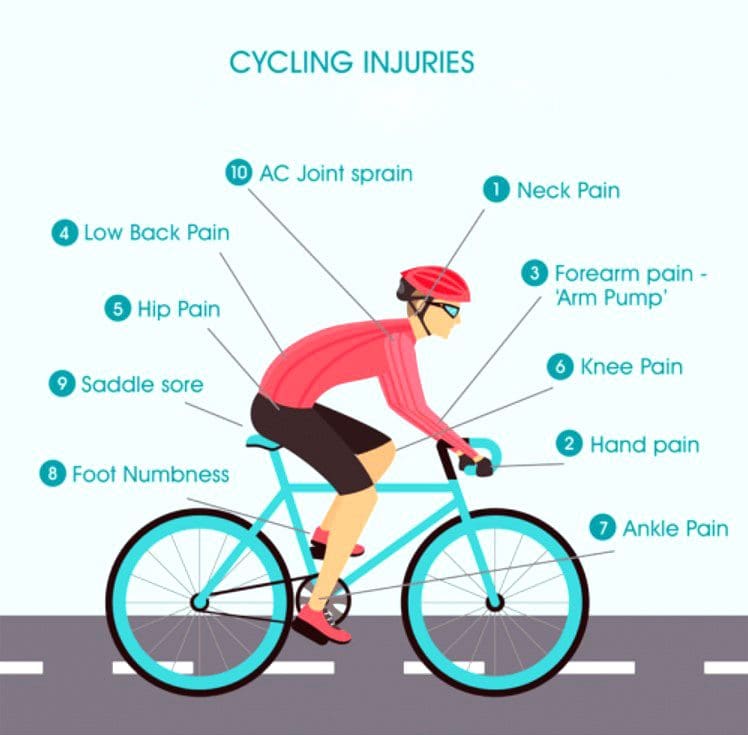
Long-term cycling can cause muscle fatigue, leading to various injuries.
Overuse injuries occur when performing the same motion over and over again.
Musculoskeletal injuries range from sprains, torn ligaments, and tendons to fractures from crashes and falls.
Bicycle Setup
Not having the correct bike setup for the individual affects posture.
A seat that is too high causes the hips to rotate, leading to hip, back, and knee pain.
A seat that is too low causes over-flexion of the knees and pain.
Improper footwear not set in the right position can lead to pain in the calves and feet.
Handlebars that are too far forward can cause neck, shoulder, and back problems.
If any discomfort symptoms result from cycling, it’s recommended to get checked by a medical professional as soon as possible. After a correct diagnosis, resolving the issue/s could involve altering the bike setup to reduce the strain on certain body parts. Conversely, a condition could be developing that needs a personalized treatment program consisting of chiropractic care, physical therapy, steroid injections, or, if necessary, surgery.
Injuries
Hips
Tightness develops at the front of the hip/hip flexors from prolonged sitting and can lead to decreased flexibility and cause irritation of the bursa (fluid-filled sacs between the muscle and bone to reduce friction) at the front of the hip.
Symptoms at the front and outer side of the hip can travel down the thigh toward the knees.
Checking that the saddle height is correct can help.
Knees
The knee is the most common site for overuse injuries. Common knee overuse injuries include:
Patellofemoral syndrome
Patella and quadriceps tendinitis
Medial plica syndrome
Iliotibial band friction syndrome
The first four involve discomfort and pain around the kneecap. The last condition results in outer knee pain. Shoe insoles, wedges, and positioning can help prevent some of these injuries.
Feet
Foot tingling, numbness, burning sensations, or pain on the underside of the foot are common.
This occurs from pressure on the nerves that travel through the ball of the foot and toward the toes.
Shoes that are poorly fitted, too tight, or narrow are often the cause.
This comes from increased pressure in the lower leg and results in compressed nerves.
Neck and Back
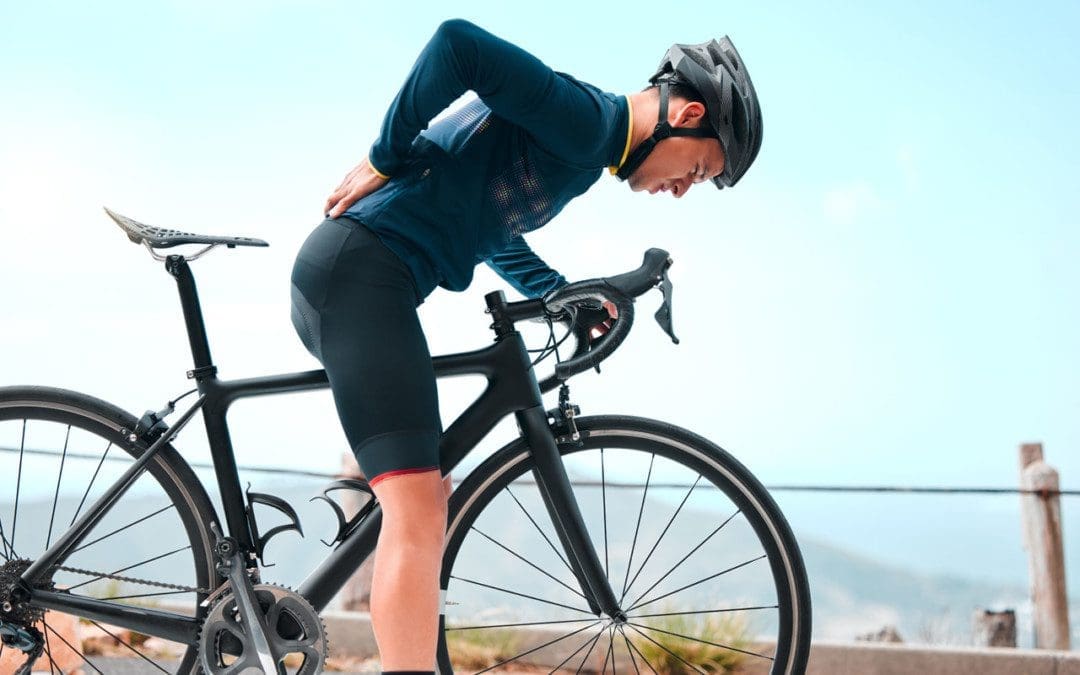
Discomfort and pain in the neck result from staying in one riding position for too long.
Usually, if the handlebars are too low, the rider has to round their back, adding strain to the neck and back.
Tight hamstrings and/or hip flexor muscles can also cause riders to round/arch the back, causing the neck to be hyperextended.
Doing shoulder shrugs and neck stretches will help relieve neck tension. Regular stretching will create flexibility and make it easier to maintain proper form.
Shoulders
Shoulder overuse injuries cause muscle weakness, stiffness, swelling, tingling or numbness in the fingers, and pain. Treatments depend on the severity of the condition.
Shoulder impingement/pinching
Swelling of soft tissues
Rotator cuff tears
Injuries to the ball-and-socket joint tend to be labral tears of the socket lining cartilage or damage to other structures. Damage to the cartilage can lead to arthritis if not treated effectively.
Falls can cause:
Minor fractures or dislocation.
Fractured collarbone/clavicle – must be immobilized for four to six weeks before rehabilitation exercises are started.
Damage to the joint on the top of the shoulder/acromioclavicular joint or ACJ.
Many of these impact-related injuries can be treated with chiropractic and targeted physical therapy to strengthen the muscles and improve mobility. However, some cases, like severely displaced fractures, require surgical reconstruction or repair.
Intense aching in the forearm can make gripping and ungripping the hands difficult and painful.
These can be prevented by changing hand positions and alternating the pressure from the inside to the outsides of the palms ensuring the wrists don’t drop below the handlebars.
Cyclists are recommended to ride with their elbows slightly bent, not with their arms locked or straight. Bent elbows act as shock absorbers when riding over bumps or rough terrain.
Using padded gloves and stretching the hands and wrists before riding can help. Changing the grip on the handlebars takes the stress off of over-used muscles and redistributes pressure to different nerves.
Head Injuries
Head injuries can range from scrapes, contusions, concussions, or traumatic brain injury.
Wearing a helmet can reduce the risk of head injury by 85 percent.
Chiropractic Treatment
Chiropractic for cyclists can relieve symptoms, rehabilitate and strengthen muscles, improve posture, and prevent future injuries. Cyclists have also reported enhanced:
Respiration
Range of motion
Heart rate variability
Muscle strength
Athletic ability
Neurocognitive functions such as reaction time and information processing.
Common Bicycle Riding Injuries
References
Mellion, M B. “Common cycling injuries. Management and prevention.” Sports medicine (Auckland, N.Z.) vol. 11,1 (1991): 52-70. doi:10.2165/00007256-199111010-00004
Olivier, Jake, and Prudence Creighton. “Bicycle injuries and helmet use: a systematic review and meta-analysis.” International journal of epidemiology vol. 46,1 (2017): 278-292. doi:10.1093/ije/dyw153
Silberman, Marc R. “Bicycling injuries.” Current sports medicine reports vol. 12,5 (2013): 337-45. doi:10.1249/JSR.0b013e3182a4bab7
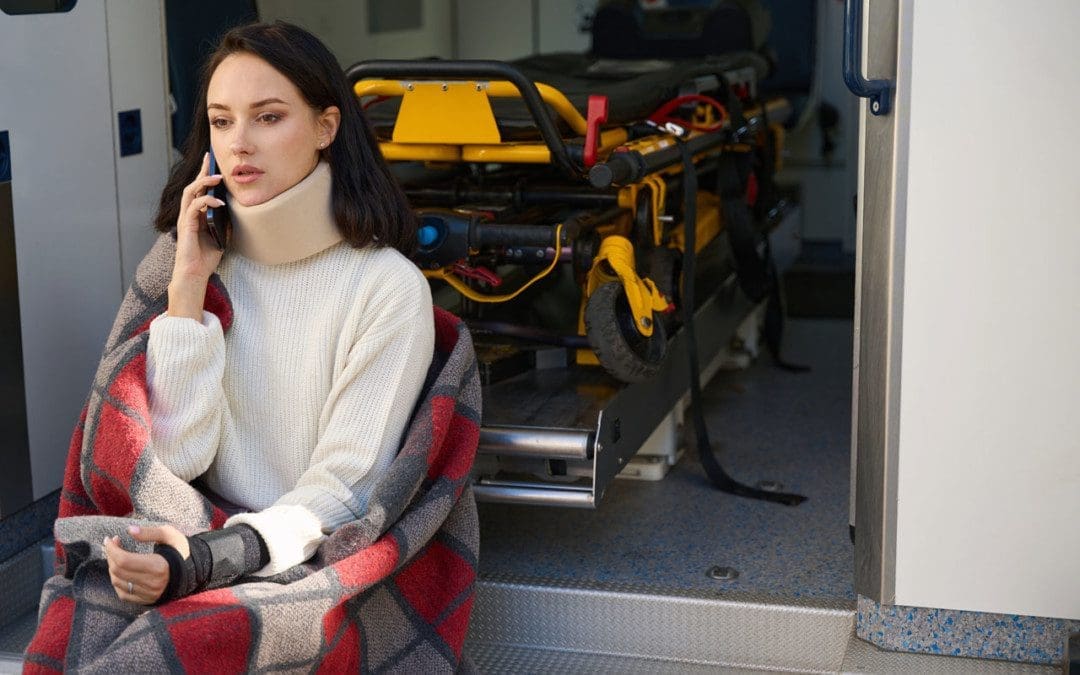
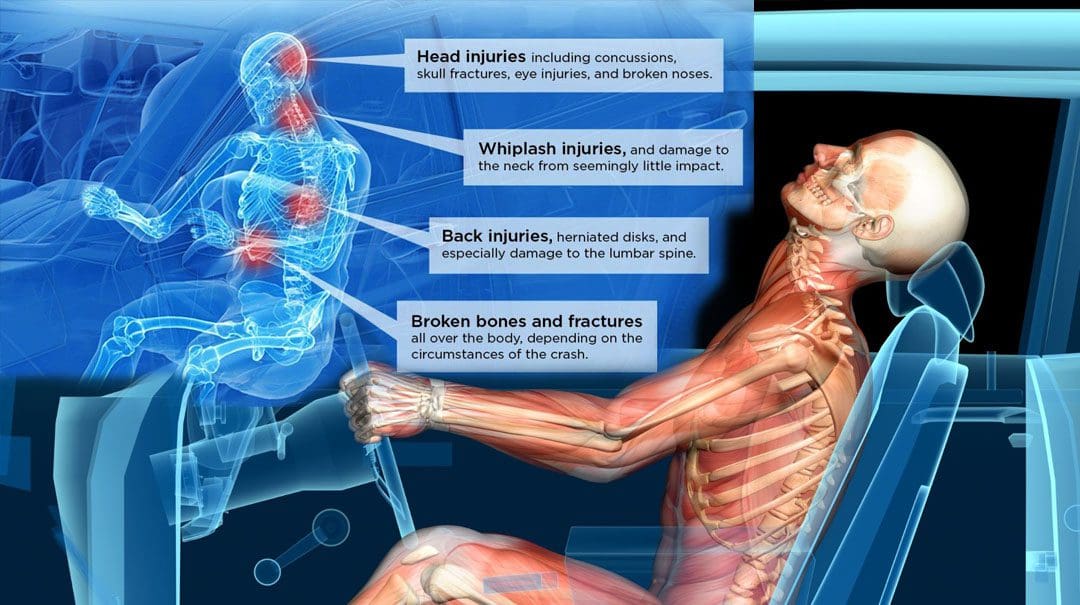
The NHTSA records show that rear-end collisions are the most common and make up 30% of all traffic accidents, crashes, and collisions. Rear-end collisions can come out of nowhere. One moment a driver is waiting at a stop or light, and suddenly they are catapulted forward by the intense force of another vehicle/s resulting in serious and sustaining injuries that can impact an individual’s physical capabilities. Rear-end collision injuries most commonly affect the neck and back. This is because of the excessive force and intense shifting and whipping the body goes through. Chiropractic care, massage, and decompression therapy can realign the body, relax the muscles, release compressed nerves, expedite recovery, and restore mobility and function.
Rear-End Collision Injuries
Rear-end collision injuries can range from mild to serious, and what seems like a minor pull can result in a severe injury. The most common injuries include:
Pre-existing conditions such as degenerative disc disease can worsen.
Collision Types
A rear-end collision can occur in several ways. The most common types include:
Tailgating
When drivers in the rear follow another motorist too closely, and the lead motorist slows down or has to stop quickly, the rear driver hits the vehicle because there was not enough adequate time and distance to stop.
Slow Speed Collisions
Slow-speed/low-impact collisions or fender benders can result in spinal injuries and concussions.
They can also lead to facial and head injuries from sudden airbag deployment.
Vehicle Pile-Ups
A single rear-end collision on a busy street or interstate highway can cause a chain reaction of multiple-vehicle collisions.
These accidents can cause devastating injuries.
Causes
Causes that can take attention away from the road include:
Speeding
Distracted driving – Talking or texting.
Tailgating
Looking at something like an accident while driving by.
Symptoms of rear-end collision injuries may not immediately present following an accident. It can take 24 to 48 hours for discomfort symptoms to come on and sometimes longer. The adrenaline rush allows the individual not to experience the physical symptoms, which is why individuals think they’re fine when they are not. Ignoring signs increases the risk of permanent injury. A herniated disc, for example, left untreated, can lead to permanent nerve damage. Chiropractic treatment for rear-end collisions is one of the most effective options available. A chiropractor manipulates the spine to realign the spinal cord, allowing the body to decrease inflammatory cytokine production, which reduces the inflammatory response. Specific techniques and various tools can realign individual vertebrae, restore joint flexibility, and break up the scar tissue so the areas can heal faster.
The Spine In A Rear-End Auto Accident
References
Chen, Feng, et al. “Investigation on the Injury Severity of Drivers in Rear-End Collisions Between Cars Using a Random Parameters Bivariate Ordered Probit Model.” International journal of environmental research and public health vol. 16,14 2632. 23 Jul. 2019, doi:10.3390/ijerph16142632
Davis, C G. “Rear-end impacts: vehicle and occupant response.” Journal of manipulative and physiological therapeutics vol. 21,9 (1998): 629-39.
Dies, Stephen, and J Walter Strapp. “Chiropractic treatment of patients in motor vehicle accidents: a statistical analysis.” The Journal of the Canadian Chiropractic Association vol. 36,3 (1992): 139–145.
Garmoe, W. “Rear-end collisions.” Archives of physical medicine and rehabilitation vol. 79,8 (1998): 1024-5. doi:10.1016/s0003-9993(98)90106-x
Arteries carry blood from the heart to the rest of the body. The veins transport blood back to the heart, and the valves in the veins stop the blood from flowing backward. When the veins have difficulties sending blood from the limbs back to the heart, this is known as venous insufficiency. With this condition, the blood does not flow back properly to the heart, causing blood to accumulate in the veins of the legs. Chiropractic care, therapeutic massage, and functional medicine can increase and improve circulation and help manage symptoms.
Venous Insufficiency
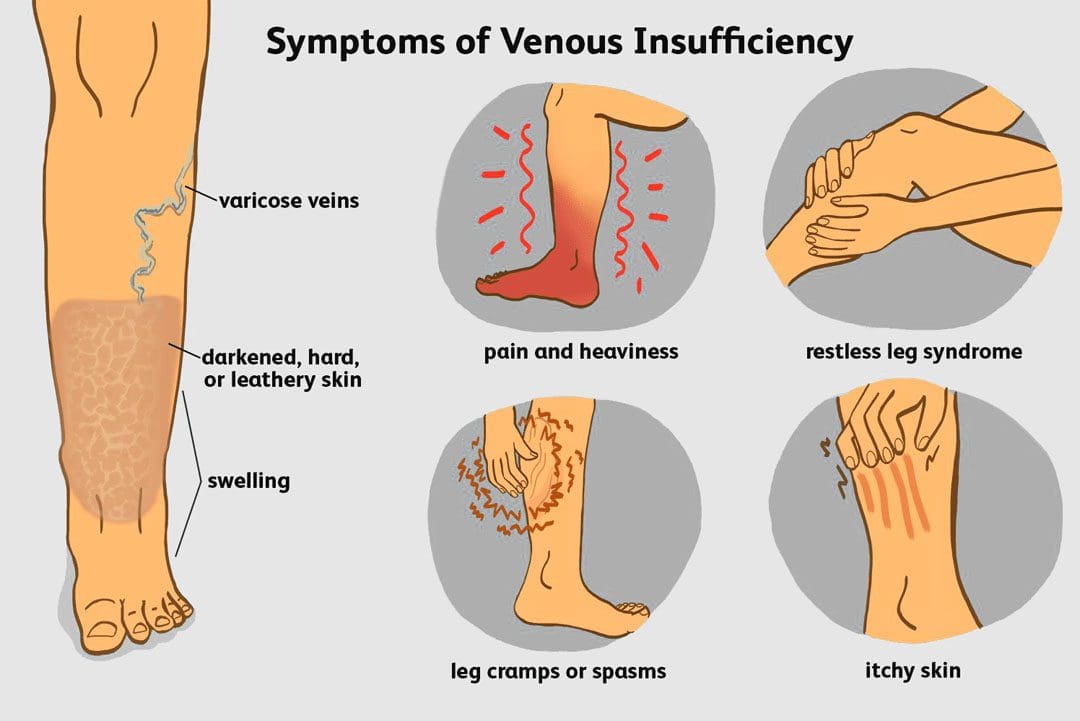
The circulatory system is responsible for transporting blood, oxygen, and nutrients to the cells in the body. This system consists of the heart, arteries, veins, and capillaries. When blood circulation is restricted, it can lead to a buildup of toxins and waste products, which can cause various health problems, including fatigue, muscle cramps, and dizziness. Unhealthy circulation can also contribute to other health conditions like heart disease, stroke, and diabetes. The most common causes of venous insufficiency include:
Blood clots
Varicose veins
A family history of venous insufficiency.
Deep vein thrombosis.
When forward flow through the veins is obstructed, such as in the case of a blood clot, blood builds up below the clot, which can lead to venous insufficiency.
In varicose veins, the valves can be missing or damaged, and blood leaks back through the defective valves.
In some cases, weakness in the leg muscles that push blood forward can also contribute to venous insufficiency.
Venous insufficiency is more common in women than men and is more likely in adults over 50.
Circulation Symptoms
There are different symptoms associated with unhealthy circulation, and can include:
A doctor will perform a physical examination and take a complete medical history. They may order imaging tests to locate the source of the problem. These tests may include a venogram or a duplex ultrasound.
Venogram
A doctor will insert an intravenous contrast dye into the veins.
Contrast dye causes the blood vessels to appear opaque on the X-ray image, which helps the doctor see them on the image.
This dye will give the doctor a clear image of the blood vessels.
Duplex Ultrasound
A duplex ultrasound tests the speed and direction of blood circulation in the veins.
A technician will place gel on the skin and press a small hand-held instrument on and around the area.
The instrument uses sound waves that bounce back to a computer and produce images of blood circulation.
Treatment
Treatment will depend on various factors, including the reason for the condition and individual health status and history. Other factors a doctor will consider include:
These special stockings apply pressure on the ankle and lower leg.
They help improve blood circulation and reduce leg swelling.
Compression stockings come in a range of prescription strengths and lengths.
Strategies
Treatments can include several methods.
Improving Circulation
Chiropractic adjustments and vascular massage therapy on the legs can help improve blood circulation. Massage therapies such as vascular and lymphatic drainage massages aim to increase circulation, improve tissue nutrition, and can benefit patients with varicose veins and chronic venous insufficiency.
The technique for lymphatic drainage involves light strokes to move lymph fluid into lymph vessels.
The technique used to improve circulation involves short strokes to move blood from the valves to the veins.
However, massage therapy is not for all patients with vein diseases and conditions.
Massage therapy is not recommended for patients with advanced-stage vein disease, in which large and bulging veins, ulcerations, and discoloration are present.
Massaging the area could cause the weakened veins to burst, worsening the condition.
Massage therapy is also unsafe for patients with deep vein thrombosis (DVT), as it could dislodge a clot and cause it to travel.
Medications
Medications may be prescribed. These include:
Diuretics – medications that draw extra fluid from the body and are excreted through the kidneys.
Anticoagulants – medicines that thin the blood.
Pentoxifylline – medicine that helps improve blood circulation.
Surgery
More serious cases may require surgery. A doctor may suggest one of the following surgical procedures:
Surgical repair of the veins or valves.
Removing the damaged vein.
Minimally invasive endoscopic surgery – The surgeon inserts a thin tube with a camera to see and tie off damaged veins.
Laser surgery – A treatment that uses laser light to fade or close off damaged veins.
Vein bypass – A healthy vein is transplanted from a different body area. Generally used only in the upper thigh and as a last option for severe cases.
Venous Insufficiency: What You Need To Know
References
Annamaraju P, Baradhi KM. Pentoxifylline. [Updated 2022 Sep 19]. In: StatPearls [Internet]. Treasure Island (FL): StatPearls Publishing; 2022 Jan-. Available from: https://www.ncbi.nlm.nih.gov/books/NBK559096/
Evrard-Bras, M et al. “Drainage lymphatique manuel” [Manual lymphatic drainage]. La Revue du praticien vol. 50,11 (2000): 1199-203.
FIELDS, A. “Leg cramps.” California medicine vol. 92,3 (1960): 204-6.
Felty, Cindy L, and Thom W Rooke. “Compression therapy for chronic venous insufficiency.” Seminars in vascular surgery vol. 18,1 (2005): 36-40. doi:10.1053/j.semvascsurg.2004.12.010
Mayo Clinic Staff. (2017). Varicose veins.mayoclinic.org/diseases-conditions/varicose-veins/diagnosis-treatment/drc-20350649
Patel SK, Surowiec SM. Venous Insufficiency. [Updated 2022 Aug 1]. In: StatPearls [Internet]. Treasure Island (FL): StatPearls Publishing; 2022 Jan-. Available from: https://www.ncbi.nlm.nih.gov/books/NBK430975/
Youn, Young Jin, and Juyong Lee. “Chronic venous insufficiency and varicose veins of the lower extremities.” The Korean journal of internal medicine vol. 34,2 (2019): 269-283. doi:10.3904/kjim.2018.230
Having and maintaining flexibility in the joints depends on the connective tissues surrounding the muscles. Proper lubrication in the connective tissues enables the fibers to slide over one another easily. Naturally occurring proteins collagen and elastin are key components of connective tissue that provide strength and elasticity. The more elastic the connective tissue, the more flexibility around the joint. If it is becoming difficult to stretch out or there is chronic stiffness and tightness, there are foods that help maintain flexibility and enhance overall health.
Foods That Help Maintain Flexibility
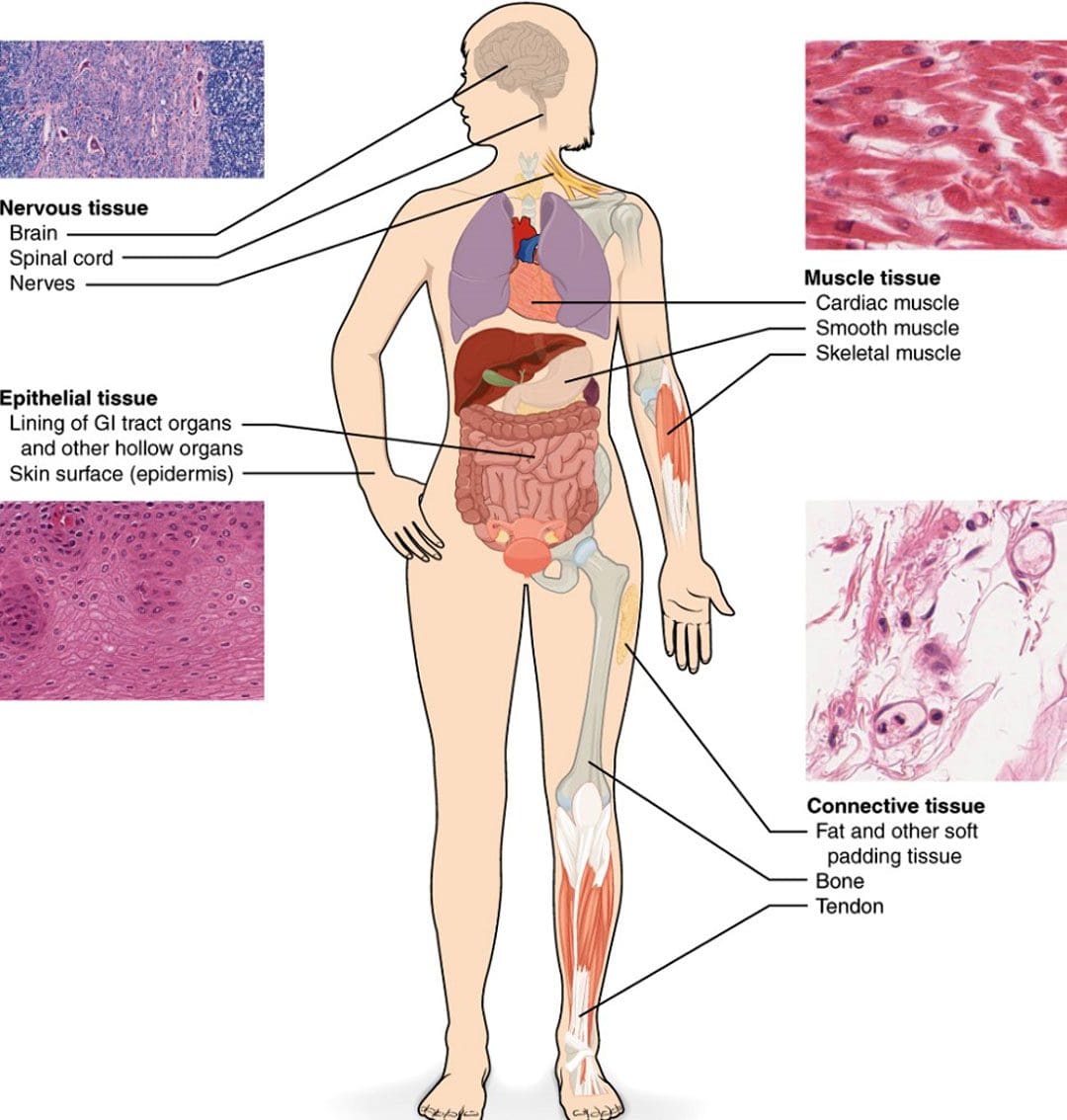
Joint flexibility means functioning connective tissues that join the skeleton and muscles and the ability of different body parts to extend and complete motions. Connecting tissues assists with movement and stabilization. These issues include:
Ligaments
Ligamentscan be band-shaped or string-shaped collagen fibers that connect bones.
Tendons
Tendonsare similar to ligaments and are band or string shaped but connect muscles to the bones.
Fascia
Fascia is a densely woven mesh that wraps around the blood vessels, bones, muscles, organs, and nerves.
Flexibility keeps the muscles active and mobile as they are necessary for daily physical activities. When these tissues become stiff from inactivity or an unhealthy diet, it limits the body’s range of movement and increases the risk of injury. Stretching improves flexibility, and adding foods to a nutrition plan will help maintain limberness.
Nutrition
A nutrition plan full of vitamins, minerals, and antioxidants will nourish connecting tissues and cells and increase collagen production. Foods rich in essential fatty acids/EFAs, vitamin C, sulfur, and water will promote healthy connective tissue for enhanced flexibility.
Fatty Acids
Essential fatty acids include omega-3 and omega-6, primarily found in fish, flax seeds, and liquid oils.
These fatty acids are essential because they cannot be made in the body.
Foods likefatty fish, flax seeds, walnuts, or supplements, can help achieve the proper ratio.
For individuals not too keen on fish, consider omega-3 supplements.
Collagen
Collagen is the main protein from connective tissue, and vitamin C is essential for collagen production.
Vitamin C-rich foods – oranges, bell peppers, broccoli, strawberries, tomatoes, leafy green vegetables, raspberries, pineapple, cruciferous vegetables, parsley, and watermelon.
Make various smoothie recipes for breakfast or an afternoon snack.
Sulfur helps maintain the flexible bonds in connective tissues.
Animal proteins that provide sulfur include fish, poultry, beef, and eggs.
Vegetable sources include Brussels sprouts, cabbage, broccoli, cauliflower, onions, and garlic.
Hydration
Water is not considered food as it contains no calories, but it is vital as it makes up 76 percent of the muscles. A high percentage of water content is the key to muscle elasticity. When the body is dehydrated, it holds onto water, causing fluid retention and stiffness. The more the muscles stay dehydrated, the more they have trouble recovering from physical activities, fatigue levels increase, the range of motion decreases, and the risk of injury increases. Don’t wait until you are thirsty. Stay hydrated throughout the day to keep the joints lubricated and energy levels high.
Fruits high in water include:
Strawberries
Watermelon
Cantaloupe
Peaches
Grapefruit
Pineapple
Apples
Pears
Vegetables high in water include:
Cucumber
Lettuce
Zucchini
Celery
Eggplant
Limit Salt and Sugar Intake
Processed foods tend to have a high salt content.
Too much salt causes the joints to swell as the body retains fluid.
Keeping sugar intake low is important in enhancing flexibility.
This is because sugar breaks down the collagen in the skin and connective tissues.
This means avoiding processed foods, ready meals, and junk food.
Flexibility can be improved by eliminating foods that destroy collagen, focusing on foods that reduce insulin spikes, and maintaining hydration in the connective tissues. A nutritionist can develop a personalized nutrition plan for optimal neuromusculoskeletal health.
Foods That Help Maintain Flexibility
References
Beba, Mohammad et al. “The effect of curcumin supplementation on delayed-onset muscle soreness, inflammation, muscle strength, and joint flexibility: A systematic review and dose-response meta-analysis of randomized controlled trials.” Phytotherapy research: PTR vol. 36,7 (2022): 2767-2778. doi:10.1002/ptr.7477
Kviatkovsky, Shiloah A et al. “Collagen peptide supplementation for pain and function: is it effective?.” Current opinion in clinical nutrition and metabolic care vol. 25,6 (2022): 401-406. doi:10.1097/MCO.0000000000000870
MacKay, Douglas, and Alan L Miller. “Nutritional support for wound healing.” Alternative medicine review: a journal of clinical therapeutic vol. 8,4 (2003): 359-77.
Shaw, Gregory, et al. “Vitamin C-enriched gelatin supplementation before intermittent activity augments collagen synthesis.” The American journal of clinical nutrition vol. 105,1 (2017): 136-143. doi:10.3945/ajcn.116.138594
Zdzieblik, Denise, et al. “Improvement of activity-related knee joint discomfort following supplementation of specific collagen peptides.” Applied physiology, nutrition, and metabolism = Physiologie applique, nutrition et metabolism vol. 42,6 (2017): 588-595. doi:10.1139/apnm-2016-0390
IFM's Find A Practitioner tool is the largest referral network in Functional Medicine, created to help patients locate Functional Medicine practitioners anywhere in the world. IFM Certified Practitioners are listed first in the search results, given their extensive education in Functional Medicine