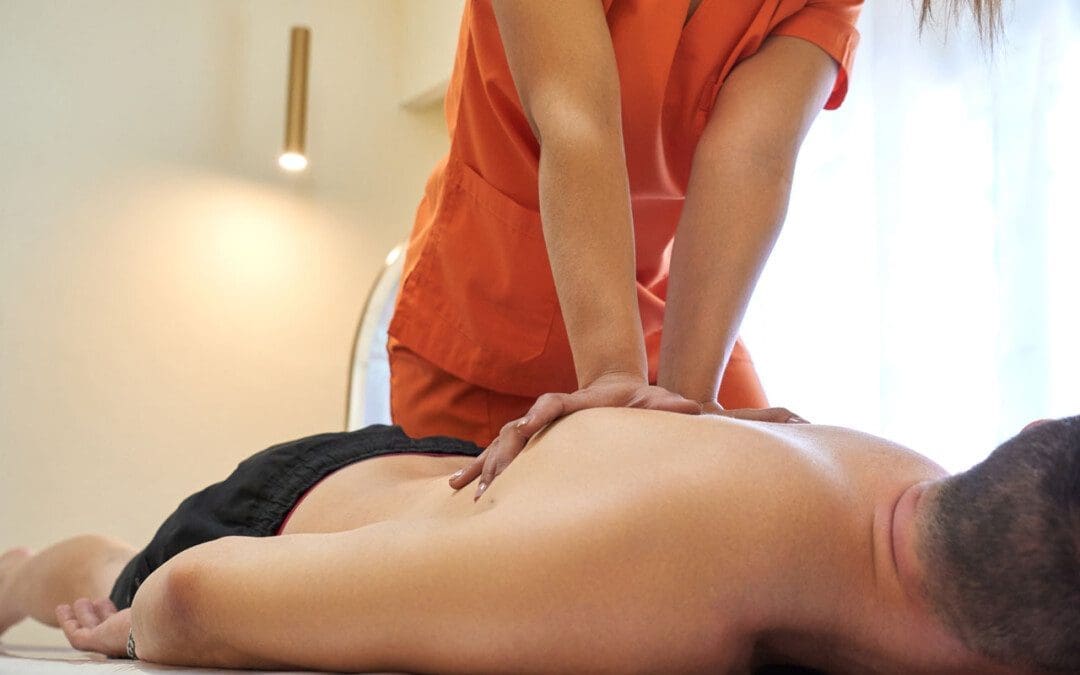
For individuals managing osteoarthritis, could massage therapy provide added treatment benefits?
Osteoarthritis Massage Therapy
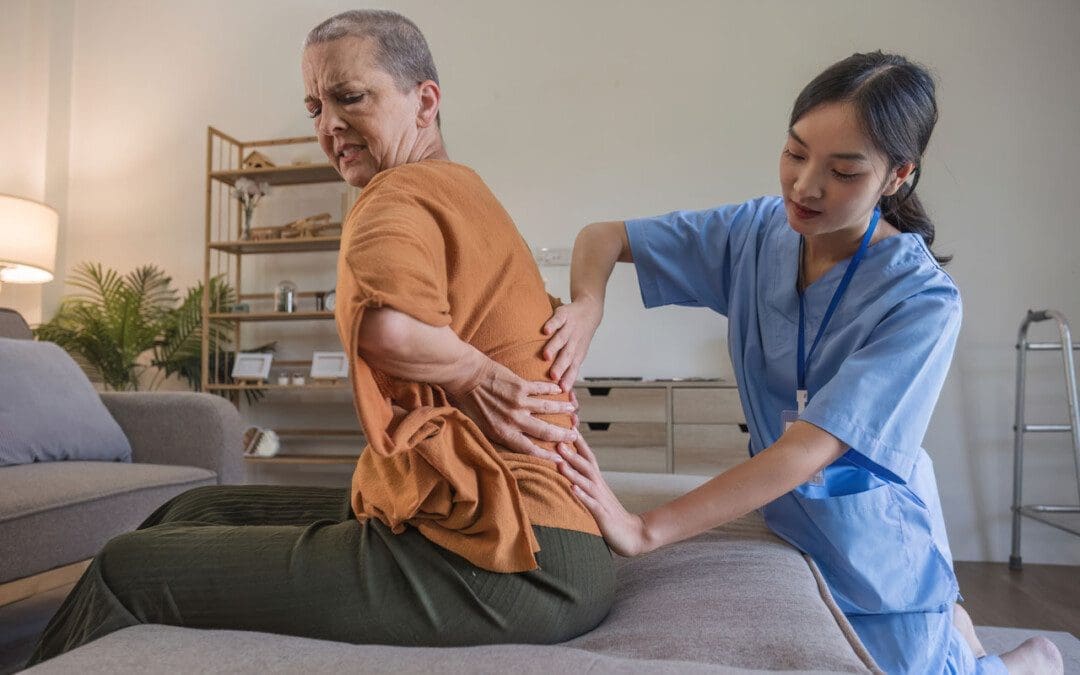
Osteoarthritis happens when the cartilage between the joints wears away, causing stiffness and pain. Massage therapy is a treatment used to relieve various types of pain symptoms.
There are many types of massage therapy, that healthcare providers utilize to manipulate the muscles and other soft tissues to relieve symptoms, relax muscles, increase circulation, reduce inflammation, release trigger points, and restore mobility, flexibility, and function. (Ergonomic Trends. 2023)
Professional therapists can help relieve osteoarthritis joint pain by relaxing the surrounding muscles and other soft tissues to release stiffness. (Adam Perlman, et al., 2019)
Massage Objectives and Types
Massage therapists use their hands and fingers, forearms, elbows, and/or instruments to manipulate the body’s soft tissues. Soft tissues support and surround body structures and include muscle, fat, tendons, and ligaments.
The goal of osteoarthritis massage therapy is to relax muscles and soft tissues, increase blood and oxygen circulation, warm the affected area/s, relieve pain, and restore mobility and function.
Depending on the location of the muscles being massaged, individuals may be seated or lie down on a specialized table.
The amount of pressure and direction of movement depend on the body area.
Therapeutic oils and/or massage creams may be used to increase the therapy.
Types include:
Swedish
The therapist uses long strokes, kneading, and friction on the muscles.
Joints are moved to increase flexibility.
Deep Tissue
The therapist uses deep finger or instrument pressure, focusing on muscles that are tight or knotted.
Trigger Point
Trigger points represent a source of radiating pain symptoms.
The therapist focuses pressure on these myofascial tissue points using various strokes to release them.
Shiatsu
The therapist applies rhythmic pressure with their thumbs, fingers, and palms to redirect and increase energy or chi/qi.
A massage session lasts around 30–60 minutes depending on the severity of the condition and the number of sessions the patient has undergone. Chronic pain patients usually go through a series of specialized sessions that focus on specific areas and gradually build.
Risk Factors
Certain precautions must be taken before getting osteoarthritis massage therapy. Although there are a few serious risks, certain individuals are not suitable candidates and should not receive massage therapy. The conditions include: (Medical Massage Therapy Resource & Reference. 2023)
Damaged nerves.
Damaged blood vessels.
Infection and inflammation in the area to be massaged.
Open wounds.
Fever.
Taking a blood thinner.
Deep vein thrombosis – blood clots.
Bleeding disorders.
Osteoporosis – weak and brittle bones.
Recent fractures – broken bones.
Tumors.
Cancer.
Individuals who have recently undergone surgery.
Individuals with a skin condition that is contagious, like warts or herpes, or noncontagious, like psoriasis, could be aggravated by touch or pressure.
Individuals who have cancer, fragile skin, heart problems, or dermatomyositis are recommended to discuss osteoarthritis massage therapy with their healthcare provider.
Research on the effects of massage therapy on various health conditions is ongoing. Massage therapy promotes relaxation while reducing stress, which can help with chronic joint issues like osteoarthritis.
Perlman, A., Fogerite, S. G., Glass, O., Bechard, E., Ali, A., Njike, V. Y., Pieper, C., Dmitrieva, N. O., Luciano, A., Rosenberger, L., Keever, T., Milak, C., Finkelstein, E. A., Mahon, G., Campanile, G., Cotter, A., & Katz, D. L. (2019). Efficacy and Safety of Massage for Osteoarthritis of the Knee: a Randomized Clinical Trial. Journal of general internal medicine, 34(3), 379–386. https://doi.org/10.1007/s11606-018-4763-5
For individuals with digestive and other health issues, could resistant starch provide health benefits?
Resistant Starch
Typical starchy foods are simple starches that are rapidly digested. This sends their sugars into the bloodstream, contributing to weight gain and increasing the risk of diabetes and heart disease. (Erik E. J. G. Aller, et al., 2011) Resistant starch is a food component that is a type resistant to digestion. This means that it passes into the large intestine and interacts with the gut flora. Foods that contain resistant starch pass through the stomach and small intestine without being absorbed. In the large intestine, they are fermented by the gut bacteria which releases substances that are beneficial to health.
Health Benefits
Studies on the health benefits are ongoing. Scientists are researching how it can help with weight management and colon health:
Weight Management
Research is beginning to show indications that foods with resistant starch can help with weight loss and the ability to help offset the diseases associated with weight gain that include: (Janine A. Higgins. 2014)
High cholesterol
Diabetes
Metabolic syndrome
Cardiovascular disease
Colon Health
In addition, researchers are finding preliminary evidence indicating that resistant starch might possibly help with: (Diane F. Birt, et al., 2013)
A prebiotic that encourages a healthy balance of gut flora.
Inflammatory bowel disease symptom improvement.
Prevention of colon cancer.
Protection against diverticulitis.
However, more research is needed.
Consumption Amount
Estimates on how much should be consumed range from a minimum of 6 grams to a maximum of 30 grams. It is estimated that most individuals consume less than 5 grams per day, (Mary M. Murphy, et al., 2008). As individuals increase their intake, it is recommended to do so slowly, to minimize unwanted gas and bloating.
Bananas
Bananas are a healthy source of resistant starch.
They have the maximum amount when they are unripe.
The resistant starch content reduces as the banana ripens.
If green/unripe bananas are not appealing, making a smoothie can help with the taste.
Potatoes
Potatoes have their highest level of resistant starch when raw.
However, individuals can maximize their intake by allowing the potatoes to cool before eating.
Rice
Levels of resistant starch depend on whether the rice is white or brown.
Similar to potatoes, intake can be maximized from rice by allowing the rice to cool.
Oats
Cooking oats in water, as most are accustomed to making oatmeal, diminishes the resistant starch content.
Rolled or steel-cut oats are recommended as dependable sources of resistant starch.
Chickpeas
Chickpeas, also known as garbanzo beans, are nutritional powerhouses.
They are a healthy source of dietary fiber, along with many vitamins and minerals, and resistant starch.
Cooked and/or canned chickpeas contain high levels of resistant starch.
They go with salads or as a side dish or snack.
For individuals with IBS, well-rinsed canned chickpeas are considered to be low in FODMAPs or carbohydrates that can contribute to symptoms. (Anamaria Cozma-Petruţ, et al., 2017)
It is recommended to keep the serving size to a 1/4 cup.
Lentils
Lentils serve as a healthy source of plant-based protein.
Cooked they can provide resistant starch.
They can be prepared in soups or side dishes.
From a can, they can be IBS-friendly by being well-rinsed and limited to a 1/2 cup serving.
Bread
Various breads offer varying levels of resistant starch.
Pumpernickel bread contains high levels.
Breadsticks and pizza crusts have high levels.
Individuals with IBS may be reactive to the FODMAP fructan or the gluten protein.
Other recommended high-resistant starch options are corn tortillas or artisanal sourdough bread that is traditionally prepared.
Green Peas
Green peas, even when cooked, are a healthy source of resistant starch.
They can be prepared in soups or as a side dish.
However, green peas have been found to be high in the FODMAP GOS and could be problematic for individuals with IBS. (Anamaria Cozma-Petruţ, et al., 2017)
Beans
Most types of cooked and/or canned beans are recommended sources of resistant starch.
The highest levels are found in white and kidney beans.
They can be served in soups, as a side dish, or mixed with rice.
Beans are a high-FODMAP food and could contribute to digestive symptoms in individuals with IBS.
Body In Balance: Chiropractic Fitness and Nutrition
References
Aller, E. E., Abete, I., Astrup, A., Martinez, J. A., & van Baak, M. A. (2011). Starches, sugars and obesity. Nutrients, 3(3), 341–369. https://doi.org/10.3390/nu3030341
Higgins J. A. (2014). Resistant starch and energy balance: impact on weight loss and maintenance. Critical reviews in food science and nutrition, 54(9), 1158–1166. https://doi.org/10.1080/10408398.2011.629352
Birt, D. F., Boylston, T., Hendrich, S., Jane, J. L., Hollis, J., Li, L., McClelland, J., Moore, S., Phillips, G. J., Rowling, M., Schalinske, K., Scott, M. P., & Whitley, E. M. (2013). Resistant starch: promise for improving human health. Advances in nutrition (Bethesda, Md.), 4(6), 587–601. https://doi.org/10.3945/an.113.004325
Murphy, M. M., Douglass, J. S., & Birkett, A. (2008). Resistant starch intakes in the United States. Journal of the American Dietetic Association, 108(1), 67–78. https://doi.org/10.1016/j.jada.2007.10.012
Cozma-Petruţ, A., Loghin, F., Miere, D., & Dumitraşcu, D. L. (2017). Diet in irritable bowel syndrome: What to recommend, not what to forbid to patients!. World journal of gastroenterology, 23(21), 3771–3783. https://doi.org/10.3748/wjg.v23.i21.3771
Individuals with plantar fasciitis may experience consistent flare-ups. Can knowing the causes help to find pain relief?
Plantar Fasciitis Flare-Up
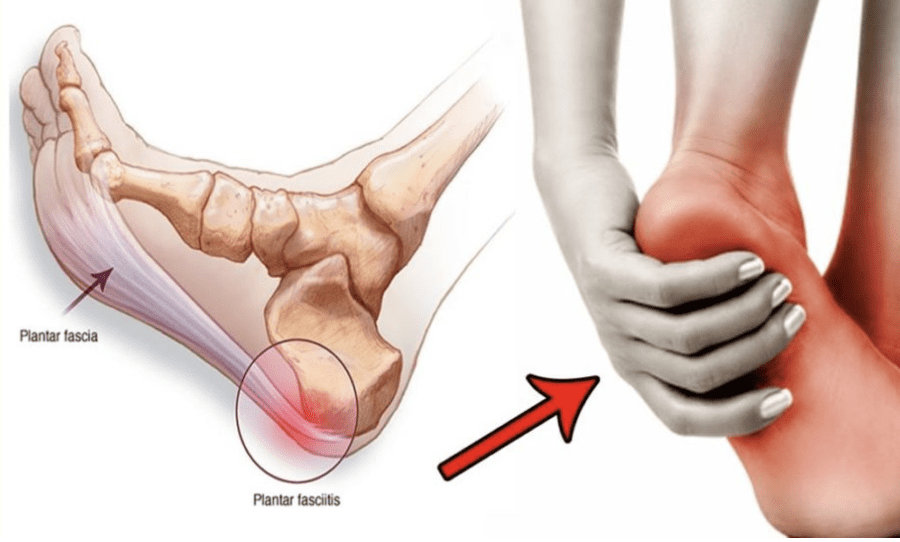
Plantar fasciitis is a common cause of heel and foot pain. The plantar fascia is a band of tissue that runs along the bottom of the foot and becomes inflamed. Certain factors can cause plantar fasciitis flare-ups, including:
Increased levels of physical activity.
Not stretching regularly.
Wearing shoes without proper support.
Weight gain.
Causes
A plantar fasciitis flare-up is often triggered by physical activity. (MedlinePlus. U.S. National Library of Medicine. 2022) It can also be brought on by underlying conditions, like increased body weight, arthritis, or the shape of the foot. (Johns Hopkins Medicine. 2023) Despite the root cause, there are activities and experiences that can contribute to and/or worsen the condition.
New Exercise Routine
Being highly physically active can exacerbate plantar fasciitis symptoms.
High heels, boots, or shoes that raise the heel above the toes.
Worn-out shoes like exercise workout shoes.
Not Stretching Properly or At All
Tight calves can increase pressure on the plantar fascia.
Stretching the calves, Achilles tendon/heel, and the bottom of the feet is highly recommended to help treat and prevent the condition. (Johns Hopkins Medicine. 2023)
Not stretching thoroughly or skipping stretches can worsen symptoms.
Individuals with plantar fasciitis are recommended to stretch before and after physical activities, exercise, before going to bed, and after waking up.
Working Through the Pain
Individuals may try to continue physical activities during a flare-up.
This is not recommended as doing so can cause more pain and worsen the condition.
When pain presents, it’s recommended to:
Stop all activities that strain the feet
Stay off the feet for at least a week.
Tearing the Plantar Fascia
The plantar fascia rarely tear completely from repeated stress known as a plantar fascia rupture.
Pascoe, S. C., & Mazzola, T. J. (2016). Acute Medial Plantar Fascia Tear. The Journal of orthopaedic and sports physical therapy, 46(6), 495. https://doi.org/10.2519/jospt.2016.0409
Individuals that sit at a desk/workstation for hours for work or school, or drive for a living, could be fostering a long-term condition known as forward head posture. Can understanding the signs and symptoms help to prevent the condition?
Forward Head Posture
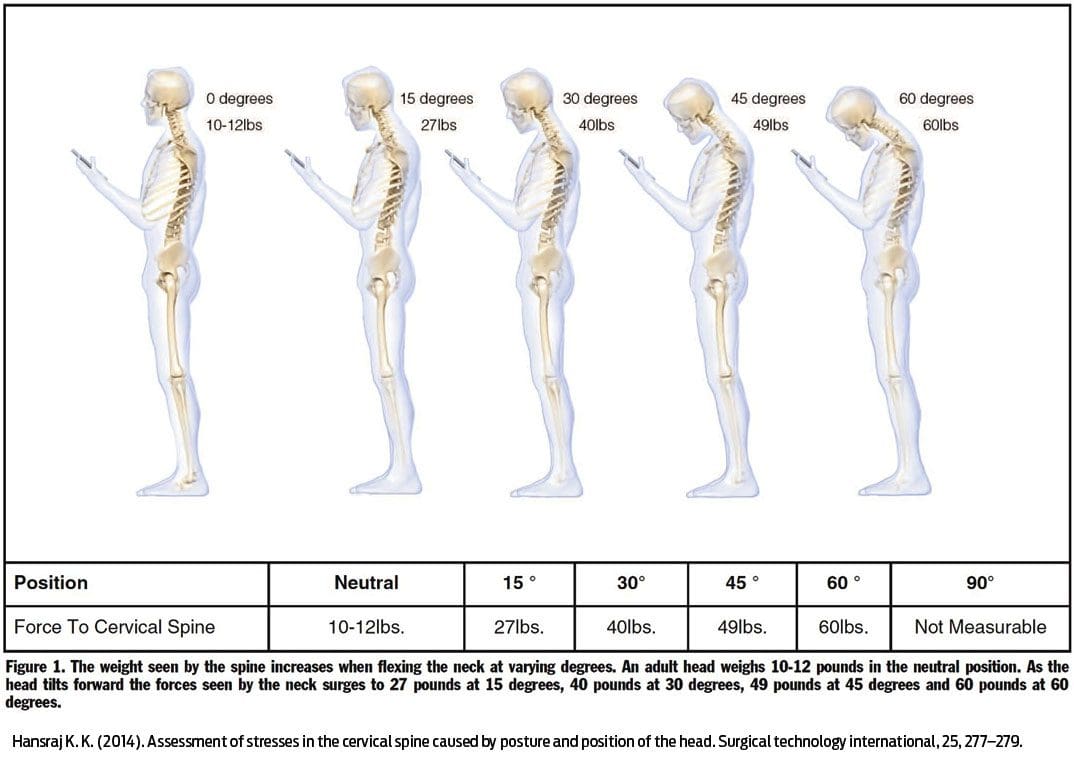
Neck pain often causes or is caused by misalignment in the area between the shoulders and head. Forward head posture is a common problem that can strain the neck muscles, leading to pain and worsening neck, shoulder, and back posture. (Jung-Ho Kang, et al., 2012) For individuals who are at risk of developing or are already showing signs/symptoms, it’s important to get medical attention to prevent complications, such as chronic neck pain or compressing a nerve. Individuals can continue to do the work that they need to do but may need some postural adjustments and re-training so as not to continue straining the neck while working.
Postural Deviation
The head is in a healthy alignment with the neck when the ears line up with the gravity line.
The gravity line is an imaginary straight line that represents gravity’s downward pull.
It is used in posture assessments as a reference for noting the positions of the body and determining the presence of any postural misalignment or deviation.
A forward head posture occurs when the head begins to position forward of the gravity line when looking at the body from the side.
Forward head posture is a postural deviation because the head varies from the reference line. (Jung-Ho Kang, et al., 2012)
Muscle Imbalances
Forward head posture often results in a strength imbalance between muscles that support and move your neck, shoulders, and head. (Dae-Hyun Kim, et al., 2018)
The muscles in the back of the neck become shortened and overactive as they flex forward, while the muscles in the front become lengthened, weaker, and strained when they relax.
Kyphosis
Kyphosis also known as hunchback is when the shoulders round forward, and the head is also brought forward. (Jung-Ho Kang, et al., 2012) After many hours sitting at a desk, computer, or driving, kyphosis can also cause and/or worsen forward head posture.
This occurs because the upper back area supports the neck and head.
When the upper back moves or changes position, the head and neck follow.
The majority of the head’s weight is in the front, and this contributes to the forward movement.
An individual with kyphosis has to lift their head to see.
Treatment
A chiropractic injury specialist team can develop a personalized treatment plan to relieve pain symptoms, provide postural retraining, realign the spine, and restore mobility and function.
Standing and sitting using a healthy posture, along with exercises to strengthen the neck muscles, can help get the spine in alignment. (Elżbieta Szczygieł, et al., 2019)
Targeted stretching can help if the neck muscles are tight.
At-home stretches may also relieve pain
Risk Factors
Pretty much everyone is at risk of developing a forward head posture. Common risk factors include:
Constantly looking down at a phone and staying in this position for a long time aka text neck.
Desk jobs and computer use can significantly round the shoulders and upper back, leading to a forward head posture. (Jung-Ho Kang, et al., 2012)
Driving for a living causes prolonged back, neck, and shoulder positioning.
Sleeping or reading with a large pillow under the head can contribute to forward head posture.
Doing work that requires dexterity and close-up positions, like a seamstress or technician can cause over-positioning of the neck.
Individuals who regularly carry a significant amount of weight in front of their body may begin to develop kyphosis.
An example is carrying a child or another load in front of the body.
Large breasts can also increase the risk of kyphosis and forward head posture.
Neck Injuries
References
Kang, J. H., Park, R. Y., Lee, S. J., Kim, J. Y., Yoon, S. R., & Jung, K. I. (2012). The effect of the forward head posture on postural balance in long time computer based worker. Annals of rehabilitation medicine, 36(1), 98–104. https://doi.org/10.5535/arm.2012.36.1.98
Kim, D. H., Kim, C. J., & Son, S. M. (2018). Neck Pain in Adults with Forward Head Posture: Effects of Craniovertebral Angle and Cervical Range of Motion. Osong public health and research perspectives, 9(6), 309–313. https://doi.org/10.24171/j.phrp.2018.9.6.04
Szczygieł, E., Sieradzki, B., Masłoń, A., Golec, J., Czechowska, D., Węglarz, K., Szczygieł, R., & Golec, E. (2019). Assessing the impact of certain exercises on the spatial head posture. International journal of occupational medicine and environmental health, 32(1), 43–51. https://doi.org/10.13075/ijomeh.1896.01293
Hansraj K. K. (2014). Assessment of stresses in the cervical spine caused by posture and position of the head. Surgical technology international, 25, 277–279.
Individuals feeling tingling or pins and needles sensations that overtake the arms or legs could be experiencing paresthesia, which occurs when a nerve has been compressed or damaged. Can knowing the symptoms and causes help in diagnosis and treatment?
Paresthesia Body Sensations
The numbness or tingling feeling when an arm, leg, or foot has fallen asleep is not so much about blood circulation but nerve function.
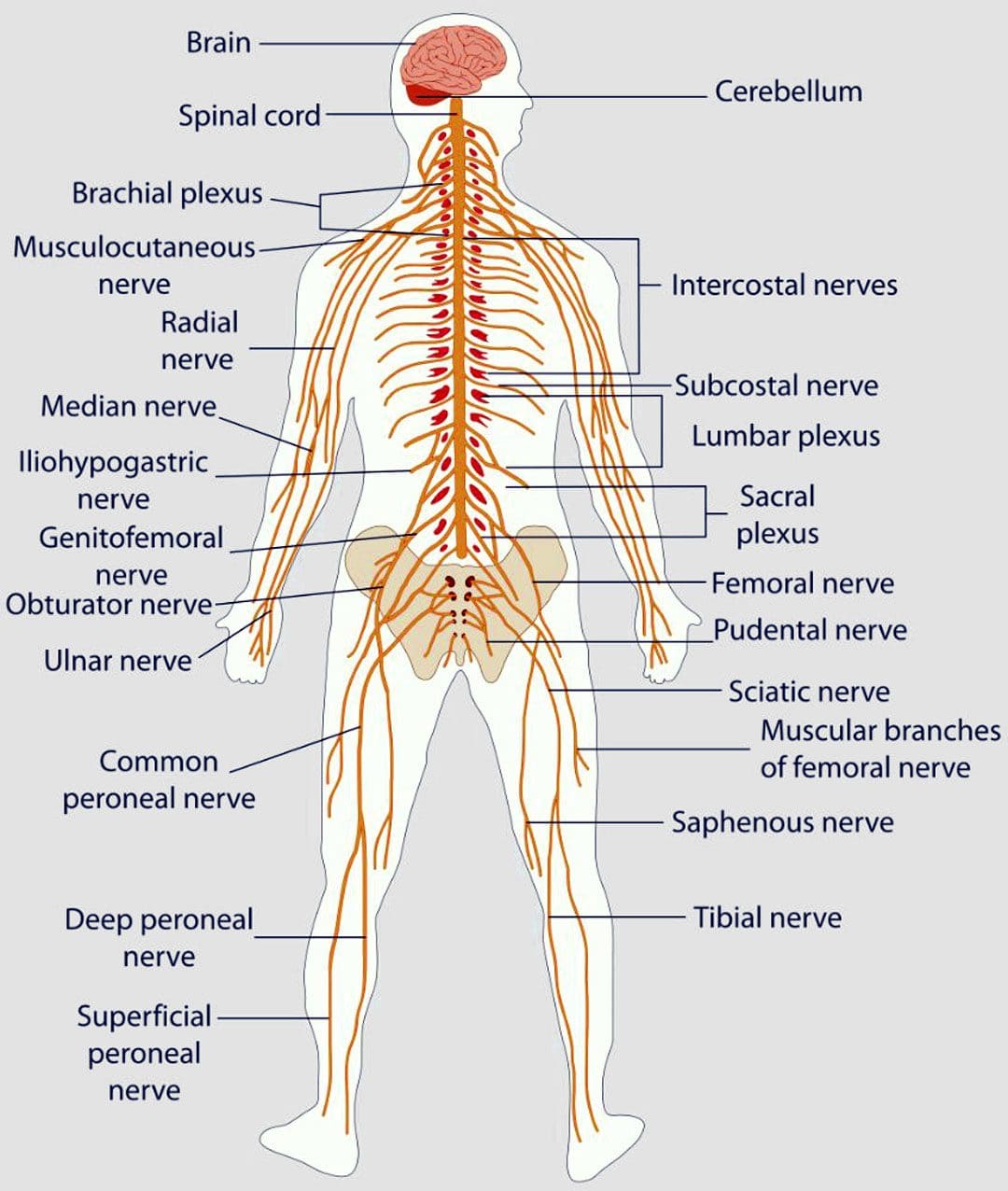
Paresthesia is an abnormal sensation felt in the body due to the compression or irritation of nerves.
It can be a mechanical cause like a compressed/pinched nerve.
Or it may be due to a medical condition, injury, or illness.
The symptoms typically last for 30 minutes or less.
Shaking the affected limb often relieves the sensations.
Paresthesia usually affects only one arm or leg at a time.
However, both arms and legs can be affected, depending on the cause.
Consult a healthcare provider if the symptoms last for more than 30 minutes. Treatment may be required if paresthesia body sensations are brought on by a serious underlying cause.
Causes
Sitting with incorrect and unhealthy postures can compress a nerve and generate symptoms. However, some causes are more concerning and can include:
If the symptoms don’t go away after 30 minutes or keep returning for unknown reasons, call a healthcare provider to find out what is causing the abnormal sensations. A worsening case should be monitored by a healthcare provider.
Peripheral neuropathy caused by diabetes usually begins with a feeling of paresthesia in the foot/feet and can worsen and lead to other complications.
A healthcare provider will work with the individual to understand the symptoms and perform the appropriate diagnostic tests to determine the cause. A healthcare provider will choose the tests based on a physical examination. Common diagnostic procedures include: (Merck Manual Professional Version. 2022)
Magnetic resonance imaging – MRI of the spine, brain, or extremities.
X-ray to rule out bone abnormalities, like a fracture.
Blood tests.
Electromyography – EMG studies.
Nerve conduction velocity – NCV test.
If paresthesia is accompanied by back or neck pain, a healthcare provider may suspect a compressed/pinched spinal nerve.
If the individual has a history of diabetes that is poorly controlled, they may suspect peripheral neuropathy.
Treatment
Treatment for paresthesia depends on the diagnosis. A healthcare provider can help determine the best course of action for the specific condition.
Nervous System
If symptoms are triggered by a central nervous condition like MS, individuals will work closely with their healthcare provider to get the appropriate treatment.
If paresthesia is caused by compression of a spinal nerve, like sciatica, individuals may be referred to a chiropractor and physical therapy team to release the nerve and pressure. (Julie M. Fritz, et al., 2021)
A physical therapist may prescribe spinal exercises to relieve compression of the nerve and restore normal sensations and motion.
Strengthening exercises to restore flexibility and mobility may be prescribed if weakness presents along with paresthesia body sensations.
Herniated Disc
If a herniated disc is causing the abnormal sensations, and there has been no improvement with conservative measures, a healthcare provider may suggest surgery to relieve pressure on the nerve/s. (American Association of Neurological Surgeons. 2023)
In surgical procedures like a laminectomy or discectomy, the objective is to restore nerve function.
Post-surgery, individuals may be recommended to a physical therapist to help regain mobility.
National Institute of Neurological Disorders and Stroke. (2023) Paresthesia.
American Association of Neurological Surgeons. (2023) Herniated disc.
National Institute of Diabetes and Digestive and Kidney Diseases. (2018) Peripheral neuropathy.
Merck Manual Professional Version. (2022) Numbness.
Razazian, N., Yavari, Z., Farnia, V., Azizi, A., Kordavani, L., Bahmani, D. S., Holsboer-Trachsler, E., & Brand, S. (2016). Exercising Impacts on Fatigue, Depression, and Paresthesia in Female Patients with Multiple Sclerosis. Medicine and science in sports and exercise, 48(5), 796–803. https://doi.org/10.1249/MSS.0000000000000834
Fritz, J. M., Lane, E., McFadden, M., Brennan, G., Magel, J. S., Thackeray, A., Minick, K., Meier, W., & Greene, T. (2021). Physical Therapy Referral From Primary Care for Acute Back Pain With Sciatica : A Randomized Controlled Trial. Annals of internal medicine, 174(1), 8–17. https://doi.org/10.7326/M20-4187
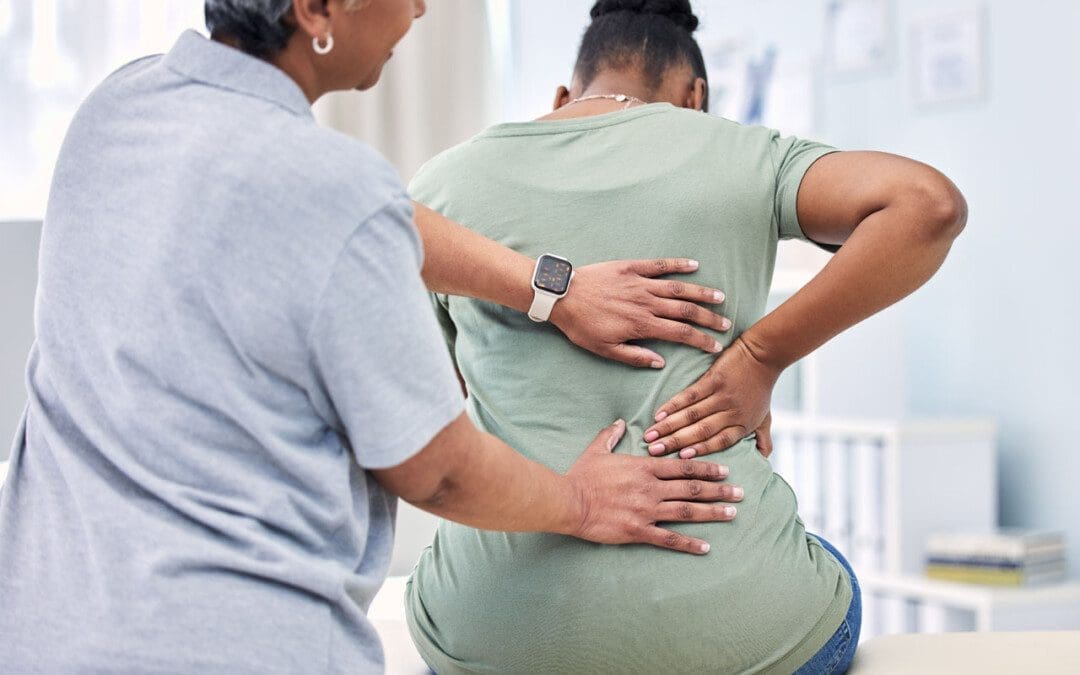
Individuals dealing with back pain problems could be suffering from a bulging disc. Could knowing the difference between slipped and herniated disc symptoms help with treatments and finding relief?
Bulging Disc Pain
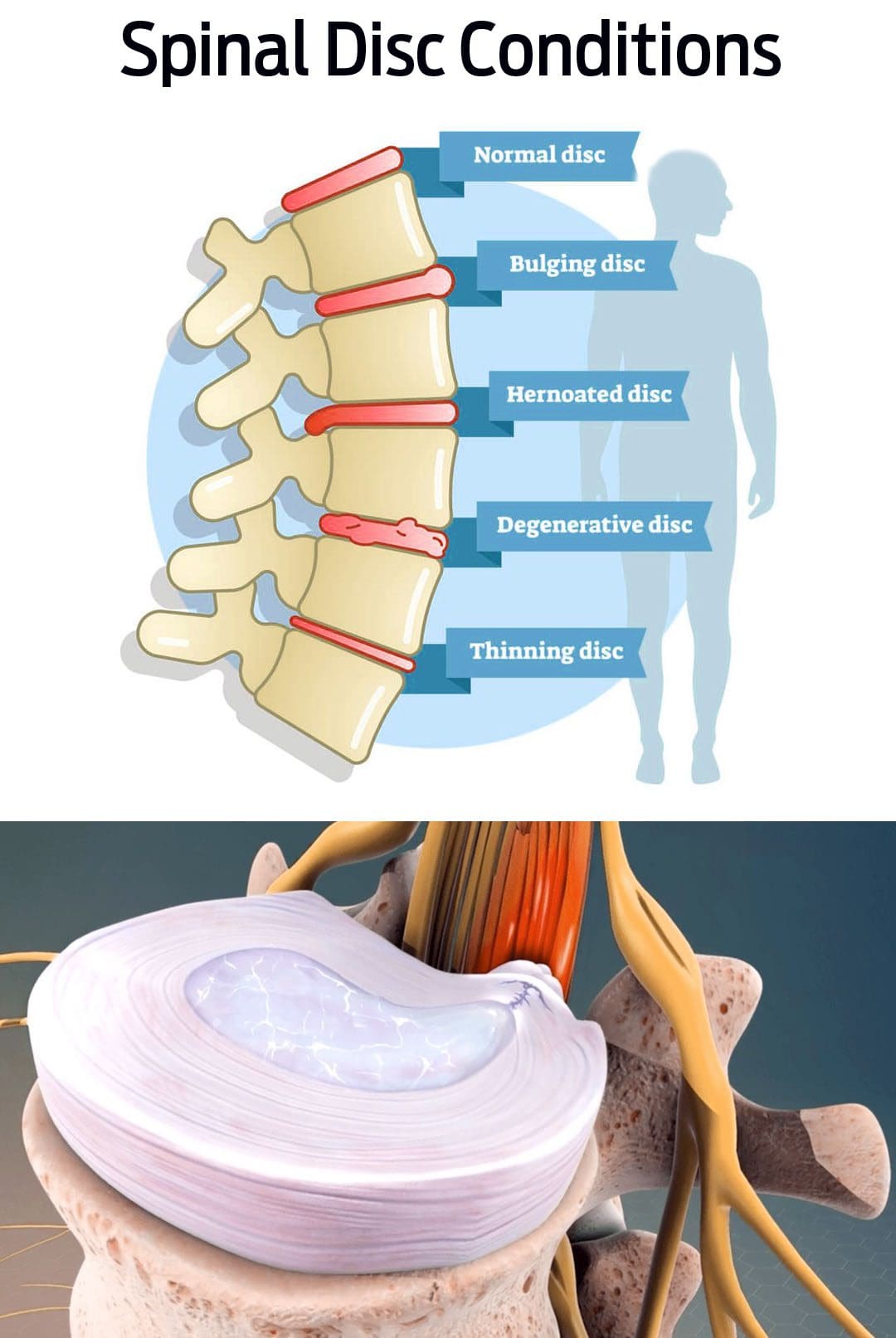
Back pain can become debilitating if not treated properly. A bulging disc is a common cause of cervical, thoracic, and lower back pain symptoms. It happens when one of the fluid-filled cushions between the vertebrae begins to shift out of place. Instead of being aligned with the edges, the disc bulges over. This begins to generate pressure on the nerves causing pain and inflammation.
Bulging discs are often caused by age, but repetitive movements and/or lifting heavy objects can contribute to the condition.
Symptoms can resolve on their own, but individuals are recommended to consult with a physical therapist and/or chiropractor to make sure the disc healed properly, otherwise, it can lead to worsening and/or further injuries.
Bulging Disc vs. Herniated Disc
Bulging and herniated discs cause pain symptoms.
They both can be linked to injuries and degenerative disc disease but are not the same condition. (Penn Medicine. 2018)
This is because the lower back is subject to all kinds of pressure and movement with daily activities, increasing the chances of pain and injuries.
The next most common place is the neck/cervical spine where there are constant movements making it prone to injury and pain symptoms.
Causes
Bulging discs are most often caused by body aging and normal wear and tear. As time goes on the intervertebral discs naturally degenerate, known as degenerative disc disease. This can cause the discs to pull downward, causing them to bulge from their placement. (Penn Medicine. 2018) Factors that can cause or worsen the condition include:
Practicing unhealthy postures.
Repetitive motions.
Lifting heavy objects
Spinal injuries.
Medical history of spinal or disc disease in the family.
Individuals with back pain that interferes with daily functions or has lasted longer than six weeks, should see a healthcare provider for a diagnosis. They will order a magnetic resonance imaging scan/MRI, which can show where a disc is protruding. (American Academy of Neurological Surgeons. 2023)
Rest
For bulging disc pain, resting the back is necessary. However,
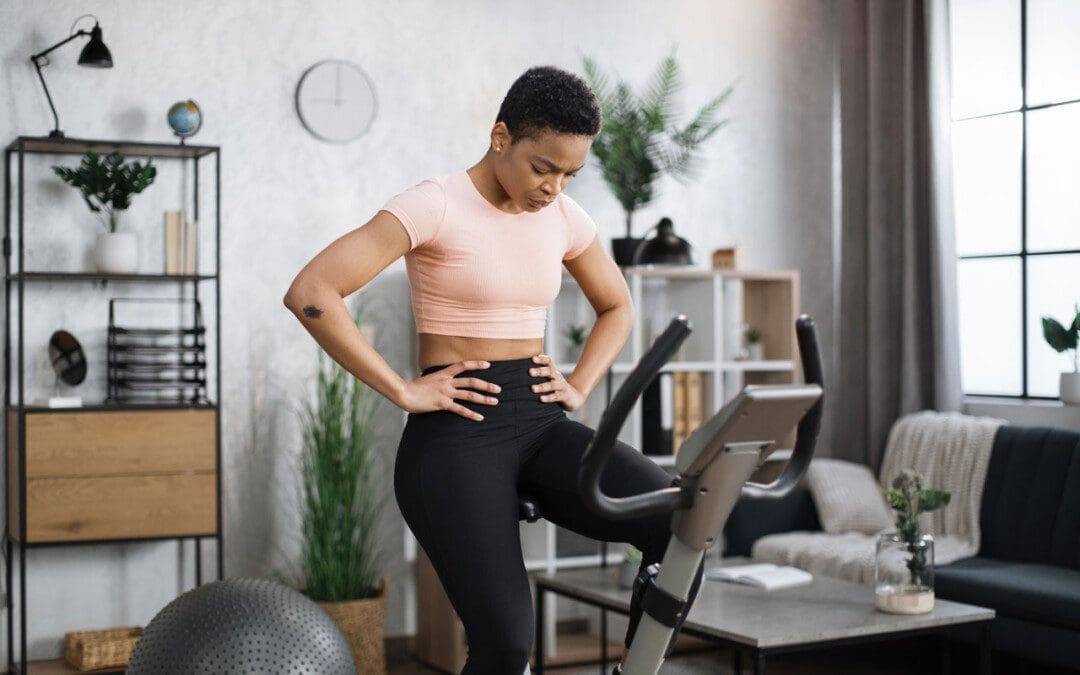
Individuals who engage in a regular fitness regimen can begin to lose interest and motivation. Can knowing the signs of exercise burnout help individuals rediscover their motivation?
Exercise Burnout
When maintaining fitness and health becomes a chore and doing anything else is better than working out, individuals could be experiencing exercise burnout. Here are a few signs an individual is getting burned out.
Procrastination
One sign is constantly putting things off.
An individual may put on workout clothes, set up the equipment, etc.
However, the workout never happens as the individual continues to find other things to do.
At some point, they decide it’s too late and they’ll work out tomorrow.
Solution
Simplify the workout. Make some small goals or adjustments and keep the workout light. (Nemanja Lakicevic, et al., 2020) An example could be:
Focus only on stretching.
Take a walk around the block.
Go up and down some stairs equivalent to a few laps.
Do 10 pushups, 10 squats, and 10 lunges, or other exercises and that’s it.
No Longer Interesting
When burned out, exercise is not interesting and disenchanting. (Franklin Velasco, Rafael Jorda. 2020) Trainers will suggest finding something positive about the workouts.
When the interest and passion are nowhere to be found don’t engage in the usual workouts, as this can further decrease motivation.
This is the time to change up the routine and go for a leisurely bicycle or rollerblade, skateboard, etc., session.
Go to a park, just walk around, and forget about exercise just taking in everything.
Play a game with a friend or toss a ball around.
Exhaustion
Not just physical, but mental fatigue could be a sign of exercise burnout.
Solution
Rest.
Individuals may think they have to work out every day and stick to the regimen or else they’ve failed.
This type of mindset can lead to burnout and added stress.
The body and mind require adequate recovery time.
Forget about structured exercise for a day, and see how the mind and body feel the next day.
Two or three days off in a row can make a significant difference in motivation and offer a new perspective on the workout routine.
Low Energy Levels After Exercise
Workouts, although tiring in a good way, should energize the individual. Most workouts should leave the body feeling better than before. When the body feels worse or energy levels are low, this could be a sign of overtraining that could lead to exercise burnout.
Solution
This could be the time to ease off of the fitness regimen.
This is a form of active recovery, allowing the mind and body to rest from the overwork.
Mood Changes and/or Irritability
When the mind and body are overworked and over-trained, it can cause moodiness, irritability, and frustration that leads to burnout.
Solution
Do something that feels good. This could include:
A therapeutic massage.
A spa session.
Taking a long nap.
Soaking the feet.
Taking a therapeutic bath.
Meditation
Burnout can happen, the objective is to keep the solutions simple like taking a few days off or trying something new to come back feeling refreshed and energized.
Multidisciplinary Evaluation and Treatment
References
Lakicevic, N., Gentile, A., Mehrabi, S., Cassar, S., Parker, K., Roklicer, R., Bianco, A., & Drid, P. (2020). Make Fitness Fun: Could Novelty Be the Key Determinant for Physical Activity Adherence?. Frontiers in psychology, 11, 577522. https://doi.org/10.3389/fpsyg.2020.577522
Velasco, F., & Jorda, R. (2020). Portrait of Boredom Among Athletes and Its Implications in Sports Management: A Multi-Method Approach. Frontiers in psychology, 11, 831. https://doi.org/10.3389/fpsyg.2020.00831
IFM's Find A Practitioner tool is the largest referral network in Functional Medicine, created to help patients locate Functional Medicine practitioners anywhere in the world. IFM Certified Practitioners are listed first in the search results, given their extensive education in Functional Medicine