For individuals with arthritis, can incorporating acupuncture with other therapies help manage pain and other symptoms?
Acupuncture For Arthritis
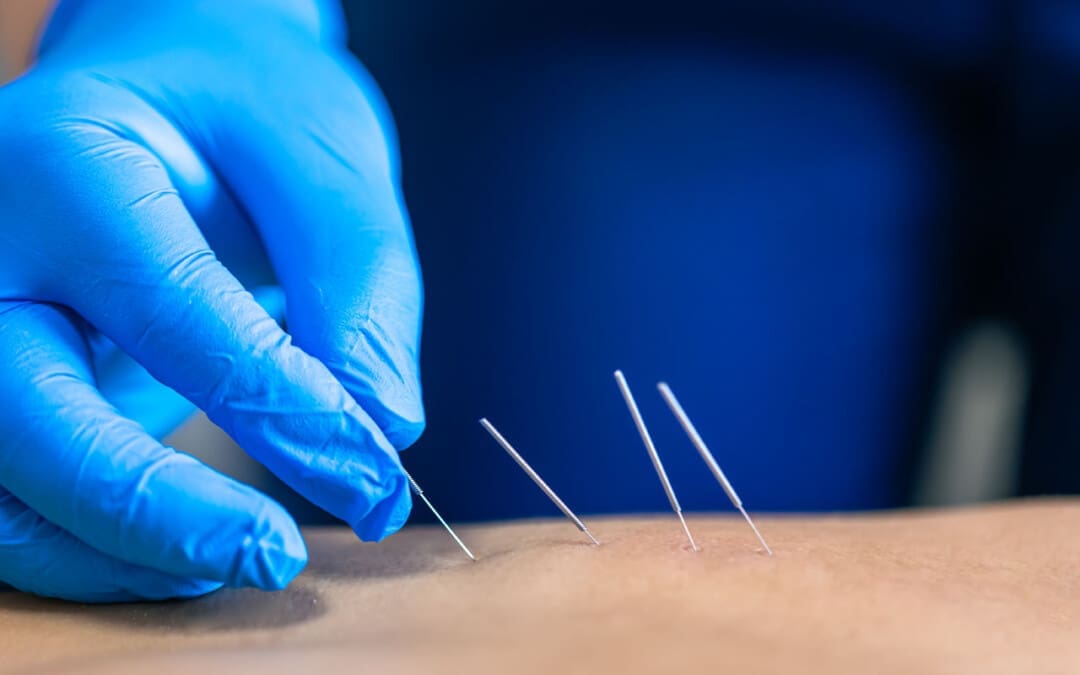
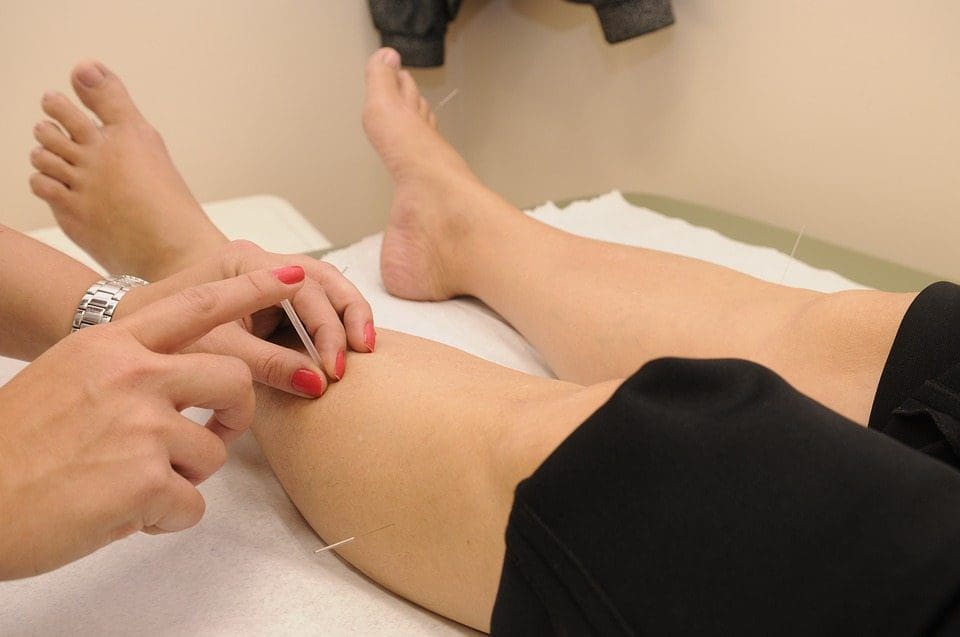
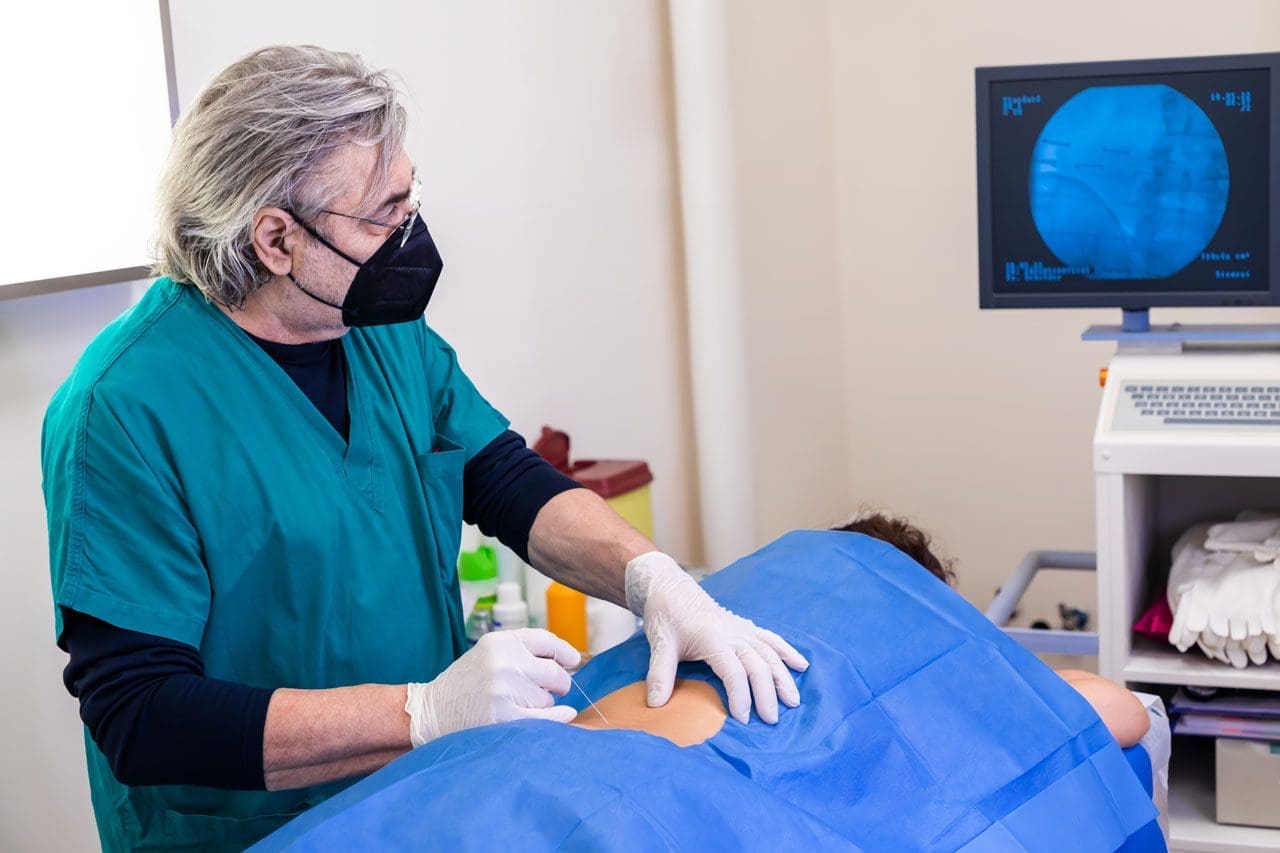
Acupuncture has been around for thousands of years and is a form of traditional Chinese medicine that utilizes needles inserted into various parts of the body to relieve pain and inflammation. The practice is based on the concept of life energy that flows throughout the body along pathways called meridians. When the energy flow becomes disrupted, blocked, or injured, pain or illness can present. (Arthritis Foundation. N.D.) Further research is needed to determine how the acupuncture therapeutic mechanisms work and the overall effectiveness. However, there is emerging evidence suggesting that acupuncture can provide symptom relief for individuals with joint pain, especially those with osteoarthritis and rheumatoid arthritis. (Pei-Chi Chou, Heng-Yi Chu. 2018)
Benefits
The actual method that reduces the pain and inflammation is still unclear. Theories include that the needles suppress inflammatory responses, improve blood flow, and relax muscles. Although acupuncture cannot cure or reverse arthritis, it may be useful for managing pain and decreasing associated symptoms, especially in combination with other therapies. (Pei-Chi Chou, Heng-Yi Chu. 2018)
Rheumatoid Arthritis
A systematic review of 43 studies, including humans and animals with rheumatoid arthritis, demonstrated varied results. Several studies showed improvement in symptoms and decreased biological markers of rheumatoid arthritis following one to three sessions of acupuncture for four weeks or more. (Sharon L. Kolasinski et al., 2020) Beneficial outcomes following acupuncture treatment for rheumatoid arthritis include:
Reduced pain
Reduced joint stiffness
Improved physical function
The results of the human and animal studies suggested that acupuncture has the potential to down-regulate:
Levels of interleukins
Levels of tumor necrosis factor
Specific cell signaling proteins/cytokines involved in the inflammatory response, which become elevated in autoimmune conditions like rheumatoid arthritis. (Pei-Chi Chou, Heng-Yi Chu. 2018)
Most of the study subjects were also receiving other forms of treatment, especially medication. Therefore, it is difficult to conclude how beneficial acupuncture is alone or as a supplemental addition to other medical treatments. (Pei-Chi Chou, Heng-Yi Chu. 2018)
Osteoarthritis
Acupuncture for osteoarthritis of the hand, hip, and knee is recommended, according to the American College of Rheumatology and Arthritis Foundation, meaning that it may be worth trying, although more research is needed to confirm its effectiveness. However, since the risk is relatively minor, acupuncture is generally considered a safe alternative treatment option for managing the symptoms. (Sharon L. Kolasinski et al., 2020)
Chronic Pain
As clinical trials suggest that acupuncture may be effective in providing pain relief, it may be a recommended option for individuals suffering from chronic pain. A recent systematic review of 20,827 patients and 39 trials concluded that acupuncture is effective for the treatment of chronic musculoskeletal pain, headache, and osteoarthritis pain. (Andrew J. Vickers et al., 2018)
Triggering the release of endorphins/hormones that help reduce pain.
Safety
Acupuncture is considered a safe procedure by a licensed and certified professional.
To practice acupuncture in the United States, an acupuncturist needs a minimum of a master’s degree from a program accredited by the American Academy of Acupuncture and Oriental Medicine and a license in the state where they received their acupuncture treatment.
Doctors with an MD or DO degree licensed in the United States to practice medicine can also be licensed by the American Academy of Medical Acupuncture after additional training.
Risks
Risks associated with acupuncture are bleeding and bruising, especially for individuals who have a bleeding disorder like hemophilia or take a blood thinning medication. Individuals are recommended to talk to their healthcare provider to determine if acupuncture is a safe option.
Side Effects
Most individuals do not experience any side effects, although possible reactions can include: (Shifen Xu et al., 2013)
Soreness
Bruising
Scarring
Needle shock: a vasovagal response that presents as feeling faint, clammy hands, chills, and slight nausea.
Acupuncture Session
During the initial treatment, individuals will discuss their medical history and what joints and areas of their bodies are presenting with symptoms.
After a physical exam, the individual will lie on a treatment table.
Individuals may be face up or down depending on what areas of the body the acupuncturist needs to access.
It is recommended to wear loose clothing that can be rolled up or moved out of the way to access different areas easily.
Depending on what areas need to be accessed, individuals may be asked to change into a medical gown.
The acupuncturist will use alcohol swabs to disinfect the area before inserting the needles.
The needles are made of stainless steel and are extremely thin.
Individuals may feel a slight pinch in sensitive areas like the hands and feet, but needle insertion should be comfortable and well-tolerated without significant discomfort.
For electroacupuncture, the acupuncturist will pass a mild electric current through the needles, typically 40 to 80 volts.
The needles stay in place for 20 to 30 minutes.
After the treatment is finished, the acupuncturist will remove the needles and dispose of them.
Frequency
The frequency of acupuncture sessions will vary depending on the severity of the symptoms and whether the visits are approved and reimbursed by the health insurance company.
Cost and Insurance
Costs for acupuncture can vary from $75 to $200 per session.
The first session, which involves an initial assessment and evaluation, usually costs more than follow-up visits.
Whether the health insurance will cover some or all of the costs of acupuncture sessions depends on the individual insurance company and the condition being treated.
Medicare currently covers acupuncture services up to 12 visits within a 90-day period for chronic low back pain only.
Medicare will not cover acupuncture for other conditions. (Medicare.gov. N.D.)
Acupuncture is not a cure for arthritis, but it may be a useful tool to help manage pain and other symptoms. Make sure to consult a healthcare provider if acupuncture is safe to try based on medical history.
Chou, P. C., & Chu, H. Y. (2018). Clinical Efficacy of Acupuncture on Rheumatoid Arthritis and Associated Mechanisms: A Systemic Review. Evidence-based complementary and alternative medicine : eCAM, 2018, 8596918. https://doi.org/10.1155/2018/8596918
Kolasinski, S. L., Neogi, T., Hochberg, M. C., Oatis, C., Guyatt, G., Block, J., Callahan, L., Copenhaver, C., Dodge, C., Felson, D., Gellar, K., Harvey, W. F., Hawker, G., Herzig, E., Kwoh, C. K., Nelson, A. E., Samuels, J., Scanzello, C., White, D., Wise, B., … Reston, J. (2020). 2019 American College of Rheumatology/Arthritis Foundation Guideline for the Management of Osteoarthritis of the Hand, Hip, and Knee. Arthritis care & research, 72(2), 149–162. https://doi.org/10.1002/acr.24131
Vickers, A. J., Vertosick, E. A., Lewith, G., MacPherson, H., Foster, N. E., Sherman, K. J., Irnich, D., Witt, C. M., Linde, K., & Acupuncture Trialists’ Collaboration (2018). Acupuncture for Chronic Pain: Update of an Individual Patient Data Meta-Analysis. The journal of pain, 19(5), 455–474. https://doi.org/10.1016/j.jpain.2017.11.005
Xu, S., Wang, L., Cooper, E., Zhang, M., Manheimer, E., Berman, B., Shen, X., & Lao, L. (2013). Adverse events of acupuncture: a systematic review of case reports. Evidence-based complementary and alternative medicine : eCAM, 2013, 581203. https://doi.org/10.1155/2013/581203
Medicare.gov. (N.D.). Acupuncture. Retrieved from https://www.medicare.gov/coverage/acupuncture
During a fall individuals tend to automatically outstretch their hands to help break a fall, which can slam onto the ground causing a falling onto an outstretched hand or FOOSH injury. Should individuals get checked by a healthcare provider if they believe there is no injury?
FOOSH Injuries
Falling down usually results in minor injuries. A FOOSH injury occurs when falling down and trying to break the fall by reaching out with the hand/s. This can result in an upper extremity injury like a sprain or a fracture. But sometimes, falling on one’s hands can lead to serious injuries and/or create future musculoskeletal issues. Individuals who have fallen or suffered a FOOSH injury should consult their healthcare provider and then a physical therapist or chiropractor to safely develop a treatment plan to rehabilitate, strengthen, and expedite recovery.
After The Injury
For individuals who have fallen down and landed on their hand, wrist, or arm, here are a few things to ensure the proper care for the injury, including:
Follow the R.I.C.E. protocol for acute injuries
Visit a healthcare provider or local emergency clinic
Contact a physical therapist
A FOOSH injury could be or become serious, so to avoid letting small issues become big problems, get examined by a musculoskeletal specialist. The healthcare provider will obtain an imaging scan of the injured and surrounding areas. They will perform a physical examination to determine the type of injury, like a sprain or muscle strain. Not getting appropriate medical treatment after a fall can result in chronic pain and loss of function. (J. Chiu, S. N. Robinovitch. 1998)
Common Injuries
A FOOSH injury can injure different areas. These usually involve the wrist and hand, but the elbow or shoulder can also be injured. Common injuries include:
Colles’ fracture
A wrist fracture where the end of the arm bone is displaced backward.
Smith’s fracture
A wrist fracture, similar to a Colles’ fracture, is where the end of the arm bone is displaced towards the front of the wrist.
Boxer’s fracture
A fracture of the small bones in the hand.
Typically, it occurs after punching something, but it can happen from falling on an outstretched fist.
Elbow dislocation or fracture
The elbow can pop out of the joint or can break a bone in the elbow.
Collarbone fracture
The force from falling with the hands and arms outstretched can travel up to the collarbone, causing a fracture.
Proximal humeral fracture
Falling onto an outstretched hand injury can cause the arm bone to get jammed into the shoulder, causing a proximal humeral fracture.
Shoulder dislocation
The shoulder can pop out of the joint.
This can cause a rotator cuff tear or labrum injury.
Regardless of the injury, individuals should visit a healthcare provider to evaluate the damage. If the injury is serious, the practitioner can make an accurate or differential diagnosis and develop a treatment plan. (William R. VanWye et al., 2016)
Physical Therapy
Individuals can benefit from physical therapy to help recover and return to their previous level of function. Physical therapy varies depending on the specific injury, but generally, a physical therapist can help individuals return to function after a fall on an outstretched hand. (William R. VanWye et al., 2016) Common treatments can include:
Treatments and modalities to decrease pain, inflammation, and swelling.
Instruction on how to wear an arm sling properly.
Exercises and stretches to improve the range of motion, strength, and functional mobility.
Balance exercises.
Scar tissue management if surgery was necessary.
The therapy team will ensure the proper treatment is utilized to quickly and safely return to normal activities.
Chiropractic Care For Healing After Trauma
References
Chiu, J., & Robinovitch, S. N. (1998). Prediction of upper extremity impact forces during falls on the outstretched hand. Journal of biomechanics, 31(12), 1169–1176. https://doi.org/10.1016/s0021-9290(98)00137-7
VanWye, W. R., Hoover, D. L., & Willgruber, S. (2016). Physical therapist screening and differential diagnosis for traumatic-onset elbow pain: A case report. Physiotherapy theory and practice, 32(7), 556–565. https://doi.org/10.1080/09593985.2016.1219798
Individuals who participate in physical and sports activities could suffer an Achilles tendon tear. Can understanding the symptoms and risks help in treatment and return the individual back to their sports activity sooner?
Achilles Tendon
This is a common injury that occurs when the tendon attaching the calf muscle to the heel gets torn.
About the Tendon
The Achilles tendon is the largest tendon in the body.
In sports and physical activities, intense explosive movements like running, sprinting, quickly shifting positions, and jumping are exerted on the Achilles.
The injury often occurs without any contact or collision but rather the running, starting, stopping, and pulling actions placed on the feet.
Certain antibiotics and cortisone shots can increase the likelihood of Achilles tear injuries.
A specific antibiotic, fluoroquinolones, has been shown to increase the risk of Achilles tendon problems.
Cortisone shots are also associated with Achilles tears, which is why many healthcare providers don’t recommend cortisone for Achilles tendonitis. (Anne L. Stephenson et al., 2013)
Symptoms
A tendon tear or rupture causes sudden pain behind the ankle.
Individuals may hear a pop or a snap and often report the feeling as being kicked in the calf or heel.
Individuals have difficulty pointing their toes downward.
Individuals may have swelling and bruising around the tendon.
A healthcare provider will examine the ankle for continuity of the tendon.
Squeezing the calf muscle is supposed to cause the foot to point downwards, but in individuals with a tear, the foot will not move, resulting in positive results on the Thompson test.
A defect in the tendon can usually be felt after a tear.
X-rays may be used to rule out other conditions, including ankle fracture or ankle arthritis.
Fluoroquinolone antibiotics are commonly used for the treatment of respiratory infections, urinary tract infections, and bacterial infections. These antibiotics are associated with Achilles tendon rupture, but further research is needed to determine how they affect the Achilles tendon. Individuals taking these medications are advised to consider an alternative medication if Achilles tendon problems begin to develop. (Anne L. Stephenson et al., 2013)
Treatment
Depending on the severity of the injury, treatment can consist of non-surgical techniques or surgery.
The benefit of surgery is there is usually less immobilization.
Individuals can often return to sports activities sooner, and there is less chance of re-rupturing the tendon.
Thevendran, G., Sarraf, K. M., Patel, N. K., Sadri, A., & Rosenfeld, P. (2013). The ruptured Achilles tendon: a current overview from biology of rupture to treatment. Musculoskeletal surgery, 97(1), 9–20. https://doi.org/10.1007/s12306-013-0251-6
Stephenson, A. L., Wu, W., Cortes, D., & Rochon, P. A. (2013). Tendon Injury and Fluoroquinolone Use: A Systematic Review. Drug safety, 36(9), 709–721. https://doi.org/10.1007/s40264-013-0089-8
Pedowitz, D., & Kirwan, G. (2013). Achilles tendon ruptures. Current reviews in musculoskeletal medicine, 6(4), 285–293. https://doi.org/10.1007/s12178-013-9185-8
Yasui, Y., Tonogai, I., Rosenbaum, A. J., Shimozono, Y., Kawano, H., & Kennedy, J. G. (2017). The Risk of Achilles Tendon Rupture in the Patients with Achilles Tendinopathy: Healthcare Database Analysis in the United States. BioMed research international, 2017, 7021862. https://doi.org/10.1155/2017/7021862
Individuals that engage in heavy exercise can develop heat cramps from overexertion. Can knowing the causes and symptoms help prevent future episodes from happening?
Heat Cramps
Heat cramps can develop during exercise from overexertion or prolonged exposure to high temperatures. The muscle cramps, spasms, and pain can range from mild to severe.
Electrolytes like sodium, calcium, and magnesium are important for properly functioning muscles, including the heart. The primary role of sweating is to regulate the body’s temperature. (MedlinePlus. 2015) Sweat is mostly water, electrolytes, and sodium. Excessive sweating from physical activity and exertion or a hot environment can cause electrolyte imbalances that lead to cramps, spasms, and other symptoms.
Causes and Activities
Heat cramps most commonly affect individuals who sweat excessively during strenuous activity or are exposed to hot temperatures for prolonged periods. The body and organs need to cool down, which causes sweat production. However, too much sweating can lead to dehydration and electrolyte depletion. (Centers for Disease Control and Prevention. 2022)
Age – Children and adults 65 years and older have the highest risk.
Excessive sweating.
Low sodium diet.
Preexisting Medical Conditions – heart disease, diabetes mellitus, and obesity are conditions that can increase the risk of muscle cramping.
Medications – blood pressure, diuretics, and antidepressants can affect electrolyte balance and hydration.
Alcohol consumption.
Self-Care
If heat cramps begin, immediately stop the activity and look for a cool environment. Rehydrate the body to replenish the fluid loss. Staying hydrated and drinking fluids regularly during intense activity or in a hot environment can help prevent the body from cramping. examples of beverages that increase electrolytes include:
Gently applying pressure and massaging affected muscles can help reduce pain and spasms. As symptoms resolve, it is recommended to not return to strenuous activity too soon because additional exertion can progressively lead to heatstroke or heat exhaustion. (Centers for Disease Control and Prevention. 2021) Heatstroke and heat exhaustion are two heat-related illnesses. (Centers for Disease Control and Prevention. 2022)
Heatstroke is when the body loses the ability to regulate temperature and can cause dangerously high temperatures.
Heat exhaustion is the body’s response to excessive fluid and electrolyte loss.
The majority of heat cramps develop during activities because of the exertion and sweating, causing more electrolytes to be lost and the body to become more dehydrated.
Symptoms can also develop minutes to hours after activity has ceased.
Duration
Most heat-related muscle cramps will resolve with rest and hydration within 30–60 minutes.
If muscle cramping or spasms do not subside within one hour, seek professional medical attention.
For individuals with heart conditions or on a low-sodium diet who develop heat cramps, regardless of duration, medical help is necessary to ensure there are no complications.
Drink plenty of fluids before and during physical activities.
Avoid alcohol and caffeinated beverages.
Avoid exercising or exposure to extreme heat during peak sunlight hours.
Avoid tight and dark-colored clothing.
Assessing Patients In A Chiropractic Setting
References
Gauer, R., & Meyers, B. K. (2019). Heat-Related Illnesses. American family physician, 99(8), 482–489.
Centers for Disease Control and Prevention. (2022). Heat stress — heat related illness. The National Institute for Occupational Safety and Health (NIOSH) Retrieved from https://www.cdc.gov/niosh/topics/heatstress/heatrelillness.html#cramps
MedlinePlus. (2015). Sweat. Retrieved from https://medlineplus.gov/sweat.html#cat_47
FoodData Central. (2019). Nuts, coconut water (liquid from coconuts). Retrieved from https://fdc.nal.usda.gov/fdc-app.html#/food-details/170174/nutrients
FoodData Central. (2019). Milk, nonfat, fluid, with added vitamin A and vitamin D (fat free or skim). Retrieved from https://fdc.nal.usda.gov/fdc-app.html#/food-details/746776/nutrients
Centers for Disease Control and Prevention. (2012). Frequently asked questions (FAQ) about extreme heat. Retrieved from https://www.cdc.gov/disasters/extremeheat/faq.html
For individuals dealing with chronic pain, can undergoing a nerve block procedure help alleviate and manage symptoms?
Nerve Blocks
A nerve block is a procedure done to interrupt/block pain signals due to nerve dysfunction or injury. They can be used for diagnostic or treatment purposes, and their effects can be short or long-term, depending on the type being used.
A temporary nerve block may involve the application or injection that stops pain signals from transmitting for a short time.
For example, in pregnancy, an epidural injection can be used during labor and delivery.
Permanent nerve blocks involve cutting/severing or removing certain parts of a nerve to stop pain signals.
These are used in cases with severe injuries or other chronic pain conditions that have not improved with other treatment approaches.
Treatment Usage
When healthcare providers diagnose a chronic pain condition caused by nerve injury or dysfunction, they may use a nerve block to locate the area generating pain signals. They may perform electromyography and/or a nerve conduction velocity/NCV test to pinpoint the cause of chronic nerve pain. Nerve blocks can also treat chronic neuropathic pain, such as pain caused by nerve damage or compression. Nerve blocks are regularly used to treat back and neck pain caused by herniated discs or spinal stenosis. (Johns Hopkins Medicine. 2024)
Types
Three types include:
Local
Neurolytic
Surgical
All three can be used for conditions that cause chronic pain. However, neurolytic and surgical blocks are permanent and are only used for severe pain that has worsened with other treatments unable to provide relief.
Temporary Blocks
A local block is done by injecting or applying local anesthetics, like lidocaine, to a certain area.
An epidural is a local nerve block that injects steroids or analgesics into an area around the spinal cord.
These are common during pregnancy, labor, and delivery.
Epidurals can also be used to treat chronic neck or back pain due to a compressed spinal nerve.
Local blocks are usually temporary, but in a treatment plan, they can be repeated over time to manage chronic pain from conditions like arthritis, sciatica, and migraines. (NYU Langone Health. 2023)
Permanent Blocks
A neurolytic block uses alcohol, phenol, or thermal agents to treat chronic nerve pain. (National Institute of Neurological Disorders and Stroke. 2023) These procedures damage certain areas of the nerve pathway on purpose so that pain signals cannot be transmitted. A neurolytic block is mainly used for severe chronic pain cases, like pain from cancer or complex regional pain syndrome/CRPS. They are sometimes used to treat ongoing pain from chronic pancreatitis and pain in the chest wall after surgery. (Johns Hopkins Medicine. 2024) (Alberto M. Cappellari et al., 2018)
The neurosurgeon performs a surgical nerve block that involves surgically removing or damaging specific areas of the nerve. (National Institute of Neurological Disorders and Stroke. 2023) A surgical nerve block is only used for severe pain cases, such as cancer pain or trigeminal neuralgia.
Although neurolytic and surgical nerve blocks are permanent procedures, pain symptoms, and sensations can come back if the nerves are able to regrow and repair themselves. (Eun Ji Choi et al., 2016) However, symptoms and sensations may not return months or years after the procedure.
These procedures can have the potential risk of permanent nerve damage. (Anthem BlueCross. 2023) Nerves are sensitive and regenerate slowly, so a tiny error can cause side effects. (D O’Flaherty et al., 2018) Common side effects include:
Muscle paralysis
Weakness
Frequent numbness
In rare cases, the block could irritate the nerve and cause added pain.
Skilled and licensed health practitioners like surgeons, pain management physicians, anesthesiologists, and dentists are trained to perform these procedures carefully.
There is always a risk of nerve damage or injury, but the majority of nerve blocks safely and successfully decrease and help manage chronic pain. (Anthem BlueCross. 2023)
What to Expect
Individuals may feel numbness or soreness and/or notice redness or irritation near or around the area that is temporary.
There can also be swelling, which compresses the nerve and requires time to improve. (Stanford Medicine. 2024)
Individuals may be asked to rest for a certain amount of time after the procedure.
Depending on the type of procedure, individuals may have to spend a few days in a hospital.
Some pain may still be present, but that does not mean the procedure did not work.
Individuals should consult with a healthcare provider about the risks and benefits to ensure it is the right treatment.
NYU Langone Health. (2023). Nerve block for migraine (Education and Research, Issue. https://nyulangone.org/conditions/migraine/treatments/nerve-block-for-migraine
National Institute of Neurological Disorders and Stroke. (2023). Pain. Retrieved from https://www.ninds.nih.gov/health-information/disorders/pain#3084_9
Cappellari, A. M., Tiberio, F., Alicandro, G., Spagnoli, D., & Grimoldi, N. (2018). Intercostal Neurolysis for The Treatment of Postsurgical Thoracic Pain: a Case Series. Muscle & nerve, 58(5), 671–675. https://doi.org/10.1002/mus.26298
Choi, E. J., Choi, Y. M., Jang, E. J., Kim, J. Y., Kim, T. K., & Kim, K. H. (2016). Neural Ablation and Regeneration in Pain Practice. The Korean journal of pain, 29(1), 3–11. https://doi.org/10.3344/kjp.2016.29.1.3
Hospital for Special Surgery. (2023). Regional anesthesia. https://www.hss.edu/condition-list_regional-anesthesia.asp
Anthem BlueCross. (2023). Peripheral nerve blocks for treatment of neuropathic pain. (Medical Policy, Issue. https://www.anthem.com/dam/medpolicies/abc/active/policies/mp_pw_c181196.html
O’Flaherty, D., McCartney, C. J. L., & Ng, S. C. (2018). Nerve injury after peripheral nerve blockade-current understanding and guidelines. BJA education, 18(12), 384–390. https://doi.org/10.1016/j.bjae.2018.09.004
Stanford Medicine. (2024). Common patient questions about nerve blocks. (For Patients, Issue. https://med.stanford.edu/ra-apm/for-patients/nerve-block-questions.html
For individuals dealing with plantar fasciitis, every step can be painful. Can taking an integrative approach and utilizing acupuncture help treat this condition and accelerate symptom relief?
Acupuncture Plantar Fasciitis
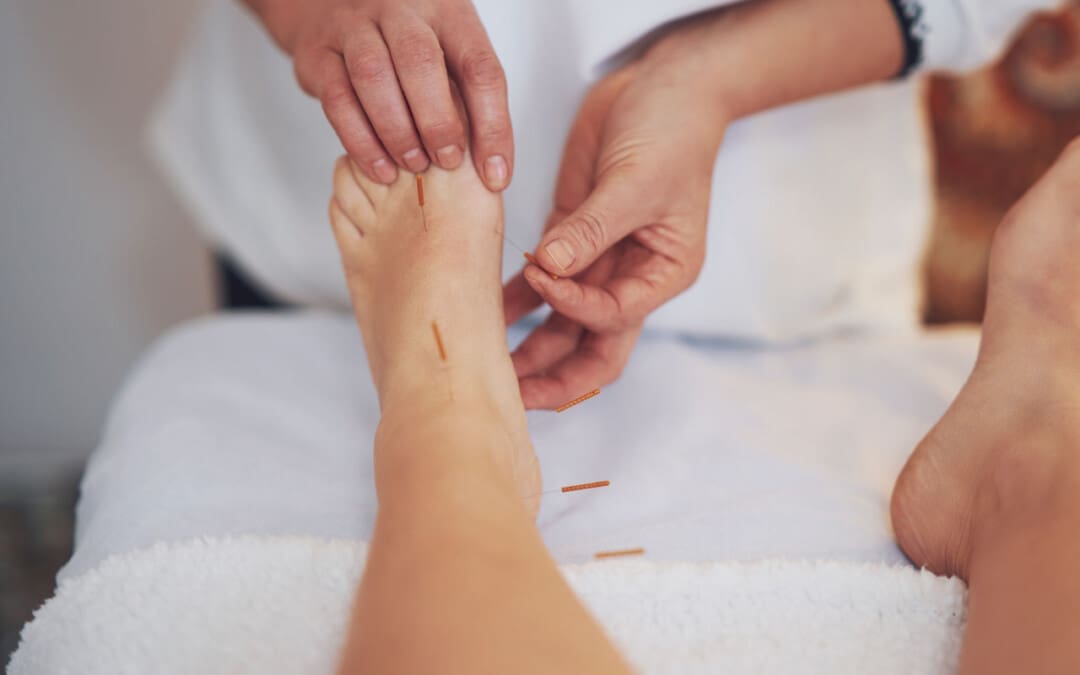
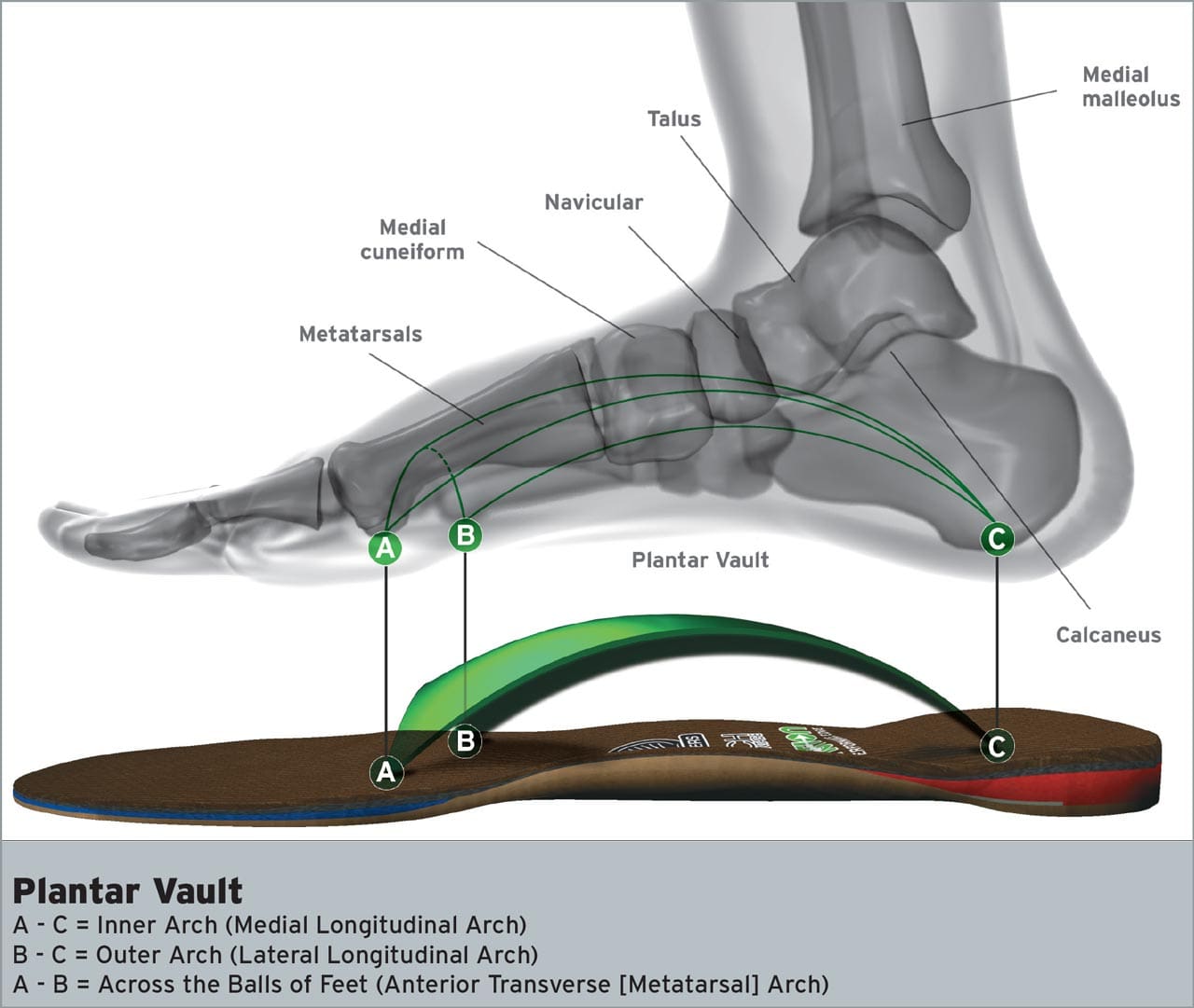
Plantar fasciitis is when the supportive tissue running under the foot, from the heel to the base of the toes, becomes irritated and painful. The disorder can be difficult to manage, but there are alternative treatment options. Acupuncture plantar fasciitis therapy is one potential method of relief, alleviating pain, and returning the individual to regular activities. Acupuncture involves inserting extremely thin needles into points in the body to restore and balance the normal flow of energy and improve overall health. (Johns Hopkins University. 2024) In traditional Chinese medicine or TCM, the body comprises a series of meridians/channels that supply energy flow or qi/chi.
Facts
Plantar fasciitis is a common disorder affecting the foot. The condition occurs when the plantar fascia, designed to absorb the forces that travel through the arch of the foot, becomes overloaded. When the bottom of the foot is constantly subjected to high amounts of strain, it leads to ligament degeneration, pain, and inflammation. The most common symptom is heel pain, the first thing an individual experiences in the morning or after a long day of work and activities. Anyone can get plantar fasciitis, but those who are more prone to the condition include individuals with:
Acupuncture and its effectiveness are still being studied, but there is evidence suggesting that it is beneficial in plantar fasciitis treatment.
One review found significant pain improvements in individuals who had acupuncture for the condition compared to individuals who received standard treatments like stretching, orthotics, and strengthening. (Anandan Gerard Thiagarajah 2017) The same review also found benefits when comparing acupuncture to a placebo version of the treatment, further reinforcing the findings.
Another medical review found that acupuncture helped alleviate heel pain and improve daily function when combined with nonsteroidal anti-inflammatory medications/NSAIDs such as ibuprofen or naproxen. (Richard James Clark, Maria Tighe 2012)
Side Effects
While acupuncture plantar fasciitis therapy is beneficial, it is important to remember there can be potential side effects that can include:
Pain in the area where the needles were placed.
Bleeding in the area where the needles were placed.
Bruising or skin discoloration.
Allergic reaction or contact dermatitis/itchy rash.
The chances of a serious adverse side effect are relatively low when undergoing acupuncture on the foot.
Acupuncture Points and Sensations
The ways acupuncture works are not yet fully understood, but like other neuromusculoskeletal therapies, the process activates the body’s healing properties.
Inserting a needle into the body’s points stimulates the central nervous system.
This leads to the release of chemicals in the brain, spinal cord, and muscles that promote healing.
These same chemicals and reactions also reduce the body’s sensation of pain. (Teng Chen et al., 2020)
Number of Sessions
The amount of sessions that acupuncture takes to provide pain relief varies from person to person and case to case.
One review found that treating plantar fasciitis weekly with acupuncture produced significant pain relief after four to eight weeks. (Anandan Gerard Thiagarajah 2017)
This corresponds to another medical review that included a study showing significantly improved pain levels in individuals undergoing weekly acupuncture sessions for four weeks. (Richard James Clark, Maria Tighe 2012)
Individuals are recommended to consult a healthcare provider about personalized treatment plans and if they have a bleeding disorder, are on blood thinner medications, or are pregnant.
American Academy of Orthopaedic Surgeons. (2022). Plantar fasciitis and bone spurs. (Diseases and Conditions, Issue. https://orthoinfo.aaos.org/en/diseases–conditions/plantar-fasciitis-and-bone-spurs
Thiagarajah A. G. (2017). How effective is acupuncture for reducing pain due to plantar fasciitis?. Singapore medical journal, 58(2), 92–97. https://doi.org/10.11622/smedj.2016143
Clark, R. J., & Tighe, M. (2012). The effectiveness of acupuncture for plantar heel pain: a systematic review. Acupuncture in medicine : journal of the British Medical Acupuncture Society, 30(4), 298–306. https://doi.org/10.1136/acupmed-2012-010183
Chan, M. W. C., Wu, X. Y., Wu, J. C. Y., Wong, S. Y. S., & Chung, V. C. H. (2017). Safety of Acupuncture: Overview of Systematic Reviews. Scientific reports, 7(1), 3369. https://doi.org/10.1038/s41598-017-03272-0
Chen, T., Zhang, W. W., Chu, Y. X., & Wang, Y. Q. (2020). Acupuncture for Pain Management: Molecular Mechanisms of Action. The American journal of Chinese medicine, 48(4), 793–811. https://doi.org/10.1142/S0192415X20500408
For individuals dealing with neck or arm pain and migraine headache symptoms it could be a splenius capitis muscle injury. Can knowing the causes and symptoms help healthcare providers develop an effective treatment plan?
Splenius Capitis Muscles
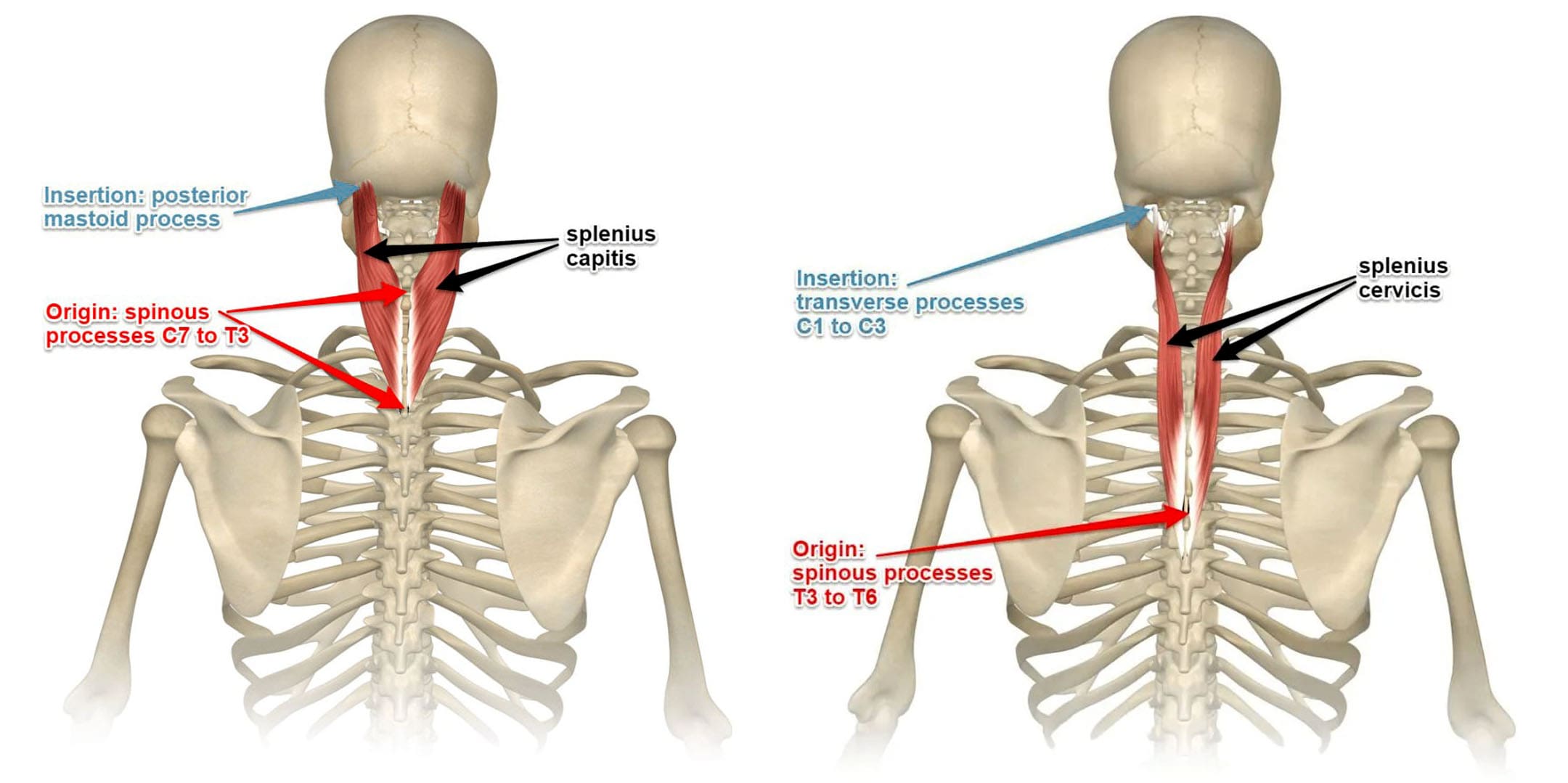
The splenius capitis is a deep muscle located on the upper back. Along with the splenius cervicis, it comprises the superficial layer – one of the three – of intrinsic back muscles. The splenius capitis works with the splenius cervicis, a smaller muscle located below it, to help rotate the neck and lower the chin to the chest, known as flexing. Maintaining a healthy posture is important because it helps keep the head in a neutral position.
Starting at the midline of the spine at C3 to T3, the splenius capitis spans the levels between the 7th cervical vertebra to the 3rd or 4th thoracic vertebrae, which varies for different individuals.
The muscle inserts at the nuchal ligament, which is a strong ligament of the neck.
The splenius capitis muscle angles up and out, attaching to the skull.
The splenius capitis and cervicis cover the vertical paraspinals, which are deeper and comprise the intermediate layer of the intrinsic back muscles.
The splenius muscles look like a bandage for the paraspinals and the vertical muscles that comprise the deepest layer.
The splenius muscles hold these deeper layers in the correct position.
These muscles start at the center of the spine and together form a V shape.
The sides of the V are thick, and the central indentation is shallow.
Pain
It’s common for individuals to experience pain associated with injury to the splenius capitis. This type of pain is known as splenius capitis syndrome. (Ernest E, Ernest M. 2011)
Symptoms
A headache stemming from injury often mimics a migraine headache. Symptoms of splenius capitis syndrome include: (Ernest E, Ernest M. 2011)
It’s recommended to contact a healthcare provider if experiencing symptoms that interfere with daily activities or quality of life. A healthcare provider will:
IFM's Find A Practitioner tool is the largest referral network in Functional Medicine, created to help patients locate Functional Medicine practitioners anywhere in the world. IFM Certified Practitioners are listed first in the search results, given their extensive education in Functional Medicine