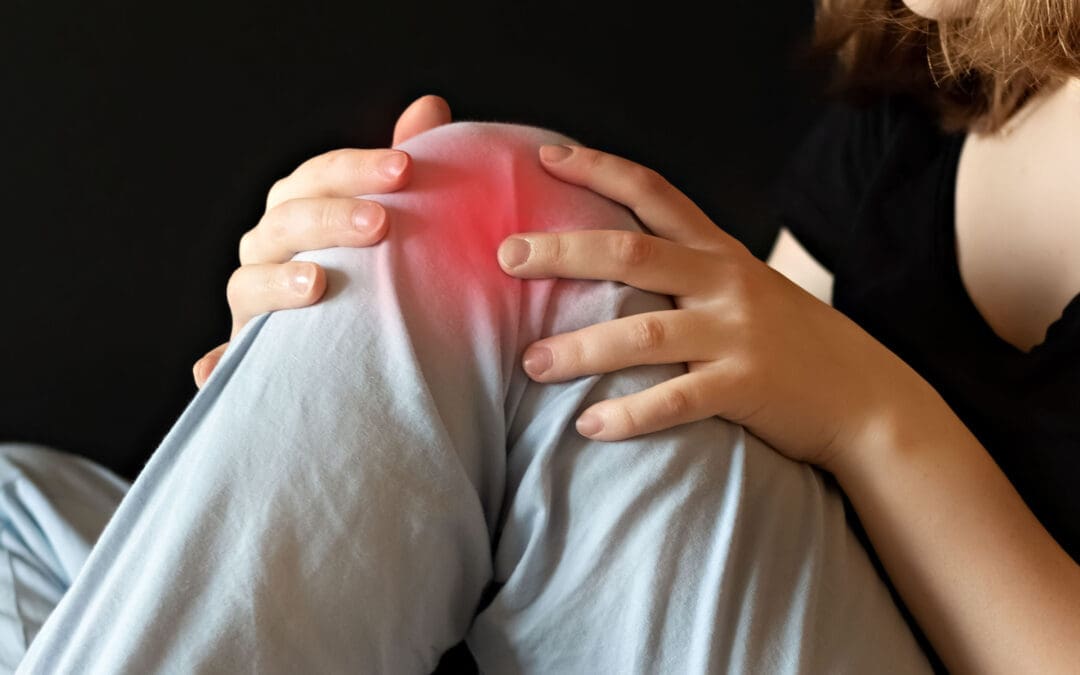
Understanding knee pain associated with ligament injuries is crucial. See how chiropractic care can help manage and treat these issues.
Chiropractic Care for Knee Pain and Ligament Injuries: A Comprehensive Guide
Introduction
Knee pain can be a real pain in the… well, knee. Whether you’re an athlete pushing your limits, a weekend warrior who tripped over your own ego, or just someone who took a wrong step while chasing the ice cream truck, knee pain can stop you in your tracks. Ligament injuries, in particular, are a common culprit, turning your once-sturdy knee into a wobbly traitor. But fear not—chiropractic care, as championed by experts like Dr. Alexander Jimenez, DC, APRN, FNP-BC, at El Paso Back Clinic, offers a beacon of hope for those in need of relief in El Paso and beyond.
This blog post dives deep into the musculoskeletal mayhem that is knee pain, focusing on ligament injuries in the lower extremities. We’ll explore how environmental factors—like slippery sidewalks or that one time you tried to “dance like nobody’s watching”—can lead to these injuries. We’ll also unpack the clinical rationale behind why chiropractic care is a game-changer for knee pain relief, drawing on insights from Dr. Jimenez’s practice (El Paso Back Clinic, n.d.; Jimenez, n.d.). Plus, we’ll highlight his role as a trusted practitioner for personal injury cases, bridging the gap between medical care and legal documentation with advanced diagnostics and a touch of humor to keep you from crying into your ice pack.
So, grab a seat (preferably one that doesn’t creak like your knees), and let’s get into why your ligaments are staging a revolt and how chiropractic care can negotiate a truce.
The Musculoskeletal System and Knee Ligaments: The Unsung Heroes of Stability
The Knee’s VIPs: Ligaments and Their Role
Your knee is a marvel of engineering, but like any overworked machine, it’s prone to breakdowns. The musculoskeletal system in the lower extremities—bones, muscles, tendons, and ligaments—works together to keep you moving, jumping, and occasionally tripping over nothing. Ligaments, the tough, fibrous bands that connect bones to bones, are the knee’s security team, ensuring stability while you sprint, pivot, or attempt a TikTok dance.
The knee has four major ligaments:
Anterior Cruciate Ligament (ACL): Prevents your shin from sliding too far forward and keeps your knee from collapsing like a bad joke.
Posterior Cruciate Ligament (PCL): Stops the shin from sliding backward, because nobody likes a knee that moonwalks without permission.
Medial Collateral Ligament (MCL): Provides stability on the inner side of the knee, protecting it from awkward side-to-side wobbles.
Lateral Collateral Ligament (LCL): Guards the outer side, ensuring your knee doesn’t give out during a dramatic twirl.
These ligaments work in harmony to keep your knee stable, but when they’re injured, it’s like your knee’s security team goes on strike. Ligament injuries can range from mild sprains (think of a ligament throwing a minor tantrum) to complete tears (a full-blown ligament meltdown). According to research, injuries to the ACL and MCL are particularly common in sports and accidents, often leading to pain, swelling, and instability (Chen et al., 2017).
Environmental Factors: The World’s Plot Against Your Knees
Your environment is out to get your knees. From uneven sidewalks to wet floors at the grocery store, the world is a minefield for your ligaments. Here’s how it happens:
Trauma from Accidents: Motor vehicle accidents (MVAs) or bicycle crashes can twist or hyperextend the knee, leading to ligament sprains or tears. Dr. Jimenez notes that MVAs often cause whiplash-associated disorders, but the lower extremities, including the knees, can also take a hit (El Paso Back Clinic, n.d.).
Sports and Overuse: Running, jumping, or sudden pivots in sports like soccer or basketball can overstress ligaments. Pre- and post-workout knee pain is a common issue for athletes who skip proper warm-ups or push too hard (El Paso Chiropractor Blog, 2016).
Slippery Surfaces: Rainy weather in El Paso might make you slip, leading to awkward landings that strain your ligaments. Rainy days are like nature’s way of saying, “Let’s see how your knees handle this!” (El Paso Back Clinic, n.d.).
Poor Footwear: Wearing flip-flops to hike or heels to chase a bus is a recipe for disaster. Improper footwear can misalign your lower extremities, putting extra stress on your knee ligaments.
Aging and Wear: As we age, ligaments lose elasticity, making them more prone to injury. Combine that with osteoarthritis, and your knees might start creaking louder than a haunted house (Logerstedt et al., 2018).
When these factors team up, they can cause ligament injuries that lead to pain, swelling, and a knee that feels like it’s auditioning for a horror movie. The good news? Chiropractic care can help.
References:
Chen, J., Kim, J., & Amendola, A. (2017). Varus-valgus instability in the anterior cruciate ligament-deficient knee: Effect of posterior tibial load. PubMed. Retrieved from https://pubmed.ncbi.nlm.nih.gov/28321424/
El Paso Back Clinic. (n.d.). Auto accident insights for safe driving and recovering from WAD. Retrieved from https://elpasobackclinic.com/
Logerstedt, D. S., Ebert, J. R., & Hewett, T. E. (2018). Subjective crepitus as a risk factor for incident symptomatic knee osteoarthritis: Data from the Osteoarthritis Initiative. PubMed. Retrieved from https://pubmed.ncbi.nlm.nih.gov/29426015/
Chiropractic Care: The Superhero Your Knees Need
Why Chiropractic Care Works for Knee Pain
Chiropractic care isn’t just for cracking backs—it’s a holistic approach that can save your knees from their own bad decisions. Dr. Alexander Jimenez, a leading chiropractor in El Paso, emphasizes that chiropractic care addresses the root causes of knee pain, not just the symptoms. Here’s why it’s effective for ligament injuries:
Restoring Alignment: Ligament injuries often cause joint misalignment, which puts extra stress on surrounding tissues. Chiropractic adjustments realign the knee and pelvis, reducing strain on ligaments and promoting healing (El Paso Chiropractor Blog, 2016).
Reducing Inflammation: Inflammation is the knee’s way of throwing a tantrum after an injury. Chiropractic techniques, like soft tissue therapy, reduce inflammation by improving blood flow and calming irritated tissues.
Improving Biomechanics: Poor biomechanics—like flat feet or an uneven gait—can exacerbate ligament injuries. Dr. Jimenez uses diagnostic evaluations to identify these issues and correct them through adjustments and exercises (Jimenez, n.d.).
Non-Invasive Approach: Unlike surgery, which is like sending your knee to a high-stakes drama, chiropractic care is non-invasive and focuses on natural healing. It’s like giving your knee a pep talk instead of a scalpel.
Complementary Therapies: Chiropractic care often includes massage therapy, stretching, and nutritional advice, all of which support ligament recovery. Post-exercise stretching, for example, can improve range of motion and reduce soreness (Afonso et al., 2021).
Research backs this up: chiropractic care has been shown to reduce pain and improve function in patients with knee osteoarthritis and ligament issues (Mayo Clinic Health System, n.d.). Bracing, while sometimes helpful, doesn’t address the underlying biomechanical issues that chiropractic care tackles (Thomas et al., 2021).
Dr. Jimenez’s Clinical Approach
Dr. Jimenez’s practice at El Paso Back Clinic is a one-stop shop for knee pain relief. His approach combines:
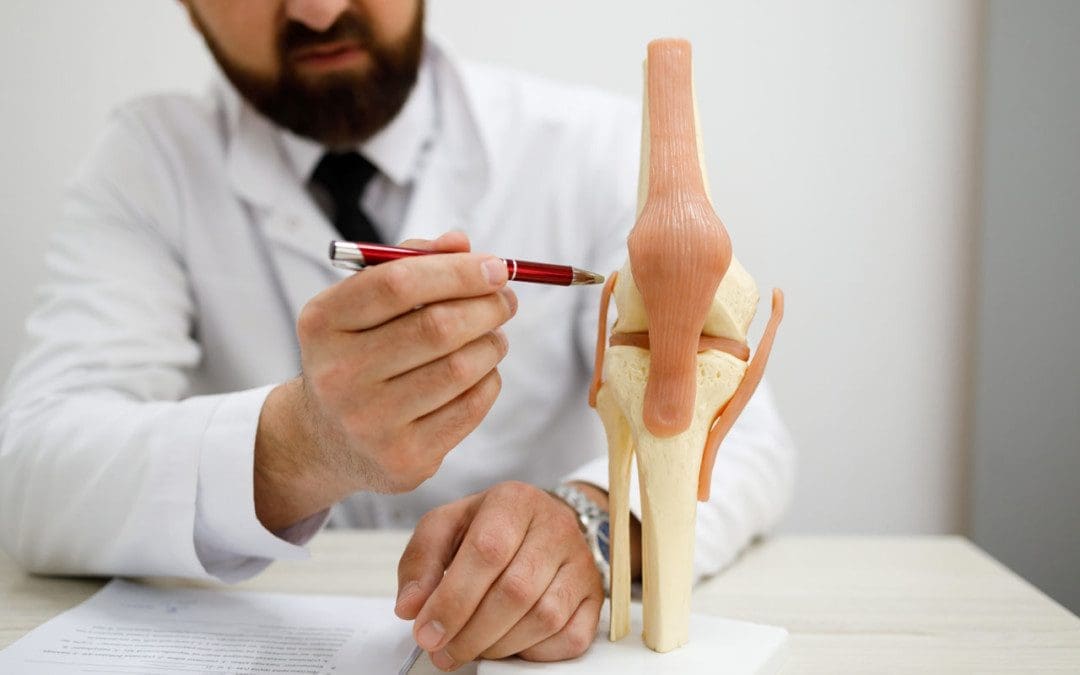
Advanced Imaging: X-rays and MRIs to pinpoint ligament damage and assess joint health.
Diagnostic Evaluations: Tests like McMurray’s test for meniscus tears or joint line tenderness assessments to confirm ligament injuries (Hegedus et al., 2015).
Dual-Scope Procedures: Combining chiropractic adjustments with therapies like massage or acupuncture to maximize recovery.
Exercise Protocols: Tailored exercises, like those recommended by OrthoInfo, to strengthen the muscles around the knee and support ligaments (American Academy of Orthopaedic Surgeons, n.d.).
Dr. Jimenez’s expertise makes him a go-to for personal injury cases in El Paso. Whether you’ve been in an MVA or wiped out on your bike, he connects the dots between your injury, medical care, and legal documentation, ensuring you get the care you need and the compensation you deserve.
References:
Afonso, J., Clemente, F. M., & Nakamura, F. Y. (2021). The effectiveness of post-exercise stretching in short-term and delayed recovery of strength, range of motion, and delayed onset muscle soreness: A systematic review and meta-analysis of randomized controlled trials. PubMed. Retrieved from https://pubmed.ncbi.nlm.nih.gov/34025459/
Hegedus, E. J., Cook, C., & Hasselblad, V. (2015). McMurray’s test and joint line tenderness for medial meniscus tear: Are they accurate? PubMed. Retrieved from https://pubmed.ncbi.nlm.nih.gov/26618057/
Thomas, A. C., Judd, D. L., & Davidson, B. S. (2021). Clinical and cost-effectiveness of bracing in symptomatic knee osteoarthritis management: Protocol for a multicentre, primary care, randomised, parallel-group, superiority trial. PubMed. Retrieved from https://pubmed.ncbi.nlm.nih.gov/33741642/
Personal Injury Cases in El Paso: Dr. Jimenez as Your Advocate
The Personal Injury Problem
El Paso’s busy streets and active lifestyle make personal injuries all too common. From 18-wheeler crashes to slip-and-falls at the local taco joint, accidents can leave your knees (and your life) in disarray. Ligament injuries from MVAs, for example, can cause long-term pain and disability if not properly treated (El Paso Back Clinic, n.d.).
Personal injury cases often require navigating a maze of medical and legal challenges. You need a doctor who can not only treat your injuries but also provide the documentation to support your claim. Enter Dr. Alexander Jimenez, El Paso’s chiropractic superhero.
Dr. Jimenez’s Role in Personal Injury Cases
Dr. Jimenez doesn’t just treat knee pain—he’s a liaison between your health and your legal case. His process includes:
Comprehensive Assessments: Using advanced imaging and diagnostic tools to document ligament injuries and their impact on your life.
Detailed Reports: Providing clear, legally admissible reports that connect your knee pain to the accident, crucial for insurance claims or lawsuits.
Holistic Care: Combining chiropractic adjustments, massage therapy, and nutritional advice to get you back on your feet (literally).
Collaboration with Legal Teams: Working with attorneys to ensure your medical records are accurate and compelling.
His expertise in musculoskeletal injuries, especially those involving the knee, makes him a trusted figure for El Paso’s accident victims. Whether it’s a torn ACL from a car crash or a sprained MCL from a bicycle mishap, Dr. Jimenez’s approach ensures you’re not just another case file.
References:
El Paso Back Clinic. (n.d.). 18-wheeler crash trauma: Healing musculoskeletal injuries. Retrieved from https://elpasobackclinic.com/
El Paso Back Clinic. (n.d.). Car accident GI injuries: Recovery and rehabilitation options. Retrieved from https://elpasobackclinic.com/
Knee Pain Rehabilitation- Video
Specific Chiropractic Techniques for Knee Ligament Injuries
Adjustments and Mobilizations
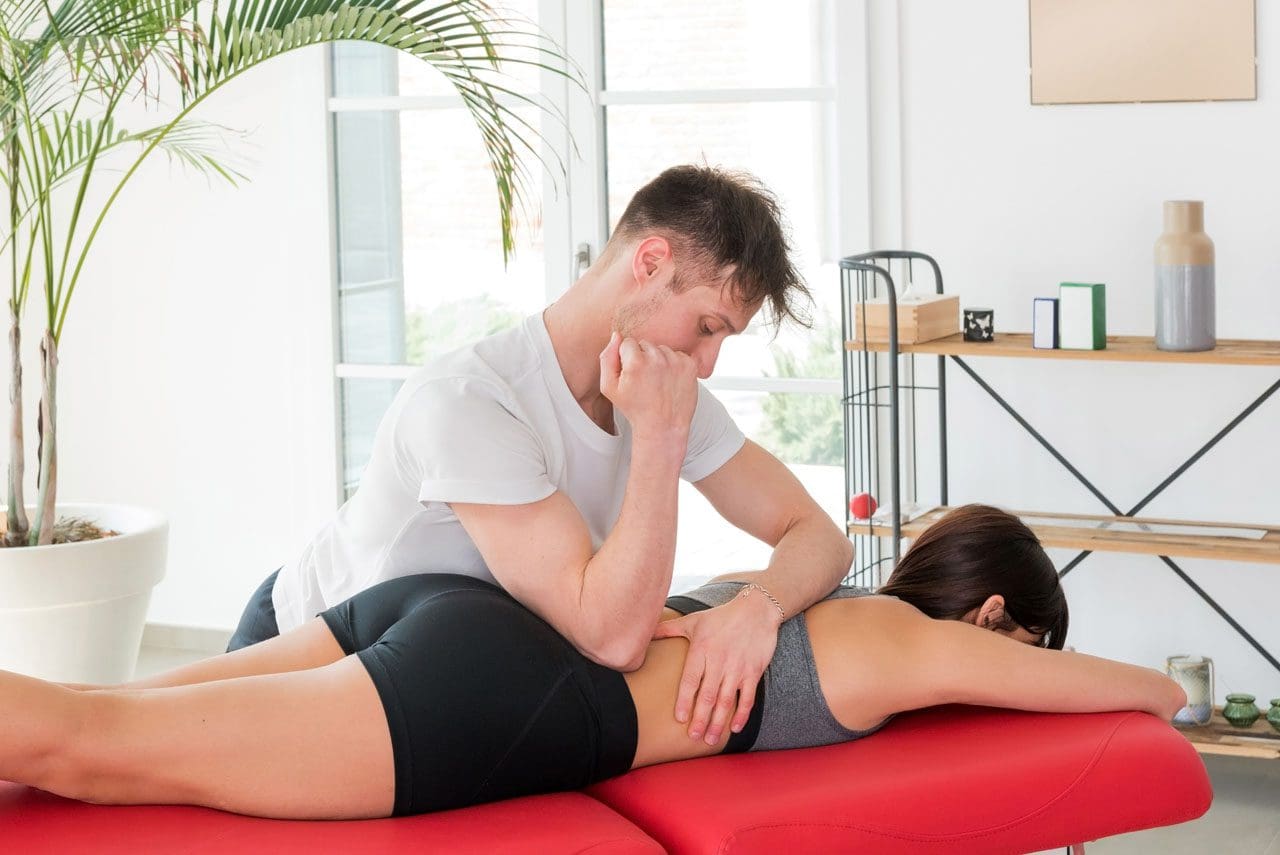
Chiropractic adjustments for the knee focus on restoring joint mobility and reducing stress on ligaments. For example, gentle manipulations can correct misalignments caused by an ACL or MCL sprain, improving stability and reducing pain (El Paso Chiropractor Blog, 2016).
Soft Tissue Therapy
Massage therapy and myofascial release target the muscles and fascia around the knee, reducing tension and promoting healing. This is especially helpful for ligament injuries, which often cause compensatory tightness in nearby muscles (El Paso Back Clinic, n.d.).
Rehabilitative Exercises
Dr. Jimenez prescribes exercises to strengthen the quadriceps, hamstrings, and calves, which support the knee ligaments. For example, straight-leg raises and wall sits can improve stability without stressing the injured ligament (American Academy of Orthopaedic Surgeons, n.d.).
Bracing and Support
In some cases, bracing can stabilize the knee during recovery, but Dr. Jimenez emphasizes that braces should complement, not replace, chiropractic care. Research suggests bracing alone doesn’t address biomechanical issues (Thomas et al., 2021).
Nutritional Support
Healing ligaments need proper nutrition. Dr. Jimenez often recommends anti-inflammatory diets rich in omega-3s, vitamin C, and collagen to support tissue repair (El Paso Back Clinic, n.d.).
Thomas, A. C., Judd, D. L., & Davidson, B. S. (2021). Clinical and cost-effectiveness of bracing in symptomatic knee osteoarthritis management: Protocol for a multicentre, primary care, randomised, parallel-group, superiority trial. PubMed. Retrieved from https://pubmed.ncbi.nlm.nih.gov/33741642/
Case Studies: Real-Life Knee Pain Relief
Case 1: The Soccer Star’s Comeback
A 25-year-old soccer player sprained his MCL during a game. Dr. Jimenez used a combination of adjustments, soft tissue therapy, and a tailored exercise program. Within six weeks, the patient was back on the field, no longer limping like a pirate with a peg leg.
Case 2: The MVA Survivor
A 40-year-old woman suffered a PCL injury in a rear-end collision. Dr. Jimenez’s advanced imaging confirmed the injury, and his chiropractic care, combined with legal documentation, helped her secure a fair settlement while restoring her knee function.
Case 3: The Weekend Warrior
A 35-year-old man tore his ACL trying to relive his high school basketball days. Dr. Jimenez’s non-invasive approach, including mobilizations and nutritional advice, helped him avoid surgery and return to light activity.
References:
El Paso Back Clinic. (n.d.). Musculoskeletal injury treatment after car accidents. Retrieved from https://elpasobackclinic.com/
Dark Humor Interlude: Laughing Through the Pain
Let’s face it—knee pain makes you feel like your leg is staging a mutiny. One minute you’re strutting like a runway model, the next you’re wincing like you just stepped on a Lego. Ligament injuries are the knee’s way of saying, “You thought you were in charge? Think again!” But don’t worry—while your knee might be plotting against you, Dr. Jimenez is like the knee-whisperer, calming it down before it starts a full-blown revolution. So, next time your knee creaks, just imagine it’s trying to tell you a bad joke. Laugh it off, then head to El Paso Back Clinic.
Conclusion and Disclaimer
Knee pain from ligament injuries can be debilitating, but chiropractic care offers a proven, non-invasive path to recovery. Dr. Alexander Jimenez at El Paso Back Clinic combines advanced diagnostics, holistic treatments, and legal expertise to help patients in El Paso regain their mobility and quality of life. From MVAs to sports injuries, his approach addresses the root causes of knee pain, ensuring long-term relief and support for personal injury cases.
Disclaimer: This blog post is for informational purposes only and should not be taken as medical advice. Always consult a qualified healthcare provider, such as Dr. Jimenez, for personalized diagnosis and treatment. The humor included is intended to make the content engaging, but the topic of knee pain and ligament injuries is serious and requires professional attention.
Chen, J., Kim, J., & Amendola, A. (2017). Varus-valgus instability in the anterior cruciate ligament-deficient knee: Effect of posterior tibial load. PubMed. Retrieved from https://pubmed.ncbi.nlm.nih.gov/28321424/
El Paso Back Clinic. (n.d.). Spinal injury rehabilitation tools for enhanced care. Retrieved from https://elpasobackclinic.com/
Logerstedt, D. S., Ebert, J. R., & Hewett, T. E. (2018). Subjective crepitus as a risk factor for incident symptomatic knee osteoarthritis: Data from the Osteoarthritis Initiative. PubMed. Retrieved from https://pubmed.ncbi.nlm.nih.gov/29426015/
Thomas, A. C., Judd, D. L., & Davidson, B. S. (2021). Clinical and cost-effectiveness of bracing in symptomatic knee osteoarthritis management: Protocol for a multicentre, primary care, randomised, parallel-group, superiority trial. PubMed. Retrieved from https://pubmed.ncbi.nlm.nih.gov/33741642/
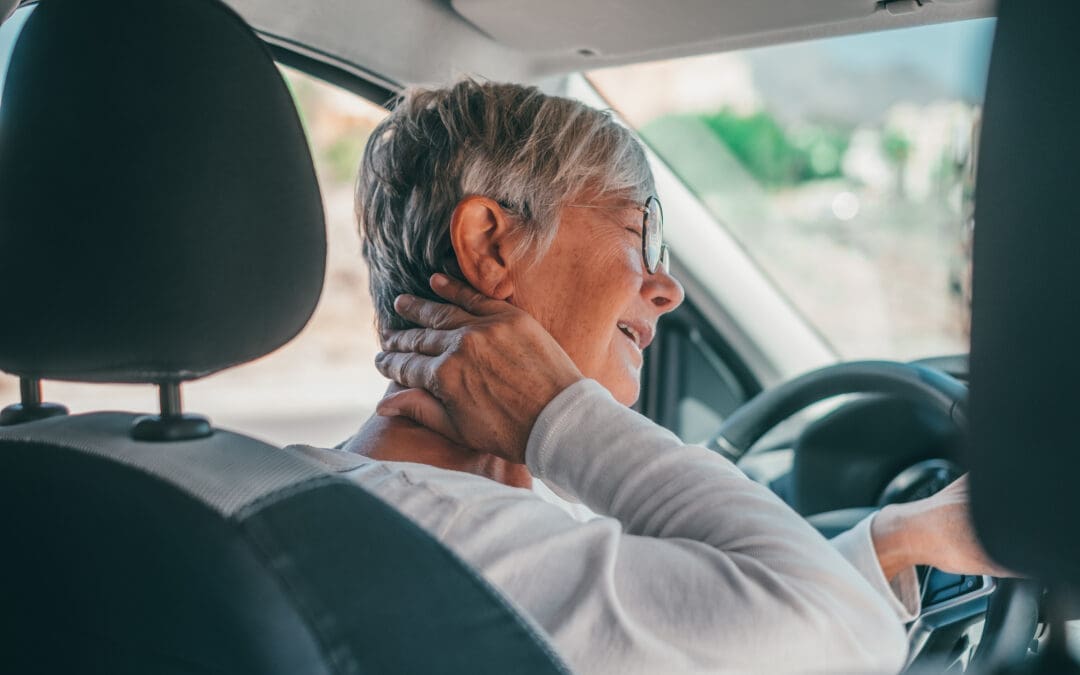
Discover how auto injuries can lead to whiplash and weakened ligaments, affecting your daily life and mobility.
Chronic Neck Pain and Whiplash Injuries from Motor Vehicle Accidents
Key Points
Prevalence and Impact: Research suggests that 30% to 50% of people experience neck pain, with whiplash from motor vehicle accidents (MVAs) being a leading cause of chronic neck pain, affecting millions annually.
Whiplash Mechanism: Whiplash-associated disorders (WAD) occur due to sudden neck movement in MVAs, often causing ligament damage and cervical instability, which may lead to long-term pain.
Ligament Damage: Evidence indicates that capsular ligaments, crucial for neck stability, can stretch or tear during whiplash, contributing to chronic pain and related symptoms.
Treatment Options: While conventional treatments like medications provide temporary relief, chiropractic care and prolotherapy may offer more lasting solutions by addressing underlying issues.
Dr. Alexander Jimenez’s Role: Dr. Jimenez, a chiropractor and nurse practitioner in El Paso, TX, uses advanced diagnostics to treat MVA-related injuries and supports personal injury cases with detailed medical documentation.
Controversy: Some debate exists around the long-term effects of whiplash and the efficacy of certain treatments, highlighting the need for personalized care plans.
What Are Whiplash and Chronic Neck Pain?
Whiplash is an injury caused by a sudden, forceful back-and-forth movement of the neck, often from rear-end car accidents. This motion can strain or tear muscles, ligaments, and other soft tissues in the neck, leading to symptoms like pain, stiffness, headaches, and dizziness. When these symptoms persist beyond six months, they are classified as chronic neck pain, which can significantly impact daily life. Research suggests that up to 50% of whiplash victims may develop chronic pain, making it a serious concern for those involved in MVAs.
Why Are MVAs Linked to These Injuries?
The link between MVAs and chronic neck pain lies in the biomechanics of whiplash. During a collision, the rapid movement of the vehicle causes the body to lurch forward while the head lags behind, then snaps forward. This places immense stress on the neck’s ligaments, particularly the capsular ligaments that stabilize the spine’s facet joints. Studies indicate these ligaments can absorb up to 10 times more force than other spinal structures, leading to stretching or tearing that destabilizes the neck and causes ongoing pain.
How Does Dr. Jimenez Help?
Dr. Alexander Jimenez, a chiropractor and nurse practitioner in El Paso, TX, specializes in treating whiplash and chronic neck pain from MVAs. With over 30 years of experience, he uses advanced imaging, like X-rays and MRIs, and diagnostic evaluations to pinpoint injuries. His dual expertise allows him to create tailored treatment plans, combining chiropractic adjustments with medical insights. Dr. Jimenez also plays a key role in personal injury cases, providing detailed medical reports that bridge healthcare and legal needs, helping victims secure fair compensation.
Treatment Options
Treatments for whiplash and chronic neck pain vary. Common approaches include pain medications, physical therapy, and cervical collars, but these often provide only temporary relief. Chiropractic care, which focuses on realigning the spine, has shown promising results, with studies reporting improvement in up to 93% of chronic whiplash patients. Prolotherapy, a regenerative therapy, may also help by strengthening damaged ligaments. Early intervention is crucial to prevent chronic pain, and consulting a specialist like Dr. Jimenez can ensure a comprehensive approach.
Comprehensive Guide to Chronic Neck Pain and Whiplash Injuries from Motor Vehicle Accidents
Introduction
Picture this: you’re cruising down the road, maybe singing along to your favorite tune, when—wham!—someone rear-ends you at a stoplight. Your head snaps back and forth like a bobblehead on a bumpy ride, and soon, you’re dealing with neck pain that just won’t quit. Welcome to the world of whiplash, where even a minor fender-bender can feel like you’ve gone a few rounds in a boxing ring.
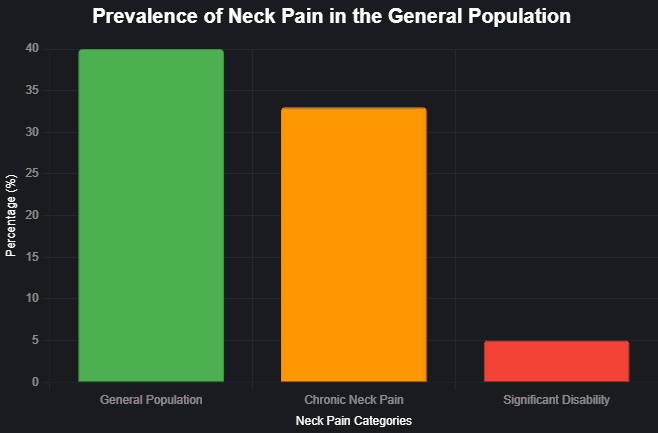
Chronic neck pain affects 30% to 50% of the general population, with women over 50 particularly prone. About one-third of these individuals experience pain lasting over six months, and 5% face significant disability (Steilen et al., 2014). A leading cause of this pain is whiplash injuries from motor vehicle accidents (MVAs), which can lead to whiplash-associated disorders (WAD). These injuries, caused by sudden neck movements, can result in long-term discomfort and affect quality of life.
This comprehensive guide explores why MVAs cause chronic neck pain and whiplash, the role of ligament injuries, and effective treatment options, with a focus on chiropractic care. We’ll also spotlight Dr. Alexander Jimenez, a distinguished chiropractor in El Paso, TX, whose expertise in treating MVA injuries and supporting personal injury cases makes him a trusted resource for victims.
Citations:
Steilen, D., Hauser, R., Woldin, B., & Sawyer, S. (2014). Chronic neck pain: Making the connection between capsular ligament laxity and cervical instability. The Open Orthopaedics Journal, 8, 326-345. https://doi.org/10.2174/1874325001408010326
Understanding Whiplash-Associated Disorders (WAD)
Whiplash-associated disorders (WAD) refer to a range of neck injuries caused by sudden, forceful neck movements, most commonly from MVAs like rear-end collisions. The term “whiplash” describes the whip-like motion of the head, which strains muscles, ligaments, and tendons beyond their normal range.
In a typical MVA, the vehicle’s sudden acceleration pushes the occupant’s body forward while the head lags, causing hyperextension (backward motion) followed by hyperflexion (forward motion). This can damage soft tissues, leading to symptoms like:
Neck pain and stiffness
Headaches
Shoulder or arm pain
Dizziness
Cognitive issues, such as difficulty concentrating
Symptoms may not appear immediately, often emerging days or weeks later, making medical evaluation critical. The Quebec Task Force classifies WAD into grades:
Grade 0: No neck complaints or physical signs.
Grade I: Neck pain, stiffness, or tenderness without physical signs.
Grade II: Neck pain with musculoskeletal signs (e.g., reduced range of motion).
Grade IV: Neck pain with fractures or dislocations.
Most cases fall into Grades I and II, but without proper treatment, these can progress to chronic pain. Over two million Americans experience whiplash annually, primarily from car accidents, with up to 50% developing chronic symptoms (Rush University Medical Center, n.d.).
The Role of Ligament Injuries in Chronic Neck Pain
The cervical spine relies on ligaments to maintain stability and support movement. Capsular ligaments, which surround the facet joints, are particularly vital. During whiplash, these ligaments face intense stress, absorbing up to 10 times more force than intervertebral discs (Steilen et al., 2014). This can cause stretching or tearing, leading to cervical instability—a key driver of chronic neck pain.
A Yale University study found that ligaments in cadaver spines exposed to simulated rear-end collisions were significantly weaker than controls, resulting in altered joint motion, tissue compression, inflammation, and pain (El Paso Chiropractor Blog, 2016). Whiplash can increase ligament elongation by 85% to 275%, compromising their ability to stabilize the spine.
This instability can cause:
Chronic neck pain
Muscle spasms
Reduced range of motion
Nerve irritation, leading to symptoms like tingling or numbness
Weakened ligaments also accelerate spinal degeneration, potentially causing osteoarthritis over time.
Citations:
Steilen, D., Hauser, R., Woldin, B., & Sawyer, S. (2014). Chronic neck pain: Making the connection between capsular ligament laxity and cervical instability. The Open Orthopaedics Journal, 8, 326-345. https://doi.org/10.2174/1874325001408010326
Clinical Rationale Linking MVAs to Chronic Neck Pain
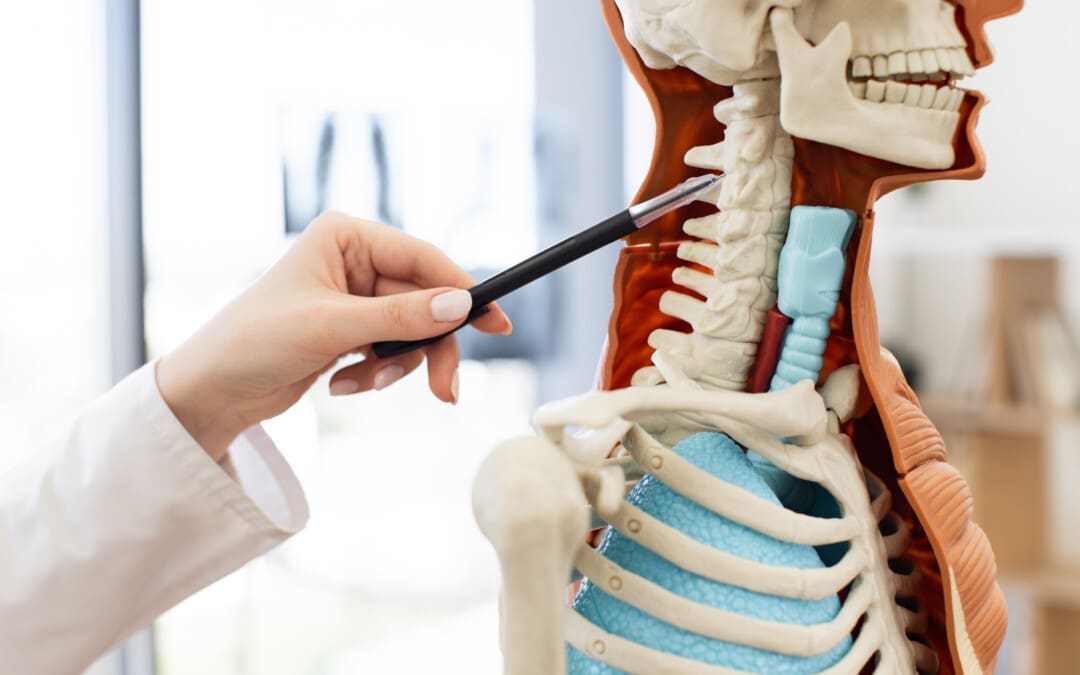
The biomechanics of whiplash explain why MVAs are a major cause of chronic neck pain. The cervical spine, comprising seven vertebrae (C1-C7), intervertebral discs, facet joints, ligaments, and muscles, is designed for flexibility but vulnerable to sudden forces.
During a rear-end collision, the torso moves forward while the head lags, causing hyperextension. As the vehicle decelerates, the head snaps forward into hyperflexion. This rapid motion places excessive stress on the capsular ligaments, which can stretch beyond their elastic limit, leading to permanent laxity (Steilen et al., 2014).
Cinephotographic studies show that facet joints experience high impact forces during whiplash, with head rotation at impact increasing ligament strain by 34%—and up to 196% at 60° rotation (Steilen et al., 2014). This damage causes cervical instability, where vertebrae move abnormally, irritating nerves and blood vessels.
This instability can lead to:
Upper Cervical Spine (C0-C2): Symptoms like vertigo, tinnitus, facial pain, and migraines due to nerve irritation or vertebrobasilar insufficiency.
Lower Cervical Spine (C3-C7): Muscle spasms, crepitation, and chronic pain.
Conditions like post-concussion syndrome and Barré-Liéou syndrome, which share symptoms with WAD, may also arise due to cervical instability, with 87% of patients reporting symptoms post-injury (Steilen et al., 2014).
Citations:
Steilen, D., Hauser, R., Woldin, B., & Sawyer, S. (2014). Chronic neck pain: Making the connection between capsular ligament laxity and cervical instability. The Open Orthopaedics Journal, 8, 326-345. https://doi.org/10.2174/1874325001408010326
Personal Injury Rehabilitation- Video
Treatment Options for WAD and Chronic Neck Pain
Treating WAD and chronic neck pain requires addressing both symptoms and underlying causes. Here’s a look at common approaches:
Conventional Treatments
Medications: NSAIDs, muscle relaxants, and pain relievers reduce inflammation and pain but offer temporary relief.
Physical Therapy: Exercises improve range of motion and strengthen neck muscles.
Cervical Collars: Once common, their prolonged use is now discouraged as it may weaken muscles and slow recovery (Mayo Clinic Health System, 2023).
Nerve Blocks: Injections provide short-term pain relief.
These methods often fail to address ligament damage, leading to persistent symptoms (Steilen et al., 2014).
Chiropractic Care
Chiropractic care focuses on spinal alignment through adjustments and manipulations. It’s like calling a plumber to fix a leaky pipe instead of just mopping the floor. Benefits include:
Reduced pain and inflammation
Improved range of motion
Strengthened muscles
Enhanced natural healing
A study found 93% of chronic whiplash patients improved with chiropractic care (Woodward et al., 1996). A systematic review also supports its effectiveness for WAD (Shaw et al., 2010).
Prolotherapy
Prolotherapy involves injecting a solution (e.g., dextrose) to stimulate tissue repair. Studies show over 85% of patients with ligament-related neck pain had minimal residual pain post-treatment, with significant Neck Disability Index improvements (Steilen et al., 2014).
Other Therapies
Acupuncture: Reduces pain and promotes relaxation.
Massage Therapy: Relieves muscle tension.
Exercise Programs: Strengthen neck muscles and improve posture.
Importance of Early Intervention
Seeking treatment soon after an MVA is critical to prevent chronic pain. Early interventions like ice therapy, gentle exercises, and chiropractic care can reduce inflammation and promote healing (Mayo Clinic Health System, 2023).
Treatment
Benefits
Limitations
Medications
Quick pain relief
Temporary, doesn’t address root cause
Physical Therapy
Improves mobility, strengthens muscles
May not fix ligament damage
Chiropractic Care
Aligns spine, reduces pain
Requires skilled practitioner
Prolotherapy
Repairs ligaments, long-term relief
Limited availability, ongoing research
Acupuncture
Reduces pain, promotes relaxation
Variable efficacy, complementary role
Citations:
Steilen, D., Hauser, R., Woldin, B., & Sawyer, S. (2014). Chronic neck pain: Making the connection between capsular ligament laxity and cervical instability. The Open Orthopaedics Journal, 8, 326-345. https://doi.org/10.2174/1874325001408010326
Woodward, M. N., Cook, J. C., Gargan, M. F., & Bannister, G. C. (1996). Chiropractic treatment of chronic ‘whiplash’ injuries. Injury, 27(9), 643-645. https://doi.org/10.1016/s0020-1383(96)00096-4
Shaw, L., Descarreaux, M., Bryans, R., Duranleau, M., Marcoux, H., Potter, B., Ruegg, R., Watkin, R., & White, E. (2010). A systematic review of chiropractic management of adults with Whiplash-Associated Disorders: Recommendations for advancing evidence-based practice and research. Work, 35(3), 369-394. https://doi.org/10.3233/WOR-2010-0996
Dr. Alexander Jimenez: Expertise in Treating MVA Injuries
Dr. Alexander Jimenez, a chiropractor and board-certified nurse practitioner in El Paso, TX, brings over 30 years of experience to his Injury Medical & Chiropractic Clinic. His dual licensure allows him to combine chiropractic techniques with medical diagnostics, offering comprehensive care for MVA-related injuries like whiplash.
Using advanced imaging (e.g., X-rays, MRIs) and diagnostic evaluations, Dr. Jimenez accurately identifies injuries such as ligament damage and cervical instability. His treatment plans often include spinal adjustments, manual therapies, and functional medicine to address root causes and promote healing.
Dr. Jimenez’s role extends beyond treatment. In personal injury cases, he provides detailed medical reports that serve as critical evidence for legal claims, acting as a liaison between patients, attorneys, and insurance companies. His clinic’s multidisciplinary team, including nutritionists and physical therapists, ensures holistic care.
The Importance of Personal Injury Cases in El Paso
El Paso sees thousands of MVAs annually, with 19,150 traffic accidents reported in 2021, 25% to 27% of which resulted in injuries or fatalities (Safe Roads USA, 2022). These incidents drive a significant number of personal injury cases, as victims seek compensation for medical costs, lost wages, and pain.
Accurate medical documentation is vital in these cases. Dr. Jimenez’s expertise in diagnosing and treating MVA injuries, coupled with his ability to provide detailed reports, makes him a key figure in El Paso’s personal injury landscape. His work ensures victims receive proper care and fair legal outcomes.
Chronic neck pain and whiplash injuries from MVAs stem from the intense forces that damage the cervical spine’s ligaments, leading to instability and persistent symptoms. While conventional treatments offer temporary relief, chiropractic care and prolotherapy address underlying issues for lasting recovery. In El Paso, Dr. Alexander Jimenez’s expertise and advanced diagnostics make him a trusted resource for MVA victims, supporting both their health and legal needs.
Disclaimer: This information is for educational purposes only and is not a substitute for professional medical advice. Consult a qualified healthcare provider for personalized guidance.
Explore the connection between musculoskeletal ligaments and automobile accidents, focusing on preventive and rehabilitative strategies.
Introduction
Motor vehicle accidents (MVAs) are usually the leading cause of musculoskeletal injuries worldwide, with ligaments in the upper body quadrant—neck, shoulders, and elbows—often bearing the brunt of the impact. These tough, fibrous bands stabilize joints, but when stretched or torn in a crash, they can trigger chronic pain, reduced mobility, and long-term disability. Imagine ligaments as the body’s bungee cords: stretchy but with limits. When an MVA snaps them, it’s less a thrill ride and more a grim tale of aches and legal battles, worthy of a Wednesday Addams smirk.
This guide examines the clinical rationale behind ligamentous injuries resulting from motor vehicle accidents (MVAs), with a focus on the upper body. We’ll break down the anatomy and physiology of ligaments, how accidents cause these injuries, and their role in neck and back pain. We’ll also spotlight Dr. Alexander Jimenez, a distinguished El Paso practitioner whose expertise in chiropractic care and personal injury cases helps victims recover and navigate the legal challenges they face. With a touch of dark humor to keep things bearable, let’s dive into this serious topic.
Understanding Ligaments: Structure, Function, and Physiology
Ligaments within the musculoskeletal system are fibrous connective tissues that link bones, ensuring joint stability and guiding movement. Composed primarily of collagen fibers, along with elastin and proteoglycans, they strike a balance between strength and flexibility. In the upper body, key ligaments include:
Cervical Spine Ligaments:
Anterior Longitudinal Ligament (ALL): Runs along the front of vertebral bodies, preventing hyperextension.
Annular Ligament: Secures the radius head against the ulna.
Ligaments function to limit excessive joint motion, guide movement, and aid proprioception (body position awareness). When injured, they cause instability, pain, and inflammation, especially in MVAs where sudden forces exceed their tensile strength.
References:
American Academy of Orthopaedic Surgeons. (2018). Repetitive Motion Disorders of the Upper Extremity. Rosemont, IL: Author.
Buckwalter, J. A. (1995). Activity vs. rest in the treatment of bone, soft tissue and joint injuries. Iowa Orthopaedic Journal, 15, 29-42.
Ligamentous Injuries from Motor Vehicle Accidents
MVAs generate high-energy impacts that can stretch or tear ligaments, particularly in the upper body. Common injuries include:
Whiplash-Associated Disorders (WAD):
Whiplash occurs in rear-end collisions when the head jerks forward and backward, straining or tearing cervical ligaments, such as the anterior longitudinal ligament (ALL) and posterior longitudinal ligament (PLL). Picture your neck as a ragdoll in a haunted carnival ride—except the aftermath is pain, not laughter.
Symptoms include neck pain, stiffness, and reduced range of motion.
Shoulder Injuries:
Shoulder ligaments, such as those in the acromioclavicular or glenohumeral joints, can sprain when arms brace against impact or from direct trauma.
These injuries cause pain, swelling, and impaired mobility in the arm.
Elbow and Wrist Injuries:
Bracing during a crash can stress elbow ligaments (UCL, RCL) or wrist ligaments, leading to sprains or instability.
Symptoms include tenderness and difficulty gripping.
Injury severity ranges from mild sprains (Grade 1) to partial tears (Grade 2) or complete tears (Grade 3), each requiring a tailored treatment approach.
Mechanism of Injury:
The biomechanics of MVAs explain these injuries:
Rear-End Collisions: Cause whiplash via rapid neck extension and flexion.
Front-End Collisions: Lead to hyperflexion, which stresses the posterior ligaments.
Factors such as vehicle speed, seatbelt use, headrest position, and occupant posture all influence injury severity.
References:
Applied Radiology. (2018, January 18). RSNA 2017: Understanding types of injuries caused by motor vehicle components (Applied Radiology).
Bryant & Peterson. (2021, October 26). Causes of Muscle Pain After Car Accidents | What to Do Next (Bryant PSC).
Clinical Rationale and Musculoskeletal Consequences
The clinical rationale for ligamentous injuries in motor vehicle accidents (MVAs) hinges on biomechanics. Rapid acceleration-deceleration forces exceed the ligaments’ tensile strength, causing micro tears or complete ruptures. The neck’s vulnerability—due to its mobility and the head’s weight—makes it prone to whiplash, while shoulder and elbow ligaments face stress from bracing or impact.
Musculoskeletal Consequences:
Neck Pain (Cervicalgia): Damaged cervical ligaments and muscles cause acute pain, which may become chronic without treatment. Whiplash can also trigger headaches or radiating pain.
Back Pain (Lumbago): Forces transmitted through the spine can strain upper back ligaments, contributing to discomfort.
Reduced Range of Motion: Ligament instability prompts compensatory muscle tension, which limits movement and fosters further dysfunction.
Chronic Pain Syndromes: Untreated injuries can lead to persistent pain, negatively impacting quality of life.
Diagnosis:
Physical Examination: Assesses tenderness, range of motion, and joint stability.
Imaging:
X-rays rule out fractures.
MRI visualizes ligament tears.
CT scans detail bony structures.
Functional Tests: Assess the impact of daily activities.
References:
Practical Pain Management. (2012, October 31). Whiplash Injuries in Motor Vehicle Accidents (Practical Pain Management).
BMC Musculoskeletal Disorders. (2020, June 9). Prevalence of ligamentous knee injuries in pedestrian versus motor vehicle accidents (BMC Musculoskeletal Disorders).
From Injury to Recovery- Video
Dr. Alexander Jimenez: Expert in Musculoskeletal Injury Treatment
Dr. Alexander Jimenez, DC, APRN, FNP-BC, is a leading practitioner in El Paso, specializing in musculoskeletal injuries related to motor vehicle accidents (MVAs). With over 30 years of experience, he employs a multidisciplinary treatment approach that combines chiropractic care, physical therapy, and functional medicine. His methods include:
Chiropractic Adjustments: Restore spinal and joint alignment.
Physical Therapy: Strengthen muscles and improve flexibility.
Acupuncture/Electro-Acupuncture: Reduce pain and inflammation.
Functional Medicine: Addressing Underlying Health Factors.
Nutritional Support: Promote tissue repair.
Advanced Diagnostics:
Dr. Jimenez likely uses MRI, CT, and other imaging to pinpoint ligament damage, ensuring accurate treatment plans. His dual licensure as a chiropractor and nurse practitioner allows a holistic perspective, integrating medical and chiropractic care.
Legal Liaison:
In personal injury cases, Dr. Jimenez provides detailed medical reports and expert testimony, linking injuries to motor vehicle accidents (MVAs) and establishing causation. This documentation is crucial for legal claims, ensuring that MVA victims receive compensation for medical expenses, lost wages, and pain and suffering.
El Paso sees frequent personal injury cases from MVAs, with ligamentous injuries impacting victims’ lives. Dr. Jimenez’s expertise is invaluable, offering:
Thorough medical evaluations to document injuries.
Treatment plans recognized by legal professionals.
Coordination between medical care and legal proceedings.
His work ensures no injury is overlooked, strengthening compensation claims while prioritizing recovery.
References:
HG.org. (n.d.). Dealing with Ligament Injuries after a Car Accident (HG.org).
Prevention and Safety Measures
Reducing MVA-related ligament injuries involves:
Seatbelts: Restrain the body, minimizing impact forces.
Headrest Adjustment: Support your head to reduce the risk of whiplash.
Avoiding Distractions: Prevent accidents by keeping your focus on driving.
Safe Speeds: Lower speeds reduce injury severity.
Vehicle Safety Features: Airbags and crumple zones mitigate harm.
Public education on these measures can lower MVA incidence and severity.
Importance of Early Intervention
Prompt treatment after an MVA:
Prevents Chronic Pain: Early care reduces long-term issues.
Reduces Inflammation: Speeds healing.
Restores Function: Prevents compensatory movement patterns.
Supports Legal Claims: Timely medical records link injuries to the accident, providing crucial evidence.
Consulting specialists, such as Dr. Jimenez, soon after a motor vehicle accident (MVA) can enhance recovery and legal outcomes.
Patient Testimonials
Patients often praise Dr. Jimenez’s care. One individual with post-MVA neck pain reported significant relief after chiropractic adjustments and therapy. Another with shoulder ligament damage regained mobility through acupuncture and exercises. These stories highlight his effective, patient-centered approach.
Injury Type
Treatment
Outcome
Whiplash (Neck)
Chiropractic, Physical Therapy
Reduced pain, restored motion
Shoulder Sprain
Acupuncture, Exercises
Full mobility regained
Conclusion
Ligamentous injuries from MVAs are a serious concern, potentially causing chronic neck and back pain. Understanding their clinical basis—biomechanical stress on ligaments—and seeking expert care is crucial for recovery. Dr. Alexander Jimenez’s multidisciplinary approach, which combines advanced diagnostics and holistic treatments, offers hope for MVA victims in El Paso. His role in personal injury cases further ensures patients receive both medical and legal support.
Disclaimer: This guide is for informational and academic purposes only and not a substitute for professional medical advice. Please consult with qualified healthcare providers for diagnosis and treatment.
Chronic neck pain may stem from ligamentous injuries. Uncover insights and solutions to relieve your pain and improve mobility.
Introduction: The Persistent Shadow of Chronic Neck Pain
Chronic neck pain is like a grim companion that lingers far too long, much like a gloomy Wednesday Addams brooding over a particularly dreary day. It’s not just a minor annoyance; it’s a widespread condition affecting 30–50% of the general population, with women over 50 bearing the brunt (The Open Orthopaedics Journal, 2014). About one-third of these individuals endure pain lasting longer than six months, and for 5%, it becomes a debilitating force, slashing their quality of life. Imagine trying to enjoy a sunny day when your neck feels like it’s plotting a mutiny.
What’s behind this misery? Often, it’s not just a stiff muscle or a pinched nerve but something deeper: ligamentous injuries. These tough bands of tissue, which hold your spine together like the strings of a grim puppet, can be damaged in motor vehicle accidents (MVAs), falls, or even by the slow torture of poor posture. When ligaments falter, the cervical spine loses stability, setting off a cascade of overlapping pain symptoms that can make life feel like a gothic novel.
In this guide, we’ll unravel the connection between ligamentous injuries and chronic neck pain, focusing on their relevance to personal injury practices, particularly in motor vehicle accident (MVA) cases. We’ll explore prolotherapy, a treatment that might banish the pain like a well-timed quip from Wednesday herself. And we’ll spotlight Dr. Alexander Jimenez, a dual-licensed chiropractor and nurse practitioner in El Paso, whose expertise in treating MVA victims is as sharp as a guillotine’s edge. So, let’s dive into this tale of pain, recovery, and the hope of a pain-free existence.
The Role of Ligamentous Injuries in Chronic Neck Pain
Ligaments are the unsung heroes of your body, silently keeping your bones in line like loyal but underappreciated butlers. In the neck, the cervical spine depends on these structures, especially the capsular ligaments, to stabilize the facet joints—the small hinges between vertebrae that allow you to turn your head without it rolling off like a scene from a Tim Burton film. When these ligaments are injured, they can stretch or tear, leading to cervical instability —a condition in which the vertebrae move more than they should, causing discomfort and chronic pain.
The symptoms depend on where the injury strikes. In the upper cervical spine (C0-C2), you might face nerve irritation, leading to migraines, dizziness, vertigo, tinnitus, facial pain, or arm pain—basically, a full cast of unpleasant characteristics. In the lower cervical spine (C3-C7), expect muscle spasms, a grinding or popping sensation (crepitation), tingling (paresthesia), and that relentless neck pain that feels like it’s auditioning for a horror movie role.
Whiplash, often from MVAs, is a prime suspect in these injuries. Research indicates that whiplash can stretch ligaments up to 275% of their normal length, leaving them lax and unable to return to their original position (The Open Orthopaedics Journal, 2014). Even low-speed collisions (7–8 mph) can generate forces strong enough to cause this damage, with the head whipping through 18 inches at 7G in less than a quarter of a second. It’s like your neck is starring in its high-speed chase scene but without the Hollywood glamour.
Other culprits include falls, sports injuries, or the slow, gradual strain of carrying heavy loads improperly. Without proper care, these injuries can turn chronic neck pain into a lifelong nemesis, lurking in the shadows of every movement.
Motor Vehicle Accidents: The Catalyst for Neck Injuries
Motor vehicle accidents are the modern equivalent of a medieval joust—sudden, violent, and likely to leave you worse for wear. Rear-end collisions are notorious for causing whiplash-associated disorders (WAD), a collection of symptoms ranging from neck pain and stiffness to headaches and cognitive fog. It’s as if your body decides to throw a tantrum after being rudely jostled.
The sneaky thing about WAD is its delayed debut. You might walk away from a crash feeling like you’ve dodged a bullet, only to find symptoms creeping in days or weeks later, like an unwelcome plot twist. This delay happens because initial inflammation and improper ligament healing can take time to manifest as chronic pain. A 2019 study explained that early spinal manipulation therapy (SMT) can reduce the risk of long-term issues, emphasizing the need for prompt care (El Paso Back Clinic).
At El Paso Back Clinic, Dr. Alexander Jimenez specializes in treating musculoskeletal injuries related to motor vehicle accidents (MVAs). His team understands that ligaments, muscles, and tendons bear the brunt of these collisions, leading to conditions like sprains, strains, and even disc herniations. Early intervention, through chiropractic adjustments and other therapies, can prevent these injuries from becoming a lifelong saga of pain.
Prolotherapy: A Ray of Hope for Ligament Repair
Prolotherapy is like a dark ritual for healing, but instead of candles and chants, it uses injections to summon your body’s repair crew. This regenerative therapy involves injecting a solution—typically a mixture of dextrose, saline, and a local anesthetic—into damaged ligaments or tendons. The irritation sparks a healing response, encouraging the growth of new tissue to strengthen the area. It’s as if your body is tricked into rebuilding its crumbling architecture.
For chronic neck pain, prolotherapy targets the lax ligaments that cause cervical instability. Unlike conventional treatments like NSAIDs, narcotics, or physical therapy, which often mask the pain, prolotherapy aims to fix the root cause. The 2014 report highlights that over 85% of patients with cervical ligament injuries, including those with WAD or headaches, reported minimal to no residual pain after prolotherapy. Another study showed a significant improvement in the Neck Disability Index (NDI) scores 12 months post-treatment, with a change of 13.77 (p < 0.001) (The Open Orthopaedics Journal, 2014).
Dr. Jimenez offers prolotherapy at El Paso Back Clinic, integrating it into his holistic approach. This minimally invasive procedure, performed outpatient, is gaining traction as an alternative to surgery or long-term medication, offering hope to those tired of living under pain’s grim shadow.
Dr. Alexander Jimenez: El Paso’s Trusted Expert
In El Paso, Dr. Alexander Jimenez is the equivalent of a lighthouse in a storm for MVA victims. With over 30 years of experience, his dual licensure as a chiropractor and nurse practitioner allows him to blend holistic and traditional medical care, creating a comprehensive treatment plan that’s as precise as Wednesday Addams’ aim with a crossbow. At El Paso Back Clinic, he’s known for clinically correlating injuries, ensuring that personal injury attorneys and medical providers understand the full scope of a patient’s condition.
Dr. Jimenez’s approach goes beyond symptom relief. He delves into the root causes, employing techniques such as chiropractic adjustments, manual manipulations, and prolotherapy to restore function. His collaboration with personal injury attorneys ensures proper documentation, which is crucial for legal cases. Patients praise his compassionate care, with many regaining their quality of life after chronic pain (El Paso Back Clinic).
Injury Medical Clinic offers a range of services, from wellness and nutrition to specialized care for auto accident injuries, making it a one-stop shop for recovery. Whether it’s a sprained ligament or a complex herniated disc, Dr. Jimenez’s expertise shines through.
The Science Behind Ligamentous Injuries
To understand why ligamentous injuries are such a pain—literally—let’s dive into the science. The cervical spine’s capsular ligaments are designed to keep vertebrae in check, but they’re not invincible. A force as low as 5 N can cause failure, although most studies report a force of around 100 N (The Open Orthopaedics Journal, 2014). In MVAs, even low-speed impacts can generate sufficient force to stretch or tear these ligaments, resulting in instability.
This instability triggers a domino effect. The vertebrae move excessively, irritating nerves and causing inflammation. Within the upper cervical spine, this can lead to vertebrobasilar insufficiency, resulting in symptoms like vertigo or tinnitus. In the lower spine, it’s primarily characterized by muscle spasms and chronic pain. Up to 25% of severe neck trauma lesions, especially with rotation, involve the C0-C2 ligaments alone, making them a critical focus for treatment.
Why Conventional Treatments Fall Short
Conventional treatments like NSAIDs, narcotics, cervical collars, and physical therapy are like putting a Band-Aid on a broken bone—they might help temporarily. Still, they don’t fix the underlying issue. The 2014 report notes that these methods have limited long-term success, particularly for WAD, which is notoriously resistant to standard care (The Open Orthopaedics Journal, 2014). Patients often find themselves in a cycle of temporary relief followed by recurring pain, like a grim rerun of a bad sitcom.
This is where prolotherapy stands out. By stimulating ligament repair, it addresses the instability at the heart of chronic neck pain, offering a potential cure rather than a temporary fix. Dr. Jimenez’s use of prolotherapy, combined with chiropractic care, aligns with this evidence-based approach, providing a path to lasting relief.
The Importance of Early Intervention
Time is not your friend when it comes to MVA injuries. The longer you wait, the more likely it is that ligament damage will lead to chronic pain. Early chiropractic care, as Dr. Jimenez provides, can realign the spine and reduce inflammation, preventing the progression to chronic syndromes. The 2019 European Spine Journal study underscores this, showing that early SMT can significantly lower the risk of long-term issues (El Paso Back Clinic).
Dr. Jimenez’s clinic emphasizes immediate care, utilizing diagnostic tools to assess ligament damage and tailor treatments accordingly. This proactive approach is crucial for personal injury cases, where timely intervention can significantly impact a patient’s recovery and legal outcome.
Chiropractic Care for Healing After Trauma- Video
Case Studies: Real-Life Recovery Stories
While specific patient stories from Dr. Jimenez’s clinic aren’t detailed here, his website highlights testimonials from patients who have regained their lives after overcoming chronic pain (El Paso Back Clinic). Imagine a patient, let’s call her Morticia, who suffered whiplash in a rear-end collision. Initially, she dismissed the stiffness, but weeks later, headaches and neck pain began to take over. After conventional treatments failed, she turned to Dr. Jimenez. Through a combination of chiropractic adjustments and prolotherapy, her ligaments healed, and her pain faded, allowing her to return to her gothic gardening with a smirk.
Another hypothetical case: Gomez, a construction worker, experienced neck pain after a minor MVA. Dr. Jimenez’s thorough assessment revealed ligament laxity and prolotherapy sessions restored stability. Gomez was back to lifting heavy loads, his only complaint being the lack of a good cigar to celebrate.
These stories, while fictionalized for humor, reflect the real impact of Dr. Jimenez’s care, as evidenced by patient reviews averaging 5.0 stars (Healthline FindCare).
The Legal Angle: Documenting Injuries for Personal Injury Cases
In personal injury cases, documentation is king. Dr. Jimenez’s expertise in clinically correlating injuries ensures that attorneys have the evidence needed to build strong cases. Ligamentous injuries, though not always visible on standard imaging, can be assessed through clinical evaluations and specialized tests. Dr. Jimenez’s reports detail the extent of the damage, linking it to the MVA and justifying treatments such as prolotherapy. This collaboration is vital for securing fair compensation for victims (El Paso Back Clinic).
Holistic and Traditional Care: Dr. Jimenez’s Dual Approach
Dr. Jimenez’s dual licensure sets him apart. As a chiropractor, he employs techniques such as spinal manipulation, cranial therapy, and prolotherapy to address physical injuries. As a nurse practitioner, he can incorporate medical diagnostics and treatments to ensure a comprehensive approach to patient care. This blend is like mixing Wednesday’s dark wit with Gomez’s fiery passion—effective and unique. His clinic’s focus on wellness, nutrition, and functional medicine further enhances recovery, addressing not just the injury but the whole patient (El Paso Back Clinic).
The Broader Impact of Chronic Neck Pain
Chronic neck pain doesn’t just affect the neck; it ripples through life, impacting work, relationships, and mental health. 5% of sufferers with significant disability face reduced productivity and quality of life, making effective treatment critical. Conditions like disc herniation, cervical spondylosis, and post-concussion syndrome often coexist with ligament injuries, complicating recovery. Dr. Jimenez’s holistic approach tackles these complexities, offering hope where conventional methods fall short.
Prevention: Avoiding the Pain Before It Starts
While not always possible, preventing chronic neck pain involves maintaining good posture, practicing safe driving habits, and seeking prompt care after injuries. Strengthening neck muscles through exercises and avoiding repetitive strain can help alleviate symptoms. Dr. Jimenez’s clinic offers wellness programs to build resilience, reducing the risk of future injuries (El Paso Back Clinic).
The Dark Humor of Pain: A Wednesday Addams Perspective
Living with chronic neck pain is like being stuck in a never-ending Addams Family reunion—grim, uncomfortable, and full of unexpected twists. Your neck might creak like the mansion’s floorboards, and every turn of the head feels like a plot twist in a gothic novel. But fear not; there’s a way out of this dreary tale. With treatments like prolotherapy and experts like Dr. Jimenez, you can send that pain packing, leaving you free to brood over more interesting things, like the perfect shade of black.
Conclusion: A Serious Call to Action
Chronic neck pain, especially from ligamentous injuries, is no laughing matter despite our grim humor. It’s a condition that demands attention, particularly after MVAs, where timely care can prevent a lifetime of suffering. Dr. Alexander Jimenez at El Paso Back Clinic offers a beacon of hope, combining chiropractic expertise, prolotherapy, and a deep understanding of personal injury cases. If you’re grappling with neck pain, don’t let it define you. Seek expert care, explore options like prolotherapy, and take the first step toward recovery. Your neck—and your sanity—will thank you.
When looking at an anatomical poster/image of the human body, there are all kinds of muscles connected and overlapping, but when we go to feel around those areas, especially when pain symptoms are presenting, it can feel like one solid mass and not individual muscles. This is because of everyday wear and tear, strenuous activities, spasms, heat, dehydration, and stress that causes the muscles to stay in a slightly contracted state, continue to tighten, bunch up and stiffen becoming the new normal for that individual. People learn to go through life like this, never considering that there is something wrong until they experience a significant injury that can take much longer to recover and rehabilitate from. This is why massaging the body on a regular basis is important to maintain healthy relaxed and flexible muscles and prevent strains, pulls, and injuries.
Massaging the Body
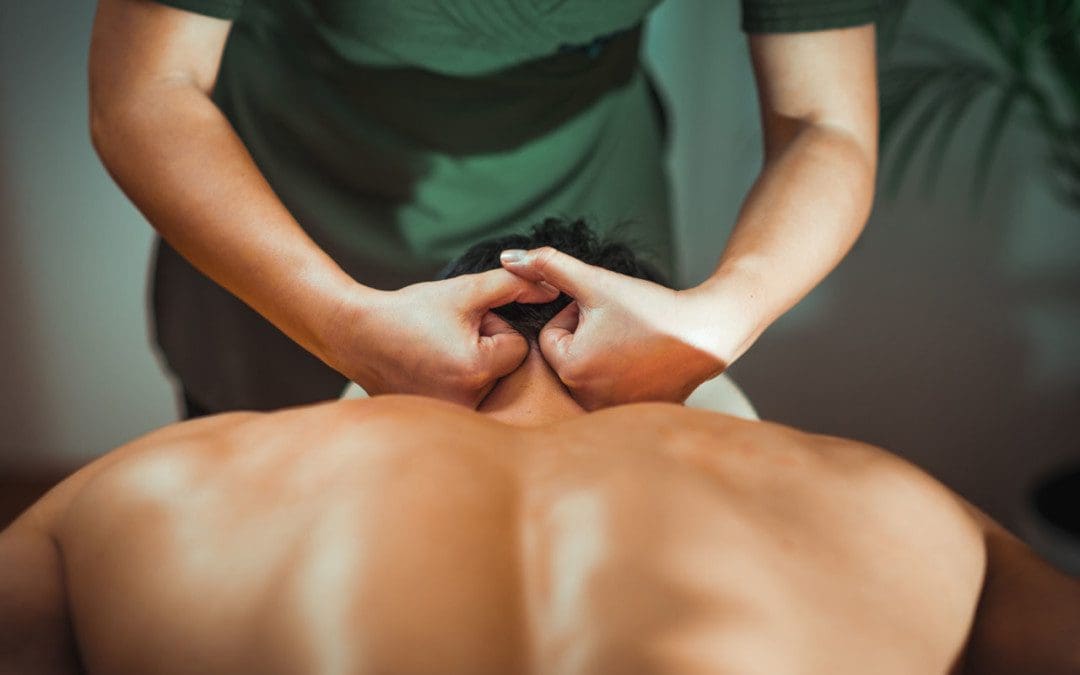
Massage therapy including myotherapyis the practice of kneading or manipulating the body’s muscles and other soft tissues to improve neuromusculoskeletal well-being and health.
It is a form of manual, percussive, and mechanical therapy that includes holding, moving, and applying pressure to the muscles, tendons, ligaments, and fascia.
Massage therapy can be used to describe techniques that vary in touch, pressure, and intensity of the treatment applied.
Benefits
The immediate benefit of regularly massaging the body is feeling deep relaxation and calmness. This happens because massaging prompts the release of endorphins or the brain chemicals/neurotransmitters that produce the feeling of well-being. And the stress hormones like adrenalin, cortisol, and norepinephrine levels are reduced. Studies have shown that high levels of stress hormones can impair and damage the immune system. The physical benefits of massaging the body regularly include:
Alleviated muscle tension.
Improved and increased joint mobility and flexibility.
Increased blood and nerve circulation.
Lymphatic system toxin drainage.
Decreased release of stress hormones.
A relaxed state of mind.
Improved sleep.
Enhanced mental alertness.
Decreased anxiety.
Improved recovery and rehabilitation of soft tissue sprains and injuries.
Improved skin tone.
Massage Types
Depending on the severity of the pain, associated symptoms, and muscle tension a chiropractor and therapeutic massage team will use a variety of techniques and massage types to restore flexibility, mobility, and function. Types of massage include:
Swedish
One of the most popular forms of massage, this technique is designed to promote relaxation and increase and improve blood circulation.
Myofascial
Involves the assessment and treatment of soft tissue pain, injury, and dysfunction affecting movement and mobility.
Myofascial therapy releases tight soft tissue structures like the muscles, tendons, ligaments, and fascia.
Rehabilitative
This type treats and rehabilitates biomechanical dysfunction or injury.
Using specific and targeted mobilization techniques to restore normal health and function.
Lymphatic Drainage
This is a gentle whole-body treatment that relaxes the nervous system, releases toxins, and improves the immune system.
Sports
Sports massage is an application of massage and a blend of techniques to enhance performance and help overworked muscles recover quickly.
The type of technique or treatment applied is dependent on the nature of the stage of training or competition, sports injury or condition, and the assessment of the therapist.
Infant Massage
A gentle massage can help treat constipation, colic, and sleeping problems.
Studies have found that regular massage helps premature babies gain weight faster.
Reflexology
Reflexology is based on the application of pressure to specific points on the body.
Reflex points, which relate to body areas, can be found in the feet, hands, face, and ears.
These points respond to pressure, stimulating the body’s own natural healing process in the same way chiropractic activates natural healing through adjustments and realignment.
Aromatherapy
Essential oils made from selected flowers and plants are added to massage oil for a particular therapeutic property.
For example, the scent of peppermint is used for constipation problems.
Shiatsu
This massage technique aims to improve energy flow by working targeted points on the body.
The underlying principles of shiatsu are similar to those of acupuncture.
Individuals are able to experience an improved quality of life with the combined elements of chiropractic and massage therapy.
Fighting Inflammation Naturally
References
Cheung, Karoline, et al. “Delayed onset muscle soreness: treatment strategies and performance factors.” Sports medicine (Auckland, N.Z.) vol. 33,2 (2003): 145-64. doi:10.2165/00007256-200333020-00005
Koren, Yogev, and Leonid Kalichman. “Deep tissue massage: What are we talking about?.” Journal of Bodywork and movement therapies vol. 22,2 (2018): 247-251. doi:10.1016/j.jbmt.2017.05.006
National Research Council (US) and Institute of Medicine (US) Panel on Musculoskeletal Disorders and the Workplace. Musculoskeletal Disorders and the Workplace: Low Back and Upper Extremities. Washington (DC): National Academies Press (US); 2001. 6, Biomechanics. Available from: https://www.ncbi.nlm.nih.gov/books/NBK222434/
Pachtman Shetty, Sarah L, and Sarah Fogarty. “Massage During Pregnancy and Postpartum.” Clinical obstetrics and gynecology vol. 64,3 (2021): 648-660. doi:10.1097/GRF.0000000000000638
Stecco, Antonio, et al. “Fascial Disorders: Implications for Treatment.” PM & R: the Journal of Injury, Function, and Rehabilitation vol. 8,2 (2016): 161-8. doi:10.1016/j.pmrj.2015.06.006
Weerapong, Pornratshanee, et al. “The mechanisms of massage and effects on performance, muscle recovery, and injury prevention.” Sports medicine (Auckland, N.Z.) vol. 35,3 (2005): 235-56. doi:10.2165/00007256-200535030-00004
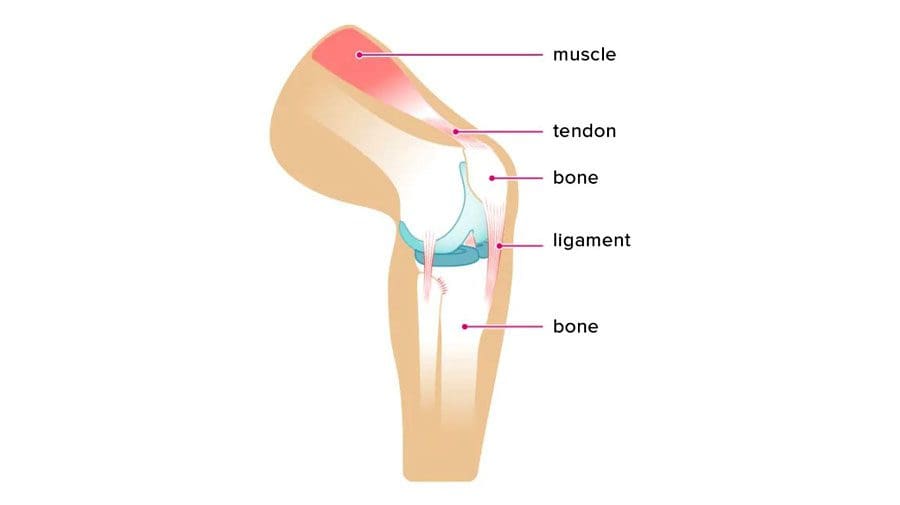
Tendons and Ligaments: A tendon is a fibrous flexible, strong tissue similar to a rope that attaches the muscles to the bones. Tendons allow for the movement of the body’s limbs and help prevent muscle injury by absorbing muscles’ impact when running, jumping, or performing other actions. Ligaments are bands of solid elastic tissue that connect bone to bone, hold structures together and keep them stable, support the joints and limit their movement.
Tendons and Ligaments
Tendons are strong and non-flexible.
Ligaments are flexible and elastic.
Both comprise collagen and living cells, essential in joints and bones and integral to locomotion.
Tendons allow body movement by transmitting force from muscle to bone, allowing the body to stand, walk, and jump.
Ligaments work by allowing for the full range of motion.
Ligaments are around the knees, ankles, elbows, shoulders, and other joints.
Connective Tissue
The collagen connective tissue that makes up tendons and ligaments is the same; their patterns are different.
Tendon fibers are laid out in a parallel pattern.
Tendon connective tissue needs to have more elasticity to help move the muscles.
Ligament fibers are laid out in a crisscross pattern.
Ligament connective tissue stabilizes and strengthens the bones’ joint structure.
Tendon Injury
A tendon that gets overstretched or torn is known as a strain. Common areas affected by strains are the:
Leg
Foot
Back
Strains often result from repetitive work movements, intense physical activity, and sports. Individuals who overuse their bodies without proper rest and muscle repair recovery have an increased risk of injury. Symptoms include:
Inflammation
Swelling
Pain
Cramping
Weakness
Ligament Injury
A ligament that gets overstretched or torn results in a sprain. Sprains can happen suddenly from a fall, awkward movement, or trauma. Sprains commonly occur in the:
Ankle
Knee
Wrist
Examples include:
Misstep causing the ankle to twist in an awkward position, snapping a ligament and causing unstableness or wobbliness.
There could be a popping sensation or the feeling of a tear when the injury occurs.
Wrist sprains often happen when reaching out and extending the hands to break a fall, and the wrist hyperextending back.
The hyperextension overstretches the ligament.
Symptoms of a sprained ligament include:
Inflammation
Swelling
Bruising
Pain
The joint may feel loose or weak and unable to take on weight.
The intensity of symptoms varies depending on whether the ligament is overextended or torn. Sprains are classified by grade:
Grade 1 – a mild sprain with slight stretching of the ligament.
Grade 2 – a moderate ligament tear, but not a complete tear.
Grade 3 – a complete ligament tear, making the joint unstable.
Chiropractic Care
Tendons and ligaments do not receive full blood circulation like other soft tissues. Depending on the severity of the injury, and the slower transfer of oxygen and nutrients, ligament and tendon injuries can take six to twelve weeks to heal, and repeatedly stressing the injured area from overuse can extend recovery. Chiropractic adjustments, and massage therapy, combined with corrective exercises and stretches, will reduce inflammation, decrease pain, improve the range of motion, increase nerve and muscle function, and strengthen the muscles. Chiropractic treatment involves:
Childress, Marc A, and Anthony Beutler. “Management of chronic tendon injuries.” American family physician vol. 87,7 (2013): 486-90.
Fenwick, Steven A et al. “The vasculature and its role in the damaged and healing tendon.” Arthritis research vol. 4,4 (2002): 252-60. doi:10.1186/ar416
Leong, Natalie L et al. “Tendon and Ligament Healing and Current Approaches to Tendon and Ligament Regeneration.” Journal of orthopedic research: official publication of the Orthopaedic Research Society vol. 38,1 (2020): 7-12. doi:10.1002/jor.24475
Scalcione, Luke R et al. “The athlete’s hand: ligament and tendon injury.” Seminars in musculoskeletal radiology vol. 16,4 (2012): 338-49. doi:10.1055/s-0032-1327007
Referred pain is the interpretation of feeling pain in a different location than the actual cause. For example, a pinched nerve in the spine/back causes pain not to show up not where it is pinching but further down in the buttock, leg, calf, or foot. Similarly, a pinched nerve in the neck could translate to shoulder or elbow pain. Referred pain is often caused by the muscles overcompensating weaker ones, like feeling pain outside the knee, with the actual injury stemming from hip joint dysfunction caused by weakened lateral hip muscles. The athletic referred pain could have been brought on by an acute sports injury, an overuse injury from the repetitive motion/s.
Athletic Referred Pain
Somatic referred pain originates from the muscles, skin, and other soft tissues and is not to be confused with visceral pain, which refers to the internal organs/viscera. However, the pain presents in regions supplied by the same nerve roots. Damaged or injured body structures can cause referred pain. This includes the muscles, nerves, ligaments, and bones.
Common Sites
Individuals can experience referred pain almost anywhere. Athletic referred pain commonly occurs in these areas:
The neck and shoulder where pain can be felt in the elbow, arm, and hand or cause headaches.
The back where pain can be felt in the hips, buttocks, and thighs.
The hip/s area, where pain can be felt in and around the low back and abdominal regions.
The groin, where pain can be felt in and around the abdominal region.
Problems with the vertebral discs, nerve root compression, muscle spasms, osteoarthritic changes, spinal fracture, or tumor/s can affect the body’s ability to transport sensory information, which can cause strange sensations and weakness of muscle tissues, and sometimes problems with coordination and movement. Part of an accurate diagnosis is knowing the patterns of referred pain in all the muscles and internal organs.
Pain Activation
Many nerve endings come together and share the same nerve cell group in the spinal cord. When signals travel through the spinal cord to the brain, some signals follow the same path as the pain signals from a different body part. Pain awareness is felt in a deeper center of the brain known as the thalamus, but the sensory cortex determines the perception of where the pain is coming from and the location of the pain. The intensity and sensation of the athletic referred somatic pain vary for different structures and depend on the inflammation level. For example:
Nerve pain tends to be sharp or shooting.
Muscle pain tends to be a deep dull aching or a burning sensation.
However, muscles can give a sensation of tingling where referred pain is presenting, but tingling is more commonly associated with a nerve injury.
Diagnosing referred pain injuries can be complex as there are various areas where the pain can show up. The source of damage needs to be identified; otherwise, achieving lasting pain relief will not last. A biomechanical analysis can help to find movement/motion patterns that may be causing pain and help identify the source.
Treatment
Athletic performance and spinal health are interconnected. Chiropractic treatment involves whole-body wellness that involves the spine and nervous system. Routine chiropractic care relieves neck, shoulder, arm, back, leg, and foot conditions/injuries and helps prevent disorders of joints and muscles. It calms the mind, provides pain relief, and educates individuals on being more aware of the body. Chiropractic adjustments improve blood flow and nerve function to increase agility, reaction times, balance, strength, and expedited healing of the body.
DRX9000 Decompression
References
Kapitza, Camilla, et al. “Application and utility of a clinical framework for spinally referred neck-arm pain: A cross-sectional and longitudinal study protocol.” PloS one vol. 15,12 e0244137. 28 Dec. 2020, doi:10.1371/journal.pone.0244137
Murray, Greg M. “Guest Editorial: referred pain.” Journal of applied oral science: Revista FOB vol. 17,6 (2009): i. doi:10.1590/s1678-77572009000600001
Weller, Jason L et al. “Myofascial Pain.” Seminars in neurology vol. 38,6 (2018): 640-643. doi:10.1055/s-0038-1673674
Wilke, Jan, et al. “What Is Evidence-Based About Myofascial Chains: A Systematic Review.” Archives of physical medicine and rehabilitation vol. 97,3 (2016): 454-61. doi:10.1016/j.apmr.2015.07.023
IFM's Find A Practitioner tool is the largest referral network in Functional Medicine, created to help patients locate Functional Medicine practitioners anywhere in the world. IFM Certified Practitioners are listed first in the search results, given their extensive education in Functional Medicine