For individuals looking to improve sleep, could weight training be the answer to increase healthy sleep?
Weight Resistance Training
Researchers found that resistance weight training improves sleep quality, among other methods like diet and sleep hygiene practices. Resistance training may improve sleep by reducing anxiety and stress, benefiting heart health, and promoting muscle recovery. Researchers examined non-medication methods of improving sleep in younger and middle-aged adults, comparing exercise, diet, and sleep hygiene practices. The findings showed that for adults under 65, resistance training is the best non-pharmacological way to improve sleep quality. (Hirohama, K. et al., 2024) These findings reinforce that sleep and exercise lead to improved restful sleep. Resistance training is highly effective compared to aerobic exercise (running or cycling) in improving sleep quality. The research shows that resistance exercise has more profound benefits than aerobic training alone, particularly in enhancing sleep quality and reducing insomnia symptoms.
Resistance Training and Improved Sleep
Resistance training, also called strength training or weight training, is intended to build muscle and strength. This can include:
Your body weight
Resistance bands
Free weights
Weight-lifting machines
The mechanisms by which exercise alters sleep are unknown. However, the researchers point out that weight training may improve sleep by improving mental health issues such as anxiety and depression. (Cunningham J. E. A., & Shapiro C. M. 2018) (Carbone E. A. et al., 2023) Other research on resistance training and sleep found that resistance training helped decrease anxiety and stress. (Alley J. R. et al., 2015) Resistance training can benefit heart health by increasing blood circulation. This means the heart’s vessels don’t have to work as hard during sleep, when blood pressure should naturally drop, a phenomenon known as nocturnal dipping, which is beneficial for individuals with high blood pressure.
Another reason this training may help with sleep is its impact on the body. Previous research on resistance training and sleep suggests that, because weight training stresses muscle tissue, it may signal the brain that sleep is needed to repair the damage (Iowa State University, 2022). The hormone adenosine, which helps promote sleep, is a key factor in why exercise increases adenosine levels and helps the body doze off. (Roig M. et al., 2022)
How Much Resistance Training Is Needed?
Sleep doctors advise patients to perform some form of daily movement or exercise to improve sleep. The amount of resistance training an individual needs depends on their circumstances, such as underlying conditions, injuries, fitness level, physical ability, and time.
The guidelines for physical activity from the Department of Health and Human Services recommend that adults do a muscle-strengthening activity at least 2 days each week, in addition to at least 150 to 300 minutes of moderate-intensity aerobic activity.
A meta-analysis found that a 55-minute resistance training session, consisting of three sets of 10-12 exercises, three times a week, positively affected sleep quality.
They added that higher-intensity and more frequent training could have a greater effect on sleep.
In other research on exercise and sleep, study participants were grouped into resistance training, aerobic exercise, and combination workouts (both resistance and aerobic exercise). Each group participated in 60-minute training sessions three times a week, with the combination group doing 30 minutes of resistance training and 30 minutes of aerobic exercise per session. (Iowa State University, 2022) Resistance training increased sleep by an average of 40 minutes compared to about 23 minutes for those who did an hour of aerobic exercise. A combination of aerobic and resistance increased sleep by about 17 minutes. (American Heart Association, 2022)
Previous research on resistance training and sleep found that exercise at any time can improve sleep quality compared with no strength training. However, evening sessions tend to help individuals sleep a little better, particularly for those who struggle with insomnia or have irregular sleep patterns. (Alley J. R. et al., 2015) Resistance exercise may offer benefits regarding the ability to fall asleep and stay asleep for those with osteoporosis, sarcopenia, anxiety, or depression, as it can improve overall physical health and reduce symptoms associated with these conditions, leading to better sleep quality.
Strength Workouts
The goal is resistance training that targets all major muscle groups. The Iowa State University research had participants use 12 resistance machines to perform exercises, including:
Leg presses
Chest presses
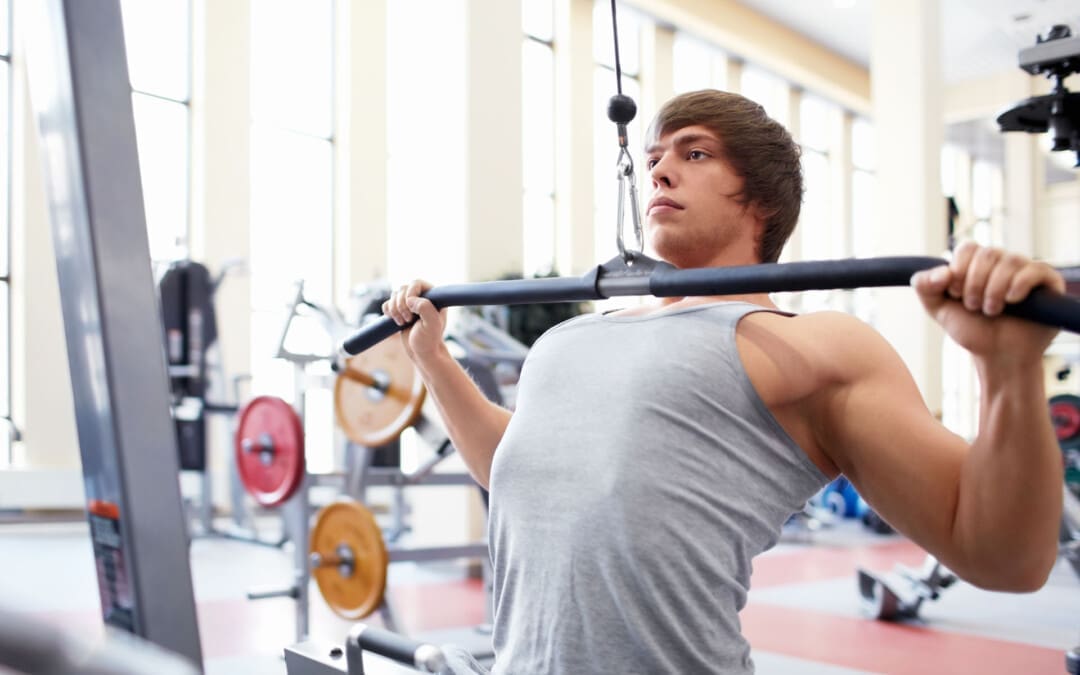
Lat pulldowns
Bicep curls
Abdominal crunches
Participants performed three sets of 8-12 reps at 50%-80% of their one-rep max. (Iowa State University, 2022)
In one study, people worked out for 30 minutes on nine different resistance machines, doing three sets of 10 reps on each machine. (Alley J. R. et al., 2015)
However, individuals can also use dumbbells for bicep curls or chest presses, barbells for deadlifts or back squats, resistance bands for lateral shoulder raises or leg extensions, or their body weight for movements such as chin-ups or push-ups.
Other Ways to Improve Sleep Without Meds
Other non-drug methods to improve sleep include a healthy diet, proper hydration, dietary changes, and stress management, such as meditation. Aerobic exercise is known to improve both sleep quantity and quality. (Kovacevic A. et al., 2018) Lifestyle behaviors outside of exercise are also important for sleep. Sleep hygiene refers to having healthy sleep habits and behaviors at night. This includes optimizing pre-bedtime routines to prepare the mind and body for sleep and improving bedroom environments to ensure sleep support, meaning it is cool, dark, quiet, and free from distractions like phones. Another important method of improving sleep is to listen to your body and not force yourself to stay up late when exhausted. Pushing the brain and body to stay up later leads to chronic sleep debt. Eating sugary and high-fat foods before bed can hinder sleep patterns. Drinking caffeine after dinner or close to bedtime can disrupt the sleep cycle, and alcohol consumption before bed can hurt sleep quality.
Injury Medical Chiropractic and Functional Medicine Clinic
Individuals need rest time to adjust to working out, so consult a doctor on the balance of rest and training. Injury Medical Chiropractic and Functional Medicine Clinic works with primary healthcare providers and specialists to develop an optimal health and wellness solution. We focus on what works for you to relieve pain, restore function, and prevent injury. Regarding musculoskeletal pain, specialists such as chiropractors, acupuncturists, and massage therapists can help mitigate it through spinal adjustments that help the body realign itself. They can also work with other medical professionals, such as physical therapists and orthopedic doctors, to integrate a comprehensive treatment plan that addresses the underlying causes and symptoms to effectively resolve musculoskeletal issues.
Weight Loss Techniques
References
Hirohama, K., Imura, T., Hori, T., Deguchi, N., Mitsutake, T., & Tanaka, R. (2024). The effects of nonpharmacological sleep hygiene on sleep quality in nonelderly individuals: A systematic review and network meta-analysis of randomized controlled trials. PloS one, 19(6), e0301616. https://doi.org/10.1371/journal.pone.0301616
Cunningham, J. E. A., & Shapiro, C. M. (2018). Cognitive Behavioural Therapy for Insomnia (CBT-I) to treat depression: A systematic review. Journal of psychosomatic research, 106, 1–12. https://doi.org/10.1016/j.jpsychores.2017.12.012
Carbone, E. A., Menculini, G., de Filippis, R., D’Angelo, M., De Fazio, P., Tortorella, A., & Steardo, L., Jr (2023). Sleep Disturbances in Generalized Anxiety Disorder: The Role of Calcium Homeostasis Imbalance. International journal of environmental research and public health, 20(5), 4431. https://doi.org/10.3390/ijerph20054431
Alley, J. R., Mazzochi, J. W., Smith, C. J., Morris, D. M., & Collier, S. R. (2015). Effects of resistance exercise timing on sleep architecture and nocturnal blood pressure. Journal of strength and conditioning research, 29(5), 1378–1385. https://doi.org/10.1519/JSC.0000000000000750
Iowa State University. (2022). Pumping iron may improve sleep more than cardio workouts. https://www.news.iastate.edu/news/2022/03/03/resistance-exercise-sleep
Roig, M., Cristini, J., Parwanta, Z., Ayotte, B., Rodrigues, L., de Las Heras, B., Nepveu, J. F., Huber, R., Carrier, J., Steib, S., Youngstedt, S. D., & Wright, D. L. (2022). Exercising the Sleepy-ing Brain: Exercise, Sleep, and Sleep Loss on Memory. Exercise and Sport Sciences Reviews, 50(1), 38–48. https://doi.org/10.1249/JES.0000000000000273
American Heart Association. (2022). Resistance exercise may improve sleep more than aerobic exercise. https://www.heart.org/en/news/2022/03/03/resistance-exercise-may-improve-sleep-more-than-aerobic-exercise#:~:text=The%20results%20are%20considered%20preliminary,at%20night%2C%22%20Brellenthin%20said.
Kovacevic, A., Mavros, Y., Heisz, J. J., & Fiatarone Singh, M. A. (2018). The effect of resistance exercise on sleep: A systematic review of randomized controlled trials. Sleep medicine reviews, 39, 52–68. https://doi.org/10.1016/j.smrv.2017.07.002
Incorrect manual handling and lifting is a leading cause of workplace injuries. Can health and safety training help reduce injuries and lost workdays?
Correct Manual Lifting Technique
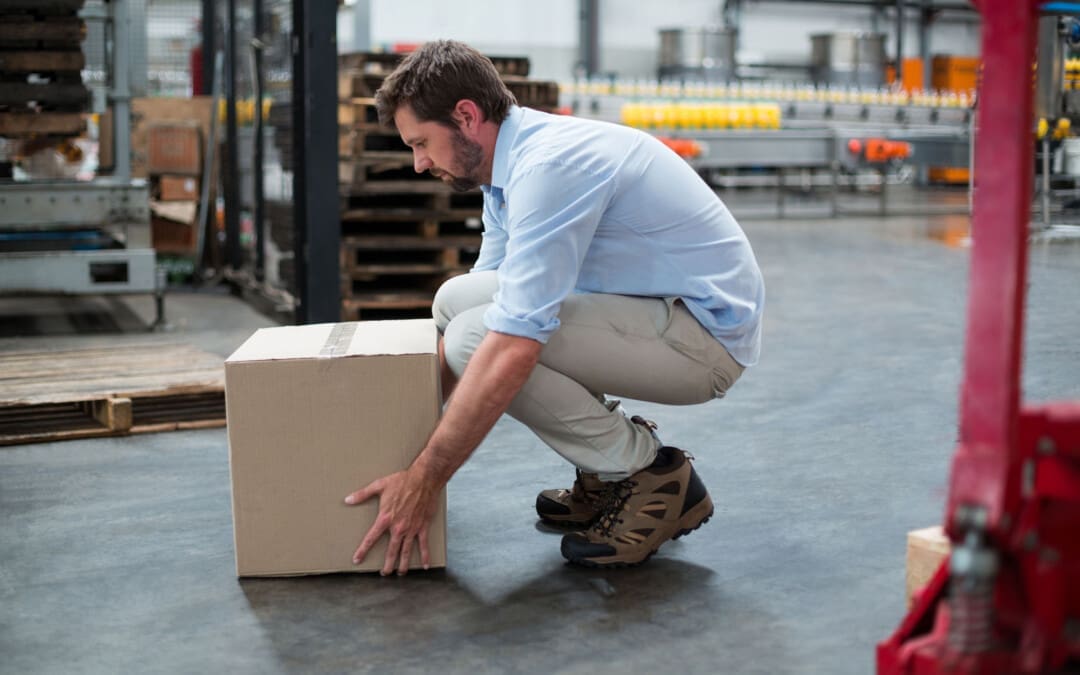
Manually lifting objects using incorrect techniques can lead to acute back injuries, herniated discs, sciatica, and long-term issues like increased risk of reinjury, body misalignment, and chronic back pain. Individuals can prevent spinal disc compression and/or lower back muscle strain by learning to use correct manual lifting techniques. (CDC. The National Institute for Occupational Safety and Health (NIOSH). 2007)
Lifting Guide
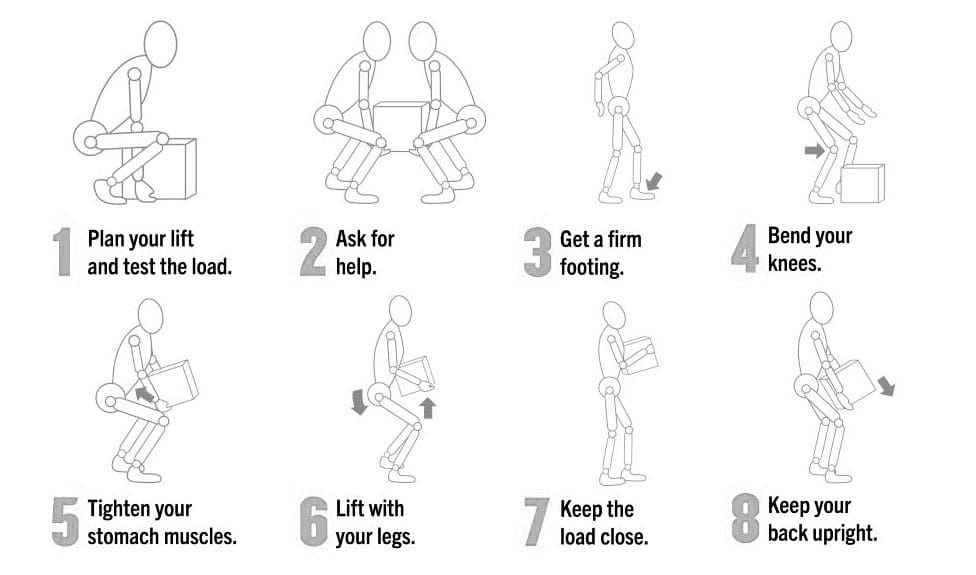
Individuals can protect their backs and prevent injury by following simple steps when lifting objects.
Support Base
Ensure there is a healthy support base from which to lift.
Keep feet shoulder-width apart with one foot slightly in front of the other.
Ask For Help
If coworkers or colleagues are available, ask for assistance.
If the load is too heavy, ask for help lifting and moving the object/s.
Use Mechanical Assistant Devices
Use hand trucks, dollies, or pushcarts whenever possible for uneven and heavy loads.
Squat To Lift Object
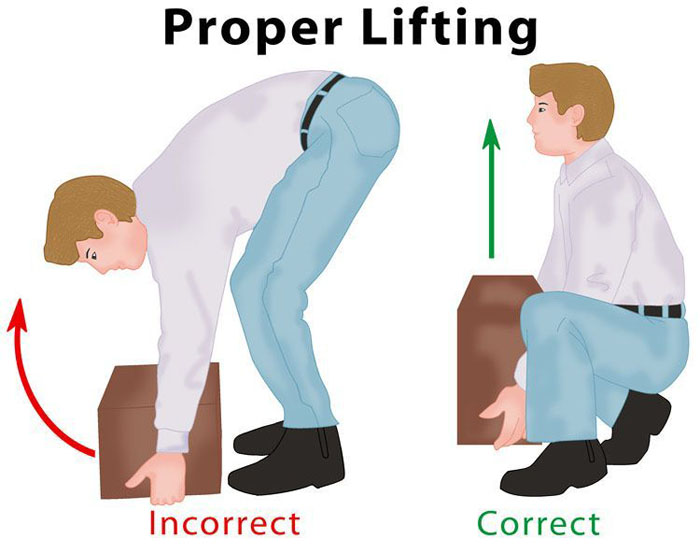
Bend at the hips and knees only, not the back.
Put one knee on the ground to ensure stability before lifting.
Check Posture
Looking straight ahead, maintain posture upright with the chest out, shoulders back, and lower back slightly arched.
Lift Slowly
Lift with the knees and hips only, gradually straightening the lower back.
Load Positioning
Once upright, hold the load close to the body around the stomach.
Move and Maintain Alertness
Always take small steps.
Maintain alertness as to where you are going.
Keep the shoulders square with the hips when changing directions to avoid twisting and losing or shifting balance.
Rest
If you are fatigued, set the load/object down and rest for a few minutes until you can fully engage in the task.
Squat To Set Object Down
Squat with the knees and hips and set the load down slowly.
Avoid quickly rising and jerking movements, and allow the legs, hips, and back muscles to reset.
Planning and Tips
Lifting anything heavy takes planning to prevent muscle spasms, back strain, and other musculoskeletal injuries. Considerations to keep in mind:
Make a Plan Before Lifting
Knowing what object/s are being lifted and where they are going will prevent individuals from making awkward movements while holding and carrying something heavy.
Set and clear a path.
If lifting something with another person, ensure both agree and understand the plan.
Lift Close to The Body
Individuals are stronger and more stable lifters if the object is held close to their body rather than at the end of their reach.
Make sure there is a firm hold on the object.
It is easier to maintain balance close to the body.
Maintain Feet Shoulder-Width Apart
Keep the feet about shoulder-width apart.
Having a solid base of support is important while lifting.
Placing the feet too close together will cause instability while placing them too far apart will hinder movement.
Take short steps.
Visualize The Motions Involved and Practice The Motions Before Lifting
Think about the motion before lifting.
Practice the lifting motion before lifting the object.
Focus on keeping the spine straight.
Raise and lower to the ground by bending the knees.
Avoid bending at the waist or hips.
Tighten the Stomach Muscles
Tightening the abdominal muscles will hold the back in a healthy lifting position and help prevent excessive force on the spine.
Lift With the Legs
The legs are stronger than the back muscles, so let the leg strength do the work.
Lower yourself to the ground by bending the knees, not the back.
Keep Eyes Up
Looking slightly upwards will help maintain a better spine position and help keep the back straight.
Avoid Twisting or Bending
Face in the direction you are walking.
Stop, take small steps, and continue walking if turning is required.
Back Belts
It has become common for many who work in jobs requiring manual lifting to wear back belts or support. However, research does not show that they decrease the risk of a lifting injury. (CDC and The National Institute for Occupational Safety and Health, 2023) Instead, it is recommended that the belt be thought of as a reminder of where the back muscles are positioned to keep the individual aligned, combined with the correct lifting techniques.
Injury Medical Chiropractic and Functional Medicine Clinic
Training the body and maintaining its optimal health for correct manual lifting techniques requires daily efforts through practice, conscious position corrections, and ergonomics. Injury Medical Chiropractic and Functional Medicine Clinic works with primary healthcare providers and specialists to develop an optimal health and wellness solution. We focus on what works for you to relieve pain, restore function, and prevent injury. Regarding musculoskeletal pain, specialists like chiropractors, acupuncturists, and massage therapists can help mitigate the pain through spinal adjustments that help the body realign itself. They can also work with other medical professionals to integrate a treatment plan to resolve musculoskeletal issues.
Chiropractic Care For Injury Recovery
References
CDC. The National Institute for Occupational Safety and Health (NIOSH). (2007). Ergonomic Guidelines for Manual Material Handling. (No. 2007-131). Retrieved from https://www.cdc.gov/niosh/docs/2007-131/pdfs/2007-131.pdf
CDC. The National Institute for Occupational Safety and Health (NIOSH) (2023). Back Belts – Do They Prevent Injury? (No. 94-127). Retrieved from https://www.cdc.gov/niosh/docs/94-127/
Elbow pain from lifting is a common symptom among individuals who lift weights, heavy objects, children, grocery bags, etc. Depending on the underlying cause, can conservative treatments relieve and heal elbow pain?
Elbow Pain Caused By Lifting
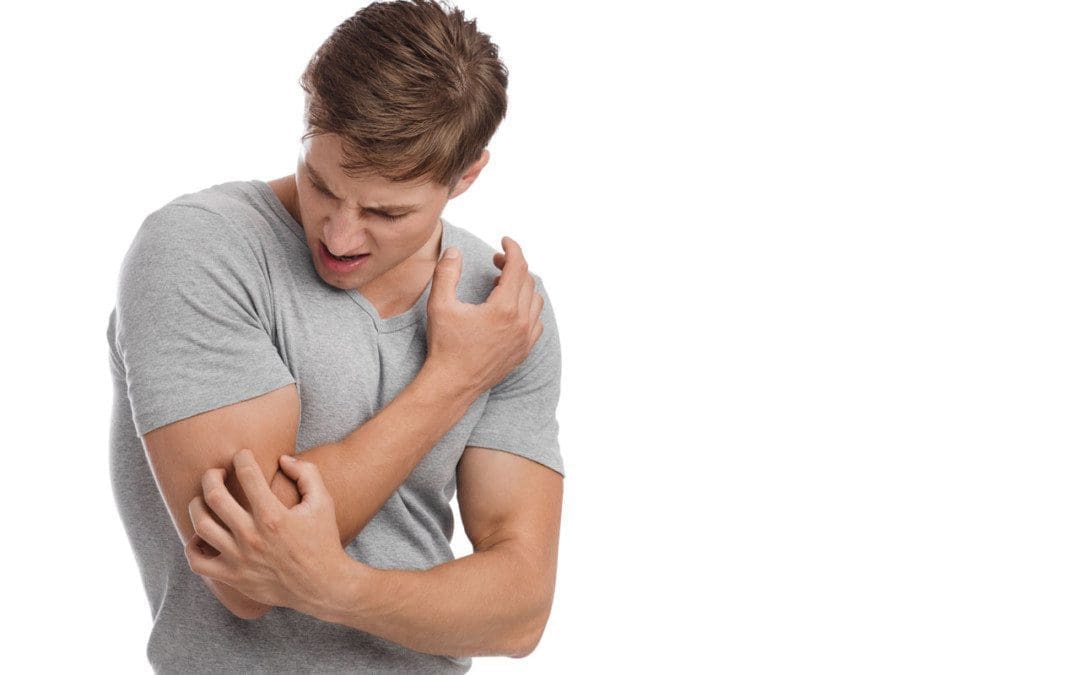
Elbow pain from lifting can result from weight training, repetitive daily tasks, or job duties like lifting small children or heavy objects. Pain can manifest at the sides or the front of the elbow. Most minor injury cases can be treated with ice, rest, and medications at home. However, pain after lifting can also be a sign of a serious injury, such as a tendon rupture/tear.
Minor Pain From Lifting
Lifting puts pressure on the tendons connecting the wrist and upper arm to the bones in the elbow joint. Minor elbow pain can occur from temporary inflammation in any of these structures after lifting an object. Tendonitis occurs when a tendon becomes inflamed, often from overuse or lifting something too heavy, and ranges from mild to severe. Mild tendonitis typically causes pain during the activity and improves with rest. (American Academy of Orthopaedic Surgeons, 2020) Common forms of tendonitis include:
Tennis elbow – tendonitis on the outside of the elbow
Golfer’s elbow – tendonitis on the inside of the elbow.
Add ice to the affected area for up to 20 minutes daily to decrease elbow pain.
Rest
Avoid lifting heavy objects as much as possible when pain is present.
Wearing A Brace
If the pain is at the tendons on the inside or outside of your elbow, try wearing a wrist brace to limit the use of your wrist muscles that connect to this area.
Stretching
Gently stretching the wrist flexors and extensors can help reduce elbow pain after lifting. Stretches can be performed several times daily, even after symptoms have resolved. (American Academy of Orthopaedic Surgeons, 2024)
Hold the arm out in front with the palm down. Keep the elbow straight.
Bend the wrist down so that the fingers are pointing toward the ground.
With the other hand, gently pull the wrist further down until a stretch is felt along the back of the forearm.
Hold this position for 15 seconds.
Repeat five times.
Next, bend the wrist upward so the fingers point toward the ceiling.
Using the other hand, gently pull the hand backward until the stretch is felt along the front of the forearm.
Mild cases can improve after a few days of self-care, whereas more pronounced elbow symptoms can take several weeks, months, or even a year. (Kheiran A. Pandey, A. & Pandey R. 2021) If self-care doesn’t work, physical therapy may be recommended. A physical therapy team can use various modalities and treatments to help reduce pain and inflammation from elbow injuries. The therapy can include targeted exercises to strengthen weak muscles and stretch tight muscles that might contribute to the condition. In addition, the therapy team will help individuals modify their lifting technique to help prevent further injury.
A biceps tendon rupture is a rare but serious injury usually caused from lifting. In addition to other visible signs of the injury, there will be a bulge at the top of the upper arm because the muscle bunches up as it is no longer attached to the elbow. (American Academy of Orthopaedic Surgeons, 2022) Individuals may hear an audible popping sound if an elbow ligament or tendon gets torn while lifting. (Johns Hopkins Medicine, 2024)
Treatment
Treatment depends on the severity of the injury, but most cases resolve on their own with rest and, if necessary, physical therapy. Conditions that cause severe pain require orthopedic surgeon expertise. These physicians specialize in treating musculoskeletal system injuries. Imaging such as X-rays, MRIs, or CT scans are often used to determine the extent of damage. Individuals with tendon or ligament tears in the elbow may need surgery to regain full range of motion and strength in their arm. After surgery, physical therapy will help restore function.
Injury Medical Chiropractic and Functional Medicine Clinic
Injury Medical Chiropractic and Functional Medicine Clinic works with primary healthcare providers and specialists to develop an optimal health and wellness solution. We focus on what works for you to relieve pain, restore function, and prevent injury. Regarding musculoskeletal pain, specialists like chiropractors, acupuncturists, and massage therapists can help mitigate the pain through spinal adjustments that help the body realign itself. They can also work with other associated medical professionals to integrate a treatment plan to improve the body’s flexibility and mobility and resolve musculoskeletal issues.
Shoulder Pain Chiropractic Treatment
References
American Academy of Orthopaedic Surgeons. (2020). Sprains, strains, and other soft-tissue injuries. https://orthoinfo.aaos.org/en/diseases–conditions/sprains-strains-and-other-soft-tissue-injuries/
Kheiran, A., Pandey, A., & Pandey, R. (2021). Common tendinopathies around the elbow; what does current evidence say?. Journal of clinical orthopaedics and trauma, 19, 216–223. https://doi.org/10.1016/j.jcot.2021.05.021
American Academy of Orthopaedic Surgeons. (2024). Therapeutic exercise program for epicondylitis (tennis elbow/golfer’s elbow). https://orthoinfo.aaos.org/globalassets/pdfs/2024-therapeutic-exercise-program-for-lateral-and-medial-epicondylitis.pdf
American Academy of Orthopaedic Surgeons. (2023). What are NSAIDs? https://orthoinfo.aaos.org/en/treatment/what-are-nsaids/
American Academy of Orthopaedic Surgeons. (2022). Biceps tendon tear at the elbow. https://orthoinfo.aaos.org/en/diseases–conditions/biceps-tendon-tear-at-the-elbow
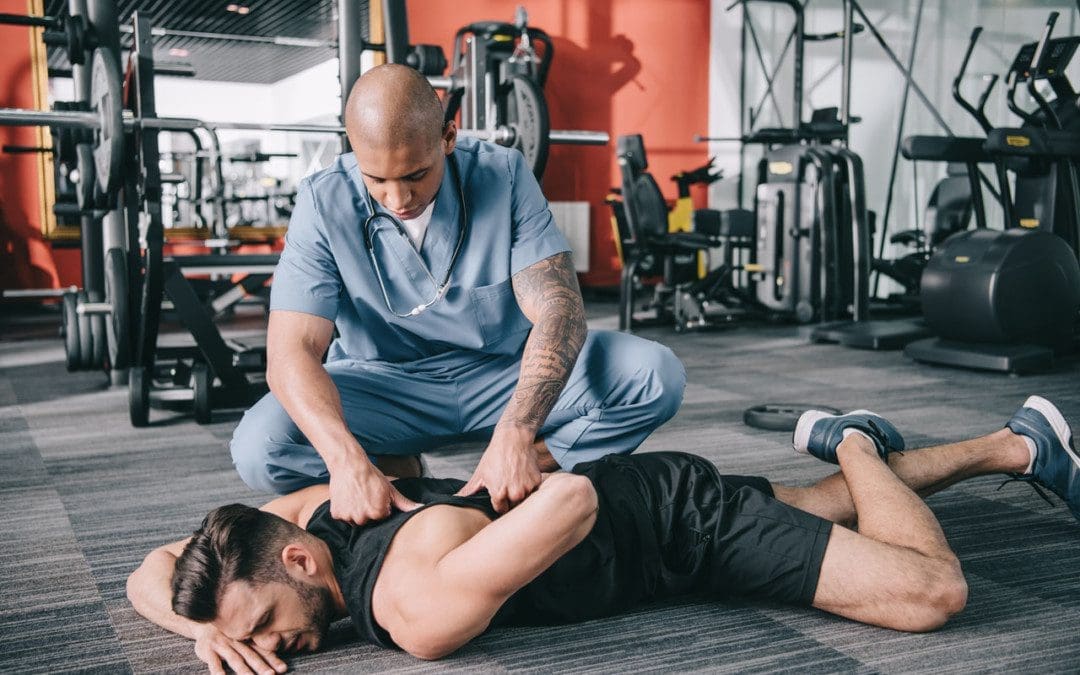
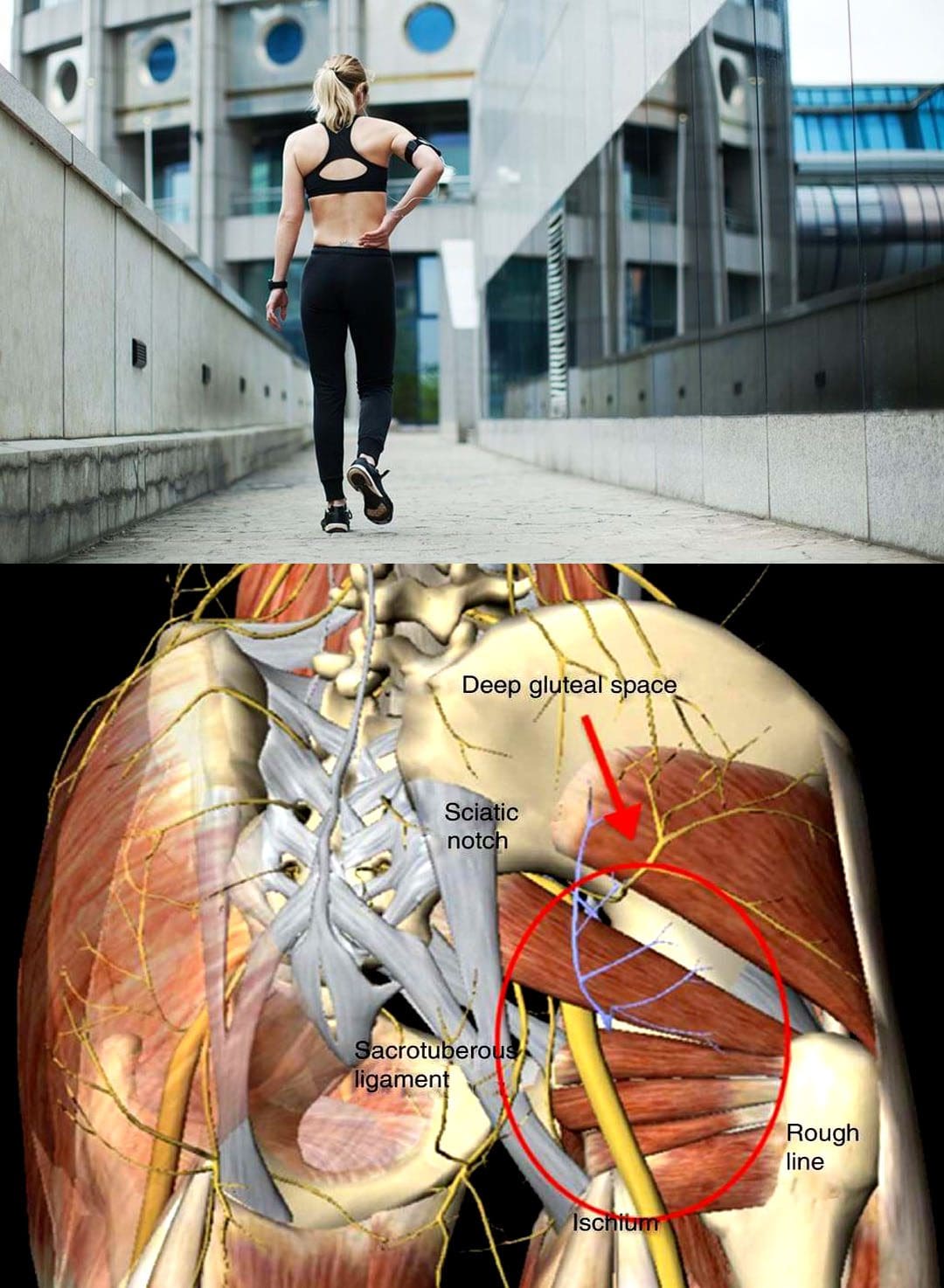
Sciatica From Working Out: There are benefits from strenuous exercise and a level of acceptance of the discomfort that goes with exertion. While this is true to a certain degree, when individuals feel the pump and are in the workout zone, it can be very easy to take off and overdo it. This is when the body and the back become susceptible to injuries. Sciatica from working out occurs when added pressure on the sciatic nerve results in a compressed/pinched nerve. Left untreated can lead to further back problems and other health issues. The Injury Medical Chiropractic and Functional Medicine Team can relieve the compression, release the nerve, relax the muscles, and restore function.
Sciatica From Working Out
Microtrauma
Building muscle and increasing strength require a certain amount of physical damage to the muscles for successful progress. Intense and heavy exercise tear the muscle tissues causing microtrauma that triggers a healing response that creates muscle mass. These micro-injuries can cause the back muscles to tighten up, shifting the spine out of alignment, causing the discs to slip and compress nerves, or by tight leg muscles like the piriformis swelling and squeezing the sciatic nerve.
Causes
Rest and Recovery
It’s important to understand that proper recovery is essential to an exercise program.
It can take up to 72 hours to recover from the microtears.
Individuals that go right back for a similar workout can aggravate existing micro tears while creating more, resulting in a downward cycle of symptoms that can lead to other problems or become a chronic condition.
Rotating to exercises that go easy on the back and leg muscles assists in the normal healing and development of muscle tissue.
Not Warming up Before Workout
Not warming up before exercising can cause injuries.
When muscles are cold and not warmed up properly, they can become stiff and inflexible, causing them to strain and tear when exposed to sudden, intense exertion.
Before performing any exercise, always start with a low-impact, gentle warm-up.
Not Stretching Properly or at All
Full-body stretching is necessary as the torn, tight muscles need to be relaxed and kept loose.
Make sure to stretch the hamstrings and hips thoroughly.
After each workout, take 10 minutes and stretch.
Not Stretching After
Always do some stretching after a workout.
Stretching after can help prevent muscle fatigue and soreness from a lactic acid buildup.
Starting With Heavy Weights
Many injuries happen because individuals start too heavy.
Challenging the body’s performance is part of the process but should be done in small steps.
Start with lighter weights and add more gradually.
Improper Posture and Form
A leading cause of back problems is poor posture and form.
Curving the back while lifting weights is the most error.
Overarching can also cause injury.
When performing push-ups or planks, avoid sinking the hips.
Hard Surfaces
For runners, hard surfaces like concrete or asphalt force the body and back to absorb most of the impact.
This compresses the vertebrae, which can irritate the sciatic nerve.
Rotate by using running trails or a treadmill.
Work on running with a shorter stride to reduce bounce and impact.
Incorporate cross-training.
Rotate upper body strength training to give the legs, gluteals, and back muscles a rest.
Chiropractic Rehabilitation
Chiropractic care, massage, and decompression therapy can relieve sciatica pain. Using spinal manipulation techniques and other therapies, chiropractors can alleviate the pressure on the nerve. Treatment involves:
X-rays are taken so that the chiropractor can understand the cause.
Massaging the muscles to relax and release them and increase circulation.
Stretching and applying controlled pressure to the joints.
Specific exercises and stretches will be recommended to do at home.
Health coaching and nutrition and wellness recommendations.
Personalized Sciatica Treatment
References
Bonasia DE, Rosso F, Cottino U, Rossi R. Exercise-induced leg pain. Asia Pac J Sports Med Arthrosc Rehabil Technol. 2015;2(3):73-84. doi:10.1016/j.asmart.2015.03.003
Cook CE, Taylor J, Wright A, Milosavljevic S, Goode A, Whitford M. Risk factors for first-time incidence sciatica: a systematic review. Physiother Res Int. 2014 Jun;18:65-78. doi:doi:10.1002/pri.1572
Koes BW, van Tulder MW, Peul WC. Diagnosis and treatment of sciatica. BMJ. 2007;334(7607):1313‐1317. doi:10.1136/bmj.39223.428495.BE
Lewis RA, Williams NH, Sutton AJ, et al. Comparative clinical effectiveness of management strategies for sciatica: a systematic review and network meta-analyses. (PDF). Spine J. 2015;15(6):1461-77. doi:10.1016/j.spinee.2013.08.049
Salehi, Alireza, et al. “Chiropractic: Is it Efficient in Treatment of Diseases? Review of Systematic Reviews.” International Journal of community-based nursing and midwifery vol. 3,4 (2015): 244-54.
Forearm pain refers to soreness, aches, or discomfort between the wrist and the elbow. An injury or inflammation can affect any tissues, including muscles, bones, blood vessels, tendons, and the skin. The causes usually include overuse injuries, pinched nerves, accidents causing trauma, lifting or heaving heavy objects, sports injuries, and fractures. If left untreated, issues like chronic muscle pain and decreased and disrupted blood/nerve circulation can develop, leading to numbness and weakness. Chiropractic treatment can release tension, massage, reset, and stretch the muscles to expedite healing.
Anatomy
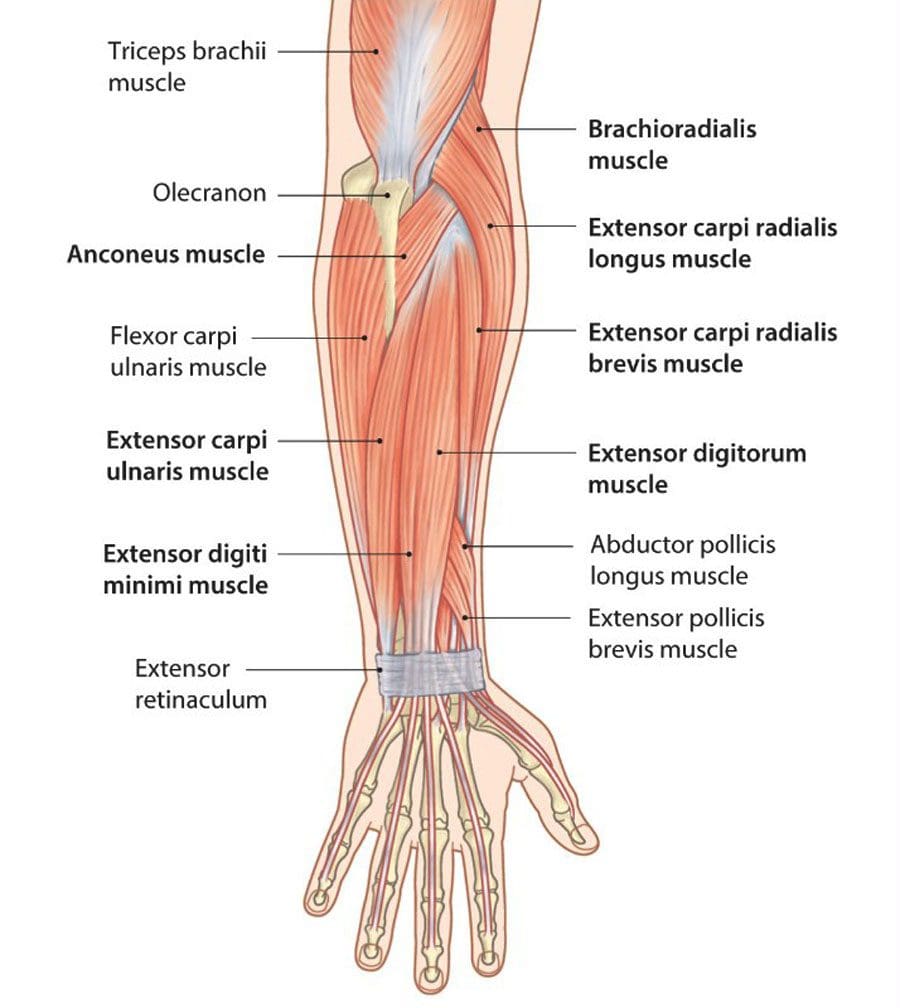
The forearm comprises the radius and ulna, which extend the forearm’s length and cross at the wrist.
The Radius
This bone starts at the elbow and connects to the wrist on the thumb side.
Ulna
This bone begins at the elbow and connects to the wrist on the side of the little finger.
Muscles
Several muscles operate to rotate the forearm up/supination and down/pronation and flex and extend the fingers.
Causes
Forearm pain can happen to anyone and is usually related to traumatic or repetitive use injury. In other cases, pain may be associated with a benign growth, like a cyst or possibly a malignant tumor. Common causes include:
Pulled and/or strained muscles
Muscle ruptures or small tears
A direct blow, fall, or any extreme twisting, bending or jamming action.
Tendonitis from tennis or golfers elbow.
Tennis elbow is caused by inflammation or tiny tears in the forearm muscles and tendons outside the elbow.
Golfers’ elbow is on the inside of the elbow.
Carpal Tunnel Syndrome is a repetitive stress disorder that affects the nerves and tendons of the wrist and forearm.
Musculoskeletal Causes
The musculoskeletal causes involve issues in how the forearm components operate together.
Repetitive actions like lifting, gripping, and typing can compress nerves and blood vessels throughout the forearm.
Forearm problems like dislocations or sprains can also lead to chronic inflammation and pain.
Traumatic Causes
Traumatic causes include those that result in injury to components of the forearm.
Anything that causes a direct injury to the forearm, including an automobile crash or accident, fall, or a direct hit, can fracture bones in the forearm.
A sprain can twist or stretch a ligament or tendon.
Activities that cause bending, twisting, quick sudden movement or direct impact can result in sprained multiple ligaments in the forearm.
Chiropractic Treatment
Healing forearm pain depends on the type of injury, location, and cause of the pain. Chiropractic addresses arm pain, tingling, and numbness in ways often overlooked by general physicians.
A chiropractor will perform a physical examination to determine if there are any underlying causes.
They may apply an ice pack to help control inflammation before the massage.
The chiropractor will perform gentle adjustments to the wrist, arm, and shoulder.
They may recommend a forearm brace to help retrain positioning and movement.
They will recommend exercises and stretches to strengthen and maintain the adjustments.
Carpal Tunnel Pain Treatment
References
Ellenbecker, Todd S et al. “Current concepts in examination and treatment of elbow tendon injury.” Sports health vol. 5,2 (2013): 186-94. doi:10.1177/1941738112464761
Shamsoddini, Alireza, and Mohammad Taghi Hollisaz. “Effects of taping on pain, grip strength and wrist extension force in patients with tennis elbow.” Trauma monthly vol. 18,2 (2013): 71-4. doi:10.5812/traumamon.12450
Suito, Motomu, et al. “Intertendinous epidermoid cyst of the forearm.” Case reports in plastic surgery & hand surgery vol. 6,1 25-28. 28 Jan. 2019, doi:10.1080/23320885.2018.1564314
Delayed Onset Muscle Soreness – DOMS is when muscle pain or stiffness develops a day or two after playing sports, weight lifting, exercise, or work that involves concentrated physical activity like lifting and carrying objects. DOMS is considered a normal response to extended exertion and is part of the adaptation process that the recovering muscles experience as they undergo hypertrophy or an increase in muscle size. It is common in individuals who have just started exercising, increased the duration or intensity of their workouts, or just beginning a physically demanding job.
DOMS
When muscle contracts as it lengthens is known as eccentric muscle contractions, which is most associated with DOMS. It is related to increased stress in muscle fibers as they are exerted excessively. This also happens when engaging in movements the muscles are not used to, like a new exercise or helping a friend move heavy boxes, furniture, etc. Examples include:
Individuals will not feel DOMS during the workout or physical activity. Delayed symptoms include:
Swelling in the affected muscles.
Muscles feel tender to the touch.
Muscle fatigue.
Reduced range of motion and movement.
Pain and stiffness when moving.
Decreased muscle strength.
Treatment Options
Time and waiting for the muscles to repair themselves is the natural healing process, but steps can be taken to ease the soreness, stiffness, and pain. This includes:
It is different for everybody; personal experience will determine which works best for the individual.
Active Recovery
Active recovery is a technique that uses low-impact aerobic exercise right after a workout to increase blood flow to the muscles.
The increased blood supply can help relieve the inflammation.
RICE
This technique is used for acute injuries but can be applied to delayed onset muscle soreness. It stands for:
Rest
Ice
Compression
Elevation
Chiropractic
A chiropractic massage is for healing sore muscles, tendons, ligaments after an intense game, workout, etc. Chiropractic increases the blood and nerve circulation around the muscles delivering added oxygen and nutrients. This type of massage helps loosen the muscles/connecting tissues allowing the body to recover and heal quicker.
Body Composition
When Muscles Are Not Rested
Not taking time to recover because of overtraining/working can have consequences on the body. Inflammation that is not given the time to heal can lead to:
Injuries.
Weakened immune system.
Muscle mass loss.
Mental health issues.
The body’s immune system cannot function at total capacity during intense physical stress. This causes difficulty when trying to fight off germs and viruses. Studies have found preventing inflammation and injury requires prioritizing rest. Constantly being on the go and under intense physical stress can take a toll not only on the body but the brain as well. This can lead to irritability, frustration, anger, which leads to other health problems generating a vicious cycle.
References
Cheung, Karoline et al. “Delayed onset muscle soreness: treatment strategies and performance factors.” Sports medicine (Auckland, N.Z.) vol. 33,2 (2003): 145-64. doi:10.2165/00007256-200333020-00005
Guo, Jianmin et al. “Massage Alleviates Delayed Onset Muscle Soreness after Strenuous Exercise: A Systematic Review and Meta-Analysis.” Frontiers in physiology vol. 8 747. 27 Sep. 2017, doi:10.3389/fphys.2017.00747
Reinke, Simon et al. “The influence of recovery and training phases on body composition, peripheral vascular function and immune system of professional soccer players.” PloS one vol. 4,3 (2009): e4910. doi:10.1371/journal.pone.0004910
Sciatica is a very common and painful issue. Keeping it in check can be difficult especially with various causes that can generate flare-ups. Individuals managing sciatica need to pay attention and be vigilant of the negative activities/movements that could cause symptoms to reappear. A few common causes include:
Excessively tight-fitting pants
Improperly lifting heavy objects
Poor posture
Weight gain
Not stretching out
Wearing the wrong shoes
Knowing what not to do is just as effective for helping sciatica flare-ups as knowing what is best.
Sciatica Causes
The sciatic nerve is the longest nerve. It comes out the spine through the pelvis, down the leg to the foot. There is one sciatic nerve on each side of the body, and either can become irritated, injured, and inflamed. However, it�s rare that both are irritated at the same time. The underlying causes can vary. Most of the time the cause is a herniated disc that presses against the nerve, causing the pain. Even though this happens in the lower back, an individual might only feel pain in the buttocks and the back of the leg. Other causes of sciatic nerve pain include:
What makes sciatica worse depends on the underlying cause. For most, this is a herniated or bulging disc that presses against the nerve. With this type of case, any increase in pressure on the discs can worsen the symptoms. Sitting down in fact puts more pressure on the spinal discs, worsening the pain. Lying down can also worsen symptoms. When the pain is peaking, lying down for a little while can help, but for too long can worsen symptoms. Standing with a neutral spine, and walking around a bit, can help with nerve pain relief and the healing process.
Improper/Poor Posture
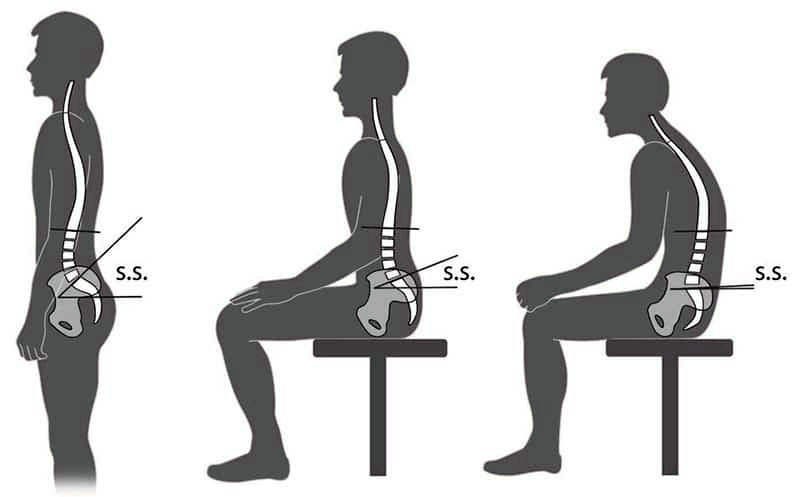
Poor posture, especially the rounding of the lower back. This usually happens when sitting. The rounded low back becomes a bad habit that individuals think will help with the pain. This can cause a flare-up. The spine has a natural S-curve and the more an individual can maintain that natural curve, the better off they will be.
Weight Gain
Too much weight can cause flare-ups with added stress/pressure on the spine, especially the low back. Maintaining a healthy weight will help relieve the added pressure, however, many who experience sciatica have trouble exercising. This is where a physical therapist and chiropractor can assist an individual with customized exercise and diet programs to overcome this obstacle. Eating is a way that individuals deal with pain, anxiety, and depression. But weight gain and poor health can worsen sciatica. Individuals that are overweight tend to experience more inflammation throughout the body, making sciatica even worse.
Stretching
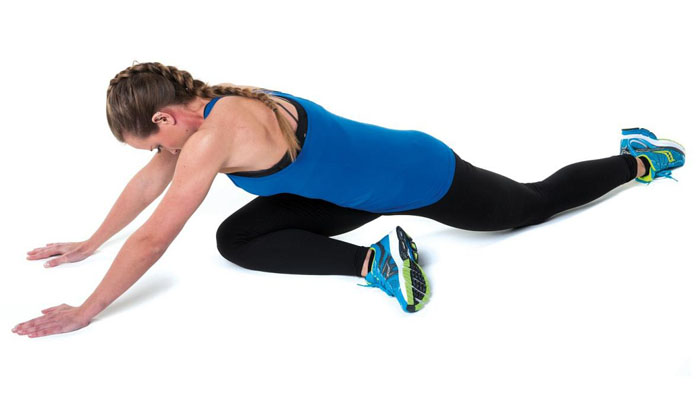
Not stretching, especially as the body gets older tightens the muscles, ligaments, and tendons. And stretching improperly can injure these areas. There are recommended and non-recommended stretches for individuals dealing/managing sciatica. Stretches that require bending the low back can place added pressure on the lumbar spine, causing sciatica flare-ups.
Lifting Heavy Things
Lifting and improperly lifting heavy objects can worsen sciatica. This has to do with the rounding of the low back. Any time the spine is taken out of its natural S-curve, there is undue pressure on the joints and discs. When lifting heavy objects in this position the problem is worsened. When possible avoid lifting anything heavy while dealing with sciatica. It�s healthy to stay active, but there is no need to do intense workouts at home or the gym, especially heavy lifting.
Tight Pants
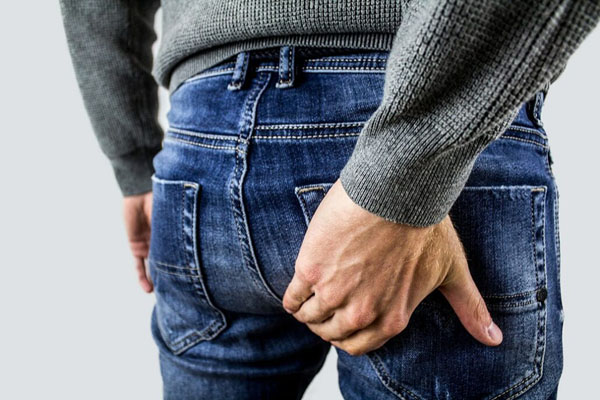
Tight pants can contribute to sciatica. Whether shorts, jeans, or skirts, wearing overly-tight, form-fitting pants should be avoided until the sciatica is gone. And even after it is not recommended to wear overly tight-fitting clothing, as this can cause blood and nerve circulation problems.
Shoes
Like tight pants, the wrong shoes without adequate support can cause flare-ups. For example, high heels force weight distribution to the front of the feet. For the body to compensate, it�s normal to push the pelvis and hips forward. When the body is in this position for a long time it starts to place stress on the hamstrings, which will exacerbate sciatica. Shoes without adequate support place added stress on the feet, which gets transferred up the leg to the hamstrings. Customized shoe inserts designed especially for individuals with sciatica can help in preventing symptoms.
Improvement
Sciatica takes time to heal. Avoiding making it worse and taking all the steps to help it heal, can bring the body back to normal within 2 weeks. For most, it takes around 4 weeks for the pain to go away. This depends on various factors. For example, if sciatica develops during pregnancy, it could take longer to get rid of the pain. One sign that shows improvement is called centralization meaning the pain is moving out of the leg and into the spine. This is a good sign that the individual is on the right track.
Body Composition
Meal Planning
The convenience of food delivery is wonderful, but remember that frequently eating food prepared away from home increases the risk of weight gain and obesity. Restaurants tend to serve oversized portions and prepare meals with excessive calories, sodium, and sugar. The benefit of eating from home is that individuals have more control over the ingredients and cooking methods used to prepare the food. It helps to plan meals and snacks in advance to make sure they are balanced. Here are the types of foods that should be included in a balanced meal plan:
A variety of whole fruits
Non-starchy vegetables – leafy greens, red and orange veggies
Starchy vegetables – potatoes, green peas, legumes, winter squash
Grains, with the goal to make at least � from whole-grain sources
Low-fat or fat-free dairy milk, yogurt, cheese
Protein from various sources – lean meats, seafood, eggs, nuts & seeds, and soy products
Healthy cooking oils – olive oil or canola oil
Nuts and nut butter
Fresh or frozen fruits
Dried herbs and spices
Dr. Alex Jimenez�s Blog Post Disclaimer
The scope of our information is limited to chiropractic, musculoskeletal, physical medicines, wellness, and sensitive health issues and/or functional medicine articles, topics, and discussions. We use functional health & wellness protocols to treat and support care for injuries or disorders of the musculoskeletal system. Our posts, topics, subjects, and insights cover clinical matters, issues, and topics that relate and support directly or indirectly our clinical scope of practice.*
Our office has made a reasonable attempt to provide supportive citations and has identified the relevant research study or studies supporting our posts. We also make copies of supporting research studies available to the board and or the public upon request. We understand that we cover matters that require an additional explanation as to how it may assist in a particular care plan or treatment protocol; therefore, to further discuss the subject matter above, please feel free to ask Dr. Alex Jimenez or contact us at 915-850-0900. The provider(s) Licensed in Texas& New Mexico*
References
Sciatica. MedlinePlus. https://medlineplus.gov/sciatica.html. Accessed November 29, 2018.
Sciatica Sciatic Nerve Pain During Pregnancy. babyMed. https://www.babymed.com/pregnancy/sciatica-pain-during-pregnancy. Updated on August 29, 2018. Accessed November 29, 2018.
Shiel WC. Degenerative Disc Disease and Sciatica. MedicineNet. https://www.medicinenet.com/degenerative_disc/article.htm#what_are_the_symptoms_of_radiculopathy_and_sciatica. Last reviewed August 10, 2018. Accessed November 29, 2018.
IFM's Find A Practitioner tool is the largest referral network in Functional Medicine, created to help patients locate Functional Medicine practitioners anywhere in the world. IFM Certified Practitioners are listed first in the search results, given their extensive education in Functional Medicine