What type of exercise is recommended for individuals who want to exercise before bed?
Exercising Before Bed
Exercising sounds like a good way to tire the mind and body before bed. However, research shows that moderate to vigorous exercise later in the day can negatively impact sleep quality. (Alkhaldi E. H. et al., 2023)
To improve sleep, it is recommended that you exercise in the morning or earlier in the day, at least four hours before bed.
Individuals who exercise later should aim for lighter activities, such as non-strenuous walking or gentle, restorative yoga.
Light physical activity, like a slow walk after dinner, is OK.
Advantages
Daily exercise improves sleep quality. (Johns Hopkins Medicine, 2025) Mild exercise before bed and engaging in light activities like walking or stretching can positively affect health (Hijikata Y, Yamada S. 2011). These include:
Decrease muscle tension
Improve digestion
Improve blood sugar regulation
Relax the mind and body
Disadvantages
The nervous system naturally switches between active and calm. It is ready to work and engage in physical activities when it is active. When it is resting, sleep occurs. Activating the nervous system before bed can affect sleep, and exercising can affect body temperature, producing sleep challenges. Typically, body temperature decreases as the body prepares for sleep. Exercising before bed can increase core temperature and disrupt the process. (Szymusiak R. 2018) Moderate or vigorous physical activity close to going to sleep can: (Alkhaldi E. H. et al., 2023)
Make it more difficult to fall asleep
This leads to more waking up during the night.
Decrease sleep quality
Recommended Types of Exercise
Pre-bedtime activities should not be vigorous or engaging enough to make the body and mind more alert. Some exercises to calm the body and mind before bed include: (Sleep Foundation, 2023)
Restorative Yoga
Yoga Nidra and other low-intensity yoga can help promote sleep.
More intense forms of yoga, such as vinyasa/flow, should be done earlier.
Tai Chi
A Chinese practice that incorporates slow, gentle movements and focuses on breathing to promote peace and relaxation.
Slow Walking
Walking at a leisurely pace can help the body unwind and relax.
A slow heart rate and breathing indicate that the activity is calming and not stimulating.
Exercises to Avoid
Moderate to high-intensity workouts before bed that increase breathing and heart rate can disrupt sleep. Individuals who struggle to fall asleep or get restful sleep should try reducing the intensity of certain exercises or avoiding them one to two hours before bed. Examples of moderate to vigorous exercises include: (American Heart Association, 2024)
Gardening or heavy yard work
Running
Brisk walking
Cycling
Dancing
Sports activities
Working Out In The Evening
Sometimes, exercising later in the day or close to bedtime is the only time to get physical activity. If this is the case, late exercise is better than no exercise at all, but there are ways to lessen its impact on sleep, including:
Light physical activity, like walking, can be done up to an hour before bed.
Do more intense exercises at the beginning of the workout.
End the workout with a cooldown, like walking or stretching, to relax the mind and body.
Know how your workout schedule impacts your sleep, and adjust as necessary.
Injury Medical Chiropractic & Functional Medicine Clinic
Injury Medical Chiropractic and Functional Medicine Clinic works with primary healthcare providers and specialists to develop an optimal health and wellness solution. We focus on what works for you to relieve pain, restore function, and prevent injury. Regarding musculoskeletal pain, specialists like chiropractors, acupuncturists, and massage therapists can help mitigate the pain through spinal adjustments that help the body realign itself. They can also work with other medical professionals to integrate a treatment plan to resolve musculoskeletal issues.
Optimizing Your Wellness
References
Alkhaldi, E. H., Battar, S., Alsuwailem, S. I., Almutairi, K. S., Alshamari, W. K., & Alkhaldi, A. H. (2023). Effect of Nighttime Exercise on Sleep Quality Among the General Population in Riyadh, Saudi Arabia: A Cross-Sectional Study. Cureus, 15(7), e41638. https://doi.org/10.7759/cureus.41638
Johns Hopkins Medicine. (2025). Exercising for better sleep. https://www.hopkinsmedicine.org/health/wellness-and-prevention/exercising-for-better-sleep
Hijikata, Y., & Yamada, S. (2011). Walking just after a meal seems to be more effective for weight loss than waiting for one hour to walk after a meal. International journal of general medicine, 4, 447–450. https://doi.org/10.2147/IJGM.S18837
Szymusiak R. (2018). Body temperature and sleep. Handbook of clinical neurology, 156, 341–351. https://doi.org/10.1016/B978-0-444-63912-7.00020-5
Sleep Foundation. (2023). Bedtime routines for adults. https://www.sleepfoundation.org/sleep-hygiene/bedtime-routine-for-adults
American Heart Association. (2024). American Heart Association recommendations for physical activity in adults and kids. https://www.heart.org/en/healthy-living/fitness/fitness-basics/aha-recs-for-physical-activity-in-adults
Harvard Health Publishing. (2024). Does exercising at night affect sleep? https://www.health.harvard.edu/staying-healthy/does-exercising-at-night-affect-sleep
Can healthy noodle alternatives and heart-healthy ingredients help make cholesterol-friendly pasta dishes for individuals trying to lower and manage cholesterol levels?
Pasta and Cholesterol
Pasta, like other refined carbohydrates such as white bread and rice, can increase cholesterol levels. Although pasta does not contain cholesterol, it is high in carbohydrates, which can increase the amount of calories and fat in one’s diet and contribute to high cholesterol levels. Since some types of carbohydrates can affect cholesterol levels, the goal is to eat the right pasta and healthier sauces and sides. Even for those following a cholesterol-lowering diet, there’s no reason you can’t enjoy meals containing pasta occasionally.
The Pasta and Cholesterol Link
Pasta made from white flour is considered a refined carbohydrate because it is high in carbs and low in fiber. Research has shown that a diet high in refined carbohydrates is associated with increased levels of triglycerides and LDL (unhealthy) cholesterol in the blood. (Yu, D. et al., 2013) (Bhardwaj B., O’Keefe E. L., and O’Keefe J. H. 2016) High levels of blood fats increase the risk of developing heart disease. Examples of refined carbohydrates include:
White rice
Breakfast cereals
Potato Chips
White bread
Pastries
Pizza
One cup of dry pasta has 0 milligrams of cholesterol but is high in carbohydrates, with around 43 grams per serving (U.S. Department of Agriculture, 2018). Eating foods high in saturated fats and refined carbohydrates can raise cholesterol levels.
Choosing Healthy Alternatives
Choosing healthier options that are cholesterol-friendly can make pasta healthy. Pasta labeled whole wheat or whole grain is darker than white flour pasta, which contains more fiber and can lower cholesterol levels and reduce the risk of heart disease. (American Heart Association, 2024) The label will show the carbohydrate and fiber content per serving.
Alternatives
Alternatives that are lower in carbohydrates and/or higher in protein and fiber include:
Spaghetti squash
Spiralized vegetables like zucchini, carrots, and butternut squash.
Shirataki noodles are made from the konjac plant.
Chickpea pasta
Black bean pasta
Red lentil pasta
Edamame pasta
Vegetables
Vegetables are heart-healthy and are a great addition to pasta dishes. Vegetables that pair well with pasta include:
Peppers
Onion
Zucchini
Spinach
Broccoli
Asparagus
Add a few olives, which contain healthy monounsaturated fats. (Rocha J., Borges N., and Pinho O. 2020) Mix vegetables and pasta in equal amounts to create a lower-carb, fiber-dense dish that will keep cholesterol levels low and maintain a healthy heart.
Cheese and Low-Fat Cheese
It is common to incorporate cheese. While cheese contains calcium and adds flavor and texture, it also adds saturated fat. The American Heart Association recommends that saturated fats make up less than 6% of daily calories because of their role in heart health and high cholesterol risks. (American Heart Association, 2024) Instead, use a small amount of cheese, such as Romano or cheddar, and add a small amount of low-fat cheese that includes:
Parmesan cheese
Part-skim mozzarella cheese
Low-fat ricotta
Low-fat cottage cheese
Lean Meats
Sausage and ground beef are common additions but are also a source of saturated fat that could raise cholesterol levels. (American Heart Association, 2024) So, when possible, limit red meat and sausage or use a low-fat sausage alternative that is chicken or turkey-based, and add heart-healthy options, which include:
Beans
Shrimp
Turkey
Chicken
Salmon
Make It Herbaceous and Spicy
Spices can enhance the taste of a dish. Many herbs and spices commonly used in pasta dishes, such as parsley, oregano, garlic, and basil, contain healthy nutrients and don’t add any fat or calories. Spice up a pasta dish to taste with a little heart-healthy olive oil and spices to create a light coating on the noodles. (Rocha J., Borges N., and Pinho O. 2020) One tablespoon of olive oil contains nearly 120 calories and 14 grams of fat. (U.S. Department of Agriculture, 2019)
Healthy Sauces
Sauces are important, but an unhealthy one can introduce extra sugar and fat. Plenty of healthy sauces are at the store, but check the label as some contain extra salt, sugar, and fat, which are not heart-healthy. (U.S. Department of Health and Human Services and U.S. Department of Agriculture. 2015) Try to limit the use of creamy sauces, such as cheese and alfredo sauces, as they are a source of added fat and are high in saturated fat. An alternative is to dress the pasta with sautéd olive oil and sliced cherry tomatoes. Sauteing helps soften the tomatoes and release extra flavor into the oil.
Injury Medical Chiropractic and Functional Medicine Clinic
So, experiment with healthy pasta, various vegetables, lean meat, and healthy sauces to add flavor and make your next pasta dish delicious and cholesterol-friendly. Injury Medical Chiropractic and Functional Medicine Clinic focuses on and treats injuries and chronic pain syndromes through personalized care plans that improve ability through flexibility, mobility, and agility programs to relieve pain. Our providers use an integrated approach to create customized care plans for each patient and restore health and function to the body through nutrition and wellness, functional medicine, acupuncture, Electroacupuncture, and sports medicine protocols. If the individual needs other treatment, they will be referred to a clinic or physician best suited for them. Dr. Jimenez has teamed up with top surgeons, clinical specialists, medical researchers, nutritionists, and health coaches to provide the most effective clinical treatments.
Chiropractic, Fitness, and Nutrition
References
Yu, D., Shu, X. O., Li, H., Xiang, Y. B., Yang, G., Gao, Y. T., Zheng, W., & Zhang, X. (2013). Dietary carbohydrates, refined grains, glycemic load, and risk of coronary heart disease in Chinese adults. American journal of epidemiology, 178(10), 1542–1549. https://doi.org/10.1093/aje/kwt178
Bhardwaj, B., O’Keefe, E. L., & O’Keefe, J. H. (2016). Death by Carbs: Added Sugars and Refined Carbohydrates Cause Diabetes and Cardiovascular Disease in Asian Indians. Missouri medicine, 113(5), 395–400.
U.S. Department of Agriculture. FoodData Central. (2018). Pasta, dry, enriched. Retrieved from https://fdc.nal.usda.gov/fdc-app.html#/food-details/169736/nutrients
American Heart Association. (2024). Whole grains, refined grains, and dietary fiber. https://www.heart.org/en/healthy-living/healthy-eating/eat-smart/nutrition-basics/whole-grains-refined-grains-and-dietary-fiber
Rocha, J., Borges, N., & Pinho, O. (2020). Table olives and health: a review. Journal of nutritional science, 9, e57. https://doi.org/10.1017/jns.2020.50
American Heart Association. (2024). Saturated fat. https://www.heart.org/en/healthy-living/healthy-eating/eat-smart/fats/saturated-fats
U.S. Department of Agriculture. FoodData Central. (2019). Oil, olive, extra virgin. Retrieved from https://fdc.nal.usda.gov/fdc-app.html#/food-details/748608/nutrients
U.S. Department of Health and Human Services and U.S. Department of Agriculture. (2015). Dietary Guidelines for Americans. 8th Edition. Retrieved from https://odphp.health.gov/our-work/nutrition-physical-activity/dietary-guidelines/previous-dietary-guidelines/2015
For individuals with arthritis, can incorporating acupuncture with other therapies help manage pain and other symptoms?
Acupuncture For Arthritis
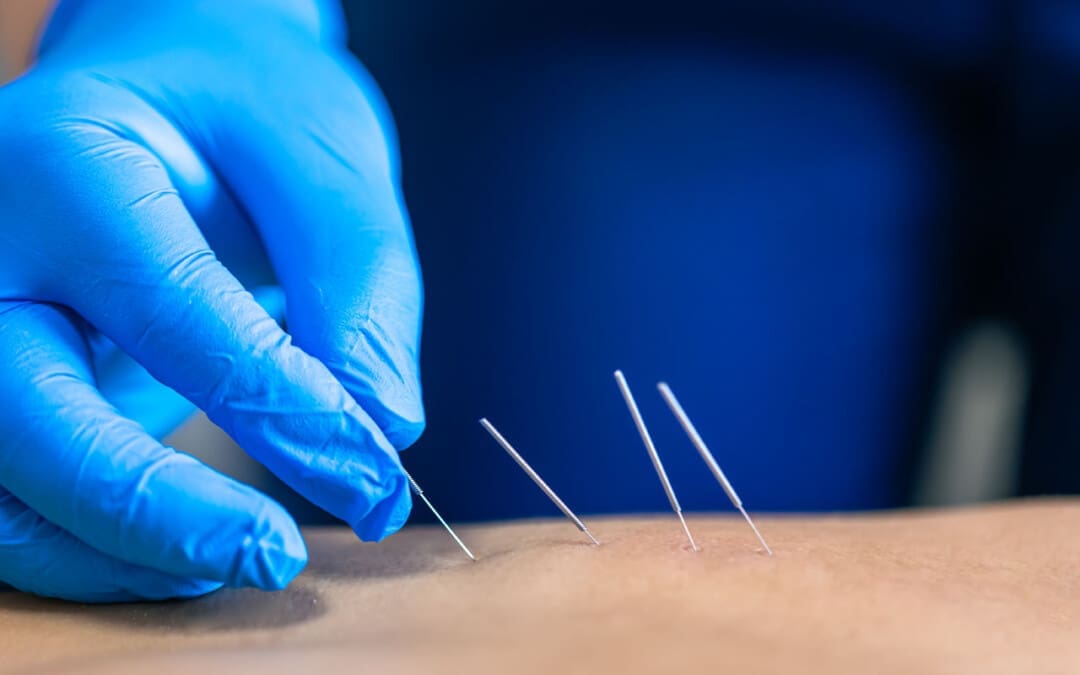
Acupuncture has been around for thousands of years and is a form of traditional Chinese medicine that utilizes needles inserted into various parts of the body to relieve pain and inflammation. The practice is based on the concept of life energy that flows throughout the body along pathways called meridians. When the energy flow becomes disrupted, blocked, or injured, pain or illness can present. (Arthritis Foundation. N.D.) Further research is needed to determine how the acupuncture therapeutic mechanisms work and the overall effectiveness. However, there is emerging evidence suggesting that acupuncture can provide symptom relief for individuals with joint pain, especially those with osteoarthritis and rheumatoid arthritis. (Pei-Chi Chou, Heng-Yi Chu. 2018)
Benefits
The actual method that reduces the pain and inflammation is still unclear. Theories include that the needles suppress inflammatory responses, improve blood flow, and relax muscles. Although acupuncture cannot cure or reverse arthritis, it may be useful for managing pain and decreasing associated symptoms, especially in combination with other therapies. (Pei-Chi Chou, Heng-Yi Chu. 2018)
Rheumatoid Arthritis
A systematic review of 43 studies, including humans and animals with rheumatoid arthritis, demonstrated varied results. Several studies showed improvement in symptoms and decreased biological markers of rheumatoid arthritis following one to three sessions of acupuncture for four weeks or more. (Sharon L. Kolasinski et al., 2020) Beneficial outcomes following acupuncture treatment for rheumatoid arthritis include:
Reduced pain
Reduced joint stiffness
Improved physical function
The results of the human and animal studies suggested that acupuncture has the potential to down-regulate:
Levels of interleukins
Levels of tumor necrosis factor
Specific cell signaling proteins/cytokines involved in the inflammatory response, which become elevated in autoimmune conditions like rheumatoid arthritis. (Pei-Chi Chou, Heng-Yi Chu. 2018)
Most of the study subjects were also receiving other forms of treatment, especially medication. Therefore, it is difficult to conclude how beneficial acupuncture is alone or as a supplemental addition to other medical treatments. (Pei-Chi Chou, Heng-Yi Chu. 2018)
Osteoarthritis
Acupuncture for osteoarthritis of the hand, hip, and knee is recommended, according to the American College of Rheumatology and Arthritis Foundation, meaning that it may be worth trying, although more research is needed to confirm its effectiveness. However, since the risk is relatively minor, acupuncture is generally considered a safe alternative treatment option for managing the symptoms. (Sharon L. Kolasinski et al., 2020)
Chronic Pain
As clinical trials suggest that acupuncture may be effective in providing pain relief, it may be a recommended option for individuals suffering from chronic pain. A recent systematic review of 20,827 patients and 39 trials concluded that acupuncture is effective for the treatment of chronic musculoskeletal pain, headache, and osteoarthritis pain. (Andrew J. Vickers et al., 2018)
Triggering the release of endorphins/hormones that help reduce pain.
Safety
Acupuncture is considered a safe procedure by a licensed and certified professional.
To practice acupuncture in the United States, an acupuncturist needs a minimum of a master’s degree from a program accredited by the American Academy of Acupuncture and Oriental Medicine and a license in the state where they received their acupuncture treatment.
Doctors with an MD or DO degree licensed in the United States to practice medicine can also be licensed by the American Academy of Medical Acupuncture after additional training.
Risks
Risks associated with acupuncture are bleeding and bruising, especially for individuals who have a bleeding disorder like hemophilia or take a blood thinning medication. Individuals are recommended to talk to their healthcare provider to determine if acupuncture is a safe option.
Side Effects
Most individuals do not experience any side effects, although possible reactions can include: (Shifen Xu et al., 2013)
Soreness
Bruising
Scarring
Needle shock: a vasovagal response that presents as feeling faint, clammy hands, chills, and slight nausea.
Acupuncture Session
During the initial treatment, individuals will discuss their medical history and what joints and areas of their bodies are presenting with symptoms.
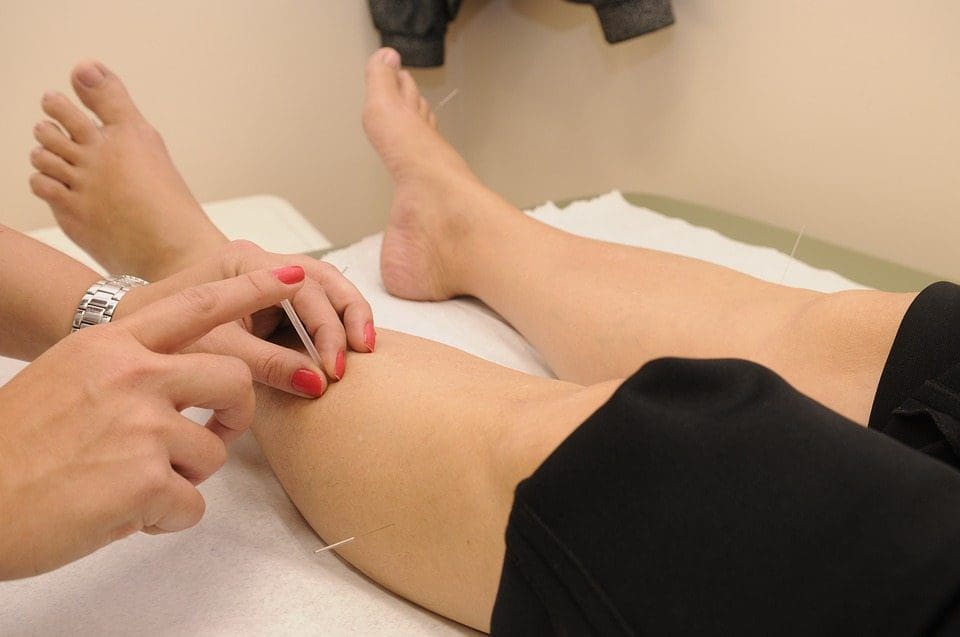
After a physical exam, the individual will lie on a treatment table.
Individuals may be face up or down depending on what areas of the body the acupuncturist needs to access.
It is recommended to wear loose clothing that can be rolled up or moved out of the way to access different areas easily.
Depending on what areas need to be accessed, individuals may be asked to change into a medical gown.
The acupuncturist will use alcohol swabs to disinfect the area before inserting the needles.
The needles are made of stainless steel and are extremely thin.
Individuals may feel a slight pinch in sensitive areas like the hands and feet, but needle insertion should be comfortable and well-tolerated without significant discomfort.
For electroacupuncture, the acupuncturist will pass a mild electric current through the needles, typically 40 to 80 volts.
The needles stay in place for 20 to 30 minutes.
After the treatment is finished, the acupuncturist will remove the needles and dispose of them.
Frequency
The frequency of acupuncture sessions will vary depending on the severity of the symptoms and whether the visits are approved and reimbursed by the health insurance company.
Cost and Insurance
Costs for acupuncture can vary from $75 to $200 per session.
The first session, which involves an initial assessment and evaluation, usually costs more than follow-up visits.
Whether the health insurance will cover some or all of the costs of acupuncture sessions depends on the individual insurance company and the condition being treated.
Medicare currently covers acupuncture services up to 12 visits within a 90-day period for chronic low back pain only.
Medicare will not cover acupuncture for other conditions. (Medicare.gov. N.D.)
Acupuncture is not a cure for arthritis, but it may be a useful tool to help manage pain and other symptoms. Make sure to consult a healthcare provider if acupuncture is safe to try based on medical history.
Chou, P. C., & Chu, H. Y. (2018). Clinical Efficacy of Acupuncture on Rheumatoid Arthritis and Associated Mechanisms: A Systemic Review. Evidence-based complementary and alternative medicine : eCAM, 2018, 8596918. https://doi.org/10.1155/2018/8596918
Kolasinski, S. L., Neogi, T., Hochberg, M. C., Oatis, C., Guyatt, G., Block, J., Callahan, L., Copenhaver, C., Dodge, C., Felson, D., Gellar, K., Harvey, W. F., Hawker, G., Herzig, E., Kwoh, C. K., Nelson, A. E., Samuels, J., Scanzello, C., White, D., Wise, B., … Reston, J. (2020). 2019 American College of Rheumatology/Arthritis Foundation Guideline for the Management of Osteoarthritis of the Hand, Hip, and Knee. Arthritis care & research, 72(2), 149–162. https://doi.org/10.1002/acr.24131
Vickers, A. J., Vertosick, E. A., Lewith, G., MacPherson, H., Foster, N. E., Sherman, K. J., Irnich, D., Witt, C. M., Linde, K., & Acupuncture Trialists’ Collaboration (2018). Acupuncture for Chronic Pain: Update of an Individual Patient Data Meta-Analysis. The journal of pain, 19(5), 455–474. https://doi.org/10.1016/j.jpain.2017.11.005
Xu, S., Wang, L., Cooper, E., Zhang, M., Manheimer, E., Berman, B., Shen, X., & Lao, L. (2013). Adverse events of acupuncture: a systematic review of case reports. Evidence-based complementary and alternative medicine : eCAM, 2013, 581203. https://doi.org/10.1155/2013/581203
Medicare.gov. (N.D.). Acupuncture. Retrieved from https://www.medicare.gov/coverage/acupuncture
Protein deficiency, or hypoproteinemia, is when the body has lower-than-normal protein levels. Protein is an essential nutrient in bones, muscles, skin, hair, and nails, and maintains bone and muscle strength. The body does not store protein, so it is needed daily. It helps make hemoglobin, which carries oxygen throughout the body, and chemical enzymes, which cause reactions that maintain organ function. A lack of enough protein can cause problems like muscle loss, fatigue, a weakened immune system, and chronic pain. Injury Medical Chiropractic and Functional Medicine Clinic can provide nutritional guidance and develop a personalized nutrition plan to restore musculoskeletal health and function.
Protein Deficiency
When digested, protein breaks down into amino acids that help the body’s tissues function and grow. Individuals can become deficient if their bodies can’t effectively digest and absorb the proteins within the foods they eat.
Symptoms
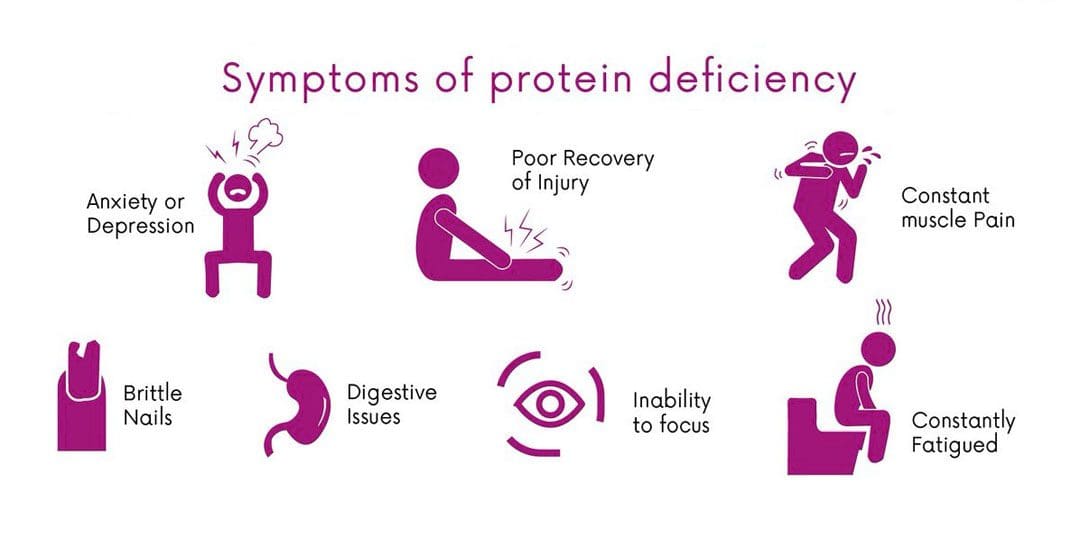
When the body doesn’t meet the required protein amounts or can’t absorb protein efficiently, it can lead to symptoms, including:
Chronic fatigue.
Increased infections and illnesses.
Reduced muscle mass.
Loss of muscle mass.
Slower injury healing times.
Sarcopenia in older individuals.
Swelling in the legs, face, and other areas from fluid buildup.
Dry, brittle hair that falls out.
Cracked, pitted nails.
High blood pressure during the second trimester of pregnancy/preeclampsia.
Causes
Protein deficiency can have various causes, depending on the individual case. Certain medical conditions include:
Malnutrition or undereating – an individual does not eat enough calories or avoids certain food groups.
Adequate protein intake is essential to maintain healthy amino acid levels to support cell structure and function. The requirement differs for everybody based on age, sex, and physical activity levels. Protein is available in a wide variety of animal and plant foods. Recommended nutritious protein sources for optimal health and fitness include foods such as:
Beans and legumes
Oats
Eggs
Cheese
Lean beef, chicken, turkey, and pork
Seafood
Seeds
Nuts
Various kinds of nut butter
Greek yogurt
Quinoa
Tofu
Protein is essential for all cells and body tissue and can impair body function in short supply. Although diet-related protein deficiency is rare in the United States, certain medical conditions can increase the risk. Adding protein to a diet is simple and can be achieved by incorporating various foods from either plant or animal sources.
Clinical Implementation of Functional Nutrition
References
Bauer, Juergen M, and Rebecca Diekmann. “Protein and Older Persons.” Clinics in geriatric medicine vol. 31,3 (2015): 327-38. doi:10.1016/j.cger.2015.04.002
Brock, J F. “Protein deficiency in adults.” Progress in food & nutrition science vol. 1,6 (1975): 359-70.
Deutz, Nicolaas E P, et al. “Protein intake and exercise for optimal muscle function with aging: recommendations from the ESPEN Expert Group.” Clinical nutrition (Edinburgh, Scotland) vol. 33,6 (2014): 929-36. doi:10.1016/j.clnu.2014.04.007
Paddon-Jones, Douglas, and Blake B Rasmussen. “Dietary protein recommendations and the prevention of sarcopenia.” Current Opinion in clinical nutrition and metabolic care vol. 12,1 (2009): 86-90. doi:10.1097/MCO.0b013e32831cef8b
Pappova, E et al. “Acute hypoproteinemic fluid overload: its determinants, distribution, and treatment with concentrated albumin and diuretics.” Vox sanguinis vol. 33,5 (1977): 307-17. doi:10.1111/j.1423-0410.1977.tb04481.x
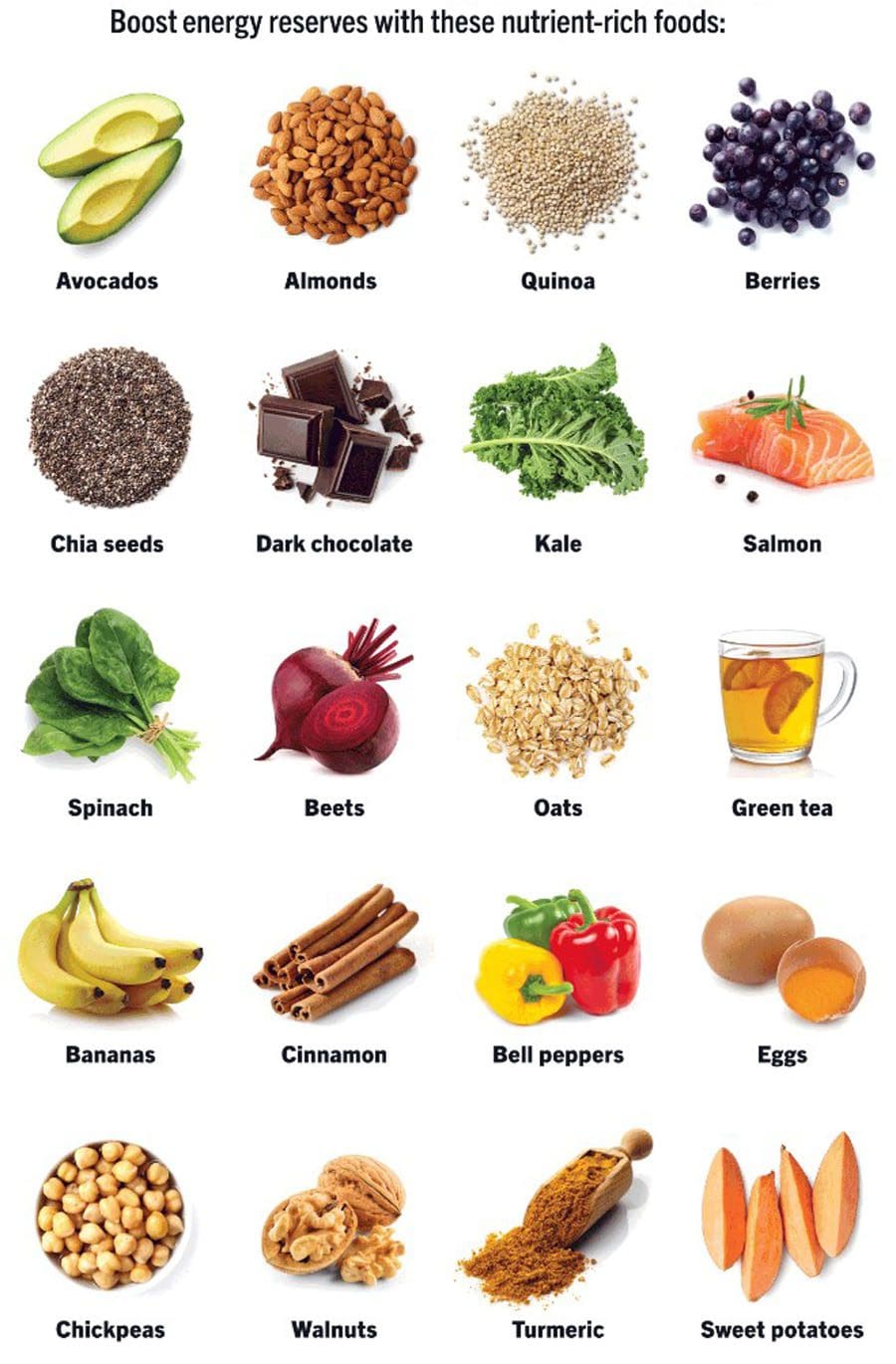
Energy Boosting Foods: Nutritionists, dieticians, and health coaches are constantly asked which foods help maintain energy, alertness, and focus throughout the day. The first thing to know is that all foods provide energy in the form of calories, but not all foods affect energy levels the same way. There are three macronutrients, carbohydrates, fat, and protein. However, carbohydrates are a rapid energy source compared to proteins and fats and are the body’s preferred energy. Here are a few foods for steady, consistent energy levels to include in a meal plan.
Energy Boosting Foods
Properly planned meals can keep the body fueled for up to four hours, and it is recommended to eat every four hours to keep a steady flow of energy. The objective is to maintain balanced blood sugar levels and eat foods with low glycemic index carbohydrates combined with protein and healthy fats. Unhealthy foods for energy are high-sugar foods that cause blood sugar levels to spike, triggering a heavy insulin release, which triggers plunging blood sugar levels, also known as a sugar crash.
Avocados
Avocados are rich in healthy fats, fiber, and B vitamins.
The fat in avocados promotes healthy blood-fat levels and increases the absorption of nutrients.
Around 80% of the carbohydrate content is made up of fiber, which means sustained energy.
Bananas
One of the best energy-boosting foods that can be eaten on its own, frozen and blended into a smoothie or mixed into oatmeal.
Bananas contain complex carbohydrates, vitamin B6, potassium, and some protein.
Beans
It can be pinto, great northern, red, black, Anasazi beans, or other varieties as they have similar nutrient profiles.
They digest slowly, which stabilizes blood sugar.
They contain antioxidants, carbohydrates, fiber, protein, folic acid, iron, and
Magnesium helps produce energy and delivers it to the body’s cells.
Cashews
Cashews are low in sugar, rich in fiber,
They contain heart-healthy fats and plant protein.
They are a reliable source of copper, magnesium, and manganese, critical for energy production, healthy bones, brain health, and immunity.
Eggs
Eggs are packed with protein and rich in B vitamins, which help enzymes turn food into energy generating steady energy.
They contain leucine, an amino acid that stimulates energy production by helping cells to:
Take in more blood sugar.
Stimulates energy production in the cells.
Break down fat to produce energy.
Oatmeal
The complex carbs in oatmeal generate a steady source of slow-burning energy.
Oats boost serotonin production, which helps:
Manage stress.
Enhances learning.
Memory function.
Oast can be made with raisins, berries, bananas, and healthy maple syrup or honey for a healthy meal.
Yogurt
Yogurt contains lactose and galactose that breaks down to provide ready-to-use energy.
Top with oats, fruits, berries, and some honey or maple syrup.
Shrimp
Shrimp are low in calories and provide vitamin B12 and omega-3 fat, which helps with:
Mood
Energy
Sweet potatoes
Sweet potatoes are recommended for energy production because of their iron, magnesium, and vitamin C nutrients.
The food we eat significantly impacts the body’s health and wellness, along with exercise, proper hydration, and healthy sleep are essential in sustaining high energy levels. Avoiding highly processed and sugary foods will help prevent mental and body fatigue. Consult a licensed nutritionist to learn about personalized diet and nutrition plans.
Natural Energy
References
Atkinson, Fiona S et al. “International tables of glycemic index and glycemic load values 2021: a systematic review.” The American journal of clinical nutrition vol. 114,5 (2021): 1625-1632. doi:10.1093/ajcn/nqab233
Evans J, Richards JR, Battisti AS. Caffeine. [Updated 2022 May 1]. In: StatPearls [Internet]. Treasure Island (FL): StatPearls Publishing; 2022 Jan-. Available from: https://www.ncbi.nlm.nih.gov/books/NBK519490/
Holesh, Julie E., et al. “Physiology, Carbohydrates.” StatPearls, StatPearls Publishing, 26 July 2021.
Melaku, Yohannes Adama, et al. “Association between Macronutrient Intake and Excessive Daytime Sleepiness: An Iso-Caloric Substitution Analysis from the North West Adelaide Health Study.” Nutrients vol. 11,10 2374. 5 Oct. 2019, doi:10.3390/nu11102374
Osilla EV, Safadi AO, Sharma S. Calories. [Updated 2021 Sep 15]. In: StatPearls [Internet]. Treasure Island (FL): StatPearls Publishing; 2022 Jan-. Available from: https://www.ncbi.nlm.nih.gov/books/NBK499909/
Diabetes and severe blood sugar fluctuations can lead to back pain and spinal conditions. The negative impacts on the body from diabetes can be destructive as it is a state of chronic inflammation.
Spine Conditions and Diabetes
Spinal conditions being researched and their link to diabetes can affect each condition and its development differently.
Spinal Stenosis
Spinal stenosis is when the spine’s openings foraminabegin to shrink and narrow, causing the nerve roots that branch off the spinal cord to have less space to function.
The stenosis can compress one or more lumbar spinal nerves.
Pain, tingling, weakness, and/or numbness in the legs can begin to present.
Spinal Epidural Abscess
Spinal epidural abscess is an infection between the vertebral bones and the spinal cord membrane.
Diabetes increases the risk of infection and increases the risk of developing an abscess.
Hypertension and obesity can also increase the risk of infection.
Lumbar Disc Degeneration
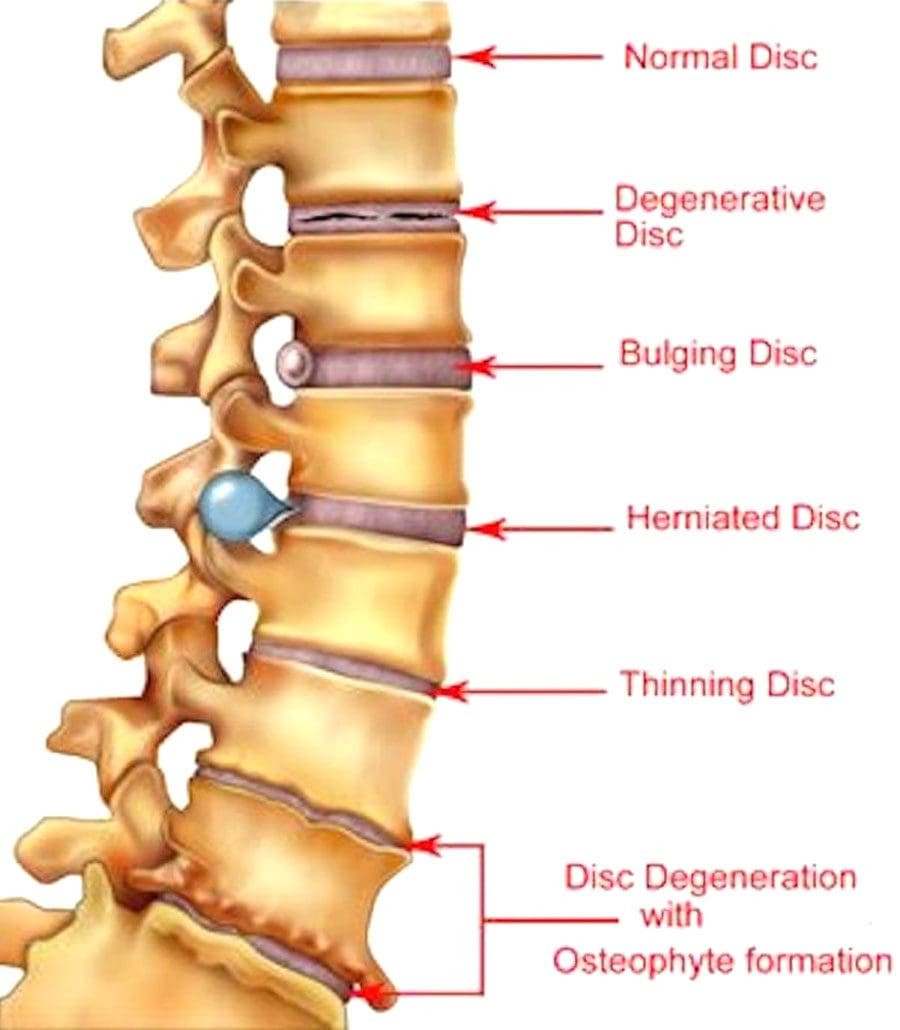
The back contains spinal discs between each vertebra that are the shock absorbers.
Lumbar disc degeneration occurs when one or more discs begin to break down.
The disc’s deterioration causes changes in the lumbar/lower back structure.
The degeneration also causes back pain.
Disc degeneration is a normal part of aging and is expected. However, those who have lived with diabetes for over ten years have a higher risk of developing advanced lumbar disc degeneration. To prevent disc degeneration and/or minimize the adverse effects, it’s essential to maintain blood sugar levels.
Vertebral Osteomyelitis
Vertebral osteomyelitis is a rare spinal infection resulting from a spinal injury or post-surgical complication/s.
It is a bacterial infection that can travel to the spine from another location.
Diabetes increases susceptibility to infections.
For example, an individual with diabetes could have a foot ulcer, lower back pain, and a fever, symptoms that could indicate the development of vertebral osteomyelitis.
Chiropractic and Decompression Therapy
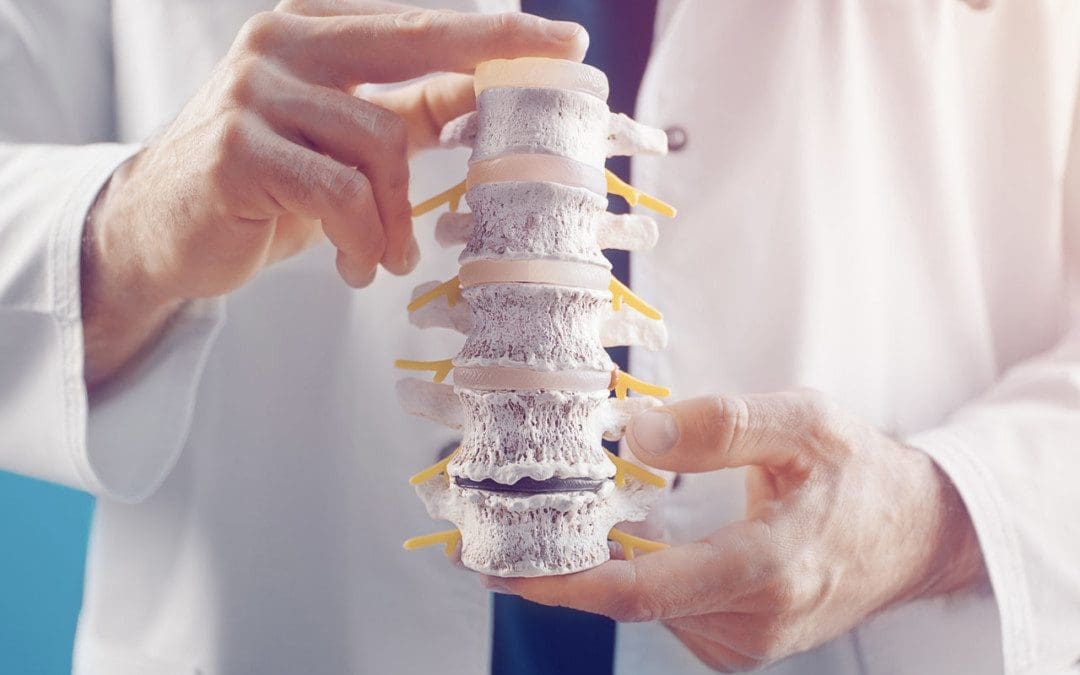
Spinal decompression is an effective non-surgical technique that can relieve back pain, leg pain, and symptoms associated with spinal conditions and disorders. It works by gently creating traction/pulling force with a specialized mechanical decompression table combined with chiropractic massage and adjustments. Benefits include:
Pain relief
Decompression relieves tension in tight, spasming, or injured muscles.
Stimulates the nervous system to release chemical signals that bring pain relief.
Heals spinal disc tissues
Decompression creates a vacuum force on the spinal discs, helping to circulate much-needed fluids, cells, and other substances to the damaged tissue/s.
Restores spinal disc and joint alignment
Stress, poor posture, poor body mechanics, and other factors can cause joints to shift out of place or the discs to herniate.
The vacuum force helps realign the joints and discs.
Prevents further pain and inflammation.
Restores mobility and function.
Relieves pressure on nerves
Spinal nerves can get pinched when discs, bones, or other tissues compress the small spaces causing inflammation and pain.
Non-surgical decompression increases the space around the nerves, allowing the nerves to heal.
Injury Medical Chiropractic and Functional Medicine Clinic offer spinal decompression as one of many treatment approaches to restore a high quality of life.
DOC Decompression Table
References
Anekstein, Yoram, et al. “Diabetes mellitus as a risk factor for the development of lumbar spinal stenosis.” The Israel Medical Association journal: IMAJ vol. 12,1 (2010): 16-20.
Eivazi, Maghsoud, and Laleh Abadi. “Low back pain in diabetes mellitus and importance of preventive approach.” Health promotion perspectives vol. 2,1 80-8. 1 Jul. 2012, doi:10.5681/hpp.2012.010
Heuch, Ingrid et al. “Associations between serum lipid levels and chronic low back pain.” Epidemiology (Cambridge, Mass.) vol. 21,6 (2010): 837-41. doi:10.1097/EDE.0b013e3181f20808
Rinaldo, Lorenzo, et al. “Diabetes and Back Pain: Markers of Diabetes Disease Progression Are Associated With Chronic Back Pain.” Clinical diabetes: a publication of the American Diabetes Association vol. 35,3 (2017): 126-131. doi:10.2337/cd16-0011
When individuals think about wellness and health, they usually think about a checkup with their doctor. However, wellness treatment with chiropractic is much more proactive. Chiropractic focuses on keeping the body functioning properly and allowing its natural healing properties to activate and do its job. Chiropractic checks to ensure the spine is correctly aligned and correct any subluxation/misalignment before pain occurs. Pain is one of the body’s warnings that something is wrong. Chiropractic wellness care aims to catch and correct any issues before it becomes a problem, keeping the central nervous system in top form, increasing the immune system’s strength, making the body healthier.
Chiropractic Increases Wellness and Health Levels
The body’s baseline level of health can be improved. Individuals can feel that they are fulfilling their responsibilities and maintaining health by engaging in physical exercise and eating a healthy diet. It is believed that lifestyle is largely the extent of an individual’s ability to maintain their health, without realizing that optimal wellness and health can be increased through chiropractic, the ideal supplement to a healthy life. Chiropractic improves body process functions by:
Increasing circulation.
Facilitating detoxification.
Balancing the distribution of hormones and nutrients.
Regulating the heart’s rhythm.
Soothing the nervous system.
Increased mobility.
Decreased pain.
Better flexibility.
Chiropractic serves as supportive treatment to other types of therapeutic care like physical therapy and massage therapy.
Improves Physical Performance
A chiropractor will recommend adjustments, manual muscle manipulation, tissue manipulation, and massage customized for the body’s needs, focusing specifically on long-term realignment. A variety of treatments help to improve the body’s structure, alignment, and energy flow. Chiropractic makes a significant difference in:
Endurance
Explosiveness
Flexibility
Speed
Mobility
Adaptability
Chiropractic also:
Realigns joints and bones.
Decompresses nerves.
Releases muscles, tendons, and ligaments.
Detoxifies stagnant areas of the body.
Chiropractic is the perfect supplement to increasing performance, wellness, and health by increasing the health and alignment of the physical body and energy flow.
Improves Mental Health
Chiropractic also benefits mental health. The mind is controlled by the central nervous system or CNS and is directly affected by chiropractic treatment. With hands-on manipulation, adjustments, or traction, bones and joints move back toward optimal alignment, causing the nervous system’s structure to move toward optimal capacity and efficiency. Nerve channels and bundles can become decompressed, bruised, and pinched. The flow of electrical impulses is regulated within the body through the nervous system. Cognitive performance becomes enhanced from the improvement in communication across the central and peripheral nervous systems. Mental performance is also supported through the rush of cerebrospinal fluid/CSF. Cerebrospinal fluid removes waste and toxins from the brain and supplies the brain with oxygen and nutrients. CSF floods the brain after a chiropractic adjustment.
Improves Immune System Function
Chiropractic improves immune system function by increasing energy circulation, blood circulation, and lymphatic fluid flow.Treatment combats stagnation allowing the body to purge toxins and waste accumulated in joints, tissues, and near organs. Chiropractic loosens up areas of the body that have been compressed, crushed, strained, and divided because of misalignment, lack of physical activity/exercise, or stiffness and injury. This allows the flow of lymphatic fluid and white blood cells to regulate areas that may have previously been difficult to access. This helps to increase the immune system’s ability to fight off infection.
Body Composition
Get More Sleep
Sleep is a strong regulator of immune system functions and operates to enhance the adaptive immune system. When the body is deprived of adequate sleep, it becomes more susceptible to various infectious agents. Sleep deprivation weakens the body making it harder to recover from bacteria or virus infections. When the body sleeps, it utilizes the time to strengthen the immune system and move T cells to the lymph nodes. These are the vessels of the immune system responsible for filtering harmful substances. T cells produce cytokines activated when there is inflammation in the body or under stress. Inadequate sleep causes cytokine production to decrease, causing damage to the immune system.
References
Besedovsky, Luciana et al. “Sleep and immune function.” Pflugers Archiv: European journal of physiology vol. 463,1 (2012): 121-37. doi:10.1007/s00424-011-1044-0
Goncalves, Guillaume et al. “Effect of chiropractic treatment on primary or early secondary prevention: a systematic review with a pedagogic approach.” Chiropractic & manual therapies vol. 26 10. 5 Apr. 2018, doi:10.1186/s12998-018-0179-x
Iben, Axén, et al. “Chiropractic maintenance care – what’s new? A systematic review of the literature.” Chiropractic & manual therapies vol. 27 63. 21 Nov. 2019, doi:10.1186/s12998-019-0283-6
Vining, Robert et al. “Effects of Chiropractic Care on Strength, Balance, and Endurance in Active-Duty U.S. Military Personnel with Low Back Pain: A Randomized Controlled Trial.” Journal of alternative and complementary medicine (New York, N.Y.) vol. 26,7 (2020): 592-601. doi:10.1089/acm.2020.0107
IFM's Find A Practitioner tool is the largest referral network in Functional Medicine, created to help patients locate Functional Medicine practitioners anywhere in the world. IFM Certified Practitioners are listed first in the search results, given their extensive education in Functional Medicine