The skeletal joints can keep the body upright and stabilized while protecting the internal organs. The skeletal joints also are at risk of factors (normal and traumatic) that can impact the body, thus potentially causing painful symptoms to affect different body areas. Hip pain is among the most common complaints for many individuals, especially the elderly. To that point, when the body suffers from hip pain, it may involve pelvic pain and associated symptoms that mimic other issues within the body. Today’s article examines the causes of hip and pelvic pain, the symptoms related to hip and pelvic pain, and how chiropractic care may relieve hip and pelvic pain. We refer patients to certified providers specializing in osteopathic treatments to help many individuals with hip and pelvic pain. We also guide our patients by referring to our associated medical providers based on their examination when it’s appropriate. We find that education is the solution to asking our providers insightful questions. Dr. Alex Jimenez DC provides this information as an educational service only. Disclaimer
The Causes Of Hip & Pelvic Pain
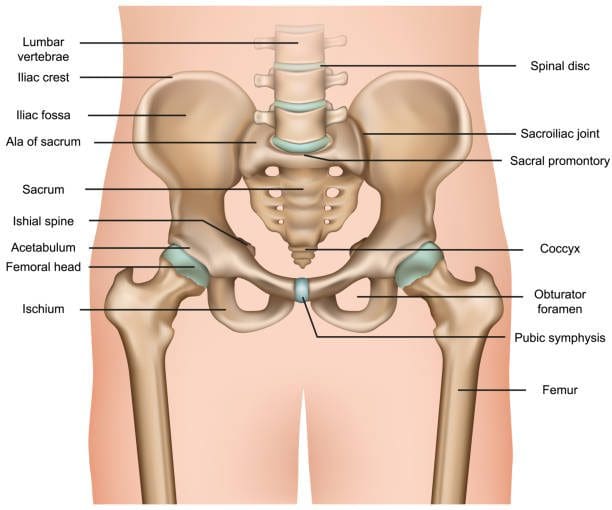
Do you experience stiffness located on your low back or hips? What about sciatic nerve pain that travels down your legs? Or have you been experiencing cramping around the pelvic regions of your body? Experiencing these symptoms may be the potential cause that you might be dealing with hip and pelvic pain. Even though hip pain is often associated with older individuals, it can affect many individuals of different ages. Studies reveal that the pathologies outside the hips may be the cause and referred pain, making diagnosing hip pain difficult. Hip pain causes could be overused joints and soft tissues that support the hips due to repetitive motions, strain from the multiple muscles that support the hips, or arthritic symptoms. Studies reveal that individuals who work in a desk job will potentially develop low back pain due to prolonged sitting, thus becoming associated with excessive mobility of the lumbar spine and decreased hip joint mobility.
Individuals with hip pain could risk developing pelvic pain associated with the overuse of joints and soft tissues. Now how pelvic pain correlates with hip pain, and what’s the causation? Studies reveal that the stabilizing muscles (iliopsoas, pectineus, obturator externus, gluteus minimus, and piriformis muscles) are overworked and become consequent hip and joint destabilization. This causes the affected muscles to become tired and weak and triggers sciatic nerve compression along the piriformis muscle. Pelvic pain associated with hip pain may cause dysfunctional musculoskeletal symptoms along the lower abdominals, hips, and lumbosacral back.
The Associated Symptoms Of Hip & Pelvic Pain
The factors involved with hip and pelvic pain could potentially have associated symptoms that might affect the body’s lower extremities. One of the most prominent symptoms of hip pain is groin pain, which could possibly be involved with pelvic pain since the ligaments and muscles that encompass the hips and groin may be weak and overused. Sometimes various underlying causes do contribute to hip and pelvic pain, causing associated symptoms that may confuse the individual in pain. Hip and pelvic pain may refer to low back and sciatic nerve pain since the lower spine and hips are close together; thus, pinpointing where the true source of pain is in the body’s lower half makes it confusing. Some of the symptoms associated with hip and pelvic pain include:
Low back pain
Muscle weakness
Sacroiliac joint dysfunction
Bladder issues
Sciatic nerve pain
Piriformis syndrome
The 3 Common Causes Of Hip Pain-Video
Have you been dealing with muscle stiffness around or along your hips and lower back? Do you have bladder issues? Or have you experienced muscle weakness in the lower extremities of your body? Some of these symptoms could be associated with hip and pelvic pain. The video above explains the three common causes of hip pain, and interestingly, one of the causes of hip pain could potentially involve the lower back. Studies reveal that since the low back and hips are close to each other, alterations in the lumbopelvic region could potentially be involved with low back pain. Some of the issues associated with the alterations in the lumbopelvic area include:
Limited range of motion on hip rotation
Tissue injury
Stiff joint capsules
Micro/macro trauma
Fortunately, hip and pelvic pain management may help alleviate referred pain issues through chiropractic care.
Chiropractic Relief For Hip & Pelvic Pain
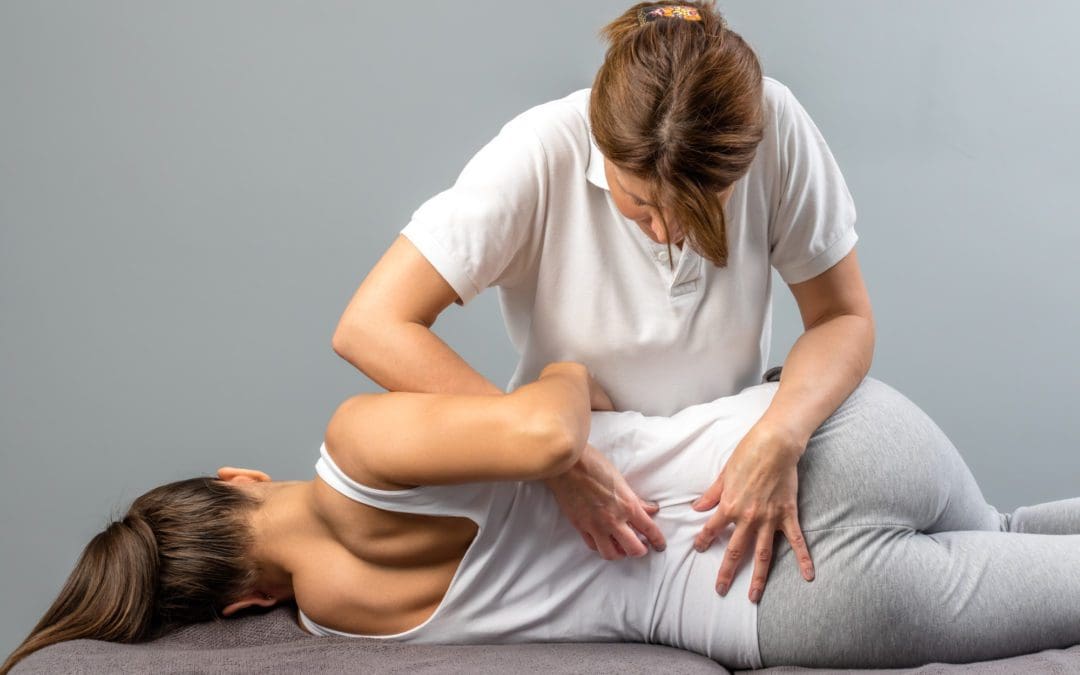
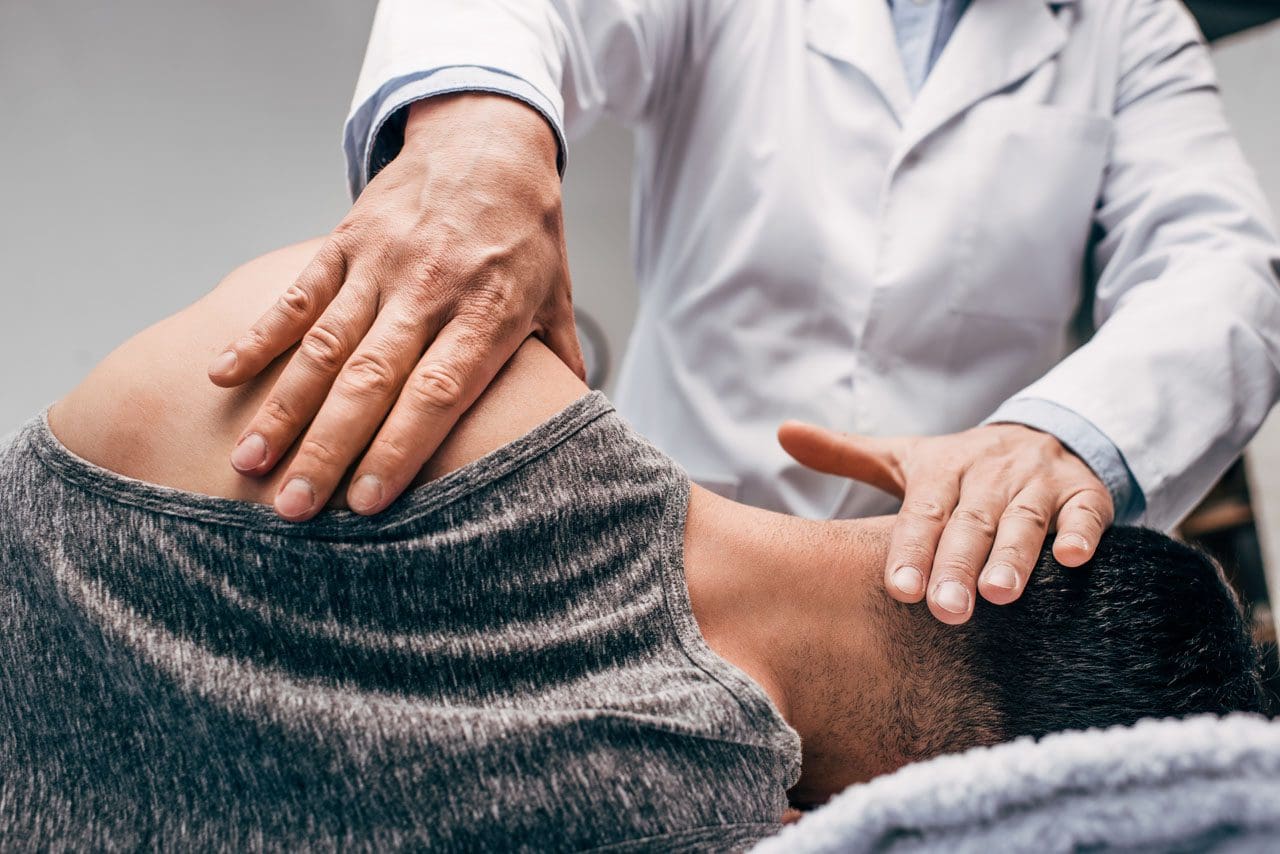
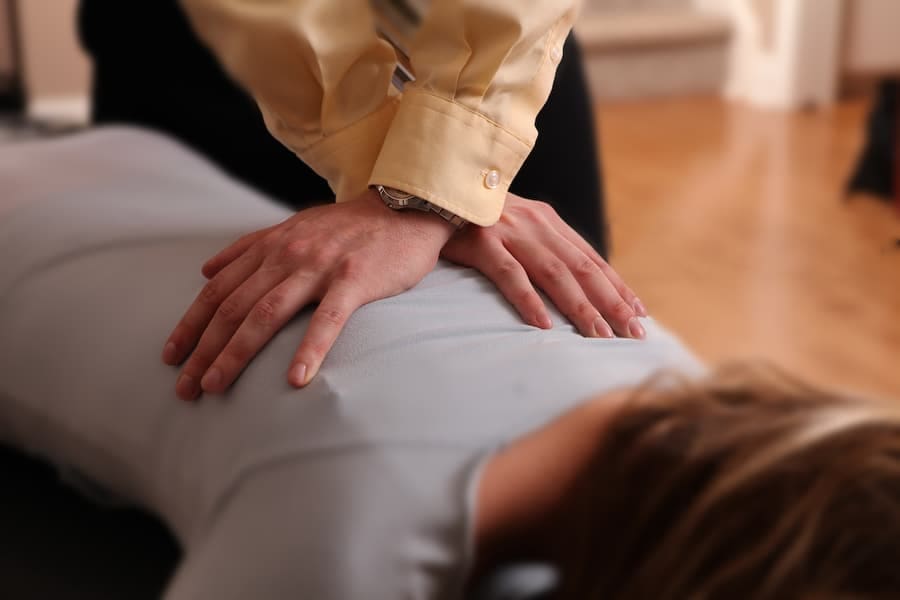
Individuals dealing with hip and pelvic pain may find relief through chiropractic care. The pelvis is a direct continuation of the spine as the sacrum (the five lowest fused vertebrae) and the pelvic girdle complex interact with the joints from the lower skeletal system. If there is pain in the lower body and the individual is unsure whether it is their back or hips, their first course of action is to visit their primary doctor or a chiropractor. Afterward, they will review the individual’s medical history while performing a series of physical exams like various movements to make an accurate diagnosis. Once the pain diagnosis is identified, chiropractors utilize total body alignment by restoring balance in the pelvis and the spine through manipulation. When the spine and hips suffer from a subluxation, it can cause unnecessary strain on the surrounding muscles around the spine and hips. To that point, realigning the spine from a chiropractic adjustment could reduce or eliminate the excessive stress affecting the surrounding muscles. Chiropractic care can also promote various therapies that increase balance along the hips and pelvic region, which include:
Stretching
Therapeutic massage
Physical activities/Exercise therapy
Nutrition
Whether the pain is located in the hips, low back, or pelvic regions, chiropractic care can help restore, address, and alleviate the pain while maintaining optimal long-lasting results.
Conclusion
The skeletal joints can help keep the body upright and stabilized while protecting the internal organs from normal and traumatic factors. When these factors begin to cause an impact on the body, the skeletal joints are at risk of developing pain along the musculoskeletal structure. Hip and pelvic pain have an overlapping relationship as they are amongst the most common complaints for many individuals. To that point, pain from the hips or the pelvic may mimic other issues associated with chronic disorders. Incorporating treatments like chiropractic care can help alleviate, address, and restore the body through spinal manipulation. This allows individuals to be pain-free and help restore balance in their joints.
References
Harris-Hayes, Marcie, et al. “Relationship between the Hip and Low Back Pain in Athletes Who Participate in Rotation-Related Sports.” Journal of Sport Rehabilitation, U.S. National Library of Medicine, Feb. 2009, https://www.ncbi.nlm.nih.gov/pmc/articles/PMC2699456/.
Lee, Dae Wook, et al. “Chronic Pelvic Pain Arising from Dysfunctional Stabilizing Muscles of the Hip Joint and Pelvis.” The Korean Journal of Pain, The Korean Pain Society, Oct. 2016, https://www.ncbi.nlm.nih.gov/pmc/articles/PMC5061646/.
Luthra, Jatinder Singh, et al. “Understanding Painful Hip in Young Adults: A Review Article.” Hip & Pelvis, Korean Hip Society, Sept. 2019, https://www.ncbi.nlm.nih.gov/pmc/articles/PMC6726866/.
Nishimura, Takaaki, and Ryo Miyachi. “Relationship between Low Back Pain and Lumbar and Hip Joint Movement in Desk Workers.” Journal of Physical Therapy Science, The Society of Physical Therapy Science, Oct. 2020, https://www.ncbi.nlm.nih.gov/pmc/articles/PMC7590845/.
The body has a defensive response known as the immune system that comes to the rescue when traumatic events or injuries impact certain areas of the body. The immune system releases inflammatory cytokines to the affected area and begins the healing process to repair the damage while also getting rid of the foreign intruders in the body. Inflammation can be potentially beneficial and harmful to the body, depending on how severe the injury has potentially impacted the area. When inflammation begins to cause an impact on the surrounding muscles, ligaments, and joints, it can lead to chronic issues associated with pain. To that point, it causes the body to be dysfunctional while mimicking other symptoms. Today’s article examines how chronic inflammatory responses affect the joints, their associated symptoms, and how to manage chronic joint inflammation. We refer patients to certified providers specializing in anti-inflammatory treatments to help many individuals dealing with chronic inflammation of the joints. We also guide our patients by referring to our associated medical providers based on their examination when it’s appropriate. We find that education is the solution to asking our providers insightful questions. Dr. Alex Jimenez DC provides this information as an educational service only. Disclaimer
How Does Chronic Inflammatory Response Affect The Joints?
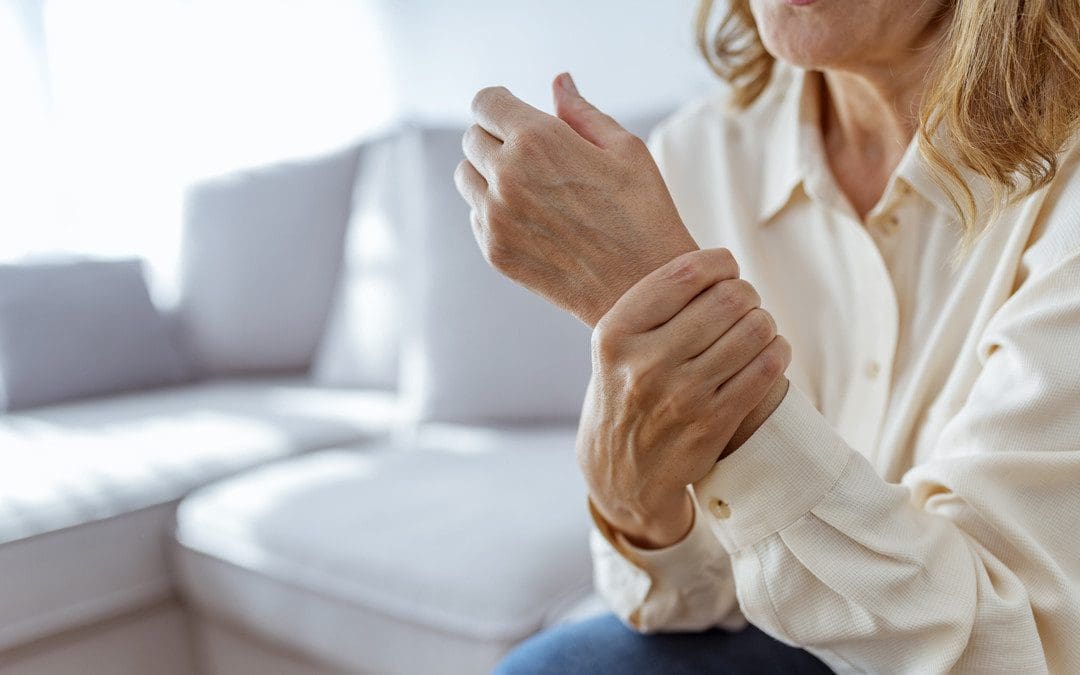
Have you been experiencing pain in some regions of your body? What about experiencing tenderness in your muscles? Do your joints ache when you are doing everyday activities? If you have been dealing with these issues, it might be due to chronic inflammatory responses affecting your musculoskeletal joints. As stated earlier, inflammation can be both beneficial and harmful to the body, depending on the severity of the impact the body has taken. In its beneficial form, the body activates the immune system and eliminates pathogens from bacteria, viruses, and other environmental triggers to promote healing and tissue repair. This potentially makes the affected area red and inflamed, thus repairing the damaged cells.
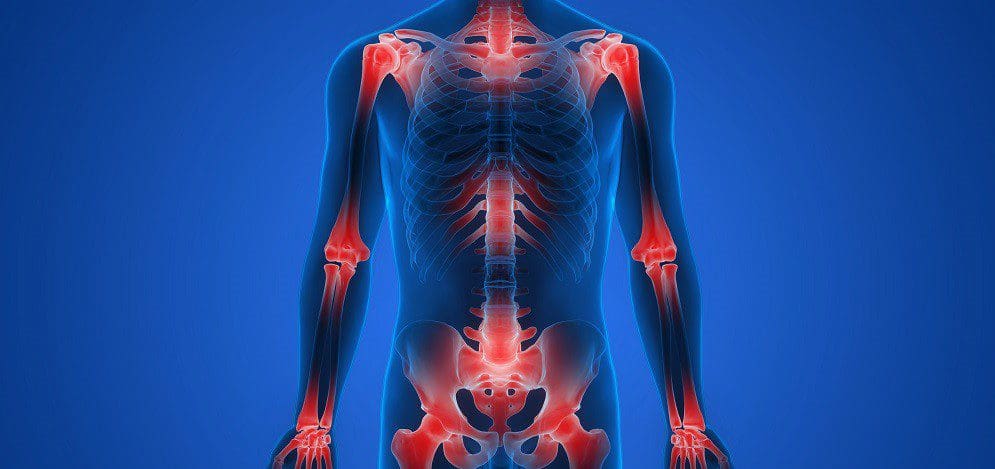
However, in its harmful form, studies reveal that chronic inflammatory responses can break down immune tolerance, causing significant alterations to all the tissues, organs, and joints. To that point, the residual effects of high inflammation can cause harm to the joints and cartilage, making them potentially involved with pain and possibly deformity over time. The joints help keep the body moving, surrounded by connective muscle tissue that helps stabilize the body; when chronic inflammatory responses start to affect the joints, they can become a mediator for pain and discomfort while triggering musculoskeletal disorders. Studies reveal that inflammation in the joints can cause damage to the cartilage and result in degenerative changes to the body. This includes functionality loss, joint instability, and other symptoms associated with chronic joint inflammation.
The Symptoms Associated With Chronic Joint Inflammation
When it comes to chronic joint inflammation, it can mimic other chronic conditions that present joint instability while overlapping different chronic disorders. This makes diagnosing difficult, especially if the person is dealing with inflammation on one side of their body, but it affects another part. This is known as referred pain, and studies reveal that most inflammatory forms that affect the joints are sometimes arthritic and have systemic symptoms that may occur in different body areas. Some of the symptoms associated with chronic joint inflammation can include:
Swelling
Stiffness
Grinding sounds
Difficult mobility
Numbness
Joint deformity
The Difference Between Healthy Joints & Inflamed Joints-Video
Have you been dealing with joint pain throughout your life? Do you feel muscle stiffness in certain areas when you move around? Or do you feel muscle tenderness in certain areas? Many of these symptoms are associated with joint inflammation, potentially overlapping with musculoskeletal pain. The video above explains the difference between healthy joints and inflamed joints. Healthy joints are utilized when the surrounding muscles are strong and functional while no pain is inflicted on the body. Inflamed joints may be caused by numerous factors like lifestyle habits, physical inactivity, or previous conditions associated with inflamed joint pain. Studies reveal that inflammatory cytokines may potentially amplify musculoskeletal discomfort that affects the musculoskeletal tissues that surround the joints. To that point, inflammation of the musculoskeletal system may overlap with joint pain, thus directly impacting a person’s quality of life. Fortunately, there are ways to manage chronic joint inflammation and restore a person’s health and wellness.
Managing Chronic Joint Inflammation
Since inflammation is beneficial and harmful to the body, there are different ways to manage chronic inflammatory markers triggering joint pain. Many individuals who want to lower inflammation in their joints will begin to incorporate natural ways to lessen the pain. Eating foods high in fiber may potentially help lower inflammatory markers, including physical activities to improve musculoskeletal and joint stability and utilizing chiropractic care. Studies reveal that chronic joint inflammation associated with pain does affect a person’s ability to sleep and emotional health. To that point, incorporating treatments to manage inflammatory effects may potentially improve a person’s self-efficacy. Now how does chiropractic care help manage chronic joint inflammation? Chiropractic care includes inflammation reduction techniques that help loosen the stiff muscles that surround the inflamed joints. Joint inflammation may also be due to subluxation (spinal misalignment) associated with environmental factors. Utilizing chiropractic care not only alleviates the symptoms caused by joint inflammation but may potentially alleviate the cause of inflammation. Once a person has completed their chiropractic care treatment, they can return to normal activities without the risk of re-injury and re-inflammation.
Conclusion
Inflammation in the body can be beneficial and harmful depending on the impacted area. The body unleashes inflammatory cytokines when a traumatic event or injury has occurred in certain body areas. This is due to the immune system naturally responding to the damaged cells, thus causing the area to be red, hot, and swollen to promote healing. To that point, inflammation can impact the surrounding muscles, ligaments, and joints, which can lead to chronic issues associated with pain. Chronic joint inflammation is residual high inflammatory effects that cause harm to the cartilage and joint structures, thus making them potentially involved with pain and possible deformity. Fortunately, treatments like high fiber and anti-inflammatory foods, getting enough exercise, and chiropractic care may help manage chronic joint inflammation and its associated pain symptoms. This way, many individuals can resume their normal activities.
References
Furman, David, et al. “Chronic Inflammation in the Etiology of Disease across the Life Span.” Nature Medicine, U.S. National Library of Medicine, Dec. 2019, https://www.ncbi.nlm.nih.gov/pmc/articles/PMC7147972/.
Kim, Yeesuk, et al. “Diagnosis and Treatment of Inflammatory Joint Disease.” Hip & Pelvis, Korean Hip Society, Dec. 2017, https://www.ncbi.nlm.nih.gov/pmc/articles/PMC5729162/.
Lee, Yvonne C. “Effect and Treatment of Chronic Pain in Inflammatory Arthritis.” Current Rheumatology Reports, U.S. National Library of Medicine, Jan. 2013, https://www.ncbi.nlm.nih.gov/pmc/articles/PMC3552517/.
Many live with chronic discomfort and pain regularly in one or both knees. This could be from past injuries, being overweight, lack of physical conditioning, degeneration, or arthritis. Many take prescription or over-the-counter pain medication to deal with the discomfort. Pain medications only dull and mask the pain and discomfort associated with the symptoms. As a result, living with masked knee pain can worsen the condition, and the surrounding bones, joints, and tissues can begin to deteriorate. Chiropractic combined with massage, decompression, and traction therapy can significantly reduce or eliminate knee pain.
Knee Discomfort and Pain
The knee’s joint and ligaments need to be strong and healthy to support activities. The most common issues that individuals develop include:
Acute Injuries
Knee injuries can be caused by auto accidents, physical strain, playing sports, work accidents, workplace ergonomics, and walking up and down stairs.
Chronic or inflammatory medical conditions can wear down the cartilage cushion between the upper and lower leg bones.
Most common include gout, septic arthritis, osteoarthritis, and rheumatoid arthritis.
Unhealthy postures and obesity can also contribute to the chronic degradation of the knee joint.
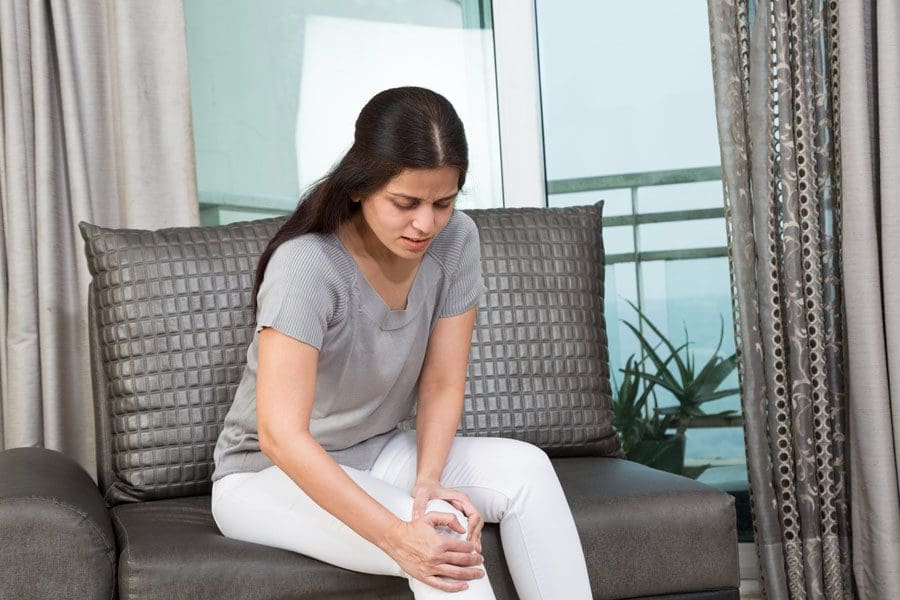
Knee discomfort and pain can present in various ways. Some might hear an acute popping in the knee followed by swelling. Others might notice the gradual development of stiffness and weakness over time. When injured or compromised, localized pain is one of the first indicators. Chronic knee and joint pain can lead to weakness, nerve damage, or create new injuries/problems. Not all knee pain is caused by injury; in many cases, a triggering incident, like an awkward step or misstep, a stretch that went too far, or a walk, can create an injury. Even a sedentary lifestyle can contribute to knee degeneration as the surrounding muscles can lose strength, placing unnecessary strain on the joints when movement is necessary.
Chiropractic
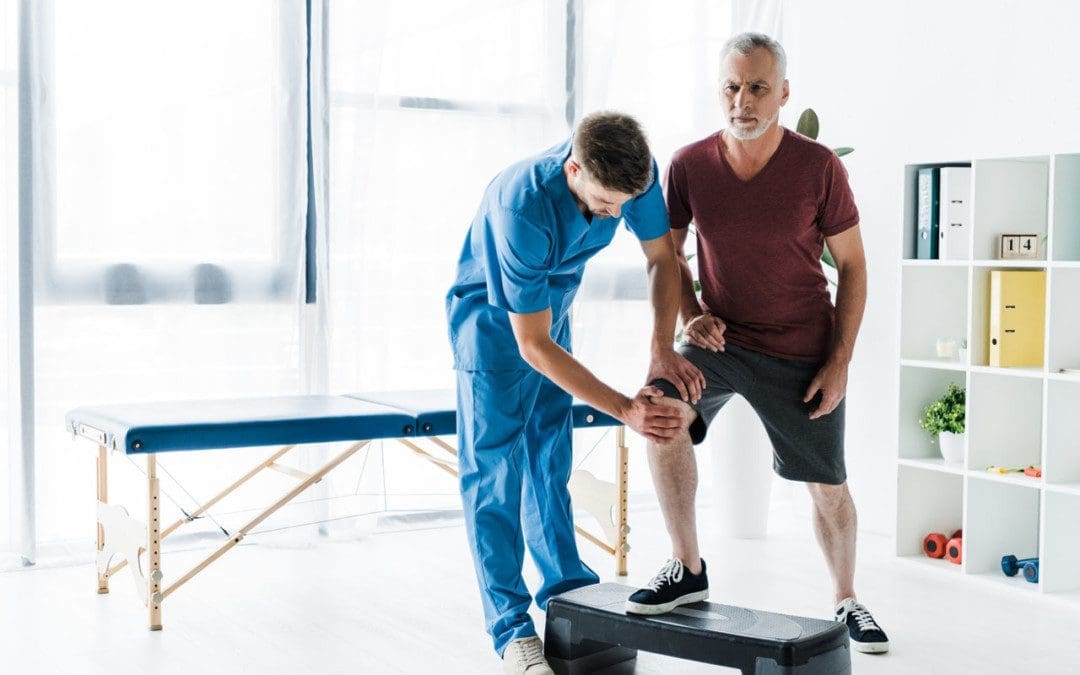
A chiropractor will examine the knee through a series of analyses, including x-rays, digital imaging, and a physical exam. The chiropractor will develop a personalized treatment plan to treat, rehabilitate, and strengthen the knee. The treatment can include:
Posture correction to distribute body weight evenly, lessening the stress on an affected knee.
Targeted exercises and nutritional recommendations will ensure long-term healing.
Q Angle of the Knee
References
Cimino, Francesca, et al. “Anterior cruciate ligament injury: diagnosis, management, and prevention.” American family physician vol. 82,8 (2010): 917-22.
Donnell-Fink, Laurel A et al. “Effectiveness of Knee Injury and Anterior Cruciate Ligament Tear Prevention Programs: A Meta-Analysis.” PloS one vol. 10,12 e0144063. 4 Dec. 2015, doi:10.1371/journal.pone.0144063
Hoskins, Wayne, et al. “Chiropractic treatment of lower extremity conditions: a literature review.” Journal of manipulative and physiological therapeutics vol. 29,8 (2006): 658-71. doi:10.1016/j.jmpt.2006.08.004
Neogi, Tuhina, et al. “Sensitivity and sensitization in relation to pain severity in knee osteoarthritis: trait or state?.” Annals of the rheumatic diseases vol. 74,4 (2015): 682-8. doi:10.1136/annrheumdis-2013-204191
Cheerleading and the physically intensive gymnastics and acrobatics put participants’ body’s/musculoskeletal systems at an increased risk of injury. A wrong move or falling at the wrong angle can cause permanent damage. Cheerleaders must follow a balanced diet and maintain physical fitness, strength, endurance, and flexibility to be successful cheerleaders. Cheerleading conditioning builds the musculature and spinal strength to decrease the risk and prevent injury.
Cheerleading Conditioning
Cheerleaders must have a solid musculoskeletal system to ensure their safety and the safety of their squads. Workouts include cardio, strength training, and flexibility exercises.
Warming Up
Before any workout, the muscles need to be warmed up.
Spend five minutes jumping rope, running in place, jogging on a treadmill, or doing any mild activity to raise the heart rate.
Try tree pose by standing on the right foot, and the left leg bent on the right knee.
The left thigh should be parallel to the ground.
Raise arms overhead and make a V motion keeping the abdominal muscles pulled in tight.
Balance for up to one minute.
Switch to the other foot.
Once balance is mastered on the ground, try balancing on a cushion to add instability.
Repeat three to five times on each foot.
Common Injuries
Common injuries include:
Hand and finger injuries.
Ligament sprains in the knees and ankles.
Muscle strains in the hip, low back, and legs.
Overuse injuries
Cheerleading is becoming a year-round sport.
Starting with tryouts during spring.
Teams may hold or go to organized summer cheerleading camps to learn new skills, improve skill sets, and create routines for competition.
Continuous training and competitions increase the chance of overuse injuries.
The wrists, elbows, knees, and ankles can be injured by repetitive stress.
More severe injuries are:
The repetitive tumbling places significant pressure on the spine and can cause stress fractures.
Dislocation of the shoulder or elbow.
Injury Causes
Lack of arm and shoulder, foot, and ankle strength.
Little to no core and abdominal strength.
Flexibility problems.
Improper conditioning.
Unhealthy diet.
Performing skills that are advanced for the cheerleader’s current level.
Chiropractic Enhancement
Chiropractic care can treat injuries and strengthen the body’s musculoskeletal system to prevent injuries. Chiropractic’s goal is optimal body performance by redistributing blood circulation, nerve energy flow, correct muscle positioning, and skeletal alignment. Many cheerleading teams are incorporating chiropractic. Injury Medical Chiropractic and Functional Medicine Clinic also specializes in sports medicine rehabilitation, strength training, nutrition, and health coaching.
Cheerleading Strength Training Workout
References
Boden, Barry P, and Christopher G Jarvis. “Spinal injuries in sports.” Neurologic clinics vol. 26,1 (2008): 63-78; viii. doi:10.1016/j.ncl.2007.12.005
Miners, Andrew L. “Chiropractic treatment and the enhancement of sport performance: a narrative literature review.” The Journal of the Canadian Chiropractic Association vol. 54,4 (2010): 210-21.
Mueller, Frederick O. “Cheerleading injuries and safety.” Journal of athletic training vol. 44,6 (2009): 565-6. doi:10.4085/1062-6050-44.6.565
Pang, Yanbin, et al. “Premature exhaustion of mesenchymal stromal cells from myelodysplastic syndrome patients.” American journal of translational research vol. 9,7 3462-3468. 15 Jul. 2017
Wan, Jing-Jing, et al. “Muscle fatigue: general understanding and treatment.” Experimental & molecular medicine vol. 49,10 e384. 6 Oct. 2017, doi:10.1038/emm.2017.194
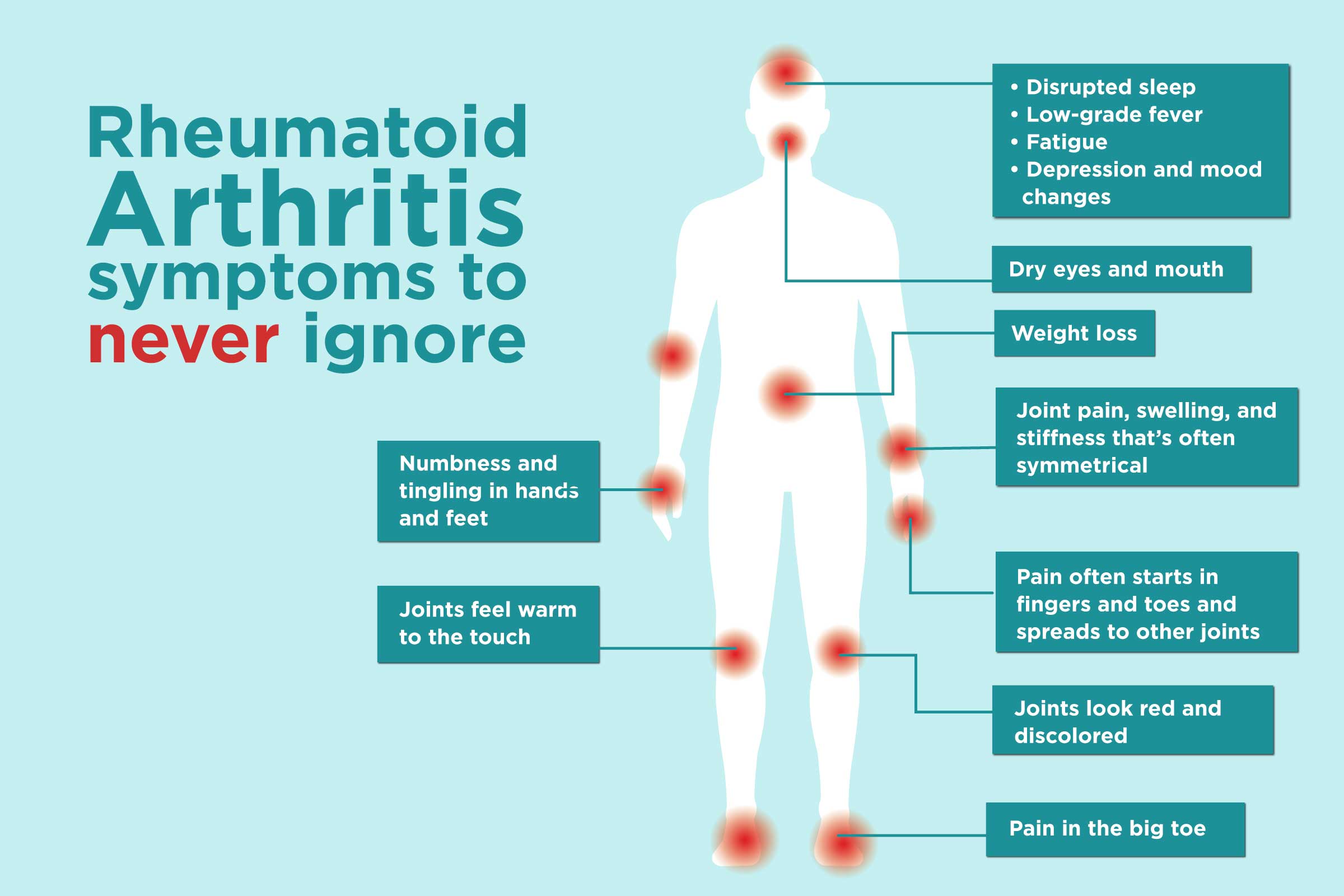
Many individuals have dealt with issues affecting their lives in some way or form. People with autoimmune diseases must learn to manage their immune system from constantly attacking their bodies to function normally. The immune system’s primary function in the body is to attack environmental factors that harm the cells, muscles, and organs. When a person has an autoimmune disease, either from their family history or environmental factors, their immune system will begin to attack the body’s normal cells because it thinks it is a foreign invader to the body. Some common autoimmune disorders that most people have include lupus, ankylosing spondylitis, and rheumatoid arthritis. Most of these common autoimmune disorders correlate to common symptoms that add to other issues that affect the body. Today’s article looks at rheumatoid arthritis, its symptoms, how it relates to fatigue, and how there are available treatments to manage rheumatoid arthritis as well as fatigue. We refer patients to certified providers specializing in musculoskeletal therapies to help those who suffer from rheumatoid arthritis and fatigue. We also guide our patients by referring to our associated medical providers based on their examination when it’s appropriate. We find that education is the solution to asking our providers insightful questions. Dr. Alex Jimenez DC provides this information as an educational service only. Disclaimer
What Is Rheumatoid Arthritis?
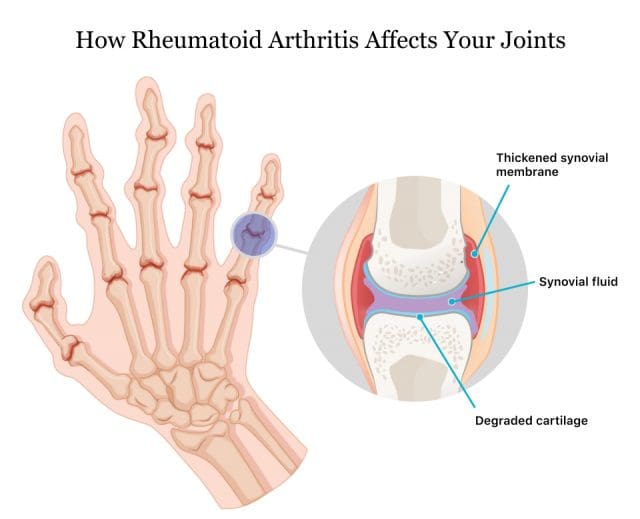
Have you been feeling stiffness and inflammation around your joints? have you experienced gut issues affecting your life? Or do problems of insomnia or fatigue seem to affect your quality of life? Many of these symptoms are associated with rheumatoid arthritis. Rheumatoid arthritis is an autoimmune disease that causes inflammation and swelling in the joints. The video above explains how to manage rheumatoid arthritis and its associated symptoms. Fatigue is one of the symptoms associated with rheumatoid arthritis as the inflammatory cytokines could be a co-morbidity in altering brain function that can lead to an overlap of pain and fatigue in the body, as studies reveal. While there hasn’t been a cure for rheumatoid arthritis, various treatment approaches can help people manage the symptoms of rheumatoid arthritis.
The Symptoms
Some of the most commonly rheumatoid arthritis symptoms do to the body include pain, swelling and inflammation of the joints, joint deformity, and stiffness. Unlike wear and tear damage from different types of common inflammatory issues, rheumatoid arthritis symptoms may come and go that can range from mild, moderate, or even severe. When this happens, rheumatoid arthritis may be the result of making it difficult to perform simple tasks and cause joint alterations. Research shows that rheumatoid arthritis associated with inflammation can damage different body parts like the gut. Gastrointestinal problems like leaky gut, IBS, or SIBO could trigger flare-ups in individuals who have rheumatoid arthritis. This is known as somato-visceral pain, where the muscles affect the vital organs, causing problems for the body.
How Does Fatigue Correlate To RA?
Individuals that have rheumatoid arthritis do suffer from various symptoms that are associated with inflammatory issues. When inflammation begins to affect the body, it can overlap the profiles of fatigue and poorer quality of life in the individual. So how does fatigue correlate to rheumatoid arthritis? Studies reveal that fatigue is considered one of the acute symptoms of rheumatoid arthritis that imposes a burden on individuals, thus being associated with reducing their health and wellness. Fatigue has many dimensions that do impact many individuals. Some people will explain to their primary physicians that they are constantly tired, overworked, and repeatedly stressed from everyday life or disorders affecting their bodies. For rheumatoid arthritis individuals, studies reveal that high inflammatory factors associated with fatigue may cause them to feel exhausted. This is related to individuals who have insomnia from other conditions.
Managing Rheumatoid Arthritis-Video
Have you been feeling stiffness and inflammation around your joints? have you experienced gut issues affecting your life? Or do problems of insomnia or fatigue seem to affect your quality of life? Many of these symptoms are associated with rheumatoid arthritis. Rheumatoid arthritis is a chronic autoimmune disease that causes inflammation and swelling in the joints. The video above explains how to manage rheumatoid arthritis and its associated symptoms. Fatigue is one of the symptoms associated with rheumatoid arthritis as the inflammatory cytokines could be a co-morbidity in altering brain function that can lead to an overlap of pain and fatigue in the body, as studies reveal. While there hasn’t been a cure for rheumatoid arthritis, various treatment approaches can help people manage the symptoms of rheumatoid arthritis.
Treatments For RA & Fatigue
Even though there hasn’t been a cure for rheumatoid arthritis, there are ways to manage the associated symptoms of rheumatoid arthritis. Eating anti-inflammatory riched foods could potentially dampen the effect of inflammation on the joints. One way while exercising can help loosen up stiff joints and bring back muscle strength, thus restoring joint motion. Treatments like chiropractic care can also provide pain relief and management for individuals dealing with rheumatoid arthritis. Chiropractic care comprises passive and active treatment modalities for rheumatoid arthritis and fatigue. Chiropractors utilize spinal adjustments and manual manipulation to reduce misalignment or subluxation of the spine. Chiropractic care may also help with many symptoms like fatigue associated with rheumatoid arthritis without invasive treatments or medication. Chiropractic care could potentially improve the function of the bones, joints, and even the nervous system in the body.
Conclusion
Rheumatoid arthritis is a chronic inflammatory disease that causes joint stiffness and swelling. The causes of this autoimmune disease are unknown. Still, factors like stress, gut issues, and obesity are associated with symptoms like fatigue, leaky gut, muscle stiffness, and poorer quality of life could potentially be involved with rheumatoid arthritis. Treatments like eating anti-inflammatory foods, exercising, and chiropractic care could help manage inflammatory issues triggering rheumatoid arthritis and potentially reduce the effects of fatigue from the body, thus slowing down the progression and bringing back a person’s quality of life.
Korte, S Mechiel, and Rainer H Straub. “Fatigue in Inflammatory Rheumatic Disorders: Pathophysiological Mechanisms.” Rheumatology (Oxford, England), Oxford University Press, 1 Nov. 2019, https://www.ncbi.nlm.nih.gov/pmc/articles/PMC6827268/.
Pope, Janet E. “Management of Fatigue in Rheumatoid Arthritis.” RMD Open, BMJ Publishing Group, May 2020, https://www.ncbi.nlm.nih.gov/pmc/articles/PMC7299512/.
Santos, Eduardo J F, et al. “The Impact of Fatigue in Rheumatoid Arthritis and the Challenges of Its Assessment.” Rheumatology (Oxford, England), Oxford University Press, 1 Nov. 2019, https://www.ncbi.nlm.nih.gov/pmc/articles/PMC6827262/.
Staff, Mayo Clinic. “Rheumatoid Arthritis.” Mayo Clinic, Mayo Foundation for Medical Education and Research, 18 May 2021, https://www.mayoclinic.org/diseases-conditions/rheumatoid-arthritis/symptoms-causes/syc-20353648.
Referred pain is the interpretation of feeling pain in a different location than the actual cause. For example, a pinched nerve in the spine/back causes pain not to show up not where it is pinching but further down in the buttock, leg, calf, or foot. Similarly, a pinched nerve in the neck could translate to shoulder or elbow pain. Referred pain is often caused by the muscles overcompensating weaker ones, like feeling pain outside the knee, with the actual injury stemming from hip joint dysfunction caused by weakened lateral hip muscles. The athletic referred pain could have been brought on by an acute sports injury, an overuse injury from the repetitive motion/s.
Athletic Referred Pain
Somatic referred pain originates from the muscles, skin, and other soft tissues and is not to be confused with visceral pain, which refers to the internal organs/viscera. However, the pain presents in regions supplied by the same nerve roots. Damaged or injured body structures can cause referred pain. This includes the muscles, nerves, ligaments, and bones.
Common Sites
Individuals can experience referred pain almost anywhere. Athletic referred pain commonly occurs in these areas:
The neck and shoulder where pain can be felt in the elbow, arm, and hand or cause headaches.
The back where pain can be felt in the hips, buttocks, and thighs.
The hip/s area, where pain can be felt in and around the low back and abdominal regions.
The groin, where pain can be felt in and around the abdominal region.
Problems with the vertebral discs, nerve root compression, muscle spasms, osteoarthritic changes, spinal fracture, or tumor/s can affect the body’s ability to transport sensory information, which can cause strange sensations and weakness of muscle tissues, and sometimes problems with coordination and movement. Part of an accurate diagnosis is knowing the patterns of referred pain in all the muscles and internal organs.
Pain Activation
Many nerve endings come together and share the same nerve cell group in the spinal cord. When signals travel through the spinal cord to the brain, some signals follow the same path as the pain signals from a different body part. Pain awareness is felt in a deeper center of the brain known as the thalamus, but the sensory cortex determines the perception of where the pain is coming from and the location of the pain. The intensity and sensation of the athletic referred somatic pain vary for different structures and depend on the inflammation level. For example:
Nerve pain tends to be sharp or shooting.
Muscle pain tends to be a deep dull aching or a burning sensation.
However, muscles can give a sensation of tingling where referred pain is presenting, but tingling is more commonly associated with a nerve injury.
Diagnosing referred pain injuries can be complex as there are various areas where the pain can show up. The source of damage needs to be identified; otherwise, achieving lasting pain relief will not last. A biomechanical analysis can help to find movement/motion patterns that may be causing pain and help identify the source.
Treatment
Athletic performance and spinal health are interconnected. Chiropractic treatment involves whole-body wellness that involves the spine and nervous system. Routine chiropractic care relieves neck, shoulder, arm, back, leg, and foot conditions/injuries and helps prevent disorders of joints and muscles. It calms the mind, provides pain relief, and educates individuals on being more aware of the body. Chiropractic adjustments improve blood flow and nerve function to increase agility, reaction times, balance, strength, and expedited healing of the body.
DRX9000 Decompression
References
Kapitza, Camilla, et al. “Application and utility of a clinical framework for spinally referred neck-arm pain: A cross-sectional and longitudinal study protocol.” PloS one vol. 15,12 e0244137. 28 Dec. 2020, doi:10.1371/journal.pone.0244137
Murray, Greg M. “Guest Editorial: referred pain.” Journal of applied oral science: Revista FOB vol. 17,6 (2009): i. doi:10.1590/s1678-77572009000600001
Weller, Jason L et al. “Myofascial Pain.” Seminars in neurology vol. 38,6 (2018): 640-643. doi:10.1055/s-0038-1673674
Wilke, Jan, et al. “What Is Evidence-Based About Myofascial Chains: A Systematic Review.” Archives of physical medicine and rehabilitation vol. 97,3 (2016): 454-61. doi:10.1016/j.apmr.2015.07.023
Bicycling at any level is excellent healthwise, but the specific physical repetitive motions and postures can wear on a cyclist’s body, causing strains and injury to the:
Muscles
Ligaments
Tendons
Nerves
Spine
Injuries can be caused by falls, overused muscles, joints, posture, and/or balance problems, whether riding a bicycle for fun, health, or sport. Chiropractic decompression can treat cycling-related injuries and help prevent common injuries by helping cyclists with conditioning and exercises. Chiropractic adjustments, combined with health coaching and nutrition planning, can maximize the body’s overall athletic ability and increase/improve:
Many cyclists suffer from back pain overuse injuries that are caused by:
Incorrect saddle/seat height or an uneven seat/saddle
Not bending the knee at the end of a pedal stroke forces the cyclist to rock the pelvis side to side to generate enough power, placing added stress on the low back muscles.
Handlebars that are too far forward can cause over-stretching of the spine.
Constantly tilting the head can cause neck and shoulder pain.
Staying in the same position for an extended period strains the spine.
Repetitive hip flexion causes the muscles to become tight and perform less efficiently, straining the rest of the body to make up for the lost support.
Hamstrings that become tight can shorten in length, causing the body to pull on the pelvis and the spine.
Lack of core strength allows more stress to penetrate the glutes, back, and hips.
Riding on bumpy or rough terrain increases body jarring and spinal compression.
Chiropractic Decompression
Chiropractic decompression for cyclists can rehabilitate the body from injuries, alleviate pain, improve blood and nerve circulation and maintain the body’s flexibility. Advanced decompression techniques personalized to the individual realign and release the body from obstructions and toxins in the neural pathways. Nutritional and supplementation recommendations are incorporated to enhance the body’s natural healing abilities, and exercise/stretches to sustain the adjustments.
Spinal Decompress
References
Schultz, Samantha J, and Susan J Gordon. “Recreational cyclists: The relationship between low back pain and training characteristics.” International journal of exercise science vol. 3,3 79-85. 15 Jul. 2010
Silberman, Marc R. “Bicycling injuries.” Current sports medicine reports vol. 12,5 (2013): 337-45. doi:10.1249/JSR.0b013e3182a4bab7
Streisfeld, Gabriel M et al. “Relationship Between Body Positioning, Muscle Activity, and Spinal Kinematics in Cyclists With and Without Low Back Pain: A Systematic Review.” Sports health vol. 9,1 (2017): 75-79. doi:10.1177/1941738116676260
Thompson, M J, and F P Rivara. “Bicycle-related injuries.” American family physician vol. 63,10 (2001): 2007-14.
IFM's Find A Practitioner tool is the largest referral network in Functional Medicine, created to help patients locate Functional Medicine practitioners anywhere in the world. IFM Certified Practitioners are listed first in the search results, given their extensive education in Functional Medicine