Individuals dealing with or managing chronic back pain should incorporate swimming exercises. Swimming is a low-impact aerobic conditioning exercise that’s easy on the back and healthy for the spine. When an individual struggles with back problems, they may be tempted to rest and avoid physical activity/exercise. Total rest is not recommended as it can cause the muscles that support the back to weaken or atrophy. When the muscles weaken, they cannot stabilize the spine or body correctly, which causes conditions to worsen or contribute to new injuries. Starting swimming exercises can expand the spine, relieve painful pressure or strain on the back and strengthen the muscles for spinal health.
Starting Swimming Exercises
Swimming does not impact the spine and other musculoskeletal structures because the water suspends the body.
Swimming is a full-body, low-impact exercise which is excellent for individuals of all ages and all body shapes and sizes.
Talk to a healthcare professional about any questions or concerns about how swimming may impact your body.
Swimming benefits include stress relief, a strengthened musculoskeletal system, and support in heart health.
Swimming for Back Problems
Relaxes The Nervous System
Tense muscles can cause or contribute to back problems and pain symptoms and aggravate spinal conditions.
Swimming exercises release endorphins to relax the nervous system and tense muscles.
Relieves Pressure on Joints
The water lightens the body relieving pressure on the joints and muscles.
Builds Muscle to Support the Spine
The resistance and movement strengthen the whole body with the joints and spine supported.
Swimming engages muscles not always used, specifically those needed to improve spinal stability.
Exercises for Back Relief
Checking with a physician before exercising is recommended, especially if starting a new exercise routine. When you meet with the Injury Medical Chiropractic and Functional Medicine Cline team, we can determine if starting swimming exercises would benefit you. Once cleared, here are some swimming exercises that could help bring relief:
Walking
Walking around the pool means movement that the body needs to heal and build muscle without aggravating symptoms.
Aerobics
Water aerobics is perfect for working on cardiovascular health needed to build strength.
Increase mobility and flexibility.
Swimming Laps
Start slow when swimming laps, maybe only twice a week at first.
The different types of strokes work various muscles in the hips, chest, and back.
Treading water is a great way to get the body used to the movements.
A swim coach can provide tips on the proper technique and form.
Swim Exercise Tools and Accessories
Proper swimming equipment can make the exercise sessions much more enjoyable.
Swim Cap
Swim caps protect the hair from the water’s elements and keep hair from blocking the view.
Goggles
Goggles protect the eyes and help to see better underwater.
Look for a comfortable pair that doesn’t leak.
Sun protection and clothing
A day in the sun and water increases the risk of exposure to UV rays.
Waterproof Headphones
For listening to music or podcasts while swimming.
Kickboard
Many pools can provide kickboards that swimmers can borrow during their time there.
Lean the upper body on the board and kick, focusing on lower body movements.
Pull Buoy
Pull buoys help focus on the upper body and arm work.
It is placed between the upper thighs to help the legs float as the individual pulls with their arms.
It is recommended to take some lessons to learn how the body moves through the water. Once a basic understanding of balance and buoyancy is met, individuals can propel through the water more efficiently.
Sciatica Secrets Revealed
References
Bartels, Else Marie, et al. “Aquatic exercise for the treatment of knee and hip osteoarthritis.” The Cochrane Database of systematic reviews vol. 3,3 CD005523. 23 Mar. 2016, doi:10.1002/14651858.CD005523.pub3
Cole, A J et al. “Spine pain: aquatic rehabilitation strategies.” Journal of Back and musculoskeletal rehabilitation vol. 4,4 (1994): 273-86. doi:10.3233/BMR-1994-4407
Ferrell, M C. “The spine in swimming.” Clinics in sports medicine vol. 18,2 (1999): 389-93, viii. doi:10.1016/s0278-5919(05)70153-8
Su, Yanlin, et al. “Swimming as Treatment for Osteoporosis: A Systematic Review and Meta-analysis.” BioMed research international vol. 2020 6210201. 15 May. 2020, doi:10.1155/2020/6210201
Wirth, Klaus, et al. “Strength Training in Swimming.” International Journal of environmental research and public health vol. 19,9 5369. 28 Apr. 2022, doi:10.3390/ijerph19095369
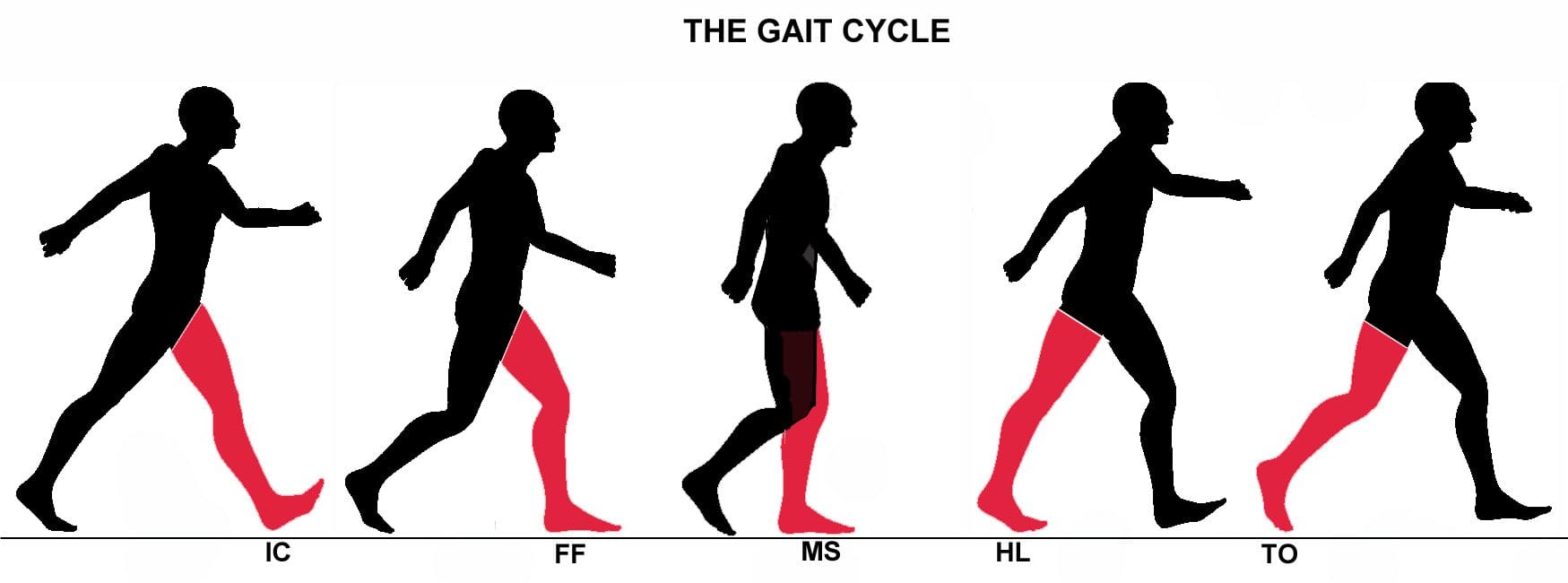
Many people don’t often realize that stability and balance are two of the most reliable abilities to keep the body from falling, and it is often taken for granted from the earlier stages, where infants and toddlers are learning to stand upright, to adulthood where we are walking, running or performing any physical activities. Our bodies are complex machines comprised of upper and lower portions that provide balance and stability. The lower half of our bodies helps stabilize and balance the upper half weight and allows us to move around. This is known as gait. However, when the body begins to age naturally or chronic issues begin to affect the muscles and cause an imbalance in the lower half, it can lead to many disorders associated with these imbalances. Today’s articles examine what gait is, how gait disturbances are associated with the body, and how the MET technique improves gait. We provide information about our patients to certified medical providers that offer available therapy techniques like MET (muscle energy techniques) for individuals dealing with chronic conditions associated with gait disturbances that could affect a person’s ability to walk. We encourage each patient appropriately by referring them to our associated medical providers based on their diagnosis results. We accept that education is a spectacular way when asking our providers the most crucial questions at the patient’s acknowledgment. Dr. Alex Jimenez, D.C., assesses this information as an educational service. Disclaimer
What Is Gait?
Have you been dealing with issues when walking for a short or long distance? Do your feet or ankles seem to feel tired or ache when stepping? Or have you been dealing with mobility issues in your hips? Many of these issues are associated with gait and can cause balance disturbances in the body. So what is gait? In the book by Leon Chaitow, N.D, D.O., and Judith Walker DeLany, L.M.T, titled “Clinical Applications of Neuromuscular Techniques,” gait is defined as how you walk and how each lower body section contributes to how you walk. This includes:
Feet
Ankles
Knees
Hips
Spine
The book also mentions how a person progresses from one location to another using muscular action and gravity to make them walk. Two functional units are in a casual relationship contributing to gait: the passenger and locomotor units. The passenger unit consists of the upper extremities, like the head, neck, arms, trunk, and pelvis, to be the center of gravity when moving forward. At the same time, the locomotor unit comprises the pelvis and lower extremities, like the legs, knees, feet, and ankles, to support the weight of the upper extremities and perform structural stability and mobility to make the body move forward.
Gait Disturbances Associated With The Body
So what happens when traumatic factors or natural aging begins to affect the body and causes gait disturbances. Research studies reveal that since gait depends on the interplay of the nervous, musculoskeletal, and cardiorespiratory system which can be influenced by age and other factors that can lead to issues in the lower extremities causing falls and injuries. Many factors can lead to gait disturbances that can affect how a person walks and how it can affect the joints and muscles, which can lead to pain-like symptoms. Additional studies mentioned that gait disorder affects elderly adults, increasing their fall risk and leading to mobility issues in their hips. Muscle shortening and joint health are other issues that can cause gait disturbances in the lower extremities. When the muscles in the lower extremities are tight and weak, it can cause them to be short and be accompanied by joint dysfunction. The health of the joints in the lower extremities depends on the balancing strength of the opposing flexor muscles. When the flexor muscles lose part or all of their function, it can cause the joint to be hyperextended. To that point, it causes abnormal joint stress, corresponding to lower back pain associated with gait disorders affecting a person’s ability to walk and keep their body balanced.
An Overview Of Gait Analysis-Video
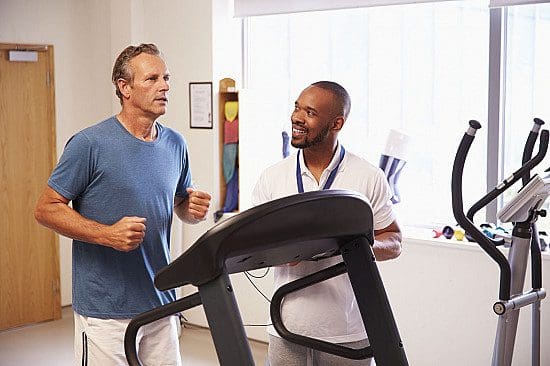
Have you been dealing with mobility issues in your joints? Do you find yourself becoming unstable every time you walk? Or do your leg muscles feel tight? If you have been dealing with these issues, it could be due to a gait problem. Many people have different ways of walking; if there are issues, they can be pointed out in an examination. When there is an issue with gait, it can indicate pain and other revealing problems that can affect the entire body. The video above explains the gait cycle and gait analysis of a person’s walk. Gait analysis is often used in a normal examination to evaluate how a person walks, their body mechanics, and muscle activity to provide insight into the issue. A person’s gait can offer many important clues that doctors and pain specialists can see and identify the problem by developing a treatment plan to improve a person’s gait and reduce pain-like symptoms.
How The MET Technique Improves Gait
So many treatment plans can effectively improve balance and gait disorders in the body. Many pain specialists like chiropractors use manual spinal manipulation to re-align the spine to loosen stiff joints that may have contributed to imbalances in the lower extremities. MET (muscle energy technique) and physical therapy can help stretch the tight muscles and strengthen the muscle groups affected. MET and other approaches to improve gait allow many individuals to regain their stamina and adopt new strategies for their posture and movement. These therapy treatments will enable a person to feel more confident and more aware of how they walk while providing muscle strength to the affected muscles to prevent fatigue and decrease the chances of injuries in the future, as studies reveal.
Conclusion
Walking is determined by a person’s gait and how they move in different scenarios. Our bodies are comprised of upper and lower portions that correspond with gait and allow us stability and balance when we are in motion. When various issues like traumatic factors or just normal aging affect the body, the joints and muscles can cause problems with a person’s gait, leading to balance issues and fall injuries. Incorporating treatment plans to improve gait can help prevent future chances of injuries and help stretch and strengthen the affected muscles while loosening up stiff joints. This allows a person to regain their balance and improve stability in their bodies.
References
Baker, Jessica M. “Gait Disorders.” The American Journal of Medicine, U.S. National Library of Medicine, 27 Dec. 2017, https://pubmed.ncbi.nlm.nih.gov/29288631/.
Chaitow, Leon, and Judith Walker DeLany. Clinical Applications of Neuromuscular Techniques. Churchill Livingstone, 2003.
Pirker, Walter, and Regina Katzenschlager. “Gait Disorders in Adults and the Elderly : A Clinical Guide.” Wiener Klinische Wochenschrift, U.S. National Library of Medicine, Feb. 2017, https://www.ncbi.nlm.nih.gov/pmc/articles/PMC5318488/.
Van Abbema, Renske, et al. “What Type, or Combination of Exercise Can Improve Preferred Gait Speed in Older Adults? A Meta-Analysis.” BMC Geriatrics, U.S. National Library of Medicine, 1 July 2015, https://www.ncbi.nlm.nih.gov/pmc/articles/PMC4488060/.
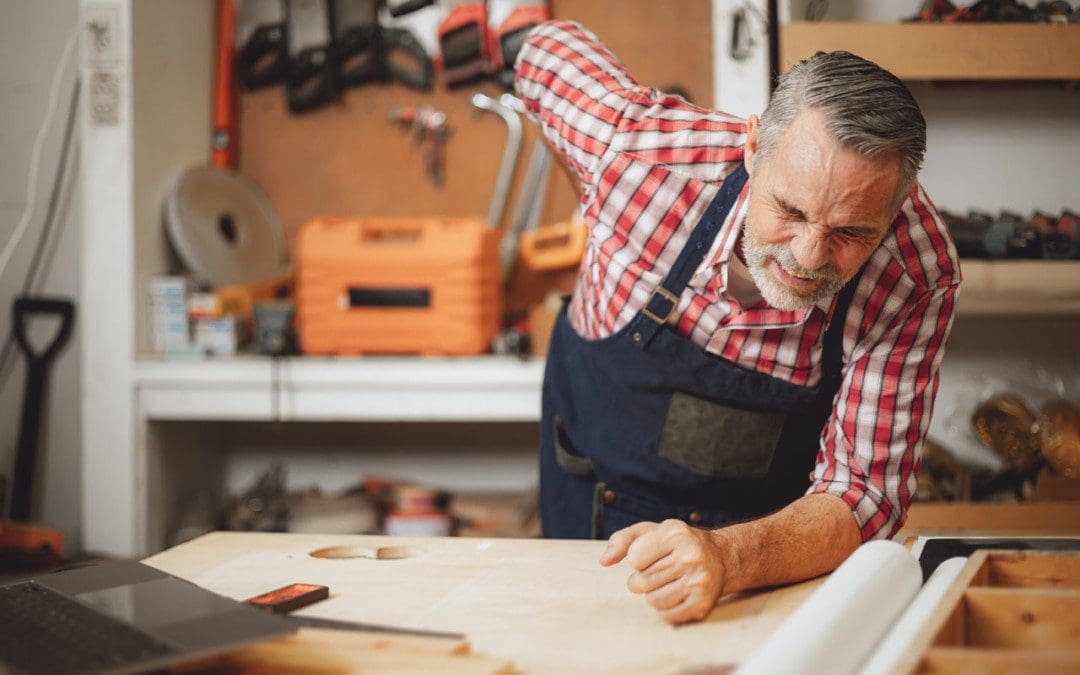
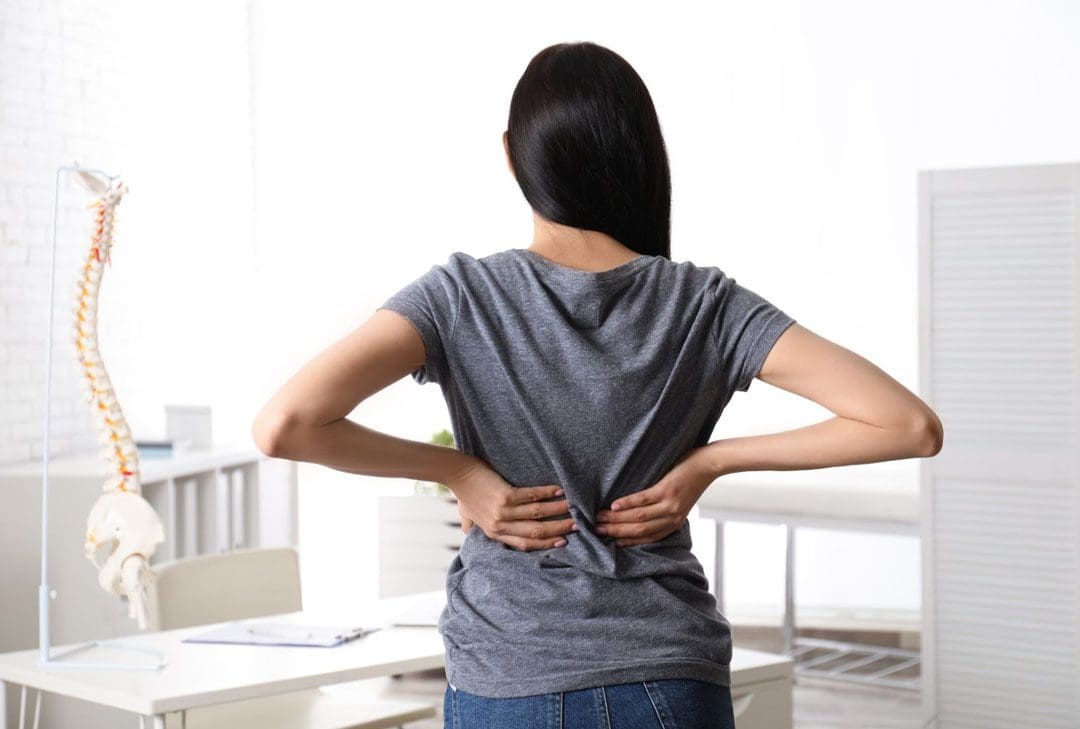
Prolonged standing can cause the pelvis to push backward, increasing the curve of the lower back/lumbar region. This increased pressure on the soft tissues surrounding the spine causes the lower back muscles to tighten and/or spasm, resulting in discomfort in the joints and nerves. Weakened core muscles and unhealthy posture/postural syndrome are the most common causes, but injury, aging, congenital malformations, or a disease/condition can also contribute to the symptoms. Injury Medical Chiropractic and Functional Medicine Clinic has a top team of professional therapists to evaluate the problem, diagnose the cause/s accurately, and develop a customized treatment and rehabilitation plan.
Prolonged Standing Back Discomfort
Back Structure
The lower back is one of the most used areas of the spine, moving around and bending during a normal day. When the body stands, the spine naturally curves both in and outwards.
The inward curve, called lordosis, curves towards the front of the body at the lower back and neck regions.
The outward curve, called kyphosis, curves towards the back of the body at the chest.
When bending over while standing, the five lumbar vertebrae of the lower back change position and shift from lordosis to kyphosis when bent completely.
When standing up from bending, the lumbar vertebrae change position again and return to the lordosis position.
Causes
The facet joints allow movement between each spine level. The standing spinal curvature can increase contact between the facet joints. As the body ages, the facet joints and discs begin to wear out, which can cause the discs and facet joints to become inflamed. Prolonged standing during normal daily activity combined with inflammation in these joints can aggravate the inflammation and cause symptoms. Regular routines and habits may contribute to low back discomfort during prolonged standing. These include:
Sleeping on a sinking or unsupportive mattress.
Practicing unhealthy postures that cause imbalances with proper weight distribution.
Not wearing proper footwear and/or supportive orthotics forces the lower spine into increased curvature and can compress the facet joints.
Not getting enough physical activity that strengthens the core.
Chiropractors are experts on the musculoskeletal system. They will:
Listen to the patient about symptoms, medical history, and occupation.
A physical examination of muscle tone, strength, and range of motion.
Therapeutic massage, electric muscle stimulation, and ultrasound therapy can help reduce muscle inflammation and increase circulation to injured soft tissues.
Chiropractic adjustments will reset joints, removing pressure from the surrounding muscles and nerves.
Targeted therapeutic strength training is recommended for core and leg muscles to improve hip flexibility.
Non-surgical decompression or traction, either with a machine or suspension, can reverse the pressure in spinal discs.
Standing Lower Back Relief Exercises
References
Hasegawa, Tetsuya, et al. “Association of low back load with low back pain during static standing.” PloS one vol. 13,12 e0208877. 18 Dec. 2018, doi:10.1371/journal.pone.0208877
Jo, Hoon, et al. “Negative Impacts of Prolonged Standing at Work on Musculoskeletal Symptoms and Physical Fatigue: The Fifth Korean Working Conditions Survey.” Yonsei medical journal vol. 62,6 (2021): 510-519. doi:10.3349/ymj.2021.62.6.510
Ognibene GT, Torres W, von Eyben R, Horst KC. Impact of a sit-stand workstation on chronic low back pain: randomized trial results. J Occup Environ Med. 2016;58(3):287-293. Abstract. https://www.ncbi.nlm.nih.gov/pubmed/26735316. Accessed March 2, 2017.
Parry, Sharon P et al. “Workplace interventions for increasing standing or walking for decreasing musculoskeletal symptoms in sedentary workers.” The Cochrane database of systematic reviews vol. 2019,11 CD012487. November 17, 2019, doi:10.1002/14651858.CD012487.pub2
Rodríguez-Romero, Beatriz, et al. “Thirty Minutes Identified as the Threshold for Development of Pain in Low Back and Feet Regions, and Predictors of Pain Intensity During 1-h Laboratory-Based Standing in Office Workers.” International journal of environmental research and public health vol. 19,4 2221. February 16, 2022, doi:10.3390/ijerph19042221
Smith, Michelle D et al. “The Influence of Using a Footstool during a Prolonged Standing Task on Low Back Pain in Office Workers.” International journal of environmental research and public health vol. 16,8 1405. April 18. 2019, doi:10.3390/ijerph16081405
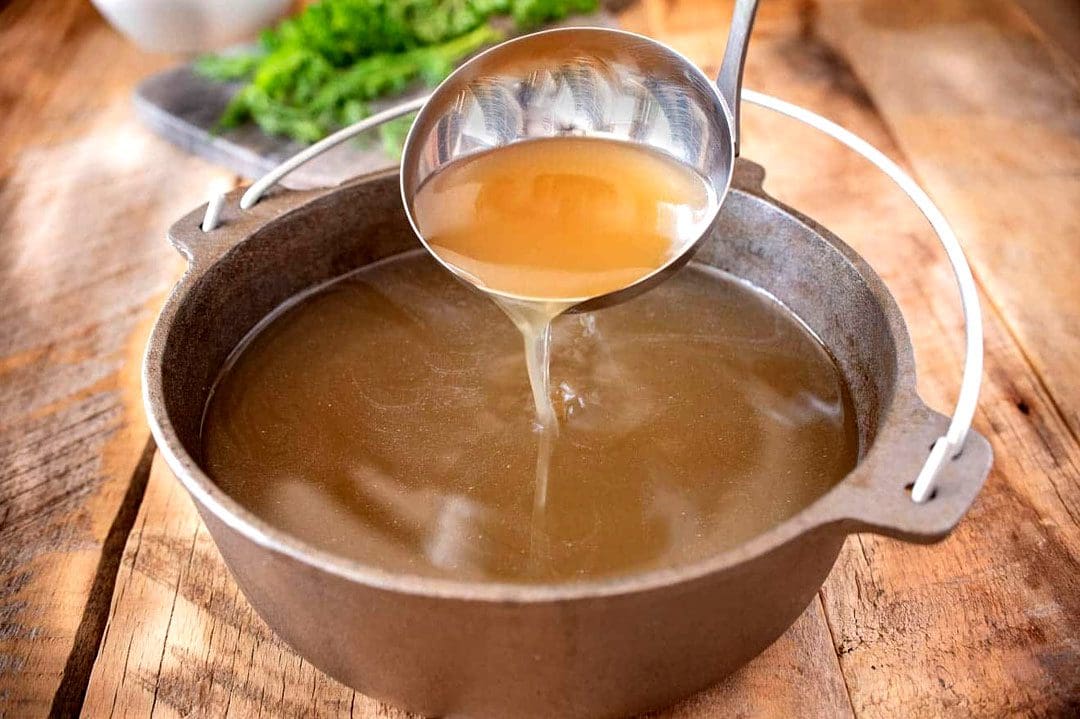
Bone Broth Benefits: Bone broth is made by simmering the bones and connective tissue from just about any animal, including chicken, turkey, beef, pork, fish, lamb, bison, buffalo, and venison. It is a highly nutritious stock commonly used in soups, sauces, and gravies and recently as a health drink.Research has shown bone broth benefits, including increased immune system function and helping build up the body’s systems to overcome disorders like allergies, asthma, and arthritis. And the broth form allows the body to easily absorb minerals like calcium, magnesium, phosphorus, silicon, and sulfur.
Bone Broth Benefits
Bone broth dates back to prehistoric times when inedible animal parts like bones, hooves, and knuckles were turned into broth. It is important to understand that most store-bought stocks and broths are not made of bone or animals. Companies, instead, use lab-produced meat flavors. Homemade bone broth is made by simmering bones, water, and vinegar for 10 -12 hours, extracting the collagen from the bones into the liquid. This creates a rich form of stock. Bones are often roasted before making the broth.
Simple Recipe
Making bone broth is very simple, and there are many recipes online. A large pot, water, bones, and vinegar are all that is necessary to get started, here’s an easy recipe:
Ingredients
One gallon (4 liters) of water.
2 tbsp (30 mL) apple cider vinegar.
Adding vinegar is important because it extracts valuable nutrients out of the bones and into the water.
2–4 pounds (around 1–2 kg) of animal bones.
Salt and pepper, to taste.
Vegetables, herbs, or spices can be added to create and enhance flavor.
Garlic, onion, celery, carrot, parsley, and thyme can be added in step one.
Directions
Place all ingredients in a large pot or slow cooker.
Bring to a boil.
Reduce to a simmer and cook for 12–24 hours.
The longer it cooks, the better it tastes and provides more nutrition.
Let the broth cool.
Strain into a large container and discard the bones.
Because of the long cooking, large amounts of collagen are extracted, making the bone broth gelatinous at room temperature.
Benefits
Digestion
Bone broth is a rich source of glutamine, an amino acid that improves digestion and gut health.
It can be particularly beneficial for people with digestive conditions such as leaky gut syndrome or inflammatory bowel disease.
Gelatin can also bind to water in the digestive tract, which helps foods move through the gut more easily.
Bone broth can benefit individuals with the following:
Leaky gut
Irritable bowel syndrome – IBS.
Inflammatory bowel disease/IBD like ulcerative colitis or Crohn’s disease.
Low Glycemic Index
Homemade vegetarian or meat-based broths are very low glycemic, with no added sugar, low in calories, and a great way to hydrate the body.
It can be a healthy snack between meals without an insulin spike that can lead to post-meal energy crashes.
Collagen Improves Hair, Skin, and Nail Health
Bone broth contains collagen. Collagen is a protein in structural and connective tissues that includes skin, bones, muscles, tendons, and ligaments.
The fibrous structure contributes to strength, shape, and elasticity and can fortify hair, skin, and nails.
Bone broth can be beneficial for pregnant women, as it can help preserve skin elasticity during pregnancy while the skin stretches and grows.
Anti-Inflammation
The amino acids glycine and arginine have anti-inflammatory effects.
Arginine may be especially beneficial for fighting chronic inflammation.
Protects Bones and Joints
Bone broth contains calcium for maintaining strong bones and preventing bone loss as the body ages.
Collagen also protects joints from age-related deterioration.
It can help individuals with bone and joint conditions like osteoarthritis.
Bones
Instead of throwing leftover bones from meals in the garbage, save them. They can be collected in a bag and stored in the freezer until ready to roast and cook. Individuals who don’t buy and eat whole chickens and bone-in meat can ask for them at the local butcher or farmers market. The meat department at most grocery stores will often have them. They’re inexpensive, and a butcher may even offer them for free. It is recommended to find pastured chicken or grass-fed beef bones as these are the healthiest and provide maximum health benefits.
Storage
Making broth in large batches is recommended, as it can only be stored safely in the refrigerator for up to 5 days.
To help the broth last longer, it can be frozen in small containers and heated up for individual servings as needed.
Functional Nutrition
References
Koutroubakis, I E et al. “Serum laminin and collagen IV in inflammatory bowel disease.” Journal of clinical pathology vol. 56,11 (2003): 817-20. doi:10.1136/jcp.56.11.817
Mar-Solís, Laura M et al. “Analysis of the Anti-Inflammatory Capacity of Bone Broth in a Murine Model of Ulcerative Colitis.” Medicina (Kaunas, Lithuania) vol. 57,11 1138. 20 Oct. 2021, doi:10.3390/medicina57111138
McCance, R A et al. “Bone, and vegetable broth.” Archives of disease in childhood vol. 9,52 (1934): 251-8. doi:10.1136/adc.9.52.251
Peterson, Orion J et al. “Neuroprotective Effect of Enriched Chicken Bone Broth as a Dietary Supplement in a Model of Migraine Mediated by Early Life Stress.” Journal of medicinal food vol. 23,12 (2020): 1259-1265. doi:10.1089/jmf.2019.0312
Dr. Alex Jimenez, D.C., presents how to look for signs of hormonal imbalances in men and how different treatment strategies, like chiropractic care, can help regulate hormonal functionality in the body. We direct patients to certified providers that provide functional hormonal replacement treatments that can restore body functionality. We acknowledge each patient and their symptoms by referring them to our associated medical providers based on their diagnosis to understand better what they are dealing with. We understand that education is a tremendous way to ask our providers various questions that apply to the patient’s knowledge. Dr. Jimenez, D.C., applies this information as an educational service. Disclaimer
Hormone Imbalances
Dr. Alex Jimenez, D.C., presents: Today, we will be looking at how to look for the signs of hormonal imbalances in men and how chiropractic care can help with the symptoms associated with hormonal imbalances. We need to understand the subtypes of hormonal deficiency to enable appropriate treatment strategies like chiropractic care. So when it comes to hormones in the body, it is important to know how hormones function in the body and what happens when comorbidities are associated with hormonal imbalances. The hormonal imbalances in the male body could cause physiologic effects of low testosterone correlating with disruptive factors.
Now hormones in both male and female bodies provide various actions that make the body functional. This includes:
Regulating body temperature
Sexual function
Work with other hormones (insulin, DHEA, cortisol)
Support the major body systems
When it comes to the male body, the two main hormones, androgen and testosterone, can help with cognitive function. However, when the body begins to age naturally, the hormonal process begins to decrease in the male body and causes chronic illnesses to start to cause problems in the body. When this happens, it can cause the individual to be in pain and disrupt daily activities.
Dr. Alex Jimenez, D.C., presents: Since many environmental disruptors can affect the body and cause hormonal imbalances, they can cause various symptoms in many test results when patients are being examined by their primary doctors. Signs of chronic fatigue, brain fog, depression, increased muscle mass, and low libido correlates with testosterone deficiency and can make the body dysfunctional. And if there is chronic hormonal dysfunction in the body, it can also lead to inflammation associated with hormonal deficiency. When inflammation starts to affect the muscles and joints of the male body, it can lead to issues affecting the back, hips, legs, shoulders, and neck that can cause limited mobility, muscle fatigue, increased body fat, and a decrease in bone mineral density.
Low testosterone levels in the body can overlap with pre-existing conditions that correlate with metabolic syndrome associated with hypogonadism. Hypogonadism is when the body’s reproductive organs produce little to no hormones for sexual function. Hypogonadism can affect about 30% of all males between the ages of 40-79. To that point, it causes the male body to produce more leptin hormones and can negatively affect the brain when it comes to releasing these hormones to the body. At the hypothalamic level of gonadotropin-releasing hormones, we have increased sensitivity at the hypothalamus to negative feedback from androgens. This can be many factors that can contribute to low male testosterone levels:
Diet
Stress
Toxin exposure
Osteoporosis
Decreased hair density
Erectile dysfunction
Andropause
When the reproductive organs produce little to no hormones, they can develop andropause and cause testosterone levels to diminish. Andropause is the male version of menopause for females, which can contribute to other conditions like dementia, Alzheimer’s, diabetes, and metabolic syndrome. How is metabolic syndrome associated with andropause when it comes to hormone imbalances? Well, low levels of testosterone in the body can increase insulin levels, causing insulin resistance, which then leads to an increase in BMI in the body. To that point, disorders like chronic stress can lower DHEA and testosterone hormone levels, which can then increase insulin levels and cause more pain-like issues in the body.
Chiropractic Care & Hormones
Dr. Alex Jimenez, D.C., presents: Now all is not lost, as there are ways to improve hormone production in the body. Many individuals can exercise regularly to lower cortisol and insulin levels while boosting testosterone levels. Another way to improve hormone dysfunction is by going to various therapies like chiropractic care to help reduce some of the symptoms associated with hormonal imbalances. Now how would chiropractic care be correlated with hormonal imbalances? Isn’t just manual manipulation to the back?
Surprisingly chiropractic care is more than just manipulating the spine when it is in subluxation. As stated earlier, hormonal imbalances can lead to chronic muscle and joint stress that can become inflamed and lead to chronic issues. When hormonal imbalances in the body cause low testosterone production, it can cause stress on the muscle groups and affect the joints. To that point, the body will be in constant pain or succumb to various injuries. So, incorporating chiropractic care as part of treatment can help improve the body’s musculoskeletal structure and how to deal with stress, allowing the nervous system, where hormones are being sent to different areas in the body, to function properly and operate normally. Chiropractic care enables the musculoskeletal structure to be pain-free from musculoskeletal dysfunction associated with hormone imbalances and can be combined with other treatments.
Conclusion
Utilizing and incorporating chiropractic care and hormone therapy can allow the body to function with normal hormone levels and reduce the pain-like symptoms that may affect the body’s muscles and joints. Chiropractic care combined with a nutritional diet that helps with hormone regulation and physical therapy can help the body’s hormone levels to be normal. To that point, this combination of treatments can improve muscle growth and reduce the symptoms associated with hormone imbalances that can cause muscle and joint pain associated with other pre-existing conditions related to hormone balance.
When it comes to the body, the hands and fingers correlate with each other by giving the host the grip strength to carry and hold items. The items can range from the smallest to the largest, depending on the item’s weight that a person can physically hold. When the weight becomes overbearingly heavy that a person can not lift or hold, it can lead to unwanted symptoms that overlap with other chronic conditions. To that point, when the hand muscles begin to lose their grip strength, it can lead to the development of trigger points in the affected muscles connected to the hand muscles and tendons. Today’s article looks at a chronic condition associated with trigger points known as trigger fingers, what the symptoms are, and how to treat trigger fingers in the hands. We refer patients to certified providers specializing in hand and wrist pain therapies to aid many people suffering from trigger fingers affecting their hands. We also guide and inform our patients by referring them to our associated medical providers based on their examination when appropriate. We established that education is a great solution to asking our providers profound questions the patient requests. Dr. Jimenez DC takes note of this information as an educational service only. Disclaimer
What Is Trigger Fingers?
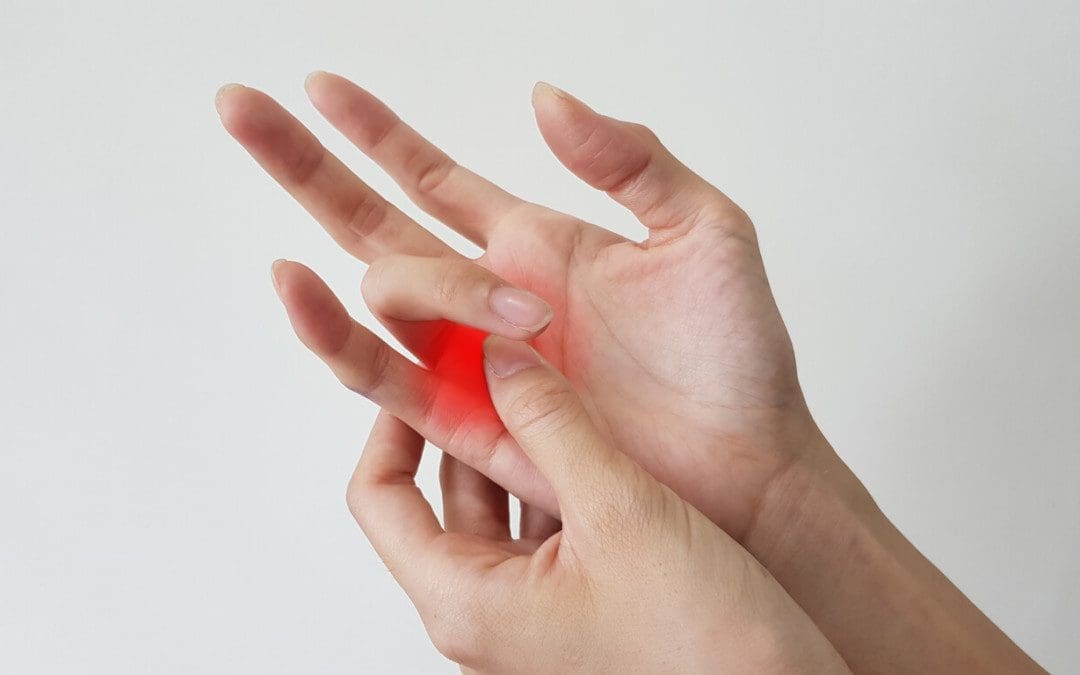
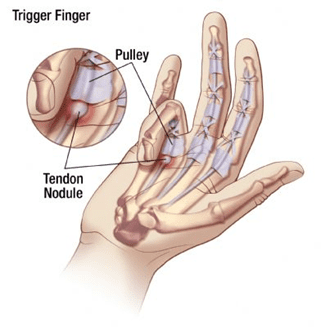
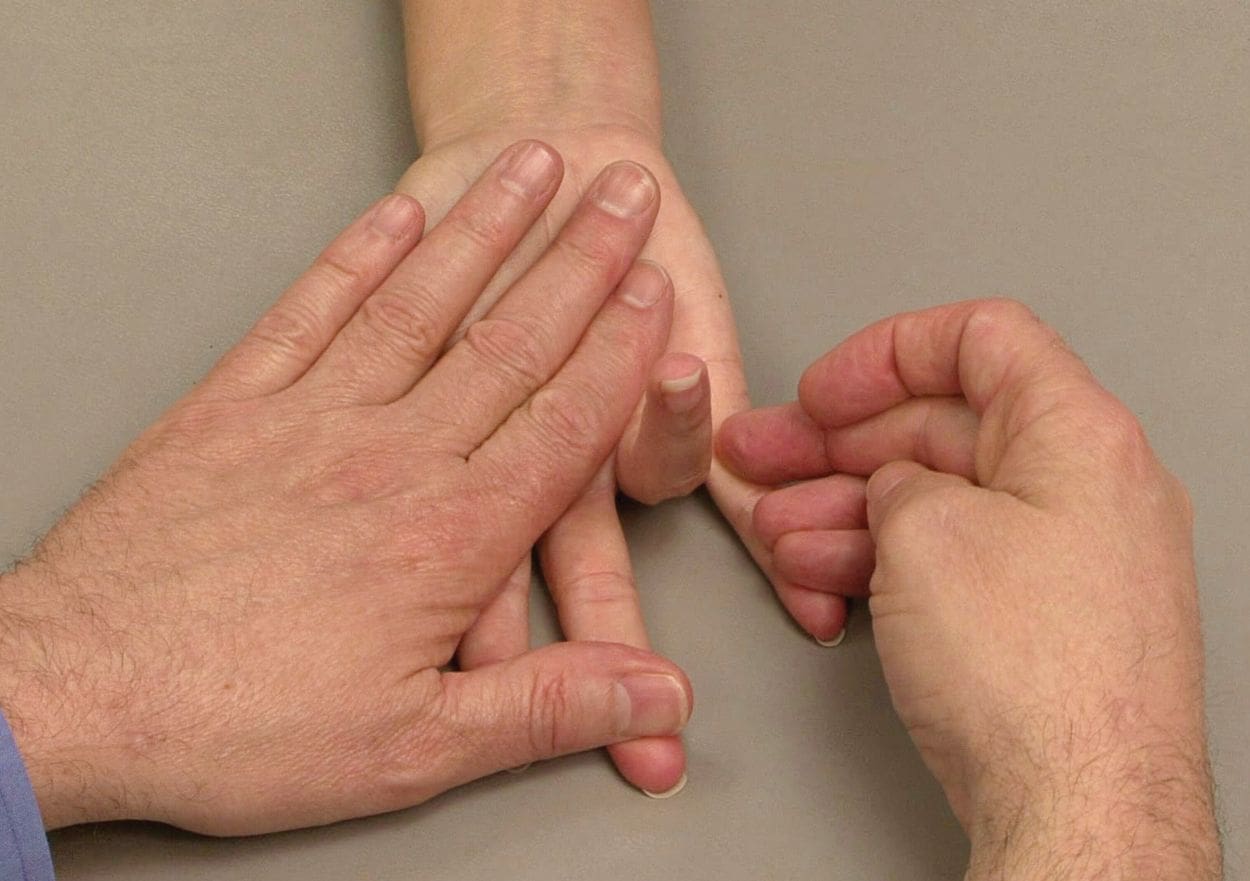
Have you encountered stiffness in your fingers? Do you feel pain radiating from your forearms to the palm of your hands? Does it seem difficult to carry or hold items for an extended period? Many people who have dealt with these symptoms believe it is something arthritic or just normal signs of age; however, it could correlate with triggering fingers affecting the hands. Trigger fingers or stenosing tenosynovitis happens when the flexor sheaths in the wrist become overused due to repetitive motions that cause the flexor tendon muscles in the forearm to be inflamed and development issues in the finger joints. This can be very problematic for many individuals who work with their hands as it can cause significant functional impairment to the hands and the fingers. Trigger fingers also commonly affect the individual’s dominant hand and involve the most common digit, the thumb.
The Symptoms
When many individuals are dealing with trigger fingers in their hands, they often complain about their fingers locking up in flexion or extension. When this happens, it can become problematic, as trigger fingers can affect the mobility of the fingers. Some of the symptoms that trigger fingers cause in the digits include:
Stiffness in the fingers
Popping or clicking sensations
Bumps at the base of the finger joint
Finger catching in a bent position and pops straight
Finger locking
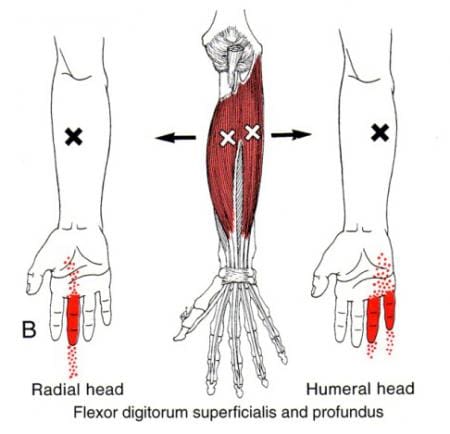
What is the correlation between diabetes and trigger fingers? Studies reveal that trigger fingers are a multifactorial chronic condition that can occur in anyone, especially those with diabetes. Trigger fingers are diagnosed by palpating a thickened tendon. Other issues cause trigger fingers to form due to active trigger points affecting the flexor muscles in the forearms. According to Dr. Travell, M.D.’s book, “Myofascial Pain and Dysfunction: The Trigger Point Manual,” individuals with active trigger points along their forearm muscles tend to experience difficulty in utilizing mobility strength with their hands. To that point, many individuals may not be able to cup and supinate their hands, extend or flex their fingers, or be able to grip items they are reaching.
An Overview Of Trigger Fingers- Video
Are you dealing with joint stiffness along your fingers? What about feeling pain from flexing or extending their fingers? Or do you feel pain and tenderness in your forearm muscles? Many individuals with these symptoms could be dealing with the pain associated with trigger fingers. Trigger fingers occur when the finger digits suffer from microtrauma by repetitive use or compression forces that invokes pain and inflammation along the tendons of the fingers. The video above overviews trigger fingers, their symptoms, and how to diagnose and treat trigger fingers in the hands. Many associated factors can lead to the development of trigger fingers, and one related factor is diabetes overlapping trigger points along the forearms. Studies reveal that trigger fingers are a complication affecting the upper extremities in diabetic individuals. Individuals with trigger fingers associated with diabetes can also cause overlapping risk profiles for cardiovascular diseases. This relationship is known as somato-visceral pain, where the damaged muscle affects the corresponding organ. In this case, the tendons for the fingers cause referred pain to the heart, thus potentially involving the cardiovascular system. Luckily there are various ways to treat trigger fingers and prevent pain from occurring in the hands in the future.
How To Treat Trigger Fingers
Since trigger fingers are a common source of pain and disability in the hands, many individuals seek pain specialists to manage and relieve pain associated with trigger fingers. Studies reveal that various methods are used to reduce the pain along the affected finger digits and bring back mobility to the finger joints. Doing gentle finger stretches, not gripping items so tightly, or applying heat to loosen up the locked joints, can help manage trigger fingers while preventing the pain-like symptoms from coming back. Incorporating these treatments can help bring mobility strength back to the hands and prevent the fingers from locking up. However, treatment alone can not be the only solution; after the individuals get treatment for trigger fingers, they have to do their part to prevent future issues from reoccurring again in their fingers.
Conclusion
The hands and fingers have a casual relationship, providing mobility and grip strength for the host to hold and carry items. However, when traumatic factors or normal activities begin to overuse the joints and muscles in their hands, it can lead to trigger fingers. Trigger fingers can cause the finger joints to lock up and invoke pain-like symptoms in the hands. This can make many individuals lose their mobility function in their hands and can make them miserable. Luckily, various treatments can help manage trigger fingers and help bring mobility back to the individual’s hands.
References
Akhtar, Sohail, et al. “Management and Referral for Trigger Finger/Thumb.” BMJ (Clinical Research Ed.), BMJ Publishing Group Ltd., 2 July 2005, https://www.ncbi.nlm.nih.gov/pmc/articles/PMC558536/.
Jeanmonod, Rebecca, et al. “Trigger Finger – Statpearls – NCBI Bookshelf.” In: StatPearls [Internet]. Treasure Island (FL), StatPearls Publishing, 20 July 2022, https://www.ncbi.nlm.nih.gov/books/NBK459310/.
Makkouk, Al Hasan, et al. “Trigger Finger: Etiology, Evaluation, and Treatment.” Current Reviews in Musculoskeletal Medicine, Humana Press Inc, June 2008, https://www.ncbi.nlm.nih.gov/pmc/articles/PMC2684207/.
Mineoka, Yusuke, et al. “Trigger Finger Is Associated with Risk of Incident Cardiovascular Disease in Individuals with Type 2 Diabetes: A Retrospective Cohort Study.” BMJ Open Diabetes Research & Care, BMJ Publishing Group, Apr. 2021, https://www.ncbi.nlm.nih.gov/pmc/articles/PMC8039242/.
Travell, J. G., et al. Myofascial Pain and Dysfunction: The Trigger Point Manual: Vol. 1:Upper Half of Body. Williams & Wilkins, 1999.
Uneven hips can throw the back out of natural alignment and cause back stiffness, tightness, discomfort, and pain. Hips that are off-balance unhealthily affect standing, sitting, sleeping posture, walking gait, and overall movements. Biomechanics issues cause the core and spine stabilizing muscles to become weakened and fatigued from overcompensating to keep the body up and moving. Over time this can lead to chronic pain in the back, hips, knees, and feet. Chiropractic care can restore proper hip and spinal alignment and wellness.
Uneven Hips
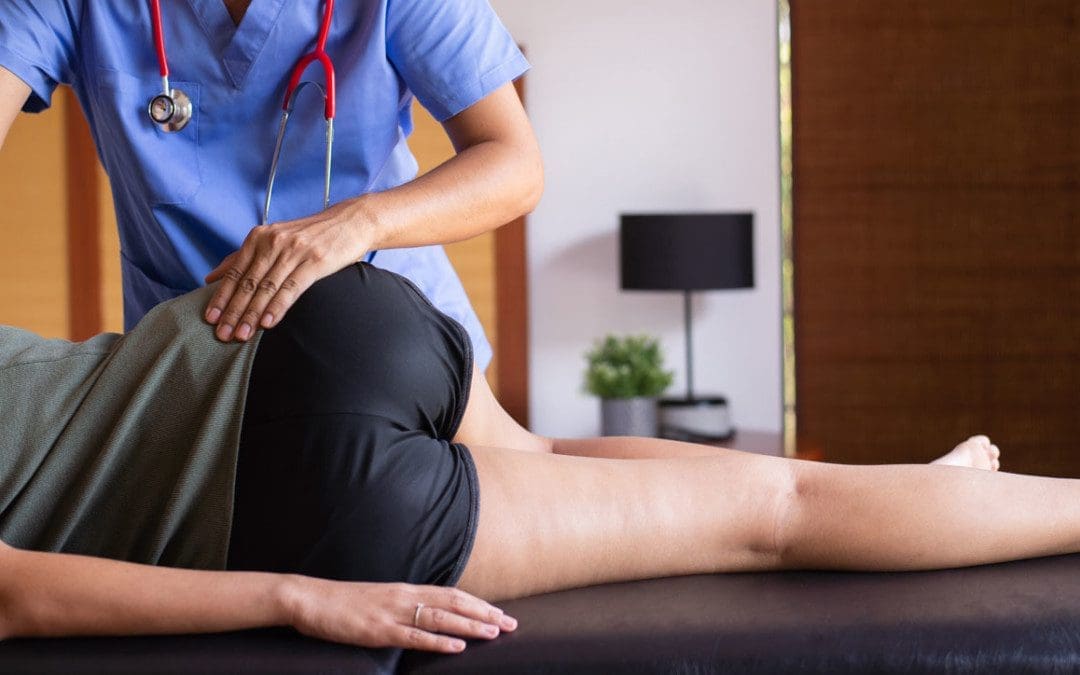
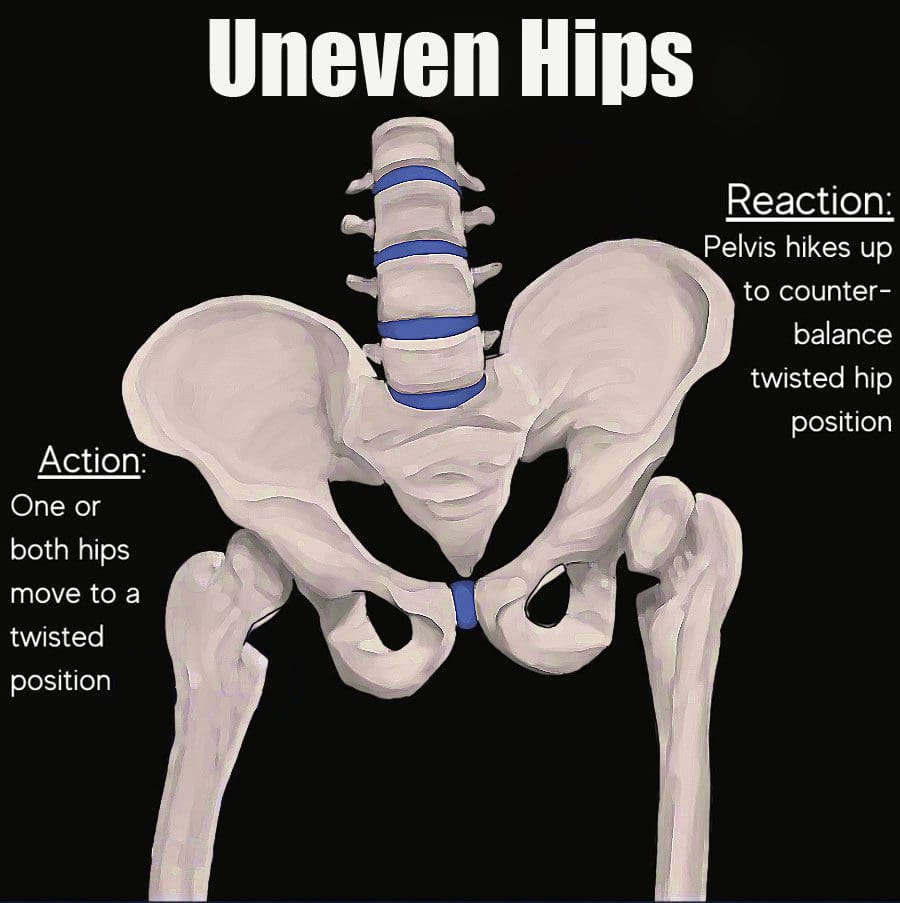
Misaligned hips can be caused by work or sports injury, exercise, vehicle collision, and/or general wear and tear. When hips are out of alignment, they have shifted from their centered position. They could be rotated forward or backward, forcing the spine and the lower limbs to compensate, resulting in the spine tilting that can make the legs appear uneven. Discomfort may be one-sided low back pain near the sacroiliac joint, causing a stiff/tight back, limited motion, and/or pain symptoms. Because the spine and lower limbs have to compensate for the unevenness, the shoulders and upper back, connected to the pelvis through the spine, are also affected and result in:
Back pain.
Hip and gluteal muscle pain.
Uneven leg length.
Knee, ankle, and foot issues and pain.
Uneven shoulders.
The shoulder blades can stick out on the side of the lower hip.
Rib discomfort and pain.
The rib cage could protrude out on one side. However, this could be due to advanced scoliosis.
Therapy
Staying active is recommended and includes stretching and core strengthening. General stretches recommended to optimize hip equity include:
Hamstring stretch
For this stretch, lie on a flat surface with your legs extended straight out.
Bend the right leg at the knee, placing the right foot on the ground.
Use a towel, belt, or band to grab and wrap around the left foot.
Keep the hip/buttock on the left side planted on the floor.
Slowly raise the left leg upward as far as possible until you feel the stretch.
Once you feel a stretch or restriction in the hamstring, hold the position for 30 seconds.
Repeat on the other side.
Perform 2 to3 times.
Hip flexor stretch
Kneel on the affected leg and bend the healthy leg out in front with the foot flat on the floor.
Back straight.
Slowly push the hips forward until you feel the stretch in the upper thigh and hip.
Hold the stretch for around 15 to 30 seconds.
Chiropractic Care
Chiropractic treatment is a highly recommended non-surgical option for uneven hips and pelvic tilt. Depending on the severity of the misalignment, underlying issues, and body scanning images, hip alignment treatment could include:
Soft tissue therapeutic massage
Chiropractic muscle release for tight hip flexors, quadriceps, hamstrings, and glutes.
Kiapour, Ali et al. “Biomechanics of the Sacroiliac Joint: Anatomy, Function, Biomechanics, Sexual Dimorphism, and Causes of Pain.” International journal of spine surgery vol. 14, Suppl 1 3-13. 10 Feb. 2020, doi:10.14444/6077
Lee, Jeong-Hoon, et al. “The effect of Graston technique on the pain and range of motion in patients with chronic low back pain.” Journal of physical therapy science vol. 28,6 (2016): 1852-5. doi:10.1589/jpts.28.1852
Patel, Rikin V et al. “Pelvic Tilt and Range of Motion in Hips With Femoroacetabular Impingement Syndrome.” The Journal of the American Academy of Orthopaedic Surgeons vol. 28,10 (2020): e427-e432. doi:10.5435/JAAOS-D-19-00155
Rivière, C et al. “Spine-hip relations add understandings to the pathophysiology of femoro-acetabular impingement: A systematic review.” Orthopaedics & traumatology, surgery & research : OTSR vol. 103,4 (2017): 549-557. doi:10.1016/j.otsr.2017.03.010
Suits, William H. “Clinical Measures of Pelvic Tilt in Physical Therapy.” International journal of sports physical therapy vol. 16,5 1366-1375. 1 Oct. 2021, doi:10.26603/001c.27978
IFM's Find A Practitioner tool is the largest referral network in Functional Medicine, created to help patients locate Functional Medicine practitioners anywhere in the world. IFM Certified Practitioners are listed first in the search results, given their extensive education in Functional Medicine




 Bone Broth Benefits