For individuals dealing with injuries and pain conditions, can incorporating acupuncture into a treatment plan help alleviate and manage pain?
Acupuncture Pain Management
Pain management techniques include physical therapy, medications, cold therapies, chiropractic, and massages. One method that is growing is acupuncture. (World Health Organization. 2021) According to a report by the World Health Organization, acupuncture is the most commonly used form of traditional medicine practiced globally. (World Health Organization. 2021) More than 10 million acupuncture treatments are administered annually in the U.S. (Jason Jishun Hao, Michele Mittelman. 2014)
What Is It?
Acupuncture is a medical practice that involves placing solid but super thin needles at specific points in the body to treat certain health issues. They can be used on their own or stimulated with electric currents, called electroacupuncture. Acupuncture originated in China about 3,000 years ago and is known as traditional Chinese medicine or TCM. In more recent years, the practice has gained acceptance and demand worldwide. (Jason Jishun Hao, Michele Mittelman. 2014)
How Does It Work?
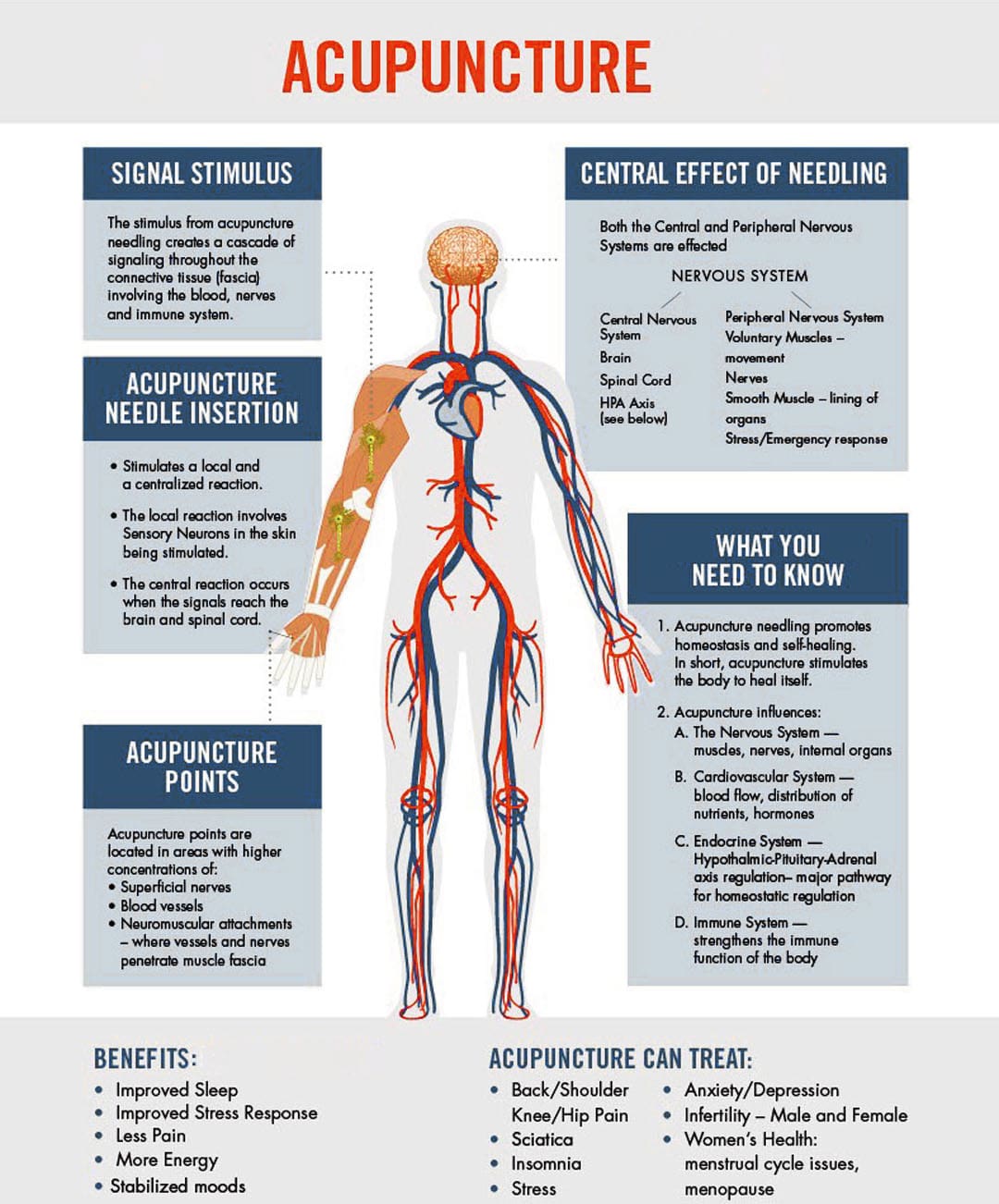
Acupuncture pain management works by balancing the flow of qi/chi/energy, which moves through meridians, or channels in the body. By inserting needles into specific points along these channels, balance is reestablished for overall health and well-being. When the energy is imbalanced due to internal and external stressors that can include injuries, underlying conditions, unhealthy diet, and stress, individuals can present with symptoms and illness. Using diagnostic techniques and comprehensive interviews, practitioners can determine which organ systems and meridian channels need addressing to restore function. There are more than 2,000 acupoints in the body. (Johns Hopkins Medicine. 2024) Each point has its own purpose and function: some increase energy, others decrease it, helping balance the body to support healing and recovery. Acupuncture pain management goes beyond energy healing and can help alleviate pain by stimulating nerves, muscles, and fascia/connective tissue, regulating immune response, nervous system response, lymphatic flow, and increasing muscle relaxation.
Types
Different types of acupuncture have been modified in training and styles, but all involve needling into certain points and include:
Orthopedic/Dry Needling
This technique combines Traditional Chinese Medicine and structure manipulation to treat pain, tissue injuries, imbalances in the body, and other general systemic disorders.
Five Element Style
This is a spiritual and emotional technique that uses the five elements of nature, including wood, fire, earth, metal, and water, to transfer energy, creating balance in the body.
Japanese Style
uses similar techniques to TCM but uses a more subtle approach, such as using fewer needles or inserting them at lower depths in the body.
Korean
This technique uses both techniques from Chinese and Japanese acupuncture.
Practitioners may use more needles and different kinds of needles, like a copper variety, instead of the standard stainless steel type.
This type of acupuncture uses only acupoints on the hand to treat different areas of the body.
Auricular
This is similar to Korean acupuncture but relies on certain points in the ear to treat other areas of the body.
The goal is to overcome imbalances and disharmonies.
Distal
This technique treats pain indirectly.
Practitioners place needles in spots other than the area of discomfort.
For example, practitioners may place needles around the elbows for knee pain or the lower legs for shoulder pain.
Acupressure
This form of therapy stimulates different acupoints without using needles.
Practitioners use precise finger placements, hands, or other tools and essential oils to apply pressure over specific points to enhance energy flow.
Providers can combine and use various forms based on an individual’s needs.
Conditions
One analysis of more than 2,000 scientific reviews of acupuncture therapies found it to be effective for post-stroke aphasia, neck, shoulder, lower back pain, muscle pain, fibromyalgia pain, lactation issues after delivery, vascular dementia symptoms, and allergy symptoms. (Liming Lu et al., 2022) A study on mice by neuroscientists found that electroacupuncture can decrease inflammation. (Shenbin Liu et al., 2020) The National Center for Complementary and Integrative Health found that acupuncture can be helpful for: (National Center for Complementary and Integrative Health. 2022)
Nausea and vomiting in cancer patients undergoing treatment
Chronic prostatitis
Digestion
Irritable bowel syndrome
Seasonal allergies
Urinary incontinence
Infertility
Asthma
Quitting smoking
Depression
Safety
When the treatment is performed by a highly trained, licensed, and certified acupuncturist, it is very safe. The most common serious adverse events were pneumothorax/collapsed lung, cardiovascular problems, and fainting, which in some cases caused trauma, like fractures. (Petra Bäumler et al., 2021) There are some short-term risks associated with acupuncture, including:
Pain
Bleeding
Bruising
Drowsiness
Dizziness for individuals that have not eaten or fear of needles.
Serious side effects associated with acupuncture, like a punctured lung or infection, are very rare. For individuals that have a metal allergy, infection, or open wound in the area where the needles will be inserted, it is recommended to avoid acupuncture. Individuals who have a bleeding disorder, are taking any medicines like an anticoagulant, or are pregnant, should talk to the acupuncturist before beginning a treatment plan.
What to Expect
Everyone’s visit will be tailored to their specific needs, and the first visit will likely last an hour or two. The initial evaluation will include a full medical/health history. The individual will spend a few minutes discussing concerns and health goals with the acupuncturist. Individuals will be asked to lie on the treatment table so the practitioner can access their limbs, back, and abdomen. After inserting needles, they will stay in place for about 20 to 30 minutes. At this time, individuals can relax, meditate, sleep, listen to music, etc. The practitioner may monitor if and how the pulse has changed and add or remove needles. After the needles are removed, the practitioner will determine the course of treatment. Depending on how chronic or severe the condition is, they may recommend several acupuncture pain management treatments over the course of several weeks.
Chiropractic Care For Healing After Trauma
References
World Health Organization. (2021). WHO benchmarks for the practice of acupuncture.
Hao, J. J., & Mittelman, M. (2014). Acupuncture: past, present, and future. Global advances in health and medicine, 3(4), 6–8. https://doi.org/10.7453/gahmj.2014.042
Johns Hopkins Medicine. (2024). Acupuncture.
Lu, L., Zhang, Y., Tang, X., Ge, S., Wen, H., Zeng, J., Wang, L., Zeng, Z., Rada, G., Ávila, C., Vergara, C., Tang, Y., Zhang, P., Chen, R., Dong, Y., Wei, X., Luo, W., Wang, L., Guyatt, G., Tang, C., … Xu, N. (2022). Evidence on acupuncture therapies is underused in clinical practice and health policy. BMJ (Clinical research ed.), 376, e067475. https://doi.org/10.1136/bmj-2021-067475
Liu, S., Wang, Z. F., Su, Y. S., Ray, R. S., Jing, X. H., Wang, Y. Q., & Ma, Q. (2020). Somatotopic Organization and Intensity Dependence in Driving Distinct NPY-Expressing Sympathetic Pathways by Electroacupuncture. Neuron, 108(3), 436–450.e7. https://doi.org/10.1016/j.neuron.2020.07.015
National Center for Complementary and Integrative Health. (2022). Acupuncture: what you need to know.
Bäumler, P., Zhang, W., Stübinger, T., & Irnich, D. (2021). Acupuncture-related adverse events: systematic review and meta-analyses of prospective clinical studies. BMJ open, 11(9), e045961. https://doi.org/10.1136/bmjopen-2020-045961
For a hearty side of potatoes, can oven roasting and paying attention to portion size make for a healthy meal?
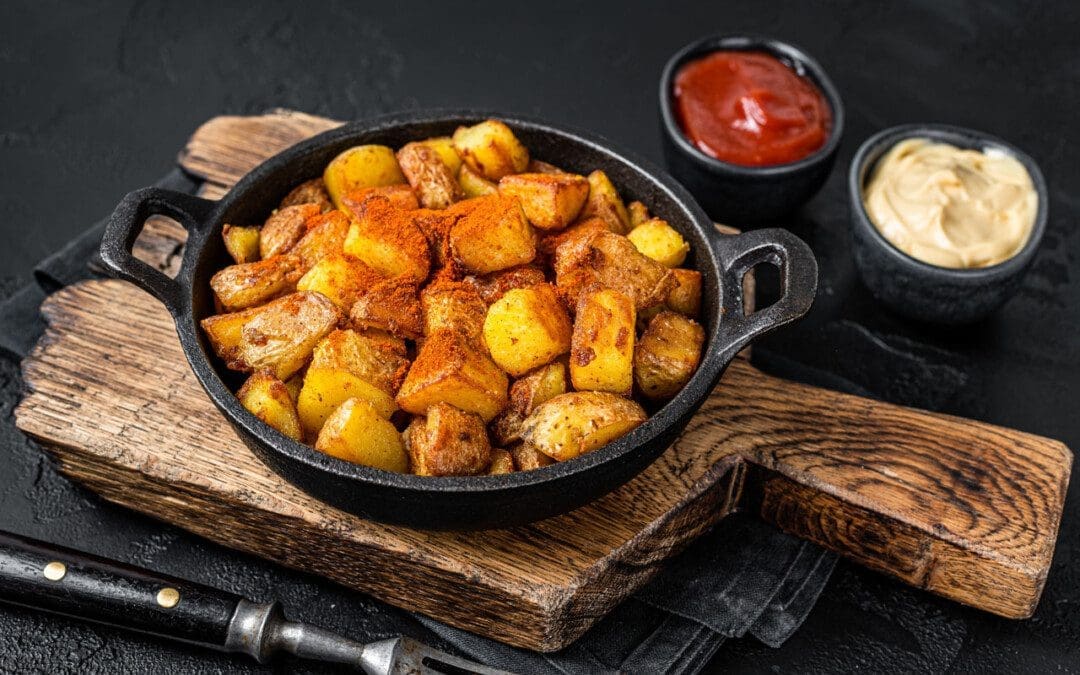
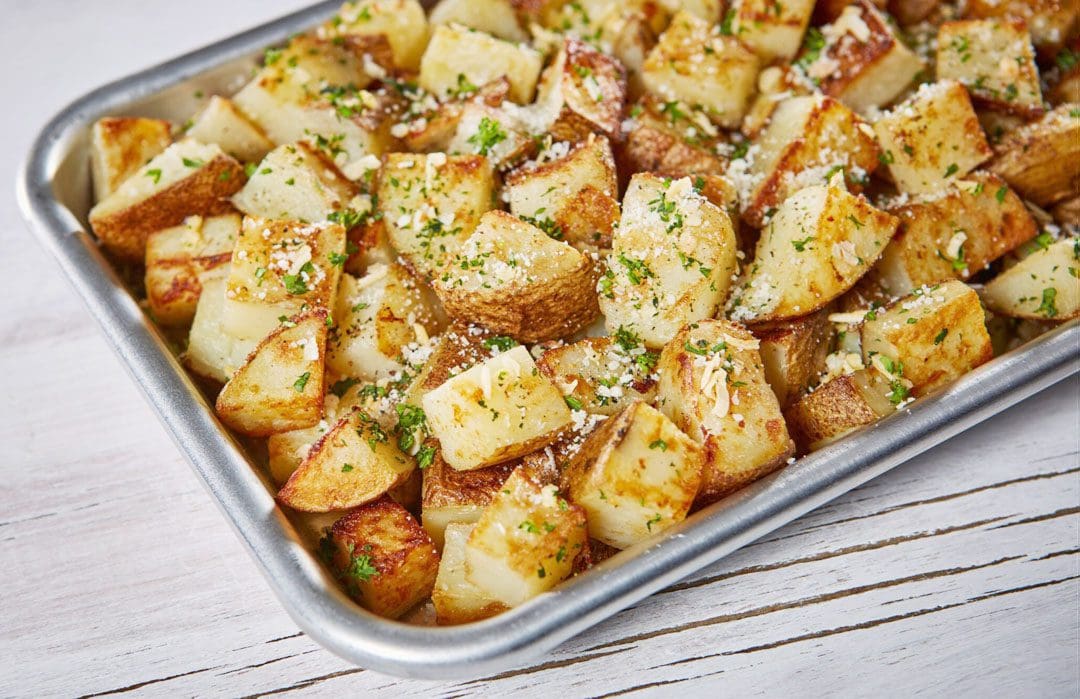
Oven Roasted Potatoes
Potatoes are starchy, but that does not make them unhealthy. This is where individuals need to take portion size into consideration. Starchy foods like potatoes should take up around a quarter of the plate, with room for vegetables and a protein source.
Potatoes can provide a good source of vitamin C, calcium, magnesium, potassium, folate, and fiber.
Potatoes contain certain antioxidants – lutein and zeaxanthin.
These antioxidants help protect eyesight and help lower the risk of macular degeneration, which can lead to vision loss. (Umesh C. Gupta Subhas C. Gupta 2019)
Ingredients
2 pounds red or white potatoes, with skin left on.
2 tablespoons olive oil.
2 tablespoons fresh minced rosemary.
1 teaspoon garlic, chopped.
1/2 teaspoon salt.
1/4 teaspoon black pepper.
Preparation
Preheat the oven to 425F.
Wash the potatoes and let them dry.
The potatoes don’t need to be peeled, but cut out surface blemishes.
Cut large potatoes into 2-inch pieces.
If using small potatoes, they can be left whole.
Place on a baking dish in a single layer.
Drizzle olive oil.
Add the rosemary, garlic, salt, and pepper.
Toss the potatoes until they are evenly coated.
Roast uncovered for 45 minutes to 1 hour, turning occasionally.
The potatoes are done when easily pierced with a fork.
Variations and Substitutions
Dried rosemary can be used instead of fresh rosemary, but not as much is needed.
2 teaspoons will suffice.
If there is no rosemary, thyme or oregano can be used.
Another option is using a combination of favorite herbs.
Cooking and Serving
When roasting, don’t over-crowd the potatoes on the baking pan, as this can cause them to cook unevenly or become mushy.
Ensure the potatoes are spread out and distributed in a single layer.
Choose potatoes that are firm and don’t have a green tint.
Green-tinted potatoes contain a compound called solanine.
For individuals looking to improve overall health and wellness, how can paying attention to non-exercise activities help burn more calories and improve metabolic rates?
Non-Exercise Activity Thermogenesis – NEAT
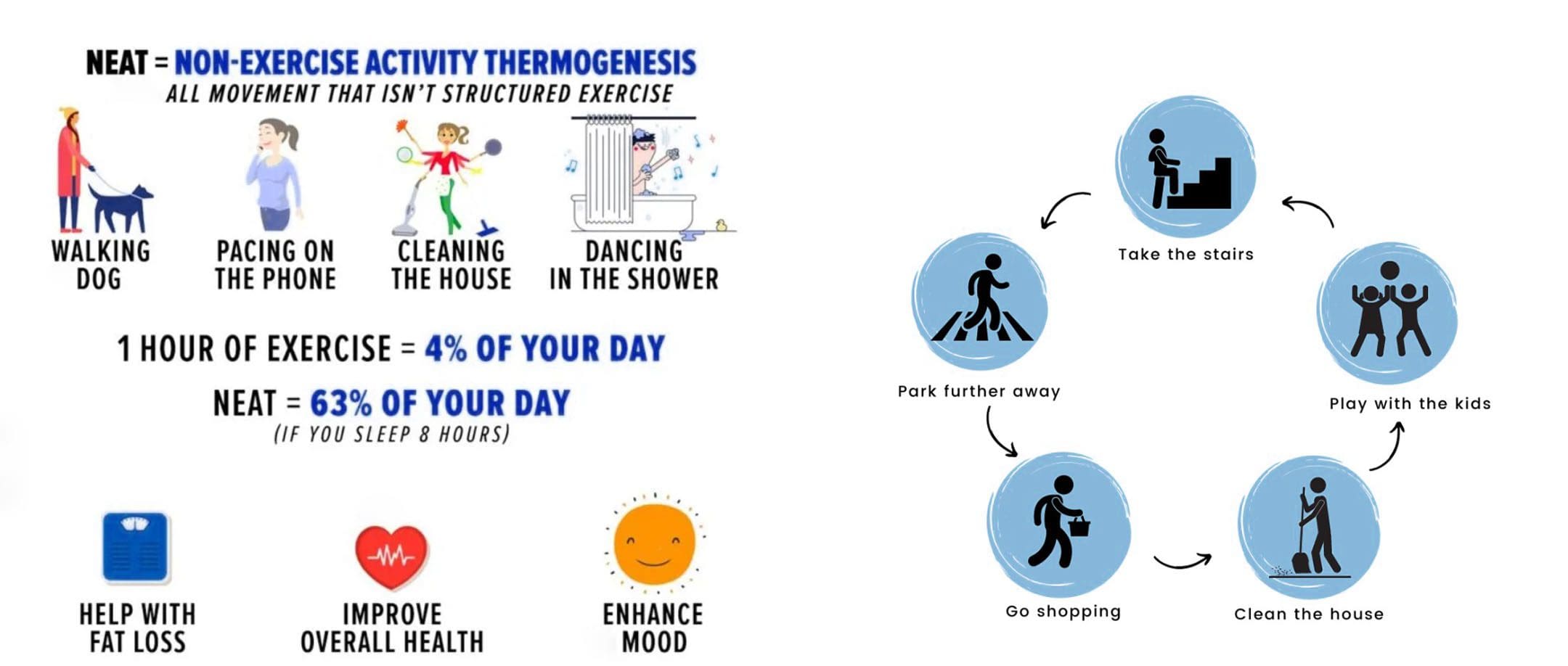
Non-exercise activity thermogenesis, or NEAT, describes the calories burned by daily movements and activities. These physical movements are not planned or structured exercises, workouts, or sports. It is also referred to as non-exercise physical activity or NEPA. Examples include activities like:
Cleaning
Cooking
Shopping
Playing a musical instrument
Small movements like fidgeting
When buying a few items, carry a basket instead of a shopping cart.
Take the stairs instead of the elevator or escalator.
While these movements might not seem like a lot, they can have a substantial impact on metabolic rates and calorie expenditures. A study followed over 12,000 women for 12 years and found that fidgeting can reduce the risk of death associated with excessive sedentariness. (Gareth Hagger-Johnson et al., 2016)
Calories Burned
The amount of calories burned varies from person to person. A study reported that the number of calories burned from non-exercise activity thermogenesis varies up to 2000 kilocalories a day between two individuals of similar size. (Christian von Loeffelholz et al., 2000). A number of factors can account for this difference, including environment and genetics. Individuals’ occupations and lifestyles can also influence non-exercise activity thermogenesis. For example, two individuals with similar body mass indexes or BMIs but different jobs, sedentariness versus activity, will burn different calorie amounts.
Improving Health
Non-exercise activity thermogenesis is thought to be one of the ways the body manages weight. When gaining weight, NEAT tends to increase, whereas when losing weight, NEAT decreases with individuals sitting more without moving as much. A research review noted that the benefits of non-exercise go well beyond the extra calories expended. (Pedro A. Villablanca et al., 2015). Increasing non-exercise activity thermogenesis reduces the risk of metabolic syndrome, cardiovascular issues, and other health problems. Plus, research shows that inactivity can negate the time and effort put into structured exercise. (John D. Akins et al., 2019). Combating sedentary behavior with non-activity thermogenesis helps increase the benefits of regular workouts.
Incorporating NEAT
There are small ways to incorporate non-exercise activity thermogenesis at work and at home. This could be using a standing desk or stability ball. According to the National Academy of Sports Medicine, a 145-pound person can approximately burn:
102 calories an hour while sitting at work.
174 calories if standing at work.
72 calories extra may not seem like a lot, but it can add up to more than 18,000 calories burned per year, leading to an approximate 5-pound weight loss.
If waiting in line or sitting in traffic, finding small ways to move, like tapping the hands or feet or moving the head to music, helps the body take advantage of non-exercise activity thermogenesis. Making more conscious efforts to move can go a long way in improving health.
Is Motion Key To Healing?
References
Hagger-Johnson, G., Gow, A. J., Burley, V., Greenwood, D., & Cade, J. E. (2016). Sitting Time, Fidgeting, and All-Cause Mortality in the UK Women’s Cohort Study. American journal of preventive medicine, 50(2), 154–160. https://doi.org/10.1016/j.amepre.2015.06.025
von Loeffelholz, C., & Birkenfeld, A. L. (2022). Non-Exercise Activity Thermogenesis in Human Energy Homeostasis. In K. R. Feingold (Eds.) et. al., Endotext. MDText.com, Inc.
Villablanca, P. A., Alegria, J. R., Mookadam, F., Holmes, D. R., Jr, Wright, R. S., & Levine, J. A. (2015). Nonexercise activity thermogenesis in obesity management. Mayo Clinic proceedings, 90(4), 509–519. https://doi.org/10.1016/j.mayocp.2015.02.001
Akins, J. D., Crawford, C. K., Burton, H. M., Wolfe, A. S., Vardarli, E., & Coyle, E. F. (2019). Inactivity induces resistance to the metabolic benefits following acute exercise. Journal of applied physiology (Bethesda, Md. : 1985), 126(4), 1088–1094. https://doi.org/10.1152/japplphysiol.00968.2018
For individuals trying to maintain a healthy spine, can understanding the causes and prevention of rotated vertebrae help protect the spine from harmful rotation of vertebrae?
Spinal Rotation
Healthy spine rotation is an important aspect of injury prevention, and rotated vertebrae or a twisted spine can result from spine, nerve, or muscle disease or certain movements.
Normal Spine Twisting Capability
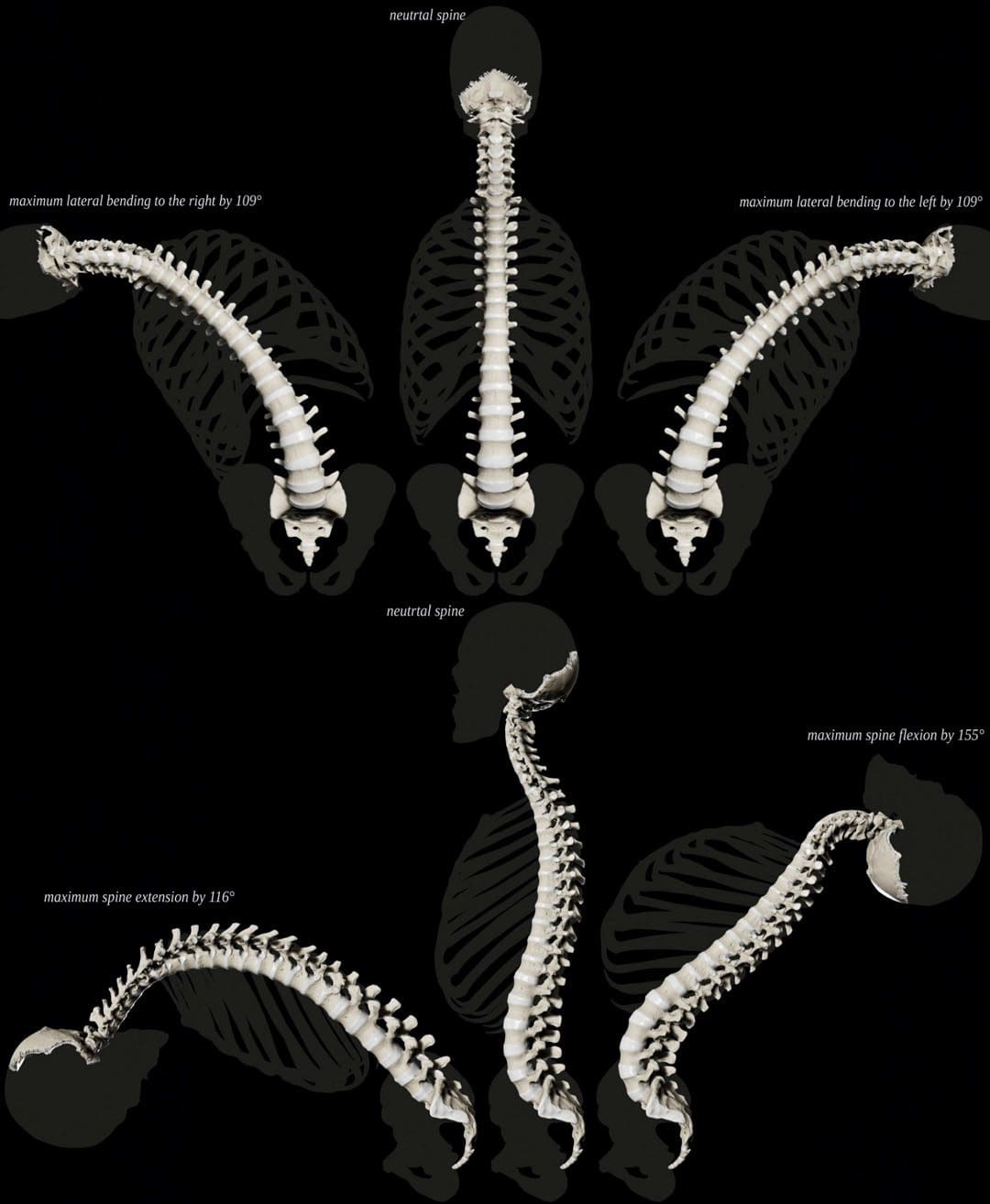
The spine can move in several ways. Spine movements include:
Bending – Rounding forward
Extending – Arching backward
Tilting sideways is powered by muscles that aid in twisting.
Although the spine can move in many directions, there are limits to how far it can and should go. (Xinhai Shan et al., 2013). This is especially true with twisting. The spinal column is made of 26 interconnected bones called vertebrae. When moving, each vertebrae bone moves accordingly. Rotated or twisted vertebrae, especially when bending forward like lifting heavy objects, are associated with a risk of back injuries like strain and herniated discs.
How Rotation Works
Rotation is a basic movement in which individuals can turn their spinal column. When twisting, the spine also bends to the side. The muscles involved in spine rotation include:
The internal oblique abdominals and the external oblique abdominals don’t directly attach to the spine but are the primary muscles responsible for powering spinal rotation in the lower back.
Intrinsic muscles, including the multifidus and longissimus, contribute to twisting movement as well.
The multifidus helps the spine twist when one side is contracted/activated and extends the lumbar spine when both sides contract.
The multifidus helps control the movement, and the longissimus provides the movement with some extension.
Age and The Spine
As individuals age, the body accumulates tension and/or weakness in the oblique abdominal and other trunk muscles. Sedentary habits primarily bring on these changes. (Pooriput Waongenngarm et al., 2016)
Chronically tight back and abdominal muscles impair the range of motion of the trunk, as well as twisting ability.
Muscle weakness and tightness affect spinal movements.
Weakened muscles can decrease support for spinal movement and decrease overall trunk stability.
Spinal Rotation and Scoliosis
Scoliosis is a common condition that causes a lateral curve of the spine. Some of the vertebrae become displaced to the side. Often, abnormal vertebral rotation underlies this displacement. Treatment often focuses on controlling vertebral rotation with medical guidance and physical therapy. (John P. Horne et al., 2014)
Over-Rotating The Spine
Many individuals over-rotate their spines with manual work, which can increase the risk of back injuries. (National Institutes of Health. 2020). Over-rotation can happen with activities like digging or shoveling.
Exercise For A Healthy Spine
A recommended way to achieve optimal rotation of the spine is with daily back exercises. (National Spine Health Foundation. 2015). An effective back exercise program will consist of movements in every direction.
Yoga is recommended because it places emphasis on developing flexibility and strength in all directions.
Pilates does the same.
An injury prevention exercise program will work the hip and pelvic muscles as well.
Individuals with a spine condition should consult their healthcare provider or physical therapist about how to exercise the spine safely, as rotation exercises could worsen back problems like bulging or herniated discs.
Core Strength For A Pain-Free Back
References
Shan, X., Ning, X., Chen, Z., Ding, M., Shi, W., & Yang, S. (2013). Low back pain development response to sustained trunk axial twisting. European spine journal : official publication of the European Spine Society, the European Spinal Deformity Society, and the European Section of the Cervical Spine Research Society, 22(9), 1972–1978. https://doi.org/10.1007/s00586-013-2784-7
Waongenngarm, P., Rajaratnam, B. S., & Janwantanakul, P. (2016). Internal Oblique and Transversus Abdominis Muscle Fatigue Induced by Slumped Sitting Posture after 1 Hour of Sitting in Office Workers. Safety and health at work, 7(1), 49–54. https://doi.org/10.1016/j.shaw.2015.08.001
For individuals switching to non-dairy and plant-based diets, can oat milk be a beneficial substitute for non-dairy milk drinkers?
Oat Milk
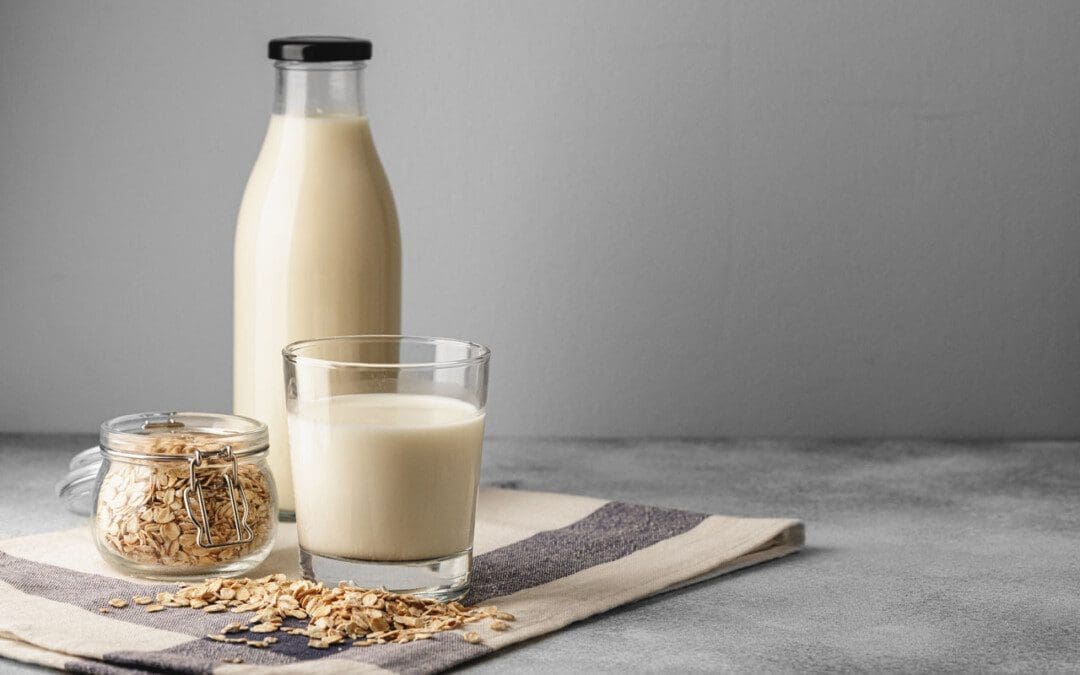
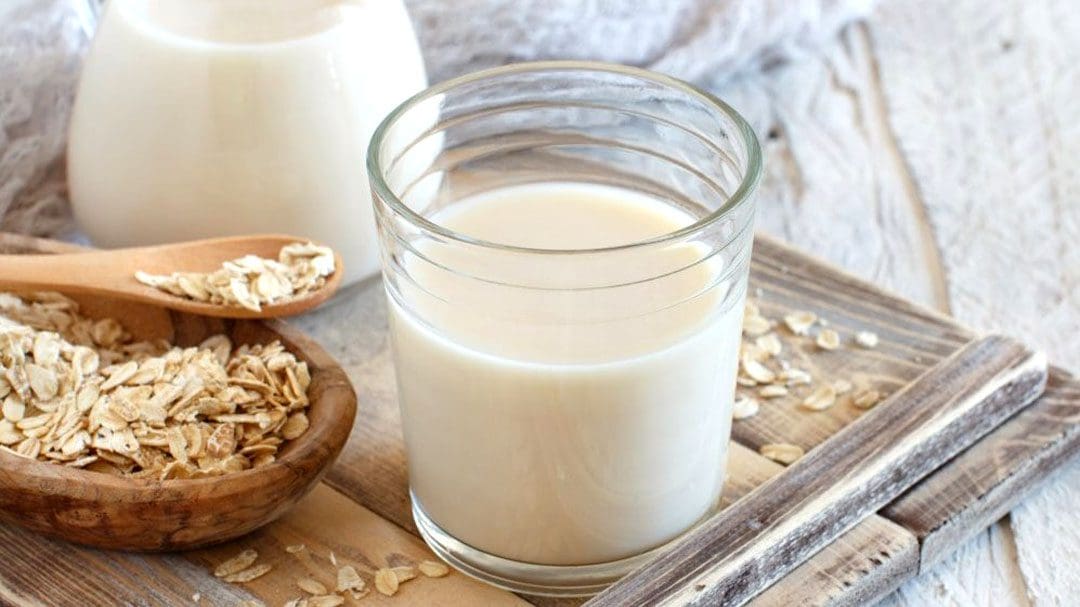
Oat milk is a dairy-free, lactose-free alternative nearly free of saturated fats, has more protein than most nut-based kinds of milk, adds fiber, and offers a healthy dose of B vitamins and minerals. It contains steel-cut or whole oats soaked in water that are then blended and strained with a cheesecloth or special milk bag that is cheaper to make than almond milk and is environmentally friendly.
Nutrition
Individuals can acquire 27% of daily calcium, 50% of daily vitamin B12, and 46% of daily B2. The nutritional information is for one serving of 1 cup of oat milk. (USDA FoodData Central. 2019)
Calories – 120
Fat – 5 grams
Sodium – 101 milligrams
Carbohydrates – 16 grams
Fiber – 1.9 grams
Sugars – 7 grams
Protein – 3 grams
Calcium – 350.4 milligrams
Vitamin B12 – 1.2 micrograms
Vitamin B2 – 0.6 milligrams
Carbohydrates
According to the United States Department of Agriculture, the number of carbohydrates in a cup of oat milk is 16, higher than other milk products.
However, the carbohydrates come from fiber and not fat.
Because oat milk is made from steel-cut or whole oats, there is more fiber per serving than cow’s milk, which offers no fiber, and almond and soy, which only contain one gram of fiber per serving.
Fats
Oat milk contains no fatty acids, no total saturated fat, and no total trans fats.
The milk does have 5 grams of total lipid fats.
Protein
Compared to cow’s and soy milk, oat milk has less protein, with only 3 grams per serving.
But compared to other substitutes, like almond milk and rice milk, oat milk provides more protein per serving.
This is beneficial for individuals following a vegan or dairy-free diet.
Vitamins and Minerals
Oat milk contains thiamin and folate, both B vitamins necessary for energy production.
The milk also has minerals, including copper, zinc, manganese, magnesium, and trace amounts of vitamins and minerals such as vitamin D, A IU, riboflavin, and potassium.
Most commercial oat milk is fortified with vitamins A, D, B12, and B2.
Calories
One serving of oat milk, about 1 cup, provides approximately 120 calories.
80% outgrow the allergy, but the remaining 20% still deal with the allergy into adulthood, making dairy alternatives necessary.
An alternative to dairy milk for:
Allergies to dairy
Lactose intolerance
Following a vegan/dairy-free diet
Oat milk offers some of the same health benefits as cow’s milk, that include:
Protein to build and repair tissues.
Maintain hair and nail health.
Calcium for strong bones.
Macronutrients like folate help make red and white blood cells.
Lowers Cholesterol
A review determined that consuming oats and oat products has a profound effect in lowering total and LDL cholesterol levels. (Susan A Joyce et al., 2019)
The researchers found significant support between oat beta-glucans and blood cholesterol levels, showing that adding oats to one’s diet can help lower the risk of cardiovascular disease.
Cancer Fighting Properties
According to a review of plant-based milk alternatives, oat milk may contain anti-cancer properties and high nutritional value. (Swati Sethi et al., 2016)
Bowel Movement Regulation
Because a great deal of carbohydrates in oat milk come from fiber, it is also higher in fiber than regular milk.
Fiber can help because the nutrient absorbs water to regulate bowel movements and decrease constipation.
Spending on alternative milk has risen, and the consumption of dairy milk has dropped, not only for the benefits and taste but because of environmental concerns.
Dairy milk uses nine times more land to make one liter compared to rice milk, soy milk, almond milk, or oat milk.
Allergies
Oat milk is a beneficial alternative for individuals who are lactose intolerant or suffer from any other type of dairy allergy or those who have a nut allergy and can’t drink almond milk.
However, individuals should be careful of intake if they have celiac disease or any type of wheat allergy/sensitivity.
Individuals can still drink oat milk, but the labels need to be read to make sure the product contains gluten-free wheat.
Oats are gluten-free, but manufacturers often process them using the same equipment as other wheat products, which could cause a reaction.
Adverse Effects
Oat milk can contain acidity-regulating phosphates, which are common additives in processed foods and are linked to kidney disease.
American College of Allergy, Asthma & Immunology. (2019). Milk & Dairy.
Joyce, S. A., Kamil, A., Fleige, L., & Gahan, C. G. M. (2019). The Cholesterol-Lowering Effect of Oats and Oat Beta Glucan: Modes of Action and Potential Role of Bile Acids and the Microbiome. Frontiers in nutrition, 6, 171. https://doi.org/10.3389/fnut.2019.00171
Sethi, S., Tyagi, S. K., & Anurag, R. K. (2016). Plant-based milk alternatives an emerging segment of functional beverages: a review. Journal of food science and technology, 53(9), 3408–3423. https://doi.org/10.1007/s13197-016-2328-3
Quagliani, D., & Felt-Gunderson, P. (2016). Closing America’s Fiber Intake Gap: Communication Strategies From a Food and Fiber Summit. American journal of lifestyle medicine, 11(1), 80–85. https://doi.org/10.1177/1559827615588079
Nadkarni, G. N., & Uribarri, J. (2014). Phosphorus and the kidney: What is known and what is needed. Advances in nutrition (Bethesda, Md.), 5(1), 98–103. https://doi.org/10.3945/an.113.004655
For athletes, fitness enthusiasts, and individuals getting into regular exercise, can taking a workout break be beneficial if structured properly?
Workout Break
Giving oneself permission to take a break from exercising is necessary, especially to maintain a current fitness level. To stay fit at every level and injury-free, the body needs rest and recovery, especially to progress in performance levels. Regular exercise is important for:
Building endurance
Improving strength
Losing and maintaining weight
Relieving stress
What Is It?
A voluntary pause/workout break is a dedicated amount of time when the individual chooses not to work out. It is typically a response to individual body cues when the person knows their mind and body need to take a break from exercising. A workout break is different than a rest day as it may last one or two weeks from the regular training routine. Individuals may need to take a break because the workouts are becoming boring and/or the possibility of burning out or overtraining.
Fitness Impact
Studies on recreational soccer players showed that three to six weeks of inactivity did not change aerobic capacity and muscle strength. (Chang Hwa Joo. 2018)
Extremely fit individuals will experience a rapid drop in fitness during the first three weeks of inactivity before leveling off. (Chang Hwa Joo. 2018)
Medical experts provide terms for individuals who may be doing too much:
Overreaching is when the training becomes excessive, and performance begins to fall. It can be short- or long-term.
Overtraining occurs when overreaching is not addressed.
Overtraining syndrome/OTS lasts longer and results in more serious performance setbacks along with symptoms like hormone changes, depression, fatigue, and systemic inflammation. (Jeffrey B. Kreher. 2016)
Overreaching or overtraining feels like fitness progress is moving backward instead of forward. The more training, the slower and more fatigued the body becomes.
Endurance athletes have an increased risk of overreaching and overtraining. (Jeffrey B. Kreher. 2016)
The endurance mindset encourages pushing more hours of training to get stronger and faster. However, at a certain point, performance suffers.
Taking a break allows the restoration of balance to focus on work or school, manage various life events, and enjoy friends and family time. Studies have suggested that achieving a better work/life balance can improve:
Overtraining usually results from training too much and insufficient recovery.
Fitness and training experts recommend rest and light training as therapy for overtraining. (Jeffrey B. Kreher. 2016)
Signs The Body Needs A Break
A few signs and common symptoms may indicate a workout break may be needed.
Constantly unmotivated or bored
Not looking forward to working out
Poor performance
Physical exhaustion
Fatigue
Soreness that does not resolve
Lack of progress in workouts
Alternate Activities
During the workout break, engage in other active things that work the body differently, like playing table tennis, for example, or activities that are fun but keep the body moving without doing hard workouts. Remember, the body doesn’t have to be completely inactive. Individuals can try out:
Leisurely bike riding
Dancing
Climbing
Easy yardwork
Yoga or Pilates
Stretching
Returning To Working Out
It could feel like starting over, but it won’t take long for the body to remember how to exercise. It just needs to get used to working out again. It can be tempting to jump into an all-out workout routine, but that is not recommended because of the risk of injury. Here are a few basic principles to keep the body strong and healthy while easing back into a regular workout routine.
Start Simple
Start with a lighter version of the regular routine using lighter weights and less intensity.
Give The Body Time
Use the first two weeks for the body to get used to the workouts.
It can take up to three weeks to get back, depending on workouts before and how much relaxation time has passed.
Take Extra Rest Days
Returning to exercise means the body is going to be extra sore.
Plan extra recovery days so the body can heal and gain strength.
Each week, gradually increase the intensity until it is back to regular performance.
Revolutionizing Healthcare
References
Joo C. H. (2018). The effects of short term detraining and retraining on physical fitness in elite soccer players. PloS one, 13(5), e0196212. https://doi.org/10.1371/journal.pone.0196212
St-Amand, J., Yoshioka, M., Nishida, Y., Tobina, T., Shono, N., & Tanaka, H. (2012). Effects of mild-exercise training cessation in human skeletal muscle. European journal of applied physiology, 112(3), 853–869. https://doi.org/10.1007/s00421-011-2036-7
Kreher J. B. (2016). Diagnosis and prevention of overtraining syndrome: an opinion on education strategies. Open access journal of sports medicine, 7, 115–122. https://doi.org/10.2147/OAJSM.S91657
Cadegiani, F. A., & Kater, C. E. (2019). Novel insights of overtraining syndrome discovered from the EROS study. BMJ open sport & exercise medicine, 5(1), e000542. https://doi.org/10.1136/bmjsem-2019-000542
Gragnano, A., Simbula, S., & Miglioretti, M. (2020). Work-Life Balance: Weighing the Importance of Work-Family and Work-Health Balance. International journal of environmental research and public health, 17(3), 907. https://doi.org/10.3390/ijerph17030907
For individuals looking for a quick healthy snack, can adding sunflower seeds to one’s diet provide health benefits?
Sunflower Seeds
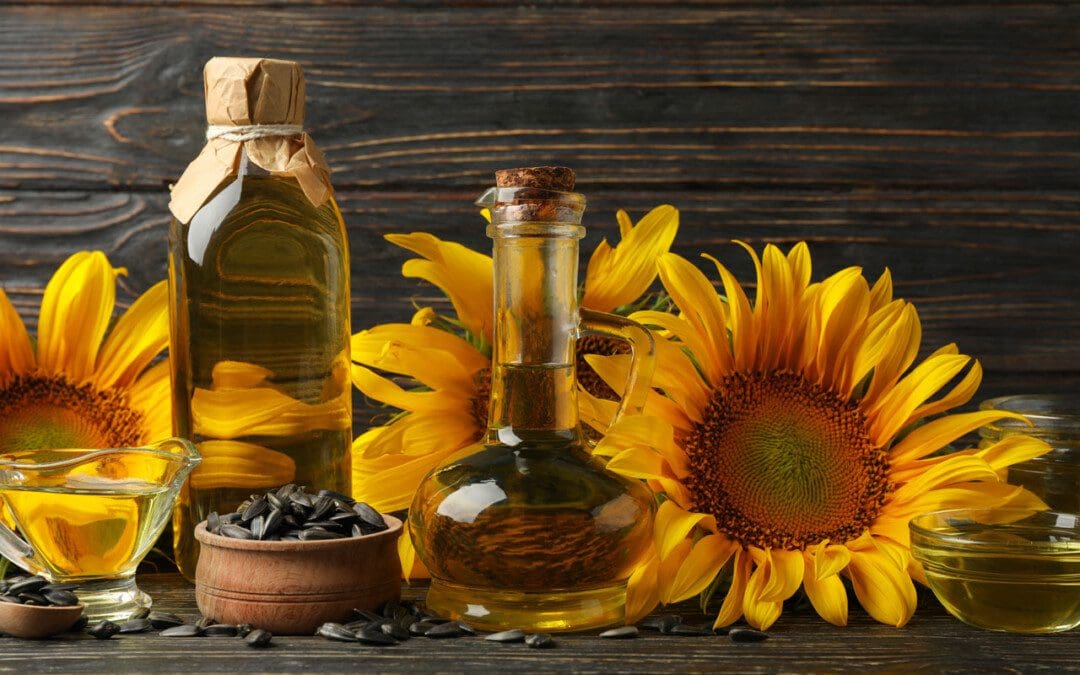
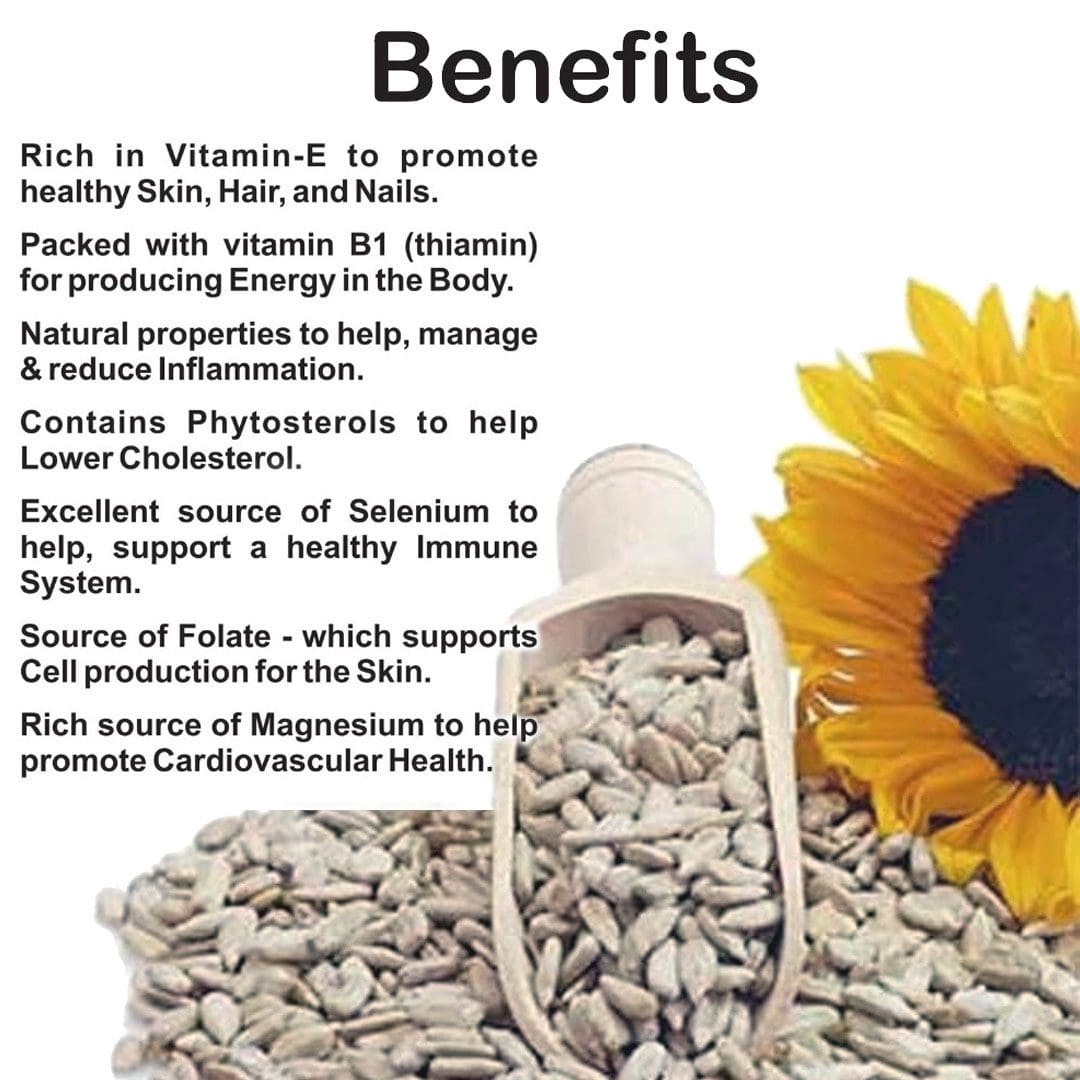
Sunflower seeds are the fruit of the sunflower plant. They have been found to contain antioxidants, vitamins, and minerals, which can help maintain immune system health, heart health, and more. Regularly grabbing a handful as a snack or adding to salads, oatmeal, baked goods, tuna salad, pasta, and vegetable toppings can help increase energy levels, reduce inflammation, and support general body health.
The seed’s high vitamin E value, combined with flavonoids and various plant compounds, can help reduce inflammation.
Research suggests that eating seeds at least five times a week may reduce inflammation and lower the risk of developing certain diseases. (Rui Jiang et al., 2006)
Heart Health
They are high in healthy fats, like polyunsaturated and monounsaturated fats.
Plant sterols, or the natural compounds in sunflower seeds, are recommended for their cholesterol-lowering properties. (University of Wisconsin Health. 2023)
Data show sunflower and other seeds consumption may lower rates of heart disease, high blood pressure, and high cholesterol.
Energy
The seeds contain vitamin B, selenium, and protein, which can help energize the body throughout the day.
These nutrients support blood circulation, oxygen delivery, and food conversion into energy.
Immune System Support
Sunflower seeds contain minerals and nutrients like zinc and selenium that help the body’s natural ability to defend against viruses and bacteria.
These minerals translate into benefits like immune cell maintenance, inflammation reduction, infection protection, and an overall increase in immunity.
Nutrition
Individuals don’t need to consume a lot of sunflower seeds to gain the nutritional benefits. Inside is a well-rounded mix of healthy fats, antioxidants, and other nutrients. Inside a 1-ounce portion of roasted sunflower seeds/without salt: (U.S. Department of Agriculture. 2018)
Calories – 165
Carbohydrates – 7 grams
Fiber – 3 grams
Sugar – 1 grams
Protein – 5.5 grams
Total fat – 14 grams
Sodium – 1 milligrams
Iron – 1 milligram
Vitamin E – 7.5 milligrams
Zinc – 1.5 milligrams
Folate – 67 micrograms
Female Health
When it comes to female reproductive health, there are aspects that the seeds may be able to help support.
The seed’s rich amounts of vitamin E, folate, phosphorus, and healthy fats are crucial for fetal development and maternal health.
Sunflower seeds naturally do not contain high amounts of sodium, but they are often packaged with added salt that can potentially sabotage their nutritional benefits.
The shells are usually coated in salt for flavor, as much as 70 milligrams for every 1 ounce of seeds.
High in calories, individuals should consider moderating portions to one-quarter cup and eating the unsalted varieties. (U.S. Department of Agriculture. 2018)
Other Ways To Incorporate Seeds Into Meals
Other ways to add sunflower seeds to meals include:
Sprinkling them on chicken or a tuna salad.
Salad topping.
Topping for cereal and oatmeal.
Mixing them into batter for baked goods, like cookies.
Adding them to homemade or grocery store trail mix.
Grinding the seeds for a flour coating for meat or fish.
Sprinkling them into vegetable dishes, casseroles, stir-fries, and pasta.
Sunflower butter can be an alternative to peanut or other nut butters.
Sports Injury Rehabilitation
References
Adeleke, B. S., & Babalola, O. O. (2020). Oilseed crop sunflower (Helianthus annuus) as a source of food: Nutritional and health benefits. Food science & nutrition, 8(9), 4666–4684. https://doi.org/10.1002/fsn3.1783
Petraru, A., Ursachi, F., & Amariei, S. (2021). Nutritional Characteristics Assessment of Sunflower Seeds, Oil and Cake. Perspective of Using Sunflower Oilcakes as a Functional Ingredient. Plants (Basel, Switzerland), 10(11), 2487. https://doi.org/10.3390/plants10112487
Jiang, R., Jacobs, D. R., Jr, Mayer-Davis, E., Szklo, M., Herrington, D., Jenny, N. S., Kronmal, R., & Barr, R. G. (2006). Nut and seed consumption and inflammatory markers in the multi-ethnic study of atherosclerosis. American journal of epidemiology, 163(3), 222–231. https://doi.org/10.1093/aje/kwj033
IFM's Find A Practitioner tool is the largest referral network in Functional Medicine, created to help patients locate Functional Medicine practitioners anywhere in the world. IFM Certified Practitioners are listed first in the search results, given their extensive education in Functional Medicine