For individuals with arthritis, can incorporating acupuncture with other therapies help manage pain and other symptoms?
Acupuncture For Arthritis
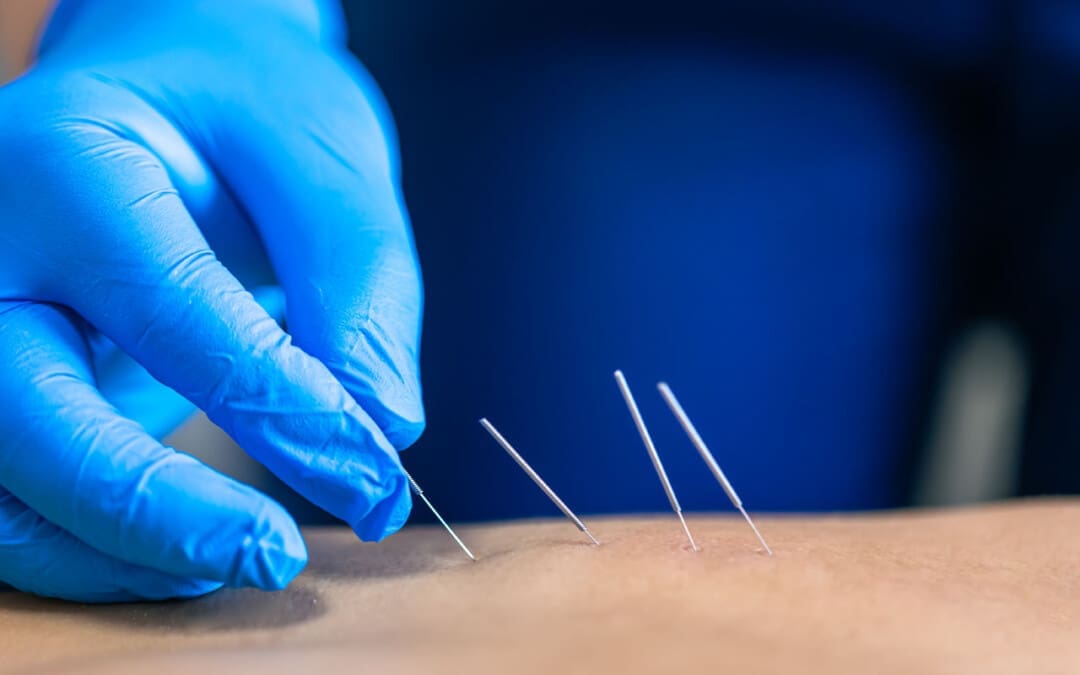
Acupuncture has been around for thousands of years and is a form of traditional Chinese medicine that utilizes needles inserted into various parts of the body to relieve pain and inflammation. The practice is based on the concept of life energy that flows throughout the body along pathways called meridians. When the energy flow becomes disrupted, blocked, or injured, pain or illness can present. (Arthritis Foundation. N.D.) Further research is needed to determine how the acupuncture therapeutic mechanisms work and the overall effectiveness. However, there is emerging evidence suggesting that acupuncture can provide symptom relief for individuals with joint pain, especially those with osteoarthritis and rheumatoid arthritis. (Pei-Chi Chou, Heng-Yi Chu. 2018)
Benefits
The actual method that reduces the pain and inflammation is still unclear. Theories include that the needles suppress inflammatory responses, improve blood flow, and relax muscles. Although acupuncture cannot cure or reverse arthritis, it may be useful for managing pain and decreasing associated symptoms, especially in combination with other therapies. (Pei-Chi Chou, Heng-Yi Chu. 2018)
Rheumatoid Arthritis
A systematic review of 43 studies, including humans and animals with rheumatoid arthritis, demonstrated varied results. Several studies showed improvement in symptoms and decreased biological markers of rheumatoid arthritis following one to three sessions of acupuncture for four weeks or more. (Sharon L. Kolasinski et al., 2020) Beneficial outcomes following acupuncture treatment for rheumatoid arthritis include:
Reduced pain
Reduced joint stiffness
Improved physical function
The results of the human and animal studies suggested that acupuncture has the potential to down-regulate:
Levels of interleukins
Levels of tumor necrosis factor
Specific cell signaling proteins/cytokines involved in the inflammatory response, which become elevated in autoimmune conditions like rheumatoid arthritis. (Pei-Chi Chou, Heng-Yi Chu. 2018)
Most of the study subjects were also receiving other forms of treatment, especially medication. Therefore, it is difficult to conclude how beneficial acupuncture is alone or as a supplemental addition to other medical treatments. (Pei-Chi Chou, Heng-Yi Chu. 2018)
Osteoarthritis
Acupuncture for osteoarthritis of the hand, hip, and knee is recommended, according to the American College of Rheumatology and Arthritis Foundation, meaning that it may be worth trying, although more research is needed to confirm its effectiveness. However, since the risk is relatively minor, acupuncture is generally considered a safe alternative treatment option for managing the symptoms. (Sharon L. Kolasinski et al., 2020)
Chronic Pain
As clinical trials suggest that acupuncture may be effective in providing pain relief, it may be a recommended option for individuals suffering from chronic pain. A recent systematic review of 20,827 patients and 39 trials concluded that acupuncture is effective for the treatment of chronic musculoskeletal pain, headache, and osteoarthritis pain. (Andrew J. Vickers et al., 2018)
Triggering the release of endorphins/hormones that help reduce pain.
Safety
Acupuncture is considered a safe procedure by a licensed and certified professional.
To practice acupuncture in the United States, an acupuncturist needs a minimum of a master’s degree from a program accredited by the American Academy of Acupuncture and Oriental Medicine and a license in the state where they received their acupuncture treatment.
Doctors with an MD or DO degree licensed in the United States to practice medicine can also be licensed by the American Academy of Medical Acupuncture after additional training.
Risks
Risks associated with acupuncture are bleeding and bruising, especially for individuals who have a bleeding disorder like hemophilia or take a blood thinning medication. Individuals are recommended to talk to their healthcare provider to determine if acupuncture is a safe option.
Side Effects
Most individuals do not experience any side effects, although possible reactions can include: (Shifen Xu et al., 2013)
Soreness
Bruising
Scarring
Needle shock: a vasovagal response that presents as feeling faint, clammy hands, chills, and slight nausea.
Acupuncture Session
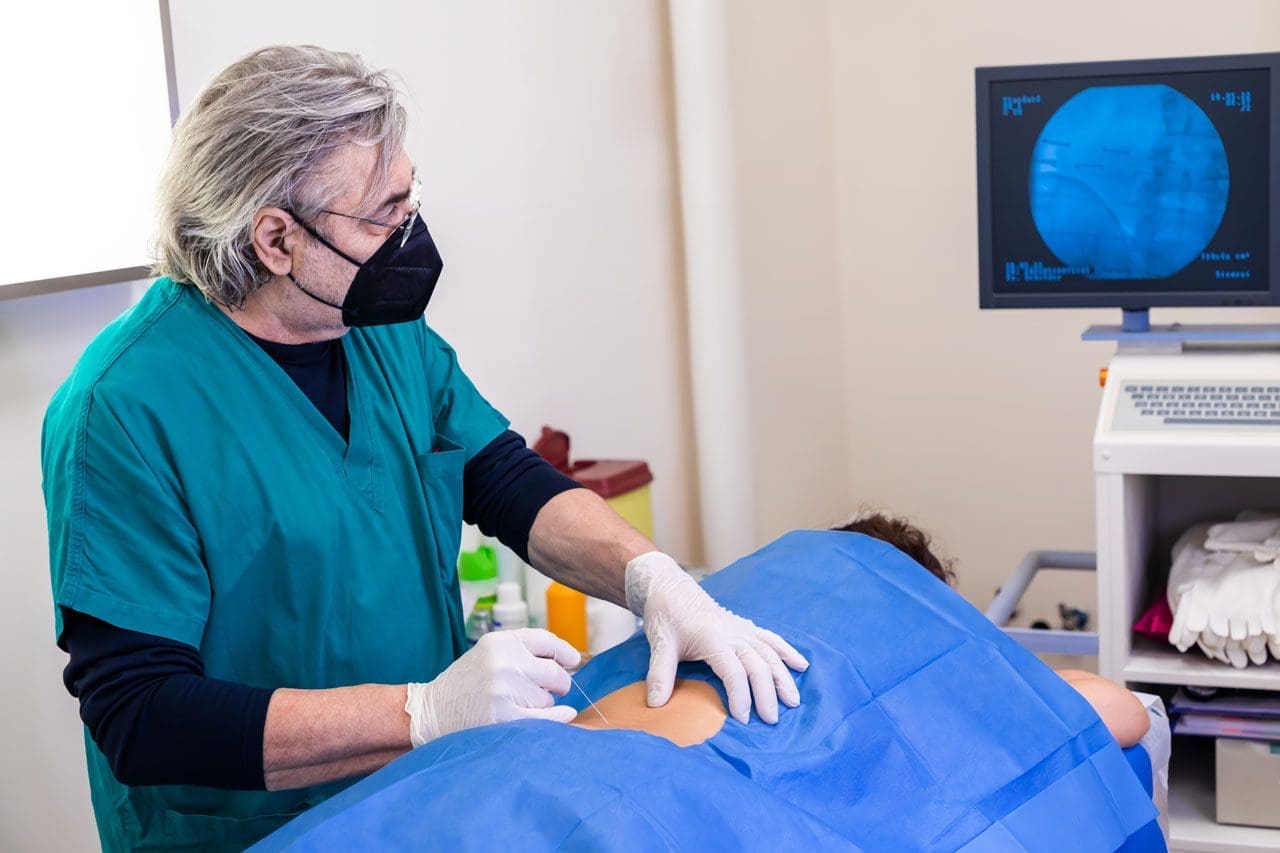
During the initial treatment, individuals will discuss their medical history and what joints and areas of their bodies are presenting with symptoms.
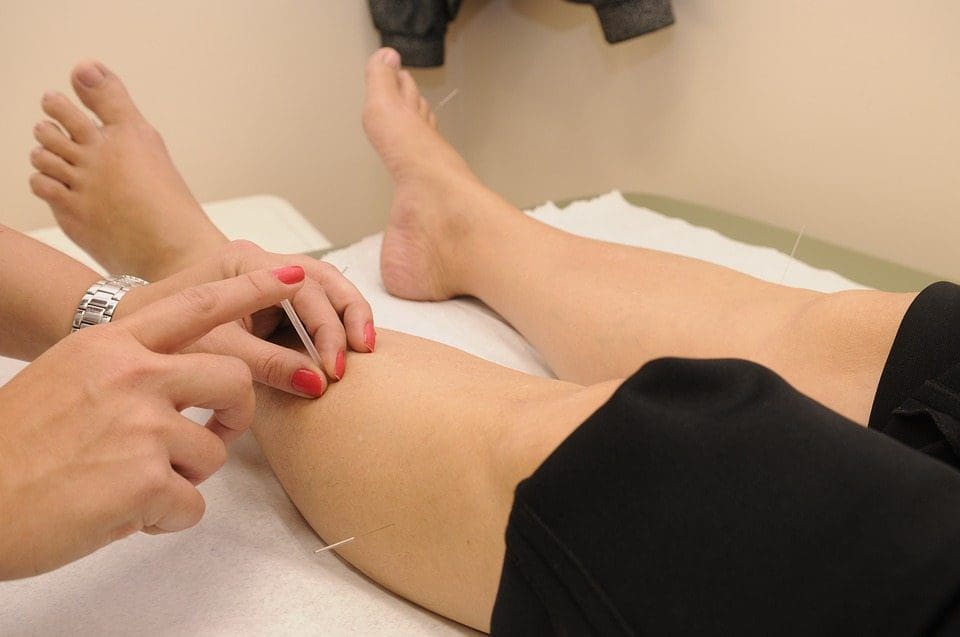
After a physical exam, the individual will lie on a treatment table.
Individuals may be face up or down depending on what areas of the body the acupuncturist needs to access.
It is recommended to wear loose clothing that can be rolled up or moved out of the way to access different areas easily.
Depending on what areas need to be accessed, individuals may be asked to change into a medical gown.
The acupuncturist will use alcohol swabs to disinfect the area before inserting the needles.
The needles are made of stainless steel and are extremely thin.
Individuals may feel a slight pinch in sensitive areas like the hands and feet, but needle insertion should be comfortable and well-tolerated without significant discomfort.
For electroacupuncture, the acupuncturist will pass a mild electric current through the needles, typically 40 to 80 volts.
The needles stay in place for 20 to 30 minutes.
After the treatment is finished, the acupuncturist will remove the needles and dispose of them.
Frequency
The frequency of acupuncture sessions will vary depending on the severity of the symptoms and whether the visits are approved and reimbursed by the health insurance company.
Cost and Insurance
Costs for acupuncture can vary from $75 to $200 per session.
The first session, which involves an initial assessment and evaluation, usually costs more than follow-up visits.
Whether the health insurance will cover some or all of the costs of acupuncture sessions depends on the individual insurance company and the condition being treated.
Medicare currently covers acupuncture services up to 12 visits within a 90-day period for chronic low back pain only.
Medicare will not cover acupuncture for other conditions. (Medicare.gov. N.D.)
Acupuncture is not a cure for arthritis, but it may be a useful tool to help manage pain and other symptoms. Make sure to consult a healthcare provider if acupuncture is safe to try based on medical history.
Chou, P. C., & Chu, H. Y. (2018). Clinical Efficacy of Acupuncture on Rheumatoid Arthritis and Associated Mechanisms: A Systemic Review. Evidence-based complementary and alternative medicine : eCAM, 2018, 8596918. https://doi.org/10.1155/2018/8596918
Kolasinski, S. L., Neogi, T., Hochberg, M. C., Oatis, C., Guyatt, G., Block, J., Callahan, L., Copenhaver, C., Dodge, C., Felson, D., Gellar, K., Harvey, W. F., Hawker, G., Herzig, E., Kwoh, C. K., Nelson, A. E., Samuels, J., Scanzello, C., White, D., Wise, B., … Reston, J. (2020). 2019 American College of Rheumatology/Arthritis Foundation Guideline for the Management of Osteoarthritis of the Hand, Hip, and Knee. Arthritis care & research, 72(2), 149–162. https://doi.org/10.1002/acr.24131
Vickers, A. J., Vertosick, E. A., Lewith, G., MacPherson, H., Foster, N. E., Sherman, K. J., Irnich, D., Witt, C. M., Linde, K., & Acupuncture Trialists’ Collaboration (2018). Acupuncture for Chronic Pain: Update of an Individual Patient Data Meta-Analysis. The journal of pain, 19(5), 455–474. https://doi.org/10.1016/j.jpain.2017.11.005
Xu, S., Wang, L., Cooper, E., Zhang, M., Manheimer, E., Berman, B., Shen, X., & Lao, L. (2013). Adverse events of acupuncture: a systematic review of case reports. Evidence-based complementary and alternative medicine : eCAM, 2013, 581203. https://doi.org/10.1155/2013/581203
Medicare.gov. (N.D.). Acupuncture. Retrieved from https://www.medicare.gov/coverage/acupuncture
Individuals who participate in physical and sports activities could suffer an Achilles tendon tear. Can understanding the symptoms and risks help in treatment and return the individual back to their sports activity sooner?
Achilles Tendon
This is a common injury that occurs when the tendon attaching the calf muscle to the heel gets torn.
About the Tendon
The Achilles tendon is the largest tendon in the body.
In sports and physical activities, intense explosive movements like running, sprinting, quickly shifting positions, and jumping are exerted on the Achilles.
The injury often occurs without any contact or collision but rather the running, starting, stopping, and pulling actions placed on the feet.
Certain antibiotics and cortisone shots can increase the likelihood of Achilles tear injuries.
A specific antibiotic, fluoroquinolones, has been shown to increase the risk of Achilles tendon problems.
Cortisone shots are also associated with Achilles tears, which is why many healthcare providers don’t recommend cortisone for Achilles tendonitis. (Anne L. Stephenson et al., 2013)
Symptoms
A tendon tear or rupture causes sudden pain behind the ankle.
Individuals may hear a pop or a snap and often report the feeling as being kicked in the calf or heel.
Individuals have difficulty pointing their toes downward.
Individuals may have swelling and bruising around the tendon.
A healthcare provider will examine the ankle for continuity of the tendon.
Squeezing the calf muscle is supposed to cause the foot to point downwards, but in individuals with a tear, the foot will not move, resulting in positive results on the Thompson test.
A defect in the tendon can usually be felt after a tear.
X-rays may be used to rule out other conditions, including ankle fracture or ankle arthritis.
Fluoroquinolone antibiotics are commonly used for the treatment of respiratory infections, urinary tract infections, and bacterial infections. These antibiotics are associated with Achilles tendon rupture, but further research is needed to determine how they affect the Achilles tendon. Individuals taking these medications are advised to consider an alternative medication if Achilles tendon problems begin to develop. (Anne L. Stephenson et al., 2013)
Treatment
Depending on the severity of the injury, treatment can consist of non-surgical techniques or surgery.
The benefit of surgery is there is usually less immobilization.
Individuals can often return to sports activities sooner, and there is less chance of re-rupturing the tendon.
Thevendran, G., Sarraf, K. M., Patel, N. K., Sadri, A., & Rosenfeld, P. (2013). The ruptured Achilles tendon: a current overview from biology of rupture to treatment. Musculoskeletal surgery, 97(1), 9–20. https://doi.org/10.1007/s12306-013-0251-6
Stephenson, A. L., Wu, W., Cortes, D., & Rochon, P. A. (2013). Tendon Injury and Fluoroquinolone Use: A Systematic Review. Drug safety, 36(9), 709–721. https://doi.org/10.1007/s40264-013-0089-8
Pedowitz, D., & Kirwan, G. (2013). Achilles tendon ruptures. Current reviews in musculoskeletal medicine, 6(4), 285–293. https://doi.org/10.1007/s12178-013-9185-8
Yasui, Y., Tonogai, I., Rosenbaum, A. J., Shimozono, Y., Kawano, H., & Kennedy, J. G. (2017). The Risk of Achilles Tendon Rupture in the Patients with Achilles Tendinopathy: Healthcare Database Analysis in the United States. BioMed research international, 2017, 7021862. https://doi.org/10.1155/2017/7021862
Individuals that engage in heavy exercise can develop heat cramps from overexertion. Can knowing the causes and symptoms help prevent future episodes from happening?
Heat Cramps
Heat cramps can develop during exercise from overexertion or prolonged exposure to high temperatures. The muscle cramps, spasms, and pain can range from mild to severe.
Electrolytes like sodium, calcium, and magnesium are important for properly functioning muscles, including the heart. The primary role of sweating is to regulate the body’s temperature. (MedlinePlus. 2015) Sweat is mostly water, electrolytes, and sodium. Excessive sweating from physical activity and exertion or a hot environment can cause electrolyte imbalances that lead to cramps, spasms, and other symptoms.
Causes and Activities
Heat cramps most commonly affect individuals who sweat excessively during strenuous activity or are exposed to hot temperatures for prolonged periods. The body and organs need to cool down, which causes sweat production. However, too much sweating can lead to dehydration and electrolyte depletion. (Centers for Disease Control and Prevention. 2022)
Age – Children and adults 65 years and older have the highest risk.
Excessive sweating.
Low sodium diet.
Preexisting Medical Conditions – heart disease, diabetes mellitus, and obesity are conditions that can increase the risk of muscle cramping.
Medications – blood pressure, diuretics, and antidepressants can affect electrolyte balance and hydration.
Alcohol consumption.
Self-Care
If heat cramps begin, immediately stop the activity and look for a cool environment. Rehydrate the body to replenish the fluid loss. Staying hydrated and drinking fluids regularly during intense activity or in a hot environment can help prevent the body from cramping. examples of beverages that increase electrolytes include:
Gently applying pressure and massaging affected muscles can help reduce pain and spasms. As symptoms resolve, it is recommended to not return to strenuous activity too soon because additional exertion can progressively lead to heatstroke or heat exhaustion. (Centers for Disease Control and Prevention. 2021) Heatstroke and heat exhaustion are two heat-related illnesses. (Centers for Disease Control and Prevention. 2022)
Heatstroke is when the body loses the ability to regulate temperature and can cause dangerously high temperatures.
Heat exhaustion is the body’s response to excessive fluid and electrolyte loss.
The majority of heat cramps develop during activities because of the exertion and sweating, causing more electrolytes to be lost and the body to become more dehydrated.
Symptoms can also develop minutes to hours after activity has ceased.
Duration
Most heat-related muscle cramps will resolve with rest and hydration within 30–60 minutes.
If muscle cramping or spasms do not subside within one hour, seek professional medical attention.
For individuals with heart conditions or on a low-sodium diet who develop heat cramps, regardless of duration, medical help is necessary to ensure there are no complications.
Drink plenty of fluids before and during physical activities.
Avoid alcohol and caffeinated beverages.
Avoid exercising or exposure to extreme heat during peak sunlight hours.
Avoid tight and dark-colored clothing.
Assessing Patients In A Chiropractic Setting
References
Gauer, R., & Meyers, B. K. (2019). Heat-Related Illnesses. American family physician, 99(8), 482–489.
Centers for Disease Control and Prevention. (2022). Heat stress — heat related illness. The National Institute for Occupational Safety and Health (NIOSH) Retrieved from https://www.cdc.gov/niosh/topics/heatstress/heatrelillness.html#cramps
MedlinePlus. (2015). Sweat. Retrieved from https://medlineplus.gov/sweat.html#cat_47
FoodData Central. (2019). Nuts, coconut water (liquid from coconuts). Retrieved from https://fdc.nal.usda.gov/fdc-app.html#/food-details/170174/nutrients
FoodData Central. (2019). Milk, nonfat, fluid, with added vitamin A and vitamin D (fat free or skim). Retrieved from https://fdc.nal.usda.gov/fdc-app.html#/food-details/746776/nutrients
Centers for Disease Control and Prevention. (2012). Frequently asked questions (FAQ) about extreme heat. Retrieved from https://www.cdc.gov/disasters/extremeheat/faq.html
For individuals dealing with chronic pain, can undergoing a nerve block procedure help alleviate and manage symptoms?
Nerve Blocks
A nerve block is a procedure done to interrupt/block pain signals due to nerve dysfunction or injury. They can be used for diagnostic or treatment purposes, and their effects can be short or long-term, depending on the type being used.
A temporary nerve block may involve the application or injection that stops pain signals from transmitting for a short time.
For example, in pregnancy, an epidural injection can be used during labor and delivery.
Permanent nerve blocks involve cutting/severing or removing certain parts of a nerve to stop pain signals.
These are used in cases with severe injuries or other chronic pain conditions that have not improved with other treatment approaches.
Treatment Usage
When healthcare providers diagnose a chronic pain condition caused by nerve injury or dysfunction, they may use a nerve block to locate the area generating pain signals. They may perform electromyography and/or a nerve conduction velocity/NCV test to pinpoint the cause of chronic nerve pain. Nerve blocks can also treat chronic neuropathic pain, such as pain caused by nerve damage or compression. Nerve blocks are regularly used to treat back and neck pain caused by herniated discs or spinal stenosis. (Johns Hopkins Medicine. 2024)
Types
Three types include:
Local
Neurolytic
Surgical
All three can be used for conditions that cause chronic pain. However, neurolytic and surgical blocks are permanent and are only used for severe pain that has worsened with other treatments unable to provide relief.
Temporary Blocks
A local block is done by injecting or applying local anesthetics, like lidocaine, to a certain area.
An epidural is a local nerve block that injects steroids or analgesics into an area around the spinal cord.
These are common during pregnancy, labor, and delivery.
Epidurals can also be used to treat chronic neck or back pain due to a compressed spinal nerve.
Local blocks are usually temporary, but in a treatment plan, they can be repeated over time to manage chronic pain from conditions like arthritis, sciatica, and migraines. (NYU Langone Health. 2023)
Permanent Blocks
A neurolytic block uses alcohol, phenol, or thermal agents to treat chronic nerve pain. (National Institute of Neurological Disorders and Stroke. 2023) These procedures damage certain areas of the nerve pathway on purpose so that pain signals cannot be transmitted. A neurolytic block is mainly used for severe chronic pain cases, like pain from cancer or complex regional pain syndrome/CRPS. They are sometimes used to treat ongoing pain from chronic pancreatitis and pain in the chest wall after surgery. (Johns Hopkins Medicine. 2024) (Alberto M. Cappellari et al., 2018)
The neurosurgeon performs a surgical nerve block that involves surgically removing or damaging specific areas of the nerve. (National Institute of Neurological Disorders and Stroke. 2023) A surgical nerve block is only used for severe pain cases, such as cancer pain or trigeminal neuralgia.
Although neurolytic and surgical nerve blocks are permanent procedures, pain symptoms, and sensations can come back if the nerves are able to regrow and repair themselves. (Eun Ji Choi et al., 2016) However, symptoms and sensations may not return months or years after the procedure.
These procedures can have the potential risk of permanent nerve damage. (Anthem BlueCross. 2023) Nerves are sensitive and regenerate slowly, so a tiny error can cause side effects. (D O’Flaherty et al., 2018) Common side effects include:
Muscle paralysis
Weakness
Frequent numbness
In rare cases, the block could irritate the nerve and cause added pain.
Skilled and licensed health practitioners like surgeons, pain management physicians, anesthesiologists, and dentists are trained to perform these procedures carefully.
There is always a risk of nerve damage or injury, but the majority of nerve blocks safely and successfully decrease and help manage chronic pain. (Anthem BlueCross. 2023)
What to Expect
Individuals may feel numbness or soreness and/or notice redness or irritation near or around the area that is temporary.
There can also be swelling, which compresses the nerve and requires time to improve. (Stanford Medicine. 2024)
Individuals may be asked to rest for a certain amount of time after the procedure.
Depending on the type of procedure, individuals may have to spend a few days in a hospital.
Some pain may still be present, but that does not mean the procedure did not work.
Individuals should consult with a healthcare provider about the risks and benefits to ensure it is the right treatment.
NYU Langone Health. (2023). Nerve block for migraine (Education and Research, Issue. https://nyulangone.org/conditions/migraine/treatments/nerve-block-for-migraine
National Institute of Neurological Disorders and Stroke. (2023). Pain. Retrieved from https://www.ninds.nih.gov/health-information/disorders/pain#3084_9
Cappellari, A. M., Tiberio, F., Alicandro, G., Spagnoli, D., & Grimoldi, N. (2018). Intercostal Neurolysis for The Treatment of Postsurgical Thoracic Pain: a Case Series. Muscle & nerve, 58(5), 671–675. https://doi.org/10.1002/mus.26298
Choi, E. J., Choi, Y. M., Jang, E. J., Kim, J. Y., Kim, T. K., & Kim, K. H. (2016). Neural Ablation and Regeneration in Pain Practice. The Korean journal of pain, 29(1), 3–11. https://doi.org/10.3344/kjp.2016.29.1.3
Hospital for Special Surgery. (2023). Regional anesthesia. https://www.hss.edu/condition-list_regional-anesthesia.asp
Anthem BlueCross. (2023). Peripheral nerve blocks for treatment of neuropathic pain. (Medical Policy, Issue. https://www.anthem.com/dam/medpolicies/abc/active/policies/mp_pw_c181196.html
O’Flaherty, D., McCartney, C. J. L., & Ng, S. C. (2018). Nerve injury after peripheral nerve blockade-current understanding and guidelines. BJA education, 18(12), 384–390. https://doi.org/10.1016/j.bjae.2018.09.004
Stanford Medicine. (2024). Common patient questions about nerve blocks. (For Patients, Issue. https://med.stanford.edu/ra-apm/for-patients/nerve-block-questions.html
For individuals experiencing frequent bloating or constipation, could performing a colon cleanse help alleviate your symptoms?
Colon Cleanse
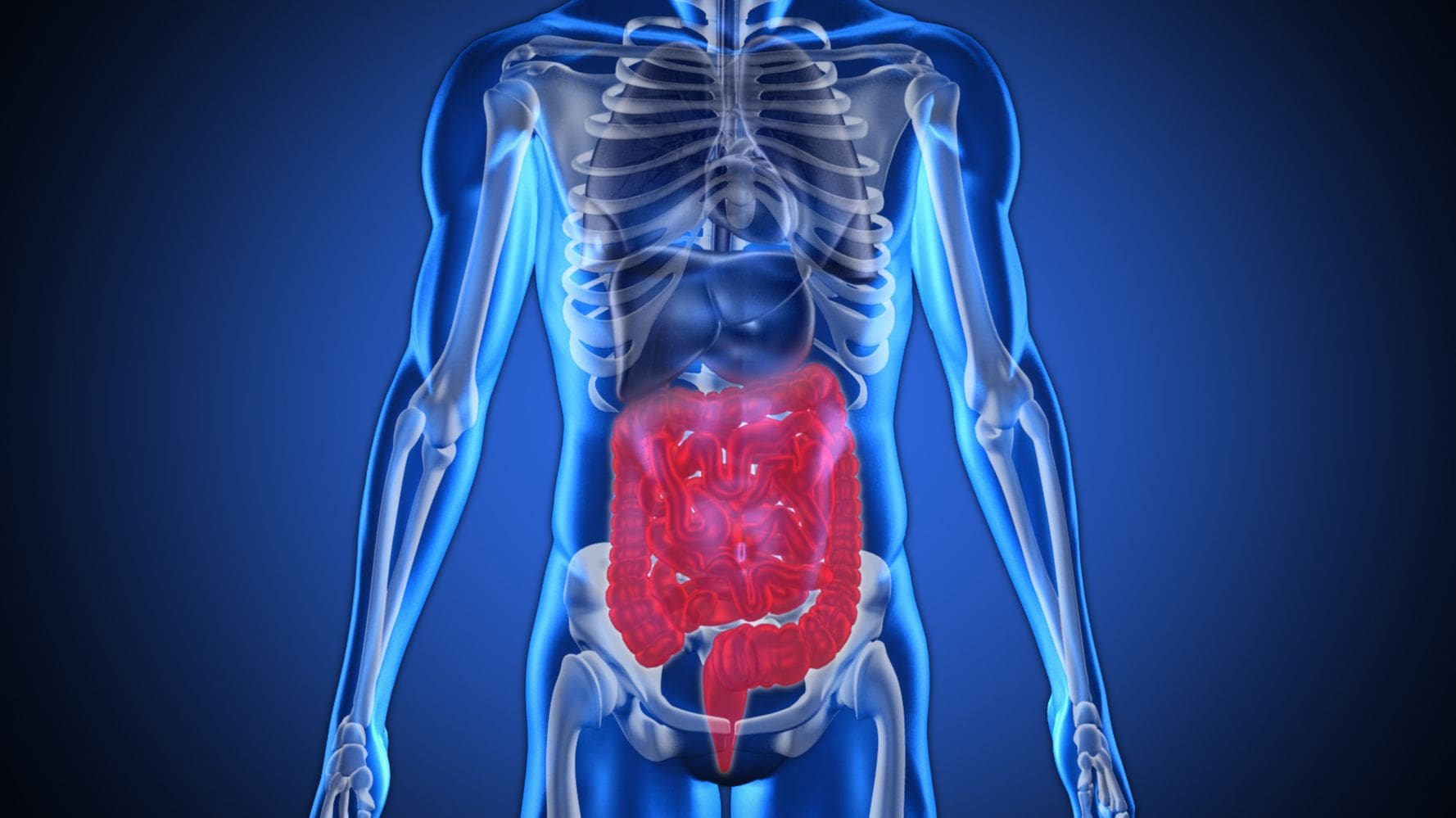
Individuals can clean out their bowels, colon, or large intestine by drinking more water and adding certain foods to their diet, like whole grains, fruits, and vegetables. Some may find that the practice helps decrease bloating or other digestive issues. While a colon cleanse is safe for most, the practice can cause side effects, like nausea or dehydration.
Benefits
Natural colon cleanses can provide various benefits that include:
Reducing bloating.
Improving the immune system.
Removing toxins from the body.
Helping with weight loss.
Decreasing the risk of colon cancer.
While individuals may feel better after a natural colon cleanse, there is currently no research to support the medical benefits. (Cedars Sinai. 2019)
Another type is known as hydrotherapy of the colon or irrigation.
A healthcare provider performs this type of cleansing and sends water into the colon with instrumentation.
This type of cleanse is not used to prepare individuals for a colonoscopy.
Cleansing
Cleansing the body safely can be done with ingredients from the local grocery store.
Thorough Hydration
Water will improve body function, including digestion and elimination.
Use the color of urine as a guide.
If it’s pale yellow, the body is getting enough water.
If it’s darker, the body needs more.
Increasing Fiber Consumption
Fiber is a type of carbohydrate that the body cannot digest but influences:
Fiber can be found in fruits, vegetables, oats, lentils, peas, and almonds.
Increasing fiber intake will help regulate the bowels and maintain overall colon health. (Cornell University. 2012)
Probiotics
Probiotics are live bacteria and yeasts that have health and digestion benefits.
Researchers believe they help to replace healthy bacteria and balance the healthy and unhealthy bacteria in the body, which maintains smooth digestion. (Mount Sinai. 2024)
Fermented foods like yogurt, kimchi, sauerkraut, and pickles are healthy sources of probiotics.
They also come as supplements.
Apple Cider Vinegar and Honey
Both ingredients contain probiotics, and mixing them can help improve gut health.
Individuals also believe that this concoction can help remove toxins from the body, but there’s no scientific evidence to support this.
Individuals can try 1 tablespoon of raw honey and 2 tablespoons of apple cider vinegar in a warm glass of water.
Juice and Smoothies
Adding more fruits, including juice and smoothies, is a healthy way to stay hydrated.
It also adds fiber and other nutrients to improve gut health.
Bananas and apples are a healthy source of probiotics.
Individuals can also add yogurt to the smoothies for extra probiotics.
These elements can help improve the gut microbiome and regulate bowel movements.
Precautions
Doing a colon cleanse should be safe for most, as long as the individual is not fasting at the same time or performing them too frequently. However, it’s recommended to consult a healthcare provider before changing eating patterns or trying new treatments or supplements, including a colon cleanse, especially for individuals who have an underlying condition.
Side Effects
Colon cleansing can come with risks that can include: (Cedars Sinai. 2019)
Dehydration
Cramping
Nausea
Electrolyte imbalance
Doing occasional colon cleanses may not result in side effects, but the chances of side effects increase the longer or more often cleanses are performed. It’s recommended to consult a healthcare provider if experiencing any symptoms.
Improving Colon Health
The best way to improve colon health is by drinking enough water and eating foods that promote a healthy digestive system. Healthy approaches include:
Increasing fruit and vegetable intake.
Increasing whole grain intake provides fiber and more nutrients.
Eating ground flaxseed improves digestion and elimination.
Integrative Medicine
References
Rosenblum, C. S. K. (2019). Ask a doc: Are colon cleanses healthy? (Cedars-Sinai Blog, Issue. https://www.cedars-sinai.org/blog/colon-cleansing.html
University., C. (2012). Fiber, digestion, and health. (Health Services, Issue. https://health.cornell.edu/sites/health/files/pdf-library/fiber-digestion-health.pdf
Sinai., M. (2024). Lactobacillus acidophilus. (Health Library, Issue. https://www.mountsinai.org/health-library/supplement/lactobacillus-acidophilus
For individuals that are feeling unmotivated to work out and exercise can developing a fitness mindset help improve and maintain motivation?
Fitness Mindset Motivation
Learning to exercise as part of a regular workout routine can have a significant impact on health and well-being. In the beginning, individuals are all in, but as time goes on, mental blocks can interfere with workout motivation. Being flexible with oneself and fitness/health goals is part of the process, and overcoming mental blocks is key to maintaining motivation. It’s all about creating a fitness mindset to maintain confidence and motivation and enjoy the benefits of regular exercise.
Feeling Tired
When feeling tired, individuals should ask themselves if it’s physical or mental fatigue. If the exhaustion is not from lack of sleep, illness, or a physically demanding job, it is more than likely mental tiredness. Mental exhaustion can often feel physical, and a recommended cure is physical activity. Often, once an individual starts working out and gets over the mental fatigue, they feel better. (Juriena D. de Vries et al., 2016) Regular physical activity can increase energy levels and leave the body feeling less fatigued. (Bryan D. Loy et al., 2013) However, individuals need to make sure there is ample recovery time to repair and restore the body after working out.
Self-Talk
Sometimes there is a small voice that says to take a day off or perform an easier workout. It’s okay to be flexible, but most times, individuals need to be ready to stand up to the skip-the-workout voices and stay motivated.
Remove Obstacles
Remove obstacles that can distract from exercising.
Have the workout gear ready and exercise time pre-scheduled so there are no second thoughts.
If limited space is an issue, find compact equipment like a cordless jump rope that doesn’t require a lot of room.
Don’t Allow Relaxation Takeover
Individuals who plan to exercise after school or work shouldn’t go home, sit down, and relax watching TV before working out.
Individuals who may need a transition to work out should try something gentle but active, like stretching or doing a light chore.
Individuals who exercise in the morning should wear their workout clothes immediately, so they can’t second guess and can continue their workout.
Remind yourself of the reasons for committing to exercise.
Research shows that using second-person self-talk can help maintain motivation. Encouraging oneself with phrases like you can do this, you got this, or you are going to achieve your fitness goals improves the chances of obtaining the desired outcome. (Sanda Dolcos, Dolores Albarracin. 2014)
Fight Through The Doubt
Start with small steps. Ask if doubt is stopping you from starting. If doubt begins to arise:
Ask For Help
A colleague, friend, or partner can help reinspire motivation.
Tell them about the challenges of sticking with exercise.
Ask them to work out together.
Do What Is Possible
If working out for 30 minutes is too difficult, don’t worry about it.
Go for as long as possible and try for more the next time.
Working out can feel like a job, but it does not have to.
For example, individuals sitting or standing all day can approach the workout as 30 minutes to get out and move around.
Or, after getting the kids settled in, it is time to do something for yourself and exercise the stress away.
Healthy Reminders
Write inspirational fitness mindset notes and put them where they will be seen regularly.
These can be exercise goals; for example, I will exercise for 30 minutes because I want more energy, better sleep, strength, etc.
Train The Brain For Exercise
When the issue is motivation, the mind needs to be convinced to exercise. How to use mind-over-matter skills:
Rewards
When finishing a workout, rewards can help.
Exercise has its own rewards – more energy, improved mood, stress relief, and reduced disease risk.
Maybe a new pair of shoes, earbuds or headphones, workout equipment, or a massage will increase motivation.
Make A Deal
Continue to exercise for whatever amount of time, and if the desire to stop is still present, then stop.
Nine times out of 10, individuals will keep going.
Pretend
Make-believe can encourage the fitness mindset.
Pretending to be in a race, or in a movie, anything that makes the body want to move.
Set Achievable Goals
Making difficult goals can generate the fear of being unable to achieve them.
Aim for small achievable goals that go along with a bigger overall goal.
That way, there are more victories, and the motivation to keep moving is maintained.
Competition
Healthy competition can be a great motivator.
Competing with oneself for faster times, heavier weights, or more frequency can keep the inspiration going.
Social media and apps to compete with family and friends can also help.
Visualization
Athletes use visualization techniques of going through the game, match, and tournament to get themselves prepared and ready to execute what they’ve been practicing.
Individuals can do the same thing by picturing themselves going through their workout from beginning to end.
Exercise provides meditation time to think about problems and challenges.
Use the workout time to work through the problems and refocus strategies to solve them.
Process Goals
Choosing specific goals that are part of the workout process, like working out 3-4 times per week, is recommended compared to using outcome goals, like losing ten pounds.
Outcome goals can be out of the individual’s control; instead, focus on the steps to achieve the goals, which lessens stress and is a more controllable method of working out. (Kylie Wilson Darren Brookfield. 2011)
Changing lifestyle to include exercise is not easy. The most important step is having the right attitude. (Margie E. Lachman et al., 2018) Thinking about exercise as an obligation will discourage motivation. Instead, create a fitness mindset to treat exercise like a break from all the stress and a reward for the mind and body to a healthier life.
Home Exercises for Pain Relief
References
de Vries, J. D., van Hooff, M. L., Geurts, S. A., & Kompier, M. A. (2016). Exercise as an Intervention to Reduce Study-Related Fatigue among University Students: A Two-Arm Parallel Randomized Controlled Trial. PloS one, 11(3), e0152137. https://doi.org/10.1371/journal.pone.0152137
Bryan D. Loy, Patrick J. O’Connor & Rodney K. Dishman (2013) The effect of a single bout of exercise on energy and fatigue states: a systematic review and meta-analysis, Fatigue: Biomedicine, Health & Behavior, 1:4, 223-242, DOI: 10.1080/21641846.2013.843266
Dolcos S, Albarracin D. (2014). The inner speech of behavioral regulation: Intentions and task performance strengthen when you talk to yourself as a You. Eur J Social Psychol. 44(6):636-642. doi:10.1002/ejsp.2048.
Lachman, M. E., Lipsitz, L., Lubben, J., Castaneda-Sceppa, C., & Jette, A. M. (2018). When Adults Don’t Exercise: Behavioral Strategies to Increase Physical Activity in Sedentary Middle-Aged and Older Adults. Innovation in aging, 2(1), igy007. https://doi.org/10.1093/geroni/igy007
Renner, F., Murphy, F. C., Ji, J. L., Manly, T., & Holmes, E. A. (2019). Mental imagery as a “motivational amplifier” to promote activities. Behaviour research and therapy, 114, 51–59. https://doi.org/10.1016/j.brat.2019.02.002
Kylie Wilson & Darren Brookfield (2009). Effect of Goal Setting on Motivation and Adherence in a Six‐Week Exercise Program, International Journal of Sport and Exercise Psychology, 7:1, 89-100, DOI: 10.1080/1612197X.2009.9671894
For individuals looking to improve heart health, can consuming prunes help support cardiovascular health?
Prunes and Heart Health
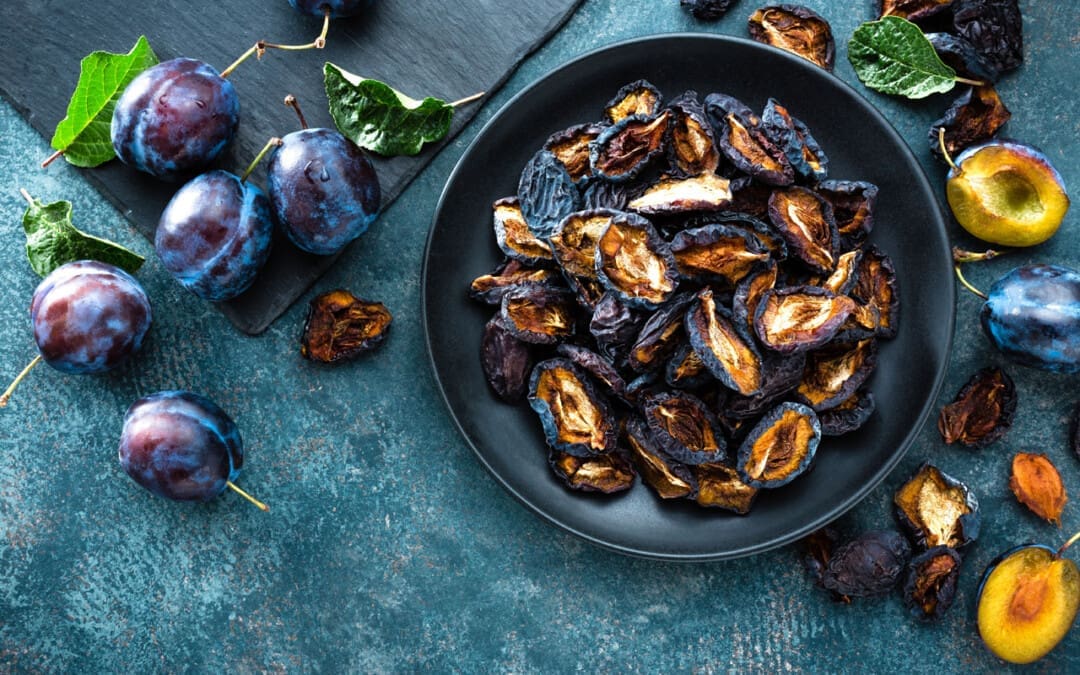
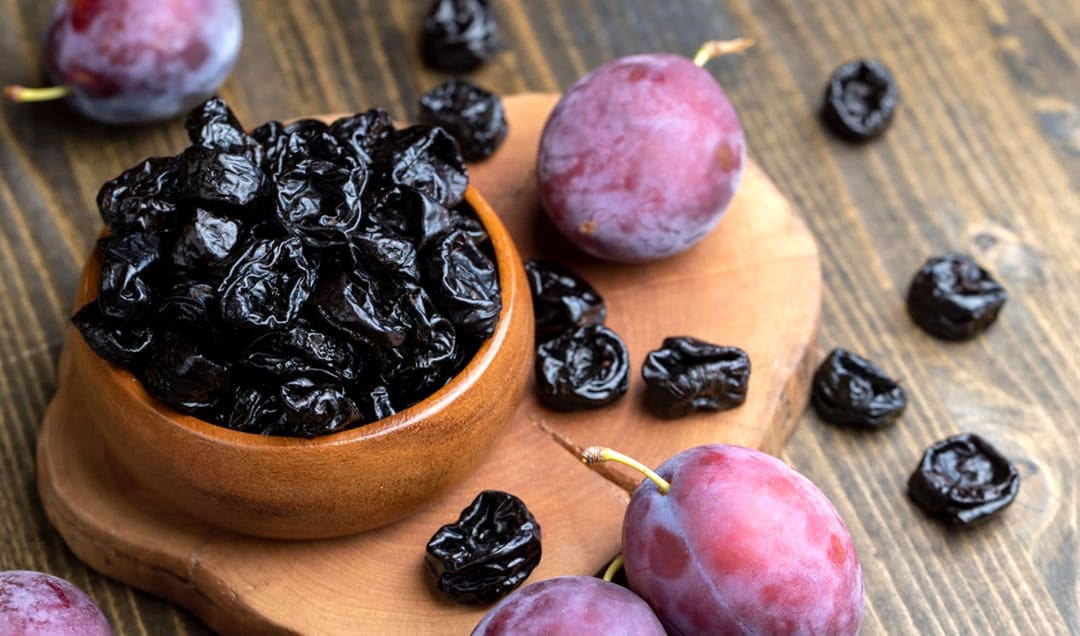
Prunes, or dried plums, are fiber-rich fruits that are more nutrient-dense than fresh plums and help digestion and bowel movement. (Ellen Lever et al., 2019) New research suggests they could offer more than digestion and constipation relief, according to new studies presented at the American Society for Nutrition. Eating prunes daily can improve cholesterol levels and reduce oxidative stress and inflammation.
Eating five to 10 prunes a day may support heart health.
Heart health benefits of regular consumption were seen in men.
In older women, regularly eating prunes had no negative effect on total cholesterol, blood sugar, and insulin levels.
Another study found that eating 50–100 grams or five to ten prunes daily was associated with reduced heart disease risks. (Mee Young Hong et al., 2021)
The reductions in cholesterol and inflammation markers were because of improvements in antioxidant levels.
The conclusion was that prunes can support cardiovascular health.
Prunes and Fresh Plums
Although studies have suggested that prunes can support heart health, that doesn’t mean fresh plums or prune juice can offer the same benefits. However, there are not many studies on the benefits of fresh plums or prune juice, but it is possible that they would. However, further research is needed. Fresh plums that have been dried in hot air improve the nutritional value and shelf life of the fruit, which could be the reason the dried version retains more nutrients. (Harjeet Singh Brar et al., 2020)
Individuals may have to eat more plums to acquire the same benefits.
Eating 5–10 prunes seems to be easier than trying to equal the same amount, or more, of fresh plums.
But either option is recommended instead of prune juice as whole fruits have more fiber, make the body feel fuller, and are lower in calories.
Benefits For Young Individuals
Most of the research has been conducted on postmenopausal women and men over 55, but younger individuals can also benefit from eating prunes. A diet that is rich in fruits and vegetables is considered healthy, so adding prunes to one’s diet will add to health benefits. For individuals who don’t like prunes, fruits like apples and berries are also recommended for heart health. However, fruits only make up one part of the diet, and it is important to focus on a balanced diet with vegetables, legumes, and heart-healthy oils. Prunes contain a lot of fiber, so individuals are recommended to add them slowly into their daily routine, as adding too much at once can lead to cramping, bloating, and/or constipation.
Conquering Congestive Heart Failure
References
Lever, E., Scott, S. M., Louis, P., Emery, P. W., & Whelan, K. (2019). The effect of prunes on stool output, gut transit time and gastrointestinal microbiota: A randomised controlled trial. Clinical nutrition (Edinburgh, Scotland), 38(1), 165–173. https://doi.org/10.1016/j.clnu.2018.01.003
Hong, M. Y., Kern, M., Nakamichi-Lee, M., Abbaspour, N., Ahouraei Far, A., & Hooshmand, S. (2021). Dried Plum Consumption Improves Total Cholesterol and Antioxidant Capacity and Reduces Inflammation in Healthy Postmenopausal Women. Journal of medicinal food, 24(11), 1161–1168. https://doi.org/10.1089/jmf.2020.0142
Harjeet Singh Brar, Prabhjot Kaur, Jayasankar Subramanian, Gopu R. Nair & Ashutosh Singh (2020) Effect of Chemical Pretreatment on Drying Kinetics and Physio-chemical Characteristics of Yellow European Plums, International Journal of Fruit Science, 20:sup2, S252-S279, DOI: 10.1080/15538362.2020.1717403
IFM's Find A Practitioner tool is the largest referral network in Functional Medicine, created to help patients locate Functional Medicine practitioners anywhere in the world. IFM Certified Practitioners are listed first in the search results, given their extensive education in Functional Medicine