What are the benefits of both a chiropractor and a nurse practitioner in cases of personal injury and car accidents?
Chiropractic and Nurse Practitioner On Auto Accidents
Following a car accident, both nurse practitioners and chiropractors are essential in treating injuries and accelerating healing. To treat musculoskeletal problems and restore mobility, chiropractors concentrate on manual therapies like adjustments and manipulations. In contrast, nurse practitioners offer comprehensive care that includes evaluations, diagnoses, treatment plans, and education, frequently working with specialists to maximize patient outcomes. (Physicians Group, LLC. 2024)
Chiropractors
Musculoskeletal injuries, such as neck and back discomfort, are frequently sustained in traffic accidents and are treated by chiropractors. Frequently, without the use of drugs, they employ manual methods to reduce pain and increase mobility. Their thorough documentation and professional opinions can also bolster personal injury lawsuits by demonstrating the severity of injuries. (Dies, S., & Strapp, J. W., 1992)
Identification and Management of Musculoskeletal Conditions
After an accident, chiropractors can detect and treat soft tissue injuries, muscle spasms, and spinal misalignments. (The Neck and Back Clinics, 2025)
Pain Management
Soft tissue mobilization and spinal adjustments are examples of manual therapies that can help lower inflammation and relieve pain.
Enhanced Mobility
Chiropractors can assist in restoring range of motion and enhancing general function by addressing joint and muscle limitations.
Holistic Medical Treatment
In order to prevent further injuries, chiropractors can offer advice on maintaining proper posture, ergonomics, and general well-being.
Cooperation with Other Medical Experts
To develop a thorough treatment plan for a patient, chiropractors might collaborate closely with doctors, physical therapists, and other professionals. (Physicians Group, LLC, 2024)
Nurse Practitioners
For injuries sustained in auto accidents, nurse practitioners can offer comprehensive care, including: (Integrity Spine & Orthopedics, 2024)
Evaluation and Diagnosis
Nurse practitioners are qualified to perform physical examinations, interpret test results, and diagnose illnesses such as concussions, soft tissue injuries, and whiplash.
Plans for Treatment
To meet the patient’s unique needs, they can create individualized treatment programs that include prescription drugs, physical therapy, and other therapies.
Education of Patients
To encourage healing and avoid problems, nurse practitioners can instruct patients on their injuries, the healing process, and self-care techniques.
Care Coordination
To guarantee a comprehensive approach to treatment, they can coordinate care with other professionals like neurologists, physical therapists, and surgeons.
Aftercare
Throughout the healing process, nurse practitioners can keep an eye on the patient’s progress, modify treatment plans as necessary, and offer continuous support.
Complex medical and legal requirements are frequently present in personal injury cases, especially those resulting from traffic accidents. With their different areas of expertise, chiropractors and nurse practitioners are essential to diagnosis, care, and record-keeping.
When it comes to personal injury claims, NPs and chiropractors both have special advantages. While NPs handle more general medical needs, such as writing prescriptions and organizing care, chiropractors concentrate on musculoskeletal problems and provide non-invasive treatments. As seen in places like the Accident Care and Treatment Center, where NPs and doctors oversee care in addition to chiropractic interventions, their cooperation can improve patient results. (Accident Care, 2025)
According to legal resources, the documentation of both experts is essential for insurance settlements and claims. Together, the thorough medical records of NPs regarding general health and the detailed reports of chiropractors on spinal injuries can make a strong case for compensation. In situations involving auto accidents, when patients would need both medical supervision and physical adaptations for a proper recovery, this synergy is especially noticeable. (Chiropractic Economics, 2023)
Injury Medical Chiropractic and Functional Medicine Clinic
Dr. Jimenez, a family practice nurse practitioner, combines advanced medical skills with chiropractic care to treat a variety of problems. Our clinic combines functional medicine, acupuncture, electro-acupuncture, and sports medicine to provide personalized care regimens for natural healing, mobility, and long-term wellness. By emphasizing flexibility, agility, and strength, we enable patients to thrive regardless of age or health challenges. El Paso Chiropractic Rehabilitation Clinic & Integrated Medicine Center specializes in treating injuries and chronic pain conditions. We focus on enhancing your ability through flexibility, mobility, and agility training that is adapted to all age groups and disabilities. We offer personalized care through in-person and virtual health coaching, as well as comprehensive care plans.
Don’t Ignore Your Post-Accident Pain
References
Physicians Group, LLC. (2024). The Role of Nurse Practitioners in Managing Auto Injuries. Physicians Group, LLC. https://physiciansgroupllc.com/the-role-of-nurse-practitioners-in-managing-auto-injuries/#:~:text=Nurse%20Practitioners%20are%20vital%20in,improved%20outcomes%20and%20patient%20satisfaction.
Dies, S., & Strapp, J. W. (1992). Chiropractic treatment of patients in motor vehicle accidents: a statistical analysis. The Journal of the Canadian Chiropractic Association, 36(3), 139–145.
The Neck and Back Clinics. (2025). Why Seeing a Chiropractor After a Car Accident Is Crucial for Long-Term Recovery. https://theneckandbackclinics.com/long-term-recovery/#:~:text=Reducing%20Inflammation%20and%20Pain,each%20patient%20for%20optimal%20recovery.
Integrity Spine & Orthopedics. (2024). The 9 Steps to Recovery After an Auto Accident. https://www.integrityspineortho.com/post/the-9-steps-to-recovery-after-an-auto-accident/#:~:text=CONTACT%20INTEGRITY%20SPINE%20AND%20ORTHOPEDICS%20AFTER%20A,concussions%2C%20soft%20tissue%20damage%20and%20spine%20damage.
Accident Care and Treatment Center, Inc. (2025). Comprehensive Therapies and Treatments in One Location. https://accidentcare.com/treatment/
Chiropractic Economics. (2023). Evidence-based chiropractic: the key to personal-injury cases. https://www.chiroeco.com/evidence-based-chiropractic-the-key-to-personal-injury-cases/
Individuals with difficulty with normal functional mobility after surgery, injury, or illness may be referred to physical therapy during recovery. A common question patients have before treatment is: What should they wear to the physical therapy appointment?
What To Wear To Physical Therapy?
Individuals referred to physical therapy usually have questions about what to expect and how to prepare. What to wear is a common question and is important because patients want to wear the right physical therapy outfit for their specific condition and feel comfortable and safe at their physical therapy appointments. A treatment plan may include exercise and stretching. Clothing recommendations may vary slightly depending on the type of physical therapy the patient is receiving; it is recommended to wear:
Athletic wear like t-shirts, shorts, yoga pants, and comfortable shoes like sneakers.
Sometimes, exercises are performed, and modalities such as heat, cold, or electrical stimulation are applied.
Comfortable, loose-fitting clothing allows for a full range of motion and easy access to the affected area.
Physical Therapy
The therapist will examine the patient’s mobility and flexibility.
Exercises may be prescribed, and therapeutic modalities, like ice or heat, may be applied.
Wearing the right clothing can make the therapy experience highly effective and productive.
This way, therapy sessions go smoothly, and there is a level of comfort and confidence to reach goals quickly.
Upper Body Neck, Shoulders, Arms, Back
For upper body injuries, wear clothing that provides access and mobility to the areas affected, such as the neck, shoulders, arms, or back.
For neck pain, wear a shirt that allows the therapist to see the neck, shoulders, and upper back, such as a loose, open T-shirt with a scoop neck, V-neck, or tank top.
For long hair, bring a hair tie.
Women are recommended to wear a sports bra.
For an arm, wrist, or hand injury, wear a loose-fitting shirt with the arms exposed.
Tight shirts like those made from Lycra are not advisable because the therapist cannot effectively evaluate and treat the injury if the patient wears something tight.
Lower Body, Hips, Legs, Knees
For lower extremity problems and injuries, wear clothing that allows free movement to exercise while allowing the therapist to visualize and examine the back, hips, knees, and legs.
Wear a T-shirt, sports bra, and shorts or pants with an elastic waistband for back, lower spine, or pelvis injuries.
For hip pain, the therapist should be able to see and adjust the spine and hips.
Avoid wearing tight-fitting pants that don’t allow for full movement.
Shorts with an elastic waistband are recommended.
Leggings may not roll up easily.
Feet and Ankles
For a foot or ankle injury, the therapist will want to observe the patient walk in shoes and bare feet for conditions like plantar fasciitis or ankle sprains. For any lower extremity condition, expect some light or heavy exercise. Wear socks to absorb sweat and odor and sneakers or athletic shoes. Avoid open-toed sandals, high heels, or casual lightweight footwear like Crocs.
Other Considerations
Avoid
Bracelets and necklaces
Turtleneck shirts
Tight-fitting long-sleeved shirts
Leggings
Sandals
When preparing for appointments, consider your specific condition. Remember that you will likely be exercising, so wear loose, comfortable clothing that allows you to move around freely. If you are coming directly from work or a formal event, ask the office staff if there is a changing room that you can use. It may also be a good idea to avoid wearing dangling jewelry. A necklace or bracelet may get in the way, so be prepared to remove it for your appointments. Therapists can also use draping with towels or pillowcases/sheets to help you feel comfortable when certain body areas are exposed. That way, you can be relaxed and more able to focus on recovery and rehabilitation to return to normal activities.
Injury Medical Chiropractic & Functional Medicine Clinic
If you are unsure if what you plan to wear is appropriate, call the office and ask. If you’re leaving work and need to change, make sure your therapist’s office has a place for you to do that. Injury Medical Chiropractic and Functional Medicine Clinic works with primary healthcare providers and specialists to develop an optimal health and wellness solution. We focus on what works for you to relieve pain, restore function, and prevent injury. Regarding musculoskeletal pain, specialists like chiropractors, acupuncturists, and massage therapists can help mitigate the pain through spinal adjustments that help the body realign itself. They can also work with other medical professionals to integrate a treatment plan to resolve musculoskeletal issues.
Unlocking Pain Relief: How We Assess Motion To Alleviate Pain
Can individuals take one tablespoon of apple cider vinegar daily and see its health benefits?
Apple Cider Vinegar
Apple cider vinegar is a fermented liquid made from crushed apples. The sugars in the apples are converted to alcohol by yeast and then to acetic acid by bacteria, resulting in a sour-tasting liquid used in cooking and as a health supplement. Research suggests that consuming one tablespoon diluted in 8 ounces of water may offer various potential health benefits. (University of Texas MD Anderson Cancer Center, 2024)
Acetic acid may help improve digestion and promote a healthy gut environment.
Weight Management
It may help increase feelings of fullness, potentially reducing overall calorie intake.
Blood Sugar Regulation
Some studies suggest it can improve insulin sensitivity and help manage blood sugar levels.
Antimicrobial
The vinegar possesses antimicrobial effects that may help fight off harmful bacteria.
Heart Health
Research indicates it might lower cholesterol and triglycerides or fats in the blood.
Skin Benefits
It may help balance skin pH and reduce acne when used in topically diluted form.
Safe Limit
Do not exceed two tablespoons daily to avoid side effects such as digestive discomfort. (MedlinePlus, 2024)
The recommended consumption time varies, but the consensus is to drink it before or during mealtime.
Safely Diluting
Apple cider vinegar is considered safe when consumed in small quantities. However, it should not be drunk straight. It is recommended that it be diluted in water before drinking. Each tablespoon should be diluted in 8 ounces of water. Ways to incorporate into your diet include: (University of Texas MD Anderson Cancer Center, 2024)
Apple cider vinegar is a supplement that should not replace prescribed medications or be used to cure any condition. One of the most significant considerations is its interactions with other substances that can alter the effects of one or more substances. Medications that can interact include: (MedlinePlus, 2024)
Insulin
Insulin regulates blood sugar levels.
Apple cider vinegar can decrease potassium levels.
Combined, they can cause potassium levels to be too low, affecting nerve and muscle function, including the heart.
Antidiabetic Meds
Both antidiabetic medications and apple cider vinegar lower blood sugar levels.
Taking these two together can cause unsafe blood sugar levels.
Diuretic Meds
Both apple cider vinegar and diuretic medications lower potassium levels.
These medications can cause potassium levels to drop too low when taken together.
Digoxin Heart Medication
Apple cider vinegar can lower potassium levels, increasing digoxin’s side effects.
In addition, individuals with kidney conditions may be unable to handle the excess acid from the vinegar. (University of Chicago Medicine, 2018)
Injury Medical Chiropractic & Functional Medicine Clinic
Always contact a healthcare provider before starting a new supplement to ensure it is safe for the individual and their health. Injury Medical Chiropractic and Functional Medicine Clinic works with primary healthcare providers and specialists to develop an optimal health and wellness solution. We focus on what works for you to relieve pain, restore function, and prevent injury. Regarding musculoskeletal pain, specialists like chiropractors, acupuncturists, and massage therapists can help mitigate the pain through spinal adjustments that help the body realign itself. They can also work with other medical professionals to integrate a treatment plan to resolve musculoskeletal issues.
Healthy Diet and Chiropractic
References
University of Texas, MD Anderson Cancer Center. (2024). What are the health benefits of apple cider vinegar? https://www.mdanderson.org/cancerwise/what-are-the-health-benefits-of-apple-cider-vinegar.h00-159696756.html
Samad A, Azlan A, Ismail A. (2016). Therapeutic effects of vinegar: a review. Current Opinion in Food Science, 8, 56-61. https://doi.org/https://doi.org/10.1016/j.cofs.2016.03.001
National Library of Medicine. MedlinePlus. (2024). Apple cider vinegar. Retrieved from https://medlineplus.gov/druginfo/natural/816.html
University of Chicago Medicine. (2018). Debunking the health benefits of apple cider vinegar. https://www.uchicagomedicine.org/forefront/health-and-wellness-articles/debunking-the-health-benefits-of-apple-cider-vinegar
Can adding dates to one’s diet be nutritious and provide various health benefits for individuals looking for a naturally sweet snack?
Dates
Dates are a type of dried fruit from the date palm tree. Dates are a healthy source of fiber, calcium, magnesium, potassium, niacin, folate, vitamin A, beta-carotene, lutein, and selenium. They can be a healthier alternative to refined sugar because they have a low glycemic index and do not cause a rapid spike in blood sugar levels. They are a rich source of nutrients, including:
Fiber: High in fiber, which promotes good digestion and helps keep you feeling full.
Potassium: This is essential for heart health and muscle function.
Magnesium: supports bone health and energy production.
Antioxidants: which protect the body from damage caused by free radicals.
Vitamins: a good source of vitamins B6, K, and A.
Consuming them in moderation is recommended, especially for individuals who are trying to lose weight or have diabetes. They are high in sugar, so individuals need to be mindful to avoid or limit additional sources of sugar. Nutritionists and dieticians recommend a modest dose of two large or three small dates, which is around 50 grams and provides half the sugar and calories.
Benefits
Lower Cholesterol
Research has shown that eating dates may also help lower cholesterol and triglyceride levels. However, further research is needed as the current evidence is still inconclusive. (Mirghani H. O. 2024) A recent meta-analysis also showed no significant effect on LDL cholesterol but reduced total cholesterol in individuals with type 2 diabetes.
Help Regulate Blood Sugar
Pitted dates generally don’t contain added sugars but can still contain a significant amount of natural sugars in sucrose, glucose, or fructose. Although their high sugar level may prevent individuals from eating dates as a healthy snack, a key difference between dates and sugary drinks, snacks, or other processed foods is that they contain high levels of fiber. Because of the fiber, which slows glucose absorption in the bloodstream, they also have a low glycemic index, which causes a smaller spike in blood sugar levels. (Mirghani H. O. 2021) Using dates as a sweetener can also be a healthier alternative to refined sugar and can be used in recipes to replace sugar. However, portion control is important.
Support Gut Health
Since dates are high in fiber, they can help the gastrointestinal tract but should be eaten in moderation as part of a balanced, healthy diet. However, they are recommended to be eaten with other fiber-rich foods, specifically those with lower sugar, that includes:
Leafy greens
Non-starchy vegetables
Whole grains
Legumes
Nuts
Seeds
Adding these foods to a diet can also benefit the microbiome. Dates and other fruits can improve the ratio of beneficial gut microbiota. (Eid N. et al., 2015) Eating too many dates could also cause diarrhea, but eating a few daily can help constipation.
Alternatives
Other dried fruits, such as prunes, figs, and apricots, are alternatives, but fresh fruits are an even better choice as they are much lower in calories.
Injury Medical Chiropractic and Functional Medicine Clinic
Injury Medical Chiropractic and Functional Medicine Clinic works with primary healthcare providers and specialists to develop highly effective treatment plans through an integrated approach for each patient and restore health and function to the body through nutrition and wellness, functional medicine, acupuncture, Electroacupuncture, and integrated medicine protocols. We focus on what works for you to relieve pain, restore function, prevent injury, and mitigate issues through adjustments that help the body realign itself. The clinic can also work with other medical professionals to integrate a treatment plan to resolve musculoskeletal problems.
Personalized Medicine and Wellness
References
Mirghani H. O. (2024). Effect of dates on blood glucose and lipid profile among patients with type 2 diabetes. World journal of diabetes, 15(6), 1079–1085. https://doi.org/10.4239/wjd.v15.i6.1079
Mirghani H. O. (2021). Dates fruits effects on blood glucose among patients with diabetes mellitus: A review and meta-analysis. Pakistan journal of medical sciences, 37(4), 1230–1236. https://doi.org/10.12669/pjms.37.4.4112
Eid, N., Osmanova, H., Natchez, C., Walton, G., Costabile, A., Gibson, G., Rowland, I., & Spencer, J. P. (2015). Impact of palm date consumption on microbiota growth and large intestinal health: a randomised, controlled, cross-over, human intervention study. The British journal of nutrition, 114(8), 1226–1236. https://doi.org/10.1017/S0007114515002780
Can bone broth help individuals with gut issues or chronic conditions like inflammatory bowel disorder?
Bone Broth Health
Bone broth is a nutrient-rich beverage made by simmering animal bones, typically from beef, chicken, or fish, in water for an extended period (24-72 hours). It can be used as a beverage or as a base for soups, stews, and sauces.
Process
Bones are roasted or boiled to release flavor.
Bones are placed in a pot with water, vegetables (such as onions, carrots, and celery), herbs (such as parsley and thyme), and spices.
The mixture is simmered over low heat for a long time, allowing the bones to release their nutrients and collagen.
The broth is strained to remove the bones and solids.
Nutrients
Bone broth is a healthy source of:
Collagen
A protein that supports skin, hair, and joint health.
Minerals
Including calcium, magnesium, phosphorus, and silicon.
Amino acids
Essential for building and repairing tissues.
Bone Broth Health Benefits
While there is limited research on the health benefits, the nutrients in bone broth can be beneficial for:
Joint health
Bone density
Digestion
Gut health
Muscle growth and recovery
Hydration
Reduce inflammation
Improve skin elasticity and appearance
Boost immune system
While research on bone broth’s benefits is still limited, it’s a nutritious and hydrating beverage that supports gut health and recovery after a tough workout. It can be drunk on its own or used in cooking. Bone broth is a delicious way to replenish electrolytes and stay hydrated, whether recovering from a flare-up or an intense workout. It is especially helpful for those dealing with gut issues or chronic conditions like inflammatory bowel disorder.
Nutrient-Rich
Bone broth is rich in minerals, including calcium, magnesium, potassium, phosphorus, and iodine.
Joint Health
Collagen is the main source of protein found in bones, tendons, and ligaments.
Research suggests that collagen may support joint health, protect the tissues in joints, and improve symptoms of osteoarthritis. (Martínez-Puig D. et al., 2023)
Anti-Inflammatory
Bone broth contains glycine and arginine, amino acids with anti-inflammatory properties.
Incorporating bone broth into one’s diet can help meet protein goals.
One cup of bone broth contains four to 20 grams of protein.
Digestion and Gut Health
Colostrum is the first milk produced after giving birth, and some research suggests this may offer immune-boosting benefits and gut repair, but more research is needed. (Playford R. J., & Weiser M. J. 2021)
Bone broth contains glutamine, an amino acid that can reduce inflammation in the gut, strengthen the gut lining, and maintain a healthy microbiome.
Many bone broths are high in sodium and may not be suitable for individuals on low-sodium diets. It is recommended that individuals consume less than 2,300 milligrams of sodium per day to support a healthy heart and reduce the risk of high blood pressure, look for other sources of sodium, and incorporate bone broth accordingly. (American Heart Association, 2024) Also, because of the polysaccharides that may leach from the cartilage and the garlic and onions usually present in the bone broth, it’s not suitable for those with a digestive disorder like small intestinal bacterial overgrowth (SIBO) or individuals following a low-FODMAP diet.
What To Look For
Quality
When possible, choose a bone broth that’s grass-fed and organic.
Quality matters because the process of simmering the bones with water pulls all the nutrients, collagen, and protein into the broth.
Starting with the highest quality ingredients ensures it will be as nutritious as possible.
Type
Various types include chicken, beef, turkey, and bison varieties.
Packaging
Bone broth comes in various packaging, including shelf-stable, frozen, or fresh.
When selecting, consider how often it is used, how much is needed, and storage space.
For individuals who drink bone broth daily, buying it in bulk and storing it in the pantry or freezer may be more budget-friendly.
Consistency
Generally, bone broth is a thick, slightly viscous beverage.
Individuals who prefer a thinner liquid should try a shelf-stable broth, which is usually less gelatinous than frozen bone broths.
Powdered bone broth is also a great option for those who prefer a lighter beverage.
Individuals can choose a low-sodium bone broth to limit sodium intake.
Injury Medical Chiropractic and Functional Medicine Clinic
Injury Medical Chiropractic and Functional Medicine Clinic works with primary healthcare providers and specialists to develop highly effective treatment plans through an integrated approach for each patient and restore health and function to the body through nutrition and wellness, functional medicine, acupuncture, Electroacupuncture, and integrated medicine protocols. We focus on what works for you to relieve pain, restore function, prevent injury, and mitigate issues through adjustments that help the body realign itself. The clinic can also work with other medical professionals to integrate a treatment plan to resolve musculoskeletal problems.
Reducing Inflammation In The Body
References
Martínez-Puig, D., Costa-Larrión, E., Rubio-Rodríguez, N., & Gálvez-Martín, P. (2023). Collagen Supplementation for Joint Health: The Link between Composition and Scientific Knowledge. Nutrients, 15(6), 1332. https://doi.org/10.3390/nu15061332
Chen, S., Kim, W., Henning, S. M., Carpenter, C. L., & Li, Z. (2010). Arginine and antioxidant supplement on performance in elderly male cyclists: a randomized controlled trial. Journal of the International Society of Sports Nutrition, 7, 13. https://doi.org/10.1186/1550-2783-7-13
Razak, M. A., Begum, P. S., Viswanath, B., & Rajagopal, S. (2017). Multifarious Beneficial Effect of Nonessential Amino Acid, Glycine: A Review. Oxidative medicine and cellular longevity, 2017, 1716701. https://doi.org/10.1155/2017/1716701
Playford, R. J., & Weiser, M. J. (2021). Bovine Colostrum: Its Constituents and Uses. Nutrients, 13(1), 265. https://doi.org/10.3390/nu13010265
Wang, B., Wu, G., Zhou, Z., Dai, Z., Sun, Y., Ji, Y., Li, W., Wang, W., Liu, C., Han, F., & Wu, Z. (2015). Glutamine and intestinal barrier function. Amino acids, 47(10), 2143–2154. https://doi.org/10.1007/s00726-014-1773-4
Nagahama, K., Nishio, H., Yamato, M., & Takeuchi, K. (2012). Orally administered L-arginine and glycine are highly effective against acid reflux esophagitis in rats. Medical science monitor: international medical journal of experimental and clinical research, 18(1), BR9–BR15. https://doi.org/10.12659/msm.882190
American Heart Association. Association, A. H. (2024). Lifestyle & Risk Reduction, High Blood Pressure. https://www.heart.org/-/media/files/health-topics/answers-by-heart/why-should-i-limit-sodium.pdf
In females, hernia symptoms are often smaller and deeper without a noticeable lump and can mimic gynecological issues, with misdiagnoses being common. Can knowing the risk factors and how female hernias are treated help women get relief?
Female Hernia
A hernia occurs when an internal structure pushes through a weak spot in the abdominal wall, the muscles, and the tissue covering the front of the torso. The more common include:
Groin hernia, known as an inguinal hernia.
Upper thigh or femoral hernia.
However, a hernia can develop anywhere from the ribcage to the upper thigh. Hernias are less common in women, have different symptoms than in men, and are often misdiagnosed. Lower abdominal and pelvic hernias present differently in women than men, who typically have a visible bulge. Instead, female hernias tend to be smaller, deeper, and less noticeable. They can also cause chronic pelvic pressure or pain that can be mistaken for gynecological problems.
Hernia Symptoms For a Woman
Hernias in women tend to be smaller and deeper than male hernias, with no lump showing. Instead, female hernias can cause chronic, deep pelvic pain and occasional sharp, stabbing pain that comes on fast and lingers. (Köckerling F., Koch A., & Lorenz R. 2019) Hernia pain worsens with exercise, laughing, coughing, or straining to evacuate the bowels. The pain is often described as:
Dull
Aching
Pinching
Sharp
Shooting
Burning
Inguinal hernia pain is usually felt at or above the groin and may radiate to the hip, lower back, vulva, or thigh. Many women find the pain increases during their menstrual cycle. The pain can also be exacerbated by any activity that generates extra pressure on the pelvic floor, including:
Prolonged sitting or standing.
Bending
Getting in or out of bed.
Getting in or out of a car.
Sexual intercourse
Emergency
Hernias in the pelvic area are at risk of becoming incarcerated hernias. An incarcerated hernia occurs when a portion of the intestine or other abdominal tissue becomes trapped in the hernial sac, making it impossible to push it back into place. If this gets trapped or strangulated, it can cause tissue death. Strangulated hernias are a medical emergency. Symptoms include:
Deep red or purple tissues.
The hernia bulge does not shrink when you lie down.
Contact a healthcare provider or the emergency room if experiencing any of the above symptoms.
Types
Hernias can occur anywhere on the abdominal wall. They may be caused by:
Internal pressure, such as during pregnancy.
A sports injury
Tissue weakness
Hernias in the lower abdomen or groin are typically indirect inguinal hernias. The inguinal canal comprises multiple layers of muscles and fascia that the thin round ligament threads through. Other groin and pelvic hernias include:
A direct inguinal hernia
A femoral hernia at the top of the inner thigh.
An obturator hernia in the front upper thigh, although this type is rare.
Other common hernias in women are:
Incisional hernia – at the site of a surgical incision
Pregnancy and repeated pregnancies are linked to an increased risk of hernia. Types that are more common in pregnancy include:
Umbilical hernia
Ventral hernia
Inguinal hernia
Umbilical hernias are the most common. However, only a small percentage of pregnant individuals get them. (Kulacoglu H. 2018)
Diagnosis
A hernia diagnosis is made with a physical examination and, if needed, imaging studies. Patients are asked to describe their symptoms precisely, where the pain is located, and any activities that exacerbate it. To check for a hernia, the healthcare provider will palpate for a hernia while the patient sits, stands, or coughs. Imaging tests can include:
Ultrasound
CT scan
Endoscopy – a camera is used to see inside the esophagus and stomach.
Misdiagnoses
Female hernia symptoms can be vague, which often points healthcare providers in the wrong direction. Female hernias are commonly misdiagnosed as: (Köckerling F., Koch A., & Lorenz R. 2019)
Cysts in the reproductive organs
Endometriosis
Fibroid tumors
Treatment
A small hernia that does not cause problems or pain may be treated with a wait-and-evaluate protocol. A hernia often worsens over time and could eventually require surgery. (University of Michigan Health, 2024) Self-care treatments include:
Medical treatments usually start with conservative measures, including physical therapy, stretching, exercise, and rest. Physical therapists often use myofascial release techniques to relieve muscle spasms. Surgery may be needed to repair the weak area of the abdominal wall to relieve symptoms. (University of Michigan Health, 2024) Hernia repair surgery is typically performed as a laparoscopic surgery. (Köckerling F., Koch A., & Lorenz R. 2019) Most patients heal quickly from the surgery and can return to regular activities in a week or two.
Injury Medical Chiropractic and Functional Medicine Clinic
Injury Medical Chiropractic and Functional Medicine Clinic works with primary healthcare providers and specialists to develop an optimal health and wellness solution. We focus on what works for you to relieve pain, restore function, and prevent injury. Regarding musculoskeletal pain, specialists like chiropractors, acupuncturists, and massage therapists can help mitigate the pain through spinal adjustments that help the body realign itself. They can also work with other medical professionals to integrate a treatment plan to resolve musculoskeletal issues.
Lumbar Spine Injuries in Sports: Chiropractic Healing
References
Köckerling, F., Koch, A., & Lorenz, R. (2019). Groin Hernias in Women-A Review of the Literature. Frontiers in surgery, 6, 4. https://doi.org/10.3389/fsurg.2019.00004
Johns Hopkins Medicine. (2025). How to tell if you have a hernia. https://www.hopkinsmedicine.org/health/conditions-and-diseases/how-to-tell-if-you-have-a-hernia
Kulacoglu H. (2018). Umbilical Hernia Repair and Pregnancy: Before, during, after…. Frontiers in surgery, 5, 1. https://doi.org/10.3389/fsurg.2018.00001
University of Michigan Health. (2024). Inguinal hernia: Should I have surgery now, or should I wait? https://www.uofmhealth.org/health-library/za1162
American Academy of Orthopaedic Surgeons. (2022). Sports hernia. https://orthoinfo.aaos.org/en/diseases–conditions/sports-hernia-athletic-pubalgia/
Northeast Georgia Health System. (2022). Living with a hernia. Northeast Georgia Health System Improving the health of our community in all we do. https://www.nghs.com/2022/02/15/living-with-a-hernia
Can the straight leg test help find the cause of back or hamstring pain in individuals experiencing it?
Straight Leg Test
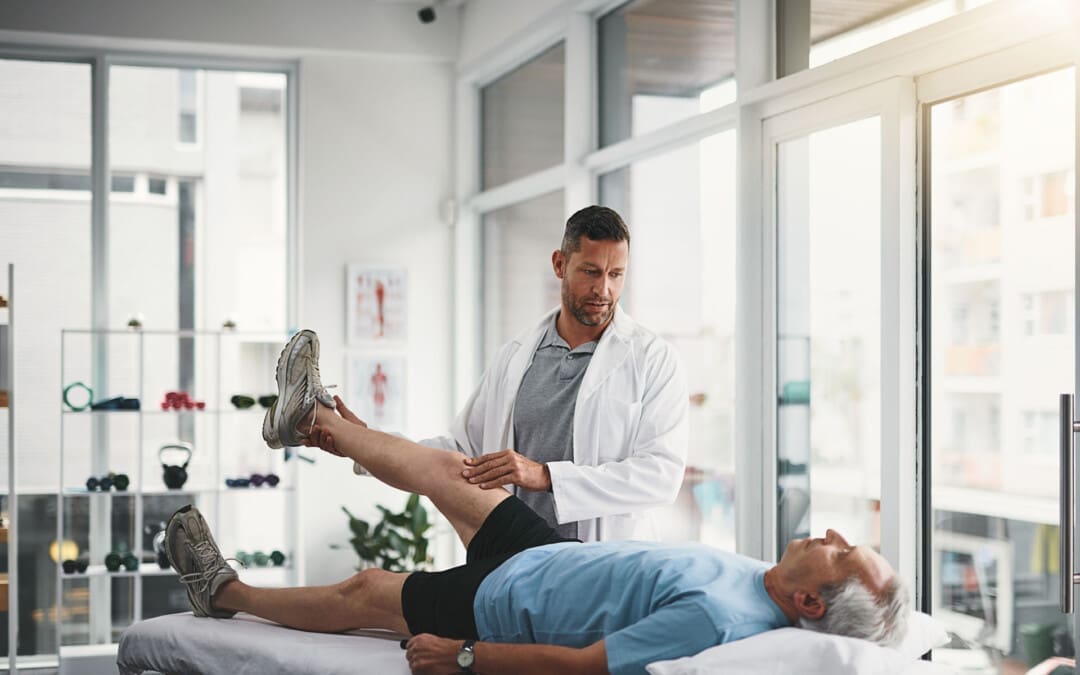
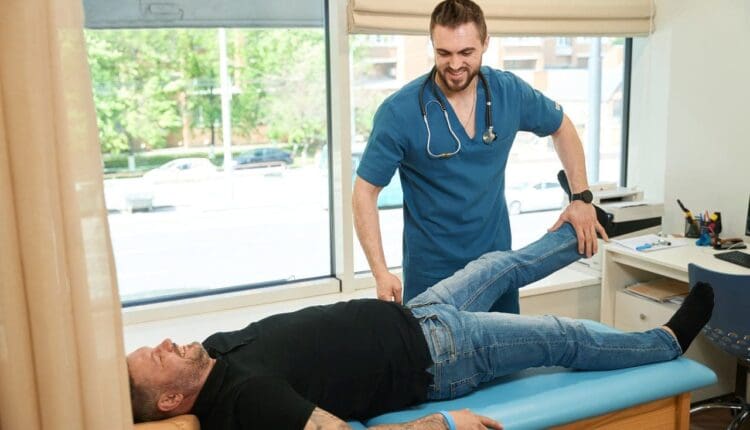
The straight leg raise test is often used to diagnose sciatica/radiculopathy, herniated discs, and other spinal problems. The healthcare provider giving the test performs most of the movement as they assess what’s causing the leg and/or back pain. The patient lies on their back with the legs straight. The provider will have the patient perform specific movements and inform them of how it feels. Then, they’ll raise the leg to see if and at what point symptoms begin to show. Providers often use this test alongside imaging studies.
Some studies suggest the straight leg test helps diagnose sciatica and other causes. (Pesonen J. et al., 2021)
Purpose
The straight leg raise is one of the most common manual tests done during physical exams. The straight leg raise test seeks to reproduce the pain or other symptoms in a controlled fashion to provide clues to what’s happening. It is a manual exam, and the healthcare provider will:
Position the patient
Moves the patient
Create pressure to see how well the patient can resist it
This is often used alongside imaging tests, such as an X-ray or CT scan. (Allegri M. et al., 2016) Its goal is to check for nerve movement and sensitivity of nerve tissue to compression. The straight leg lift test is neurodynamic because it uses movement to diagnose nerve problems. (Baselgia L.T. et al., 2017)
During the Test
Expect to feel some pain during the test, as the whole point is to see what aggravates the symptoms. They may be caused by:
Most of the tests are passive, with the provider doing the lifting. The patient can help achieve the most accurate result by staying as relaxed as possible and being clear about what is felt. (Pande K. 2015) The procedure:
The patient lies on their back with their legs straight.
The provider will ask the patient to turn one of the legs in.
This tells them what hip position affects the lower back symptoms.
They’ll then ask you to bring the leg toward the body’s center.
Then, they’ll lift the straight leg until the patient experiences symptoms.
Pain suggests a herniated disc.
If there is no pain, this also provides valuable information.
The procedure is repeated with the other leg.
Modifications
It’s important to let the examiner know about any limitations. The straight leg raise test has modifications if the patient cannot lift their leg while it’s straight or if they have difficulty lying on their back, which can also help avoid an injury during the test.
Variations
The healthcare provider may repeat the test with the ankle in a dorsiflexed position/raising the foot. Then, they’ll have the patient do it with their chin tucked into their chest. (Young R. et al., 2013) These variations can help check for nerve involvement in specific locations, such as the spinal cord or the dura mater, the membrane covering the brain and spinal cord. (Venne G. et al., 2017) The spinal cord nerves are likely involved and affected if the usual pain is in the back or leg but not the chin, neck, or foot. (Camino Willhuber GO, Piuzzi NS. 2023)
Injury Medical Chiropractic and Functional Medicine Clinic
Injury Medical Chiropractic and Functional Medicine Clinic works with primary healthcare providers and specialists to build optimal health and wellness solutions. We focus on what works for you to relieve pain, restore function, prevent injury, and mitigate issues through adjustments that help the body realign itself. The clinic can also work with other medical professionals to integrate a treatment plan to resolve musculoskeletal problems.
From Injury to Recovery with Chiropractic Care
References
Casiano, V. E., Sarwan, G., Dydyk, A. M., & Varacallo, M. A. (2025). Back Pain. In StatPearls. https://www.ncbi.nlm.nih.gov/pubmed/30844200
Pesonen, J., Shacklock, M., Suomalainen, J. S., Karttunen, L., Mäki, J., Airaksinen, O., & Rade, M. (2021). Extending the straight leg raise test for improved clinical evaluation of sciatica: validity and diagnostic performance with reference to the magnetic resonance imaging. BMC musculoskeletal disorders, 22(1), 808. https://doi.org/10.1186/s12891-021-04649-z
Allegri, M., Montella, S., Salici, F., Valente, A., Marchesini, M., Compagnone, C., Baciarello, M., Manferdini, M. E., & Fanelli, G. (2016). Mechanisms of low back pain: a guide for diagnosis and therapy. F1000Research, 5, F1000 Faculty Rev-1530. https://doi.org/10.12688/f1000research.8105.2
Baselgia, L. T., Bennett, D. L., Silbiger, R. M., & Schmid, A. B. (2017). Negative Neurodynamic Tests Do Not Exclude Neural Dysfunction in Patients With Entrapment Neuropathies. Archives of physical medicine and rehabilitation, 98(3), 480–486. https://doi.org/10.1016/j.apmr.2016.06.019
Pande K. (2015). The Use of Passive Straight Leg Raising Test: A Survey of Clinicians. Malaysian Orthopaedic Journal, 9(3), 44–48. https://doi.org/10.5704/MOJ.1511.012
Young, R., Nix, S., Wholohan, A., Bradhurst, R., & Reed, L. (2013). Interventions for increasing ankle joint dorsiflexion: a systematic review and meta-analysis. Journal of foot and ankle research, 6(1), 46. https://doi.org/10.1186/1757-1146-6-46
Venne, G., Rasquinha, B. J., Kunz, M., & Ellis, R. E. (2017). Rectus Capitis Posterior Minor: Histological and Biomechanical Links to the Spinal Dura Mater. Spine, 42(8), E466–E473. https://doi.org/10.1097/BRS.0000000000001867
Camino Willhuber, G. O., & Piuzzi, N. S. (2025). Straight Leg Raise Test. In StatPearls. https://www.ncbi.nlm.nih.gov/pubmed/30969539
IFM's Find A Practitioner tool is the largest referral network in Functional Medicine, created to help patients locate Functional Medicine practitioners anywhere in the world. IFM Certified Practitioners are listed first in the search results, given their extensive education in Functional Medicine