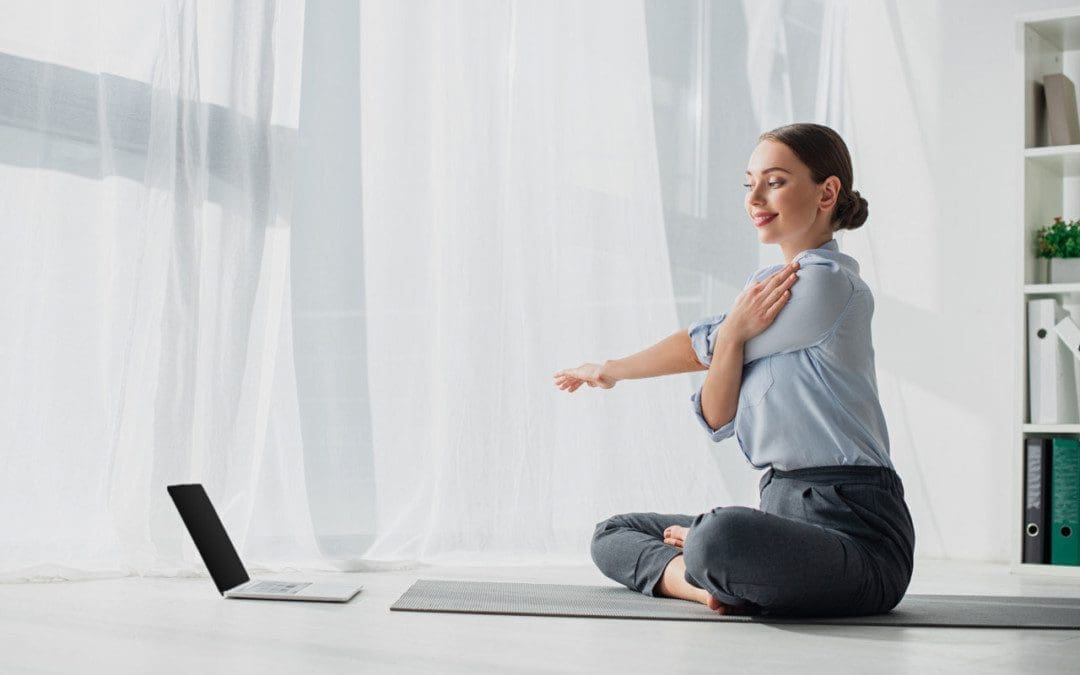
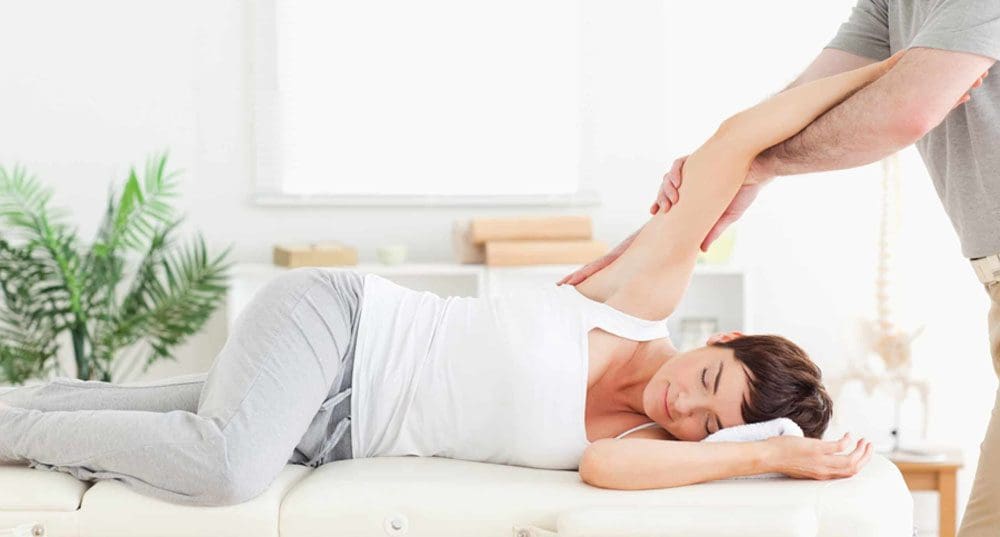
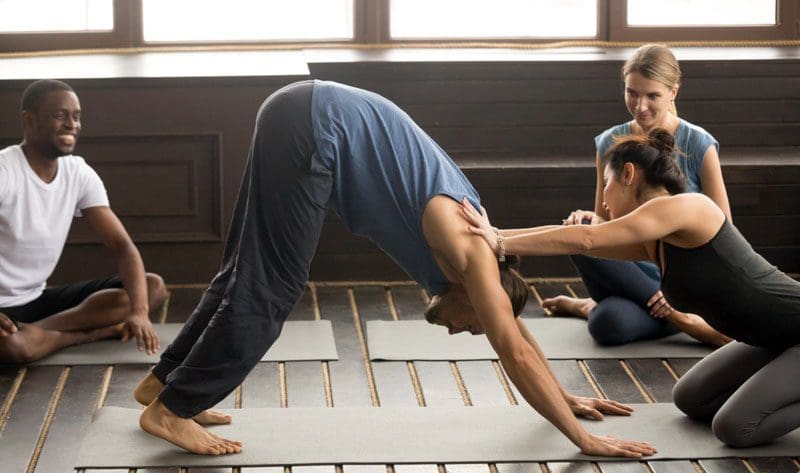
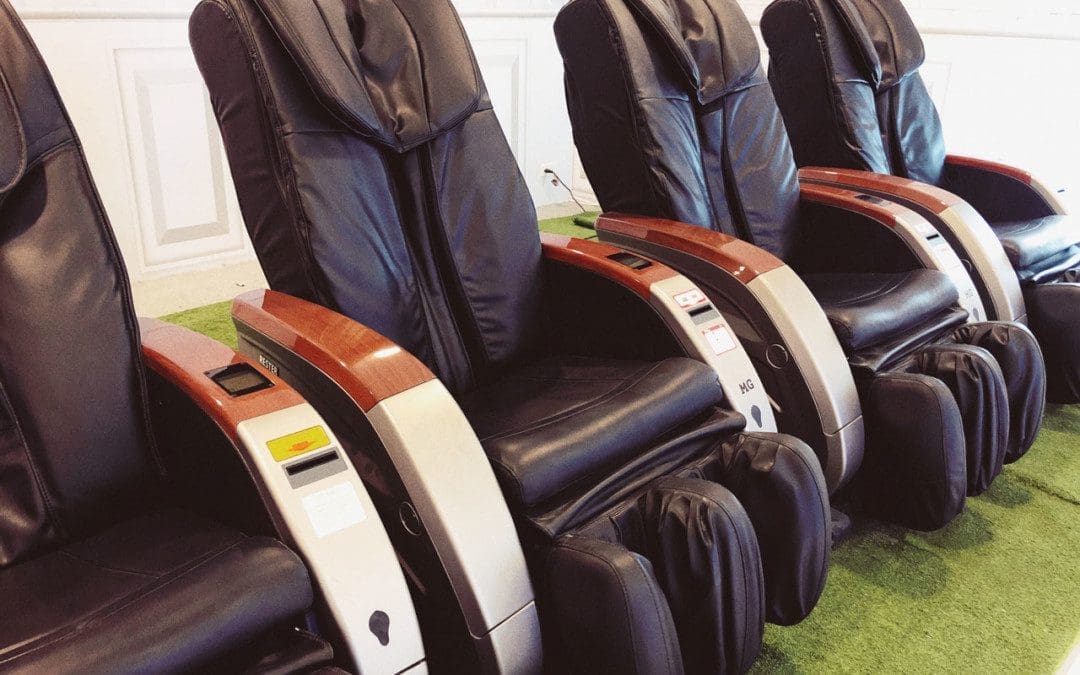
Stretching Objective: The body needs to be flexible to maintain a full range of motion. Stretching keeps the muscles supple, strong, and healthy; without it, the muscles shorten and become stiff and tight. Then, when the muscles are needed, they are weak and unable to extend fully. This increases the risk of joint pain, strains, injuries, and muscle damage. For example, sitting in a chair for a long time results in tight glute muscles and hamstrings, which leads to back discomfort symptoms and inhibits walking. Injury Medical Chiropractic and Functional Medicine Clinic can help individuals develop a personalized stretching program to maintain smooth mobility, flexibility, and function.
Stretching Objective
Benefits
The body needs to be flexible to maintain mobility, balance, and independence. The benefits of regularly stretching include:
When the muscles are stretched, so are the muscle spindles. The spindle records the change in length and speed and transmits the signals through the spinal cord, which conveys the information. This triggers the stretch reflex, which tries to resist the change by causing the stretched muscle to contract. Muscle spindle function helps maintain muscle tone and protects the body from injury. One of the reasons for holding a stretch for a specific amount of time is because, as the muscle stays in a stretched position, the spindle acclimates to the new condition and reduces its resistance signaling, gradually training the stretch receptors to allow greater lengthening of the muscles.
Chiropractic Stretch Training
However, stretching once won’t generate maximum flexibility. Tight muscles may have taken months or years to develop; therefore, it will take time to achieve flexibility and must be continually worked on to maintain it. Chiropractors and physical therapists are body movement experts and can assess individual muscle strength and develop a customized stretching program.
Muscle Spindle Activation
References
Bhattacharyya, Kalyan B. “The stretch reflex and the contributions of C David Marsden.” Annals of Indian Academy of Neurology vol. 20,1 (2017): 1-4. doi:10.4103/0972-2327.199906
Behm, David G et al. “Acute effects of muscle stretching on physical performance, range of motion, and injury incidence in healthy active individuals: a systematic review.” Applied physiology, nutrition, and metabolism = Physiologie applique, nutrition et metabolism vol. 41,1 (2016): 1-11. doi:10.1139/apnm-2015-0235
Berg, K. Stretching fundamentals. In: Prescriptive Stretching. 2nd ed. Kindle edition. Human Kinetics; 2020.
da Costa, Bruno R, and Edgar Ramos Vieira. “Stretching to reduce work-related musculoskeletal disorders: a systematic review.” Journal of rehabilitation medicine vol. 40,5 (2008): 321-8. doi:10.2340/16501977-0204
Page, Phil. “Current concepts in muscle stretching for exercise and rehabilitation.” International journal of sports physical therapy vol. 7,1 (2012): 109-19.
Witvrouw, Erik, et al. “Stretching and injury prevention: an obscure relationship.” Sports medicine (Auckland, N.Z.) vol. 34,7 (2004): 443-9. doi:10.2165/00007256-200434070-00003
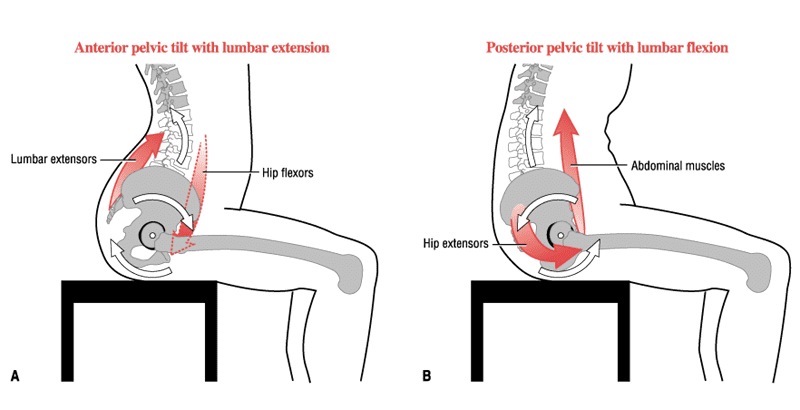
The hips in the lower portions of the body allow the legs to move the host from one location to another and provide stability to support the upper body’s weight. The hips will enable the torso to twist and turn without feeling pain. This is due to the various muscles and ligaments surrounding the pelvic bone and hip joint socket that allow the motion to be possible. However, when various injuries or factors start to affect the multiple muscles surrounding the pelvis or there is a chronic condition like osteoarthritis that causes wear and tear on the hip joints can cause underlying symptoms associated with the hips and cause many individuals to have difficulty when moving around. Luckily there are ways to improve hip mobility and the surrounding muscles in the hip and pelvic region of the body. Today’s article looks at the causes of the development of tight hips in the body and how different stretches can release tight hip flexor muscles. We refer our patients to certified providers that incorporate techniques and multiple therapies for many individuals suffering from hip pain and its correlating symptoms that can affect the musculoskeletal system in the hips, legs, and lumbar region of the spine. We encourage and appreciate each patient by referring them to associated medical providers based on their diagnosis when it is appropriate. We understand that education is a fantastic way when asking our providers intricated questions at the patient’s request and understanding. Dr. Jimenez, D.C., only utilizes this information as an educational service. Disclaimer
What Causes The Body To Develop Tight Hips?
Have you been dealing with hip mobility issues? When you sit, do you feel uncomfortable, and your hip muscles become tight? Or do you have a decreased range of motion when moving your hips? It could correlate with your hips if you have been experiencing muscle pain issues in the lower extremities. The hips help stabilize the upper and lower portions of the body while providing the full leg’s range of motion. When a person begins to sit for long periods or twist their body in a weird position, it can cause the muscles that surround the hips to become shortened. Other issues, like chronic conditions, can play a role in developing tight hip flexors. Studies reveal that various pathologies affecting the hips, lumbar spine, and lower extremities could strongly correlate with restricted hip mobility that can cause harmful effects that can affect the hips. To that point, some of the symptoms associated with tight hip flexors include:
Instability
Hypermobility
Limited range of motion
Reduce muscle strength in the groin
Muscle cramps
Sharp, sudden pain in the hips, pelvis, or groin
Low back pain
Piriformis syndrome
Other research studies mentioned that hypermobility disorders could affect the hip joints. Hypermobility disorders like EDS (Ehlers-Danlos syndrome) could cause micro or macro-trauma on the hip joint and affect the ligaments surrounding the hip joint. To that point, it can cause the hip flexor muscles to become tense and potentially affect how a person moves, which then causes soft tissue injuries and chronic pain.
Hip Flexor Stretches-Video
Do you feel tight along your hips? Do you see yourself hobbling around when walking? Or do you feel aches or strains when stretching? Many of these issues correlate with tight hip flexors that could result from hip pain in the lower extremities. When a person has tight hip flexors, it could be due to them constantly sitting down, causing the hip muscles to be shortened, or chronic conditions that can affect the hip joint and muscles. However, there are various ways to prevent tight hip flexors and regain mobility back to the hips. Studies reveal that stretching combined with core stabilization can help improve the hip’s range of motion while ensuring core endurance exercises can help strengthen the surrounding muscles in the hip area. The video above shows stretches targeting the hip flexor muscles and helps improve hip mobility.
Different Stretches To Release Tight Hip Flexors
Studies have shown that the hip flexor muscles are the main contributors to lumbar spine stability when releasing tight hip flexor muscles. So when there are tight hip flexors, it can cause overlapping risk profiles to the lumbar spine, which leads to pain and impairment in performance. The best way to reduce the pain-like symptoms associated with tight hip flexors is by stretching the lower half of the body to reduce muscle strain and tightness in the hip flexors. Additional studies have found that stretching combined with exercises targeting the low back can reduce the pain caused in the low back and help improve stability and strengthen the surrounding muscles located in the hips. Now it is important to remember that stretching for at least 5-10 minutes before and after working out allows the muscles to warm up and improve flexibility. Below are some different stretches that can release tight hip flexors.
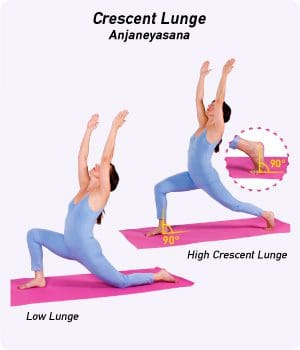
High Crescent Lunge
While standing on the mat, take a step forward to allow your right foot to be in a staggard stance *Think in a lunge position.
Bend the front knee gently while keeping the back leg straight, as this allows the heel in the back leg to be lifted off the mat; the bent front knee enables the thigh to be parallel to the floor, and the right foot is pressed flat on the mat.
Square up the hips, so they face toward the mat’s front.
Extend the arm up towards the ceiling to stretch upwards while pressing into the mat to feel the hips stretch
Hold for five breaths before slowly rising out of the lunge position and repeating on the other side.
This stretch helps release tension in the hip flexors and quads while warming up the muscles and increasing blood flow to the legs.
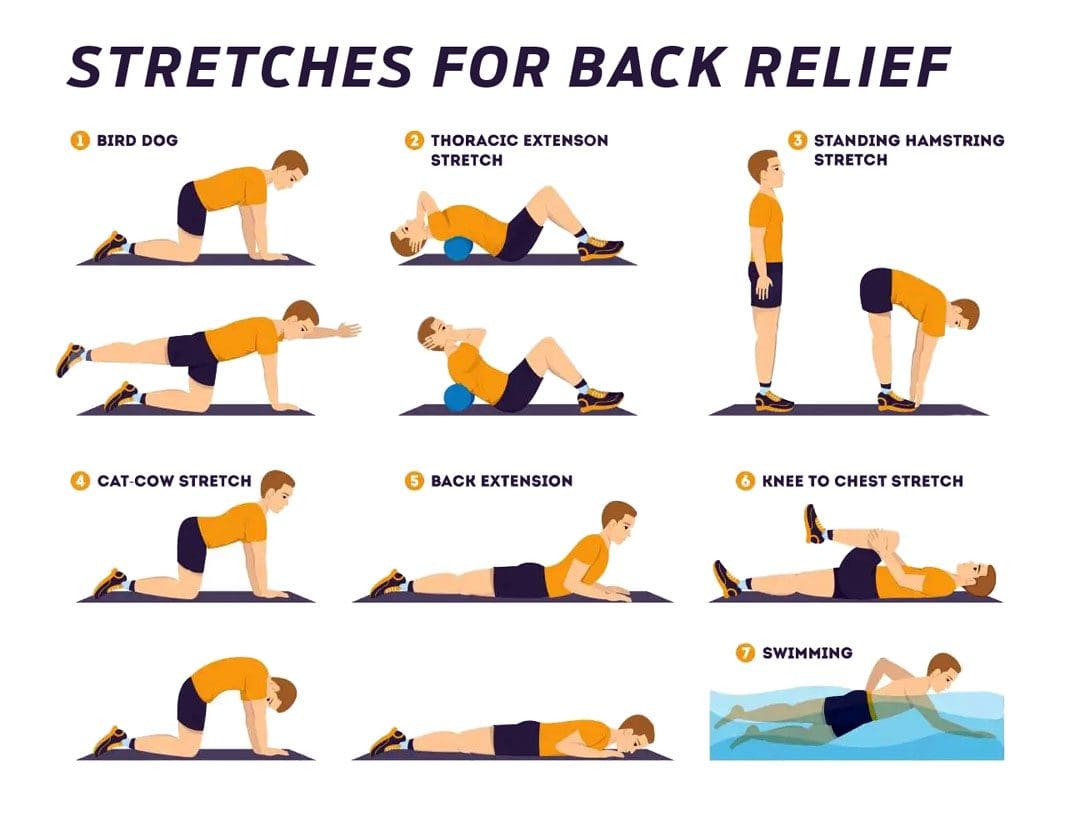
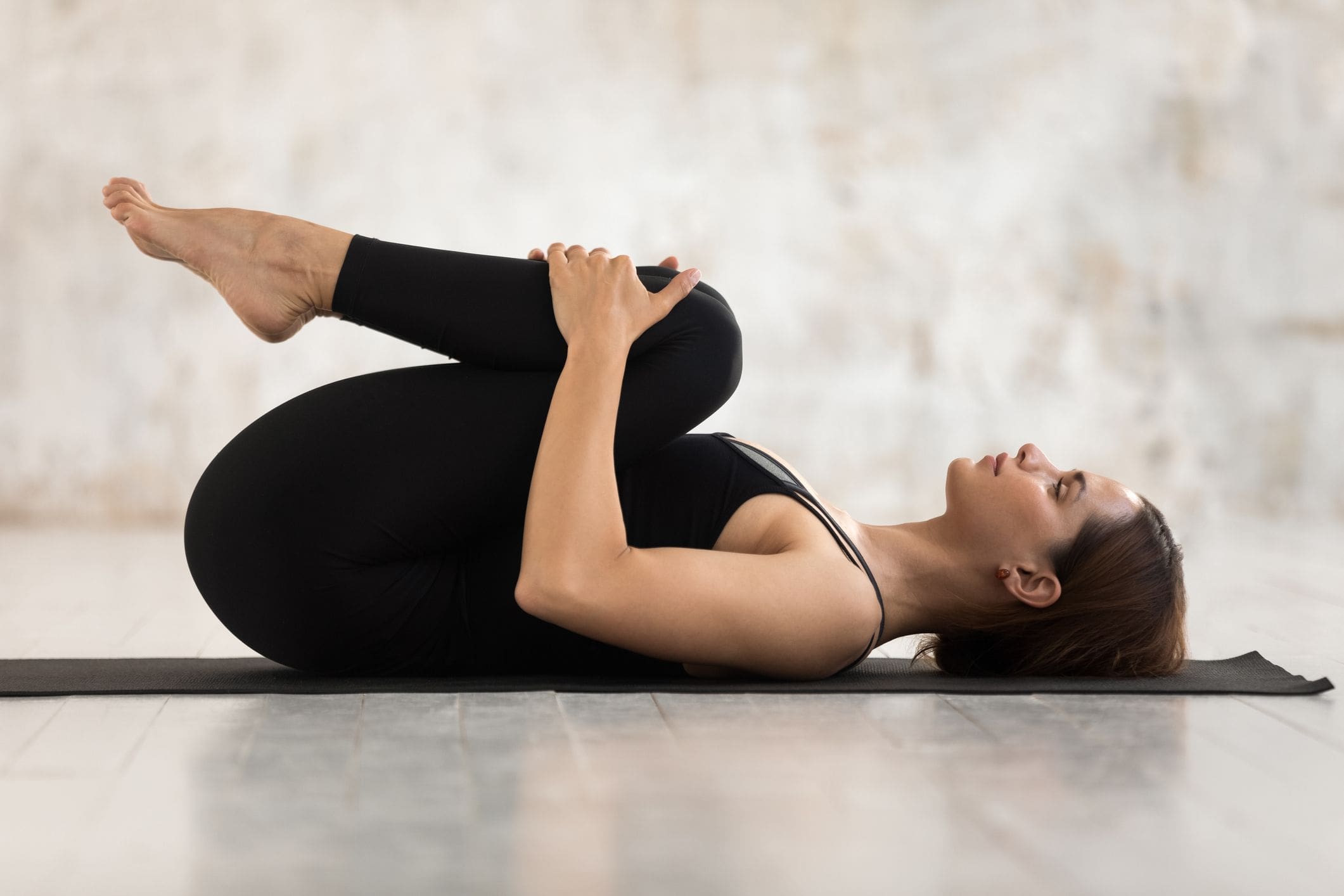
Knee-To Chest Stretch
Lie on the mat with both legs extended out and feet flexed.
Pull on the left knee to the chest while keeping the right leg straight, and the lumbar portion of the back is pressed into the mat.
Hold the position while taking deep breaths for 30 seconds to 2 minutes.
Release slowly and repeat on the right leg *You can lift both knees to your chest and rock slowly from side to side to relieve low back tension as an alternative.
This stretch is extremely helpful for tight hamstrings and allows the tense muscles on the hips and lower back to relax while increasing blood flow back to the muscles.
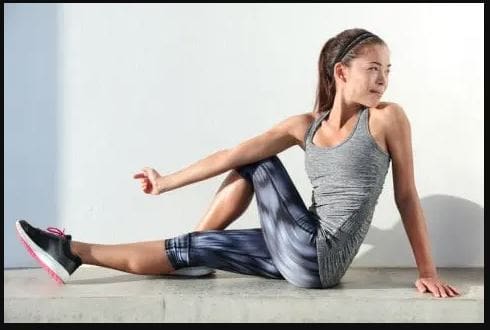
Piriformis Stretch
On the mat, sit with both legs extended out.
Cross the right leg over the left and place the other flat on the floor while the left foot is flexed
Place the right hand behind the body while the left elbow is on the right knee.
On inhale, press the right leg to the left while allowing the torso to twist on the right.
Take five breaths for a deeper stretch and switch sides to repeat the action with the left hand *If you have low back pain issues, the modified version allows you to use your left hand to pull the right quad in and out to the left and vice versa.
This stretch helps loosen tight muscles in the lower back, hips, and glutes. If you have sciatic nerve pain associated with piriformis syndrome, this stretch helps release muscle tension from the piriformis muscle aggravating the sciatic nerve.
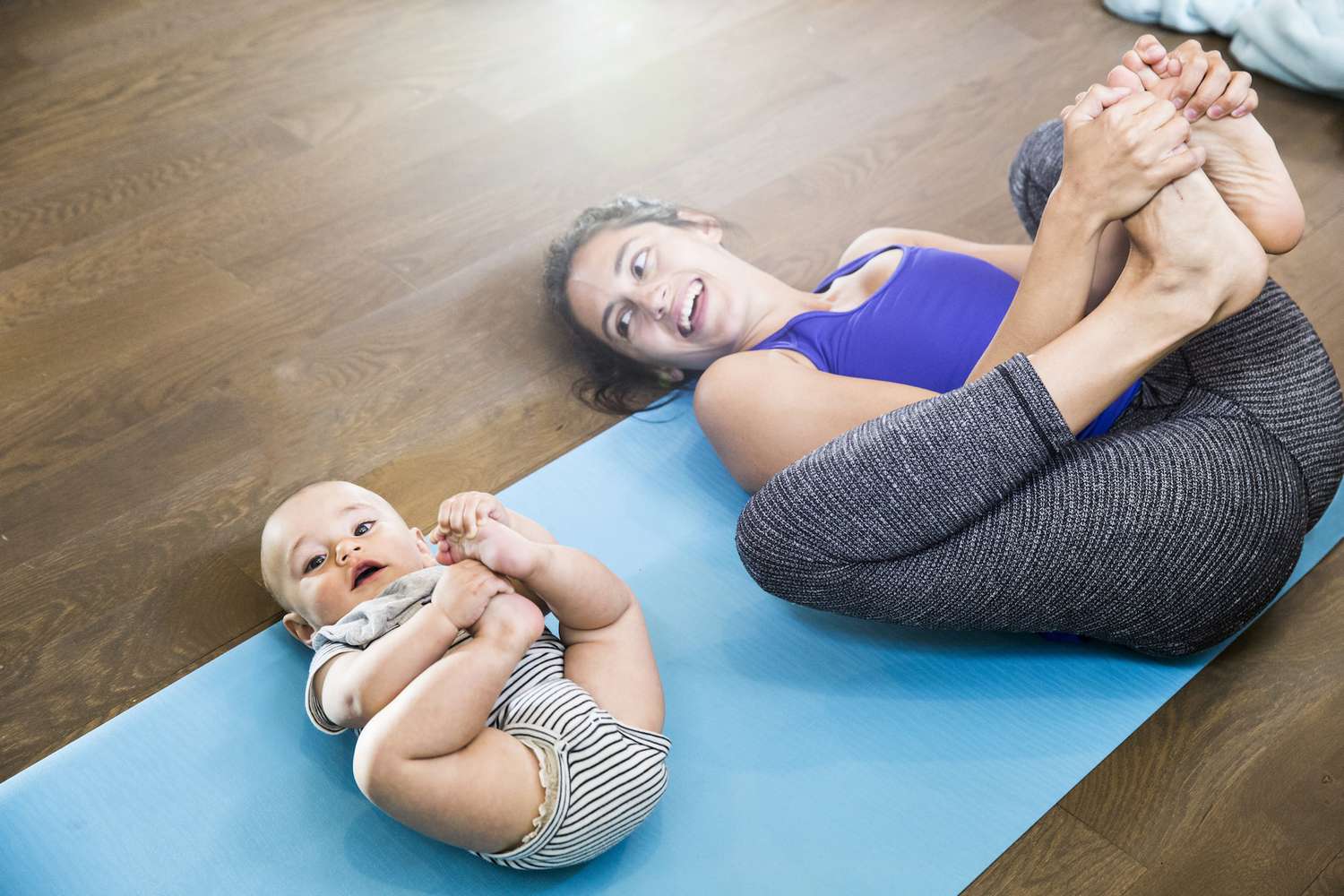
Happy Baby Pose
Lie on the mat with both knees bent and feet on the ground.
On inhale, lift the feet off the ground and grab the outer sections of the feet with your hands.
Then gently pull the feet towards the chest and allow the knees to lower to the ground, on either side of the body, while keeping the back flat on exhale.
Hold the position for at least five breaths.
This stretch helps with the inner thigh muscles or hip adductors and helps them become loose and mobile without feeling any strain or tension.
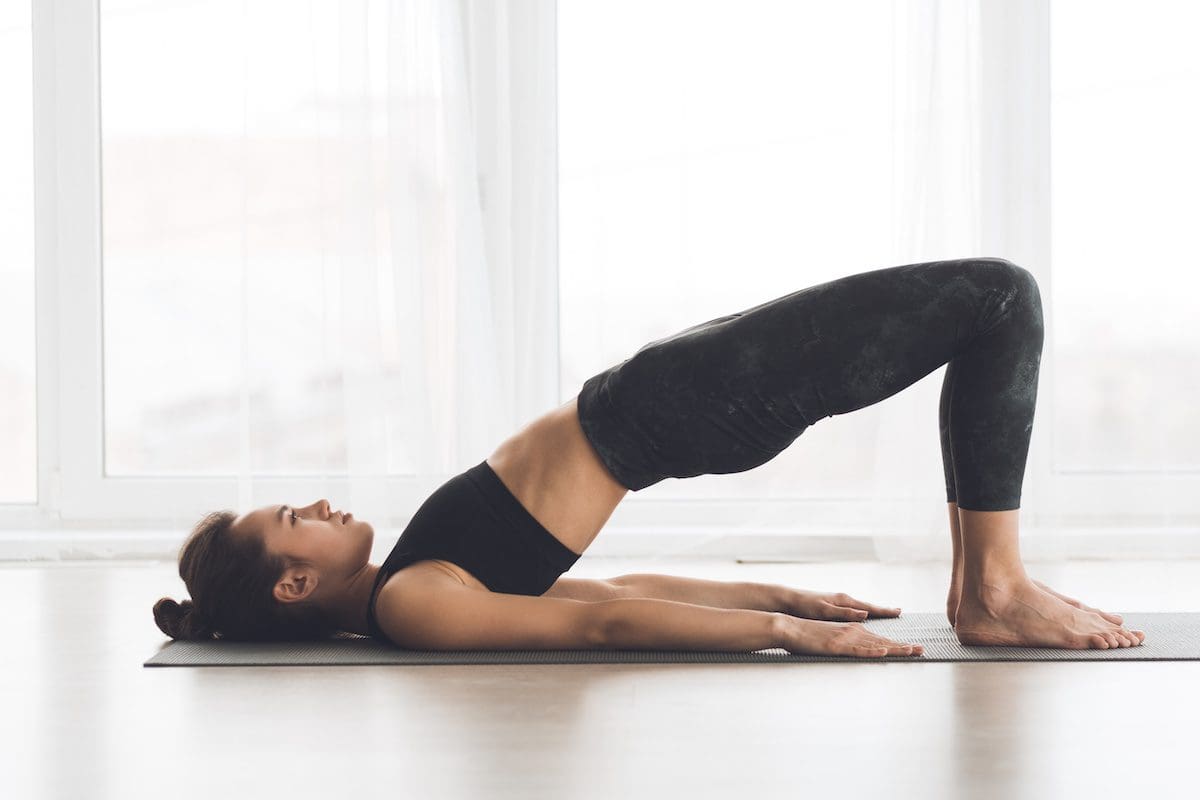
Bridge Pose
On the mat, lie on your back and sides, and extend your arms while your feet are flat on the floor with your knees bent.
Press with your heels to lift the hips and allow the feet to walk a few steps toward the body. *Keep the feet and knees hip-width apart.
Clasp hands together underneath the body and press them into the mat
Hold the position for five breaths.
This stretch helps take the pressure off the hip muscles while strengthening the glutes and abdominal muscles.
Conclusion
When it comes to releasing tight hip flexors after sitting for a long time or having hip issues affecting your low back or pelvis, Doing different stretches that target the hips can reduce the pain and release tight muscles associated with other conditions that can affect the body. The hips are important to take care of since they provide mobility and stability to the upper and lower portions of the body. They support the upper body’s weight while providing a huge range of motion to the legs. Incorporating these different stretches can reduce the pain that they have been under and help warm up the other muscles that surround the lower extremities.
References
Lee, Sang Wk, and Suhn Yeop Kim. “Effects of Hip Exercises for Chronic Low-Back Pain Patients with Lumbar Instability.” Journal of Physical Therapy Science, U.S. National Library of Medicine, Feb. 2015, https://www.ncbi.nlm.nih.gov/pmc/articles/PMC4339134/.
Moreside, Janice M, and Stuart M McGill. “Hip Joint Range of Motion Improvements Using Three Different Interventions.” Journal of Strength and Conditioning Research, U.S. National Library of Medicine, May 2012, https://pubmed.ncbi.nlm.nih.gov/22344062/.
Reiman, Michael P, and J W Matheson. “Restricted Hip Mobility: Clinical Suggestions for Self-Mobilization and Muscle Re-Education.” International Journal of Sports Physical Therapy, U.S. National Library of Medicine, Oct. 2013, https://www.ncbi.nlm.nih.gov/pmc/articles/PMC3811738/.
Reiman, Michael P, and J W Matheson. “Restricted Hip Mobility: Clinical Suggestions for Self-Mobilization and Muscle Re-Education.” International Journal of Sports Physical Therapy, U.S. National Library of Medicine, Oct. 2013, https://www.ncbi.nlm.nih.gov/pmc/articlhttps://www.ncbi.nlm.nih.gov/pmc/articles/PMC8027473/es/PMC3811738/.
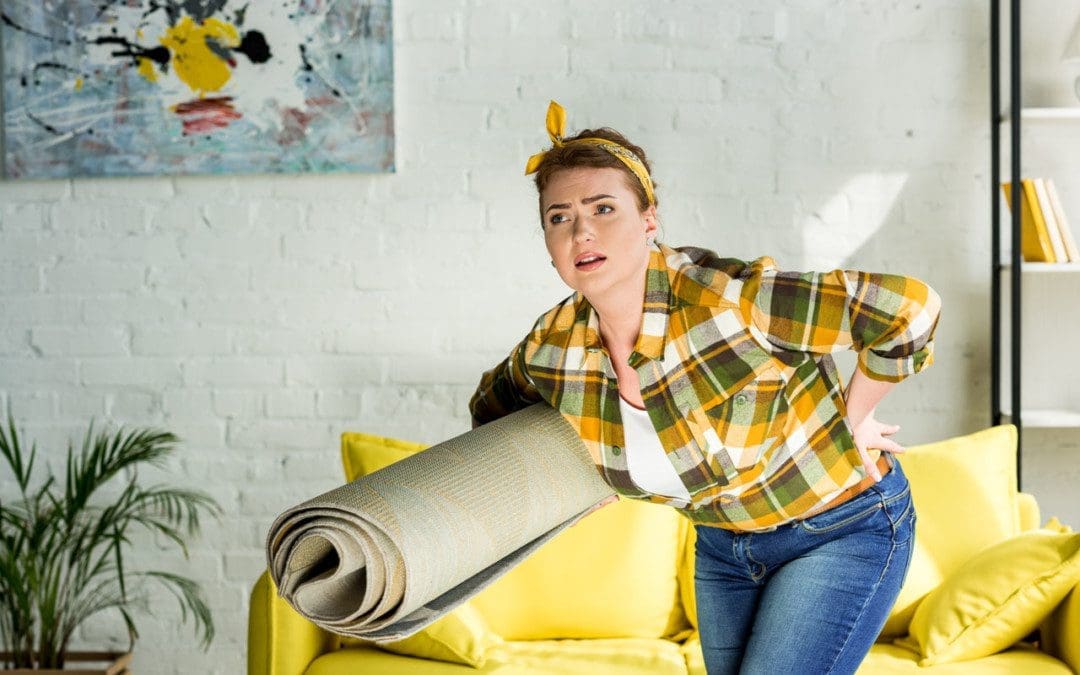
Back discomfort sensations and symptoms could indicate pulled-back muscles. Unless you’ve experienced the condition before, determining the cause can be difficult. A pulled-back muscle can start as a sudden, sharp sting when bending, reaching, or twisting. Or it can present gradually, worsening over a few days. It is a common injury, but if left untreated could take several weeks, and in severe cases, a few months, to heal correctly. Injury Medical Chiropractic and Functional Medicine Clinic can help diagnose the problem and develop a customized treatment plan to restore optimal function and health.
Pulled Back Muscles
A pulled muscle describes a strained muscle.
A strain is a muscle or tendon injury that happens when the tissue overstretches or tears.
When a ligament stretches or tears, it’s called a sprain.
Most cases can be managed and treated at home.
But if the symptoms are not improving or make it difficult to move, see a doctor or chiropractor.
Symptoms
Common signs and symptoms of a pulled-back muscle include:
Swelling
Tenderness
Soreness – Sore muscles that feel tight and achy usually indicate a condition that is likely to improve in a few days. More severe soreness could indicate a more significant injury.
Spasms – A sudden convulsive spasm in the muscle can also indicate a pull. This can feel like a sudden tightening that does not release. The muscle can continue to spasm and lead to other symptoms.
Cramping – A muscle can cramp can lead to increased tightness whenever trying to use the muscle.
Pain – Can be characterized as a constant dullness and/or soreness in most situations or, in severe cases, sharp and shooting.
Discomfort when moving around. If pain flares up when trying to move or use the back muscles is usually an indication that something is wrong.
Relief during inactivity and rest. When lying down to rest or taking a temporary break, and the symptoms disappear could also be an indication of a pulled-back muscle or another injury.
Causes
The most common causes are:
A Strained Muscle
This causes some damage to a region of muscle tissue, usually the result of being over-used or torn from another injury.
Sprained Ligaments
Involves damage to the ligaments in a joint, usually those in the spinal vertebrae.
A Herniated Disc
This involves damage to the discs that can leak out, irritating the surrounding tissues and nerves and can cause shifting and misalignment of the spine.
These conditions are distinct, but the symptoms can be similar.
Therapies
It is important to consult a medical professional before treating an injury because symptoms of other injuries, such as disc problems or a broken bone, can resemble strains and sprains. Most treatments will utilize:
Ice and Heat
Ice helps reduce inflammation.
The faster ice can be applied to a pulled-back muscle, the quicker pain and swelling are reduced, and the healing process can begin.
Apply a cold pack for 15-20 minutes as soon as the injury occurs.
Take a 20-minute break between each cold application.
After the first days, alternate cold therapy with heat to increase circulation.
Try a 20-20-20 rule: 20 minutes of an ice pack followed by a 20-minute break, then 20 minutes of heat.
Repeat as necessary, allowing 20 minutes between heat or ice therapy.
Limited Rest
Right after a muscle strain, limiting physical activity levels and avoiding movements are recommended for a short period.
After the initial pain subsides, partial activity levels are recommended to help prevent the muscles from weakening.
Compression
Applying compression bandages or using an active compression system can help reduce swelling and edema and repair damaged tissues faster.
Stretching
Returning to activities, gentle stretching exercises can improve tissue healing by increasing blood circulation to the injured area.
Applying heat to the area before stretching can also help.
Strength Training
Ask a doctor or chiropractor about the right strength exercises for your condition.
Strength training will develop the muscles to prevent future injuries.
Pain Medication
Pain levels are an important indicator during the recovery process.
Pain medications relieve symptoms but do not assist with healing and should only be used short-term to provide relief.
If you need pain medication, consult your physician to determine the appropriate type and dosage for your situation.
Massage
Blood circulation to the injured tissues is increased with massage therapy.
Chiropractic
A chiropractor can diagnose back pain from a muscle or disc injury and develop an individualized treatment plan.
Allen, Laura. “Case Study: The Use of Massage Therapy to Relieve Chronic Low-Back Pain.” International journal of therapeutic massage & bodywork vol. 9,3 27-30. 9 Sep. 2016, doi:10.3822/ijtmb.v9i3.267
Kumar, Saravana et al. “The effectiveness of massage therapy for the treatment of nonspecific low back pain: a systematic review of systematic reviews.” International journal of general medicine vol. 6 733-41. 4 Sep. 2013, doi:10.2147/IJGM.S50243
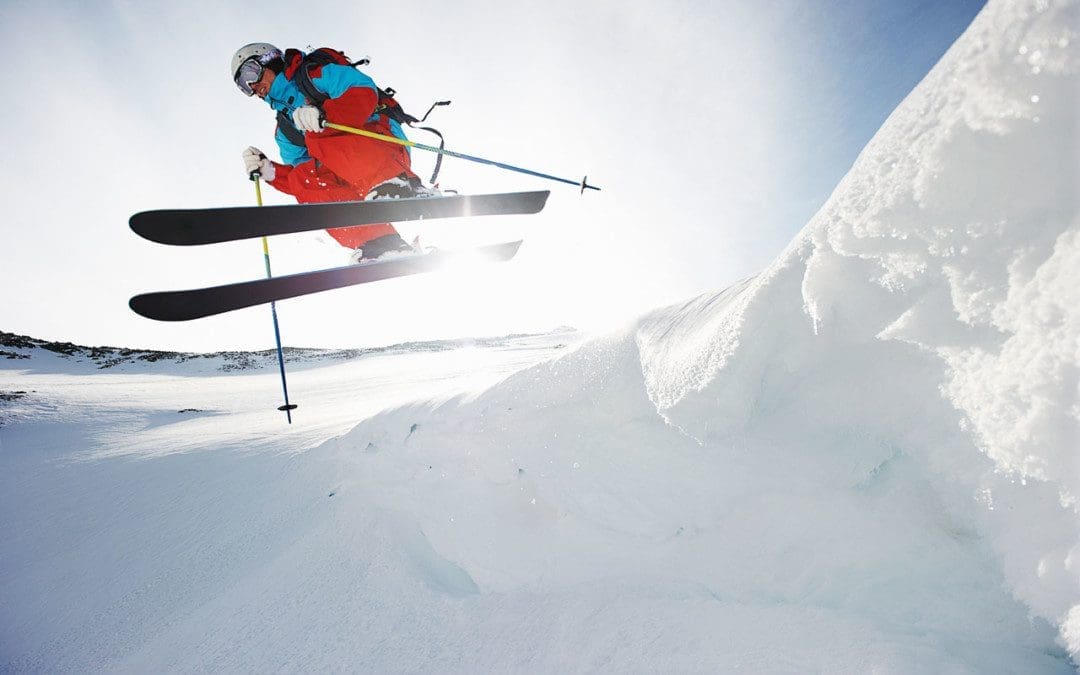
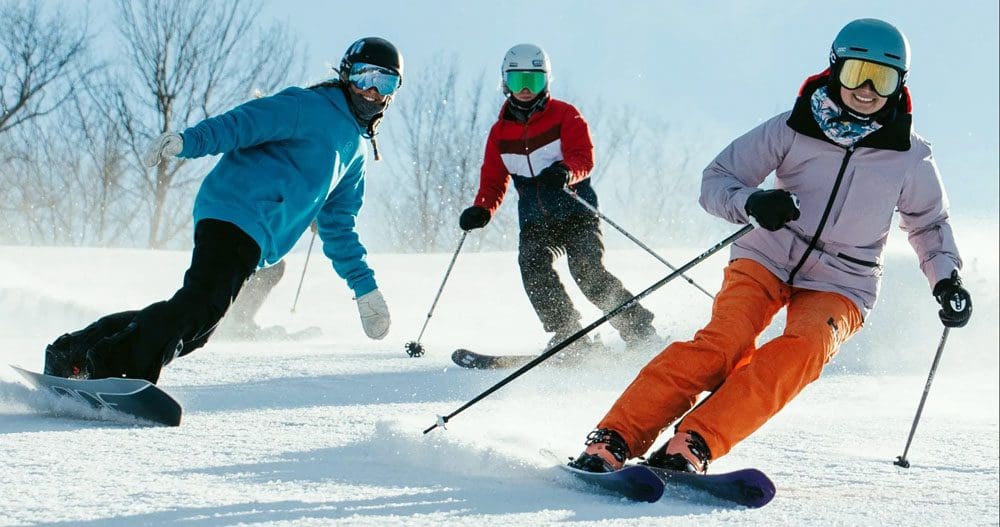
Skiing sports require balance, strength, endurance, and muscle power. It is recommended to start training for ski season about eight to twelve weeks before heading to the slopes. However, any amount of training is better than no training; as long as you stay consistent and focus on exercises that enhance skiing or snowboarding, even a few weeks of fitness training can make a difference. A ski conditioning workout can help you ski better, stay out longer, prevent injuries, and have more fun.
Skiing
Before beginning any training plan, check with your doctor or a certified training professional. The recommended strategy is a cardio and strength workout routine that trains and strengthens the lower-body muscles, including the quads, hamstrings, and glutes. This will improve mobility and balance to help control the skis better and support body parts like the knees, which are more prone to skiing injuries.
General Overview of Training
Increase Muscle Power
Strengthen the quads, glutes, hamstrings, and hips.
Posture and Balance
Train the core and the muscles around the hips, which helps provide stability.
Increase Endurance
Condition the body to handle vigorous conditions.
Increase Cardiovascular Function
Cardiovascular activities include running, biking, or interval training to strengthen the lungs and heart.
Training Schedule
Starting
With skiing, you’ll need a combination of cardio and strength training and enhanced aerobic fitness for the higher altitude.
Individuals are encouraged to start around six to eight weeks before ski season because it takes around that amount of time to experience the benefits.
The muscles need time to recover and repair themselves between sessions.
As aforementioned, you can still exercise even if you have missed the training window.
Pick an enjoyable activity: jogging, biking, and high-intensity interval training/HITT.
The goal should be 30 minutes of cardio activity 2-3 times a week to prepare the heart and lungs for downhill runs.
Recommended workouts for getting into ski shape:
Elliptical trainer – The elliptical trainer is highly recommended for ski training, as it mimics the same upper-body and lower-body movements used in Nordic skiing.
This could be a short session on a treadmill, jumping jacks, or a quick jog.
Guidelines as you progress through the workout:
Inhale during initial exertion, and exhale as you return to the starting position.
Maintain breathing patterns during faster exercises.
Rest at the end of each exercise.
Walking Lunge with Rotation Exercise
This exercise works the glutes, quads, hamstrings, and abdominals and improves core rotation.
Stand with your feet slightly apart.
Step one foot forward into a lunge.
As you step forward, rotate your body to the side in the direction of your lead knee.
Arms should be at chest height, slightly elevated from the sides.
Drive up and through your forward leg to take the next lunge.
Repeat ten times on each side for a total of 20.
Tips and modifications:
If you don’t have enough space, you can stay in one spot and alternate lunging.
Make it easier by keeping the back leg straight.
Make sure that your knees do not go inward.
Stay in a straight line with your foot and hip.
Lateral Ski Jump Exercise
This power exercise prepares for the explosive ski movements and energy bursts needed to control the descent.
Stand with your feet hip-width apart and knees slightly bent, balancing on one leg.
Jump to the side, landing on the other leg.
Think about landing softly with your knee slightly bent.
Jump to the other side, landing softly on the other leg.
Swing the arms sideways across your body like a speed skater.
Repeat 15 on each side.
Tips and modifications:
Make smaller jumps to the side
Move slower
Touch your toe to the ground instead of keeping it off the floor.
Chop Exercise
This exercise will strengthen the core to initiate turns using the core rather than the arms or shoulders and help prevent lower back pain.
Use a resistance band that you can secure slightly above the shoulders.
Stand sideways to where the band is anchored.
Position yourself so that you can reach up evenly with your shoulder to grab the free end of the band with both hands.
Your knees should be slightly bent.
Pull the band down across your body while turning your body.
Think about the trunk doing most of the work for this exercise, not the arms and shoulders.
Keep your arms as straight as you can as you pull the band down
The arms should act as guides, with the obliques and back muscles generating the pulling and rotating power.
Do this 15 times, then repeat facing the other way.
Rest for 90 seconds before moving on to the next exercise.
Tips and modifications:
Adjust the band resistance level by shortening it to increase resistance or lengthening it to ease resistance.
The goal is to feel tired at the end of the reps but not so exhausted that you struggle to finish.
Hip Roll Exercise
This exercise strengthens the muscles of the hips, including the glutes, to help prevent knee pain. There’s a direct relationship between hip strength and knee control. When hip strength is weak, the knees tend to shift inward.
Stand on your left leg.
Lean your body forward at the hips, keeping the back straight.
Lift your right leg back behind you, slightly off the ground.
Rotate or roll your hip away from your standing foot.
Maintain the body in a straight line as you roll your hips back.
Repeat 10-15 times on each side.
Tips and modifications:
If balancing is difficult, hold on to the back of a chair or keep your toes on the ground.
Whether you’re going alpine or Nordic skiing, these are just a few exercises designed to help all types and levels of recreational skiers and snowboarders. Always check with your doctor before starting any exercise routine, and it is recommended to consult a ski instructor or personal trainer for more comprehensive and intense workouts.
Ski Team Workout
References
Laskowski, E R. “Snow skiing.” Physical medicine and rehabilitation clinics of North America vol. 10,1 (1999): 189-211.
Nagle, Kyle B. “Cross-Country Skiing Injuries and Training Methods.” Current sports medicine reports vol. 14,6 (2015): 442-7. doi:10.1249/JSR.0000000000000205
Steadman, J R et al. “Training for Alpine skiing.” Clinical orthopedics and related research,216 (1987): 34-8.
Therell, Terese, et al. “Effects of Core Strength Training on Skiing Economy in Elite Junior Cross-Country Skiers.” Research quarterly for exercise and sport vol. 93,3 (2022): 608-614. doi:10.1080/02701367.2021.1887441
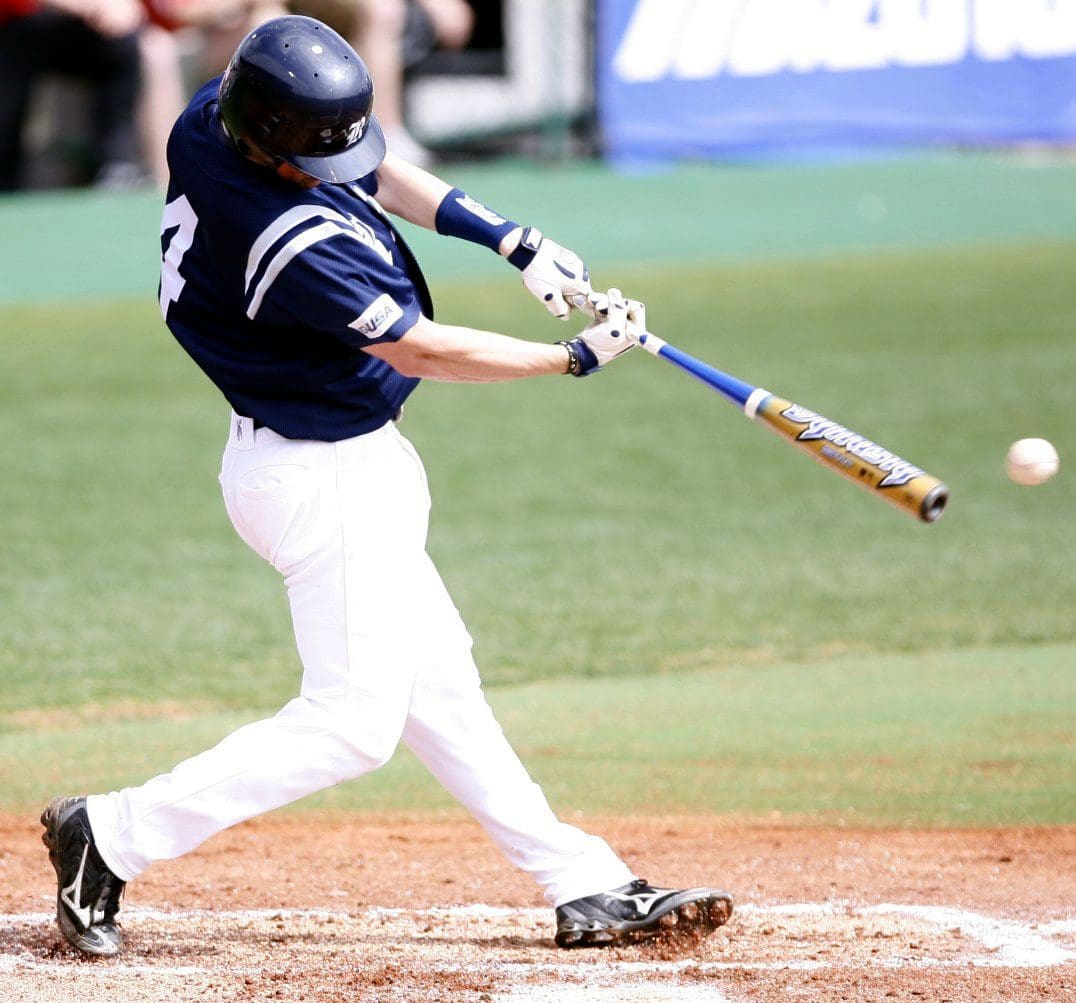
All sports differ in the relative importance of various physical skills contributing to the game and individual performance. Baseball is a precision sport with fast, explosive movements and full-body activity. The ability to repeatedly perform near maximum level with little rest is necessary for baseball players. Baseball training involves a multidimensional approach that focuses on speed, agility, and strength in a way that is relative to the motions and requirements of the sport.
Baseball Training
Trainers have to assess the unique needs of the sport and determine the time needed to improve each quality within the athlete. They should focus on the following:
Baseball training workouts are targeted at increasing running speed, bat speed, pitching, and throwing velocity that breaks down the muscle groups for improving performance while decreasing the risk of injury. Training consists of combined conditioning that includes:
Throwing a baseball at high velocity is a full-body movement that requires total body development.
Strong leg, hip, and core muscles are necessary to transfer power from the ground, up through the lower body, to the torso, and then the arm and hand to generate a fast, whipping ball release.
This will improve generating power in the throwing muscles.
The objective is to build power utilizing a heavy and then a light load to build arm speed, and using proper form will improve throwing velocity safely.
Proper trunk rotation during arm cocking and strength and flexibility training should involve trunk rotational exercises to develop the obliques so that maximum arm speed can be generated.
Players have to deal with consistent failure and remain confident.
Hitting Mistakes
References
Ellenbecker, Todd S, and Ryoki Aoki. “Step-by-Step Guide to Understanding the Kinetic Chain Concept in the Overhead Athlete.” Current reviews in musculoskeletal medicine vol. 13,2 (2020): 155-163. doi:10.1007/s12178-020-09615-1
Fleisig, Glenn S et al. “Biomechanical Analysis of Weighted-Ball Exercises for Baseball Pitchers.” Sports health vol. 9,3 (2017): 210-215. doi:10.1177/1941738116679816
Rhea, Matthew R, and Derek Bunker. “Baseball-specific conditioning.” International journal of sports physiology and performance vol. 4,3 (2009): 402-7. doi:10.1123/ijspp.4.3.402
Seroyer, Shane T et al. “The kinetic chain in overhand pitching: its potential role for performance enhancement and injury prevention.” Sports health vol. 2,2 (2010): 135-46. doi:10.1177/1941738110362656
Chiropractic care focuses on whole-body health, restoring optimal body function, helping injuries heal/rehabilitate, and maintaining musculoskeletal health. Yoga is one of the most popular forms of fitness because it is not overly physically demanding but still increases flexibility and muscle tone, helps with weight loss, improves cardiovascular and circulatory health, and enhances breathing and energy levels. Yoga provides benefits that directly relate to chiropractic, making the treatment more effective.
Yoga and Chiropractic
Yoga is an exercise focusing on mindfulness combined with deep stretches and focused breathing. Yoga focuses on balance, flexibility, and strength.
It helps to lower blood pressure and stress levels by releasing built-up tension.
Helps to activate the body’s natural healing process.
It stretches the muscles, ligaments, and tendons, keeping them loose and flexible, enhancing chiropractic adjustments.
Chiropractic
Chiropractic is multi-faceted,restoring the wellness of the neuromusculoskeletal system that involves the nerves, muscles, and bones. It works holistically with the body’s natural processes to restore balance and overall health.
Realigns the spine.
Returns the natural shape of the body’s structure.
Clears interference from the nervous system.
Rejuvenates the body.
Customized chiropractic adjustments, spinal decompression, and traction treatment plans help shift spinal deformities back toward proper balance.
Strengthen Soft Tissues
Yoga and chiropractic work and strengthen all the:
Connective tissues
Muscles
Ligaments
Tendons
Increasing the strength of the joints throughout the body reduces stress and the risk of injury.
Promote Healing
Yoga and chiropractic:
Prepare the body for healing.
Stretch and elongate the body.
Release built-up tension and stress.
Activate the body for healing.
Prevent Injury
Yoga and chiropractic:
Maintain body alignment.
Increase balance.
Stretch and relieve tense muscles.
Ensure proper joint operation.
Make the body less susceptible to injury.
Educate Individuals About The Body
Chiropractors and yoga teachers can educate individuals on how the body works, maintaining muscle strength, teaching posture awareness, and nervous system function for a healthier life.
Yoga Body Flow
References
Biman, Saranga, et al. “Effects of yoga on stress, fatigue, musculoskeletal pain, and the quality of life among employees of the diamond industry: A new approach in employee wellness.” Work (Reading, Mass.) vol. 70,2 (2021): 521-529. doi:10.3233/WOR-213589
da Costa, Fernanda Mazzoni, et al.”“Effects of an intervention program with health education and hatha yoga on the health of professionals with musculoskeletal symptoms”” Revista brasileira de medicina do trabalho : publicacao oficial da Associacao Nacional de Medicina do Trabalho-ANAMT vol. 18,2 114-124. 11 Dec. 2020, doi:10.47626/1679-4435-2020-492
Hawk, Cheryl, et al.” Best Practices for Chiropractic Management of Patients with Chronic Musculoskeletal Pain: A Clinical Practice Guideline” Journal of alternative and complementary medicine (New York, N.Y.) vol. 26,10 (2020): 884-901. doi:10.1089/acm.2020.0181
Kolasinski, Sharon L et al.” 2019 American College of Rheumatology/Arthritis Foundation Guideline for the Management of Osteoarthritis of the Hand, Hip, and Knee” Arthritis care & research vol. 72,2 (2020): 149-162. doi:10.1002/acr.24131
Urits, Ivan et al.” A Comprehensive Review of Alternative Therapies for the Management of Chronic Pain Patients: Acupuncture, Tai Chi, Osteopathic Manipulative Medicine, and Chiropractic Care” Advances in therapy vol. 38,1 (2021): 76-89. doi:10.1007/s12325-020-01554-0
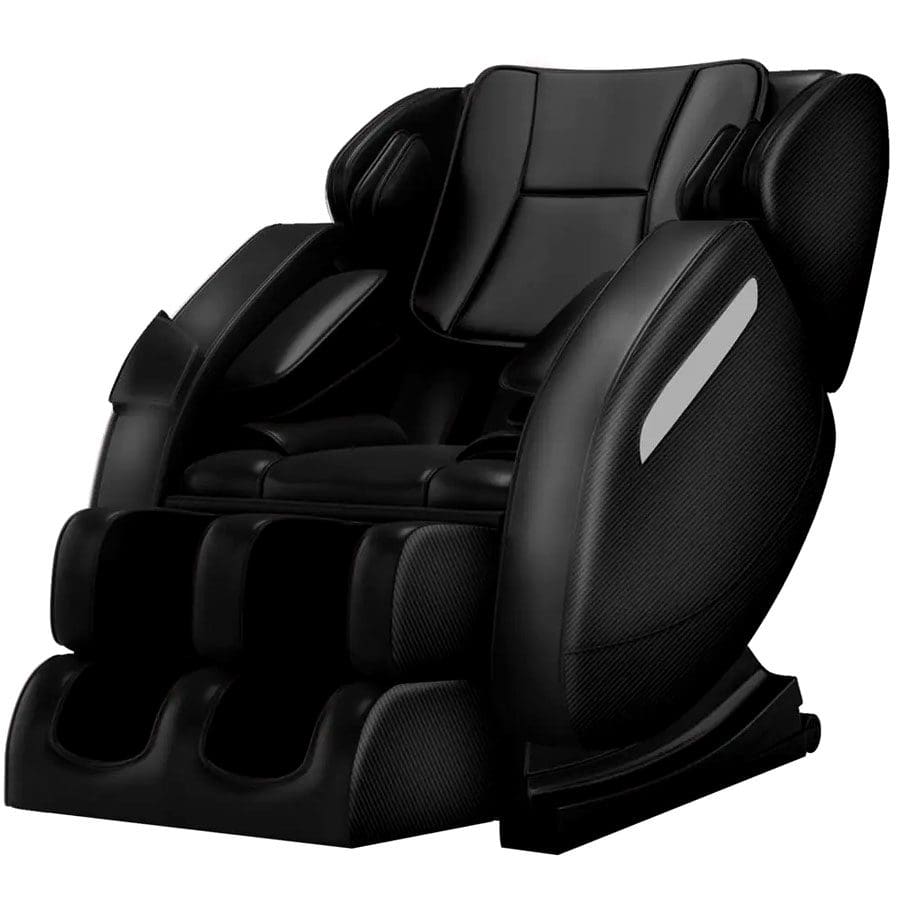
Many individuals deal with sciatic nerve discomfort and pain that radiates from the lower back down through the glutes, legs, and feet. It can affect anyone and be challenging to deal with because it can be sudden and unpredictable. A professional hands-on therapeutic massage can play a vital role in alleviating back and sciatic pain but is not always available. This is when a quality massage chair can provide pain relief and relaxation at home.
Sciatica
Not everyone who has sciatica will have the same symptoms. But common symptoms include:
Tingling, numbing sensations in the lower back and down the leg.
Electrical sensations running down the leg.
Lower back pain that spreads into the buttocks, thighs, calves, and feet.
Pain may be described as mild, dull, achy, and sharp.
Sneezing or coughing can increase the pain.
Weakness in the leg.
Massage Chair
A massage chair can assist with sciatic pain by soothing tense muscles and relieving the pressure on the surrounding tissues. When the back muscles are tense, they contract and compress down on the nerves, including the sciatic nerve. Massaging the tight muscles minimizes the pressure on the sciatic nerve and helps alleviate pain. Research has shown the main reasons why massage is beneficial:
Improves Circulation
Massaging the muscles increases blood flow.
Increasing blood circulation facilitates the absorption of nutrients into the muscles and tissues.
Choosing one will be based on specific needs and budget. Some tips to help figure out which is the most beneficial massage chair include:
Consult A Doctor
A doctor, spine specialist, or chiropractor can recommend the best type of massage chair for the individual’s specific injury, condition, and/or disorder.
A doctor will inform the individual if a massage chair is a safe option for their sciatica pain if they have health conditions like high blood pressure or neuropathy.
Chair Objectives
Figure out what the chair will help with short and long-term before shopping.
For example, if the goal is to relieve sciatica and lower back tension, an L-Track massage chair can go further down the spine to the glutes and hamstrings.
Injury Medical DOC Spinal Decompression Table
References
Cygańska, Anna, et al.” Impact of Exercises and Chair Massage on Musculoskeletal Pain of Young Musicians” International journal of environmental research and public health vol. 17,14 5128. 16 Jul. 2020, doi:10.3390/ijerph17145128
de Souza, Talita Pavarini Borges et al.”“The effectiveness of Chair Massage on Stress and Pain in Oncology” International journal of therapeutic massage & bodywork vol. 14,3 27-38. 2 Sep. 2021, doi:10.3822/ijtmb.v14i3.619
Hand, Mary et al.” “Massage Chair Sessions: Favorable Effects on Ambulatory Cancer Center Nurse” Perceived Level of Stress, Blood Pressure, and Heart Rate” Clinical journal of oncology nursing vol. 23,4 (2019): 375-381. doi:10.1188/19.CJON.375-381
Kim, Seung-Kook, et al.” “Clinical outcomes and cost-effectiveness of massage chair therapy versus basic physiotherapy in lower back pain patients: A randomized controlled trial.” Medicine vol. 99,12 (2020): e19514. doi:10.1097/MD.0000000000019514
Kumar, Saravana, et al. “The effectiveness of massage therapy for the treatment of nonspecific low back pain: a systematic review of systematic reviews.” International journal of general medicine vol. 6 733-41. 4 Sep. 2013, doi:10.2147/IJGM.S50243
IFM's Find A Practitioner tool is the largest referral network in Functional Medicine, created to help patients locate Functional Medicine practitioners anywhere in the world. IFM Certified Practitioners are listed first in the search results, given their extensive education in Functional Medicine

 Stretching Objective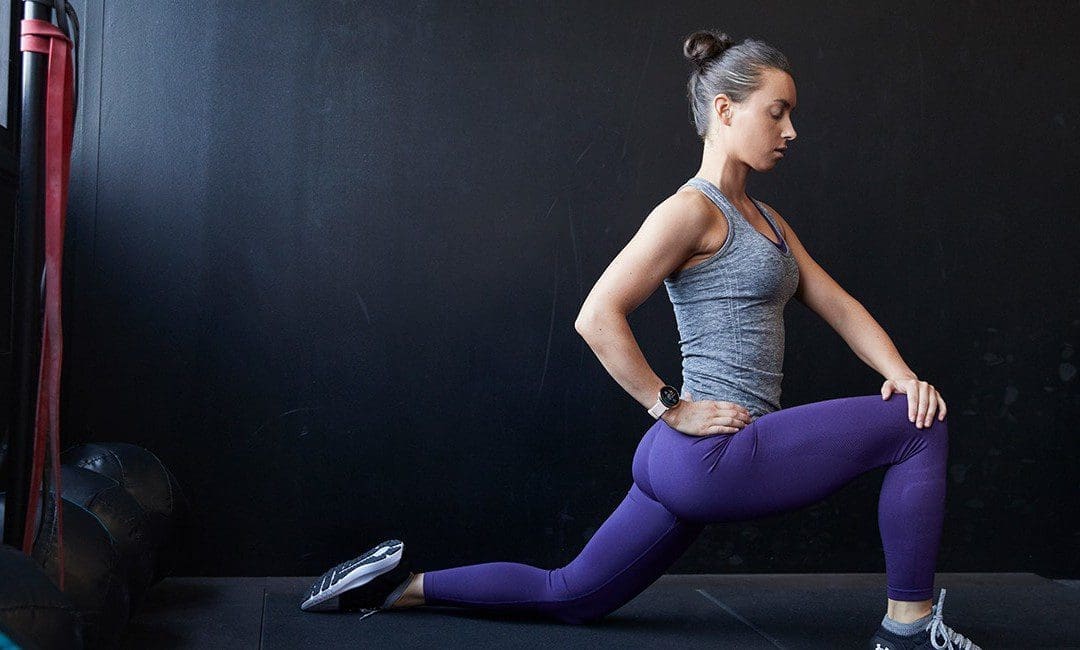

 Baseball Training