For individuals living with chronic pain and various diseases like Parkinson’s, arthritis, and diabetes, can water aerobics be beneficial?
Water Aerobics
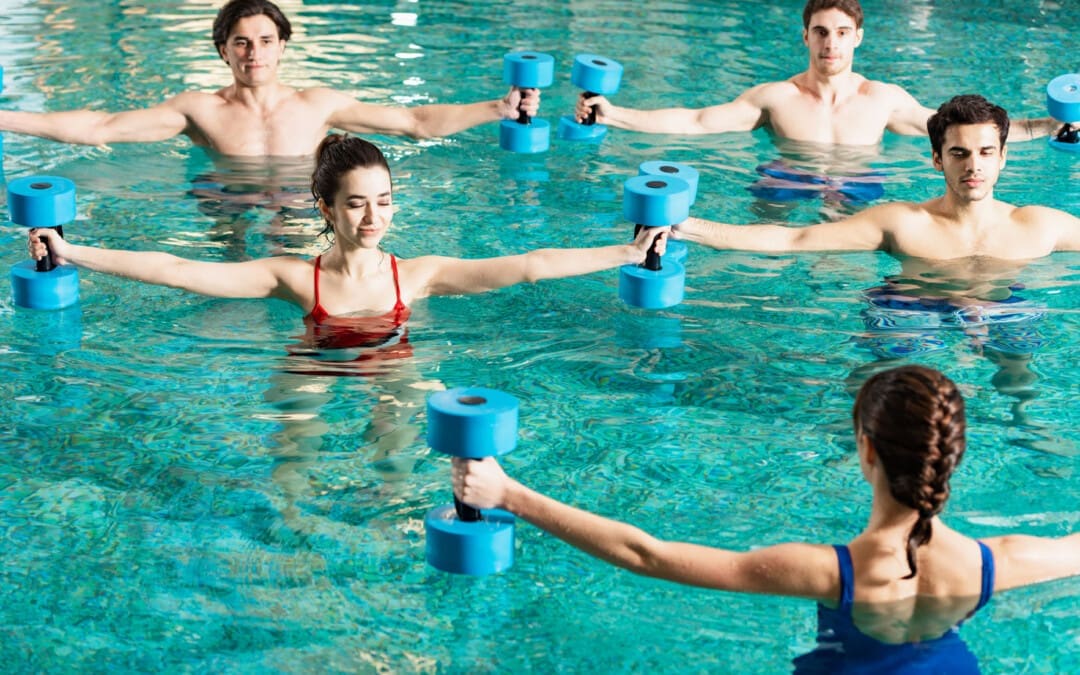
Water aerobics are low-impact exercises performed commonly in swimming pools. It is a great way to exercise for a full-body, low-impact workout without overworking the body’s joints and muscles. Other names used include:
Aquafitness
Aqua aerobics
Aquarobics
Many types can be tailored to individual needs, injuries, and/or conditions. The exercises have various health benefits, especially for those who cannot perform higher-impact movements.
Individuals participating in water aerobics will need a bathing suit, towel, goggles, and a swim cap to protect their eyes or hair from chlorinated water. Individuals do not need other special equipment while exercising as the water acts as extra resistance. Foam dumbbells or paddles can be used to increase resistance. Other optional equipment includes: (Plunge San Diego, 2024) (Harvard Health Publishing Harvard Medical School, 2023)
Kickboards
Wrist and ankle weights
Water-jogging belts
Swim bar
Pool Exercises
There are many types of pool exercises to help reach health and fitness goals. They include:
Water Walking
The basic act of walking in water is a great way to get a full-body workout.
Start by standing in waist-deep water with the feet planted on the bottom of the pool.
Lengthen the spine by bringing the shoulders up and back and aligning the shoulders with the hips and knees.
Once in a good starting position, walk through the water, putting pressure on the heel first and then the toes, just like walking out of the water, while swinging the arms back and forth through the water.
This exercise can be done for five to 10 minutes.
The muscles that will get the most attention are the arms, core, and the lower body.
Arm Lifts
Stand up to the shoulders in water.
With the palms facing up, draw the elbows into the torso while lifting the forearms in front of the body up to the water’s surface.
Once at the surface, rotate the palms to face down and slowly move the forearms back down to the sides.
For more resistance, this exercise can also be done using foam dumbbells.
Repeat the action 10–15 times for one to three sets.
The muscles targeted are the core and the arm muscles.
Jumping Jacks
Water resistance makes jumping jacks in the water much more difficult than on land.
To perform, start by standing in chest-level water with your feet together and your arms straight down the sides.
Once in position, begin by simultaneously swinging the legs out to the side and arms over the head before returning to the starting position.
Muscles targeted include the entire body and cardiovascular system.
Add wrist or ankle weights for more resistance and to make the exercise more challenging.
High-Knee-Lift Extensions
High-knee-lift extensions are performed while standing in water that is waist deep.
To do the exercise, engage the core and lift one leg in a bent position until it is level with the water’s surface.
Hold the position for a few seconds, then extend the leg out in front and hold again.
After the hold period, move the leg back down through the water to the starting position while keeping it straight and flexing the foot.
Repeat on both legs for two to three sets of 15 reps per leg.
Use weights on the ankles to increase resistance.
The muscles targeted include the core, glutes, and lower body.
Risks
While exercising in water, individuals may not notice how much they sweat. This can make it seem like the workout is not as hard and can lead to dehydration. Individuals should always hydrate before and after a pool workout. Individuals who cannot swim well should avoid exercises that do not require a flotation device. Sometimes pools are heated, so choosing one 90 degrees F or below is recommended so the body doesn’t get overheated while exercising.
Stop Pool Exercises Immediately
Performing pool exercises can often seem easier than they are, leading to overworking. Stop exercising immediately if you feel:
Pain in any area of the body
Shortness of breath
Nauseated
Faint
Dizzy
Pressure in the upper body or chest
Other Health Conditions That Benefit
Water aerobics is recommended for most individuals, completely healthy or with a chronic disease. Those with chronic disease have been shown to benefit from the low-impact exercise. (Faíl, L. B. et al., 2022) One study looked at individuals with various health conditions, with the results showing that the following conditions saw improvements after 12 weeks of regular water exercise (Faíl, L. B. et al., 2022)
Diabetes
Arthritis
Fibromyalgia
Bone diseases
High blood pressure
Coronary artery disease
Stroke
Multiple sclerosis (MS)
Parkinson’s disease
While the benefits of water aerobics have been studied and proven effective, individuals should be cleared by a medical professional before starting any new exercise regimen. Injury Medical Chiropractic and Functional Medicine Clinic works with primary healthcare providers and specialists to develop an optimal health and wellness solution through an integrated approach to treating injuries and chronic pain syndromes, improving flexibility, mobility, and agility programs to relieve pain and help individuals return to normal. Our providers create personalized care plans for each patient. If other treatments are needed, Dr. Jimenez has teamed up with top surgeons, clinical specialists, medical researchers, and rehabilitation providers to provide the most effective treatments.
Chiropractic and Integrative Healthcare
References
Harvard Health Publishing Harvard Medical School. (2023). Basic types of water-based exercises. HealthBeat. https://www.health.harvard.edu/healthbeat/basic-types-of-water-based-exercise
Pereira Neiva, H., Brandão Faíl, L., Izquierdo, M., Marques, M. C., & Marinho, D. A. (2018). The effect of 12 weeks of water-aerobics on health status and physical fitness: An ecological approach. PloS one, 13(5), e0198319. https://doi.org/10.1371/journal.pone.0198319
Harvard Health Publishing Harvard Medical School. (2024). Advantages of water-based exercise. HealthBeat. https://www.health.harvard.edu/healthbeat/advantages-of-water-based-exercise
Plunge San Diego. (2024). 5 must-have pieces of aquatic exercise equipment for water aerobics. Plunge San Diego. https://plungesandiego.com/what-equipment-needed-water-aerobics-shoes/
Faíl, L. B., Marinho, D. A., Marques, E. A., Costa, M. J., Santos, C. C., Marques, M. C., Izquierdo, M., & Neiva, H. P. (2022). Benefits of aquatic exercise in adults with and without chronic disease-A systematic review with meta-analysis. Scandinavian journal of medicine & science in sports, 32(3), 465–486. https://doi.org/10.1111/sms.14112
For individuals wanting to try Pilates for back pain and exercise, can learning how to find their neutral spine help improve flexibility and increase the range of motion in the joints?
Pilates Neutral Spine
Pilates is a functional exercise modality emphasizing core stability, which is fundamental to developing a balanced body. The exercises strengthen the muscles, improve flexibility, and increase the range of motion in the joints. (Kloubec J. 2011) It is considered a functional fitness method because its principles work to establish more graceful, efficient movements from everyday life, such as improving posture. Pilates has shown its effectiveness in that it is often used in physical therapy and rehabilitation settings. (Byrnes, K., Wu, P. J., and Whillier, S. 2018) However, knowing how to find the neutral spine is essential for performing various Pilates exercises correctly. (Barbosa, A. C. et al., 2018) This subtle adjustment during practice may help prevent injury and increase overall performance. A neutral spine is the natural position of the spine when all three curves:
Cervical (neck)
Thoracic (middle)
Lumbar (lower)
Are active and in healthy alignment.
This is the strongest position for the spine when standing or sitting, allowing the body to move more naturally.
Alignment
The following exercise can help find the Pilates neutral spine.
Basic Position
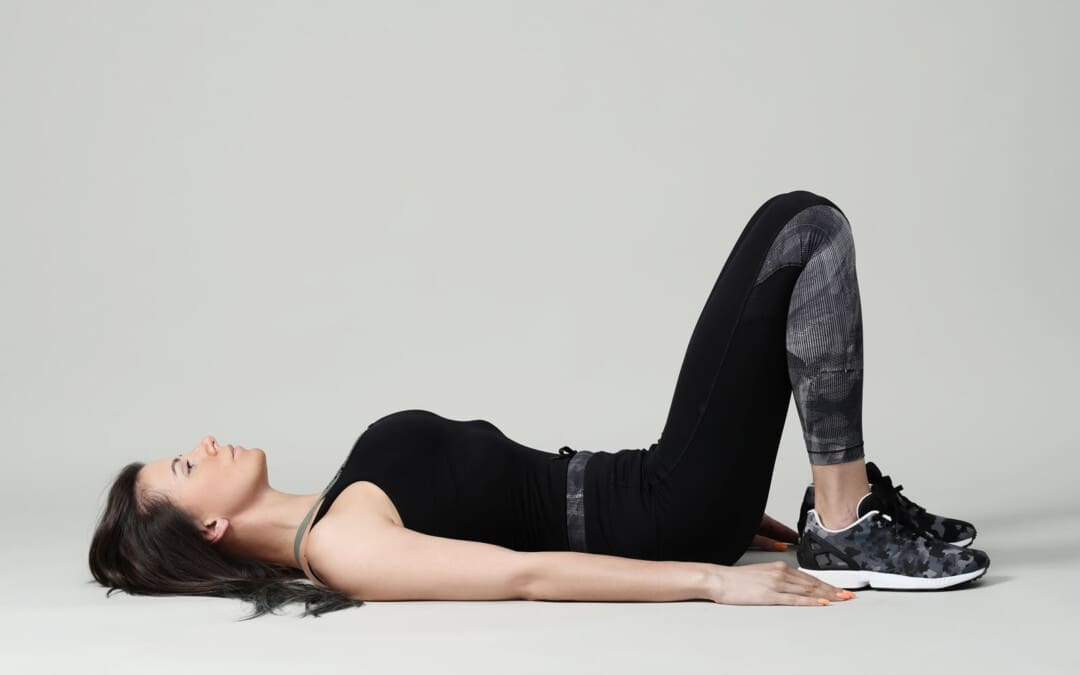
Lie on the back with knees bent and feet flat on the floor.
Ensure the legs are parallel to the hips, knees, heels, and toes.
Let the arms rest at your sides.
Relax
Relax the body, including the shoulders, neck, and jaw.
Allow the back to melt into the floor.
The rib cage will drop when the lower ribs are released to the floor.
Breathe Deep
Inhale all the way into the body, allowing it to move into the back and sides of the rib cage and all the way to the pelvis.
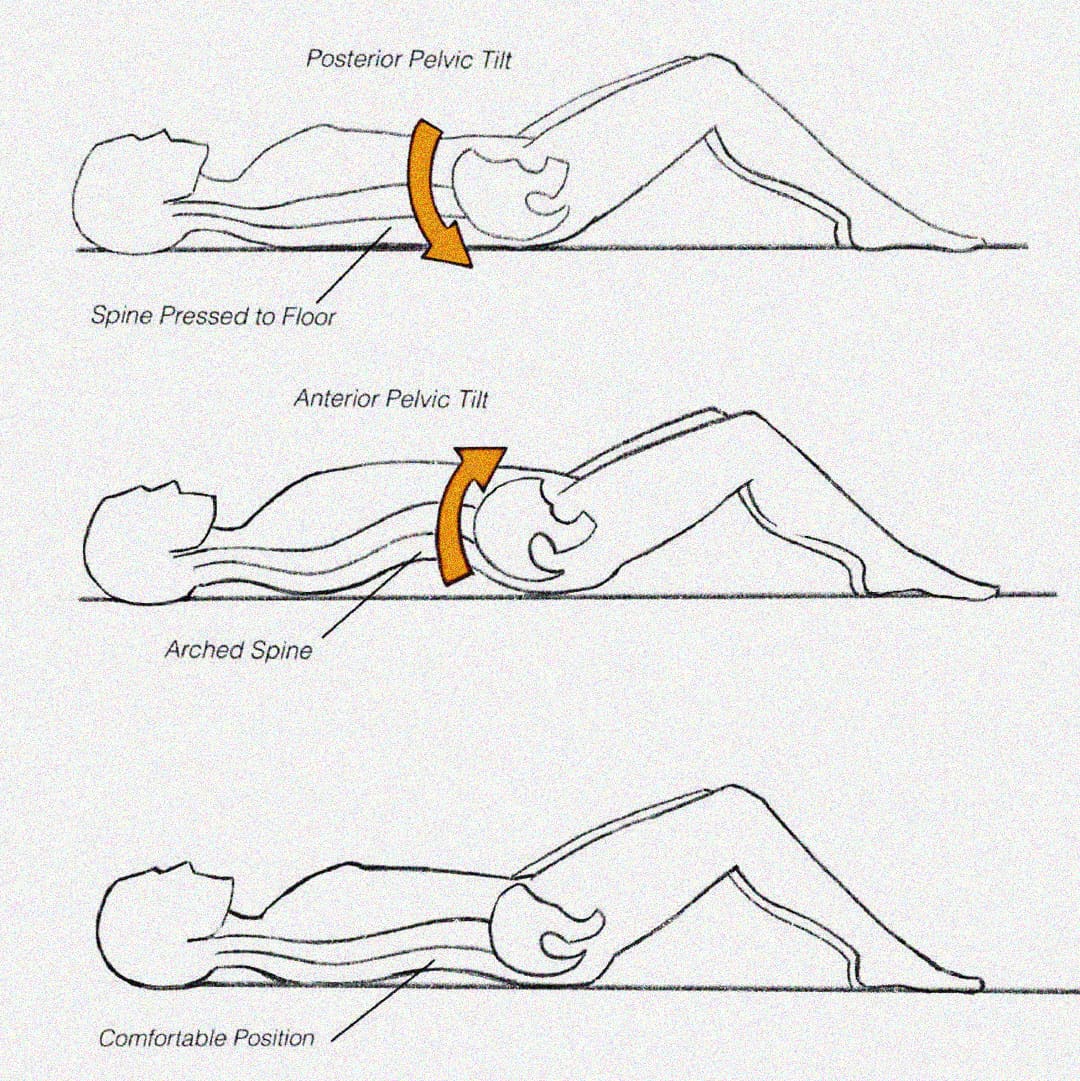
Pelvic Tilt
Exhale and use the abdominals to press the lower spine into the floor in a pelvic tuck. (Eickmeyer S. M. 2017)
Inhale to release.
Exhale and pull the lower spine off the floor, creating a pelvic tilt.
Inhale to release.
Pilates exercises don’t use excess energy or tension. Proper alignment and a neutral spine position can ensure that tension is released and excess energy is not exerted. (Byrnes, K., Wu, P. J., and Whillier, S. 2018) When performing the exercise, ensure that the shoulders, neck, and legs are relaxed and not involved in the movement.
When Exercising
Once a neutral spine is achieved, the goal is to maintain this spinal position during the exercises and when changing positions.
Start by lifting the right leg and placing it back down without letting the hips move.
Then, repeat the motion with the left leg.
Engage the abdominal muscles to help stabilize the pelvis, keeping it from moving and maintaining a neutral spine.
Repeat this process with each leg.
Once each leg can be lifted easily, test with both legs.
Exhale deeply and lift the legs while keeping the core and pelvis stable.
Then, lower them back down.
When performing this progression, there may be a want to release the abs and let the back arch.
This will cause a tuck and tilt position away from the neutral spine position.
If this progression is difficult, keep practicing until you can maintain a neutral spine.
Once this basic progression feels easy, try additional progressions and positioning.
Visualization Tips
Most people have their spines in one of two positions: tucked or tilted. A neutral spine requires individuals to be in between, with the lower abdominals flat and the lower spine’s natural curve slightly off the floor. The following visualization can help establish a neutral spine.
Balanced Pelvic Placement
Imagine a cup of water sitting on the lower abdomen, a couple of inches below the belly button.
Allow the abdominal muscles to drop toward the spine, flattening the belly.
You don’t want the water to spill, so the pelvis cannot be tipped forward or tucked under.
Body Scan Meditation
Once the body is relaxed with a balanced alignment on the floor.
Allow breathing to become deep and full and the abdominals to drop toward the floor.
The natural neck and lower spine curves should be off the floor.
Ensure the lower spine is not pressed into the floor, as this indicates a pelvic tilt.
If there is any discomfort or pain when working to increase endurance, seek advice from a healthcare professional. Injury Medical Chiropractic and Functional Medicine Clinic uses an integrated approach to treating injuries and chronic pain syndromes. It offers personalized care plans that improve ability through flexibility, mobility, and agility programs to relieve pain. Our providers use an integrated approach to create personalized care plans for each patient, including Functional Medicine, Acupuncture, Electro-Acupuncture, and Sports Medicine principles. Our goal is to relieve pain naturally by restoring health and function to the body. If other treatment is needed, Dr. Jimenez has teamed up with top surgeons, clinical specialists, medical researchers, and rehabilitation providers to provide the most effective treatments.
Is Motion Key to Healing?
References
Kloubec J. (2011). Pilates: how does it work and who needs it?. Muscles, ligaments and tendons journal, 1(2), 61–66.
Byrnes, K., Wu, P. J., & Whillier, S. (2018). Is Pilates an effective rehabilitation tool? A systematic review. Journal of bodywork and movement therapies, 22(1), 192–202. https://doi.org/10.1016/j.jbmt.2017.04.008
Barbosa, A. C., Vieira, E. R., Silva, A. F., Coelho, A. C., Martins, F. M., Fonseca, D. S., Barbosa, M. A., & Bordachar, D. (2018). Pilates experience vs. muscle activation during abdominal drawing-in maneuver. Journal of bodywork and movement therapies, 22(2), 467–470. https://doi.org/10.1016/j.jbmt.2017.05.002
Eickmeyer S. M. (2017). Anatomy and Physiology of the Pelvic Floor. Physical medicine and rehabilitation clinics of North America, 28(3), 455–460. https://doi.org/10.1016/j.pmr.2017.03.003
Learning the cause of the problem and how to effectively manage it can help individuals experiencing back spasms to quickly and safely return to previous levels of function and activity.
Back Spasm
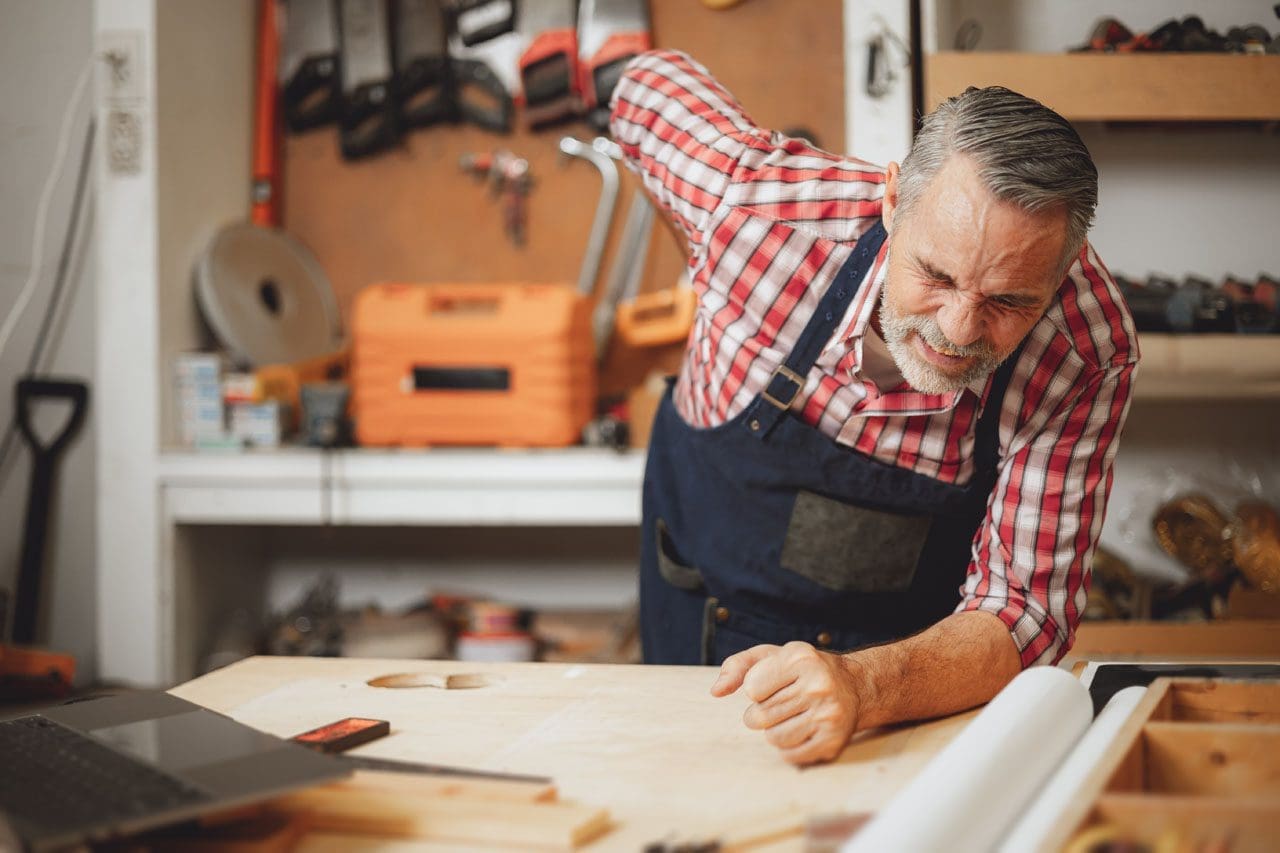
Individuals dealing with back pain or sciatica usually describe the symptoms as the back muscles tightening or spasming. A back spasm can feel mild, like a fist pressing into one side of the spine or an intense pain that prevents the individual from sitting, standing, or walking comfortably. Bask spasms can become severe, causing difficulty maintaining normal upright posture.
What Is A Spasm
A back spasm is a sudden onset of back muscle tightness. Sometimes, the tight sensation becomes so intense and severe that it prevents the individual from moving normally. Some individuals have difficulty bending forward because of the pain and tightness.
Symptoms
Most episodes last several hours to several days. Severe cases can last about six to eight weeks, but the spasms and pain subside gradually, allowing the individual to move normally and resume normal activity. Common sensations and symptoms can include:
Difficulty bending.
A tight sensation in the back.
Pulsing pains and sensations.
Pain on one or both sides of the back.
Sometimes, the spasm can cause radiating pain in the buttocks and hips. When severe, it can be accompanied by nerve pain, numbness, and tingling that radiates down one or both legs. (Medline Plus. 2022)
Causes
Back spasms are caused by tight muscle tissue, which often results from some mechanical stress. The stress causes the muscle tissue near the spine to be pulled abnormally. As a result of the pulling, the muscle fibers become taut and painful. Mechanical causes of back spasms may include: (Merck Manual, 2022)
Poor sitting and/or standing posture.
Repetitive overuse injury.
Lumbar strains.
Lumbar disc herniations.
Low back osteoarthritis.
Spondylolisthesis – vertebrae shift out of position, including anterolisthesis and retrolisthesis.
Spinal stenosis
All these can place increased stress on the anatomical structures in the spine. The lower back muscles near these structures may go into a protective spasm that can also cause a tight and painful sensation in the back. Other non-mechanical causes of low back spasms include: (Merck Manual, 2022)
Poor sitting posture or sitting for long periods without back support.
Lack of physical conditioning.
Being overweight or obese.
Psychological conditions – anxiety, depression, and emotional stress.
Family medical history of ankylosing spondylitis.
Smoking
Individuals can stop smoking, start exercising, or engage in positive activities to help manage stress. Individuals dealing with back spasms may need to see a healthcare provider for a proper diagnosis and treatment.
Treatment
Treatment for back spasms can include home remedies or therapies from medical providers. The treatments are designed to relieve the spasms and manage the mechanical stresses that may have caused them. Medical professionals can also show strategies to prevent spasms. Home remedies can include: (Merck Manual, 2022)
If self-care strategies are unable to provide relief, individuals may need to visit a medical professional for treatment. Medical treatments can include: (Merck Manual, 2022)
Most individuals are able to manage symptoms with physical therapy or chiropractic, which includes learning exercises and posture adjustments to relieve tightness.
National Institute of Neurological Disorders and Stroke. (2023). Back pain. Retrieved from https://www.ninds.nih.gov/health-information/disorders/back-pain?
Bhatia, A., Engle, A., & Cohen, S. P. (2020). Current and future pharmacological agents for the treatment of back pain. Expert opinion on pharmacotherapy, 21(8), 857–861. https://doi.org/10.1080/14656566.2020.1735353
For individuals experiencing sacroiliac joint/SIJ dysfunction and pain, could applying kinesiology tape help bring relief and manage symptoms?
Kinesiology Tape For Sacroiliac Joint Pain
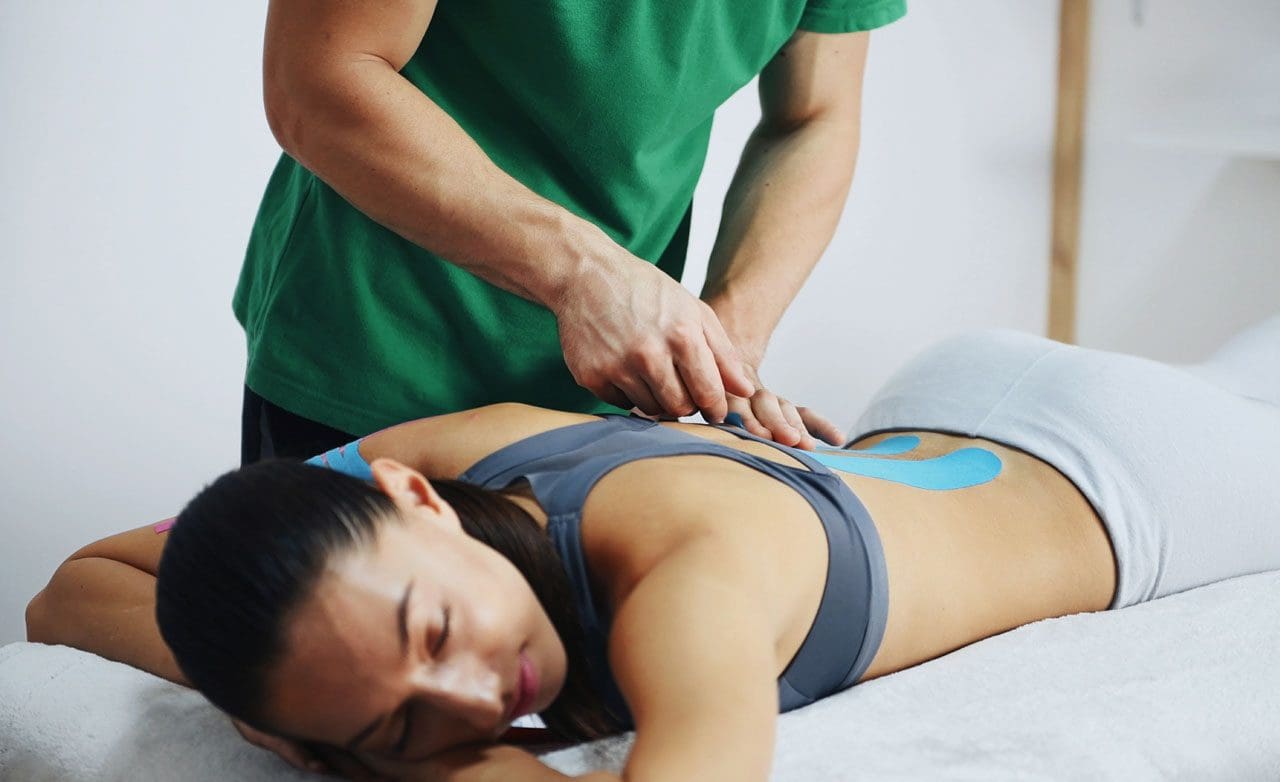
A lower back ailment that is common during pregnancy. The pain is usually on one or both sides of the back, just above the buttocks, that comes and goes and can limit the ability to bend, sit, and perform various physical activities. (Moayad Al-Subahi et al., 2017) The therapeutic tape provides support while allowing for movement and may help treat and manage sacroiliac joint/SIJ pain by:
Decreasing muscle spasms.
Facilitating muscular function.
Increasing blood circulation to and around the pain site.
Decreasing muscle trigger points.
Mechanism
Some studies have found that taping the SI joint has benefits that include:
One theory is it helps lift and hold the overlying tissues off of the SI joint, which helps decrease the pressure around it.
Another theory is that lifting the tissues helps create a pressure differential under the tape, like non-surgical decompression, allowing increased circulation to the tissues surrounding the sacroiliac joint.
This floods the area with blood and nutrients, creating an optimal healing environment.
Application
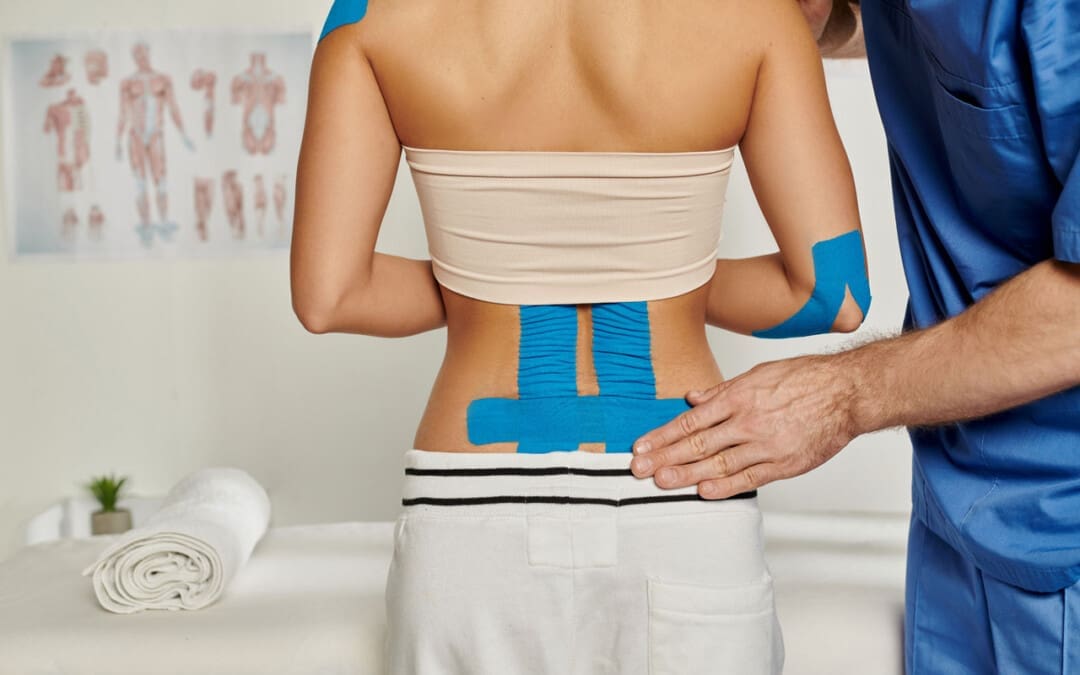
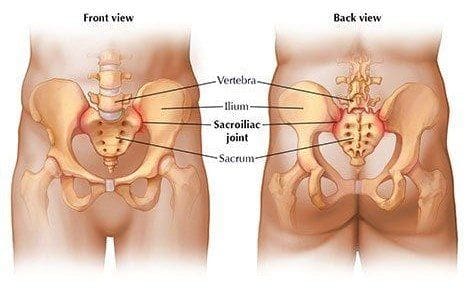
A sacroiliac joint on the right and left sides connects the pelvis to the sacrum or the lowest part of the spine. To apply the kinesiology tape correctly, locate the lowest part of the back within the pelvic area. (Francisco Selva et al., 2019) Ask a friend or family member for help if you can’t reach the area.
Taping steps:
Cut three strips of tape, each 4 to 6 inches long.
Sit in a chair and bend the body slightly forward.
If someone is helping, you can stand and slightly bend forward.
Remove the lift-off strip in the middle and stretch the tape to expose several inches, leaving the ends covered.
Apply the exposed tape at an angle over the SI joint, like making the first line of an X, just above the buttocks, with full stretch on the tape.
Peel the lift-off strips from the ends and adhere them with no stretching.
Repeat the application steps with a second strip, adhering at a 45-degree angle to the first strip, making the X over the sacroiliac joint.
Repeat this with the final strip horizontally across the X made from the first two pieces.
There should be a tape pattern of star shape over the sacroiliac joint.
Kinesiology tape can stay over the sacroiliac joint for three to five days.
Watch for signs of irritation around the tape.
Remove the tape if the skin becomes irritated, and consult your primary healthcare provider, physical therapist, or chiropractor for other treatment options.
Some individuals with specific conditions should avoid using the tape and get confirmation that it’s safe.
Individuals with severe sacroiliac pain where self-management is not working should see a healthcare provider, physical therapist, and or chiropractor for an evaluation and to learn therapeutic exercises and treatments to help manage the condition.
Sciatica During Pregnancy
References
Al-Subahi, M., Alayat, M., Alshehri, M. A., Helal, O., Alhasan, H., Alalawi, A., Takrouni, A., & Alfaqeh, A. (2017). The effectiveness of physiotherapy interventions for sacroiliac joint dysfunction: a systematic review. Journal of physical therapy science, 29(9), 1689–1694. https://doi.org/10.1589/jpts.29.1689
Do-Yun Shin and Ju-Young Heo. (2017). The Effects of Kinesiotaping Applied onto Erector Spinae and Sacroiliac Joint on Lumbar Flexibility. The Journal of Korean Physical Therapy, 307-315. https://doi.org/https://doi.org/10.18857/jkpt.2017.29.6.307
Selva, F., Pardo, A., Aguado, X., Montava, I., Gil-Santos, L., & Barrios, C. (2019). A study of reproducibility of kinesiology tape applications: review, reliability and validity. BMC musculoskeletal disorders, 20(1), 153. https://doi.org/10.1186/s12891-019-2533-0
For individuals dealing with knee pain symptoms from injury and/or arthritis, can incorporating an acupuncture and/or electroacupuncture treatment plan help in pain relief and management?
Acupuncture For Knee Pain
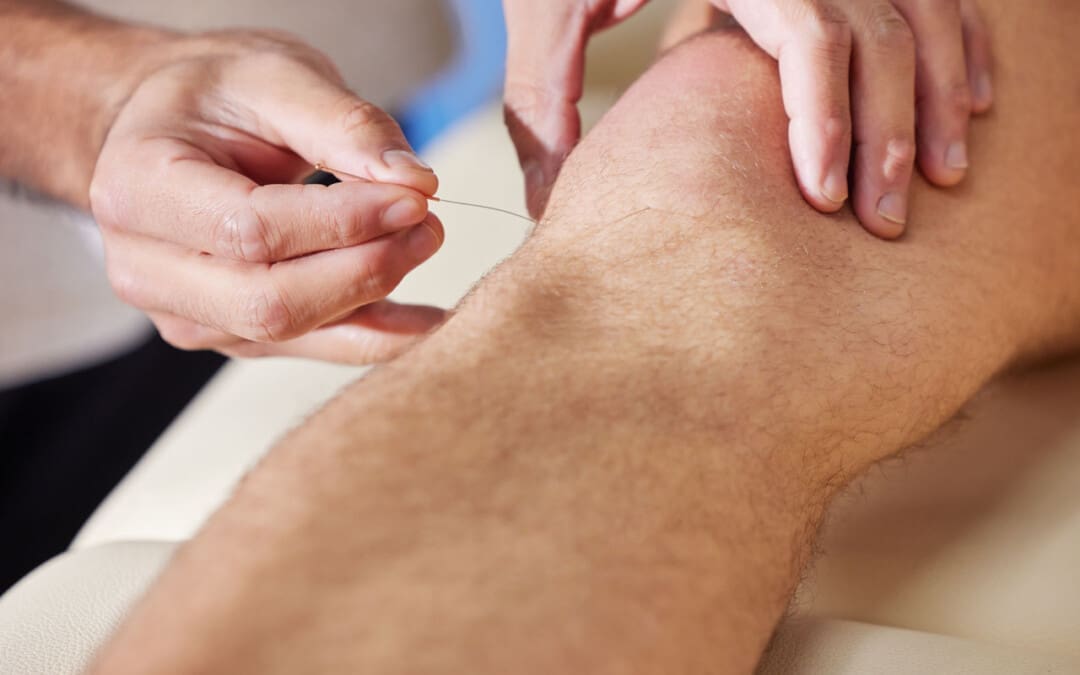
Acupuncture involves inserting very thin needles into the skin at specific acupoints on the body. It is based on the premise that the needles restore the flow of the body’s energy to activate and promote healing, relieve pain, and help the body relax.
Acupuncture can help address various health conditions, including knee pain caused by arthritis or injury.
Depending on the type and severity of pain, treatments can help reduce the pain for days or weeks.
Acupuncture is often used as a complementary therapy – treatment in addition to other treatment or therapy strategies like massage and chiropractic.
Acupuncture Benefits
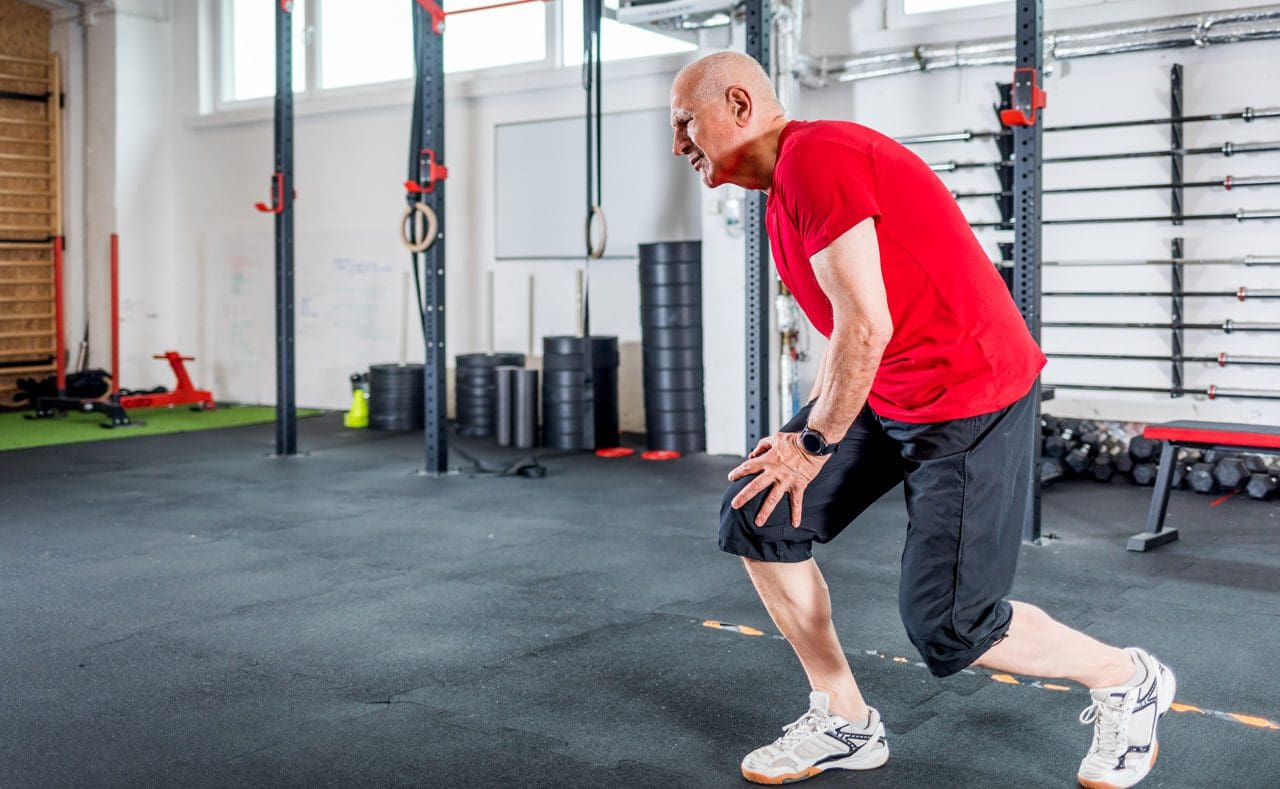
Knee pain caused by osteoarthritis or injury can reduce flexibility, mobility, and quality of life. Acupuncture can help provide relief.
When the acupuncture needles are placed on the body, a signal is sent along the spinal cord to the brain, which triggers a release of endorphins/pain hormones. Medical researchers believe this helps reduce pain. (Qian-Qian Li et al., 2013) Acupuncture also helps decrease the production of cortisol, a hormone that helps control inflammation. (Qian-Qian Li et al., 2013) With reduced pain sensations and less inflammation after acupuncture treatments, knee function and mobility can be improved.
Various factors play a role in the pain relief experienced from acupuncture. Some evidence suggests that an individual’s expectations may impact the results of acupuncture treatment. (Stephanie L. Prady et al., 2015)
Researchers are currently assessing whether the expectation that acupuncture is beneficial contributes to a better outcome after treatment. (Zuoqin Yang et al., 2021)
In 2019, acupuncture was recommended in treating knee osteoarthritis in the American College of Rheumatology/Arthritis Foundation guidelines for hand, hip, and knee osteoarthritis pain management. (Sharon L. Kolasinski et al., 2020)
Research
Different clinical studies support acupuncture’s ability to help in knee pain relief and management.
One study found that acupuncture helps manage various conditions that cause chronic pain. (Andrew J. Vickers et al., 2012)
A scientific review analyzed previous studies on pain management interventions after knee surgery and found supporting evidence that the treatments delayed and reduced the use of medications for pain relief post-surgery. (Dario Tedesco et al., 2017)
Osteoarthritis
A systematic review analyzed randomized control studies to determine whether or not acupuncture reduced pain and improved joint function in individuals with chronic osteoarthritis knee pain. (Xianfeng Lin et al., 2016)
Individuals received six to twenty-three weekly acupuncture sessions for three to 36 weeks.
The analysis determined that acupuncture can improve short and long-term physical function and mobility and provide up to 13 weeks of pain relief in individuals with chronic knee pain caused by osteoarthritis.
Rheumatoid Arthritis
Rheumatoid arthritis is a chronic disease that affects joints, including the knee joint, causing pain and stiffness.
Acupuncture is beneficial in treating rheumatoid arthritis/RA.
A review found that acupuncture alone and in combination with other treatment modalities benefits individuals with RA. (Pei-Chi, Chou Heng-Yi Chu 2018)
Acupuncture is believed to have anti-inflammatory and antioxidant effects to help regulate immune system function.
Chronic Knee Pain
Various conditions and injuries can cause chronic knee pain, making mobility difficult.
Individuals with joint pain often turn to complementary therapies for pain relief management, with acupuncture being one of the popular modalities. (Michael Frass et al., 2012)
Working with a licensed, professional acupuncture practitioner can reduce the risk of unwanted side effects and complications.
Types
Other acupuncture options that may be offered include:
Electroacupuncture
A modified form of acupuncture where a mild electrical current passes through the needles, providing additional stimulation to the acupoints.
In one research study, individuals with knee osteoarthritis reported significant improvements in their pain, stiffness, and physical function after electroacupuncture treatment. (Ziyong Ju et al., 2015)
Auricular
Auricular or ear acupuncture works on acupoints in the ear corresponding to the body’s different parts.
A research review analyzed several studies on auricular acupuncture for pain relief and found that it can provide relief within 48 hours of pain onset. (M. Murakami et al., 2017)
Battlefield Acupuncture
The military and veteran healthcare facilities use a unique form of auricular acupuncture for pain management.
Studies show that it is effective at providing immediate pain relief, but more research is necessary to determine long-term pain relief effectiveness. (Anna Denee Montgomery, Ronovan Ottenbacher 2020)
Before trying acupuncture, consult a healthcare professional for guidance, as it may be integrated with other therapies and lifestyle adjustments.
Overcoming an ACL Injury
References
Li, Q. Q., Shi, G. X., Xu, Q., Wang, J., Liu, C. Z., & Wang, L. P. (2013). Acupuncture effect and central autonomic regulation. Evidence-based complementary and alternative medicine : eCAM, 2013, 267959. https://doi.org/10.1155/2013/267959
Prady, S. L., Burch, J., Vanderbloemen, L., Crouch, S., & MacPherson, H. (2015). Measuring expectations of benefit from treatment in acupuncture trials: a systematic review. Complementary therapies in medicine, 23(2), 185–199. https://doi.org/10.1016/j.ctim.2015.01.007
Yang, Z., Li, Y., Zou, Z., Zhao, Y., Zhang, W., Jiang, H., Hou, Y., Li, Y., & Zheng, Q. (2021). Does patient’s expectation benefit acupuncture treatment?: A protocol for systematic review and meta-analysis. Medicine, 100(1), e24178. https://doi.org/10.1097/MD.0000000000024178
Kolasinski, S. L., Neogi, T., Hochberg, M. C., Oatis, C., Guyatt, G., Block, J., Callahan, L., Copenhaver, C., Dodge, C., Felson, D., Gellar, K., Harvey, W. F., Hawker, G., Herzig, E., Kwoh, C. K., Nelson, A. E., Samuels, J., Scanzello, C., White, D., Wise, B., … Reston, J. (2020). 2019 American College of Rheumatology/Arthritis Foundation Guideline for the Management of Osteoarthritis of the Hand, Hip, and Knee. Arthritis care & research, 72(2), 149–162. https://doi.org/10.1002/acr.24131
Vickers, A. J., Cronin, A. M., Maschino, A. C., Lewith, G., MacPherson, H., Foster, N. E., Sherman, K. J., Witt, C. M., Linde, K., & Acupuncture Trialists’ Collaboration (2012). Acupuncture for chronic pain: individual patient data meta-analysis. Archives of internal medicine, 172(19), 1444–1453. https://doi.org/10.1001/archinternmed.2012.3654
Tedesco, D., Gori, D., Desai, K. R., Asch, S., Carroll, I. R., Curtin, C., McDonald, K. M., Fantini, M. P., & Hernandez-Boussard, T. (2017). Drug-Free Interventions to Reduce Pain or Opioid Consumption After Total Knee Arthroplasty: A Systematic Review and Meta-analysis. JAMA surgery, 152(10), e172872. https://doi.org/10.1001/jamasurg.2017.2872
Lin, X., Huang, K., Zhu, G., Huang, Z., Qin, A., & Fan, S. (2016). The Effects of Acupuncture on Chronic Knee Pain Due to Osteoarthritis: A Meta-Analysis. The Journal of bone and joint surgery. American volume, 98(18), 1578–1585. https://doi.org/10.2106/JBJS.15.00620
Chou, P. C., & Chu, H. Y. (2018). Clinical Efficacy of Acupuncture on Rheumatoid Arthritis and Associated Mechanisms: A Systemic Review. Evidence-based complementary and alternative medicine : eCAM, 2018, 8596918. https://doi.org/10.1155/2018/8596918
Frass, M., Strassl, R. P., Friehs, H., Müllner, M., Kundi, M., & Kaye, A. D. (2012). Use and acceptance of complementary and alternative medicine among the general population and medical personnel: a systematic review. Ochsner journal, 12(1), 45–56.
Hinman, R. S., McCrory, P., Pirotta, M., Relf, I., Forbes, A., Crossley, K. M., Williamson, E., Kyriakides, M., Novy, K., Metcalf, B. R., Harris, A., Reddy, P., Conaghan, P. G., & Bennell, K. L. (2014). Acupuncture for chronic knee pain: a randomized clinical trial. JAMA, 312(13), 1313–1322. https://doi.org/10.1001/jama.2014.12660
National Center for Complementary and Integrative Health. (2022). Acupuncture in depth. National Center for Complementary and Integrative Health. https://www.nccih.nih.gov/health/acupuncture-what-you-need-to-know
Harvard Medical School. (2023). Acupuncture: what is it? Harvard Health Publishing Harvard Medical School Blog. https://www.health.harvard.edu/a_to_z/acupuncture-a-to-z#:~:text=The%20most%20common%20side%20effects,injury%20to%20an%20internal%20organ.
Ju, Z., Guo, X., Jiang, X., Wang, X., Liu, S., He, J., Cui, H., & Wang, K. (2015). Electroacupuncture with different current intensities to treat knee osteoarthritis: a single-blinded controlled study. International journal of clinical and experimental medicine, 8(10), 18981–18989.
Murakami, M., Fox, L., & Dijkers, M. P. (2017). Ear Acupuncture for Immediate Pain Relief-A Systematic Review and Meta-Analysis of Randomized Controlled Trials. Pain medicine (Malden, Mass.), 18(3), 551–564. https://doi.org/10.1093/pm/pnw215
Montgomery, A. D., & Ottenbacher, R. (2020). Battlefield Acupuncture for Chronic Pain Management in Patients on Long-Term Opioid Therapy. Medical acupuncture, 32(1), 38–44. https://doi.org/10.1089/acu.2019.1382
For individuals experiencing tightness in the lower back and hamstrings, can utilizing the sit and reach test help determine an individual’s risk for future pain and injury?
Sit and Reach Test
Lower back and hamstring tightness and pain symptoms are usually brought on by muscle stiffness. The sit-and-reach test is one of the most common ways to measure lower back and hamstring flexibility. Exercise physiologists, physical therapists, chiropractors, and fitness trainers use the sit-and-reach test to measure lower back and hamstring flexibility to assess baseline flexibility. The test has been around since 1952 (Katharine F. Wells & Evelyn K. Dillon 2013) and has an extensive database of results across all age groups and genders.
Individuals can use the sit-and-reach test to compare flexibility to the average result for individuals of the same gender and age.
For healthcare providers, the test may be repeated after several weeks to determine flexibility progress.
Measurement
The test can be a valuable measurement of functional flexibility to sit with the legs straight in front and reach the toes. Jobs, sports, and everyday tasks regularly require bending over, reaching, and lifting objects. These are real-life examples of how having a healthy back and hamstring flexibility is vital in preventing pain symptoms and injuries. New flexibility assessments are currently being developed, and many trainers and therapists use their own versions with patients and clients. But even with more advanced specialized flexibility tests, the sit and reach test can be a functional testing tool for tracking general flexibility changes over time. (Daniel Mayorga-Vega et al., 2014)
Performing The Test
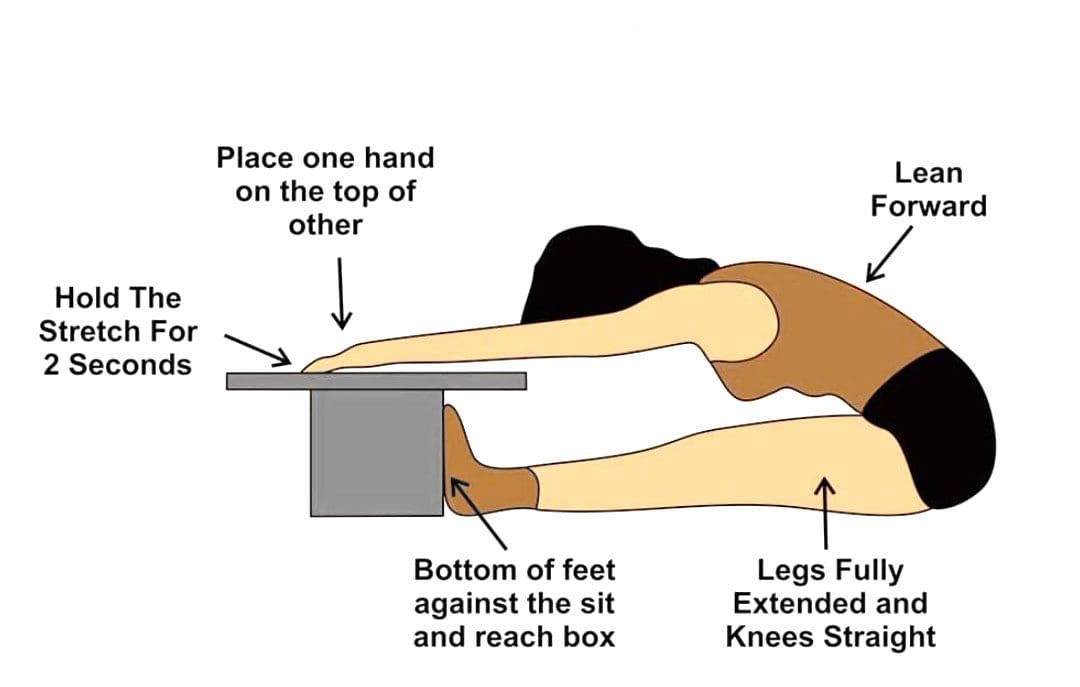
A special sit-and-reach testing box is used; however, individuals can make their own testing box by finding a heavy-duty box around 30cm or 11.811 inches tall. Set a measurement ruler/stick on top of the box so that 26 cm or 10.2362 inches of the ruler extends over the front edge toward the individual being tested. The 26cm mark should be at the edge of the box.
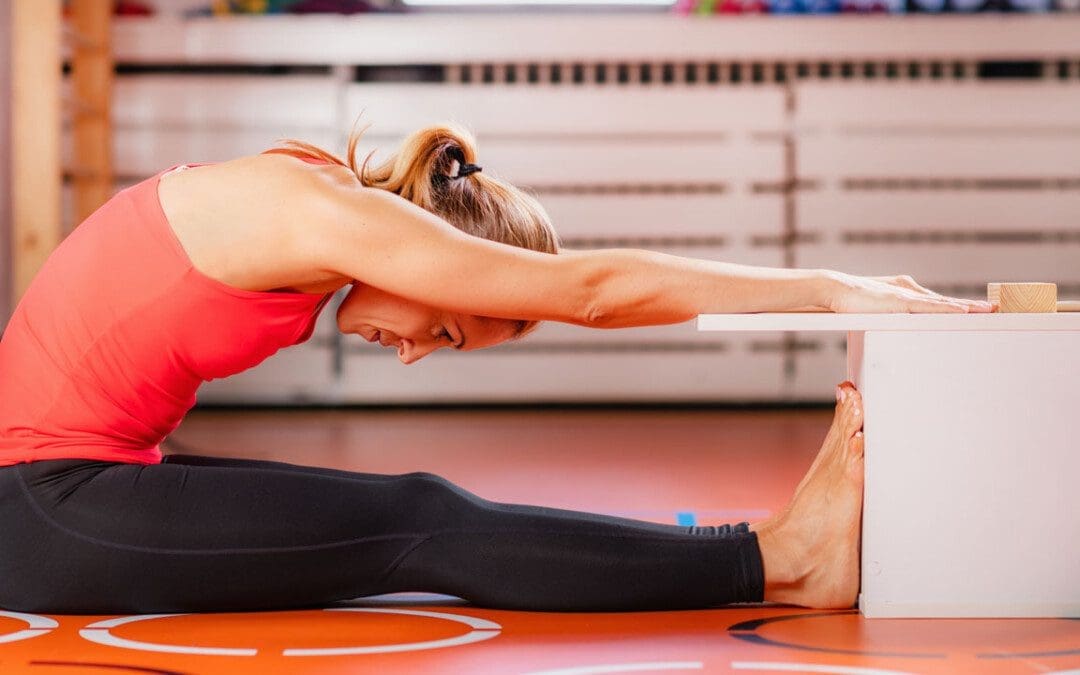
Get into position – Remove shoes and sit on the floor with legs stretched out in front with the knees straight and feet flat against the front end of the test box.
Start the movement – In a slow, steady motion, lean forward, keeping the knees straight, and slide the hands up the ruler as far as possible.
Stretch and repeat – Extend as far as possible, record the results, rest, and repeat three times.
Calculate the results – Average the results.
Results
Results compare flexibility over time to norms, or averages, for gender and age. Adequate flexibility is reaching the toes – the 26-cm mark on the ruler while keeping the legs straight.
Adult Women
37cm or 14.5669 inches or above: Excellent
33 to 36cm or 12.9921 inches: Above average
29 to 32cm or 11.4173 inches: Average
23 to 28cm or 9.05512 inches: Below average
Below 23cm or 8.66142 inches: Poor
Adult Men
34cm or 13.3858 inches or above: Excellent
28 to 33cm or 11.0236 inches: Above average
23 to 27cm or 9.05512 inches: Average
16 to 22cm or 6.29921 inches: Below average
Below 16cm or 5.90551 inches: Poor
Alternatives
Individuals can test their own hamstring and lower back flexibility with some easy at-home tests. Use these methods while working on flexibility, and keep a record to see improvements. (Brittany L. Hansberger et al., 2019) One alternative is the V-sit reach test.
To perform this, make a line on the floor with tape, then place a measuring tape perpendicular to the tape, making a cross.
Sit with the feet in a V shape, touching the tape, feet about a foot apart, with the measuring tape between the legs; the 0 end starts where the legs part.
Overlap hands with arms outstretched in front.
Repeat three times, leaning forward and reaching with hands out.
Then, repeat and take note of how far the hands could reach.
Individuals will need someone to measure the distance between their fingertips and the floor.
Warm up with a few practice stretches of standing and bending toward the floor.
Then, measure how far from the floor the fingertips are.
The ability to touch the floor is a good sign.
Improving Flexibility
Individuals with less than adequate flexibility are recommended to work on stretching the major muscle groups in both the upper and lower body on a regular basis to improve and maintain body flexibility.
Individuals can incorporate dynamic stretching, which consists of active movements utilizing a full range of motion as part of warming up for workouts, sports, or other activities.
Static stretching is recommended when cooling down after the muscles are warmed up and joints are lubricated.
The American College of Sports Medicine recommends 2 to 3 sessions a week of flexibility training and learning to stretch daily.
Stretches should be held for 15 to 30 seconds, then released and repeated 2 to 4 times. (Phil Page 2012)
This will take time and dedication, but with the help of trained specialists, regaining flexibility and full range of motion can be accomplished.
Benefits of Stretching
References
Katharine F. Wells & Evelyn K. Dillon (1952) The Sit and Reach—A Test of Back and Leg Flexibility, Research Quarterly. American Association for Health, Physical Education and Recreation, 23:1, 115-118, DOI: 10.1080/10671188.1952.10761965
Mayorga-Vega, D., Merino-Marban, R., & Viciana, J. (2014). Criterion-Related Validity of Sit-and-Reach Tests for Estimating Hamstring and Lumbar Extensibility: a Meta-Analysis. Journal of sports science & medicine, 13(1), 1–14.
Hansberger, B. L., Loutsch, R., Hancock, C., Bonser, R., Zeigel, A., & Baker, R. T. (2019). EVALUATING THE RELATIONSHIP BETWEEN CLINICAL ASSESSMENTS OF APPARENT HAMSTRING TIGHTNESS: A CORRELATIONAL ANALYSIS. International journal of sports physical therapy, 14(2), 253–263.
Page P. (2012). Current concepts in muscle stretching for exercise and rehabilitation. International journal of sports physical therapy, 7(1), 109–119.
For individuals managing osteoarthritis, could massage therapy provide added treatment benefits?
Osteoarthritis Massage Therapy
Osteoarthritis happens when the cartilage between the joints wears away, causing stiffness and pain. Massage therapy is a treatment used to relieve various types of pain symptoms.
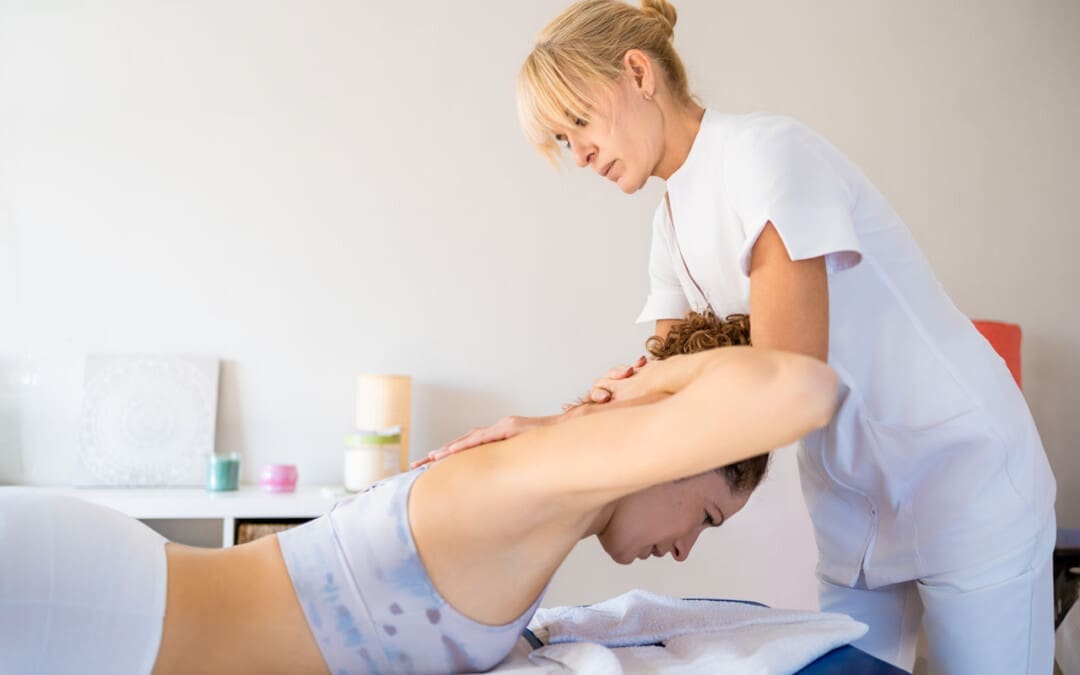
There are many types of massage therapy, that healthcare providers utilize to manipulate the muscles and other soft tissues to relieve symptoms, relax muscles, increase circulation, reduce inflammation, release trigger points, and restore mobility, flexibility, and function. (Ergonomic Trends. 2023)
Professional therapists can help relieve osteoarthritis joint pain by relaxing the surrounding muscles and other soft tissues to release stiffness. (Adam Perlman, et al., 2019)
Massage Objectives and Types
Massage therapists use their hands and fingers, forearms, elbows, and/or instruments to manipulate the body’s soft tissues. Soft tissues support and surround body structures and include muscle, fat, tendons, and ligaments.
The goal of osteoarthritis massage therapy is to relax muscles and soft tissues, increase blood and oxygen circulation, warm the affected area/s, relieve pain, and restore mobility and function.
Depending on the location of the muscles being massaged, individuals may be seated or lie down on a specialized table.
The amount of pressure and direction of movement depend on the body area.
Therapeutic oils and/or massage creams may be used to increase the therapy.
Types include:
Swedish
The therapist uses long strokes, kneading, and friction on the muscles.
Joints are moved to increase flexibility.
Deep Tissue
The therapist uses deep finger or instrument pressure, focusing on muscles that are tight or knotted.
Trigger Point
Trigger points represent a source of radiating pain symptoms.
The therapist focuses pressure on these myofascial tissue points using various strokes to release them.
Shiatsu
The therapist applies rhythmic pressure with their thumbs, fingers, and palms to redirect and increase energy or chi/qi.
A massage session lasts around 30–60 minutes depending on the severity of the condition and the number of sessions the patient has undergone. Chronic pain patients usually go through a series of specialized sessions that focus on specific areas and gradually build.
Risk Factors
Certain precautions must be taken before getting osteoarthritis massage therapy. Although there are a few serious risks, certain individuals are not suitable candidates and should not receive massage therapy. The conditions include: (Medical Massage Therapy Resource & Reference. 2023)
Damaged nerves.
Damaged blood vessels.
Infection and inflammation in the area to be massaged.
Open wounds.
Fever.
Taking a blood thinner.
Deep vein thrombosis – blood clots.
Bleeding disorders.
Osteoporosis – weak and brittle bones.
Recent fractures – broken bones.
Tumors.
Cancer.
Individuals who have recently undergone surgery.
Individuals with a skin condition that is contagious, like warts or herpes, or noncontagious, like psoriasis, could be aggravated by touch or pressure.
Individuals who have cancer, fragile skin, heart problems, or dermatomyositis are recommended to discuss osteoarthritis massage therapy with their healthcare provider.
Research on the effects of massage therapy on various health conditions is ongoing. Massage therapy promotes relaxation while reducing stress, which can help with chronic joint issues like osteoarthritis.
Perlman, A., Fogerite, S. G., Glass, O., Bechard, E., Ali, A., Njike, V. Y., Pieper, C., Dmitrieva, N. O., Luciano, A., Rosenberger, L., Keever, T., Milak, C., Finkelstein, E. A., Mahon, G., Campanile, G., Cotter, A., & Katz, D. L. (2019). Efficacy and Safety of Massage for Osteoarthritis of the Knee: a Randomized Clinical Trial. Journal of general internal medicine, 34(3), 379–386. https://doi.org/10.1007/s11606-018-4763-5
IFM's Find A Practitioner tool is the largest referral network in Functional Medicine, created to help patients locate Functional Medicine practitioners anywhere in the world. IFM Certified Practitioners are listed first in the search results, given their extensive education in Functional Medicine


 Taping steps: