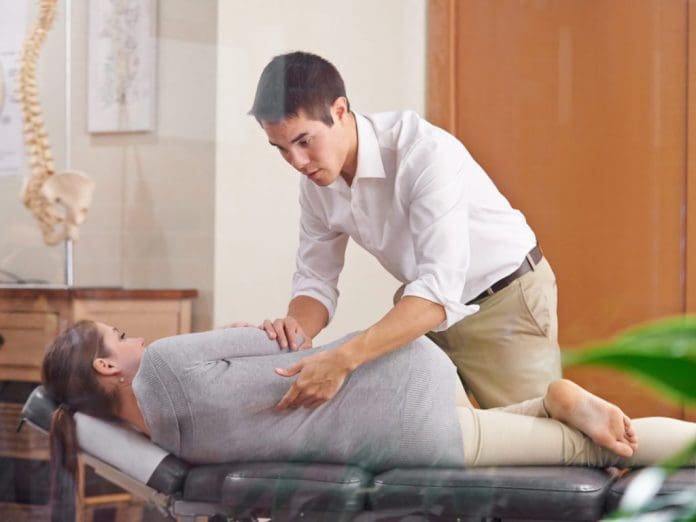
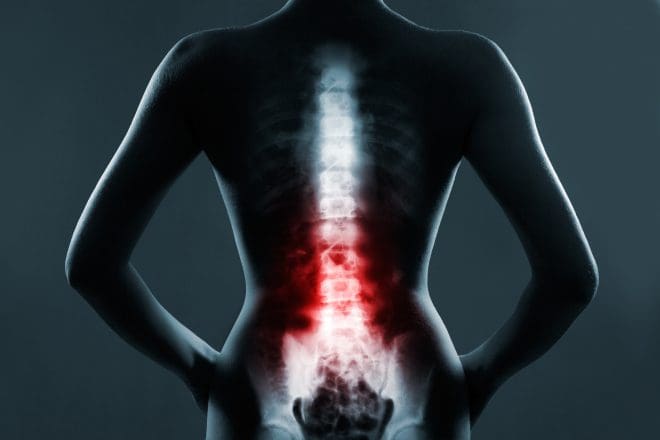
Back/spine injuries now rank either second or third overall for workplace injury/s. According to the Bureau of Labor Statistics, every year there are over 900,000 cases of back injuries that account for 1 in 4 non-fatal job-related injuries that involve work days missed.�
Backcare & Standing Work
Back injuries can be painful, debilitating, and life-changing. 8 out of 10 people will experience a back/spine injury that can lead to chronic pain and health conditions. We all need to know, especially those of us that work standing up is firsthand knowledge of how important it is learning how to improve spine health and take steps to prevent back injury.
In order to prevent low back disorders means that there needs to be an understanding�of the spine when working along with knowledge of back injury risk factors.
Back/Spine Basics
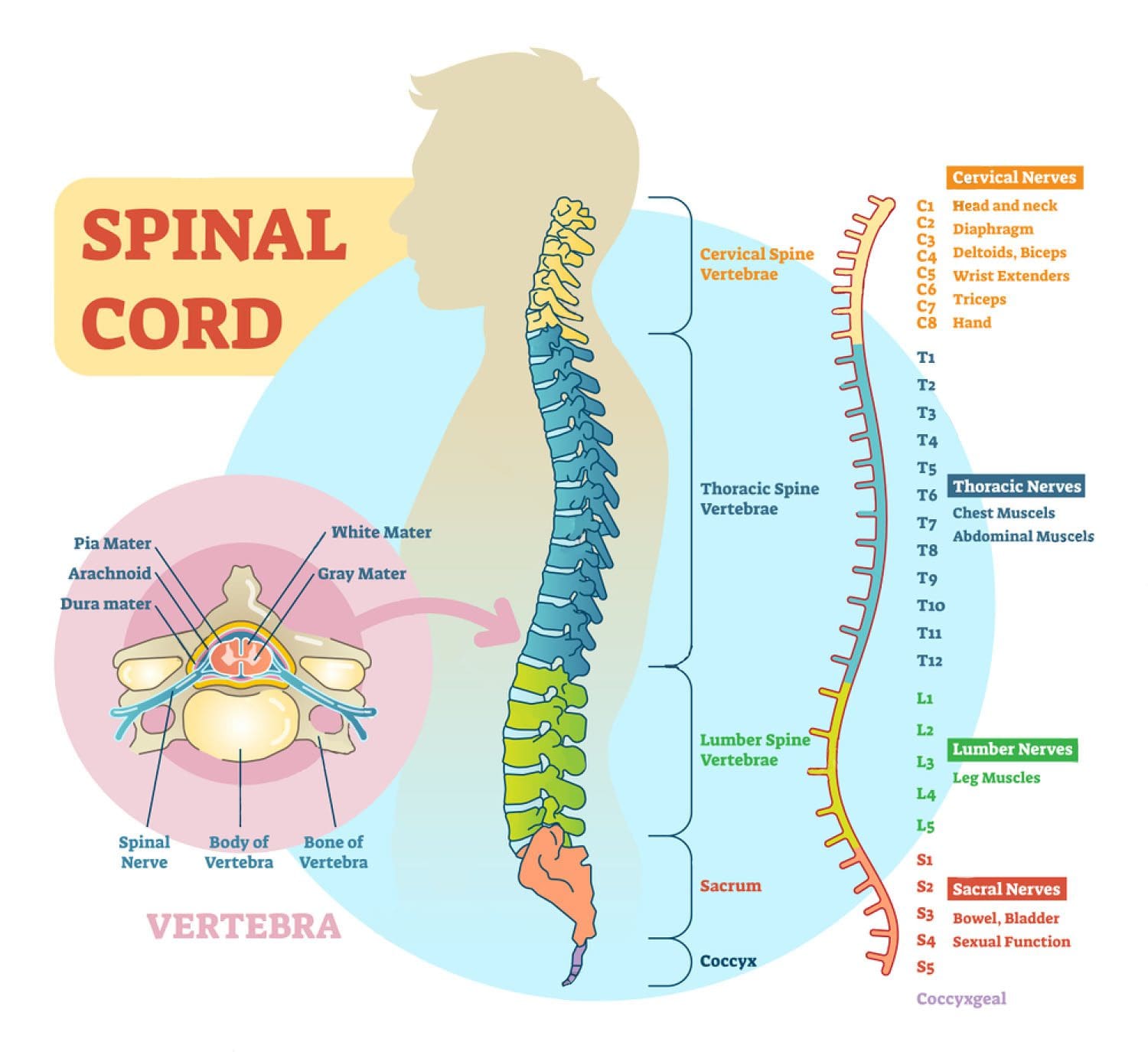
The spine is a flexible structure that consists of 24 bones that move, shift, and contort, called vertebrae. There are:
7 in the neck
12 in the chest
5 in the low back
These are connected by ligaments and separated by pads of cartilage, called intervertebral discs. These are the shock absorbers that allow the flexible movement of the spine, specifically at the neck and the low back.
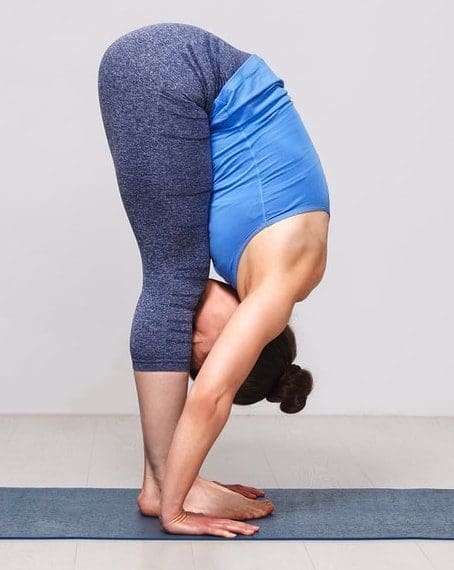
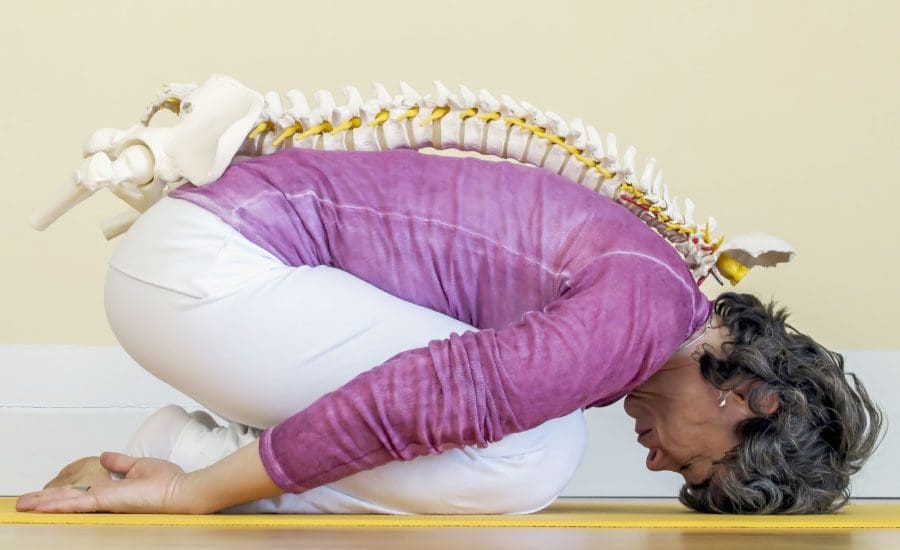
When we stand, the spine naturally curves inwards and outwards. The inward curve is called lordosis, and curves towards the front of the body at the lower back and neck area. The outward curve is called kyphosis, and curves towards the back of the body around the chest area. When we bend over the vertebrae of the lower back change position and shift from being in lordosis to kyphosis when completely bent over and then back again when upright. With this information, it is easy to see how much we move around, bend, stretch and reach during a regular day. The lower back gets used the most, which is why low back pain and injury/s and disorders are the most common.
The National Institute of Occupational Safety and Health concluded: �muscle strain is the most common type of work or nonwork back pain� (Bernard, 1997). This is good news for chiropractors and ergonomists because it means that we can find ways to reduce/change the way we work and the effort involved to minimize injury risks.
Keeping the intervertebral discs healthy plays an extremely significant role in preventing back/spine injuries. If these discs get damaged and start to degenerate,�flexibility begins to fade away, stiffness and soreness sets in and the ability to absorb the daily pressure/forces that comes with standing, moving and working.
There is not a normal blood supply to the intervertebral discs. Instead, as the discs change shape when we move around, the nutrients that they need are absorbed into the discs as the waste products are pumped out. This is why moving the body and staying active is very important. Because as you move you are literally feeding your spine and expelling the bad stuff. Intermittently changing postures and positions helps change the force and weight on the discs so that not all one area is taking the brunt of the force. Remember to move around and keep your spine as healthy as possible.
Risk factors
Major risk factors for back injuries include:
Awkward postures
Bending
Twisting�
Heavy physical tasks
Lifting
Forceful movements
Whole-body vibration aka W.B.V.
Static or unmoving work postures
These risks can happen separately or could be a combination of them all, and if these risks are taking place at any one time the higher probability of an injury/s.
Standing Work
When we stand, the pressure on the�lower back discs is relatively low. Not that there is pressure but it is much lower than when seated with an unsupported backrest like bleachers for example. Standing up uses 20% more energy than sitting does. When we need to bend down to pick up objects or reach to get overhead objects there is an increase in the forces and pressure on the lower back, and this is when an injury is likely to happen.
Tips to Minimize Injury
Here are some tips to help minimize your risks of back/spine injury when you are doing standing work:
Moving around is important to keep the spine healthy. Moving will help improve circulation and reduce muscle fatigue.
Taking consistent short breaks will help reduce fatigue, discomfort and work other muscles.
Gentle stretching during some of these breaks helps to ease muscle tension and gets circulation pumping.
Pay attention to your posture and the way you stand as you work.
Lean on a solid support to help reduce fatigue when you are standing with a support that you can put your back up against, lean against sideways, lean forwards against and to hold on to will increase safety.
Keep your back strong and try to do exercises that will strengthen the back muscles. Activities, like Yoga, Crossfit, HITT or workouts focused on the spine for flexibility are the way to go.
Maintain a stable posture with your feet on a firm surface.
Avoid twisting the lower back around to reach for things.
Move your feet so that your whole body changes position.
Minimize bending, but when you have to, bend for objects in front of you and bend at the knees instead of the back. When bending for objects that are to the side of you change your stance so you are facing the object, and then bend down at the knees.
Don’t overreach but if you have to reach up to a high area to get something use a step-ladder.
Don’t reach over objects and move the obstruction or change your position before reaching for whatever it is.
Low Back Pain? Fix it with *FOOT ORTHOTICS* | El Paso, Tx
NCBI Resources
The one size fits all method just doesn�t cut it. A more focused approach for every individual leads to better results. Patients find that placing their bodies in certain positions and certain physical activities can:
Activate
Aggravate
Deactivate�their back pain.
Patients also find the pain being either better or worse. Understanding why sitting, standing, and walking can change the severity of low back pain can be helpful in diagnosis. These are important cues that help to diagnose and treat low back pain. People sit, stand, and walk all day. This is why so much research has been conducted on how these specific positions and activities contribute to low back pain.
Being pregnant is one of life’s many joys, however, with the added weight comes normal back pain that can lead to severe back pain that can lead to sciatica.
Expecting mothers have much to look forward to but when back pain and sciatica take hold, it can be exhausting, frustrating, and extremely painful. Women experiencing pregnancyback pain varies from woman to woman. To help prevent and alleviate back pain/sciatica, here are some answers as to how and why symptoms develop and what to do to make the pregnancy a joyful occasion.
Pregnancy Back Pain and Sciatica
Changes to the body throughout pregnancy affect more than its physical appearance.
The most common change is weight gain. Increased body weight, especially when bending puts pressure on the spinal discs. The most pressure is placed on the low back. Back, leg pain, and sciatica are common complaints.
Weight gain can cause piriformis syndrome and sciatica. The piriformis muscles help with thigh movement. Piriformis syndrome can develop if the muscle compresses the sciatic nerve, which causes a pinching or electrical shock feeling in the buttocks and back of the leg.
What some might not know is that as the uterus grows, the body’s center of gravity gets thrown off. What happens is the uterus expands inside the pelvis, and the spinal nerves in the low back that flow into the sciatic nerve gets compressed and irritated.
Hormones like relaxin, which is a hormone that relaxes the pelvic ligaments and helps prepare the mother’s body for birth. Relaxin loosens the ligaments in the other areas of the body, but primarily the joints in the pelvis, low back, and knees. When exercising or lifting objects it is easy to strain these relaxed areas. Therefore, move slowly, and avoid any sudden movements.
What Steps To Take
Work with a:
Doctor
Chiropractor
Midwife
Health care provider to keep body weight in check
Take note of posture:
Stand up straight
Shoulders back
Avoid leaning backward
Try a pillow:
A standard-sized pillow
Body pillow to help make sleeping comfortable
A pillow can be positioned between the knees and under the abdomen for support.
Prenatal yoga helps:
Stretch and tone muscles
Maintain flexibility
Improve balance and circulation
Relieves tension
Deep breathing plays a major role in yoga and is an added benefit as it can help expecting mothers relax during labor.
Simple cardiovascular exercises like walking or swimming can help keep weight under control and the body in shape. Ask a doctor or chiropractor if these types of exercises are right for you.
Prenatal massage is another option to help relieve pain and tension.
This type of massage eases:
Anxiety by stabilizing hormone levels
Back pain
Pelvic pain
Hip pain
Improves circulation and digestion
Helps reduce fatigue
A warm shower or bath can helps ease back pain.
Expectant mothers should avoid aromatic oils or aromatherapy candles like:
Basil
Juniper
Peppermint
Rosemary
Star anise
Some of these oils can cause contractions.
Acupuncture is another form of alternative therapy that can treat back pain and sciatica. Sterile, millimeter thin disposable needles are inserted into points on the body that are known as energy channels. The needles help to restore the balance of energy in the body. However, expectant mothers need to be past six months to receive this type of treatment as the energy flow can cause contractions.
Ergonomics At Work & Home
Expectant mothers should avoid:
Awkward postures
Over-exercising
Heavy lifting
Repetitive work
Especially during the third trimester.
The low back and leg muscles have to work harder to keep the body balanced. Just basic standing or walking can be a challenge. Swelling is common. Make sure to take constant breaks and full-body rest combined with elevating the feet can be very helpful.
Adding an ergonomic and adjustable chair with a lumbar support backrest and footrest is worth the investment. A chair like this can helps take the pressure off of the spine and working at a desk much more comfortable. It benefits to frequently stand and sit continually changing the body’s posture and working the various muscles, joints, and ligaments to keep the body loose. And it can be a form of exercise.
Light walking also helps to reduce any swelling through increased circulation.
Hopefully, you will not have to go through any kind of back pain or sciatica. But if pregnancy back pain and sciatica start to creep in, talk to your doctor, chiropractor, midwife, or health care professional first.
When your body is truly healthy, you will arrive at your optimal fitness level proper physiological fitness state. We want to help you live a new and improved lifestyle. Over the last two decades, while researching and testing methods with thousands of patients, we have learned what works effectively at decreasing pain while increasing human vitality.
We focus on what works for you. We also strive to create fitness and better the body through researched methods and total wellness programs. These programs are natural and use the body’s own ability to achieve goals of improvement.
Back Pain During Pregnancy Treatment El Paso, TX Chiropractor
NCBI Resources
Keeping the body, including the spine, in proper alignment is vital to mobility, flexibility, and overall wellness of the body even when it is not pregnant. However, pregnancy puts specific stress on the body, creating certain needs that chiropractic care can meet. It is safe, it is effective, it is fast, and it works.
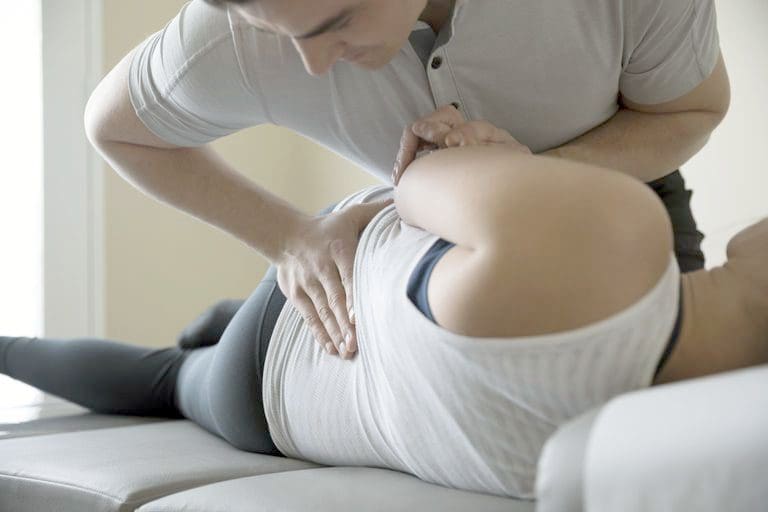
Do you have symptoms of back pain, headaches, or stress? Pain medications work for only so long and don’t fix the problem. Visiting a chiropractor may help some or all of your symptoms. A chiropractic adjustment means that a chiropractor physically adjusts the vertebrae in the spine. This procedure creates positive effects without the stress or invasiveness of surgery.
A study in the Human Journal of Hypertension showed that chiropractic could give people with high/low blood pressure the same effect as taking blood pressure medication.
The effects of the adjustment would last for 6 months after the adjustment.
Medications can have negative side effects which include:
Fatigue
Nausea
Dizziness
Anxiety
Weight loss
Imagine that chiropractic can have the same effect as these medications, An adjustment might be something to consider.
Neck and Lower Back Pain
80% of all Americans experience some sort of lower back pain in their lifetime.
Medications and surgery is an option, but as we know from the opioid epidemic, they can be dangerous, expensive, and ineffective. Chiropractic treatment can definitely reduce back and neck pain and is also cheaper than other back pain management therapies saving you from mild and chronic pain while reducing medical costs.
Sciatica
Sciatica is pain that radiates from the lower back, down your legs that usually stems from a damaged, herniated, bulging disc or sciatic nerve pressure.
Because of the intensity of the pain, over-medicating can become a problem.
A chiropractic adjustment can relieve pressure on the sciatic nerve.
Studies show that patients receiving chiropractic care reduced the number of pain days.
They also experienced a reduction in the intensity of their pain.
Inflammation is Reduced
Inflammation is one of the main causes of pain, joint issues, and tension.
Chronic inflammation has been linked to diseases like:
Heart disease
Chronic pain
Cancer
Chiropractic adjustments have been shown to reduce inflammation that leads to positive benefits:
Chronic lower back pain relief
Reduced muscle tension
Relief of joint pain
Headaches
Other than back pain, headaches are the top complaint that chiropractors treat. Both tension and migraine headaches can be caused by neck and spine issues. Back/Spinal misalignment can cause muscle tension and pain.
Neurological Conditions
Chiropractic adjustments help increase blood flow to the brain, as well as, cerebral spinal fluid. This helps people suffering from neurological conditions like multiple sclerosis and epilepsy.
Child Benefits
Chiropractic care can significantly improve conditions that affect children. The big three that can be helped are
Colic
Acid reflux
Ear infections
Colic
Colic causes crying and fussiness in children and babies from abdominal discomfort and gas. Adjustments have been shown to help improve colic symptoms.
Acid Reflux
Nerves in the gut can be particularly sensitive along with certain food sensitivity. Chiropractic helps keep the natural flow of the intestines moving.
This also boosts the immune system, which helps prevent infection/s.
Athletic Performance
Athletes who depend on their body for their sport definitely benefit from chiropractic. With a reduction of inflammation, pain, and other conditions chiropractic helps get the body in top shape and keep it.
Sports teams and professional athletes have chiropractors as part of their team. Alignments reduce inflammation and boost the immune system to help athletic performance.
Vertigo
Dizziness and vertigo can make it impossible to do everyday tasks without feeling disoriented, nauseous and fatigued. This is a common condition after going through a head or neck injury.
A chiropractic adjustment specifically targets joints and vertebrae that are not moving correctly. Adjustments also bring the body into balance, thus reducing vertigo episodes.
Conclusion
A chiropractic adjustment can be a great way to improve multiple areas of the body, along with improving overall health with non-invasive treatment.
With a chiropractic adjustment, you can safely and easily get yourself into top health.
Difference Foot Orthotics Make to *REDUCE FOOT PAIN* & Correct Posture | El Paso, TX (2019)
Custom made foot orthotics can help control foot motion and posture. Healthcare professionals prescribe custom foot orthotics to help patients focus on their foot posture and mobility control. Research studies have ascertained that using custom foot orthotics for posture and mobility control can help fix excessive foot pronation and supination to prevent a variety of foot health problems. The subsequent video describes how custom foot orthotics will help control foot posture and mobility to improve health and wellness.
NCBI Resources
A chiropractor is a healthcare professional who focuses on the diagnosis, treatment, and prevention of neuromuscular and musculoskeletal disorders through the use of adjustments and manipulations of the spine. Chiropractors seek to reduce pain and enhance the performance of patients as well as to instruct them on how they can account for their health via ergonomics, exercise and other therapies to deal with their pain. Chiropractic is usually categorized as alternative medicine or complementary medicine.
As people grow into adults, maintaining normal flexibility gets to be much more challenging and losing flexibility can result in a lot of pain to the musculoskeletal system.
Unfortunately, many of us do not retain flexibility throughout the day, even when attempting to be active. Many jobs are largely sedentary, and even leisure activities keep us stuck in one place. In order to remain functional, joints and muscles need to be used, which means they need to be properly stretched without being overworked. The balance is often very delicate, fortunately, chiropractic adjustments increase flexibility.
Chiropractic’s Role in Flexibility
Most adults are not concerned with being able to twist like a pretzel, however, they do want to be able to maneuver through daily life without a lot of pain. One of the main things accomplished in most chiropractic visits is that the chiropractor will look for misalignments in the spine and seek to correct them with a combination of chiropractic adjustments and exercises.
Adjustments
When the spine is misaligned it can affect many different areas of the body including flexibility. Someone who is not flexible will have a limited range of motion (ROM) and treatments are designed to improve this and restore natural posture.
But being flexible is about more than moving better. When the body is stiff, even simple movement results in pain because it is blocked by the misalignment. When this is adjusted/corrected, blood flow improves and the process of improving flexibility becomes less taxing.
Nutrition
There is more to a chiropractor’s day than correcting misalignments in the spine. Chiropractic is holistic in nature and in order to be truly successful, it relies on the patient to be a cooperative participant in treatment. Giving nutritional advice is a big part of this.
While advice can vary from patient to patient, generally, when a person struggling with flexibility adds protein and fatty acids into their diet it can help joints and muscles to be properly nourished. People should also monitor their intake of processed and pre-packaged foods as these can contribute to inflammation.
Training Exercises
Because of many factors in our lives, as well as the effects of aging, people’s range of motion inevitably decreases as time goes by, especially if nothing is purposefully done to maintain it. Flexibility exercises are commonly strongly suggested by chiropractors as they strive to help their patients with range of motion (ROM) and flexibility issues.
In many cases, such as those where someone is suffering from tendinitis or bursitis, the truly therapeutic exercises are resistive exercises. These, however, are limited, unless a higher level of flexibility is achieved.
Flexibility programs are implemented in order to make a given joint have a wider level of extensibility, which may be achieved by either traditional static stretching or Proprioceptive Neuromuscular Facilitation (PNF) techniques, which incorporates a slow reversal hold.
Working with a chiropractor on a regular basis for help in gaining flexibility can help assure that a patient moves forward at an appropriate pace that is in line with their age and fitness level. This will help them achieve a higher level of success in their chosen sport or similar activity, and/or become more productive in their daily lives while experiencing less pain.
*FIX BAD POSTURE* with Custom Orthotics | El Paso, TX (2019)
Proper Posture
Your spine does more than keep your body upright: it�s the brain that communicates to the rest of the body. Posture even affects your emotional well-being, including self-confidence!
Poor posture takes a serious toll on health. Here are a few of the negative results:
Muscle soreness
Subluxations
Blood vessel constriction
Nerve constriction
As the years go by the problems worsen, which results
Maintaining proper posture involves sitting, standing, and lying down properly. Here is an excerpt from the American Chiropractic Association website on how to:
Sit the right way
Keep your feet on the floor or on a footrest, if they can’t reach the floor
Don’t cross your legs. Your ankles should be in front of your knees
Keep a small gap between the back of your knees and the front of your seat.
Your knees should be at or below the level of your hips.
Bear your weight primarily on the balls of your feet.
Keep your knees slightly bent.
Keep your feet about shoulder-width apart.
Let your arms hang naturally down the sides of the body.
Lie down the right way
Find the mattress that is right for you. While a firm mattress is generally recommended, some people find that softer mattresses reduce their back pain. Go with your comfort
Sleep with a pillow. Special pillows can help with postural problems resulting from a poor sleeping position
Avoid sleeping on your stomach
Healthy Feet Equals A Healthy Spine
The feet are complex structures which function�to provide protection and support to the body in relation to the spine and head posture. The feet are essential towards balancing the body�s entire weight, allowing it to walk, run, stand, and, jump. Consequently, foot complications may cause severe issues throughout the spine, hips, knees, and ankles if left untreated.
Gait & Chronic Postural Pain
Chiropractic care can be effective for treating injuries or conditions such as plantar fasciitis, Achilles tendonitis, and ankle sprains, among others. Foot health is essential towards establishing the body�s proper support and balance, together with a proper spinal posture. In the presence of foot complications, chiropractic treatment can be used to achieve long-lasting health.
NCBI Resources
Flexibility is a critical component of keeping your body fit and healthy. Research shows that people who are more flexible are better able to reach their�optimum fitness level. It can also help to prevent injury and reduce your risk of conditions like arthritis and other�chronic diseases.�They also have a better range of motion and mobility as they age.
Rheumatoid arthritis (RA) is a condition that causes considerable discomfort if diagnosed with this autoimmune disease. This is when your immune system starts attacking your joints, instead of foreign invaders, which then causes inflammation.
The worse the RA, the more severe the symptoms become. If things get bad enough you can lose mobility altogether, which is why it is so important to get treatment. Fortunately, chiropractic is excellent for reducing inflammation and improving mobility. Chiropractic treatment can do a lot to ease your pain and get you back to moving the way you are supposed to.
RA and Chiropractic
Chiropractic is an effective RA treatment for a number of reasons. Chiropractic treatment:
Individual Treatment
The image many people have of a chiropractic adjustment is one of popping backs and hard, jerking motions. While adjustments can certainly include these things, they do not have to. According to the Arthritis Foundation, chiropractors have more than 150 techniques they can use to adjust your body.
They strive to give treatments specific to the needs of each patient, which means adjusting the body as gently as necessary to produce the desired result. If your joints are swollen and painful the chiropractor will carefully work to realign the joint�which reduces inflammation and improves movement�while minimizing any pain or discomfort you feel from the adjustment.
Reduced Inflammation
With RA typically the worst symptoms are the result of inflammation. Chiropractic treatment may not be able to change the way your immune system is malfunctioning, but it can do a lot to help the painful areas become less inflamed.
The treatment you get from your chiropractor will ensure that your joints are moving as properly as possible given your condition. By putting the body back in alignment, chiropractic improves the way the nervous system operates and lessens inflammation.
Improved Mobility
One of the most difficult things for many with RA is the loss of mobility that comes when their joints swell. When the pain becomes more substantial it is normal for RA sufferers to avoid movement because it hurts.
But it is important to remember that movement, even when it hurts, is necessary to maintain joint mobility. The longer you avoid moving a joint the more likely it is that you will lose function.
A useful aspect of chiropractic is that you can get help with moving, so you are not all alone with the daunting prospect of moving your joints so they start working better. Your chiropractor is your partner in movement, helping to guide your body so that it moves as well as possible. Results are different for everyone based on their unique situations, but you can be sure that chiropractic will serve as a powerful tool to keep your body working as well as possible.
Hand Deformed From Rheumatoid Arthritis
Drug-Free and Non-invasive
In chiropractic, the focus is to help the body heal itself, which means avoiding surgery and prescription medications as much as possible. Surgery and medication often have unwanted side-effects�sometimes worse than the problem they were intended to solve. With chiropractic negative side-effects are unlikely. You can get a lot of relief from gentle, effective treatments that will not make you feel worse than when you started.
Please contact our office to schedule an appointment. We look forward to speaking with you!
Opioid Addiction Alternative
Opioids (such as hydrocodone, oxycodone, codeine, and morphine) mask symptoms and do nothing to address the cause of pain.
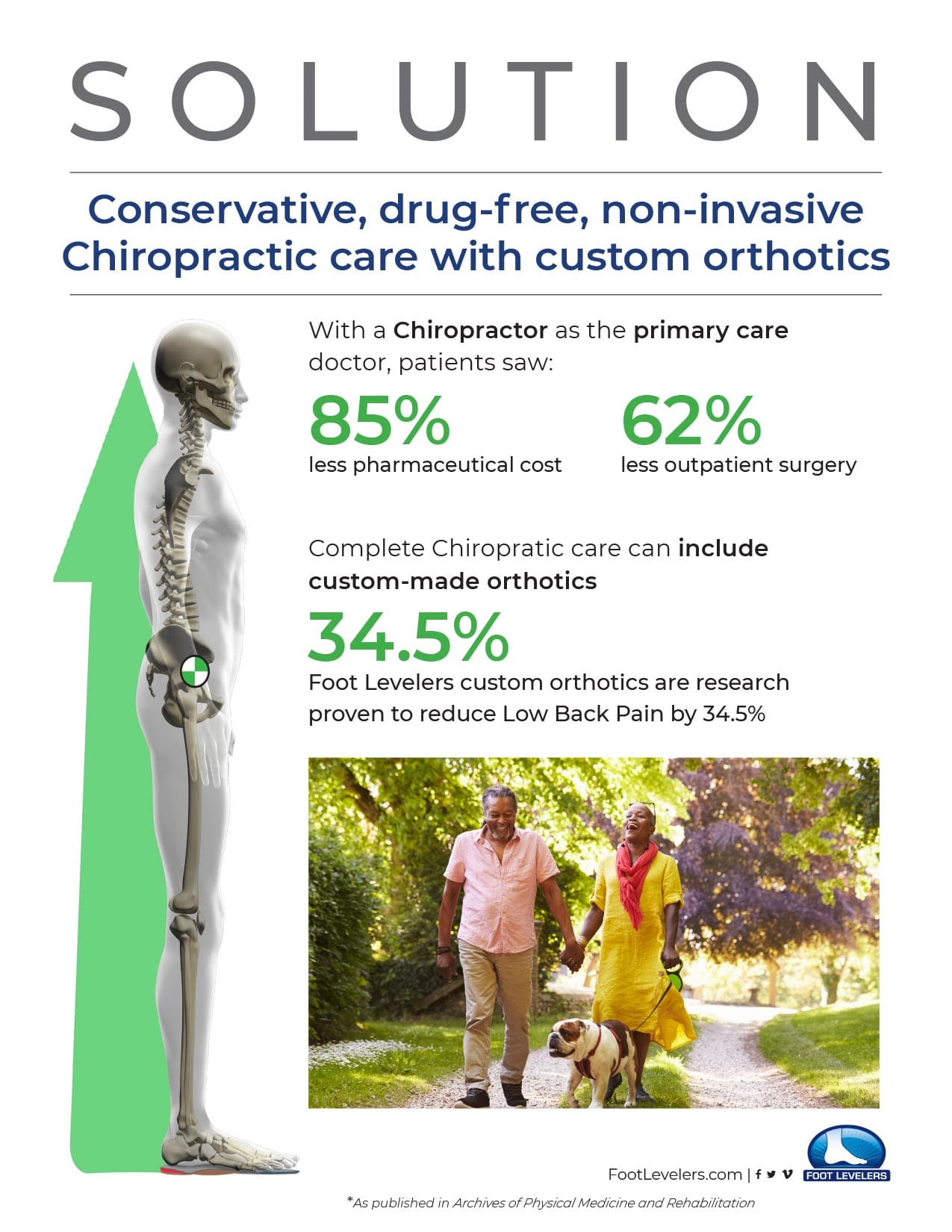
There is an opioid crisis raging.� A sensible and safe alternative to opioids: Custom-made orthotics help relieve low back pain as well as hip and neck pain by removing imbalances in the musculoskeletal system, which originate in the feet.
Before considering taking an opioid for pain control, give Chiropractic care and foot orthotics a try. The combination of Chiropractic and orthotics is proven in clinical studies.
In 2015, about 2 million Americans had substance abuse disorders related to opioid medications.
In 2012, 80 out of 100 Americans were prescribed opioids. That’s about 259 million prescriptions � more than enough to give every American adult their own bottle of pills.
Less Pain & More Comfort
Custom orthotics help more than your feet! Stabilizing orthotics bring health and healing to the whole body by balancing the musculoskeletal system.
El Paso Back Clinic
Here are some videos that discuss how chiropractic care can help with arthritis, fibromyalgia, seniors and whole body wellness.
NCBI Resources
Here are some articles to check out for extended information on arthropathies.
An ankle sprain is always inconvenient, and often painful. But not all ankle sprains are equal in their severity. When diagnosing an ankle sprain, your doctor or chiropractor will classify the injury in one of three ways�first degree, second degree, and third degree. Knowing what each classification means can help you understand the nature of your injury and how careful you need to be with it. For you and your chiropractor, the classification of the ankle sprain degrees will help to direct the best treatment options.
Ankle Sprain Degrees and What They Mean
A sprain is an injury involving the stretching and/or tearing of your ligaments. With the ankle, it is possible to suffer an injury to either side of the joint, the interior or the exterior. You may have an inversion sprain or an eversion sprain. Whichever type you suffer from, it will fall into one of three categories:
Grades of ankle sprains
First Degree
A first-degree sprain is one where the ligaments have not torn, only stretched further than normal. Symptoms of a first-degree sprain include discomfort when jumping, jogging or sometimes walking. Pain is usually mild and swelling is minimal. The joint may be a little stiff and slightly less stable than normal.
Second Degree
A second-degree sprain is the most common type of sprain people seek medical care for. The ligament is partially torn, which can lead to several uncomfortable symptoms. The sprain will make walking difficult, be moderately painful and make it hard to use the ankle. The injury will result in noticeable swelling and often bruising.
Third Degree
A third-degree sprain is the most severe and involves a full tear of the ligament. Pain is often severe and swelling is significant. The torn ligament makes the joint unstable, so it is not only painful but also very hard to use.
How Chiropractic Can Help
Whether you are walking, running, jumping or just standing, the ankle plays a vital role in how you move and use your body. That is why it can be so frustrating when you find yourself with an ankle injury. Fortunately, ankle sprains do heal with enough rest and the right treatment.
Your chiropractor can help you recover from an ankle injury, both reducing pain and speeding up recovery time. There is research to support the use of chiropractic for ankle sprains.�One study showed that patients with ankle sprains experienced less pain when chiropractic was added to their treatment program. Chiropractic also focuses on improving mobility and range of motion, which can be quite beneficial when trying to recover from a sprain and get back to your normal life.
Some of the most common chiropractic treatments for ankle sprains include:
Adjustments
Adjustments can be made to more than just the spine. The bones, ligaments, and tendons in the ankle are designed to work in a certain way. A sprain can knock the ankle out of alignment, something that most traditional doctors and rehabs do not consider. An ankle adjustment will work to put things back into their proper places.
Strengthen Exercises
There are a variety of useful exercises that your chiropractor can take you through to improve strength and mobility in the ankle. Things like a wobble board, where you stabilize yourself on a wobbly platform and drawing on a board with a market held in your toes can be surprisingly effective at strengthening your ankle.
Call Us Today
Please contact us today to schedule an appointment with a chiropractor for your sprained ankle. Let us help you get stronger and heal faster!
As you move into your senior years, you may expect some discomfort and loss of mobility. Aging is hard on the body. But it is important to understand that there are things you can do to feel better. Regular exercise, a healthy diet, and chiropractic care can all make your senior years active and thriving.
How Chiropractic Can Make Your Senior Years Fantastic
The benefits of chiropractic for seniors can be considerable, including:
1. Takes away the pain.
If you are experiencing pain due to spinal or joint issues, chiropractic can help. Chiropractic care focuses on providing pain relief without the need for prescription medications or surgery.
Research has demonstrated the effectiveness of chiropractic for pain relief. In fact, one study showed that chiropractic was considerably more effective than prescribed medications. Unfortunately, many seniors assume that their pain is here to stay when it may be reduced or eliminated through regular chiropractic care.
2. Improves balance.
Seniors who are suffering from balance and coordination issues often have problems with the cervical spine, the technical term for the neck. When degenerative disc disease or other injuries disrupt the function of the mechanoreceptors located in the neck responsible for sending to the brain important information related to balance, then problems with balance can result.
Chiropractic adjustments and other related therapies are quite effective in treating neck injuries and degenerative disc disease. Regular adjustments from your chiropractor may be enough to help you get your balance back.
3. Improves mobility.
Injuries and aging can lead to a loss of range of motion, both in the spine and in the extremities. Fortunately, chiropractic care is designed to help you regain range of motion.
Your chiropractor has a variety of treatment methods to heal existing injuries while also improving range of motion. It may take several treatments to achieve the results you want, but a few visits to the chiropractor are well worth the increased range of motion you will enjoy.
4. Wear and tear on the joints are reduced.
The spine and joints need to be aligned to minimize wear on discs, bones, and other tissues. When you go for an extended period of time with a misaligned spine, it will increase the rate that your joints wear down.
One of the major benefits of chiropractic care is the way it keeps your whole body in alignment. As long as alignment is maintained, wear is minimized. Of course, alignment is lost in day-to-day life, but you can get it back by revisiting the chiropractor.
When you visit your chiropractor, he or she will ask you several questions and listen to your story to better understand the challenges you are dealing with. Once the chiropractor understands your situation, he or she will design an overall treatment plan designed to help you be as healthy as possible. Seniors that get regular chiropractic care often say they feel much better than they did before, which allows them to do more of the things they love to do.
The information herein is not intended to replace a one-on-one relationship with a qualified healthcare professional or licensed physician and is not medical advice. We encourage you to make your own health care decisions based on your research and partnership with a qualified health care professional. Our information scope is limited to chiropractic, musculoskeletal, physical medicines, wellness, sensitive health issues, functional medicine articles, topics, and discussions. We provide and present clinical collaboration with specialists from a wide array of disciplines. Each specialist is governed by their professional scope of practice and their jurisdiction of licensure. We use functional health & wellness protocols to treat and support care for the injuries or disorders of the musculoskeletal system. Our videos, posts, topics, subjects, and insights cover clinical matters, issues, and topics that relate to and support, directly or indirectly, our clinical scope of practice.* Our office has made a reasonable attempt to provide supportive citations and has identified the relevant research study or studies supporting our posts. We provide copies of supporting research studies available to regulatory boards and the public upon request.
We understand that we cover matters that require an additional explanation of how it may assist in a particular care plan or treatment protocol; therefore, to further discuss the subject matter above, please feel free to ask Dr. Alex Jimenez or contact us at 915-850-0900.
IFM's Find A Practitioner tool is the largest referral network in Functional Medicine, created to help patients locate Functional Medicine practitioners anywhere in the world. IFM Certified Practitioners are listed first in the search results, given their extensive education in Functional Medicine