Scar tissue if left untreated/unmanaged could lead to mobility and chronic pain issues. Individuals that are recovering from a traumatic injury often have issues brought on from scar tissue. Scar tissue build-up is part of the healing process but in some cases, the tissue build-up can create another set of health issues. Restricted mobility and range of motion and lack of flexibility can worsen over time.
Chiropractors are taught to consider the presence of scar tissue when performing adjustments. This is especially true for patients recovering from a traumatic injury. If left untreated it could affect:
Recovery progress
Treatment approaches
The capability of the individual to handle the treatment
The planning and execution for a chiropractic recovery strategy
Scar Tissue Breakdown
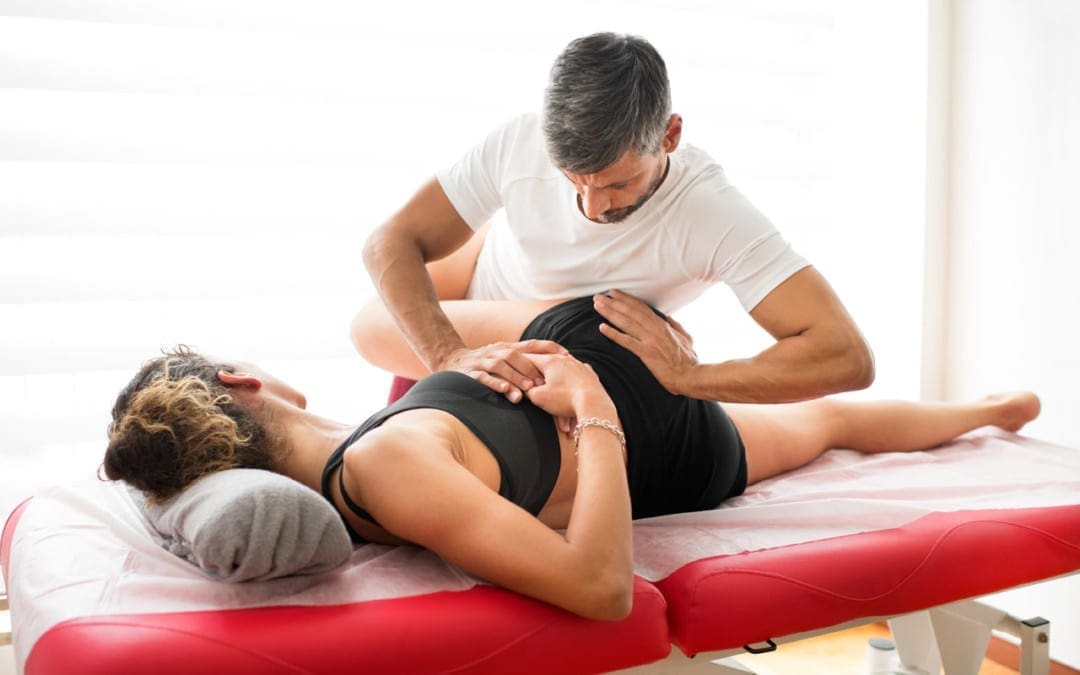
Scar tissue can be broken up, managed, and kept loose/relaxed through various chiropractic/physical therapy techniques, stretches, exercises, and diet adjustments. Breaking up scar tissue and keeping it relaxed is necessary to restore full movement and range of motion. A certain degree of scar tissue will remain to mark the wound, but the pliability and softness of these tissues can be treated. Chiropractors can implement several techniques to break down scar tissue.
Graston Technique
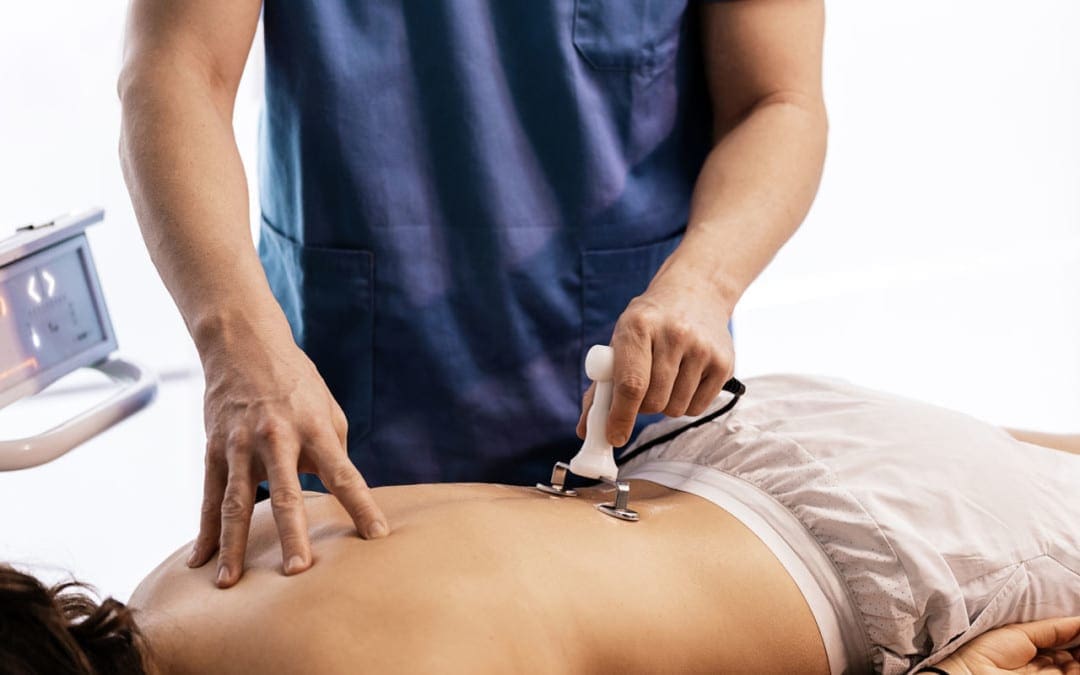
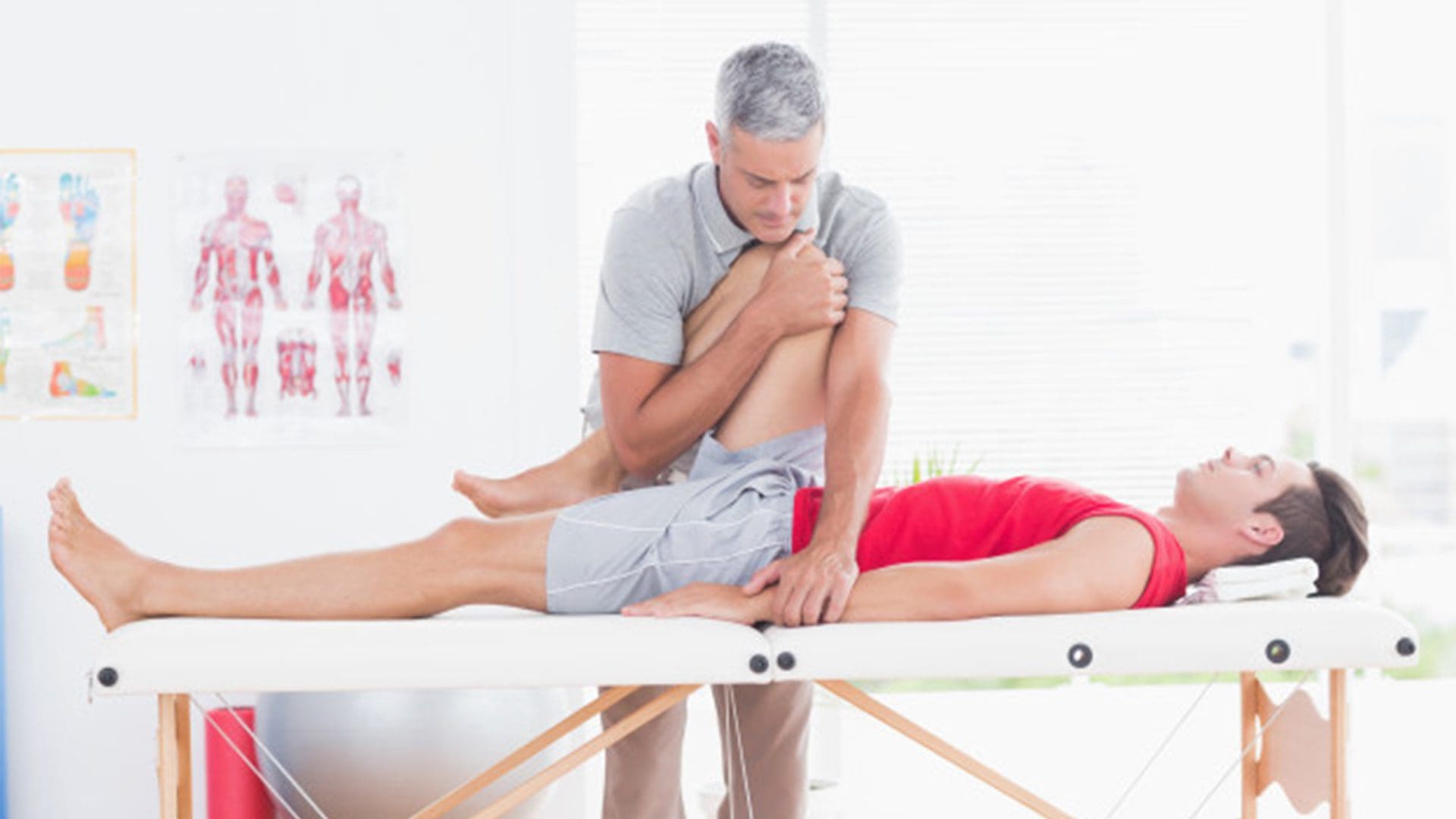
The Graston technique uses instrumentation for addressing scarring in soft-tissue areas like the legs, neck, and lower back. A chiropractor targets the thicker scar tissue areas gently breaking them down.
Instrument Adjustment
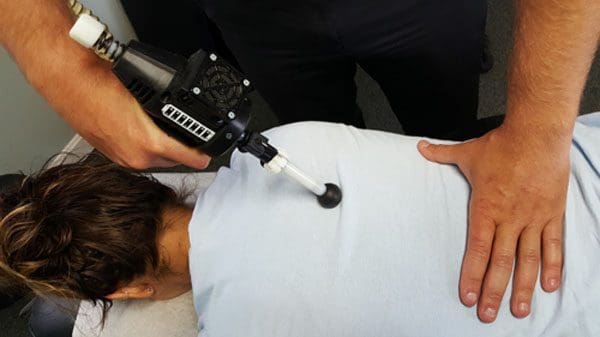
Using a pulsating instrument, chiropractors can target specific areas of scar tissue buildup. The instrument massages the areas to improve flexibility and reduce stress in the tissue.
Assisted Manipulation
The assisted manipulation technique soothes the area before performing manual adjustments. A chiropractor could use light oil for heat, transcutaneous electrical nerve stimulation to loosen tension, or numbing gel/cream to soften any sensitivity.
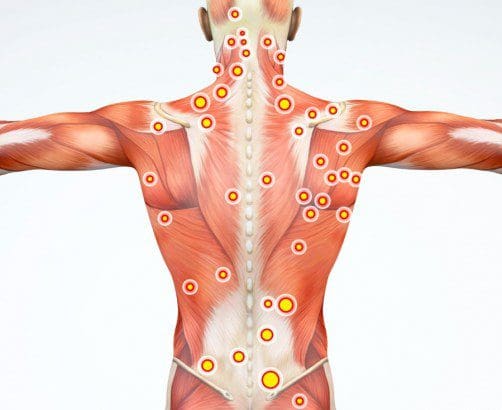
Trigger point therapy
This therapy focuses on heavily scarred tissue areas, where there is substantial buildup. A chiropractor breaks down the scar tissue while continually testing the motion.
Therapeutic massage
Therapeutic massage is necessary with widespread scar tissue. It improves blood flow and gently stimulates scar tissue to improve movement and alleviate pain. These techniques and how they are applied depending on the individual and the amount of tissue build-up. For example, certain techniques work better for different situations like:
The Graston technique could help after surgery
Trigger point therapy can help when muscle spasms, and knots present
Therapeutic massage could be best suited for soft tissue scarrings, like whiplash or muscle strains
Adjustment Attention
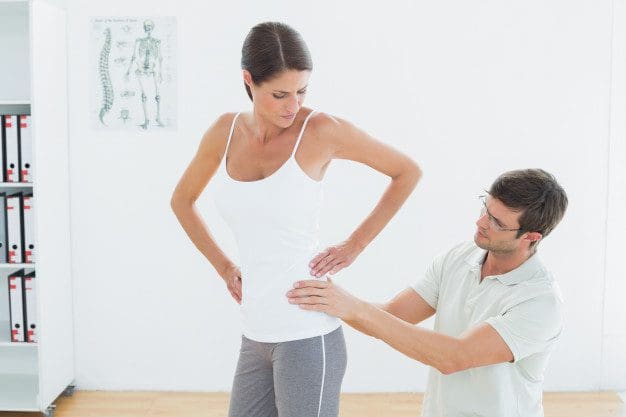
Recent injuries that produce scar tissue can usually be felt while a chiropractor palpates the area, while radiological imaging shows scar tissue from past injuries. A chiropractor will take note of these areas when developing a treatment plan. Severe scar tissue will need special focus, which could mean a longer recovery. This is because the body could take longer to adjust to the adjustments being made. A thorough consultation and investigation will be performed/examined before any adjustments begin.
Chiropractic Massage Rehabilitation
References
Shin, Thuzar M, and Jeremy S Bordeaux. The role of massage in scar management: a literature review. Dermatologic surgery: official publication for American Society for Dermatologic Surgery [et al.] vol. 38,3 (2012): 414-23. doi:10.1111/j.1524-4725.2011.02201.x
Belly dancing has been found to be an effective way to help individuals managing low back pain. It could be utilized as a part of a chiropractic treatment plan. The dancing is beneficial for improving posture and allows an individual to improve their fitness with a light form of aerobic exercise.
Regular physical activity/exercise and a healthy lifestyle go hand in hand. For individuals with spinal issues, the right stretches and exercises can make a difference in their quality of life. It increases:
Strength
Flexibility
Helps with pain management
Improves posture
Maintains spinal alignment
Belly dancing can help with injury recovery, as well as overall health. For most the trouble with exercising regularly is that it becomes routine and boring. Individuals want to live healthily, but it can be a challenge to maintain interest and motivation. An alternative form of physical activity that qualifies as exercise could be the answer.
Dancing has grown in popularity because of its fitness, flexibility, and spinal benefits. This form of belly dancing exercise does not require any special outfit or plenty of space. This utilizes the movements as a form of stretching and keeping the body moving in an aerobic fashion. They can be done at home with video instruction or an online class. Although the majority are women, men can and do belly dance.
Belly Dance
Information on the history of belly dancing. The dance has gone through various transformations since its inception. It was once considered burlesque entertainment, is now recognized as an important cultural expression, and today has been found to be a respected form of dance exercise.
Isometric exercises are contract specific muscles or groups of muscles. These types of exercise help with strength and stability enhancement. Both are vital for individuals recovering from back injuries or back pain management.
Posture
Dance posture is different than normal standing or sitting posture. Dance posture refers to the way an individual prepares/maintains their body to perform specific movements so that the motions are fluid, graceful, and with no presentation of pain. Belly dance posture maintains proper spinal alignment, which encourages reduced stress/pressure on the joints. This is beneficial for individuals managing back problems. The keys to spinal success are:
The knees should be slightly bent and not stiff so as not to pull/strain the lower back muscles
When the abdominal and back muscles maintain/support a straight spine, this alleviates stress on the low back. Lower back issues have shown a positive response to a belly dance exercise therapy program. A study looked at the effects of belly dancing on pain and function in women with chronic lower back pain. The study found that belly dancing made movements of the trunk and pelvis that are known to influence low back pain much easier.
A belly dance program in conjunction with a chiropractic or physical therapy treatment plan can help alleviate pain and improve function. A 45-minute belly dance routine/session promotes aerobic benefits, improves flexibility and core strength.
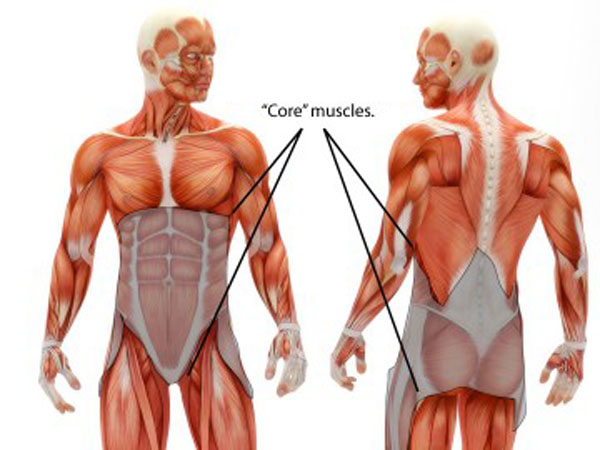
Core Strength
These are movements that train the muscles in the:
Pelvis
Abdomen
Hips
Low back
They help build strength, generate stability, protect against back pain, poor posture, and muscle injuries. Having core strength is crucial for individuals with back issues, as it increases the stabilization of the spine. Core strengthening is highly recommended and often prescribed for individuals recovering from lumbar issues.
Depression/Anxiety Improvement
Individuals with back pain also tend to experience psychological issues like depression and anxiety. Back pain can affect:
Mood
Tiredness
Sleep problems
Self-esteem problems
Belly dancing as part of a treatment/therapy program can help an individual experience benefits that improve mental health and well-being. These include:
Regaining mobility
Having a positive body image
Social interaction is enhanced
For All Ages
Belly dancing is a fantastic creative outlet and a great way to exercise. Anyone that is able can participate. Children, seniors, and everyone in between can get into belly dancing. It enhances health and strengthens the body and mind. When the body is in the proper position/posture there are no joint issues or pain. In-person classes, at home with online instruction, DVDs, or video meeting apps can benefit the body and especially the spine.
Life-Changing Orthotics
Dr. Alex Jimenez�s Blog Post Disclaimer
The scope of our information is limited to chiropractic, musculoskeletal, physical medicines, wellness, and sensitive health issues and/or functional medicine articles, topics, and discussions. We use functional health & wellness protocols to treat and support care for injuries or disorders of the musculoskeletal system. Our posts, topics, subjects, and insights cover clinical matters, issues, and topics that relate and support directly or indirectly our clinical scope of practice.*
Our office has made a reasonable attempt to provide supportive citations and has identified the relevant research study or studies supporting our posts. We also make copies of supporting research studies available to the board and or the public upon request. We understand that we cover matters that require an additional explanation as to how it may assist in a particular care plan or treatment protocol; therefore, to further discuss the subject matter above, please feel free to ask Dr. Alex Jimenez or contact us at 915-850-0900. The provider(s) Licensed in Texas& New Mexico*
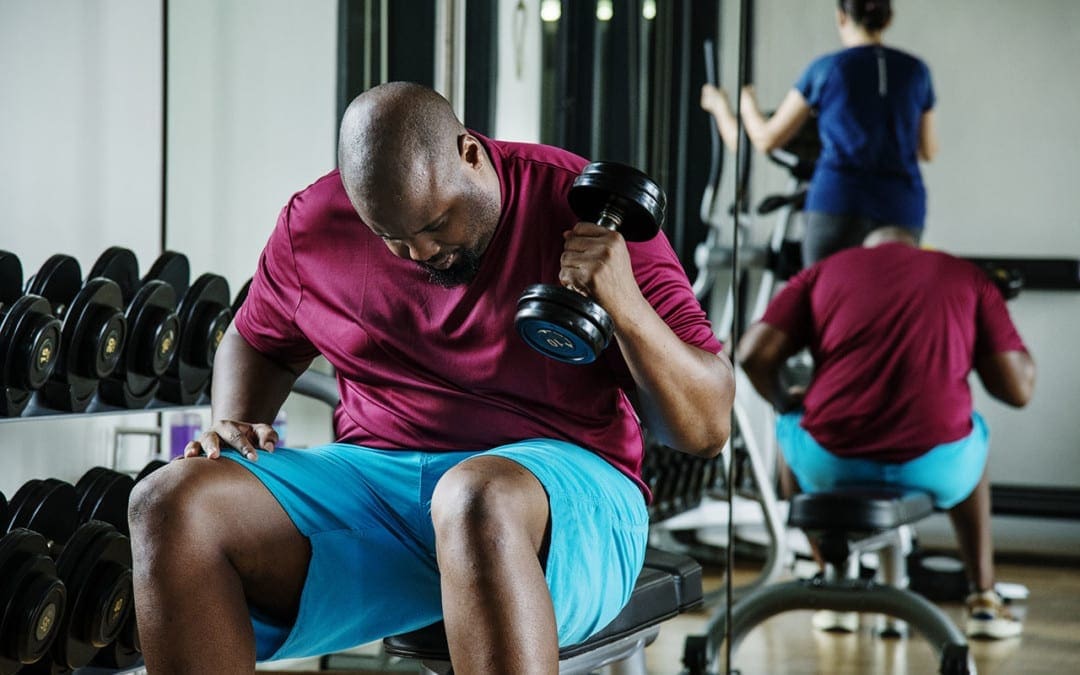
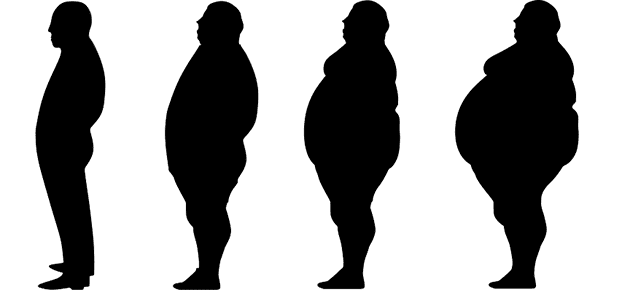
Industrialization/modernization has impacted our food, the way we eat and our weight. Processed fast food can be purchased pretty much anywhere. We no longer expend physical energy to hunt and forage for food. Because of this back pain is probably the most common and most troublesome condition that individuals experience. Eight out of 10 will struggle with back pain at some point in their life. Low chronic back pain can become aggravated by a variety of triggers.
Mechanical stress
Excessive strain
Muscle weakness
Poor sleep position
No exercise
Excessive weight
These can all contribute to making back pain even worse. Obesity is defined as a disease. It is a serious disorder that affects adults and children. Being overweight can contribute to the development of coronary heart disease, diabetes, high blood pressure, and colon cancer. And it can also contribute to symptoms associated with:
Osteoporosis
Osteoarthritis
Rheumatoid arthritis
Degenerative disc disease
Spinal stenosis
Spondylolisthesis
Osteoporosis coupled with a sedentary lifestyle and an unhealthy diet can affect the density and the strength of the bones. When the structural integrity of the spine is compromised there is a higher risk for fracture. Vertebral fractures can be painful and disabling. Those diagnosed with osteoporosis probably have lost between 25% to 30% of bone density.
Being Overweight Affects the Spine
The spine carries the body’s weight and distributes the weight in an equal manner when resting and during activity. When there is excess weight the spine is forced to compromise which can lead to injuries and structural damage. The area of the spine that is the most vulnerable is the low back or lumbar spine.
Exercise is Important
When we don’t exercise it leads to:
Poor flexibility
Weak back muscles
Weak pelvis
Weak thighs
This can increase the lower back’s curve, which causes the pelvis to tilt forward in an unhealthy manner. This is detrimental to proper posture and when our posture weakens, the rest of the body follows.
Age Relation
These disorders of the spine might be thought of as the normal aging process. This is true that as we age, the body tissues begin to change and the spine’s disc wear down. But, if you are overweight, chances are you have, or will have pain in the back.
Weight Loss Reduces Back Pain
Weight loss can contribute to a partial or complete reduction in the back pain symptoms. The research between weight loss and back pain is still ongoing but numerous practitioners report cases of patients experiencing a serious reduction in pain after losing the excess weight. Because the extra weight is taken off the spine further stress is avoided. Especially when a chiropractor realigns the vertebral column. According to the American Spine Society, individuals that stay around 10 pounds of their proper weight are those least likely to experience back problems.
Back Health and Physical Activity
Chiropractic is one of the most popular treatments for back pain. With chiropractic adjustments, pain is alleviated but also the root cause of the problems is corrected. Spinal adjustments can help even more when combined with a proper diet and weight loss treatment program.
Besides weight loss, exercising and strengthening the core muscles can guarantee the proper distribution of the body�s weight. Stronger muscles, less weight, and better posture will provide amazing long-term benefits. If you want to know how to incorporate weight loss and exercise in your daily routine, speak to your chiropractor. They are ready to guide you along the way. If you aren�t currently seeing a chiropractor, give us a call. We�re here to help!
Chiropractic Weight Loss
NCBI Resources
While chiropractic adjustments and associated therapies can ease back pain symptoms and aid in healing, lifestyle changes like a healthy diet are just as important. The more a patient can get to their ideal weight, the easier it becomes to treat and eliminate the back pain.
You don’t have to be highly athletic to do back extensions. They’re common in yoga, Pilates, and other stretching and strengthening exercises. Health and fitness begin with the desire to improve oneself. When desire and belief are strong enough, it leads to action. When done properly and consistently, success follows. Considering all that the back goes through in a typical day, it isn’t much of a stretch to think that pain could present at times. This is especially true if the back is not properly aligned.
Strong back muscles can reduce injuries and improve posture. There are some muscles along the length of the spine that support the spine. One of the most important�deep muscle groups in your back is the erector spinae. If this muscle group becomes weak, back pain can start to present.
Back Extension
Back extensions can be done:
Using a machine
With an exercise ball
No equipment or objects at all described below
When beginning it’s a good idea to consult a certified personal trainer that has experience rehabilitating people with back pain. They will also teach proper form, body mechanics and alignment. Before doing any exercises consult your chiropractor or primary doctor.
Three You Can Do
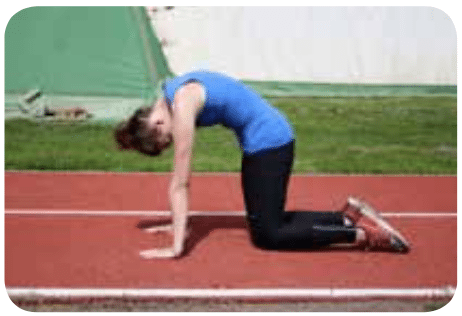
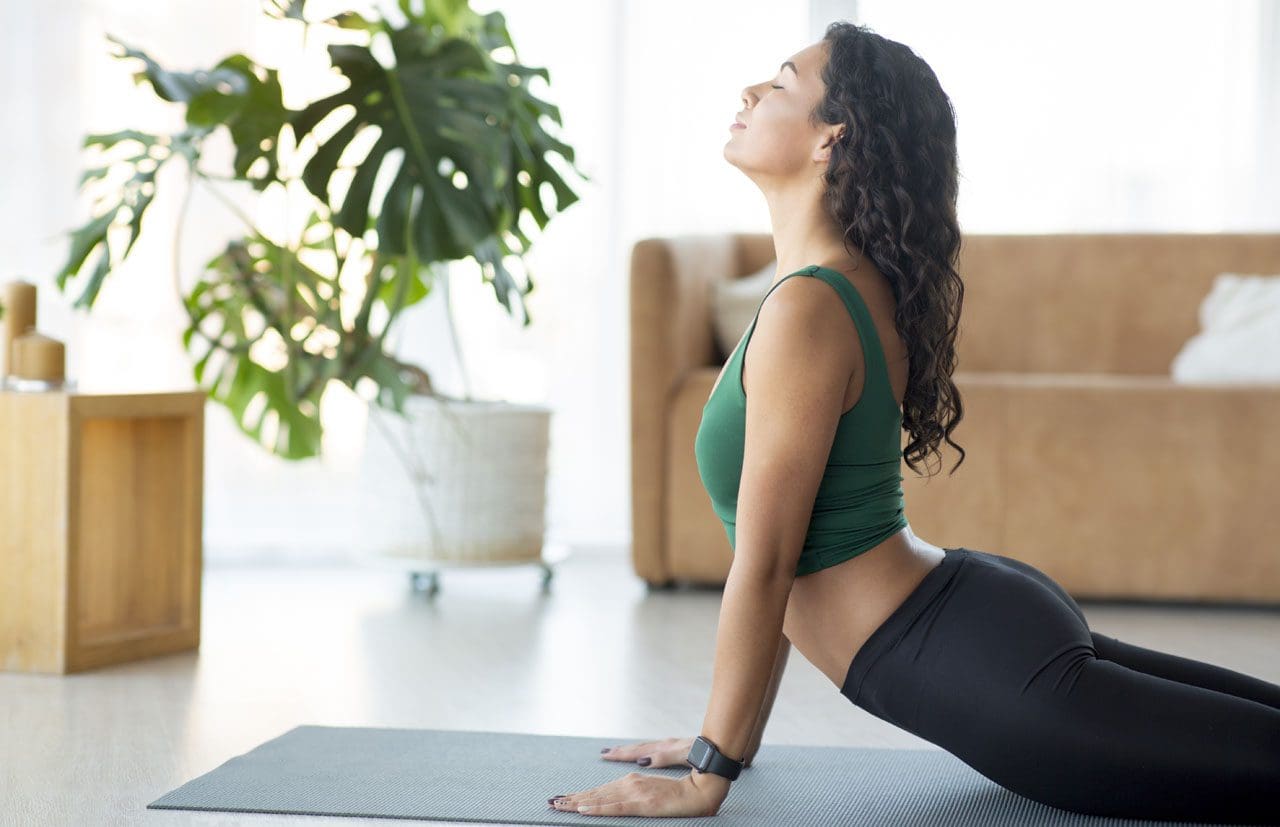
The Cow Pose
Begin on hands and knees.
Hands are shoulder-distance apart and knees are hip-distance apart.
Inhale and arch your spine by rocking your pelvis toward the floor.
Look up toward the ceiling.
As you exhale, move back to your starting neutral back position.
Inhale, and repeat. Link your inhales and exhales with your movement.
Do the cow stretch 5 to 10 times once a day.
Upper Back Extension
Begin on your stomach with a small pillow or�rolled�towel under your hips.
Arms should be along your sides.
Slowly lift your upper body off the floor and contract your low back muscles.
Hold 3 seconds before lowering back to the floor.
Repeat 10 times.
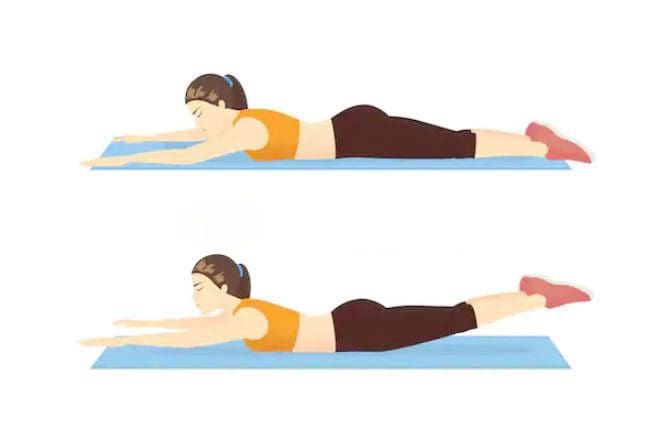
Opposite Arm/Leg Extension
Start on your stomach with legs together and arms stretched in front.
Breathe in and tighten your tailbone as you lift your arms and legs off the floor (about hip height and if you can higher).
Pump the right arm down and left leg down so they just graze the ground, and then bring them back to hip height and pump the left arm and right leg down.
Alternating right arm/left leg and left arm/right leg in small movements. Keep your eyes toward the mat.
Repeat 3 times every day.
These are just a few back extensions that can help you build strong back muscles. Do these exercises regularly to decrease and prevent back pain.
Belief Action Success
All of us want to be living healthy lives.
When realistic, specific and measurable goals are expertly set-up in a health program what really keeps us from getting there is a break in the link that falls between belief and the action. And that is the excuses that seem to pop up at those moments.
Every time I try to exercise or eat healthy, something comes up
Someone or something else is responsible for the situation.
We know what we need to do but just don’t want to do it. We believe that something out of our control prevents us.
Be Proactive
It means more than just taking initiative. It means a responsibility or you can think of it as a response and the ability for our own lives. People that become proactive do not blame circumstances, conditions, etc for their behavior or lack of behavior. It is a product of their own conscious choice. Once you realize the power you have, obstacles become welcome challenges to be overcome. With just a little success, confidence grows and commitment to health and fitness goals becomes a priority.
Back Pain Specialist
NCBI Resources
Dealing with joint or muscle pain can be a daunting experience. It�s important to work on maintaining�mobility and flexibility. The more flexible, the less likely to be injured. One of the best ways to improve flexibility is through stretching. A�chiropractor�can recommend stretches, or you can use some of these basic techniques
Two types of muscles exist in the body, and they are voluntary or the ones that we can move and involuntary or those that move on their own like the digestive and heart muscles. Both can be made stronger and more resilient through exercise and physical activity. We’re shall focus on the voluntary muscles that move and support the spine.
When there is a lack of muscle strength and flexibility it can create an environment for back pain. The muscles connect to the bones through the tendons. When contracted the signal concentrates through the tendon, and moves the bone/s. The tendons are attached to the bones. When the tendons get inflamed, tendonitis can occur even in the spine.
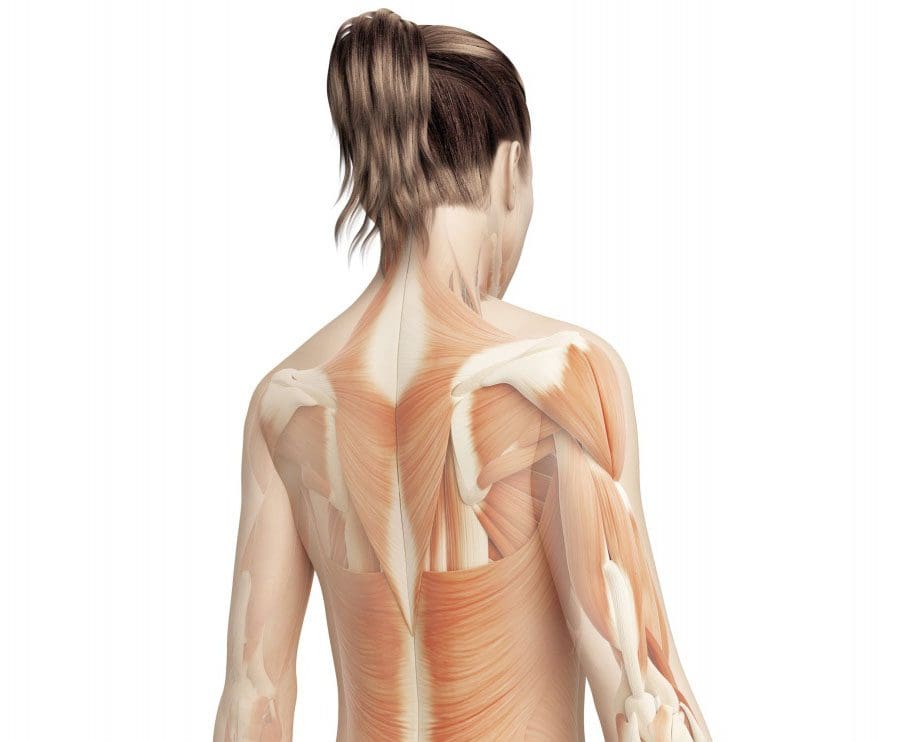
Muscle layers
Some go deeper while others are more superficial and at the surface. The deeper muscles are the ones that stabilize and secure the bones. The abdominal muscles along with the hips and legs can play a part in back pain/problems.
A doctor might have told you that to have a healthy spine. That is great news, however, we all need to build a strong core, which includes the abdominal muscles, to help stabilize the entire torso. There are four types of abdominal muscles.
The Corset
The deepest is the transversus abdominis, which wraps around your body just like a corset. These muscles contract if you place your hands on your waist and cough. On the sides of your body, there are two sets of oblique muscles. The internal obliques go deeper, while the external obliques are closer to the surface. The obliques enable us to twist and bend from side to side.
The Six-Pack
And of course, there is the rectus abdominis which we all know as the six-pack. These can be sculpted into the washboard abs but they do not help in stabilizing the spine/back. The job of the abs is to pull you forward like when doing sit-ups and crunches.
They do help compress the deeper ab muscles, but to stabilize the spine, you want to strengthen the deepest ab muscles. The corset, internal obliques, and back muscles are the ones you want to work. One of the most effective ab and back workouts is Pilates. It targets all abdominal and spine muscles in a gentle way.
Flexors
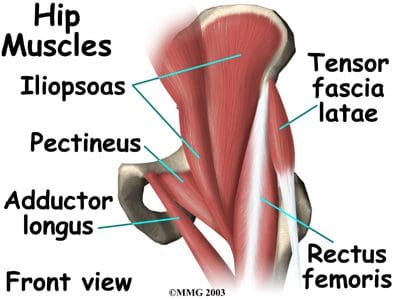
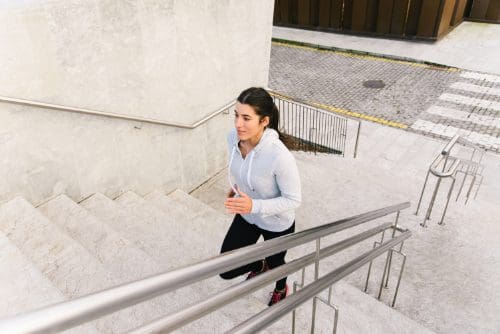
Within the body are two muscles on either side of the body, called the iliopsoas muscles, or the psoas (so-as). These are the hip and thigh flexors which lift the thighs like when�walking, going upstairs.
When in a stationary position, the psoas enables you to bend forward or flex the hips. When sitting, the psoas stabilizes the spine into an upright position. It is one of the largest and thickest muscles, and it extends from your lumbar vertebrae, crosses in front of each hip, and attaches on the inside top of the thigh bone. When we sit for long periods it constricts or shortens the psoas, which causes soreness/pain when you stand.
Layers
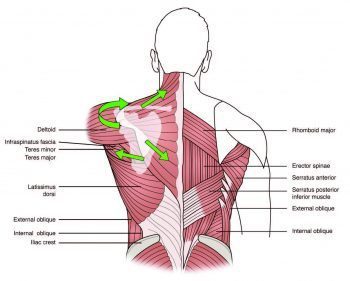
Spinal muscles are made up of layers. The deepest are small and are attached one vertebra to another. The deepest level are the interspinalis muscles, which connect the spinous processes; thank them for helping you stretch backward.
The transversospinalis group forms a chevron pattern along the back and helps with side bending, twisting, and assists in back bending. The next layer up is the erector spinae. The main job of this group is bending, but also assist with�bending to the side . When muscle spasms occur, it’s often the erector spinae muscles.
The next level consists of the rhomboids. These are situated between the shoulder blades. Exercise or physical therapy can realign the vertebrae if there is upper back, shoulder and neck pain. The wings on either side of the back are called latissmius dorsi. These stabilize the back and help in doing all kinds of activities, like pull-ups.
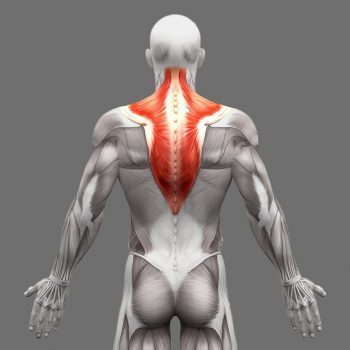
Next are the trapezius (traps) muscles that extend from your neck and midback to the shoulders. These muscles help move your neck and lift the shoulder blades. When there is tension, there is a tendency to lift our shoulders, which is what makes these muscles tight and sore. It�s never too late to increase strength and flexibility. Look at activities that you and your friends/family can enjoy and turn them into a regular thing.
Athletes and Custom Foot Orthotics
NCBI Resources
A�chiropractor�is the ideal�medical professional to consult with for any unexplained pain in the musculoskeletal system. They are highly qualified professionals that their specialty is treating conditions like lower back pain and they are very affordable. If you or a loved one have pain give us a call. We�re here to help!
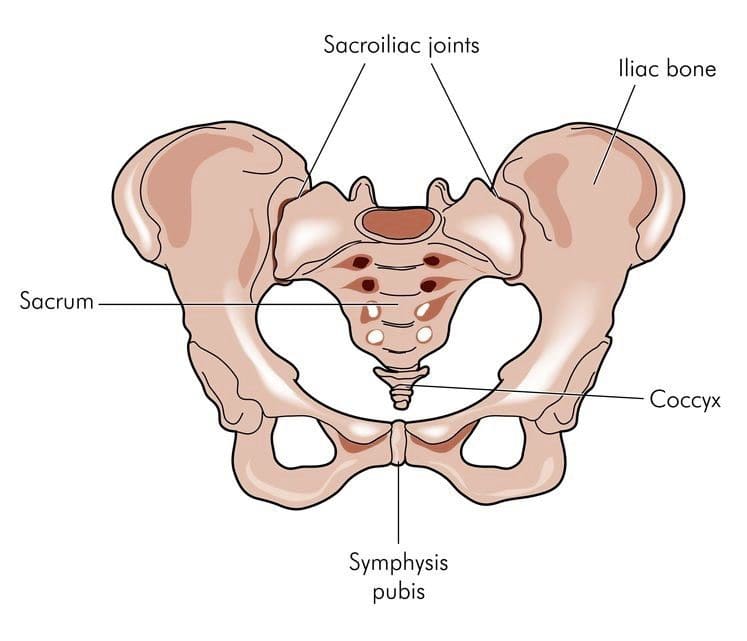
Sacroiliac joint dysfunction and its symptoms can also be a cause for low back pain conditions and disorders.
This condition is also known as:
Sacroiliitis
SI joint inflammation
SI joint syndrome
Sacroiliac joint dysfunction
SI joint strain
It can make regular activities like sitting, standing, walking, and sleeping frustrating, difficult and unbearable. It has been found in around 30-35% of individuals.�Many individuals can spend months or even years dealing with symptoms but are never aware that it’s not the correct diagnosis. Sacroiliac joint dysfunction can sometimes be difficult to diagnose. These joints are so close to the hip and low back, that it is common for sacroiliac joint dysfunction to be mistaken for other causes/conditions of low back pain, like a herniated, slipped or bulging disc.
Sacroiliac Joint Dysfunction Symptoms
When low back pain is present, it can be quite difficult for a doctor to figure out the exact source/cause of your pain.
These are a few recognizable symptoms of sacroiliac joint dysfunction.
Low back pain is the most common.
Pain could also present in the hips, buttocks, thighs, and possibly the groin area.
The pain can be so severe that just touching the area is unbearable.
Other activities that can cause symptoms:
Common movements like climbing stairs, sitting down/getting up out of a seat, can cause pain. Pain can also be aggravated from standing or walking for extended periods but improve when relaxed or lying down. Stiffness or a burning sensation in the pelvis can also present.
Causes of Joint Dysfunction
A variety of conditions can cause sacroiliac joint dysfunction. The most common:
Arthritis
Joint pain can be caused by spinal osteoarthritis because as the cartilage around the sacroiliac joint wears down, the bones can start to rub against each other. Ankylosing spondylitis is an inflammatory arthritis that affects the spine that can also cause joint dysfunction.
Pregnancy
Pregnant women can experience low back pain or pelvic pain from sacroiliac dysfunction because the joints get stretched and lose their elasticity during pregnancy. Hormone changes and added weight during pregnancy can place added stress on the sacroiliac joints.
Accident Trauma
High impact from an auto accident, slip and fall injury, or sports injury could damage the sacroiliac joint/s.
Viral Infection
Infections are extremely rare but could be another cause of joint pain.
There are a variety of treatment options that can help reduce and prevent low back pain.
Exercise/Physical Therapy
Exercise and physical therapy are therapies that doctors highly recommend before other treatments like pain medications or surgery. Exercise, chiropractic and physical therapy can help manage pain and other symptoms. Consult your doctor before starting any physical therapy or exercise program. Your doctor can recommend a chiropractor or therapist that can help get you started with the proper exercise treatment plan.
Physical Therapy
Physical therapy can help reduce stress on the joints, that are strained and tight. It also helps maintain joint flexibility. A physical therapist will perform passive and active treatment therapies to help manage joint pain.
Passive treatments – the physical therapist does the majority of the work. An example of passive treatment applying heat or ice along with massaging the area.
Active treatments – the patient participates in the treatment with at-home exercise routines is an example of active treatment.
A combination of passive and active treatment provides the best outcomes and offers the most benefits, as the patient has the know-how of proper posture, exercises that they can do and injury prevention. A chiropractor and physical therapist can build a physical therapy program to help address your symptoms.
Exercise
With sacroiliac joint dysfunction, you do not have to do hard intense exercise. The benefits come from a consistent gentle exercise routine with an emphasis on consistency. Exercising stretches and strengthens muscles of the low back muscles and helps maintain joint flexibility.
An overall exercise plan should incorporate the three main types:
Sacroiliac joint dysfunction is known to cause low back pain, but diagnosing can be hard for some doctors. Especially those that do not have a great deal of experience in sacroiliac joint pain. However,�chiropractors specialize in this area as the SI joint is an important part of the musculoskeletal system.
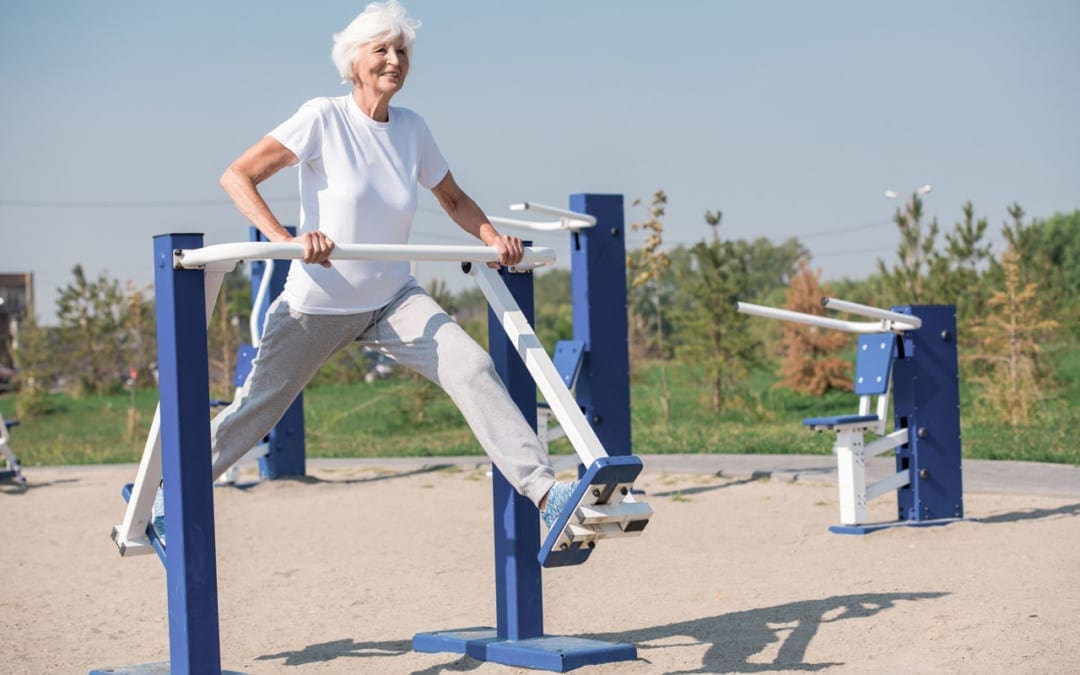
As we age, staying active keeps us healthy,� our lives are lengthened and we feel great! Older individuals are discovering that exercise, sports and being physically fit does not mean having to do hardcore workouts and hard-to-maintain exercise/s and schedules.
Many of these individuals get their exercise from active pastimes like biking, Crossfit, and tennis. Others participate in less active recreational activities like walking, gardening or golf. Regardless of which activity they get into, they are all getting relaxation and fun while securing a healthy future.
Exercise helps us feel better because it improves our health.
Spending just a little time each day doing some type of physical activity, will bring these benefits:
Longer
Healthier life
Stronger bones
Reduced joint
Reduced muscle pain
Improved mobility
Improved balance
Lower risk of falls
Lower risk of serious injuries e.g. hip fractures
Slower loss of muscle mass
Fortunately, individuals are living longer but their quality of life means staying healthy and active to remain independent.
Staying active will lower the risk of many common diseases, relieve arthritis�pain and help you recover faster when illness hits.
Activity and Safety
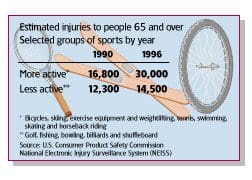
Keeping active means that it’s also important to be safe during these activities/exercises. With more older individuals participating in physical activities, there is an equal increase in sports-related injuries. This is true for bicyclists, skiers, weight lifters and those that use exercise machines.
A recent study by the U.S. Consumer Product Safety Commission (CPSC),� showed an estimated 53,000 people ages 65 and up were treated in U.S. emergency rooms for sports, physical activity-related injuries. Additional injuries were treated in doctor’s clinics/offices.
The increase comes from more older individuals engaging in active sports. However, most of these injuries were not severe but more importantly, they could’ve been prevented. An example was cyclists treated in emergency rooms for head injuries were not wearing helmets. Wearing a helmet reduces the risk of serious head injury up to 85 percent. Regular exercise along with doing it safely means you can enjoy yourself a lot more.
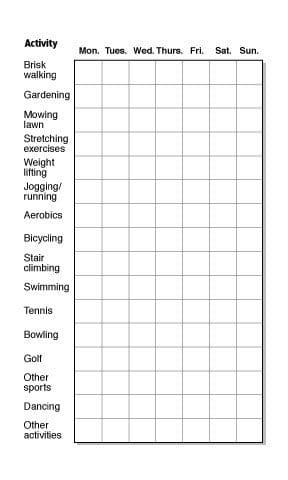
Activity log
Medium physical activity for 30 minutes a day is beneficial for everyone but especially those with chronic bone/joint conditions.
The 30 minutes of activity can be broken up into shorter periods of different activities, like 15 minutes of gardening and 15 minutes of stretching exercises. This can help not getting bored with a routine by mixing it up.
Activity log to keep track of the time you spend on each.
Injury Prevention Tips
When exercise/participating in an activity, doctors recommend following these tips:
Wear the proper safety gear for whichever activity/sport you choose.
Wear the right shoes for each sport/activity.
Warm-up before engaging in physical activity. This could be moderate walking at your normal pace with an emphasis on arm movements.
Exercise at least 30 minutes a day. Break the activities into shorter periods of 10 or 15 minutes throughout the day.
Follow the 10 percent rule, which means never increasing the program like walking/running distance or weight-lifting more than 10 percent a week.
Try not to do the same routine two days in a row.
Mix it up so as not to sprain/strain the same muscles and allow the other muscles to get a workout. So walk, swim, tennis or lift weights, as this keeps the exercise more interesting.
Read instructions carefully when working with exercise equipment, and if needed, ask a qualified professional to help you.
Check exercise equipment making sure it’s in proper working order.
If weight training interests you but you have never done it, make sure to get professional consultation before starting.
Stop exercising if there is severe pain or swelling and get checked by your doctor.
There are plenty of ways to enhance our lives as we age, and staying fit and active along with the proper diet are a few of the most important.
Our clinical focus and personal goals are to help your body heal itself naturally quickly and effectively.� At times, it may seem like a long path; nevertheless, with our commitment to you, it�s sure to be an�exciting journey. The�commitment to you in health is to, never lose�our deep connection to each one of our patients on this journey.
When your body is truly healthy, you will arrive at your optimal fitness level proper physiological fitness state. �We want to help you live a new and improved lifestyle. Over the last two decades, while researching and testing methods with thousands of patients, we have learned what works effectively at decreasing pain while increasing human vitality.
Lower Back Pain Chiropractic Treatment El Paso, TX
NCBI Resources
Aerobic exercise increases the blood flow to the body�s tissues, and people with high levels of cardiovascular fitness generally do better dealing with spinal problems. However, before anyone with a�spine condition or any medical condition�for that matter, starts a�wellness and fitness program, they should check with their primary caregiver, to clear the individual as�fit to exercise.
IFM's Find A Practitioner tool is the largest referral network in Functional Medicine, created to help patients locate Functional Medicine practitioners anywhere in the world. IFM Certified Practitioners are listed first in the search results, given their extensive education in Functional Medicine