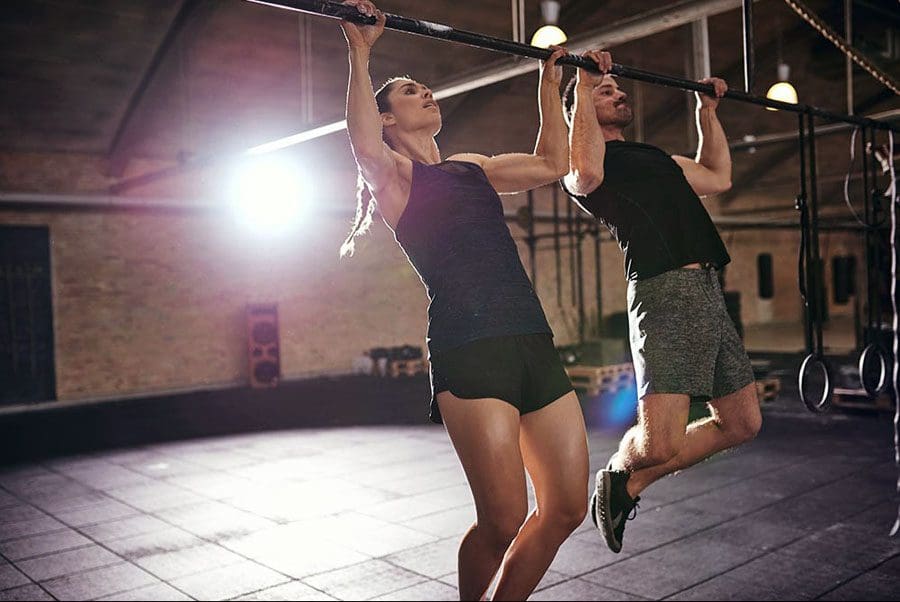
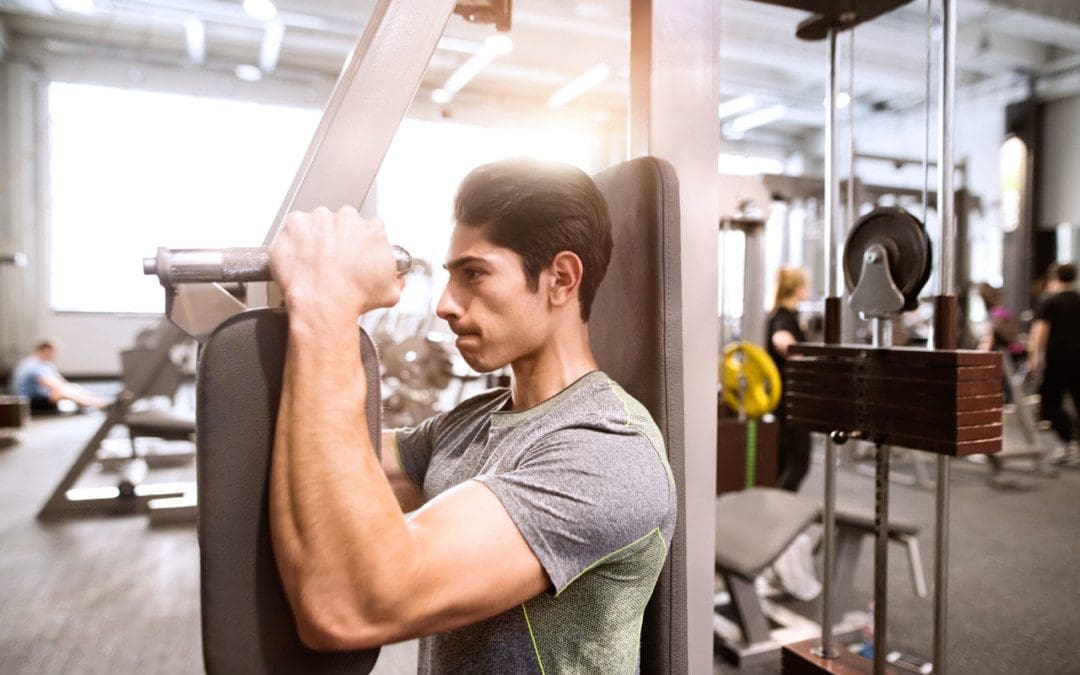
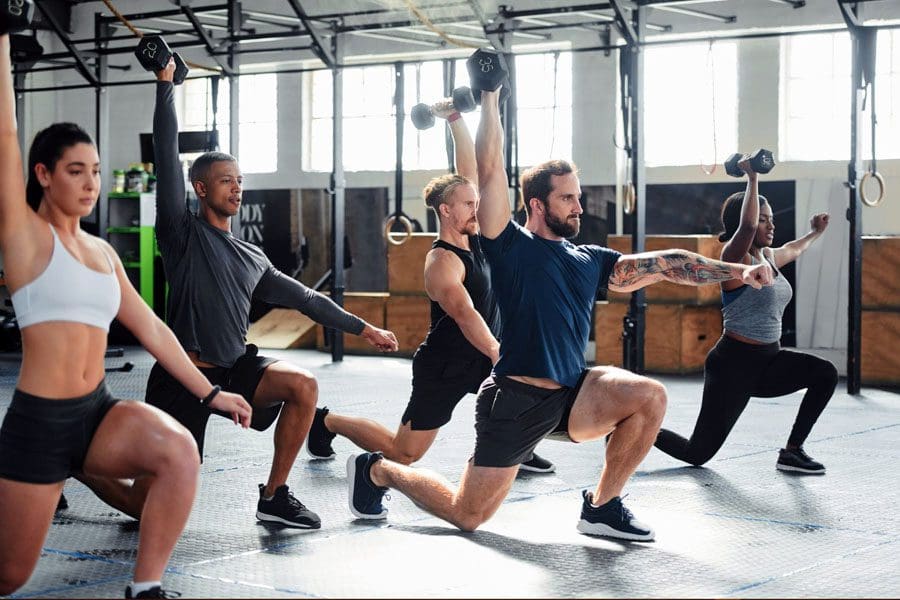
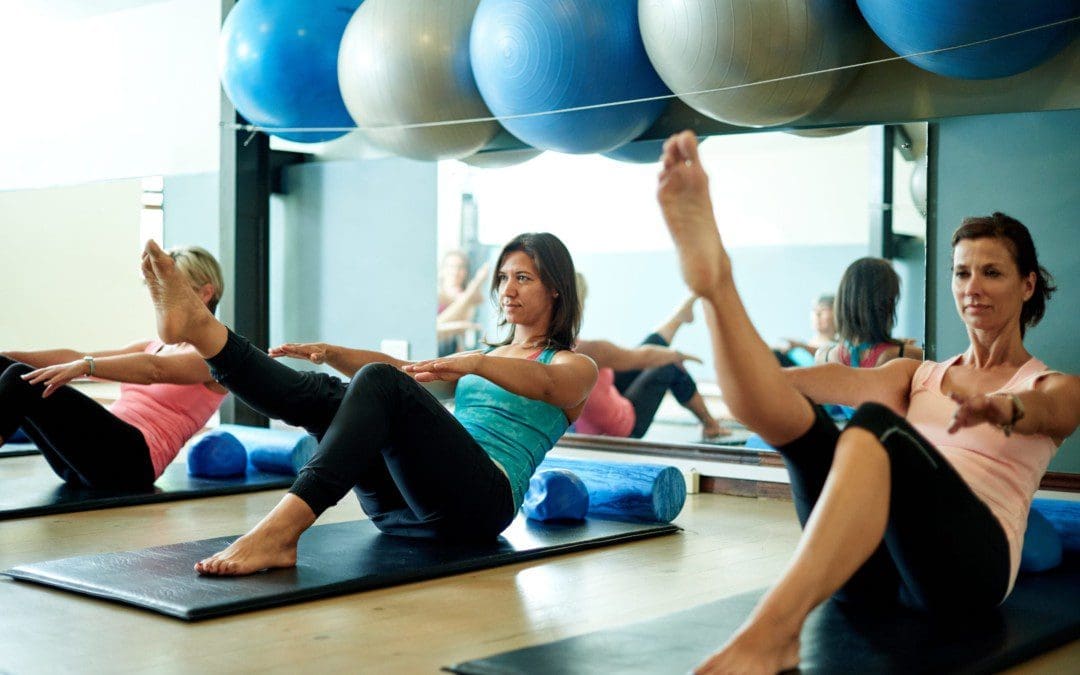
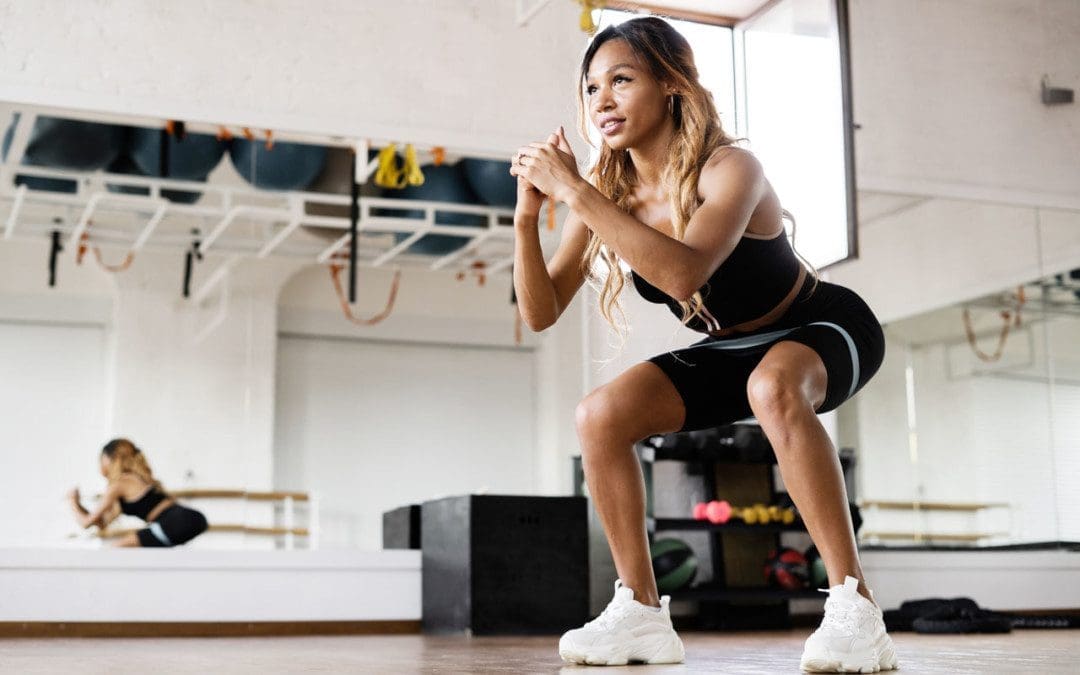
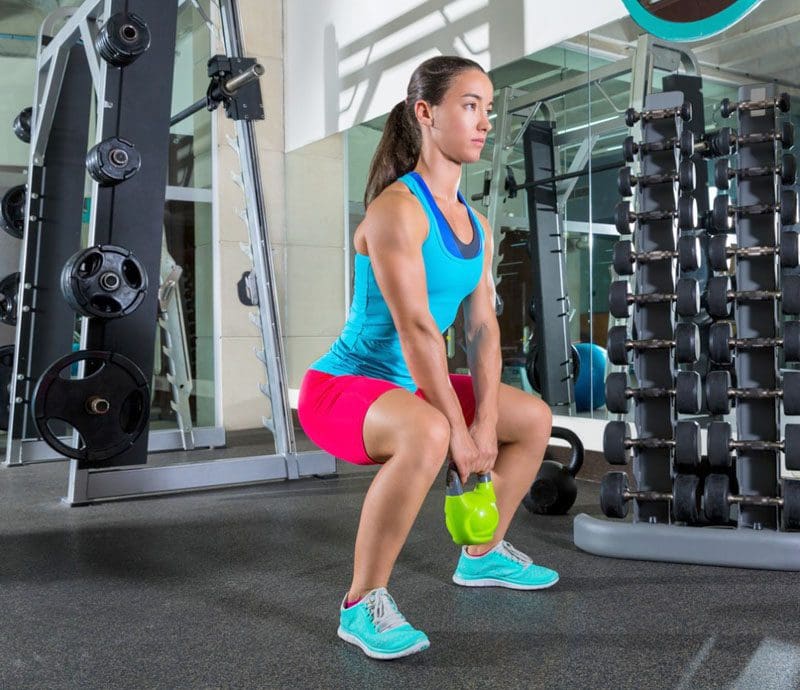
Training means engaging in activity for fitness purposes or improving performance skills. Sports training is a process of preparation aimed at strengthening and maintaining high performance in sports activities. It is used by scientists and experts in sports science, biomechanics, exercise physiology, sports psychology, and fields like yoga and kinesiology. Regardless of fitness level, physical training, or exercise program, general sports training principles include:
Progression
Periodization/Regularity
Overload
Variety
Recovery
Balance
Specificity
Designed to improve fitness and performance, it includes strength training, conditioning, cardiovascular training, corrective and restorative exercises, mental and psychological training, and nutritional/health coaching.
Sports Training Principles
Progression
To improve fitness levels, an individual needs to increase the intensity and duration of their training routine gradually. Gradual and systematic increases in training stress maintain tissue overload and continue the body’s training adaptation. Training variables must be increased to induce further transformation. These include:
The rate of progression is important as progressing too fast can result in injury, while going too slow can delay improvement goals.
Periodization and Regularity
Maintaining a consistent exercise regimen is important, with training occurring at regular intervals.
Training three-five times each week is recommended.
Ensure adequate sleep to train at optimal levels.
A proper nutrition plan to operate at high capacity during training.
Varying training variables like activity, rest, frequency, intensity, and duration help maintain optimal stimulus and address goal adjustments to avoid overtraining, injury, and burnout.
Overload
Overloading occurs when the training exercise is more than an individual’s body can take. Challenging an individual’s current fitness and performance levels generates improvements. For example, soccer players alternate between sprinting, jogging, and backpedaling during games. They do 40-50-minute jogging sessions daily to maintain stamina and endurance.
This means pushing the body, so the heart works at a high percentage of its maximum capacity.
Determining the proper intensity level depends on various factors, including age, weight, and overall fitness level.
Excessive overload and/or inadequate rest can result in overtraining, injury, and decreased performance levels.
Variety
Becoming bored with physical training can happen very easily when performing the same routine.
Mixing things up by breaking up the routine and doing other activities is important.
This prevents boredom and can increase motivation to help achieve maximum results.
Recovery
Rest periods between physical training are essential for repairing muscle damage and removing metabolic waste.
The recommended recovery time is between 24 and 48 hours after training.
Alternating more difficult training exercises with easier exercises or alternating muscle groups so as not to work out the same muscles can also achieve recovery.
Not allowing the body to recover properly can lead to muscle fatigue, increasing the risk of injuries.
Balance
When developing a physical training program, it’s important to ensure the whole body is being worked out equally to achieve a balanced fitness level.
Balance routines for the upper and lower body.
Components of a balanced exercise plan include Strength, Cardio, and Flexibility training.
For example:
One day of aerobic exercises for cardio.
One day of rest.
One day of resistance training for strength.
Stretching at the beginning and the end of workouts to relax muscles and maintain flexibility.
Specificity
The principle of specificity recommends that individuals gear their training toward specific goals.
Specific training consists of exercises to develop specific strength, specific muscle groups, and specific motor abilities required for a sport.
Incorporating specific motions and sports tasks generates neuromuscular and metabolic adaptations and muscle memory.
Chiropractic Therapy
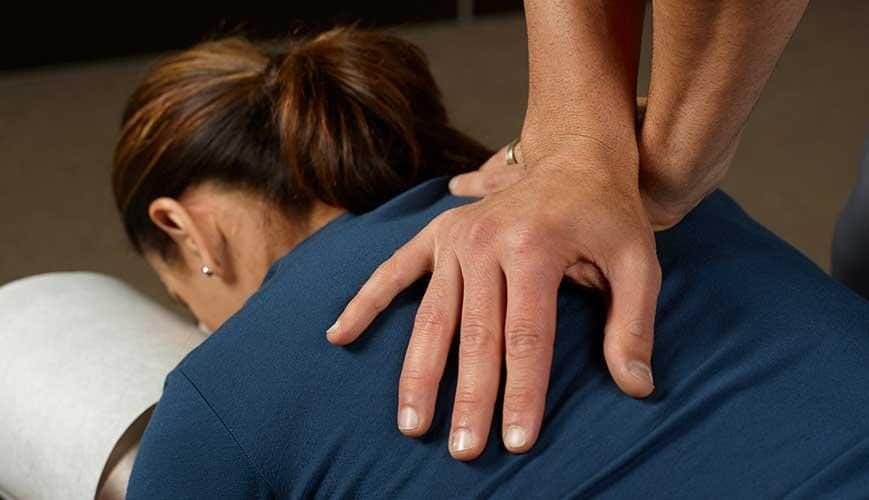
Sports chiropractors work closely with massage therapists, performance coaches, athletic trainers, and medical doctors with a diverse treatment approach that is applied based on the needs of the individual. Chiropractic will:
Improve performance.
Reduce the risk of injury.
Alleviate muscle stress.
Expedite injury healing.
Maintain body alignment.
Sports Chiropractor Rehabilitation
References
Kasper, Korey. “Sports Training Principles.” Current sports medicine reports vol. 18,4 (2019): 95-96. doi:10.1249/JSR.0000000000000576
Maestroni, Luca, et al. “Strength and Power Training in Rehabilitation: Underpinning Principles and Practical Strategies to Return Athletes to High Performance.” Sports medicine (Auckland, N.Z.) vol. 50,2 (2020): 239-252. doi:10.1007/s40279-019-01195-6
Ralston, Grant W et al. “Weekly Training Frequency Effects on Strength Gain: A Meta-Analysis.” Sports medicine – open vol. 4,1 36. 3 Aug. 2018, doi:10.1186/s40798-018-0149-9
Schleip, Robert, and Divo Gitta Müller. “Training principles for fascial connective tissues: scientific foundation and suggested practical applications.” Journal of bodywork and movement therapies vol. 17,1 (2013): 103-15. doi:10.1016/j.jbmt.2012.06.007
Van Proeyen, Karen, et al. “Beneficial metabolic adaptations due to endurance exercise training in the fasted state.” Journal of applied physiology (Bethesda, Md.: 1985) vol. 110,1 (2011): 236-45. doi:10.1152/japplphysiol.00907.2010
Everybody understands that exercise is necessary for optimal physical and mental health. Beginning a workout routine can be simple, but sticking with it long-term is the challenge. Knowing how to stay motivated can be overwhelming when facing various fitness options. Understanding the benefits of exercise and identifying the most significant motivating factors will help stick to the fitness plan.
Benefits of Exercise
The first step is identifying why you want to start exercising and the principal motivator/s. For most individuals exercising regularly helps:
Contribute to weight loss
Decrease risk of disease
Increase lifespan
Improve the quality of life
Improve mental health
Sticking to a plan tends to dissolve after a few months without serious motivation. It is recommended to focus on making the why as specific and personal as possible. The more specific the why, the less likely the individual will stray from the plan. For example, a middle-aged father wants to get and stay in shape because he wants to keep up with his kids and set a healthy example.
Starting Out
A small amount of regular exercise positively affects the body’s health. This is a common cause of burnout and is not necessary. Those who have never exercised or worked out regularly are often tempted to start with intense hours-long exercise routines.
Current physical activity recommendations suggest at least 150-300 minutes of moderate-intensity exercise per week or
That means that 30 minutes a day of moderate exercise/activity or 15 minutes a day of vigorous exercise/activity is the recommended amount to see and feel health benefits like improved metabolism and mental health.
Getting the body physically fit is a long-distance marathon, not a quick sprint.
Consistency is the objective.
Increasing the frequency and/or duration of workouts is fine, but doing it in a way where the exercise is still enjoyable and not a chore is recommended.
Individuals who work out too hard and need to rest for a few days risk losing motivation.
Daily Activities
Becoming more active throughout the day outside of the workout regimen is recommended to increase physical activity levels and build and reinforce healthy habits. If exercising is too strenuous for the individual, start with increasing physical daily activities. This is an effective way to ease into regular exercise. Examples of physical activities include:
Developing healthy habits, physical and nutritional are the goals, which is why it is essential to find an exercise approach that doesn’t lose its appeal and continues to develop. One study found that working out with friends or joining group sports can generate greater enjoyment. There are a variety of activities that can include:
Structured workouts
HIIT
Yoga
Pilates
Strength training
Cycling
Running
Biking
Hiking
Organized sports leagues:
Soccer
Basketball
Softball
Volleyball
Tennis
Golf
Low-impact options:
Walking
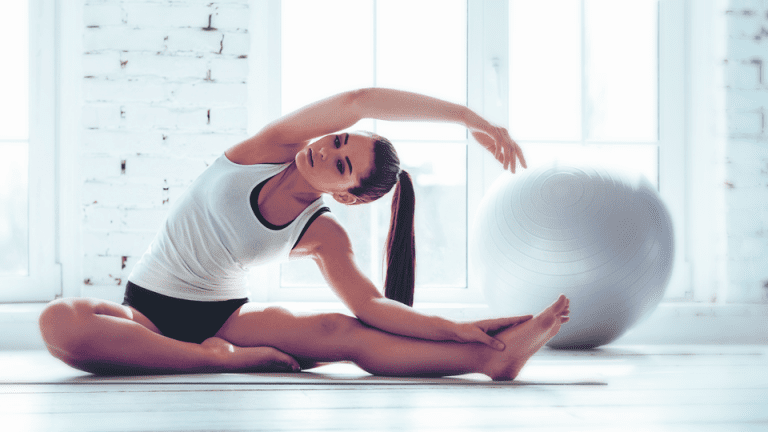
Stretching
Water aerobics
What is essential is to find something that you will want to continue to do.
Personalized Training and Rehabilitation
References
Barranco-Ruiz, Yaira et al. “Dance Fitness Classes Improve the Health-Related Quality of Life in Sedentary Women.” International journal of environmental research and public health vol. 17,11 3771. 26 May. 2020, doi:10.3390/ijerph17113771
Dalle Grave, Riccardo. “Nutrition and Fitness: Mental Health.” Nutrients vol. 12,6 1804. 17 Jun. 2020, doi:10.3390/nu12061804
Higgins, John P. “Smartphone Applications for Patients’ Health and Fitness.” The American journal of medicine vol. 129,1 (2016): 11-9. doi:10.1016/j.amjmed.2015.05.038
Yang, Yun Jun. “An Overview of Current Physical Activity Recommendations in Primary Care.” Korean journal of family medicine vol. 40,3 (2019): 135-142. doi:10.4082/kjfm.19.0038
Many people worldwide know that exercising has impressive benefits that help improve the body’s overall wellness. The body has different muscle groups that have a casual relationship with the vital organs inside the body. Organs like the heart, lungs, gut, and bladder correlate with the different muscles through the nerve roots that connect them. When the body suffers from various factors that affect it, it causes referred pain to the body where one pain is at one location but radiates from the other side. Exercising can help the body recover through physical rehabilitation by reducing inflammation and scarring on the muscle tissues. One of the many exercises that helps strengthen the muscles, increase flexibility, and even improve posture is Pilates. Today’s article looks at Pilates, its benefits, and how it can help alleviate back pain. We refer patients to certified providers specializing in musculoskeletal treatments to help many individuals with low back pain issues affecting their bodies. We also guide our patients by referring to our associated medical providers based on their examination when it’s appropriate. We find that education is the solution to asking our providers insightful questions. Dr. Alex Jimenez DC provides this information as an educational service only. Disclaimer
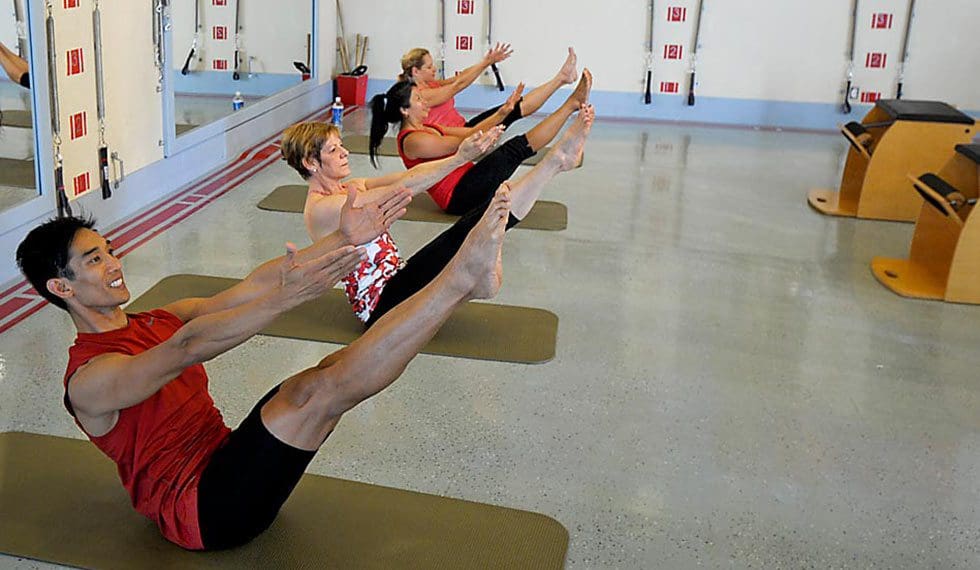
What Is Pilates?
Have you been feeling sluggish or having low energy throughout the entire day? What about experiencing pain in your lower back? Have you experienced muscle stiffness in certain areas around your body? Many of these symptoms are associated with musculoskeletal issues that correlate with different factors that affect the body; why not try an exercise regime like Pilates? Pilates is a system of exercises that uses a particular machine or body to improve a person’s physical strength and posture while increasing the body’s flexibility and enhancing mental awareness. Joseph Pilates developed Pilates in the early 20th century as an exercise program to help World War I soldiers improve their physical fitness levels. Pilates was used as rehabilitation therapy for injured individuals by incorporating resistance, stretching, and target muscle strengthening. Pilates is now utilized for all individuals with different bodies and fitness levels and can provide tremendous benefits.
What Are The Benefits?
Pilates, like any other form of exercise, has many beneficial properties that help improve a person’s health and wellness. Studies reveal that Pilates helps many individuals, including older adults, by improving their posture by decreasing thoracic flexion while increasing lumbar extension for pain relief. Some of the beneficial properties that Pilates offer to the body include:
Increasing core strength: The deep muscles in the abdomen, back, and pelvic regions become stronger and help stabilize the body more.
Strengthen muscle groups: Pilates helps make the muscles not only strong but also helps stretch them so that they can look long and lean. This makes the individual look toned.
It’s a whole body workout: As many exercises work on specific body parts, Pilates focuses on each muscle part of the body and helps muscle development.
Posture Improvement: Pilates help keep the spine aligned while strengthening the body and core. Over time a person’s posture will improve naturally, making them stand taller, stronger, and even more graceful.
Increases energy: Like all exercises, Pilates will give a person the energy boost they need. This is due to the focused breathing and increased blood circulation that stimulates the muscles and the spine.
Pilates Exercises For Back Pain-Video
Are you looking for a new exercise to tone your muscles? Have you been dealing with pain in your lower back? Do you have muscle weakness in some regions of your body? If you have been experiencing pain-related issues, why not try Pilates? The video above goes through a 10-minute Pilates workout for back pain. Studies reveal that non-specific low back pain is a highly prevalent condition many individuals associate with disability and work absence worldwide. Many environmental factors affect many individuals, causing them to suffer back issues. Pilates can help encourage many individuals to regain their health and wellness by incorporating core strength and stability while improving their posture.
Pilates Alleviate Back Pain
Many people don’t realize that some low back pain symptoms are related to poor posture. Poor posture can lead to associated symptoms of headaches, back pain, improper balance, and pelvic issues. What Pilates does is that it creates body awareness and helps improve the lower back muscles by strengthening them and relaxing the stiff muscles. Studies reveal that incorporating Pilates as physical therapy for individuals suffering from low back pain can help address the mental and physical pain aspects with core strengthening, flexibility, and relaxing the tense muscles. Many individuals should never put off exercising when it comes to back pain. Incorporating an exercise routine can benefit the body and prevent future injuries.
Conclusion
An exercise regime can provide many beneficial results for those looking for ways to be healthy, those suffering from injuries, or those who want to add something else to their workout routine. Pilates is one of those exercises that incorporates resistance, stretching, and muscle targeting as it is a full-body workout. Pilates is used in rehabilitation therapy for injured individuals and can provide tremendous benefits. Pilates can help many individuals with back issues associated with environmental factors like poor posture. Many individuals that utilize Pilates as part of their exercise regime will begin to feel stronger and healthier as their backs will thank them.
References
Baker, Sara. “Pilates Exercise for a Healthy Spine – Spineuniverse.” Spineuniverse, 28 Dec. 2019, https://www.spineuniverse.com/wellness/exercise/pilates-exercise-healthy-spine.
Kuo, Yi-Liang, et al. “Sagittal Spinal Posture after Pilates-Based Exercise in Healthy Older Adults.” Spine, U.S. National Library of Medicine, 1 May 2009, https://pubmed.ncbi.nlm.nih.gov/19404180/.
Sorosky, Susan, et al. “Yoga and Pilates in the Management of Low Back Pain.” Current Reviews in Musculoskeletal Medicine, Humana Press Inc, Mar. 2008, https://www.ncbi.nlm.nih.gov/pmc/articles/PMC2684152/.
Yamato, Tiê P, et al. “Pilates for Low Back Pain.” The Cochrane Database of Systematic Reviews, John Wiley & Sons, Ltd, 2 July 2015, https://www.ncbi.nlm.nih.gov/pmc/articles/PMC8078578/.
Wrestling is a sport that requires speed, strength, and endurance that involves intense physical contact, pushing and pulling the muscles, tendons, ligaments, and joints to their limits. Wrestlers’ are constantly contorting their bodies. Pushing the body to its limits increases the risk of developing wrestling injuries that include:
The most common injuries usually occur from forceful contact or twisting forces. And if a wrestler has been injured, there is an increase for re-injury. Wrestling tournaments typically take place over days, often with back-to-back matches, which significantly fatigues the body and increases injury risk. The most common wrestling injuries include:
Muscle strains of the lower extremities and/or the back.
Chronic problems can result from hours in the forward stance posture and repetitive motions.
Dislocations and sprains of the elbow or shoulder from take-downs.
Cauliflower ear – is a condition that can cause ear deformity and develops from friction or blunt trauma to the ears.
Skin infections occur from constant contact, sweating, bleeding, and rolling on the mats. Infections include herpes gladitorium, impetigo, folliculitis, abscesses, and tinea/ringworm.
Concussions are usually caused by hard falls/slams or violent collisions with the other wrestler.
Injuries can cause wrestlers to alter/change their technique, exacerbating the existing damage and potentially creating new injuries.
Chiropractic Rehabilitation and Strengthening
There can be a variety of pain generators/causes when it comes to wrestling injuries. Joints and muscles can get overstretched, muscles can spasm, and nerves can become compressed and/or irritated. For example, a neck muscle spasm could be caused by nerve irritation from a shifted vertebrae. To determine the specific cause or causes of the injury/pain, a detailed chiropractic examination will be performed that includes:
Range of motion testing
Ligament tests
Muscle palpation
Gait testing
Injuries often relate to the proper weight, neuromuscular control, core strength, proper technique, hygiene, and hydration management. Successful treatment depends on identifying the root cause of the wrestling injury. Chiropractic restores proper alignment through massage, specific manual adjustments, decompression, and traction therapies. Adjustments can include the back, neck, shoulder, hips, elbows, knees, and feet. Once correct body alignment is achieved, rehabilitative exercises and stretches are implemented to correct and strengthen muscle function. We work with a network of regional medical doctors specializing in referral situations and strive to return the athlete to their sport as soon as possible.
Wrestling Match
References
Boden, Barry P, and Christopher G Jarvis. “Spinal injuries in sports.” Neurologic clinics vol. 26,1 (2008): 63-78; viii. doi:10.1016/j.ncl.2007.12.005
Everyone is trying to find what exercise works for them as they start looking for ways to improve their health and wellness. Many individuals who begin to work out would go with finding a personal trainer or a gym that helps incorporate muscle strength training and cardio training to improve their heart and lung capacity to make the body feel good while strengthening their muscles. One of the unique forms of exercise that involve both the heart and muscles is dancing. Dancing is a great way to not only improve musculoskeletal and cardiovascular health but can help reduce overlapping conditions that a person is dealing with in their bodies. Today’s article looks at how dancing helps with musculoskeletal health, affects the heart and brain, and how chiropractic care goes hand in hand with dancing. We refer patients to certified providers specializing in musculoskeletal and cardiovascular therapies to help those with heart and muscle issues. We also guide our patients by referring to our associated medical providers based on their examination when it’s appropriate. We find that education is the solution to asking our providers insightful questions. Dr. Alex Jimenez DC provides this information as an educational service only. Disclaimer
Dancing For Musculoskeletal Health
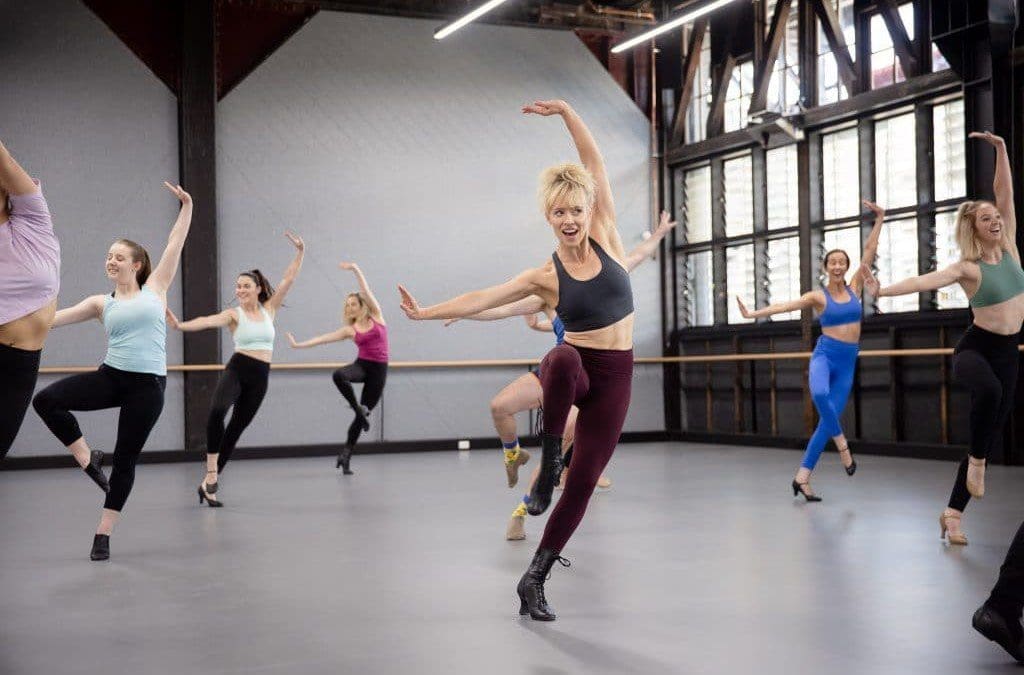
Have you ever noticed people take a cardio class with music playing in the background and see them happy afterward? How do athletes incorporate cardio into their exercise regime to improve their mobility and flexibility? Or how do particular video games make you get up and move around? All these scenarios imply that cardio exercises like dancing may help improve musculoskeletal function. Dancing is one of the many aerobic exercises that can help improve a person’s social skills and is something that can be taken up early while providing many beneficial qualities like:
Increase strength
Improve gait and balance
Reduce functional loss
Reducing the risk of falls
Rehabilitating musculoskeletal injuries
Stabilize core muscles
For the musculoskeletal system, dance would be considered an isometric exercise involving different muscle groups like the hips, shoulders, back, and abdominals without using the joints. When a person is dancing, each of the various movements is related to strengthening the core muscles by working thoroughly with the abdominals. Dance can even help improve posture by maintaining strength and enhancing stability in the body. Studies reveal that dance’s impact on individuals with chronic issues like Parkinson’s disease associated with motor and non-motor symptoms can increase their quality of life. So what does that mean? It means that dancing, even for just one song, can help with movement and foster balance, flexibility, and muscle endurance through repeated tasks while associating with accessible, social, and attractive aspects of a person’s physical abilities.
How Does Dancing Affect The Heart and Brain?
Dancing not only helps with musculoskeletal issues, but it can help improve brain and heart function in the body. Studies reveal that moderate-intensity dancing was inversely associated with a reduced risk for cardiovascular disease mortality. What dancing does to the heart is that it makes the body intake more oxygen to the lungs, which relates to the heart beating faster and circulating the blood to be transported throughout the entire body. But how does dancing correlate to brain health? Let’s look at dance fitness classes, like Zumba, and use it as an example. Studies show that dance fitness classes provide several health benefits that could reduce mood disorders like depression and anxiety while improving cognitive skills. This means that dance fitness classes like Zumba do repetitive movements to the beat of the music that engages the individual to repeat the steps while having fun. When the muscles begin to do repetitive movements, this motor function sends the signal to the brain, making the person remember the movements later, known as muscle memory. When an individual suffers from neurological disorders like dementia or Alzheimers, dancing could potentially be involved with music therapy, allowing the individual to reduce the risk of developing neurological disorders from progressing further.
How Does The Body React To Dancing?-Video
Have you felt terrific after listening to a good song? How about feeling like you just had a workout? Or have you noticed certain areas in your body like your abdominals, legs, and back looked more toned? All these are beneficial signs that you should add dancing to your regime. The video explains what happens to the body when people are dancing. Dancing could potentially be a mediator for many athletes that play sports.
An example would be football and ballet. How do football and ballet relate to each other? Football utilizes efficient and precise movements that benefit every position on the field, while ballet requires speed to make them flawless on stage. Combining the two, many football players will increase their speed and agility associated with ballet to avoid tackles, jump higher, catch passes and avoid injuries on the field. Dancing is an excellent way to get some cardio exercises in, and combined with other treatments can make a difference in a person.
Chiropractic Care & Dancing
Like all athletic individuals, professional dancers utilize various treatments to recover and improve their performance. Treatments like chiropractic care are safe, effective, and widely used by young and professional athletes that want to prevent injuries from progressing. Chiropractic care for professional athletes and the general population can help prevent and treat injuries like back and neck pain or aggravating conditions like sciatica through spinal manipulation. Chiropractic care also helps restore an individual’s original well-being while increasing their strength, flexibility, and mobility. By working with an experienced chiropractor, an individual can regain their stamina by adopting new ways to prevent injuries caused by spinal complications from reoccurring in the body.
Conclusion
Dancing for 30 minutes to an hour can be used as part of an exercise regime and could potentially reduce chronic issues that affect the body’s brain, heart, and muscles. Dancing could also enhance a sports athlete’s performance by increasing their agility, endurance, and performance. Combined with chiropractic care, individuals will begin to see improvements in their range of motion, flexibility, and even an increase in their brain function to dance longer and improve their health and wellness. So whether you are a professional or not, dancing is for everyone.
Reference
Barranco-Ruiz, Yaira, et al. “Dance Fitness Classes Improve the Health-Related Quality of Life in Sedentary Women.” International Journal of Environmental Research and Public Health, MDPI, 26 May 2020, https://www.ncbi.nlm.nih.gov/pmc/articles/PMC7312518/.
Ferchak, Dawn. “Belly Dance Your Back Pain Away – Spineuniverse.” Spine Universe, 14 Oct. 2020, https://www.spineuniverse.com/wellness/exercise/belly-dance-back-pain.
Gyrling, Therese, et al. “The Impact of Dance Activities on the Health of Persons with Parkinson’s Disease in Sweden.” International Journal of Qualitative Studies on Health and Well-Being, Taylor & Francis, Dec. 2021, https://www.ncbi.nlm.nih.gov/pmc/articles/PMC8547839/.
Merom, Dafna, et al. “Dancing Participation and Cardiovascular Disease Mortality: A Pooled Analysis of 11 Population-Based British Cohorts.” American Journal of Preventive Medicine, U.S. National Library of Medicine, June 2016, https://pubmed.ncbi.nlm.nih.gov/26944521/.
Maintaining a healthy weight is challenging, especially Fridays, Saturdays, Sundays, and extended weekends, increasing the risk of binge eating and weight gain. This is where healthy cheat meals and snacks come into play to help individuals stick to their diet while enjoying healthy junk food. Plus, finding the proper high-calorie carb-packed meal can help optimize the body’s hormones to prevent adverse effects on metabolism and hunger.
Cheat Meals
One way to look at a diet and still have the flexibility for sweet or savory foods is to set up the flexibility. To maintain health, practice portion control and eat healthy foods 80% of the time, allowing a 20% margin for the junk foods. To improve health, eat healthy foods 90% of the time, and allow a 10% margin until a health goal is reached.
Cheeseburger without the Buns and Sweet Potato Fries
They can be made healthy with lean ground beef, beans, peppers, cheese, avocado, tomatoes, and jalapeños for a meal that incorporates quality protein and healthy fats.
It can be made vegetarian by removing the meat and adding more beans and vegetables.
Dark chocolate contains monounsaturated fats that can help improve cholesterol, blood sugar, and insulin levels.
Dark chocolate also supplies vitamins, minerals, and antioxidants for heart and brain health.
Dietician Nutritionist
These are a few examples; the objective is to get individuals to learn to create their healthy cheat meals A diet or adjusting for a more nutritional food plan should always start with a nutritionist, dietician, or health care provider. They can help develop a customized plan that fits an individual’s specific needs. It is about finding the balance and creating a positive relationship with food.
Fibromyalgia Food Choices Nutraceutical Options
References
Coelho de Vale R, et al. (2016). The benefits of behaving badly on occasion: Successful regulation by planned hedonic deviations.
doi.org/10.1016/j.jcps.2015.05.001
Kuijer RG, et al. (2014). Chocolate cake. Guilt or celebration? Associations with healthy eating attitudes, perceived behavioral control, intentions, and weight loss. DOI:
10.1016/j.appet.2013.11.013
Murray SB, et al. (2018). Cheat meals: A benign or ominous variant of binge eating behavior? DOI:
10.1016/j.appet.2018.08.026
Warren JM, et al. (2017). A structured literature review on the role of mindfulness, mindful eating, and intuitive eating in changing eating behaviors: Effectiveness and associated potential mechanisms. DOI:
10.1017/S0954422417000154
Volleyball is a dynamic game that requires players to be fast on their feet. Players have to be able to quickly shift into various position/s, make quick movements in any direction quickly and reach the ball. Volleyball strength workouts focus on power development and maintaining safe positions when exploding through the plays. Many players include resistance training exercises in their training programs to maximize power and set a solid foundation.
Volleyball Strength Workout
A well-rounded volleyball workout will help players strengthen and maintain optimal body health.
A recommended exercise that can be done with a resistance band.
The exercise does not require a lot of space, so it can be done almost anywhere.
It is recommended to do two-three sets of 10-15 reps.
It is recommended to consult a professional trainer that can create a diverse fitness program to make exercising/training/working out much more enjoyable.
Body Composition
How Aerobic and Resistance Training Interact
The body adjusts differently to various types of exercise. Aerobic and resistance training each tells the body to adapt in different ways. Both are important for healthy body composition, and when done in combination, it is known as concurrent training. Aerobic is best for losing fat, resistance training builds muscle that keeps the body functioning throughout the day. However, molecular mechanisms involved in aerobic and resistance adaptations can interfere with each other if not appropriately planned. Two steps to minimize any possible interference and maximize aerobic/resistance benefits:
Nutrition
Adequate protein intake is vital for muscular adaptation from resistance training.
It stimulates muscle protein synthesis after concurrent training.
After workout sessions, consume at least 25g of high-quality protein to achieve strength and hypertrophy improvements.
Recovery
When doing both aerobic and resistance training on the same day, maximize recovery time between the sessions.
Strength and aerobic fitness gains are low when the two are separated by 6 hours or less.
Twenty-four hours between sessions is the recommended time, especially if the priority is on endurance.
References
Camera, Donny M et al. “Protein ingestion increases myofibrillar protein synthesis after concurrent exercise.” Medicine and science in sports and exercise vol. 47,1 (2015): 82-91. doi:10.1249/MSS.0000000000000390
Cools, Ann M et al. “Prevention of shoulder injuries in overhead athletes: a science-based approach.” Brazilian journal of physical therapy vol. 19,5 (2015): 331-9. doi:10.1590/bjpt-rbf.2014.0109
Pereira, Ana et al. “Training strategy of explosive strength in young female volleyball players.” Medicina (Kaunas, Lithuania) vol. 51,2 (2015): 126-31. doi:10.1016/j.medici.2015.03.004
Ramirez-Campillo, Rodrigo et al. “Effects of Plyometric Jump Training on Vertical Jump Height of Volleyball Players: A Systematic Review with Meta-Analysis of Randomized-Controlled Trial.” Journal of sports science & medicine vol. 19,3 489-499. 13 Aug. 2020
Seminati, Elena, and Alberto Enrico Minetti. “Overuse in volleyball training/practice: A review on the shoulder and spine-related injuries.” European journal of sports science vol. 13,6 (2013): 732-43. doi:10.1080/17461391.2013.773090
Silva, Ana Filipa et al. “The Effect of Plyometric Training in Volleyball Players: A Systematic Review.” International journal of environmental research and public health vol. 16,16 2960. 17 Aug. 2019, doi:10.3390/ijerph16162960
Villareal, Dennis T et al. “Aerobic or Resistance Exercise, or Both, in Dieting Obese Older Adults.” The New England journal of medicine vol. 376,20 (2017): 1943-1955. doi:10.1056/NEJMoa1616338
IFM's Find A Practitioner tool is the largest referral network in Functional Medicine, created to help patients locate Functional Medicine practitioners anywhere in the world. IFM Certified Practitioners are listed first in the search results, given their extensive education in Functional Medicine