Injury Medical Chiropractic Decompression Clinic focuses on the whole body, realigns the bones and joints, and helps strengthen the muscles. This helps prevent pain and injury and maintains spinal stability. Strong back muscles can help promote correct posture and keep the spine free from restriction. A stable spine is achieved when the back muscles can support and balance the everyday forces and stress of rigorous physical activity. Strengthening the back muscles can be done through yoga, weightlifting, and other recommended chiropractic exercises.
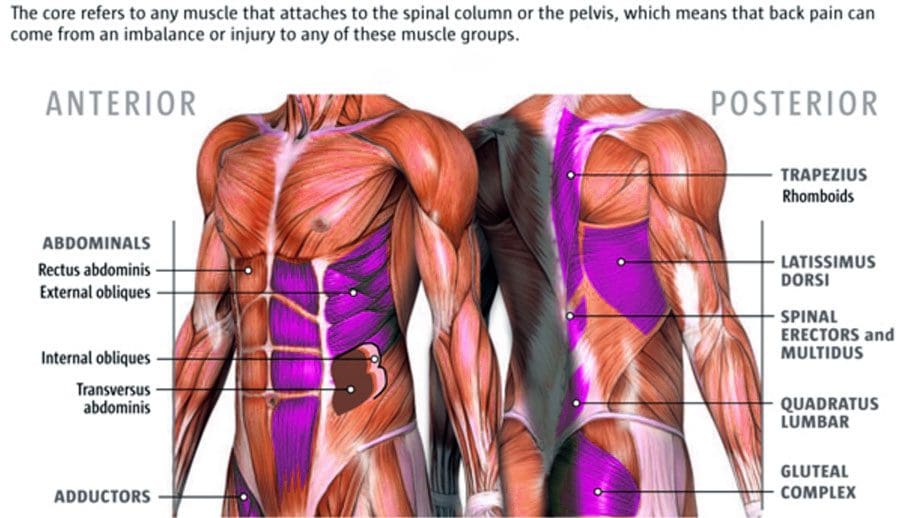
The core is a crucial area of the body. The body utilizes the core for all movements and as a stabilization unit. Lack of strength places unwanted tension and pressure on the spine. Chiropractic ensures all the joints function correctly and enhances the core to brace more effectively and efficiently.
Chiropractic Balance
Adjustments and decompression realign the muscles into the proper position and help lubricate the muscles to help ease the stabilizer muscles that could be tight or tense. Treatments used can include:
Spinal manual and motorized decompression
Extremity adjustments
Myofascial release
Active Release Technique
Trigger point therapy
Benefits
Natural pain relief
Injury prevention
Enhanced muscle performance
Expedited recovery
Increased endurance
Mobility enhancement
Increased strength
Core strength and stability play a huge factor in everyday life and functions. Maintaining health results requires attention to detail. Injury Medical Decompression Clinic will create a personalized optimal health treatment plan that focuses on whole-body realignment, simple lifestyle adjustments, health coaching/nutrition, and strength training to improve balance, strength, and core stability.
Spinal Decompression DRX9000
References
Globe G, Morris C, Whalen W, et al., “Chiropractic Management of Low Back Disorders: Report from a Consensus Process,” Journal of Manipulative and Physiological Therapeutics November/December 2008: 651-658.
Keller, MD, et al., “Trunk Muscle Strength, Cross-sectional Area, and Density in Patients With CLBP Randomized to Lumbar Fusion or Cognitive Intervention and Exercises,” Spine, 2004 29(1): 3-8 (3)
Mayer J, DC, Ph.D. Mooney V, MD, Dagenais S, DC Ph.D., “Evidence-informed management of CLBP with lumbar extensor strengthening exercises,” T Spine J, 2008;8:96-113. (3)
McKenzie, RA, “The Lumbar Spine: Mechanical Diagnosis and Therapy,” Spinal Publications/Printed by Wright & Carman, LTD, Upper Hutt, New Zealand, 1989 reprinted.
Sculco AD, Paup DC, Fernhall B, Sculco MJ, “Effects of aerobic exercise on low back pain patients in treatment,” Spine J, 1(2):95-101 (2001).
Volleyball is a dynamic game that requires players to be fast on their feet. Players have to be able to quickly shift into various position/s, make quick movements in any direction quickly and reach the ball. Volleyball strength workouts focus on power development and maintaining safe positions when exploding through the plays. Many players include resistance training exercises in their training programs to maximize power and set a solid foundation.
Volleyball Strength Workout
A well-rounded volleyball workout will help players strengthen and maintain optimal body health.
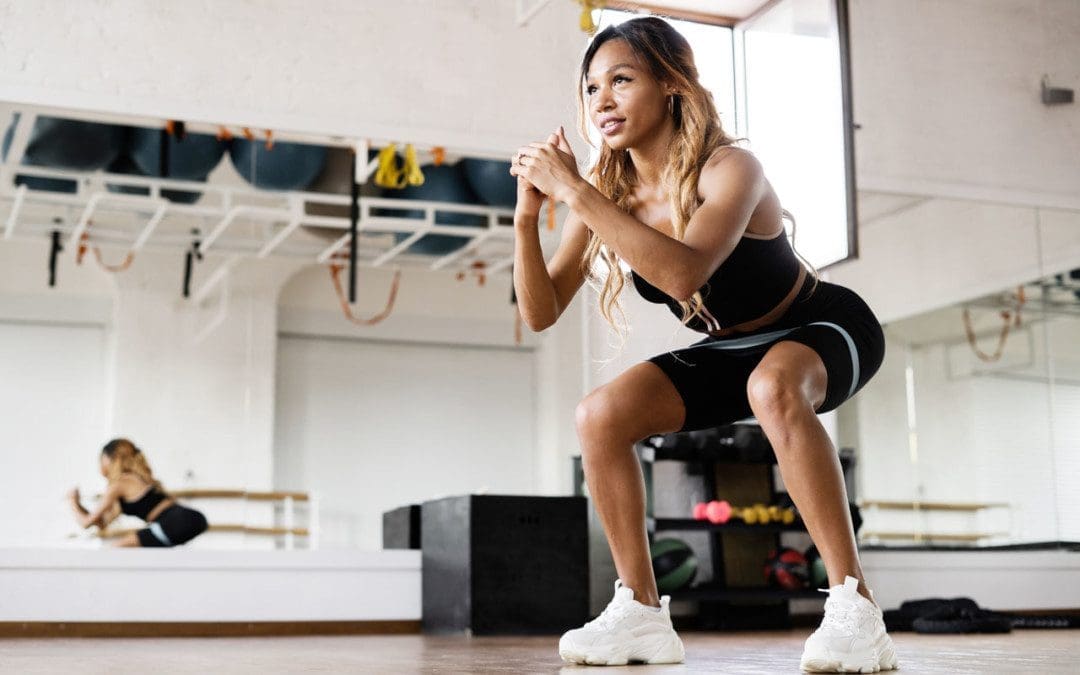
A recommended exercise that can be done with a resistance band.
The exercise does not require a lot of space, so it can be done almost anywhere.
It is recommended to do two-three sets of 10-15 reps.
It is recommended to consult a professional trainer that can create a diverse fitness program to make exercising/training/working out much more enjoyable.
Body Composition
How Aerobic and Resistance Training Interact
The body adjusts differently to various types of exercise. Aerobic and resistance training each tells the body to adapt in different ways. Both are important for healthy body composition, and when done in combination, it is known as concurrent training. Aerobic is best for losing fat, resistance training builds muscle that keeps the body functioning throughout the day. However, molecular mechanisms involved in aerobic and resistance adaptations can interfere with each other if not appropriately planned. Two steps to minimize any possible interference and maximize aerobic/resistance benefits:
Nutrition
Adequate protein intake is vital for muscular adaptation from resistance training.
It stimulates muscle protein synthesis after concurrent training.
After workout sessions, consume at least 25g of high-quality protein to achieve strength and hypertrophy improvements.
Recovery
When doing both aerobic and resistance training on the same day, maximize recovery time between the sessions.
Strength and aerobic fitness gains are low when the two are separated by 6 hours or less.
Twenty-four hours between sessions is the recommended time, especially if the priority is on endurance.
References
Camera, Donny M et al. “Protein ingestion increases myofibrillar protein synthesis after concurrent exercise.” Medicine and science in sports and exercise vol. 47,1 (2015): 82-91. doi:10.1249/MSS.0000000000000390
Cools, Ann M et al. “Prevention of shoulder injuries in overhead athletes: a science-based approach.” Brazilian journal of physical therapy vol. 19,5 (2015): 331-9. doi:10.1590/bjpt-rbf.2014.0109
Pereira, Ana et al. “Training strategy of explosive strength in young female volleyball players.” Medicina (Kaunas, Lithuania) vol. 51,2 (2015): 126-31. doi:10.1016/j.medici.2015.03.004
Ramirez-Campillo, Rodrigo et al. “Effects of Plyometric Jump Training on Vertical Jump Height of Volleyball Players: A Systematic Review with Meta-Analysis of Randomized-Controlled Trial.” Journal of sports science & medicine vol. 19,3 489-499. 13 Aug. 2020
Seminati, Elena, and Alberto Enrico Minetti. “Overuse in volleyball training/practice: A review on the shoulder and spine-related injuries.” European journal of sports science vol. 13,6 (2013): 732-43. doi:10.1080/17461391.2013.773090
Silva, Ana Filipa et al. “The Effect of Plyometric Training in Volleyball Players: A Systematic Review.” International journal of environmental research and public health vol. 16,16 2960. 17 Aug. 2019, doi:10.3390/ijerph16162960
Villareal, Dennis T et al. “Aerobic or Resistance Exercise, or Both, in Dieting Obese Older Adults.” The New England journal of medicine vol. 376,20 (2017): 1943-1955. doi:10.1056/NEJMoa1616338
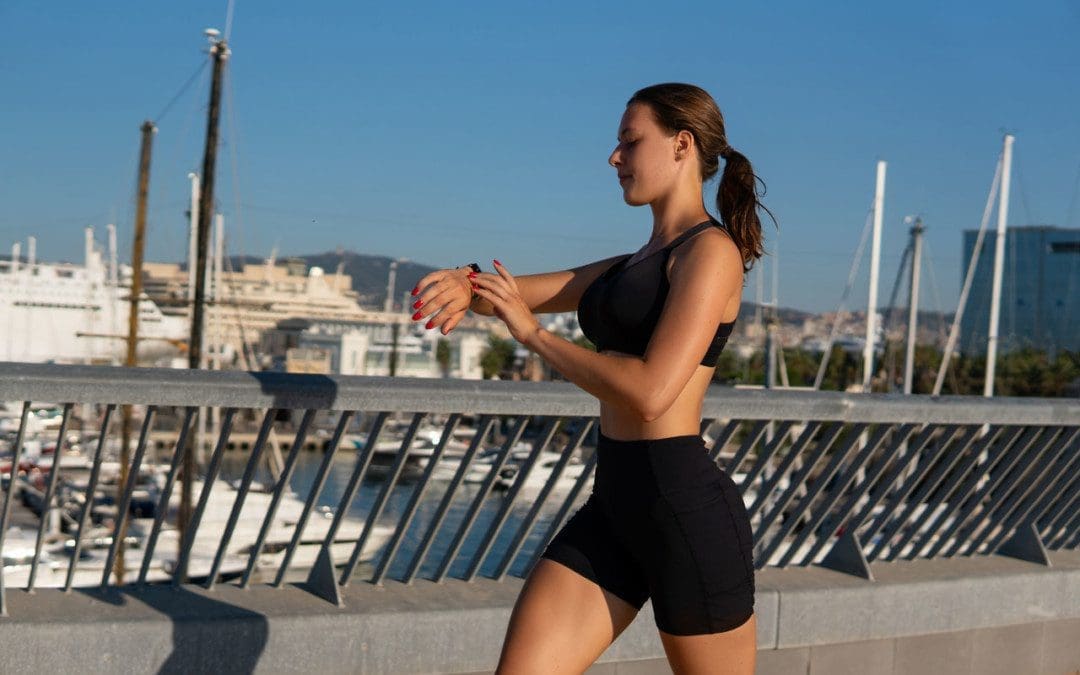
Walking for a healthy back. This simple form of exercise can:
Trim the waistline.
Elevate mood.
Reduce the risk of chronic disease.
Improve back health.
Chiropractors recommend walking because of the ease of the workout and the health benefits it provides. It is a simple, low-impact exercise that can significantly improve the body’s overall health in a short amount of time. It improves back health by:
Strengthening the muscles that support the spine.
Improves posture.
Facilitates strong circulation.
Improves bone strength.
Walking For A Healthy Back
Strengthens Muscles
Walking engages all of the muscles which keep the body upright, including the core, leg, and back muscles. Muscle strength increases, providing optimal support of the spine.
Optimize Bone Health
Bone is living tissue like the muscles, and exercise stimulates bone the same way as muscle, gradually increasing strength.
Studies have found that walking improves bone density and reduces bone loss.
Poor posture is one of the most common reasons why individuals have back pain.
Poor posture affects mobility and places a significant amount of strain on the back.
Walking a few times each week engages and strengthens the back muscles keeping the body straight.
Reduces Weight
Many individuals have lower back pain that is caused by excess weight.
The added weight causes the front of the body to shift forward, placing additional strain on the lower back.
Walking reduces the load on the lower back.
Improves Flexibility and Range of Motion
Combined with stretching, walking improves flexibility and range of motion, making it easier to perform everyday activities reducing the risk of back injuries.
Improves Circulation to the Spinal structures
Walking improves blood circulation, delivers nutrients to the soft tissues, and removes toxins.
Added Benefits include:
Stress relief.
Better sleep.
Improved skin tone.
Lower risk of diabetes.
Reduced risk of depression.
Improved cardiovascular health that lowers the risk of:
High blood pressure.
Heart disease.
Stroke.
Before Exercising
Before beginning an exercise program, it’s essential to consult a doctor or chiropractor for individuals that have not exercised for a while or are dealing with underlying condition/s. They will educate and recommend how much exercise is appropriate given their current fitness level and overall health. To maximize the benefits of walking and prevent injuries:
Use High-Quality Tennis or Walking Shoes
Walking is much more enjoyable and safer when the body is comfortable.
Improving comfort levels is by using a pair of high-quality walking shoes or trainers.
They will provide proper support, cushioning, and adequate traction.
Maintain Proper Posture
Stay aware of body position when walking. A few key points to keep in mind:
Place the heel down first.
Then roll through each part of the foot, ending on the point of the toes.
Keep the shoulders back and head up.
Lift from the hips to reduce the impact on the lower joints.
Keep a slight bend in the arms and smoothly swing them back and forth.
Turn Walking Into a Healthy Habit
In the beginning, aim for at least 5 to 7 walks each week that last 25 minutes.
Speed does not matter as the objective is to get out and walk.
Once walking starts turning into a healthy habit with improvements in health, then start walking faster and longer.
Interval Walking
Interval walking involves short periods of high-intensity walking followed by alonger period of slow walking.
This increases cardiovascular fitness and muscle strength.
Begin with a 1-minute interval of fast walking.
This is followed by 2 minutes of slower walking.
Take On Easy Obstacles
Makes the walks more challenging by walking up or down a hill.
They will help strengthen the arms, shoulders, and upper back.
Body Composition
Building Lean Body Mass
Lean Body Mass is the body’s total weight minus the fat. This includes all the weight of the muscles, organs, and total body water. The best way to develop muscle and Lean Body Mass is to adopt a resistance training program. As stronger muscles are developed, the size and amount of the muscle cells increases. The muscles then require more intracellular water, which allows them to function at optimal levels. As the muscles grow and take in more water, Lean Body Mass increases.
References
Morris, J N, and A E Hardman. “Walking to health.” Sports medicine (Auckland, N.Z.) vol. 23,5 (1997): 306-32. doi:10.2165/00007256-199723050-00004
Nauman, Javaid et al. “Walking in the Fast Lane: High-Intensity Walking for Improved Fitness and Health Outcomes.” Mayo Clinic proceedings vol. 94,12 (2019): 2378-2380. doi:10.1016/j.mayocp.2019.10.020
Vanti, Carla et al. “The effectiveness of walking versus exercise on pain and function in chronic low back pain: a systematic review and meta-analysis of randomized trials.” Disability and rehabilitation vol. 41,6 (2019): 622-632. doi:10.1080/09638288.2017.1410730
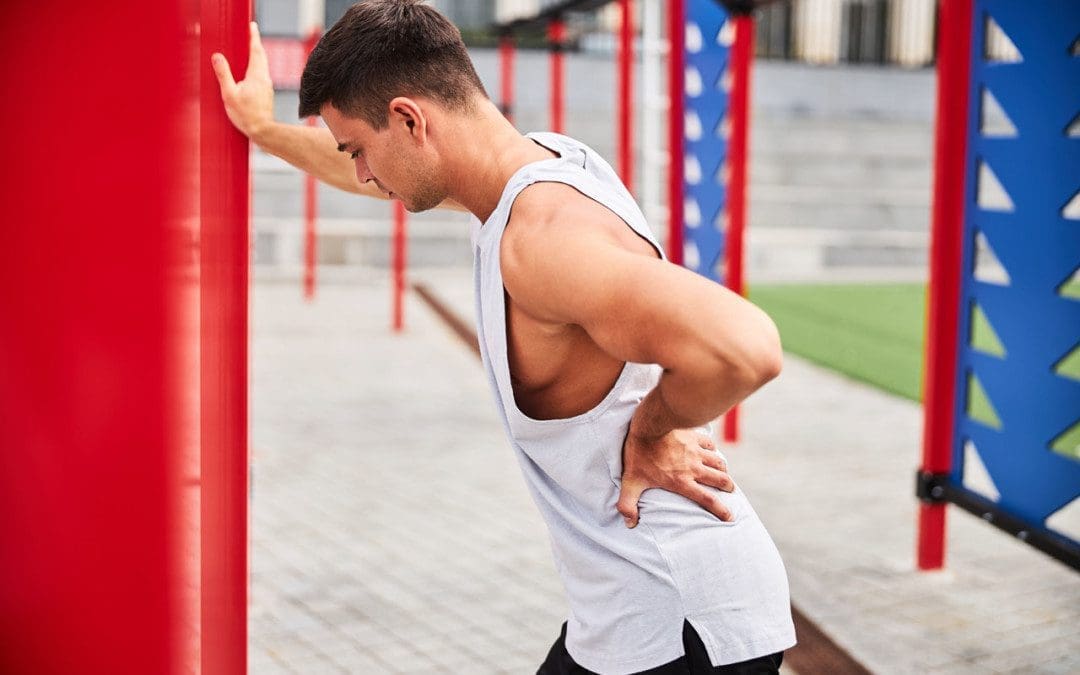
Reaching, twisting, walking, and driving are everyday activities that require upper and lower back strength. An aching back can easily affect daily activities, generate frustration, anger, and affect all-around health. The more back muscle strength an individual has, the more they can accomplish far more without injury. Immense power is not required to protect the body from a back injury. All that is needed is regular, consistent physical activity and exercise. A balance of body strength is vital for preventing injury. However, overdoing one fitness exercise or physical activity can imbalance musculature, leading to injury. Because the back/spine is the central part of the body, complete and proper care is necessary for optimal health and wellness. For individuals experiencing sore, aching, and tired muscles, here are some exercises that will help in the process.
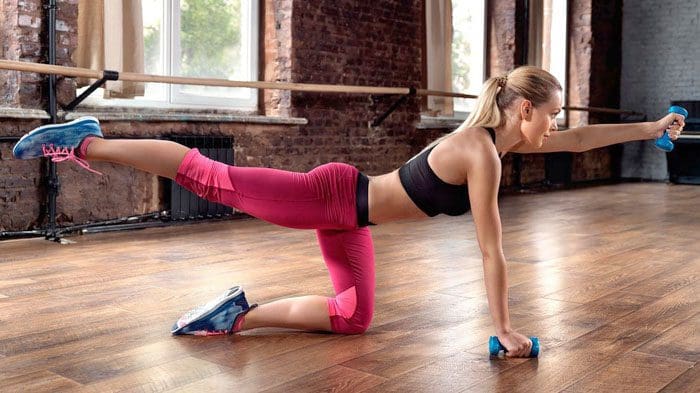
Alternating Arm and Leg Extensions
Alternating extensions help build strength and coordination in the core areas. The back muscles increase their efficiency by creating muscle memory that supports the work shared by all the torso muscles. Upper and lower back muscles must work together to maintain a healthy balance and not overwork each other, causing strain and fatigue.
Start by placing hands and knees on the floor with the head directly between shoulders and facing toward the floor.
Feet are directly in line behind the buttocks and resting on the floor.
Hips and shoulders rest above the knees and hands.
Raise the right hand straight ahead with the arm at full length.
At the time same time, raise the left leg straight behind the body.
Try to keep the arm and leg as straight as possible.
Hold for 10 seconds.
Switch sides.
Repeat three to eight times, depending on strength level.
If it is difficult, a modified option is to raise the arm and leg separately.
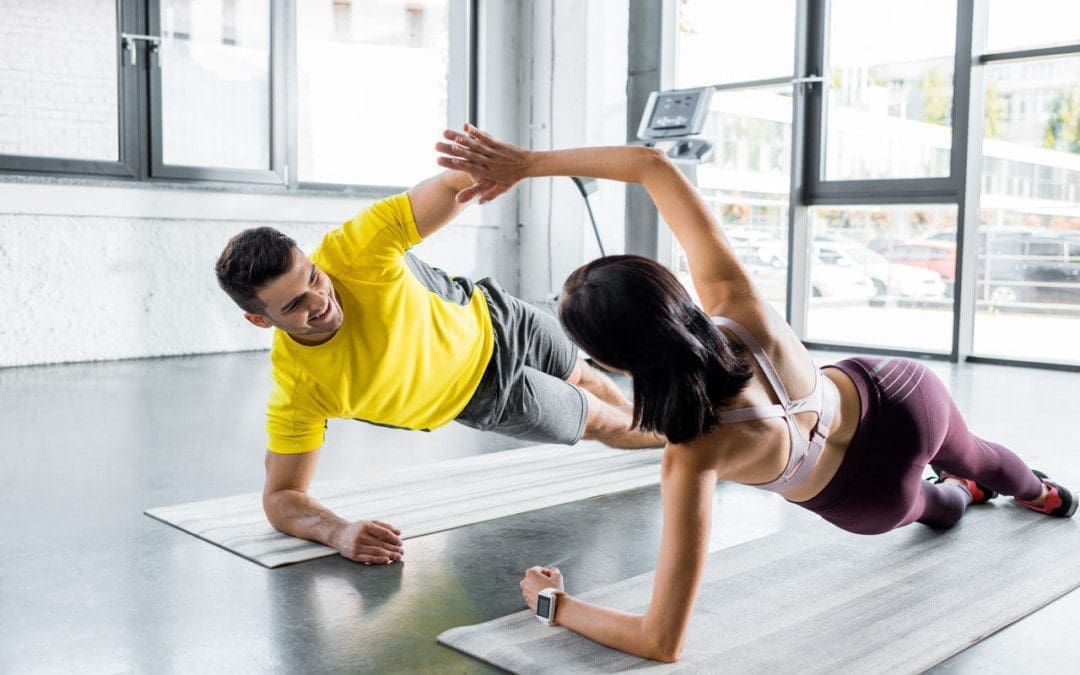
Plank Hold
These can help build back muscles and strengthen the arms, legs, and the front torso area. Plank holds are a recommended starting point. Plank holds can be done on the elbows, palms of the hands, or closed fist hands. The key is to keep the shoulders, hips, and ankles straight like a wood plank parallel to the floor.
Place hands and feet directly on the floor like doing a push–up.
Toes should be on the floor.
Keep the abdominals tight and buttocks lifted to prevent straining the lower back.
Face straight down.
Hold for a count of 10.
Repeat three times.
For those with an aching back, keeping the hips level with the shoulders could be challenging at the beginning.
With practice, it will become easier; then, the individual is recommended to increase the length of time until 30 seconds is achieved.
Then increase the challenge to try more than three repetitions.
A modification for beginners is to start with the body resting on the floor, stomach down.
Then raise the body into the start position from the floor.
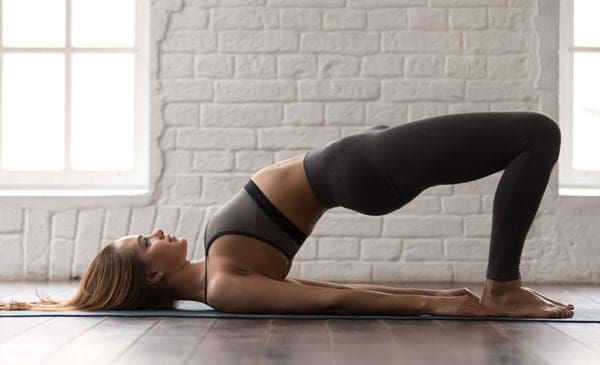
Hip Raises
Hip raises help to strengthen the lower back muscles to unite and support the lower half of the body. Training the body to work cooperatively is critical for reducing the aching and pain from muscle imbalance.
Rest the body flat on the floor, facing upward.
Place the hands flat at the body’s sides.
Knees should be about shoulder-width apart.
Keep the feet flat on the floor
Pull the feet toward the buttocks.
Look straight up.
Raise the hips as high as possible while pressing down with the hands.
Physical activity that keeps blood moving throughout the body. Examples include yoga, gardening, and dancing.
While the back is healing, go at a gentle even pace for any activity. Jerking and quickly stopping can be hard on joints and discs. When injured, the other muscles try to compensate to avoid causing a flare-up that could worsen the injury and/or create a new injury.
Aching Back Muscles
Strength-building exercises are great for preventing injury and avoiding re-injury. However, avoid overreaching or overstretching with any of the activities. Continuous aching or painful back muscles could indicate something else is occurring that could be:
The beginning of an arthritic condition causing inflammation.
Back muscle tear/s.
Pregnancy.
Body Composition
Sarcopenia – Loss of Skeletal Muscle Mass and Strenght Causes
Decreased Physical Activity
Physical inactivity is one of the primary contributors to sarcopenia.
Sedentariness can exacerbate the effects of sarcopenia.
Regular resistance exercise can help maintain muscle mass and build muscular strength.
Decrease in motor neurons
Aging is accompanied by a loss of motor neurons caused by cell death.
This can lead to a decrease in muscle fibers and size.
This decrease leads to:
Impaired performance
Reduced functional capacity
Decreased ability to perform everyday tasks.
Increase in Pro-inflammatory Cytokines
Poor diet and exercise also promote the storage of visceral fat.
This type of fat tissue produces pro-inflammatory cytokines.
This can accelerate muscle breakdown.
Obesity and muscle weakness are associated with high levels of pro-inflammatory cytokines.
References
Alfuth, M, and D Cornely. “Chronischer lumbaler Rückenschmerz : Vergleich zwischen Mobilisationstraining und Training der rumpfstabilisierenden Muskulatur” [Chronic low back pain : Comparison of mobilization and core stability exercises]. Der Orthopade vol. 45,7 (2016): 579-90. doi:10.1007/s00132-016-3233-1
Kim, Beomryong, and Jongeun Yim. “Core Stability and Hip Exercises Improve Physical Function and Activity in Patients with Non-Specific Low Back Pain: A Randomized Controlled Trial.” The Tohoku journal of experimental medicine vol. 251,3 (2020): 193-206. doi:10.1620/tjem.251.193
Smith, Benjamin E et al. “An update of stabilization exercises for low back pain: a systematic review with meta-analysis.” BMC musculoskeletal disorders vol. 15 416. 9 Dec. 2014, doi:10.1186/1471-2474-15-416
Suh, Jee Hyun et al. “The effect of lumbar stabilization and walking exercises on chronic low back pain: A randomized controlled trial.” Medicine vol. 98,26 (2019): e16173. doi:10.1097/MD.0000000000016173
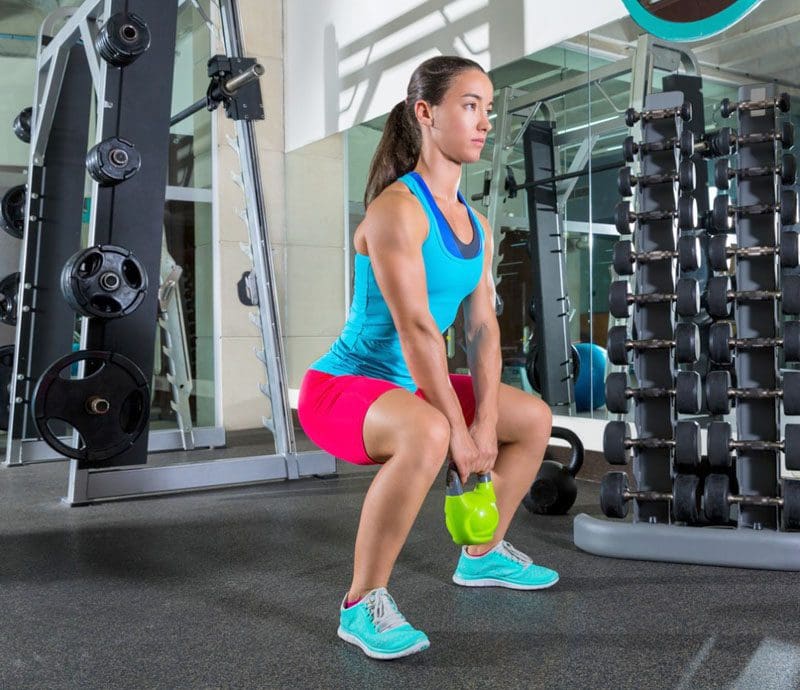
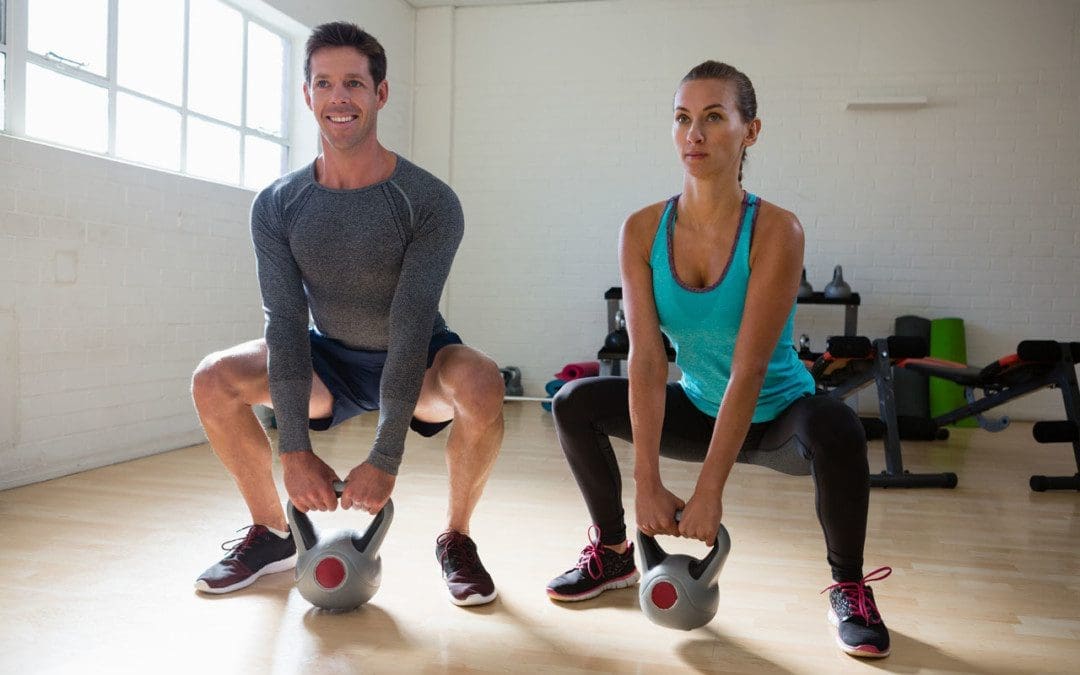
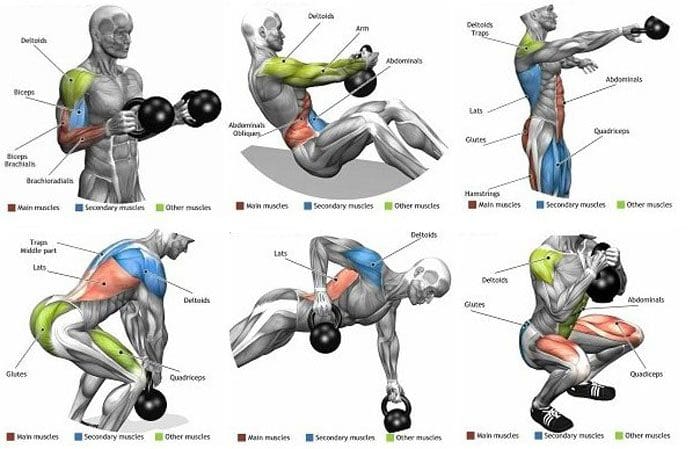
Kettlebell training for the back muscles and back pain prevention can be part of a recommended treatment plan. When experiencing low back pain, many sports medicine experts recommend kettlebell exercise to strengthen the core and posterior chain. However, if not used correctly, kettlebell exercises can worsen back pain.
Kettlebell
They are made of cast iron or steel and are named for resembling a tea kettle with an oversized handle. They can be used in one and two-handed movements.
Exercises and Movements for Back Pain
For individuals that are not experiencing back pain, kettlebell training can be excellent for maintenance and injury prevention. They strengthen the core and back muscles.
The kettlebell swing is an essential exercise and is one of the most important exercises when dealing with back pain issues.
A kettlebell is placed on the floor about 12 inches in front while standing with the feet a little wider than hip-distance.
The hips become the hinge.
Extend the arms down to the bell and grip it.
Begin swinging it up and down through the legs and then upward and outward to chest level.
The shoulders are to stay relaxed.
The hips are used to thrust and create momentum to swing the kettlebell.
Keep the spine neutral throughout the exercise to prevent injury.
The arms are to hold the bell only.
Don’t swing with the arms or shoulders, but push through with the hips.
The exercise can be swung up over the head but is not recommended for those with back pain.
Benefits
They are portable and don’t require a lot of space.
With kettlebells, an individual can train more easily than with barbells.
Kettlebell workouts provide strength training and cardiovascular fitness.
Once the proper technique is learned, individuals can set up a regular regimen at home.
Proper Form and Mistakes
Proper form is crucial. The primary movement most individuals have difficulty with is getting the proper hinging motion at the hip. Most individuals flex at the lower back and place increased pressure on the discs. Proper hip hinge motion means:
Keeping the low back straight
Flexing at the hip
Pushing back out with the buttocks when performing the swing motion.
When done correctly, an individual should be able to stop at any stage and hold that position.
Posture Form Tips
Form issues with kettlebells include:
Hip Hinge
When picking up the kettlebell, remember to hip hinge instead of squatting to maintain the back in a neutral position.
Drive the hips back in the same way when sitting down on a low chair.
Arching the back
If the pelvis is tilted too far forward, the back arches a lot.
This can narrow where the nerves leave the spine in the low back.
Keep the abdominals tight to prevent the pelvis from tilting forward.
Using the incorrect weight can also cause problems; this could be going too heavy or too light.
Too heavy increases the risk of straining the body and back.
A kettlebell that is too light does not provide the correct resistance to strengthen the muscles.
Another common mistake is overtraining. Specifically, individuals over 50 whose bodies don’t recover as quickly.
Individuals over 50 are recommended to spread out the workout days with more than one rest day.
Common Injuries
Proper training before working with kettlebells is highly recommended, especially for those already dealing with back pain. Individuals are encouraged to work with a physical therapist, sports chiropractor, or personal trainer who can teach proper techniques and specific exercises, observe the individual’s process, and make corrections. Improper technique can lead to:
Muscle strains.
Muscle spasms.
Compressed or pinched nerves.
Added stress to pre-existing low back conditions.
Impact injuries to the wrist and forearm.
Body Composition
Exercise Ball Pikes
Exercise ball pikes are an advanced total body workout. Muscle groups worked out include:
Deep abdominals
Hip abductors
Quadriceps
Deltoids
Scapula stabilizers
Pectoralis major/minor
To do the exercise:
Start in a pushup position with the arms on the floor in front.
Lift the legs, so the tops of the feet rest on the exercise/stability ball.
Knees should be bent to start the movement.
Extend the legs out as straight as possible.
Hold the position for a few seconds.
Return to the starting position.
References
Common Injuries Associated with Kettlebells: ACSM’s Health & Fitness Journal (March/April 2017) “Managing Risks of Training with Kettlebells to Achieve Optimum Benefits.” https://journals.lww.com/acsm healthfitness/Fulltext/2017/03000/MANAGING_RISKS_OF_TRAINING_WITH_KETTLEBELLS_TO.6.aspx
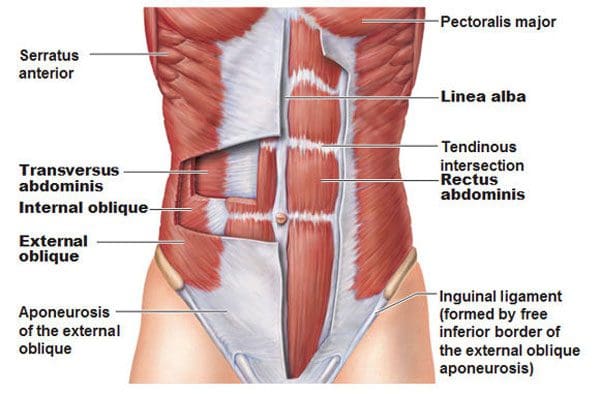
The core and the muscles involved are a group of muscles that wrap around the body’s torso. The front, back, and sides. Strengthening these muscles will improve and ultimately alleviate lower back pain. One of the main muscles that are overlooked is the transverse abdominis muscle. It is vital to a healthy core, especially if back pain is presenting. It’s known as the seatbelt muscle as it is deep in the abdomen and wraps around the waist. It has everything to do with long-term core strength and function. A properly developed transverse abdominus functions like a lumbar support belt that protects the spine. When the transverse abdominus is strong the muscle contracts to generate the correct amount of support and stability when in motion. �
�
For example, individuals that do not have low back pain engage the transverse abdominus around 30 milliseconds before moving the shoulder, while individuals that have low back pain have a delayed contraction of the transverse abdominus muscles that makes them take on awkward postures, and move in an awkward fashion contributing to back pain and continuing to weaken the core muscles. Individuals that regularly do transverse abdominus strengthening exercises greatly reduce the risk of experiencing low back pain for the first time and reduce the recurrence of those already with back pain. �
Core Muscle Anatomy
The first step to strengthening is understanding the moves and how to do them correctly with basic anatomy. Think of the core as a muscle box where the:
The body flexes and extends whenever bending forward and standing up
The body does a lateral side bend when bending the trunk to one side
The body rotates the trunk when twisting the torso
�
Muscle Weakness
The transverse abdominus tends to suffer from neglect which is one reason why it becomes weakened. This increases the risk of developing back pain. Another reason is that individuals have a weak muscle is they exercise in one-plane of movement. Not working out the core muscles in all planes of motion can contribute to back pain. For example, if an individual performs pelvic tilts, they are only moving in one plane when tilting the hips forward and back, known as flexion and extension. To achieve optimal/functional strength, the core workout needs to include side bending and twisting movements. �
Strengthening The Transverse Abdominus
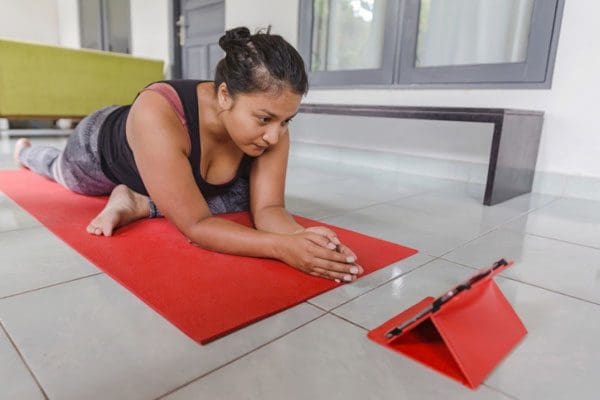
Pigeon Pose
Many individuals sit for extended amounts of time and are excessively tight along the sides and hips. The first step should be to increase the hip’s mobility before strengthening the core. If the hip muscle’s fibers become shortened, it can affect hip joint function and efficiency during core movement. The Pigeon Pose is a hip opener. How to do it:
Get on the floor with the knees and palms on the ground.
Slide the left leg back so the hip is extended, then externally rotate the right hip/turn the right leg out from the hip. Focus on positioning the right shin perpendicular to the body.
Extend the trunk so the body is upright, lifting the chest, arching the back, and looking toward the ceiling, while resting the fingertips on the floor a little forward of the hips.
Hold the pose for 30 seconds and switch sides.
This stretches the hip flexor muscles in the extended leg and the rotator and outer hip muscles in the flexed leg.
�
Pay Attention To The Engaged Muscles
Individuals can train the transverse muscles to activate faster and more effectively throughout the day by slowing down and paying attention to moving with more intent. Place the hands around the waist and engage the core to feel the muscles contracting. This will help get a feel for the movement. Once comfortable remember to engage these abdominal musclesbefore and while reaching, twisting, or lifting items. �
Pelvic Tilt
This exercise is vital for building the smaller muscles that support a healthy core. How to do it:
Lie on back with knees bent and feet on the floor.
Engage the transverse muscles and gently tilt the pelvis upward.
Return the pelvis to a neutral position.
Repeat.
Start with 3 sets of 10-12 reps.
When this is no longer challenging and can be completed without increasing back pain, advance to more challenging exercises like the bird dog, planks, or plank variations.
�
Standing Exercises
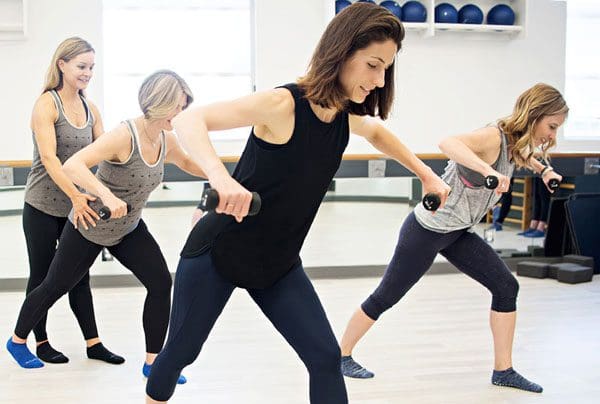
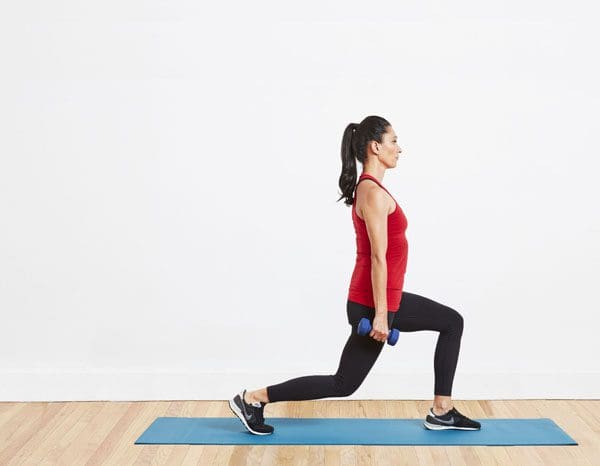
Translating core strength into functional strength and pain-free movement progresses to standing exercises that require rotation. One example is a standing lunge with rotation. How to do it:
Get into a lunge stance with the front leg flexed 90 degrees at the hip, knee, and ankle. The rear leg should be extended at the hip with the knee touching or almost touching the floor.
Twist from the waist. When comfortable doing this movement, hold weight like a dumbbell, medicine ball, or gallon jug of water in both hands, and gradually increase the weight as the muscles get stronger.
When in the process of strengthening the core, consistency is the key. Commit to a short workout every day instead of one massive workout once or twice a week. Ten minutes a day is enough to build strength, improve function, and decrease back pain. �
Improved Body Composition
Functional fitness and the ability to move about comfortably not only benefit physical wellness but also improves body composition. The aging process reduces the metabolic rate, which leads to increased body fat. Lean Body Mass gets lost from age and inactivity. Lean Body Mass contributes to the overall Basal Metabolic Rate, also known as the body’s metabolism. It is the number of calories the body needs to support essential functions. Engaging in strength training or resistance exercises will help regain the muscle loss from aging/inactivity, and can lead to an increase in lean body mass.
Dr. Alex Jimenez�s Blog Post Disclaimer
The scope of our information is limited to chiropractic, musculoskeletal, physical medicines, wellness, and sensitive health issues and/or functional medicine articles, topics, and discussions. We use functional health & wellness protocols to treat and support care for injuries or disorders of the musculoskeletal system. Our posts, topics, subjects, and insights cover clinical matters, issues, and topics that relate and support directly or indirectly our clinical scope of practice.*
Our office has made a reasonable attempt to provide supportive citations and has identified the relevant research study or studies supporting our posts. We also make copies of supporting research studies available to the board and or the public upon request. We understand that we cover matters that require an additional explanation as to how it may assist in a particular care plan or treatment protocol; therefore, to further discuss the subject matter above, please feel free to ask Dr. Alex Jimenez or contact us at 915-850-0900. The provider(s) Licensed in Texas& New Mexico*
References
People who regularly engaged in TVA-strengthening exercises were less likely to experience a recurrence of low back pain:�Australian Journal of Physiotherapy�(2002), �Specific spinal exercise substantially reduces the risk of low back pain recurrence��https://www.sciencedirect.com/science/article/pii/S000495141460283X?via%3Dihub
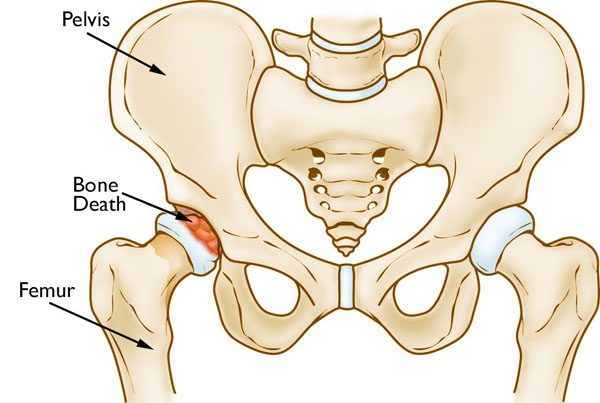
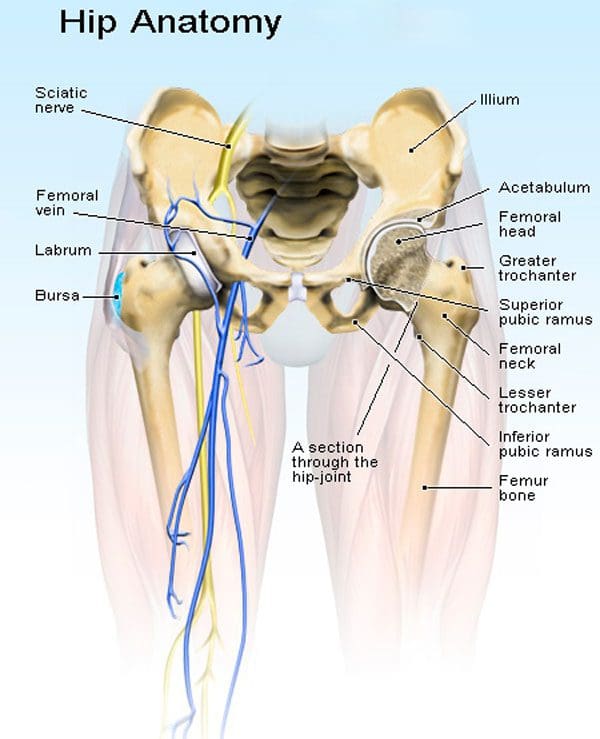
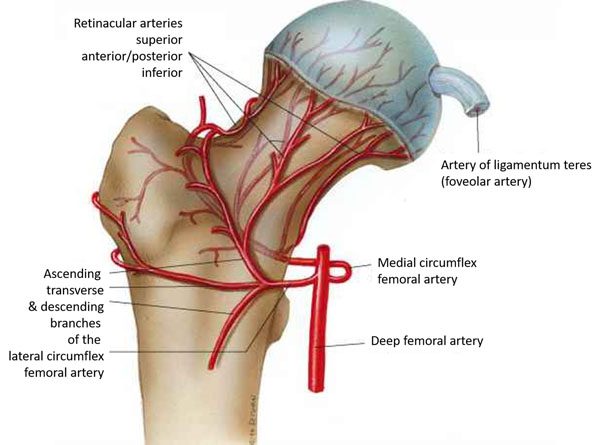
Osteonecrosis is a condition that causes the death of bone tissue from temporary or permanent loss of blood supply to the affected area. It is commonly known asAvascular necrosis and can lead to miniature/tiny breaks in the bone and the bone/s eventually collapsing. Specifically, it affects the upper part of the femur or femoral head and surrounding joints.
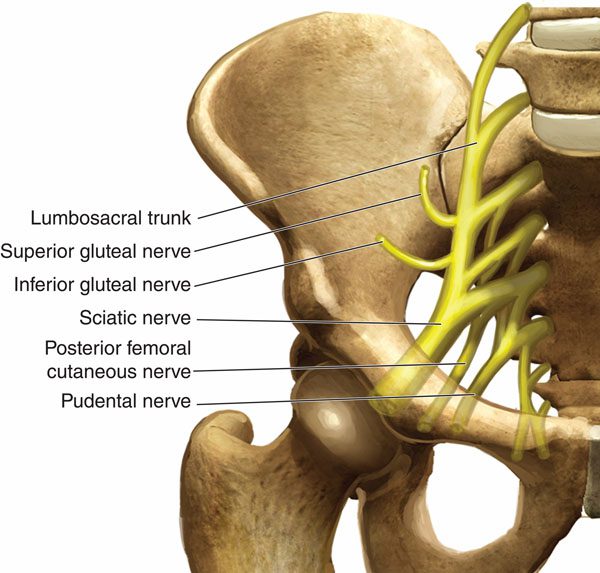
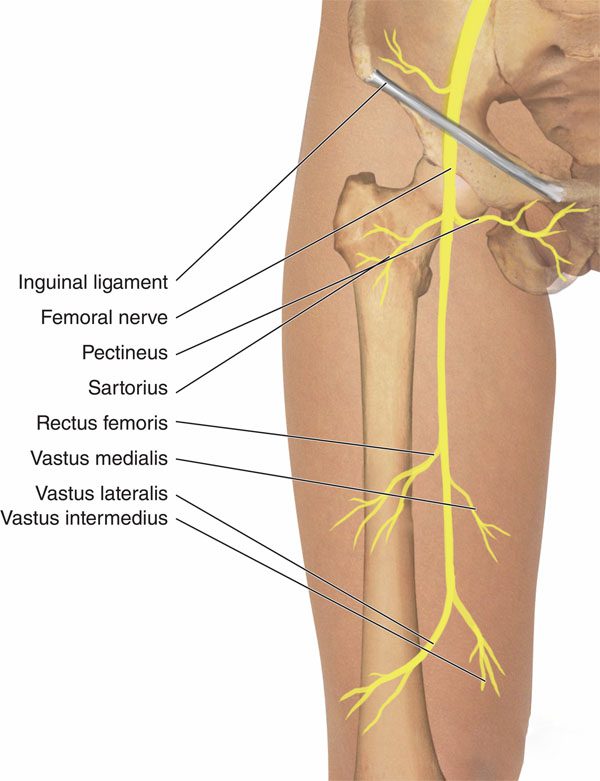
It can occur in any bone however, osteonecrosis typically affects the hip/s. Pain associated with osteonecrosis of the hip can be localized to the center of the groin, thigh, or buttock. Because of the hip joint’s close proximity to the sciatic nerve, misdiagnosis for sciatica is common.
Mimicking Sciatica Symptoms
Unfortunately, many health care providers can misdiagnose osteonecrosis hip pain as sciatica. Whatever the cause of the hip injury, most individuals with hip pathology report pain in the groin, upper thigh, and buttocks.
That is why a trained medical professional that knows the differences in the symptoms of each condition can make all the difference in making a proper diagnosis. And a proper diagnosis leads to proper and complete treatment of whichever condition it may be. With osteonecrosis, misdiagnosis often delays the proper treatment and continues to progress. Common symptoms of sciatica:
Leg pain is the primary symptom can be mild to severe
Low back pain is secondary can be mild to severe
Nerve-related symptoms
Numbness
Tingling
Shooting pain
Pins-and-needles sensation
Muscle weakness
Hip pain especially flexion and internal rotation of the hip.
Leg or foot weakness
Osteonecrosis Symptoms and Similarities
For many, there are no symptoms in the early stages of osteonecrosis. As the condition worsens, the affected joint could present pain symptoms only when weight is placed on it. Eventually, individuals begin to feel the pain even when lying down. Pain can be mild to severe with a gradual development. Other symptoms that mimick sciatica:
Walking Inability
Walking gait is complicated with both conditions which is a major cause behind the misdiagnosis.
Limping
Individuals often limp with osteonecrosis of the hip and spinal disc problems. This is another reason that the condition is misdiagnosed as a spinal disc problem or nerve root compression of the sciatic nerve.
Hip Pain
The tributaries/veins of the sciatic nerve also supply the hip area and often cause confusion between the two conditions.
Differences
Despite all of the similarities. There are differences in both conditions.
Nature of The Pain
With sciatica, the pain is related to the nervous system. Movement can complicate the pain. While rest helps to reduce the pain.
With Osteonecrosis the pain is geared toward the muscular. Rest does not help reduce the pain. In fact, the pain increases at night.
Location
Sciatica pain can radiate through the whole leg from the low back to the toe.
Osteonecrosis pain is confined to the hip joint, groin, and radiates to the knee joint only. Osteonecrosis pain does not radiate below the knee joint.
Restricted Movement
Osteonecrosis of the hip joint, means the movements involving the hip joint are restricted. Individuals cannot rotate the leg to the right and left. Individuals cannot bend or fold from the hip.
With sciatica, the rotation of the leg is not affected. Movements involving stretching the sciatic nerve can cause relief or pain.
Walking Gait Differences
Gait is the way an individual stands and walks.
Osteonecrosis of the hip joint causes individuals to not be able to open the hip joint properly or to step properly.
With sciatica, an individual tends to lean on their side to relax the compression on the nerve.
Risk Factors
More than 20,000 people enter hospitals for the treatment of osteonecrosis of the hip yearly. Other than the hip, areas of the body likely to be affected are the shoulder, knee, hand, and foot. The condition can occur for a variety of reasons. A few of these include:
Fracture – a broken bone can interrupt the blood flow to other sections of the bone.
Dislocation of bone or joint/s
Alcoholism
Trauma
Radiation damage
Steroid use
Some individuals can have more than one condition or injury that contributes to hip flexor pain. An example is that it is possible to have both hip osteoarthritis and hip impingement. Without proper treatment, the condition can worsen, causing joint or hip pain from the degradation of the bone.
Anyone can be affected, but osteonecrosis is most common in individuals aged 30 to 50. Treatment options include a total replacement of the hip known as arthroplasty. And if it is sciatica then chiropractic treatment is a first-line treatment protocol. However, a chiropractor can make the distinction between the two and treat sciatica or refer the patient to the proper specialist.
Lower Back Pain Relief
Dr. Alex Jimenez�s Blog Post Disclaimer
The scope of our information is limited to chiropractic, musculoskeletal, physical medicines, wellness, and sensitive health issues and/or functional medicine articles, topics, and discussions. We use functional health & wellness protocols to treat and support care for injuries or disorders of the musculoskeletal system. Our posts, topics, subjects, and insights cover clinical matters, issues, and topics that relate and support directly or indirectly our clinical scope of practice.*
Our office has made a reasonable attempt to provide supportive citations and has identified the relevant research study or studies supporting our posts. We also make copies of supporting research studies available to the board and or the public upon request. We understand that we cover matters that require an additional explanation as to how it may assist in a particular care plan or treatment protocol; therefore, to further discuss the subject matter above, please feel free to ask Dr. Alex Jimenez or contact us at 915-850-0900. The provider(s) Licensed in Texas& New Mexico*
References
Li, Wen-Long et al. �Exploring the Risk Factors for the Misdiagnosis of Osteonecrosis of Femoral Head: A Case-Control Study.��Orthopaedic surgery, 10.1111/os.12821. 16 Oct. 2020, doi:10.1111/os.12821
IFM's Find A Practitioner tool is the largest referral network in Functional Medicine, created to help patients locate Functional Medicine practitioners anywhere in the world. IFM Certified Practitioners are listed first in the search results, given their extensive education in Functional Medicine