Can hula hooping be an option for individuals and athletes needing an effective, light, fun workout?
Hula Hoop Workout
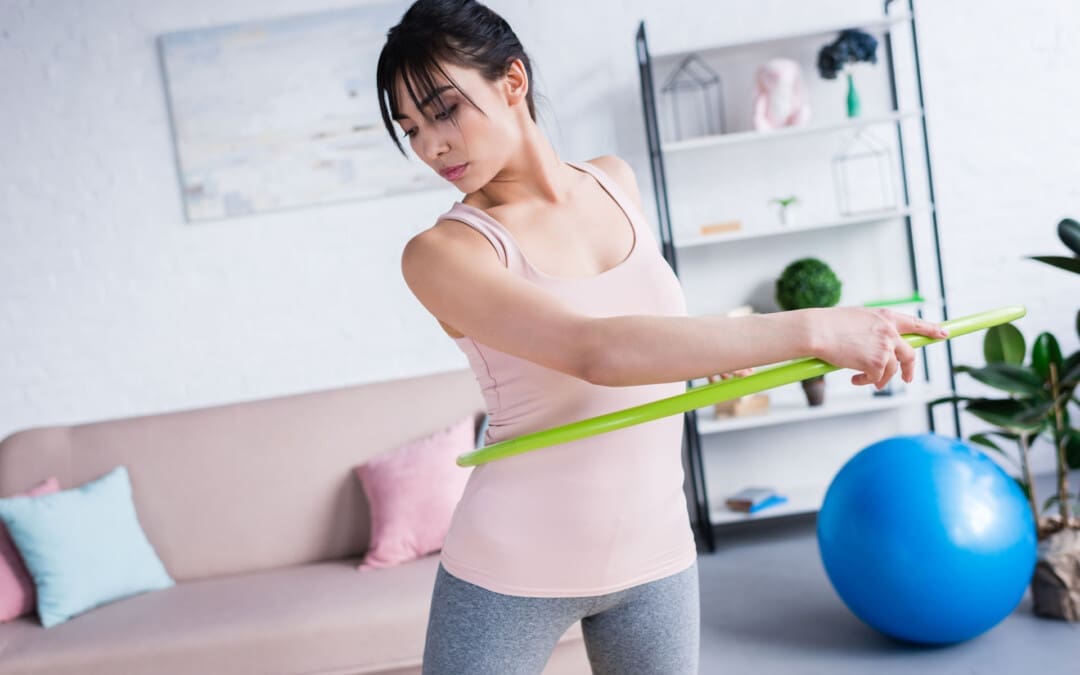
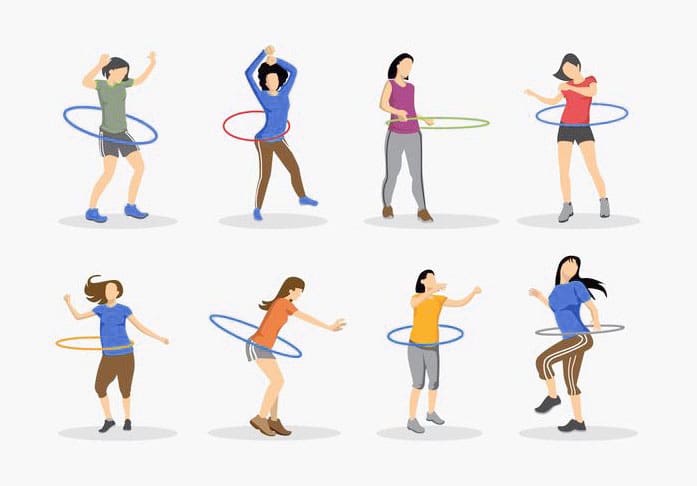
A hula hoop workout is a low-impact exercise that involves spinning a hula hoop around your body. It can help improve balance, core strength, and aerobic fitness. Hula hooping is a great aerobic exercise that raises the heart rate and engages the whole body. Exercises can be done with a weighted or non-weighted hula hoop. A standard hoop will increase heart rate after about three minutes. A weighted hula hoop can target and build important core and lower body muscles, including the hamstrings, calves, quadriceps, and glutes. Lifting the weighted hula hoop also works the upper body muscles, giving the all-over body workout.
Weighted Hula Hoop
A weighted hula hoop can offer several health benefits.
Burns Calories
According to a research study, hula hooping can burn an average of 200 calories during a 30-minute workout. Researchers found that hooping is comparable in calories burned to boot camp-style fitness classes, kickboxing, and step aerobics. The average heart rate of the study participants was 151 beats per minute, equal to 84% of the age-predicted heart rate maximum. This can result in improved cardiovascular health and muscle conditioning. (American Council on Exercise, 2011)
Helps Build Muscle Mass
A study found that hula hooping increased trunk muscle mass and decreased waist circumference more than walking alone. Participants hula hooped an average of 12.8 minutes daily and walked almost 10,000 steps daily. The results showed more benefits to the core with hula hooping. The body fat percentage in the core region decreased significantly with hula hooping compared to walking. (Lahelma M. et al., 2019)
Lowers LDL Cholesterol
In the same study, researchers found that hula hooping can reduce LDL cholesterol more than walking. The results demonstrated an LDL-lowering effect similar to what resistance training does for cholesterol levels. Hula hooping for 13 minutes daily could benefit anyone with elevated cholesterol levels. (Lahelma M. et al., 2019)
Fun Workout
Weighted hula hooping can help individuals get out of a workout rut if they’re bored with a routine. It is recommended as either a warmup or a full workout.
Allows for Multitasking
If time to work out is limited, you can multitask using a hula hoop, easily add it to an exercise routine, and get moving while speaking on the phone, during breaks, or watching TV.
Benefits
Core strength: The exercise requires core strength to keep the hoop spinning.
Balance: Helps improve balance.
Aerobic fitness: Hooping can be used as a primary cardio routine.
Weight loss: Hooping can help burn calories and contribute to weight loss.
Hula Hoop Workout
Stand with a straight spine and feet shoulder-width apart.
Draw your abdomen in to engage your core.
Place the hoop around your waist, just above your hips.
Hold the hoop with both hands and toss it to one side.
Keep your back straight and move forward and back as fast as you can.
Pulse your hips and feet in a rocking motion.
Keep your arms out to the side or above your head.
Be mindful of posture, which will help you hoop better.
Weighted Workout
A full-weighted hula hoop workout. Start with a warmup for 5 minutes with a light jog or running in place. Then, perform three sets of the following:
Minute 1
50 seconds of a hula hoop halo with the right arm – swinging the hoop around your arm
10 seconds of rest
Minute 2
50 seconds of a hula hoop halo with the left arm
10 seconds of rest
Minute 3
50 seconds around the waist, hula hooping
10 seconds of rest
Minute 4
50 seconds of hula hoop squats, keeping the hoop around the legs and not dropping it
10 seconds of rest
Minute 5
50 seconds of hula hoop sit-ups, keeping the hoop around your legs and not dropping it
10 seconds of rest
Minute 6
0 seconds of hula jumping front to back, keeping the hoop around your legs and not dropping it
10 seconds of rest
How long you hula hoop each day is a matter of personal preference. To gain cardiovascular benefits, it is recommended that adults engage in at least 150 minutes per week of moderate-intensity aerobic activity. Spreading out the exercise throughout the week is preferable. (American Heart Association, 2024)
Injury Medical Chiropractic and Functional Medicine Clinic
Injury Medical Chiropractic and Functional Medicine Clinic works with primary healthcare providers and specialists to build optimal health and wellness solutions. Regarding musculoskeletal pain, specialists like chiropractors, acupuncturists, and massage therapists can help mitigate the pain through spinal adjustments that help the body realign itself. The clinic can also work with other medical professionals to integrate a treatment plan to resolve musculoskeletal problems.
Can Core Exercises Help With Back Pain?
References
American Council on Exercise. (2011). ACE-sponsored research: Hooping—Effective workout or child’s play? https://www.acefitness.org/certifiednewsarticle/1094/ace-sponsored-research-hooping-effective-workout-or-child-s-play/
Lahelma, M., Sädevirta, S., Lallukka-Brück, S., Sevastianova, K., Mustelin, L., Gylling, H., Rockette-Wagner, B., Kriska, A. M., & Yki-Järvinen, H. (2019). Effects of Weighted Hula-Hooping Compared to Walking on Abdominal Fat, Trunk Muscularity, and Metabolic Parameters in Overweight Subjects: A Randomized Controlled Study. Obesity facts, 12(4), 385–396. https://doi.org/10.1159/000500572
American Heart Association. (2024). American Heart Association Recommendations for Physical Activity in Adults and Kids. https://www.heart.org/en/healthy-living/fitness/fitness-basics/aha-recs-for-physical-activity-in-adults
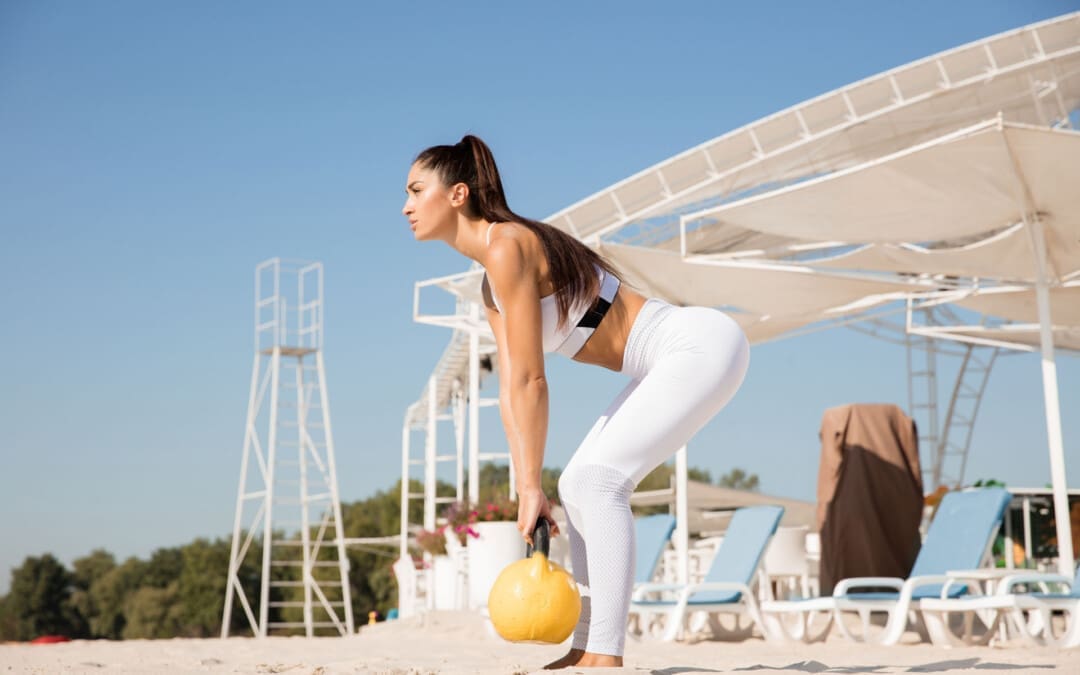
For older individuals looking for a workout that can help improve overall fitness, can kettlebell training help achieve health goals?
Kettlebell Training At Any Age
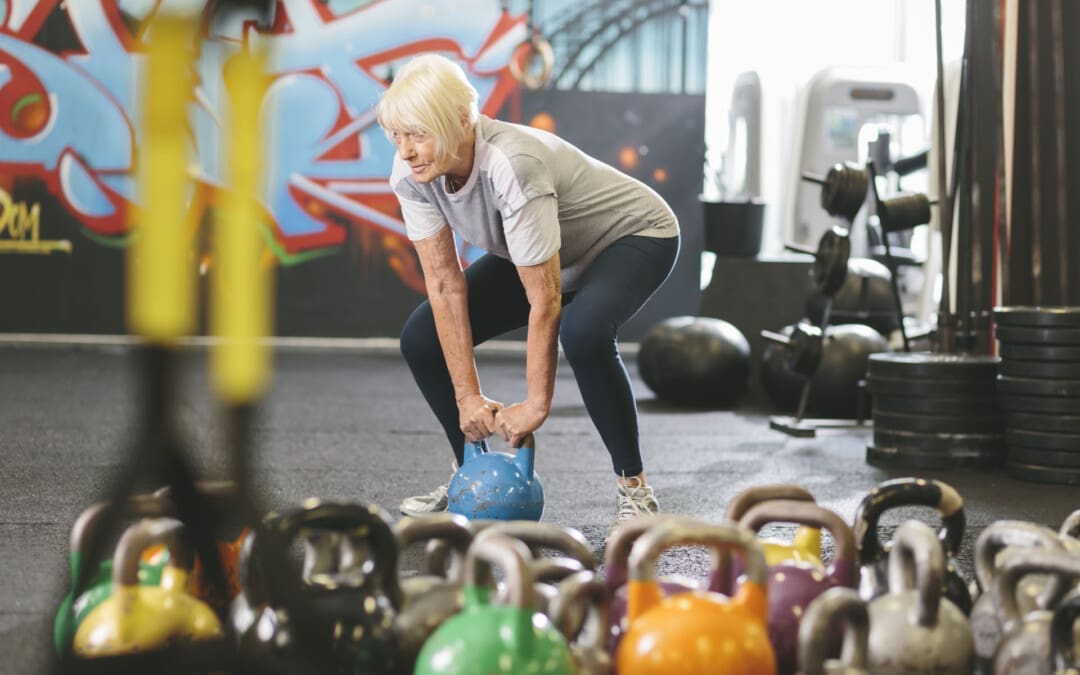
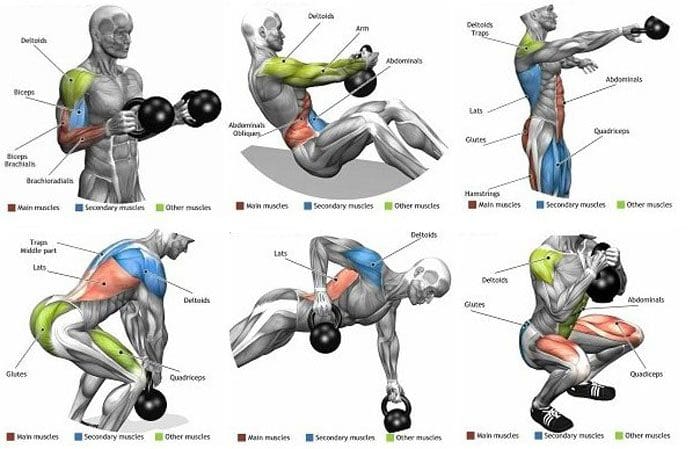
Previous research found that training with a kettlebell can improve aerobic capacity, balance, and core strength. New research suggests that kettlebell training is beneficial at any age (American Physiological Society, 2024). Compared to dumbbells or barbells, the kettlebell’s specific shape—a sphere on the bottom and a handle that can be grabbed by one or both hands—better emulates how the body moves through daily tasks and activities. When isolating a muscle, like a bicep, only that muscle is getting worked out. But in everyday life, a lot of what the body does is lifting and moving things. A kettlebell allows those muscle groups to connect in a stronger and more efficient movement.
Benefits At Any Age
A research study examined how using kettlebells impacted the health of individuals from different backgrounds without prior exposure to resistance training between the ages of 60 and 80. The participants enrolled in a twice-a-week exercise program using kettlebells to improve fitness. At the end of six months, the researchers found the participants had increased muscle mass and grip strength. At the end of the year, the participants had lower inflammation markers in their blood and had met other fitness goals, including climbing stairs faster and making multiple chair stands/standing from a seated position. The researchers say the findings show how effective kettlebells can be for all ages and demonstrate that the kettlebell training program leads to benefits even in older individuals just starting. (American Physiological Society, 2024) The kettlebell’s unique shape allows for an offset center of gravity from the handle, encouraging increased engagement of stabilizing muscles. This combination of strength and functional movement patterns helps to improve the following:
Balance
Coordination
Core stability
This makes it a versatile tool for older adults.
Getting Started
For individuals just starting kettlebell training, it is recommended that they work with a certified instructor or find a beginner’s class. Guided training ensures proper technique and form and reduces the risk of injury. To avoid common kettlebell mistakes when lifting weights for the first time, start with lighter kettlebells to master form and focus on slow, controlled movements. When lifting weight from the ground to the chest, don’t pull with the shoulder muscles. Instead, start in the legs and let the energy move up through the body, known as the kinetic chain. When exercising, spend only 20 to 30 seconds on a rep before resting for 30 seconds, and don’t spend more than five minutes on a single exercise. (American Council on Exercise, 2015)
Injury Medical Chiropractic and Functional Medicine Clinic
Individuals who want to start an exercise routine should consider kettlebell training. Following basic tips and training slowly, kettlebells can be an option for anyone looking to improve their fitness and overall health. Consider working with a personal trainer to ensure safety and get the most out of workouts. Injury Medical Chiropractic and Functional Medicine Clinic works with primary healthcare providers and specialists to build optimal health and wellness solutions. We focus on what works for you to relieve pain, restore function, prevent injury, and help mitigate issues through adjustments that help the body realign itself. They can also work with other medical professionals to integrate a treatment plan to resolve musculoskeletal problems.
Transform Your Body
References
American Physiological Society. (2024). Kettlebell training may help maintain muscle strength in older adults. https://www.physiology.org/detail/news/2024/11/21/kettlebell-training-may-help-maintain-muscle-strength-in-older-adults?SSO=Y
American Council on Exercise. Wall, A. J. (2015). How to get started with kettlebells. https://www.acefitness.org/resources/pros/expert-articles/5269/how-to-get-started-with-kettlebells/?srsltid=AfmBOor4x0yZwrHzGRccSA2uYMQtS3PX-vRC03eVwQoGX6_6B5wryAAi
Can performing the hip hinge exercise movement help individuals with lower back pain?
Hip Hinge Exercise
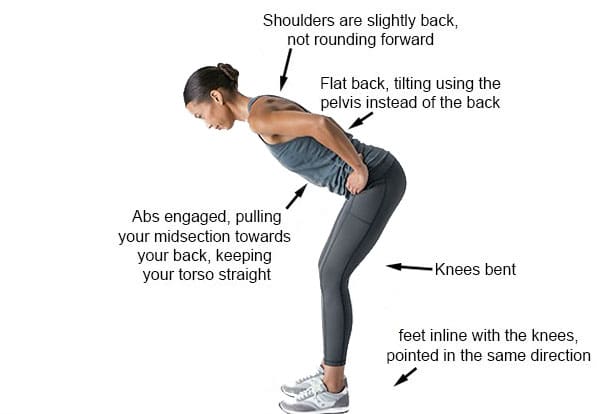
A hip hinge is a controlled movement that involves bending forward from the hips while keeping the spine neutral. The thoracic, lumbar, and pelvis stay neutral while bending forward. The movement comes from the hips, preventing the thoracic and lumbar spine from flexing or rounding. It is a fundamental movement that helps prevent back injuries and strengthens the glutes. It’s used in everyday activities, like picking up objects and sitting down.
The hip hinge exercise targets the posterior chain or back muscles, including the lower back, the glutes, and the hamstrings. It also strengthens the core or abdominal muscles to assist in the movement. When the body hinges at the hips, the bend occurs at the hips, and the spine stays neutral. When the lower back hinges or bends, this causes pain and reduces the range of motion.
Performing the Movement
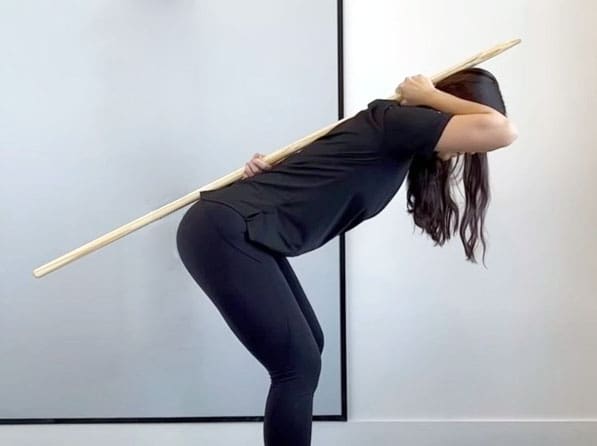
A wooden dowel, broom handle, or PVC pipe can be used as a guide to help achieve the proper positioning and learn the correct form. Place the dowel or pipe vertically on your back, anchoring it to the head, shoulder blades, and tailbone.
Grasp one end with your right hand in the natural curve of your neck and the other with your left hand in the small of your back. Ensure the dowel touches the back of your head, upper back, and the area where the lower back meets the sacrum. To perform the hip hinge:
Stand with your feet shoulder-width apart
Shift your weight to your heels and
Push your hips back while hinging your torso forward
Keep your chest open and back flat
Slightly bend your knees
Visualize sticking the butt out
The dowel should not lose contact with the three points as you hinge. If it does, the movement is incorrect.
Lower your torso until it’s midway between vertical and parallel to the floor.
Pause when your torso is about 45 degrees
Keep a slight bend in your knees during the downward and upward phases.
Reverse the movement by contracting your glutes and pushing your hips forward and upward to return to the starting position.
Repeat
Benefits
The hip hinge is a fundamental movement pattern that helps the body perform essential tasks such as bending over and picking things up without worry of pain or injury. It’s also required in strength training exercises like the deadlift, kettlebell swing, power clean, and more. The exercise can help strengthen the core, reduce back pain, improve balance, and improve flexion, extension, and trunk rotation. (Michaud F. et al., 2021) Stronger core muscles can increase fitness and athletic performance. (Clark D. R. et al., 2018)
Variations
It is a challenging movement that requires plenty of practice. Individuals who can’t perform it correctly after a few tries may need to modify the movement.
Wall Variation
Using a wall as a guide is an easy way to make the movement easier.
To do this, stand with your back to a wall, about three inches away.
Start hinging at the hips by sticking your butt out touching the wall.
Keep a neutral spine and a flat back.
Once you can do this several times, try stepping out another inch or two and perform the same modified motion. Stick with this until you are away from the wall and can do a full hinge without the wall.
With A Kettlebell
Once you master the basic hinge, you can elevate it using a kettlebell to make this move more difficult.
Start with the kettlebell swing exercise and progress to more challenging moves with the kettlebell.
Common Mistakes
Be aware of common mistakes to keep the move effective and reduce the risk of injury.
Treating the Move Like a Squat
The hip hinge is not the same as a squat.
This is a common misconception. When squatting, the knee joint determines the movement pattern.
But when hip hinging, the movement starts at the hips.
Not Engaging the Core Muscles
This exercise requires core engagement throughout the entire movement.
If these muscles relax, there is an increased risk of dipping the hips during the hinge, which can cause the lower back to dip and cause pain.
Using the Lower Back
Bending or hinging with the lower back rather than letting the hips generate the movement.
Using the wall as a guide can help reduce and eliminate excessive bending at the waist.
Lost Dowel Contact
If the dowel loses contact with one or more set-up positions on the back, the hinge is not being executed correctly.
If your head loses contact with the dowel, the neck is flexing too far forward.
If you lose contact with the sacrum or lower back area, the spine is flexing too much.
If you lose contact with the mid-back, the knees are bending rather than the hips.
Safety
Stop and check your form if you feel back pain during any part of the movement. The movement may need to be modified further or decrease how far the hinge is at the hips. If the pain continues, discontinue the exercise and talk with a doctor or a physical therapist before reattempting the exercise. The dowel is a great tool to help maintain a neutral spine. If you cannot perform the hip hinge while keeping the dowel in contact with the body, you might benefit from working with a personal trainer or physical therapist who can walk you through the steps with the correct form.
Injury Medical Chiropractic and Functional Medicine Clinic
Chiropractic care aims to help individuals improve movement with less pain due to condition, after injury, or surgery. A chiropractic physical therapy team can assess your condition and develop a customized treatment plan to expedite pain relief and improve mobility. Injury Medical Chiropractic and Functional Medicine Clinic works with primary healthcare providers and specialists to build optimal health and wellness solutions. We focus on what works for you to relieve pain, restore function, prevent injury, and help mitigate issues through adjustments that help the body realign itself. They can also work with other medical professionals to integrate a treatment plan to resolve musculoskeletal problems.
Chiropractic: The Secret to Unlocking Mobility
References
Michaud, F., Pérez Soto, M., Lugrís, U., & Cuadrado, J. (2021). Lower Back Injury Prevention and Sensitization of Hip Hinge with Neutral Spine Using Wearable Sensors during Lifting Exercises. Sensors (Basel, Switzerland), 21(16), 5487. https://doi.org/10.3390/s21165487
Clark, D. R., Lambert, M. I., & Hunter, A. M. (2018). Contemporary perspectives of core stability training for dynamic athletic performance: a survey of athletes, coaches, sports science and sports medicine practitioners. Sports medicine – open, 4(1), 32. https://doi.org/10.1186/s40798-018-0150-3
Can individuals relieve back pain by incorporating core strength training to reduce pain and discomfort in their lower backs?
Introduction
Many individuals worldwide have dealt with back issues that make it difficult to complete any task that they are doing. Many often feel pain and discomfort radiating from the three sections of the back and can radiate from the neck, shoulders, and hips. When these areas of the musculoskeletal system are being affected, it can lead to a life of pain and chronic conditions that cause overlapping risk profiles. At the same time, some causes of back pain often correlate with environmental factors and weak core muscles. When a person is dealing with weak core muscles, they will experience instability and pain when they are mobile, leading to back pain. In today’s article, we look at what the core muscles are, how they are connected to back pain, and how strengthening them can reduce the effects of back pain. We discuss with certified medical providers who inform our patients how strengthening the core muscles can reduce back pain. While asking informed questions to our associated medical providers, we advise patients to incorporate various core strengthening exercises to prevent overlapping risk profiles correlated with back pain. Dr. Alex Jimenez, D.C., encompasses this information as an academic service. Disclaimer.
What Are The Core Muscles?
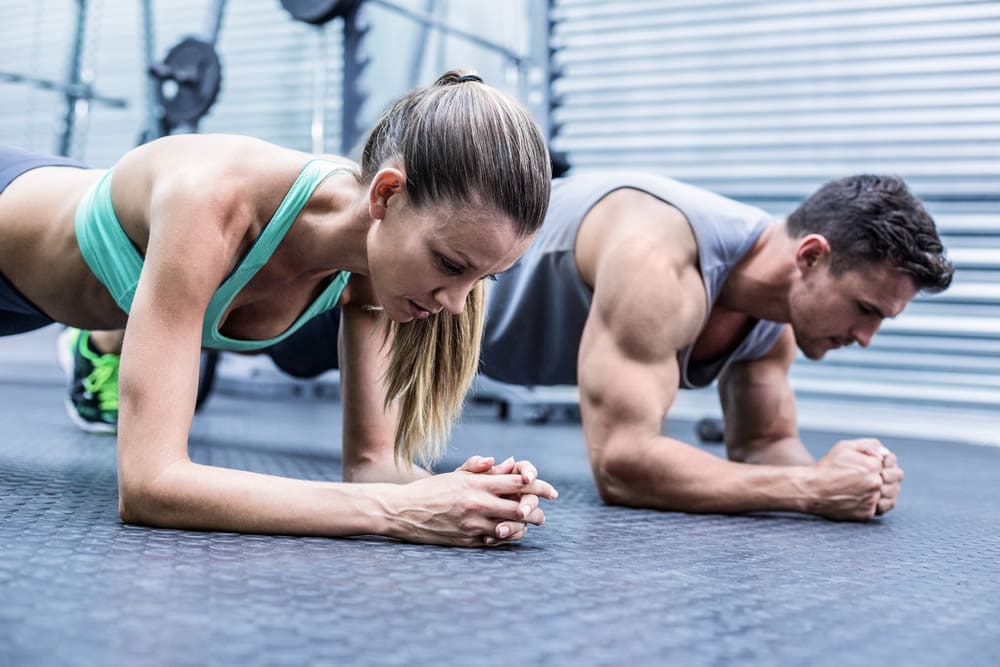
Do you feel a constant ache or pain in your back after lifting or carrying objects in a hunched position? Do you experience muscle weakness in your torso that you can’t stay in a plank position for a few seconds? Or do you experience radiating pain from your lower back to your leg? The core muscles are a group of muscles wrapped around the torso like a support belt that helps with stability, balance, and protecting the lumbar from injuries. The core muscles are found in the lower body’s front, back, and sides. At the same time, the core muscles can help generate intrabdominal pressure while moving the vertebral column. (Flynn & Vickerton, 2024) In the core muscles, the transverse abdominis muscle or the seatbelt muscle. This muscle works with the inspiratory muscles through elastic loading to evoke transversus expiratory activity when breathing and functioning in motion. (De Troyer et al., 1990)
Core Muscles & Back Pain
The core muscles, especially the transverse abdominis muscles, are often overlooked as many individuals frequently deal with numerous factors that cause low back pain. Common core muscles are associated with back pain because environmental factors can neglect the transverse abdominis muscles. Fatigue in the core muscles can cause repetitive asymmetric loading on the spine, which enhances susceptibility to back pain and other injuries. (Zemkova & Zapletalova, 2021) Since back pain is a multifactorial condition that is one of the leading causes of hospital visits and socio-economic issues, many individuals start to neglect the core muscles over time, causing them to be weak. Some symptoms correlated with weak core muscles include:
When this happens, many people start looking for treatment to reduce their back pain and help strengthen their core muscles.
Discover The Benefits Of Chiropractic Care- Video
Strengthening Core Muscles
Before people reduce their back pain and return to their daily routine, they would have to be assessed by a pain specialist like a chiropractor to assess fully what environmental factors are causing the back pain. After the assessment, a chiropractor can work with a physical therapist to reduce back pain and strengthen the core muscles to prevent back pain from returning. When it comes to core strengthening exercises, they focus on either the deep or superficial muscles of the torso, which might produce different effects on lumbar motion. (Puntumetakul et al., 2021) Additionally, core stability exercises can reduce pain in the back and disability reduction and improve a person’s quality of life. (Kanwal et al., 2021) Engaging the muscles through core strengthening exercises can help achieve optimal strength with twisting and side-bending movements to reduce back pain.
Pay Attention To Engaged Core Muscles
However, individuals need to pay attention to engaging their core muscles while maintaining a neutral spine position for stability and preventing back pain. (Cigdem Karacay et al., 2022) This allows individuals to be consistent with strengthening their core and to commit to short workouts incorporated as part of not only their routine but also as part of their customized treatment plan. When it comes to reducing back pain, it is important to ensure that the core muscles are engaged to help build strength and stability, decrease back pain, and improve functionality. When people start strengthening their core muscles, they will be able to be more mindful about how to present themselves and live healthier lives.
References
Cigdem Karacay, B., Sahbaz, T., Gurtekin, B., Yildiz, S., & Ozcan, E. (2022). Effectiveness of whole-body vibration exercise and core stabilization exercise in chronic non-specific low back pain: A randomized-controlled study. Turk J Phys Med Rehabil, 68(2), 184-194. https://doi.org/10.5606/tftrd.2022.7060
De Troyer, A., Estenne, M., Ninane, V., Van Gansbeke, D., & Gorini, M. (1990). Transversus abdominis muscle function in humans. J Appl Physiol (1985), 68(3), 1010-1016. https://doi.org/10.1152/jappl.1990.68.3.1010
Kanwal, S., Yaqoob, I., Shakil-Ur-Rehman, S., Ghous, M., Ghazal, J., & Namroz, N. (2021). Effects of core muscle stability on low back pain and quality of life in post-menopausal women: A comparative study. J Pak Med Assoc, 71(1(A)), 37-40. https://doi.org/10.47391/JPMA.151
Puntumetakul, R., Saiklang, P., Tapanya, W., Chatprem, T., Kanpittaya, J., Arayawichanon, P., & Boucaut, R. (2021). The Effects of Core Stabilization Exercise with the Abdominal Drawing-in Maneuver Technique versus General Strengthening Exercise on Lumbar Segmental Motion in Patients with Clinical Lumbar Instability: A Randomized Controlled Trial with 12-Month Follow-Up. Int J Environ Res Public Health, 18(15). https://doi.org/10.3390/ijerph18157811
Wattananon, P., Sinsurin, K., & Somprasong, S. (2020). Association between lumbopelvic motion and muscle activation in patients with non-specific low back pain during forward bending task: A cross-sectional study. Hong Kong Physiother J, 40(1), 29-37. https://doi.org/10.1142/S1013702520500043
Zemkova, E., & Zapletalova, L. (2021). Back Problems: Pros and Cons of Core Strengthening Exercises as a Part of Athlete Training. Int J Environ Res Public Health, 18(10). https://doi.org/10.3390/ijerph18105400
For many individuals, getting on the floor to do crunches or other exercises can be difficult due to medical conditions, age, and injuries. Can engaging in chair abdominal exercises at home, work, or anywhere a chair is available help strengthen the upper, lower, and oblique abdominal muscles?
Chair Abdominal Exercises
Chair abdominal exercises are essential for strengthening the core, maintaining healthy flexibility, mobility, posture, and injury prevention. Incorporating abdominal exercise into one’s day can be easy, regardless of schedule or fitness level. Various exercises are designed to be performed while seated, making them accessible to everyone, including those with mobility issues or new to exercise.
Benefits
Building and maintaining a solid core is essential for overall health, posture, and daily activities, especially as the body ages. A strong core maintains body balance and stability, prevents falls, protects individuals from back pain, and makes lifting, bending, and walking easier. It allows individuals to stay independent and active. The abdominal muscles are one part of the core, which includes muscles in the back, glutes, pelvic floor, and diaphragm. These are important for keeping the body upright and stable, protecting the spine and organs, and assisting with movements between the ribcage and pelvis. Adding abdominal exercise workouts to a fitness routine is one way to improve overall core strength and stability. Chair-based exercises are convenient and accessible as individuals don’t need specialized machines or equipment, just a sturdy chair and some space. (Frizziero A. et al., 2021)
Chair Workout
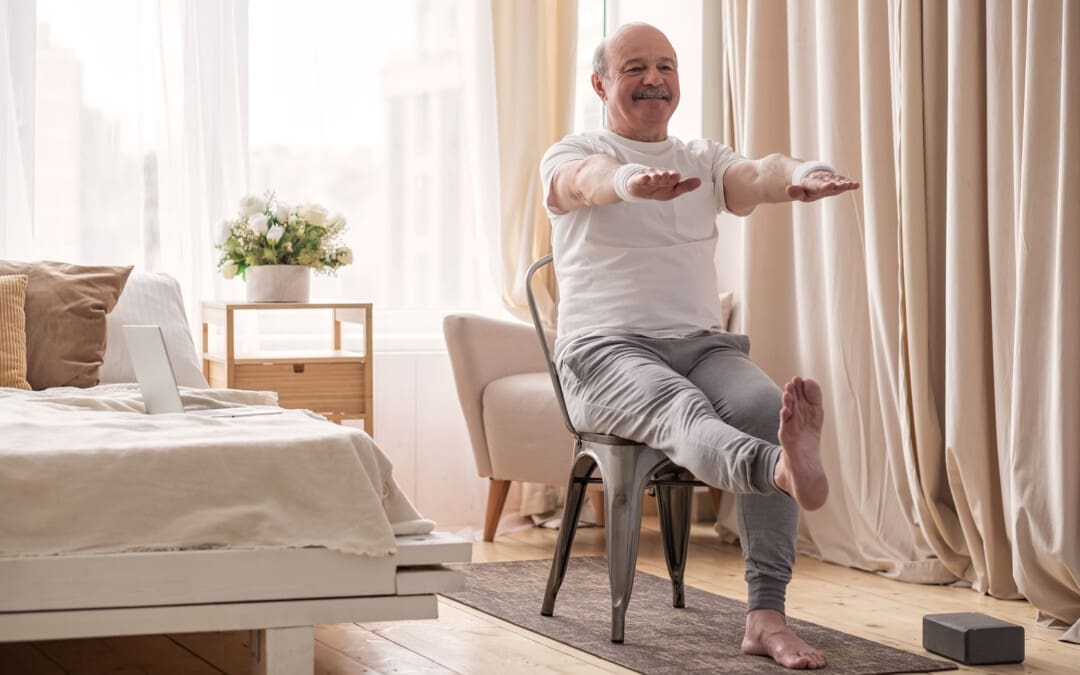
Chair abdominal exercises are ideal gentle exercises for older individuals who need to increase their strength and mobility. Because chairs provide stability and safety, these exercises focus on seated movements and are intended for those with limited mobility. Chair abdominal exercises can be adapted and modified to individual preferences and needs, preparing the body for more advanced standing exercises. They improve the ability to perform daily tasks and increase joint mobility, muscle strength, and coordination. To prevent injuries, each exercise session should begin with a warm-up and end with a cool-down.
A warm-up could be gentle seated marches, shoulder rolls, and deep breathing exercises.
A cool-down can include seated stretches, focusing on the back, neck, and legs to help the body recover and prevent stiffness.
It is recommended that patients talk to a healthcare provider first if they have limited mobility or chronic health issues. Here are some sample exercises.
Sitting Knee Lifts
Sit on the edge of the chair with your back straight.
Lift your knees toward your chest, engaging the upper abs.
Lower them slowly back down.
Repeat for 10 to 15 reps.
Beginners lift one knee at a time.
Lower it and repeat with the other leg.
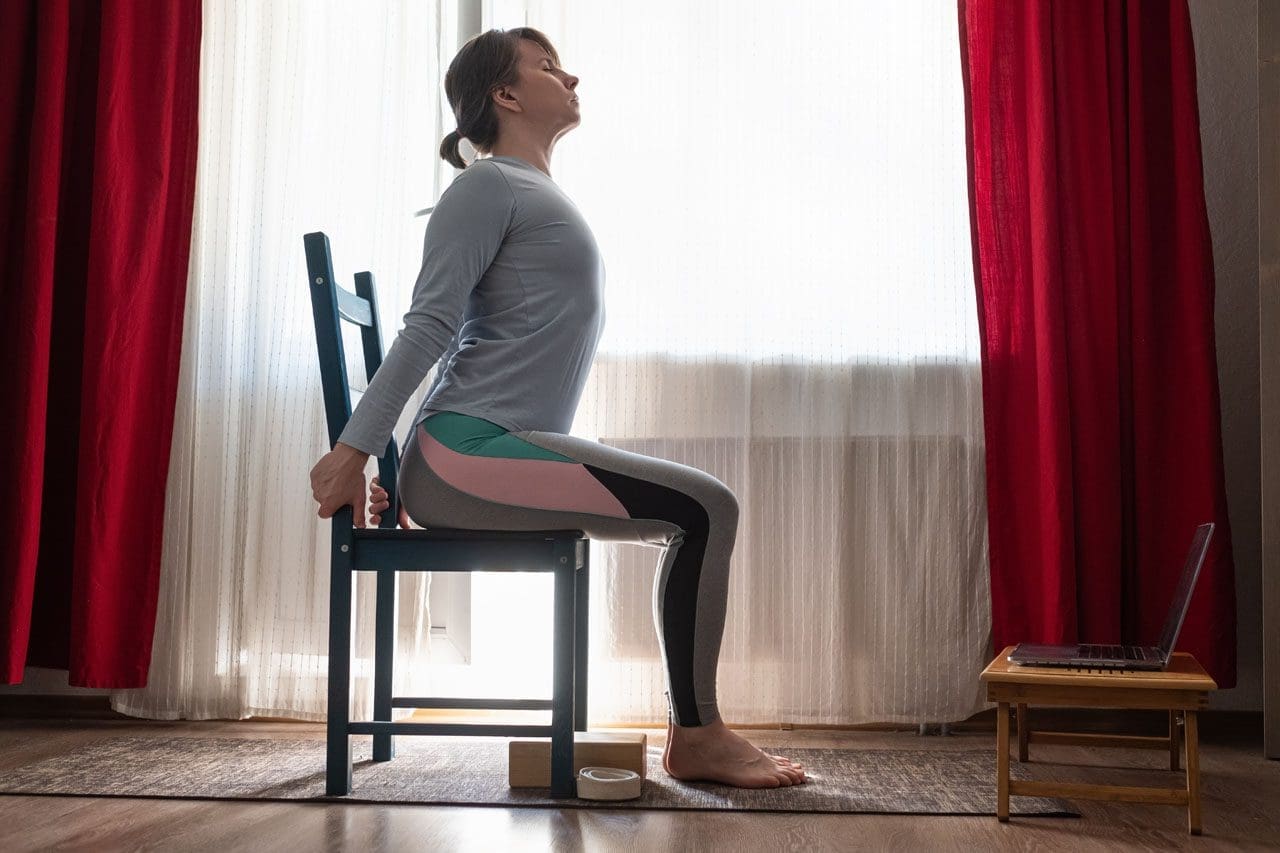
Sitting Crunches
Sit on the edge of the chair.
Lean back slightly.
Place hands behind your head.
Crunch forward, bringing the chest toward your knees.
Return to the starting position.
Repeat for 10 to 15 reps.
Beginners can sit more on the chair and hold the seat for stability.
Reduce the range of motion when crunching the chest toward the knees.
Sitting Leg Lifts
Sit on the edge of the chair with the back straight.
Extend your legs in front of you and lift them together, engaging the lower abdominals.
Lower them back down slowly.
Repeat for 10 to 15 repetitions.
Beginners sit back on the chair and grip the sides.
Lift one leg and hold for a count before lowering.
Switch legs.
Sitting Scissor Kicks
Sit on the edge of the chair and lean back slightly.
Extend your legs in front.
Alternate lifting each leg up and down in a scissor motion.
Perform for 30 seconds to one minute.
Beginners tap one heel on the floor between lifts to reduce abdominal tension.
Sitting Side Crunches
Sit on the edge of the chair with the back straight.
Lift one knee toward the chest while bringing the opposite elbow toward the knee, engaging the obliques.
Alternate for 10 to 15 reps per side.
Beginners, keep your feet flat on the floor with your hands behind your head.
Gently bend to the side, return to the center, and bend to the other side.
Sitting Bicycle Crunches
Sit on the edge of the chair and lean back slightly.
Lift the feet off the ground.
Alternate bringing each knee toward the opposite elbow in a pedaling motion.
Perform for 30 seconds to one minute.
For beginners, keep the heel gently on the ground while you crunch on the opposite side.
For a challenge, slow the motion and hold each twist a few seconds longer to create more tension. (Krzysztofik M. et al., 2019)
Progress
For beginners, start with the easier versions and perform fewer repetitions and shorter durations if needed. Focus on maintaining proper posture and form. As the body gets stronger, increase the number of repetitions or extend the duration of each exercise. Once comfortable, try more challenging chair exercises. Chair abdominal exercises are a simple, effective way to strengthen the core, improve posture, and support overall health. Regularly doing these exercises as part of a well-rounded routine can build a solid core without special equipment. Remember to listen to the body and progress at your own pace to more challenging variations over time to keep building strength.
Injury Medical Chiropractic and Functional Medicine Clinic
Achieving and maintaining fitness requires consistent work and development. Retraining the body and maintaining its optimal health requires daily efforts through exercise. Injury Medical Chiropractic and Functional Medicine Clinic works with primary healthcare providers and specialists to develop an optimal health and wellness solution. We focus on what works for you to relieve pain, restore function, and prevent injury. Regarding musculoskeletal pain, specialists like chiropractors, acupuncturists, and massage therapists can help mitigate the pain through spinal adjustments that help the body realign itself. They can also work with other medical professionals to integrate a treatment plan to resolve musculoskeletal issues.
Core Exercises and Back Pain
References
Frizziero, A., Pellizzon, G., Vittadini, F., Bigliardi, D., & Costantino, C. (2021). Efficacy of Core Stability in Non-Specific Chronic Low Back Pain. Journal of functional morphology and kinesiology, 6(2), 37. https://doi.org/10.3390/jfmk6020037
Krzysztofik, M., Wilk, M., Wojdała, G., & Gołaś, A. (2019). Maximizing Muscle Hypertrophy: A Systematic Review of Advanced Resistance Training Techniques and Methods. International journal of environmental research and public health, 16(24), 4897. https://doi.org/10.3390/ijerph16244897
Can a rowing machine provide a full-body workout for individuals looking to improve fitness?
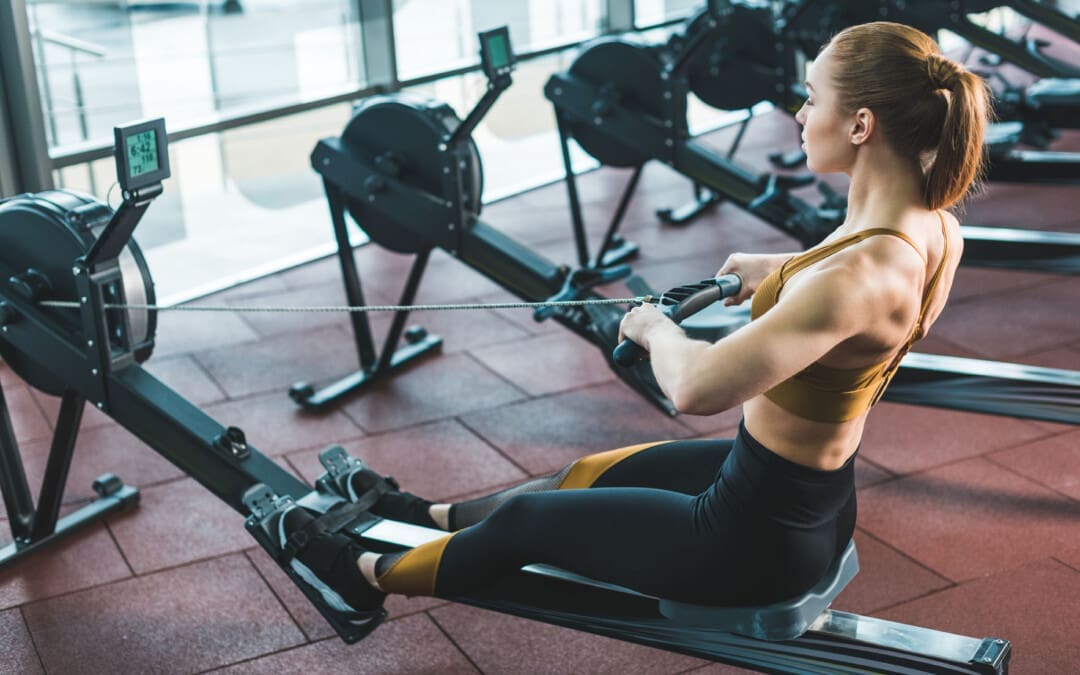
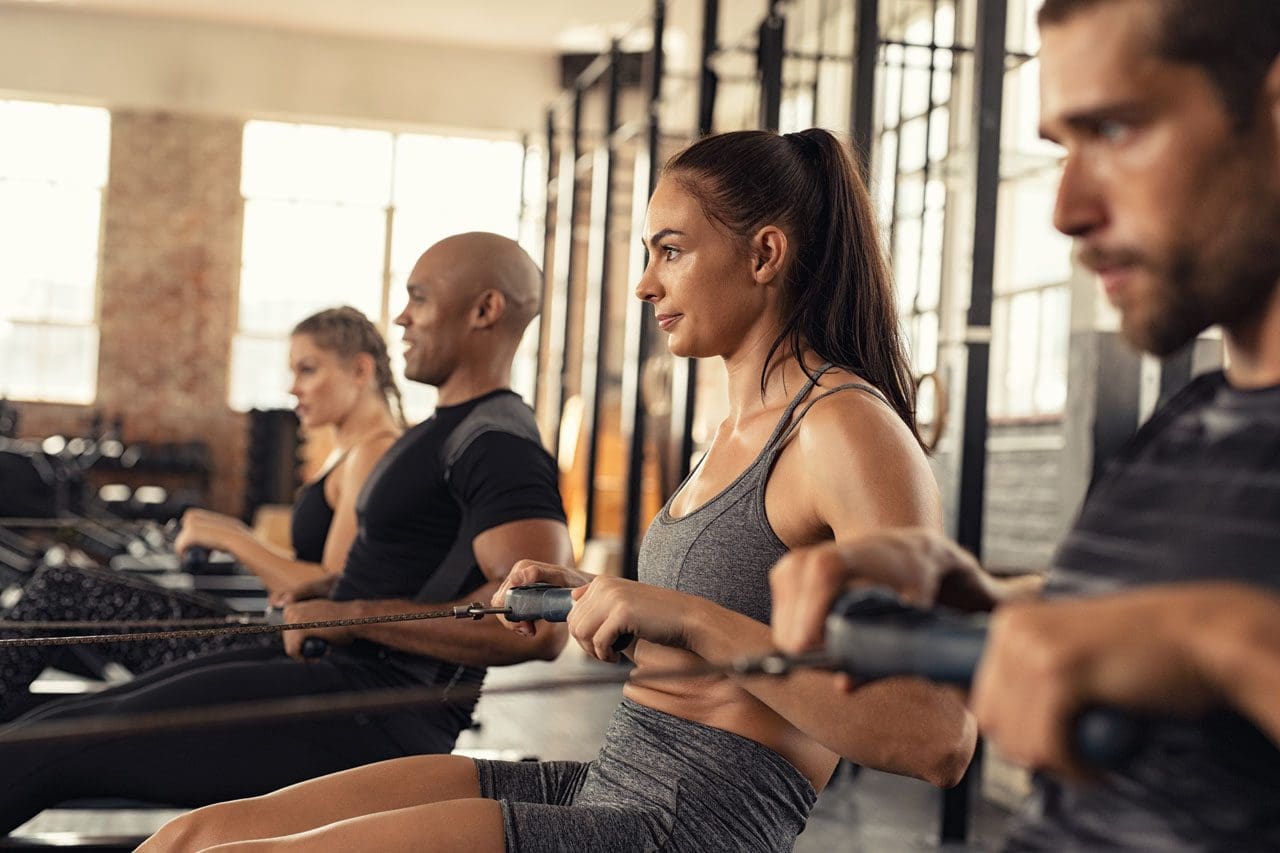
A group of people exercise in the gym using a rowing machine together. A side view of a sportswoman exercising on a rowing machine in a CrossFit center. A muscular girl and a sporty man are working out on a training simulator at a CrossFit gym.
Rowing Machine
Today, rowing machines are widely recognized as effective fitness tools. They can be found in gyms, fitness centers, physical therapy, and sports rehabilitation clinics. Rowing is low-impact, allowing control of movement and pace, and is recommended for active recovery. It’s sometimes recommended as an exercise for individuals with early stages of osteoarthritis.
Benefits
The benefits include:
Rowing is a total-body workout that strengthens major muscle groups in the arms, legs, and core and increases cardiovascular endurance.
The upper and lower body are used on every stroke.
Strengthens and tones the muscles.
Rowing burns significant calories without placing added stress on the joints.
Improves endurance and heart and lung health.
Cardiovascular Fitness
Rowing is a rare exercise that involves power and endurance. It is an aerobic exercise that increases the body’s heart rate and oxygen, improving cardiovascular fitness. (Hansen RK, et al. 2023) Through continuous, rhythmic movement, which increases oxygen utilization, rowing enhances the heart and lungs’ ability to supply oxygen to the body and works on muscular endurance.
Full-Body Workout
A rowing workout is a comprehensive full-body workout that simultaneously works multiple body areas and muscle groups, specifically the arms, back, core, and legs. The motion moves major muscle groups through the full range of motion, promoting flexibility and muscle tone improvements that are great for individuals with trouble with weight-bearing exercises like running. Rowing can also improve physiological markers, depending on the intensity of the workout and the heart rate zone maintained.
Joint-Friendly
Rowing is a low-impact exercise, making it easier on joints and suitable for individuals with joint concerns or those looking for a joint-friendly workout. The workout engages the largest muscles in a low-impact way with no pounding on the joints or excessive rotation.
Burns Calories
Rowing can be an efficient way to burn calories. Its cardiovascular and resistance training combination makes it an effective tool for weight management and weight loss. Alternating between higher and lower intensities can enhance calorie burning during and after the exercise session from excess post-exercise oxygen consumption (EPOC),also known as the afterburn effect. (Sindorf, M. A. G. et al., 2021)
Improves Posture
Maintaining a healthy posture offers numerous benefits, such as improving breathing ability, aiding in digestion, and preventing injuries. (Kim D, 2015) Rowing can be an effective workout that enhances postural strength and awareness and reduces back pain risks. Proper spine activation is necessary for efficient rowing, which also helps to pull the shoulders back. The hip flexors help to lengthen during the drive phase while the shoulders open. Proper rowing technique involves:
Dorsiflexion of the foot.
Stretching of the Achilles tendon.
Engaging the tibialis.
Getting Started
Rowing is not too difficult to get started. Following techniques shared by experts will help improve the experience and reduce the risk of injury.
Maintaining Upright Posture
The back should be straight throughout the movement.
Brace the core muscles to keep the back from rounding while bending at the knees and hips during the movement.
This keeps the body aligned, prevents injuries, and makes the exercise more effective.
Maintain Stroke Sequences
There are four parts to the sequence:
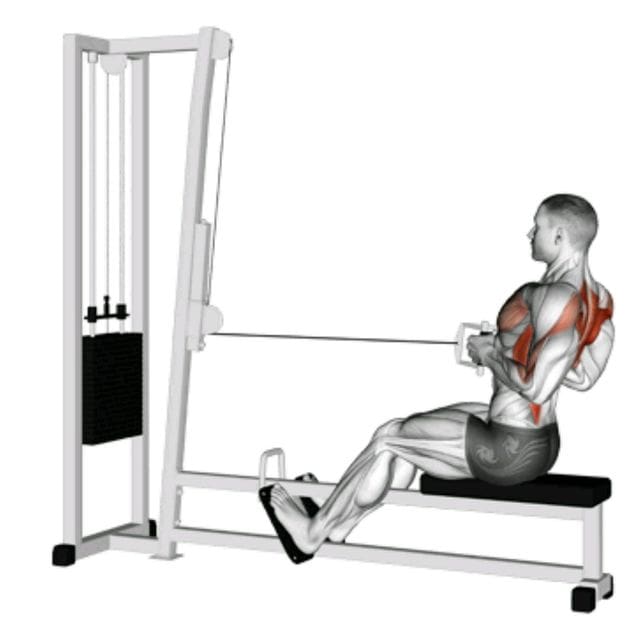
The catch – is when you sit at the front of the machine with your knees bent and arms reaching out to hold the handle.
The drive – is the next step, which involves pushing into the platform with your heels and driving through your legs while engaging your legs, glutes, and core. During the drive, you want to lean back slightly as you push with your legs while pulling the handle to the bottom of the rib cage.
The finish – lean back a little more while pulling the handle to the lower chest level.
The recovery – extend your arms forward while bending the hips to bring the torso forward, using your legs to pull back to the starting position.
Adjust Resistance Accordingly
Most rowing machines have adjustable resistance settings. Beginners should start with a lower resistance level to focus on proper technique and gradually increase as they become more comfortable so that the resistance provides a challenge without compromising form. On a rowing machine, the individual should feel like they are gliding efficiently over water with strong, powerful strokes repeated for however many reps depending on the workout.
Breathing
Aerobic workouts require proper breathing. It is recommended to inhale during the recovery phase as you slide the seat forward and exhale during the drive phase when pushing through the legs. Breathing in sync with the rowing motion keeps the oxygen flow going, so the body maintains energy and smooth strokes.
Injury Medical Chiropractic and Functional Medicine Clinic
As with any fitness program, individuals should consult a healthcare professional or fitness expert, especially if pre-existing health conditions or concerns exist. At Injury Medical Chiropractic and Functional Medicine Clinic, we focus on what works for you and strive to better the body through researched methods and total wellness programs. We focus on treating patients’ injuries and chronic pain syndromes to create personalized care plans that improve ability through flexibility, mobility, and agility programs personalized to the individual. Using an integrated approach, our goal is to relieve pain naturally by restoring health and function to the body through Functional Medicine, Acupuncture, Electro-Acupuncture, and Sports Medicine protocols. If other treatment is needed, Dr. Jimenez has teamed up with the top surgeons, clinical specialists, medical researchers, and premier rehabilitation providers to provide the most effective treatments available.
Core Exercises and Back Pain
References
Hansen, R. K., Samani, A., Laessoe, U., Handberg, A., Mellergaard, M., Figlewski, K., Thijssen, D. H. J., Gliemann, L., & Larsen, R. G. (2023). Rowing exercise increases cardiorespiratory fitness and brachial artery diameter but not traditional cardiometabolic risk factors in spinal cord-injured humans. European journal of applied physiology, 123(6), 1241–1255. https://doi.org/10.1007/s00421-023-05146-y
Sindorf, M. A. G., Germano, M. D., Dias, W. G., Batista, D. R., Braz, T. V., Moreno, M. A., & Lopes, C. R. (2021). Excess Post-Exercise Oxygen Consumption and Substrate Oxidation Following High-Intensity Interval Training: Effects of Recovery Manipulation. International journal of exercise science, 14(2), 1151–1165.
Kim, D., Cho, M., Park, Y., & Yang, Y. (2015). Effect of an exercise program for posture correction on musculoskeletal pain. Journal of physical therapy science, 27(6), 1791–1794. https://doi.org/10.1589/jpts.27.1791
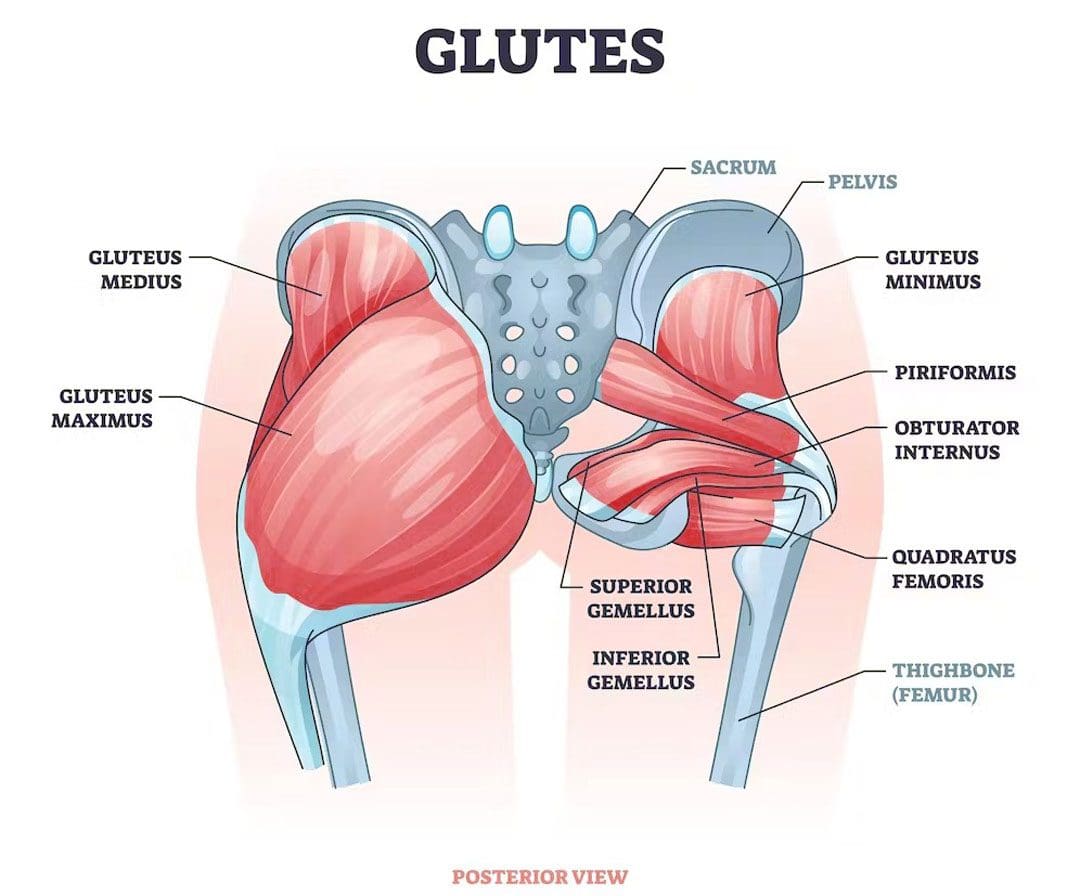
The gluteal muscles/glutes comprise the buttocks. They are a powerful muscle group that consists of three muscles. The gluteus maximus, gluteus medius, and gluteus minimus. The glute muscles help power physical performance and daily movements like walking, standing, and sitting and help to prevent injuries to the core, back, abdominal muscles, and other supporting muscles and tissues. Individuals can develop a glute imbalance where one side becomes more dominant and activates more or is higher than the other. An imbalance that is not addressed can lead to further muscle imbalance, posture problems, and pain issues. Injury Medical Chiropractic and Functional Medicine Clinic can develop a personalized treatment plan to relieve symptoms and restore alignment, balance, and health.
Glute Muscle Imbalance
Strong, healthy glutes promote lumbopelvic stability and rhythm, meaning they keep the low back and pelvis in correct alignment to prevent strains and injuries. Glute imbalance occurs when one side of the glutes is larger, stronger, or more dominant. Glute imbalances are common and part of normal human anatomy, as the body is not perfectly symmetrical. Shifting and utilizing the more dominant side when taking on weight or picking up objects is normal, so the one side gets bigger. Just as an individual prefers one hand, arm, and leg over another, one glute side can work harder and become stronger.
Causes
There are several causes of glute muscle imbalance, including:
Anatomical variations- Everyone has uniquely shaped muscles, attachment points, and nerve pathways. These variations can make one side of the glutes more dominant or stronger.
Unhealthy posture.
Back pain symptoms can cause individuals to take on unhealthy postures and positioning, like leaning on one side.
Pre-existing injuries.
Inadequate rehabilitation from a previous injury.
Nerve injuries.
Ankle sprains can lead to reduced glute activation.
Improper training
Leg length discrepancies
Atrophy
Spine condition
Job occupation
Sports factors may prioritize one side of the body over the other.
Shifting the Body
When pain presents in one body area, signals are sent to caution the other muscles to contract/tighten as a protective mechanism to prevent further injury. These changes alter movement patterns, leading to muscular imbalances in the glutes and other areas. Individuals who do not rehabilitate from an injury properly can be left with an imbalance.
Chiropractic Relief and Restoration
This condition needs to be addressed to prevent further injuries and issues with posture. Treatment varies depending on the individual and the extent of the problem. A treatment plan to prevent and improve some forms of glute imbalance may include the following.
Spinal decompression will stretch out the body and muscles to a workable position.
Therapeutic massage will relax the muscles and increase blood flow.
Chiropractic adjustments to realign the spine and body.
Targeted stretches and exercises will be provided to maintain alignment.
Unilateral training or training one side of the body at a time can help build and strengthen the weaker side.
Core strengthening can work out the differences on both sides of the body.
Chiropractic Approach for Pain Relief
References
Bini, Rodrigo Rico, and Alice Flores Bini. “Comparison of linea alba length and core-muscles engagement during core and lower back orientated exercises.” Journal of Bodywork and movement therapies vol. 28 (2021): 131-137. doi:10.1016/j.jbmt.2021.07.006
Buckthorpe, Matthew, et al. “ASSESSING AND TREATING GLUTEUS MAXIMUS WEAKNESS – A CLINICAL COMMENTARY.” International Journal of sports physical therapy vol. 14,4 (2019): 655-669.
Elzanie A, Borger J. Anatomy, Bony Pelvis and Lower Limb, Gluteus Maximus Muscle. [Updated 2023 Apr 1]. In: StatPearls [Internet]. Treasure Island (FL): StatPearls Publishing; 2023 Jan-. Available from: https://www.ncbi.nlm.nih.gov/books/NBK538193/
Liu R, Wen X, Tong Z, Wang K, Wang C. Changes of gluteus medius muscle in the adult patients with unilateral developmental hip dysplasia. BMC Musculoskelet Disord. 2012;13(1):101. doi:10.1186/1471-2474-13-101
Lin CI, Khajooei M, Engel T, et al. The effect of chronic ankle instability on muscle activations in lower extremities. Li Y, ed. PLoS ONE. 2021;16(2):e0247581. doi:10.1371/journal.pone.0247581
Pool-Goudzwaard, A. L. et al. “Insufficient lumbopelvic stability: a clinical, anatomical and biomechanical approach to ‘a-specific’ low back pain.” Manual therapy vol. 3,1 (1998): 12-20. doi:10.1054/math.1998.0311
Vazirian, Milad, et al. “Lumbopelvic rhythm during trunk motion in the sagittal plane: A review of the kinematic measurement methods and characterization approaches.” Physical Therapy and Rehabilitation vol. 3 (2016): 5. doi:10.7243/2055-2386-3-5
IFM's Find A Practitioner tool is the largest referral network in Functional Medicine, created to help patients locate Functional Medicine practitioners anywhere in the world. IFM Certified Practitioners are listed first in the search results, given their extensive education in Functional Medicine