Can individuals add sparkling water to their diet to help lower blood sugar and aid with weight loss?
Sparkling Water
Sparkling water is generally considered a healthy drink with health benefits. It is refreshing, increases hydration, improves digestion, and may even help with weight loss (Takahashi A. 2025) (University of Chicago Medicine, 2023). This is nothing new. A previous study suggested that carbonated water makes the body feel full. The carbonation in sparkling water can trick the stomach into feeling fuller, potentially reducing overall calorie intake by curbing snacking between meals, which could prevent overeating and weight gain. (Wakisaka S. et al., 2012) However, a new report suggests carbonated water may help with weight loss by enhancing glucose/sugar uptake and metabolism. (Takahashi A. 2025) But further research is needed.
Lower Blood Sugar Levels
The report compared the effects of carbonated water to hemodialysis, a treatment that filters blood for individuals with kidney failure. (Takahashi A. 2025) Hemodialysis turns the blood alkaline, enhancing glucose absorption and metabolism. (EurekAlert, 2025)
Researchers assume that the carbon dioxide (CO2) absorbed after drinking sparkling water and the CO2 supplied during hemodialysis behave similarly. Carbonated water may consume glucose in the blood near the stomach, temporarily lowering blood sugar levels. However, the researchers suggested that follow-up continuous glucose monitoring (CGM) studies to measure blood sugar levels before and after drinking carbonated water would be necessary to validate the effect.
This does not mean that after drinking sparkling water, there will be major changes to an individual’s weight. Something metabolically is probably happening, but it’s still barely being discovered. The impact of CO2 in carbonated water is not a standalone solution for weight loss. (Takahashi A. 2025)
Adding To A Diet
If sparkling water can help manage blood glucose, it could also affect how the body stores fat. Over time, high blood sugar levels can overwhelm the body, and excess sugar becomes stored as body fat instead of being stored properly for energy use, causing weight gain. (Centers for Disease Control and Prevention, 2024) But for the most part, according to the research, the carbon dioxide in sparkling water may help to prevent this by stimulating glycolysis, or the process the body uses to break down glucose for energy and keep blood sugar levels low. (National Cancer Institute, N.D) (Takahashi A. 2025) Further research is needed to confirm and understand how sparkling water can proficiently and effectively work for weight loss.
Carbonated water alone is unlikely to contribute to significant weight loss. However, sparkling water can be a useful tool for weight loss as part of a healthy lifestyle (Takahashi A. 2025). A balanced diet and regular exercise are still essential for effective weight management.
Weight Gain
Some researchers have questioned whether sparkling water can lead to weight gain. A study on rats and humans found a link between drinking carbonated water and increased levels of the hunger-stimulating hormone ghrelin. (Eweis D. S., Abed F., & Stiban J. 2017) This could lead to increased appetite and higher calorie consumption, but more research is needed, as sleep, physical activity levels and hydration also impact hormones.
Individuals interested in including carbonated water in a balanced diet should check the labels for the caloric content, added sugars, and sugar alcohols, like xylitol or erythritol, which can cause gas or bloating. It is ideal if the label says water and carbonation; the fewer ingredients, the better.
Injury Medical Chiropractic and Functional Medicine Clinic
Injury Medical Chiropractic and Functional Medicine Clinic works with primary healthcare providers and specialists to build optimal health and wellness solutions. We focus on what works for you to relieve pain, restore function, prevent injury, and help mitigate issues through adjustments that help the body realign itself. They can also work with other medical professionals to integrate a treatment plan to resolve musculoskeletal problems.
Chiropractic Care and Metabolism: The Hidden Link
References
Takahashi A. (2025). Can carbonated water support weight loss? BMJ Nutr Prev Health. https://doi.org/10.1136/bmjnph-2024-001108
University of Chicago Medicine. (2023). Is sparkling water good for you? What about hard seltzer? https://www.uchicagomedicine.org/forefront/health-and-wellness-articles/is-carbonated-water-good-for-you
Wakisaka, S., Nagai, H., Mura, E., Matsumoto, T., Moritani, T., & Nagai, N. (2012). The effects of carbonated water upon gastric and cardiac activities and fullness in healthy young women. Journal of nutritional science and vitaminology, 58(5), 333–338. https://doi.org/10.3177/jnsv.58.333
EurekAlert. (2025). Fizzy water might aid weight loss by boosting glucose uptake and metabolism. BMJ Nutrition Prevention & Health. https://doi.org/10.1136/bmjnph-2024-001108
Centers for Disease Control and Prevention. (2024). About insulin resistance and type 2 diabetes. Retrieved from https://www.cdc.gov/diabetes/about/insulin-resistance-type-2-diabetes.html
National Cancer Institute. (N.D.). Glycolysis. Retrieved from https://www.cancer.gov/publications/dictionaries/cancer-terms/def/glycolysis
Eweis, D. S., Abed, F., & Stiban, J. (2017). Carbon dioxide in carbonated beverages induces ghrelin release and increased food consumption in male rats: Implications on the onset of obesity. Obesity research & clinical practice, 11(5), 534–543. https://doi.org/10.1016/j.orcp.2017.02.001
Could individuals who are having headaches with neck pain need emergency treatment or need to get started with sustained physical therapy?
Headaches and Neck Pain
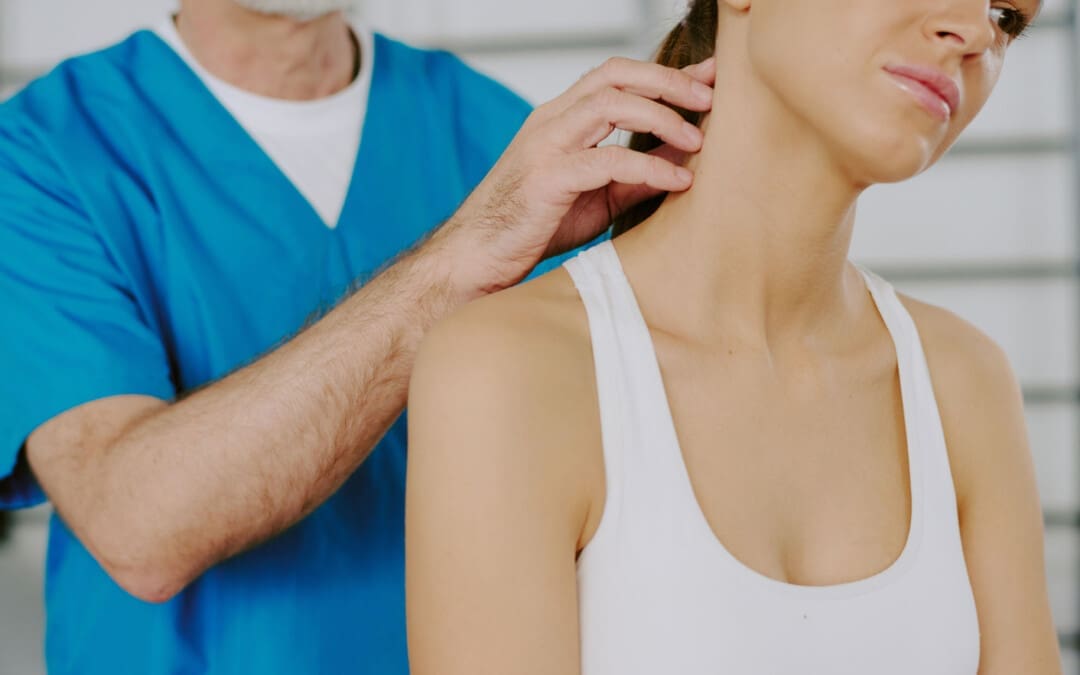
Headaches and neck pain are two very common symptoms. They often occur together and signal common health issues, including fatigue, sinus headaches, and migraines. The combination can also occur due to serious health issues such as a concussion or meningitis. Causes of headaches with neck pain range from various causes, such as not getting enough sleep, having the neck in an awkward position, or having a hangover, to life-threatening issues like fluid buildup in the brain. It is recommended that individuals see a healthcare provider as soon as possible to rule out any life-threatening issues. Discuss the symptoms of neck pain with headache, what can cause these symptoms, and discuss treatment and prevention.
Symptoms
Symptoms are similar to what they feel like when they occur alone. Headache can present as:
A feeling of fullness in the head
Head soreness
Sharp head pain
Throbbing head pain
Pounding head pain
Neck pain can present as:
Pain in the back of the neck
Pain and/or aching of the upper back and/or shoulders
Associated Symptoms
Additional symptoms are common. Symptoms associated with headaches and neck pain include:
Neck stiffness
Trouble concentrating
Exhaustion or sleepiness
Aching throughout the body
Nausea
Dizziness
Vertigo – feeling like the room is spinning.
Photophobia – discomfort when looking at bright lights.
A feeling of numbness or tingling down the arm
Generally, associated symptoms suggest a more severe cause and can help a healthcare provider make a diagnosis.
Emergency Help
New symptoms of headache or neck pain can indicate a serious condition. If you develop these symptoms together, get prompt medical attention.
Causes
There are a variety of medical conditions that can cause headaches and neck pain. Both of these conditions are caused by irritation of sensory nerve fibers. Sometimes, head or neck pain can spread to other areas because the sensory nerves of these structures are so close together. (Côté P. et al., 2019) Additionally, a medical condition like an infection can affect the other due to proximity. Causes of headaches with neck pain include:
Headaches
Sinus headaches, tension headaches, and cervicogenic headaches are usually associated with head pain, but they can also involve neck pain. (Côté P. et al., 2019)
Migraine
Migraines are commonly associated with headaches and often cause neck pain as well.
In addition, they can cause nausea and body aches.
Fatigue
Being tired commonly leads to temporary headaches and neck pain until thorough rest is achieved.
Alcohol Consumption and/or a Hangover
For many, drinking can trigger a headache.
This is a common migraine trigger, but it can also trigger headaches for those who don’t have migraines.
Muscle Strain
Prolonged or recurrent positions that strain the neck muscles, like lifting or sitting at a desk, can cause aching or pain that involves both the head and neck. (Houle M. et al., 2021)
Injuries
Trauma such as whiplash or falling can cause soreness in the head and neck.
Bruises or other injuries may be present.
Severe injuries can cause damage to the skull, brain, spine, spinal nerves, or spinal cord.
Concussion
A concussion often causes trouble concentrating, persistent headaches, and neck pain.
Usually, these symptoms improve within a few weeks after a mild concussion.
Meningitis
Inflammation or infection of the lining around the brain and spinal cord causes pain or tenderness in the head, back, and neck.
Neck stiffness and fever are commonly associated symptoms.
Pinched Nerve
Arthritis is a common cause of pressure on spinal nerves.
A pinched nerve in the upper spine can cause pain in the head and neck and tingling down the arm.
Herniated Disc
Degenerative arthritis or trauma can cause a spinal disc to press on a nerve and possibly on the spinal cord.
This may cause loss of sensation or weakness of the arm.
Subarachnoid Hemorrhage
This is a serious condition caused by bleeding of a blood vessel in the brain.
Irritation and inflammation can cause severe head and neck pain, possibly with seizures and loss of consciousness.
Hydrocephalus
Fluid can accumulate around the brain, causing pain-inducing pressure.
Causes include obstruction of cerebrospinal fluid flow due to brain tumors, brain infections, or congenital malformations. (Langner S. et al., 2017)
Increased Intracranial Pressure
Pressure on the brain and the brain’s blood vessels can cause pain.
Causes of pressure within the skull include hydrocephalus, head trauma, brain tumors, or swelling from a stroke.
Severe cases can cause lethargy or loss of consciousness.
Brain or Spine cancer
Cancer of the brain or within the spine can cause pain affecting the head and neck, often with other symptoms, like loss of vision.
Treatment
Talk to a healthcare provider about the following treatments. Treating headaches with neck pain includes methods that address symptoms and methods that treat the underlying cause. The medications used for headaches with neck pain often reduce both symptoms, but this depends on the cause. Treatments that can relieve both headaches and neck pain when they occur together include:
Getting proper sleep to alleviate fatigue.
Rest and rehabilitation after a concussion or another injury.
Physical therapy to keep muscles flexible and relaxed.
Fluids for meningitis treatment and antibiotics for bacterial meningitis.
Surgical procedures for a tumor or subarachnoid hemorrhage.
A surgical procedure to relieve hydrocephalus.
Headache Treatment
You can do a few things to relieve your headaches, and although they won’t directly take away your neck pain, your headache relief might also decrease your neck pain. These include:
Avoiding loud noises
Cranial massage
Applying gentle cranial pressure
Avoiding bright lights as much as possible
Using specialized migraine sunglasses
Neck Pain Treatment
Some treatments that can specifically treat neck pain include:
Injury Medical Chiropractic and Functional Medicine Clinic
Knowing whether a serious problem is causing headaches and neck pain can be difficult. The more dangerous conditions don’t necessarily cause more severe pain. This is why getting medical attention is crucial if you have these symptoms together. If you frequently have both headaches and neck pain, it can have a substantial impact on your quality of life. There are ways to manage the symptoms, including preventative measures such as physical therapy, exercises, and avoiding triggers. Injury Medical Chiropractic and Functional Medicine Clinic works with primary healthcare providers and specialists to build optimal health and wellness solutions. We focus on what works for you to relieve pain, restore function, prevent injury, and help mitigate issues through adjustments that help the body realign itself. They can also work with other medical professionals to integrate a treatment plan to resolve musculoskeletal problems.
Tension Headaches
References
Côté, P., Yu, H., Shearer, H. M., Randhawa, K., Wong, J. J., Mior, S., Ameis, A., Carroll, L. J., Nordin, M., Varatharajan, S., Sutton, D., Southerst, D., Jacobs, C., Stupar, M., Taylor-Vaisey, A., Gross, D. P., Brison, R. J., Paulden, M., Ammendolia, C., Cassidy, J. D., … Lacerte, M. (2019). Non-pharmacological management of persistent headaches associated with neck pain: A clinical practice guideline from the Ontario protocol for traffic injury management (OPTIMa) collaboration. European journal of pain (London, England), 23(6), 1051–1070. https://doi.org/10.1002/ejp.1374
Houle, M., Lessard, A., Marineau-Bélanger, É., Lardon, A., Marchand, A. A., Descarreaux, M., & Abboud, J. (2021). Factors associated with headache and neck pain among telecommuters – a five days follow-up. BMC Public Health, 21(1), 1086. https://doi.org/10.1186/s12889-021-11144-6
Langner, S., Fleck, S., Baldauf, J., Mensel, B., Kühn, J. P., & Kirsch, M. (2017). Diagnosis and Differential Diagnosis of Hydrocephalus in Adults. Diagnostik und Differenzialdiagnostik des Hydrozephalus beim Erwachsenen. RoFo : Fortschritte auf dem Gebiete der Rontgenstrahlen und der Nuklearmedizin, 189(8), 728–739. https://doi.org/10.1055/s-0043-108550
Petersen, S. M., Jull, G. A., & Learman, K. E. (2019). Self-reported sinus headaches are associated with neck pain and cervical musculoskeletal dysfunction: a preliminary observational case-control study. The Journal of manual & manipulative therapy, 27(4), 245–252. https://doi.org/10.1080/10669817.2019.1572987
For individuals looking to improve their gut health, can learning about the supportive digestive organs help with how digestion works and how it can be affected by inflammatory bowel disease/IBD?
Supportive Digestive Organs
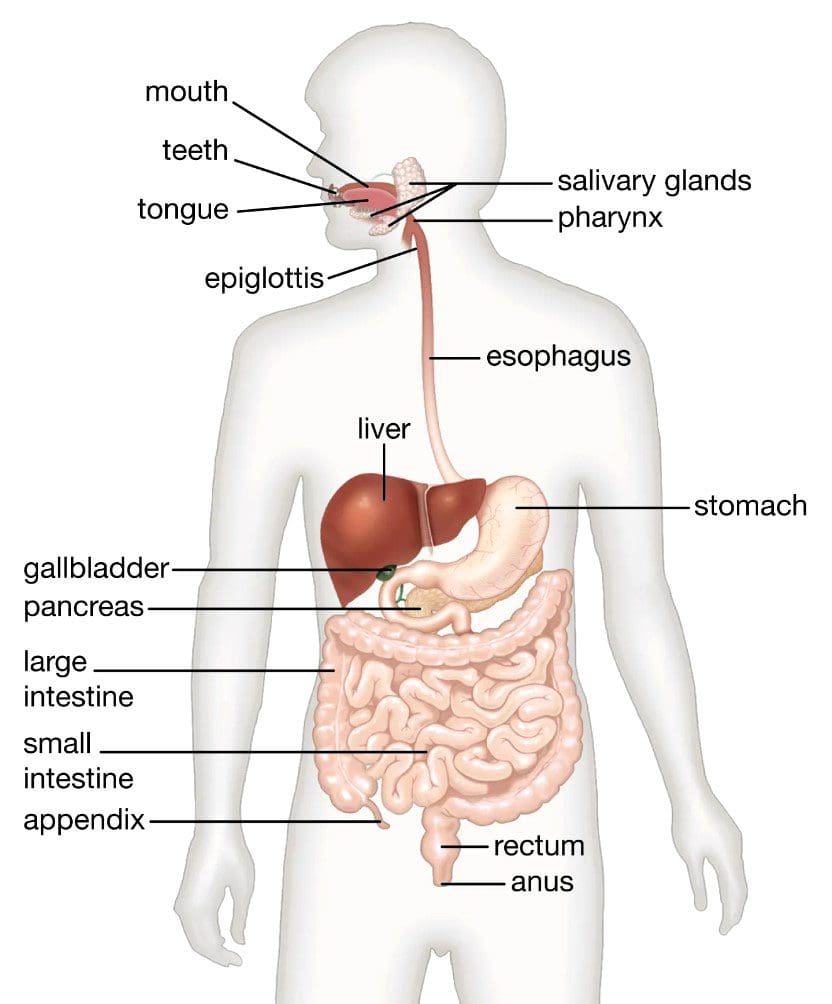
Most people are familiar with food movement from the mouth through the esophagus, stomach, small intestine, and large intestine. However, digestion begins in the mouth with the formation of saliva, and the supportive digestive organs provide the necessary fluids to digest food and used by the body. The digestive tract runs from the mouth to the anus in one long, continuous tube. Several supportive digestive organs assist digestion but are not considered part of the digestive tract, including the salivary glands, pancreas, liver, and gallbladder.
Salivary Glands
The salivary glands produce saliva passed through ducts and into the mouth. Saliva is a clear liquid containing various substances important for digestion and the beginning of the food breakdown process (National Institute of Diabetes and Digestive and Kidney Diseases, 2017). Saliva is important to digestion because it aids chewing, contains antibodies, and helps keep the mouth clean. Infections, mumps, obstructions, Sjogren’s syndrome, and cancer are diseases and conditions that can affect the salivary glands.
Pancreas
Behind the stomach is the pancreas, which is important to digestion because it is where digestive enzymes and hormones are produced. Digestive enzymes help break down food (National Institute of Diabetes and Digestive and Kidney Diseases, 2017). The pancreas also creates Insulin, a hormone that helps balance blood sugar levels. Individuals with Type 1 diabetes are unable to make insulin and need insulin shots to balance sugar levels. Individuals with Type 2 diabetes also need insulin because their body is either resistant to insulin or their pancreas does not respond correctly. (American Diabetes Association, 2024) Glucagon is another hormone produced in the pancreas to raise blood sugar when the levels are very low. For individuals who have diabetes, glucagon can increase blood sugar levels too high. Insulin and glucagon work together to regulate blood sugar. (American Diabetes Association, 2024) Some diseases and conditions affecting the pancreas include pancreatitis, cancer, and cystic fibrosis.
Liver
The liver is one of the largest organs. Its functions include creating bile, storing nutrients and glycogen, converting toxins into harmless substances, and/or enabling their removal. Bile is passed through ducts that run from the liver to the duodenum of the small intestine. Blood circulates through the digestive tract and liver, where vitamins and nutrients are processed and stored (Johns Hopkins Medicine, 2024). The liver is also the body’s detox organ, helping remove byproducts produced by alcohol and medications. The liver also helps break down old or damaged blood cells and produces substances to help with blood clotting. (Johns Hopkins Medicine, 2024) Diseases and conditions of the liver include cirrhosis, hepatitis, hemochromatosis, and cancer.
Gallbladder
The gallbladder is a much smaller organ located just under the liver. This supportive digestive organ stores bile after it is made in the liver. After eating, the small intestine releases a special hormone called cholecystokinin, which prompts the gallbladder to send bile through ducts and into the small intestine. Once in the small intestine, the bile breaks down the fat from the food. Conditions that can affect the gallbladder include gallstones. Surgery to remove the gallbladder, known as a cholecystectomy, is common. Some individuals may initially need to make adjustments to their diet after surgery. (Johns Hopkins Medicine, 2024)
Injury Medical Chiropractic and Functional Medicine Clinic works with primary healthcare providers and specialists to develop highly effective treatment plans through an integrated approach for each patient and restore health and function to the body through nutrition and wellness, functional medicine, acupuncture, Electroacupuncture, and integrated medicine protocols. If the individual needs other treatment, they will be referred to a clinic or physician best suited for them. Dr. Jimenez has teamed up with top surgeons, clinical specialists, medical researchers, nutritionists, and health coaches to provide the most effective clinical treatments.
Healthy Diet and Chiropractic
References
National Institute of Diabetes and Digestive and Kidney Diseases. Dis (2017). Your digestive system & how it works. Retrieved from https://www.niddk.nih.gov/health-information/digestive-diseases/digestive-system-how-it-works
American Diabetes Association. (2024). About diabetes: common terms. https://diabetes.org/about-diabetes/common-terms
Johns Hopkins Medicine. (2024). Liver: anatomy and functions. https://www.hopkinsmedicine.org/health/conditions-and-diseases/liver-anatomy-and-functions
Can understanding the philosophy of intuitive eating help individuals achieve and maintain health goals by breaking free from diets and getting healthy by improving their relationship with food and exercise?
Intuitive Eating
Intuitive eating is a non-diet approach to eating that focuses on listening to the body with internal body cues. Strict food rules are the main reason diets don’t work and negatively impact overall health and well-being. (Linardon, J., & Mitchell, S. 2017) Intuitive eating is characterized by eating in response to physiological hunger and satiety cues rather than emotional cues. The body was born to eat when hungry and stop when full. However, this natural way of eating can get lost in emotions, food rules, and restrictions. Fortunately, getting back to intuitive eating is possible for everyone.
How Does It Work?
Intuitive eating is a non-diet approach that steps away from a diet mentality and applies healthy behaviors around food. It focuses on unlearning external rules, like diet rules and expectations of what and how much to eat, and emphasizes internal cues like hunger, fullness, and how foods make you feel. It is based on principles that help build a healthier relationship with food. Individuals become aware of what to eat, how much to eat, and when to eat naturally, without worry or guilt.
Mindful Eating
Mindful eating is not the same thing as intuitive eating. Individuals can think of mindful eating as a skill or practice, while intuitive eating is a philosophy.
Principles
Understanding the ten core principles and how they work together is important.
Remove The Diet Mentality
Let go of the quick fixes and gimmick diets. These offer false hope that weight loss is easy, quick, and permanent and can make individuals feel like failures for losing and regaining weight.
Honor Hunger
Hunger is a normal, biological process. The body requires adequate amounts of energy and carbohydrates to function properly. Ignoring these cues and hunger can lead to cravings, overeating, and binges. Learning to honor hunger cues sets the stage for rebuilding trust with food. A food scale can help determine proper portions.
Make Friends With Food
Allow yourself unconditional permission to eat what you want. This means including all foods without labeling them as good or bad. Once an individual tells themself they can’t have a certain food, they can feel deprived, and intense cravings can build that often lead to overeating, binges, and extreme food guilt.
Get the Food Police Out Of Your Head
Learn to say no to self-induced thoughts of good or bad based on what is being eaten or how many calories are involved. Diets often say eating too many calories or enjoying a cookie is bad. These rules and restrictions can lower self-esteem and cause feelings of guilt. Removing negative food thoughts, guilt, and other rules is critical to intuitive eating.
Respect The Body’s Fullness
Listen for body cues that say you are full. This means your body is no longer hungry and should stop eating. Enjoy the flavors, stay aware of satiety signals throughout meals, and always be aware of your fullness level.
Satisfaction Factor
Learn to find joy and satisfaction in the eating experience. Eating what they want in an inviting environment promotes happiness and satisfaction, and a positive eating experience has been shown to promote satisfaction with even less food.
Honor Feelings Without Using Food
Don’t fix problems with food. Learn healthy ways to cope with emotions like stress, anxiety, anger, or boredom without turning to food. Feeding emotional hunger only makes feelings worse and adds guilt to the mix.
Respect Your Body
Body size and shape are unique for each person. Acceptance is an important part of self-respect and love. Instead of being critical, embrace individual genetic blueprints.
Being unrealistic and critical about one’s body makes it difficult to reject the diet mentality.
Exercise
Exercise doesn’t have to be intense or extreme to be effective. Individuals should focus on how good it feels to be active and moving their bodies rather than how many calories are burned during the workout sessions. Feeling great and motivated about exercise is easy when there is increased energy, better sleep, and improved quality of life.
Honor Health
Individuals don’t have to be perfect eaters. Infrequently eating a certain snack or meal won’t make you gain weight or cause health problems.
It’s what is eaten consistently over time that matters. Making food choices that taste good and nourish the body is what counts.
Weight Loss Benefits
Intuitive eating is not designed for weight loss. It aims to improve an individual’s relationship with food, including building healthier food behaviors and not focusing on the weight scale. However, learning to be an intuitive eater can help individuals lose weight by allowing the body to break the diet cycle and settle into its natural set point weight range.
Overall Health Benefits
Intuitive eating has been shown to have both physical and emotional health benefits that include:
Higher levels of contentment and satisfaction
Reduced stress
Increased self-esteem
Better body image outlook
Improved cholesterol levels
Improved metabolism
Lower rates of emotional and disordered eating
In a 24-study review that examined the psychosocial effect intuitive eating had on adult women was associated with the following positive results (Bruce, L. J., and Ricciardelli, L. A. 2016)
Decreased eating disorders
Improved positive outlook on body image
Higher emotional functioning
Another study compared restrictive diets and intuitive eating among men and women. The study found that intuitive eating uniquely and consistently presented lower levels of disordered eating and body image concerns. (Linardon, J., & Mitchell, S. 2017) Participants using intuitive eating expressed high levels of body appreciation, and researchers suggested promoting the practice within public health approaches to eating disorder prevention. The study also supported intuitive eating by promoting body acceptance and removing unhealthy thinking about food and eating.
Injury Medical Chiropractic and Functional Medicine Clinic works with primary healthcare providers and specialists to develop a personalized treatment plan through an integrated approach to create personalized care plans for each patient and restore health and function to the body through nutrition and wellness, functional medicine, acupuncture, Electroacupuncture, and sports medicine protocols. If the individual needs other treatment, they will be referred to a clinic or physician best suited for them. Dr. Jimenez has teamed up with top surgeons, clinical specialists, medical researchers, nutritionists, and health coaches to provide the most effective clinical treatments.
Eating Smart To Feel Better
References
Linardon, J., & Mitchell, S. (2017). Rigid dietary control, flexible dietary control, and intuitive eating: Evidence for their differential relationship to disordered eating and body image concerns. Eating behaviors, 26, 16–22. https://doi.org/10.1016/j.eatbeh.2017.01.008
Bruce, L. J., & Ricciardelli, L. A. (2016). A systematic review of the psychosocial correlates of intuitive eating among adult women. Appetite, 96, 454–472. https://doi.org/10.1016/j.appet.2015.10.012
Any form of physical sports activity puts the body at risk for injury. Chiropractic care can prevent injury for all athletes, weekend warriors, and fitness enthusiasts. Regular massaging, stretching, adjusting, and decompressing enhances strength and stability, maintaining the body’s readiness for physical activity. A chiropractor assists in sports injury prevention through analysis of the body’s musculoskeletal system addressing any abnormalities from the natural frame and adjusts the body back into proper alignment. Injury Medical Chiropractic and Functional Medicine Clinic provides various sports injury prevention therapies and treatment plans personalized to the athlete’s needs and requirements.
Sports Injury Prevention
Individuals involved in sports activities push themselves through rigorous training and play sessions to new levels. Pushing the body will cause musculoskeletal wear and tear despite meticulous care and training. Chiropractic addresses potential injuries by proactively correcting the problematic areas within the musculoskeletal system to improve body functionality. It ensures that all system structures, spine, joints, muscles, tendons, and nerves are working correctly and at their healthiest, most natural state.
Performance
When muscles are restricted from moving how they are designed to, other areas over-compensate and over-stretch to make the movement possible, increasing the risk of injury as they overwork. This is how the vicious cycle starts. Regular professional chiropractic:
Regularly assesses the alignment of the body.
Keeps the muscles, tendons, and ligaments loose.
Spots any imbalances and weaknesses.
Treats and strengthens the imbalances and deficiencies.
Advises on maintaining alignment.
Treatment Schedule
Consecutive treatments are recommended to allow the musculoskeletal system to adapt to regular treatments. This allows the therapists to get used to how the body looks, feels, and is aligned. The chiropractic team gets used to the body’s strengths and weaknesses and learns the areas that need attention during each treatment. Initial treatment could be every week or two, allowing the chiropractor to spot any discrepancies in movement patterns and giving the body a chance to acclimate to the therapy. Then regular treatment every four to five weeks depending on the sport, training, games, recovery schedule, etc., helps maintain a relaxed, balanced, and symmetrically aligned body.
Pre-Workouts
References
Hemenway, David, et al. “Injury prevention and control research and training in accredited schools of public health: a CDC/ASPH assessment.” Public health reports (Washington, D.C.: 1974) vol. 121,3 (2006): 349-51. doi:10.1177/003335490612100321
Nguyen, Jie C et al. “Sports and the Growing Musculoskeletal System: Sports Imaging Series.” Radiology vol. 284,1 (2017): 25-42. doi:10.1148/radiol.2017161175
Van Mechelen, W et al. “Incidence, severity, etiology and prevention of sports injuries. A review of concepts.” Sports medicine (Auckland, N.Z.) vol. 14,2 (1992): 82-99. doi:10.2165/00007256-199214020-00002
Weerapong, Pornratshanee et al. “The mechanisms of massage and effects on performance, muscle recovery, and injury prevention.” Sports medicine (Auckland, N.Z.) vol. 35,3 (2005): 235-56. doi:10.2165/00007256-200535030-00004
Wojtys, Edward M. “Sports Injury Prevention.” Sports health vol. 9,2 (2017): 106-107. doi:10.1177/1941738117692555
Woods, Krista et al. “Warm-up and stretching in the prevention of muscular injury.” Sports medicine (Auckland, N.Z.) vol. 37,12 (2007): 1089-99. doi:10.2165/00007256-200737120-00006
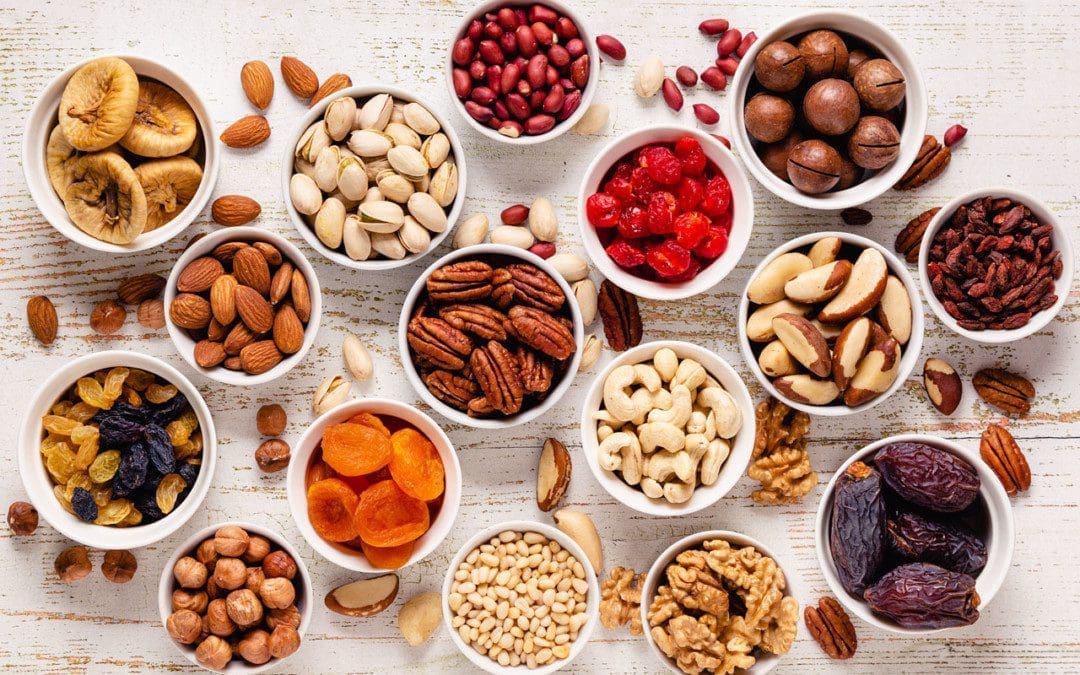
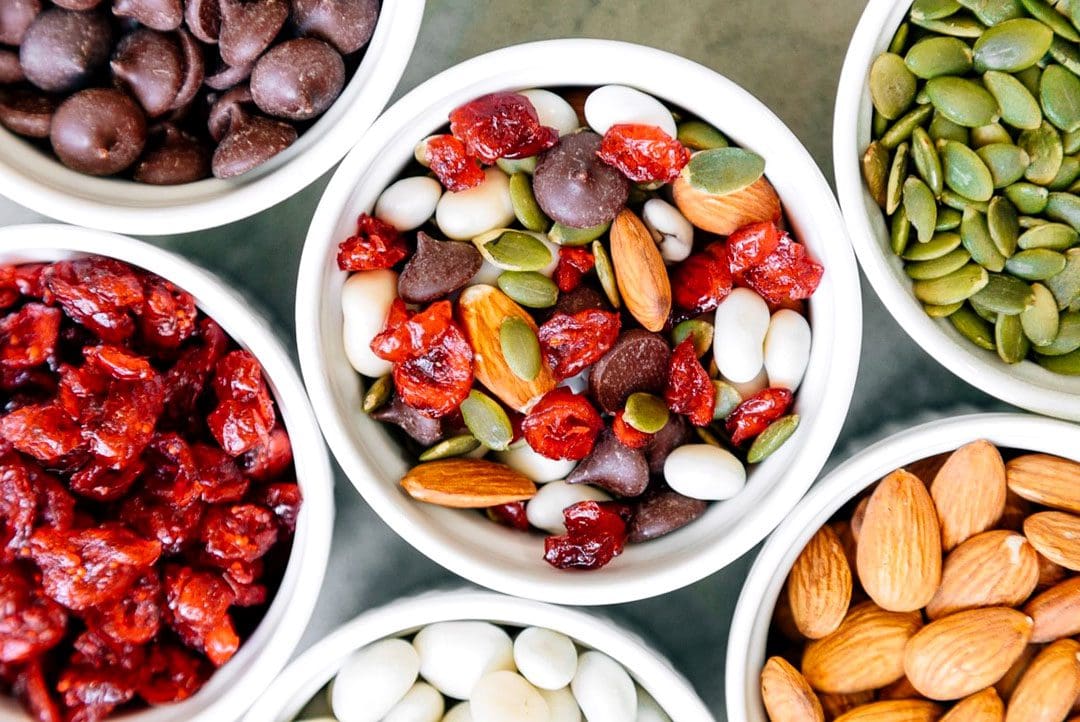
Trail mix is a favorite snack for many individuals. A typical mix combines granola, dried fruits, nuts, seeds, cereals, and pretzels. The mix was originally developed as a portable snack/meal for hikers that was lightweight, could be stored in a backpack, and provided plenty of protein and energy. Prepackaged trail mix is available at many grocery stores and online retailers. It’s an excellent choice for traveling or going on a road trip because of its energy and nutritional content. However, not all types are considered equal in terms of nutrition. Some can consist of ingredients loaded with sugar and salt. Added consumption could cause weight gain and contribute to conditions like heart disease, type 2 diabetes, and liver problems. Here we look at choosing healthy mixes.
Trail Mix
The nutritional power comes from the high amounts of fiber and antioxidants.
Benefits
Protein and Healthy Fats
Protein is essential for tissue repair, immune health, and muscle development.
Nuts and seeds make up the largest portion.
A healthy source of protein, allowing individuals to snack on the go and not become hungry.
One of the greatest benefits of eating these is that they are full of heart-healthy fats.
These healthy fats help decrease unhealthy LDL cholesterol levels and reduce inflammation.
Fiber
The fiber in the seeds and granola helps keep the gut healthy and regular.
It also helps control appetite, aids in digestion, and keeps the body fuller longer.
Energy
Dried fruits and granola consist of healthy sugars.
Healthy sugars help stabilize blood sugar levels, providing the body with a consistent energy source.
Antioxidants, Vitamins, and Minerals
Dried fruit maintains a majority of its nutritional value.
The nuts and seeds are also packed with nutrients and antioxidants.
Choosing Healthy
Check the nutrition label and avoid varieties high in added sugar or sodium.
Look for products containing nutrient-dense ingredients like nuts, seeds, dried fruits, and limited amounts of candy or chocolate chips, if any.
Healthy ingredients include almonds, pumpkin seeds, cashews, sunflower seeds, dried fruit, popcorn, and dark chocolate.
Making trail mix at home allows control of its contents and maximizes its potential health benefits.
It is important to keep an eye on portion control.
A recommended serving is about a fourth of a cup.
Nutritionist
Nutritional consultation can improve an individual’s quality of life, health, and well-being. A nutritionist can help individuals with precision or personalized nutrition that focuses on the individual. Nutritionists can create meal plans for their clients and provide education and knowledge on appropriate food choices.
Potassium
References
Devitt, A A et al. “Appetitive and Dietary Effects of Consuming an Energy-Dense Food (Peanuts) with or between Meals by Snackers and Nonsnackers.” Journal of nutrition and metabolism vol. 2011 (2011): 928352. doi:10.1155/2011/928352
Grillo, Andrea et al. “Sodium Intake and Hypertension.” Nutrients vol. 11,9 1970. 21 Aug. 2019, doi:10.3390/nu11091970
Mehlhose, Clara, et al. “PACE Labels on Healthy and Unhealthy Snack Products in a Laboratory Shopping Setting: Perception, Visual Attention, and Product Choice.” Foods (Basel, Switzerland) vol. 10,4 904. 20 Apr. 2021, doi:10.3390/foods10040904
Vreman, Rick A et al. “Health and economic benefits of reducing sugar intake in the USA, including effects via non-alcoholic fatty liver disease: a microsimulation model.” BMJ open vol. 7,8 e013543. 3 Aug. 2017, doi:10.1136/bmjopen-2016-013543
Non-surgical spinal decompression relieves pain related to spinal conditions, injuries, and disorders that provides a comfortable, affordable alternative treatment option to costly and invasive surgical procedures. Non-surgical spinal decompression can also relieve pain associated with post-surgical rehabilitation. A key to successful outcomes is including added components of the treatment that includes spinal decompression nutrition.
Spinal Decompression Nutrition
Proper nutrition and a balanced diet are essential elements of overall health. Individuals suffering from herniated discs, bulging discs, degenerated discs, sciatica, and chronic low back and neck pain are often deficient in vitamins and minerals, leading to inflammation and pain. These deficiencies can cause or exacerbate the pain and prevent or slow down healing. The bones, muscles, and other structures in the spine need proper nutrition to be strong enough to support the body and perform functions optimally. A health coach and nutritionist can recommend the proper diet and supplements to expedite healing, depending on the patient, the circumstances, and the individual situation. A non-inflammatory diet can make a big difference in patients’ symptoms and the effectiveness of decompression therapy.
The Right Foods
Eating a balanced diet with the right amount and variety of vitamins and nutrients can reduce back problems by nourishing the spine’s bones, muscles, discs, and other structures. While a healthy diet calls for various vitamins and nutrients, several healthy choices can directly benefit the spine. First and foremost is:
Sugar and Nitrate Reduction
High sugar diets lack the nutrients needed to prevent the release of inflammatory mediators.
The average individual consumes around 100 lbs of sugar per year.
Dessert foods are high infatty acids, which increase inflammation.
Any foods containing high fructose corn syrup like salad dressings and sodas.
Processed foods high in nitrates like hot dogs, sausage, and lunch meats.
Super Foods
Increase healing of the spine at the cellular level with superfoods that include:
Water – maintaining hydration is important for re-hydrating degenerated, dried-out discs.
Pre Spinal Decompression Nutrition
The human body was created to heal itself; however, getting the proper nutrition can be difficult as circulation is impeded/blocked when going through a back injury or spinal condition. Eating and/or supplementing with essential nutrients and minerals could be recommended to encourage and engage the healing process. Using nutrients to improve recovery and healing is known as immunonutrition. Pre-decompression allows the tissues to begin healing. Then the chiropractic health team can prepare the tissues for decompression through therapeutic massage, heat, low-level laser therapy, and ultrasound.
DRX9000 Explained by a Neurosurgeon
References
Calder, Philip C. “Fatty acids and inflammation: the cutting edge between food and pharma.” European journal of pharmacology vol. 668 Suppl 1 (2011): S50-8. doi:10.1016/j.ejphar.2011.05.085
Gay R. “All About Spinal Decompression Therapy.” Spine-health. http://www.spine-health.com/treatment/chiropractic/all-about-spinal-decompression-therapy. Published September 2013. Accessed April 2015.
InformedHealth.org [Internet]. Cologne, Germany: Institute for Quality and Efficiency in Health Care (IQWiG); 2006-. What is inflammation? 2010 Nov 23 [Updated 2018 Feb 22]. Available from: https://www.ncbi.nlm.nih.gov/books/NBK279298/
Innes, Jacqueline K, and Philip C Calder. “Omega-6 fatty acids and inflammation.” Prostaglandins, leukotrienes, and essential fatty acids vol. 132 (2018): 41-48. doi:10.1016/j.plefa.2018.03.004
IFM's Find A Practitioner tool is the largest referral network in Functional Medicine, created to help patients locate Functional Medicine practitioners anywhere in the world. IFM Certified Practitioners are listed first in the search results, given their extensive education in Functional Medicine