For individuals experiencing musculoskeletal pain symptoms like lower back pain and shoulder pain, can incorporating cupping therapy help bring relief and manage pain?
Cupping Therapy
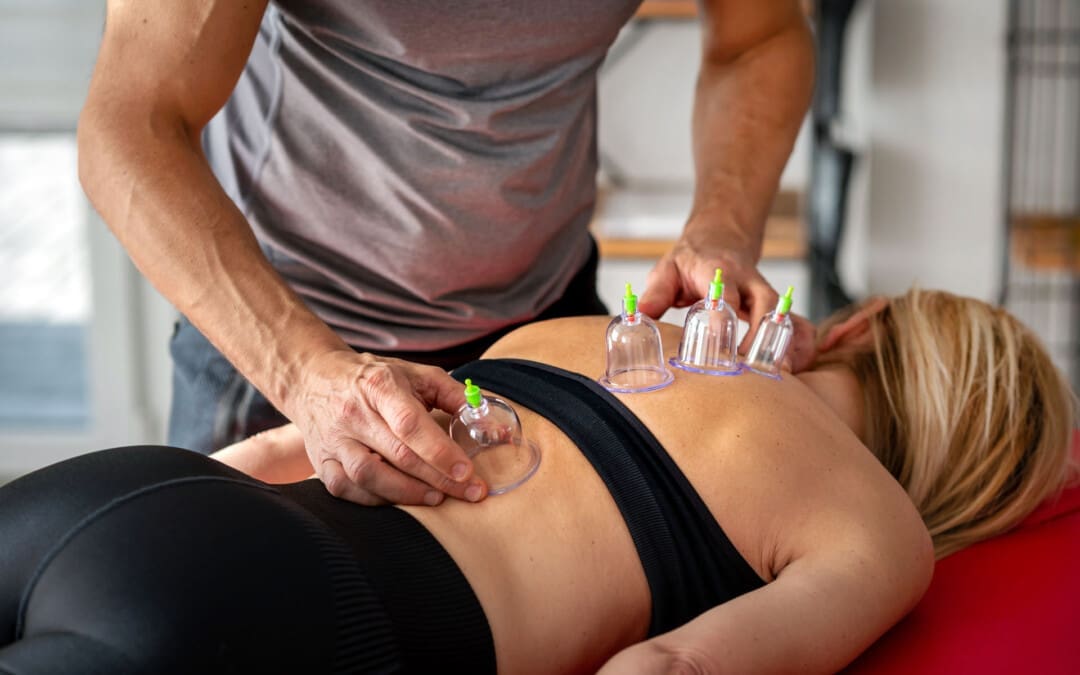
This ancient treatment is gaining public acceptance, and awareness has heightened, with various individuals and athletes being seen with round marks on their shoulders and backs. It is a pain treatment that, like acupuncture, comes from traditional Chinese medicine, or TCM. The therapy involves placing glass, silicone, or bamboo cups on the skin to create suction. The treatment is an alternative medicine technique used to relieve musculoskeletal pain. The suction is believed to promote healing (Cleveland Clinic, 2023)
Increasing Blood Circulation
The suction draws blood to the area, which can help reduce inflammation and promote healing.
Releasing Muscle Tension
The suction can stretch and pull on muscles, which can help relieve pain and tightness.
Breaking Up Adhesions
The suction can help break up scar tissue and adhesions that can cause pain and restricted movement.
Detoxifying the Body
Some practitioners believe that cupping can help remove toxins from the body.
It is typically performed by a trained practitioner who places the cups on the skin and leaves them in place for several minutes. The cups can be placed on various body areas, including the back, neck, shoulders, and legs. (Cleveland Clinic, 2023)
Benefits
Pain relief, especially for muscle and joint pain
Reduced inflammation
Improved circulation
Increased range of motion
Detoxification
Procedure
The medical practice involves creating skin suction using glass, ceramic, or plastic cups. How it’s done:
Preparation
The practitioner cleans the area where the cups will be placed.
They may apply oil or massage cream to the skin for easier movement of the cups.
Techniques
Dry
The practitioner heats the inside of the cup with a flame or pump, creating a vacuum.
The cup is then placed on the skin, which adheres due to the negative pressure.
The cup remains on the skin for several minutes, allowing the suction to draw blood and tissue into the cup.
Wet
Like the dry technique, the practitioner makes small incisions in the skin before applying the cup.
This allows blood to flow into the cup, creating a more intense suction.
Aftercare
The cups are removed, and the practitioner may apply pressure to the area to stop bleeding.
The patient is advised to avoid strenuous activity and hot showers for a few hours after the treatment.
The benefits of therapy include opening pores, stimulating blood flow, filtration, and balancing energy flow through the body. It’s often combined with massage and acupuncture. (Cleveland Clinic, 2023)
It also aims to alleviate symptoms of systematic diseases like diabetes and hypertension. However, more research is needed to see and fully analyze the effects of the treatment. (Aboushanab T. S., & AlSanad S. 2018)
Risks
The therapy is generally safe when done correctly and by a licensed professional. However, there is some risk of side effects like skin discoloration and scarring. Reports of rare side effects include bleeding inside the skull from cupping on the scalp and anemia from repeated wet techniques. (National Center for Complementary and Integrative Health, 2018) Other side effects can include:
Bruising
It can cause temporary bruising at the site of the cups.
Skin Irritation
Some people may experience skin irritation or burns from the suction.
Infection
There is a small risk of infection if the cups are not properly sterilized.
Injury Medical Chiropractic & Functional Medicine Clinic
It is important to consult with a healthcare professional before trying any new treatment, especially if you have any underlying health conditions. Injury Medical Chiropractic and Functional Medicine Clinic works with primary healthcare providers and specialists to develop an optimal health and wellness solution. We focus on what works for you to relieve pain, restore function, and prevent injury. Regarding musculoskeletal pain, specialists like chiropractors, acupuncturists, and massage therapists can help mitigate the pain through spinal adjustments that help the body realign itself. They can also work with other medical professionals to integrate a treatment plan to resolve musculoskeletal issues.
Aboushanab, T. S., & AlSanad, S. (2018). Cupping Therapy: An Overview from a Modern Medicine Perspective. Journal of acupuncture and meridian studies, 11(3), 83–87. https://doi.org/10.1016/j.jams.2018.02.001
National Center for Complementary and Integrative Health. (2018). Cupping. Retrieved from https://www.nccih.nih.gov/health/cupping
Can stretching quadriceps help relieve stiffness and pain and improve flexibility for individuals with consistently tight quadriceps?
Quadriceps Stretches
Walking, running, biking, and other daily activities can tighten the quadriceps muscles. The quadriceps are four muscles in the front of the thigh that extend the leg and strengthen the knee. Stretching the quadriceps may be a part of a home or gym exercise program or physical therapy treatment to maintain quadricep flexibility. Resting the quadriceps with an exercise program can greatly maximize mobility and prevent injury.
Tight quadriceps may sometimes result from injuries such as patellofemoral stress syndrome or iliotibial band friction syndrome. The quads may also become tight for individuals with spinal stenosis or other related problems with the lower back. (International Sports Sciences Association, 2023) Ely’s test, also known as the Duncan-Ely test, is one way to determine whether your quadriceps are tight. It is a physical examination used to assess the flexibility and potential spasticity of the rectus femoris muscle (a quadriceps muscle) by passively flexing the patient’s knee. Lie on your stomach and try to touch your foot to your buttocks. If you can’t, the rectus femoris, one of the main muscles, may be tight and benefit from quadricep stretches. (Olivencia, O. et al., 2020)
Safety and Precautions
Before trying this or any other exercise program, consult a healthcare provider to ensure exercise is safe for you and your conditions. A professional can help diagnose any overuse injury that might be causing tight quadriceps. Quadriceps stretches will be a little more comfortable after warming up. A few minutes of walking or biking will warm the quadriceps muscles to stretch more easily.
Stretches
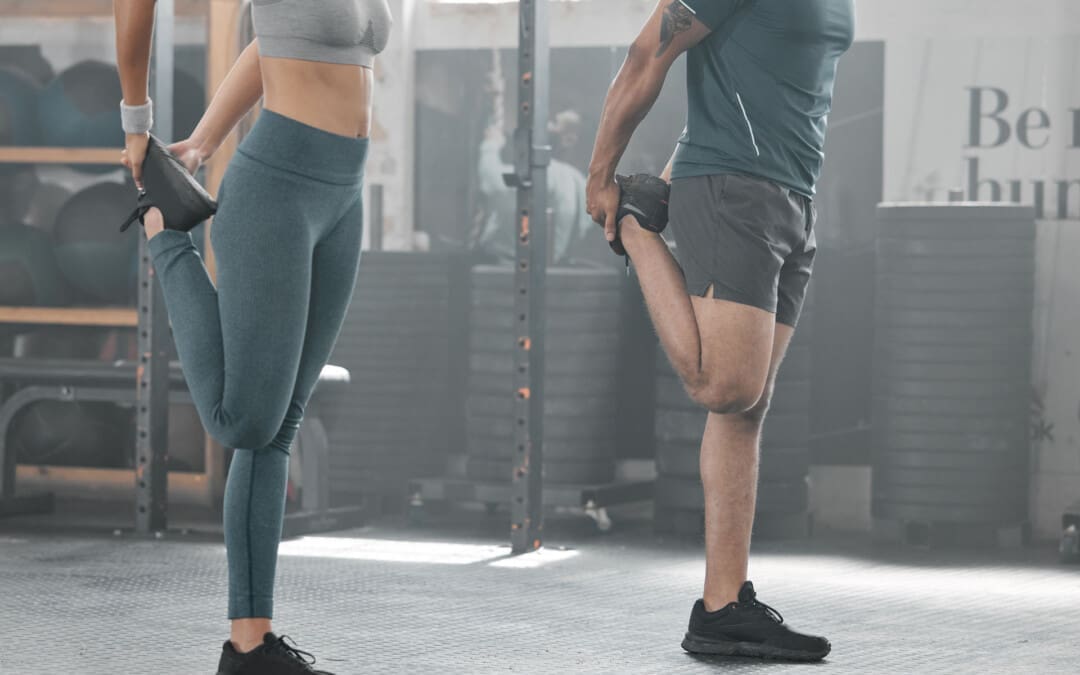
To stretch the quadriceps, try the standing, side-lying, and prone quadriceps stretch once fully warmed up and after a workout. Individuals who frequently experience quadriceps tightness should stretch them daily. Incorporate all or some of these stretches into a cool-down or off-day flexibility routine.
Standing Stretch
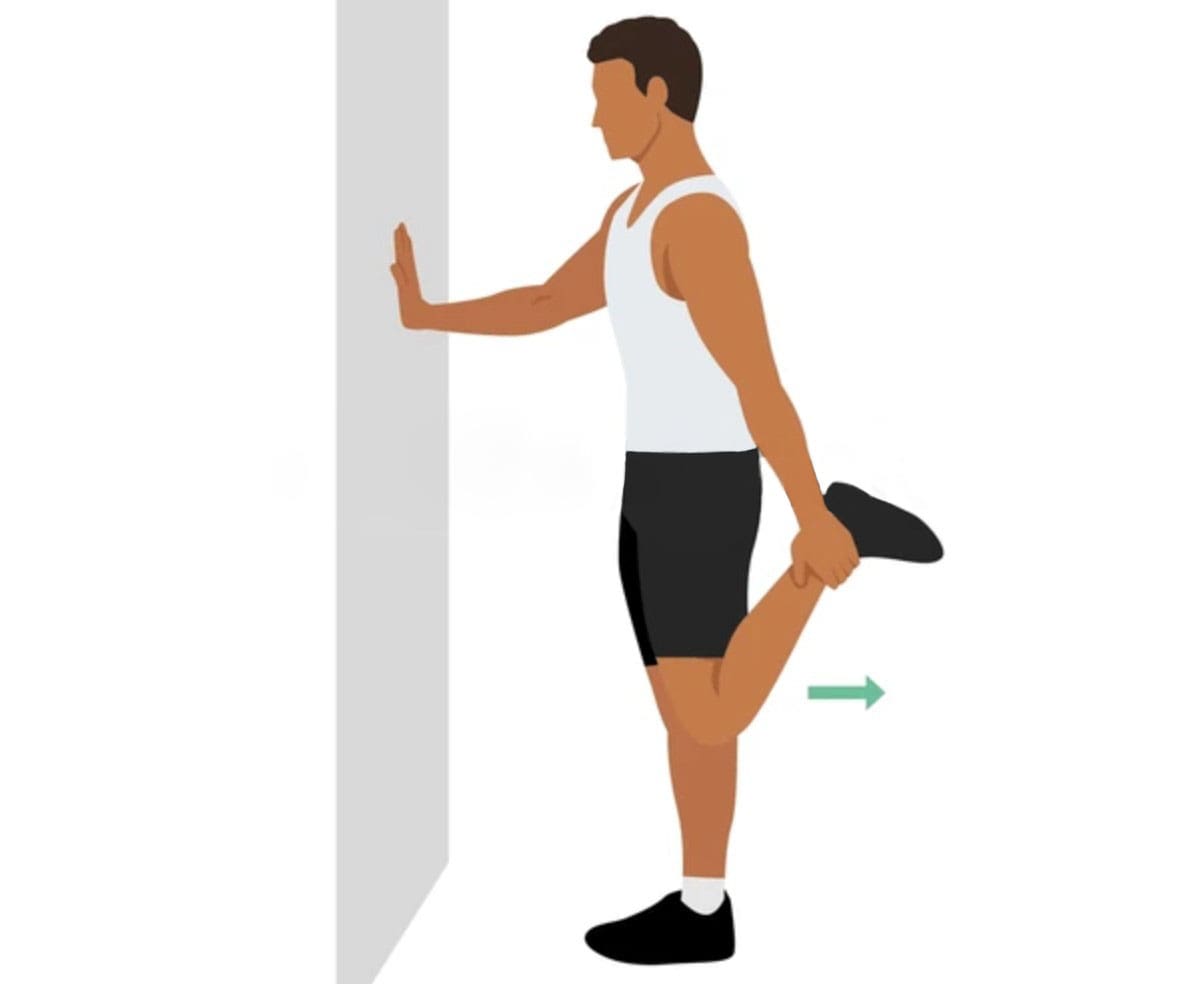
The standing quadriceps stretch can be done anywhere in the office, gym, or outside. All you need is a place to stand. Here is how:
While standing, hold onto a countertop or back of a chair to help with balance.
Bend your knee by grasping your ankle.
Move your foot toward your buttocks.
Gently pull on your ankle to bend your knee as far as possible.
Maintain position for 30 seconds.
Return to the standing position.
Repeat the exercise 3 to 5 times with each leg.
Stop stretching if there are any sharp pains.
Side-Lying Stretch
The side-lying quad stretch lengthens the quadriceps. On the floor in a supported position can help focus on the stretch. Here’s how:
Lie on your side.
Bend the knee of your top leg as far as you can, gently pulling with your hand.
Maintain position for 30 seconds.
Return to the starting position.
Repeat the exercise 3 to 5 more times with each leg.
Prone Stretch
Stretch the quadriceps while lying on your stomach. In this position, the floor helps to stabilize the pelvis, minimizing rocking and maximizing the stretch. To do the stretch:
Lie on your stomach.
Bend your knee back as far as you are able.
Grab your ankle to pull your foot toward your buttocks.
Maintain position for 30 seconds.
Return to the starting position.
Repeat the exercise 3 to 5 more times with each leg.
If you have difficulty reaching your ankle, pull the leg up, wrap a towel or strap around the ankle, and use it to pull. This can help stretch the quadriceps effectively even if you cannot reach the ankle easily.
Injury Medical Chiropractic & Functional Medicine Clinic
Consult a healthcare provider or physical therapist to learn the recommended quadriceps stretches or other strengthening exercises. Keeping the quadriceps healthy will help keep the knees moving and maximize functional mobility. Injury Medical Chiropractic and Functional Medicine Clinic works with primary healthcare providers and specialists to develop an optimal health and wellness solution. We focus on what works for you to relieve pain, restore function, and prevent injury. Regarding musculoskeletal pain, specialists like chiropractors, acupuncturists, and massage therapists can help mitigate the pain through spinal adjustments that help the body realign itself. They can also work with other medical professionals to integrate a treatment plan to resolve musculoskeletal issues.
Chiropractic Care For Leg Instability
References
International Sports Sciences Association. (2023). How to Release Tight Quads in 2 Simple Steps. ISSA. https://www.issaonline.com/blog/post/how-to-release-tight-quads-in-2-simple-steps
Olivencia, O., Godinez, G. M., Dages, J., Duda, C., Kaplan, K., Kolber, M. J., Kaplan, & Kolber (2020). THE RELIABILITY AND MINIMAL DETECTABLE CHANGE OF THE ELY AND ACTIVE KNEE EXTENSION TESTS. International journal of sports physical therapy, 15(5), 776–782. https://doi.org/10.26603/ijspt20200776
Could making their own cervical neck roll help relieve pain and improve sleep for individuals who have neck pain after sleeping or during sleep?
Sleep Cervical Neck Roll
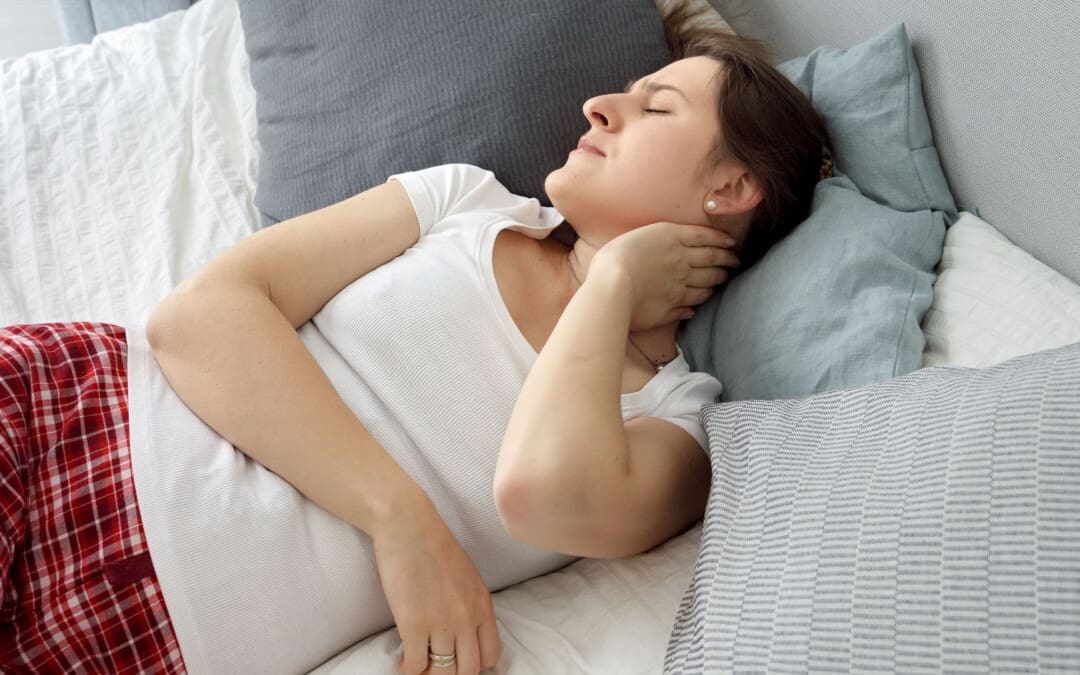
Neck pain can lead to sleep loss, leading to various health problems. Neck pain and everything that comes with it can limit the ability to work, drive, or sleep normally. A cervical roll may be one way to keep your neck in the optimal position while sleeping. Many with neck pain require extra support from their pillow. A cervical pillow can provide that support.
For individuals who develop neck pain, a visit to a chiropractic physical therapist can help manage symptoms. Treatments and modalities like traction may be necessary to relieve pressure on cervical nerves. (Gudavalli M. R. et al., 2015) Steps to self-manage neck pain may include performing specific neck exercises and maintaining proper posture (Hesby B. B. et al., 2019). Using the right pillow with the right support can help keep the neck in correct alignment, decrease or eliminate neck pain, and get you back to normal activities.
Neck Support During Sleep
The neck comprises seven vertebrae bones, normally forming a slight curve called lordosis. Maintaining a forward curve in the neck is important when treating neck pain, as it can help relieve pressure on spinal discs and nerves. A cervical roll, also known as a neck roll or cervical pillow, is a small pillow placed in the pillowcase that supports the neck while sleeping. The cervical roll provides the right amount of support for the neck and maintains alignment while lying down. (Gross A. R. et al., 2013)
Individuals can purchase a cervical roll online or at a store or pharmacy.
Individuals can also contact a physical therapist to help them obtain a cervical roll.
Making Your Own
Making a cervical roll is simple to do. Here’s how:
Using a hand towel.
Fold it in half.
Slide the towel into the pillowcase along the lower edge.
Be sure the towel is tucked in so it doesn’t slip out.
Individuals can place tape around it so it stays in the rolled shape.
The towel roll will also help support the neck when lying on one side or the other, filling in the space between the head and shoulder. Sleeping on the stomach is usually not recommended for neck pain. Exercise and postural correction training are essential components of treatment for neck pain, and finding the right sleeping posture can help quickly eliminate pain. (Harvard Publishing, 2022)
If neck pain persists, worsens, or is accompanied by arm weakness or numbness and tingling, a visit to a healthcare provider may be necessary to assess the cause. A visit to a local chiropractic physical therapist can also help. They can immediately show you how to treat neck pain.
Injury Medical Chiropractic & Functional Medicine Clinic
A cervical roll can give your neck the right support while sleeping. This can help you quickly and safely manage neck pain and return to your previous level of function. Injury Medical Chiropractic and Functional Medicine Clinic works with primary healthcare providers and specialists to develop an optimal health and wellness solution. We focus on what works for you to relieve pain, restore function, and prevent injury. Regarding musculoskeletal pain, specialists like chiropractors, acupuncturists, and massage therapists can help mitigate the pain through spinal adjustments that help the body realign itself. They can also work with other medical professionals to integrate a treatment plan to resolve musculoskeletal issues.
The Road To Recovery: Chiropractic Care
References
Gudavalli, M. R., Salsbury, S. A., Vining, R. D., Long, C. R., Corber, L., Patwardhan, A. G., & Goertz, C. M. (2015). Development of an attention-touch control for manual cervical distraction: a pilot randomized clinical trial for patients with neck pain. Trials, 16, 259. https://doi.org/10.1186/s13063-015-0770-6
Hesby, B. B., Hartvigsen, J., Rasmussen, H., & Kjaer, P. (2019). Electronic measures of movement impairment, repositioning, and posture in people with and without neck pain-a systematic review. Systematic reviews, 8(1), 220. https://doi.org/10.1186/s13643-019-1125-2
Gross, A. R., Kaplan, F., Huang, S., Khan, M., Santaguida, P. L., Carlesso, L. C., Macdermid, J. C., Walton, D. M., Kenardy, J., Söderlund, A., Verhagen, A., & Hartvigsen, J. (2013). Psychological Care, Patient Education, Orthotics, Ergonomics, and Prevention Strategies for Neck Pain: A Systematic Overview Update as Part of the ICON Project. The open orthopaedics journal, 7, 530–561. https://doi.org/10.2174/1874325001307010530
Harvard Health Publishing. (2022). Say “good night” to neck pain. https://www.health.harvard.edu/pain/say-good-night-to-neck-pain
What type of exercise is recommended for individuals who want to exercise before bed?
Exercising Before Bed
Exercising sounds like a good way to tire the mind and body before bed. However, research shows that moderate to vigorous exercise later in the day can negatively impact sleep quality. (Alkhaldi E. H. et al., 2023)
To improve sleep, it is recommended that you exercise in the morning or earlier in the day, at least four hours before bed.
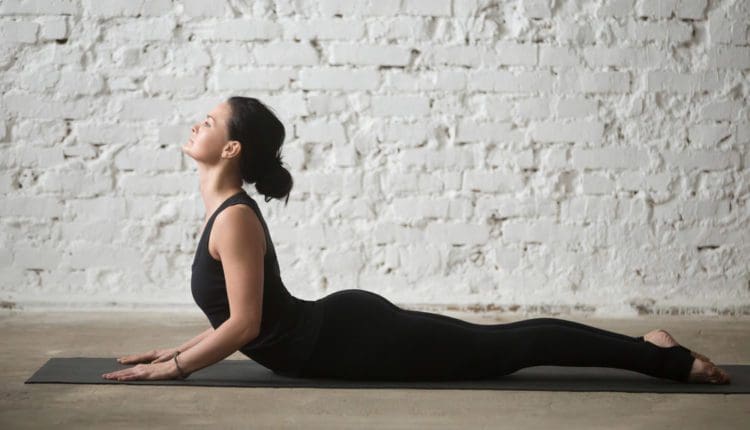
Individuals who exercise later should aim for lighter activities, such as non-strenuous walking or gentle, restorative yoga.
Light physical activity, like a slow walk after dinner, is OK.
Advantages
Daily exercise improves sleep quality. (Johns Hopkins Medicine, 2025) Mild exercise before bed and engaging in light activities like walking or stretching can positively affect health (Hijikata Y, Yamada S. 2011). These include:
Decrease muscle tension
Improve digestion
Improve blood sugar regulation
Relax the mind and body
Disadvantages
The nervous system naturally switches between active and calm. It is ready to work and engage in physical activities when it is active. When it is resting, sleep occurs. Activating the nervous system before bed can affect sleep, and exercising can affect body temperature, producing sleep challenges. Typically, body temperature decreases as the body prepares for sleep. Exercising before bed can increase core temperature and disrupt the process. (Szymusiak R. 2018) Moderate or vigorous physical activity close to going to sleep can: (Alkhaldi E. H. et al., 2023)
Make it more difficult to fall asleep
This leads to more waking up during the night.
Decrease sleep quality
Recommended Types of Exercise
Pre-bedtime activities should not be vigorous or engaging enough to make the body and mind more alert. Some exercises to calm the body and mind before bed include: (Sleep Foundation, 2023)
Restorative Yoga
Yoga Nidra and other low-intensity yoga can help promote sleep.
More intense forms of yoga, such as vinyasa/flow, should be done earlier.
Tai Chi
A Chinese practice that incorporates slow, gentle movements and focuses on breathing to promote peace and relaxation.
Slow Walking
Walking at a leisurely pace can help the body unwind and relax.
A slow heart rate and breathing indicate that the activity is calming and not stimulating.
Exercises to Avoid
Moderate to high-intensity workouts before bed that increase breathing and heart rate can disrupt sleep. Individuals who struggle to fall asleep or get restful sleep should try reducing the intensity of certain exercises or avoiding them one to two hours before bed. Examples of moderate to vigorous exercises include: (American Heart Association, 2024)
Gardening or heavy yard work
Running
Brisk walking
Cycling
Dancing
Sports activities
Working Out In The Evening
Sometimes, exercising later in the day or close to bedtime is the only time to get physical activity. If this is the case, late exercise is better than no exercise at all, but there are ways to lessen its impact on sleep, including:
Light physical activity, like walking, can be done up to an hour before bed.
Do more intense exercises at the beginning of the workout.
End the workout with a cooldown, like walking or stretching, to relax the mind and body.
Know how your workout schedule impacts your sleep, and adjust as necessary.
Injury Medical Chiropractic & Functional Medicine Clinic
Injury Medical Chiropractic and Functional Medicine Clinic works with primary healthcare providers and specialists to develop an optimal health and wellness solution. We focus on what works for you to relieve pain, restore function, and prevent injury. Regarding musculoskeletal pain, specialists like chiropractors, acupuncturists, and massage therapists can help mitigate the pain through spinal adjustments that help the body realign itself. They can also work with other medical professionals to integrate a treatment plan to resolve musculoskeletal issues.
Optimizing Your Wellness
References
Alkhaldi, E. H., Battar, S., Alsuwailem, S. I., Almutairi, K. S., Alshamari, W. K., & Alkhaldi, A. H. (2023). Effect of Nighttime Exercise on Sleep Quality Among the General Population in Riyadh, Saudi Arabia: A Cross-Sectional Study. Cureus, 15(7), e41638. https://doi.org/10.7759/cureus.41638
Johns Hopkins Medicine. (2025). Exercising for better sleep. https://www.hopkinsmedicine.org/health/wellness-and-prevention/exercising-for-better-sleep
Hijikata, Y., & Yamada, S. (2011). Walking just after a meal seems to be more effective for weight loss than waiting for one hour to walk after a meal. International journal of general medicine, 4, 447–450. https://doi.org/10.2147/IJGM.S18837
Szymusiak R. (2018). Body temperature and sleep. Handbook of clinical neurology, 156, 341–351. https://doi.org/10.1016/B978-0-444-63912-7.00020-5
Sleep Foundation. (2023). Bedtime routines for adults. https://www.sleepfoundation.org/sleep-hygiene/bedtime-routine-for-adults
American Heart Association. (2024). American Heart Association recommendations for physical activity in adults and kids. https://www.heart.org/en/healthy-living/fitness/fitness-basics/aha-recs-for-physical-activity-in-adults
Harvard Health Publishing. (2024). Does exercising at night affect sleep? https://www.health.harvard.edu/staying-healthy/does-exercising-at-night-affect-sleep
For individuals experiencing lower back pain and sciatica symptoms, can using a lidocaine patch help?
Lidocaine Patch
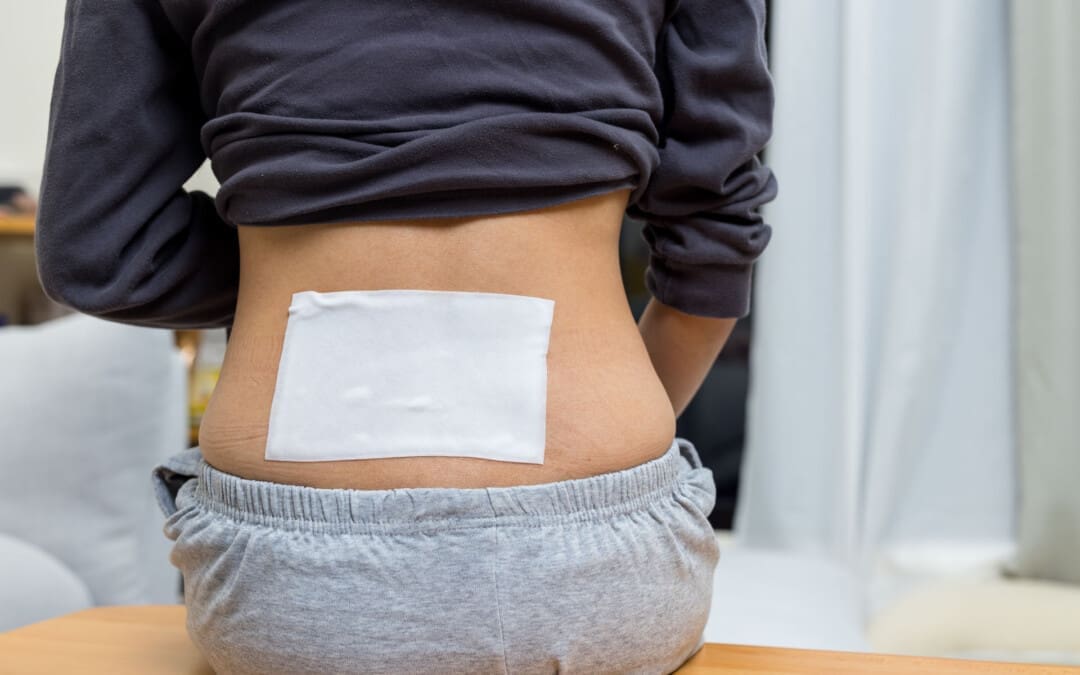
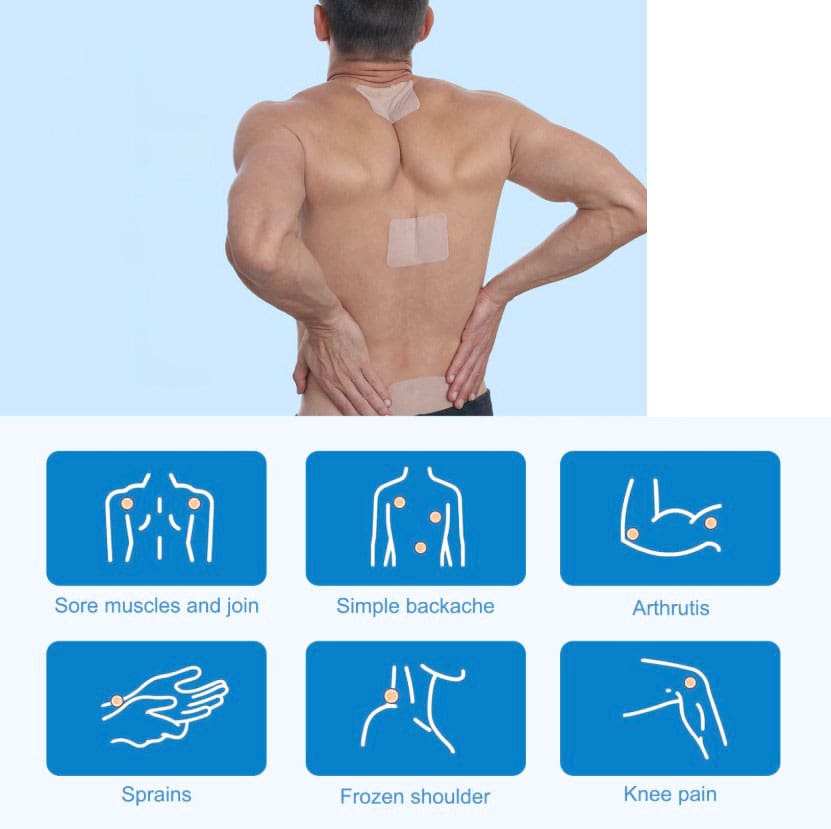
Lidocaine patches are in a drug class called local anesthetics (MedlinePlus, 2025) (Food and Drug Administration, 2022). They relieve pain in small body areas by blocking the nerves from sending pain signals. The Food and Drug Administration approved lidocaine 5% or 1.8% patches for relieving postherpetic neuralgia (PHN) pain. These lidocaine patches are prescription-only (Food and Drug Administration, 2022). They are available either by prescription or over the counter and are commonly used for back pain and other areas. Over-the-counter lidocaine, 4% patches, can be used to relieve minor aches and pains, including back pain. However, further research is needed to recommend the use of lidocaine patches as an effective method of pain relief. (Department of Veterans Affairs/Department of Defense, 2022) (North American Spine Society, 2020)
The Patch
They are available in prescription and over-the-counter forms. Over-the-counter forms come as a 4% patch in various brands, such as (MedlinePlus, 2025)
Aspercreme
Lidocare
Salonpas
Prescription-only patches come in 5% or 1.8% patches and are approved to relieve long-term nerve pain from shingles in adults. Zlido is a brand name for a 1.8% lidocaine patch. Five percent lidocaine patches are available generically. (DailyMed, 2018) (Food and Drug Administration, 2021) The safety and effectiveness in children are unknown. (Food and Drug Administration, 2022)
Other Lidocaine Forms
As a local anesthetic, it is available in several other forms, including:
Spray
Topical cream
Lotion
Liquid
Ear drops
Eye gel
Injection
It is also available as a short-term intravenous infusion for abnormal heart rhythm. (DailyMed, 2025)
Effectiveness
Clinical trials have shown that the patches effectively relieve chronic low back pain. However, these studies were nonrandomized and did not include a control group to compare against the treatment group. (Santana J. A., Klass S., & Felix E. R. 2020) The results may be subject to potential biases. For this reason, further evidence is needed to support lidocaine patches’ effectiveness in reducing low back pain. (North American Spine Society, 2020) High-quality randomized and controlled clinical trials are necessary to study the effectiveness. (North American Spine Society, 2020) (Santana J. A., Klass S., & Felix E. R. 2020)
Clean and dry the affected area before placing the patch.
Apply to the affected body area as directed.
Wash your hands after touching the patch.
Remove the patch after what is usually recommended after eight hours.
How Quickly Does It Work?
The amount of medication absorbed into the blood depends on how long the patch is placed on the body and how much is covered with the patch. In a study, healthy participants wore three lidocaine patches on their backs for 12 hours on and 12 hours off during 24 hours. Lidocaine levels were highest at 11 hours. At the end of the 24 hours, there was still some lidocaine left in the bloodstream. (Food and Drug Administration, 2022)
Individuals with PHN may notice a difference in pain intensity after four hours of using the patch. (Rowbotham, M. C. et al., 1996) (Food and Drug Administration, 2022) Experts may suggest using patches for four weeks for those who experience pain after their shingles rash disappears. However, if there is still pain after these four weeks, it is recommended to see a pain specialist. (Gross, G. E. et al., 2020)
Side Effects
Common side effects are typically mild skin reactions where the patch is. These reactions are usually temporary and will disappear within a few minutes or hours. Examples include: (Food and Drug Administration, 2022)
Severe allergic reactions are rare, but it is possible.
Symptoms include breathing problems, itchiness, and rash.
Methemoglobinemia
Methemoglobinemia is a condition that makes it hard for red blood cells to carry oxygen.
Individuals may experience symptoms of blue-looking skin, headache, lightheadedness, shortness of breath, abnormal heart rhythm, or seizures.
Using too many lidocaine patches to cover large parts of the body or using the patches longer than 12 hours within 24 hours may cause side effects that may include heart-related effects, such as a slow heart rate and low blood pressure. Individuals may also experience the following side effects (Food and Drug Administration, 2022)
Hot or cold sensation
Numbness
Dizziness
Ringing ears
Lightheadedness
Mood changes
Drowsiness to unconsciousness
Vision changes
Seizures
Tremors
Vomiting
Injury Medical Chiropractic & Functional Medicine Clinic
Injury Medical Chiropractic and Functional Medicine Clinic works with primary healthcare providers and specialists to develop an optimal health and wellness solution. We focus on what works for you to relieve pain, restore function, and prevent injury. Regarding musculoskeletal pain, specialists like chiropractors, acupuncturists, and massage therapists can help mitigate the pain through spinal adjustments that help the body realign itself. They can also work with other medical professionals to integrate a treatment plan to resolve musculoskeletal issues.
Sciatica Causes and Treatments
References
National Library of Medicine. MedlinePlus. (2025). Lidocaine transdermal patch. Retrieved from https://medlineplus.gov/druginfo/meds/a603026.html
Food and Drug Administration. (2022). Lidoderm label. Retrieved from https://www.accessdata.fda.gov/spl/data/eedfe43b-1019-19a0-e053-2995a90a7696/eedfe43b-1019-19a0-e053-2995a90a7696.xml
Department of Veterans Affairs/Department of Defense. (2022). VA/DoD clinical practice guideline for the diagnosis and treatment of low back pain. Retrieved from https://www.healthquality.va.gov/guidelines/Pain/lbp/VADoDLBPCPGFinal508.pdf
North American Spine Society. (2020). Evidence-based clinical guidelines for multidisciplinary spine care: diagnosis and treatment of low back pain. https://www.spine.org/Portals/0/assets/downloads/ResearchClinicalCare/Guidelines/LowBackPain.pdf
National Library of Medicine. DailyMed. (2018). Label: lidocaine patch. Retrieved from https://dailymed.nlm.nih.gov/dailymed/drugInfo.cfm?setid=5c66f3b9-6e04-47ab-8d94-21e89ceec154
Food and Drug Administration. (2021). Ztlido label. Retrieved from https://www.ztlido.com/wp-content/uploads/2022/12/ZTlido-LABEL.pdf
National Library of Medicine. DailyMed. (2025). Lidocaine-lidocaine hydrochloride injection, solution. Retrieved from https://dailymed.nlm.nih.gov/dailymed/lookup.cfm?setid=f1b26274-a55e-4321-b96c-ce0df830f205
Santana, J. A., Klass, S., & Felix, E. R. (2020). The Efficacy, Effectiveness and Safety of 5% Transdermal Lidocaine Patch for Chronic Low Back Pain: A Narrative Review. PM & R: the journal of injury, function, and rehabilitation, 12(12), 1260–1267. https://doi.org/10.1002/pmrj.12366
Rowbotham, M. C., Davies, P. S., Verkempinck, C., & Galer, B. S. (1996). Lidocaine patch: double-blind controlled study of a new treatment method for post-herpetic neuralgia. Pain, 65(1), 39–44. https://doi.org/10.1016/0304-3959(95)00146-8
Gross, G. E., Eisert, L., Doerr, H. W., Fickenscher, H., Knuf, M., Maier, P., Maschke, M., Müller, R., Pleyer, U., Schäfer, M., Sunderkötter, C., Werner, R. N., Wutzler, P., & Nast, A. (2020). S2k guidelines for the diagnosis and treatment of herpes zoster and postherpetic neuralgia. Journal der Deutschen Dermatologischen Gesellschaft = Journal of the German Society of Dermatology: JDDG, 18(1), 55–78. https://doi.org/10.1111/ddg.14013
Individuals with difficulty with normal functional mobility after surgery, injury, or illness may be referred to physical therapy during recovery. A common question patients have before treatment is: What should they wear to the physical therapy appointment?
What To Wear To Physical Therapy?
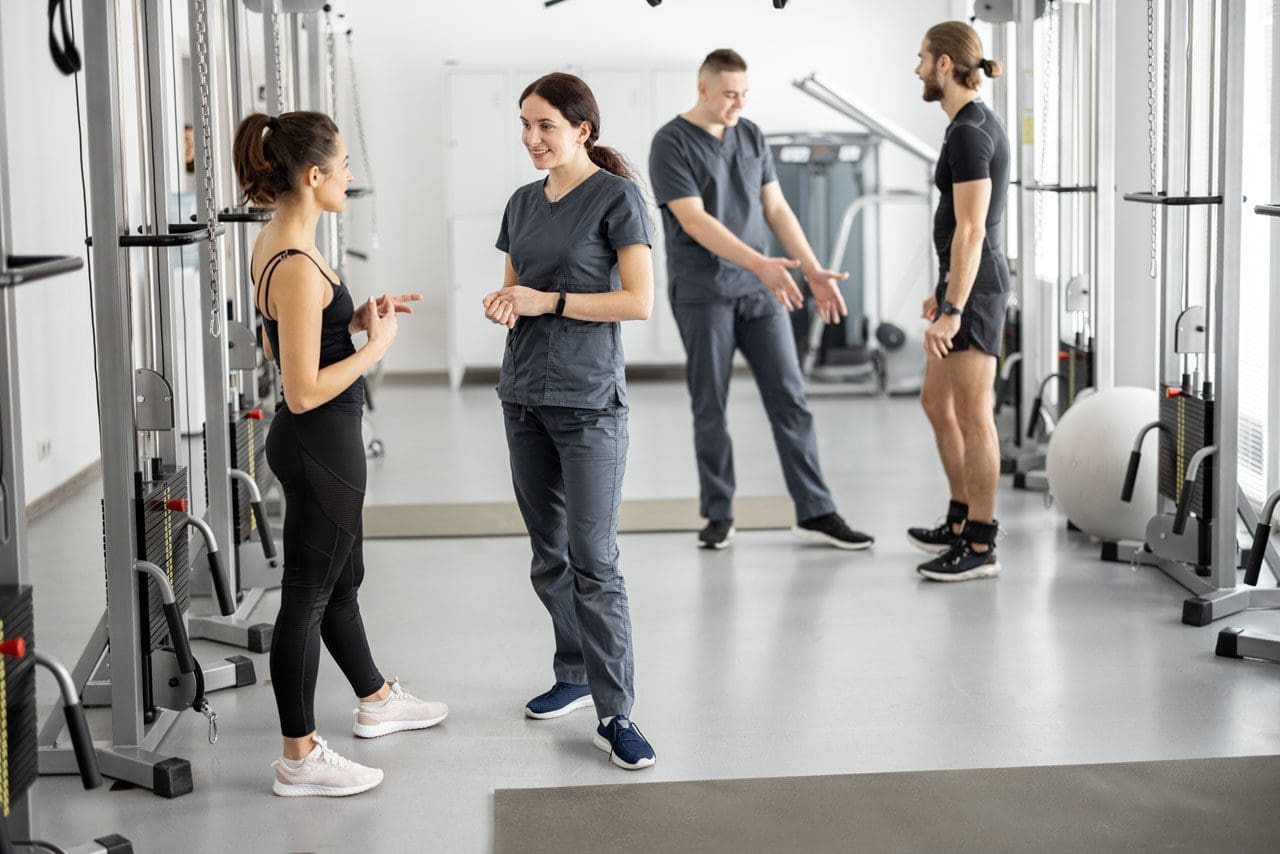
Individuals referred to physical therapy usually have questions about what to expect and how to prepare. What to wear is a common question and is important because patients want to wear the right physical therapy outfit for their specific condition and feel comfortable and safe at their physical therapy appointments. A treatment plan may include exercise and stretching. Clothing recommendations may vary slightly depending on the type of physical therapy the patient is receiving; it is recommended to wear:
Athletic wear like t-shirts, shorts, yoga pants, and comfortable shoes like sneakers.
Sometimes, exercises are performed, and modalities such as heat, cold, or electrical stimulation are applied.
Comfortable, loose-fitting clothing allows for a full range of motion and easy access to the affected area.
Physical Therapy
The therapist will examine the patient’s mobility and flexibility.
Exercises may be prescribed, and therapeutic modalities, like ice or heat, may be applied.
Wearing the right clothing can make the therapy experience highly effective and productive.
This way, therapy sessions go smoothly, and there is a level of comfort and confidence to reach goals quickly.
Upper Body Neck, Shoulders, Arms, Back
For upper body injuries, wear clothing that provides access and mobility to the areas affected, such as the neck, shoulders, arms, or back.
For neck pain, wear a shirt that allows the therapist to see the neck, shoulders, and upper back, such as a loose, open T-shirt with a scoop neck, V-neck, or tank top.
For long hair, bring a hair tie.
Women are recommended to wear a sports bra.
For an arm, wrist, or hand injury, wear a loose-fitting shirt with the arms exposed.
Tight shirts like those made from Lycra are not advisable because the therapist cannot effectively evaluate and treat the injury if the patient wears something tight.
Lower Body, Hips, Legs, Knees
For lower extremity problems and injuries, wear clothing that allows free movement to exercise while allowing the therapist to visualize and examine the back, hips, knees, and legs.
Wear a T-shirt, sports bra, and shorts or pants with an elastic waistband for back, lower spine, or pelvis injuries.
For hip pain, the therapist should be able to see and adjust the spine and hips.
Avoid wearing tight-fitting pants that don’t allow for full movement.
Shorts with an elastic waistband are recommended.
Leggings may not roll up easily.
Feet and Ankles
For a foot or ankle injury, the therapist will want to observe the patient walk in shoes and bare feet for conditions like plantar fasciitis or ankle sprains. For any lower extremity condition, expect some light or heavy exercise. Wear socks to absorb sweat and odor and sneakers or athletic shoes. Avoid open-toed sandals, high heels, or casual lightweight footwear like Crocs.
Other Considerations
Avoid
Bracelets and necklaces
Turtleneck shirts
Tight-fitting long-sleeved shirts
Leggings
Sandals
When preparing for appointments, consider your specific condition. Remember that you will likely be exercising, so wear loose, comfortable clothing that allows you to move around freely. If you are coming directly from work or a formal event, ask the office staff if there is a changing room that you can use. It may also be a good idea to avoid wearing dangling jewelry. A necklace or bracelet may get in the way, so be prepared to remove it for your appointments. Therapists can also use draping with towels or pillowcases/sheets to help you feel comfortable when certain body areas are exposed. That way, you can be relaxed and more able to focus on recovery and rehabilitation to return to normal activities.
Injury Medical Chiropractic & Functional Medicine Clinic
If you are unsure if what you plan to wear is appropriate, call the office and ask. If you’re leaving work and need to change, make sure your therapist’s office has a place for you to do that. Injury Medical Chiropractic and Functional Medicine Clinic works with primary healthcare providers and specialists to develop an optimal health and wellness solution. We focus on what works for you to relieve pain, restore function, and prevent injury. Regarding musculoskeletal pain, specialists like chiropractors, acupuncturists, and massage therapists can help mitigate the pain through spinal adjustments that help the body realign itself. They can also work with other medical professionals to integrate a treatment plan to resolve musculoskeletal issues.
Unlocking Pain Relief: How We Assess Motion To Alleviate Pain
Can individuals take one tablespoon of apple cider vinegar daily and see its health benefits?
Apple Cider Vinegar
Apple cider vinegar is a fermented liquid made from crushed apples. The sugars in the apples are converted to alcohol by yeast and then to acetic acid by bacteria, resulting in a sour-tasting liquid used in cooking and as a health supplement. Research suggests that consuming one tablespoon diluted in 8 ounces of water may offer various potential health benefits. (University of Texas MD Anderson Cancer Center, 2024)
Acetic acid may help improve digestion and promote a healthy gut environment.
Weight Management
It may help increase feelings of fullness, potentially reducing overall calorie intake.
Blood Sugar Regulation
Some studies suggest it can improve insulin sensitivity and help manage blood sugar levels.
Antimicrobial
The vinegar possesses antimicrobial effects that may help fight off harmful bacteria.
Heart Health
Research indicates it might lower cholesterol and triglycerides or fats in the blood.
Skin Benefits
It may help balance skin pH and reduce acne when used in topically diluted form.
Safe Limit
Do not exceed two tablespoons daily to avoid side effects such as digestive discomfort. (MedlinePlus, 2024)
The recommended consumption time varies, but the consensus is to drink it before or during mealtime.
Safely Diluting
Apple cider vinegar is considered safe when consumed in small quantities. However, it should not be drunk straight. It is recommended that it be diluted in water before drinking. Each tablespoon should be diluted in 8 ounces of water. Ways to incorporate into your diet include: (University of Texas MD Anderson Cancer Center, 2024)
Apple cider vinegar is a supplement that should not replace prescribed medications or be used to cure any condition. One of the most significant considerations is its interactions with other substances that can alter the effects of one or more substances. Medications that can interact include: (MedlinePlus, 2024)
Insulin
Insulin regulates blood sugar levels.
Apple cider vinegar can decrease potassium levels.
Combined, they can cause potassium levels to be too low, affecting nerve and muscle function, including the heart.
Antidiabetic Meds
Both antidiabetic medications and apple cider vinegar lower blood sugar levels.
Taking these two together can cause unsafe blood sugar levels.
Diuretic Meds
Both apple cider vinegar and diuretic medications lower potassium levels.
These medications can cause potassium levels to drop too low when taken together.
Digoxin Heart Medication
Apple cider vinegar can lower potassium levels, increasing digoxin’s side effects.
In addition, individuals with kidney conditions may be unable to handle the excess acid from the vinegar. (University of Chicago Medicine, 2018)
Injury Medical Chiropractic & Functional Medicine Clinic
Always contact a healthcare provider before starting a new supplement to ensure it is safe for the individual and their health. Injury Medical Chiropractic and Functional Medicine Clinic works with primary healthcare providers and specialists to develop an optimal health and wellness solution. We focus on what works for you to relieve pain, restore function, and prevent injury. Regarding musculoskeletal pain, specialists like chiropractors, acupuncturists, and massage therapists can help mitigate the pain through spinal adjustments that help the body realign itself. They can also work with other medical professionals to integrate a treatment plan to resolve musculoskeletal issues.
Healthy Diet and Chiropractic
References
University of Texas, MD Anderson Cancer Center. (2024). What are the health benefits of apple cider vinegar? https://www.mdanderson.org/cancerwise/what-are-the-health-benefits-of-apple-cider-vinegar.h00-159696756.html
Samad A, Azlan A, Ismail A. (2016). Therapeutic effects of vinegar: a review. Current Opinion in Food Science, 8, 56-61. https://doi.org/https://doi.org/10.1016/j.cofs.2016.03.001
National Library of Medicine. MedlinePlus. (2024). Apple cider vinegar. Retrieved from https://medlineplus.gov/druginfo/natural/816.html
University of Chicago Medicine. (2018). Debunking the health benefits of apple cider vinegar. https://www.uchicagomedicine.org/forefront/health-and-wellness-articles/debunking-the-health-benefits-of-apple-cider-vinegar
IFM's Find A Practitioner tool is the largest referral network in Functional Medicine, created to help patients locate Functional Medicine practitioners anywhere in the world. IFM Certified Practitioners are listed first in the search results, given their extensive education in Functional Medicine