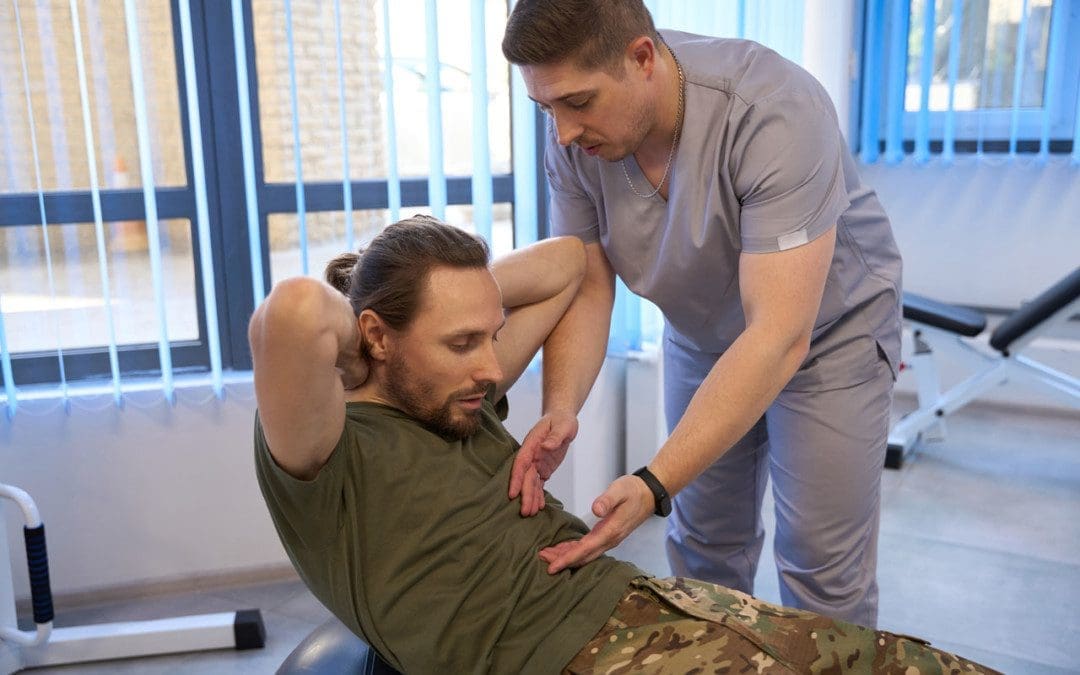
The body’s core muscles are used for stability, balance, lifting, pushing, pulling, and movement. Engaging the core muscles means bracing and tightening the abdominal muscles, which include the latissimus dorsi/lats, paraspinal muscles, gluteus maximus/glutes, and trapezius/traps. When engaged, the trunk muscles help maintain spinal stability, support the spine and pelvis in sitting and resting positions and during dynamic movements, and help prevent injury.
Engaging The Core
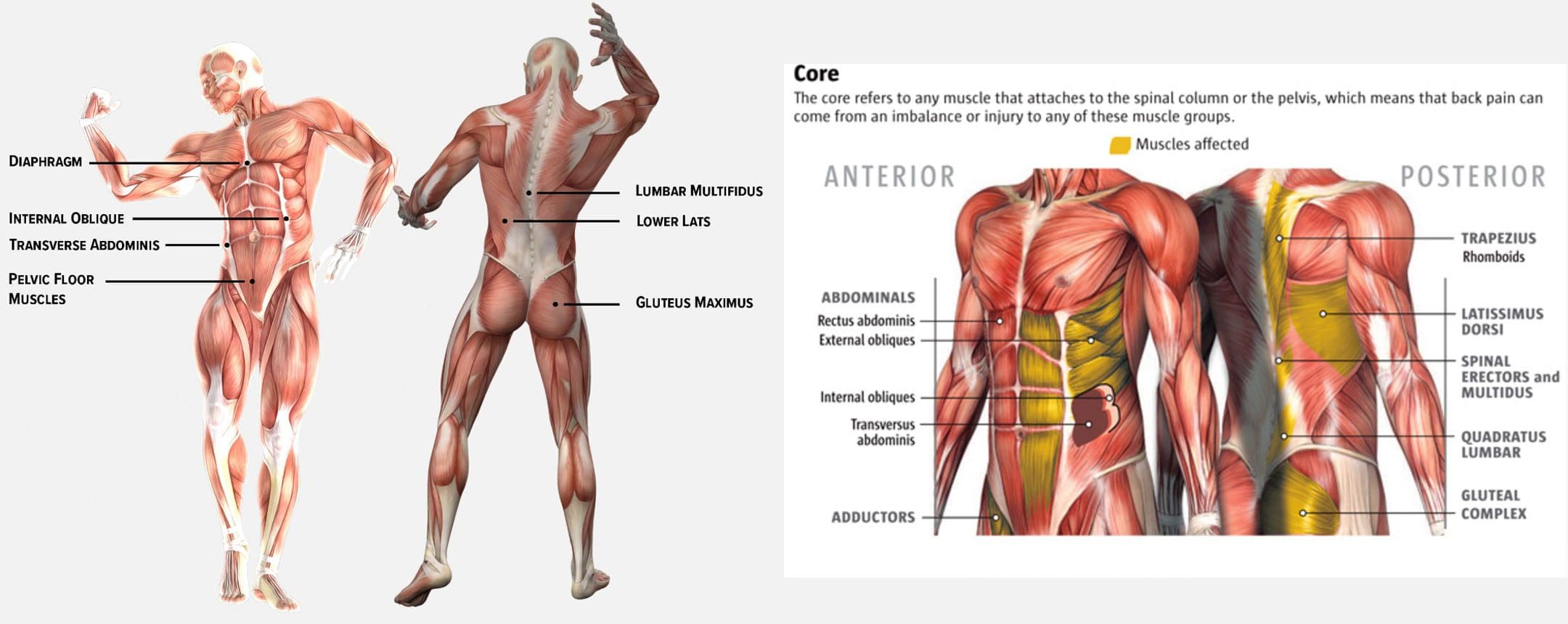
To know how to engage the core, individuals need to understand what the core is. The most important muscles for engaging the core include: These muscles are involved every time the body inhales and exhales, in posture control, and when using the bathroom, they start and stop the process.
Rectus Abdominis
The rectus abdominis muscle is responsible for the six-pack.
It’s a long, flat muscle that extends from the pubic bone to the sixth and seventh ribs.
The rectus abdominis is primarily responsible for bending the spine.
External Obliques
These are the muscles on either side of the rectus abdominis.
The external obliques allow the torso to twist, bend sideways, flex the spine, and compress the abdomen.
Internal Obliques
The internal obliques lie below the external obliques.
They work with the external obliques in the same functions.
Transverse Abdominis
This is the deepest layer of muscle in the abdomen.
It completely wraps around the torso and extends from the ribs to the pelvis.
The transverse abdominis are not responsible for spine or hip movement but for stabilizing the spine, compressing the organs, and supporting the abdominal wall.
Latissimus Dorsi
Commonly known as the lats, these muscles run along both sides of the spine from just below the shoulder blades to the pelvis.
The lats help stabilize the back, especially when extending the shoulders.
They also contribute to body ability when twisting from side to side.
Erector Spinae
The erector spinae muscles are on each side of the spine and extend down the back.
These muscles are responsible for extending and rotating the back and side-to-side movement.
These are considered postural muscles and are almost always working.
What Not To Do
Individuals learn from mistakes, which might make learning how to engage the core easier by understanding what not to do. Common examples of failing to or not engaging the core correctly.
The back slumps when sitting down – the upper body lacks strength and stability.
When bending, the stomach sticks out more.
Swaying or leaning far to one side when walking – lack of lower body strength causes balance and stability problems.
The lower abdomen and back present with discomfort and pain symptoms.
Training
Engaging the core decreases the chance of sustaining an injury at home, work, or exercising and can help with chronic back pain. It creates a stable musculature around the spine that keeps the vertebrae from over-flexing, over-extending, and bending too far to one side. Engaging the core muscles can mean different things, depending on what is trying to be achieved.
For example, if doing bending work, the muscles needed, and the order in which they contract differs from when trying to maintain balance while standing on one leg.
The muscles engaged will differ in their movement depending on whether an individual is:
Trying to move the spine or stabilize it.
Pushing or pulling weight.
Standing, sitting, or lying down.
For a strong and functional core, the objective is to be able to engage the core in any situation. Engaging the core can be challenging, but with training and practice, the body becomes stronger. Practice engaging the core throughout daily activities that include.
Bracing the core while standing, sitting at a workstation or desk, and walking.
Day-to-day activities, like reaching for something from a high shelf, grocery shopping, and taking the stairs.
Injury Medical Chiropractic and Functional Medicine Clinic can create a personalized program to address musculoskeletal issues, core training, targeted exercise, stretching, nutrition, massage, and adjustments to get the body to optimal health and maintain health.
The Non-Surgical Solution
References
Eickmeyer, Sarah M. “Anatomy and Physiology of the Pelvic Floor.” Physical Medicine and rehabilitation clinics of North America vol. 28,3 (2017): 455-460. doi:10.1016/j.pmr.2017.03.003
Lawson, Samantha, and Ashley Sacks. “Pelvic Floor Physical Therapy and Women’s Health Promotion.” Journal of Midwifery & Women’s Health vol. 63,4 (2018): 410-417. doi:10.1111/jmwh.12736
Seaman, Austin P et al. “Building a Center for Abdominal Core Health: The Importance of a Holistic Multidisciplinary Approach.” Journal of gastrointestinal surgery: official journal of the Society for Surgery of the Alimentary Tract vol. 26,3 (2022): 693-701. doi:10.1007/s11605-021-05241-5
Vining, Robert, et al. “Effects of Chiropractic Care on Strength, Balance, and Endurance in Active-Duty U.S. Military Personnel with Low Back Pain: A Randomized Controlled Trial.” Journal of Alternative and complementary medicine (New York, N.Y.) vol. 26,7 (2020): 592-601. doi:10.1089/acm.2020.0107
Weis, Carol Ann, et al. “Chiropractic Care for Adults With Pregnancy-Related Low Back, Pelvic Girdle Pain, or Combination Pain: A Systematic Review.” Journal of Manipulative and physiological therapeutics vol. 43,7 (2020): 714-731. doi:10.1016/j.jmpt.2020.05.005
Zachovajeviene, B et al. “Effect of the diaphragm and abdominal muscle training on pelvic floor strength and endurance: results of a prospective randomized trial.” Scientific Reports vol. 9,1 19192. 16 Dec. 2019, doi:10.1038/s41598-019-55724-4
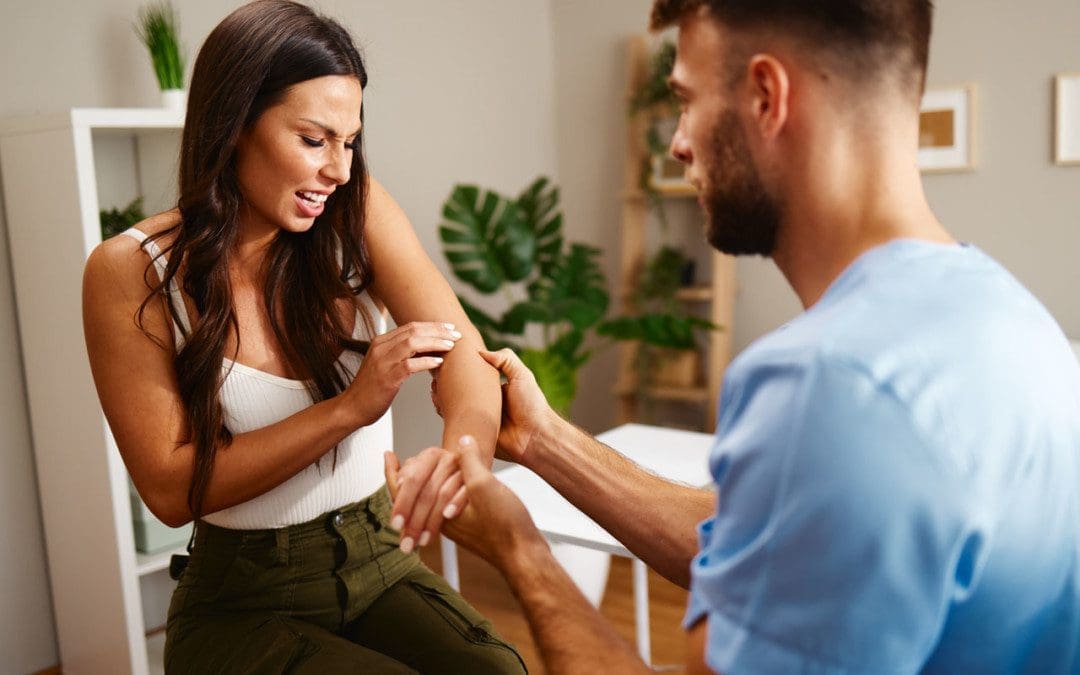
The function of the arm is to allow for movement of the wrist and hand. Various muscles initiate the arm’s actions, large muscles flex and extend, pronate and supinate, and the more sensitive muscles allow fine motor control. Lifting capacity and grip strength come from the arm muscles, making them essential for all types of activities. Because of the many functions and jobs the hands and arms do, added stress is placed on them. Arm discomfort symptoms, radiating pain, weakness, numbness, and tingling are common conditions. Chiropractic care can relieve injury symptoms and restore mobility and function.
Arm Discomfort Symptoms
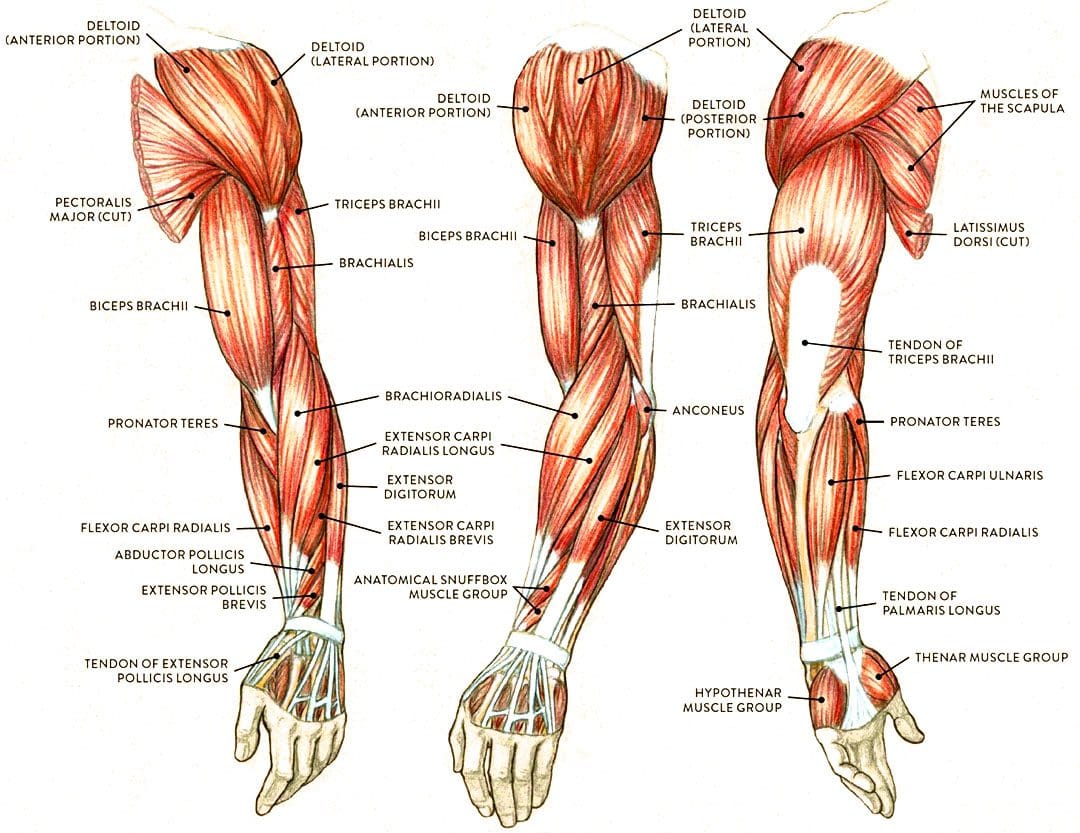
The muscles of the upper arm, the biceps, and the triceps, control the movement and positioning of the elbow joint, and the muscles of the forearm control the wrist and hand. There are 30 bones from the top of the arm to the tip of the finger that include:
The humerus in the upper arm.
Ulna and radius in the forearm.
Carpal bones in the wrist.
Metacarpals and phalanges make up the hand and fingers.
The joints allow movement between the bones and are stabilized by ligaments and joint capsules.
Symptoms
Discomfort or Radiation
Symptoms vary based on the severity of the injury but commonly include.
Numbness and tingling in the elbow, forearm, or hand can develop.
Pain sensations often radiate to other areas.
Causes
Individuals that work with their hands related to work, home tasks, sports, or hobby activities, such as construction workers, hair stylists, store cashiers, graphic artists, automotive technicians, carpenters, painters, butchers, and more, have an increased risk of injury and developing chronic conditions. Work that involves manually cutting, writing, typing, gripping, operating motorized tools, hair clippers, working with animals, etc., makes the arms susceptible to injury from the constant stress on the ligaments. Common overuse injuries affecting the upper extremity include:
Carpal Tunnel Syndrome and Cubital Tunnel Syndrome
These conditions involve the nerves of the forearm.
Prolonged or repetitive bending or flexing of the wrist or elbow can generate swelling pressure that compresses the nerve/s.
Symptoms include numbness, coldness, tingling, and/or weakness in the hand and fingers.
Tennis, Golfer, and Pitcher Elbow
These conditions involve the inflammation of the tendon structures surrounding the elbow joint.
Repeating the same motion over and over causes damage.
This leads to tenderness and pain inside and surrounding the elbow.
De Quervain’s syndrome affects tendon structure in the wrist.
Swelling near the base of the thumb.
Individuals have difficulty grasping objects.
This is common for landscapers, gardeners, and sports where constant gripping is involved.
Tendonitis
Tendons attach muscles and bones
The condition causes tendon inflammation, presenting pain in the area around single or multiple joints.
Common types include wrist tendonitis, pitcher’s shoulder, and swimmer’s shoulder.
Tendon Tears
Overuse and frequent stress from continuous motion can wear tendons to the point of partial or complete tearing.
Rotator cuff tears in the shoulder are often caused by overuse wearing down.
Chiropractic Treatment
Chiropractic and massage therapy can rehabilitate arm injuries, restore function and reduce arm discomfort symptoms. Treatment includes:
Ice or heat treatment.
Manual therapy – soft tissue massage and trigger point alleviation.
Joint mobilization.
Taping or bracing support.
Rehabilitation targeted exercises.
Work and sports modification training.
Training on upper extremity overuse, practicing caution, and knowing when to seek professional medical help.
Shoulder Pain Rehabilitation
References
Bass, Evelyn. “Tendinopathy: why the difference between tendinitis and tendinosis matters.” International Journal of therapeutic massage & Bodywork vol. 5,1 (2012): 14-7. doi:10.3822/ijtmb.v5i1.153
Cutts, S et al. “Tennis elbow: A clinical review article.” Journal of Orthopaedics vol. 17 203-207. 10 Aug. 2019, doi:10.1016/j.jor.2019.08.005
Hoe, Victor C W, et al. “Ergonomic design and training for preventing work-related musculoskeletal disorders of the upper limb and neck in adults.” The Cochrane Database of systematic reviews vol. 2012,8 CD008570. 15 Aug. 2012, doi:10.1002/14651858.CD008570.pub2
Konijnenberg, H S et al. “Conservative treatment for repetitive strain injury.” Scandinavian Journal of Work, Environment & Health vol. 27,5 (2001): 299-310. doi:10.5271/sjweh.618
Luger, Tessy, et al. “Work-break schedules for preventing musculoskeletal symptoms and disorders in healthy workers.” The Cochrane Database of systematic reviews vol. 7,7 CD012886. 23 Jul. 2019, doi:10.1002/14651858.CD012886.pub2
Pitzer, Michael E et al. “Elbow tendinopathy.” The Medical Clinics of North America vol. 98,4 (2014): 833-49, xiii. doi:10.1016/j.mcna.2014.04.002
Verhagen, Arianne P et al. “Conservative interventions for treating work-related complaints of the arm, neck or shoulder in adults.” The Cochrane Database of systematic reviews vol. 2013,12 CD008742. 12 Dec. 2013, doi:10.1002/14651858.CD008742.pub2
Zaremski, Jason L et al. “Sport Specialization and Overuse Injuries in Adolescent Throwing Athletes: A Narrative Review.” Journal of athletic training vol. 54,10 (2019): 1030-1039. doi:10.4085/1062-6050-333-18
Providing the body with adequate hydration and nutrition at the right time can maximize performance abilities, endurance, and muscle repair and restoration. Eating the right foods at the right time will fuel the body to support intense exercises. That means plenty of energy for cardiovascular and strength training. The optimal combination of pre-workout nutrition depends on the type of workout and how long it takes for the body to absorb the nutrients to get moving. Injury Medical Chiropractic and Functional Medicine Clinic can develop a fitness and nutritional plan customized to the individual’s needs and health goals.
Pre-Workout Nutrition
The three main macronutrients are carbohydrates, proteins, and fats when preparing pre-workout meals and snacks. Ratios are based on the specific needs of the workout. For example, going for a one-mile jog or a light aerobics class requires different amounts for different purposes. The longer and more intense the exercise, the more food is needed. Individuals may only need to modify or adjust their eating habits slightly for light workouts. Their roles vary:
Carbohydrates
Fats
Proteins
Each has a different role in supplying fuel for powering through physical activity.
Carbohydrates
Carbs are an important fuel for exercise.
Carbs can be found in grains, fruits, vegetables, and dairy products.
These are the easiest energy foods for the body to turn into glucose.
Glucose is stored in the muscles as glycogen.
Without enough carbohydrates, the body will be depleted of energy and become exhausted.
Proteins
This macronutrient is found in poultry, eggs, fish, and nuts.
Takes longer for the body to digest.
Protein helps the body feel full.
The body uses various nutrients to repair and build muscles.
Getting protein throughout the day can help with recovery after a workout.
Fats
The body burns fat for longer low to moderate-intensity workouts, such as a long run or bicycle ride.
However, fat takes more effort and time for the body to digest.
So, eating healthy fats is not the best right before exercise.
Pre-Workout Nutrition Guidelines
The exact mix of foods/nutrients ideal for the workout depends on when the individual can eat in relation to the time of the activity and intensity of the exercise.
Two to Four Hours Before Exercising
Have a meal containing a mix of carbohydrates, fats, and protein.
Oatmeal with fruit and nuts, a turkey sandwich with vegetables and some fruit, or a chicken and rice bowl with vegetables and avocado.
One to Two Hours Before Exercising
A light meal or snack.
Cereal with low-fat milk, peanut butter with crackers, or a fruit smoothie.
Avoid foods high in fiber and fat because they take longer to digest and can lead to digestion/stomach issues during exercise.
Before Morning Exercise
Going to the gym or out for a run first thing in the morning, something small, like a banana or granola bar.
For individuals that can’t eat early, don’t force yourself.
Have an extra portion at dinner or a snack before bed to have enough fuel for the morning.
During Workout
Have easy-to-digest carbs if the exercise session lasts more than an hour.
A banana or pretzels.
Sports drink during the workout contains electrolytes and minerals like sodium, magnesium, and potassium that assist in regulating functions like muscle contractions lost as the body sweats.
Hydration
Liquids are lost when the body sweats. Sipping water before, during, and after the workout is important.
Even a small dip in hydration levels can lower exercise performance and lessen mental sharpness.
Drinking two to three cups of water two to three hours before exercise is recommended.
During the workout, you should get at least a half to a full cup of water every 15 to 20 minutes.
After the workout, replenish hydration levels with two to three more cups.
Pre-Workouts
References
Jensen, Jørgen, et al. “The role of skeletal muscle glycogen breakdown for regulation of insulin sensitivity by exercise.” Frontiers in physiology vol. 2 112. 30 Dec. 2011, doi:10.3389/Phys.2011.00112
Jeukendrup, Asker. “A step towards personalized sports nutrition: carbohydrate intake during exercise.” Sports medicine (Auckland, N.Z.) vol. 44 Suppl 1, Suppl 1 (2014): S25-33. doi:10.1007/s40279-014-0148-z
Lowery, Lonnie M. “Dietary fat and sports nutrition: a primer.” Journal of sports science & Medicine vol. 3,3 106-17. 1 Sep. 2004
Ormsbee, Michael J et al. “Pre-exercise nutrition: the role of macronutrients, modified starches, and supplements on metabolism and endurance performance.” Nutrients vol. 6,5 1782-808. 29 Apr. 2014, doi:10.3390/nu6051782
Rothschild, Jeffrey A et al. “What Should I Eat Before Exercise? Pre-Exercise Nutrition and the Response to Endurance Exercise: Current Prospective and Future Directions.” Nutrients vol. 12,11 3473. 12 Nov. 2020, doi:10.3390/nu12113473
Shirreffs, Susan M. “The importance of good hydration for work and exercise performance.” Nutrition Reviews vol. 63,6 Pt 2 (2005): S14-21. doi:10.1111/j.1753-4887.2005.tb00149.x
What happens to the body after eating healthy? Individuals report the effects of healthy eating, feeling mentally clearer and more focused, increased energy levels, experiencing decreased junk food cravings and hunger pangs, improved sleep, and the benefits of strong bones, cardiovascular health, and disease prevention. The Injury Medical Chiropractic and Functional Medicine Clinic Team can assist individuals working on making healthy lifestyle adjustments to make the transition easier and with professional support to streamline the process, allowing the individual to focus on getting healthy.
What Happens To The Body After Eating Healthy
It can take a little while for the body to adjust to a new nutrition plan. A healthy diet includes nutrient-dense foods from all the major food groups, including lean proteins, whole grains, healthy fats, and fruits and vegetables of various colors.
Benefits
The benefits of healthy eating include the following.
Decreases the risk of heart disease, type 2 diabetes, and certain cancers.
Helps achieve and maintain a healthy weight.
One Week
Experience decreased food cravings throughout the day.
Junk food cravings decrease.
The body begins shedding all the excess water from a high sodium intake and processed foods.
Hunger starts to stabilize.
Experience decreased hunger pains, making losing weight a little easier.
Improved sleep.
Improved control over food choices.
Higher mental focus and clarity – brain fog or low concentration symptoms begin to clear.
Energy levels are higher, making completing daily activities and exercise easier.
The body will become regular with a lower amount of bloating and discomfort.
Moods become stable with fewer ups and downs throughout the day.
One Month
Improved skin health.
A steady rate of weight loss, depending on the approach and starting point.
Clothing begins to feel looser.
Pre-existing health problems like migraines, joint pain, irritable bowel issues, etc., may begin to clear up.
Eating right starts to become more habitual.
Making healthy choices starts to become second nature.
Improved physical performance.
Feel stronger and notice that the body recovers much faster.
Improved metabolism.
Can eat more without gaining body weight.
Six Months
A decrease in overall cholesterol levels if they were high before.
Blood pressure improvement, lowering the risk of heart disease and stroke.
Strengthened skeletal system reducing the risk of stress fractures and breaks.
Improved blood glucose levels, reduced blood sugar fluctuations, and lowered risk factors for diabetes or symptoms are easier to manage.
All the positive changes will lead to staying naturally motivated, where eating healthy is just something you do, and you have learned to indulge wisely. All the benefits will persist for as long as you eat healthily. Target goals can be achieved with a body weight that makes you feel healthy, strong, and confident.
Basal Metabolism
References
Bradbury, Kathryn E et al. “Fruit, vegetable, and fiber intake in relation to cancer risk: findings from the European Prospective Investigation into Cancer and Nutrition (EPIC).” The American journal of clinical nutrition vol. 100 Suppl 1 (2014): 394S-8S. doi:10.3945/ajcn.113.071357
Carlson, Justin L et al. “Health Effects and Sources of Prebiotic Dietary Fiber.” Current developments in nutrition vol. 2,3 nzy005. 29 Jan. 2018, doi:10.1093/cdn/nzy005
Hills, Ronald D Jr, et al. “Gut Microbiome: Profound Implications for Diet and Disease.” Nutrients vol. 11,7 1613. 16 Jul. 2019, doi:10.3390/nu11071613
Zohoori, F Vida. “Chapter 1: Nutrition and Diet.” Monographs in oral science vol. 28 (2020): 1-13. doi:10.1159/000455365
Sports exercise medicine – SEM addresses and treats physical activity/sports-related injuries using chiropractic care, physical therapy, therapeutic massage, functional nutrition, and targeted rehabilitation exercises. Sports medicine aims to prevent injury and keep individuals safe when pursuing their training goals. It combines general medical education with sports science principles, exercise physiology, biomechanics, orthopedics, nutrition, and sports psychology.
Sports Exercise Medicine
Sports medicine specialists focus on medical, therapeutic, and functional aspects to rehabilitate and strengthen the body to improve physical performance. Conditions include:
A sports exercise medicine team can include medical and non-medical specialists. This includes:
Coaches
Athletic trainers
Personal trainers
Chiropractors
Physical therapists
Nutritionists
Physicians
Surgeons
Sports psychologists
Sports exercise medicine is not a medical specialty but means the health care providers have undergone training focused on the medical aspects of physical activities/sports, fitness, and exercise.
Doctors and Physicians
Sports medicine physicians are medical doctors who specialize in diagnosing and treating sports and exercise-related injuries and conditions. These physicians are certified in family medicine, emergency medicine, pediatrics, internal medicine, or orthopedics. They are qualified to treat:
Muscle, bone, joint, and nerve injuries.
Head injuries.
Chronic conditions.
Return-to-play decisions.
Injury prevention.
Nutrition and supplements.
Orthopedic surgeons focus on the surgical treatment, repair, and restoration of sports and physical activity injuries.
Psychologists
Sports psychology focuses on athletes’/sports enthusiasts’ mental and emotional states. Athletes go through various stresses that a sports psychologist can train to regulate anxiety and improve focus specifically on their sport. They use tools and techniques like psychotherapy, stress management, and goal-setting to help athletes maintain mental and emotional balance during competition or injury recovery. Professional sports teams employ psychologists to help prepare the team for competition or develop strategies to overcome mental or emotional challenges affecting performance.
Sports Science
Sports science is the focused study of physiology, anatomy, and psychology related to human movement and physical activity. Exercise science is primarily focused on clinical research, including:
Physiological responses to exercise.
Effectiveness of exercise techniques.
Impact of performance supplements.
Chiropractic Sports Physician
Chiropractic care is a non-invasive, medication-free treatment alternative that can help individual athletes find relief from various musculoskeletal issues. A chiropractic sports physician has the tools and skills necessary to optimize the performance of an individual’s musculoskeletal and nervous systems. This specialized training allows sports chiropractors to provide therapies to heal injuries effectively, maintain strength and prevent injury. The benefits of applying chiropractic medicine include the following:
It is a non-invasive treatment.
Improves overall range of motion.
Reduces and alleviates discomfort symptoms.
Stretches and strengthens the body.
Assists in post-surgical repair.
Decreases recovery time.
Sport Rehabilitation
References
Brown, G J. “Sports medicine at work.” British journal of sports medicine vol. 33,1 (1999): 5.
Hsu, Joseph R et al. “Clinical Practice Guidelines for Pain Management in Acute Musculoskeletal Injury.” Journal of orthopedic trauma vol. 33,5 (2019): e158-e182. doi:10.1097/BOT.0000000000001430
Kaufman, Matthew W et al. “The Impact of Supplements on Sports Performance for the Trained Athlete: A Critical Analysis.” Current sports medicine reports vol. 21,7 232-238. 1 Jul. 2022, doi:10.1249/JSR.0000000000000972
King, J B. “Sports medicine.” Journal of the Royal Society of Medicine vol. 79,8 (1986): 441-2. doi:10.1177/014107688607900803
Kreher, Jeffrey B, and Jennifer B Schwartz. “Overtraining syndrome: a practical guide.” Sports health vol. 4,2 (2012): 128-38. doi:10.1177/1941738111434406
McCrory, P. “What are sports and exercise medicine?.” British journal of sports medicine vol. 40,12 (2006): 955-7.
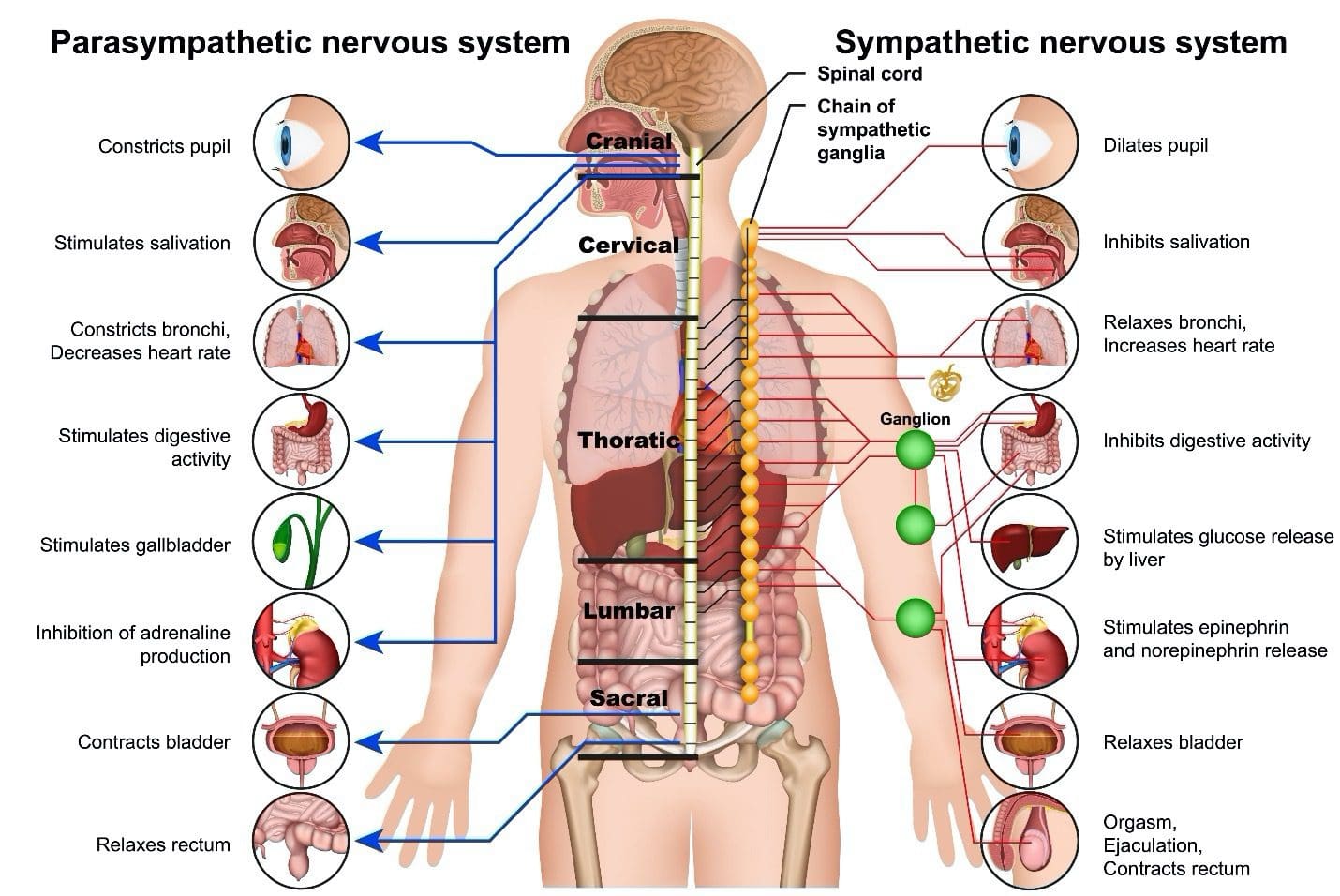
The nervous system is a network of roads that feed into highways that connect to an interstate system. The roads are the nerves that innervate the muscles and the extremities; the interstate is the spinal cord. When the system works optimally, the nerves consistently transmit signals/messages to and from the brain without any problems. The signals travel back and forth, and the traffic flows smoothly. When the activities of these nerves and cells get disrupted, the central nervous system fails to perform basic functions that can cause musculoskeletal issues, conditions, and CNS diseases. Keeping the nervous system strong can be done by adopting ways to maintain health and function.
The Nervous System
The system regulates and coordinates body activities and is made up of two major divisions, these include the following:
Central nervous system – consists of the brain and spinal cord.
Peripheral nervous system – consists of all other neural elements, including the peripheral and autonomic nerves.
The principal organs of the nervous system include:
Brain
Spinal cord
Eyes
Ears
Sensory taste organs
Sensory smell organs
Sensory receptors are located in the muscles, joints, skin, and other areas throughout the body.
A complex network of nerves, the nervous system reacts to internal and external stimuli through several physical actions to maintain vital bodily functions. These include:
The symptoms of a nervous system disorder may present like other medical conditions or problems. Always see a professional healthcare provider for proper diagnosis.
Keeping the Nervous System Strong
Nutrition To Transmit Signals
Nerves need minerals, proteins, and vitamins to send electrical impulses. Foods that contain these nutrients include:
Calcium — regulates the generated and transmitted electrical impulses. Milk, leafy greens and eggs are rich sources of calcium.
Potassium – bananas, oranges, pomegranates, and prunes, are good sources of potassium.
Dark chocolate contains tryptophan, an amino acid that produces and maintains neurotransmitters.
Vitamin B — Vitamins B1, B2, and B6 assist the nerves in sending impulses from the brain to the body.
B Vitamins Provide Nerve Protection
A myelin sheath covers the nerves for protection and provides insulation for transmitting. Worn-out or damaged myelin sheaths have been associated with illnesses like Alzheimer’s. Vitamin B12 helps repair damaged nerves and regenerate fibers. It is found in beef, poultry, eggs, and seafood.
Folate or vitamin B9 promotes Schwann cell proliferation, migration, and production of nerve growth factor. This vitamin is found in spinach, pomegranates, and beets.
Stretching and Breathing
Stress produces the hormone cortisol. Constant production of cortisol affects the nervous system, which can affect reflexes, concentration, and memory. Stretching the body and learning breathing exercises and relaxation techniques activates the part of the nervous system responsible for breathing and heart rate, decreasing cortisol levels.
Chiropractic Care and Functional Medicine
The spinal cord has multiple functions in restoring, rejuvenating, and keeping the nervous system strong. Chiropractic care has a highly responsive therapeutic effect on the nervous system because of its focus on the spine. Spinal decompression, traction, soft tissue manipulation, and other treatments help regulate and restore the function of the nervous system. Chiropractic benefits:
Reduces or eliminates pain.
Regulates respiration.
Lowers heart rate.
Improves the quality of sleep.
Increases energy.
Improves digestive function.
Improves cognition and clarity.
Improves balance and coordination.
Increases flexibility and mobility.
Reduces or eliminates headaches and migraines.
Hyperhomocysteinemia
References
Archibald, Lennox K., and Ronald G. Quisling. “Central Nervous System Infections.” Textbook of Neurointensive Care 427–517. 7 May. 2013, doi:10.1007/978-1-4471-5226-2_22
Bhagavati, Satyakam. “Autoimmune Disorders of the Nervous System: Pathophysiology, Clinical Features, and Therapy.” Frontiers in neurology vol. 12 664664. 14 Apr. 2021, doi:10.3389/fneur.2021.664664
Gyer, Giles, et al. “Spinal manipulation therapy: Is it all about the brain? A current review of the neurophysiological effects of manipulation.” Journal of integrative medicine vol. 17,5 (2019): 328-337. doi:10.1016/j.joim.2019.05.004
Jessen, Kristján R et al. “Schwann Cells: Development and Role in Nerve Repair.” Cold Spring Harbor perspectives in biology vol. 7,7 a020487. 8 May. 2015, doi:10.1101/cshperspect.a020487
Powers, Scott K et al. “Disease-Induced Skeletal Muscle Atrophy and Fatigue.” Medicine and science in sports and exercise vol. 48,11 (2016): 2307-2319. doi:10.1249/MSS.0000000000000975
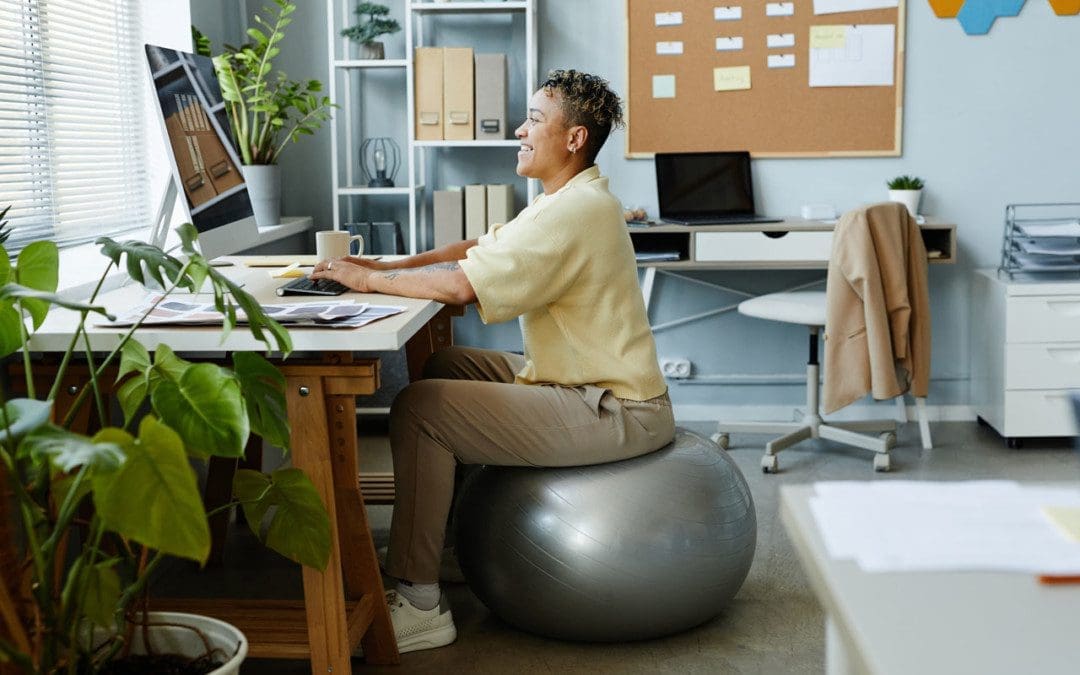
Wobble cushions are small round inflatable support pillows made of a flexible material that can be used to stand and sit on. The cushion creates instability, hence wobble, to engage the lower back, hips, and core muscles. They promote core stability, strengthen muscle tone, and improve balance and body posture. A flexible body helps in injury prevention. At Injury Medical Chiropractic and Functional Medicine Clinic, we utilize innovative techniques and therapies to reduce stress, assist in healing musculoskeletal damage from injuries, disease, or conditions, and keep the spine and whole body healthy.
Wobble Cushions
A common reason for back aches and pains is sitting for long periods. Individuals unintentionally slouch or hunch over as they go through their day, causing strain to the back muscles, gluteal muscles, core muscles, hips, and spine. This causes the lower half of the body to weaken and causes the top muscles to take up the slack to support the torso and lower body.
Muscle Spasms
Muscle spasms can be the acute type that is forceful and involuntary, and chronic sustained stiffness, tightness, cramping, and pain. Lower back discomfort and/or sciatica symptoms vary depending on the cause, location, and severity of the strain or injury. Signs could be dull, burning, or sharp at a single point or over a broad region that could spread into one or both legs. Types of low back discomfort:
Acute symptoms last less than three months. Most individuals with acute episodes will have at least one recurrence.
Recurrent means the acute symptoms return.
Chronic symptoms last longer than three months.
Cushion Benefits
Encouraging active sitting improves posture allowing individuals to sit and stay focused for longer as their body awareness improves, reducing hunching, slumping, slouching, and fidgeting. Other wobble cushion benefits include:
Decreased muscle stress and strain on the joints and ligaments, which improves proprioceptive sense or body awareness.
Increases blood circulation and oxygenation throughout the body.
Helps rehydrate the discs and circulate spinal fluid. Spinal discs do not have a direct blood supply; therefore, movement is required to pump and circulate healthy fluids.
Allows more flexibility in the spine, hips, and core muscles.
Improves overall posture.
The purpose of wobble cushions is not to provide comfort. They are supposed to be uncomfortable and unstable to make the individual sit up straight. The cushion can be placed on a chair or the floor to effectively practice balancing without putting pressure on the back, knees, or feet. They can also be used for practicing standing balance. Various factors to consider when looking for a cushion include:
Stability
Comfort
Resilience
Alignment
All play a role in determining the best option.
Discussing options with a doctor or chiropractor is recommended to ensure that the cushion meets your needs and preferences.
Spinal Hygiene
References
Alrwaily, Muhammad, et al. “Stabilization exercises combined with neuromuscular electrical stimulation for patients with chronic low back pain: a randomized controlled trial.” Brazilian journal of physical therapy vol. 23,6 (2019): 506-515. doi:10.1016/j.bjpt.2018.10.003
Haksever, Bunyamin et al. “The Dynamic Innovative Balance System Improves Balance Ability: A Single-Blind, Randomized Controlled Study.” International journal of sports physical therapy vol. 16,4 1025-1032. 1 Aug. 2021, doi:10.26603/001c.25756
Honert, Eric C, and Karl E Zelik. “Foot and shoe responsible for the majority of soft tissue work in the early stance of walking.” Human movement science vol. 64 (2019): 191-202. doi:10.1016/j.humov.2019.01.008
Ostelo, Raymond Wjg. “Physiotherapy management of sciatica.” Journal of physiotherapy vol. 66,2 (2020): 83-88. doi:10.1016/j.jphys.2020.03.005
Shahvarpour, A et al. “Active-passive biodynamics of the human trunk when seated on a wobble chair.” Journal of biomechanics vol. 49,6 (2016): 939-945. doi:10.1016/j.jbiomech.2016.01.042
IFM's Find A Practitioner tool is the largest referral network in Functional Medicine, created to help patients locate Functional Medicine practitioners anywhere in the world. IFM Certified Practitioners are listed first in the search results, given their extensive education in Functional Medicine