Gender is a concept with many facets. Everyone has a gender expression. Can learning about gender expression help healthcare professionals provide better and more effective treatment plans for the LGBTQ+ community?
Gender Expression
Gender expression refers to the ways that individuals present their gender identity and themselves. This can be clothing, haircuts, behaviors, etc. For many, there can be confusion between what society expects from their gender and how these individuals choose to present themselves. Gender expression is constructed from the culture that surrounds it, meaning that there may be a shared social expectation about gender. It can also mean that the same feminine hair or clothing style in one setting could be seen as masculine in another.
Society tries to regulate expression by making women wear certain kinds of clothes, and men other kinds, in order to participate in school, work, and when in public.
When cultures enforce gender norms it is known as gender policing, which can range from dress codes to physical and emotional punishment.
Creating a safe space for all genders requires awareness of these explicit or implicit gender norms so policing can be prevented. (José A Bauermeister, et al., 2017)
Research has shown that there are increased rates of discrimination against transgender and gender-nonconforming individuals compared with bias against those who are LGBTQ. (Elizabeth Kiebel, et al., 2020)
Health Care
Gender expression can and does affect access to and quality of health care.
Individuals with a gender expression that is different from what is expected for their assigned sex at birth may experience increased bias and harassment from providers. (Human Rights Watch. 2018)
A significant percentage of patients feared health workers would treat them differently because of their expression. (Cemile Hurrem Balik Ayhan et al., 2020)
Minority stress has been shown to play an important role in health imbalances. (I H Meyer. 1995)
Research suggests that gender expression is a part of the minority stress described by cisgender sexual minorities and gender minorities. (Puckett JA, et al., 2016)
Better Training
The effects of gender expression are different depending on a person’s sex, gender identity, and their setting.
However, doctors do need to know a person’s sex that was assigned at birth to be able to do proper screening tests, like screening for prostate or cervical cancer.
One way to be more affirming is for the doctor to introduce themselves first, using their own pronouns.
Health workers should ask everyone what name they prefer to be called and what pronouns they use.
This simple act invites the patient to share without creating awkward uneasiness.
Each person chooses how to present themselves to the world, and we respect all. We at Injury Medical Chiropractic and Functional Medicine Clinic will work to address the effects of minority stress on health disparities and raise awareness of the ways to continually improve positive experiences for LGTBQ+ individuals seeking inclusive health care for neuromusculoskeletal injuries, conditions, fitness, nutritional, and functional health.
Revolutionizing Healthcare
References
Bauermeister, J. A., Connochie, D., Jadwin-Cakmak, L., & Meanley, S. (2017). Gender Policing During Childhood and the Psychological Well-Being of Young Adult Sexual Minority Men in the United States. American journal of men’s health, 11(3), 693–701. https://doi.org/10.1177/1557988316680938
Kiebel, E., Bosson, J. K., & Caswell, T. A. (2020). Essentialist Beliefs and Sexual Prejudice Toward Feminine Gay Men. Journal of homosexuality, 67(8), 1097–1117. https://doi.org/10.1080/00918369.2019.1603492
Human Rights Watch. “You Don’t Want Second Best”—Anti-LGBT Discrimination in US Health Care.
Ayhan, C. H. B., Bilgin, H., Uluman, O. T., Sukut, O., Yilmaz, S., & Buzlu, S. (2020). A Systematic Review of the Discrimination Against Sexual and Gender Minority in Health Care Settings. International journal of health services: planning, administration, evaluation, 50(1), 44–61. https://doi.org/10.1177/0020731419885093
Meyer I. H. (1995). Minority stress and mental health in gay men. Journal of health and social behavior, 36(1), 38–56.
Puckett, J. A., Maroney, M. R., Levitt, H. M., & Horne, S. G. (2016). Relations between gender expression, minority stress, and mental health in cisgender sexual minority women and men. Psychology of Sexual Orientation and Gender Diversity, 3(4), 489–498. https://doi.org/10.1037/sgd0000201
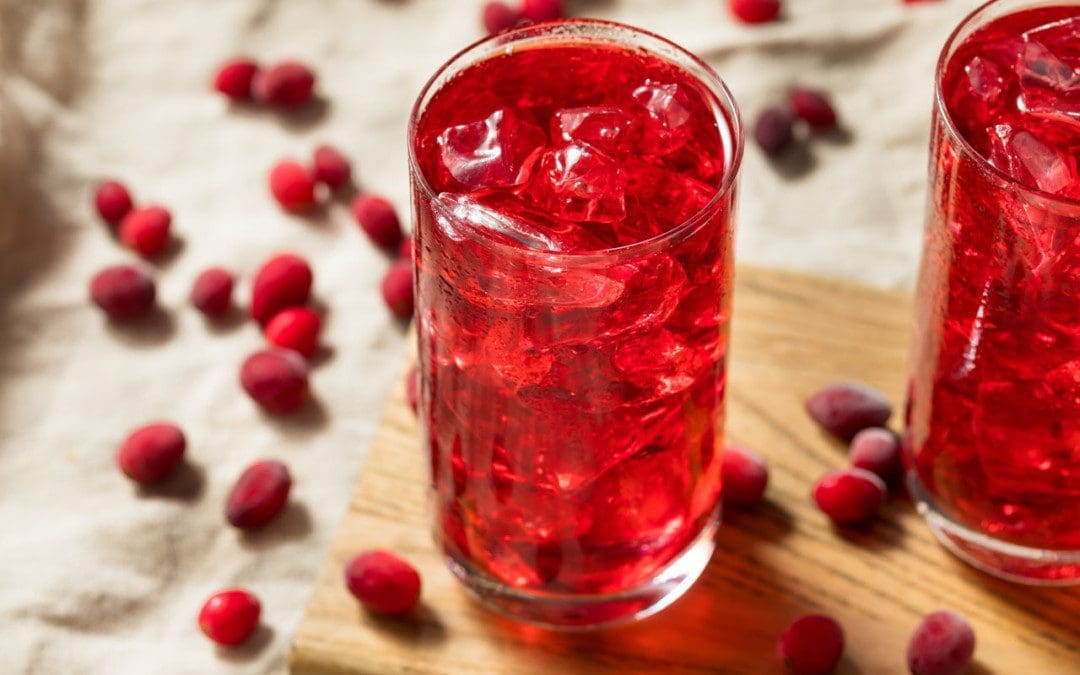
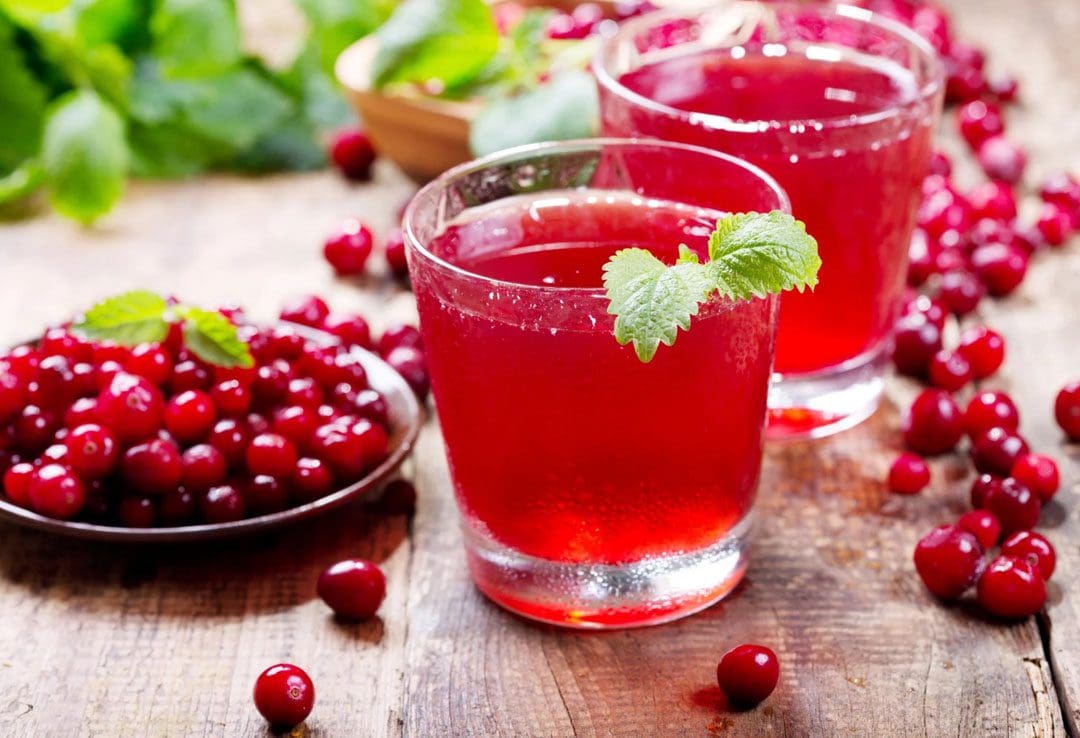
Individuals dealing with health problems, UTIs, and skin issues can become chronic, what are the effects and benefits of drinking cranberry juice?
Cranberry Juice
Cranberries are a healthy source of nutrients and antioxidants. Cranberry juice is a recommended source of vitamin C, with the added benefits of promoting digestive, heart, immune, and skin health. Most individuals can safely drink cranberry juice to their diet with no issues, but women who are pregnant or individuals that take blood thinners, or medications should discuss adding cranberry intake with a doctor or specialist first.
One cup of unsweetened cranberry juice provides 23.5 milligrams or 26% of the daily value for vitamin C. (USDA 2018)
To avoid excess consumption of added sugars and maximize the benefits, it is recommended to drink unsweetened cranberry juice.
Digestive Health
Cranberries contain antioxidant compounds/polyphenolsthat have been shown to help with digestive health.
A study found that drinking cranberry juice was associated with increased beneficial gut bacteria and decreased constipation.
Research funded by a cranberry juice company found participants who consumed cranberry juice twice daily had lower levels of several risk factors for heart disease, stroke, and diabetes than those who received a placebo. (USDA 2016)
A systematic review and meta-analysis found that cranberry supplementation may improve body weight and blood pressure levels.
Cranberries may also help improve high-density lipoprotein (HDL) cholesterol—considered “good” cholesterol—in younger adults.
Cranberry juice contains vitamin C, which is important for immune system function.
Research suggests that inadequate vitamin C consumption can lead to decreased immunity and an increased risk of infections. (Carr A, Maggini S, 2017)
Skin Health
Thanks to its high antioxidant content, cranberry juice may help protect your skin against damage caused by free radicals that contributes to premature aging.
The vitamin C in cranberry juice is also needed for collagen production.
Collagen is a type of protein that provides strength, elasticity, and structural support to the skin, helping to keep it firm and smooth.(Pullar JM, et al., 2017)
Infection Prevention
A study found that cranberry components known as proanthocyanidins, can promote oral health.
Cranberries activate antibacterial processes that can prevent bacteria from binding together, reducing periodontitis/gum disease and the formation of dental plaque. (Chen H, et al., 2022)
Urinary Tract Infection Prevention
Cranberries have gone through many studies for home treatment of UTIs.
It is believed the chemical compounds/proanthocyanidins can help prevent certain bacteria from sticking to the lining of the urinary tract, thus reducing the risk of UTIs. (Das S. 2020)
A study found cranberry products in the form of juice or tablets may lower the risk of UTIs in at-risk groups by approximately 30%.
At-risk groups include those with recurrent UTIs, pregnant women, older adults, and individuals with chronic indwelling catheters (devices used for short-term bladder drainage) and neurogenic bladder (conditions in which people lack bladder control due to problems in the brain, spine, or spinal cord). (Xia J Yue, et al., 2021)
Daily Amount
There is no official recommendation on the optimal amount of juice an individual should consume for health benefits. Most studies examining the benefits have used amounts ranging from 8 to 16 ounces, or around 1 to 2 cups per day. (The Cranberry Institute) However, cranberry juice with large amounts of added sugar can contribute to increased calories, leading to weight gain and other health concerns. Therefore, it is important to read the product label and look for pure, 100% cranberry juice.
If the pure juice is too tart, dilute it with some ice or water.
Avoid cranberry cocktails that are often mixed with other juices, like grape or apple juice, and contain added sugars that can decrease the benefits.
Chicas MC, Talcott S, Talcott S, Sirven M. Effect of cranberry juice supplementation on the gut microbiome and inflammatory markers: a randomized, double-blind, placebo-controlled study in overweight individuals. Curr Dev Nutr. 2022;6(Suppl 1):272. doi:10.1093/cdn/nzac053.013
Chen H, Wang W, Yu S, Wang H, Tian Z, Zhu S. Procyanidins and their therapeutic potential against oral diseases. Molecules. 2022;27(9):2932. doi:10.3390/molecules27092932
Pourmasoumi M, Hadi A, Najafgholizadeh A, Joukar F, Mansour-Ghanaei F. The effects of cranberry on cardiovascular metabolic risk factors: A systematic review and meta-analysis. Clinical Nutrition. 2020;39(3):774-788. doi:10.1016/j.clnu.2019.04.003
Pullar JM, Carr AC, Vissers MCM. The roles of vitamin C in skin health. Nutrients. 2017;9(8):866. doi:10.3390/nu9080866
Xia J Yue, Yang C, Xu D Feng, Xia H, Yang L Gang, Sun G ju. Consumption of cranberry as adjuvant therapy for urinary tract infections in susceptible populations: A systematic review and meta-analysis with trial sequential analysis. PLoS One. 2021;16(9):e0256992. doi:10.1371/journal.pone.0256992
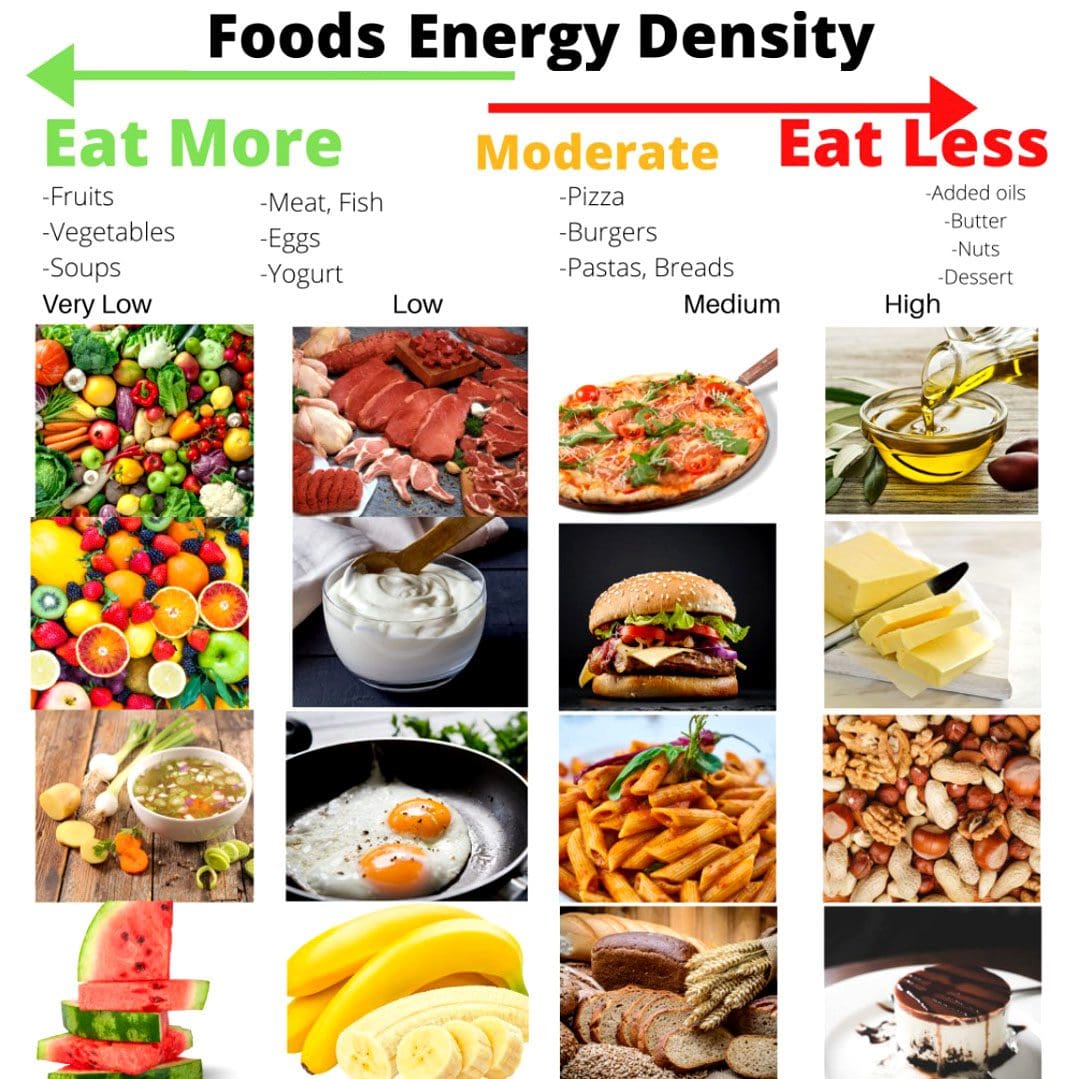
The brain and body need macronutrients that include carbohydrates, fats, and protein in the right amounts to energize the body. About half of the calories should come from carbohydrates, 30% from fat, and 20% from protein. Food energy density is the amount of energy, represented by the number of calories, in a specific weight measurement.
Food Energy Density
Energy density is determined by the proportion of macronutrients – protein, fat, carbohydrates, fiber, and water.
Energy-dense foods are high in calories per serving.
Foods with large amounts of fiber and water have a lower density.
Foods high in fat have an increased energy density.
An example of a high-energy-density food is a donut because of the high-calorie count from the sugar, fat, and small serving size.
An example of a low-energy-density food is spinach because it only has a few calories in a whole plate of raw spinach leaves.
Energy Dense Foods
Energy-dense foods contain a high number of calories/energy per gram. They are typically higher in fat and lower in water. Examples of energy-dense foods include:
Full-fat dairy
Butter
Cheese
Nut butter
Fatty cuts of meat
Starchy vegetables
Thick sauces
Nuts
Seeds
Less nutrient-dense foods include:
Sweets
Deep-fried foods
French fries
Pasta
Crackers
Chips
Foods like soups and beverages can be either high or low energy density depending on the ingredients. Broth-based soups with vegetables usually have low density while creamed soups are energy-dense. Non-fat milk is less dense than regular milk, and diet soda is less dense than regular soda.
Low Energy Dense Foods
Foods with low energy density include high-fiber green and colorful vegetables.
Foods with low energy density are often nutrient-dense, which means they have plenty of nutrients per serving size.
Many fruits, berries, and vegetables are low in calories, high in fiber, and packed with vitamins and minerals.
Foods high in water content like citrus fruits and melons are usually less energy-dense.
Low-calorie foods often have a low energy density, but not always.
It’s important to read nutrition labels to know how many calories are being provided daily.
Weight Management
Weight management is about watching how many calories are taken in and how many calories are burned.
Filling up on foods with low energy density will cause the body to feel satisfied while eating fewer high-density calories.
Plan all meals so they include foods with a low energy density and high in nutrients.
However, the opposite can happen if individuals eat mostly low-energy-dense foods, will need a larger volume of food to fill up, and as a result, will take in more calories.
This is not ideal for losing weight, but it could be helpful if trying to gain weight.
High-energy-dense foods that are nutritious include avocados, nuts, and seeds.
Adjustment Recommendations
Add More Fruits and Vegetables To The Plate
At least half of a plate should be covered with low-calorie fruits and vegetables.
Berries are sweet and delicious and provide antioxidants
Leave a quarter of the plate for the protein, and the remaining quarter can hold a serving of starchy foods like pasta, potatoes, or rice.
Eating more fruits and vegetables will partially fill the body leading to eating less high-energy-dense foods.
Picky eaters should try various recipes, sooner or later, they will discover something they enjoy.
Start With Salad or a Bowl of Clear Broth Soup
Soups and salads will fill the body before the main energy-dense course like pasta, pizza, or another high-calorie food.
Avoid heavy cream-based salad dressings and creamed soups.
Water has zero calories and drinking a few glasses can help suppress the hunger until the next meal, or a low-density snack.
Fernandez, Melissa Anne, and André Marette. “Potential Health Benefits of Combining Yogurt and Fruits Based on Their Probiotic and Prebiotic Properties.” Advances in nutrition (Bethesda, Md.) vol. 8,1 155S-164S. 17 Jan. 2017, doi:10.3945/an.115.011114
Horgan, Graham W et al. “Effect of different food groups on energy intake within and between individuals.” European Journal of Nutrition vol. 61,7 (2022): 3559-3570. doi:10.1007/s00394-022-02903-1
Hubbard, Gary P et al. “A systematic review of compliance to oral nutritional supplements.” Clinical nutrition (Edinburgh, Scotland) vol. 31,3 (2012): 293-312. doi:10.1016/j.clnu.2011.11.020
Prentice, A M. “Manipulation of dietary fat and energy density and subsequent effects on substrate flux and food intake.” The American Journal of clinical nutrition vol. 67,3 Suppl (1998): 535S-541S. doi:10.1093/ajcn/67.3.535S
Slesser, M. “Energy and food.” Basic life sciences vol. 7 (1976): 171-8. doi:10.1007/978-1-4684-2883-4_15
Specter, S E et al. “Reducing ice cream energy density does not condition decreased acceptance or engender compensation following repeated exposure.” European Journal of clinical nutrition vol. 52,10 (1998): 703-10. doi:10.1038/sj.ejcn.1600627
Westerterp-Plantenga, M S. “Effects of the energy density of daily food intake on long-term energy intake.” Physiology & behavior vol. 81,5 (2004): 765-71. doi:10.1016/j.physbeh.2004.04.030
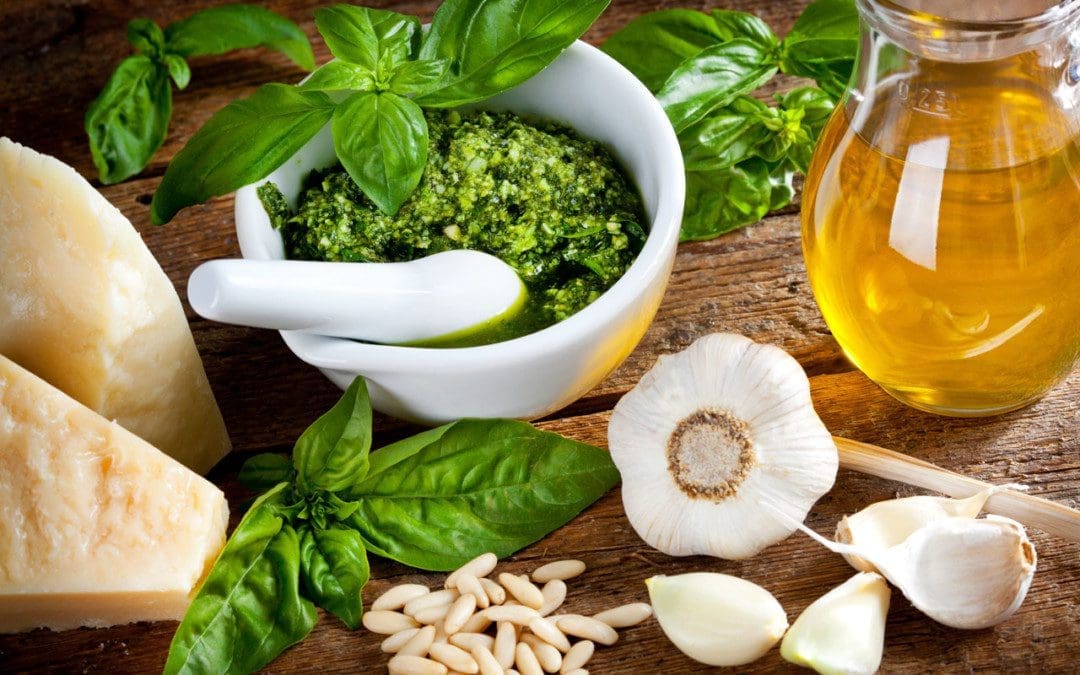
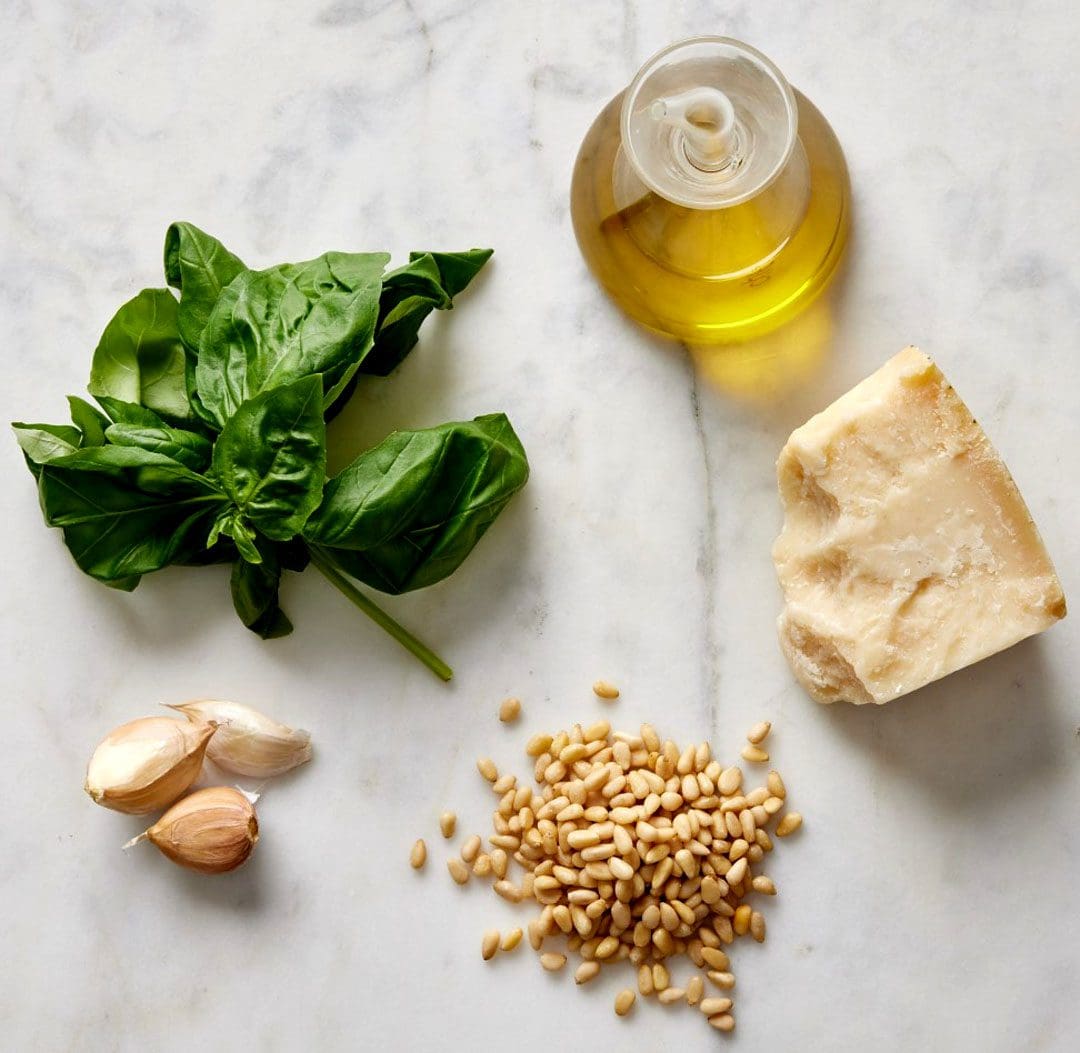
Pesto is a sauce that is made with garlic, pine nuts, basil, cheese, and olive oil, which creates a strong, rich flavor. It is used as a marinade, dip, salad dressing, sandwich spread, and a topping for dishes like pasta and pizza. It can be homemade or bought premade, including vegan varieties. It is made with nutritious ingredients and can be consumed as part of a balanced diet. The sauces can vary in nutrition, but in general, it is a rich source of healthy fats and is also part of the Mediterranean Diet.
Pesto
Carbohydrates
The sauce is not a significant source of complex carbohydrates, dietary fiber, or sugar.
A spoonful contains under 1 gram of carbohydrates.
It is often paired with foods rich in carbohydrates, like sandwiches, pizza, and pasta.
Fats
Nearly 60% of the calories in pesto come from fats, provided by the olive oil, cheese, and pine nuts.
There are 9.47 grams of fats per spoonful, which includes:
5.63 grams of monounsaturated fatty acids.
1.53 grams of saturated fatty acids.
1.68 grams of polyunsaturated fatty acids.
It also contains 2.56mg of cholesterol.
According to U.S. Dietary Guidelines for Americans, 20% to 35% of daily calories should come from fat.
Protein
The sauce is not a protein-rich food with only 1.38 grams of protein per tablespoon.
It is often used as a condiment, it can add flavor to other foods higher in protein.
Vitamins and Minerals
Pesto contains:
33.1mg of calcium.
36.8mg of phosphorus.
31.8mg of potassium.
9.76mg of magnesium.
Health Benefits
Some of the potential health benefits of pesto.
Antioxidant Properties
Garlic, pine nuts, olive oil, and basil are rich sources of antioxidants.
Antioxidants have an essential role in defending the body against free radical damage, which can lead to disease.
Diets high in antioxidants reduce the risk of various diseases, like heart disease and cancer.
Consuming antioxidant-rich foods like pesto on a regular basis can increase antioxidant levels.
Cardiovascular Benefits
Olive oil health benefits include the reduced risk of heart disease.
Substituting other high-fat foods like margarine, butter, and mayonnaise with olive oil can help lower the risk of heart disease and stroke.
Help Lower Cholesterol
Four different types of fats – saturated, trans, monounsaturated, and polyunsaturated fats.
Saturated fats can raise LDL/unhealthy cholesterol levels.
Foods rich in monounsaturated and polyunsaturated fats like pesto can help lower LDL cholesterol levels in the blood and support HDL/healthy cholesterol levels.
Weight Management
Pesto is commonly consumed on the Mediterranean diet and can be part of a nutritious lifestyle that supports a healthy weight.
Research has shown that following a Mediterranean diet can lead to and maintain long-term changes in weight management.
Store-bought pesto can contain a large amount of sodium.
Individuals following a low-sodium diet or taking heart medications should check with their doctor before consuming these products.
To control the amount of sodium, consider making a homemade recipe that uses less salt and aligns with individual dietary preferences.
Basil is the main ingredient but some varieties are made with other herbs.
Pesto traditionally contains parmesan cheese/milk products and pine nuts/tree nuts which are common food allergens.
The sauce is a vegetarian-friendly sauce, but vegans can look for cheese and dairy-free versions.
It is possible that an allergic reaction can occur in individuals allergic to dairy products and nuts.
Individuals allergic to nuts can choose nut-free varieties.
From Consultation to Transformation
References
Agnoli C, Sieri S, Ricceri F, et al. Adherence to a Mediterranean diet and long-term changes in weight and waist circumference in the EPIC-Italy cohort. Nutr Diabetes. 2018;8(1):22. doi:10.1038/s41387-018-0023-3
Bolling, Bradley W et al. “Tree nut phytochemicals: composition, antioxidant capacity, bioactivity, impact factors. A systematic review of almonds, Brazils, cashews, hazelnuts, macadamias, pecans, pine nuts, pistachios, and walnuts.” Nutrition research reviews vol. 24,2 (2011): 244-75. doi:10.1017/S095442241100014X
Bower, Allyson, et al. “The Health Benefits of Selected Culinary Herbs and Spices Found in the Traditional Mediterranean Diet.” Critical Reviews in food science and nutrition vol. 56,16 (2016): 2728-46. doi:10.1080/10408398.2013.805713
Guasch-Ferré M, Liu G, Li Y, et al. Olive oil consumption and cardiovascular risk in U.S. adults. J Am Coll Cardiol. 2020;75(15):1729-1739. doi:10.1016/j.jacc.2020.02.036
Liu, Qing, et al. “Antibacterial and Antifungal Activities of Spices.” International journal of molecular sciences vol. 18,6 1283. 16 Jun. 2017, doi:10.3390/ijms18061283
Marcelino, Gabriela et al. “Effects of Olive Oil and Its Minor Components on Cardiovascular Diseases, Inflammation, and Gut Microbiota.” Nutrients vol. 11,8 1826. 7 Aug. 2019, doi:10.3390/nu11081826
Nicastro, Holly L, et al. “Garlic and onions: their cancer prevention properties.” Cancer prevention research (Philadelphia, Pa.) vol. 8,3 (2015): 181-9. doi:10.1158/1940-6207.CAPR-14-0172
Sestili, Piero, et al. “The potential effects of Ocimum basilicum on health: a review of pharmacological and toxicological studies.” Expert opinion on drug metabolism & toxicology vol. 14,7 (2018): 679-692. doi:10.1080/17425255.2018.1484450
Sun, Liangzi, et al. “Tryptophan targeted pulsed electric field treatment for enhanced immune activity in pine nut peptides.” Journal of food biochemistry vol. 44,6 (2020): e13224. doi:10.1111/jfbc.13224
Protein deficiency, or hypoproteinemia, is when the body has lower-than-normal protein levels. Protein is an essential nutrient in bones, muscles, skin, hair, and nails, and maintains bone and muscle strength. The body does not store protein, so it is needed daily. It helps make hemoglobin, which carries oxygen throughout the body, and chemical enzymes, which cause reactions that maintain organ function. A lack of enough protein can cause problems like muscle loss, fatigue, a weakened immune system, and chronic pain. Injury Medical Chiropractic and Functional Medicine Clinic can provide nutritional guidance and develop a personalized nutrition plan to restore musculoskeletal health and function.
Protein Deficiency
When digested, protein breaks down into amino acids that help the body’s tissues function and grow. Individuals can become deficient if their bodies can’t effectively digest and absorb the proteins within the foods they eat.
Symptoms
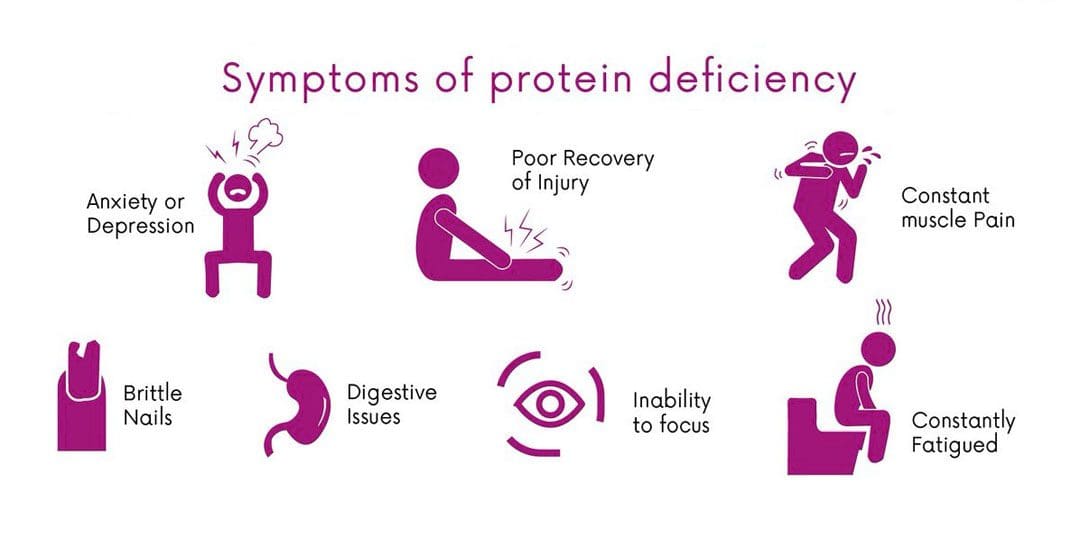
When the body doesn’t meet the required protein amounts or can’t absorb protein efficiently, it can lead to symptoms, including:
Chronic fatigue.
Increased infections and illnesses.
Reduced muscle mass.
Loss of muscle mass.
Slower injury healing times.
Sarcopenia in older individuals.
Swelling in the legs, face, and other areas from fluid buildup.
Dry, brittle hair that falls out.
Cracked, pitted nails.
High blood pressure during the second trimester of pregnancy/preeclampsia.
Causes
Protein deficiency can have various causes, depending on the individual case. Certain medical conditions include:
Malnutrition or undereating – an individual does not eat enough calories or avoids certain food groups.
Adequate protein intake is essential to maintain healthy amino acid levels to support cell structure and function. The requirement differs for everybody based on age, sex, and physical activity levels. Protein is available in a wide variety of animal and plant foods. Recommended nutritious protein sources for optimal health and fitness include foods such as:
Beans and legumes
Oats
Eggs
Cheese
Lean beef, chicken, turkey, and pork
Seafood
Seeds
Nuts
Various kinds of nut butter
Greek yogurt
Quinoa
Tofu
Protein is essential for all cells and body tissue and can impair body function in short supply. Although diet-related protein deficiency is rare in the United States, certain medical conditions can increase the risk. Adding protein to a diet is simple and can be achieved by incorporating various foods from either plant or animal sources.
Clinical Implementation of Functional Nutrition
References
Bauer, Juergen M, and Rebecca Diekmann. “Protein and Older Persons.” Clinics in geriatric medicine vol. 31,3 (2015): 327-38. doi:10.1016/j.cger.2015.04.002
Brock, J F. “Protein deficiency in adults.” Progress in food & nutrition science vol. 1,6 (1975): 359-70.
Deutz, Nicolaas E P, et al. “Protein intake and exercise for optimal muscle function with aging: recommendations from the ESPEN Expert Group.” Clinical nutrition (Edinburgh, Scotland) vol. 33,6 (2014): 929-36. doi:10.1016/j.clnu.2014.04.007
Paddon-Jones, Douglas, and Blake B Rasmussen. “Dietary protein recommendations and the prevention of sarcopenia.” Current Opinion in clinical nutrition and metabolic care vol. 12,1 (2009): 86-90. doi:10.1097/MCO.0b013e32831cef8b
Pappova, E et al. “Acute hypoproteinemic fluid overload: its determinants, distribution, and treatment with concentrated albumin and diuretics.” Vox sanguinis vol. 33,5 (1977): 307-17. doi:10.1111/j.1423-0410.1977.tb04481.x
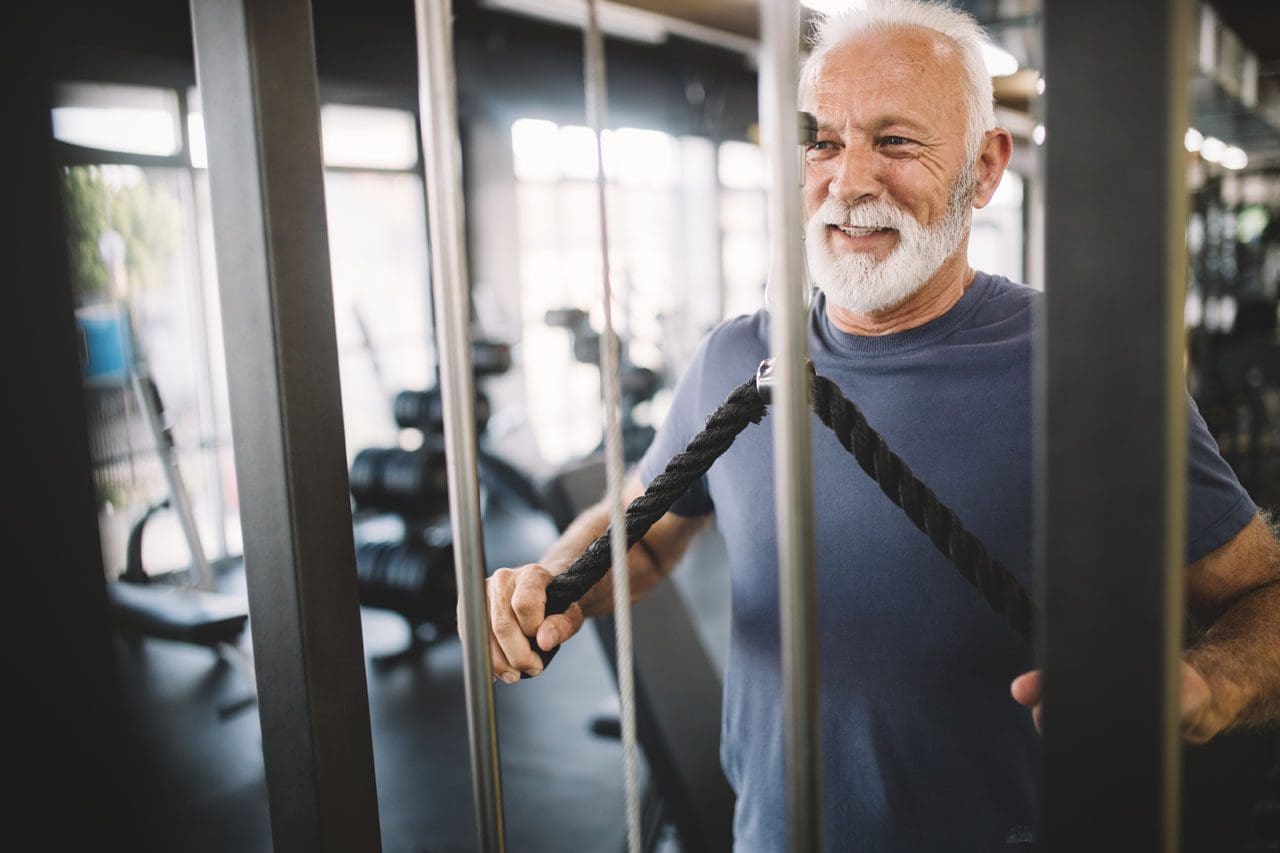
Healthy aging has been linked to a lifestyle consisting of proper nutrition and exercise. However, even with a healthy lifestyle, the body undergoes changes that include conditions, disease, and compromises in physical performance. Because of the effects of aging on muscle and joint tissue, cardiovascular fitness, and other physical parameters, older athletes need to take consideration, but this doesn’t mean slowing down. Injury Medical Chiropractic and Functional Medicine Clinic can develop a training and treatment plan to build and maintain musculoskeletal system health, flexibility, and optimal function.
Older Athletes
Research has shown that the physical and mental declines that go with aging can be reduced with fitness and nutrition programs and that it is not too late to start improving fitness, no matter what age. Systemic changes that happen to an aging body include:
Nervous System
Imbalances happen more easily and more often.
Sensation changes.
Musculoskeletal System
Bone Strength Decreases.
Muscle Strength Decreases.
Flexibility issues occur more frequently.
Respiratory System
Decreased Vital or Breathing Capacity of Lungs – The maximum amount of air that can be exhaled after a full inhalation.
Cardiovascular System
Maximum Heart Rate slows down.
A slower return to resting heart rate after and during physical activity and exercise.
Maintaining Endurance
Common aging fitness declines include:
Changes in body composition.
Increased body fat.
Decreased muscle mass.
Loss of height – can be brought on by osteoporosis.
Diminished cardiorespiratory capacity.
Muscle atrophy.
Research has found that when seniors start to exercise, their health improves quickly. It’s estimated that the physical declines associated with aging are not necessarily inevitable but can also happen by losing fitness/deconditioning effects from reduced exercise levels, frequency, and/or intensity. Despite the losses, older athletes are often able to compete and excel in endurance activities because they tend to have higher proportions of slow twitch fibers.
Memory and Fitness
Evidence suggests that seniors who exercise reduce the physical effects of aging and prevent their brain/memory from advanced degeneration.
Physical fitness has been linked with reduced memory decline in middle-aged adults.
Training Options
Training methods to maintain athletic performance.
Hill Running or Interval Training
This type of training can improve fitness and condition the aerobic and anaerobic systems.
Weight Training
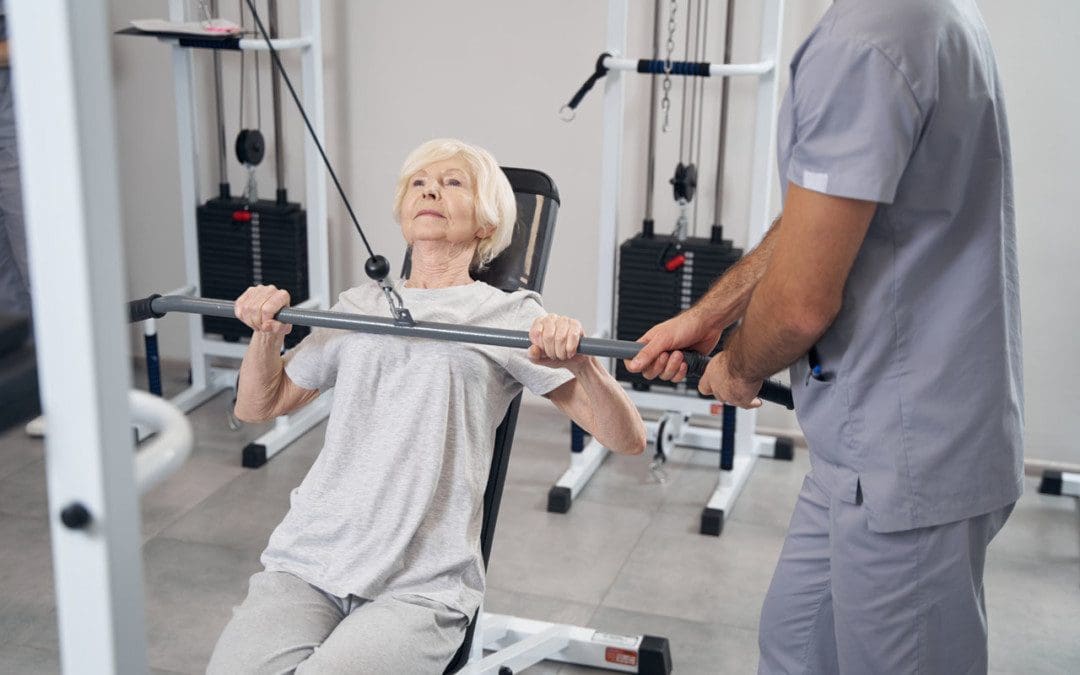
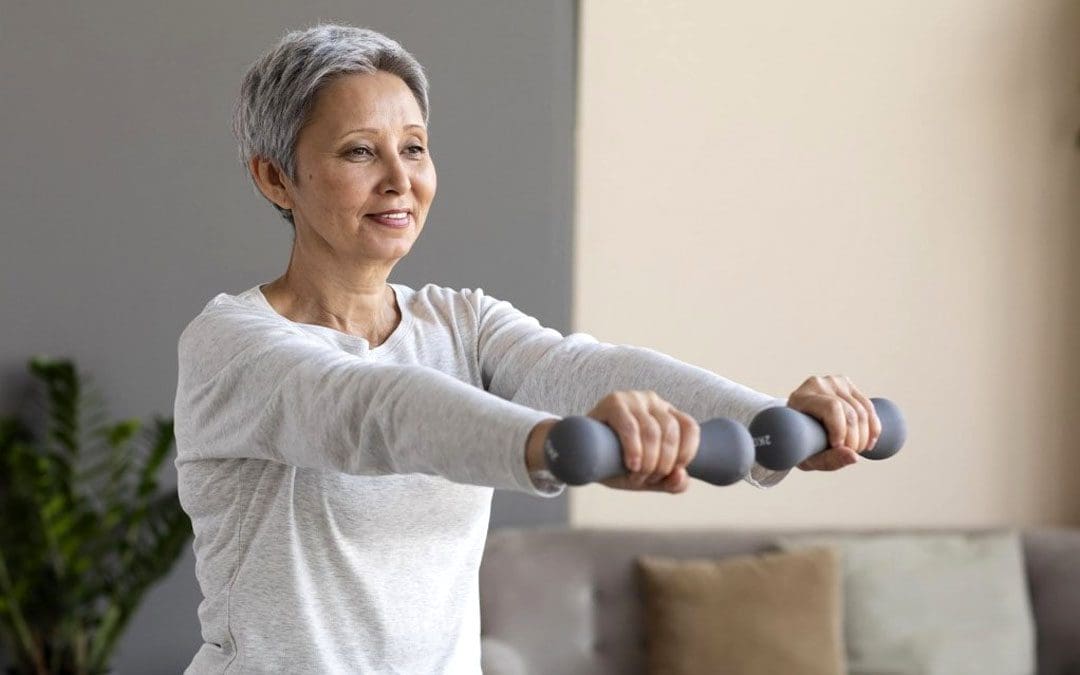
Weight training maintains muscle tone, fast twitch muscle fibers, and strength.
Supplements may help improve performance during repetitive, intense exercise sessions.
Nutrition
Aging causes the joints to become less flexible, resulting in a range of motion loss leading to limitations and compromised physical abilities. Proper nutrition in older athletes can protect the joints and prevent advanced degeneration. The following nutrients are recommended:
Omega-3’s – nuts, seeds, and fatty fish provide anti-inflammatory effects.
Vitamin C for collagen production.
Sulfur amino acids – certain vegetables, meat, poultry, fish, and dairy products improve joint cartilage health.
Bioflavonoids – all fruit and vegetables provide anti-inflammatory effects and improved circulation.
Antioxidants – selenium and vitamin E protect against free radicals that multiply with age.
Supplements may also be helpful but check with a doctor before beginning a program.
Move Better, Live Better
References
Gillis, Angela, and Brenda MacDonald. “Deconditioning in the hospitalized elderly.” The Canadian nurse vol. 101,6 (2005): 16-20.
Lexell, J. “Human aging, muscle mass, and fiber type composition.” The Journal of Gerontology. Series A, Biological Sciences and medical sciences vol. 50 Spec No (1995): 11-6. doi:10.1093/gerona/50a.special_issue.11
Marriott, Catherine F S, et al. “High-Intensity Interval Training in Older Adults: a Scoping Review.” Sports medicine – open vol. 7,1 49. 19 Jul. 2021, doi:10.1186/s40798-021-00344-4
Rogers, Michael E et al. “Balance training for the older athlete.” International Journal of sports physical therapy vol. 8,4 (2013): 517-30.
Tayrose, Gregory A et al. “The Master’s Athlete: A Review of Current Exercise and Treatment Recommendations.” Sports Health vol. 7,3 (2015): 270-6. doi:10.1177/1941738114548999
Townsend, Danyelle M et al. “Sulfur-containing amino acids and human disease.” Biomedicine & pharmacotherapy = Biomedicine & pharmacotherapy vol. 58,1 (2004): 47-55. doi:10.1016/j.biopha.2003.11.005
Van Roie, Evelien, et al. “An age-adapted plyometric exercise program improves dynamic strength, jump performance and functional capacity in older men either similarly or more than traditional resistance training.” PloS one vol. 15,8 e0237921. 25 Aug. 2020, doi:10.1371/journal.pone.0237921
Wu, Tingting, and Yanan Zhao. “Associations between functional fitness and walking speed in older adults.” Geriatric nursing (New York, N.Y.) vol. 42,2 (2021): 540-543. doi:10.1016/j.gerinurse.2020.10.003
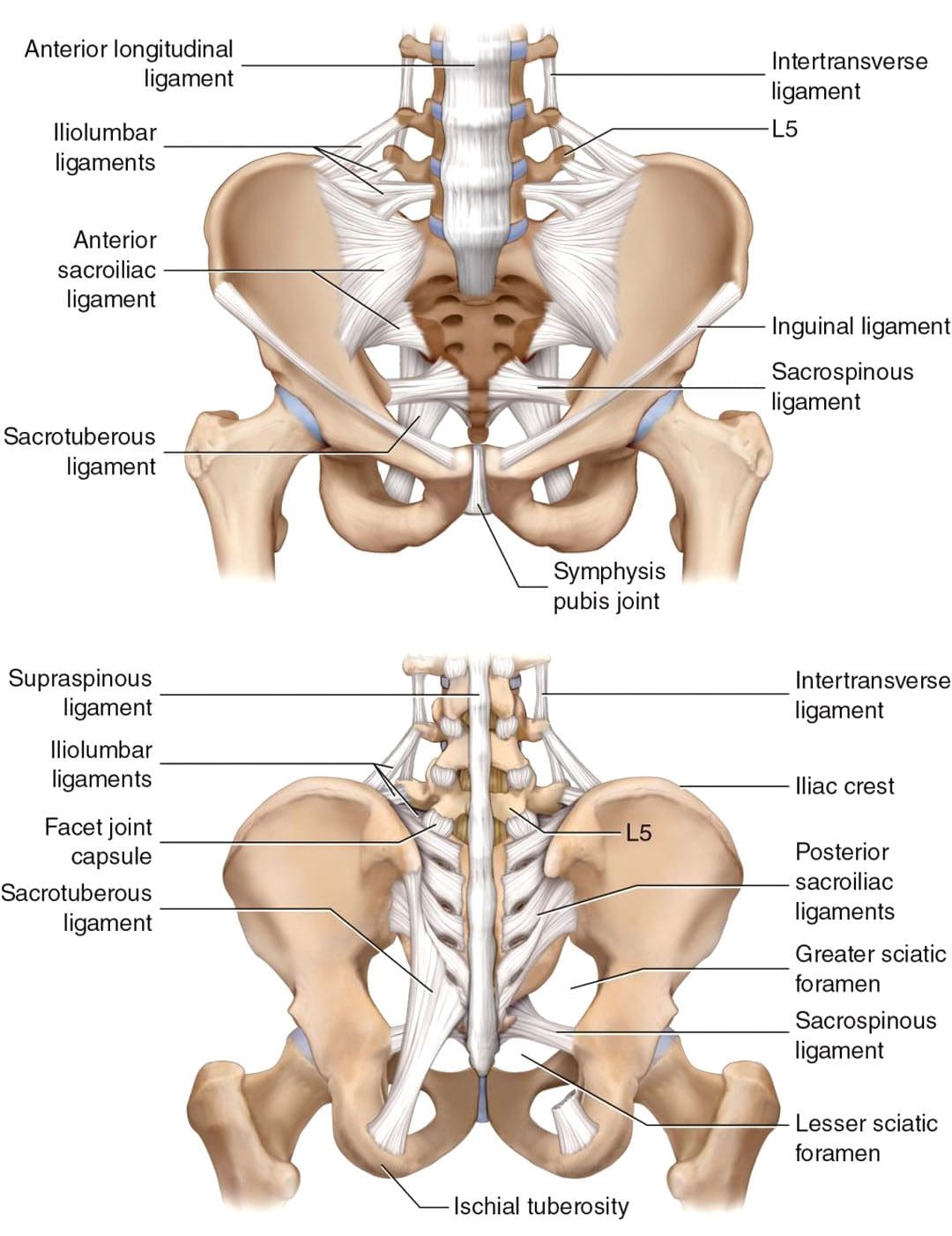
A joint is where two bones meet. The two sacroiliac or SI joints connect the spine, pelvis, and hips. This strong joint balances and transmits stress from the upper body to the pelvis and legs. The joints can suffer a sprain causing pain and discomfort symptoms. There can also be the feeling of tightness wrapping around the waist and dull aching across the low back as the surrounding muscles tighten up as a form of protection, also known as muscle guarding. A correct diagnosis is vital to avoid any potentially serious complications. Chiropractors are experts on neuromusculoskeletal problems and can treat, heal, and strengthen the body through various MET, mobilization, and manipulation techniques.
Sacroiliac Sprain
The main function is to balance the upper and lower body forces. The sacroiliac joints are surrounded by muscle, connective tissue, nerves designed to withstand large stresses and a complex system of ligaments, further strengthening the joints.
Injury Causes
Sacroiliac sprains can be caused by direct trauma to the pelvis from a fall or automobile collision or jobs and sports that involve a lot of bending and twisting. However, sometimes there is no distinct cause. Common causes include:
Repetitive microtrauma is excessive/repetitive movements like prolonged twisting, bending, or lifting at work, home, physical activities, and sports.
The joint can be pushed out of alignment.
Muscular imbalance or weakness in the muscles surrounding the sacroiliac joints can cause problems to develop over time, presenting little or no symptoms.
The tissues around a sacroiliac joint also can be stretched or torn.
Trauma such as a fall or road traffic accidents
Problems with the hips, knees, and feet can generate increased pressure on the joint, which can become painful over time due to repetitive strain.
Pregnancy hormones released to promote pelvis relaxation can increase the risk of SI sprain injury.
Excessive stress on the joint can cause microscopic damage to the ligaments surrounding the joint. The joint then becomes inflamed and presents with pain and sensations of discomfort. The body responds by contracting the muscles to prevent further damage. However, the muscle spasms may not stop, resulting in more pain. Referred pain is common from the muscles that go into spasm, with the most affected being the piriformis, gluteal/buttock, and psoas muscles.
Signs and Symptoms
Tenderness over the affected joint and area.
Pain symptoms on one or both sides above the joints and into the buttocks.
Standing or working with increased weight on one leg increases pain symptoms.
Pain after lifting or twisting that develops a little while later.
Pain travels to the back of the leg, front of the thigh, and the groin.
Pain gets worse when sitting and bending forward.
Lying down eases the symptoms.
Most cases report no loss of strength, tingling, or numbing sensations.
Chiropractic Treatment
Chiropractic treatment will relieve the pain symptoms, but there are stages of treatment, each with specific goals before moving to the next.
The objective of the initial stage is to decrease pain and inflammation.
The second stage is stabilizing and restoring proper musculoskeletal function.
Rehabilitation and targeted stretches and exercises will be introduced as the treatment continues.
In the maintenance stage, there should be no pain, and the individual should be able to perform normal daily activities and return to normal life.
Recovery time for a sacroiliac sprain can be 4-6 weeks but can take months to heal completely.
Chiropractic Approach for Pain Relief
References
BIDWELL, A M. “Treatment of sacroiliac sprain by manipulation.” The Medical World vol. 65,1 (1947): 14-6.
Evans, P. “Sacroiliac sprain.” American family physician vol. 48,8 (1993): 1388; author replies 1390.
LeBlanc, K E. “Sacroiliac sprain: an overlooked cause of back pain.” American family physician vol. 46,5 (1992): 1459-63.
Sun, Chao, et al. “Cost and outcome analyses on the timing of first independent medical evaluation in patients with a work-related lumbosacral sprain.” Journal of Occupational and environmental medicine vol. 49,11 (2007): 1264-8. doi:10.1097/JOM.0b013e318156ecdb
IFM's Find A Practitioner tool is the largest referral network in Functional Medicine, created to help patients locate Functional Medicine practitioners anywhere in the world. IFM Certified Practitioners are listed first in the search results, given their extensive education in Functional Medicine