For individuals looking to maintain wellness or begin their wellness journey like increasing antioxidants, protection against cancer, immune system support and other health benefits, can adding onions be a nutritious way to improve overall health?
Onions
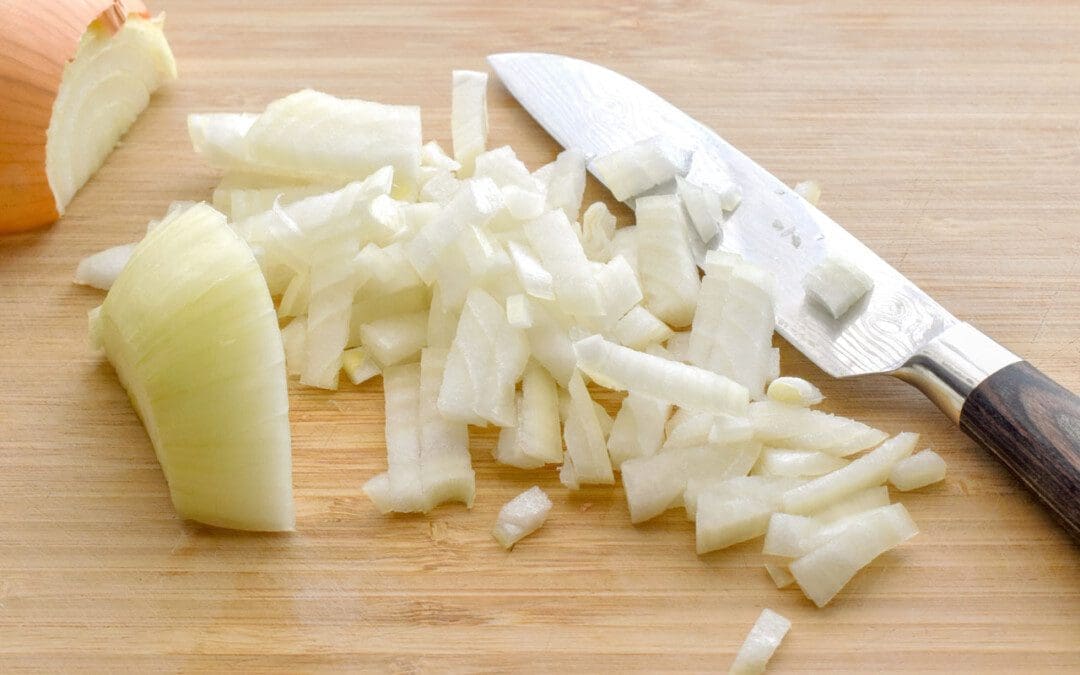
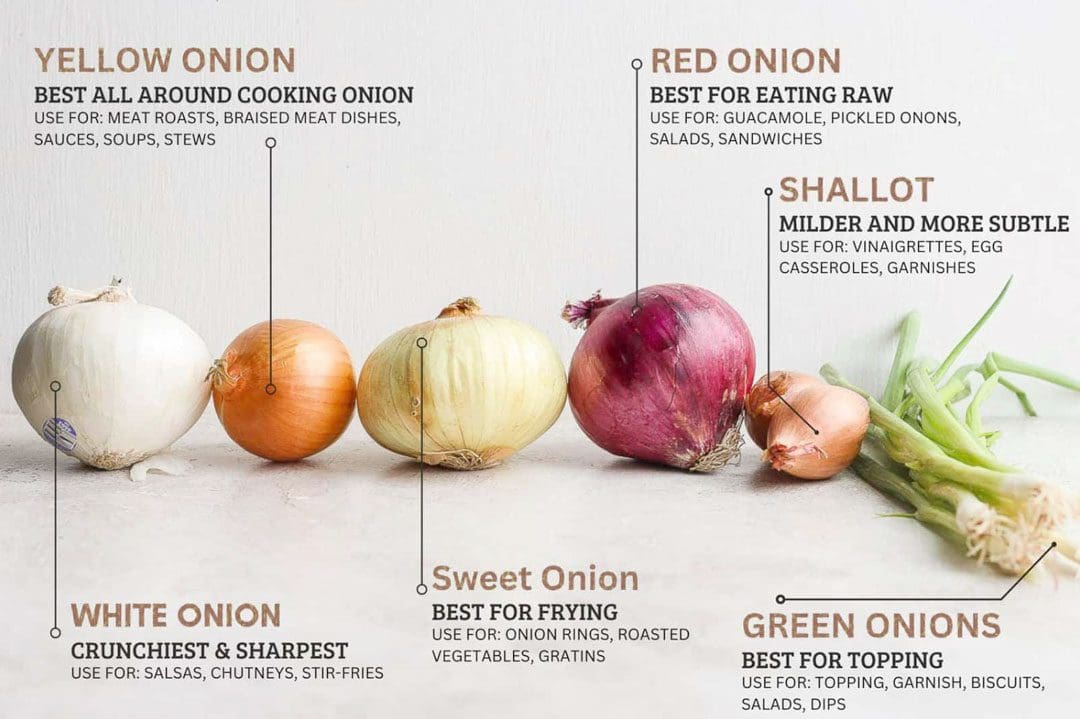
Onions are nutritious vegetables like garlic, chives, leeks, and shallots. The most common types are red, white, yellow, and Spanish onions. They have antifungal, antibacterial, anti-inflammatory, and other healthful properties.
Whichever way they are prepared they do lose some of their nutritional value when cooked.
They contain flavonoids, glutathione, selenium compounds, vitamin E, and vitamin C.
When selecting onions, look for those without blemishes or discoloration, that are firm, and have dry, papery skins.
Benefits
They contain phytochemicals – compounds plants produce to fight off harmful bacteria, viruses, and fungi. These phytochemicals provide health benefits when consumed and provide the following properties: (Xin-Xin Zhao, et al., 2021)
Protect the cardiovascular, digestive, respiratory, reproductive, and neurological systems.
Protect against liver disease.
Support a healthy immune system.
Types and Varieties
They belong to the Allium plant genus which includes plants like garlic, leeks, and chives. (Oregon State University. 2022)
They vary in flavor and can be sweet, tangy, and sour.
Different varieties combined with farming practices contribute to the flavor profile of onions.
There are many varieties of onions.
The most common and widely available are red, white, yellow, and Spanish.
Other types include cipollini, pearl, and Vidalia.
Raw or Cooked
They are beneficial whether eaten raw or cooked, cooking them reduces the number of thiosulfinates – compounds that provide antimicrobial, antifungal, and antibiotic properties.
Boiling and frying onions has been shown to cause the most significant loss in nutritious value.
Other preparation methods that decrease health benefits include sautéing, steaming, and microwaving.
Baking onions is shown to increase flavonoid levels.
Consuming dried, powdered onions can also provide nutritious value to foods, especially if the powder is freeze-dried. (Damini Kothari, et al., 2020)
Nutrition Facts
Onions can contribute to a healthy diet. The flavonoids, glutathione, selenium compounds, vitamin E, and vitamin C, contribute to the antioxidant properties of the vegetable. (Holly L. Nicastro, et al., 2015) The nutrition information for one medium onion: (U.S. Department of Agriculture. N.D.)
Total calories: 44
Total fat: 0 grams
Cholesterol: 0 milligrams
Carbohydrates: 10 grams
Dietary fiber: 2 grams
Total sugars: 5 grams
Protein: 1 grams
Calcium: 2 milligrams
Sodium: 4 milligrams
Iron: 1 milligrams
Vitamin D: 0 micrograms
When Selecting
Onions can contain pesticide residue, heavy metals, microbial contamination, and nitrate accumulation. Knowing where the onions come from can help ensure there was no incorrect use of pesticides or that the soil they were grown in was not enriched with heavy metals. When possible, purchase from reputable sources with transparent farming practices, like the farmers markets. (Xin-Xin Zhao, et al., 2021)
Onions found in environments that have not been effectively sterilized have an increased risk of growing harmful bacteria.
To avoid contamination of Escherichia. coli or E. coli, salmonella, and mold, it’s safest to purchase whole onions and cut them at home rather than purchasing pre-chopped onions. (Xin-Xin Zhao, et al., 2021)
Select those that feel firm, have little to no bruises or discolored spots, and have dry papery skin.
Avoid those that show evidence of mold, like white or black spots on the surface or inside the layers, and those with green shoots, which means the onion is still edible but won’t last that long.
Hypertension Diet
References
Zhao, X. X., Lin, F. J., Li, H., Li, H. B., Wu, D. T., Geng, F., Ma, W., Wang, Y., Miao, B. H., & Gan, R. Y. (2021). Recent Advances in Bioactive Compounds, Health Functions, and Safety Concerns of Onion (Allium cepa L.). Frontiers in nutrition, 8, 669805. https://doi.org/10.3389/fnut.2021.669805
Nicastro, H. L., Ross, S. A., & Milner, J. A. (2015). Garlic and onions: their cancer prevention properties. Cancer prevention research (Philadelphia, Pa.), 8(3), 181–189. https://doi.org/10.1158/1940-6207.CAPR-14-0172
Kothari, D., Lee, W. D., & Kim, S. K. (2020). Allium Flavonols: Health Benefits, Molecular Targets, and Bioavailability. Antioxidants (Basel, Switzerland), 9(9), 888. https://doi.org/10.3390/antiox9090888
Individuals who engage in a regular fitness regimen can begin to lose interest and motivation. Can knowing the signs of exercise burnout help individuals rediscover their motivation?
Exercise Burnout
When maintaining fitness and health becomes a chore and doing anything else is better than working out, individuals could be experiencing exercise burnout. Here are a few signs an individual is getting burned out.
Procrastination
One sign is constantly putting things off.
An individual may put on workout clothes, set up the equipment, etc.
However, the workout never happens as the individual continues to find other things to do.
At some point, they decide it’s too late and they’ll work out tomorrow.
Solution
Simplify the workout. Make some small goals or adjustments and keep the workout light. (Nemanja Lakicevic, et al., 2020) An example could be:
Focus only on stretching.
Take a walk around the block.
Go up and down some stairs equivalent to a few laps.
Do 10 pushups, 10 squats, and 10 lunges, or other exercises and that’s it.
No Longer Interesting
When burned out, exercise is not interesting and disenchanting. (Franklin Velasco, Rafael Jorda. 2020) Trainers will suggest finding something positive about the workouts.
When the interest and passion are nowhere to be found don’t engage in the usual workouts, as this can further decrease motivation.
This is the time to change up the routine and go for a leisurely bicycle or rollerblade, skateboard, etc., session.
Go to a park, just walk around, and forget about exercise just taking in everything.
Play a game with a friend or toss a ball around.
Exhaustion
Not just physical, but mental fatigue could be a sign of exercise burnout.
Solution
Rest.
Individuals may think they have to work out every day and stick to the regimen or else they’ve failed.
This type of mindset can lead to burnout and added stress.
The body and mind require adequate recovery time.
Forget about structured exercise for a day, and see how the mind and body feel the next day.
Two or three days off in a row can make a significant difference in motivation and offer a new perspective on the workout routine.
Low Energy Levels After Exercise
Workouts, although tiring in a good way, should energize the individual. Most workouts should leave the body feeling better than before. When the body feels worse or energy levels are low, this could be a sign of overtraining that could lead to exercise burnout.
Solution
This could be the time to ease off of the fitness regimen.
This is a form of active recovery, allowing the mind and body to rest from the overwork.
Mood Changes and/or Irritability
When the mind and body are overworked and over-trained, it can cause moodiness, irritability, and frustration that leads to burnout.
Solution
Do something that feels good. This could include:
A therapeutic massage.
A spa session.
Taking a long nap.
Soaking the feet.
Taking a therapeutic bath.
Meditation
Burnout can happen, the objective is to keep the solutions simple like taking a few days off or trying something new to come back feeling refreshed and energized.
Multidisciplinary Evaluation and Treatment
References
Lakicevic, N., Gentile, A., Mehrabi, S., Cassar, S., Parker, K., Roklicer, R., Bianco, A., & Drid, P. (2020). Make Fitness Fun: Could Novelty Be the Key Determinant for Physical Activity Adherence?. Frontiers in psychology, 11, 577522. https://doi.org/10.3389/fpsyg.2020.577522
Velasco, F., & Jorda, R. (2020). Portrait of Boredom Among Athletes and Its Implications in Sports Management: A Multi-Method Approach. Frontiers in psychology, 11, 831. https://doi.org/10.3389/fpsyg.2020.00831
Individuals need to eat more fiber for optimal gut health. Can adding avocado to their diet help improve the gut microbe diversity?
Avocado Gut Support
A diverse gut microbiome is beneficial to overall health. According to a recent study, eating one avocado a day can help maintain the gut microbes healthy, diverse, and balanced. (Sharon V. Thompson, et al., 2021) The researchers observed positive changes in gut bacteria and increased bacterial diversity in individuals who consumed an avocado every day for 12 weeks. (Susanne M Henning, et al., 2019)
Gut Diversity
The gut microbiome refers to the microorganisms living in the intestines. There are around 100 trillion microorganisms, including bacteria, viruses, fungi, and more, exist in the gastrointestinal tract. (Ana M. Valdes, et al., 2018) Having a diverse microbiome means that the body has a range of different organisms that offer various health benefits. Not having enough bacterial diversity has been linked to: (Ana M. Valdes, et al., 2018)
Arthritis
Obesity
Type 1 diabetes
Type 2 diabetes
Inflammatory bowel disease
Celiac disease
Arterial stiffness
Atopic eczema
Why Avocados?
The Institute of Medicine recommends a daily fiber intake ranging from 19 grams to 38 grams per day, depending on various factors like age. (Diane Quagliani, Patricia Felt-Gunderson. 2016)
Including foods like avocados in a healthy diet can help meet daily fiber requirements.
Fruit fiber like pectin, has been shown to promote a healthy gut microbiome as well. (Beukema M, et al., 2020)
Researchers suggest this could be because of pectin’s positive effect on beneficial probiotics.(Nadja Larsen, et al., 2018)
Although further research is needed fiber is believed to help protect the lining of the colon by increasing the bulk and weight of stool and expediting elimination.
Fiber also adds bulk to an individual’s diet and slows the speed of digestion, which makes the body feel fuller longer.
Improved Gut
Individuals can support a healthy microbiota by making small adjustments in their diet, including:
Eating a variety of fruits and vegetables with the skin, as this is where a majority of the nutrition is.
Fermented foods like yogurt, kombucha, sauerkraut, kimchi, and kefir.
Limiting consumption of processed foods, sugar, and artificial sweeteners.
If there are more avocados that can be eaten before they overripen, they can be frozen.
Peel and slice them first, then place them in freezer bags to have year-round.
They are rich in healthy fat, however, in moderation, they are not likely to contribute to weight gain.
Individuals can work toward having a diverse gut microbiome by paying attention to the foods they eat. Specific foods and dietary patterns can influence the different types of bacterial diversity which can support health.
Smart Choices, Better Health
References
Thompson, S. V., Bailey, M. A., Taylor, A. M., Kaczmarek, J. L., Mysonhimer, A. R., Edwards, C. G., Reeser, G. E., Burd, N. A., Khan, N. A., & Holscher, H. D. (2021). Avocado Consumption Alters Gastrointestinal Bacteria Abundance and Microbial Metabolite Concentrations among Adults with Overweight or Obesity: A Randomized Controlled Trial. The Journal of nutrition, 151(4), 753–762. https://doi.org/10.1093/jn/nxaa219
Henning, S. M., Yang, J., Woo, S. L., Lee, R. P., Huang, J., Rasmusen, A., Carpenter, C. L., Thames, G., Gilbuena, I., Tseng, C. H., Heber, D., & Li, Z. (2019). Hass Avocado Inclusion in a Weight-Loss Diet Supported Weight Loss and Altered Gut Microbiota: A 12-Week Randomized, Parallel-Controlled Trial. Current developments in nutrition, 3(8), nzz068. https://doi.org/10.1093/cdn/nzz068
Valdes, A. M., Walter, J., Segal, E., & Spector, T. D. (2018). Role of the gut microbiota in nutrition and health. BMJ (Clinical research ed.), 361, k2179. https://doi.org/10.1136/bmj.k2179
Quagliani, D., & Felt-Gunderson, P. (2016). Closing America’s Fiber Intake Gap: Communication Strategies From a Food and Fiber Summit. American journal of lifestyle medicine, 11(1), 80–85. https://doi.org/10.1177/1559827615588079
Beukema, M., Faas, M. M., & de Vos, P. (2020). The effects of different dietary fiber pectin structures on the gastrointestinal immune barrier: impact via gut microbiota and direct effects on immune cells. Experimental & molecular medicine, 52(9), 1364–1376. https://doi.org/10.1038/s12276-020-0449-2
Larsen, N., Cahú, T. B., Isay Saad, S. M., Blennow, A., & Jespersen, L. (2018). The effect of pectins on survival of probiotic Lactobacillus spp. in gastrointestinal juices is related to their structure and physical properties. Food microbiology, 74, 11–20. https://doi.org/10.1016/j.fm.2018.02.015
Individuals trying to get and stay in shape can find it difficult to get a regular workout. Can jumping rope help when there is no time?
Jumping Rope
Jumping rope can be a highly cost-effective exercise to incorporate high-intensity cardiovascular fitness into a workout routine. It is inexpensive, efficient, and done properly can improve cardiovascular health, improve balance and agility, increase muscular strength and endurance, and burn calories. (Athos Trecroci, et al., 2015)
Jumping rope can be utilized in interval training to keep the heart rate elevated and allow the muscles to rest in between weight lifting and other intense exercises.
A jump rope can be used when traveling as its portability makes it a top piece of workout gear.
It can be combined with bodyweight exercises for a dependable and portable exercise routine.
Benefits
Jumping rope is a medium-impact exercise with benefits that include:
Improves balance, agility, and coordination
Builds stamina and foot speed for coordination, agility, and quick reflexes.
Variations include one-leg jumping and double unders or with each jump, the rope goes around twice to add difficulty.
Builds Fitness Fast
Burns calories
Depending on skill level and jumping rate, individuals can burn 10 to 15 calories a minute by jumping rope.
Faster rope jumping can burn calories similar to running.
Precautions
For individuals who have high blood pressure, jumping rope may not be recommended. The downward arm position can reduce blood circulation back to the heart which can further increase blood pressure. Studies have shown that jumping at a moderate intensity is beneficial for individuals who are pre-hypertensive. (Lisa Baumgartner, et al., 2020) Individuals with hypertension and/or a heart condition, are recommended to discuss the potential risks with their doctor before beginning a new exercise routine.
Choosing a Rope
Jump ropes are available and made from various materials and come with different handles.
Some of these materials help jump ropes spin faster with a smooth motion.
Some options have a swivel action between the cords and handles.
The rope you buy should be comfortable to hold and have a smooth spin.
Weighted jump ropes can help develop upper body muscle tone and endurance. (D. Ozer, et al., 2011) These ropes are not for beginners and are not necessary for an agility workout.
For individuals who want a weighted rope, be sure the weight is in the rope and not the handles to prevent straining the wrists, elbows, and/or shoulders.
Size the rope by standing on the center of the rope
Pull the handles up along the sides of the body.
For beginners, the handles should just reach the armpits.
As the individual’s skills and fitness develop, the rope can be shortened.
A shorter rope spins faster, forcing more jumps.
Technique
Following proper technique will ensure a more safe and effective workout.
Start slowly.
The proper jumping form keeps the shoulders relaxed, elbows in, and slightly bent.
There should be very few upper-body movements.
The majority of the turning power and motion come from the wrists, not the arms.
During jumping, keep the knees slightly bent.
Bounce softly.
The feet should leave the floor just enough to allow the rope to pass.
Land softly on the balls of the feet to avoid knee injuries.
It is not recommended to jump high and/or land hard.
Jump on a surface that is smooth and free of obstacles.
Wood, a sports court, or a rubberized mat are recommended.
Warming Up
Before beginning jumping rope, do a light, 5 to 10-minute warm-up.
This can include walking or jogging in place, or slow-paced jumping.
Increase Time and Intensity Gradually
The exercise can be relatively intense and high-level.
Start slowly and increase gradually.
An individual might try three 30-second sets at the end of a routine workout for the first week.
Depending upon fitness level, individuals may feel nothing or some slight soreness in the calf muscles.
This can help determine how much to do for the next jump rope session.
Gradually increase the number of sets, or the duration, over several weeks until the body can go for about ten minutes of continuous jumping.
One way is to jump after each weight-lifting set or other circuit exercise – like adding jumping for 30 to 90 seconds in between exercise sets.
Both feet slightly lift off from the ground and land together.
Alternate foot jump
This uses a skipping step.
This allows landing more prominently on one foot after each spin.
Running step
A slight jog is incorporated while jumping.
High step
A moderate pace with a high knee raise increases intensity.
Rope jumping is a great addition to an interval training or cross-training routine that creates an efficient whole-body workout that incorporates both cardiovascular endurance and muscular strength.
Overcoming ACL Injury
References
Trecroci, A., Cavaggioni, L., Caccia, R., & Alberti, G. (2015). Jump Rope Training: Balance and Motor Coordination in Preadolescent Soccer Players. Journal of sports science & medicine, 14(4), 792–798.
Baumgartner, L., Weberruß, H., Oberhoffer-Fritz, R., & Schulz, T. (2020). Vascular Structure and Function in Children and Adolescents: What Impact Do Physical Activity, Health-Related Physical Fitness, and Exercise Have?. Frontiers in pediatrics, 8, 103. https://doi.org/10.3389/fped.2020.00103
Ozer, D., Duzgun, I., Baltaci, G., Karacan, S., & Colakoglu, F. (2011). The effects of rope or weighted rope jump training on strength, coordination and proprioception in adolescent female volleyball players. The Journal of sports medicine and physical fitness, 51(2), 211–219.
Van Hooren, B., & Peake, J. M. (2018). Do We Need a Cool-Down After Exercise? A Narrative Review of the Psychophysiological Effects and the Effects on Performance, Injuries and the Long-Term Adaptive Response. Sports medicine (Auckland, N.Z.), 48(7), 1575–1595. https://doi.org/10.1007/s40279-018-0916-2
Ankylosing spondylitis is an inflammatory arthritis that causes changes in posture that occur over time. Can exercise and maintaining spinal alignment help improve posture problems?
Ankylosing Spondylitis Posture Improvement
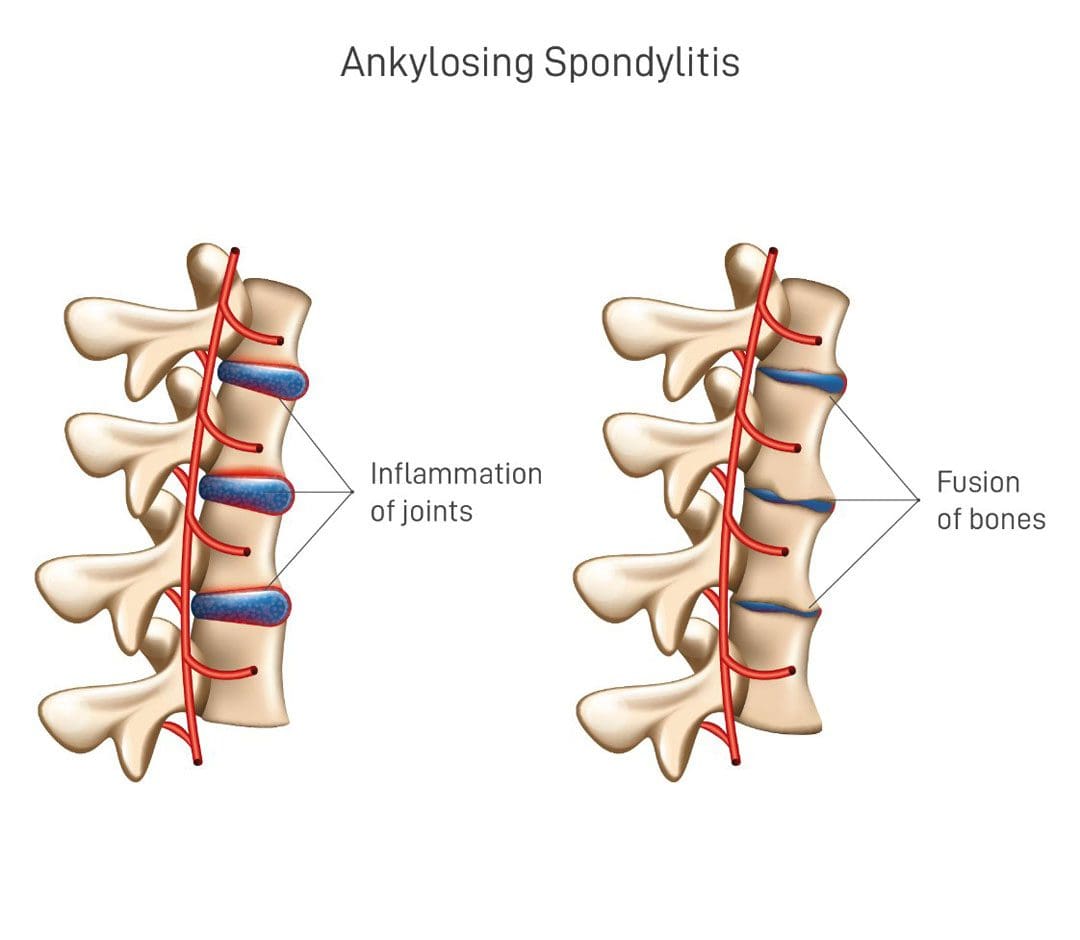
Ankylosing spondylitis/AS is an autoimmune arthritis that primarily affects the spine. It can also spread to other joints of the body and affect the internal organs. Back pain problems are a common side effect of the condition and depending on the severity of damage to the spine, it can have a serious impact on posture.
Affects Posture
The condition usually first affects the sacroiliac joints at the bottom of the spine where they attach to the pelvis. As the condition progresses it works its way to the upper spine. The spine consists of 26 vertebrae/bones stacked on top of each other.
Line up the ears, shoulders, hips, knees, and ankles in a straight line.
Squeeze the shoulder blades together and down toward the back pockets.
Relax the arms at the sides.
Look straight ahead.
Tuck the chin back slightly.
Sitting
The natural curves of the spine need support for proper posture when sitting. Try these tips when at a desk or at a table:
Position the height of the chair so the hips and knees are bent at 90-degree angles.
Place the feet flat on the floor or use a footstool based on chair height.
Place a lumbar support pillow or rolled-up towel behind the lower back.
Position the screen monitor at eye level to keep the upper back straight.
Keep the keyboard and mouse close to the body to prevent overreaching which can increase the rounding of the shoulders and upper back.
Lying Down
Ankylosing spondylitis can make lying down uncomfortable. To support the spine while lying down try to:
Sleep on a semi-firm mattress or type like memory foam to conform to the body.
Place a pillow between the knees to maintain a straight spine when lying on the side.
Use a specialized pillow to prevent placing the upper back in a rounded position.
Posture Exercises
For individuals with ankylosing spondylitis stretching and strengthening exercises can help improve body posture. Individuals are recommended to talk to their healthcare provider before beginning an exercise program.
Chin Tucks
Sit up straight.
Squeeze the shoulder blades together.
Rest the arms at your sides.
Look straight ahead, pull the chin back and in until the stretch is felt along the muscles of the neck.
Hold for three to five seconds and relax.
Repeat 10 times.
Corner Stretch
Stand facing a corner.
Raise the arms to shoulder height.
Place one forearm flat against each wall.
Stagger the feet.
Slowly shift weight over the front leg and lean in toward the corner.
Stop once the stretch is felt across the chest.
Hold for 10 to 20 seconds and relax.
Repeat three times.
Scapular Squeezes
Sit up straight with arms resting at the sides.
Squeeze the shoulder blades together like they are holding an object between them.
Hold for three seconds and relax.
Repeat 10 times.
Maintaining spinal alignment will help decrease back pain that occurs with AS.
Targeted exercises can help stretch tight muscles and strengthen the muscles responsible for maintaining spinal alignment.
Maintaining healthy posture when sitting, standing, and sleeping can help prevent deformities in the spine.
Regular physical activity can help combat stiffness and help maintain overall strength.
For an individualized exercise program, see a physical therapist or chiropractor on incorporating posture exercises to help prevent complications from developing.
Arthritis
References
National Institute of Arthritis and Musculoskeletal and Skin Diseases. Ankylosing spondylitis.
De Nunzio, A. M., Iervolino, S., Zincarelli, C., Di Gioia, L., Rengo, G., Multari, V., Peluso, R., Di Minno, M. N., & Pappone, N. (2015). Ankylosing spondylitis and posture control: the role of visual input. BioMed research international, 2015, 948674. https://doi.org/10.1155/2015/948674
As research increases in regenerative medicine with the potential of being able to regrow thyroid tissue, could regeneration therapy eliminate the need for patients to take thyroid replacement hormones?
Thyroid Regenerative Therapy
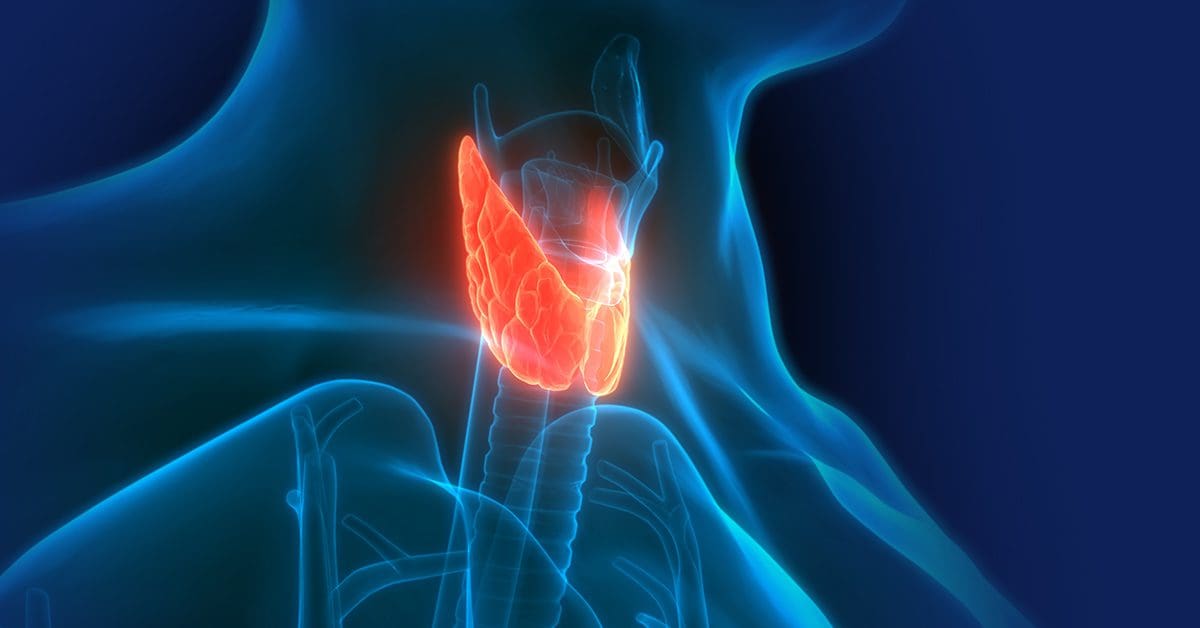
A great hope for regenerative therapy is the ability to grow healthy organs. One of the organs being looked at is the thyroid gland. The goal is to re-grow thyroid tissue in:
Individuals who had to have the gland removed because of thyroid cancer.
Individuals who were born without a fully developed gland.
As science advances and research has expanded from laboratory and animal experiments to test tube human thyroid cell studies, the use of stem cell therapy for this purpose is not there yet, as more extensive research is needed for human consideration.
Human Research
Research on the use of thyroid regenerative therapy for thyroid disease has not published studies in which stem cell therapy has been attempted in human thyroid patients.
The studies that have been done were conducted in mice, and any findings of this research cannot automatically be applied to humans. (H. P. Gaide Chevronnay, et al., 2016)
In human thyroid tissue in test tube studies, the stimulation of cells was achieved in a way that raised the question of making cancerous transformations more likely if it were to be attempted in humans. (Davies T.F., et al., 2011)
Recent Studies
Current research involves advances in embryonic stem cell – ESC and induced pluripotent stem cell – iPSC. (Will Sewell, Reigh-Yi Lin. 2014)
ESCs, also known as pluripotent stem cells, can increase any type of cell in the body.
They are harvested from embryos that were produced, but not implanted, during IVF procedures.
iPSCs are pluripotent cells that have been developed using a reprogramming process of adult cells.
Follicular cells are thyroid cells that make thyroid hormones – T4 and T3 and have been produced from the embryonic stem cells of mice.
In a study published in the journal Cell Stem Cell in 2015, these cells had the ability to grow and were also able to start making thyroid hormone within two weeks. (Anita A. Kurmann, et al., 2015)
After eight weeks, cells that were transplanted into mice that did not have thyroid glands had normal amounts of thyroid hormone.
New Thyroid Gland
Investigators at Mount Sinai Hospital induced human embryonic stem cells into thyroid cells.
They were looking at the possibility of creating a new-like thyroid gland in individuals who have had their thyroid surgically removed.
The future looks promising for the ability to regrow thyroid tissue and eliminate thyroid replacement hormone. However, far more research is needed for this to even be considered a possibility.
Cracking the Low Thyroid Code Assessment Guide
References
Gaide Chevronnay, H. P., Janssens, V., Van Der Smissen, P., Rocca, C. J., Liao, X. H., Refetoff, S., Pierreux, C. E., Cherqui, S., & Courtoy, P. J. (2016). Hematopoietic Stem Cells Transplantation Can Normalize Thyroid Function in a Cystinosis Mouse Model. Endocrinology, 157(4), 1363–1371. https://doi.org/10.1210/en.2015-1762
Davies, T. F., Latif, R., Minsky, N. C., & Ma, R. (2011). Clinical review: The emerging cell biology of thyroid stem cells. The Journal of clinical endocrinology and metabolism, 96(9), 2692–2702. https://doi.org/10.1210/jc.2011-1047
Sewell, W., & Lin, R. Y. (2014). Generation of thyroid follicular cells from pluripotent stem cells: potential for regenerative medicine. Frontiers in endocrinology, 5, 96. https://doi.org/10.3389/fendo.2014.00096
Kurmann, A. A., Serra, M., Hawkins, F., Rankin, S. A., Mori, M., Astapova, I., Ullas, S., Lin, S., Bilodeau, M., Rossant, J., Jean, J. C., Ikonomou, L., Deterding, R. R., Shannon, J. M., Zorn, A. M., Hollenberg, A. N., & Kotton, D. N. (2015). Regeneration of Thyroid Function by Transplantation of Differentiated Pluripotent Stem Cells. Cell stem cell, 17(5), 527–542. https://doi.org/10.1016/j.stem.2015.09.004
Tuttle, R. M., & Wondisford, F. E. (2014). Welcome to the 84th annual meeting of the American Thyroid Association. Thyroid : official journal of the American Thyroid Association, 24(10), 1439–1440. https://doi.org/10.1089/thy.2014.0429
Hamstring muscle injuries are common, especially in athletes and individuals with physically demanding jobs. Is there a better chance of full recovery with surgical repair and post-op rehabilitation?
Hamstring Muscle Tear
Most often, hamstring muscle injuries are partial tears of the muscle. These types of injuries are muscle strains that occur when the muscle fibers are stretched beyond their normal limits. Complete tears of the hamstring muscle are unusual, but they do occur in both athletes and non-athletes. Determining the optimal treatment plan depends on:
The severity of the tendon tear
The expectations of the injured individual.
Incomplete tears are when the hamstring muscle is stretched too far, but not completely detached.
Complete tears usually occur at the top of the muscle where the tendon tears away from the pelvis.
A complete tear usually occurs when there is a sudden flexion of the hip and extension of the knee joint – when the muscle contracts in this position, it gets stretched beyond its limits.
Basic hamstring strains can be treated with simple steps – rest, ice, anti-inflammatory medications, and conservative therapies.
Symptoms
Symptoms of a hamstring muscle strain can include pain, bruising, swelling, and movement difficulty. (American Academy of Orthopaedic Surgeons. 2021) Individuals who sustain this injury typically experience sudden sharp pain. Signs of a tear can include:
Sharp pain where the buttock and thigh meet.
Difficulty walking.
Sitting can be difficult as the edge of a chair can place pressure directly on the injury.
Spasms and cramping sensations in the back of the thigh.
Weakness in the leg, specifically when bending the knee or lifting the leg behind the body.
Numbness or burning sensations as a result of sciatic nerve irritation.
Swelling and bruising in the back of the thigh – over time it can travel down to the back of the knee and calf and possibly into the foot.
With a complete hamstring tear, there is usually significant swelling and bruising that develops in the back of the thigh.
Diagnosis
The symptoms can be difficult to spot in the early stages which is why X-rays of the hip or thigh are usually obtained.
In some situations, a fragment of bone can get pulled off the pelvis along with the hamstring muscle attachment. MRI testing can be performed to evaluate the attachment and can define critical features of a complete hamstring muscle tear, including: (American Academy of Orthopaedic Surgeons. 2021)
The number of tendons involved.
Complete versus incomplete tearing.
The amount of retraction – the amount the tendons have pulled back.
This will guide the development of treatment.
Treatment
The treatment of a complete tear will depend on different factors. The other variable is the patient and their expectations.
Treatment is more aggressive in younger individuals like high-level athletes.
Treatment is less aggressive in middle-aged individuals.
Often a single tendon tear can be treated non-surgically.
When one tendon is involved, it is typically not pulled very far from its normal attachment and will develop scar tissue in a positive position.
Conversely, when three tendons have been torn, they usually pull more than a few centimeters away from the bone. These cases have better results with surgical repair. (UW Health. 2017)
Surgeons will use patient characteristics – high-level athletes or less physically active individuals – to guide treatment recommendations.
Rehabilitation
Rehabilitation following surgery can take 3-6 months or longer.
The first six weeks limit weight-bearing with the use of crutches.
Patients may be recommended to wear a brace to reduce tension on the repaired hamstring tendons.
Strengthening does not begin until three months post-op, and even light activities are usually delayed. (UW Health. 2017)
Because this injury can have a long recovery time, some individuals may choose nonsurgical treatment.
Sometimes these individuals experience symptoms of discomfort from sitting and may exhibit long-term weakness of the hamstring muscle.
Full recovery from a complete hamstring muscle injury takes time. Studies have shown high-level athletes are able to resume competitive sports after the repair and rehabilitation of an acute hamstring muscle injury. (Samuel K. Chu, Monica E. Rho. 2016)
Delaying surgical treatment may not always lead to optimal results.
When the tendon is torn away from its normal attachment, it begins to scar around the surrounding soft tissues.
When there is a delay of more than a few weeks following the initial injury, regaining the full length of the tendon and muscle can be challenging.
This could delay the rehabilitation process and may limit the potential for full recovery. (Ho Yoon Kwak, et al., 2011)
With severe injuries, there is a better chance of full recovery with surgical repair but could involve a long recovery and commitment to a post-op rehabilitation plan.
Chu, S. K., & Rho, M. E. (2016). Hamstring Injuries in the Athlete: Diagnosis, Treatment, and Return to Play. Current sports medicine reports, 15(3), 184–190. https://doi.org/10.1249/JSR.0000000000000264
Kwak, H. Y., Bae, S. W., Choi, Y. S., & Jang, M. S. (2011). Early surgical repair of acute complete rupture of the proximal hamstring tendons. Clinics in orthopedic surgery, 3(3), 249–253. https://doi.org/10.4055/cios.2011.3.3.249
IFM's Find A Practitioner tool is the largest referral network in Functional Medicine, created to help patients locate Functional Medicine practitioners anywhere in the world. IFM Certified Practitioners are listed first in the search results, given their extensive education in Functional Medicine