For individuals trying to make healthy lifestyle adjustments, can adding protein bars into their diet help achieve health goals?
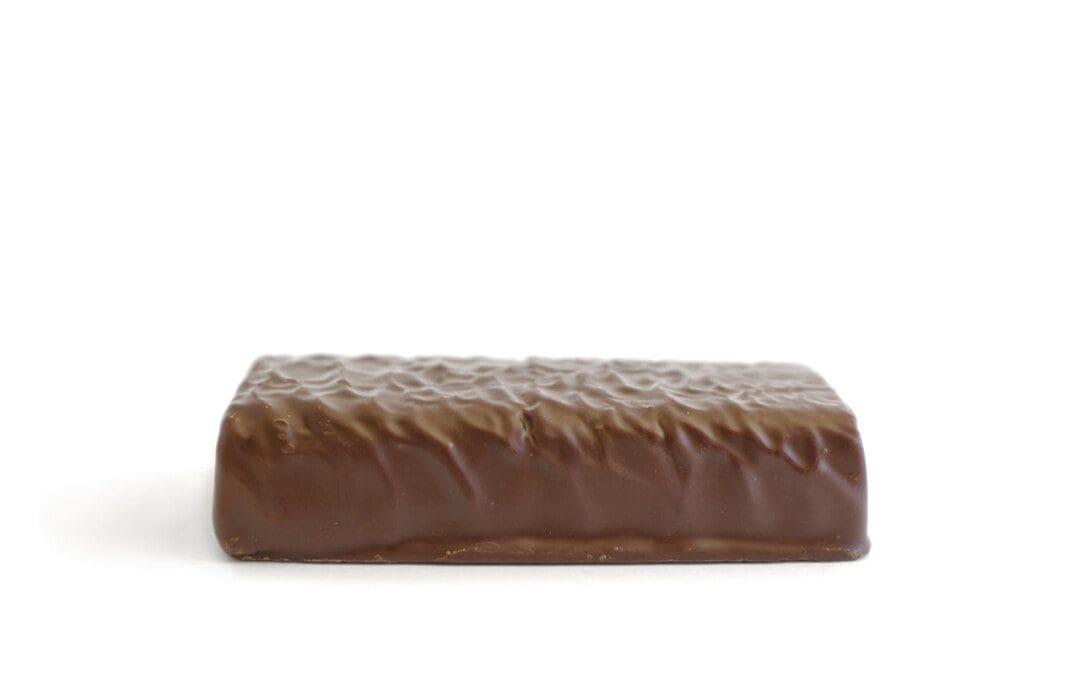
Protein Bar
Protein bars provide a quick energy boost between meals that can help curb appetite and avoid filling up on high-fat, sodium-packed snacks for individuals trying to lose weight. They can also increase calorie intake for individuals like athletes trying to increase muscle mass. Protein bars can vary in terms of factors like additives, calories, fat, sugars, and other ingredients. Labels need to be read carefully; otherwise, the bar can be more of a candy bar than a healthy, nutritious mini-meal or snack. It’s important to have a sense of how much protein is really needed each day, and the amount varies depending on individual factors.
How Much Protein Is Needed
Protein is vital to many body functions, but the body can’t produce this macronutrient, and it has to come from food. Dietary protein is broken down during digestion, and compounds known as amino acids are formed:
These are the building blocks the body uses to build and maintain muscles and organs.
It is vital to the production of blood, connective tissue, antibodies, enzymes, and hair. (Marta Lonnie, et al., 2018)
As protein is necessary for building muscle, athletes or individuals with physically demanding jobs are recommended to eat more.
The ideal protein intake considers how much is eaten at individual sittings. The average individual is recommended to consume between 25 and 35 grams of protein at every meal. (Emily Arentson-Lantz, et al., 2015)
Sources
The richest sources of dietary protein include:
Meats
Poultry
Fish and shellfish
Eggs
Milk and other dairy products
Plant sources include:
Beans
Legumes
Nuts
Seeds
Whole grains
These are foods that are easy to include in a balanced diet, so eating a variety in ample quantities daily will equal the recommended amount of protein. Recommendations are to stick with those low in saturated fat and processed carbs and rich in nutrients. However, eating too much protein can cause kidney problems. Therefore, individuals who are predisposed to kidney disease are recommended to be careful over-protein intake. (Kamyar Kalantar-Zadeh, Holly M. Kramer, Denis Fouque. 2020)
What To Look For
Incorporating protein bars into a diet, either as a between-meal snack, as a grab-and-go option when there is no time for a full meal, or as a part of a weight-loss or weight-gain strategy, individuals need to read and understand the ingredients on the different types of bars to choosing the healthiest options. Some general guidelines to consider:
Protein Content
For a between-meal or pre-post-workout snack, look for a bar with at least 20 grams of protein.
Meal replacement bars should have at least 30 grams of protein.
A less is more approach to these guidelines is recommended, as the body can digest only between 20 and 40 grams of protein in one sitting. (Brad Jon Schoenfeld, Alan Albert Aragon. 2018)
Protein Type
The protein usually comes from dairy or plant sources.
The most common include eggs, milk, rice, whey, soy, peas, and hemp.
Individuals with allergies or sensitivities need to choose a bar that is comprised of a type of protein that is safe to eat.
Calories
For a bar to eat between meals, recommendations are those with around 220 to 250 calories.
A protein bar that substitutes for a full meal can have 300 to 400 calories.
Fat
Ten to 15 grams of total fat and no more than two grams of saturated fat is ideal.
Steer clear of unhealthy trans fats found in partially hydrogenated oils.
Fiber
Fiber is filling, so the more fiber, the more likely it is to keep hunger satisfied until the next snack or meal.
It is recommended to choose those that contain more than three to five grams of fiber.
Sugar
Some protein bars have just as much sugar content as candy bars.
Some have as much as 30 grams of added sugar.
The ideal amount is around five grams or less.
Artificial sweeteners like erythritol, sorbitol, and maltitol are not better options as they can cause bloating and gas.
It is recommended to work with a nutritionist to figure out the most effective type so that they can be incorporated into an individual’s diet to achieve and maintain health goals.
Nutrition Fundamentals
References
Lonnie, M., Hooker, E., Brunstrom, J. M., Corfe, B. M., Green, M. A., Watson, A. W., Williams, E. A., Stevenson, E. J., Penson, S., & Johnstone, A. M. (2018). Protein for Life: Review of Optimal Protein Intake, Sustainable Dietary Sources and the Effect on Appetite in Ageing Adults. Nutrients, 10(3), 360. https://doi.org/10.3390/nu10030360
Stephens, T. V., Payne, M., Ball, R. O., Pencharz, P. B., & Elango, R. (2015). Protein requirements of healthy pregnant women during early and late gestation are higher than current recommendations. The Journal of nutrition, 145(1), 73–78. https://doi.org/10.3945/jn.114.198622
Arentson-Lantz, E., Clairmont, S., Paddon-Jones, D., Tremblay, A., & Elango, R. (2015). Protein: A nutrient in focus. Applied physiology, nutrition, and metabolism = Physiologie appliquee, nutrition et metabolisme, 40(8), 755–761. https://doi.org/10.1139/apnm-2014-0530
Kalantar-Zadeh, K., Kramer, H. M., & Fouque, D. (2020). High-protein diet is bad for kidney health: unleashing the taboo. Nephrology, dialysis, transplantation : official publication of the European Dialysis and Transplant Association – European Renal Association, 35(1), 1–4. https://doi.org/10.1093/ndt/gfz216
Schoenfeld, B. J., & Aragon, A. A. (2018). How much protein can the body use in a single meal for muscle-building? Implications for daily protein distribution. Journal of the International Society of Sports Nutrition, 15, 10. https://doi.org/10.1186/s12970-018-0215-1
Individuals who have gone through recent low back surgery, like a lumbar laminectomy and discectomy, could they benefit from physical therapy for full recovery? (Johns Hopkins Medicine. 2008)
Rehabilitation Exercise Program
A lumbar laminectomy and discectomy is a surgical procedure performed by an orthopedic or neurologic surgeon to help decrease pain, relieve associated symptoms and sensations, and improve flexibility and mobility. The procedure involves cutting away disc and bone material that presses against, irritates, and damages the spinal nerves. (Johns Hopkins Medicine. 2023)
Post-Surgery
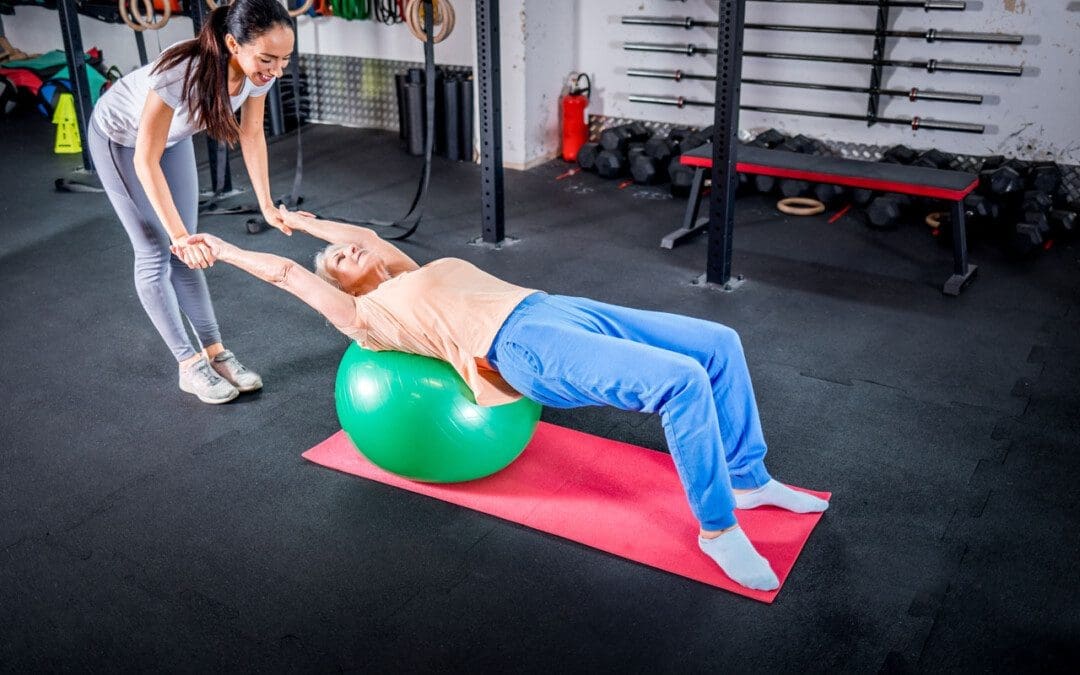
The therapist will work with the individual to develop a rehabilitation exercise program. The objective of a rehabilitation exercise program is to help the individual:
Relax their muscles to prevent muscle tensing and becoming over-cautious
Regain full range of motion
Strengthen their spine
Prevent injuries
A guide on what to expect in physical therapy.
Postural Retraining
After back surgery, individuals have to work to maintain proper posture when sitting and standing. (Johns Hopkins Medicine. 2008)
Postural control is important to learn as it maintains the lower back in the optimal position to protect and expedite the healing of lumbar discs and muscles.
A physical therapist will teach the individual how to sit with proper posture and use lumbar support.
Attaining and maintaining proper posture is one of the most important things to help protect the back and prevent future back problems.
Walking helps to improve cardiovascular health and blood circulation throughout the body.
This helps to provide added oxygen and nutrients to the spinal muscles and tissues as they heal.
It is an upright exercise that puts the spine in a natural position, which helps to protect the discs.
The therapist will help set up a program tailored to the individual’s condition.
Prone Press Up
One of the exercises to protect the back and lumbar discs is prone press-ups. (Johns Hopkins Medicine. 2008) This exercise helps keep the spinal discs situated in the proper position. It also helps to improve the ability to bend back into lumbar extension.
To perform the exercise:
Lie facing down on a yoga/exercise mat and place both hands flat on the floor under the shoulders.
Keep the back and hips relaxed.
Use the arms to press the upper part of the body up while allowing the lower back to remain against the floor.
There should be a slight pressure in the lower back while pressing up.
Hold the press-up position for 2 seconds.
Slowly lower back down to the starting position.
Repeat for 10 to 15 repetitions.
Sciatic Nerve Gliding
Individuals who had leg pain coming from the back prior to surgery may have been diagnosed with sciatica or an irritation of the sciatic nerve. Post-surgery, individuals may notice their leg feels tight whenever straightening it out all the way. This could be a sign of an adhered/trapped sciatic nerve root, a common problem with sciatica.
After lumbar laminectomy and discectomy surgery, a physical therapist will prescribe targeted exercises called sciatic nerve glides to stretch and improve how the nerve moves. (Richard F. Ellis, Wayne A. Hing, Peter J. McNair. 2012)
Nerve glides can help free the stuck nerve root and allow for normal motion.
To perform the exercise:
Lie on the back and bend one knee up.
Grab underneath the knee with the hands.
Straighten the knee while supporting it with the hands.
Once the knee is fully straightened, flex and extend the ankle about 5 times.
Return to the starting position.
Repeat the sciatic nerve glide 10 times.
The exercise can be performed several times to help improve how the nerve moves and glides in the lower back and leg.
Supine Lumbar Flexion
After surgery, gentle back flexion exercises can help safely stretch the low-back muscles and gently stretch the scar tissue from the surgical incision. Supine lumbar flexion is one of the simplest exercises to improve lumbar flexion range of motion.
To perform the exercise:
Lie on the back with the knees bent.
Slowly lift the bent knees towards the chest and grasp the knees with both hands.
Gently pull the knees toward the chest.
Hold the position for 1 or 2 seconds.
Slowly lower the knees back to the starting position.
Perform for 10 repetitions.
Stop the exercise if experiencing an increase in pain in the lower back, buttocks, or legs.
Hip and Core Strengthening
Once cleared, individuals can progress to an abdominal and core strengthening program. This involves performing specific motions for the hips and legs while maintaining a pelvic neutral position. Advanced hip strengthening exercises help generate strength and stability in the muscles that surround the pelvic area and lower back. A physical therapist can help decide which exercises are recommended for the specific condition.
Return-to-Work and Physical Activities
Once individuals have gained an improved lumbar range of motion, hip, and core strength, their doctor and therapist may recommend working on specific activities to help them return to their previous level of work and recreation. Depending on job occupation, individuals may need to:
Work on proper lifting techniques.
Require an ergonomic evaluation if they spend time sitting at a desk or workstation.
Some surgeons may have restrictions on how much an individual can bend, lift, and twist from two to six weeks after surgery.
Low-back surgery can be difficult to rehab properly. Working with a healthcare provider and physical therapist, individuals can be sure to improve their range of motion, strength, and functional mobility to return to their previous level of function quickly and safely.
Ellis, R. F., Hing, W. A., & McNair, P. J. (2012). Comparison of longitudinal sciatic nerve movement with different mobilization exercises: an in vivo study utilizing ultrasound imaging. The Journal of orthopaedic and sports physical therapy, 42(8), 667–675. https://doi.org/10.2519/jospt.2012.3854
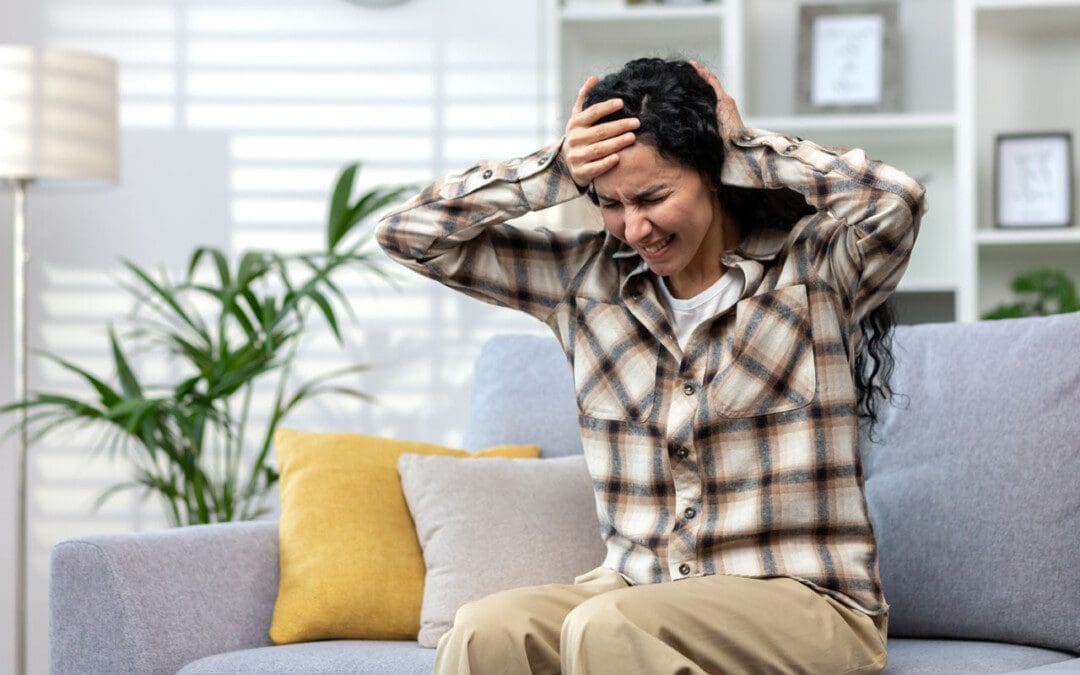
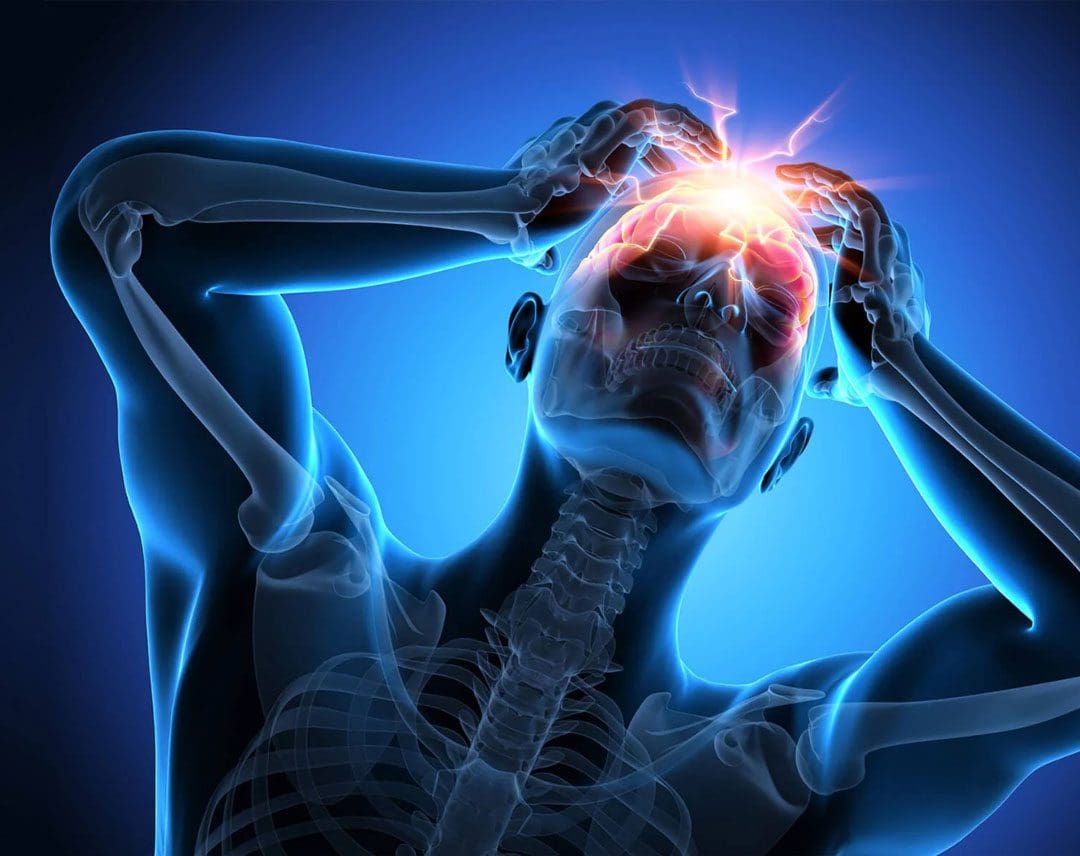
Individuals experiencing headaches on top of the head could be caused by different factors. Can recognizing what triggers pain or pressure help prevent this type of headache, and healthcare providers develop effective treatment plans?
Headache On Top of The Head
Various factors could cause a headache on top of the head; common causes include:
Stress
Sleep problems
Eye strain
Caffeine withdrawal
Dental problems
Hormonal changes
Alcohol consumption
Causes
Many causes have to do with underlying issues happening in other parts of the body.
Stress
Stress is a common cause of headaches, including one on top of the head.
Researchers don’t know exactly how stress causes headaches, but they think it causes tightening of the muscles in the back of the head or neck, which
pulls the tissues down, resulting in pain or pressure in the scalp and/or forehead area.
These are also called tension headaches.
Headaches caused by stress generally feel like dull pressure rather than throbbing pain.
Sleep Problems
Not getting enough sleep can induce a headache on top of the head.
When the mind and body do not get proper sleep, it can interfere with body functions like temperature, hunger, and sleep-wake cycles, which can lead to headaches.
It is common to feel more stressed when sleep-deprived, which can cause or compound a headache and other symptoms.
Eye Strain
You may develop a headache on the top of your head after you’ve been reading, watching, or otherwise focusing on something for a while.
Over time, your eye muscles tire and have to work harder, causing them to contract.
These spasms can lead to headaches. Squinting can make the muscle contractions even worse.
Caffeine Withdrawl
Individuals may feel pain on the top of their heads if they skip their regular coffee.
Regular caffeine consumption can lead to dependency and withdrawal symptoms, which include headaches when intake is reduced or stopped.
This type of headache can be moderate to severe and can feel worse with activity.
Teeth issues like cracks, cavities, or impaction can irritate the trigeminal nerve, setting off head pain.
Teeth grinding can also lead to headaches.
Hormonal Changes
Individuals who have a low level of thyroid hormone may experience headaches.
This could be from having too little thyroid or a symptom of the condition.
Like stress-induced headaches, this type is generally dull and not throbbing.
Some women may feel pain on the top of their heads before menstruation triggered by estrogen levels dropping.
Alcohol
Some individuals develop a headache on the top of their head or elsewhere within a few hours after drinking alcohol.
This is known as a cocktail headache.
Alcohol-induced headaches usually resolve within 72 hours.
The mechanism behind this headache is not fully researched, but it’s been thought that the widening of blood vessels in the brain/vasodilation when consuming alcohol may trigger head pain.
This type of headache is different than a hangover headache that comes from overconsumption and is based on dehydration and the toxic effects of alcohol. (J G Wiese, M. G. Shlipak, W. S. Browner. 2000)
Rare Causes
Top-of-the-head pain can also result from more serious and rare causes:
Brain Tumor
Headaches are one of the most common symptoms of brain tumors.
A headache on the top of the head depends on the location and size of the tumor. (MedlinePlus. 2021)
Brain Aneurysm
This is a weak or thin area in a brain artery that bulges and fills with blood, which can cause a life-threatening rupture.
A medical professional will be able to help identify the type of headache being experienced, offer treatment options, and advise on how to manage triggers.
Wiese, J. G., Shlipak, M. G., & Browner, W. S. (2000). The alcohol hangover. Annals of internal medicine, 132(11), 897–902. https://doi.org/10.7326/0003-4819-132-11-200006060-00008
For individuals looking to increase their antioxidant, fiber, and vitamin intake, can adding pomegranates to their diet help?
Pomegranates
Pomegranates can amplify various dishes, from breakfasts to sides to dinners, with their balanced blend of mild sweetness, tartness, and crunch from their seeds.
Health Benefits
The fruit has been found to be a healthy source of vitamins, fiber, and antioxidants. A medium-sized fruit contains:
FoodData Central. U.S. Department of Agriculture. (2019) Pomegranates, raw.
Zarfeshany, A., Asgary, S., & Javanmard, S. H. (2014). Potent health effects of pomegranate. Advanced biomedical research, 3, 100. https://doi.org/10.4103/2277-9175.129371
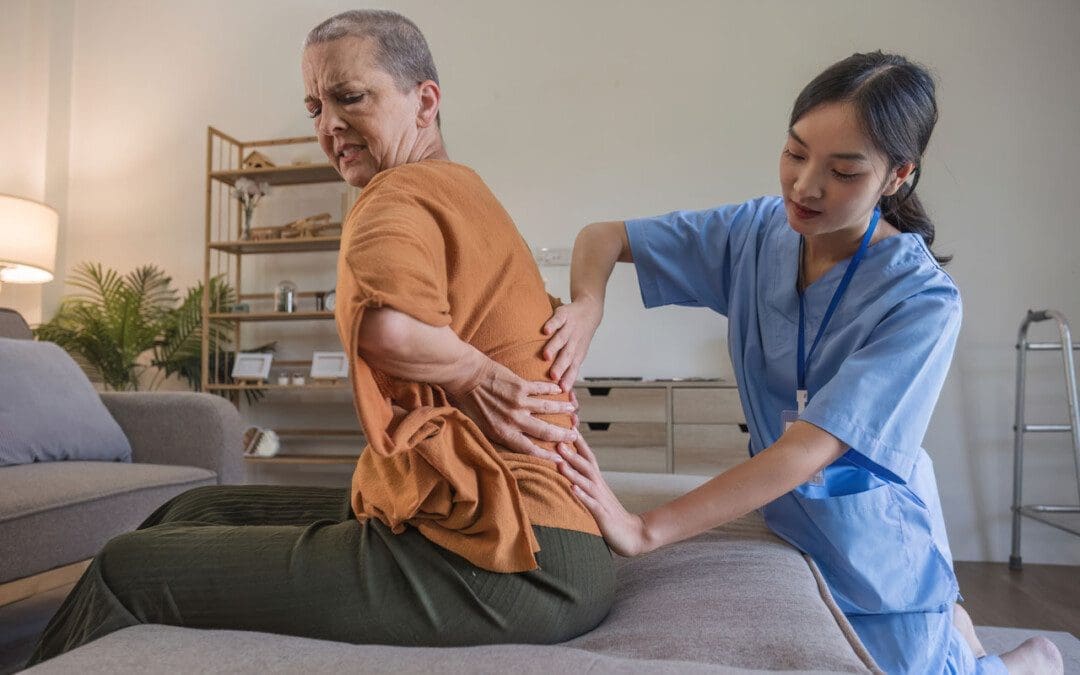
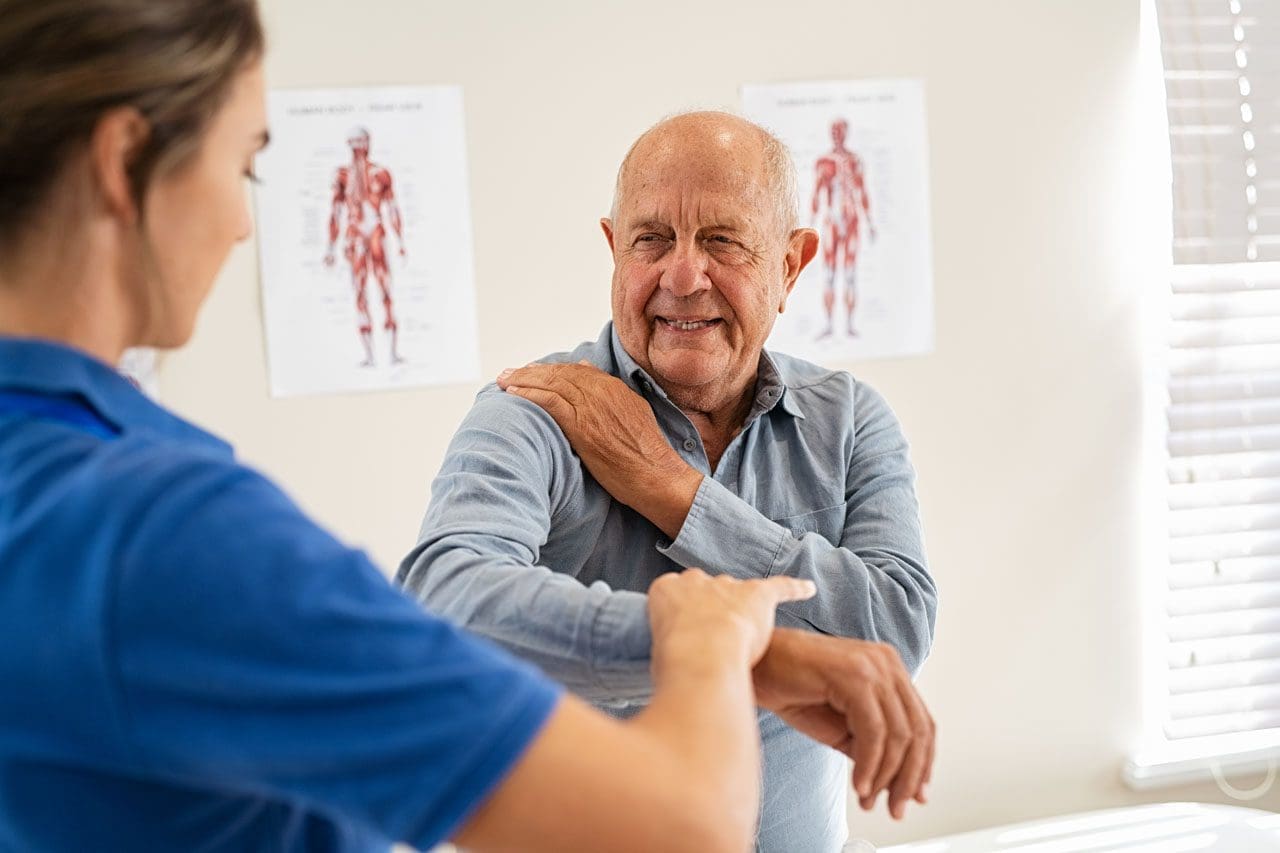
For individuals managing osteoarthritis, could massage therapy provide added treatment benefits?
Osteoarthritis Massage Therapy
Osteoarthritis happens when the cartilage between the joints wears away, causing stiffness and pain. Massage therapy is a treatment used to relieve various types of pain symptoms.
There are many types of massage therapy, that healthcare providers utilize to manipulate the muscles and other soft tissues to relieve symptoms, relax muscles, increase circulation, reduce inflammation, release trigger points, and restore mobility, flexibility, and function. (Ergonomic Trends. 2023)
Professional therapists can help relieve osteoarthritis joint pain by relaxing the surrounding muscles and other soft tissues to release stiffness. (Adam Perlman, et al., 2019)
Massage Objectives and Types
Massage therapists use their hands and fingers, forearms, elbows, and/or instruments to manipulate the body’s soft tissues. Soft tissues support and surround body structures and include muscle, fat, tendons, and ligaments.
The goal of osteoarthritis massage therapy is to relax muscles and soft tissues, increase blood and oxygen circulation, warm the affected area/s, relieve pain, and restore mobility and function.
Depending on the location of the muscles being massaged, individuals may be seated or lie down on a specialized table.
The amount of pressure and direction of movement depend on the body area.
Therapeutic oils and/or massage creams may be used to increase the therapy.
Types include:
Swedish
The therapist uses long strokes, kneading, and friction on the muscles.
Joints are moved to increase flexibility.
Deep Tissue
The therapist uses deep finger or instrument pressure, focusing on muscles that are tight or knotted.
Trigger Point
Trigger points represent a source of radiating pain symptoms.
The therapist focuses pressure on these myofascial tissue points using various strokes to release them.
Shiatsu
The therapist applies rhythmic pressure with their thumbs, fingers, and palms to redirect and increase energy or chi/qi.
A massage session lasts around 30–60 minutes depending on the severity of the condition and the number of sessions the patient has undergone. Chronic pain patients usually go through a series of specialized sessions that focus on specific areas and gradually build.
Risk Factors
Certain precautions must be taken before getting osteoarthritis massage therapy. Although there are a few serious risks, certain individuals are not suitable candidates and should not receive massage therapy. The conditions include: (Medical Massage Therapy Resource & Reference. 2023)
Damaged nerves.
Damaged blood vessels.
Infection and inflammation in the area to be massaged.
Open wounds.
Fever.
Taking a blood thinner.
Deep vein thrombosis – blood clots.
Bleeding disorders.
Osteoporosis – weak and brittle bones.
Recent fractures – broken bones.
Tumors.
Cancer.
Individuals who have recently undergone surgery.
Individuals with a skin condition that is contagious, like warts or herpes, or noncontagious, like psoriasis, could be aggravated by touch or pressure.
Individuals who have cancer, fragile skin, heart problems, or dermatomyositis are recommended to discuss osteoarthritis massage therapy with their healthcare provider.
Research on the effects of massage therapy on various health conditions is ongoing. Massage therapy promotes relaxation while reducing stress, which can help with chronic joint issues like osteoarthritis.
Perlman, A., Fogerite, S. G., Glass, O., Bechard, E., Ali, A., Njike, V. Y., Pieper, C., Dmitrieva, N. O., Luciano, A., Rosenberger, L., Keever, T., Milak, C., Finkelstein, E. A., Mahon, G., Campanile, G., Cotter, A., & Katz, D. L. (2019). Efficacy and Safety of Massage for Osteoarthritis of the Knee: a Randomized Clinical Trial. Journal of general internal medicine, 34(3), 379–386. https://doi.org/10.1007/s11606-018-4763-5
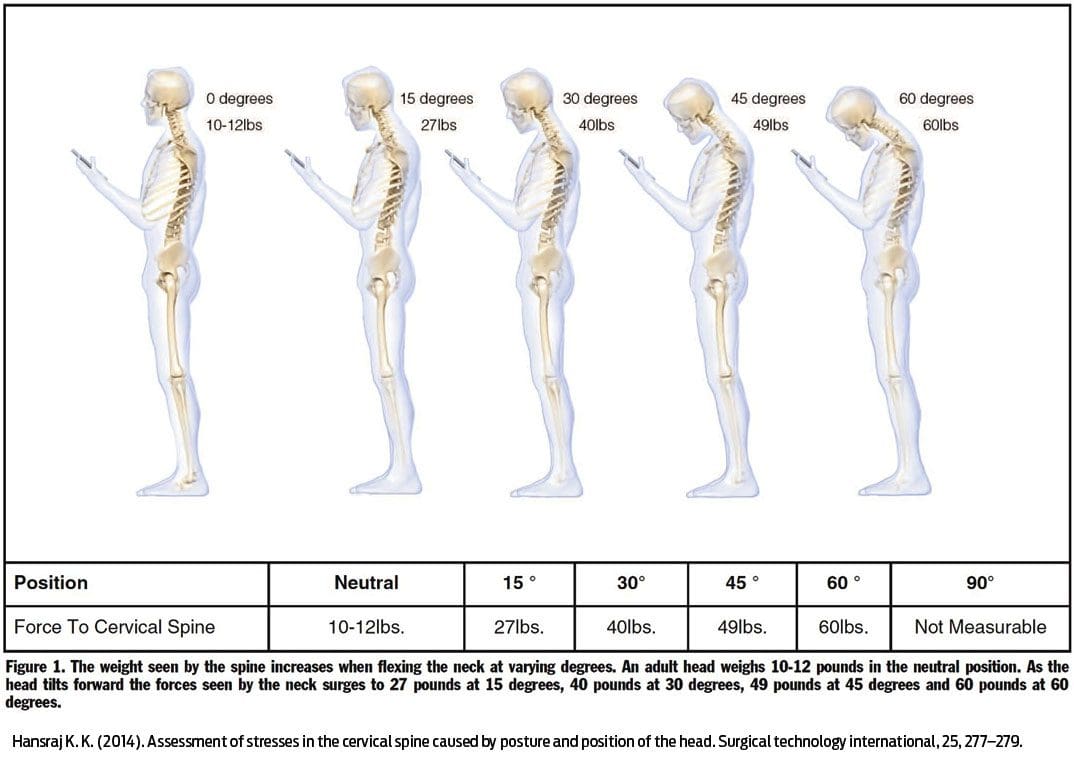
Individuals that sit at a desk/workstation for hours for work or school, or drive for a living, could be fostering a long-term condition known as forward head posture. Can understanding the signs and symptoms help to prevent the condition?
Forward Head Posture
Neck pain often causes or is caused by misalignment in the area between the shoulders and head. Forward head posture is a common problem that can strain the neck muscles, leading to pain and worsening neck, shoulder, and back posture. (Jung-Ho Kang, et al., 2012) For individuals who are at risk of developing or are already showing signs/symptoms, it’s important to get medical attention to prevent complications, such as chronic neck pain or compressing a nerve. Individuals can continue to do the work that they need to do but may need some postural adjustments and re-training so as not to continue straining the neck while working.
Postural Deviation
The head is in a healthy alignment with the neck when the ears line up with the gravity line.
The gravity line is an imaginary straight line that represents gravity’s downward pull.
It is used in posture assessments as a reference for noting the positions of the body and determining the presence of any postural misalignment or deviation.
A forward head posture occurs when the head begins to position forward of the gravity line when looking at the body from the side.
Forward head posture is a postural deviation because the head varies from the reference line. (Jung-Ho Kang, et al., 2012)
Muscle Imbalances
Forward head posture often results in a strength imbalance between muscles that support and move your neck, shoulders, and head. (Dae-Hyun Kim, et al., 2018)
The muscles in the back of the neck become shortened and overactive as they flex forward, while the muscles in the front become lengthened, weaker, and strained when they relax.
Kyphosis
Kyphosis also known as hunchback is when the shoulders round forward, and the head is also brought forward. (Jung-Ho Kang, et al., 2012) After many hours sitting at a desk, computer, or driving, kyphosis can also cause and/or worsen forward head posture.
This occurs because the upper back area supports the neck and head.
When the upper back moves or changes position, the head and neck follow.
The majority of the head’s weight is in the front, and this contributes to the forward movement.
An individual with kyphosis has to lift their head to see.
Treatment
A chiropractic injury specialist team can develop a personalized treatment plan to relieve pain symptoms, provide postural retraining, realign the spine, and restore mobility and function.
Standing and sitting using a healthy posture, along with exercises to strengthen the neck muscles, can help get the spine in alignment. (Elżbieta Szczygieł, et al., 2019)
Targeted stretching can help if the neck muscles are tight.
At-home stretches may also relieve pain
Risk Factors
Pretty much everyone is at risk of developing a forward head posture. Common risk factors include:
Constantly looking down at a phone and staying in this position for a long time aka text neck.
Desk jobs and computer use can significantly round the shoulders and upper back, leading to a forward head posture. (Jung-Ho Kang, et al., 2012)
Driving for a living causes prolonged back, neck, and shoulder positioning.
Sleeping or reading with a large pillow under the head can contribute to forward head posture.
Doing work that requires dexterity and close-up positions, like a seamstress or technician can cause over-positioning of the neck.
Individuals who regularly carry a significant amount of weight in front of their body may begin to develop kyphosis.
An example is carrying a child or another load in front of the body.
Large breasts can also increase the risk of kyphosis and forward head posture.
Neck Injuries
References
Kang, J. H., Park, R. Y., Lee, S. J., Kim, J. Y., Yoon, S. R., & Jung, K. I. (2012). The effect of the forward head posture on postural balance in long time computer based worker. Annals of rehabilitation medicine, 36(1), 98–104. https://doi.org/10.5535/arm.2012.36.1.98
Kim, D. H., Kim, C. J., & Son, S. M. (2018). Neck Pain in Adults with Forward Head Posture: Effects of Craniovertebral Angle and Cervical Range of Motion. Osong public health and research perspectives, 9(6), 309–313. https://doi.org/10.24171/j.phrp.2018.9.6.04
Szczygieł, E., Sieradzki, B., Masłoń, A., Golec, J., Czechowska, D., Węglarz, K., Szczygieł, R., & Golec, E. (2019). Assessing the impact of certain exercises on the spatial head posture. International journal of occupational medicine and environmental health, 32(1), 43–51. https://doi.org/10.13075/ijomeh.1896.01293
Hansraj K. K. (2014). Assessment of stresses in the cervical spine caused by posture and position of the head. Surgical technology international, 25, 277–279.
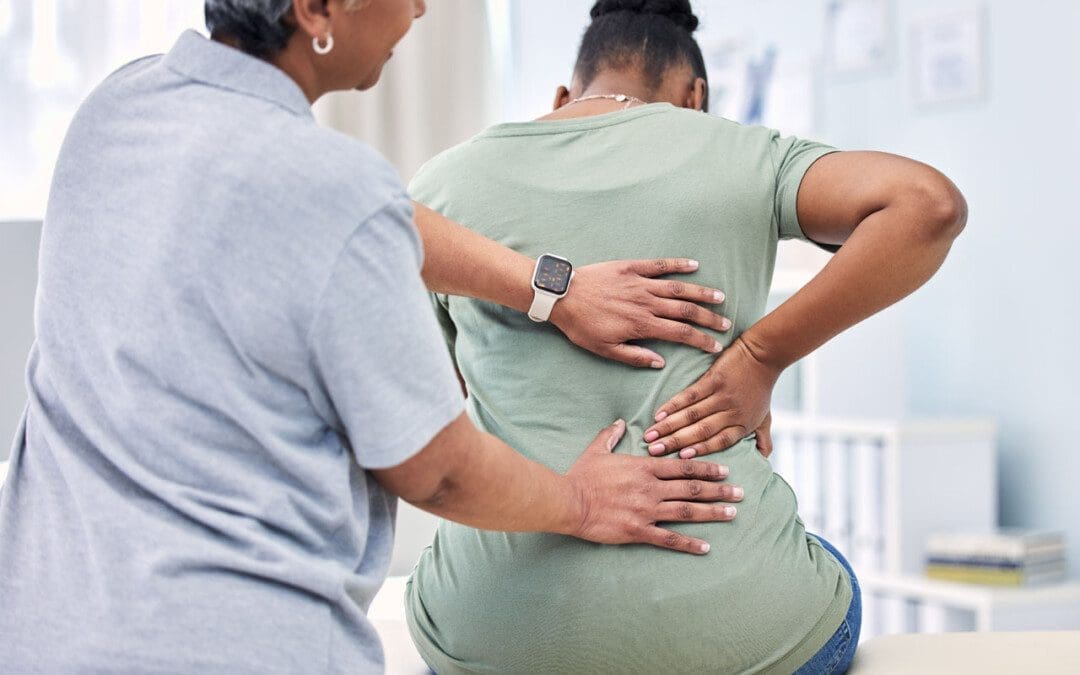
Individuals dealing with back pain problems could be suffering from a bulging disc. Could knowing the difference between slipped and herniated disc symptoms help with treatments and finding relief?
Bulging Disc Pain
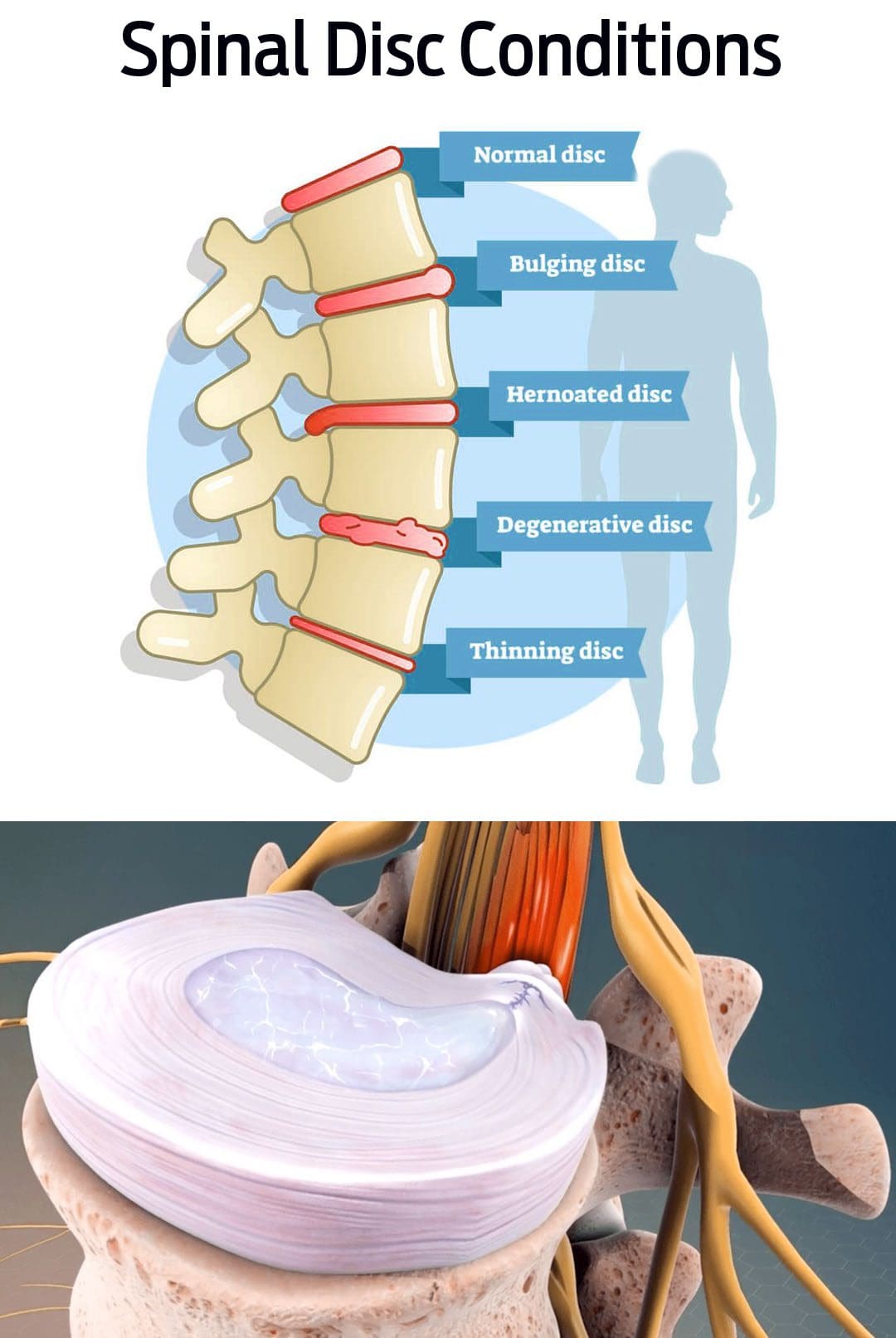
Back pain can become debilitating if not treated properly. A bulging disc is a common cause of cervical, thoracic, and lower back pain symptoms. It happens when one of the fluid-filled cushions between the vertebrae begins to shift out of place. Instead of being aligned with the edges, the disc bulges over. This begins to generate pressure on the nerves causing pain and inflammation.
Bulging discs are often caused by age, but repetitive movements and/or lifting heavy objects can contribute to the condition.
Symptoms can resolve on their own, but individuals are recommended to consult with a physical therapist and/or chiropractor to make sure the disc healed properly, otherwise, it can lead to worsening and/or further injuries.
Bulging Disc vs. Herniated Disc
Bulging and herniated discs cause pain symptoms.
They both can be linked to injuries and degenerative disc disease but are not the same condition. (Penn Medicine. 2018)
This is because the lower back is subject to all kinds of pressure and movement with daily activities, increasing the chances of pain and injuries.
The next most common place is the neck/cervical spine where there are constant movements making it prone to injury and pain symptoms.
Causes
Bulging discs are most often caused by body aging and normal wear and tear. As time goes on the intervertebral discs naturally degenerate, known as degenerative disc disease. This can cause the discs to pull downward, causing them to bulge from their placement. (Penn Medicine. 2018) Factors that can cause or worsen the condition include:
Practicing unhealthy postures.
Repetitive motions.
Lifting heavy objects
Spinal injuries.
Medical history of spinal or disc disease in the family.
Individuals with back pain that interferes with daily functions or has lasted longer than six weeks, should see a healthcare provider for a diagnosis. They will order a magnetic resonance imaging scan/MRI, which can show where a disc is protruding. (American Academy of Neurological Surgeons. 2023)
Rest
For bulging disc pain, resting the back is necessary. However,
IFM's Find A Practitioner tool is the largest referral network in Functional Medicine, created to help patients locate Functional Medicine practitioners anywhere in the world. IFM Certified Practitioners are listed first in the search results, given their extensive education in Functional Medicine