For individuals who may need to take pain medications to manage an injury or condition, can knowing the potential side effects help in treatment?
Medications For Pain Side Effects
Over-the-counter and prescription pain medications can help relieve physical discomfort and distress but can also cause side effects. Patients may not manifest side effects when using certain meds or experience mild, limited, severe, or intolerable effects. Pain medication side effects can include:
Allergic reactions
Upset stomach
Bruising
Dizziness
However, medication side effects don’t affect everyone in the same way.
Pain Relief
The patient and their healthcare provider can decide whether they risk developing side effects and which effects they are more predisposed to. Individuals may be susceptible to side effects from certain medications but are likely to tolerate others. For example, individuals with a history of ulcers may be recommended to avoid anti-inflammatories. For those who have trouble sleeping, it is recommended to avoid pain meds that are known to interfere with sleep.
Reading Labels and Asking Questions
When taking over-the-counter medications, read the label for side effects, then weigh the possible risks against the medicine’s benefits for pain relief. Ask a pharmacist or healthcare provider about anything that is not understood. Some side effects are medical emergencies, such as allergic reactions. Recognizing the signs of an allergic reaction and being prepared to call for emergency help if symptoms present. (American Academy of Allergy, Asthma & Immunology, 2024) These can include:
Itching
Hives
Rash
Mouth or facial swelling
Shortness of breath
If a healthcare provider prescribes medication, discuss the anticipated risks and benefits. The prescription will come with a label that lists the side effects associated with the drug.
Opioid Risks
Opioids are powerful prescription meds, usually used for severe, short-term use, like post-surgery pain or after a severe traumatic injury. Some effects of opioids include: (Plein L. M. and Rittner H. L. 2018) Common side effects include sedation, constipation, and nausea. Chronic use can lead to depression and/or sexual dysfunction. With narcotics, there is the risk of addiction that can change an individual’s life, as addiction can be difficult to overcome. One of the reasons the CDC published a guideline on opioid prescriptions was because of the number of overdoses and deaths.
The CDC recommends that practitioners not prescribe opioids as a first-line treatment for chronic back pain.
The CDC recommends that healthcare providers initially treat patients with chronic back or neck pain using non-pharmacological therapies or medications other than opioids.
Opioids should only be used if the expected benefits for pain and function are anticipated to outweigh the risks to the patient.
With more than half of regular opioid users experiencing back pain, they aren’t proven to help return individuals to work or normal life faster, nor did they improve functioning when used for the treatment of an acute episode. (Deyo R. A. Von Korff M. and Duhrkoop D. 2015) The effectiveness of opioids is about 30% for short-term relief and did not improve physical functioning.
Examples and Comparisons
Examples of common medications used to treat back pain.
Advil
Active Ingredient – Ibuprofen
Drug Class – NSAID
Over-the-counter or Prescribed – Available over-the-counter
Side Effects – GI-related symptoms and Reye’s Syndrome in children
Aleve and Other Generic Brands
Active Ingredient – Naproxen
Drug Class – NSAID
Over-the-counter or Prescribed – Available as both depending on strength.
Side Effects – GI-related symptoms, headaches
Tylenol and Other Generic Brands
Active Ingredient – Acetaminophen
Drug Class Analgesic – pain reliever
Over-the-counter or Prescribed – Available as both and can be prescribed with codeine.
Side Effects – Potential liver damage
Lyrica
Active Ingredient – Pregabalin
Drug Class – Anticonvulsant
Over-the-counter or Prescribed – Prescribed FDA-approved for shingles pain and neuropathy in diabetes. Other uses off-label.
Side Effects – Dizziness, drowsiness, swelling, weight gain.
Neurontin
Active Ingredient – Gabapentin
Drug Class – Anticonvulsant
Over-the-counter or Prescribed – Prescribed FDA-approved for shingles pain
Side Effects – Dizziness, drowsiness, allergic reaction, withdrawal, and seizures.
Injury Medical Chiropractic and Functional Medicine Clinic
Chiropractic therapy is among the more conservative treatment options and may be tried first. Injury Medical Chiropractic and Functional Medicine Clinic works with primary healthcare providers and specialists to develop an optimal health and wellness solution. We focus on what works for you to relieve pain, restore function, and prevent injury. Regarding musculoskeletal pain, specialists like chiropractors, acupuncturists, and massage therapists can help mitigate the pain through spinal adjustments that help the body realign itself.
Chronic Body Pain Recovery
References
American Academy of Allergy, Asthma & Immunology. (2024). Anaphylaxis Symptoms & Diagnosis. https://www.aaaai.org/conditions-treatments/allergies/anaphylaxis
Plein, L. M., & Rittner, H. L. (2018). Opioids and the immune system – friend or foe. British journal of pharmacology, 175(14), 2717–2725. https://doi.org/10.1111/bph.13750
Deyo, R. A., Von Korff, M., & Duhrkoop, D. (2015). Opioids for low back pain. BMJ (Clinical research ed.), 350, g6380. https://doi.org/10.1136/bmj.g6380
Can physical therapies help individuals with a Colles’ or wrist fracture?
Colles’ Fracture
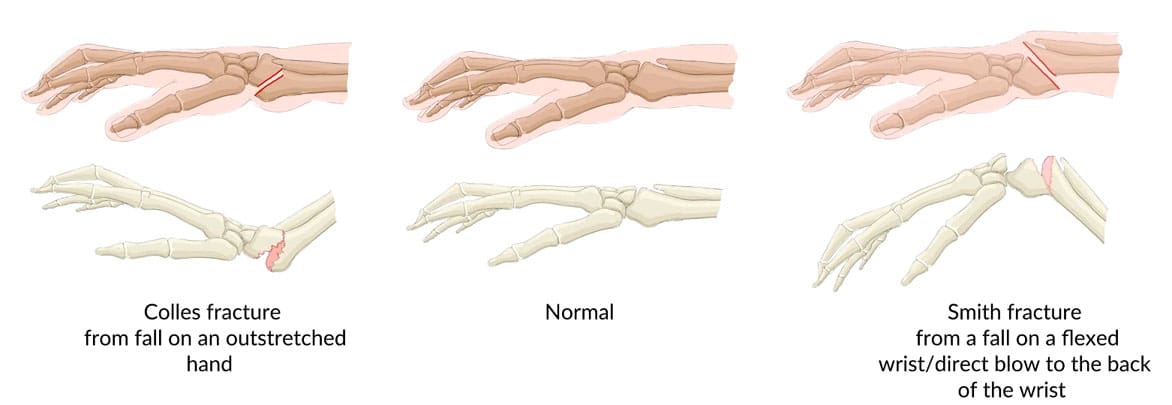
A broken wrist or Colles fracture can be a painful and stressful experience. Individuals may be unable to perform their jobs or engage in recreational activities. A Colles fracture is a break in the radius bone of the forearm that occurs near the wrist, usually about an inch from the end of the bone. It’s a common type of broken wrist often caused by falling on an outstretched hand. (American Academy of Orthopaedic Surgeons, 2022) As the individual lands on their hand, the end of the radius bone breaks off and gets pushed toward the inner wrist. If the wrist is flexed when falling on the hand, the radius may break and move toward the front of the wrist. This is called a Smith’s fracture. (Matsuura, Y. et al., 2017) A physical therapy team can help improve functional mobility to quickly and safely return to normal activity.
Symptoms
Individuals who have suffered trauma to their wrist or have fallen onto their hand or wrist may have a Colles fracture. Common signs and symptoms of a wrist or Colles fracture include: (American Academy of Orthopaedic Surgeons, 2022)
Bruising
Loss of mobility in the wrist.
Swelling in the arm, wrist, or hand.
Pain
Visible deformity or a lump on the backside of the forearm near the wrist.
Initial Treatment
Individuals who have fallen and injured their wrist and hand and suspect a Colles fracture seek immediate medical attention. Call a healthcare provider or report to a local emergency clinic. Left untreated, it can result in complications and permanent loss of arm and hand function. (American Academy of Orthopaedic Surgeons, 2022)
An X-ray will show a wrist fracture.
Because of the pain and swelling, it is recommended that individuals put an ice pack on their wrists and hands until they can get to a healthcare provider or emergency room. The R.I.C.E. principle can help control swelling and lessen pain until a medical professional can provide treatment. The initial treatment is to reduce the fracture. This is where a healthcare provider situates the broken bone or bones back into the correct position to ensure proper healing. This is done manually if the fractured bone is not too far out. If the fracture is severe, a surgical procedure known as an open reduction internal fixation or ORIF may be required to reduce the fracture. (American Academy of Orthopaedic Surgeons, 2022)
Once the fracture has been reduced, it must be immobilized. This is done with a cast or a brace. Individuals may also be required to wear a sling. They may need to visit a physical therapist to learn how to wear the sling properly. It is essential to keep the bones immobilized for proper healing. Consult a healthcare provider for questions about cast, sling, or brace.
Physical Therapy
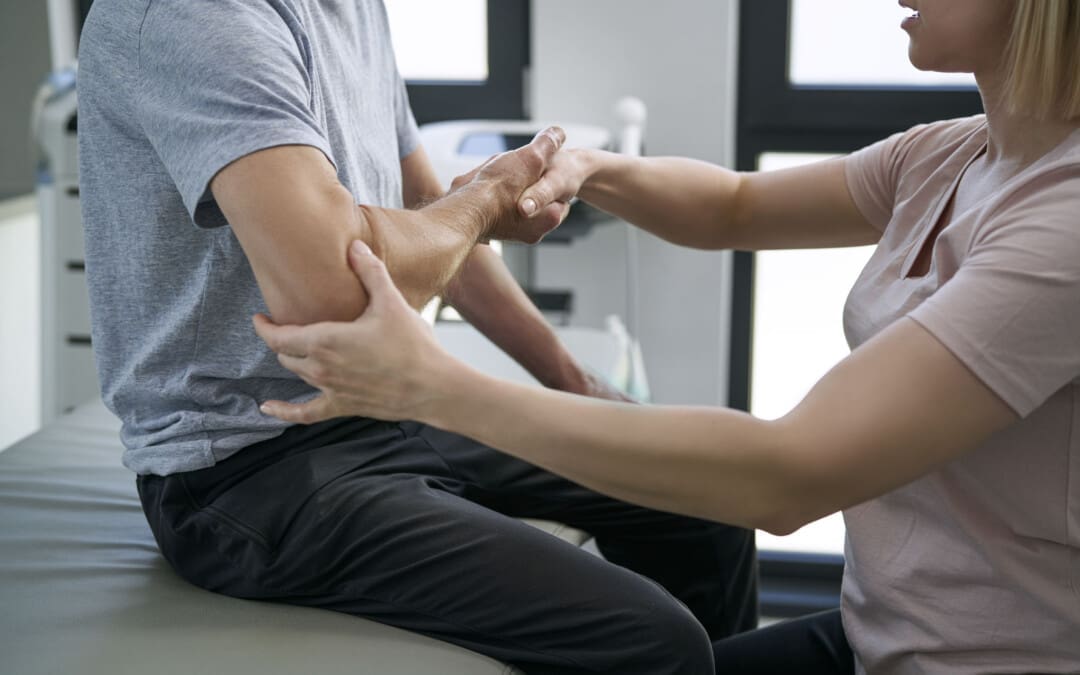
After four to six weeks of immobilization, a healthcare provider may remove the cast and refer a physical therapist or team. (American Academy of Orthopaedic Surgeons, 2022) A physical therapist may measure and evaluate pain, swelling, range of motion, and strengthening. The physical therapist may assess the surgical scar tissue and analyze the hand, wrist, and arm function of individuals who underwent an ORIF procedure to reduce the fracture. After the initial evaluation, a physical therapist will work with the patient to develop an appropriate plan of care to help improve the impairments and functional limitations. The therapist may prescribe a specific exercise program as well.
Pain and Swelling
Individuals may experience pain and swelling around their wrists and hands.
A physical therapist can provide individuals with various treatments and modalities to help decrease swelling and pain.
Range of Motion
After a Colles’ fracture, individuals may lose hand, wrist, and elbow mobility.
The shoulder may also be tight, especially after wearing a sling.
Range of motion exercises for the hand, wrist, and elbow can be prescribed.
Strength
Loss of strength is common after a Colles’ fracture.
Exercises focusing on hand, wrist, and elbow strength may be prescribed.
At-home exercises and stretches will get the best results from physical therapy.
Scar Tissue
Individuals who have had an ORIF procedure will likely have scar tissue that has developed around the surgical site.
A physical therapist may perform scar tissue massage and mobilization to help improve mobility and can train patients how to self-massage.
Injury Medical Chiropractic and Functional Medicine Clinic
After a few weeks of physical therapy, individuals should notice their mobility and strength improve while pain and swelling decrease. Individuals will find it easier to use their arms and hands to perform functional activities. While the fracture should be fully healed six to eight weeks after injury, individuals may still be limited for potentially 12 to 16 weeks. At Injury Medical Chiropractic and Functional Medicine Clinic, we focus on what works for every patient to restore function. If other treatment is needed, individuals will be referred to a clinic or physician best suited to their injury, condition, or ailment.
Personal Injury Rehabilitation
References
American Academy of Orthopaedic Surgeons. (2022). Distal radius fractures (broken wrist). https://orthoinfo.aaos.org/en/diseases–conditions/distal-radius-fractures-broken-wrist/
Matsuura, Y., Rokkaku, T., Kuniyoshi, K., Takahashi, K., Suzuki, T., Kanazuka, A., Akasaka, T., Hirosawa, N., Iwase, M., Yamazaki, A., Orita, S., & Ohtori, S. (2017). Smith’s fracture generally occurs after falling on the palm of the hand. Journal of orthopaedic research : official publication of the Orthopaedic Research Society, 35(11), 2435–2441. https://doi.org/10.1002/jor.23556
For individuals with cervical arthritis, can physical therapies help manage symptoms and bring pain relief?
Cervical Arthritis
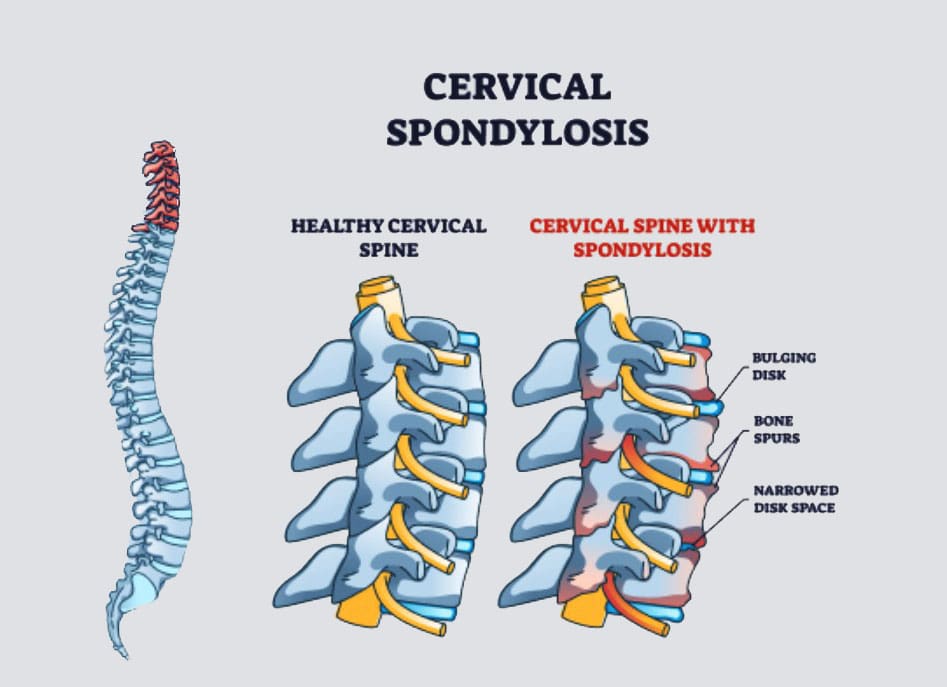
Cervical spondylosis, more commonly known as cervical arthritis or arthritis of the neck, refers to the wearing down of neck bones, discs, tendons, ligaments, and joints. The primary symptoms are neck pain and stiffness. However, it is also possible to have cervical spondylosis and not have any symptoms. The condition affects over 85% of individuals over age 65. (American Academy of Orthopaedic Surgeons, 2021) Treatment can consist of conservative therapies and includes physical therapies, alternative medicine therapies, at-home self care, and over-the-counter and prescription medications. Severe cases of cervical spondylosis are treated with surgery to repair damaged parts of the spine.
Symptoms
Neck pain and headaches at the back of the head are usually the first symptoms. (Kazeminasab S. et al., 2022) The neck can also feel stiff, with worse morning symptoms that improve throughout the day. (Johns Hopkins Medicine, 2024) Symptoms can range from mild discomfort to severe pain. As cervical spondylosis progresses, individuals can experience:
Inability to turn the head or bend the neck.
A clicking or grinding noise when turning the neck.
Tenderness with pressure on the neck.
Pain that radiates to the shoulders or shoulder blades.
Pain and symptoms that disrupt sleep, sometimes causing waking up throughout the night.
Symptoms that decrease with rest.
More severe symptoms include:
Cervical Bone Spurs – Osteophytes
Some with cervical spondylosis have bony growths that can place pressure on the spinal nerves (a pinched nerve) (Bon Secours, 2024). Compression of spinal nerve roots produces cervical radiculopathy, which leads to pain, tingling, and weakness that radiates into the shoulders, arms, and hands.
Cervical Myelopathy
This refers to spinal impingement that leads to spinal cord dysfunction. (Spinal cord dysfunction is a nervous system disorder with interruptions in the spinal cord’s motor, sensory, and autonomic functions.) Symptoms include pain, tingling, numbness, muscle spasms, and weakness in areas below the neck. Spinal cord dysfunction can affect mobility, hand use, and bladder or bowel function control.
Causes
Where degenerative changes are commonly associated with cervical spondylosis, other conditions, and factors can lead to it and include:
Autoimmune Diseases
Rheumatoid arthritis and psoriatic arthritis can cause chronic inflammation in the cervical spine.
Trauma
Neck trauma, including injury and repetitive stress on the neck.
Cervical spondylosis is commonly seen in occupations that involve neck-stressing activities, such as sports.
Age
Wearing down of the spinal discs cartilage between the vertebrae.
Genetic components have been identified in connection with cervical spondylosis, meaning that some types of arthritis that lead to spinal damage are hereditary. (Kazeminasab S. et al., 2022)
Treatment
Treatment begins conservatively, using protocols to preserve function and avoid surgery. Nonsurgical treatments include medications, physical therapy, at-home exercises, and alternative medicine. The treatment method a healthcare provider chooses will depend on how severe the spondylosis is and other factors like age, how much pain is being experienced, the cause, and overall health. The main objectives are to relieve pain, prevent long-term damage to the spinal cord and nerves, and help maintain performing daily activities. (Bon Secours, 2024)
Medications
Medicines used to treat cervical spondylosis include:
Nonsteroidal Anti-inflammatory Drugs NSAIDs
NSAIDs, including ibuprofen and naproxen sodium, are available without a prescription to relieve pain and inflammation.
A healthcare provider can prescribe a more powerful NSAID to help manage severe symptoms.
Corticosteroids
A corticosteroid injection or a short course of an oral corticosteroid, like prednisone, can ease pain and reduce inflammation.
Muscle Relaxants
If cervical spondylosis causes muscle spasms, a healthcare provider can prescribe cyclobenzaprine, a muscle relaxant, to manage symptoms.
Antidepressants
Some types of antidepressants can ease neck pain from cervical spondylosis.
Anti-seizure Meds
Some anti-seizure drugs can cause nerve pain resulting from damaged nerves.
Physical Therapies
Physical therapy will help manage pain and stiffness and keep muscles loose and relaxed.
A physical therapist will teach the patient exercises to stretch and strengthen neck and shoulder muscles.
At-Home Self Care
At-home exercises can help relieve pain, stiffness, and swelling. Some can include:
Reducing inflammation and stress on the neck through posture training.
At-home targeted stretches and exercises will help bring pain relief.
Ice treatment reduces swelling.
Heat will increase circulation.
A neck brace may be recommended briefly to avoid muscle weakness and stiffness.
Alternative Medicine
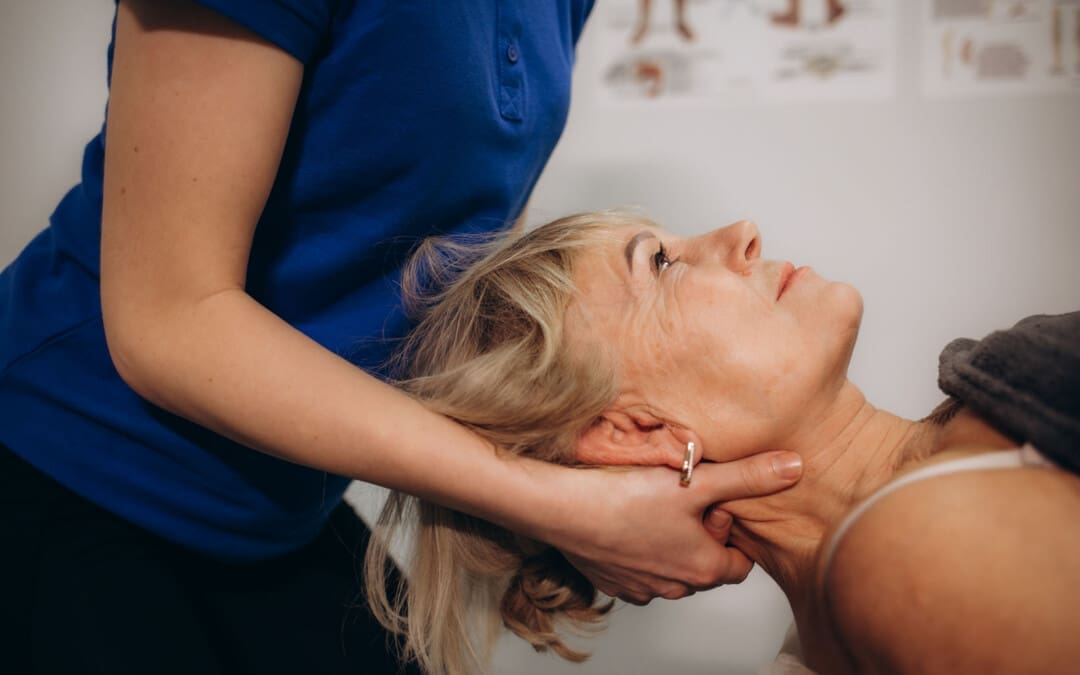
Chiropractic adjustments and massage therapy are alternative treatments that will help manage cervical spondylosis.
Acupuncture can also be beneficial in reducing neck pain and increasing energy circulation. (Gu C. L. et al., 2019)
Various therapeutic massage therapies will help relieve neck pain and stiffness. Talk to a healthcare provider before starting treatment so they can advise on whether neck massages are safe.
Surgery
A healthcare provider may recommend surgical treatment when all other treatments have failed, if neurological symptoms are severe, or if neck arthritis causes extreme pain or disability. Surgery to treat cervical spondylosis can involve removing bone spurs, part of the cervical vertebra, or a herniated disc. The removed portions of the cervical spine are fused with hardware and bone grafts.
Injury Medical Chiropractic and Functional Medicine Clinic
Chiropractic therapy is among the more conservative treatment options and may be tried first before proceeding with surgery. Injury Medical Chiropractic and Functional Medicine Clinic works with primary healthcare providers and specialists to develop an optimal health and wellness solution.
Arthritis Explained
References
American Academy of Orthopaedic Surgeons. (2021). Cervical spondylosis (arthritis of the neck). https://orthoinfo.aaos.org/en/diseases–conditions/cervical-spondylosis-arthritis-of-the-neck/
Kazeminasab, S., Nejadghaderi, S. A., Amiri, P., Pourfathi, H., Araj-Khodaei, M., Sullman, M. J. M., Kolahi, A. A., & Safiri, S. (2022). Neck pain: global epidemiology, trends and risk factors. BMC musculoskeletal disorders, 23(1), 26. https://doi.org/10.1186/s12891-021-04957-4
Johns Hopkins Medicine. (2024). Spinal arthritis (arthritis in the back or neck). https://www.hopkinsmedicine.org/health/conditions-and-diseases/spinal-arthritis
Bon Secours. (2024). Cervical osteoarthritis (arthritis in the neck). https://www.bonsecours.com/health-care-services/spine-care/conditions/cervical-osteoarthritis
American Chiropractic Association. (2024). Neck pain. https://www.acatoday.org/patients/neck-pain-and-chiropractic/
Jenkins, H. J., Downie, A. S., Moore, C. S., & French, S. D. (2018). Current evidence for spinal X-ray use in the chiropractic profession: a narrative review. Chiropractic & manual therapies, 26, 48. https://doi.org/10.1186/s12998-018-0217-8
Gu, C. L., Yan, Y., Zhang, D., & Li, P. (2019). An evaluation of the effectiveness of acupuncture with seven acupoint-penetrating needles on cervical spondylosis. Journal of pain research, 12, 1441–1445. https://doi.org/10.2147/JPR.S199798
Can individuals support their parasympathetic nervous system to maintain a relaxed state and avoid excessive agitation, stress, anxiety, and dysregulation?
Parasympathetic Nervous System
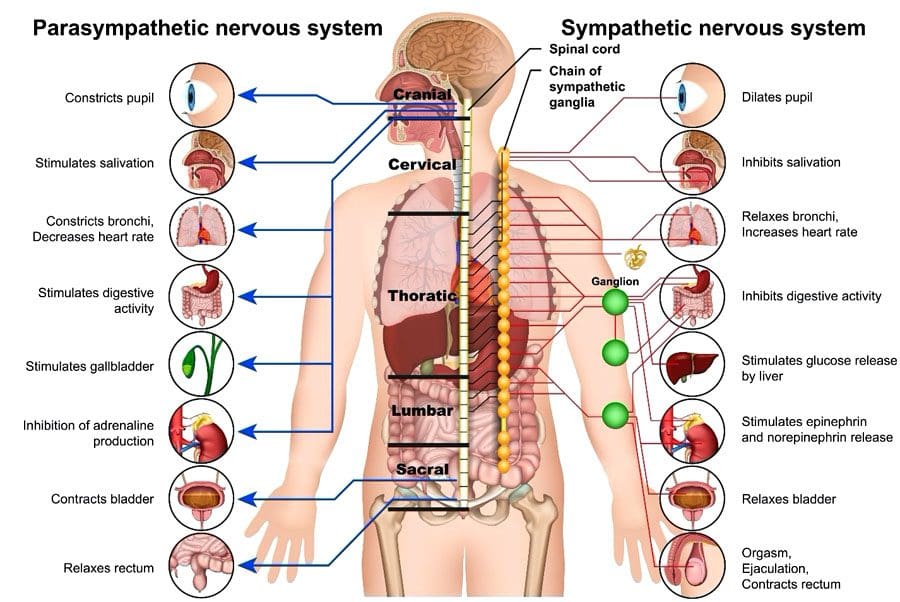
The parasympathetic nervous system (PSNS) involves organs and cells that release neurotransmitters that help the body maintain essential functions like heart rate, breathing, digestion, relaxation, thinking, and sleep. It is part of the autonomic nervous system, which includes the nerves and neurotransmitters that control the body’s internal organs to maintain reliable function. The autonomic nervous system regulates a continual balance between the parasympathetic nervous system’s rest-and-digest functions and the sympathetic nervous system’s fight-or-flight responses.
Functions and Responses
The parasympathetic nervous system includes nerves and neurotransmitters (chemical messengers) distributed throughout the body and is often described as promoting the body’s rest-and-digest state. The body’s needs regulate the control and effects of the system. Certain medications and health issues can modify or alter the function of the autonomic nervous system, including sympathetic and parasympathetic areas. The parasympathetic and sympathetic nervous systems collaborate to control cells, tissues, and organs. The body requires constant functioning and adjustment of both systems. (McQuade J. D. et al., 2017) Functions include: (Valenti V. E. et al., 2024)
Saliva secretion to break down food.
Maintaining blood pressure, resting heart, and breathing rate.
Producing enzymes in the stomach and intestines to break down food further and absorb nutrients.
Kidney balancing of fluid and mineral levels by producing urine.
Constricting pupils (making the dark circle in the eye smaller) to see details up close.
Maintaining focus and concentration to think, remember, and make decisions.
Releasing hormones to fall asleep and stay asleep.
Providing consistent muscle stimulation to maintain endurance for muscle activity.
All functions are adjusted based on the body’s needs.
Activation
The parasympathetic response constantly works to keep the body active, engaged, and healthy and can be stimulated simply by relaxing and resting. Individuals can sometimes focus on promoting their body’s parasympathetic activity through stretching, slow movements, relaxing sounds or music, meditation, and similar activities. Individuals who frequently feel anxious or stressed and have difficulty relaxing could benefit from guidance from a therapist or coach on learning to engage the parasympathetic nervous system. (Goren O. et al., 2024) This can involve activities such as guided meditation or talk therapy, which can help individuals work through fears and anxieties.
Dysregulation
Some medical conditions are associated with dysregulation. Heart disease, respiratory disease, sleep disorders, mental health conditions, and behavioral conditions can be associated with overactive or underactive parasympathetic or sympathetic nervous system regulation. (Veerakumar A. et al., 2022) Various mental health and physical health disorders can involve symptom fluctuations that affect the autonomic nervous system. For example, anxiety disorders can cause periods of overeating as well as loss of appetite and episodic indigestion, nausea, and vomiting. Symptoms of dysregulation can include: (McQuade J. D. et al., 2017)
Excessive sleepiness
Insomnia
Difficulty concentrating
Confusion
Anxiety – nervousness or agitation
A feeling of a rapid heart rate
Shortness of breath
Dry mouth
Throat tightness
Indigestion
Stomachaches
Nausea
Vomiting
Cold hands and feet
Sweating or clammy hands
Sadness
Depression
Dizziness or feeling physically off-balance
Any of these symptoms can develop and resolve quickly. Most individuals experience symptoms or parasympathetic nervous system dysfunction when an unexpected stressful event occurs, and the response is considered normal in traumatic, shocking, sad, or high-stress circumstances. (Veerakumar A. et al., 2022)
Medications may induce parasympathetic overactivity or underactivity until the medicine is broken down and removed from the body. (Valenti V. E. et al., 2024)
Nerves
The system comprises nerves that release hormones and neurotransmitters and nerves that respond to the hormones and neurotransmitters. Parasympathetic activation and response include: (Valenti V. E. et al., 2024)
The nerves that activate the parasympathetic nervous system run throughout the body, primarily in the brain, heart, lungs, stomach, and intestines.
The brain, heart, lungs, stomach, intestines, muscles, liver, kidneys, reproductive organs, eyes, and mouth are among the areas of the body that respond to stimulation.
The vagus nerve, one of the cranial nerves, is closely associated with parasympathetic nervous system activity. It runs from the brainstem down into the throat, heart, lungs, and digestive system. (Valenti V. E. et al., 2024) Surgical, medical, and alternative interventions are used to regulate the activity of the parasympathetic nervous system and are targeted toward regulating and controlling the activity of the vagus nerve. (Hernández-Domínguez R. A. et al., 2024)
PSNS Support
Living with any parasympathetic nervous system dysfunction can be challenging. For individuals with heart or lung disease, healthcare providers will evaluate the medical condition and recommend surgery or medication to control symptoms and avoid complications. (Hernández-Domínguez R. A. et al., 2024) Individuals who are living with a mental health disorder or behavioral disorder that is associated with any dysregulation of the parasympathetic nervous system activity may benefit from a combination of behavioral interventions and medication to help control symptoms long term. (Goren O. et al., 2024)
Injury Medical Chiropractic and Functional Medicine Clinic
The spinal cord has multiple functions in restoring, rejuvenating, and strengthening the nervous system. Chiropractic care has a highly responsive therapeutic effect on the nervous system because of its focus on the spine. Spinal decompression, traction, soft tissue manipulation, and other treatments help regulate and restore the function of the nervous system. Chiropractic benefits:
Reduce and/or eliminate pain.
Improves the quality of sleep.
Increases energy.
Improves cognition and clarity.
Reduces or eliminates headaches and migraines.
Improves digestive function.
Improves balance and coordination.
Increases flexibility and mobility.
Regulates respiration.
Regulates lower heart rate.
At Injury Medical Chiropractic and Functional Medicine Clinic, our areas of practice include Chronic Pain, Personal Injury, Auto Accident Care, Work Injuries, Back Injury, Low Back Pain, Neck Pain, Migraine Headaches, Sports Injuries, Sciatica, Scoliosis, Complex Herniated Discs, Fibromyalgia, Chronic Pain, Complex Injuries, Stress Management, Wellness & Nutrition, Functional Medicine Treatments, and in-scope care protocols. We focus on what works for every patient to restore function. If other treatment is needed, individuals will be referred to a clinic or physician best suited to their injury, condition, or ailment.
Chiropractic Secrets Exposed
References
McQuade, J. D., Penzel, T. E., Silk, J. S., & Lee, K. H. (2017). Parasympathetic Nervous System Reactivity Moderates Associations Between Children’s Executive Functioning and Social and Academic Competence. Journal of abnormal child psychology, 45(7), 1355–1367. https://doi.org/10.1007/s10802-016-0246-5
Valenti, V. E., Vanderlei, L. C. M., & Godoy, M. F. (2024). Editorial: Understanding the role of the autonomic nervous system in health and disease. Frontiers in neuroscience, 18, 1446832. https://doi.org/10.3389/fnins.2024.1446832
Goren, O., Paz, A., Bar-Kalifa, E., Gilboa-Schectman, E., Wolff, M., & Atzil-Slonim, D. (2024). Clients’ and therapists’ parasympathetic interpersonal and intrapersonal regulation dynamics during psychotherapy for depression. Psychotherapy research : journal of the Society for Psychotherapy Research, 1–15. Advance online publication. https://doi.org/10.1080/10503307.2024.2378038
Veerakumar, A., Yung, A. R., Liu, Y., & Krasnow, M. A. (2022). Molecularly defined circuits for cardiovascular and cardiopulmonary control. Nature, 606(7915), 739–746. https://doi.org/10.1038/s41586-022-04760-8
Hernández-Domínguez, R. A., Herrera-Orozco, J. F., Salazar-Calderón, G. E., Chávez-Canales, M., Márquez, M. F., González-Álvarez, F., Totomoch-Serra, A., Reyes-Cruz, T., Lip, F., & Aceves-Buendía, J. J. (2024). Optogenetic modulation of cardiac autonomic nervous system. Autonomic neuroscience : basic & clinical, 255, 103199. https://doi.org/10.1016/j.autneu.2024.103199
Can incorporating selenium-rich foods into one’s diet improve overall health?
Selenium
Selenium is a chemical element and a micronutrient with antioxidant properties that protect cells from damage and increase immune function (University of Florida Health, 2023). It has also been linked to heart health and longevity. Most individuals in the U.S. can acquire a healthy amount of selenium through a balanced diet. Research has shown that selenium supports healthy aging and reduces the risk of heart disease. (Alehagen U. et al., 2021) (Zhang Y. et al., 2024) A recent study found a region in China where residents have sustained longevity with soil that is rich with selenium. (Li B. et al., 2024) The body does not produce the chemical, so it must be obtained through food or supplements. (National Institutes of Health Office of Dietary Supplements, 2024) However, excessive amounts can build up in the body and be toxic, causing gastrointestinal problems, hair loss, kidney failure, neurological issues, and death. (National Institutes of Health Office of Dietary Supplements, 2024)
Only A Small Amount Is Needed
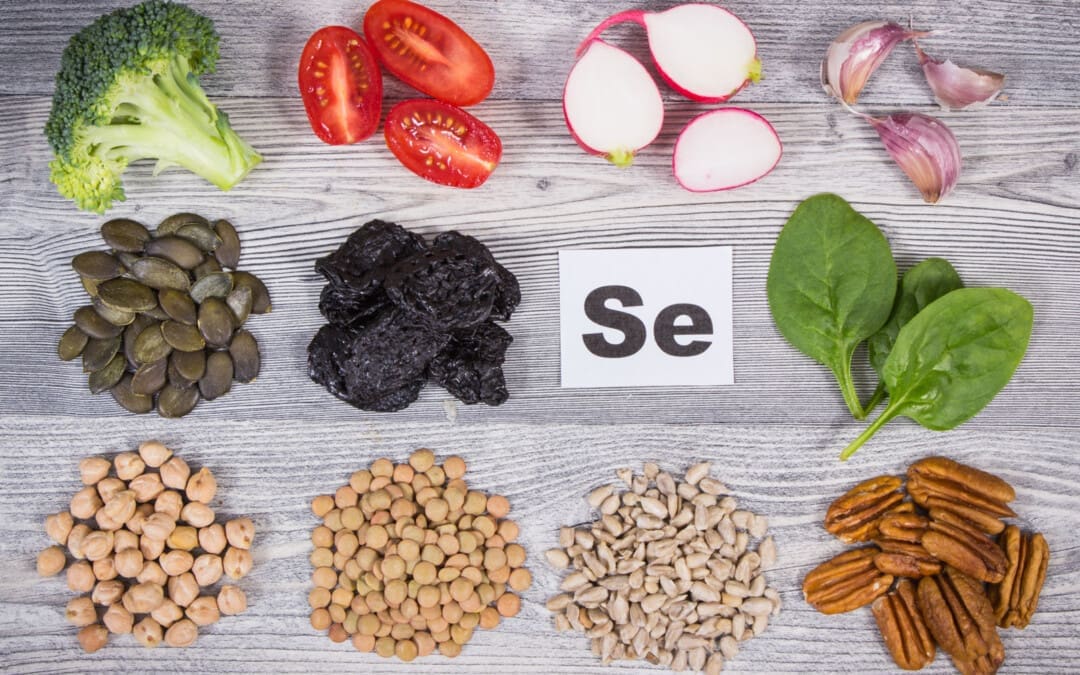
The body only needs small amounts of selenium to support bodily functions, including thyroid hormone metabolism and antioxidant defense. Most adults need 55 micrograms daily, and pregnant and lactating adults require an additional 5–15 micrograms daily (National Institutes of Health Office of Dietary Supplements, 2024). Individuals can get selenium from many food sources, including Brazilian nuts, meat, seafood, vegetables, and grains. A large hard-boiled egg comprises 15 micrograms, a cup of cooked spaghetti provides 33 micrograms, and 3 ounces of cooked shrimp offer 42 micrograms of selenium. (National Institutes of Health Office of Dietary Supplements, 2024)
Individuals who eat healthy and eat various foods will meet their selenium needs. However, in some parts of the world, poor selenium soil may not provide enough of this mineral for individuals through their diet. (National Institutes of Health Office of Dietary Supplements, 2024) Low selenium intake is linked to a heart condition called Keshan disease, which may weaken the heart’s ability to pump blood. (National Library of Medicine, 2023) However, individuals are recommended not to take more than 400 micrograms daily.
Longevity
Various researchers are trying to understand the link between selenium and aging. A study associated dietary intake with increased telomere length (protein structures at the ends of chromosomes that protect DNA and help control cell division), a biological marker that may indicate aging and other health conditions. (Liang C. et al., 2024) Shorter telomeres generally indicate aging and disease progression. Another study suggests moderate amounts of dietary selenium may protect against cardiovascular disease and death. However, the observational study included data from over 25,000 adults but did not prove a cause-and-effect relationship between selenium and improved longevity. (Zhang Y. et al., 2024) Further research is needed before experts recommend selenium as an anti-aging dietary component.
Injury Medical Chiropractic and Functional Medicine Clinic
Selenium helps with cell growth and thyroid function and is known to increase immune system function. However, avoiding excessive intake is important, as high levels can be harmful. Injury Medical Chiropractic and Functional Medicine Clinic providers use an integrated approach to create customized care plans for each patient and restore health and function to the body through nutrition and wellness, chiropractic adjustments, functional medicine, acupuncture, Electroacupuncture, and various medicine protocols. If the individual needs other treatment, they will be referred to a clinic or physician, as Dr. Jimenez has teamed with top surgeons, clinical specialists, medical researchers, nutritionists, and health coaches to provide the most effective clinical treatments.
Smart Choices Better Health
References
University of Florida Health. (2023). Selenium in diet. https://ufhealth.org/conditions-and-treatments/selenium-in-diet
Alehagen, U., Opstad, T. B., Alexander, J., Larsson, A., & Aaseth, J. (2021). Impact of Selenium on Biomarkers and Clinical Aspects Related to Ageing. A Review. Biomolecules, 11(10), 1478. https://doi.org/10.3390/biom11101478
Zhang, Y., Meng, S., Yu, Y., Bi, L., Tian, J., & Zhang, L. (2024). Associations of dietary selenium intake with the risk of chronic diseases and mortality in US adults. Frontiers in nutrition, 11, 1363299. https://doi.org/10.3389/fnut.2024.1363299
Li, B., Liu, X., Yu, T., Lin, K., Ma, X., Li, C., Yang, Z., Tang, Q., Zheng, G., Qin, J., & Wang, Y. (2024). Environmental selenium and human longevity: An ecogeochemical perspective. Chemosphere, 347, 140691. https://doi.org/10.1016/j.chemosphere.2023.140691
National Institutes of Health Office of Dietary Supplements. (2024). Selenium: fact sheet for health professionals. Retrieved from https://ods.od.nih.gov/factsheets/Selenium-HealthProfessional/
National Library of Medicine: MedlinePlus. (2023). Selenium in diet. Retrieved from https://medlineplus.gov/ency/article/002414.htm
Liang, C., Zhao, R., Du, J., Zhao, G., & Zhang, Y. (2024). The association between dietary selenium intake and telomere length in hypertension. Journal of clinical hypertension (Greenwich, Conn.), 26(8), 990–996. https://doi.org/10.1111/jch.14861
Can using ghee improve diet and overall health for individuals looking to cook healthier?
Ghee
Ghee is a type of clarified butter that is commonly used in Indian and Middle Eastern cooking. It’s made by heating butter to remove water and milk solids, a clarification process that results in a golden, pure fat with a high smoke point. The butter is cooked longer than in clarified butter, allowing milk solids to brown before being strained, giving ghee a richer, nuttier flavor than traditional clarified butter. The clarification process is believed to remove impurities, creating a healthier product. The clarification removes milk solids, decreasing ghee’s lactose and casein content. This could benefit people with a milk allergy or sensitivity.
Ghee is almost completely pure fat, so it contains no carbohydrates.
Fats
Ghee is nearly 100% fat; one tablespoon has 15 grams, 9 of which are saturated fat. The remaining fat content is divided between 5 grams of healthier monounsaturated fat and less than one gram of polyunsaturated fat. Ghee is more concentrated than butter, containing more calories and fat.
Protein
Ghee may contain trace amounts of leftover protein if the milk solids or whey have not been completely removed in the clarification process.
Vitamins and Minerals
The micronutrient content can vary by brand and the supplied milk. A one-tablespoon serving contains about 8% of the recommended daily intake of vitamin A, 2% of vitamin E, and 1% of vitamin K. It’s recommended to use a small amount when cooking vegetables and other foods with fat-soluble nutrients so the body can better absorb them.
Benefits
Ghee has been used to improve memory, increase flexibility, and promote healthy digestion. However, further research is needed and ongoing to obtain scientific evidence to support health claims. For example, one animal study found no difference in memory or cognition from a diet that included ghee instead of regular butter, and there is no research on how ghee can help with memory. (Karandikar Y. S. et al., 2016)
Skin Health
Some individuals apply ghee topically as a salve for wounds, burns, or rashes. Research has confirmed that ghee has healing properties for the skin due to its antimicrobial and antioxidant activity, more than likely because of its vitamin A and E content. However, some studies examined ghee combined with honey, which provides other benefits. (Udwadia T. E. 2011) (Kotian S. et al., 2018)
Produces Less Acrylamide
Acrylamide is a potentially toxic and carcinogenic compound. It is produced when cooking fats are exposed to high heat. (American Cancer Society, 2019) A study found that ghee produces much less acrylamide when heated than vegetable oils and other saturated fats. (Daniali G. et al., 2016)
Allergies
Ghee is a dairy-based product. Individuals with a milk protein allergy could provoke an immune response, such as a rash, hives, vomiting, or diarrhea. Likewise, for individuals with lactose intolerance, consuming ghee could lead to symptoms of bloating, gas, or upset stomach. However, it may be less likely to cause allergic symptoms than butter since the clarification removes most lactose and casein components that typically cause adverse reactions. Talk to a doctor, dietitian, or allergist about whether ghee could be beneficial.
Adverse Effects
Since saturated fat is associated with the development of heart disease, the American Heart Association recommends reducing saturated fat to 5% to 6% of total daily calories for individuals who need to lower their cholesterol. A tablespoon of ghee contains about 40 milligrams of cholesterol, or 13% of the recommended daily intake, slightly higher than butter, 30 milligrams, or 10% RDI of the recommended daily intake. Recommendations are to use small quantities to enhance other foods, such as butter or oils.
Storage and Safety
Ghee usually comes in a glass jar. Depending on how quickly it will be used, it can be kept in a cool, dark place at room temperature, where it will be good for about three months. To extend its shelf life, it can be stored in the refrigerator for up to one year. While it will solidify when cooled, it will return to a liquid state once removed from the fridge. Ghee is available year-round at Indian and mainstream stores and sold online. However, it will probably be more expensive than regular butter because it takes more time and requires 16 ounces of butter to create 12oz. of ghee.
Preparation
Ghee has a nuttier flavor, higher density, and oilier texture, so individuals may not want to use it in the same ways that regular butter is, like spreading it on toast or baking it into pastries. For example, substituting ghee for shortening for pie dough may result in a richer flavor but a greasier texture. However, using ghee in baked goods can yield a crispier crust in certain recipes. A small serving can be used to enhance vegetable dishes. Its high smoke point makes it ideal for sautéing and stir-frying.
Smoke Point
The smoke point is the temperature at which fat starts to burn and smoke.
Injury Medical Chiropractic and Functional Medicine Clinic
Injury Medical Chiropractic and Functional Medicine Clinic providers use an integrated approach to create customized care plans for each patient and restore health and function to the body through nutrition and wellness, chiropractic adjustments, functional medicine, acupuncture, Electroacupuncture, and sports medicine protocols. If the individual needs other treatment, they will be referred to a clinic or physician, as Dr. Jimenez has teamed with top surgeons, clinical specialists, medical researchers, nutritionists, and health coaches to provide the most effective clinical treatments.
Learning About Food Substitutions
References
U.S Department of Agriculture. FoodData Central. (2019). Ghee. Retrieved from https://fdc.nal.usda.gov/fdc-app.html#/food-details/718294/nutrients
Karandikar, Y. S., Bansude, A. S., & Angadi, E. A. (2016). Comparison between the Effect of Cow Ghee and Butter on Memory and Lipid Profile of Wistar Rats. Journal of clinical and diagnostic research: JCDR, 10(9), FF11–FF15. https://doi.org/10.7860/JCDR/2016/19457.8512
Udwadia T. E. (2011). Ghee and honey dressing for infected wounds. The Indian journal of surgery, 73(4), 278–283. https://doi.org/10.1007/s12262-011-0240-7
Kotian, S., Bhat, K., Pai, S., Nayak, J., Souza, A., Gourisheti, K., & Padma, D. (2018). The Role of Natural Medicines on Wound Healing: A Biomechanical, Histological, Biochemical and Molecular Study. Ethiopian journal of health sciences, 28(6), 759–770. https://doi.org/10.4314/ejhs.v28i6.11
American Cancer Society. (2019). Acrylamide and cancer risk. https://www.cancer.org/cancer/risk-prevention/chemicals/acrylamide.html
Daniali, G., Jinap, S., Hajeb, P., Sanny, M., & Tan, C. P. (2016). Acrylamide formation in vegetable oils and animal fats during heat treatment. Food Chemistry, 212, 244–249. https://doi.org/10.1016/j.foodchem.2016.05.174
Individuals with hip bursitis often experience discomfort during physical activity, walking, and pain when lying on the affected side. What treatment options are available to control and manage the condition?
Hip Bursitis
Hip bursitis, also known as trochanteric bursitis, is a common condition that causes pain and discomfort in the hip and upper thigh along the outside of the hip joint. It occurs when one of the hip’s bursae, or fluid-filled sacs cushion joints, becomes inflamed. Treatment for hip bursitis is to control the inflammation caused by this condition.
Causes
Hip bursitis can be caused by injury or overuse of the hip, such as repetitive activities, twisting, or rapid joint movement. It can also be caused by a direct blow or fall to the side of the hip.
Symptoms
Pain from hip bursitis can be sharp at first and may feel dull and achy later.
It may be worse when standing up after sitting, moving, or using the hip.
Individuals may also notice pain when lying on the affected side or sitting for a long time.
Rest
This means a period of not participating in physical, exercise, and sports activities that aggravate symptoms. Any activity that causes hip pain should be avoided as this only contributes to inflammation of the bursa. (American Academy of Orthopaedic Surgeons, 2022) Modifying how particular activities are performed can help alleviate pressure on the inflamed bursa. Working with a physical therapist can also be recommended. They are experts in movement and alignment, and if certain muscles are overused compared to others, this can lead to unhealthy movement patterns, causing bursa irritation.
Anti-Inflammatory Medications
Nonsteroidal anti-inflammatory drugs, such as Motrin, Aleve, Naprosyn, etc., will help control inflammation (American Academy of Orthopaedic Surgeons, 2022). Anti-inflammatory medications can be extremely effective but should be taken cautiously. The instructions on the label need to be followed unless directed otherwise by a healthcare provider. Be aware of side effects and inform the healthcare provider if side effects present.
Cold Therapy
Applying ice to the hip area often helps alleviate the symptoms (National Library of Medicine, 2022). Ice can control inflammation by decreasing blood circulation to the area, especially after physical activity and exercise.
Aspiration
A needle is placed into the bursa to drain the fluid for those with a significant amount of fluid collected within the bursa. (National Library of Medicine, 2022) This is rarely needed in cases of hip bursitis, but when it is done, it can be combined with a cortisone injection.
Cortisone Injections
A cortisone injection may also be given into the bursa to alleviate pain. (American Academy of Orthopaedic Surgeons, 2022) The cortisone injection is helpful because it can be a diagnostic and therapeutic tool. In cases where hip bursitis may be one of several diagnoses being considered, cortisone can be given to see if it helps alleviate symptoms. Cortisone is a powerful anti-inflammatory medication that can be administered directly to the problem area. These injections are well-tolerated, but there can be possible side effects. Once the initial symptoms are under control, physical therapy strengthening and stretching exercises may be recommended.
Stretching
Most find relief by stretching the muscles and tendons over the outside of the hip, specifically the iliotibial band. The goal is for a better-conditioned muscle and tendon to glide more easily and not cause inflammation. Proper stretching techniques and posture are important in re-injury prevention.
Physical Therapy
Working with a physical therapist is an effective adjunct treatment for bursitis (American Academy of Orthopaedic Surgeons, 2022). Physical therapists correct muscle imbalances through stretching and exercise and improve alignment to prevent bursa irritation from reoccurring.
Surgery
Most patients get better with conservative treatment within about six weeks. Surgical treatment for hip bursitis is rarely needed (UCSF Health, 2024). Those who do not rest from their activities until the inflammation subsides often have a return of bursitis symptoms, and those who return too aggressively to activities and do not gradually build up also find that their symptoms return. In cases where surgery is needed, the healthcare provider may recommend an arthroscopic bursectomy. (American Academy of Orthopaedic Surgeons, 2022) The surgery is an outpatient minimally invasive procedure in which the bursa is removed through a small incision. After a short healing period, the individual can return to normal activity. Crutches may be used for a few days. Common complications are anesthetic-related complications and infection.
Injury Medical Chiropractic and Functional Medicine Clinic
As with any treatment program, always talk with your healthcare provider before initiating specific treatments. Fortunately, treatment of hip bursitis is generally accomplished with conservative therapies. Efforts to limit pressure directly on the bursa, alleviate inflammation, and restore normal movement to the hip joint will typically resolve symptoms. At Injury Medical Chiropractic and Functional Medicine Clinic, we focus on what works for you to relieve pain and restore function. Regarding musculoskeletal pain, specialists like chiropractors, acupuncturists, and massage therapists can help mitigate the pain through spinal adjustments that help the body realign itself. They can also work with other associated medical professionals to integrate into a treatment plan to improve the body’s flexibility and mobility, resolve musculoskeletal issues, and prevent future pain symptoms from reoccurring.
The Chiropractic Approach for Pain Relief
References
American Academy of Orthopaedic Surgeons. (2022). Hip bursitis. https://orthoinfo.aaos.org/en/diseases–conditions/hip-bursitis
National Library of Medicine. (2022). Bursitis: Learn More – How can bursitis be treated? InformedHealth.org [Internet]. Cologne, Germany: Institute for Quality and Efficiency in Health Care (IQWiG). https://www.ncbi.nlm.nih.gov/books/NBK525763/
IFM's Find A Practitioner tool is the largest referral network in Functional Medicine, created to help patients locate Functional Medicine practitioners anywhere in the world. IFM Certified Practitioners are listed first in the search results, given their extensive education in Functional Medicine