For individuals who are dealing with constant constipation due to medications, stress, or lack of fiber, can walking exercise help encourage regular bowel movements?
Walking For Constipation Assistance
Constipation is a common condition. Too much sitting, medications, stress, or not getting enough fiber can result in infrequent bowel movements. Lifestyle adjustments can regulate most cases. One of the most effective ways is to incorporate regular moderate-vigorous exercise, encouraging the bowel muscles to contract naturally (Huang, R., et al., 2014). This includes jogging, yoga, water aerobics, and power or brisk walking for constipation alleviation.
The Research
A study analyzed middle-aged obese women who had chronic constipation over a 12-week period. (Tantawy, S. A., et al., 2017)
The first group walked on a treadmill 3 times a week for 60 minutes.
The second group did not engage in any physical activity.
The first group had greater improvement in their constipation symptoms and quality of life assessments.
A gut bacteria imbalance is also linked to constipation issues. Another study focused on the effect of brisk walking versus exercises that strengthened core muscles like planks on intestinal microbiota composition. (Morita, E., et al., 2019) The results showed that aerobic exercises like power/brisk walking can help increase intestinal Bacteroides, an essential part of healthy gut bacteria. Studies have shown a positive effect when individuals engage in at least 20 minutes of brisk walking daily. (Morita, E., et al., 2019)
Exercise Can Help Decrease Colon Cancer Risks
Physical activity can be a significant protective factor in decreasing colon cancer. (National Cancer Institute. 2023) Some estimate the risk reduction to be 50%, and exercise can even help prevent recurrence after a colon cancer diagnosis, also 50% in some studies for patients with stage II or stage III colon cancer. (Schoenberg M. H. 2016)
The best effects were obtained through moderate-intensity exercise, such as power/brisk walking, about six hours per week.
Mortality was reduced by 23% in individuals who were physically active for at least 20 minutes several times a week.
Inactive colon cancer patients who began exercising after their diagnosis had significantly improved outcomes than individuals who remained sedentary, showing that it is never too late to start exercising.(Schoenberg M. H. 2016)
The most active patients had the best outcomes.
Exercise-Related Diarrhea Prevention
Some runners and walkers experience an overly active colon, resulting in exercise-related diarrhea or loose stools, known as runner’s trots. Up to 50% of endurance athletes experience gastrointestinal problems during intense physical activity. (de Oliveira, E. P. et al., 2014) Prevention steps that can be taken include.
Not eating within two hours of exercising.
Avoid caffeine and warm fluids before exercising.
If sensitive to lactose, avoid milk products or use Lactase.
Ensure the body is well-hydrated before exercise.
Hydrating during exercise.
If exercising in the morning:
Drink about 2.5 cups of fluids or a sports drink before bed.
Drink about 2.5 cups of fluids after waking up.
Drink another 1.5 – 2.5 cups of fluids 20-30 minutes before exercising.
Drink 12-16 fluid ounces every 5-15 minutes during exercise.
If exercising for over 90 minutes:
Drink a 12 – 16 fluid-ounce solution containing 30-60 grams of carbohydrates, sodium, potassium, and magnesium every 5-15 minutes.
Professional Help
Periodic constipation may resolve with lifestyle adjustments like increased fiber intake, physical activity, and fluids. Individuals who are experiencing bloody stools or hematochezia, have recently lost 10 pounds or more, have iron deficiency anemia, have positive fecal occult/hidden blood tests, or have a family history of colon cancer need to see a healthcare provider or specialist to perform specific diagnostic tests to ensure there aren’t any underlying issues or serious conditions. (Jamshed, N. et al., 2011) Before engaging in walking for constipation assistance, individuals should consult their healthcare provider to see if it is safe for them.
At Injury Medical Chiropractic and Functional Medicine Clinic, our areas of practice include Wellness & Nutrition, Chronic Pain, Personal Injury, Auto Accident Care, Work Injuries, Back Injury, Low Back Pain, Neck Pain, Migraine Headaches, Sports Injuries, Severe Sciatica, Scoliosis, Complex Herniated Discs, Fibromyalgia, Chronic Pain, Complex Injuries, Stress Management, Functional Medicine Treatments, and in-scope care protocols. We focus on what works for you to achieve improvement goals and create an improved body through research methods and total wellness programs. If other treatment is needed, individuals will be referred to a clinic or physician best suited to their injury, condition, and/or ailment.
Poop Testing: What? Why? and How?
References
Huang, R., Ho, S. Y., Lo, W. S., & Lam, T. H. (2014). Physical activity and constipation in Hong Kong adolescents. PloS one, 9(2), e90193. https://doi.org/10.1371/journal.pone.0090193
Tantawy, S. A., Kamel, D. M., Abdelbasset, W. K., & Elgohary, H. M. (2017). Effects of a proposed physical activity and diet control to manage constipation in middle-aged obese women. Diabetes, metabolic syndrome and obesity : targets and therapy, 10, 513–519. https://doi.org/10.2147/DMSO.S140250
Morita, E., Yokoyama, H., Imai, D., Takeda, R., Ota, A., Kawai, E., Hisada, T., Emoto, M., Suzuki, Y., & Okazaki, K. (2019). Aerobic Exercise Training with Brisk Walking Increases Intestinal Bacteroides in Healthy Elderly Women. Nutrients, 11(4), 868. https://doi.org/10.3390/nu11040868
National Cancer Institute. (2023). Colorectal Cancer Prevention (PDQ(R)): Patient Version. In PDQ Cancer Information Summaries. https://www.cancer.gov/types/colorectal/patient/colorectal-prevention-pdq
https://www.ncbi.nlm.nih.gov/pubmed/26389376
Schoenberg M. H. (2016). Physical Activity and Nutrition in Primary and Tertiary Prevention of Colorectal Cancer. Visceral medicine, 32(3), 199–204. https://doi.org/10.1159/000446492
de Oliveira, E. P., Burini, R. C., & Jeukendrup, A. (2014). Gastrointestinal complaints during exercise: prevalence, etiology, and nutritional recommendations. Sports medicine (Auckland, N.Z.), 44 Suppl 1(Suppl 1), S79–S85. https://doi.org/10.1007/s40279-014-0153-2
Jamshed, N., Lee, Z. E., & Olden, K. W. (2011). Diagnostic approach to chronic constipation in adults. American family physician, 84(3), 299–306.
For individuals dealing with digestive issues or bowel disorders, can adding peppermint to a nutrition plan help manage symptoms and digestion?
Peppermint
First grown in England, peppermint’s medicinal properties were soon recognized and are cultivated today in Europe and Northern Africa.
How It Is Used
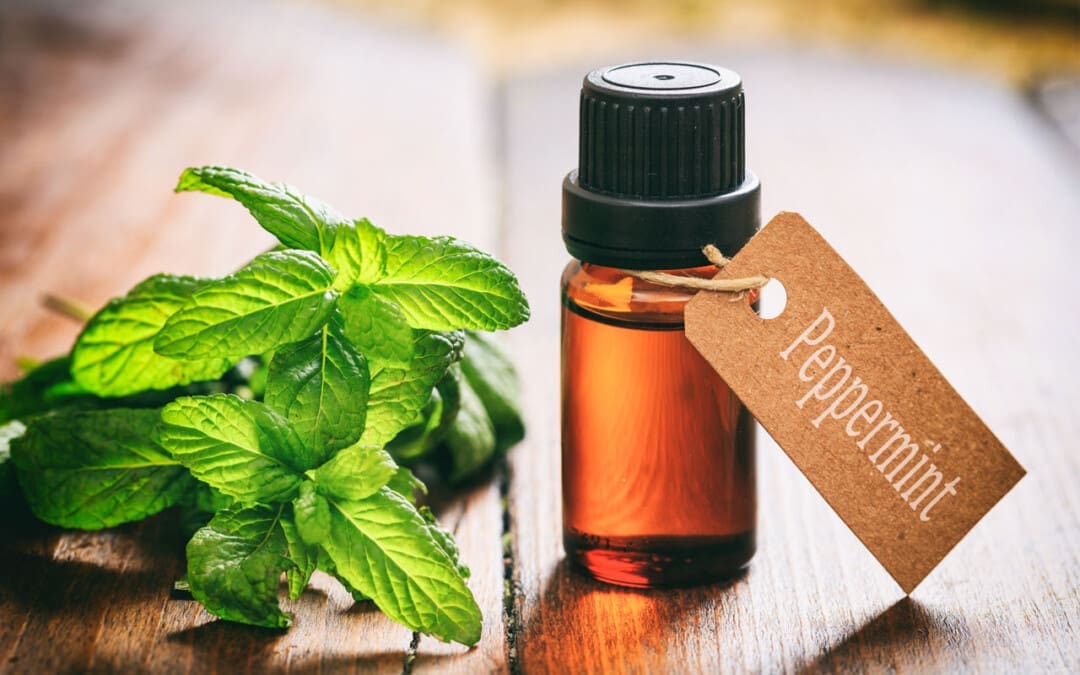
Peppermint oil can be taken as a tea or in capsule form.
Consult a physician or licensed healthcare professional to determine the proper dosage for the capsule form.
For Irritable Bowel Syndrome
Peppermint is taken as a tea to treat general digestive problems. It is known to reduce the production of gas in the intestine. Today, researchers recognize peppermint as effective for irritable bowel syndrome when used in oil form. (N. Alammar et al., 2019) Peppermint oil has been approved for use by IBS patients in Germany. However, the FDA has not approved peppermint and oil to treat any condition, but it has listed peppermint and the oil as generally safe. (ScienceDirect, 2024)
Peppermint extract may increase serum levels of these medications.
It is recommended to discuss medication interactions with a healthcare provider before starting supplements if taking any of these medications.
Pregnancy
Peppermint is not recommended for use during pregnancy or by nursing individuals.
It is unknown if it could affect a developing fetus.
It is unknown if it can affect a nursing baby.
How To Use The Herb
It is not that common, but some individuals are allergic to peppermint. Peppermint oil should never be applied to the face or around mucous membranes (National Center for Complementary and Integrative Health. 2020). Using more than one form, such as tea and oil, is not recommended because it could lead to side effects.
Because the FDA does not regulate supplements like peppermint and others, their contents may be varied.
Supplements may contain harmful ingredients or not contain the active ingredient at all.
This is why seeking reputable brands and informing an individual’s healthcare team of what is being taken is highly recommended.
It has the potential to worsen certain conditions and should not be used by:
Peppermint was used to treat colic in infants but is not recommended today.
The menthol in the tea may cause infants and small children to choke.
Chamomile could be a possible alternative. Consult a healthcare provider to see if it is safe.
Beyond Adjustments: Chiropractic and Integrative Healthcare
References
Alammar, N., Wang, L., Saberi, B., Nanavati, J., Holtmann, G., Shinohara, R. T., & Mullin, G. E. (2019). The impact of peppermint oil on the irritable bowel syndrome: a meta-analysis of the pooled clinical data. BMC complementary and alternative medicine, 19(1), 21. https://doi.org/10.1186/s12906-018-2409-0
Agbabiaka, T. B., Spencer, N. H., Khanom, S., & Goodman, C. (2018). Prevalence of drug-herb and drug-supplement interactions in older adults: a cross-sectional survey. The British journal of general practice : the journal of the Royal College of General Practitioners, 68(675), e711–e717. https://doi.org/10.3399/bjgp18X699101
Kligler, B., & Chaudhary, S. (2007). Peppermint oil. American family physician, 75(7), 1027–1030.
National Center for Complementary and Integrative Health. (2020). Peppermint oil. Retrieved from https://www.nccih.nih.gov/health/peppermint-oil#safety
Cash, B. D., Epstein, M. S., & Shah, S. M. (2016). A Novel Delivery System of Peppermint Oil Is an Effective Therapy for Irritable Bowel Syndrome Symptoms. Digestive diseases and sciences, 61(2), 560–571. https://doi.org/10.1007/s10620-015-3858-7
Khanna, R., MacDonald, J. K., & Levesque, B. G. (2014). Peppermint oil for the treatment of irritable bowel syndrome: a systematic review and meta-analysis. Journal of clinical gastroenterology, 48(6), 505–512. https://doi.org/10.1097/MCG.0b013e3182a88357
For individuals dealing with ulcerative colitis, can acupuncture treatment benefit those with UC and other GI-related issues?
Acupuncture For Ulcerative Colitis
Acupuncture has been used to treat symptoms related to pain and inflammation. Studies suggest it may help reduce inflammation and symptoms like diarrhea and abdominal pain, which could benefit individuals with inflammatory bowel disease. Individuals with ulcerative colitis, an inflammatory bowel disease/IBD affecting the large intestine, may find acupuncture beneficial in managing symptoms, including pain and gastrointestinal symptoms. (Crohn’s and Colitis Foundation, 2019)
The pathways connecting the acupoints generate energy, which contributes to overall health.
A disruption to the energy flow can cause injury, illness, or disease.
When acupuncture needles are inserted, energy flow and health are improved.
Benefits
Acupuncture can be used for the relief of various conditions. Studies have shown that acupuncture can reduce inflammation and disease activity in individuals with an IBD, like UC and Crohn’s disease. It can help with: (Gengqing Song et al., 2019)
Pain symptoms
Gut microbiome imbalances
Gut motor dysfunction
Intestinal barrier function
Anxiety
Depression
Studies suggest the use of acupuncture with heat, known as moxibustion, can improve several GI symptoms including (Crohn’s and Colitis Foundation, 2019)
Studies found the use of acupuncture along with moxibustion reduced inflammation in individuals with Crohn’s disease and ulcerative colitis. (Crohn’s and Colitis Foundation, 2019)
Stress and Mood
Chronic conditions like ulcerative colitis can cause feelings of depression and/or anxiety. Acupuncture may be used to address symptoms related to stress and mood and can benefit emotional health issues that include: (Johns Hopkins Medicine. 2024)
Insomnia
Anxiety
Nervousness
Depression
Neurosis – mental health condition characterized by chronic distress and anxiety.
Side Effects
Acupuncture is considered a safe practice. The most common side effects are: (GI Society. 2024)
Needle shock is rare but more common in individuals:
Who are regularly nervous.
Who are nervous around needles.
Who are new to acupuncture.
Who have a history of fainting.
Who are extremely fatigued.
Who have low blood sugar.
For some, GI symptoms may worsen before they improve. It is recommended to try at least five sessions as this is part of the healing process. (Cleveland Clinic. 2023) However, individuals should contact their doctor if symptoms become severe or last more than two days. (GI Society. 2024) Individuals considering acupuncture to help manage symptoms of ulcerative colitis should speak with their healthcare provider to help determine the appropriate treatment and where to start.
Gastro-Intestinal Dysfunction Treatment
References
Crohn’s and Colitis Foundation. (2019). Acupuncture in Inflammatory Bowel Disease. IBDVisible Blog. https://www.crohnscolitisfoundation.org/blog/acupuncture-inflammatory-bowel-disease
Wilkinson J, Faleiro R. (2007). Acupuncture in pain management. Continuing Education in Anaesthesia, Critical Care and Pain. 7(4), 135-138. https://doi.org/10.1093/bjaceaccp/mkm021
Song, G., Fiocchi, C., & Achkar, J. P. (2019). Acupuncture in Inflammatory Bowel Disease. Inflammatory bowel diseases, 25(7), 1129–1139. https://doi.org/10.1093/ibd/izy371
Harvard Medical School. (2016). Relieving pain with acupuncture. Harvard Health Blog. https://www.health.harvard.edu/healthbeat/relieving-pain-with-acupuncture
Arthritis Foundation. (N.D.). Acupuncture for Arthritis. Health Wellness. https://www.arthritis.org/health-wellness/treatment/complementary-therapies/natural-therapies/acupuncture-for-arthritis
Harvard Medical School. (2023). Acupuncture: what is it? Harvard Health Publishing Harvard Medical School Blog. https://www.health.harvard.edu/a_to_z/acupuncture-a-to-z#:~:text=The%20most%20common%20side%20effects,injury%20to%20an%20internal%20organ.
Cleveland Clinic. (2023). Acupuncture. Health Library. https://my.clevelandclinic.org/health/treatments/4767-acupuncture
GI Society. (2024). Acupuncture and Digestion. badgut.org. https://badgut.org/information-centre/a-z-digestive-topics/acupuncture-and-digestion/
For individuals looking to improve heart health, can consuming prunes help support cardiovascular health?
Prunes and Heart Health
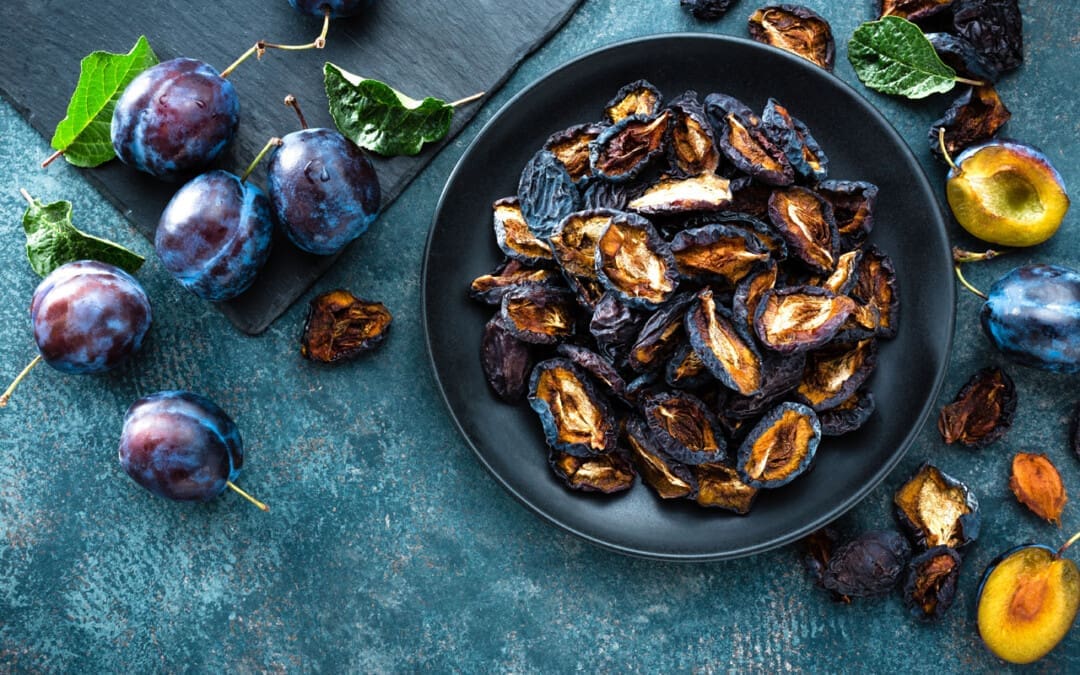
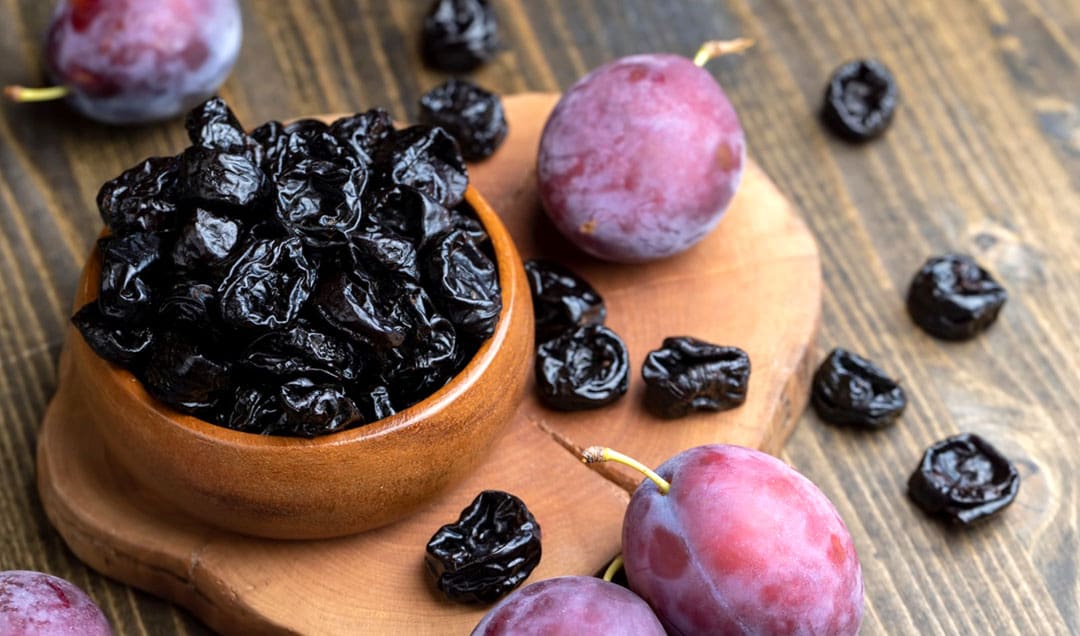
Prunes, or dried plums, are fiber-rich fruits that are more nutrient-dense than fresh plums and help digestion and bowel movement. (Ellen Lever et al., 2019) New research suggests they could offer more than digestion and constipation relief, according to new studies presented at the American Society for Nutrition. Eating prunes daily can improve cholesterol levels and reduce oxidative stress and inflammation.
Eating five to 10 prunes a day may support heart health.
Heart health benefits of regular consumption were seen in men.
In older women, regularly eating prunes had no negative effect on total cholesterol, blood sugar, and insulin levels.
Another study found that eating 50–100 grams or five to ten prunes daily was associated with reduced heart disease risks. (Mee Young Hong et al., 2021)
The reductions in cholesterol and inflammation markers were because of improvements in antioxidant levels.
The conclusion was that prunes can support cardiovascular health.
Prunes and Fresh Plums
Although studies have suggested that prunes can support heart health, that doesn’t mean fresh plums or prune juice can offer the same benefits. However, there are not many studies on the benefits of fresh plums or prune juice, but it is possible that they would. However, further research is needed. Fresh plums that have been dried in hot air improve the nutritional value and shelf life of the fruit, which could be the reason the dried version retains more nutrients. (Harjeet Singh Brar et al., 2020)
Individuals may have to eat more plums to acquire the same benefits.
Eating 5–10 prunes seems to be easier than trying to equal the same amount, or more, of fresh plums.
But either option is recommended instead of prune juice as whole fruits have more fiber, make the body feel fuller, and are lower in calories.
Benefits For Young Individuals
Most of the research has been conducted on postmenopausal women and men over 55, but younger individuals can also benefit from eating prunes. A diet that is rich in fruits and vegetables is considered healthy, so adding prunes to one’s diet will add to health benefits. For individuals who don’t like prunes, fruits like apples and berries are also recommended for heart health. However, fruits only make up one part of the diet, and it is important to focus on a balanced diet with vegetables, legumes, and heart-healthy oils. Prunes contain a lot of fiber, so individuals are recommended to add them slowly into their daily routine, as adding too much at once can lead to cramping, bloating, and/or constipation.
Conquering Congestive Heart Failure
References
Lever, E., Scott, S. M., Louis, P., Emery, P. W., & Whelan, K. (2019). The effect of prunes on stool output, gut transit time and gastrointestinal microbiota: A randomised controlled trial. Clinical nutrition (Edinburgh, Scotland), 38(1), 165–173. https://doi.org/10.1016/j.clnu.2018.01.003
Hong, M. Y., Kern, M., Nakamichi-Lee, M., Abbaspour, N., Ahouraei Far, A., & Hooshmand, S. (2021). Dried Plum Consumption Improves Total Cholesterol and Antioxidant Capacity and Reduces Inflammation in Healthy Postmenopausal Women. Journal of medicinal food, 24(11), 1161–1168. https://doi.org/10.1089/jmf.2020.0142
Harjeet Singh Brar, Prabhjot Kaur, Jayasankar Subramanian, Gopu R. Nair & Ashutosh Singh (2020) Effect of Chemical Pretreatment on Drying Kinetics and Physio-chemical Characteristics of Yellow European Plums, International Journal of Fruit Science, 20:sup2, S252-S279, DOI: 10.1080/15538362.2020.1717403
The digestive system breaks down the foods eaten so the body can absorb the nutrients. During digestion, the unnecessary parts of these foods are turned into waste/stool, which is evacuated during a bowel movement. When the digestive system stops functioning properly due to factors such as diet change, eating unhealthy foods, lack of physical activity/exercise, medications, and certain health conditions, can cause constipation. Constipation occurs when the body cannot have a regular bowel movement. The distention, gas, bloating and not being able to have a bowel movement cause irritability and stress, which can worsen constipation. Incorporating recommended nutrition can help restore regular bowel movements and gut function.
Recommended Nutrition For Constipation
Symptoms like abdominal pain, bloating, and difficult bowel movements are common. Diet and proper hydration have a significant role in digestive health, especially in relieving and preventing constipation. High-fiber foods, prebiotics, and adequate hydration from foods and beverages are essential for healthy bowel movements.
Fiber is found in whole grains, starches, fruits, and vegetables.
Soluble and insoluble fiber are important for digestive health.
Focusing on incorporating high-fiber fruits, vegetables, and whole grains.
Foods rich in prebiotics like fermented foods are recommended when constipated.
The recommended nutrition for constipation, according to a dietitian includes.
Avocados
Avocados can be paired with just about anything and are full of nutrients and fiber.
One avocado contains around 13.5 grams of fiber.
One avocado will provide almost half daily fiber needs.
Other high-fiber fruits: pomegranates, guava, raspberries, blackberries, and passionfruit.
Figs
Figs can be eaten fresh and dried.
Figs are considered a laxative and have been shown to treat and reduce constipation.
They contain antioxidants, polyphenols, polyunsaturated fatty acids, and vitamins.
Other fruits similar to a fig: dried apricots, prunes, and plums.
Plums
Plums, prunes dried plums are packed with fiber and prebiotics that have a natural laxative effect.
The added H2O makes the stools softer and easier to pass.
Natural fruit juices, like pear, apple, or prune are often prescribed for constipation.
Other fruits that aid in bowel movements: peaches, pears, and apples.
Kefir
Fermented foods like kefir are rich in beneficial bacteria that work to maintain digestive system health.
It can be consumed on its own or used in smoothies, cooking, and baking recipes.
Other fermented foods: kombucha, yogurt, sauerkraut, kimchi, miso, and tempeh.
Oat Bran
Oat bran is oatmeal that has not had the bran removed.
The bran contains beneficial nutrients including fiber, antioxidants, vitamins, and minerals.
Oat bran contains soluble and insoluble fiber, as well as beta-glucan/non-starchy polysaccharides.
All improve the composition of gut bacteria and promote healthy bowel movements.
Other beneficial grains: oatmeal, wheat bran, rye, and barley.
Incorporating Gut-Beneficial Foods
How to incorporate recommended nutrition gut-beneficial foods into a regular menu:
Smoothie
Use kefir or yogurt as a base then balance it out with fiber-rich fruits like mango, blueberries, and kiwi.
Snacks
Diversify snacks with a plate of fiber and prebiotics.
Nuts, cheese, crackers, fruit, and a yogurt or avocado dip.
Oatmeal
Try oat bran to increase fiber.
Sprinkle a serving of flaxseeds, chia seeds, or hemp seeds for added fiber and healthy fats.
Parfait
Yogurt parfaits can maximize nutrients, flavor, and textures in a bowl.
Layer up on a favorite yogurt with granola, nuts, fruit, and seeds.
Grain Bowl
Fiber found in whole grains and seeds like barley, farro, and quinoa, helps promote healthy digestion.
Make a bowl with a grain base, then top with a protein, fresh or grilled veggies, avocado, and dressing.
Talk with a registered nutritionist or other healthcare provider to discuss recommended nutrition plan options.
Balancing Body and Metabolism
References
Arce, Daisy A et al. “Evaluation of constipation.” American family physician vol. 65,11 (2002): 2283-90.
Bharucha, Adil E. “Constipation.” Best practice & research. Clinical gastroenterology vol. 21,4 (2007): 709-31. doi:10.1016/j.bpg.2007.07.001
Gray, James R. “What is chronic constipation? Definition and diagnosis.” Canadian Journal of Gastroenterology = Journal Canadien de Gastroenterology vol. 25 Suppl B, Suppl B (2011): 7B-10B.
Jani, Bhairvi, and Elizabeth Marsicano. “Constipation: Evaluation and Management.” Missouri medicine vol. 115,3 (2018): 236-240.
Naseer, Maliha, et al. “Therapeutic Effects of Prebiotics on Constipation: A Schematic Review.” Current clinical pharmacology vol. 15,3 (2020): 207-215. doi:10.2174/1574884715666200212125035
National Institute of Diabetes and Digestive and Kidney Diseases. Symptoms and Causes of Constipation.
National Institute of Diabetes and Digestive and Kidney Disease. Your Digestive System and How It Works.
Sinclair, Marybetts. “The use of abdominal massage to treat chronic constipation.” Journal of bodywork and movement therapies vol. 15,4 (2011): 436-45. doi:10.1016/j.jbmt.2010.07.007
Not getting enough fiber in one’s diet can lead to fiber deficiency. Fiber helps support gut and microbiome health. Individuals not getting enough fiber may experience irregular bowel movements, constipation, blood sugar fluctuations, not feeling full/satisfied after eating, or rising cholesterol levels. About 100 trillion microorganisms in the gut are integral to maintaining a healthy immune system. Fiber is the food these microorganisms eat that helps them to do their job. Without the proper amount, the immune system’s health may also be compromised.
Fiber and Gut Health
Fiber and gut health benefits include regulating the body’s sugars, helping to keep hunger and blood sugar in check, helping to maintain a healthy weight, its ability to prevent or relieve constipation, reduce the risk of diabetes, heart disease, and certain types of cancer.
Dietary fiber, or roughage, is the part of plant foods the body can’t digest or absorb.
It passes through the stomach, small intestine, and colon and out of the body.
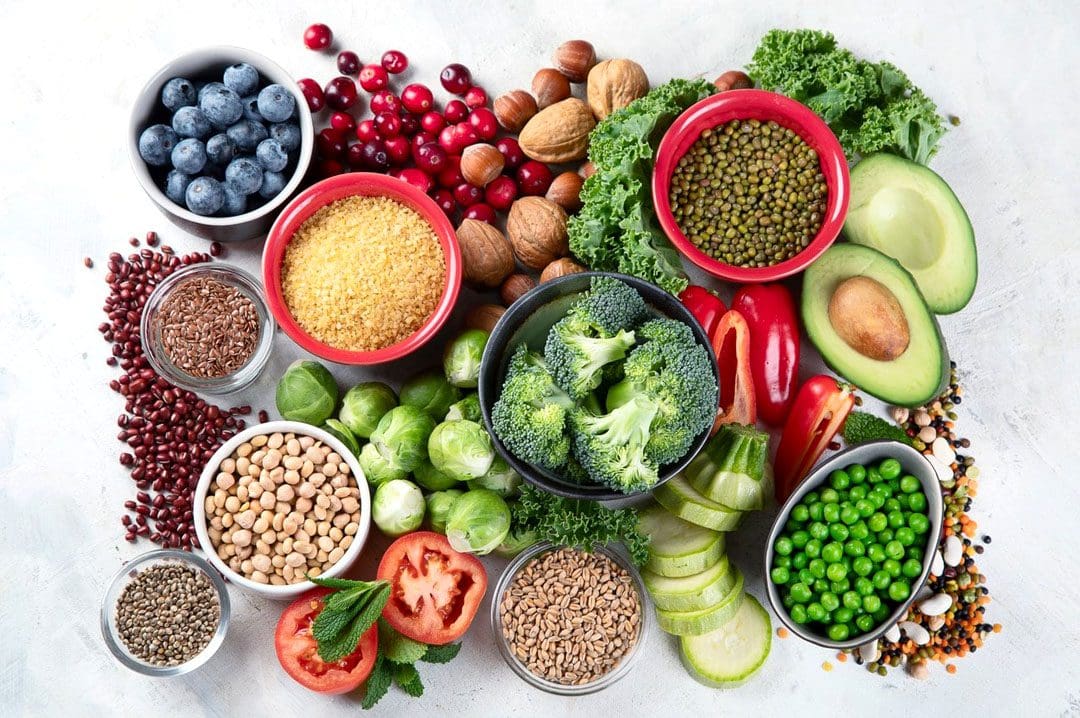
It is found mainly in fruits, vegetables, whole grains, and legumes.
Soluble and insoluble forms are important to overall health.
Types
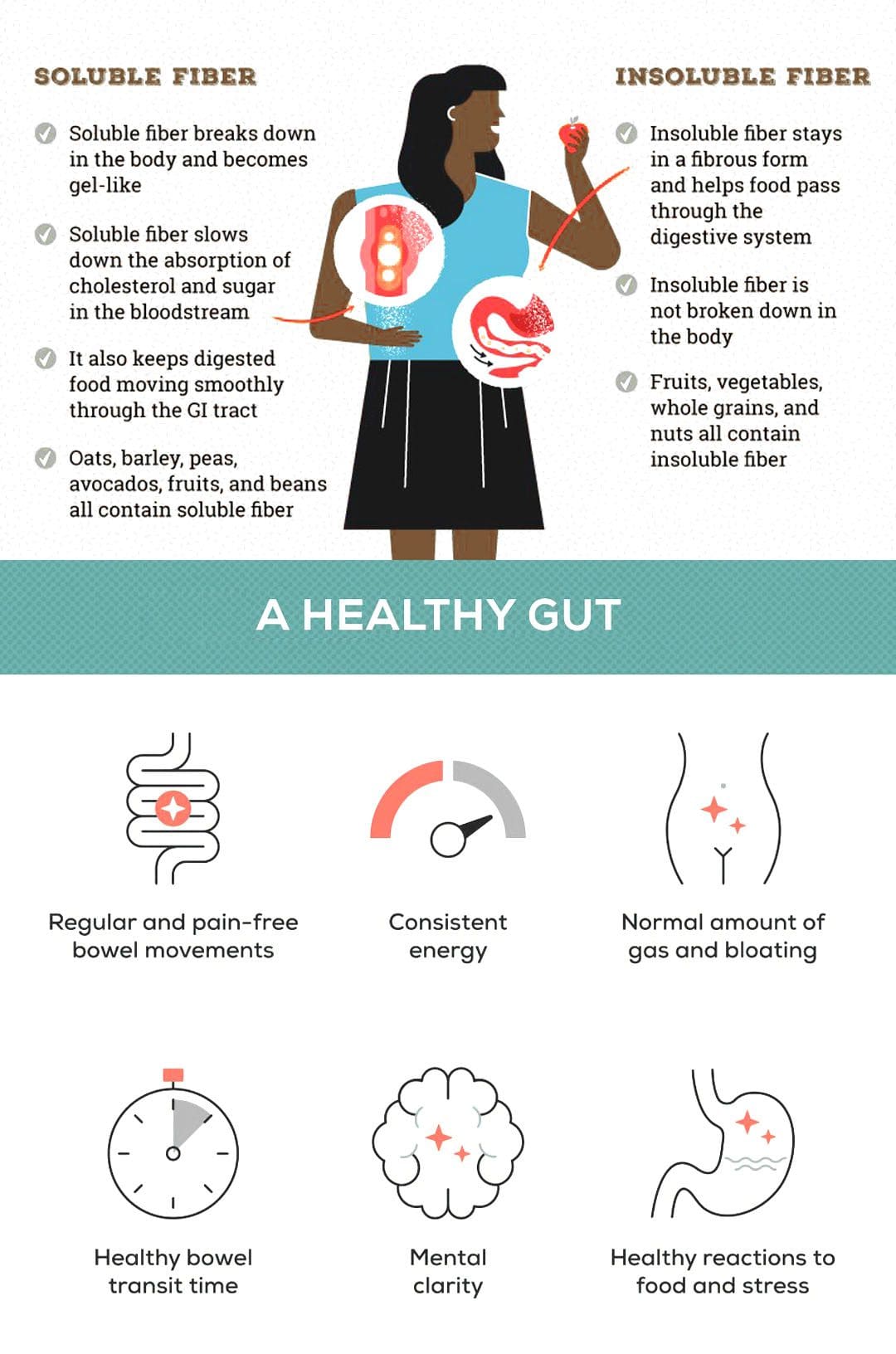
Soluble Fiber
This type dissolves in water to form a gel-like substance.
It can help lower blood cholesterol and glucose levels.
It is found in oats, peas, beans, apples, citrus fruits, carrots, and barley.
Insoluble Fiber
This type of fiber promotes the movement of material through the digestive system.
It increases stool bulk, benefiting individuals who struggle with constipation or irregular stools.
Whole-wheat flour, wheat bran, nuts, beans, and vegetables, such as cauliflower, green beans, and potatoes, are good sources.
Benefits
Healthy Bowel Movements
Dietary fiber increases stool weight and thickness and makes it soft.
Fiber helps to solidify the stool by absorbing water and adding bulk.
A thicker stool is easier to pass, decreasing the potential for constipation and other problems.
Maintains Bowel Health
A high-fiber diet can lower the risk of developing hemorrhoids and small pouches in the colon/diverticular disease.
Studies have also found that a high-fiber diet can help lower the risk of colorectal cancer.
Some fiber gets fermented in the colon.
Researchers are looking at how this can help prevent diseases of the colon.
Lowers Cholesterol
Soluble fiber found in beans, oats, flaxseed, and oat bran can help lower blood cholesterol levels by lowering low-density lipoprotein or unhealthy cholesterol levels.
Studies also have shown that high-fiber foods can help reduce blood pressure and inflammation.
Regulates Blood Sugar Levels
In individuals with diabetes, fiber, particularly soluble fiber, can slow the absorption of sugar and improve blood sugar levels.
A healthy nutrition plan that includes insoluble fiber can help reduce the risk of developing type 2 diabetes.
Helps Achieve Healthy Weight
High-fiber foods can be more filling than low-fiber foods, helping individuals eat less and stay satisfied.
High-fiber foods can also take longer to eat and are less energy dense, meaning they have fewer calories.
Getting More Fiber
Ideas for adding more fiber to meals and snacks:
Fiber to Start The Day
Choose a high-fiber breakfast cereal with five or more grams of fiber per serving.
Choose cereals with whole grain, bran, or fiber in the name.
Add a few tablespoons of unprocessed wheat bran to the cereal.
Add Whole Grains
Try to make at least half of the grains eaten whole grains.
Look for bread that lists whole wheat, whole-wheat flour, or another whole grain as the first ingredient, with at least 2 grams of dietary fiber per serving.
Experiment with whole-wheat pasta, brown rice, wild rice, barley, and bulgur wheat.
Baked Foods
Substitute whole-grain flour for half or all white flour when baking.
Add crushed bran cereal, unprocessed wheat bran, or uncooked oatmeal to muffins, cakes, and cookies.
Legumes
Beans, peas, and lentils are recommended sources.
Add kidney beans to soups or salads.
Make nachos with refried black beans, fresh vegetables, whole-wheat tortilla chips, and healthy salsa.
Fruit and Vegetables
Fruits and vegetables are rich in fiber and vitamins and minerals.
Try to eat a favorite fruit daily.
Healthy Snacks
Fresh fruits, raw vegetables, low-fat popcorn, and whole-grain crackers are healthy choices.
Try for a handful of nuts or dried fruits; however, be aware that nuts and dried fruits can be high in calories.
Moderation
High-fiber foods are beneficial for the body’s health.
Adding too much fiber can promote intestinal gas, abdominal bloating, and cramping.
Increase fiber gradually over a few weeks.
This allows the natural bacteria in the digestive system to make adjustments.
Maintain hydration, as fiber works best when it absorbs water.
Individuals not sure how to incorporate more fiber can consult a nutritionist and health coach to help begin the process.
Gut Dysfunction
References
Anderson, James W et al. “Health benefits of dietary fiber.” Nutrition Reviews vol. 67,4 (2009): 188-205. doi:10.1111/j.1753-4887.2009.00189.x
Cronin, Peter, et al. “Dietary Fiber Modulates the Gut Microbiota.” Nutrients vol. 13,5 1655. 13 May. 2021, doi:10.3390/nu13051655
Fuller, Stacey, et al. “New Horizons for the Study of Dietary Fiber and Health: A Review.” Plant foods for human nutrition (Dordrecht, Netherlands) vol. 71,1 (2016): 1-12. doi:10.1007/s11130-016-0529-6
Gill, Samantha K et al. “Dietary fiber in gastrointestinal health and disease.” Nature reviews. Gastroenterology & hepatology vol. 18,2 (2021): 101-116. doi:10.1038/s41575-020-00375-4
There are different possible causes of abdominal pain and digestive problems. Sometimes a bulging disc is the cause. A bulging disc that is causing abdominal pain is rare but possible. When this happens, it’s usually a herniated disc in the upper back, known as the thoracic spine. When the disc bulges to the side, it can cause abdominal pain. One study found that half of the patients presenting with herniated discs also suffered from digestive problems, including irritable bowel syndrome.
Thoracic Disc Herniation
The thoracic spine is the region between the base of the neck and the low back. This section is surrounded and stabilized by the ribcage, reducing the risk of disc herniation. Most herniated disc/s occur in the low back or the neck because those areas with a lot of movement are less stable than the thoracic spine. But they do happen and can contribute and/or cause abdominal pain. This is usually accompanied by pain in the mid-back and the chest. Because this is rare, physicians don’t immediately think that a herniation is causing abdominal pain. This can lead to unnecessary and expensive tests to find the problem.
Lateral Disc Herniation
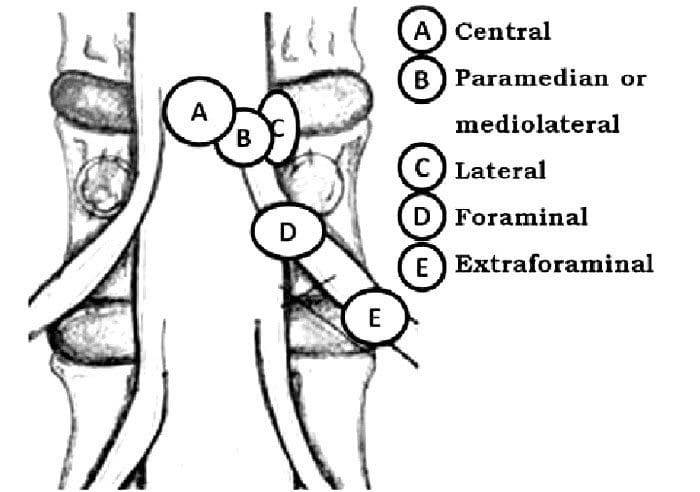
This is not the most common type of disc herniation. The type of herniation that causes pain in the abdomen is known as lateral disc herniation. This is when the disc bulges laterally/sideways. What happens is it can compress and irritate the nerve root. This is what can cause pain in the abdomen. Types of disc herniations include:
Causes
Most thoracic herniations are caused by trauma to the upper back. This can come from a:
Fall
Auto accident
Sports injury
They can also be caused by degenerative disc disease. If this happens, the discs can become calcified, which could require surgery.
Movements like reaching up to get something or twisting motions like putting on a seatbelt can cause the pain to worsen. Most thoracic herniations happen in young individuals brought on by trauma to the area. Women tend to be affected more by thoracic disc herniation that causes abdominal pain.
Herniated Disc and Bloating
Bloating often comes with digestive problems. A herniated discs can also cause bloating along with abdominal and back pain. However, they are not always related because bloating, and other digestive issues can cause back and abdominal pain. Bloating and pain typically go away after a bowel movement. But it is important to see a medical professional if the problem lasts more than a few days.
Gas and a Herniated Disc
In certain cases, a herniated disc can cause gas. This is rare, but evidence suggests that nerve compression in the spine can affect the digestive system. If back pain, abdominal pain, and digestive issues are presenting, seeking out treatment is recommended.
Treatment
Chiropractors specialize in spinal care. The approach is to balance the entire body and heal the underlying issues. The nervous system travels through the spinal column. If injured or damaged, it can cause all kinds of issues. This includes abdominal pain and digestive problems. A chiropractor will:
Bring pain relief
Realign the spine
Balance the body
Recommend exercises and stretches
Offer nutritional recommendations
Recommend sleeping positions to prevent pain at night
They are different techniques to treat disc herniations. These include:
Full-body diagnosis
Detailed medical history
MRI, CT, or X-Rays
Laser therapy
Ultrasound
Ice and heat
Electrical stimulation
Massage
Physical therapy
Body Composition
Binge Eating
A common and powerful trigger of binge eating is restrictive dieting. This type of diet is a common weight-loss method for short-term goals. This is because a highly controlled program of calorie intake makes it easier to prevent overeating. The problem is that this type of restriction is not sustainable. Most individuals can avoid certain foods for only so long. However, this is not the only reason for binge eating. Many individuals use food as an emotional suppressor. They overeat during:
Levels of high stress
Boredom
Bouts of sadness
Exhaustion/excessively tired
The brain and body are conditioned to crave certain and usually addictive foods. When individuals want to get their minds off of something, cravings can activate and become overpowering. Although it is not an addiction to alcohol or drugs, food addiction is still an addiction. Working through addictive behavior toward any substance will improve the quality of life. Overcoming food addiction promotes physical health benefits and improved mental health. Recognizing addictive behaviors when it comes to food is the first step.
References
Al-Khawaja, Darweesh O et al. “Surgical treatment of far lateral lumbar disc herniation: a safe and simple approach.” Journal of spine surgery (Hong Kong) vol. 2,1 (2016): 21-4. doi:10.21037/jss.2016.01.05
Lara, F J Pérez et al. “Thoracic disk herniation, a not infrequent cause of chronic abdominal pain.” International surgery vol. 97,1 (2012): 27-33. doi:10.9738/CC98.1
Papadakos, Nikolaos et al. “Thoracic disc prolapse presenting with abdominal pain: case report and review of the literature.” Annals of the Royal College of Surgeons of England vol. 91,5 (2009): W4-6. doi:10.1308/147870809X401038
Polivy, J et al. “Food restriction and binge eating: a study of former prisoners of war.” Journal of abnormal psychology vol. 103,2 (1994): 409-11. doi:10.1037//0021-843x.103.2.409
IFM's Find A Practitioner tool is the largest referral network in Functional Medicine, created to help patients locate Functional Medicine practitioners anywhere in the world. IFM Certified Practitioners are listed first in the search results, given their extensive education in Functional Medicine







 Fiber and Gut Health