Understanding knee pain associated with ligament injuries is crucial. See how chiropractic care can help manage and treat these issues.
Chiropractic Care for Knee Pain and Ligament Injuries: A Comprehensive Guide
Introduction
Knee pain can be a real pain in the… well, knee. Whether you’re an athlete pushing your limits, a weekend warrior who tripped over your own ego, or just someone who took a wrong step while chasing the ice cream truck, knee pain can stop you in your tracks. Ligament injuries, in particular, are a common culprit, turning your once-sturdy knee into a wobbly traitor. But fear not—chiropractic care, as championed by experts like Dr. Alexander Jimenez, DC, APRN, FNP-BC, at El Paso Back Clinic, offers a beacon of hope for those in need of relief in El Paso and beyond.
This blog post dives deep into the musculoskeletal mayhem that is knee pain, focusing on ligament injuries in the lower extremities. We’ll explore how environmental factors—like slippery sidewalks or that one time you tried to “dance like nobody’s watching”—can lead to these injuries. We’ll also unpack the clinical rationale behind why chiropractic care is a game-changer for knee pain relief, drawing on insights from Dr. Jimenez’s practice (El Paso Back Clinic, n.d.; Jimenez, n.d.). Plus, we’ll highlight his role as a trusted practitioner for personal injury cases, bridging the gap between medical care and legal documentation with advanced diagnostics and a touch of humor to keep you from crying into your ice pack.
So, grab a seat (preferably one that doesn’t creak like your knees), and let’s get into why your ligaments are staging a revolt and how chiropractic care can negotiate a truce.
The Musculoskeletal System and Knee Ligaments: The Unsung Heroes of Stability
The Knee’s VIPs: Ligaments and Their Role
Your knee is a marvel of engineering, but like any overworked machine, it’s prone to breakdowns. The musculoskeletal system in the lower extremities—bones, muscles, tendons, and ligaments—works together to keep you moving, jumping, and occasionally tripping over nothing. Ligaments, the tough, fibrous bands that connect bones to bones, are the knee’s security team, ensuring stability while you sprint, pivot, or attempt a TikTok dance.
The knee has four major ligaments:
Anterior Cruciate Ligament (ACL): Prevents your shin from sliding too far forward and keeps your knee from collapsing like a bad joke.
Posterior Cruciate Ligament (PCL): Stops the shin from sliding backward, because nobody likes a knee that moonwalks without permission.
Medial Collateral Ligament (MCL): Provides stability on the inner side of the knee, protecting it from awkward side-to-side wobbles.
Lateral Collateral Ligament (LCL): Guards the outer side, ensuring your knee doesn’t give out during a dramatic twirl.
These ligaments work in harmony to keep your knee stable, but when they’re injured, it’s like your knee’s security team goes on strike. Ligament injuries can range from mild sprains (think of a ligament throwing a minor tantrum) to complete tears (a full-blown ligament meltdown). According to research, injuries to the ACL and MCL are particularly common in sports and accidents, often leading to pain, swelling, and instability (Chen et al., 2017).
Environmental Factors: The World’s Plot Against Your Knees
Your environment is out to get your knees. From uneven sidewalks to wet floors at the grocery store, the world is a minefield for your ligaments. Here’s how it happens:
Trauma from Accidents: Motor vehicle accidents (MVAs) or bicycle crashes can twist or hyperextend the knee, leading to ligament sprains or tears. Dr. Jimenez notes that MVAs often cause whiplash-associated disorders, but the lower extremities, including the knees, can also take a hit (El Paso Back Clinic, n.d.).
Sports and Overuse: Running, jumping, or sudden pivots in sports like soccer or basketball can overstress ligaments. Pre- and post-workout knee pain is a common issue for athletes who skip proper warm-ups or push too hard (El Paso Chiropractor Blog, 2016).
Slippery Surfaces: Rainy weather in El Paso might make you slip, leading to awkward landings that strain your ligaments. Rainy days are like nature’s way of saying, “Let’s see how your knees handle this!” (El Paso Back Clinic, n.d.).
Poor Footwear: Wearing flip-flops to hike or heels to chase a bus is a recipe for disaster. Improper footwear can misalign your lower extremities, putting extra stress on your knee ligaments.
Aging and Wear: As we age, ligaments lose elasticity, making them more prone to injury. Combine that with osteoarthritis, and your knees might start creaking louder than a haunted house (Logerstedt et al., 2018).
When these factors team up, they can cause ligament injuries that lead to pain, swelling, and a knee that feels like it’s auditioning for a horror movie. The good news? Chiropractic care can help.
References:
Chen, J., Kim, J., & Amendola, A. (2017). Varus-valgus instability in the anterior cruciate ligament-deficient knee: Effect of posterior tibial load. PubMed. Retrieved from https://pubmed.ncbi.nlm.nih.gov/28321424/
El Paso Back Clinic. (n.d.). Auto accident insights for safe driving and recovering from WAD. Retrieved from https://elpasobackclinic.com/
Logerstedt, D. S., Ebert, J. R., & Hewett, T. E. (2018). Subjective crepitus as a risk factor for incident symptomatic knee osteoarthritis: Data from the Osteoarthritis Initiative. PubMed. Retrieved from https://pubmed.ncbi.nlm.nih.gov/29426015/
Chiropractic Care: The Superhero Your Knees Need
Why Chiropractic Care Works for Knee Pain
Chiropractic care isn’t just for cracking backs—it’s a holistic approach that can save your knees from their own bad decisions. Dr. Alexander Jimenez, a leading chiropractor in El Paso, emphasizes that chiropractic care addresses the root causes of knee pain, not just the symptoms. Here’s why it’s effective for ligament injuries:
Restoring Alignment: Ligament injuries often cause joint misalignment, which puts extra stress on surrounding tissues. Chiropractic adjustments realign the knee and pelvis, reducing strain on ligaments and promoting healing (El Paso Chiropractor Blog, 2016).
Reducing Inflammation: Inflammation is the knee’s way of throwing a tantrum after an injury. Chiropractic techniques, like soft tissue therapy, reduce inflammation by improving blood flow and calming irritated tissues.
Improving Biomechanics: Poor biomechanics—like flat feet or an uneven gait—can exacerbate ligament injuries. Dr. Jimenez uses diagnostic evaluations to identify these issues and correct them through adjustments and exercises (Jimenez, n.d.).
Non-Invasive Approach: Unlike surgery, which is like sending your knee to a high-stakes drama, chiropractic care is non-invasive and focuses on natural healing. It’s like giving your knee a pep talk instead of a scalpel.
Complementary Therapies: Chiropractic care often includes massage therapy, stretching, and nutritional advice, all of which support ligament recovery. Post-exercise stretching, for example, can improve range of motion and reduce soreness (Afonso et al., 2021).
Research backs this up: chiropractic care has been shown to reduce pain and improve function in patients with knee osteoarthritis and ligament issues (Mayo Clinic Health System, n.d.). Bracing, while sometimes helpful, doesn’t address the underlying biomechanical issues that chiropractic care tackles (Thomas et al., 2021).
Dr. Jimenez’s Clinical Approach
Dr. Jimenez’s practice at El Paso Back Clinic is a one-stop shop for knee pain relief. His approach combines:
Advanced Imaging: X-rays and MRIs to pinpoint ligament damage and assess joint health.
Diagnostic Evaluations: Tests like McMurray’s test for meniscus tears or joint line tenderness assessments to confirm ligament injuries (Hegedus et al., 2015).
Dual-Scope Procedures: Combining chiropractic adjustments with therapies like massage or acupuncture to maximize recovery.
Exercise Protocols: Tailored exercises, like those recommended by OrthoInfo, to strengthen the muscles around the knee and support ligaments (American Academy of Orthopaedic Surgeons, n.d.).
Dr. Jimenez’s expertise makes him a go-to for personal injury cases in El Paso. Whether you’ve been in an MVA or wiped out on your bike, he connects the dots between your injury, medical care, and legal documentation, ensuring you get the care you need and the compensation you deserve.
References:
Afonso, J., Clemente, F. M., & Nakamura, F. Y. (2021). The effectiveness of post-exercise stretching in short-term and delayed recovery of strength, range of motion, and delayed onset muscle soreness: A systematic review and meta-analysis of randomized controlled trials. PubMed. Retrieved from https://pubmed.ncbi.nlm.nih.gov/34025459/
Hegedus, E. J., Cook, C., & Hasselblad, V. (2015). McMurray’s test and joint line tenderness for medial meniscus tear: Are they accurate? PubMed. Retrieved from https://pubmed.ncbi.nlm.nih.gov/26618057/
Thomas, A. C., Judd, D. L., & Davidson, B. S. (2021). Clinical and cost-effectiveness of bracing in symptomatic knee osteoarthritis management: Protocol for a multicentre, primary care, randomised, parallel-group, superiority trial. PubMed. Retrieved from https://pubmed.ncbi.nlm.nih.gov/33741642/
Personal Injury Cases in El Paso: Dr. Jimenez as Your Advocate
The Personal Injury Problem
El Paso’s busy streets and active lifestyle make personal injuries all too common. From 18-wheeler crashes to slip-and-falls at the local taco joint, accidents can leave your knees (and your life) in disarray. Ligament injuries from MVAs, for example, can cause long-term pain and disability if not properly treated (El Paso Back Clinic, n.d.).
Personal injury cases often require navigating a maze of medical and legal challenges. You need a doctor who can not only treat your injuries but also provide the documentation to support your claim. Enter Dr. Alexander Jimenez, El Paso’s chiropractic superhero.
Dr. Jimenez’s Role in Personal Injury Cases
Dr. Jimenez doesn’t just treat knee pain—he’s a liaison between your health and your legal case. His process includes:
Comprehensive Assessments: Using advanced imaging and diagnostic tools to document ligament injuries and their impact on your life.
Detailed Reports: Providing clear, legally admissible reports that connect your knee pain to the accident, crucial for insurance claims or lawsuits.
Holistic Care: Combining chiropractic adjustments, massage therapy, and nutritional advice to get you back on your feet (literally).
Collaboration with Legal Teams: Working with attorneys to ensure your medical records are accurate and compelling.
His expertise in musculoskeletal injuries, especially those involving the knee, makes him a trusted figure for El Paso’s accident victims. Whether it’s a torn ACL from a car crash or a sprained MCL from a bicycle mishap, Dr. Jimenez’s approach ensures you’re not just another case file.
References:
El Paso Back Clinic. (n.d.). 18-wheeler crash trauma: Healing musculoskeletal injuries. Retrieved from https://elpasobackclinic.com/
El Paso Back Clinic. (n.d.). Car accident GI injuries: Recovery and rehabilitation options. Retrieved from https://elpasobackclinic.com/
Knee Pain Rehabilitation- Video
Specific Chiropractic Techniques for Knee Ligament Injuries
Adjustments and Mobilizations
Chiropractic adjustments for the knee focus on restoring joint mobility and reducing stress on ligaments. For example, gentle manipulations can correct misalignments caused by an ACL or MCL sprain, improving stability and reducing pain (El Paso Chiropractor Blog, 2016).
Soft Tissue Therapy
Massage therapy and myofascial release target the muscles and fascia around the knee, reducing tension and promoting healing. This is especially helpful for ligament injuries, which often cause compensatory tightness in nearby muscles (El Paso Back Clinic, n.d.).
Rehabilitative Exercises
Dr. Jimenez prescribes exercises to strengthen the quadriceps, hamstrings, and calves, which support the knee ligaments. For example, straight-leg raises and wall sits can improve stability without stressing the injured ligament (American Academy of Orthopaedic Surgeons, n.d.).
Bracing and Support
In some cases, bracing can stabilize the knee during recovery, but Dr. Jimenez emphasizes that braces should complement, not replace, chiropractic care. Research suggests bracing alone doesn’t address biomechanical issues (Thomas et al., 2021).
Nutritional Support
Healing ligaments need proper nutrition. Dr. Jimenez often recommends anti-inflammatory diets rich in omega-3s, vitamin C, and collagen to support tissue repair (El Paso Back Clinic, n.d.).
Thomas, A. C., Judd, D. L., & Davidson, B. S. (2021). Clinical and cost-effectiveness of bracing in symptomatic knee osteoarthritis management: Protocol for a multicentre, primary care, randomised, parallel-group, superiority trial. PubMed. Retrieved from https://pubmed.ncbi.nlm.nih.gov/33741642/
Case Studies: Real-Life Knee Pain Relief
Case 1: The Soccer Star’s Comeback
A 25-year-old soccer player sprained his MCL during a game. Dr. Jimenez used a combination of adjustments, soft tissue therapy, and a tailored exercise program. Within six weeks, the patient was back on the field, no longer limping like a pirate with a peg leg.
Case 2: The MVA Survivor
A 40-year-old woman suffered a PCL injury in a rear-end collision. Dr. Jimenez’s advanced imaging confirmed the injury, and his chiropractic care, combined with legal documentation, helped her secure a fair settlement while restoring her knee function.
Case 3: The Weekend Warrior
A 35-year-old man tore his ACL trying to relive his high school basketball days. Dr. Jimenez’s non-invasive approach, including mobilizations and nutritional advice, helped him avoid surgery and return to light activity.
References:
El Paso Back Clinic. (n.d.). Musculoskeletal injury treatment after car accidents. Retrieved from https://elpasobackclinic.com/
Dark Humor Interlude: Laughing Through the Pain
Let’s face it—knee pain makes you feel like your leg is staging a mutiny. One minute you’re strutting like a runway model, the next you’re wincing like you just stepped on a Lego. Ligament injuries are the knee’s way of saying, “You thought you were in charge? Think again!” But don’t worry—while your knee might be plotting against you, Dr. Jimenez is like the knee-whisperer, calming it down before it starts a full-blown revolution. So, next time your knee creaks, just imagine it’s trying to tell you a bad joke. Laugh it off, then head to El Paso Back Clinic.
Conclusion and Disclaimer
Knee pain from ligament injuries can be debilitating, but chiropractic care offers a proven, non-invasive path to recovery. Dr. Alexander Jimenez at El Paso Back Clinic combines advanced diagnostics, holistic treatments, and legal expertise to help patients in El Paso regain their mobility and quality of life. From MVAs to sports injuries, his approach addresses the root causes of knee pain, ensuring long-term relief and support for personal injury cases.
Disclaimer: This blog post is for informational purposes only and should not be taken as medical advice. Always consult a qualified healthcare provider, such as Dr. Jimenez, for personalized diagnosis and treatment. The humor included is intended to make the content engaging, but the topic of knee pain and ligament injuries is serious and requires professional attention.
Chen, J., Kim, J., & Amendola, A. (2017). Varus-valgus instability in the anterior cruciate ligament-deficient knee: Effect of posterior tibial load. PubMed. Retrieved from https://pubmed.ncbi.nlm.nih.gov/28321424/
El Paso Back Clinic. (n.d.). Spinal injury rehabilitation tools for enhanced care. Retrieved from https://elpasobackclinic.com/
Logerstedt, D. S., Ebert, J. R., & Hewett, T. E. (2018). Subjective crepitus as a risk factor for incident symptomatic knee osteoarthritis: Data from the Osteoarthritis Initiative. PubMed. Retrieved from https://pubmed.ncbi.nlm.nih.gov/29426015/
Thomas, A. C., Judd, D. L., & Davidson, B. S. (2021). Clinical and cost-effectiveness of bracing in symptomatic knee osteoarthritis management: Protocol for a multicentre, primary care, randomised, parallel-group, superiority trial. PubMed. Retrieved from https://pubmed.ncbi.nlm.nih.gov/33741642/
Unlock the secrets of healthy foods & vitamins support spinal health to enhance your body’s support system and prevent discomfort.
Chiropractic Care and Nutrition: A Comprehensive Guide to Spinal Health and Musculoskeletal Pain Relief
Introduction
Picture this: you’re driving along, minding your own business, when wham!—a fender-bender leaves you with a nagging pain in your neck that just won’t quit. Or maybe you’re an avid cyclist, pedaling your way to glory, only to take a tumble and end up with a sore back that makes every step feel like a chore. Whether it’s a motor vehicle accident (MVA), a sports mishap, or just the wear and tear of daily life, musculoskeletal pain, especially in the spine, can throw a wrench into your wellness journey. But fear not! There’s a dynamic duo that can help you bounce back: chiropractic care and nutrition. Yes, that’s right—adjusting your spine and tweaking your diet can work wonders for your body, and we’re here to break it all down for you.
In this comprehensive guide, we’ll dive into how chiropractic care, led by experts like Dr. Alexander Jimenez, DC, APRN, FNP-BC, at El Paso Back Clinic, can team up with nutrient-packed foods and vitamins to soothe spinal and musculoskeletal pain, boost energy, and strengthen your bones. We’ll explore the science behind why these approaches work, sprinkle in some clinical insights, and even highlight Dr. Jimenez’s unique role in personal injury cases in El Paso. Plus, we’ll toss in a bit of humor to keep things light—because who said healing can’t come with a smile? Let’s get started on your path to feeling like a superhero, minus the cape (but maybe with a smoothie in hand).
The Musculoskeletal System and Spinal Health: The Backbone of Your Body
The musculoskeletal system is like the scaffolding of a building—it holds everything together, keeps you upright, and lets you move like you’re dancing to your favorite tune. At the heart of this system is your spine, a marvel of engineering made up of 33 vertebrae, 220 ligaments, and numerous muscles and nerves working together to keep you balanced and mobile. But when something goes wrong—like a car accident, a bad fall, or even poor posture from too many Netflix marathons—the spine can take a hit, leading to pain, stiffness, and a general feeling of “ugh.”
How the Spine Gets Stressed
The spine is a complex structure that supports your body’s weight, protects your spinal cord, and allows for a wide range of movements. However, it’s vulnerable to injuries from:
Motor Vehicle Accidents (MVAs): Even a minor fender-bender can cause whiplash, where the neck jerks forward and backward, straining muscles and ligaments (El Paso Back Clinic, n.d.-a).
Sports Injuries: Cyclists, for example, face risks like collisions or falls that can jar the spine and lead to issues like herniated discs or muscle strains (El Paso Back Clinic, n.d.-b).
Everyday Wear and Tear: Poor posture, repetitive motions, or carrying a heavy backpack can misalign the spine, causing discomfort over time.
When the spine is out of alignment or injured, it can lead to musculoskeletal pain, inflammation, and reduced mobility. This is where chiropractic care comes in, acting like a mechanic for your body’s framework.
Chiropractic Care: The Art of Alignment
Chiropractic care focuses on restoring the spine’s alignment and improving the function of the musculoskeletal system. Dr. Alexander Jimenez, a distinguished chiropractor in El Paso, uses a variety of techniques to address issues like:
Spinal Adjustments: Gentle manipulations to correct misalignments, reduce nerve pressure, and relieve pain.
Trigger Point Therapy: Targeting tight muscle knots to ease tension, especially after MVAs (El Paso Back Clinic, n.d.-c).
Joint and Biomechanical Restoration: Techniques to improve joint mobility and stability, helping you move freely again (El Paso Back Clinic, n.d.-d).
These methods don’t just mask pain—they address the root cause, helping your body heal naturally. Dr. Jimenez’s approach is backed by advanced imaging and diagnostic evaluations, ensuring precise treatment plans tailored to each patient’s needs (Jimenez, n.d.).
References:
El Paso Back Clinic. (n.d.-a). Understanding whiplash-associated disorders from motor vehicle accidents: Causes, treatments, and recovery. Retrieved from https://elpasobackclinic.com/
El Paso Back Clinic. (n.d.-b). Common types of bicycle accidents and the role of chiropractic and integrative medicine in recovery. Retrieved from https://elpasobackclinic.com/
El Paso Back Clinic. (n.d.-c). Motor vehicle accident recovery: The role of massage therapy and chiropractic care. Retrieved from https://elpasobackclinic.com/
El Paso Back Clinic. (n.d.-d). Chiropractic care for joint and biomechanical restoration: A comprehensive guide. Retrieved from https://elpasobackclinic.com/
Nutrition: Fueling Your Spine and Musculoskeletal Recovery
If chiropractic care is the mechanic fixing your spine, think of nutrition as the high-octane fuel that keeps your engine running smoothly. The foods you eat and the vitamins you take play a massive role in reducing inflammation, boosting energy, and supporting bone health—key factors in managing musculoskeletal pain.
Why Nutrition Matters for Spinal Health
Your spine and muscles need specific nutrients to stay strong and resilient. Here’s how a well-balanced diet can help:
Reducing Inflammation: Chronic inflammation can worsen musculoskeletal pain, especially after injuries like MVAs or sports accidents. Anti-inflammatory foods can calm this fire, easing discomfort (El Paso Back Clinic, n.d.-e).
Supporting Bone Health: Your vertebrae rely on strong bones to function properly. Nutrients like calcium, vitamin D, and magnesium are essential for bone density and preventing conditions like osteoporosis.
Boosting Energy: Injuries can leave you feeling drained, but nutrient-dense foods provide the energy needed for recovery and daily activities (El Paso Chiropractor Blog, 2017).
Dr. Jimenez emphasizes that small dietary changes can make a big difference in your health and wellness journey. Let’s explore some key foods and vitamins that can supercharge your recovery.
Top Foods for Energy and Spinal Health
According to Dr. Jimenez’s insights, certain foods can provide the energy and nutrients needed to support spinal health and musculoskeletal recovery (El Paso Chiropractor Blog, 2017). Here are some standouts:
Oats and Whole Grains: These are packed with complex carbohydrates, providing steady energy for physical activity and recovery. A scoping review on cereals highlights their role in delivering essential nutrients like B vitamins, which support nerve health (Meltzer et al., 2023).
Fatty Fish (Salmon, Mackerel): Rich in omega-3 fatty acids, these fish reduce inflammation, easing joint and muscle pain. Omega-3s also support nerve function, crucial for spinal health.
Leafy Greens (Spinach, Kale): Loaded with calcium and magnesium, these greens strengthen bones and relax muscles, reducing spasms that can worsen pain.
Nuts and Seeds (Almonds, Chia Seeds): These provide healthy fats and magnesium, supporting muscle repair and bone health.
Coconut Water: A natural hydrator, coconut water replenishes electrolytes lost during exercise or injury recovery, keeping muscles functioning properly (Kalman et al., 2012).
Essential Vitamins for Musculoskeletal Health
Vitamins are like the sidekicks that make your recovery journey smoother. Here are the key players:
Vitamin D: Enhances calcium absorption, strengthening bones and preventing fractures. Low vitamin D levels are linked to increased pain sensitivity (Shipton & Shipton, 2015).
Vitamin C: Supports collagen formation, which is vital for repairing ligaments and tendons around the spine. It also acts as an antioxidant, fighting inflammation.
Vitamin B Complex: B vitamins, especially B6 and B12, support nerve health, reducing pain from conditions like sciatica or pinched nerves.
Magnesium: Helps relax muscles and prevent cramps, which can exacerbate spinal pain.
Incorporating these nutrients into your diet doesn’t have to be a chore. A smoothie with spinach, berries, and a splash of coconut water can be a tasty way to hit multiple targets at once. Plus, it’s a lot more fun than swallowing a handful of pills!
Clinical Rationale: Why It Works
Dr. Jimenez explains that combining chiropractic care with proper nutrition creates a synergistic effect. Chiropractic adjustments correct structural issues, while nutrients like omega-3s and vitamin D reduce inflammation and support tissue repair. For example, a study on carbohydrate intake found that it enhances muscle recovery and performance, which complements chiropractic efforts to restore mobility (Burke et al., 2022). Similarly, hydration from drinks like coconut water supports muscle function, making chiropractic treatments more effective (Kalman et al., 2012).
El Paso Back Clinic. (n.d.-e). Chiropractic care benefits for musculoskeletal inflammation. Retrieved from https://elpasobackclinic.com/
Meltzer, K. R., et al. (2023). Cereals and cereal products – a scoping review for Nordic Nutrition Recommendations 2023. PubMed. https://pubmed.ncbi.nlm.nih.gov/37377303/
Shipton, E. A., & Shipton, E. E. (2015). Vitamin D and pain: Vitamin D and its role in the aetiology and maintenance of chronic pain states and associated comorbidities. PubMed. https://pubmed.ncbi.nlm.nih.gov/25907654/
Burke, L. M., et al. (2022). The effect of carbohydrate intake on strength and resistance training performance: A systematic review. PubMed. https://pubmed.ncbi.nlm.nih.gov/35241124/
Dr. Alexander Jimenez: El Paso’s Personal Injury Expert
In El Paso, when accidents happen—whether it’s a rear-end collision on I-10 or a wipeout on a mountain bike—Dr. Alexander Jimenez is the go-to expert for personal injury recovery. With his extensive credentials as a chiropractor, advanced practice registered nurse, and family nurse practitioner, Dr. Jimenez brings a unique blend of medical and legal expertise to the table (Jimenez, n.d.).
The Role of Chiropractic Care in Personal Injury Cases
Personal injury cases, like those from MVAs or 18-wheeler accidents, often involve complex musculoskeletal injuries. Dr. Jimenez uses advanced imaging (like X-rays and MRIs) and diagnostic evaluations to pinpoint the exact nature of these injuries, from whiplash-associated disorders (WAD) to herniated discs (El Paso Back Clinic, n.d.-f). His dual-scope approach—combining chiropractic techniques with medical insights—ensures comprehensive care that addresses both immediate pain and long-term recovery.
For example, after an 18-wheeler accident, patients may suffer from severe spinal trauma. Dr. Jimenez employs spinal adjustments, trigger point therapy, and durable medical equipment (like braces or supports) to stabilize the spine and promote healing (El Paso Back Clinic, n.d.-g). His ability to document injuries with precision also makes him a vital liaison between patients, legal teams, and insurance providers, ensuring that medical records support compensation claims.
Why El Paso Trusts Dr. Jimenez
Dr. Jimenez’s reputation in El Paso stems from his holistic approach. He doesn’t just treat the injury—he looks at the whole person, incorporating nutrition, lifestyle changes, and even workplace exercise “snacks” (like stair-climbing breaks) to enhance recovery (Hamer et al., 2023). His clinic’s integrative team, including nutritionists and acupuncturists, works together to create personalized treatment plans that get patients back on their feet—literally and figuratively.
El Paso Back Clinic. (n.d.-f). Auto accident insights for safe driving and recovering from WAD. Retrieved from https://elpasobackclinic.com/
El Paso Back Clinic. (n.d.-g). 18-wheeler accidents and their impact on musculoskeletal and spinal health. Retrieved from https://elpasobackclinic.com/
Hamer, M., et al. (2023). Exercise in the workplace: Examining the receptivity of practical and time-efficient stair-climbing “exercise snacks”. PubMed. https://pubmed.ncbi.nlm.nih.gov/37377304/
Specific Musculoskeletal Issues and Chiropractic Solutions
Let’s zoom in on five common musculoskeletal issues and how chiropractic care, paired with nutrition, can help. Think of this as your playbook for tackling pain and getting back to your best self.
1. Sciatica
What It Is: Sciatica is that pesky pain that shoots down your leg from a pinched nerve in your lower back, often caused by a herniated disc or spinal misalignment.
Chiropractic Fix: Dr. Jimenez uses spinal adjustments to realign the spine, relieving pressure on the sciatic nerve. Trigger point therapy can also ease muscle tension that contributes to the pain (El Paso Back Clinic, n.d.-c).
Nutrition Boost: Anti-inflammatory foods like salmon and turmeric can reduce nerve inflammation, while magnesium-rich foods (like almonds) help relax muscles.
2. Whiplash
What It Is: Whiplash happens when your neck snaps back and forth, often in MVAs, straining muscles and ligaments.
Chiropractic Fix: Gentle neck adjustments and massage therapy restore mobility and reduce pain. Dr. Jimenez uses diagnostic imaging to assess the extent of the injury (El Paso Back Clinic, n.d.-f).
Nutrition Boost: Vitamin C-rich foods (like oranges) support collagen repair in damaged ligaments, while coconut water keeps you hydrated for optimal recovery (Kalman et al., 2012).
3. Herniated Discs
What It Is: A herniated disc occurs when the soft center of a spinal disc bulges out, pressing on nerves and causing pain.
Chiropractic Fix: Spinal decompression and adjustments reduce disc pressure, while biomechanical restoration strengthens supporting muscles (El Paso Back Clinic, n.d.-d).
Nutrition Boost: Calcium and vitamin D (from dairy or fortified plant milk) strengthen spinal bones, preventing further disc issues.
4. Joint Inflammation
What It Is: Inflammation in joints, like the knees or shoulders, can stem from injuries or overuse, limiting mobility.
Chiropractic Fix: Joint manipulations improve alignment and reduce inflammation, complemented by integrative therapies like acupuncture (El Paso Back Clinic, n.d.-e).
Nutrition Boost: Omega-3s from fatty fish and antioxidants from berries combat inflammation, supporting chiropractic efforts.
5. Muscle Strains
What It Is: Overstretched or torn muscles, common in sports injuries or accidents, cause pain and weakness.
Chiropractic Fix: Massage therapy and adjustments restore muscle balance and improve blood flow to the injured area (El Paso Back Clinic, n.d.-c).
Nutrition Boost: Protein-rich foods (like eggs or plant-based proteins) aid muscle repair, while B vitamins support nerve recovery (Meltzer et al., 2023).
References:
El Paso Back Clinic. (n.d.-c). Motor vehicle accident recovery: The role of massage therapy and chiropractic care. Retrieved from https://elpasobackclinic.com/
El Paso Back Clinic. (n.d.-d). Chiropractic care for joint and biomechanical restoration: A comprehensive guide. Retrieved from https://elpasobackclinic.com/
El Paso Back Clinic. (n.d.-e). Chiropractic care benefits for musculoskeletal inflammation. Retrieved from https://elpasobackclinic.com/
El Paso Back Clinic. (n.d.-f). Auto accident insights for safe driving and recovering from WAD. Retrieved from https://elpasobackclinic.com/
Meltzer, K. R., et al. (2023). Cereals and cereal products – a scoping review for Nordic Nutrition Recommendations 2023. PubMed. https://pubmed.ncbi.nlm.nih.gov/37377303/
Eating Right To Feel Better- Video
Practical Tips for Incorporating Chiropractic Care and Nutrition
Ready to take charge of your spinal health? Here are some actionable tips to combine chiropractic care with nutrition for maximum impact:
Schedule Regular Chiropractic Visits: Work with a chiropractor like Dr. Jimenez to create a personalized treatment plan. Regular adjustments can prevent small issues from becoming big problems.
Eat a Rainbow: Fill your plate with colorful fruits and veggies to get a range of vitamins and antioxidants. A spinach salad with salmon and a sprinkle of chia seeds is a spine-friendly meal.
Stay Hydrated: Sip on coconut water or water throughout the day to keep muscles and joints lubricated (Kalman et al., 2012).
Supplement Wisely: Consider a vitamin D or omega-3 supplement if your diet falls short, but consult with a healthcare provider first.
Move Smart: Incorporate low-impact exercises like walking or stair-climbing “exercise snacks” to support spinal health without overdoing it (Hamer et al., 2023).
Listen to Your Body: If you’re in pain after an accident, don’t wait—seek chiropractic care and nutritional guidance to start healing ASAP.
Hamer, M., et al. (2023). Exercise in the workplace: Examining the receptivity of practical and time-efficient stair-climbing “exercise snacks”. PubMed. https://pubmed.ncbi.nlm.nih.gov/37377304/
The Legal Side: Dr. Jimenez as a Liaison in Personal Injury Cases
Personal injury cases, like those from MVAs or 18-wheeler accidents, require more than just medical treatment—they need clear documentation to support legal claims. Dr. Jimenez excels in this area, acting as a bridge between medical care and legal processes. His use of advanced imaging and dual-scope procedures ensures that injuries are thoroughly evaluated and documented, providing critical evidence for attorneys and insurance companies (El Paso Back Clinic, n.d.-g).
For example, in cases of whiplash or spinal trauma, Dr. Jimenez’s detailed reports can clarify the extent of injuries, helping victims secure fair compensation. His expertise makes him a trusted figure in El Paso’s personal injury community, ensuring patients get both the care and justice they deserve.
References:
El Paso Back Clinic. (n.d.-g). 18-wheeler accidents and their impact on musculoskeletal and spinal health. Retrieved from https://elpasobackclinic.com/
Conclusion
Chiropractic care and nutrition are powerful allies in the fight against musculoskeletal pain and spinal issues. By addressing structural misalignments with chiropractic techniques and fueling your body with nutrient-rich foods, you can reduce pain, boost energy, and strengthen your bones for a healthier, more vibrant life. Dr. Alexander Jimenez and the team at El Paso Back Clinic offer a holistic approach that combines cutting-edge treatments with practical dietary advice, tailored to your unique needs. Whether you’re recovering from a car accident, a sports injury, or just want to feel better, these strategies can pave the way to lasting wellness.
Disclaimer: This blog post is intended for informational purposes only and should not be taken as medical advice. Always consult with a qualified healthcare provider, such as a chiropractor or nutritionist, before starting any new treatment or dietary plan. The information provided is based on clinical insights and research, but is not a substitute for professional medical guidance. For personalized care, contact El Paso Back Clinic at 915-850-0900 or visit https://elpasobackclinic.com/.
El Paso Back Clinic. (n.d.-a). Understanding whiplash-associated disorders from motor vehicle accidents: Causes, treatments, and recovery. Retrieved from https://elpasobackclinic.com/
El Paso Back Clinic. (n.d.-b). Common types of bicycle accidents and the role of chiropractic and integrative medicine in recovery. Retrieved from https://elpasobackclinic.com/
El Paso Back Clinic. (n.d.-c). Motor vehicle accident recovery: The role of massage therapy and chiropractic care. Retrieved from https://elpasobackclinic.com/
El Paso Back Clinic. (n.d.-d). Chiropractic care for joint and biomechanical restoration: A comprehensive guide. Retrieved from https://elpasobackclinic.com/
El Paso Back Clinic. (n.d.-e). Chiropractic care benefits for musculoskeletal inflammation. Retrieved from https://elpasobackclinic.com/
El Paso Back Clinic. (n.d.-f). Auto accident insights for safe driving and recovering from WAD. Retrieved from https://elpasobackclinic.com/
El Paso Back Clinic. (n.d.-g). 18-wheeler accidents and their impact on musculoskeletal and spinal health. Retrieved from https://elpasobackclinic.com/
Meltzer, K. R., et al. (2023). Cereals and cereal products – a scoping review for Nordic Nutrition Recommendations 2023. PubMed. https://pubmed.ncbi.nlm.nih.gov/37377303/
Shipton, E. A., & Shipton, E. E. (2015). Vitamin D and pain: Vitamin D and its role in the aetiology and maintenance of chronic pain states and associated comorbidities. PubMed. https://pubmed.ncbi.nlm.nih.gov/25907654/
Burke, L. M., et al. (2022). The effect of carbohydrate intake on strength and resistance training performance: A systematic review. PubMed. https://pubmed.ncbi.nlm.nih.gov/35241124/
Hamer, M., et al. (2023). Exercise in the workplace: Examining the receptivity of practical and time-efficient stair-climbing “exercise snacks”. PubMed. https://pubmed.ncbi.nlm.nih.gov/37377304/
Discover the connection between chiropractic care and bone health. Enhance your musculoskeletal system with expert insights.
Chiropractic Care: A Comprehensive Guide to Musculoskeletal Pain Relief and Bone Health
When you think about your body, it’s easy to take for granted the complex machinery that keeps you moving—your muscles, bones, and joints working together like a well-oiled (or sometimes creaky) machine. The musculoskeletal system is the unsung hero of daily life, allowing you to run, lift, dance, or even just scroll through your phone without toppling over. But when pain strikes—whether from a fender-bender, a clumsy tumble, or just the wear and tear of life—it can feel like your body’s betraying you. Enter chiropractic care, the hands-on hero that helps get you back on track. In this comprehensive guide, we’ll dive into how chiropractic care, led by experts like Dr. Alexander Jimenez, DC, APRN, FNP-BC, at El Paso Back Clinic, can reduce musculoskeletal pain, boost bone health, and help you reclaim your quality of life. Plus, we’ll sprinkle in a bit of humor to keep things light—because who said healing can’t come with a chuckle?
The Musculoskeletal System: Your Body’s Framework
The musculoskeletal system is like the scaffolding of a building—it holds everything together, provides structure, and lets you move without collapsing into a heap. It’s made up of bones, muscles, tendons, ligaments, and other connective tissues that work in harmony. Bones provide the framework, muscles give you the power to move, and joints act like hinges, allowing flexibility. When everything’s working smoothly, you barely notice it. But when something goes wrong—like a strained muscle, a misaligned spine, or a bone that’s not as strong as it used to be—life can get uncomfortable fast.
Why Bone Health Matters
Bones aren’t just static structures; they’re living tissues that constantly remodel themselves. Strong bones are crucial for mobility, protecting vital organs, and even producing blood cells. Poor bone health, like osteoporosis, can lead to fractures, chronic pain, and reduced quality of life. According to research, maintaining bone health involves a balance of proper nutrition, exercise, and avoiding environmental factors that weaken bones (Baim, 2014).
Environmental factors—like poor posture, sedentary lifestyles, or repetitive stress—can wreak havoc on your musculoskeletal system. For instance, sitting at a desk all day can strain your spine, while heavy lifting without proper form can lead to joint injuries. Add in accidents like car crashes or slips, and you’ve got a recipe for musculoskeletal mayhem. Chiropractic care steps in to address these issues, not just by treating pain but by restoring balance and supporting bone health.
Reference:
Baim, S. (2014). Osteoporosis prevention, screening, and treatment: A review. Journal of Clinical Densitometry, 17(3), 371-378. https://pubmed.ncbi.nlm.nih.gov/24709112/
Chiropractic Care: The Science Behind the Snap, Crackle, Pop
Chiropractic care is like giving your body a tune-up, but instead of a wrench, chiropractors use their hands (and sometimes a bit of tech) to adjust misaligned joints and relieve pressure on nerves. The goal? Restore proper alignment, reduce pain, and improve function. It’s not just about cracking your back—though, let’s be honest, that satisfying pop can feel like a mini-victory. The real magic happens when the musculoskeletal system is realigned, allowing your body to heal naturally.
Clinical Rationale for Pain Relief
Chiropractic care works by addressing misalignments (subluxations) in the spine and joints that can cause pain, inflammation, and reduced mobility. For example, spinal manipulative therapy (SMT) has been shown to reduce low back pain by improving spinal mobility and reducing muscle tension (Blanchette et al., 2016). A systematic review found that SMT is effective for acute low back pain, providing relief comparable to other treatments like medication but with fewer side effects (Paige et al., 2017).
Dr. Alexander Jimenez, a chiropractor at El Paso Back Clinic, emphasizes a holistic approach. His methods focus on restoring joint and biomechanical function, which can alleviate pain from conditions like sciatica, whiplash, or degenerative arthritis. By using advanced imaging and diagnostic evaluations, he identifies the root cause of pain, ensuring targeted treatment. For instance, a misaligned spine from a car accident can pinch nerves, causing radiating pain. Chiropractic adjustments realign the spine, relieving pressure and promoting healing.
Reference:
Blanchette, M. A., Stochkendahl, M. J., Borges Da Silva, R., Boruff, J., Harrison, P., & Bussières, A. (2016). Effectiveness and economic evaluation of chiropractic care for the treatment of low back pain: A systematic review of pragmatic studies. PLoS One, 11(8), e0160037. https://pubmed.ncbi.nlm.nih.gov/27487116/
Paige, N. M., Miake-Lye, I. M., Booth, M. S., Beroes, J. M., Mardian, A. S., Dougherty, P., … & Shekelle, P. G. (2017). Association of spinal manipulative therapy with clinical benefit and harm for acute low back pain: Systematic review and meta-analysis. JAMA, 317(14), 1451-1460. https://pubmed.ncbi.nlm.nih.gov/28399251/
Bone Health Benefits
Chiropractic care doesn’t just help with pain—it can also support bone health. By improving spinal alignment, chiropractic adjustments reduce stress on bones and joints, which can prevent wear and tear that contributes to conditions like osteoarthritis. Additionally, techniques like electrical stimulation, often used in chiropractic settings, can promote bone healing by stimulating osteogenesis (bone formation) (Ciombor & Aaron, 1996). This is particularly beneficial for individuals recovering from fractures or dealing with osteoporosis.
Dr. Jimenez incorporates therapies like massage and durable medical equipment (e.g., braces or supports) to enhance recovery. These tools stabilize joints, reduce inflammation, and support bone health, especially after injuries like those from motor vehicle accidents (MVAs).
Reference:
Ciombor, D. M., & Aaron, R. K. (1996). Stimulators of bone healing: Biologic and biomechanical. Clinical Orthopaedics and Related Research, 327, 12-20. https://pubmed.ncbi.nlm.nih.gov/8653943/
Five Common Musculoskeletal Issues and Chiropractic Solutions
Let’s break down five common musculoskeletal problems and how chiropractic care can help. Think of these as the “usual suspects” when it comes to body aches and pains.
1. Low Back Pain
Low back pain is the bane of many people’s existence—whether from sitting too long, lifting something heavy, or just sleeping in a weird position. It’s like your spine’s way of saying, “Hey, pay attention to me!” Chiropractic care, particularly spinal manipulative therapy, has been shown to reduce pain and improve function in active-duty military personnel with low back pain (Goertz et al., 2018).
Dr. Jimenez uses advanced imaging to pinpoint misalignments or disc issues, then applies targeted adjustments to restore mobility. He might also recommend exercises to strengthen core muscles, which act like a natural corset for your spine.
Reference:
Goertz, C. M., Long, C. R., Vining, R. D., Pohlman, K. A., Walter, J., & Coulter, I. (2018). Effects of chiropractic care on strength, balance, and endurance in active-duty U.S. military personnel with low back pain: A randomized controlled trial. Journal of Alternative and Complementary Medicine, 24(7), 669-676. https://pubmed.ncbi.nlm.nih.gov/29470104/
2. Neck Pain and Whiplash
Ever get a stiff neck from staring at your phone too long? Now imagine that pain amplified by a car accident. Whiplash-associated disorders (WAD) are common after MVAs, causing neck pain, headaches, and restricted movement. Chiropractic care can help by realigning the cervical spine and reducing muscle tension. Dr. Jimenez’s dual-scope approach—combining chiropractic adjustments with massage therapy—can speed up recovery by improving blood flow and reducing inflammation.
3. Sciatica
Sciatica is like an unwelcome guest that shoots pain down your leg, often caused by a pinched nerve in the lower back. Chiropractic adjustments can relieve pressure on the sciatic nerve, while exercises prescribed by Dr. Jimenez strengthen supporting muscles to prevent recurrence.
4. Joint Injuries
Whether from sports or a slip on a rainy day, joint injuries (like sprained ankles or shoulders) can limit mobility. Chiropractic care restores joint alignment and reduces inflammation, while integrative therapies like acupuncture (available at El Paso Back Clinic) enhance healing.
5. Degenerative Arthritis
Arthritis is like rust on your joints—it builds up over time, making movement painful. Chiropractic care can’t cure arthritis, but it can improve joint function and reduce pain through gentle adjustments and therapies like electrical stimulation, which supports bone health (Ciombor & Aaron, 1996).
Reference:
Ciombor, D. M., & Aaron, R. K. (1996). Stimulators of bone healing: Biologic and biomechanical. Clinical Orthopaedics and Related Research, 327, 12-20. https://pubmed.ncbi.nlm.nih.gov/8653943/
Understanding Ligamentous Injuries- Video
Environmental Factors and Their Impact
Your daily routine can be a minefield for your musculoskeletal system. Here are some common culprits:
Poor Posture: Slouching at your desk or hunching over your phone can misalign your spine, leading to pain. Chiropractic adjustments correct these misalignments, while Dr. Jimenez’s team offers ergonomic advice to prevent future issues.
Sedentary Lifestyle: Lack of movement weakens muscles and bones, increasing the risk of osteoporosis (Baim, 2014). Regular chiropractic care, combined with exercise plans, keeps your musculoskeletal system strong.
Accidents: MVAs, bicycle crashes, or 18-wheeler collisions can cause severe injuries. Dr. Jimenez’s expertise in personal injury cases ensures comprehensive care, from diagnostics to rehabilitation.
Repetitive Stress: Jobs involving repetitive motions (like typing or lifting) can strain joints and muscles. Chiropractic care reduces inflammation and restores function.
Reference:
Baim, S. (2014). Osteoporosis prevention, screening, and treatment: A review. Journal of Clinical Densitometry, 17(3), 371-378. https://pubmed.ncbi.nlm.nih.gov/24709112/
Dr. Alexander Jimenez: El Paso’s Personal Injury Expert
In El Paso, personal injury cases—like those from car accidents or workplace injuries—are a significant concern. Dr. Alexander Jimenez stands out as a distinguished practitioner, blending chiropractic expertise with advanced diagnostic skills. At El Paso Back Clinic, he uses tools like X-rays, MRIs, and dual-scope procedures to assess injuries accurately. His ability to connect medical findings with legal documentation makes him a vital liaison for patients navigating personal injury claims.
For example, after an 18-wheeler accident, Dr. Jimenez might use imaging to identify spinal misalignments or soft tissue damage, then create a tailored treatment plan combining adjustments, massage, and nutritional guidance. His holistic approach ensures patients recover physically while supporting their legal cases with detailed medical reports.
Chiropractic Care in Action: Real-World Applications
Let’s paint a picture: You’re driving home, and bam—a fender-bender leaves you with a sore neck and a grumpy spine. Or maybe you’re a cyclist who took a tumble, and now your shoulder’s acting like it’s auditioning for a horror movie. These scenarios are where chiropractic care shines.
Motor Vehicle Accidents (MVAs)
MVAs can cause everything from whiplash to gastrointestinal injuries. Dr. Jimenez’s team uses a combination of chiropractic adjustments, massage therapy, and durable medical equipment to address these issues. For example, trigger point therapy can release muscle knots caused by MVAs, while nutritional plans support internal healing.
Bicycle Accidents
Bicyclists face unique risks, like collisions with cars or falls. Chiropractic care restores joint function, while integrative medicine (like acupuncture) reduces inflammation. Dr. Jimenez’s comprehensive approach ensures cyclists get back on the road safely.
18-Wheeler Crashes
These accidents are no joke—think of an 18-wheeler as a giant rolling pin flattening your musculoskeletal system. Chiropractic care, combined with advanced diagnostics, helps address spinal and joint injuries, while therapies like electrical stimulation promote bone healing.
Nutrition and Lifestyle: The Unsung Heroes
You can’t talk about musculoskeletal health without mentioning nutrition. A diet rich in calcium, vitamin D, and anti-inflammatory foods (like leafy greens and fatty fish) supports bone health and reduces inflammation (Health Coach Clinic, n.d.). Dr. Jimenez’s team at El Paso Back Clinic creates personalized nutrition plans to aid recovery, especially after MVAs.
Lifestyle changes, like regular exercise and proper ergonomics, also play a role. Think of it like giving your body a daily pep talk—it needs movement and care to stay strong. Chiropractic care complements these efforts by ensuring your spine and joints are aligned, making exercise more effective.
The Chiropractic Identity: A Framework for Healing
Chiropractic care isn’t just a treatment—it’s a philosophy of health that emphasizes the body’s ability to heal itself when properly aligned. Research highlights spinal care as a cornerstone of chiropractic identity, focusing on restoring function and preventing chronic issues (Gliedt et al., 2015). Dr. Jimenez embodies this philosophy, combining evidence-based techniques with personalized care to address each patient’s unique needs.
Reference:
Gliedt, J. A., Hawk, C., Anderson, M., Ahmad, K., Bunn, D., Cambron, J., … & Schneider, M. J. (2015). Spine care as a framework for the chiropractic identity. Journal of Chiropractic Humanities, 22(1), 14-21. https://pubmed.ncbi.nlm.nih.gov/26770177/
A Dash of Humor: Keeping It Light
Let’s face it—talking about back pain and bone health can feel like a lecture from a grumpy science teacher. So, imagine your spine as a cranky old neighbor who just needs a little TLC to stop complaining. Chiropractic care is like inviting that neighbor over for a cup of tea and a good stretch—suddenly, they’re a lot less cranky! Whether it’s a quick adjustment or a full-on rehab plan, Dr. Jimenez’s team at El Paso Back Clinic knows how to make your musculoskeletal system smile again.
Conclusion
Chiropractic care is a powerful tool for managing musculoskeletal pain and supporting bone health. From low back pain to whiplash, Dr. Alexander Jimenez and his team at El Paso Back Clinic offer evidence-based solutions that address the root cause of discomfort. By combining spinal adjustments, advanced diagnostics, and integrative therapies like massage and nutrition, they help patients recover from injuries and improve their quality of life. For personal injury victims in El Paso, Dr. Jimenez’s expertise ensures comprehensive care and legal support, making him a trusted ally in recovery.
Disclaimer: This blog post is intended for informational purposes only and should not be taken as medical advice. Always consult a qualified healthcare professional, such as a chiropractor or physician, before starting any treatment. The information provided is based on current research and clinical insights, but does not replace professional medical evaluation.
Can bone growth stimulators help promote bone healing in cases where fractures or fusions fail to heal properly?
Bone Growth Stimulator
Individuals who sustain broken bones typically heal the fracture with appropriate treatment, which may include casts, realignment, and surgery. This type of surgery is performed on the spine and joints throughout the body; typically, the bone heals without a problem. Bone healing is a natural process, as bones are constantly replaced with new ones, and after an injury, the body can heal the damage to the bone. However, bone healing sometimes does not happen correctly and/or completely. Bone healing can take a long time, which is known as a delayed union, or it may not occur at all, or a nonunion. This is when a healthcare provider could recommend bone growth stimulation.
How They Work
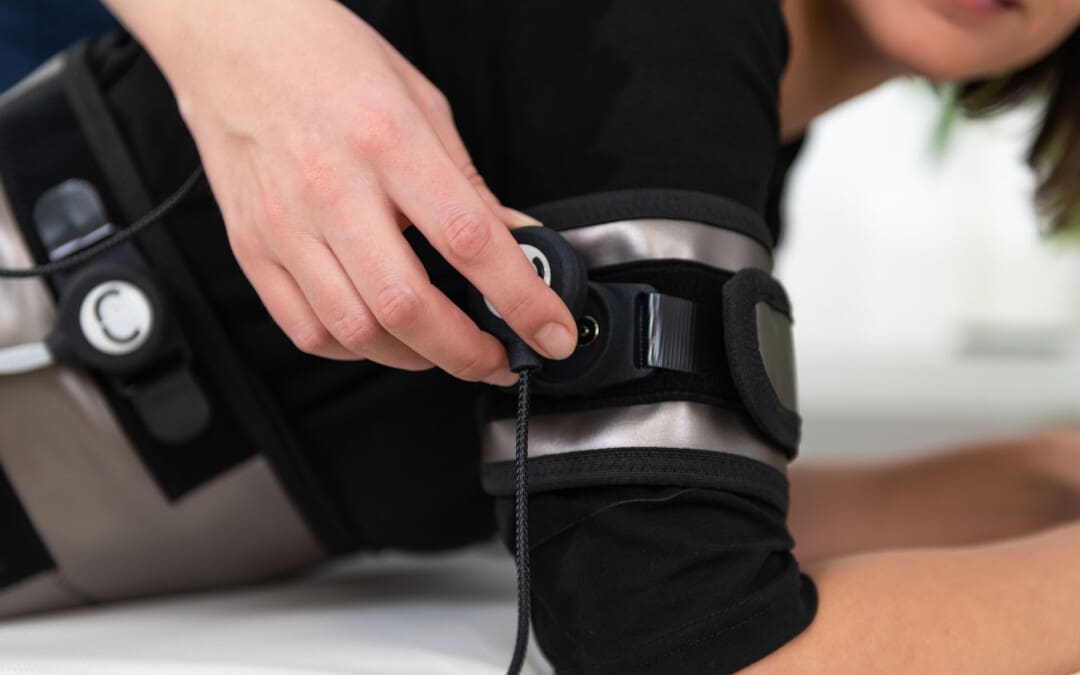
Bone growth stimulators apply external or implanted electrical or ultrasonic energy to the fracture or fusion site, stimulating bone growth. These devices are often used when a fracture doesn’t heal within the expected timeframe (a nonunion fracture) or when a spinal fusion has not successfully fused. (FDA, 2022)
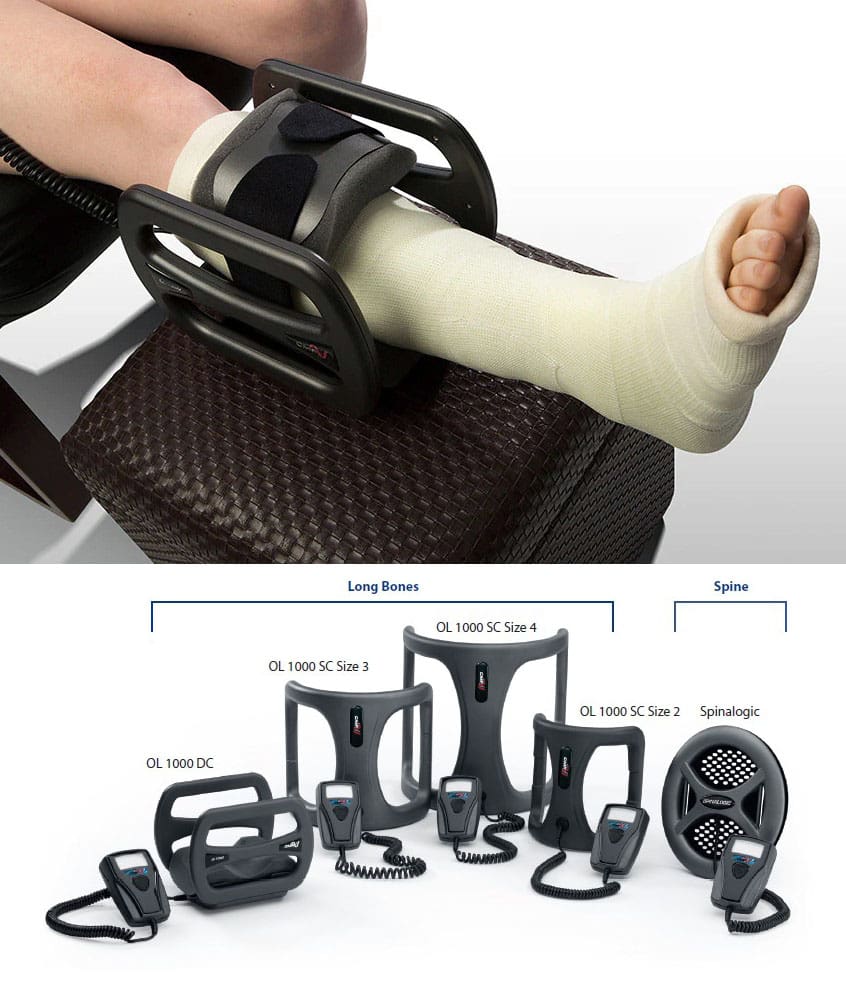
They come in various shapes, sizes, and technologies depending on the location of the fracture.
The most commonly used bone stimulators in orthopedics are electrical and ultrasound stimulators.
The stimulator emits a pulsed electromagnetic or ultrasonic impulse to the area where bone healing should occur.
Most modern bone stimulators are attached near the fracture site or fused with a small battery pack and worn for a period each day that may last minutes or hours.
Electrical Stimulation
Devices deliver low-level electrical pulses to the fracture site, which can stimulate bone cells to create new bone tissue.
Ultrasound Stimulation
They emit low-intensity pulsed ultrasound waves, which are absorbed by the bone and can promote bone healing.
Implantable vs. External
Some stimulators are surgically implanted, providing constant stimulation directly at the fracture site, while others are external and worn over the skin or cast.
The goal is to activate a series of receptors in the body to encourage a healing response. (Childs, S. G. 2003) The stimulator activates a pathway that releases chemicals within the body to promote fracture healing. This type of process in the body is called a cascade, and it happens when one signal stimulates another method, and so on until healing is complete. The bone stimulator ensures this cascade continues until the healing process is complete.
Effectiveness
Studies of bone stimulator effectiveness suggest two benefits:
Less pain is associated with the bone healing process.
Faster fracture healing.
However, these studies haven’t shown that these differences lead to improved patient functional outcomes. It would seem that if there is less pain and faster healing, then the patient should recover without complications. However, some researchers have suggested this is probably because the differences in pain and healing times are small and not necessarily noticeable. (Aleem, I. S. et al., 2016)
While bone growth stimulators can be effective, the results can vary, and their effectiveness is still under investigation.
Some studies have shown that stimulators can reduce pain and speed up healing time, while others have shown mixed results.
It’s important to discuss the benefits and risks of bone growth stimulation with a doctor to determine if it’s the right treatment option.
When Stimulation is Necessary
Bone stimulators are currently not used for routine fracture healing. It is certainly possible that bone healing stimulators will be used routinely in the future. They seem to show some benefit in non-healing fractures or fractures that are likely troublesome to heal. Some reasons individuals may have problems healing fractures are injuries to the blood supply to and around the fracture, injuries to specific bones, and overuse-related fractures. (Victoria, G. et al., 2009) These injuries may include (FDA, 2022)
Nonunion Fractures
When a fracture doesn’t heal within the expected timeframe.
Open fractures
Stress fractures
Scaphoid bone fractures
Talus fractures
Failed Fusions
When a spinal fusion hasn’t been successful.
High-Risk Patients
For individuals with factors that can hinder bone healing, such as smoking, diabetes, or certain medications
Bone healing typically proceeds without much problem. However, there are situations where people have issues healing after fractures or surgery. Bone stimulators are not used for routine bone healing but in situations where steps may be needed to help stimulate the body. While the improvement may be small, it may be critical if it is the difference between healing and nonhealing.
Injury Medical Chiropractic and Functional Medicine Clinic
As a Family Practice Nurse Practitioner, Dr. Jimenez combines advanced medical expertise with chiropractic care to address various conditions. Our clinic integrates Functional Medicine, Acupuncture, Electro-Acupuncture, and Sports Medicine to create customized care plans that promote natural healing, mobility, and long-term wellness. By focusing on flexibility, agility, and strength, we empower patients to thrive, regardless of age or health challenges. At El Paso’s Chiropractic Rehabilitation Clinic & Integrated Medicine Center, we passionately focus on treating patients after injuries and chronic pain syndromes. We focus on improving your ability through flexibility, mobility, and agility programs tailored for all age groups and disabilities. We use in-person and virtual health coaching and comprehensive care plans to ensure every patient’s personalized care and wellness outcomes.
From Injury to Recovery with Chiropractic Care
References
U.S. Food & Drug Administration. (2022). AccelStim Bone Growth Stimulator – P210035. Retrieved from https://www.fda.gov/medical-devices/recently-approved-devices/accelstim-bone-growth-stimulator-p210035#:~:text=What%20is%20it?,the%20transducer%20to%20the%20fracture
Childs, S. G. (2003). Stimulators of bone healing. Biologic and biomechanical. Orthopedic nursing, 22(6), 421–428. https://doi.org/10.1097/00006416-200311000-00010
Aleem, I. S., Aleem, I., Evaniew, N., Busse, J. W., Yaszemski, M., Agarwal, A., Einhorn, T., & Bhandari, M. (2016). Efficacy of Electrical Stimulators for Bone Healing: A Meta-Analysis of Randomized Sham-Controlled Trials. Scientific Reports, 6, 31724. https://doi.org/10.1038/srep31724
Victoria, G., Petrisor, B., Drew, B., & Dick, D. (2009). Bone stimulation for fracture healing: What’s all the fuss?. Indian Journal of Orthopaedics, 43(2), 117–120. https://doi.org/10.4103/0019-5413.50844
Broken bones are common injuries. Because children’s bones grow rapidly, they have increased flexibility. When injuries, specifically fractures, occur, they do not always break cleanly across the bone or into pieces. What type of fracture is this, and how are they treated?
Greenstick Fracture
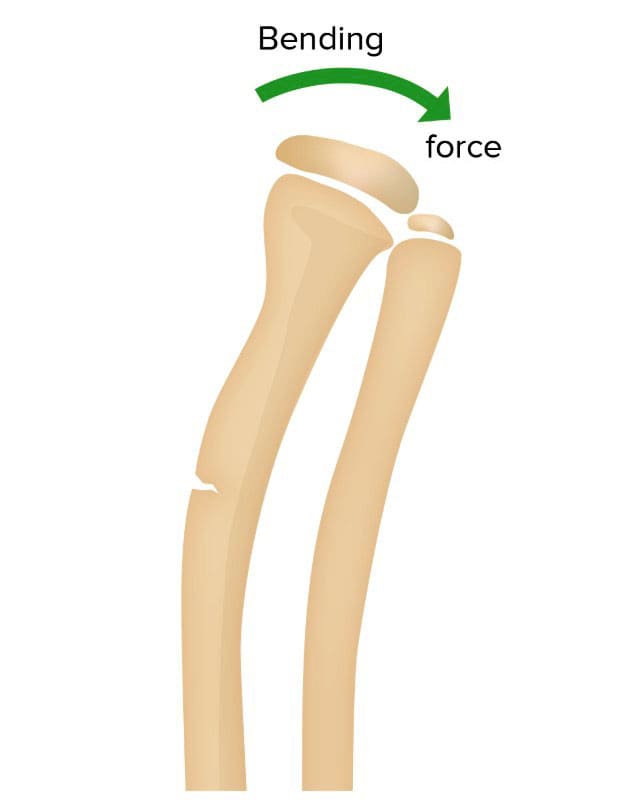
A greenstick fracture is a partial break in a bone that occurs when a bone bends and cracks instead of breaking into separate pieces. (Wolfe J. A. et al., 2019) The term is based on a young green branch that bends and splinters but does not break into pieces when bent. Only one side of the bone is broken, while the other side gets bent. Many children experience at least one fracture during their growing years. This is one of multiple fracture types seen in children. They can happen in adults but are uncommon.
Causes
Greenstick fractures mostly occur in infants or toddlers, sometimes in children during their early adolescent and pre-adolescent years. They are partial-thickness fractures (a break in a bone that doesn’t completely break it) characterized by a break on one side and a bend on the other. Buckle fractures and bow fractures are different types of partial-thickness fractures. Greenstick fractures commonly occur:
In children under 10 years old
Occurs when a child reaches out to break a fall
During motor vehicle collisions
Sports
Direct impacts
Non-accidental trauma
It is more common in long bones, including:
Radius
Ulna
Humerus
Fibula
Tibia
Clavicle
The fracture pattern often indicates a limb’s bending or contortion.
Deformity, such as the affected body part looking crooked or out of alignment.
Treatment
If the bone is not significantly bent out of alignment, a splint or cast may be all that is necessary to treat the break. If the bone is visibly out of alignment, it must be manually straightened before the limb is put into a cast. If the break is severe, surgery may be required. Fortunately, a growing skeleton can remodel bone, so fractured bones can often realign themselves over time with minimal intervention. Healing depends on various factors, including:
Sometimes, the fracture must be bent back and repositioned in a fracture reduction procedure. An anesthetic may be used as the doctor manually realigns the bone into the correct position. After the reduction, a cast or splint will stabilize the bone and maintain proper alignment. Depending on how quickly the bone heals, a cast may be necessary for a few weeks, months, or longer, depending on the patient and/or underlying conditions.
Healing
Healing involves specialized cells that gradually rebuild and fine-tune the new bone.
The average time for a greenstick fracture to heal completely may take four weeks.
Injury Medical Chiropractic & Functional Medicine Clinic
Injury Medical Chiropractic and Functional Medicine Clinic works with primary healthcare providers and specialists to develop an optimal health and wellness solution. We focus on what works for you to relieve pain, restore function, and prevent injury. Regarding musculoskeletal pain, specialists like chiropractors, acupuncturists, and massage therapists can help mitigate the pain through spinal adjustments that help the body realign itself. They can also work with other medical professionals to integrate a treatment plan to resolve musculoskeletal issues.
Building a Stronger Body
References
Wolfe, J. A., Wolfe, H., Banaag, A., Tintle, S., & Perez Koehlmoos, T. (2019). Early Pediatric Fractures in a Universally Insured Population within the United States. BMC pediatrics, 19(1), 343. https://doi.org/10.1186/s12887-019-1725-y
Atanelov, Z., & Bentley, T. P. (2025). Greenstick Fracture. In StatPearls. https://www.ncbi.nlm.nih.gov/pubmed/30020651
Pountos, I., Clegg, J., & Siddiqui, A. (2010). Diagnosis and treatment of greenstick and torus fractures of the distal radius in children: a prospective randomised single-blind study. Journal of children’s orthopaedics, 4(4), 321–326. https://doi.org/10.1007/s11832-010-0269-3
Can bone broth help individuals with gut issues or chronic conditions like inflammatory bowel disorder?
Bone Broth Health
Bone broth is a nutrient-rich beverage made by simmering animal bones, typically from beef, chicken, or fish, in water for an extended period (24-72 hours). It can be used as a beverage or as a base for soups, stews, and sauces.
Process
Bones are roasted or boiled to release flavor.
Bones are placed in a pot with water, vegetables (such as onions, carrots, and celery), herbs (such as parsley and thyme), and spices.
The mixture is simmered over low heat for a long time, allowing the bones to release their nutrients and collagen.
The broth is strained to remove the bones and solids.
Nutrients
Bone broth is a healthy source of:
Collagen
A protein that supports skin, hair, and joint health.
Minerals
Including calcium, magnesium, phosphorus, and silicon.
Amino acids
Essential for building and repairing tissues.
Bone Broth Health Benefits
While there is limited research on the health benefits, the nutrients in bone broth can be beneficial for:
Joint health
Bone density
Digestion
Gut health
Muscle growth and recovery
Hydration
Reduce inflammation
Improve skin elasticity and appearance
Boost immune system
While research on bone broth’s benefits is still limited, it’s a nutritious and hydrating beverage that supports gut health and recovery after a tough workout. It can be drunk on its own or used in cooking. Bone broth is a delicious way to replenish electrolytes and stay hydrated, whether recovering from a flare-up or an intense workout. It is especially helpful for those dealing with gut issues or chronic conditions like inflammatory bowel disorder.
Nutrient-Rich
Bone broth is rich in minerals, including calcium, magnesium, potassium, phosphorus, and iodine.
Joint Health
Collagen is the main source of protein found in bones, tendons, and ligaments.
Research suggests that collagen may support joint health, protect the tissues in joints, and improve symptoms of osteoarthritis. (Martínez-Puig D. et al., 2023)
Anti-Inflammatory
Bone broth contains glycine and arginine, amino acids with anti-inflammatory properties.
Incorporating bone broth into one’s diet can help meet protein goals.
One cup of bone broth contains four to 20 grams of protein.
Digestion and Gut Health
Colostrum is the first milk produced after giving birth, and some research suggests this may offer immune-boosting benefits and gut repair, but more research is needed. (Playford R. J., & Weiser M. J. 2021)
Bone broth contains glutamine, an amino acid that can reduce inflammation in the gut, strengthen the gut lining, and maintain a healthy microbiome.
Many bone broths are high in sodium and may not be suitable for individuals on low-sodium diets. It is recommended that individuals consume less than 2,300 milligrams of sodium per day to support a healthy heart and reduce the risk of high blood pressure, look for other sources of sodium, and incorporate bone broth accordingly. (American Heart Association, 2024) Also, because of the polysaccharides that may leach from the cartilage and the garlic and onions usually present in the bone broth, it’s not suitable for those with a digestive disorder like small intestinal bacterial overgrowth (SIBO) or individuals following a low-FODMAP diet.
What To Look For
Quality
When possible, choose a bone broth that’s grass-fed and organic.
Quality matters because the process of simmering the bones with water pulls all the nutrients, collagen, and protein into the broth.
Starting with the highest quality ingredients ensures it will be as nutritious as possible.
Type
Various types include chicken, beef, turkey, and bison varieties.
Packaging
Bone broth comes in various packaging, including shelf-stable, frozen, or fresh.
When selecting, consider how often it is used, how much is needed, and storage space.
For individuals who drink bone broth daily, buying it in bulk and storing it in the pantry or freezer may be more budget-friendly.
Consistency
Generally, bone broth is a thick, slightly viscous beverage.
Individuals who prefer a thinner liquid should try a shelf-stable broth, which is usually less gelatinous than frozen bone broths.
Powdered bone broth is also a great option for those who prefer a lighter beverage.
Individuals can choose a low-sodium bone broth to limit sodium intake.
Injury Medical Chiropractic and Functional Medicine Clinic
Injury Medical Chiropractic and Functional Medicine Clinic works with primary healthcare providers and specialists to develop highly effective treatment plans through an integrated approach for each patient and restore health and function to the body through nutrition and wellness, functional medicine, acupuncture, Electroacupuncture, and integrated medicine protocols. We focus on what works for you to relieve pain, restore function, prevent injury, and mitigate issues through adjustments that help the body realign itself. The clinic can also work with other medical professionals to integrate a treatment plan to resolve musculoskeletal problems.
Reducing Inflammation In The Body
References
Martínez-Puig, D., Costa-Larrión, E., Rubio-Rodríguez, N., & Gálvez-Martín, P. (2023). Collagen Supplementation for Joint Health: The Link between Composition and Scientific Knowledge. Nutrients, 15(6), 1332. https://doi.org/10.3390/nu15061332
Chen, S., Kim, W., Henning, S. M., Carpenter, C. L., & Li, Z. (2010). Arginine and antioxidant supplement on performance in elderly male cyclists: a randomized controlled trial. Journal of the International Society of Sports Nutrition, 7, 13. https://doi.org/10.1186/1550-2783-7-13
Razak, M. A., Begum, P. S., Viswanath, B., & Rajagopal, S. (2017). Multifarious Beneficial Effect of Nonessential Amino Acid, Glycine: A Review. Oxidative medicine and cellular longevity, 2017, 1716701. https://doi.org/10.1155/2017/1716701
Playford, R. J., & Weiser, M. J. (2021). Bovine Colostrum: Its Constituents and Uses. Nutrients, 13(1), 265. https://doi.org/10.3390/nu13010265
Wang, B., Wu, G., Zhou, Z., Dai, Z., Sun, Y., Ji, Y., Li, W., Wang, W., Liu, C., Han, F., & Wu, Z. (2015). Glutamine and intestinal barrier function. Amino acids, 47(10), 2143–2154. https://doi.org/10.1007/s00726-014-1773-4
Nagahama, K., Nishio, H., Yamato, M., & Takeuchi, K. (2012). Orally administered L-arginine and glycine are highly effective against acid reflux esophagitis in rats. Medical science monitor: international medical journal of experimental and clinical research, 18(1), BR9–BR15. https://doi.org/10.12659/msm.882190
American Heart Association. Association, A. H. (2024). Lifestyle & Risk Reduction, High Blood Pressure. https://www.heart.org/-/media/files/health-topics/answers-by-heart/why-should-i-limit-sodium.pdf
Individuals who have fractured their scaphoid bone may experience pain and swelling in the wrist just below the thumb. Can immobilization with a cast and physical therapy help?
Scaphoid Fracture
A scaphoid fracture is a break in one of the wrist’s small or carpal bones. This type of fracture occurs most often after a fall onto an outstretched hand. Symptoms typically include swelling and pain in the wrist just below the base of the thumb. These fractures can be difficult to diagnose since they don’t always appear on an X-ray. If the X-ray is negative and the healthcare provider suspects a scaphoid fracture, an MRI may be necessary. Surgery may be required in more severe cases or when the injury is not healing correctly. (American Academy of Orthopaedic Surgeons, 2023)
A Break In The – Navicular Bone
The scaphoid is one of eight carpal bones in the wrist. It is located just below the thumb’s base and is shaped like a kidney bean. This bone can be identified by holding a thumbs-up position and feeling for the hollow between the two tendons below your thumb. The scaphoid is located at the base of the hollow. A break in the scaphoid bone most commonly occurs in the middle of the bone but can also happen at either end. A scaphoid fracture can be displaced or non-displaced (American Academy of Orthopaedic Surgeons, 2023)
Displaced Fracture
It is when the bone fragments have moved out of alignment.
Non-displaced Fracture
It is when the fragments are still in their normal location in the hand.
The scaphoid’s blood supply comes from a small vessel that enters the most distant part of the bone and flows back through the bone. Because of this one small blood supply, a fracture in the center can stop the circulation to the proximal portion of the bone. Because of this, scaphoid fractures need immediate diagnosis and treatment.
Symptoms
Pain or deep aching on the thumb-side of the wrist, typically after a fall on an outstretched arm, could be a scaphoid fracture. Other symptoms experienced include: (American Academy of Orthopaedic Surgeons, 2023)
A healthcare provider will evaluate the hand for tenderness and pain in the hollow and/or the bone. If a break is suspected, they will order an X-ray. (Clementson M., Björkman A., & Thomsen N. O. B. 2020) Many patients are diagnosed with a wrist sprain when they have a fracture. Diagnosis can be difficult because the fracture often doesn’t appear on X-rays until weeks after the healing process starts. Physicians commonly treat a wrist injury as a scaphoid fracture initially and then repeat X-rays within two weeks. (American Academy of Orthopaedic Surgeons, 2023) If the injury doesn’t show on an X-ray, the provider may order an MRI, as these fractures can be easier to see on an MRI. An MRI can help ensure appropriate treatment immediately. (Wong S. B. S., & Peh W. C. G. 2019)
Treatment
If a wrist fracture is diagnosed, the wrist will be immobilized in a cast. However, a healthcare provider may also put the wrist in a cast if the X-ray is negative but they suspect a fracture. This will stabilize the injury until an MRI can be performed. With immobilization and follow-up treatment, scaphoid fractures often heal without surgery. Repeat X-rays are taken over several weeks or months so the provider can make sure the injury is healing correctly. If it is not healing correctly, surgery may be recommended. (Clementson M., Björkman A., & Thomsen N. O. B. 2020) If the fracture is displaced, healing correctly may be a challenge. In this case, a physician may recommend initial surgery to reposition the bones. (Clementson M., Björkman A., & Thomsen N. O. B. 2020) This type of surgery involves pinning the bone in place with screws.
Rehabilitation is an important part of healing because immobilization takes a long time. Wrist range-of-motion exercises can be started, followed by strengthening exercises for the wrist flexors and extensors. Supination, pronation, and grip exercises are also part of physical therapy.
This condition causes degeneration of the cartilage in the joint.
Avascular Necrosis
This is when the blood supply to the bone is reduced or cut off, causing the bone to die.
Injury Medical Chiropractic and Functional Medicine Clinic
Injury Medical Chiropractic and Functional Medicine Clinic works with primary healthcare providers and specialists to build optimal health and wellness solutions. We focus on what works for you to relieve pain, restore function, prevent injury, and mitigate issues through adjustments that help the body realign itself. The clinic can also work with other medical professionals to integrate a treatment plan to resolve musculoskeletal problems.
Skateboarding Injury Treatment
References
American Academy of Orthopaedic Surgeons. (2023). Scaphoid fracture of the wrist. https://orthoinfo.aaos.org/en/diseases–conditions/scaphoid-fracture-of-the-wrist
Clementson, M., Björkman, A., & Thomsen, N. O. B. (2020). Acute scaphoid fractures: guidelines for diagnosis and treatment. EFORT open reviews, 5(2), 96–103. https://doi.org/10.1302/2058-5241.5.190025
Wong, S. B. S., & Peh, W. C. G. (2019). The role of magnetic resonance imaging in the evaluation of scaphoid fractures. Journal of Medical Radiation Sciences, 66(1), 3–4. https://doi.org/10.1002/jmrs.316
Almigdad, A., Al-Zoubi, A., Mustafa, A., Al-Qasaimeh, M., Azzam, E., Mestarihi, S., Khair, Y., & Almanasier, G. (2024). A review of scaphoid fracture, treatment outcomes, and consequences. International orthopaedics, 48(2), 529–536. https://doi.org/10.1007/s00264-023-06014-2
IFM's Find A Practitioner tool is the largest referral network in Functional Medicine, created to help patients locate Functional Medicine practitioners anywhere in the world. IFM Certified Practitioners are listed first in the search results, given their extensive education in Functional Medicine




 Causes