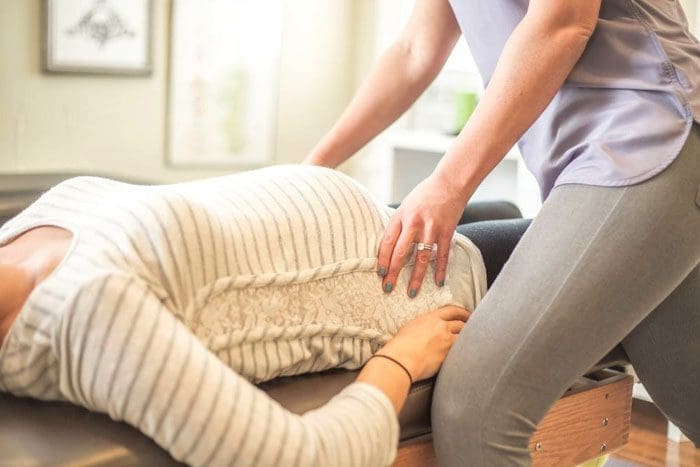
Bicycling at any level is excellent healthwise, but the specific physical repetitive motions and postures can wear on a cyclist’s body, causing strains and injury to the:
Muscles
Ligaments
Tendons
Nerves
Spine
Injuries can be caused by falls, overused muscles, joints, posture, and/or balance problems, whether riding a bicycle for fun, health, or sport. Chiropractic decompression can treat cycling-related injuries and help prevent common injuries by helping cyclists with conditioning and exercises. Chiropractic adjustments, combined with health coaching and nutrition planning, can maximize the body’s overall athletic ability and increase/improve:
Many cyclists suffer from back pain overuse injuries that are caused by:
Incorrect saddle/seat height or an uneven seat/saddle
Not bending the knee at the end of a pedal stroke forces the cyclist to rock the pelvis side to side to generate enough power, placing added stress on the low back muscles.
Handlebars that are too far forward can cause over-stretching of the spine.
Constantly tilting the head can cause neck and shoulder pain.
Staying in the same position for an extended period strains the spine.
Repetitive hip flexion causes the muscles to become tight and perform less efficiently, straining the rest of the body to make up for the lost support.
Hamstrings that become tight can shorten in length, causing the body to pull on the pelvis and the spine.
Lack of core strength allows more stress to penetrate the glutes, back, and hips.
Riding on bumpy or rough terrain increases body jarring and spinal compression.
Chiropractic Decompression
Chiropractic decompression for cyclists can rehabilitate the body from injuries, alleviate pain, improve blood and nerve circulation and maintain the body’s flexibility. Advanced decompression techniques personalized to the individual realign and release the body from obstructions and toxins in the neural pathways. Nutritional and supplementation recommendations are incorporated to enhance the body’s natural healing abilities, and exercise/stretches to sustain the adjustments.
Spinal Decompress
References
Schultz, Samantha J, and Susan J Gordon. “Recreational cyclists: The relationship between low back pain and training characteristics.” International journal of exercise science vol. 3,3 79-85. 15 Jul. 2010
Silberman, Marc R. “Bicycling injuries.” Current sports medicine reports vol. 12,5 (2013): 337-45. doi:10.1249/JSR.0b013e3182a4bab7
Streisfeld, Gabriel M et al. “Relationship Between Body Positioning, Muscle Activity, and Spinal Kinematics in Cyclists With and Without Low Back Pain: A Systematic Review.” Sports health vol. 9,1 (2017): 75-79. doi:10.1177/1941738116676260
Thompson, M J, and F P Rivara. “Bicycle-related injuries.” American family physician vol. 63,10 (2001): 2007-14.
Injury Medical Chiropractic Decompression Clinic focuses on the whole body, realigns the bones and joints, and helps strengthen the muscles. This helps prevent pain and injury and maintains spinal stability. Strong back muscles can help promote correct posture and keep the spine free from restriction. A stable spine is achieved when the back muscles can support and balance the everyday forces and stress of rigorous physical activity. Strengthening the back muscles can be done through yoga, weightlifting, and other recommended chiropractic exercises.
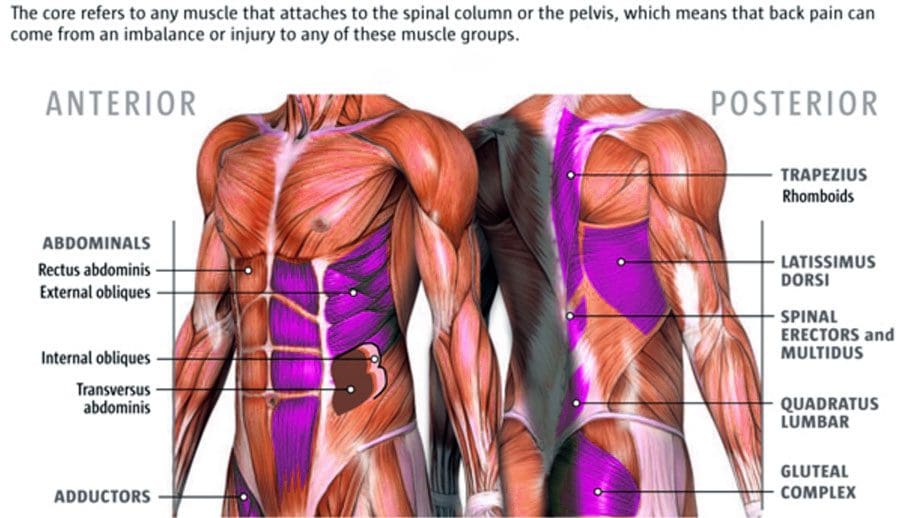
The core is a crucial area of the body. The body utilizes the core for all movements and as a stabilization unit. Lack of strength places unwanted tension and pressure on the spine. Chiropractic ensures all the joints function correctly and enhances the core to brace more effectively and efficiently.
Chiropractic Balance
Adjustments and decompression realign the muscles into the proper position and help lubricate the muscles to help ease the stabilizer muscles that could be tight or tense. Treatments used can include:
Spinal manual and motorized decompression
Extremity adjustments
Myofascial release
Active Release Technique
Trigger point therapy
Benefits
Natural pain relief
Injury prevention
Enhanced muscle performance
Expedited recovery
Increased endurance
Mobility enhancement
Increased strength
Core strength and stability play a huge factor in everyday life and functions. Maintaining health results requires attention to detail. Injury Medical Decompression Clinic will create a personalized optimal health treatment plan that focuses on whole-body realignment, simple lifestyle adjustments, health coaching/nutrition, and strength training to improve balance, strength, and core stability.
Spinal Decompression DRX9000
References
Globe G, Morris C, Whalen W, et al., “Chiropractic Management of Low Back Disorders: Report from a Consensus Process,” Journal of Manipulative and Physiological Therapeutics November/December 2008: 651-658.
Keller, MD, et al., “Trunk Muscle Strength, Cross-sectional Area, and Density in Patients With CLBP Randomized to Lumbar Fusion or Cognitive Intervention and Exercises,” Spine, 2004 29(1): 3-8 (3)
Mayer J, DC, Ph.D. Mooney V, MD, Dagenais S, DC Ph.D., “Evidence-informed management of CLBP with lumbar extensor strengthening exercises,” T Spine J, 2008;8:96-113. (3)
McKenzie, RA, “The Lumbar Spine: Mechanical Diagnosis and Therapy,” Spinal Publications/Printed by Wright & Carman, LTD, Upper Hutt, New Zealand, 1989 reprinted.
Sculco AD, Paup DC, Fernhall B, Sculco MJ, “Effects of aerobic exercise on low back pain patients in treatment,” Spine J, 1(2):95-101 (2001).
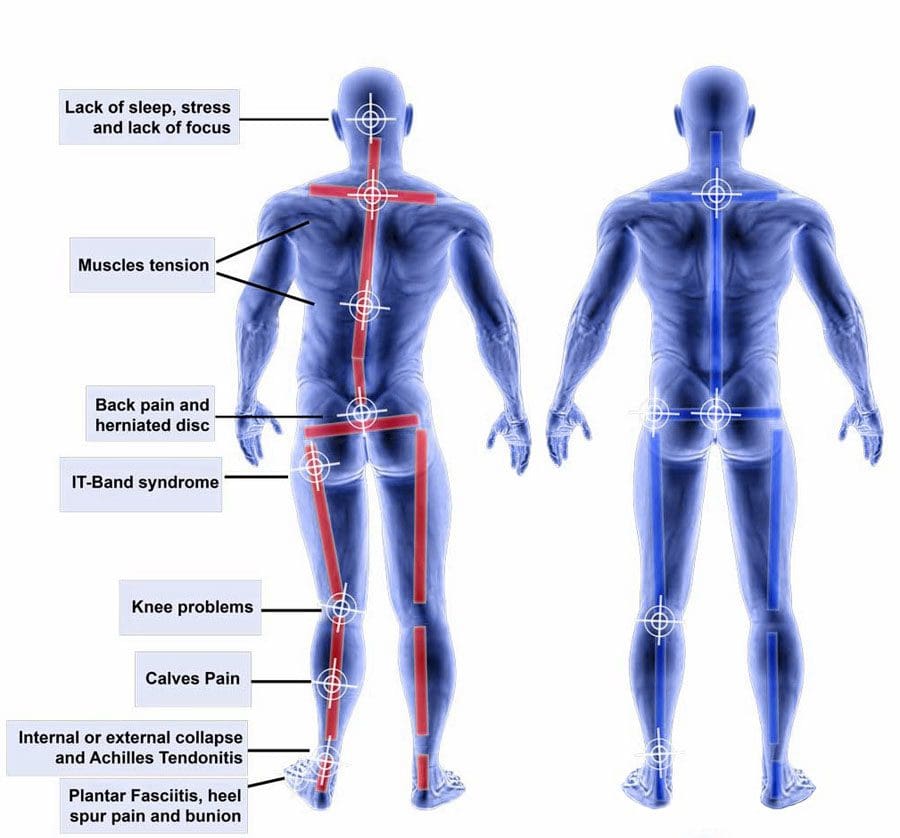
Healthy hips are necessary for standing, sitting, walking, running, bending, twisting, lifting, etc. Hip problems can seriously interfere with everyday activities. Out of alignment hips don’t just cause pain and soreness in the hip area but can radiate to other body areas. When the hip joint is out of alignment, the rest of the body has to start compensating for the misalignment, which can cause chronic pain in the back and/or legs.
Out of Alignment Hips
Discomfort and soreness begin as occasional but can quickly become regular. Individuals may also begin to limp when they walk, have a reduced range of motion in the hips, and pain that escalates with physical activity and improves with immobility/rest. Out of alignment hips can be caused by:
Lifting incorrectly
Repetitively carrying heavy loads on one side of the body places uneven pressure on the pelvis, causing an imbalance.
Performing repetitive motions that begin to stress the joint
If the legs are different lengths, this can cause the hips to go out of alignment. Using a foot wedge/foot orthotic in the shoe can remedy the situation.
Functional Leg Length Discrepancy
Functional leg length discrepancy is a common cause of hip misalignment, meaning that leg length is equal, but the individual is doing something to cause the hips to go out of alignment. It usually involves posture, standing, walking, sitting, lifting, and carrying improperly or awkwardly and repetitively could create functional leg length discrepancy.
Scoliosis
Scoliosis is only one cause of hip misalignment. It is not likely that an individual has scoliosis if they are an adult and have not previously been diagnosed with the condition. If a child has what looks like a misaligned hip, it is recommended to take them to get tested for scoliosis. Most children with the disorder will outgrow it, but they need to be monitored by a medical professional.
One of the most prominent signs that it is a hip problem is the presence of groin pain. Groin pain can radiate downward toward the buttocks, front of the thighs, and knees. The hip joint is located behind the groin; pain usually means the hip is the root cause.
Chiropractic Decompression
A chiropractic examination can identify uneven hips. Chiropractic and motorized spinal decompression can reset the hips to their proper position. A chiropractor will be able to rebalance the hips and help avoid invasive surgical treatments and long-term rehabilitation.
DRX9000 90 Seconds Spinal Decompression
References
Battaglia, Patrick J et al. “Posterior, Lateral, and Anterior Hip Pain Due to Musculoskeletal Origin: A Narrative Literature Review of History, Physical Examination, and Diagnostic Imaging.” Journal of chiropractic medicine vol. 15,4 (2016): 281-293. doi:10.1016/j.jcm.2016.08.004
Jones HR, Burns TM, Aminoff MJ, Pomeroy SL. Pain. Chapter: Diagnosis of Low Back, Buttock, and Hip Pain. Netter Collection of Medical Illustrations: Spinal Cord and Peripheral Motor and Sensory Systems, Section 8, 201-224.
Khamis, Sam, and Eli Carmeli. “A new concept for measuring leg length discrepancy.” Journal of orthopedics vol. 14,2 276-280. 27 Mar. 2017, doi:10.1016/j.jor.2017.03.008
Miyagi, Masayuki, et al. “Hip-spine syndrome: cross-sectional-study of spinal alignment in patients with coxalgia.” Hip international: the journal of clinical and experimental research on hip pathology and therapy vol. 29,1 (2019): 21-25. doi:10.1177/1120700018803236
Nunes, Guilherme S et al. “Acute Effects of Hip Mobilization With Movement Technique on Pain and Biomechanics in Females With Patellofemoral Pain: A Randomized, Placebo-Controlled Trial.” Journal of sport rehabilitation vol. 29,6 707-715. 18 Oct. 2019, doi:10.1123/jsr.2018-0497
Today, more than ever, individuals are less physically active and sitting down for more extended periods causing the gluteus muscles to be used less and weaken. Weak, inactive, or tightening glutes can cause instability in the lower spine, the hips, and the pelvis to shift out of alignment. This leads to low back and buttock pain. The pain is constantly dull, aching, pulsating, then when moving, getting up, it throbs and stings. Gluteal strengthening exercises can strengthen the muscles and alleviate the pain.
Gluteal Strengthening
Every individual has a unique physiology. The body develops asymmetrically as the individual favors one side or area of the body over another. This can cause imbalances in the muscular system, leading to awkward positioning that causes pain. The muscle groups that support the lower back consist of the:
Core muscles
The gluteal muscle group includes:
Gluteus Maximus
Gluteus medius
Gluteus minimus
Pelvis muscles
Hamstrings
Quadriceps
In some cases, the development or lack of level of an individual’s upper back strength can also affect the amount of strain on the lower back.
Gluteal Strengthening Difference
Many joints connect in this area that can have functional problems. The muscles within the lower back need:
Stretching allows the body to enhance the limits of its flexibility and mobility. Most of the stretches are involve the hip joint, as this is one of the most effective ways to loosen the gluteal regions. It’s essential to warm the muscles slightly with a light activity while stretching them to elongate naturally.
Seated Figure 4 Stretch
Sitting in a chair.
Cross the right leg over the left.
With the right ankle resting on the left knee.
It should resemble the number 4.
Bend forward at the hip, placing slight pressure onto the left leg.
Hold this stretch for ten-twenty seconds.
Stretch the other side.
Placing the left foot on the right knee.
Repeat this three times.
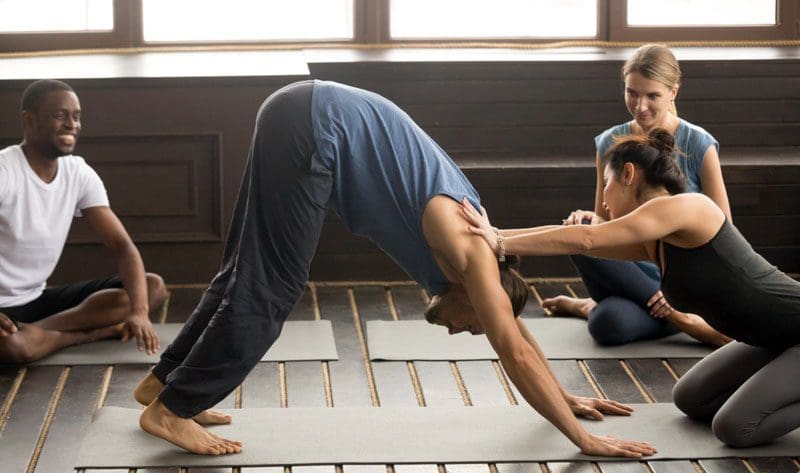
Downward Dog
This yoga pose engages all the muscles along the back. With the glutes at the top in this position, it forces them to activate, allowing them to stretch fully.
Hold this pose and focus the attention on the glutes.
Squats naturally engage the glutes. This is a variation on a squat that focuses on developing gluteal strength.
Stand with the back facing the wall.
Place a Swiss stability ball between the wall and the back.
Lean back into the ball for balance.
Lower the torso until the knees reach 90 degrees.
Return to standing.
Repeat for ten reps.
Do three sets.
Body Composition
Analysis An Effective Tool
Opportunities to increase physical activity lead individuals in a positive direction. The most common reason for reducing and stopping healthy changes is a lack of motivation and feedback. Strategies that provide immediate feedback are essential to:
Monitor progress for establishing a baseline.
Set appropriate and attainable goals.
Track changes over time.
Ensure success.
Monitoring changes with a simple weight scale or Body Mass Index calculator provides limited ability to accurately track changes that only highlight weight changes and not track progress in muscle gain or fat loss. In less than 45 seconds, the InBody Test provides doctors, trainers, and physical therapists with easy-to-understand, accurate and objective measurements to evaluate body composition that includes:
Assessing muscle distribution.
Target areas weakened by condition or injury.
Identify muscle and fat imbalances in each area of the body.
Monitor changes to determine the efficacy of the treatment plan, exercise program, and diet plan to ensure long-term success.
References
Akuthota, Venu et al. “Core stability exercise principles.” Current sports medicine reports vol. 7,1 (2008): 39-44. doi:10.1097/01.CSMR.0000308663.13278.69
Distefano, Lindsay J et al. “Gluteal muscle activation during common therapeutic exercises.” The Journal of orthopedic and sports physical therapy vol. 39,7 (2009): 532-40. doi:10.2519/jospt.2009.2796
Glaviano, Neal R et al. “Gluteal muscle inhibition: Consequences of patellofemoral pain?.” Medical hypotheses vol. 126 (2019): 9-14. doi:10.1016/j.mehy.2019.02.046
Jeong, Ui-Cheol et al. “The effects of gluteus muscle strengthening exercise and lumbar stabilization exercise on lumbar muscle strength and balance in chronic low back pain patients.” Journal of physical therapy science vol. 27,12 (2015): 3813-6. doi:10.1589/jpts.27.3813
Macadam, Paul et al. “AN EXAMINATION OF THE GLUTEAL MUSCLE ACTIVITY ASSOCIATED WITH DYNAMIC HIP ABDUCTION AND HIP EXTERNAL ROTATION EXERCISE: A SYSTEMATIC REVIEW.” International Journal of sports physical therapy vol. 10,5 (2015): 573-91.
Detoxifying does not necessarily mean juicing and going on a diet. Detoxing is about cleansing the whole body of environmental pollutants, food waste, bacteria, and toxins. Things like medications and alcohol also need to be flushed from the body. When the body becomes unhealthy and overweight, it can put its systems in a chronically stressed state, leading to nerve energy production failure, fatigue, a weakened immune system, and disease. The body constantly works to cleanse itself. Exercise helps expedite the process.
Exercise To Detoxify
Exercise removes harmful toxins by getting the lungs and the blood pumping and increasing sweat production, which encourages detoxification. More blood circulating throughout the body allows the liver and the lymph nodes to flush out toxins properly. With exercise, fluid intake increases, allowing more sweat production to release toxins. Drinking more water during workouts also helps the kidneys function at optimal levels to flush out toxins, fats, and waste.
Aerobics
Any low-intensity aerobic exercise that increases heart rate and increases heavier breathing is recommended as long as the breathing is within the fat-burning heart rate. Exercises can be anything from:
Bouncing on a mini-trampoline, also known as rebounding, is another form of exercise that promotes toxin release. The low-impact motion stimulates the lymphatic system. Lymph nodes filter substances and fight off infections by attacking bacteria/germs that travel into the lymph fluid. Twenty minutes on the trampoline two or three times a week to detoxify.
Yoga
There are yoga poses that help to detoxify specific organs. Yoga can help the body cleanse inside and generate more energy.
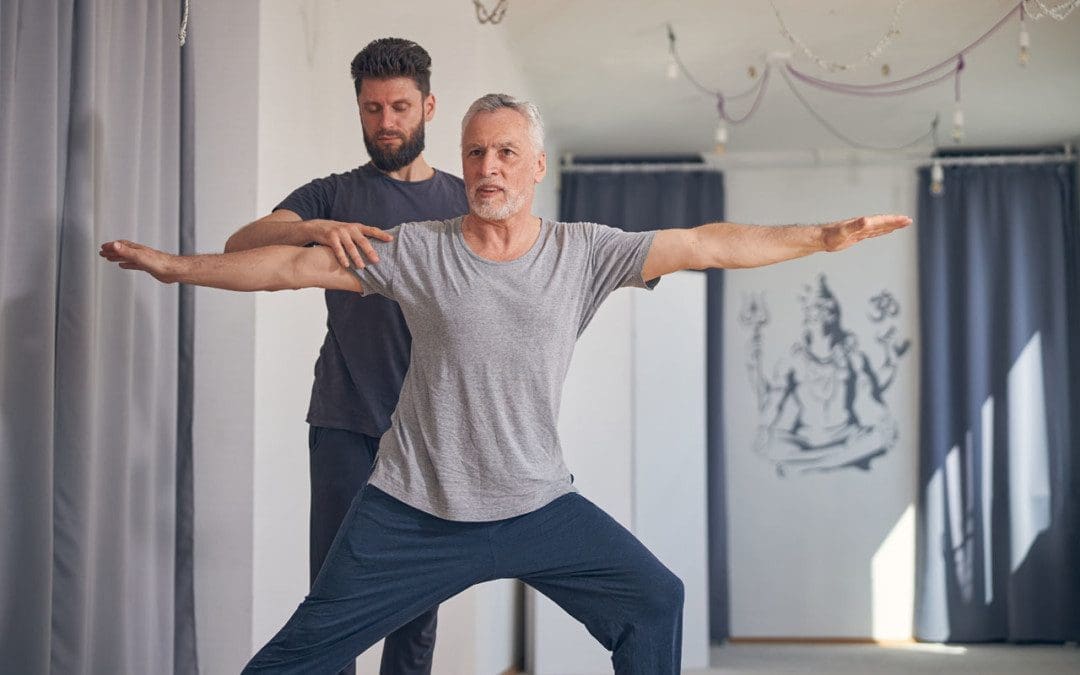
This pose improves circulation, stretches, and strengthens the low back, hips, hamstrings, and calves.
Step with the feet 3 to 4 feet apart.
Hands-on hips.
Lift tall through the whole torso.
Fold slowly over the legs.
Bend from the hip joints without rounding the lower back.
If the back starts to round, stop folding forward.
Sweating and Detoxing
Sweat is one of the body’s primary ways of eliminating toxins. However, more sweat does not mean more toxins are being flushed. Excess sweat could be caused by the body overheating and can lead to dehydration. This is why it’s vital to maintain the body’s hydration levels while working out. Fluids like juice and sports drinks can help maintain hydration, but they contain sugar and other ingredients that could interfere with thorough detoxifying.
Body Composition
Before Starting A Detox Diet
Individuals are recommended to talk with their doctor, nutritionist, health coach about detox diet methods to lose and maintain weight.
Talk with a doctor
Seek consultation with a physician before starting any body detox cleanse, especially if there are underlying medical conditions like diabetes or kidney disease.
For individuals struggling with obesity, a physician can recommend alternative diet approaches and exercise programs.
Realistic expectations
Detox diets work primarily through caloric restriction like a conventional diet.
Individuals could feel better from a body cleanse because they will likely be avoiding processed foods and empty calories.
Adopt a long-term frame of mind
Diet and exercise to achieve and maintain a healthy weight is a lifelong journey.
Detox diets can be a helpful tool to get going in the right direction.
References
Ernst, E. “Alternative detox.” British medical bulletin vol. 101 (2012): 33-8. doi:10.1093/bmb/lds002
Klein, A V, and H Kiat. “Detox diets for toxin elimination and weight management: a critical review of the evidence.” Journal of human nutrition and dietetics: the official journal of the British Dietetic Association vol. 28,6 (2015): 675-86. doi:10.1111/jhn.12286
Obert, Jonathan et al. “Popular Weight Loss Strategies: a Review of Four Weight Loss Techniques.” Current gastroenterology reports vol. 19,12 61. 9 Nov. 2017, doi:10.1007/s11894-017-0603-8
Recovery and rehabilitation after spinal fusion surgery take time. Gentle yoga poses can help expedite recovery from spinal fusion surgery and are recommended in a rehabilitation program. The spine is the body’s central support structure that allows the body to stand upright, bend, and stay balanced. However, an individual may need to have vertebrae fused to repair painful back problems. Spinal fusion is a surgical procedure that permanently connects/fuses two or more vertebrae into a single bone. The procedure is done to help:
Correct a deformity
Improve stability
Reduce pain
At the beginning of the recovery process, the doctor may recommend light physical activity like walking. As the spine continues to heal, moderate exercise is essential for optimal recovery. Doctors are recommending gentle yoga to increase mobility, flexibility and regain strength.
Gentle Yoga and Spine Surgery Recovery
Yoga has become a way to stretch the body, exercise, promote physical and mental well-being. There are different styles of yoga, ranging from gentle stretching to advanced poses. Yoga focuses on stretching, coordination, and balance. When stretching the body, the range of motion is improved. Yoga also helps improve balance and increases strength to reduce the risk of falls and injuries. Gentle yoga after spinal fusion benefits include:
Pain relief
Stress reduction
Improved mental health
Increased flexibility and strength
Improved balance
Increase in energy levels
Gentle yoga after surgery focuses on an improved range of motion/coordination of the arms and legs with the torso. This allows the spine to safely flex, not become stiff, and avoid strain, leading to fuller activity.
When To Begin Yoga After Spinal Fusion?
A reduced range of motion and loss of muscle mass is expected in the weeks and months following surgery. The healthcare/rehabilitation team will address this through exercise and physical therapy once the doctor clears the individual to begin rehabilitation training. The doctor will use some form of diagnostic imaging to determine if the vertebrae have fully fused before giving the ok for exercise. Most individuals can begin light physical activity four to six weeks after the procedure. If the fusion surgery was fused in only one place, individuals could start gentle yoga poses within two to three months. For a multi-level fusion surgery, individuals may need to wait four to six months after the procedure before they can safely begin.
Yoga Recovery Program
It’s essential to take it slow and steady when first beginning yoga after spinal fusion. As the body continues to heal, gradually add more challenging poses and stretches to the routine. This is a graduated recovery program separated into stages to help the individual build back strength and flexibility. In the first stages of recovery, gentle poses that have minimal effects on the spine are recommended. These include:
It’s crucial to listen to the body as a guide when moving through the poses, no matter what stage of recovery. The fusion needs time to heal and stabilize, so any poses that involve twisting movements and flexing should be avoided. Seek advice if there is confusion about how or whether or not to proceed. It is recommended to work with an experienced yoga teacher after spinal fusion. A knowledgeable instructor can guide with the poses, inform which poses to avoid and make modifications to get the most out of the gentle poses.
Body Composition
How Heat Affects Basal Metabolic Rate
Gender, height, and age influence Basal Metabolic Rate. These are factors individuals cannot control or change. However, individuals can increase the calories the body burns by regulating body temperature. Both the internal and external temperatures influence metabolic rate. The chemical reactions that contribute to metabolism happen more quickly if the temperature is higher, as the body works harder to restore normal temperature balance. For example, when a fever is present, the Basal Metabolic Rate will jump up to a much higher rate than usual to increase the speed of cellular metabolic reactions to combat the fever and get the body back to a healthy state. When it comes to external temperature, it’s only prolonged exposure to heat that raises the Basal Metabolic Rate.
References
American Academy of Orthopedic Surgeons. (June 2018). “Spinal Fusion.” https://orthoinfo.aaos.org/en/treatment/spinal-fusion/
Gillooly, James F, and Andrew P Allen. “Changes in body temperature influence the scaling of VO2max and aerobic scope in mammals.” Biology letters vol. 3,1 (2007): 99-102. doi:10.1098/rsbl.2006.0576
National Center for Complementary and Integrative Health. (February 2020) “Yoga for Health: What the Science Says.” https://www.nccih.nih.gov/health/providers/digest/yoga-for-health-science
National Center for Complementary and Integrative Health. (April 2021) “Yoga: What You Need to Know.” https://www.nccih.nih.gov/health/yoga-what-you-need-to-know
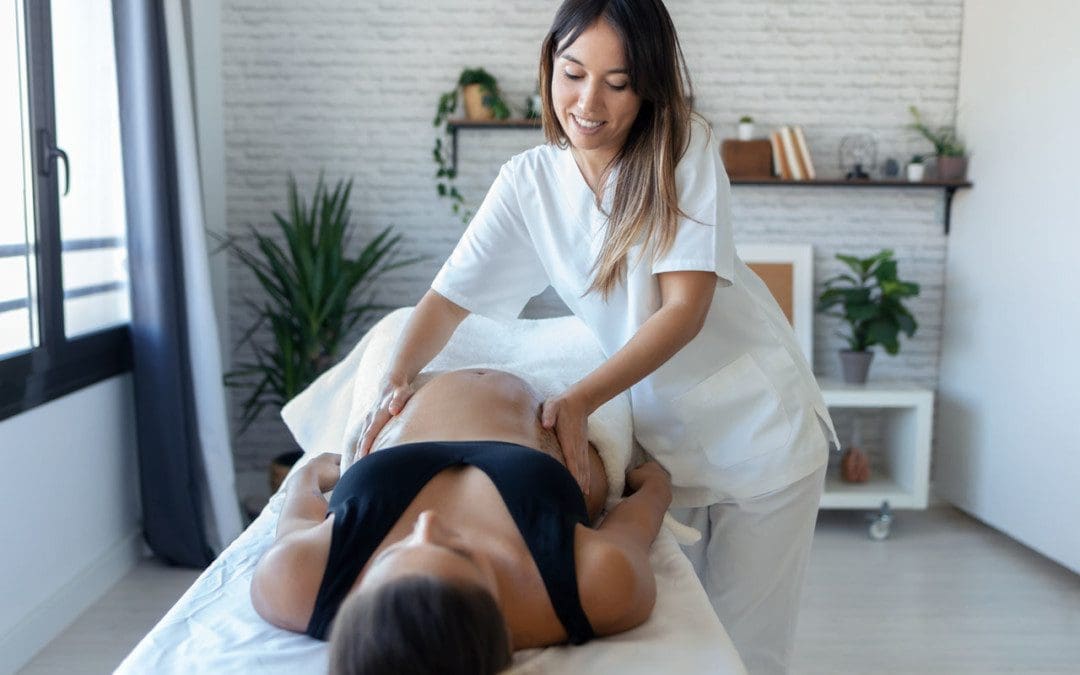
With a growing belly and changes in connective tissue, many pregnant women are unable to stay comfortable. A pregnancy chiropractor is safe and effective in helping manage pain in the back, hips, legs, joints and establish pelvic balance. This can provide the baby with space to grow and move throughout the pregnancy and lead to faster, easier labor and delivery. Relief and better symptom management are possible with a pregnancy chiropractor.
Chiropractic Is Safe During Pregnancy
Before engaging in any treatment during pregnancy, consult a doctor. For the most part, non-invasive chiropractic is considered safe for healthy, low-risk pregnancies and even higher-risk pregnancies once cleared by a doctor. Because pregnant women cannot take medications or undergo other invasive treatment options for pain, chiropractic treatment is recommended for sore, tight muscles, irritability, and pain management.
How A Pregnancy Chiropractor Can Help
What a chiropractor can offer includes:
Restore pelvic balance.
Improve mechanics for standing, sitting, and walking that could otherwise cause pain.
Pain management through therapeutic massage and adjustments.
Optimize the pelvic position to allow for an easier birth; evidence indicates a shorter labor time thanks to an optimal pelvic position.
Clinic Appointment
The pregnancy chiropractor begins with an initial consultation. Here the patient asks questions, discusses any concerns, along with a full assessment of medical history. They will suggest various treatment options to restore the body to its optimal balance. The chiropractor will continually monitor the patient to tailor the treatments to their specific needs and achieve the most relief.
Body Composition
Impact of Breastfeeding and Body Composition
It turns out that breastfeeding and weight loss are showing that there could be a relationship. A study suggested that breastfeeding could eliminate weight gain during six months. These findings are corroborated by another study comparing body fat loss between exclusively breastfeeding and mixed feeding mothers. The researchers found that exclusively breastfeeding promotes more significant body fat loss than mixed feeding among mothers during the first 12 weeks after childbirth. A weight loss of approximately about a pound per week between 4 and 14 weeks after delivery in overweight, lactating women who were exclusively breastfeeding showed no adverse effect on the growth and development of their newborns.
References
Bernard, Maria, and Peter Tuchin. “Chiropractic Management of Pregnancy-Related Lumbopelvic Pain: A Case Study.” Journal of chiropractic medicine vol. 15,2 (2016): 129-33. doi:10.1016/j.jcm.2016.04.003
Borggren, Cara L. “Pregnancy and chiropractic: a narrative review of the literature.” Journal of chiropractic medicine vol. 6,2 (2007): 70-4. doi:10.1016/j.jcme.2007.04.004
Weis, Carol Ann et al. “Chiropractic Care for Adults With Pregnancy-Related Low Back, Pelvic Girdle Pain, or Combination Pain: A Systematic Review.” Journal of manipulative and physiological therapeutics vol. 43,7 (2020): 714-731. doi:10.1016/j.jmpt.2020.05.005
IFM's Find A Practitioner tool is the largest referral network in Functional Medicine, created to help patients locate Functional Medicine practitioners anywhere in the world. IFM Certified Practitioners are listed first in the search results, given their extensive education in Functional Medicine