Truck driving can put serious stress on the body. Just spending hours behind the wheel can take its toll no matter what type of vehicle you are driving. When you factor in the shifting, steering, clutching, and constant monitoring that is required in a big truck, you have increased risk of neck, back, arm, hip, and leg pain.
If they drive a type of truck that requires loading, unloading, or tying down a load, the probability increases even more. Many drivers experience pain, difficulty in mobility, and decreased flexibility. This can impact how well they perform their job as well as how much they enjoy their downtime.
How Truck Driving Takes a Toll on the Body
Drivers spend a lot of time doing just that � driving. That is hard on the body in and of itself. With professional drivers, they do it every day for hours on end. Even local drivers who are home every night put in a lot of miles.
Often, drivers must also perform certain functions regarding what they are hauling. Some have to secure their load with straps and tie-downs, or have to handle heavy hoses and equipment to load and unload tankers.
Some drivers have to load and unload (known as �lumping�) their freight themselves. It can involve heavy lifting and repetitive movements. Loaded tanker trucks can be challenging to drive because of the slosh. Most big rigs require a lot of shifting. They may have to shift through 10, 15, or even 18 forward gears.
Team drivers have the added stress of being in a vehicle that is constantly in motion. Even while sleeping in the bunk, they can be subject to the constant vibrations and bouncing as the truck travels over the road. This can lead to impact trauma, often to the shoulder as the driver in the sleeper lays on his or her side. Roads that are poorly maintained can cause impact trauma to both the driver and the person in the bunk.
For all the physical exertion and exposure to a rough environment, though, drivers get very little exercise. They spend a lot of time sitting behind the wheel and making the same movements over and over.
This limited mobility can lead to structural problems like pain in the back, hip, knee, shoulder, arms, and legs. This is compounded by the fact that many prescription medications that are typically prescribed for these issues have side effects that can be dangerous for someone getting behind the wheel.
How Chiropractic can Help Truck Drivers
Chiropractic care provides truck drivers with a non-invasive, drug free way to treat injuries, manage conditions, and relieve pain. Regular chiropractic care can help correct postural habits that can expose the body to injury or move the body out of balance and the spine out of alignment. Often, it can identify emerging issues before they become a problem.
When a driver first visits a chiropractor�s office, he or she will go through a thorough check up and assessment to determine their needs and goals. The chiropractor may recommend certain lifestyle changes and show them some exercise they can do in the truck or while they are on the road as well as ways to minimize the effects of the activities their job requires.
Some of the larger truck stops are now offering drivers access to medical and chiropractic services which allows them to get treatment when they need it. Sometimes a driver is out for several weeks at a time and may not be able to get to their regular chiropractor for an adjustment. However, it is still a good idea to have a regular chiropractor at home and keep regular appointments so you can stay healthy and on the road.
18 Wheeler Accident Chiropractic Treatment El Paso, TX
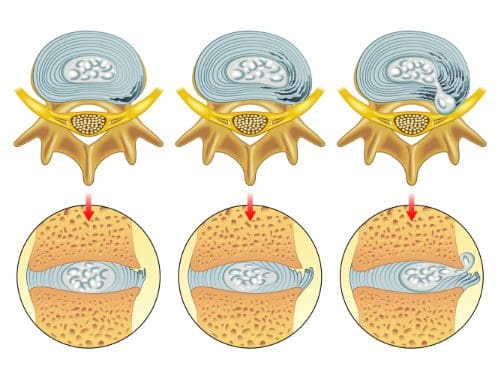
A herniated disc is a common spinal disc issue. The spine is a very intricate structure, and when one component fails to function correctly, it can affect the entire body, causing pain and loss of mobility.
Tiny bones, called vertebrae, are stacked on each other to form the spine. They are joined in such a way to facilitate movement, flexibility, and a wide range of motion. There are small, fluid-filled discs that rest between each vertebra, providing a cushion between the bones. When one of these discs becomes damaged, it can affect the surrounding nerves, causing pain and making movement difficult.
What is It?
A herniated disc is a common spinal condition that typically affects the cervical spine (neck region) or the lumbar spine (lower back), although it can occur in any part of the spine. Most often, a herniated disc happens at the L4 � L5 and the L5 � S1. This is because this portion of the spine, the lumbar region, bears the bulk of the body�s weight.
It is often referred to as a ruptured disc or slipped disc and occurs when the disc moves or slips out of place. It can also be the result of a disc that has a small tear and is leaking the jelly-like substance that is inside. This can put pressure on the surrounding nerves, causing pain and discomfort.
The first two stages are called incomplete herniations while the last two stages are called complete herniations.
Symptoms of a herniated disc may increase or worsen as the condition progresses although some patients do not experience any at all Typical symptoms include:
Pain in the affected area
Tingling
Numbness
Weakness
Leg or arm pain
Loss of reflex
Loss of mobility
Loss of flexibility
Decreased range of motion
What Causes It?
There are several causes. The most common are aging and degeneration, overuse, and normal wear and tear on the body.
A herniated disc resulting from an injury or trauma, such as a blow to the back, is less common, but it does happen. Because the back does bear most of the body�s weight, it can put a significant amount of pressure on the spine and discs. Over time, the discs may begin to weaken and a herniation can occur.
Injury or trauma that results in a herniation may include a car accident that involves sudden jerking, or incorrectly lifting heaving objects can put excessive pressure on the spine, causing it to herniate.
How is it Diagnosed?
A physical examination is usually the first step in diagnosing a herniated disc. The physician or chiropractor will examine the spine while the patient is standing, then while they are lying down. Depending on the severity and location of the herniation, they may note a decrease in spinal curvature.
Radicular pain will also be assessed, when the spine is unmoving, while in motion, and when pressure is applied. Other tests may also be administered. X-rays may also be taken, but an MRI is usually more accurate and provides greater detail.
What are the Treatments?
Medications may be recommended or prescribed, including NSAIDs, narcotics, muscle relaxers, and anticonvulsants. Some doctors may advise cortisone injections to reduce inflammation. Physical therapy may be recommended as a stand-alone treatment or in conjunctions with other treatments. Surgery for herniated discs is rare and usually reserved as a last resort option.
Chiropractic has been very effective in helping patients manage their pain and regain their mobility so they can return to their normal life. Therefore, it should be your first option for treatment before you go down the road with drugs or surgery.
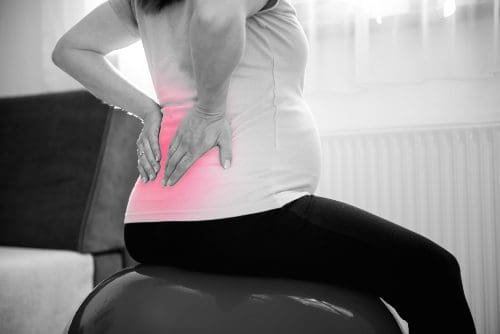
Hormones can also play a significant part in the pain. One of the many changes that occur in a pregnant woman�s body is an increase in the production of a hormone called Relaxin. The job of this hormone is to �relax� the ligaments or soften them. This allows the pelvis to spread so that the baby can be born. However, while the body is making these positive and necessary preparations, it can also allow bones to shift or move in directions that they shouldn�t. The result is an impingement or compression on the nerves exiting the spinal canal, causing the tissues in the area to become irritated and inflamed.
Another effect of the increased production of relaxin is that it can lead to intrauterine constraint. This condition causes the pelvic bones to become misaligned which obstructs the baby�s natural movement in utero while it develops. This can keep the baby from moving into the birthing position with the head down. As the bones move out of their natural place, it can stress, pull, and twist the attached ligaments. The baby doesn�t have as much space as it should so it can�t move like a normal fetus can. This can also cause breech births. Stress, poor posture, and overexertion can also cause pregnancy back pain.
Why is pregnancy low back pain so difficult to treat and what treatments are available?
Medications given to the mother will cross over the placenta delivering a dose of the medication to the baby. Because of this, pain medications are generally off limits for pregnant women. In order to protect the baby, natural pain control is preferred. This makes chiropractic a preferred treatment for pregnancy low back pain. The chiropractor may perform a spinal subluxation to bring the spine back into alignment and the body back onto balance.
He or she may also make some recommendations to help the woman manage her pain on her own, including improving her posture, stretching, and special exercises. Other recommendations may include:
Not wearing high heels. They put strain on the back when a woman isn�t pregnant. On a pregnant body, the strain is even worse.
Avoid bending over to pick up things, but instead, squat � or ask for help.
Sleeping on the left side and use pillows under the belly to support it as well as a pillow between her legs.
Rest, lots of rest and elevating her feet.
Regular chiropractic care and following the doctor�s instructions can help greatly decrease low back pain for the mom to be so that she can better enjoy the excitement and joy of her pregnancy.
Lower Back Pain Pregnancy Chiropractic Treatment El Paso, TX
Gardening is a favorite warm-weather activity for many people. Unfortunately, it can often send them straight to the chiropractor with back pain and stiffness. If you enjoy your garden but your back doesn�t take heart. An estimated�80% of the population has experienced back pain�or will experience it at some point in their lifetime.
It is common, but it doesn�t have to keep you from doing the things you enjoy. There are some fairly simple things you can do to make it easier and less painful.
Stretching is a good way to prevent back pain for nearly any activity. The more limber you are and the more warmed up your muscles are, the more comfortable you will be while you are gardening and afterward.
Stretches for gardeners�aren�t all that different from stretches for other activities. You need to address your hamstrings, triceps, and of course your back. Then you will be ready to get in the dirt and do what you love.
Use Back Friendly Tools and Gardening Methods
It may feel wonderful to get close to the dirt as you dig, breathing in its earthiness, feeling at one with nature, but your back likely does not hold the same appreciation. You can mix it up a little, but allow at least part of your gardening time to the use of tools that are �back friendly.�
Long handled and telescopic tools allow you to do your garden work without overworking your back. This is also great for people who don�t have full range of motion in their backs or who have trouble getting up and down.
Another back saver is a raised container garden. This will put your garden within easy reach, saving you from trying to get on the ground or, worse, feeling like you have to forego a garden because you can�t get around like you once did.
You can set the containers at whatever height you choose and include benches and seats for more comfortable gardening. If you do get on the ground, knee pads or a mat can help reduce some of the stress and prevent some pain.
Change Your Position Frequently
It�s easy to get in the zone and lose track of time, only for your body to remind you when you try to move and are met with painful stiffness. Carry a small timer with you and set it so that you are reminded every 30 minutes to stop, walk around, and stretch a little. This not only prevents pain and stiffness, but it also helps with your circulation and blood flow, even digestion.
You can also vary your garden tasks so that you don�t over-tax a single muscle group. You may weed for a while, then move to your potting bench for a while or pruning trees or shrubs. It isn�t good to stay in one position for too long no matter what you are doing. A physical activity like gardening, though, requires more movement.
Take Care when Bending, Reaching, and Lifting
Gardening involves a lot of reaching, bending, and lifting. When you don�t do it correctly you would wind up with a�sore back�� or worse.
To lift:�Don�t bend at your waist. Squat, grasp the object with both hands while pulling it close to your body. Straighten your legs slowly, letting those muscles to the work of lifting. You may also use a dolly, wheelbarrow, or wagon to move heavy items around and minimize the need to lift them.
Push:�Pushing doesn�t strain the back as much as pulling does. Push your seeder, wheelbarrow, and lawnmower and try to avoid pulling as much as possible.
Reaching:�Be careful when you reach, especially if you are reaching to lift. Even something that doesn�t weigh much can throw off your balance or cause you to twist your back. Try to minimize lifting while reaching as much as possible.
Bending:�Keep your knees soft when you bend and try bending from the waist. If you are doing a task that requires bending, take frequent breaks where you can stand upright. If you bend to lift, make sure you use proper lifting techniques.
Gardening can be wonderful for the mind, body, and spirit. It can also be painful if you don�t take the necessary precautions. When you go out to tend your plants, remember these back-saving gardening tips. Your back will thank you.
Teachers do a lot in a day. They stand for long periods of time, they stoop and bend, pick up children, carry stacks of papers, and sit for long periods while they grade papers. It�s no wonder that so many teachers end up with aching backs! While low back pain is the number one cause of disability worldwide, it�s easy to see how teachers may be more susceptible to experiencing it.
Chiropractic care can help keep teachers standing upright and moving about � as well as other great benefits. A teacher with back pain can�t be as effective as they would be if they weren�t in pain. It makes it harder for them to do their job. Regular chiropractic care can help offset what their body goes through in a day and relieves the pain so they can do what they love � shape young minds.
What Teachers Do
Teaching is a tough profession. The typical teacher arrives at school before it starts (usually between 6:30 am, and 7:30 am) and they don�t leave until well after the last bell has rung (often between 3:30 pm and 5:30 pm). They grade exams during their vacations and spend hours preparing lessons, quizzes, activities, and tests. In middle and high school, they teach five or six classes a day which means a lot of talking and a lot of standing. Combine the stress with the physical demands of the job, and it�s no wonder aching feet and backs are the bane of a teacher�s existence.
The Impact of Teaching on the Body
There have been several studies that explore the effects of the physical demands that are put upon a teacher. One study analyzed the incidence of musculoskeletal disorders in special education teachers and teachers� aides. It found that the three areas most affected were the wrist, shoulder, and back. It found that 86% of the teachers who participated had physical pain and musculoskeletal condition. Another study examined teachers in a municipal school network in Brazil. It found that:
41.1% complained of foot, leg, and knee pain (lower limbs)
23.7% complained of shoulder, neck, and wrist pain (upper limbs)
41.1% complained of back pain
A third study that assessed teachers in Malaysia reported that 62.5% of the teachers surveyed complained of low back pain.
How Chiropractic Care Helps Teachers with Low Back Pain
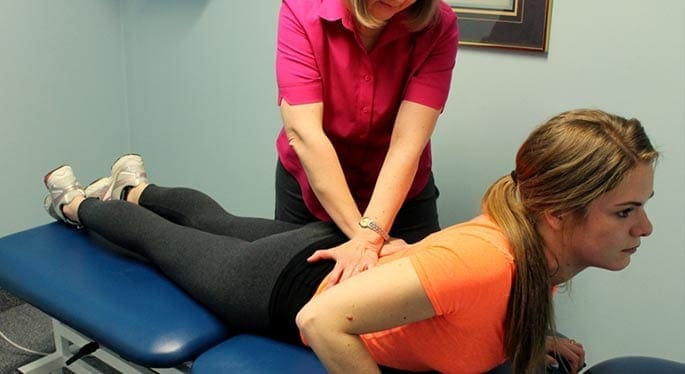
Several studies show that chiropractic care is a very effective treatment for back pain. The chiropractor will perform a spinal manipulation to bring the spine (and body) into proper alignment. He may also offer advice on exercises, stretching, and ways to improve posture as well as recommending lifestyle changes and what to look for in supportive shoes. Chiropractic�s whole-body approach not only helps relieve back pain, it helps prevent it as well.
Additional Benefits Teachers can Gain from Chiropractic
While less back pain is great news for teachers, there are other benefits they can reap form chiropractic as well. That�s because it doesn�t focus solely on the back or pain, it looks at the whole body. Every day teachers put a lot of stress on their bodies, bending over to help a child with their work, standing to give a lecture, sitting for hours grading papers, and reaching to write on the blackboard. All of this can take a toll on the body, not just physically, but in other ways as well. It can result in headaches, insomnia, and even frequent illness. A chiropractor can address all those things and make recommendations regarding lifestyle and diet as well as spinal manipulation.
This allows the patient to gain whole body benefits from chiropractic.
When you spend a lot of time behind the wheel, whether you are going on a long trip or your job requires you to drive around town all day, it can be a real pain � in the back. Many car seats may be comfortable for short rides, but they are not built to support the back on the long hauls. However, there are some things that you can do to offset a non-back friendly seat design and alleviate, or even prevent, back pain while driving.
Create a Comfortable Space
Before you settle in behind the wheel, you want to make sure that you are comfortable. Keeping things like your wallet and cellphone in your pocket may be convenient when you are moving about, but can be an irritant when you are sitting on them mile after mile. Wear comfortable clothing and shoes. Any discomfort can put stress on your body so even if it is not necessarily pain related, it can exacerbate pain as your body�s sensitivity heightens in response to the pressure.
Adjust your seat so that you are comfortable, but sitting reasonably upright. If you recline, it could put stress on your neck and upper back, causing pain. Your seat should also be high enough so that you can place your feet flat on the floor � at least for a while (you can do this while driving if you have cruise control). There should be a slight bend in your elbows as you reach for the steering wheel and you should not have to stretch to reach the pedals. Make sure that your mirrors are adjusted so that you don�t have to bend or crane your neck to get good visibility.
Put Together a Healthy Back Kit
Bring along some things to help keep your back comfortable and pain-free � even if you�ve never experienced back pain while driving. There is always a first time. Some of the items you might want to bring along include:
A towel that you can roll up and place behind the small of your back
A lumbar support pillow
A cold or hot pack
Something for pain relief
A cushion for your car seat to absorb the vibration
Water (so you can stay hydrated)
Essential Oil like lavender or peppermint (put a few drops in a carrier oil and apply to the sore areas)
Take Breaks and Move a Little
Driving straight through without any breaks is never a good idea. It can make you more tired, stiff and sore � and less alert on the road. Instead, take breaks to get out of the car, walk around, and stretch. When you move, you stimulate your circulation which brings oxygen and vital nutrients to your muscles. You�ll feel better, be more alert, and will be less likely to experience back pain.
Stopping every hour or so will help considerably with alleviating back pain. It doesn�t have to be a big production, walk around for a few minutes, stretch your neck, shoulders, and back, then get back on the road. In between stops you can move your ankles up and down or rotate them to increase circulation to the lower leg. You should also adjust your position or your seat about every 20 minutes. Even these slight movements can help keep the blood flowing which will prevent your muscles from getting stiff and sore.
Regular chiropractic care, as well as a consistent exercise routine, can help prevent back pain in many situations, including while driving. Your chiropractor can also recommend some back strengthening exercises and stretches that will help make your spine even healthier.
Low back pain which gradually influenced his quality of life was developed. David Garcia was unable to walk as his symptoms worsened and his back pain became excruciating. He first visited Dr. Alex Jimenez, chiropractor in El Paso, TX, following a recommendation from his sister. Dr. Jimenez managed to supply David Garcia with all the aid he deserved for his low back pain, restoring his well-being. David Garcia clarifies the wonderful service Dr. Alex Jimenez and his team have given him to offer him relief from his painful symptoms and he highly recommends chiropractic care as the non-surgical pick for low back pain, among other health problems.
Chiropractic Non-Surgical Relief
We are blessed to present to you�El Paso�s Premier Wellness & Injury Care Clinic.
As El Paso�s Chiropractic Rehabilitation Clinic & Integrated Medicine Center,�we passionately are focused on treating patients after frustrating injuries and chronic pain syndromes. We focus on improving your ability through flexibility, mobility and agility programs tailored for all age groups and disabilities.
We want you to live a life filled with more energy, positive attitude, better sleep, less pain, proper body weight and educated on how to maintain this way of life.
I assure you, I will only accept the best for you�
If you have enjoyed this video and we have helped you in any way, please feel free to subscribe and recommend�us.
IFM's Find A Practitioner tool is the largest referral network in Functional Medicine, created to help patients locate Functional Medicine practitioners anywhere in the world. IFM Certified Practitioners are listed first in the search results, given their extensive education in Functional Medicine