Tennis is a sport that can be enjoyed by individuals of all ages and provides optimal physical activity and cardiovascular exercise. Although it can be leisurely, it does require being light on the feet with quick, starting, stopping, turning, and twisting movements for those new to playing tennis. If back pain is present, playing can be difficult. One study showed almost 40% of tennis players missed one or more tournaments because of low back pain/problems. A 2016 study found that tennis players with low back pain have difficulty moving their muscles with ease.
Know and Understand the Risks
Playing tennis has its risks when it comes to back pain. What can bring on or worsen back pain are the repetitive motions, like swinging, serving, volleying, and the uneven force placed on the body. This force is the power and momentum that is used for certain swings like serving and forehands. What happens is it does not evenly distribute through the body, increasing the potential to cause strains and sprains. For example, the serving motion repeatedly puts a hyperextension force through the spine. The result is overuse injuries.
Preparation
No one wants to injure their back for those new to tennis and those who have been playing for years. This is where off-court conditioning comes in and preventive measures. This includes:
Don’t play for too long when starting or multiple days in a row
Gradually increase the frequency and intensity
Focus on the fundamental skills rather than trying to blast the ball like the pros.
Trying to smash the ball too soon can result in a rotator cuff injury.
Stay Aware of Your Body
Playing tennis can cause an individual to become distracted; however, it’s crucial to be mindful of the body and what’s going on.
Pay attention to the heat.
Humidity
Proper rest between games
Hydration to prevent muscle cramping
Stretching before and after playing
Warming up and cooling down
Take a break and stretch out if pain symptoms present.
Never play through the pain that could result in worsening or creating new injuries.
Pay attention to proper form.
Apply modifications to prevent and avoid worsened back pain. This could be serving more simply or hitting around a stroke that generates pain symptoms.
Cooling Down
After a match, rehydrate the body and cool down. This could be a little walking around the court, if possible getting in a pool or water splash park, and let the musculoskeletal system recover. Do some spinal exercises afterward, like yoga poses. Applying anti-inflammatory creams or gels can help keep the muscles loose and promote circulation. Anti-inflammatory foods can help with pain and inflammation.
Spinal Conditions
There are individuals with spinal conditions that should not play tennis. These include:
Acute disc herniation
Active bone injury/s – fractures and stress fractures
Spinal instability – spondylolisthesis
Post-spine surgery
A spinal condition involving nerves and/or the spinal cord
Consult a doctor before adding tennis to a physical regimen. Tennis is an aerobic activity that has several benefits. It keeps the body physically active for mental and physical wellness. The hormones released can help mitigate musculoskeletal pain and negative emotions like depression and anxiety that can come from experiencing back pain.
Body Composition
Magnesium
Magnesium supports a healthy immune system. It helps maintain:
Aids muscle relaxation after exercise/physical activity
Magnesium is essential in several biochemical reactions; a slight deficiency can increase cardiovascular disease risk. Deficiency can also lead to an increased risk of insulin resistance. Magnesium-rich foods are also high fiber foods. Dietary fiber helps with:
Digestion
Helps control weight
Reduces cholesterol
Stabilizes blood sugar
Recommended sources of Magnesium include:
Green vegetables – spinach, swiss chard, and turnip greens
Nuts – almonds and cashews
Seeds
Legumes
Cocoa
References
Clinics in Sports Medicine. (April 1988) “Low back pain in the competitive tennis player.” https://europepmc.org/article/med/2968850
Journal of Science and Medicine in Sport. (April 2016) “Trunk muscle activation, fatigue and low back pain in tennis players” https://www.sciencedirect.com/science/article/abs/pii/S1440244015000845
Jahnen-Dechent, Wilhelm, and Markus Ketteler. “Magnesium basics.” Clinical kidney journal vol. 5,Suppl 1 (2012): i3-i14. doi:10.1093/ndtplus/sfr163
Katz, David L et al. “Cocoa and chocolate in human health and disease.” Antioxidants & redox signaling vol. 15,10 (2011): 2779-811. doi:10.1089/ars.2010.3697
Wang, Jinsong, et al. “Dietary magnesium intake improves insulin resistance among non-diabetic individuals with metabolic syndrome participating in a dietary trial.” Nutrients vol. 5,10 3910-9. 27 Sep. 2013, doi:10.3390/nu5103910
It is time for outdoorsummer activities. Summer is iconic in its association with a wide range of outdoor activities. However, many can be physically strenuous and require a great deal of body movement. Summer gets individuals thinking of:
Hiking
Bicycling
Swimming
Water sports
Tennis
Golf
Gardening
This is when individuals have to figure out which activities will be easy on their backs. For those dealing with regular and/or chronic back or neck pain, athletic/movement-based activities can be done with:
Proper planning
Strain prevention/reduction
Activity modification/s
Most activities can be manageable.
Preventing/avoiding worsening the pain is the most recommended solution.
Individuals can still enjoy favorite outdoor activities for those who do have back pain, whether from an injury, herniated disc, muscle strain, arthritis, osteoporosis, or another cause.
Safe Summer Activities Safe For The Spine
Swimming
The best summer activity for the spine/back is swimming or any movement in the water. It is recommended and utilized in physical therapy for those with injuries and pain conditions and is shown to prove that it brings relief and exercise. Hot weather makes it easy to get in the water, whether a pool, river, or lake. Doing basic water stretches, exercises, or walking movements can bring significant pain relief. This is because the body’s weight is lessened, which lessens the spine’s pressure.
Walking
Getting outside every day and running can cause a great deal of strain. However, walking is extremely safe and effective, especially on the spine. The key is to take it slow and build up the ability to walk longer and further. However, those with spinal stenosis, which is the narrowing of the spinal canal, might find that walking increases pain. It is recommended to start with light walking sessions and modify them as much as needed. An example could be walking half a block; if pain presents, perform some other movement/s that does not cause pain, and then walk another half block. Taking it slow.
Hiking
It is not out of the question for individuals who like to hike, but caution should be taken. This is because hiking adds factors that can increase the risk for injuries or conditions if the activity is not modified. Most hikes involve hills, elevation changes, climbing, and uneven surfaces. This requires planning and preparation. It is recommended to choose hiking paths that will not exhaust an individual, and that can be easily backtracked if pain or issues arise. This is especially important for those that are flexion-intolerant. This is when individuals feel pain when bending or leaning forward over the hips. This could be hiking up and down hills that are likely to cause flare-ups.
Fishing
Fishing is a favorite summer activity and is recommended because of the relaxed atmosphere and ability to be modified easily. Individuals can sit in a supportive chair and fish, or they can stand and fish. There is not a lot of quick bending or rotating and totally open to modifications.
Activity Moderation and/or Modification
Figuring out movement modifications or mix up the time. Activities can be enjoyed; it just requires making the right adjustment/s that will make the activity manageable. For those with back pain usually know what movements will cause pain. This can help make it easier to modify specific movements/motions. Activities that more than likely will cause inflammation flare-ups are about finding a way to do it so that the result is not as extreme.
One way to modify summer activities is by altering/changing the amount of time engaged. For example, instead of spending 4-6 hours fixing up the yard/gardening, break it up by doing the activity for an hour, stop, stretch, relax, rehydrate, and then continue, respectively.
Modification can also be done by changing the functional components of the activity/s. Rather than bending and picking up tools, pulling weeds, etc., get a work stool/bench and perform the activity sitting. This goes for any activity.
Body Composition Health
Can more fat be burned by exercising in the heat?
Individuals wonder if exercising when it’s hot out causes the body to burn more fat. After all, the body is hotter and sweating much more. However, it’s more complicated. Studies show that when exercise is done in high temperatures, the heat can affect the body’s hormonal and metabolic response. The same studies show a consistent shift from breaking down fat cells for energy and breaking down carbohydrates for energy. When exercising in extreme heat, the energy demand becomes too high to break down more fat. Instead, it uses carbohydrates. So the extra sweat is just water, salt, and not fat. But heat can still play a positive role in improving body composition. Two ways include:
Heat shock proteins – HSP – Without exercise, exposure to heat can cause heat shock proteins to activate. Heat shock proteins live inside cells and aid in muscle protein synthesis and repair. When exposed to temperature/thermal stress, they increase to meet the demand.
Human Growth Hormone – HGH – Synthetic Human Growth Hormone increases lean mass, reduces body fat, and improves performance. However, it is naturally produced by the body and can be enhanced through exercise.
References
American Journal of Physical Medicine & Rehabilitation. (February 2018) “Aquatic Exercises in the Treatment of Low Back Pain: A Systematic Review of the Literature and Meta-Analysis of Eight Studies”
Gobbo, Stefano et al. “Physical Exercise Is Confirmed to Reduce Low Back Pain Symptoms in Office Workers: A Systematic Review of the Evidence to Improve Best Practices in the Workplace.” Journal of Functional morphology and kinesiology vol. 4,3 43. 5 Jul. 2019, doi:10.3390/jfmk4030043
Grabovac, Igor, and Thomas Ernst Dorner. “Association between low back pain and various everyday performances: Activities of daily living, ability to work and sexual function.” Wiener klinische Wochenschrift vol. 131,21-22 (2019): 541-549. doi:10.1007/s00508-019-01542-7
Preventive Medicine Reports. (2017.)“Gardening is beneficial for health: A meta-analysis.” ncbi.nlm.nih.gov/pmc/articles/PMC5153451/pdf/main.pdf
Selby, Sasha et al. “Facilitators and barriers to green exercise in chronic pain.” Irish Journal of medical science vol. 188,3 (2019): 973-978. doi:10.1007/s11845-018-1923-x
I threw my back out. Most of us have heard and possibly experienced throwing our backs out. But, what does throwing out your back really mean? Find out from our experts. When talking about throwing one’s back out, it’s usually a result of twisting, turning, coughing, sneezing, or lifting incorrectly. The medical equivalent to this injury is an ankle sprain. It can be excruciating, individuals might not see or feel a tear, but the ligaments have been injured, causing inflammation and pain. The same thing can happen to the spine.
What it means when you throw out your back.
Most experience acute pain in the lower region of their backs. Individuals can throw out their back at any age doing all kinds of activities. These can range from:
Changing a tire
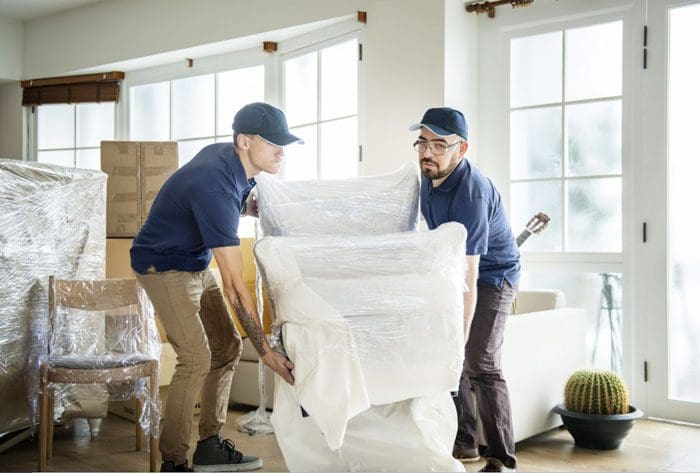
Moving lifting boxes, going upstairs, etc
House chores/tasks
Gardening
Sports
Working out
Bending over to pick up an object
It is more common as individuals age. This is when individuals notice how they could take a serious injury and walk away when they were young. However, with age, something like a cough or sneeze could cause the back to become sprained. When the ankle is sprained, it is immobilized to allow it to rest and heal.
However, it is not as easy to immobilize the spine as large muscles in the back around the spine. Any time tissue is injured, the muscles automatically spasm to act as a splint. These spasms usually tend to be the worst part when back pain presents. This is because the back muscles are large; they cause intense inflammation and pain when they spasm. Combined with this, the back can feel like it is stuck, significantly decreasing the range of motion. This type of injury can take a couple of days to reduce and up to two to six weeks to return to normal function.
This is what is really happening
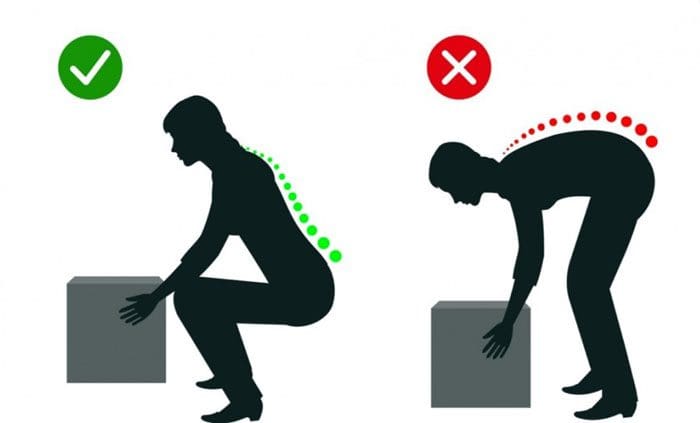
The majority of the time, what has happened is there is a small ligament strain or an annular tear, which is a tear in the ligament that connects the vertebra to the disc. When standing upright and lifting properly, the disc/s work like hydraulics.
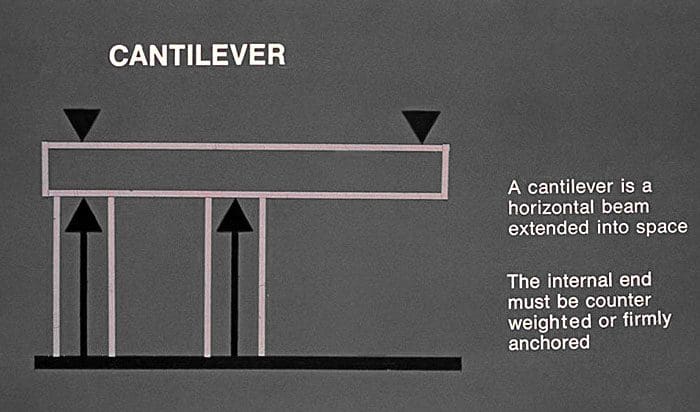
When individuals bend over not using their legs, the back part of the spine widens/opens up, and instead of a hydraulic effect, it becomes a cantilever structure. Bending and twisting compound the pressure across the disc. Prevention is key and by using the legs and keeping the back straight, let the hydraulic system do its natural job.
Misconceptions
Chiropractors specialize in difficult to treat musculoskeletal pain conditions. The term threw out one’s back is similar to the knee, arm, shoulder being blown out. The terminology can create fear associated with the idea of throwing something out of place, especially when it comes to the spine. When individuals come in with back pain, they can become fearful of what will be found. These include:
What has happened to my spine?
Is it going to get better?
Is this going to be a life-long injury?
Will I be able to walk normally?
Through research, doctors now know that fear is an inflammatory response. Therefore, when individuals become fearful, their immune system kicks in, causing the pain to worsen.
Treatment
A few things have been proven to work well, along with seeing a doctor, spine specialist, or chiropractor.
Ice and heat
It depends on individual preference. Ice reduces inflammation and pain, and the heat helps to get the blood flowing in and around the area to help heal the injury.
Abdominal support
An abdominal corset is a stretchy band that is worn around the lower mid-section. The abdominal muscles supply support for the lower body. The corset can help take some of the weight off of the spine to help ease discomfort and pain.
Anti-inflammatories
Advil or a prescription Ibuprophen from a physician is better than narcotics. However, if narcotic medications are necessary, they should be short-term, a few days to a week. In addition, individuals need to show caution as they can cause constipation, making back pain even worse.
Chiropractic and Physical Therapy
Seeing a chiropractor and physical therapist can help heal the injury faster. They will strengthen the spinal muscles and educate the individual on stretches, exercise, posture, anti-inflammatory diet for optimal spinal health. Individuals usually take two to six weeks to heal completely. However, individuals should still be able to do most physical activities once the spine injury heals. Maintaining the back muscles can be achieved with regular exercise, lifting correctly with the legs, and not over-twisting and over-reaching are important elements to prevent back injuries.
Body Composition Analysis
Summer Heat and The Body
How the body reacts to extreme heat. It is a process known as thermoregulation, where the body strives to maintain a temperature between 97.7 to 99.5 degrees Fahrenheit. The hypothalamus, a gland in the brain, is in charge of managing the core temperature. If outside weather is extreme, causing a change in the body’s core temperature, the hypothalamus triggers a specific process to heat or cool the body back to the normal range. When the hypothalamus registers that the body’s core temperature is rising because it’s sweltering outside, it kicks in.
To remove the extra heat, the hypothalamus increases circulation, moving the blood toward the surface, dilating blood vessels so that the heat can dissipate through the skin. When this happens, the veins can protrude, and the skin flushes. Along with increased circulation, the hypothalamus also activates the sweat glands. The evaporation of the water released onto the skin cools the body down, reducing temperature. Finally, the thyroid is activated to lower heat created through the metabolic processes.
References
Disc tears: Stat Pearls. (11/17/2020).” Annular Disc Tear.” ”https://www.statpearls.com/ArticleLibrary/viewarticle/17615
Fear and Pain: Journal of Pain Research. (2018). “Assessments of Pain-Related Fear in Individual with Chronic Pain Conditions.” https://www.ncbi.nlm.nih.gov/pmc/articles/PMC6280906/
Mittinty, Manasi M et al. “Assessment of pain-related fear in individuals with chronic painful conditions.” Journal of pain research vol. 11 3071-3077. 30 Nov. 2018, doi:10.2147/JPR.S163751
Many doctors/surgeons rely on the widely adopted lumbar spinal fusion. However, experts have asserted that lumbar total disc replacement or TDR should be made available and increased for treating degenerative disc disease and other spinal conditions. Individuals interested in total disc replacement, the ability to have it done, and if insurance will pay? What to know about TDR and fusion before deciding and moving forward.
Total Disc Replacement
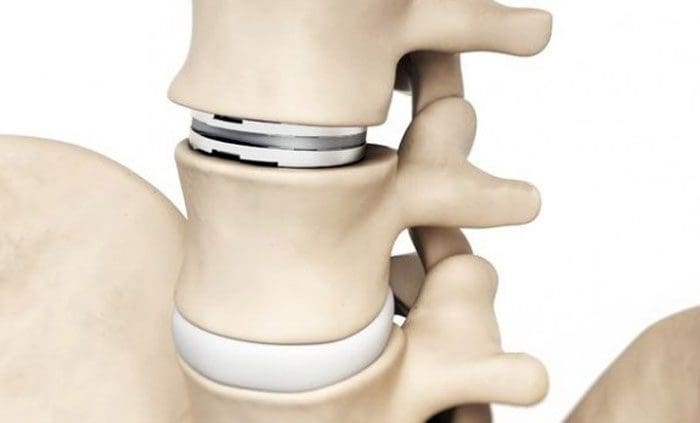
Spinal fusion has been the traditional approach for relieving lower back pain. In this procedure, a bone graft is inserted between two or more vertebrae. This eliminates movement that causes pain or could be dangerous to the individual. Total disc replacement demands more on a technical level than spinal fusion. However, the worn-out, injured, or damaged disc is fully replaced, even a completely degenerated disc, with a metal and/or plastic one. Benefits from lumbar TDR surgery include:
Shown to be a safe procedure with minimal complications
Significant improvement in health and quality of life
High rates of successful outcomes
Mobility is preserved
Who Needs Disc Replacement?
Low back problems affect more than a third of the population. This can come from:
Personal
Work
Sports
Automobile injuries
Aging
All are risk factors
Fusion or Total disc replacement
Fusion reduces and eliminates motion around the affected area which also changes with the spine’s mechanics. It can also place increased stress on the surrounding segments. However, the lack of motion is to eliminate the pain. Total disc replacement does increase mobility, but it can’t fully relieve the pain. It can relieve pain generated from the disc but not from other causes. TDR has been shown to:
Provides motion preservation
Reduces staying at the hospital
Provides long-term durability
Lower reoperation rates compared to fusion
Total disc replacement issues:
The procedure is more time-consuming
A lot of time making decisions
A lot of time preparing
An example could be the patient has a narrow disc space. Looking at the X-rays of the discs above and below, the surgeon has to make sure they choose the right size. Next, the narrow space needs to be mobilized back to a normal height that cannot be too high or too short. Finally, the surgeon has to make sure that the disc is anchored and fits properly.
Why Surgeons Still Choose Fusion?
Despite the benefits, there are reasons why surgeons still choose fusion.
There are strict rules as to when TDR can be used. This means insurers are prone only to approve fusion procedures.
The surgical technique is challenging. TDR surgery is a highly demanding procedure. As a result, many doctors specializing in fusion for 20 years or more can be reluctant to perform the procedure.
Complications and revision surgeries. Reoperations are sometimes necessary, but this happens in both fusion and TDR.
Individual Needs
Fortunately, most individuals with lower back problems never need total disc replacement. And those that do have severe pain/conditions are recommended to try non-invasive/surgical treatment. This ranges from:
Chiropractic
Physical therapy
Massage
Imaging and lab tests will be required. However, if an operation is necessary, ask questions about both procedures. For example, if a surgeon insists that fusion is the only option, ask why total disc replacement is not an option?
Body Composition Testing
Protein and Weight Loss
Protein is one of three basic macronutrients found in food. Proteins are made up of smaller units called amino acids. There are 22 amino acids, with 9 of these being essential. This means the body needs them, as the body cannot produce them. These essential amino acids can be obtained by eating protein-rich foods like:
Eggs
Meat
Fish
Vegetarian/vegan options include:
Nuts
Seeds
Beans
Tofu
Generally, all the essential amino acids cannot be obtained from just one food. Therefore it is recommended to eat a variety of animal and plant-based proteins. Protein is in almost every structure and function of the body.
Antibodies
These proteins fight off any infections, bacteria, etc.
Repair, maintenance, and structural
Proteins are the building blocks of the body’s muscles, bones, skin, and hair.
Hormones
Chemical messenger proteins are how cells and organs communicate. For example, Growth Hormone affects muscle gain and fat loss.
Enzymes
Not all proteins are enzymes; however, all enzymes are proteins. These proteins are catalysts or starters for chemical reactions in the body.
Transportation and storage
Some proteins carry molecules where they are needed. For example, hemoglobin or the red blood cells carry oxygen to cells, then transport carbon dioxide away.
Not getting enough protein in one’s diet can have serious consequences on the body’s health. Without enough protein, the muscles can begin to atrophy or waste away, taking Lean Body Mass, strength, and energy away as well.
The information herein is not intended to replace a one-on-one relationship with a qualified healthcare professional or licensed physician and is not medical advice. We encourage you to make your own health care decisions based on your research and partnership with a qualified health care professional. Our information scope is limited to chiropractic, musculoskeletal, physical medicines, wellness, sensitive health issues, functional medicine articles, topics, and discussions. We provide and present clinical collaboration with specialists from a wide array of disciplines. Each specialist is governed by their professional scope of practice and their jurisdiction of licensure. We use functional health & wellness protocols to treat and support care for the injuries or disorders of the musculoskeletal system. Our videos, posts, topics, subjects, and insights cover clinical matters, issues, and topics that relate to and support, directly or indirectly, our clinical scope of practice.* Our office has made a reasonable attempt to provide supportive citations and has identified the relevant research study or studies supporting our posts. In addition, we provide copies of supporting research studies available to regulatory boards and the public upon request.
We understand that we cover matters that require an additional explanation of how it may assist in a particular care plan or treatment protocol; therefore, to further discuss the subject matter above, please feel free to ask Dr. Alex Jimenez or contact us at 915-850-0900.
Salzmann, Stephan N et al. “Lumbar disc replacement surgery-successes and obstacles to widespread adoption.” Current reviews in musculoskeletal medicine vol. 10,2 (2017): 153-159. doi:10.1007/s12178-017-9397-4
Hopkins overview of Lumbar TDR (for consumers) https://www.hopkinsmedicine.org/health/treatment-tests-and-therapies/lumbar-disk-replacement
“Comparison of Lumbar Total Disc Replacement With Surgical Spinal Fusion for the Treatment of Single-Level Degenerative Disc Disease: A Meta-Analysis of 5-Year Outcomes From Randomized Controlled Trials”, Zigler J, et al., Global Spine Journal, June 2018, PMC602295 https://www.ncbi.nlm.nih.gov/pmc/articles/PMC6022955/
“Overview of Lumbar TDR” (for consumers); Johns Hopkins Medical Center https://www.hopkinsmedicine.org/health/treatment-tests-and-therapies/lumbar-disk-replacement
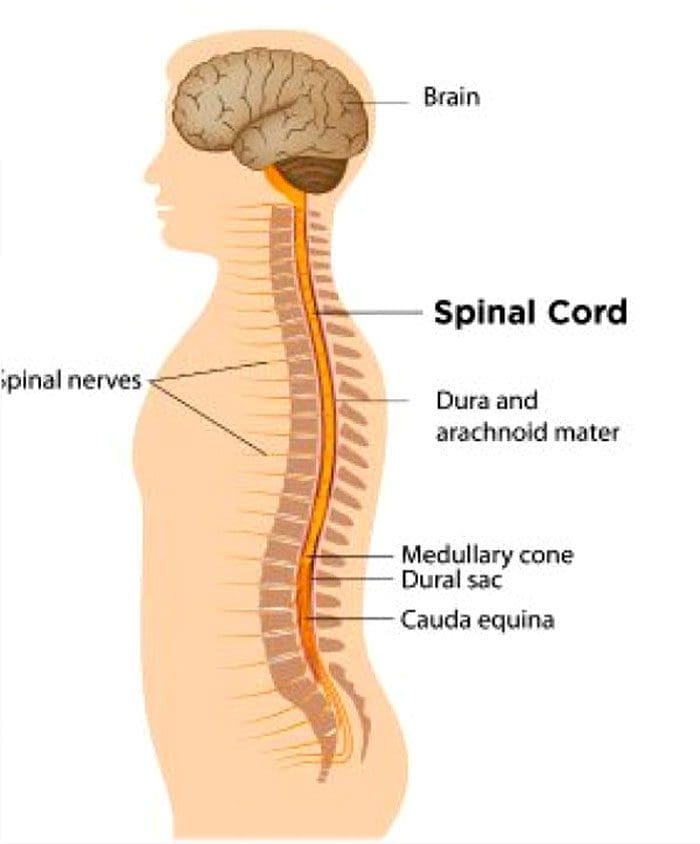
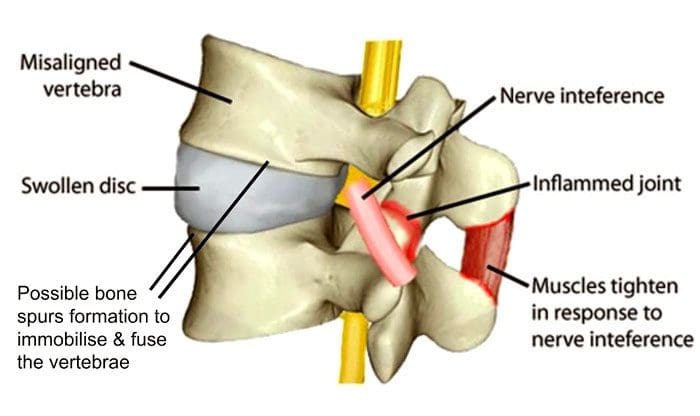
Individuals typically don’t think about their spine as they go through their everyday lives, bending, reaching, twisting, lifting, etc. However, it is through all of these movements/motions that spinal misalignments can occur causing discomfort, pain, and health problems. This happens gradually, with individuals learning how to live with the misalignment, accepting it as a normal part of life. Spinal misalignments, known as subluxations, are common but can be resolved through chiropractic treatment.
Spinal Misalignment
The spine needs to stay strong, stable, and able to support the musculoskeletal system to keep the body upright and protect the central nervous system. When the spine is properly aligned the body stays strong and mobile. When the spine is misaligned, it can cause dysfunction of the central nervous system. Chiropractic is highly effective and a non-invasive way to improve the body’s health. An individual will want to know if their spine is out of alignment to know what to do and what to avoid when back pain presents. Symptoms that the spine is out of alignment includes:
Headaches, Back, and/or Joint Pain
Headaches, joint pain, and backaches can be misalignment symptoms and are the most common. Many individuals learn to live with chronic headaches and migraines but do not realize that chiropractic treatment can help to reduce, or in a case like this, can eliminate them. Back pain, especially low back pain is another symptom of misalignment. However, there can be a variety of causes, like a herniated disc, degenerative disc disease, a chiropractor will alleviate the pain without medication or surgery. A chiropractor will find the root cause and correct any misalignments.
The Heels of Shoes Wear Out Unevenly
This is a symptom that can come from cheap shoes, but often it is from a misaligned pelvis/pelvic tilt. What happens is the hips are shifted out of their proper position, which causes the feet to land on the ground unevenly.
Stiffness and/or Inability To Turn The Head or Hips
If the neck is stiff or there is difficultness, pain when turning, or you can hear the neck crack when turning, this is a sure symptom of cervical misalignment. The same is true with the hips. A subluxation can also cause muscles to tighten or damage the connective tissues, like the ligaments or tendons. Individuals can get used to feeling this way, but it can lead to losing the full range of motion along with pain, stiffness, and inability to perform certain tasks.
Joint Stiffness, Aches, and Pains
Trying to push through back stiffness, along with aches and pains is not healthy. Improper ergonomics and postures could be caused by spinal misalignment or could worsen a subluxation causing further injury. A chiropractor will:
Educate on proper ergonomics
Show how to improve posture
Perform adjustments
Recommend anti-inflammatory supplements
Perform physical therapeutic massage to eliminate stiffness, alleviate pain, and relieve stress.
Numbness or Tingling in Hands or Feet
This is a sure symptom that of a misaligned spine. Numbness and/or tingling sensations often indicate pinched/compressed nerves. The compression or irritation can result in pain or the aforementioned sensations. A chiropractor will ease the pressure on the nerves, allowing for proper circulation, bringing back the full sensation to the affected area/s.
Body Composition
Fiber Health Benefits
Fiber health benefits include lowering the risk of developing diseases like diabetes, obesity, hypertension, and more. It is also beneficial for those who have diabetes to improve insulin sensitivity. Adding more fiber to your diet can enhance weight loss goals. Fruits and vegetables are the highest-fiber foods available.
Fiber and Gut Health
The beneficial bacteria that live in the gut thrive from fruit and vegetable fiber. Because the body does not absorb fiber, the bacteria ferment the fiber. Anti-inflammatory fatty acids are released as a by-product of this process and help to protect the health of the gut. They can also help with appetite regulation.
The information herein is not intended to replace a one-on-one relationship with a qualified health care professional, licensed physician, and is not medical advice. We encourage you to make your own health care decisions based on your research and partnership with a qualified health care professional. Our information scope is limited to chiropractic, musculoskeletal, physical medicines, wellness, sensitive health issues, functional medicine articles, topics, and discussions. We provide and present clinical collaboration with specialists from a wide array of disciplines. Each specialist is governed by their professional scope of practice and their jurisdiction of licensure. We use functional health & wellness protocols to treat and support care for the musculoskeletal system’s injuries or disorders. Our videos, posts, topics, subjects, and insights cover clinical matters, issues, and topics that relate to and support, directly or indirectly, our clinical scope of practice.* Our office has made a reasonable attempt to provide supportive citations and has identified the relevant research study or studies supporting our posts. We provide copies of supporting research studies available to regulatory boards and the public upon request. We understand that we cover matters that require an additional explanation of how it may assist in a particular care plan or treatment protocol; therefore, to further discuss the subject matter above, please feel free to ask Dr. Alex Jimenez or contact us at 915-850-0900.
Dr. Alex Jimenez DC, MSACP, CCST, IFMCP*, CIFM*, CTG*
email: [email protected]
phone: 915-850-0900
Licensed in Texas & New Mexico
References
Czaprowski, Dariusz et al. “Non-structural misalignments of body posture in the sagittal plane.” Scoliosis and spinal disorders vol. 13 6. 5 Mar. 2018, doi:10.1186/s13013-018-0151-5
Formica, M et al. “ALIF in the correction of spinal sagittal misalignment. A systematic review of the literature.” The European spine journal: official publication of the European Spine Society, the European Spinal Deformity Society, and the European Section of the Cervical Spine Research Society vol. 30,1 (2021): 50-62. doi:10.1007/s00586-020-06598-y
Granacher, Urs et al. “Effects of core instability strength training on trunk muscle strength, spinal mobility, dynamic balance and functional mobility in older adults.” Gerontology vol. 59,2 (2013): 105-13. doi:10.1159/000343152
Here are a few recommended stretches and exercises for relieving herniated disc symptoms. The vertebrae are the small bones that make up the spine. They have cushion discs between each one. These are the intervertebral discs and are the body’s shock absorbers. The discs can be thought of as small balloons that are filled with an elastic gel-type material. There are twenty-three of these cushions.
Functioning as the body’s shock absorbers transferring various forces, weight, and stress from vertebra to vertebra, so that no one is overburdened taking on all the impact the body goes through. But like any machine, the discs can wear down over time, and sustain injury. When this happens the cushioning gel can leak out and press on the nerve roots emerging from the spine. This type of injury is a herniated disc.
Herniated Disc Treatment
A herniated disc can lose its height because of fluid and water loss.
This loss affects the bone structures bringing them closer together affecting the ligaments that connect each segment. The ligaments become loose and do not provide the same stability. Ligaments cannot be strengthened with exercise making it more important to strengthen the muscles around the spine to make up for this stability loss. Depending on the severity of the injury, the displaced disc can cause pressure to build upon the nerves, resulting in pain and other discomforts. This comes from the loss of the disc’s cushion causing the vertebrae to rub against each other. Stretches and exercises designed for herniated discs can work in conjunction with conservative treatment to relieve the pain and discomfort.
Stretches and Exercises for Pain Relief
Consult a medical spine specialist/chiropractor before beginning a stretch and exercise regimen. This is because the herniation can become worse or additional injury/s can occur without proper instruction. Once the injury and clinical considerations have been addressed, gentle stretches and exercises can help reduce the pain and other symptoms. Strengthening the back and hamstring muscles reduces pressure on the spinal column helping to prevent pain and promotes healing by:
Increasing blood flow to the spine
Building strength to support the spinal muscles
Decreases stress on the spine
Helps relieve the pain
Improves abnormal postures and awkward body positions
Equipment is not necessary but there are few items that can help the process.
A herniated disc in the neck is usually caused by a forward head posture and a swayback or excessive curvature of the spine.
Isometric hold
Sit straight
Relax the shoulders
Place one hand on the forehead
Push head into the hand without moving the head
Hold for 5 to 15 seconds.
Repeat 15 times
Chin tuck
Lie on your back on a flat surface
Place arms at sides
Tuck the chin in and down toward the chest until a stretch is felt
Hold for 5 to 10 seconds
Repeat 15 to 20 times
Lumbar/Low Back Stretches and Exercises
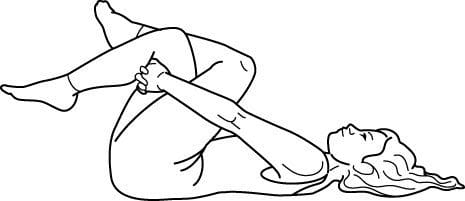
Back flexion stretch
This stretch extends the back muscles to relieve low back pain.
Lie flat on your back
Pull the knees toward the chest and wrap your arms around the knees
Lift head straight up off the floor until there is a stretch across the mid and low back
Hold for 10 seconds
Repeat 5 to 10 times
Piriformis stretch
This stretches the small muscle in the buttocks helping to relieve low back pain and helps with sciatica.
Lie flat on your back on the floor or yoga mat
Bend the knees
Plant feet on the floor
Pick up one leg and rest the ankle on the other leg’s bent knee
Reach one arm through the leg and use both hands to grasp the bent leg
Pull the leg toward the chest until there is a stretch in the buttock
Hold for 30 seconds
Repeat on the other leg
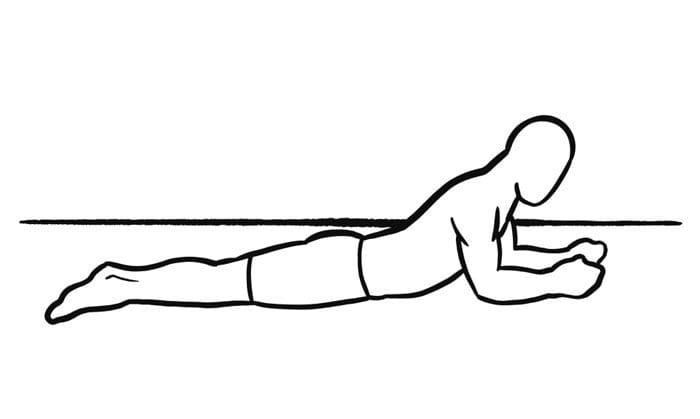
Prone extension stretch
This stretch helps reposition the disc back to its proper position, expediting the healing process. Start slowly and if pain presents, stop immediately.
Lie face down on the floor or yoga mat
Place the forearms on the floor next to the body
The elbows should be at a 45- degree angle
Slowly prop the body up, being sure to keep the hips on the floor
Keep pressing upward until the elbows are at a 90-degree angle
Hold the position for 10-15 seconds
Return to starting position
Repeat the stretch 10 times
Gradually increase the upward position hold time until it can be maintained for 30 seconds
Performing these stretches and exercises or similar types will help with herniated injury recovery and prevent worsening or creating new injuries.
Body Composition
Benefits of yoga
Yoga benefits mental and physical health. Yoga helps improve individual physical health. Specific poses can help:
Improve balance
Flexibility
Build/Tone muscle
Prevent injury
Improve sense of well-being
Yoga stretches the muscles while relieving physical and emotional stress. Practicing yoga regularly can prevent obesity, and reduce the risk of developing metabolic syndrome. Yoga can help decrease leptin which is a hormone that helps control appetite. This is important for individuals going through chronic stress who are twice as likely to develop metabolic syndrome.
Disclaimer
The information herein is not intended to replace a one-on-one relationship with a qualified health care professional, licensed physician, and is not medical advice. We encourage you to make your own health care decisions based on your research and partnership with a qualified health care professional. Our information scope is limited to chiropractic, musculoskeletal, physical medicines, wellness, sensitive health issues, functional medicine articles, topics, and discussions. We provide and present clinical collaboration with specialists from a wide array of disciplines. Each specialist is governed by their professional scope of practice and their jurisdiction of licensure. We use functional health & wellness protocols to treat and support care for the musculoskeletal system’s injuries or disorders. Our videos, posts, topics, subjects, and insights cover clinical matters, issues, and topics that relate to and support, directly or indirectly, our clinical scope of practice.* Our office has made a reasonable attempt to provide supportive citations and has identified the relevant research study or studies supporting our posts. We provide copies of supporting research studies available to regulatory boards and the public upon request. We understand that we cover matters that require an additional explanation of how it may assist in a particular care plan or treatment protocol; therefore, to further discuss the subject matter above, please feel free to ask Dr. Alex Jimenez or contact us at 915-850-0900.
Dr. Alex Jimenez DC, MSACP, CCST, IFMCP*, CIFM*, CTG*
email: [email protected]
phone: 915-850-0900
Licensed in Texas & New Mexico
References
Court C, Mansour E, Bouthors C. Thoracic disc herniation: Surgical treatment, Orthopaedics & Traumatology: Surgery & Research, 104(1)S31-@40, 2018, https://www.sciencedirect.com/science/article/pii/S1877056817303419.
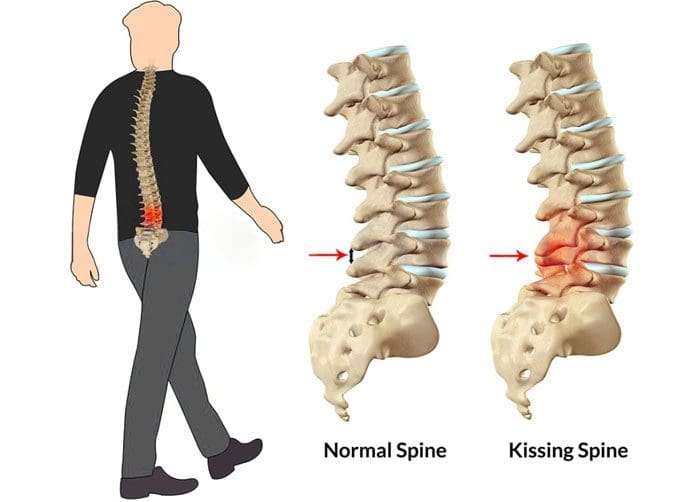
Baastrup’s syndrome is named after Christian Ingerslev Baastrup. He discovered and described the condition in 1933. In this syndrome, pain and inflammation are triggered when the spinous processes of two adjacent vertebrae begin to touch each other. This is where the term kissing spine came from. Most back and neck pain is attributed to inflammation or degeneration of the spinal vertebrae, discs, muscles, and nerves. This is a spinal condition that can cause problems with age. If experiencing pain that worsens when arching the back, consult a professional chiropractor. A physical examination and imaging could reveal the spine is going through this underdiagnosed condition.
Kissing Spine
Spine problems mostly involve the vertebrae and the discs. However, the spine has other components, which include spinous processes. These are thin segments of bone that protrude off the back of each vertebra. Kissing spine syndrome, also known as Baastrup’s disease, or interspinous bursitis, happens when these spinous processes begin to move close together and touch/kiss. Pain and inflammation can be triggered by this.
It is believed to develop as a result of degeneration in the spine that comes with age. As vertebral discs break down from all the wear and tear of life, this can cause the spinous processes to move closer together and touch. This typically develops in the lumbar spine/lower back, but can also affect the cervical spine/neck. The most common symptom of kissing spine syndrome is back pain that worsens when touched or arching the back. For some individuals slumping forward or rounding the back, can help diminish the pain.
When the spinous processes touch, they begin abrasively rubbing against each other. This wears them down and can lead to other types of spinal degeneration. Over time secondary problems can begin to present including neurological conditions caused by compressed nerves. The condition is common in older adults from the natural wear and tear on their spines. But young individuals specifically athletes, can develop the syndrome.
Poor posture
Obesity
Spinal injury/s are additional risk factors.
Diagnosing the condition involves a physical exam and imaging scans to confirm that the spinous processes are in fact touching.
Chiropractic Care
A chiropractor can help manage the pain caused by degenerative disc disease and kissing spine syndrome. Treatment protocols for kissing spine syndrome include:
Spinal adjustments
Physical therapy massage
Spinal manipulation
Stretches
Exercises
Anti-inflammatory diet
Spinal decompression techniques can open the spinal segments so that the spinous processes don’t touch. Manipulations can facilitate proper joint mobility and alleviate inflammation. Physical therapy exercises and stretches will help stretch the spine and the supportive tissues. If experiencing neck or low back pain, contact Injury Medical Chiropractic and Functional Medicine Clinic. Our spine specialists will listen, discuss, and develop a personalized treatment plan. We provide non-invasive approaches for long-term pain management and spinal correction for lasting comfort.
Body Composition
The Paleo Diet
The Paleo diet consists of eating foods that would have been available to humans before modern agriculture was established. If the food was not available to these human ancestors and they did not eat it, then it is not part of the Paleo diet. This includes eating:
Lean meats
Fish
Vegetables
Fruits
Eggs
Nuts
The Paleo cuts out foods like:
Grains
Legumes
Dairy
Sugars
Processed oils
One study published in the American Journal of Clinical Nutrition compared the Paleo diet to other control diets based on United States nutritional guidelines. The researchers found that the Paleo diet generated improvements in waist circumference, triglyceride levels, and blood pressure.
Disclaimer
The information herein is not intended to replace a one-on-one relationship with a qualified health care professional, licensed physician, and is not medical advice. We encourage you to make your own health care decisions based on your research and partnership with a qualified health care professional. Our information scope is limited to chiropractic, musculoskeletal, physical medicines, wellness, sensitive health issues, functional medicine articles, topics, and discussions. We provide and present clinical collaboration with specialists from a wide array of disciplines. Each specialist is governed by their professional scope of practice and their jurisdiction of licensure. We use functional health & wellness protocols to treat and support care for the musculoskeletal system’s injuries or disorders. Our videos, posts, topics, subjects, and insights cover clinical matters, issues, and topics that relate to and support, directly or indirectly, our clinical scope of practice.* Our office has made a reasonable attempt to provide supportive citations and has identified the relevant research study or studies supporting our posts. We provide copies of supporting research studies available to regulatory boards and the public upon request. We understand that we cover matters that require an additional explanation of how it may assist in a particular care plan or treatment protocol; therefore, to further discuss the subject matter above, please feel free to ask Dr. Alex Jimenez or contact us at 915-850-0900.
Dr. Alex Jimenez DC, MSACP, CCST, IFMCP*, CIFM*, CTG*
email: [email protected]
phone: 915-850-0900
Licensed in Texas & New Mexico
References
Philipp LR, Baum GR, Grossberg JA, Ahmad FU. Baastrup’s Disease: An Often Missed Etiology for Back Pain. Cureus 8(1): e465. Published January 22, 2016. https://www.cureus.com/articles/3982-baastrups-disease-an-often-missed-etiology-for-back-pain. Accessed December 20, 2018.
Filippiadis DK, Mazioti A, Argentos S, et al. Baastrup’s disease (kissing spines syndrome): a pictorial review. Insights Imaging. 2015 Feb; 6(1): 123–128. Published online January 13, 2015. https://link.springer.com/article/10.1007/s13244-014-0376-7 Accessed December 20, 2018.
IFM's Find A Practitioner tool is the largest referral network in Functional Medicine, created to help patients locate Functional Medicine practitioners anywhere in the world. IFM Certified Practitioners are listed first in the search results, given their extensive education in Functional Medicine