PRP Supports Tissue Repair and Recovery Explained
How PRP Supports Tissue Repair and Recovery at El Paso Back Clinic
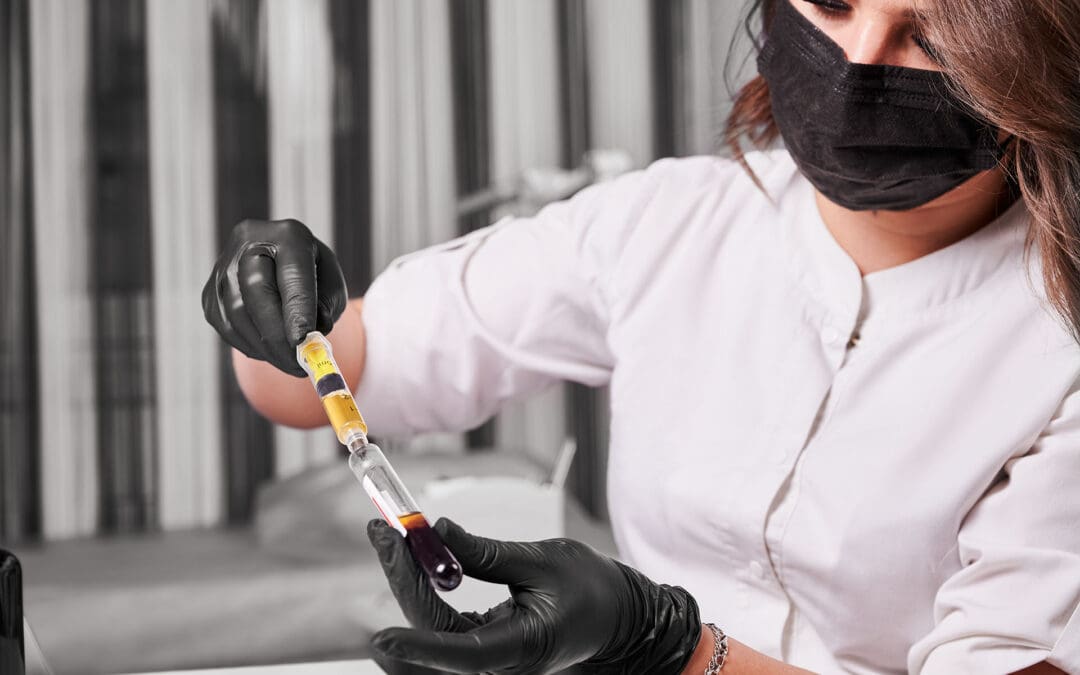
Platelet-Rich Plasma, or PRP, is a treatment that uses a concentrated portion of your blood to support healing in a specific injured area. Platelets are best known for helping blood clot, but they also carry growth factors and signaling proteins that help guide tissue repair. PRP is made by drawing a small amount of blood, spinning it in a centrifuge, and then placing the platelet-rich portion back into the area that needs help healing. Reviews of PRP describe it as an autologous therapy, meaning it comes from the patient, with platelet levels above baseline and a strong supply of growth factors and cytokines that can affect inflammation, angiogenesis, and cell proliferation.
For El Paso Back Clinic, this topic fits naturally with the clinic’s broader identity as a multidisciplinary injury and recovery practice. The clinic presents itself as a center for chiropractic care, functional medicine, injury care, rehabilitation, imaging and diagnostics, and wellness support, with a strong focus on injury recovery and musculoskeletal problems. That makes PRP a logical part of a larger recovery conversation rather than a stand-alone trend.
What PRP Really Does
PRP is often described in popular language as helping the body “clean up” damaged tissue. That idea can be helpful, but it needs to be explained carefully. PRP is not a whole-body cleanse or a detox program. The better scientific explanation is that PRP supports local tissue healing in a targeted area by releasing growth factors and signaling molecules that help coordinate repair. These signals may encourage cell recruitment, help regulate inflammation, support blood vessel growth, and improve the rebuilding of connective tissue.
In simple terms, PRP helps the body do three major things at an injured site:
-
Signal that healing needs to begin
-
Support the cleanup of damaged material
-
Help rebuild healthier tissue
That is why PRP is often used for tendons, ligaments, muscles, joints, and other slow-healing structures. Hospital for Special Surgery explains that PRP is injected into injured or diseased tissue to accelerate healing of tendons, ligaments, muscles, bones, and joints.
PRP and the Early Healing Response
Every injured tissue needs an organized healing response. In many chronic injuries, that response becomes weak, disorganized, or incomplete. PRP helps by creating a stronger healing signal in the injured area. A major review on PRP explains that platelets release growth factors and cytokines that influence inflammation, angiogenesis, stem cell migration, and cell proliferation. Another HSS review states that activated concentrated platelets release growth factors that stimulate the body to produce more reparative cells.
This is one of the reasons PRP is attractive in conservative and regenerative care. Instead of only covering pain, it aims to support the body’s own repair process. That does not mean results are guaranteed. PRP outcomes vary by tissue type, injury severity, preparation method, and the patient’s health. Still, the basic goal is clear: support better healing instead of simply masking symptoms.
How PRP Supports Tissue “Cleanup”
When people talk about PRP helping with detoxification or cleansing, the best way to describe it is local biologic cleanup. Injured tissue often contains damaged cells, inflammatory byproducts, and disorganized matrix material. Research shows that PRP helps create a regenerative microenvironment that supports both structural repair and functional recovery. A 2025 review describes key PRP pathways, including immune modulation, angiogenesis, and support for M2 macrophage polarization, which is linked to tissue repair.
Macrophages are important because they help remove damaged material. In healing tissues, they act like cleanup and coordination cells. They help phagocytose, or break down and remove, debris and necrotic material while also supporting repair signals. So when PRP is used in an injured joint, tendon, or soft-tissue area, it may help the body more effectively clear damaged tissue while also moving the area toward repair. That is much more accurate than saying PRP “flushes toxins” out of the whole body.
Angiogenesis: Bringing Better Blood Supply to Injured Tissue
A major part of healing is circulation. If tissue has a poor blood supply, healing can be slower and less complete. PRP has been linked to angiogenesis, which means the formation of new blood vessels. A major review of PRP biology reports that platelets release factors, including vascular endothelial growth factor and fibroblast growth factor, both of which are involved in angiogenesis. A newer PRP review also states that PRP’s overall effect is predominantly pro-angiogenic in therapeutic settings such as wound repair and tissue regeneration.
This matters because new blood vessel growth can help the injured area receive:
-
More oxygen
-
More nutrients
-
More signaling molecules
-
Better support for tissue remodeling
For a spine, joint, tendon, or sports-injury practice like El Paso Back Clinic, angiogenesis is one reason PRP may fit into broader musculoskeletal recovery plans. Better blood flow support can help move tissue from a stuck or slow-healing state toward active repair.
Fibroblasts, Collagen, and Matrix Remodeling
PRP is also important because healing is not only about cleanup. It is also about rebuilding. Fibroblasts are connective tissue cells that help produce collagen and organize the extracellular matrix. Research reviews show that PRP can stimulate fibroblast proliferation, collagen production, and extracellular matrix remodeling. These effects are part of why PRP is studied in wound care, scar remodeling, skin repair, and musculoskeletal recovery.
This rebuilding phase is important for injuries in which tissues have become weak, irritated, or degenerated over time. In those situations, PRP may help encourage a better repair environment by supporting stronger collagen organization and more orderly tissue remodeling. In practical terms, that can support recovery in tissues that need structure as well as symptom relief.
Inflammation: Starting It, Then Regulating It
Some people get concerned when they hear that PRP can create a healing response that includes inflammation. But a short and controlled inflammatory response is a normal part of repair. The goal is not endless inflammation. The goal is an organized healing phase followed by better regulation of the tissue environment. The 2025 PRP review notes that PRP can reduce pro-inflammatory cytokines while promoting tissue-repair pathways. This is part of why PRP is described as both reparative and immunomodulatory.
This balanced effect is important for chronic injuries. A tissue that has been irritated for a long time may need a better biologic signal to restart and organize healing. PRP can support that process by helping shift the local environment away from ongoing dysfunction and toward recovery.
Why Image Guidance and Clinical Precision Matter
PRP is only as useful as the way it is applied. Cleveland Clinic notes that providers may use ultrasound to locate the appropriate injection site. Hospital for Special Surgery also notes that ultrasound imaging is sometimes used to guide the injection directly into the area of injury.
That point matters for a clinic like El Paso Back Clinic because the site emphasizes injury care, diagnostics, imaging, rehabilitation, and multidisciplinary support. When PRP is paired with careful diagnosis and precise placement, the treatment is more likely to target the tissue that actually needs help. This is especially important in complex cases of back pain, sports injuries, ligament problems, and other musculoskeletal conditions where multiple structures may be involved.
An Integrative Recovery Approach
One of the strongest ways to frame PRP for El Paso Back Clinic is as part of a bigger recovery plan. The clinic site highlights chiropractic care, functional medicine, rehabilitation, injury care, wellness medicine, and diagnostic services. That kind of setting supports the idea that tissue repair works best when the injection is not treated like a one-step fix.
A full PRP recovery plan may also include:
-
A clear diagnosis
-
Image-guided placement when needed
-
Activity modification
-
Rehabilitation exercises
-
Joint and spine support
-
Nutrition and metabolic support
-
Follow-up to track healing progress
This broader model lines up well with Dr. Alexander Jimenez’s public clinical approach, which emphasizes injury recovery, rehabilitation, imaging, wellness, and integrated musculoskeletal care through the El Paso Back Clinic platform and related services. Based on that public positioning, PRP can be described as one piece of a comprehensive repair strategy rather than a stand-alone solution.
What Patients Should Keep in Mind
PRP has real potential, but it also has limits. HSS notes that one of the main uncertainties with PRP is that effectiveness can vary from patient to patient. The same source notes that the risk of infection is low but still possible, as with any injection. Because PRP comes from the patient’s own blood, side effects are usually limited, but results are not identical for everyone.
So the most honest summary is this:
-
PRP supports local tissue repair, not a whole-body detox
-
PRP may help damaged tissue move through the cleanup and rebuilding phases
-
PRP can support angiogenesis, fibroblast activity, and collagen remodeling
-
PRP often works best when paired with diagnosis, rehab, and follow-up care
-
PRP is promising, but patient response can vary
That kind of balanced explanation is helpful for patients who want both hope and realism.
Final Thoughts
For El Paso Back Clinic, PRP is best suited as a biologic support tool within a broader musculoskeletal and wellness model. It uses the patient’s own platelets to deliver growth factors and signaling molecules into injured tissue. Those signals can help start healing, support local immune cleanup, encourage angiogenesis, stimulate fibroblasts, and improve collagen and matrix remodeling. In other words, PRP may help the body clear damaged tissue and build healthier tissue in the same area.
That message matches the clinic’s public identity as a multidisciplinary injury and recovery center in El Paso. When PRP is paired with careful diagnosis, image-guided precision, rehabilitation, chiropractic and wellness support, and a thoughtful follow-up plan, it can be presented as a practical part of an integrative recovery strategy for back pain, sports injuries, and other musculoskeletal conditions.
References
Alves, R., & Grimalt, R. (2018). A review of platelet-rich plasma: History, biology, mechanism of action, and classification. PMC.
Cleveland Clinic. (n.d.). Platelet-rich plasma (PRP injection): What it is and uses.
El Paso Back Clinic. (n.d.). El Paso Back Clinic | El Paso, TX wellness chiropractic care clinic.
Hospital for Special Surgery. (n.d.). Platelet-rich plasma (PRP) injection: How it works.
Sánchez, M., et al. (2025). Platelet-rich plasma (PRP): Molecular mechanisms, actions and clinical applications in human body. PMC.