Explore the impact of cervical spine injuries associated with auto injuries and understand how to recognize and address them effectively.
Introduction: The Impact of MVAs on Your Neck
Picture this: you are cruising down the road, maybe humming along to your favorite tune, when—BAM!—a car rear-ends you, and suddenly your neck feels like it is auditioning for a role in a horror movie. Motor vehicle accidents (MVAs) are a leading cause of cervical spinal pain, affecting thousands of people each year. According to a study, approximately 869,000 traffic crash-related cervical spine injuries are seen in U.S. hospitals annually (Estimating Cervical Spine Injuries). These auto injuries can range from minor sprains to severe fractures, turning your daily routine into a painful plot twist.
In this guide, we will explore the clinical reasons behind cervical spinal pain resulting from motor vehicle accidents (MVAs), delve into the expertise of Dr. Alexander Jimenez, a distinguished chiropractor in El Paso, and highlight why personal injury cases are significant in this Texas city. With a touch of humor to keep things light, because who does not need a chuckle when dealing with neck pain?—We will cover everything from injury mechanisms to advanced treatments. So, let us straighten out the kinks in your knowledge, much like a chiropractor aligns your spine!
Clinical Rationale for Cervical Spinal Pain from MVAs
When your car gets hit, your neck often takes the brunt of the impact, like a delicate stack of china plates teetering on the edge of a table. The seven vertebrae in the cervical spine (C1-C7) are particularly vulnerable due to their flexibility and role in supporting your head. A medical policy document outlines specific conditions and procedures for treating cervical spine injuries from trauma like MVAs (Blue Cross Blue Shield of North Carolina, n.d.). We will examine the main key factors that contribute to post-crash neck pain.
Spinal Cord Compression
Spinal cord compression is like your spine’s worst nightmare—a traffic jam where the spinal cord gets squeezed, potentially causing pain, numbness, or even paralysis. In MVAs, this can happen due to displaced bone fragments, herniated discs, or hematomas. Symptoms might include weakness, tingling, or loss of sensation. A review of traumatic cervical spinal cord injuries suggests that early surgical intervention can improve outcomes by relieving pressure and stabilizing the spine (Epstein & Hollingsworth, 2015).
Hyperextension Injury
Ever seen a movie where someone’s head snaps back dramatically? That is hyperextension in action, common in rear-end collisions. This injury stretches or tears the anterior longitudinal ligament, potentially damaging discs or causing fractures. You might feel stiffness or pain that makes turning your head feel like solving a Rubik’s Cube. Treatment ranges from physical therapy to surgery for severe cases, depending on how extensive the damage is to the cervical spine.
Facet Subluxation and Dislocation
The facet joints are like the hinges on the door of your spine, allowing smooth movement. In MVAs, especially those with twisting forces, these joints can slip out of place (subluxation) or fully dislocate, resulting in pain and potential nerve damage. Treatment may involve manually realigning the joints or surgical stabilization if the damage is severe.
Other Severe Injuries
MVAs can also cause facet fractures, epidural hematomas, or foreign bodies lodging in the spine. These conditions often require urgent procedures like cervical discectomy, laminotomy, or fusion to prevent long-term complications. The policy document emphasizes that methods such as anterior or posterior cervical fusion are indicated when imaging reveals cord or root compression corresponding to symptoms (Blue Cross Blue Shield of North Carolina, n.d.).
Epstein, N. E., & Hollingsworth, R. (2015). Diagnosis and management of traumatic cervical central spinal cord injury: A review. Surgical Neurology International, 6(Suppl 4), S140-S153. https://doi.org/10.4103/2152-7806.156552
Personal Injury Rehabilitation- Video
Biomechanics of Cervical Spine Injuries
To understand why your neck feels like it has been through a blender after a motor vehicle accident (MVA), we need to discuss biomechanics—think of it as the physics of your spine’s movement. The cervical spine’s flexibility makes it prone to injury when sudden forces are applied, and different types of crashes produce unique injury patterns.
Rear-End Collisions
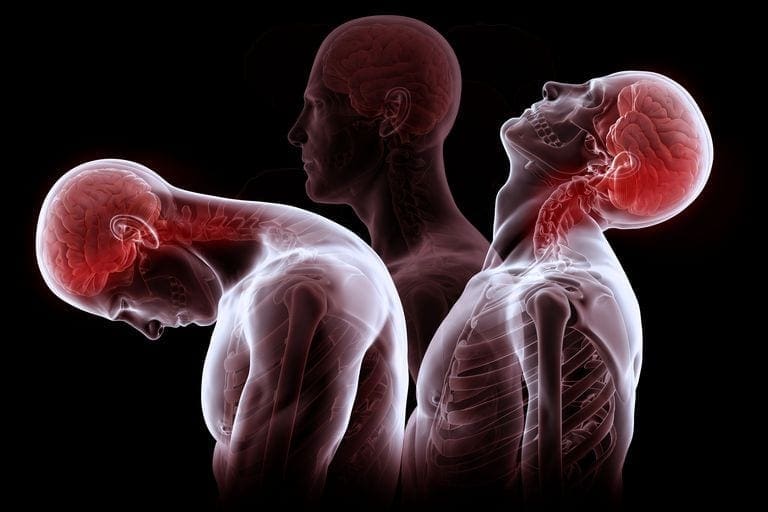
Rear-end collisions are the classic culprits behind whiplash, where your head snaps back and forth like a bobblehead on a bumpy road. This rapid motion strains muscles, ligaments, and discs, leading to whiplash-associated disorders (WAD). A study notes that soft tissue injuries, like sprains, are common in these crashes (Soft Tissue Cervical Injuries).
Frontal and Side-Impact Collisions
Frontal crashes can cause flexion injuries, where the head jerks forward, potentially compressing discs or fracturing vertebrae. Side-impact collisions add a twist—literally—causing lateral or rotational injuries. Research shows that compression-flexion is a common mechanism for severe injuries like quadriplegia in survivors (Cervical Spine Injuries IEEE).
Factors Influencing Injury
Injury severity depends on factors such as crash speed, seatbelt use, and the position of your body. For example, tensing up before impact can increase the risk of muscle strain (Common Neck Injuries). A clinical commentary highlights that occupant characteristics, like age or pre-existing conditions, also play a role (McMurry et al., 2016).
McMurry, T. L., et al. (2016). Mechanisms and mitigation of head and spinal injuries due to motor vehicle crashes. Journal of Orthopaedic & Sports Physical Therapy, 46(10), 845-856. https://doi.org/10.2519/jospt.2016.6716
Dr. Alexander Jimenez, DC, APRN, FNP-BC, is El Paso’s leading expert in pain management, with over 30 years of experience in addressing the complexities of motor vehicle accident (MVA)- related injuries. His clinic, El Paso Back Clinic (El Paso Back Clinic), is a hub for chiropractic care, functional medicine, and holistic recovery. Let us take a look at his approach, which is like a well-choreographed dance to get your spine back in rhythm.
The Chronic Pain Challenge
Dr. Jimenez cites a University of Alberta study that tracked 268 people with grade 1 or 2 neck injuries from MVAs. At three months, 38% reported pain, dropping to 22% at six months and 18% at one year (Auto Injuries and Neck Pain). This shows that while many recover, some face lingering pain without prompt care. A 2009 British study he references adds that up to 5% may be permanently disabled, with over 5% experiencing pain for a decade or more.
Chiropractic Care as a Game-Changer
Dr. Jimenez emphasizes chiropractic adjustments to realign the spine, much like straightening a crooked picture frame. These adjustments, combined with manual manipulations, reduce pain and restore mobility. His clinic also offers physical therapy, nutritional counseling, and wellness programs to support overall healing (Benefits of Chiropractic).
Early Intervention Matters
The sooner you see a chiropractor like Dr. Jimenez, the better your chances of avoiding chronic pain. His team employs a multidisciplinary approach, incorporating nurse practitioners and nutritionists, to develop personalized treatment plans that address both symptoms and underlying causes.
El Paso’s streets witness their fair share of motor vehicle accidents, resulting in a high number of personal injury cases. These cases often involve victims seeking compensation for various cases like medical bills, lost wages, and pain and suffering. Law firms, such as Chavez Law Firm, note that accidents caused by negligence can turn lives upside down, making legal and medical support critical (El Paso Personal Injury).
Dr. Jimenez’s team in Legal Support
Dr. Jimenez stands out in El Paso by combining medical care with legal needs. His detailed medical evaluations, backed by advanced imaging, provide clear evidence linking injuries to MVAs. This documentation is crucial for personal injury claims, as it enables attorneys to establish the extent of damages. His LinkedIn profile highlights his commitment to patient education and community outreach, making him a trusted ally for accident victims (Dr. Jimenez’s profile).
Why Medical Documentation Matters
In personal injury cases, precise medical records can significantly impact the outcome of a claim. Dr. Jimenez’s ability to correlate symptoms with imaging findings ensures that victims have the evidence needed to secure fair compensation while also focusing on their recovery.
Diagnosing neck injuries is like solving a puzzle—each piece (or scan) reveals part of the picture. Dr. Jimenez uses cutting-edge tools like MRI, CT scans, and X-rays to pinpoint the exact nature of cervical spine injuries. His clinic may collaborate with facilities like Diagnostic Outpatient Imaging in El Paso, which offers state-of-the-art radiology services (Diagnostic Outpatient Imaging).
MRI and CT Scans
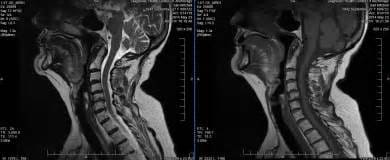
MRI is excellent for detecting soft tissue damage, such as ligament tears or disc herniations, while CT scans excel at showing bone fractures. These tools enable Dr. Jimenez to create precise treatment plans, ensuring that no injury goes unnoticed.
Dual-Scope Procedures
Dr. Jimenez’s expertise extends to coordinating dual-scope procedures, where multiple diagnostic methods are used to confirm findings. This thorough approach strengthens both medical treatment and legal documentation, giving patients a solid foundation for recovery and claims.
Dr. Jimenez’s treatment plans are like a tailored suit—customized to fit each patient’s needs. His clinic offers a range of therapies to address MVA-related neck pain, with a focus on non-invasive methods whenever possible.
Chiropractic Adjustments
Chiropractic care is the cornerstone of his approach, using spinal adjustments to correct misalignments and reduce pain. It is like hitting the reset button on your spine, helping it function smoothly again (Musculoskeletal Ligaments Treatment).
Physical Therapy and Rehabilitation
Physical therapy strengthens neck muscles and improves range of motion, preventing future issues. Dr. Jimenez’s team designs rehabilitation programs to help patients bounce back like a well-tuned spring.
Functional Medicine
By incorporating nutrition and lifestyle changes, Dr. Jimenez addresses the underlying factors that may be correlated to prolonged pain. This holistic approach ensures long-term wellness, not just a quick fix (Ligamentous Injuries Recovery).
When Surgery Is Needed
For severe cases, Dr. Jimenez may refer patients to specialists for surgical options, such as cervical fusion, ensuring a seamless care continuum.
Table 2: Treatment Options for MVA-Related Neck Pain
While you cannot always avoid accidents, you can take steps to protect your neck and spine. It is always important to wear a seatbelt and adjust your headrest to support the natural curve of your neck. After a motor vehicle accident (MVA), watch for symptoms such as pain, stiffness, or numbness and seek medical care immediately. Dr. Jimenez’s blog offers tips on recognizing delayed symptoms, which can sneak up like an uninvited guest (Delayed Symptoms Auto Accident).
Cervical spinal pain from motor vehicle accidents is a serious issue that demands prompt attention. From understanding the biomechanics of injuries to seeking expert care from professionals like Dr. Alexander Jimenez, taking action early can prevent chronic pain and support El Paso’s personal injury law. If you have been in an accident, do not wait—your neck deserves better than a starring role in a pain-filled sequel.
Disclaimer This guide is provided for academic purposes only and should not be considered for professional medical advice as a substitute. Please consult with qualified healthcare providers for diagnosis and treatment of any medical condition.
Explore the connection between musculoskeletal ligaments and automobile accidents, focusing on preventive and rehabilitative strategies.
Introduction
Motor vehicle accidents (MVAs) are usually the leading cause of musculoskeletal injuries worldwide, with ligaments in the upper body quadrant—neck, shoulders, and elbows—often bearing the brunt of the impact. These tough, fibrous bands stabilize joints, but when stretched or torn in a crash, they can trigger chronic pain, reduced mobility, and long-term disability. Imagine ligaments as the body’s bungee cords: stretchy but with limits. When an MVA snaps them, it’s less a thrill ride and more a grim tale of aches and legal battles, worthy of a Wednesday Addams smirk.
This guide examines the clinical rationale behind ligamentous injuries resulting from motor vehicle accidents (MVAs), with a focus on the upper body. We’ll break down the anatomy and physiology of ligaments, how accidents cause these injuries, and their role in neck and back pain. We’ll also spotlight Dr. Alexander Jimenez, a distinguished El Paso practitioner whose expertise in chiropractic care and personal injury cases helps victims recover and navigate the legal challenges they face. With a touch of dark humor to keep things bearable, let’s dive into this serious topic.
Understanding Ligaments: Structure, Function, and Physiology
Ligaments within the musculoskeletal system are fibrous connective tissues that link bones, ensuring joint stability and guiding movement. Composed primarily of collagen fibers, along with elastin and proteoglycans, they strike a balance between strength and flexibility. In the upper body, key ligaments include:
Cervical Spine Ligaments:
Anterior Longitudinal Ligament (ALL): Runs along the front of vertebral bodies, preventing hyperextension.
Annular Ligament: Secures the radius head against the ulna.
Ligaments function to limit excessive joint motion, guide movement, and aid proprioception (body position awareness). When injured, they cause instability, pain, and inflammation, especially in MVAs where sudden forces exceed their tensile strength.
References:
American Academy of Orthopaedic Surgeons. (2018). Repetitive Motion Disorders of the Upper Extremity. Rosemont, IL: Author.
Buckwalter, J. A. (1995). Activity vs. rest in the treatment of bone, soft tissue and joint injuries. Iowa Orthopaedic Journal, 15, 29-42.
Ligamentous Injuries from Motor Vehicle Accidents
MVAs generate high-energy impacts that can stretch or tear ligaments, particularly in the upper body. Common injuries include:
Whiplash-Associated Disorders (WAD):
Whiplash occurs in rear-end collisions when the head jerks forward and backward, straining or tearing cervical ligaments, such as the anterior longitudinal ligament (ALL) and posterior longitudinal ligament (PLL). Picture your neck as a ragdoll in a haunted carnival ride—except the aftermath is pain, not laughter.
Symptoms include neck pain, stiffness, and reduced range of motion.
Shoulder Injuries:
Shoulder ligaments, such as those in the acromioclavicular or glenohumeral joints, can sprain when arms brace against impact or from direct trauma.
These injuries cause pain, swelling, and impaired mobility in the arm.
Elbow and Wrist Injuries:
Bracing during a crash can stress elbow ligaments (UCL, RCL) or wrist ligaments, leading to sprains or instability.
Symptoms include tenderness and difficulty gripping.
Injury severity ranges from mild sprains (Grade 1) to partial tears (Grade 2) or complete tears (Grade 3), each requiring a tailored treatment approach.
Mechanism of Injury:
The biomechanics of MVAs explain these injuries:
Rear-End Collisions: Cause whiplash via rapid neck extension and flexion.
Front-End Collisions: Lead to hyperflexion, which stresses the posterior ligaments.
Factors such as vehicle speed, seatbelt use, headrest position, and occupant posture all influence injury severity.
References:
Applied Radiology. (2018, January 18). RSNA 2017: Understanding types of injuries caused by motor vehicle components (Applied Radiology).
Bryant & Peterson. (2021, October 26). Causes of Muscle Pain After Car Accidents | What to Do Next (Bryant PSC).
Clinical Rationale and Musculoskeletal Consequences
The clinical rationale for ligamentous injuries in motor vehicle accidents (MVAs) hinges on biomechanics. Rapid acceleration-deceleration forces exceed the ligaments’ tensile strength, causing micro tears or complete ruptures. The neck’s vulnerability—due to its mobility and the head’s weight—makes it prone to whiplash, while shoulder and elbow ligaments face stress from bracing or impact.
Musculoskeletal Consequences:
Neck Pain (Cervicalgia): Damaged cervical ligaments and muscles cause acute pain, which may become chronic without treatment. Whiplash can also trigger headaches or radiating pain.
Back Pain (Lumbago): Forces transmitted through the spine can strain upper back ligaments, contributing to discomfort.
Reduced Range of Motion: Ligament instability prompts compensatory muscle tension, which limits movement and fosters further dysfunction.
Chronic Pain Syndromes: Untreated injuries can lead to persistent pain, negatively impacting quality of life.
Diagnosis:
Physical Examination: Assesses tenderness, range of motion, and joint stability.
Imaging:
X-rays rule out fractures.
MRI visualizes ligament tears.
CT scans detail bony structures.
Functional Tests: Assess the impact of daily activities.
References:
Practical Pain Management. (2012, October 31). Whiplash Injuries in Motor Vehicle Accidents (Practical Pain Management).
BMC Musculoskeletal Disorders. (2020, June 9). Prevalence of ligamentous knee injuries in pedestrian versus motor vehicle accidents (BMC Musculoskeletal Disorders).
From Injury to Recovery- Video
Dr. Alexander Jimenez: Expert in Musculoskeletal Injury Treatment
Dr. Alexander Jimenez, DC, APRN, FNP-BC, is a leading practitioner in El Paso, specializing in musculoskeletal injuries related to motor vehicle accidents (MVAs). With over 30 years of experience, he employs a multidisciplinary treatment approach that combines chiropractic care, physical therapy, and functional medicine. His methods include:
Chiropractic Adjustments: Restore spinal and joint alignment.
Physical Therapy: Strengthen muscles and improve flexibility.
Acupuncture/Electro-Acupuncture: Reduce pain and inflammation.
Functional Medicine: Addressing Underlying Health Factors.
Nutritional Support: Promote tissue repair.
Advanced Diagnostics:
Dr. Jimenez likely uses MRI, CT, and other imaging to pinpoint ligament damage, ensuring accurate treatment plans. His dual licensure as a chiropractor and nurse practitioner allows a holistic perspective, integrating medical and chiropractic care.
Legal Liaison:
In personal injury cases, Dr. Jimenez provides detailed medical reports and expert testimony, linking injuries to motor vehicle accidents (MVAs) and establishing causation. This documentation is crucial for legal claims, ensuring that MVA victims receive compensation for medical expenses, lost wages, and pain and suffering.
El Paso sees frequent personal injury cases from MVAs, with ligamentous injuries impacting victims’ lives. Dr. Jimenez’s expertise is invaluable, offering:
Thorough medical evaluations to document injuries.
Treatment plans recognized by legal professionals.
Coordination between medical care and legal proceedings.
His work ensures no injury is overlooked, strengthening compensation claims while prioritizing recovery.
References:
HG.org. (n.d.). Dealing with Ligament Injuries after a Car Accident (HG.org).
Prevention and Safety Measures
Reducing MVA-related ligament injuries involves:
Seatbelts: Restrain the body, minimizing impact forces.
Headrest Adjustment: Support your head to reduce the risk of whiplash.
Avoiding Distractions: Prevent accidents by keeping your focus on driving.
Safe Speeds: Lower speeds reduce injury severity.
Vehicle Safety Features: Airbags and crumple zones mitigate harm.
Public education on these measures can lower MVA incidence and severity.
Importance of Early Intervention
Prompt treatment after an MVA:
Prevents Chronic Pain: Early care reduces long-term issues.
Reduces Inflammation: Speeds healing.
Restores Function: Prevents compensatory movement patterns.
Supports Legal Claims: Timely medical records link injuries to the accident, providing crucial evidence.
Consulting specialists, such as Dr. Jimenez, soon after a motor vehicle accident (MVA) can enhance recovery and legal outcomes.
Patient Testimonials
Patients often praise Dr. Jimenez’s care. One individual with post-MVA neck pain reported significant relief after chiropractic adjustments and therapy. Another with shoulder ligament damage regained mobility through acupuncture and exercises. These stories highlight his effective, patient-centered approach.
Injury Type
Treatment
Outcome
Whiplash (Neck)
Chiropractic, Physical Therapy
Reduced pain, restored motion
Shoulder Sprain
Acupuncture, Exercises
Full mobility regained
Conclusion
Ligamentous injuries from MVAs are a serious concern, potentially causing chronic neck and back pain. Understanding their clinical basis—biomechanical stress on ligaments—and seeking expert care is crucial for recovery. Dr. Alexander Jimenez’s multidisciplinary approach, which combines advanced diagnostics and holistic treatments, offers hope for MVA victims in El Paso. His role in personal injury cases further ensures patients receive both medical and legal support.
Disclaimer: This guide is for informational and academic purposes only and not a substitute for professional medical advice. Please consult with qualified healthcare providers for diagnosis and treatment.
Many individuals are constantly in their vehicles and driving from one place to another in the quickest amount of time. When auto accidents occur, numerous effects can affect many individuals, especially their bodies and mentality. The emotional impact of an auto accident can change a person’s quality of life and take a toll on the person as they become miserable. Then there is the physical side, where the body lunges forward rapidly, causing excruciating pain in the upper and lower portions. The muscles, ligaments, and tissues become overstretched beyond their capacity causing pain-like symptoms to develop and overlap other risk profiles. Today’s article discusses the effects of an auto accident occurs on the body, the symptoms associated with auto accidents, and how treatment like chiropractic care utilizes techniques like the MET technique to assess the body. We provide information about our patients to certified medical providers that offer available therapy techniques like MET (muscle energy techniques) for individuals dealing with back and neck pain associated with auto accidents. We encourage each patient appropriately by referring them to our associated medical providers based on their diagnosis results. We accept that education is a spectacular way when asking our providers the most crucial questions at the patient’s acknowledgment. Dr. Alex Jimenez, D.C., assesses this information as an educational service. Disclaimer
The Effects Of An Auto Accident On The Body
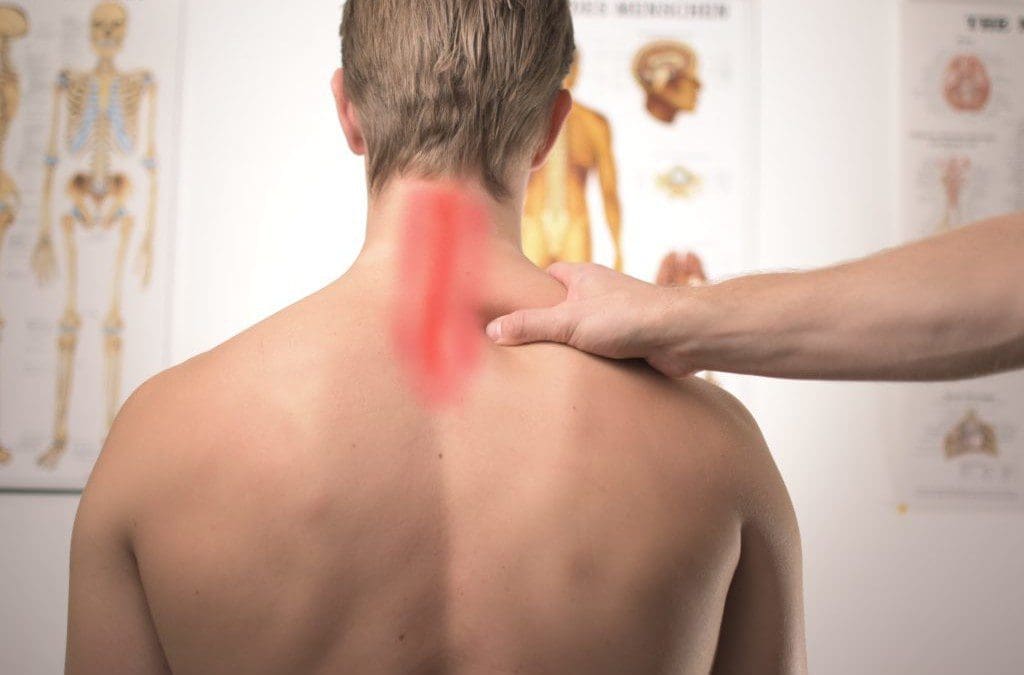
Have you been dealing with excruciating pain in your neck or back after an automobile collision? Have you noticed any of your muscles feeling stiffed or strained? Or have you been dealing with unwanted pain-like symptoms affecting your daily life? When a person has been through an auto accident, the spine, neck, and back along with their associated muscle groups, are affected by pain. When it comes to the effects of an auto accident on the body, we have to look at how the body reacts when the vehicles collide. Research studies have revealed neck pain is a common complaint to many adults involved in an auto accident. When a person collides with another car, their necks are lunged forward rapidly, causing a whiplash effect on the neck and shoulder muscles. Not only the neck is being affected, but also the back. Additional studies have mentioned that low back pain associated with vehicle collisions can cause the lumbar back muscles to be overstretched and develop non-fatal physical injuries over time, either during or the day after the accident. To that point, it can lead to unwanted symptoms associated with auto accidents and correlate with overlap risk profiles.
Symptoms Associated With Auto Accidents
The symptoms associated with auto accidents affecting neck and back muscles vary depending on the collision’s severity. According to “Clinical Application of Neuromuscular Techniques,” Leon Chaitow, N.D., D.O., and Judith Walker DeLany, L.M.T., stated that when someone suffers from an auto accident, the traumatic forces affect not only the cervical or temporomandibular muscles but also the lumbar muscles. This causes the muscle tissue fibers to be torn and damaged, which causes muscle pain. The book also mentioned that a person injured in a collision could develop nociceptive modulated neck, shoulders, and back muscle dysfunction. To that point, the flexor and extensor muscles are hyperextended, shortened, and strained, which is the result of causing muscle stiffness, pain, and limited range of motion to the neck, shoulder, and back.
Unlocking Pain Relief: How We Assess Motion To Alleviate Pain-Video
Have you been experiencing a limited range of motion to your shoulders, neck, and back? What about feeling muscle stiffness when stretching? Or do you feel muscle tenderness in certain body areas after an auto accident? Many of these pain-like symptoms are associated with auto accidents affecting the neck, shoulders, and back. This causes constant body pain, and many issues develop over time in the various muscle groups. Luckily there are ways to reduce the pain and help restore the body to function. The video above explains how chiropractic care is used to assess the body through spinal manipulation. Chiropractic care uses various techniques to help with spinal subluxation and loosen up stiff, tight muscles to help relax and restore each muscle group while relieving unwanted pain from the muscle tissues and ligaments.
Chiropractic Care & The MET Technique Assessing The Body
Studies reveal that auto accidents are a major cause of spinal and muscle injuries treated by chiropractic care. When a person suffers after an auto accident, they will experience pain all over their bodies and try to find ways to relieve the pain affecting their daily lives through treatment. One of the treatments that can help reduce pain and restore the body is chiropractic care. When chiropractors are treating the body to reduce pain, they use various techniques like the MET technique (muscle energy technique) to stretch and strengthen soft tissue and use manual manipulation to realign the spine, work out the tight muscles, nerves, and ligaments to prevent further damage on the body while getting the affected individuals back to shape. Chiropractic care also has a close relationship with other treatments like physical therapy to help strengthen the muscles in the body and help many people be aware of how their bodies function.
Conclusion
Overall, when a person has experience pain in their back, neck, and shoulder muscles from an auto accident, it can affect their emotional and physical well-being. The effects of an auto accident cause unwanted pain symptoms to develop and correlate with nociceptive modulated dysfunction. To that point, it can cause issues like muscle stiffness and tenderness in the affected areas. Fortunately, treatments like chiropractic care allow the body to be restored through manual manipulation and the MET technique to gently stretch the soft tissues and muscles and realign the body back to functioning. Incorporating chiropractic care with the MET technique, the body will experience relief, and the host can be pain-free.
References
Chaitow, Leon, and Judith Walker DeLany. Clinical Application of Neuromuscular Techniques. Churchill Livingstone, 2002.
Dies, Stephen, and J Walter Strapp. “Chiropractic Treatment of Patients in Motor Vehicle Accidents: A Statistical Analysis.” The Journal of the Canadian Chiropractic Association, U.S. National Library of Medicine, Sept. 1992, https://www.ncbi.nlm.nih.gov/pmc/articles/PMC2484939/.
Fewster, Kayla M, et al. “Low-Velocity Motor Vehicle Collision Characteristics Associated with Claimed Low Back Pain.” Traffic Injury Prevention, U.S. National Library of Medicine, 10 May 2019, https://pubmed.ncbi.nlm.nih.gov/31074647/.
Vos, Cees J, et al. “Impact of Motor Vehicle Accidents on Neck Pain and Disability in General Practice.” The British Journal of General Practice : the Journal of the Royal College of General Practitioners, U.S. National Library of Medicine, Sept. 2008, https://www.ncbi.nlm.nih.gov/pmc/articles/PMC2529200/.
Whiplash is a neck injury where, because loads and displacements develop in the neck, they have become the main interest in the study of whiplash injury mechanisms. Human subject studies, however, have only reported the peak speed of the head relative to a fixed reference frame.
Since head acceleration is often the result of the head-restraint impact, these peak values might be conducive to whiplash injury and do not reflect loads developed in the tissues of the neck. The kinematics of the head have been computed relative to the axis between the C7-T1 vertebra to supply a better indication of the dynamics. The first peak in the acceleration trace results from the torso’s acceleration relative to the still-stationary head.
This peak is the larger and later acceleration peak, governed by the impact between the head restraint and the head. When head acceleration is measured, a result that highlights the importance of quantifying the head’s relative rather than absolute dynamics, the first negative peak isn’t observed.
Cause of Whiplash Injuries
Cadaveric, animal and human subject experiments have led investigators to propose various anatomical sites for whiplash injury, including the cervical facet joints, facet capsular ligaments, vertebral arteries, dorsal root ganglia, craniovertebral junction, and cervical muscles. Muscle injury could be responsible for some symptoms in patients; however, of the anatomical sites listed above, only the facet joints have been linked to chronic whiplash pain. The facet joints have become the focus of research directed at understanding the mechanical basis for chronic whiplash injuries.
In a study conducted by researchers and colleagues (1996), chronic whiplash pain was relieved in about 60% of whiplash patients by anesthetizing medial branches of the cervical dorsal rami. Articular branches from these nerves run through the capsular tissues and presumably originate in the capsular tissue from mechanoreceptors and nociceptors. Possible injury sites inside the facet joints include fractures of the bony elements, bruising of the rectal folds (menisci), or ruptures or tears of the capsular ligament. Skeletal fractures and aspect hemarthroses are not commonly observed in whiplash patients and are therefore related to loading. Bruising of the folds is common after fatal chest or head injury, and motions of the cervical vertebra consistent with this type of injury have been documented during the severe loading associated with whiplash injury in human subjects.
Cineradiography used to inspect the intervertebral motion of subjects exposed to simulated influences has shown that the C5 vertebra rotates about a stage than during voluntary expansion moves. This movement pattern resulted in compression of the facet joints posteriorly through impact-induced motion during activity and increased distraction of the vertebral bodies anteriorly. These researchers proposed that the posterior synovial fold might be pinched by rear compression of the facet joints though this altered motion was detected in only four of six subjects. This proposed mechanism of injury is promising. Follow-up research that quantifies the loads applied to the meniscus during whiplash exposures and the loads necessary to injure the meniscus is needed to confirm whether this proposed injury mechanism occurs at the loads generated during collisions that produce a whiplash injury.
The facet joint capsules contain fine, unmyelinated nerves that likely have a nociceptive function. Distending these ligaments by injection of contrast media has generated whiplash-like pain patterns in normal individuals. Tears or ruptures to the cervical facet joint capsular ligaments have also been observed under severe loading conditions. Excess capsular ligament strain was proposed as a mechanism for whiplash injury under minor- to moderate-loading requirements. With subsequent loading to failure, the technology strain in the capsular ligaments under both whiplash-like heaps and cadaveric motion sections has recently been quantified. Maximum strains in the facet joint capsular ligaments under loads were, on average, half. In two of the 13 specimens, the top songs observed in the ligament under whiplash-like heaps were larger than those detected in their initial failure.
This finding suggested that the neck loads developed during an automobile accident could injure some individuals’ facet capsular ligaments. Further work is needed to determine if these ruptures generate pain and whether the subcatastrophic failures identified with breaks inside the capsular ligaments in the response of the tissues correlate.
Whiplash injury has proved difficult to research because its pathoanatomy has remained poorly understood. The facet joints have been isolated as a site of chronic pain in many populations.
A better understanding of the etiology of whiplash injury will lead to improved care and injury prevention methods. Human subject testing has provided the essential kinematic and kinetic response information needed to conduct tests of those cells, and tissue evaluations have led to a possible mechanical explanation for whiplash injury. Additional research is required to complete the connection between the whiplash symptoms experienced by some people and an automobile accident.
The scope of our information is limited to chiropractic and spinal injuries and conditions. To discuss options on the subject matter, please ask Dr. Jimenez or contact us at 915-850-0900.
By Dr. Alex Jimenez
Additional Topics: Automobile Accident Injuries
Whiplash, among other automobile accident injuries, is frequently reported by victims of an auto collision, regardless of the severity and grade of the accident. Whiplash is generally the result of an abrupt, back-and-forth jolt of the head and neck in any direction. The sheer force of an impact can cause damage or injury to the cervical spine and the rest of the spine. Fortunately, a variety of treatments are available to treat automobile accident injuries.
Studies on the effectiveness of chiropractic care for patients afflicted with pain secondary to whiplash injury are emerging. In 1996, Woodward et al. published a study on the efficacy of chiropractic treatment of whiplash injuries.
In 1994, Gargan and Bannister published a paper on the recovery rate of patients and found that when patients were still symptomatic after three months, there was almost a 90% chance they would remain injured. The study’s authors were from the Department of Orthopedic Surgery in Bristol, England. No conventional treatment was shown to be effective in these based chronic whiplash injury patients. However, high success rates have been found by whiplash injury patients through chiropractic care in recovering these types of patients.
Whiplash Treatment Study Results
In the Woodward study, 93 percent of the 28 patients studied retrospectively were found to have a statistically significant improvement following chiropractic care. Chiropractic care in this study consisted of PNF, spinal manipulation, and cryotherapy. Most of the 28 patients had prior therapy with NSAIDs collars and physiotherapy. The average length of time before when the patients began chiropractic care was 15.5 months post-MVA (range of 3-44 months).
This study documented what most DCs experience in clinical practice: chiropractic care is effective for individuals hurt in a motor vehicle accident. Symptoms ranging from headaches to back pain, neck pain, interscapular pain, and extremity pain related to paresthesias all responded to quality chiropractic care.
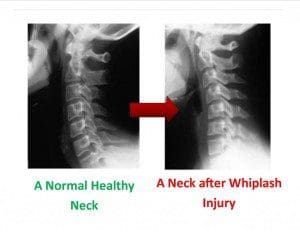
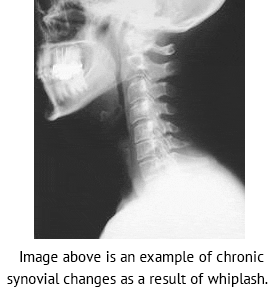
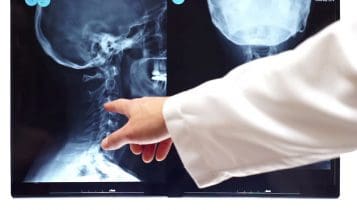
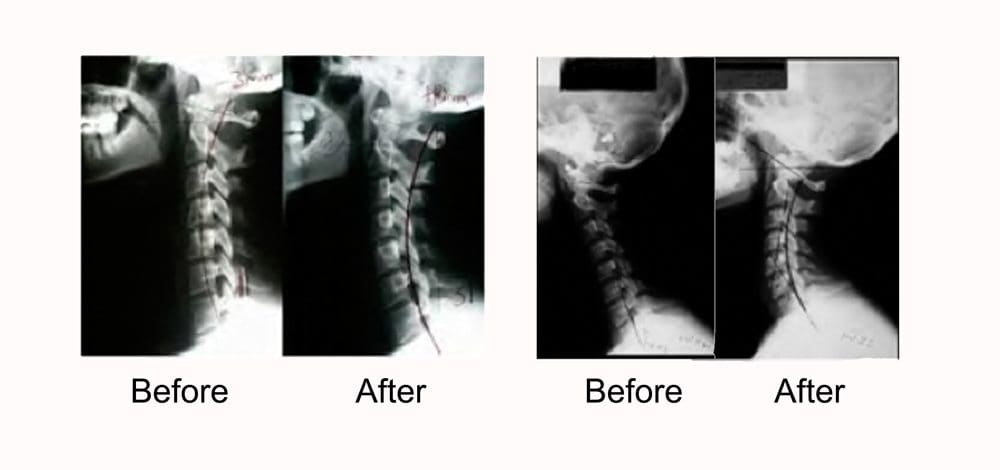
Normal & Whiplash X-Rays
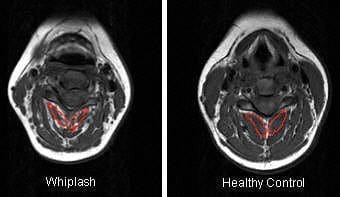
Whiplash MRI Findings
The literature has also suggested cervical disc injuries aren’t uncommon after a whiplash injury. In a study published on chiropractic care for disk herniations, it was demonstrated that patients improve clinically and that repeated MRI imaging often shows decreased size or resolution of the disk herniation. Of the 28 patients studied and followed, many had disc herniations that reacted well to chiropractic care.
In a recent retrospective study by Khan et al., published in the Journal of Orthopedic Medicine, on whiplash-injured patients concerning cervical pain and dysfunction, patients were stratified into groups based on levels of a good outcome to chiropractic care:
Group I: Patients with neck pain only and restricted neck ROM. Patients had a “coat hangar” distribution of pain with no neurologic deficits; 72 percent had a fantastic outcome.
Group II: Patients with neurological symptoms or signs and limited spinal ROM. Patients had numbness, tingling, and paresthesias in the extremity.
Group III: Patients had severe neck pain with full neck ROM and bizarre pain distributions from the extremities. These patients often described chest pain, nausea, vomiting, blackouts, and dysfunction.
The results of the study showed that in class I, 36/50 patients (72%) reacted well to chiropractic care: in group II, 30/32 patients (94 percent) responded well to chiropractic care; and in group III, only 3/11 instances (27%) responded well to chiropractic care. There was a significant difference in outcomes between the three groups.
This study provides new evidence that chiropractic care is effective for whiplash-injured patients. However, the study didn’t consider patients with back injuries, extremity injuries, and TMJ injuries. It did not identify which patients had disc injuries, radiculopathy, and concussive brain injury (most likely group III patients). These types of patients respond better to a model of chiropractic care in combination with multidisciplinary providers.
These studies show what most DCs have already experienced, that the doctor of chiropractic should be the principal care provider in these cases. It’s a common opinion that in cases like group III patients, care should be multidisciplinary to achieve the best possible outcome in difficult scenarios.
The scope of our information is limited to chiropractic and spinal injuries and conditions. To discuss options on the subject matter, please ask Dr. Jimenez or contact us at 915-850-0900.By Dr. Alex Jimenez
Additional Topics: Automobile Accident Injuries
Whiplash, among other automobile accident injuries, is frequently reported by victims of an auto collision, regardless of the severity and grade of the accident. Whiplash is generally the result of an abrupt, back-and-forth jolt of the head and neck in any direction. The sheer force of an impact can cause damage or injury to the cervical spine and the rest of the spine. Fortunately, a variety of treatments are available to treat automobile accident injuries.
The body is a well-tuned machine that is on the move constantly. The different systems like the musculoskeletal system, the immune system, and the joint system, to name a few, can help the body’s motor function to get the body from point A to point B. When injuries or auto accidents affect the body, it can cause various issues to affect the body over time. Many people who suffer from an auto accident injury will experience pain in the cervical and lumbar portions of their spine. It can be nerve-wracking as they are trying to comprehend what is happening. Today’s article will focus on herniation due to auto accidents, how it affects the spine, and how decompression treatments can help many suffering individuals with auto accident herniation. Referring patients to qualified and skilled providers who specialize in spinal decompression therapy. We guide our patients by referring to our associated medical providers based on their examination when it’s appropriate. We find that education is essential for asking insightful questions to our providers. Dr. Jimenez DC provides this information as an educational service only. Disclaimer
Can my insurance cover it? Yes, it may. If you are uncertain, here is the link to all the insurance providers we cover. If you have any questions or concerns, please call Dr. Jimenez at 915-850-0900.
How Do Auto Accidents Cause Herniation?
Have you experienced pain in your neck or low back? Did you experience whiplash in your neck? Has the pain progressively gotten worse after the accident? Many of the symptoms are primarily the after-effects of an auto accident involving a person. After a person has been involved in an auto accident, the injuries and symptoms usually occur within a few minutes until the next day. Research studies have shown that auto accident injury symptoms like herniation occur when the cervical and lumbar portions are injured, causing symptoms like soft tissue strain and disc derangement to be accompanied by radicular pain symptoms. Auto accident herniation also starts to compress the surrounding nerves around the spine. It induces inflammatory markers in the affected areas situated in the neck and lower back. Additional studies have found that auto accident herniation also affects the thoracic portion of the back. Many individuals that suffer from herniation will experience posterior shoulder pain and upper/lower back pain from being involved in an auto accident.
How Does It Affect The Spine?
When a person has suffered from an auto accident, the after-effects do take a toll not only on the body but the spine as well. The painful, inflammatory symptoms cause the soft muscle tissues to become tender to the touch. Research studies have mentioned that the spine will experience possible fractures along the lumbar section of the spine due to the force impact causing axial compression and overstretching of the muscles and soft tissues, causing sharp shooting pain. This makes the back and neck succumb to more despair after the auto accident occurs, thus hindering a person’s quality of life. More research studies have shown that many suffering individuals experience lumbosacral radicular pain on top of herniation. When a person has been suffering from disc degeneration and has been involved in an auto accident, the cascading effects cause the intervertebral disc’s outer layer to rupture and allow disc material displacement to cause herniation on the spine. When the ruptured disc becomes herniated, it will constantly press on the nerve roots, and any normal reactions like coughing or sneezing will worsen the pain. Thankfully, there are therapeutic methods that help alleviate herniation and help restore function to the spine.
Mechanical Traction For Herniation-Video
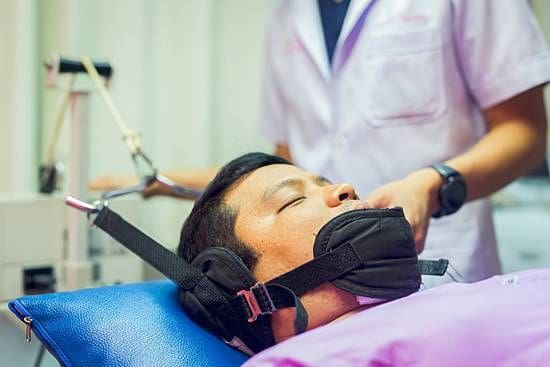
Feeling uncomfortable pain in your neck or back? Have everyday actions like coughing or sneezing hurt your back when not supposed to? Does the pain progressively get worst throughout the entire day? All these symptoms are due to disc herniation caused by auto accidents and can affect a person’s quality of life. The good news is that traction therapy may be the answer for relieving some of the symptoms like herniation on the spine. The video above shows how mechanical traction is used for many individuals suffering pain in the cervical area of the body. Traction therapy is a form of decompression treatment that is either non-surgical or surgical, depending on how severe the pain affects the body. Traction helps the spine through gentle pulling, causing the herniated discs to withdraw from the compressed nerves and establish healing properties to remoisturize in the affected discs while increasing the disc space between the spinal vertebrae. Decompression/traction therapy for either the lumbar or cervical regions of the spine has many beneficial factors in preventing disc herniation. This link will explainhow decompression or traction offers impressive relief for many people who suffer from neck and low back pain herniation caused by auto accident injuries.
How Decompression Treatments Help Auto Accident Herniation
After a person suffers from an auto accident injury, the body will sometimes experience the painful effects the next day since the body has an adrenaline rush that masks the pain. When this happens, therapeutic methods help alleviate the pain and try to repair the body to be functional again. Research studies have shown that decompression treatments have helped many individuals suffering from herniation due to auto accidents by using unloading force traction from the therapy to reduce herniation on the spine. This opposing force helps ease the painful symptoms caused by disc herniation while the compressed nerves are relieved. Other research studies have mentioned that traction therapy, when utilized for herniation, causes vertebral separation to increase the disc space and decrease the nerve root compression. This allows the spinal ligaments to tense up, which is beneficial for the herniated discs to return to the spine and cause relief to the suffering individuals.
Conclusion
Overall the after-effects of an auto accident injury that causes the spine to become herniated affect a person’s quality of life. The painful symptoms cause compression to the surrounding nerve roots, sending pain signals to disrupt the brain and overstretch the muscles when the spine is injured. After the auto accident has occurred, the residual pain will cause tenderness in the cervical and lumbar portions of the spine causing even more pain to the person. Treatments like traction therapy allow individuals to find the relief they desperately need as the herniated disc is relocated to its original position and laid off on the nerve roots. Traction therapy provided beneficial relief to the spine due to negative pressure and brought back the spine’s functionality to the body.
References
Cornips, Erwin M J. “Crippling Upper Back Pain after Whiplash and Other Motor Vehicle Collisions Caused by Thoracic Disc Herniations: Report of 10 Cases.” Spine, U.S. National Library of Medicine, 20 May 2014, https://pubmed.ncbi.nlm.nih.gov/24718062/.
Hashish, Rami, and Hasan Badday. “Frequency of Acute Cervical and Lumbar Pathology in Common Types of Motor Vehicle Collisions: A Retrospective Record Review.” BMC Musculoskeletal Disorders, BioMed Central, 9 Nov. 2017, https://www.ncbi.nlm.nih.gov/pmc/articles/PMC5680606/.
Kumari, Anita, et al. “Effects of One-Fifth, One-Third, and One-Half of the Bodyweight Lumbar Traction on the Straight Leg Raise Test and Pain in Prolapsed Intervertebral Disc Patients: A Randomized Controlled Trial.” BioMed Research International, Hindawi, 16 Sept. 2021, https://www.ncbi.nlm.nih.gov/pmc/articles/PMC8463178/.
Oakley, Paul A, and Deed E Harrison. “Lumbar Extension Traction Alleviates Symptoms and Facilitates Healing of Disc Herniation/Sequestration in 6-Weeks, Following Failed Treatment from Three Previous Chiropractors: A CBP® Case Report with an 8 Year Follow-Up.” Journal of Physical Therapy Science, The Society of Physical Therapy Science, Nov. 2017, https://www.ncbi.nlm.nih.gov/pmc/articles/PMC5702845/.
Pachocki, L, et al. “Biomechanics of Lumbar Spine Injury in Road Barrier Collision-Finite Element Study.” Frontiers in Bioengineering and Biotechnology, Frontiers Media S.A., 1 Nov. 2021, https://www.ncbi.nlm.nih.gov/pmc/articles/PMC8591065/.
Suri, Pradeep, et al. “Inciting Events Associated with Lumbar Disc Herniation.” The Spine Journal : Official Journal of the North American Spine Society, U.S. National Library of Medicine, May 2010, https://www.ncbi.nlm.nih.gov/pmc/articles/PMC2919742/.
An overview of chiropractic treatment for lower lumbar back pain, how it works, how safe it is, and how often treatment is necessary. Along with the principles of chiropractic for the relief of lower/lumbar back pain, whether acute or chronic. Seeing a doctor ofchiropractic/DC, a chiropractor�or a chiropractic physician can be highly beneficial towards effectively treating low back pain. �
�
�
Practice
Chiropractic medicine utilizes a variety of treatments/therapies that are designed to manipulate/adjust the:
Spine
Joints
Tissues
These treatments focus on the entire body to relieve pain and improve functional ability. This is referred to as spinal manipulative therapy or SMT, but there are many other treatment methods and techniques.
Every chiropractor has a personal treatment approach based on the patient’s condition/s, medical history, and personalized treatment plan. A chiropractor will begin traditionally starting off with soft, natural, less-invasive treatments. If these do not generate positive results they will move on to more aggressive techniques.
�
Consent Form
At every stage of the chiropractic process, there is a strict emphasis maintained on proactively discussingwith the patient exactly what is taking place and what is going to happen. A chiropractor makes sure that the patient understands everything that occurs during:
Diagnosis
Examination
Procedure/s
This is all done in order to educate the patient and receive direct permission to start the treatment. The emphasis on informed consent is essential. This is because some chiropractic techniques could carry material risk. This means that a certain technique or particular procedure could possibly cause injury.
A chiropractor also informs the patient of the possible risks of not being treated. It is not meant to scare a patient. It is to eliminate any misunderstandings and make sure that the patient has full control over their body, so they can make an informed decision, as to which way they want to go. �
�
Examination
A chiropractor will thoroughly examine a patient before making any sort of diagnosis or treatment plan. The assessment can include:
�
Medical history
The characteristics of the pain, any red flag symptoms that require further diagnostic testing will be conducted to remove any potentially serious medical issues that can be associated with neck or lower lumbar back pain-like:
Neurological disorders
Fractures
Infections
Tumors
There can be many reasons as to why low lumbar back pain happens. A chiropractor will investigate and develop a personally customized treatment plan. Next, a physical exam will be performed. This includes an orthopedic and neurological exam. These will test the:
Reflexes
Sensory nerves
Joints
Muscles
Other areas of the body
�
Advanced Diagnostic Testing
Imaging and laboratory tests are not always used for non-specificlower lumbar back pain, but they could be necessary if there are signs/symptoms of an underlying condition.
�
Severity/Duration of Condition
Chiropractic medicine looks at the symptoms and conditions of an injury or ailment and classifies them on how severe they are, and how long they last. Symptoms can be divided into degrees of severity: They are:
Mild
Moderate
Severe
For the duration period, pain and other symptoms are referred to as:
Acute pain – lasts for less than 6 weeks
Subacute – lasts between 6 and 12 weeks
Chronic – lasts for at least 12 weeks
Flare-ups – the same symptoms happen irregularly or from an exacerbation of the original injury
�
Treatment Trial
If an individual is dealing with acute or subacute lower lumbar back pain, then a chiropractic trial could be an option. This could be two to three weekly sessions over the course of two to four weeks adding up to twelve total sessions. This can be a sufficient treatment to completely alleviate the pain. However, when the pain does not go away then additional treatments could be necessary, especially if an individual has other issues/conditions.
�
Measured Outcomes
Outcome measurements are a valuable tool because they help determine whether or not the treatment is producing significant results. Some outcome measurements of treatments include:
Numeric Pain Scale for patients to rate the pain
Pain diagram so patients can describe the location and character of the pain
Increases and decreases in normal daily practices, like work, exercise, and sleep
Testing functions
Lifting ability
Strength
Flexibility
Endurance
For some low lumbar back pain could last and go over the 12-week mark making it a chronic pain condition. A chiropractor will look for signs/symptoms to see if there is a risk of developing chronic pain. �
�
Chiropractic How Often
When the pain is acute lower lumbar back pain, a standard treatment plan can be six to ten sessions over the course of two to four weeks. These treatments emphasize the passive non-exercise approach of manual therapy for relieving pain and improving function.
If the non-exercise method doesn’t deliver positive results then a more active exercise-based treatment can be utilized to increase function and return an individual back to normal life.
�
Back Pain That Doesn’t Go Away
Often acute symptoms are resolved within the first 4-weeks. But it is possible that the pain can become chronic, meaning that it lasts longer than 12 weeks. Some individuals can hit a plateau during the recovery process.
This is referred to as MTB or that the patient has met the therapeutic benefits. A chiropractor will want to see if pausing/stopping chiropractic treatment will have a residual effect, exacerbate the pain, or reduce function and activity.
Example: If mild to severe chronic lower lumbar back pain has worsened, a patient could need one to six more visits with each pain episode. And this would be two to three weekly treatments for two to four weeks. However, patients rarely need continuing or ongoing care of one to four visits per month.
�
Re-Evaluation
Chiropractors will not continue treatment/s if they are not helping the patient. Therefore, every 2 to 4 weeks there is a re-evaluation of the patient to see if the treatment is still having a positive and beneficial effect. Here are some of the criteria for continuing treatment:
Individual still responds positively to the treatment
The individual has met the therapeutic benefits and worsens when they are not treated
Proof shows that self-care alone will not be sufficient to maintain the therapeutic benefits
�
Continuing Treatment
Living with chronic lower lumbar back pain can be a challenge, but chiropractors want to emphasize to individuals that self-care is an essential component for pain management. This includes physical rehabilitation combined with range-of-motion exercises. A chiropractic physician may encourage a variety of treatment options, like:
Chiropractic treatment and the benefits are different for everybody. This is why it is important to communicate with your chiropractor every step of the way and to be open-minded about the different treatment options they offer.
�
Lower Back Pain Chiropractic Treatment
Dr. Alex Jimenez�s Blog Post Disclaimer
The scope of our information is limited to chiropractic, musculoskeletal, physical medicines, wellness, and sensitive health issues and/or functional medicine articles, topics, and discussions. We use functional health & wellness protocols to treat and support care for injuries or disorders of the musculoskeletal system. Our posts, topics, subjects, and insights cover clinical matters, issues, and topics that relate and support directly or indirectly our clinical scope of practice.*
Our office has made a reasonable attempt to provide supportive citations and has identified the relevant research study or studies supporting our posts. We also make copies of supporting research studies available to the board and or the public upon request. We understand that we cover matters that require an additional explanation as to how it may assist in a particular care plan or treatment protocol; therefore, to further discuss the subject matter above, please feel free to ask Dr. Alex Jimenez or contact us at 915-850-0900. The provider(s) Licensed in Texas*& New Mexico*�
IFM's Find A Practitioner tool is the largest referral network in Functional Medicine, created to help patients locate Functional Medicine practitioners anywhere in the world. IFM Certified Practitioners are listed first in the search results, given their extensive education in Functional Medicine