I’m definitely able to do day-to-day stuff a lot easier. It’s just like a much happier life with less pain. Just doing anything like working out or any type of activity that a person would take for granted if you don’t have pain, it’s different when you have pain, and so to get pain relief is amazing.
Gale Grijalva
Head and neck injuries are health issues commonly caused by�automobile accidents. Due to the force of the impact, a�moderate fender bender can sometimes even jerk a victim enough to make them hit their head inside the vehicle. The brain�can be very susceptible to suffering damage�after an auto accident, leading to neurological issues which can have lasting effects.
Nerve damage is a prevalent consequence after a car crash, and it can�cause debilitating symptoms, such as pain, headaches, and mental health issues, among others, ultimately making it difficult for anyone to go about their everyday activities.�When it comes to nerve damage, the most common types of automobile accident injuries include:
Whiplash, an intense jerking motion of the head and neck which can cause the nerves to stretch or be pinched;
Blunt-force trauma, hitting your head, arms, or legs on a hard surface inside or outside the vehicle, compressing the nerves; and
Lacerations, deep cuts into the skin sustained during an automobile accident that can sever the nerves in the affected region.
Several signs and symptoms can help indicate when nerves are damaged. These include�pain; partial or full paralysis of limbs and appendages like fingers and/or toes; muscular fatigue; twitching or uncontrolled movements of muscles; a prickling sensation; tingling or numbness on the skin or in limbs; or increased sensitivity to cold and hot temperatures on the surface. Below, we will discuss the effects of nerve damage after an auto accident.
Neuropathy After Auto Injuries
Neuropathy, or nerve damage, may be brought on by sports injuries, work-related injuries, automobile accident injuries, or repetitive motion injuries. These scenarios may cause the nerves to be completely or partially compressed, stretched or even severed. Dislocated or broken, fractured, bones may also place an unnecessary quantity of pressure on the nerves, where slipped intervertebral discs can compress the nerve fibers.
Neuropathy,�a term used to describe nerve damage, usually involves�the peripheral nerves instead of the central nervous system, or the brain and spinal cord. This health issue may not only develop due to the causes�explained above,�but nerve damage can also occur for many other reasons. The most prevalent nerves to be affected by neuropathy include the motor nerves, the autonomic nerves, and the sensory nerves.
The motor nerves enable movement and power;
The autonomic nerves control the systems of the body; and
The sensory nerves control feeling.
Diagnosing neuropathy to determine the best treatment options can help a victim regain a healthy lifestyle. The healthcare professional will begin their evaluation by reviewing the patient’s medical history, including general health, signs and symptoms, any other�type of neuropathy in the family, current or recent prescriptions used, any exposure to poisons or toxins, alcohol consumption, and sexual history.
They will then diagnose the cause of the neuropathy by checking the skin, taking their pulse in different places, examining for feeling, such as analyzing vibration sensations with a tuning fork and evaluating tendon reflexes. The healthcare professional may determine your precise treatment options once the source of the neuropathy is narrowed down. The proper treatment approach can help manage the symptoms.
Radiculopathy After Auto Injuries
Radiculopathy is the medical term used to describe compression or irritation of a nerve in the spine. It is not a specific condition, but instead, a description of a general health issue in which or more nerves are affected, causing symptoms. Radiculopathy may cause pain, tingling sensations, numbness, or fatigue. This condition can occur in any portion of the spine, although it may be more common in some areas than others.
It is most common in the lower back (lumbar radiculopathy);
And in the neck (cervical radiculopathy);
It is�less common in the middle portion of the spine (thoracic radiculopathy), but it’s still tremendously debilitating.
Cervical radiculopathy is pain and other symptoms resulting from any condition which affects the nerves in the cervical, thoracic, or lumbar spine. Degeneration of the cervical region of the spine may lead to a myriad of conditions that might result in problems. These are usually divided between problems that come from health issues originating from pinched or irritated nerves as well as other underlying problems in the neck.
Lumbar radiculopathy causes pain which occurs in the lower back. Damage or injuries to the lumbar spine and compression or impingement of the nerve roots can cause pain, tingling sensations, and numbness. Automobile accident injuries can result in very significant pathologies including damage to the intervertebral discs, muscles, tendons, and ligaments as well as to the nerves traveling down the length of the spine.
Like neuropathy, a diagnosis for radiculopathy begins with a review of a patient’s medical history and a physical evaluation by the healthcare professional. The doctor might be able to determine the source of the symptoms by evaluating the patient’s muscle strength, sensation, and reflexes. These tests often comprise of a CT scan, an MRI or X-rays. The exam may also include an electromyogram or a nerve conduction study which analyzes the current threshold of sensibility in patients.
Millions of people are involved in automobile accidents every year, many of which result in long-term injuries and disability. Chiropractic care is one of the most frequently considered forms of treatment after an auto accident. Through the use of spinal adjustments and manual manipulations, a doctor of chiropractic can help restore normal function to the nervous system in order to allow the body to naturally heal itself.
Dr. Alex Jimenez D.C., C.C.S.T.
Treatment After Auto Injuries
The force that’s often placed on the�neck and the spine during an auto accident can cause nerve damage.�If you experience any signs and symptoms after being involved in a car crash, it’s essential to seek immediate medical attention from a healthcare professional, such as a chiropractor, to receive the proper diagnosis and treatment. Chiropractic care is a popular treatment for automobile accident injuries.
Chiropractic care is an alternative treatment approach which focuses on the diagnosis, treatment, and prevention of a variety of injuries and/or conditions associated with the musculoskeletal and nervous system. Through the use of spinal adjustments and manual manipulations, a chiropractor can carefully correct any spinal misalignments�which may be placing unnecessary amounts of stress on the nerves.�
By naturally restoring the original integrity of the spine, chiropractic care has become one of the most common treatments for a variety of injuries and conditions, including nerve damage associated with automobile accident injuries. The scope of our information is limited to chiropractic as well as to spinal injuries and conditions. To discuss the subject matter, please feel free to ask Dr. Jimenez or contact us at�915-850-0900�.
Curated by Dr. Alex Jimenez
Additional Topics: Central Sensitization After Auto Injuries
Central sensitization is a health issue affecting the nervous system which is commonly associated with the development of chronic pain. With central sensitization, the nervous system experiences a “wind-up” process that causes it to become regulated in a constant state of high reactivity. This constant, or persistent, state of high reactivity lowers the threshold for what should be causing pain in the human body, ultimately maintaining pain even after the initial injury has healed. Central sensitization is identified by two main characteristics, both of which involve a heightened sensitivity to pain and the sensation of touch, known as allodynia and hyperalgesia.
I got into a car accident, I was rear-ended on Valentine’s Day and things weren’t quite right in my body, the aches and pains started coming. So after I visited another chiropractor and talked to my client, they told me about this place and when I came I was like, okay, I’m not going back to the other place. And that’s how I head about him (Dr. Alex Jimenez) and I’m so grateful. – Terry Peoples
Based on information referenced by the National Highway Traffic Safety Administration, or NHTSA, approximately more than three million individuals are injured annually in automobile accidents throughout the United States alone. While the unique conditions of every car crash can ultimately result in a wide variety of injuries, some types of automobile accident injuries are more common than others.
Fortunately, a majority of automobile accident injuries may resolve on their own without the need for treatment, however, more significant health issues caused by the auto collision may require some amount of treatment and/or rehabilitation and others may unfortunately become permanent if left untreated. It’s fundamental for the victim of an automobile accident to seek immediate medical attention in order for them to receive a proper diagnosis for their motor vehicle injuries before proceeding with the most appropriate treatment option for them.
Prior to following any necessary medical procedure, understanding some of the most common automobile accident injuries can help you become aware of the steps you can take to ensure that you are getting the proper care for your health issues. Furthermore, the type and severity of motor vehicle accidents suffered by the victims involved in a car crash may largely depend on several variables, including:
Was the individual wearing a seat belt?
Did the person’s car get hit from the back, side or front?
Was the occupant facing straight ahead in the seat? Or was the person’s head or body turned in a particular direction?
Was the incident a low-speed collision or a high-speed crash?
Did the car have airbags?
There are two broad categories of automobile accident injuries: impact injuries and penetrating injuries. Impact injuries are generally characterized as those caused when a portion of the individual’s body hits some part of the interior of the car. Frequently, this can be a knee hitting a dashboard or the head hitting the seat rest or the side window during an auto collision. Penetrating injuries are generally characterized as open wounds, cuts and scrapes. Shattering glass or loose items flying inside the car on impact can often cause these types of automobile accident injuries. Below, we will discuss the most common automobile accident injuries and describe them in detail.
Soft Tissue Injuries
Soft tissue injuries are some of the most common types of automobile accident injuries. A soft tissue injury is typically characterized as trauma, damage or injury to the body’s connective tissue, including tendons, ligaments and muscles. Soft tissue injuries can vary depending on the type of connective tissue it affects as well as on the grade and severity of the harm. Because soft tissue injuries do not involve open wounds, it may be challenging to diagnose these type of automobile accident injuries.
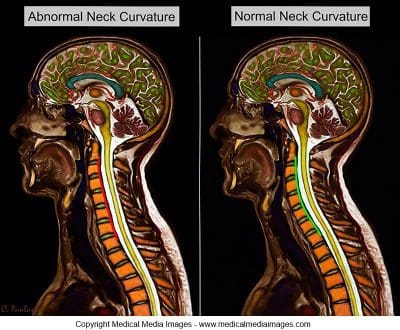
A whiplash-associated disorder, most frequently referred to as a whiplash injury to the neck and upper back, is a type of soft tissue injury. In this form of harm, the muscles, tendons and ligaments are stretched beyond their natural range due to the abrupt movements imposed on the neck and head from the force of the impact at the point of collision. These same mechanisms may additionally cause soft tissue injuries in other regions of the body, such as the back. Automobile accidents can also often cause mid-back and low-back muscle sprains, and at times, these may cause severe back injuries and even aggravate underlying conditions due to the sheer force from the impact on the spine.
Cuts and Scrapes from Automobile Accident Injuries
During an auto collision, any loose objects inside the car can immediately become projectiles which can be thrown about the vehicle’s interior. This includes cell phones, coffee glasses, eyeglasses, purses, books, dash-mounted GPS systems, etc.. If one of these objects strikes your body at the time of the incident, they can easily cause cuts and scrapes as well as cause additional trauma, damage or injuries.
Occasionally, these cuts and scrapes are relatively minor and require no immediate medical attention. More severe cases of these type of automobile accident injuries, however, could create a relatively large open wound and may require stitches to prevent blood loss. Cuts or scrapes can also occur when your airbag deploys from the auto collision.
Head Injuries
Head injuries in the form of automobile accident injuries can take a number of forms, where some can be considered comparatively minor and others can virtually be quite severe. The sudden stop or shift in direction by a motor vehicle during an car crash can cause an individual’s head and neck to jolt or jerk abruptly and unnaturally in any direction, overstretching the complex structures of the cervical spine beyond their normal range, leading to muscle strains and whiplash-associated disorders.
The head itself can also be injured during an auto accident. Impact with a side window or with the steering wheel may cause cuts, scrapes and bruises to the head, as well as even deeper lacerations. More severe collision impacts can cause a closed head injury. In that circumstance, the fluid and tissue inside the skull are damaged due to the abrupt movement or impact of the head. Less acute closed head injuries often result in concussions, while the most severe head injuries can cause brain damage.
Chest Injuries
Chest injuries are also common auto accident injuries. These type of injuries are usually identified as contusions or bruises, however, these can also take the form of much more severe injuries, like fractured ribs or internal injuries. Drivers often experience chest injuries due to their position behind the steering wheel, which offers very little space to move before the torso collides with the steering wheel. If an individual’s body is thrown forward during a motor vehicle collision, even if their chest doesn’t impact the steering wheel or dashboard, the torso will experience tremendously high amounts of force, specifically against the shoulder harness or seat belt, which may cause severe bruising.
Arm and Leg Injuries
The very same sheer forces which unexpectedly throw a person’s head and neck back-and-forth during a car crash can behave similarly on arms and legs. If your vehicle experiences a side impact, your arms and legs may be tossed hard against the door. In addition, if you’re a passenger, your legs typically have very little room to move. As a result, automobile accidents often cause an occupant’s knees to strike the dashboard or even chairs in front of them.
Based on the circumstance of the auto collision, automobile accident injuries to your arms and legs may include bruises, scrapes and cuts, however, sprains and even fractures in both the upper and lower extremities can happen. Keep in mind that some injuries aren’t apparent following a car accident. It may take days, weeks, or even months for symptoms to manifest. Therefore, if you’ve been involved in an automobile accident, it is best to seek immediate medical attention.
Dr. Alex Jimenez’s Insight
After being involved in an auto accident, it may sometimes take days, weeks, even months for symptoms to manifest completely. For your own health and wellness, it’s essential to seek immediate medical attention following the car crash. While many types of injuries can occur, there are several common automobile accident injuries which can develop due to the sheer force of the impact, such as whiplash-associated disorders. Whiplash is a prevalent auto accident injury which is characterized as a type of neck injury which happens when the complex structures surrounding the cervical spine are stretched far beyond their natural range of motion. Chiropractic care is a safe and effective treatment option which can treat a variety of auto accident injuries.
Chiropractic Care After an Automobile Accident
Many healthcare professionals are qualified and experienced�in the treatment of a variety of automobile accident injuries, especially chiropractors. Chiropractic care is a well-known, alternative treatment option which focuses on the diagnosis, treatment and prevention of numerous injuries and/or conditions associated with the musculoskeletal and nervous system. If you’ve been involved in an auto collision, chiropractic care can offer substantial benefits towards your current well-being, supporting your recovery process.
After a car collision, you may experience pain and discomfort, decreased range of motion, stiffness or soreness. Remember that these symptoms may not always manifest immediately after a motor vehicle accident. Through the use of spinal adjustments and manual manipulations, chiropractic care will help you manage painful symptoms, as well as help enhance flexibility, increase strength and improve mobility, promoting a faster recovery. In addition, it can prevent long-term symptoms from developing, such as migraines and chronic pain. The sooner you get chiropractic care after a car wreck, the more likely you are to recover fully.
By carefully restoring the original alignment of the spine, chiropractic care helps reduce pain and other painful symptoms. Furthermore, a chiropractor can recommend a series of exercises and physical activities to help pump oxygen, blood and nutrients to the injury site and enhance recovery. A doctor of chiropractic will develop a personalized treatment program targeted to your specific automobile accident injuries. Chiropractic care also makes it possible to avoid the need for surgical interventions. It strengthens ligaments, tendons and muscles, which shield the body’s structures. It’s also a far more cost-effective solution.
Chiropractic care can also restore function in patients with older vehicle collision injuries. You are still able to benefit from chiropractic care even if you had an accident years back. Employing spinal adjustments and manual manipulations, as well as rehabilitation techniques, it helps relieve old pain and improve function. Additionally, it is a non-invasive treatment option, and you won’t end up needing to rely on pain drugs and/or medications for relief of your symptoms.
Chiropractors can even treat vertigo resulting from a car crash. In as little as one treatment, they could fix a dysfunction in the vestibular system. Other types of chiropractic care treatment techniques include massage, ultrasound, ice and cold treatment, specific exercises and physical activities, and even nutritional advice. Chiropractic care is a safe and effective treatment approach which can help treat automobile accident injuries without the need for drugs and/or medications as well as surgery.
If you suffered a car accident injury, don’t delay any longer. Contact a chiropractor and allow them to help you follow the best treatment path. Chiropractors can provide you a consultation to perform a comprehensive evaluation and make a treatment strategy targeted to your injuries.�The scope of our information is limited to chiropractic as well as to spinal injuries and conditions. To discuss the subject matter, please feel free to ask Dr. Jimenez or contact us at�915-850-0900�.
Curated by Dr. Alex Jimenez
Additional Topics: Back Pain
Back pain is one of the most prevalent causes for disability and missed days at work worldwide. As a matter of fact, back pain has been attributed as the second most common reason for doctor office visits, outnumbered only by upper-respiratory infections. Approximately 80 percent of the population will experience some type of back pain at least once throughout their life. The spine is a complex structure made up of bones, joints, ligaments and muscles, among other soft tissues. Because of this, injuries and/or aggravated conditions, such as herniated discs, can eventually lead to symptoms of back pain. Sports injuries or automobile accident injuries are often the most frequent cause of back pain, however, sometimes the simplest of movements can have painful results. Fortunately, alternative treatment options, such as chiropractic care, can help ease back pain through the use of spinal adjustments and manual manipulations, ultimately improving pain relief.
Being involved in an automobile accident is an undesirable situation which can result in a variety of physical trauma or injury as well as lead to the development of a number of aggravating conditions. Auto accident injuries, such as whiplash, can be characterized by painful symptoms, including chronic neck pain, however, recent research studies have found that emotional distress resulting from an auto collision could manifest into physical symptoms. Stress, anxiety, depression and post traumatic stress disorder, or PTSD, are common psychological issues which may occur as a result of an automobile accident.
The researchers of the research studies also determined that cognitive-behavioral therapy may be an effective treatment for emotional distress and psychological issues which may have developed as a result of the auto accident injuries. Additionally, auto accident injuries may also cause stress, anxiety, depression and even PTSD if left untreated for an extended amount of time. The purpose of the article below is to demonstrate the effects of cognitive-behavioral therapy, together with alternative treatment options like chiropractic care and physical therapy. for auto accident injuries, such as whiplash.
Neck Exercises, Physical and Cognitive Behavioural-Graded Activity as a Treatment for Adult Whiplash Patients with Chronic Neck Pain: Design of a Randomised Controlled Trial
Abstract
Background
Many patients suffer from chronic neck pain following a whiplash injury. A combination of cognitive, behavioural therapy with physiotherapy interventions has been indicated to be effective in the management of patients with chronic whiplash-associated disorders. The objective is to present the design of a randomised controlled trial (RCT) aimed at evaluating the effectiveness of a combined individual physical and cognitive behavioural-graded activity program on self-reported general physical function, in addition to neck function, pain, disability and quality of life in patients with chronic neck pain following whiplash injury compared with a matched control group measured at baseline and 4 and 12 months after baseline.
Methods/Design
The design is a two-centre, RCT-study with a parallel group design. Included are whiplash patients with chronic neck pain for more than 6 months, recruited from physiotherapy clinics and an out-patient hospital department in Denmark. Patients will be randomised to either a pain management (control) group or a combined pain management and training (intervention)group. The control group will receive four educational sessions on pain management, whereas the intervention group will receive the same educational sessions on pain management plus 8 individual training sessions for 4 months, including guidance in specific neck exercises and an aerobic training programme. Patients and physiotherapists are aware of the allocation and the treatment, while outcome assessors and data analysts are blinded. The primary outcome measures will be Medical Outcomes Study Short Form 36 (SF36), Physical Component Summary (PCS). Secondary outcomes will be Global Perceived Effect (-5 to +5), Neck Disability Index (0-50), Patient Specific Functioning Scale (0-10), numeric rating scale for pain bothersomeness (0-10), SF-36 Mental Component Summary (MCS), TAMPA scale of Kinesiophobia (17-68), Impact of Event Scale (0-45), EuroQol (0-1), craniocervical flexion test (22 mmHg – 30 mmHg), joint position error test and cervical range of movement. The SF36 scales are scored using norm-based methods with PCS and MCS having a mean score of 50 with a standard deviation of 10.
Discussion
The perspectives of this study are discussed, in addition to the strengths and weaknesses.
The Danish National Board of Health estimates that 5-6,000 subjects per year in Denmark are involved in a traffic accident evoking whiplash-induced neck pain. About 43% of those will still have physical impairment and symptoms 6 months after the accident [1]. For Swedish society, including Swedish insurance companies, the economic burden is approximately 320 million Euros [2], and this burden is likely to be comparable to that of Denmark. Most studies suggest that patients with Whiplash-Associated Disorders (WAD) report chronic neck symptoms one year after the injury [3]. The main problems in whiplash patients with chronic neck pain are cervical dysfunction and abnormal sensory processing, reduced neck mobility and stability, impaired cervicocephalic kinaesthetic sense, in addition to local and possibly generalised pain [4,5]. Cervical dysfunction is characterised by reduced function of the deep stabilising muscles of the neck.
Besides chronic neck pain, patients with WAD may suffer from physical inactivity as a consequence of prolonged pain [6,7]. This influences physical function and general health and can result in a poor quality of life. In addition, WAD patients may develop chronic pain followed by sensitisation of the nervous system [8,9], a lowering of the threshold for different sensory inputs (pressure, cold, warm, vibration and electrical impulses) [10]. This can be caused by an impaired central pain inhibition [11] – a cortical reorganisation [12]. Besides central sensitisation, the group with WAD may have poorer coping strategies and cognitive functions, compared with patients with chronic neck pain in general [13-15].
Studies have shown that physical training, including specific exercises targeting the deep postural muscles of the cervical spine, is effective in reducing neck pain [16-18] for patients with chronic neck pain, albeit there is a variability in the response to training with not every patient showing a major change. Physical behavioural-graded activity is a treatment approach with a focus on increasing general physical fitness, reducing fear of movement and increasing psychological function [19,20]. There is insufficient evidence for the long-term effect of treatment of physical and cognitive behavioural-graded activity, especially in chronic neck pain patients. Educational sessions, where the focus is on understanding complex chronic pain mechanisms and development of appropriate pain coping and/or cognitive behavioural strategies, have shown reduced general pain [6,21-26]. A review indicated that interventions with a combination of cognitive, behavioural therapy with physiotherapy including neck exercises is effective in the management of WAD patients with chronic neck pain [27], as also recommended by the Dutch clinical guidelines for WAD [28]. However, the conclusions regarding the guidelines are largely based on studies performed on patients with either acute or sub-acute WAD [29]. A more strict conclusion was drawn for WAD patients with chronic pain in the Bone and Joint Decade 2000-2010 Task Force, stating, that ‘because of conflicting evidence and few high-quality studies, no firm conclusions could be drawn about the most effective non-invasive interventions for patients with chronic WAD” [29,30]. The concept of combined treatment for WAD patients with chronic pain has been used in a former randomised controlled trial [31]. The results indicated that a combination of non-specific aerobic exercises and advice containing standardised pain education and reassurance and encouragement to resume light activity, produced better outcomes than advice alone for patients with WAD 3 months after the accident. The patients showed improvements in pain intensity, pain bothersomeness and functions in daily activities in the group receiving exercise and advice, compared with advice alone. However, the improvements were small and only apparent in the short term.
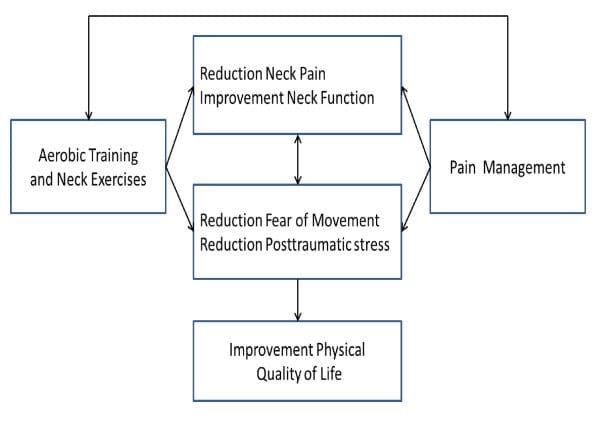
This project is formulated on the expectation that rehabilitation of WAD patients with chronic neck pain must target cervical dysfunctions, training of physical function and the understanding and management of chronic pain in a combined therapy approach. Each single intervention is based upon former studies that have shown effectiveness [6,18,20,32]. This study is the first to also include the long-term effect of the combined approach in patients with chronic neck pain after whiplash trauma. As illustrated in Figure ?Figure1,1, the conceptual model in this study is based upon the hypothesis that training (including both individually-guided specific neck exercises and graded aerobic training) and education in pain management (based on a cognitive behavioural approach) is better for increasing the patients’ physical quality of life, compared with education in pain management alone. Increasing the physical quality of life includes increasing the general physical function and level of physical activity, decreasing fear of movement, reducing post-traumatic stress symptoms, reducing neck pain and increasing neck function. The effect is anticipated to be found immediately after the treatment (i.e. 4 months; short-term effect) as well as after one year (long-term effect).
Figure 1: Hypothesis of the intervention effect for patients with chronic neck pain after a whiplash accident.
Using a randomised controlled trial (RCT) design, the aim of this study is to evaluate the effectiveness of: graded physical training, including specific neck exercises and general aerobic training, combined with education in pain management (based on a cognitive behavioural approach) versus education in pain management (based on a cognitive behavioural approach), measured on physical quality of life’, physical function, neck pain and neck functions, fear of movement, post-traumatic symptoms and mental quality of life, in patients with chronic neck pain after whiplash injury.
Methods/Design
Trial Design
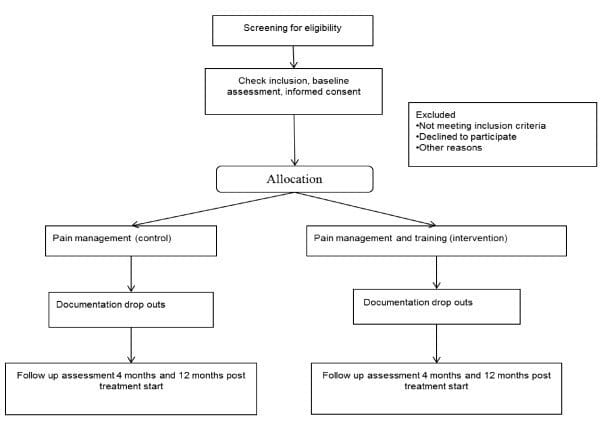
The study is conducted in Denmark as an RCT with a parallel group design. It will be a two-centre study, stratified by recruitment location. Patients will be randomised to either the Pain Management group (control) or the Pain Management and Training group (intervention). As illustrated in Figure ?Figure2,2, the study is designed to include a secondary data assessment 12 months after baseline; the primary outcome assessment will be performed immediately after the intervention program 4 months after baseline. The study utilises an allocation concealment process, ensuring that the group to which the patient is allocated is not known before the patient is entered into the study. The outcome assessors and data analysts will be kept blinded to the allocation to intervention or control group.
Figure 2: Flowchart of the patients in the study.
Settings
The participants will be recruited from physiotherapy clinics in Denmark and from The Spine Centre of Southern Denmark, Hospital Lilleb�lt via an announcement at the clinics and the Hospital. Using physiotherapy clinics spread across Denmark, the patients will receive the intervention locally. The physiotherapy clinics in Denmark receive patients via referral from their general practitioners. The Spine Centre, a unit specialising in treating patients with musculoskeletal dysfunctions and only treating out-patients, receives patients referred from general practitioners and/or chiropractors.
Study Population
Two hundred adults with a minimum age of 18 years, receiving physiotherapy treatment or having been referred for physiotherapy treatment will be recruited. For patients to be eligible, they must have: chronic neck pain for at least 6 months following a whiplash injury, reduced physical neck function (Neck Disability Index score, NDI, of a minimum of 10), pain primarily in the neck region, finished any medical /radiological examinations, the ability to read and understand Danish and the ability to participate in the exercise program. The exclusion criteria include: neuropathies/ radiculopathies (clinically tested by: positive Spurling, cervical traction and plexus brachialis tests) [33], neurological deficits (tested as in normal clinical practice through a process of examining for unknown pathology), engagement in experimental medical treatment, being in an unstable social and/or working situation, pregnancy, known fractures, depression according to the Beck Depression Index (score > 29) [18,34,35], or other known coexisting medical conditions which could severely restrict participation in the exercise program. The participants will be asked not to seek other physiotherapy or cognitive treatment during the study period.
Intervention
Control
The Pain Management (control) group will receive education in pain management strategies. There will be 4 sessions of 11/2 hours, covering topics regarding pain mechanisms, acceptance of pain, coping strategies, and goal-setting, based upon pain management and cognitive therapy concepts [21,26,36].
Intervention
The Pain Management plus Training (intervention) group will receive the same education in pain management as those in the control group plus 8 treatment sessions (instruction in neck exercises and aerobic training) with the same period of 4 months length. If the treating physiotherapist estimates additional treatments are needed, the treatment can be extended with 2 more sessions. Neck training: The treatment of neck-specific exercises will be progressed through different phases, which are defined by set levels of neck function. At the first treatment session, patients are tested for cervical neuromuscular function to identify the specific level at which to start neck training. A specific individually tailored exercise program will be used to target the neck flexor and extensor muscles. The ability to activate the deep cervical neck flexor muscles of the upper cervical region to increase their strength, endurance and stability function is trained progressively via the craniocervical training method using a biopressure feedback transducer [18,37]. Exercises for neck-eye coordination, neck joint positioning, balance and endurance training of the neck muscles will be included as well, since it has been shown to reduce pain and improve sensorimotor control in patients with insidious neck pain [17,38]. Aerobic training: The large trunk and leg muscles will be trained with a gradually increasing physical training program. Patients will be allowed to select activities such as walking, cycling, stick walking, swimming, and jogging. The baseline for training duration is set by exercising 3 times at a comfortable level, that does not exacerbate pain and aims at a rated perceived exertion (RPE) level of between 11 and 14 on a Borg scale [39]. The initial duration of training is set 20% below the average time of the three trials. Training sessions are carried out every second day with a prerequisite that pain is not worsened, and that RPE is between 9 and 14. A training diary is used. If patients do not experience a relapse, and report an average RPE value of 14 or less, the exercise duration for the following period (1 or 2 weeks) is increased by 2-5 minutes, up to a maximum of 30 minutes. If the RPE level is 15 or higher, the exercise duration will be reduced to an average RPE score of 11 to 14 every fortnight [20,40]. By using these pacing principles, the training will be graded individually by the patient, with a focus on perceived exertion – with the aim of increasing the patient’ s general physical activity level and fitness.
Patients’ compliance will be administered by registration of their participation in the control and intervention group. The patients in the control group will be considered to have completed the pain management if they have attended 3 out of 4 sessions. The patiesnts in the intervention group will be considered to have completed if the patient has attended a minimum of 3 out of 4 pain management sessions and a minimum of 5 out of 8 trainings sessions. Each patient’s home training with neck exercises and aerobic training will be registered by him/her in a logbook. Compliance with 75% of the planned home training will be considered as having completed the intervention.
Physiotherapists
The participating physiotherapists will be recruited via an announcement in the Danish Physiotherapy Journal. The inclusion criteria consist of: being a qualified physiotherapist, working at a clinic and having at least two years of working experience as a physiotherapist, having attended a course in the described intervention and passed the related exam.
Outcome Measures
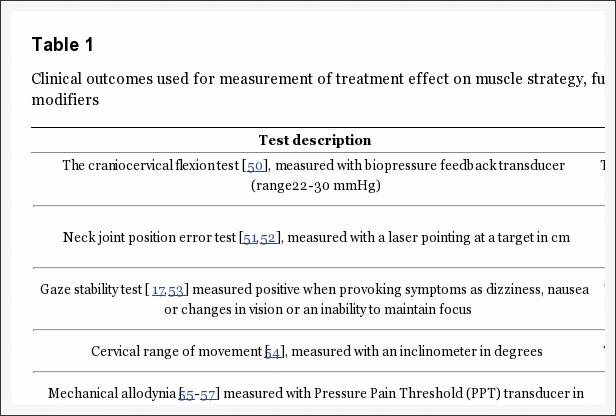
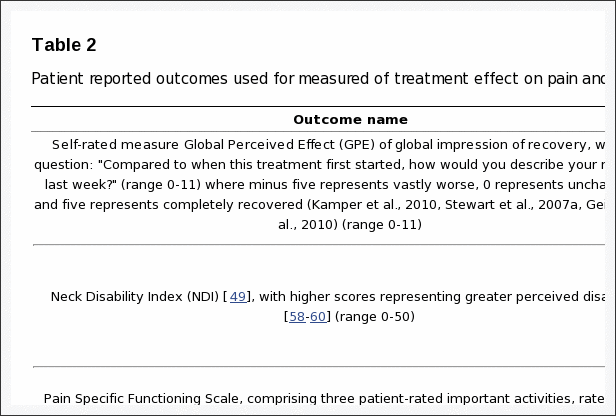
At baseline the participants’ information on age, gender, height and weight, type of accident, medication, development of symptoms over the last two months (status quo, improving, worsening), expectation of treatment, employment and educational status will be registered. As a primary outcome measure, Medical Outcomes Study Short Form 36 (SF36) – Physical Component Summary (PCS) will be used [41,42]. The PCS scales are scored using norm-based methods [43,44] with a mean score of 50 with a standard deviation of 10. The primary outcome with respect to having an effect, will be calculated as a change from baseline [45]. Secondary outcomes contain data on both clinical tests and patient-reported outcomes. Table ?Table11 presents clinical tests for measuring the intervention effect on neuromuscular control of the cervical muscles, cervical function and mechanical allodynia. Table ?Table22 presents the patient-related outcomes from questionnaires used to test for perceived effect of the treatment, neck pain and function, pain bothersomeness, fear of movement, post-traumatic stress and quality of life and potential treatment modifiers.
Table 1: Clinical outcomes used for measurement of treatment effect on muscle strategy, function and treatment modifiers.
Table 2: Patient reported outcomes used for measured of treatment effect on pain and function.
Patients will be tested at baseline, 4 and 12 months after baseline, except for GPE, which will only be measured 4 and 12 months after baseline.
Power and Sample Size Estimation
The power and sample size calculation is based on the primary outcome, being SF36-PCS 4 months after baseline. For a two-sample pooled t-test of a normal mean difference with a two-sided significance level of 0.05, assuming a common SD of 10, a sample size of 86 per group is required to obtain a power of at least 90% to detect a group mean difference of 5 PCS points [45]; the actual power is 90.3%, and the fractional sample size that achieves a power of exactly 90% is 85.03 per group. In order to adjust for an estimated 15% withdrawal during the study period of 4 months, we will include 100 patients in each group. For sensitivity, three scenarios were applied: firstly, anticipating that all 2 � 100 patients complete the trial, we will have sufficient power (> 80%) to detect a group mean difference as low as 4 PCS points; secondly, we will be able to detect a statistically significant group mean difference of 5 PCS points with sufficient power (> 80%) even with a pooled SD of 12 PCS points. Thirdly and finally, if we aim for a group mean difference of 5 PCS points, with a pooled SD of 10, we will have sufficient power (> 80%) with only 64 patients in each group. However, for logistical reasons, new patients will no longer be included in the study 24 months after the first patient has been included.
Randomisation, Allocation and Blinding Procedures
After the baseline assessment, the participants are randomly assigned to either the control group or the intervention group. The randomisation sequence is created using SAS (SAS 9.2 TS level 1 M0) statistical software and is stratified by centre with a 1:1 allocation using random block sizes of 2, 4, and 6. The allocation sequence will be concealed from the researcher enrolling and assessing participants in sequentially numbered, opaque, sealed and stapled envelopes. Aluminium foil inside the envelope will be used to render the envelope impermeable to intense light. After revealing the content of the envelope, both patients and physiotherapists are aware of the allocation and the corresponding treatment. Outcome assessors and data analysts are however kept blinded. Prior to the outcome assessments, the patients will be asked by the research assistant not to mention the treatment to which they have been allocated.
Statistical Analysis
All the primary data analyses will be carried out according to a pre-established analysis plan; all analyses will be done applying SAS software (v. 9.2 Service Pack 4; SAS Institute Inc., Cary, NC, USA). All descriptive statistics and tests are reported in accordance with the recommendations of the ‘Enhancing the QUAlity and Transparency Of health Research’ (EQUATOR) network; i.e., various forms of the CONSORT statement [46]. Data will be analysed using a two-factor Analysis of Covariance (ANCOVA), with a factor for Group and a factor for Gender, using the baseline value as covariate to reduce the random variation, and increase the statistical power. Unless stated otherwise, results will be expressed as the difference between the group means with 95% confidence intervals (CIs) and associated p-values, based on a General Linear Model (GLM) procedure. All the analyses will be performed using the Statistical Package for Social Sciences (version 19.0.0, IBM, USA) as well as the SAS system (v. 9.2; SAS Institute Inc., Cary, NC, USA). A two-way analysis of variance (ANOVA) with repeated measures (Mixed model) will be performed to test the difference over time between the intervention and the control groups; interaction: Group � Time. An alpha-level of 0.05 will be considered as being statistically significant (p < 0.05, two- sided). The data analysts will be blinded to the allocated interventions for primary analyses.
The baseline scores for the primary and secondary outcomes will be used to compare the control and intervention groups. The statistical analyses will be performed on the basis of the intention-to-treat principle, i.e. patients will be analysed in the treatment group to which they were randomly allocated. In the primary analyses, missing data will be replaced with the feasible and transparent ‘Baseline Observation Carried Forward’ (BOCF) technique, and for sensitivity also a multiple imputation technique will apply.
Secondarily, to relate the results to compliance, a ‘per protocol’ analysis will be used as well. The ‘per protocol’ population he patients who have ‘completed’ the intervention to which they were allocated, according to the principles described in the intervention section above.
Ethical Considerations
The Regional Scientific Ethical Committee of Southern Denmark approved the study (S-20100069). The study conformed to The Declaration of Helsinki 2008 [47] by fulfilling all general ethical recommendations.
All subjects will receive information about the purpose and content of the project and give their oral and written consent to participate, with the possibility to drop out of the project at any time.
Dr. Alex Jimenez’s Insight
Managing stress, anxiety, depression and symptoms of post traumatic stress disorder, or PTSD, after being involved in an automobile accident can be difficult, especially if the incident caused physical trauma and injuries or aggravated a previously existing condition. In many cases, the emotional distress and the psychological issues caused by the incident may be the source of the painful symptoms. In El Paso, TX, many veterans with PTSD visit my clinic after manifesting worsening symptoms from a previous auto accident injury. Chiropractic care can provide patients the proper stress management environment they need to improve their physical and emotional symptoms. Chiropractic care can also treat a variety of auto accident injuries, including whiplash, head and neck injuries, herniated disc and back injuries.
Discussion
This study will contribute to a better understanding of treating patients with chronic neck pain following a whiplash accident. The knowledge from this study can be implemented into clinical practice, as the study is based on a multimodal approach, mirroring the approach, which in spite of the current lack of evidence, is often used in a clinical physiotherapy setting. The study may also be included in systematic reviews thereby contributing to updating the knowledge about this population and to enhancing evidence-based treatment.
Publishing the design of a study before the study is performed and the results obtained has several advantages. It allows the design to be finalised without its being influenced by the outcomes. This can assist in preventing bias as deviations from the original design can be identified. Other research projects will have the opportunity to follow a similar approach with respect to population, interventions, controls and outcome measurements. The challenges of this study are related to standardising the interventions, treating a non-homogeneous population, defining and standardising relevant outcome measures on a population with long-lasting symptoms and having a population from two different clinical settings. Standardisation of the interventions is obtained by teaching the involved physiotherapists in an instructional course. Population homogeneity will be handled by strict inclusion and exclusion criteria and by monitoring the baseline characteristics of the patients, and differences between groups based on other influences than the intervention/control will be possible to analyse statistically. This research design is composed as an ‘add-on’ design: both groups receive pain education; the intervention group receives additional physical training, including specific neck exercises and general training. Today there is insufficient evidence for the effect of treatment for patients with chronic neck pain following a whiplash accident. All participating patients will be referred for a treatment (control or intervention), as we consider it unethical not to offer some form of treatment, i.e. randomising the control group to a waiting list. The add-on design is chosen as a pragmatic workable solution in such a situation [48].
For whiplash patients with chronic pain, the most responsive disability measures (for the individual patient, not for the group as a whole) are considered to be the Patient Specific Functional Scale and the numerical rating scale of pain bothersomeness [49]. By using these and NDI (the most often used neck disability measure) as secondary outcome measures, it is anticipated that patient-relevant changes in pain and disability can be evaluated. The population will be recruited from and treated at two different clinical settings: the out-patient clinic of The Spine Centre, Hospital Lilleb�lt and several private physiotherapy clinics. To avoid any influence of the different settings on the outcome measures, the population will be block randomised related to the settings, securing equal distribution of participants from each setting to the two intervention groups.
Competing Interests
The authors declare that they have no competing interests.
Authors’ Contributions
IRH drafted the manuscript. IRH, BJK and KS participated in the design of the study. All contributed to the design. RC, IRH; BJK and KS participated in the power and sample size calculation and in describing the statistical analysis as well as the allocation and randomization procedure. All authors read and approved the final manuscript. Suzanne Capell provided writing assistance and linguistic corrections.
This study has received funding from the Research Fund for the Region of Southern Denmark, the Danish Rheumatism Association, the Research Foundation of the Danish Association of Physiotherapy, the Fund for Physiotherapy in Private Practice, and the Danish Society of Polio and Accident Victims (PTU). The Musculoskeletal Statistics Unit at the Parker Institute is supported by grants from the Oak Foundation. Suzanne Capell provided writing assistance and linguistic correction.
A Randomized Controlled Trial of Cognitive-Behavioral Therapy for the Treatment of PTSD in the context of Chronic Whiplash
Abstract
Objectives
Whiplash-associated disorders (WAD) are common and involve both physical and psychological impairments. Research has shown that persistent posttraumatic stress symptoms are associated with poorer functional recovery and physical therapy outcomes. Trauma-focused cognitive-behavioral therapy (TF-CBT) has shown moderate effectiveness in chronic pain samples. However, to date, there have been no clinical trials within WAD. Thus, this study will report on the effectiveness of TF-CBT in individuals meeting the criteria for current chronic WAD and posttraumatic stress disorder (PTSD).
Method
Twenty-six participants were randomly assigned to either TF-CBT or a waitlist control, and treatment effects were evaluated at posttreatment and 6-month follow-up using a structured clinical interview, self-report questionnaires, and measures of physiological arousal and sensory pain thresholds.
Results
Clinically significant reductions in PTSD symptoms were found in the TF-CBT group compared with the waitlist at postassessment, with further gains noted at the follow-up. The treatment of PTSD was also associated with clinically significant improvements in neck disability, physical, emotional, and social functioning and physiological reactivity to trauma cues, whereas limited changes were found in sensory pain thresholds.
Discussion
This study provides support for the effectiveness of TF-CBT to target PTSD symptoms within chronic WAD. The finding that treatment of PTSD resulted in improvements in neck disability and quality of life and changes in cold pain thresholds highlights the complex and interrelating mechanisms that underlie both WAD and PTSD. Clinical implications of the findings and future research directions are discussed.
In conclusion, being involved in an automobile accident is an undesirable situation which can result in a variety of physical trauma or injury as well as lead to the development of a number of aggravating conditions. However, stress, anxiety, depression and post traumatic stress disorder, or PTSD, are common psychological issues which may occur as a result of an automobile accident. According to research studies, physical symptoms and emotional distress may be closely connected and treating both physical and emotional injuries could help patients achieve overall health and wellness. Information referenced from the National Center for Biotechnology Information (NCBI). The scope of our information is limited to chiropractic as well as to spinal injuries and conditions. To discuss the subject matter, please feel free to ask Dr. Jimenez or contact us at 915-850-0900 .
Curated by Dr. Alex Jimenez
Additional Topics: Back Pain
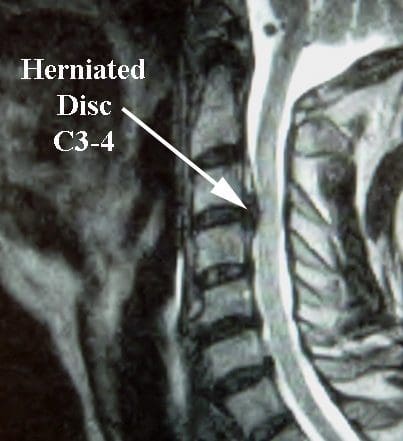
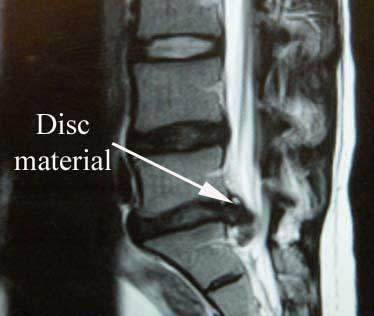
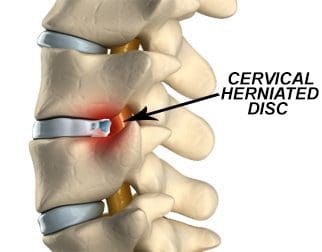
According to statistics, approximately 80% of people will experience symptoms of back pain at least once throughout their lifetimes. Back pain is a common complaint which can result due to a variety of injuries and/or conditions. Often times, the natural degeneration of the spine with age can cause back pain. Herniated discs occur when the soft, gel-like center of an intervertebral disc pushes through a tear in its surrounding, outer ring of cartilage, compressing and irritating the nerve roots. Disc herniations most commonly occur along the lower back, or lumbar spine, but they may also occur along the cervical spine, or neck. The impingement of the nerves found in the low back due to injury and/or an aggravated condition can lead to symptoms of sciatica.
1. The National Institute of Public H. Folkesundhedsrapporten, 2007 (engl: Public Health Report, Denmark, 2007) 2007. p. s.112.
2. Whiplash kommisionen och Svenska Lkl. Diagnostik och tidigt omh�ndertagande av whiplashskador (engl: Diagnostics and early treatment of Whiplash Injuries) Sandviken: Sandvikens tryckeri; 2005.
3. Carroll LJ, Hogg-Johnson S, van dV, Haldeman S, Holm LW, Carragee EJ, Hurwitz EL, Cote P, Nordin M, Peloso PM. et al. Course and prognostic factors for neck pain in the general population: results of the Bone and Joint Decade 2000-2010 Task Force on Neck Pain and Its Associated Disorders. Spine. 2008;12(4 Suppl):S75�S82. [PubMed]
4. Nijs J, Oosterwijck van J, Hertogh de W. Rehabilitation of chronic whiplash: treatment of cervical dysfunctions or chronic pain syndrome? ClinRheumatol. 2009;12(3):243�251. [PubMed]
5. Falla D. Unravelling the complexity of muscle impairment in chronic neck pain. ManTher. 2004;12(3):125�133. [PubMed]
6. Mannerkorpi K, Henriksson C. Non-pharmacological treatment of chronic widespread musculoskeletal pain. BestPractResClinRheumatol. 2007;12(3):513�534. [PubMed]
7. Kay TM, Gross A, Goldsmith C, Santaguida PL, Hoving J, Bronfort G. Exercises for mechanical neck disorders. CochraneDatabaseSystRev. 2005. p. CD004250. [PubMed]
8. Kasch H, Qerama E, Kongsted A, Bendix T, Jensen TS, Bach FW. Clinical assessment of prognostic factors for long-term pain and handicap after whiplash injury: a 1-year prospective study. EurJNeurol. 2008;12(11):1222�1230. [PubMed]
9. Curatolo M, Arendt-Nielsen L, Petersen-Felix S. Central hypersensitivity in chronic pain: mechanisms and clinical implications. PhysMedRehabilClinNAm. 2006;12(2):287�302. [PubMed]
10. Jull G, Sterling M, Kenardy J, Beller E. Does the presence of sensory hypersensitivity influence outcomes of physical rehabilitation for chronic whiplash?–A preliminary RCT. Pain. 2007;12(1-2):28�34. doi: 10.1016/j.pain.2006.09.030. [PubMed] [Cross Ref]
11. Davis C. Chronic pain/dysfunction in whiplash-associated disorders95. JManipulative Physiol Ther. 2001;12(1):44�51. doi: 10.1067/mmt.2001.112012. [PubMed] [Cross Ref]
12. Flor H. Cortical reorganisation and chronic pain: implications for rehabilitation. JRehabilMed. 2003. pp. 66�72. [PubMed]
13. Bosma FK, Kessels RP. Cognitive impairments, psychological dysfunction, and coping styles in patients with chronic whiplash syndrome14. Neuropsychiatry NeuropsycholBehavNeurol. 2002;12(1):56�65. [PubMed]
14. Guez M. Chronic neck pain. An epidemiological, psychological and SPECT study with emphasis on whiplash-associated disorders9. Acta OrthopSuppl. 2006;12(320):receding-33. [PubMed]
15. Kessels RP, Aleman A, Verhagen WI, van Luijtelaar EL. Cognitive functioning after whiplash injury: a meta-analysis5. JIntNeuropsycholSoc. 2000;12(3):271�278. [PubMed]
16. O’Sullivan PB. Lumbar segmental ‘instability’: clinical presentation and specific stabilizing exercise management. ManTher. 2000;12(1):2�12. [PubMed]
17. Jull G, Falla D, Treleaven J, Hodges P, Vicenzino B. Retraining cervical joint position sense: the effect of two exercise regimes. JOrthopRes. 2007;12(3):404�412. [PubMed]
18. Falla D, Jull G, Hodges P, Vicenzino B. An endurance-strength training regime is effective in reducing myoelectric manifestations of cervical flexor muscle fatigue in females with chronic neck pain. ClinNeurophysiol. 2006;12(4):828�837. [PubMed]
19. Gill JR, Brown CA. A structured review of the evidence for pacing as a chronic pain intervention. EurJPain. 2009;12(2):214�216. [PubMed]
20. Wallman KE, Morton AR, Goodman C, Grove R, Guilfoyle AM. Randomised controlled trial of graded exercise in chronic fatigue syndrome. MedJAust. 2004;12(9):444�448. [PubMed]
21. Hayes SC, Luoma JB, Bond FW, Masuda A, Lillis J. Acceptance and commitment therapy: model, processes and outcomes. BehavResTher. 2006;12(1):1�25. [PubMed]
22. Lappalainen R, Lehtonen T, Skarp E, Taubert E, Ojanen M, Hayes SC. The impact of CBT and ACT models using psychology trainee therapists: a preliminary controlled effectiveness trial. BehavModif. 2007;12(4):488�511. [PubMed]
23. Linton SJ, Andersson T. Can chronic disability be prevented? A randomized trial of a cognitive-behavior intervention and two forms of information for patients with spinal pain. Spine (Phila Pa 1976) 2000;12(21):2825�2831. doi: 10.1097/00007632-200011010-00017. [PubMed] [Cross Ref]
24. Moseley L. Combined physiotherapy and education is efficacious for chronic low back pain. AustJPhysiother. 2002;12(4):297�302. [PubMed]
25. Soderlund A, Lindberg P. Cognitive behavioural components in physiotherapy management of chronic whiplash associated disorders (WAD)–a randomised group study6. GItalMedLavErgon. 2007;12(1 Suppl A):A5�11. [PubMed]
26. Wicksell RK. Exposure and acceptance in patients with chronic debilitating pain – a behavior therapy model to improve functioning and quality of life. Karolinska Institutet; 2009.
27. Seferiadis A, Rosenfeld M, Gunnarsson R. A review of treatment interventions in whiplash-associated disorders70. EurSpine J. 2004;12(5):387�397. [PMC free article] [PubMed]
28. van der Wees PJ, Jamtvedt G, Rebbeck T, de Bie RA, Dekker J, Hendriks EJ. Multifaceted strategies may increase implementation of physiotherapy clinical guidelines: a systematic review. AustJPhysiother. 2008;12(4):233�241. [PubMed]
29. Verhagen AP, Scholten-Peeters GG, van WS, de Bie RA, Bierma-Zeinstra SM. Conservative treatments for whiplash34. CochraneDatabaseSystRev. 2009. p. CD003338.
30. Hurwitz EL, Carragee EJ, van dV, Carroll LJ, Nordin M, Guzman J, Peloso PM, Holm LW, Cote P, Hogg-Johnson S. et al. Treatment of neck pain: noninvasive interventions: results of the Bone and Joint Decade 2000-2010 Task Force on Neck Pain and Its Associated Disorders. Spine. 2008;12(4 Suppl):S123�S152. [PubMed]
31. Stewart MJ, Maher CG, Refshauge KM, Herbert RD, Bogduk N, Nicholas M. Randomized controlled trial of exercise for chronic whiplash-associated disorders. Pain. 2007;12(1-2):59�68. doi: 10.1016/j.pain.2006.08.030. [PubMed] [Cross Ref]
32. Ask T, Strand LI, Sture SJ. The effect of two exercise regimes; motor control versus endurance/strength training for patients with whiplash-associated disorders: a randomized controlled pilot study. ClinRehabil. 2009;12(9):812�823. [PubMed]
33. Rubinstein SM, Pool JJ, van Tulder MW, Riphagen II, de Vet HC. A systematic review of the diagnostic accuracy of provocative tests of the neck for diagnosing cervical radiculopathy. EurSpine J. 2007;12(3):307�319. [PMC free article] [PubMed]
34. Peolsson M, Borsbo B, Gerdle B. Generalized pain is associated with more negative consequences than local or regional pain: a study of chronic whiplash-associated disorders7. JRehabilMed. 2007;12(3):260�268. [PubMed]
35. Beck AT, Ward CH, Mendelson M, Mock J, Erbaugh J. An inventory for measuring depression. ArchGenPsychiatry. 1961;12:561�571. [PubMed]
36. Wicksell RK, Ahlqvist J, Bring A, Melin L, Olsson GL. Can exposure and acceptance strategies improve functioning and life satisfaction in people with chronic pain and whiplash-associated disorders (WAD)? A randomized controlled trial. Cogn BehavTher. 2008;12(3):169�182. [PubMed]
37. Falla D, Jull G, Dall’Alba P, Rainoldi A, Merletti R. An electromyographic analysis of the deep cervical flexor muscles in performance of craniocervical flexion. PhysTher. 2003;12(10):899�906. [PubMed]
38. Palmgren PJ, Sandstrom PJ, Lundqvist FJ, Heikkila H. Improvement after chiropractic care in cervicocephalic kinesthetic sensibility and subjective pain intensity in patients with nontraumatic chronic neck pain. JManipulative Physiol Ther. 2006;12(2):100�106. doi: 10.1016/j.jmpt.2005.12.002. [PubMed] [Cross Ref]
39. Borg G. Psychophysical scaling with applications in physical work and the perception of exertion. ScandJWork EnvironHealth. 1990;12(Suppl 1):55�58. [PubMed]
40. Wallman KE, Morton AR, Goodman C, Grove R. Exercise prescription for individuals with chronic fatigue syndrome. MedJAust. 2005;12(3):142�143. [PubMed]
41. McCarthy MJ, Grevitt MP, Silcocks P, Hobbs G. The reliability of the Vernon and Mior neck disability index, and its validity compared with the short form-36 health survey questionnaire. EurSpine J. 2007;12(12):2111�2117. [PMC free article] [PubMed]
42. Bjorner JB, Damsgaard MT, Watt T, Groenvold M. Tests of data quality, scaling assumptions, and reliability of the Danish SF-36. JClinEpidemiol. 1998;12(11):1001�1011. [PubMed]
43. Ware JE Jr, Kosinski M, Bayliss MS, McHorney CA, Rogers WH, Raczek A. Comparison of methods for the scoring and statistical analysis of SF-36 health profile and summary measures: summary of results from the Medical Outcomes Study. MedCare. 1995;12(4 Suppl):AS264�AS279. [PubMed]
44. Ware JE Jr. SF-36 health survey update. Spine (Phila Pa 1976) 2000;12(24):3130�3139. doi: 10.1097/00007632-200012150-00008. [PubMed] [Cross Ref]
45. Carreon LY, Glassman SD, Campbell MJ, Anderson PA. Neck Disability Index, short form-36 physical component summary, and pain scales for neck and arm pain: the minimum clinically important difference and substantial clinical benefit after cervical spine fusion. Spine J. 2010;12(6):469�474. doi: 10.1016/j.spinee.2010.02.007. [PubMed] [Cross Ref]
46. Moher D, Hopewell S, Schulz KF, Montori V, Gotzsche PC, Devereaux PJ, Elbourne D, Egger M, Altman DG. CONSORT 2010 Explanation and Elaboration: Updated guidelines for reporting parallel group randomised trials. JClinEpidemiol. 2010;12(8):e1�37. [PubMed]
47. Subjects WDoH-EPfMRIH. WORLD MEDICAL ASSOCIATION DECLARATION OF HELSINKI. WMA Declaration of Helsinki – Ethical Principles for Medical Research Involving Human Subjects. 2008.
48. Dworkin RH, Turk DC, Peirce-Sandner S, Baron R, Bellamy N, Burke LB, Chappell A, Chartier K, Cleeland CS, Costello A. et al. Research design considerations for confirmatory chronic pain clinical trials: IMMPACT recommendations. Pain. 2010;12(2):177�193. doi: 10.1016/j.pain.2010.02.018. [PubMed] [Cross Ref]
49. Stewart M, Maher CG, Refshauge KM, Bogduk N, Nicholas M. Responsiveness of pain and disability measures for chronic whiplash. Spine (Phila Pa 1976) 2007;12(5):580�585. doi: 10.1097/01.brs.0000256380.71056.6d. [PubMed] [Cross Ref]
50. Jull GA, O’Leary SP, Falla DL. Clinical assessment of the deep cervical flexor muscles: the craniocervical flexion test. JManipulative Physiol Ther. 2008;12(7):525�533. doi: 10.1016/j.jmpt.2008.08.003. [PubMed] [Cross Ref]
51. Revel M, Minguet M, Gregoy P, Vaillant J, Manuel JL. Changes in cervicocephalic kinesthesia after a proprioceptive rehabilitation program in patients with neck pain: a randomized controlled study. ArchPhysMedRehabil. 1994;12(8):895�899. [PubMed]
52. Heikkila HV, Wenngren BI. Cervicocephalic kinesthetic sensibility, active range of cervical motion, and oculomotor function in patients with whiplash injury. ArchPhysMedRehabil. 1998;12(9):1089�1094. [PubMed]
53. Treleaven J, Jull G, Grip H. Head eye co-ordination and gaze stability in subjects with persistent whiplash associated disorders. Man Ther. 2010. [PubMed]
54. Williams MA, McCarthy CJ, Chorti A, Cooke MW, Gates S. A systematic review of reliability and validity studies of methods for measuring active and passive cervical range of motion. JManipulative Physiol Ther. 2010;12(2):138�155. doi: 10.1016/j.jmpt.2009.12.009. [PubMed] [Cross Ref]
55. Kasch H, Qerama E, Kongsted A, Bach FW, Bendix T, Jensen TS. Deep muscle pain, tender points and recovery in acute whiplash patients: a 1-year follow-up study. Pain. 2008;12(1):65�73. doi: 10.1016/j.pain.2008.07.008. [PubMed] [Cross Ref]
56. Sterling M. Testing for sensory hypersensitivity or central hyperexcitability associated with cervical spine pain. JManipulative Physiol Ther. 2008;12(7):534�539. doi: 10.1016/j.jmpt.2008.08.002. [PubMed] [Cross Ref]
57. Ettlin T, Schuster C, Stoffel R, Bruderlin A, Kischka U. A distinct pattern of myofascial findings in patients after whiplash injury. ArchPhysMedRehabil. 2008;12(7):1290�1293. [PubMed]
58. Vernon H, Mior S. The Neck Disability Index: a study of reliability and validity. JManipulative Physiol Ther. 1991;12(7):409�415. [PubMed]
59. Vernon H. The Neck Disability Index: state-of-the-art, 1991-2008. JManipulative Physiol Ther. 2008;12(7):491�502. doi: 10.1016/j.jmpt.2008.08.006. [PubMed] [Cross Ref]
60. Vernon H, Guerriero R, Kavanaugh S, Soave D, Moreton J. Psychological factors in the use of the neck disability index in chronic whiplash patients. Spine (Phila Pa 1976) 2010;12(1):E16�E21. doi: 10.1097/BRS.0b013e3181b135aa. [PubMed] [Cross Ref]
61. Sterling M, Kenardy J, Jull G, Vicenzino B. The development of psychological changes following whiplash injury. Pain. 2003;12(3):481�489. doi: 10.1016/j.pain.2003.09.013. [PubMed] [Cross Ref]
62. Stalnacke BM. Relationship between symptoms and psychological factors five years after whiplash injury. JRehabilMed. 2009;12(5):353�359. [PubMed]
63. Rabin R, de CF. EQ-5D: a measure of health status from the EuroQol Group. AnnMed. 2001;12(5):337�343. [PubMed]
64. Borsbo B, Peolsson M, Gerdle B. Catastrophizing, depression, and pain: correlation with and influence on quality of life and health – a study of chronic whiplash-associated disorders4. JRehabilMed. 2008;12(7):562�569. [PubMed]
When you’ve been involved in a car crash, the auto accident injuries resulting from the incident may not always have a physical cause. The emotional distress due to trauma or injury from the impact of an automobile accident may often be so immense, it can lead to a variety of painful symptoms. If such stress is not treated immediately, it could result in the development of psychological conditions. Stress, anxiety, depression and in severe cases, PTSD, or post traumatic stress disorder, are some of the most common psychological issues you may end up encountering after a traumatic auto accident.
Anxiety and Irrational Fears
In several cases, the victim of an automobile accident may develop irrational fears as a result of the incident. As a matter of fact, many of these individuals report experiencing anxiety about getting behind the wheel again. For them, the fear of being in another accident may ultimately cause them to avoid driving altogether. For many other individuals still, the irrational fear of suffering a panic attack while on the road may be the cause for them to avert driving entirely. If the anxiety and irrational fears caused by the emotional distress of an auto accident worsen, it may permanently�discourage a person from driving again.
Depression
It is also possible for people who’ve been involved in an auto accident to develop depression following the incident. In the end, you wind up experiencing psychological trauma as a result of physical trauma. There are numerous symptoms of depression which you might readily recognize. These include problems with sleep, losing your appetite, and headaches. As it becomes worse, however, you might end up feeling sad or hopeless all of the time, which could lead to worsening symptoms.
Post Traumatic Stress Disorder (PTSD)
It’s highly possible for individuals involved in an automobile accident to suffer from post traumatic stress disorder, or PTSD. According to the National Center For PTSD, as much as 9 percent of people who experience auto accident injuries end up suffering from PTSD. Moreover, at least 14 percent of car crash survivors who seek mental health care are experiencing PTSD.
A new research study demonstrated that mindfulness interventions might be just as essential to your health as traditional treatment, especially if you’ve got post traumatic stress disorder, or PTSD. Researchers have demonstrated that chiropractic care can lead to a substantial advancement in the mind-body stress component of a patient’s overall health and wellness.
Chiropractic Care for Auto Accident Injuries
Addressing automobile accident injuries, such as whiplash, which also result in anxiety and irrational fears, depression and especially PTSD, demands a multi-disciplinary strategy. Chiropractic is an alternative treatment option which focuses on injuries and/or conditions of the musculoskeletal and nervous system. A chiropractor commonly utilizes spinal adjustments and manual manipulations to carefully correct spinal misalignments, or subluxations, which could be causing pain and discomfort. By releasing pressure and muscle tension, a doctor of chiropractic, or chiropractor, can help reduce stress and emotional distress which could be causing the individual’s anxiety, irrational fears, depression and PTSD. If further help is required, the chiropractor can recommend patients to the best healthcare specialist to help them with their symptoms. The purpose of the following article is to demonstrate the prevalence of PTSD on individuals involved in a traffic collision as well as to show how mindfulness interventions can ultimately help improve as well as manage the stress symptoms people may experience after a car crash.
Prediction of Post Traumatic Stress Disorder by Immediate Reactions to Trauma: a Prospective Study in Road Traffic Accident Victims
Abstract
Road traffic accidents often cause serious physical and psychological sequelae. Specialists of various medical faculties are involved in the treatment of accident victims. Little is known about the factors which might predict psychiatric disorders, e.g. Posttraumatic Stress Disorder (PTSD) after accidents and how psychological problems influence physical treatment. In a prospective study 179 unselected, consecutively admitted road traffic accident victims were assessed a few days after the accident for psychiatric diagnoses, severity of injury and psychopathology. All were inpatients and had to be treated for bone fractures. At 6-months follow-up assessment 152 (85%) of the patients were interviewed again. Of the patients, 18.4% fulfilled the criteria for Posttraumatic Stress Disorder (DSM-III-R) within 6 months after the accident. Patients who developed PTSD were injured more severely and showed more symptoms of anxiety, depression and PTSD a few days after the accident than patients with no psychiatric diagnosis. Patients with PTSD stayed significantly longer in the hospital than the other patients. Multiple regression analysis revealed that the length of hospitalization was due mainly to a diversity of factors such as severity of injury, severity of accident, premorbid personality and psychopathology. Posttraumatic stress disorder is common after road traffic accidents. Patients with PTSD at follow-up can be identified by findings from early assessment. Untreated psychological sequelae such as PTSD cause longer hospitalization and therefore more costs than in non-PTSD patients.
Trauma-Focused Cognitive Behavior Therapy and Exercise for Chronic Whiplash: Protocol of a Randomized Controlled Trial
Abstract
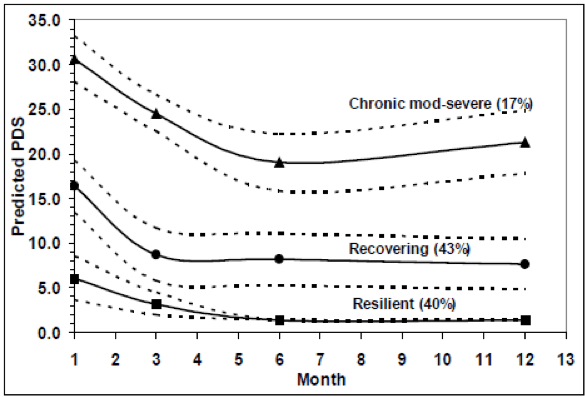
Introduction:�As a consequence of a road traffic crash, persistent pain and disability following whiplash injury are common and incur substantial personal and economic costs. Up to 50% of people who experience a whiplash injury will never fully recover and up to 30% will remain moderately to severely disabled by the condition. The reason as to why symptoms persist past the acute to sub-acute stage and become chronic is unclear, but likely results from complex interactions between structural injury, physical impairments, and psychological and psychosocial factors. Psychological responses related to the traumatic event itself are becoming an increasingly recognised factor in the whiplash condition. Despite this recognition, there is limited knowledge regarding the effectiveness of psychological interventions, either delivered alone or in combination with physiotherapy, in reducing the physical and pain-related psychological factors of chronic whiplash. Pilot study results have shown positive results for the use of trauma-focused cognitive behaviour therapy to treat psychological factors, pain and disability in individuals with chronic whiplash. The results have indicated that a combined approach could not only reduce psychological symptoms, but also pain and disability.
Aims:�The primary aim of this randomised, controlled trial is to investigate the effectiveness of combined trauma-focused cognitive behavioural therapy, delivered by a psychologist, and physiotherapy exercise to decrease pain and disability of individuals with chronic whiplash and post-traumatic stress disorder (PTSD). The trial also aims to investigate the effectiveness of the combined therapy in decreasing post-traumatic stress symptoms, anxiety and depression.
Participants and Setting:�A total of 108 participants with chronic whiplash-associated disorder (WAD) grade II of > 3 months and < 5 years duration and PTSD (diagnosed with the Clinician Administered PTSD Scale (CAPS) according to the DSM-5) will be recruited for the study. Participants will be assessed via phone screening and in person at a university research laboratory. Interventions will take place in southeast Queensland, Australia and southern Denmark.
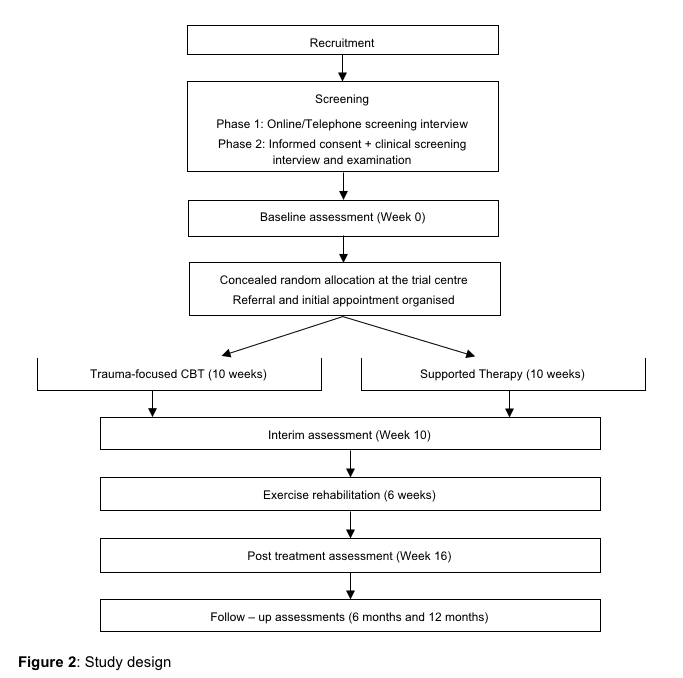
Intervention:�Psychological therapy will be delivered once a week over 10 weeks, with participants randomly assigned to either trauma-focused cognitive behavioural therapy or supportive therapy, both delivered by a clinical psychologist. Participants will then receive ten sessions of evidence-based physiotherapy exercise delivered over a 6-week period.
Outcome Measures:�The primary outcome measure is neck disability (Neck Disability Index). Secondary outcomes focus on: pain intensity; presence and severity of PTSD (CAPS V and PTSD Checklist 5); psychological distress (Depression, Anxiety Stress Scale 21); patient perceived functionality (SF-12, Tampa Scale of Kinesiophobia, and Patient-Specific Functional Scale); and pain-specific self-efficacy and catastrophising (Pain Self-Efficacy Questionnaire and Pain Catastrophizing Scale). After psychotherapy (10 weeks after randomisation) and physiotherapy (16 weeks after randomisation), as well as at the 6-month and 12-month follow-ups, a blind assessor will measure the outcomes.
Analysis:�All analyses will be conducted on an intention-to-treat basis. The primary and secondary outcomes that are measured will be analysed using linear mixed and logistic regression models. Any effect of site (Australia or Denmark) will be evaluated by including a site-by-treatment group-by-time interaction term in the mixed models analyses. Effect modification will only be assessed for the primary outcome of the Neck Disability Index.
Discussion:�This study will provide a definitive evaluation of the effects of adding trauma-focused cognitive behaviour therapy to physiotherapy exercise for individuals with chronic WAD and PTSD. This study is likely to influence the clinical management of whiplash injury and will have immediate clinical applicability in Australia, Denmark and the wider international community. The study will also have implications for both health and insurance policy makers in their decision-making regarding treatment options and funding.
Introduction
Persistent pain and disability following whiplash injury as a consequence of a road traffic crash (RTC) is common and incurs substantial personal and economic costs. Up to 50% of people who experience a whiplash injury will never fully recover and up to 30% will remain moderately to severely disabled by the condition [1-3]. Less recognised are the mental health issues that accompany this condition. The prevalence of psychiatric disorders has been shown to be 25% for PTSD, 31% for Major Depressive Episode and 20% for Generalised Anxiety Disorder [4-6]. Whiplash injury accounts for the vast majority of any submitted claims as well as the greatest incurred costs in Queensland compulsory third party scheme [7]. In Australia, Whiplash injuries comprise approximately 75% of all survivable RTC injuries [8] with total costs of more than $950 M per annum [9], exceeding costs for both spinal cord and traumatic brain injury [7]. In Denmark, whiplash costs an estimated 300 million USD per annum if loss of work is included [10].
Neck pain is the cardinal symptom of individuals following whiplash injury. It is now generally accepted that there is an initial peripheral injury of some kind to the neck [11] although the specific injured structure in individual patients is difficult to clinically identify with current imaging techniques. The reason as to why symptoms persist past the acute to sub-acute stage and become chronic is not clear but likely results from complex interactions between structural injury, physical impairments, psychological and psychosocial factors [12]. However it is clear that chronic WAD is a heterogeneous and complex condition involving physical impairments such as movement loss, disturbed movement patterns and sensory disturbances [13] as well as pain related psychological responses such as catastrophizing [14, 15], kinesiophobia [16], activity avoidance and poor self-efficacy for pain control [17]. In addition recent studies have shown that posttraumatic stress symptoms or event related distress is common [18-20]. Thus it would seem logical that interventions targeting both the physical and psychological manifestations of the whiplash condition would be of benefit.
In contrast to many common musculoskeletal pain conditions (e.g. low back pain, non-specific neck pain) whiplash related neck pain usually occurs following a traumatic event, namely a motor vehicle crash. Psychological responses related to the traumatic event itself, posttraumatic stress symptoms, are emerging as an important additional psychological factor in the whiplash condition. Recent data indicates that post-traumatic stress symptoms are prevalent in individuals who have sustained whiplash injuries following motor vehicle accidents [18, 20, 21]. The early presence of posttraumatic stress symptoms have been shown to be associated with poor functional recovery from the injury [13, 18]. Recent data from our laboratory have shown that following whiplash injury 17% of individuals will follow a trajectory of initial moderate/severe posttraumatic stress symptoms that persist for at least 12 months and 43% will follow a trajectory of moderate initial symptoms that decrease but remain at mild to moderate (sub-clinical) levels for at least 12 months (the duration of the study) [4]. See Figure 1. These figures are significant as they are similar to the prevalence of PTSD in individuals admitted to hospital following �more severe� motor vehicle injuries [22].
Figure 1: Data from 155 whiplash injured participants measured at 1, 3, 6 & 12 months post-accident. The Posttraumatic Stress Diagnostic Scale (PDS) was measured at each time point. Group based trajectory modelling identified 3 distinct clinical pathways (trajectories). 1. Chronic moderate/severe (17%) 2. Recovering: initial moderate levels of posttraumatic stress decreasing to mild/ moderate levels. 3. Resilient: negligible symptoms throughout2. PDS symptom score Cut-offs: 1�10 mild, 11�20 moderate, 21�35.
Although chronic WAD is a considerable health problem the number of published randomized controlled trials (RCTs) is very limited [23]. A recent systematic review concluded that there is evidence to suggest that exercise programs are modestly effective in relieving whiplash-related pain, at least over the short term [23]. For example, Stewart et al [24] showed only a 2 point (on a 10 point scale) decrease in pain levels immediately after a 6 week functional exercise management intervention that adhered to pain-related CBT principals but with no significant sustained effects at more long term follow-ups of 6 and 12 months. In a preliminary RCT conducted in our laboratory (published in 2007), a more neck specific exercise approach also delivered only modest effects, in that pain and disability scores decreased by just clinically relevant amounts (8�14% on the Neck disability Index) when compared to a single advice session [25].
The systematic review also concluded that there is conflicting evidence regarding the effectiveness of psychological interventions either delivered alone or in combination with physiotherapy [23]. The studies included in the review were of variable quality and mostly utilized CBT in some format to address pain related cognitions and distress [26, 27]. No study specifically targeted PTSD symptoms.
Thus the seemingly logical proposal of interventions to target the physical and pain�related psychological factors of chronic WAD is not working as well as would be anticipated. This expectation is based on more favourable outcomes with such approaches for other musculoskeletal pain conditions such as low back [28].
In an endeavour to understand why exercise rehabilitation approaches are not very effective for chronic WAD, we undertook a NHMRC (570884) funded randomized controlled trial that included effect modifiers of PTSD symptoms and sensory disturbances. In this larger (n=186) multicentre trial, preliminary analysis indicate that only 30% of patients with chronic WAD and a PTSD diagnosis had a clinically relevant change in Neck Disability Index scores (>10% change) compared to 70% of WAD patients without PTSD following an exercise rehabilitation program. All included participants reported moderate or greater levels of pain and disability indicating that the co-morbid presence of PTSD prevents a good response to physical rehabilitation. We could find no modifying effect of any sensory changes. The results of this study lead us to propose that first treating PTSD and then instituting physical rehabilitation will be a more effective intervention to improve health outcomes for chronic WAD.
Trauma-focused CBT is a highly effective treatment for PTSD symptoms [29] and the Australian Guidelines for Treatment of Acute Stress Disorder and PTSD recommend that individually delivered trauma-focused CBT should be provided to people with these conditions [30]. There is data available to indicate that trauma-focused CBT may potentially have an effect not only on PTSD symptoms but also on pain and disability. The results of a recent empirical examination explored directional relationships between PTSD and chronic pain in 323 survivors of accidents [31]. The results indicated a mutual maintenance of pain intensity and posttraumatic stress symptoms at 5 days post injury but by 6 months post injury (chronic stage), PTSD symptoms impacted significantly on pain but not vice versa. Whilst this study did not specifically focus on whiplash injury, it provides indication that addressing PTSD symptoms in the chronic stage of WAD may allow for a decrease in levels of pain thus facilitating the potential effects of more pain/disability focused approaches to management such as exercise and pain-focused CBT.
Based on our findings of the co-occurrence of PTSD and WAD, we conducted a small pilot study with the aim being to test the effects of trauma-focused CBT on psychological factors, pain and disability in individuals with chronic WAD [32]. Twenty-six participants with chronic WAD and a diagnosis of PTSD were randomly assigned to treatment (n = 13) or no-Intervention (n = 13) control. The treatment group underwent 10 weekly sessions of trauma-focused CBT for PTSD. Assessments of PTSD diagnosis, psychological symptoms, disability, and pain symptoms were made at baseline and post-assessment (10-12 weeks). Following the treatment intervention, there was not only a significant reduction in psychological symptoms (PTSD symptom severity; numbers meeting the diagnostic criteria for PTSD; depression, anxiety and stress scores) but also a significant decrease in pain and disability and improvements in physical function, bodily pain and role physical items of the SF36 (Table 1).
Table 1. Results of pilot randomised control trial
Trauma-focused CBT
No-intervention Control
Neck Disability Index (0-100)*
Baseline
43.7 (15)
42.8 (14.3)
Post intervention
38.7 (12.6)
43.9 (12.9)
SF-36 Physical Function �
Baseline
55.8 (25.9)
55.4 (28.2)
Post intervention
61.5 (20.1)
51.1 (26.3)
SF -36 Bodily Pain �
Baseline
31.2 (17.2)
22.6 (15.5)
Post intervention
41.8 (18)
28.2 (15.8)
Posttraumatic Stress Disorder Diagnosis (SCID-IV)
Baseline
N= 13 (100%)
N= 13 (100%)
Post intervention
N= 5 (39.5%)
N= 12 (92.3%)
* higher score=worse; �higher scores=better
The results of this study indicate that trauma-focused CBT provided to individuals with chronic WAD has positive effects, not only on psychological status but also on pain and disability the cardinal symptoms of this condition. Whilst the mean change of 5% was marginal in terms of a clinical relevance [33], the effect size for change of the NDI was moderate (d=0.4) and shows promise for a greater effect in a larger sample size [34]. Nevertheless our pilot trial findings suggest that trauma-focused CBT alone will not be enough for successful management of chronic WAD and for this reason our proposed trial will combine this approach with exercise. These findings are potentially ground breaking in the area of whiplash management and it is imperative that they are now tested in a full randomised controlled design.
In summary, we have already shown that individuals with chronic WAD and moderate PTSD symptoms do not respond as well to a physical rehabilitation based intervention as those without PTSD symptoms [25]. Our recent pilot study indicates that trauma-focused CBT has a beneficial effect on both psychological status and pain and disability. We propose that by pre-treating the PTSD, PTSD symptoms and pain related disability will decrease allowing the exercise intervention to be more effective than has been seen to date [24, 25]. Therefore our proposed research will address this identified gap in knowledge by being the first to evaluate the efficacy of a combined trauma-focused CBT intervention followed by exercise for chronic WAD.
The primary aim of this project is to investigate the effectiveness of combined trauma-focused CBT and exercise to decrease pain and disability of individuals with chronic whiplash and PTSD. The secondary aims are to investigate the effectiveness of combined trauma-focused CBT and exercise to decrease posttraumatic stress symptoms, anxiety and depression, and to investigate the effectiveness of trauma-focused CBT alone on posttraumatic stress symptoms and pain/disability.
This trial is expected to commence in June 2015 and completed by December 2018.
Design
This study will be a randomised controlled multi-centre trial evaluating 10 weeks of trauma-focused CBT compared with 10 weeks of supported therapy, each followed by a 6 week exercise program. Outcomes will be measured at 10 weeks, 16 weeks, 6 and 12 months post randomisation. A total of 108 people with chronic whiplash disorder (>3 months, <5 years duration) and PTSD (DSM-5 diagnosed with CAPS) will be enrolled in the study. The assessors measuring outcomes will be blinded to the assigned treatment group allocation. The protocol conforms to CONSORT guidelines.
Methods
Participants
A total of 108 participants with chronic whiplash associated disorder (WAD) grade II (symptom duration >3 months and <5 years) and PTSD will be recruited from Southeast Queensland and Zealand, Denmark. Participants will be recruited via:
Advertisements (the Danish national health register, newspaper, newsletter and internet): potential participants will be invited to make contact with project staff.
Physiotherapy and General Medical Practices: the study will be promoted in physiotherapy and medical clinics where project staff already have a relationship. Patients deemed to be appropriate for inclusion will be given an information sheet about the project and invited to contact project staff directly.
There is a two-step process to determining inclusion to this study: initial online/telephone interview followed by a screening clinical examination. The initial interview will identify duration of whiplash injury (inclusion criteria) and moderate pain based on NDI scores, and potential exclusion criteria. Likelihood of PTSD will be based on conservative PCL-5 scores, requiring at least one moderate score per symptom and a minimum score of 30 overall. A description of the project will be provided to all volunteers at the point of initial contact. Volunteers deemed likely to be eligible will be invited to attend a screening clinical examination. If more than four weeks passes between the phone interview and clinical screening than the NDI and PCL-5 measures are to be re-administered.
Prior to undertaking the screening clinical examination, volunteers will be provided with participant information and asked to complete informed consent documentation. During the screening examination, participants who have significant co-morbidity such as serious spinal pathology will be identified and excluded from participation. To screen for serious pathology, a diagnostic triage will be conducted following the Motor Accident Authority of NSW Whiplash Guidelines [35]. The screening examination will also include a clinical interview by a research assistant who will administer the Clinician Administered PTSD scale 5 (CAPS 5) to determine the presence and severity of PTSD [36]. The research assistant will also confirm the absence of exclusion criteria such as past history or current presentation of psychosis, bipolar disorder, organic brain disorder and severe depression substance abuse. If participants report a diagnosis of an exclusion criteria the relevant section of SCID-I will be utilised to clarify diagnosis.
During the initial screen or during treatment, if a participant is identified as being at high risk of self-harm or suicide, they will be referred to appropriate care in accordance with the professional standards of psychologists. Participants who meet the inclusion criteria (NDI >30% and PTSD diagnosis) will then be evaluated on all outcome measures for baseline results. It is possible that volunteers invited to attend the screening clinical examination will not meet the inclusion criteria (NDI >30% and PTSD diagnosis) and will therefore be excluded from further participation. Volunteers will be informed of this possibility during the telephone interview and also during the informed consent process. The Interview will be recorded and a random selection will be assessed for consistency
Inclusion Criteria
Chronic WAD Grade II (no neurological deficit or fracture) [37] of at least 3 months duration but less than 5 years duration
At least moderate pain and disability (>30% on the NDI)
A diagnosis of PTSD (DSM-5, APA, 2013) using the CAPS 5
Aged between 18 and 70 years old
Proficient in written English or Danish (depending on country of participation)
Exclusion Criteria
Known or suspected serious spinal pathology (e.g. metastatic, inflammatory or infective diseases of the spine)
Confirmed fracture or dislocation at the time of injury (WAD Grade IV)
Nerve root compromise (at least 2 of the following signs: weakness/reflex changes/sensory loss associated with the same spinal nerve)
Spinal surgery in the last 12 months
A history or current presentation of psychosis, bipolar disorder, organic brain disorder or severe depression.
Sample Size
We are interested in detecting a clinically important difference between the two interventions, given that baseline values for each group are statistically equivalent as a result of the randomisation. Based on a two-sided t-test a sample of 86 (43 per group) will provide 80% power to detect a significant difference at alpha 0.05 between the group means of 10 points on the 100 point NDI (assuming a SD of 16, based on our pilot data and data from recent trials ). Effects smaller than this are unlikely to be considered clinically worthwhile. Allowing for a 20% loss to follow up by 12 months, we would require 54 participants per treatment group.
Intervention
Randomisation
Participants will be randomly allocated to treatment group. The randomisation schedule will be generated by the study biostatistician. Randomisation will be by random permuted blocks of 4 to 8. Consecutively numbered, sealed, opaque envelopes will be used to conceal randomisation. Group allocation will be performed immediately following completion of baseline measures by an independent (non-blinded) research assistant . This same research assistant will arrange all appointment times with the treating practitioners and the blinded assessor for all outcome measures. Participants will be instructed not to reveal details about their treatment to the examiner in order to assist with blinding. Patients will be scheduled to receive their first treatment within one week of randomisation.
Intervention group – Trauma-focused Cognitive-behavioural therapy (CBT)
A psychological intervention that targets PTSD symptoms will consist of 10 weekly 60-90 minute sessions of individually delivered trauma-focused CBT based on the Australian Guidelines for the treatment of Adults with Acute Stress Disorder and PTSD [38] (see Table 2). Session one will focus on providing psycho-education regarding the common symptoms of PTSD, maintaining factors and providing a rationale for various treatment components. Sessions two and three will continue to develop patient�s knowledge of PTSD symptoms and teach anxiety management strategies including deep breathing and progressive muscle relaxation. Cognitive restructuring which involves challenging unhelpful and irrational thoughts and beliefs will commence in session three and continue throughout treatment. Participants will start prolonged exposure in session four which will be paired with relaxation and cognitive challenging. Session six will introduce graded in-vivo exposure. Relapse prevention will also be included in the final two sessions [12]. Participants will be asked to complete a home practice over the course of their sessions which will be recorded and brought to the next session. Treatment will be delivered by registered psychologists with postgraduate clinical training and experience delivering trauma-focused CBT interventions.
Table 2. Overview of CBT program
Session
Overview
1
Introduction and rationale
2
Relaxation training
3
Relaxation training and cognitive challenging
4 and 5
Cognitive challenging and prolonged exposure
6
Prolonged exposure and in vivo exposure
7 and 8
Prolonged exposure and in-vivo exposure
9
Relapse prevention
10
Relapse prevention and end of treatment
Control group – Supportive Therapy
The first session will involve education about trauma and an explanation of the nature of supportive therapy. The following sessions will include discussions of current problems and general problem-solving skills. Home practice will involve diary keeping of current problems and mood states. Supportive therapy will specifically avoid exposure, cognitive restructuring or anxiety management techniques. If the results of the trial are favourable and participants randomised to this intervention still have a PTSD diagnosis at the 12 month follow-up, they will be offered a referral to a clinical psychologist.
Exercise Program
Following the 10 week psychological therapy sessions (intervention or control), All participants will participate in the same exercise program. The 6-week exercise program will be carried out under supervision from a physiotherapist (2 sessions in each of the first four weeks; and 1 session in week 5 and week 6) and will comprise specific exercises to improve the movement and control of the neck and shoulder girdles as well as proprioceptive and co-ordination exercises (see Table 3). The exercises will be tailored by the physiotherapist for each individual participant.
The program begins with a clinical examination of the cervical muscles and the axio-scapular-girdle muscles and includes tests that assess ability to recruit the muscles in a coordinated manner, tests of balance, cervical kinaesthesia and eye movement control and tests of muscle endurance at low levels of maximum voluntary contraction. The specific impairments that are identified are then addressed with an exercise program that is supervised and progressed by the physiotherapist. This specific treatment program has been described in detail [15] and focuses on activating and improving the co-ordination and endurance capacity of the neck flexor, extensor and scapular muscles in specific exercises and functional tasks, and a graded program directed to the postural control system, including balance exercises, head relocation exercises and exercises for eye movement control.
Participants will also perform the exercises at home, once a day. A log book will be completed by participants to record compliance with the exercises. At the same time, the physiotherapist will guide the subject�s return to normal activities.
Physiotherapists will adhere to cognitive-behavioural principles during training and supervision of all exercises [26]. The cognitive behavioural therapy principles include the encouragement of skill acquisition by modelling, setting progressive goals, self-monitoring of progress, and positive reinforcement of progress. Self-reliance will be fostered by encouraging subjects to engage in problem-solving to deal with difficulties rather than seeking reassurance and advice, by encouraging relevant and realistic activity goals, and by encouraging self-reinforcement. Daily physical activity at home will be encouraged and monitored using a diary. Written and illustrated exercise instructions will be provided.
Table 3. Overview of the exercise program
Week
Sessions per week
Components
1
2
������� Baseline & follow-up assessments to guide initial prescription & progression of program
������� Exercise to improve cervical and scapular muscle control, kinaesthesia & balance
������� Education and advice
������� Daily home program including exercise & graded increase of physical activities
������� CBT principles such as goal setting, reinforcement used by physiotherapists
������� Discharge session to reinforce progress and plan for continued activity
2
2
3
2
4
2
5
1
6
1
Outcome Measures
At the baseline assessment, personal characteristics such as age, gender, level of education, compensation status, accident date and information about symptoms of whiplash will be collected. The following outcome measures will be assessed by a blind assessor at baseline, 10 weeks, 16 weeks, 6 months and 12 months post randomisation.
The Neck Disability Index (NDI) will be the primary outcome measure [21]. The NDI is a valid measure and reliable measure of neck pain related disability [21] and is recommended for use by the Bone and Joint Decade Neck Pain Task Force [7] and at the recent International Whiplash Summit [11, 16].
Secondary outcome measures include:
Average pain intensity over last week (0-10 scale) [39]
Average pain intensity over last 24 hours (0-10 scale) [39]
Patient�s global impression of recovery (-5 to +5 scale) [39]
Patient-generated measure of disability (Patient-Specific Functional Scale) [44]
Physical measures (cervical range of movement, pressure pain threshold, cold pain threshold)
Pain Catastrophizing Scale (PCS) [45]
Pain Self Efficacy Questionnaire (PSEQ) [46]
Tampa Scale of Kinesiophobia (TSK) [47]
Expectations of a beneficial treatment effect will be measured with the Credibility Expectancy Questionnaire (CEQ) [48] at the first and last week of each treatment. Working alliance as reported by the client and the therapist (psych or physio) will also be measured at the first and last week of each treatment using the Working Alliance Inventory (WAI) [49].
Monitoring of Treatment Sites
Treatment sites will be located in areas easily accessible by public transport. Attempts will be made to have both the psychology and exercise sessions held at the same site. Prior to commencement of the trial, psychologists and physiotherapists at each treatment site will be provided with the appropriate therapist protocol. Psychologists will be trained to implement the CBT program and the supported therapy by senior investigators at a one day workshops. Physiotherapists will be trained by senior investigators to implement the exercise program at a one day workshop.
Prior to starting the trial, the different treatment provider sites and therapists will be provided with a copy of the trial and treatment protocols. Both psychological therapies will be conducted according to a procedural manual. Therapists will be required to record each session as well as complete a checklist of adherence to the protocol. A random sample of these recordings and checklists will be evaluated and ongoing supervision provided by a psychologist on the research team. Physiotherapy exercises will be based on a previous exercise trial for chronic WAD [25]. An audit of the physiotherapy sessions will be conducted twice during the intervention by a senior investigator expert in this area. A handover will occur between psychologist and physiotherapist to maintain continuity of care.
Adverse Events
Apart from the usual ethics committee based provisions for reporting of adverse effects, practitioners will be requested to report any adverse event to the Chief Investigators. Also at the 16 week follow-up, information about adverse effects of treatment will be sought from all subjects using open-ended questioning. At 6 and 12 months follow-up, data relating to the number of recurrences of neck pain, and the number of health care contacts will also be collected.
Statistical Analysis
The study biostatistician will analyse the data in a blinded manner. All analyses will be conducted on an intention to treat basis. The primary and secondary outcomes measured at 10 weeks, 16 weeks, 6 months, and 12 months will be analysed using linear mixed and logistic regression models that will include their respective baseline scores as a covariate, subjects as a random effect and treatment conditions as fixed factors. Diagnostics will be used to examine assumptions, including homogeneity of variances. Effect sizes will be calculated for all measures with an effect size of 0.2 considered small, 0.5 medium and 0.8 large. Alpha will be set at 0.05. Any effect of site (Qld or Denmark) will be evaluated by including a site-by-treatment group-by-time interaction term to the mixed models analyses. Effect modification will only be assessed for the primary outcome of NDI.
Funding
The trial is funded by a NHMRC Project grant 1059310.
The Council of the Danish Victims Fund Project grant 14-910-00013
Potential Significance
This project addresses a problem of major importance to human health. Whiplash is an enormous health burden for both Australia and all countries where there are motor vehicles. Current conservative approaches to the management of chronic WAD have been shown to be only marginally effective. One reason for this may be due to the lack of attention of current practice to the psychological status of whiplash injured patients. This study will provide a definitive evaluation of the effects of adding trauma-focused CBT to exercise for individuals with chronic WAD and PTSD.
This study is likely to influence the clinical management of whiplash injury and will have immediate clinical applicability. Any intervention that may improve health outcomes for individuals with chronic whiplash will have far reaching effects in both Australia and internationally. Our study will also have implications for both health and insurance policy makers in their decision making regarding treatment options and funding. A search of the WHO International Clinical Trials Registry Platform Search Portal on 2/3/13 revealed no planned or completed trial that would duplicate our work.
Conflict of Interest Declaration
The authors declare no conflict of interest.
Role of Psychosocial Stress in Recovery from Common Whiplash
Abstract
It is widely accepted that psychosocial factors are related to illness behaviour and there is some evidence that they may influence the rate of recovery from post-traumatic disorders. The abilities of psychosocial stress, somatic symptoms, and subjectively assessed cognitive impairment to predict delayed recovery from common whiplash were investigated in a follow-up study. 78 consecutive patients referred 7.2 (SD 4.5) days after they had sustained common whiplash in car accidents were assessed for psychosocial stress, negative affectivity, personality traits, somatic complaints, and cognitive impairment by semistructured interview and by several standardised tests. On examination 6 months later 57 patients were fully recovered and 21 had persisting symptoms. The groups’ scores for the independent variables assessed at the baseline examination were compared. Stepwise regression analysis showed that psychosocial factors, negative affectivity, and personality traits were not significant in predicting the outcome. However, initial neck pain intensity, injury-related cognitive impairment, and age were significant factors predicting illness behaviour. This study, which was based on a random sample and which considered many other possible predictive factors as well as psychosocial status, does not support previous findings that psychosocial factors predict illness behaviour in post-trauma patients.
Dr. Alex Jimenez’s Insight
Being involved in an automobile accident can be a traumatic experience for anyone. From physical injuries and financial problems, to emotional distress, an auto accident can place a heavy burden on those individuals who’ve experienced it, especially if the auto accident injuries begin to take a toll on the mind. Many patients visit my chiropractic office with anxiety, irrational fears, depression and PTSD after being involved in an automobile accident. Learning to trust again to receive chiropractic care can be challenging, but through careful and effective spinal adjustments and manual manipulations, our staff can provide patients with the sense of safety they need to continue treatment and achieve overall health and wellness.
In conclusion,�automobile accidents can cause a variety of physical injuries and conditions, such as whiplash, back pain and headaches, as well as financial issues, however, auto accident injuries and complications can also lead to emotional distress. According to evidence-based research studies, like the one above, emotional distress has been connected to chronic pain symptoms. Fortunately, researchers have conducted numerous research studies to demonstrate how mindfulness interventions, like chiropractic care, can help reduce emotional distress and improve painful symptoms. Information referenced from the National Center for Biotechnology Information (NCBI). The scope of our information is limited to chiropractic as well as to spinal injuries and conditions. To discuss the subject matter, please feel free to ask Dr. Jimenez or contact us at 915-850-0900 .
Curated by Dr. Alex Jimenez
Additional Topics: Back Pain
According to statistics, approximately 80% of people will experience symptoms of back pain at least once throughout their lifetimes. Back pain is a common complaint which can result due to a variety of injuries and/or conditions. Often times, the natural degeneration of the spine with age can cause back pain. Herniated discs occur when the soft, gel-like center of an intervertebral disc pushes through a tear in its surrounding, outer ring of cartilage, compressing and irritating the nerve roots. Disc herniations most commonly occur along the lower back, or lumbar spine, but they may also occur along the cervical spine, or neck. The impingement of the nerves found in the low back due to injury and/or an aggravated condition can lead to symptoms of sciatica.
Sterling, M., G. Jull, and J. Kenardy, Physical and psychological factors maintain long-term predictive capacity post-whiplash injury. Pain, 2006. 122(1-2): p. 102-108.
Carroll, L.J.P., et al., Course and Prognostic Factors for Neck Pain in the General Population: Results of the Bone and Joint Decade 2000-2010 Task Force on Neck Pain and Its Associated Disorders. Spine, 2008. 33(4S)(Supplement): p. S75-S82.
Rebbeck, T., et al., A prospective cohort study of health outcomes following whiplash associated disorders in an Australian population. Injury Prevention, 2006. 12(2): p. 93-98.
Sterling, M., J. Hendrikz, and J. Kenardy, Compensation claim lodgement and health outcome developmental trajectories following whiplash injury: A prospective study. PAIN, 2010. 150(1): p. 22-28.
MAYOU, R. and B. BRYANT, Psychiatry of whiplash neck injury. The British Journal of Psychiatry, 2002. 180(5): p. 441-448.
Kenardy, J., et al., Adults’ adjustment to minor and moderate injuries following road traffic crashes: Wave 1 findings., in Report to MAIC QLD. 2011.
MAIC, Annual Report 2009-2010. 2010: Brisbane.
Connelly, L.B. and R. Supangan, The economic costs of road traffic crashes: Australia, states and territories. Accident Analysis & Prevention, 2006. 38(6): p. 1087-1093.
Littleton, S.M., et al., The association of compensation on longer term health status for people with musculoskeletal injuries following road traffic crashes: Emergency department inception cohort study. Injury, 2011. 42(9): p. 927-933.
Schmidt, D., Whiplash koster kassen. Livtag, 2012. 1.
Siegmund, G.P., et al., The Anatomy and Biomechanics of Acute and Chronic Whiplash Injury. Traffic Injury Prevention, 2009. 10(2): p. 101-112.
B�rsbo, B., M. Peolsson, and B. Gerdle, The complex interplay between pain intensity, depression, anxiety and catastrophising with respect to quality of life and disability. Disability and Rehabilitation, 2009. 31(19): p. 1605-1613.
Sterling, M., et al., Physical and psychological factors predict outcome following whiplash injury. Pain, 2005. 114(1-2): p. 141-148.
Schmitt, M.A.M.M.T., et al., Patients with Chronic Whiplash-Associated Disorders: Relationship Between Clinical and Psychological Factors and Functional Health Status. American Journal of Physical Medicine & Rehabilitation, 2009. 88(3): p. 231-238.
Sullivan, M.J.L., et al., Catastrophizing, pain, and disability in patients with soft-tissue injuries. Pain, 1998. 77(3): p. 253-260.
Nederhand, M.J., et al., Predictive value of fear avoidance in developing chronic neck pain disability: consequences for clinical decision making. Archives of Physical Medicine and Rehabilitation, 2004. 85(3): p. 496-501.
Bunketorp-Kall, L.S., C. Andersson, and B. Asker, The impact of subacute whiplash-associated disorders on functional self-efficacy: a cohort study. International Journal of Rehabilitation Research, 2007. 30(3): p. 221-226.
Buitenhuis, J., et al., Relationship between posttraumatic stress disorder symptoms and the course of whiplash complaints. Journal of Psychosomatic Research, 2006. 61(5): p. 681-689.
Sterling, M. and J. Kenardy, The relationship between sensory and sympathetic nervous system changes and posttraumatic stress reaction following whiplash injury�a prospective study. Journal of Psychosomatic Research, 2006. 60(4): p. 387-393.
Sullivan, M.J.L., et al., Pain, perceived injustice and the persistence of post-traumatic stress symptoms during the course of rehabilitation for whiplash injuries. PAIN, 2009. 145(3): p. 325-331.
Sterling, M., et al., The development of psychological changes following whiplash injury. Pain, 2003. 106(3): p. 481-489.
O’Donnell, M.L., et al., Posttraumatic disorders following injury: an empirical and methodological review. Clinical Psychology Review, 2003. 23(4): p. 587-603.
Teasell, R., et al., A research synthesis of therapeutic interventions for whiplash-associated disorder (WAD): Part 4 – noninvasive interventions for chronic WAD. Pain Research & Management, 2010. 15(5): p. 313 – 322.
Stewart, M.J., et al., Randomized controlled trial of exercise for chronic whiplash-associated disorders. Pain, 2007. 128(1�2): p. 59-68.
Jull, G., et al., Does the presence of sensory hypersensitivity influence outcomes of physical rehabilitation for chronic whiplash? � A preliminary RCT. Pain, 2007. 129(1�2): p. 28-34.
S�derlund, A. and P. Lindberg, Cognitive behavioural components in physiotherapy management of chronic whiplash associated disorders (WAD) – a randomised group study. Physiotherapy Theory and Practice, 2001. 17(4): p. 229-238.
Wicksell, R.K., et al., Can Exposure and Acceptance Strategies Improve Functioning and Life Satisfaction in People with Chronic Pain and Whiplash?Associated Disorders (WAD)? A Randomized Controlled Trial. Cognitive Behaviour Therapy, 2008. 37(3): p. 169-182.
Ostelo, R.W., et al., Behavioural treatment for chronic low-back pain. Cochrane Database Syst Rev, 2005. 1(1).
BISSON, J.I., et al., Psychological treatments for chronic post-traumatic stress disorder: Systematic review and meta-analysis. The British Journal of Psychiatry, 2007. 190(2): p. 97-104.
NHMRC, Australian Guidelines for the Treatment of Adults with ASD and PTSD. 2007: Canberra.
Jenewein, J., et al., Mutual influence of posttraumatic stress disorder symptoms and chronic pain among injured accident survivors: A longitudinal study. Journal of Traumatic Stress, 2009. 22(6): p. 540-548.
Dunne, R.L.P., J.P.F. Kenardy, and M.P.M.B.G.D.M.P.F. Sterling, A Randomized Controlled Trial of Cognitive-behavioral Therapy for the Treatment of PTSD in the Context of Chronic Whiplash. Clinical Journal of Pain November/December, 2012. 28(9): p. 755-765.
Macdermid, J., et al., Measurement Properties of the Neck Disability Index: A Systematic Review. Journal of Orthopaedic & Sports Physical Therapy, 2009. 39(5): p. 400-C12.
Arnold, D.M.M.D.M., et al., The design and interpretation of pilot trials in clinical research in critical care. Critical Care Medicine Improving Clinical Trials in the Critically Ill: Proceedings of a Roundtable Conference in Brussels, Belgium, March 2008, 2009. 37(1): p. S69-S74.
MAA. Guidelines for the management of whiplash associated disorders. 2007; Available from: www.maa.nsw.gov.au.
Weathers, F.W., et al. The Clinician-Administered PTSD Scale for DSM-5 (CAPS-5). Interview available from the National Center for PTSD. 2013; Available from: www.ptsd.va.gov.
Spitzer, W., et al., Scientific Monograph of Quebec Task Force on Whiplash Associated Disorders: redefining “Whiplash” and its management. Spine, 1995. 20(8S): p. 1-73.
ACPMH, Australian guidelines for the treatment of adults with acute stress disorder and post-traumatic stress disorder. 2007, Melbourne, VIC: Australian Centre for Posttraumatic Mental Health.
Pengel, L.H.M.M., K.M.P. Refshauge, and C.G.P. Maher, Responsiveness of Pain, Disability, and Physical Impairment Outcomes in Patients With Low Back Pain. Spine, 2004. 29(8): p. 879-883.
Weathers, F.W., T.M. Keane, and J.R.T. Davidson, Clinician-administered PTSD scale: A review of the first ten years of research. Depression and Anxiety, 2001. 13(3): p. 132-156.
Weathers, F., et al., The PTSD Checklist for DSM-5 (PCL-5). Scale available from the National Center for PTSD. www.? ptsd.? va.? gov, 2013.
Lovibond, S. and P. Lovibond, Manual for the Depression Anxiety Stress Scales. 2nd ed. 1995, Sydney: Psychological Foundation.
Ware, J., et al., User�s manual for the SF-12v2� Health Survey with a supplement documenting SF-12� Health Survey. 2002, Lincoln, Rhode Island: QualityMetric Incorporated
Westaway, M., P. Stratford, and J. Binkley, The Patient-Specific Functional Scale: Validation of Its Use in Persons With Neck Dysfunction. Journal of Orthopaedic & Sports Physical Therapy, 1998. 27(5): p. 331-338.
Sullivan, M.J.L., S.R. Bishop, and J. Pivik, The Pain Catastrophizing Scale: Development and validation. Psychological Assessment, 1995. 7(4): p. 524-532.
Nicholas, M.K., The pain self-efficacy questionnaire: Taking pain into account. European Journal of Pain, 2007. 11(2): p. 153-163.
Miller, R., S. Kori, and D. Todd, The Tampa Scale for Kinesiophobia. Tampa, FL. Unpublished report, 1991.
Devilly, G.J. and T.D. Borkovec, Psychometric properties of the credibility/expectancy questionnaire. Journal of Behavior Therapy and Experimental Psychiatry, 2000. 31(2): p. 73-86.
Horvath, A.O. and L.S. Greenberg, Development and validation of the Working Alliance Inventory. Journal of Counseling Psychology, 1989. 36(2): p. 223-233.
Various injuries can be caused by automobile crashes. One of the most frequent car accidents is the collision in which a vehicle is hit from behind. If you have been in these events you may be receiving neck pain therapy for a accident called whiplash that occurs when an occupant of this vehicle is thrust forth and back.
This injury may cause a herniated disc in the cervical (neck) area, in addition to a variety of other symptoms. A whiplash injury can include neurological impairment in mobility, joint aches, problems with concentration and chronic pain. Besides damaging the delicate tissues (muscles, tendons, and ligaments) that maintain the neck, it may also harm the cervical spine (the neck region of the backbone), inducing a herniated disc in the neck. The herniation can compress the nearby nerves, causing pain. Symptoms of a herniated disc in the neck may include tingling, numbness, and muscle weakness.
Pain from Previously Existing Conditions
In a study published in the journal Spine, doctors found that disabling pain in the back following whiplash may be due to a previously disc in the spine. These conditions may present no symptoms that are apparent before the accident. The researchers further concluded that pain was successfully treated following microdiscectomies for these discs.
Symptoms from whiplash injuries cannot be necessarily resolved with neck pain treatment, and can be tricky to diagnose since the pain lower back and even in the shoulder region can radiate to other regions of the body. It can be especially challenging for the physician when symptoms are vague and non-localized.
When the natural reactions of the body don’t operate properly, injuries occur. In the normal state, a C-shape is maintained by the cervical spine. On an S-shape as the portion extends and the upper portion of this area flexes, the individual’s cervical spine takes upon impact from behind. This phenomenon risks herniating a disc or tearing a ligament. If the human body’s protective response is working correctly, it will recognize the impact and signal the cervical muscles and make a supportive scaffold for the cervical spine and ligaments.
Although pain can heal on its own it may often require therapy. A treatment program for a herniated disc in the neck may consist of anti-inflammatory pain medication, rest, and physical therapy. With these conservative treatments, the symptoms generally improve over time. But if imaging tests find out that the damaged disc is compressing nearby nerves and/or the spinal cord, or if symptoms persist despite the treatment, neck surgery may be considered.
There are a few things you can do in order to stop whiplash injuries requiring neck pain treatment and increased risk for pain . These include maintaining fitness and good posture. You can start focusing on those goals.
The scope of our information is limited to chiropractic and spinal injuries and conditions. To discuss options on the subject matter, please feel free to ask Dr. Jimenez or contact us at 915-850-0900 .�
By Dr. Alex Jimenez
Additional Topics: Automobile Accident Injuries
Whiplash, among other automobile accident injuries, are frequently reported by victims of an auto collision, regardless of the severity and grade of the accident. The sheer force of an impact can cause damage or injury to the cervical spine, as well as to the rest of the spine. Whiplash is generally the result of an abrupt, back-and-forth jolt of the head and neck in any direction. Fortunately, a variety of treatments are available to treat automobile accident injuries.
If given the opportunity, a herniated disc can occur as a consequence of trauma and can create a plethora of problematic symptoms which might become chronic pain conditions. Whiplash is most frequently associated with car collisions, but can actually happen from any injurious procedure that snaps the neck forward or back beyond its normal selection of movement.
This informative article will detail the prevalence of herniated discs related to whiplash events. We’ll investigate how whiplash occurs and how the process can enact disc injury in the cervical or upper thoracic spinal regions.
Whiplash Herniated Disc Incidents
Whiplash happens because of abrupt acceleration, or more commonly, sudden deceleration. Inertia is the force which can create harm to the spinal structures and the throat muscles at the neck and back.
The head is a really heavy weight that is supported by the slightly thinner and weaker vertebrae and intervertebral discs in the cervical spine. When inertia is applied to the entire body, the head will snap backwards or forward, causing both and typically hyperflexion or hyperextension. As it whips about causing an assortment of injurious events that are possible, including a herniated disc, this heavy weight places stress on the cervical spine.
Herniated Disc Pain and Discomfort
Whiplash typically occurs from severe trauma, such as an automobile accident, slip and fall, sports injury or act of violence. Any situation which causes the head to jolt abruptly back-and-forth, can cause whiplash.
Whiplash is a condition which sometimes occurs after an accident, but could also take some time to become apparent. The reasons for this time delay response vary, but are commonly linked to three possible causations:
First, it’s the pain relieving quality of adrenaline, which often fills the bodily systems during a crash. This can diminish the severity symptoms which might otherwise be debilitating when they occur. Second, is the psychological nocebo effect of the trauma, which could take some time to infiltrate and to come up within the subconscious mind. Finally, the secondary gain principle enacted by legal action having to do with the accident might causes time delay. It’s no coincidence that people begin to experience pain right around the time they seek professional help.
Whiplash & Herniated Disc Consequences
The vast majority of whiplash complaints are due to muscular injury, not damage to the spinal column. Neck muscle pain can be extremely severe, but is not a significant worry and should resolve with symptomatic treatment.
Extreme trauma or highly focused trauma can cause a bulging disc or even a ruptured disc in the neck or upper back. Symptoms are very likely to be painful for a number of weeks, but should resolve within 2 months, as is typical for practically any disc injury condition with the proper treatment and care.
Other less common effects of severe whiplash might incorporate a change in the natural curvature of the spine, a fractured or shattered vertebra or a torn ligament or tendon.
Whiplash Herniated Disc Guidance
A lot of men and women suffer whiplash traumas on a daily basis. These types of injuries are an inherent part of the fear we have towards spinal damage and are an integral component of litigation. Both of these factors make judging the actual degree of any whiplash neck injury complicated.
Pain is often worsened or perpetuated through psychosomatic or secondary gain factors, instead of structural anatomical problems. It is crucial, as a patient, to look past the psychological and legal implications of your injury and concentrate on your recovery.
The neck, like every other area of the human body, was made to heal, but will only do so in the event that you give it the mental and emotional support and trust it requires.
There isn’t anything more important than your health. Unfortunately, this is a lesson for those who endure a plethora of herniated disc treatments and eventual disc surgery simply to bolster a case that is legal. When the case is over, you might have some money, but is it really worth it to lose your freedom and functionality for the remainder of your life?
The scope of our information is limited to chiropractic and spinal injuries and conditions. To discuss options on the subject matter, please feel free to ask Dr. Jimenez or contact us at 915-850-0900 .�
By Dr. Alex Jimenez
Additional Topics: Automobile Accident Injuries
Whiplash, among other automobile accident injuries, are frequently reported by victims of an auto collision, regardless of the severity and grade of the accident. The sheer force of an impact can cause damage or injury to the cervical spine, as well as to the rest of the spine. Whiplash is generally the result of an abrupt, back-and-forth jolt of the head and neck in any direction. Fortunately, a variety of treatments are available to treat automobile accident injuries.
The accident-type most-associated with whiplash is being rear-ended. Let us take a glance at how this kind of accident happens. Most people think that when you could be rear ended, your head flies back. Although that is the logical way to consider the harm (it’s also how I will discuss it most of the time), it is not technically accurate.
Process of Whiplash Injury
When you are rear-ended what happens is that your body is driven out from under your head. Although there is a great deal of soft tissue stretching that occurs in the soft tissues (LIGAMENTS, TENDONS, MUSCLES, and particularly FASCIA) as your body travels forward at a significantly higher velocity than your head; at some point, these “soft tissues” cannot stretch anymore. This is the first point at which microscopic tissue tearing occurs. Realize that this is the beginning of the injury process. The body will be gradually caught up to by the head, and subsequently overshoot it at an extremely accelerated velocity, all in a fraction of a second.
The head is now accelerating forward faster than your entire body. When the body comes to a stop (i.e. your vehicle slams into whatever is in front of it), the head will continue to travel forward. This is actually where the term “whiplash” comes from, and where it occurs. It’s exactly the principle of physics that results in the tip of a bullwhip to ‘crack’ as it breaks the sound barrier. If this type of ‘whipping’ motion occurs in the neck, it can result in a great deal of soft tissue damage and subsequent formation of fibrosis and scar tissue. Additionally, it may lead to a great deal of occult (hidden) brain and nerve system trauma.
When tissue tears, it ordinarily doesn’t tear like we think of things tearing, in half. As a matter of fact, when you take a look at pulled muscles, these are actually pulled, over-stretched, or microscopically torn fascia. Fascia is the thin membrane that tightly surrounds the muscle. Fascial tearing and the subsequent fascial adhesions present a double-edged sword as far as chronic pain is concerned.
Surround your neck with too much scar tissue, and there is no way your neck will move normally as it did before the motor vehicle accident. Unfortunately, degeneration is caused by abnormal motion, and abnormal joint motion is caused by degeneration. Repeat ad infinitum. Whether or not this cycle was launched by an MVA is immaterial at this stage. The process leads to chronic pain. People who are living inside of this vicious cycle know. Same evaluations, same results. If you’ve been involved in an automobile accident and are experiencing neck pain or other symptoms due to suspected cervical spine damage or injury, seek immediate medical attention.
The scope of our information is limited to chiropractic and spinal injuries and conditions. To discuss options on the subject matter, please feel free to ask Dr. Jimenez or contact us at 915-850-0900 .�
By Dr. Alex Jimenez
Additional Topics: Automobile Accident Injuries
Whiplash, among other automobile accident injuries, are frequently reported by victims of an auto collision, regardless of the severity and grade of the accident. The sheer force of an impact can cause damage or injury to the cervical spine, as well as to the rest of the spine. Whiplash is generally the result of an abrupt, back-and-forth jolt of the head and neck in any direction. Fortunately, a variety of treatments are available to treat automobile accident injuries.
IFM's Find A Practitioner tool is the largest referral network in Functional Medicine, created to help patients locate Functional Medicine practitioners anywhere in the world. IFM Certified Practitioners are listed first in the search results, given their extensive education in Functional Medicine