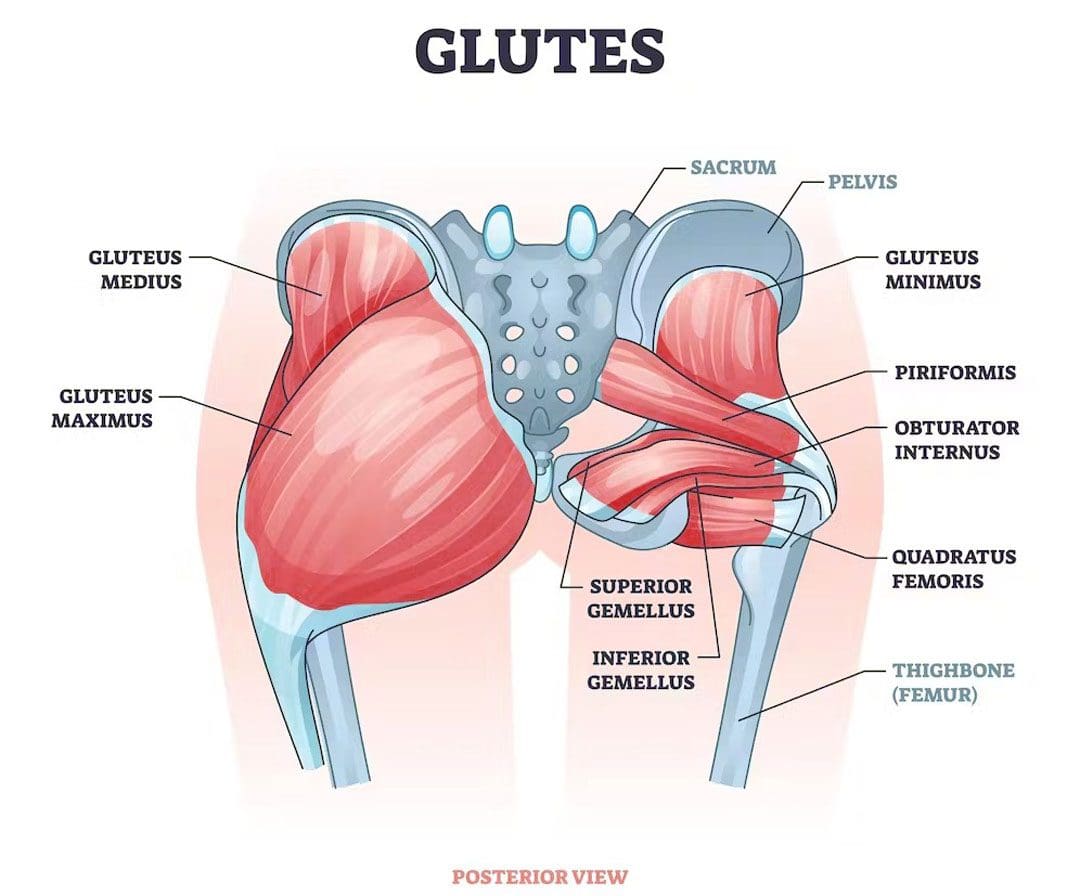
The gluteal muscles/glutes comprise the buttocks. They are a powerful muscle group that consists of three muscles. The gluteus maximus, gluteus medius, and gluteus minimus. The glute muscles help power physical performance and daily movements like walking, standing, and sitting and help to prevent injuries to the core, back, abdominal muscles, and other supporting muscles and tissues. Individuals can develop a glute imbalance where one side becomes more dominant and activates more or is higher than the other. An imbalance that is not addressed can lead to further muscle imbalance, posture problems, and pain issues. Injury Medical Chiropractic and Functional Medicine Clinic can develop a personalized treatment plan to relieve symptoms and restore alignment, balance, and health.
Glute Muscle Imbalance
Strong, healthy glutes promote lumbopelvic stability and rhythm, meaning they keep the low back and pelvis in correct alignment to prevent strains and injuries. Glute imbalance occurs when one side of the glutes is larger, stronger, or more dominant. Glute imbalances are common and part of normal human anatomy, as the body is not perfectly symmetrical. Shifting and utilizing the more dominant side when taking on weight or picking up objects is normal, so the one side gets bigger. Just as an individual prefers one hand, arm, and leg over another, one glute side can work harder and become stronger.
Causes
There are several causes of glute muscle imbalance, including:
Anatomical variations- Everyone has uniquely shaped muscles, attachment points, and nerve pathways. These variations can make one side of the glutes more dominant or stronger.
Unhealthy posture.
Back pain symptoms can cause individuals to take on unhealthy postures and positioning, like leaning on one side.
Pre-existing injuries.
Inadequate rehabilitation from a previous injury.
Nerve injuries.
Ankle sprains can lead to reduced glute activation.
Improper training
Leg length discrepancies
Atrophy
Spine condition
Job occupation
Sports factors may prioritize one side of the body over the other.
Shifting the Body
When pain presents in one body area, signals are sent to caution the other muscles to contract/tighten as a protective mechanism to prevent further injury. These changes alter movement patterns, leading to muscular imbalances in the glutes and other areas. Individuals who do not rehabilitate from an injury properly can be left with an imbalance.
Chiropractic Relief and Restoration
This condition needs to be addressed to prevent further injuries and issues with posture. Treatment varies depending on the individual and the extent of the problem. A treatment plan to prevent and improve some forms of glute imbalance may include the following.
Spinal decompression will stretch out the body and muscles to a workable position.
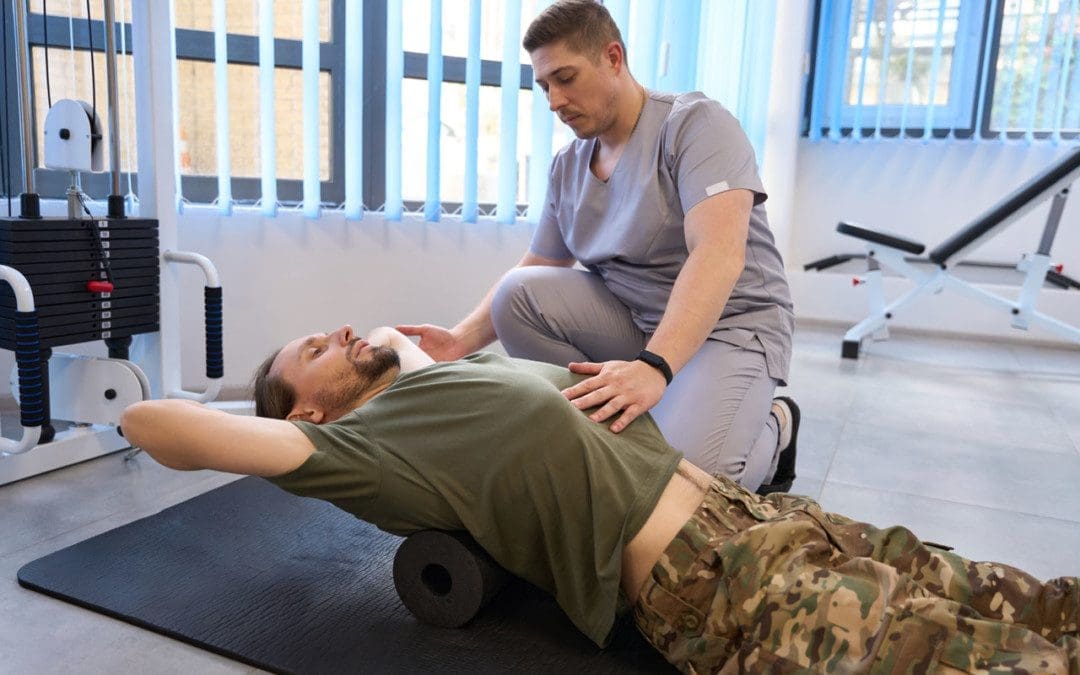
Therapeutic massage will relax the muscles and increase blood flow.
Chiropractic adjustments to realign the spine and body.
Targeted stretches and exercises will be provided to maintain alignment.
Unilateral training or training one side of the body at a time can help build and strengthen the weaker side.
Core strengthening can work out the differences on both sides of the body.
Chiropractic Approach for Pain Relief
References
Bini, Rodrigo Rico, and Alice Flores Bini. “Comparison of linea alba length and core-muscles engagement during core and lower back orientated exercises.” Journal of Bodywork and movement therapies vol. 28 (2021): 131-137. doi:10.1016/j.jbmt.2021.07.006
Buckthorpe, Matthew, et al. “ASSESSING AND TREATING GLUTEUS MAXIMUS WEAKNESS – A CLINICAL COMMENTARY.” International Journal of sports physical therapy vol. 14,4 (2019): 655-669.
Elzanie A, Borger J. Anatomy, Bony Pelvis and Lower Limb, Gluteus Maximus Muscle. [Updated 2023 Apr 1]. In: StatPearls [Internet]. Treasure Island (FL): StatPearls Publishing; 2023 Jan-. Available from: https://www.ncbi.nlm.nih.gov/books/NBK538193/
Liu R, Wen X, Tong Z, Wang K, Wang C. Changes of gluteus medius muscle in the adult patients with unilateral developmental hip dysplasia. BMC Musculoskelet Disord. 2012;13(1):101. doi:10.1186/1471-2474-13-101
Lin CI, Khajooei M, Engel T, et al. The effect of chronic ankle instability on muscle activations in lower extremities. Li Y, ed. PLoS ONE. 2021;16(2):e0247581. doi:10.1371/journal.pone.0247581
Pool-Goudzwaard, A. L. et al. “Insufficient lumbopelvic stability: a clinical, anatomical and biomechanical approach to ‘a-specific’ low back pain.” Manual therapy vol. 3,1 (1998): 12-20. doi:10.1054/math.1998.0311
Vazirian, Milad, et al. “Lumbopelvic rhythm during trunk motion in the sagittal plane: A review of the kinematic measurement methods and characterization approaches.” Physical Therapy and Rehabilitation vol. 3 (2016): 5. doi:10.7243/2055-2386-3-5
As humans, there are a variety of stressors experienced daily. Stress collects in various body areas, most commonly the upper back, jaw, and neck muscles. Stress leads to tension in the muscles. The built-up tension can cause the spinal bones to shift out of alignment, irritating the nerves between the spinal bones. A cycle begins as increased nerve tension causes the muscles to continue to contract/tighten. The extra muscle tension continues to pull the spinal bones out of alignment, making the spine stiff and less flexible affecting posture, balance, coordination, and mobility, causing the spine to become further unstable. Chiropractic treatment at regular intervals is recommended to help realign and maintain proper position.
Why The Spine Goes Out of Alignment
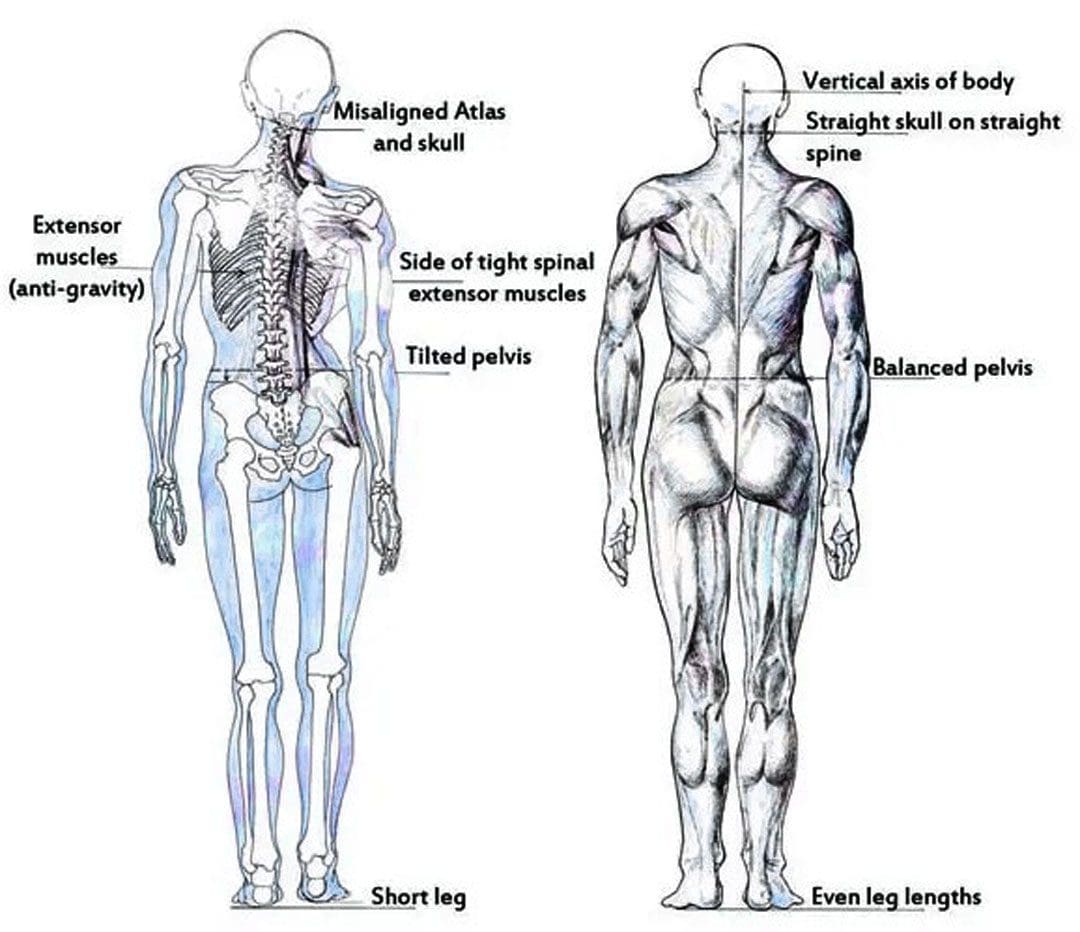
The nerves in the body are intricately linked to the spinal cord, and small distortions in the alignment can cause nerves to misfire and malfunction. When the spine goes out of alignment, the nervous system/brain and nerves get stuck in a stressed or tense state. Even a minor misalignment can cause a series of discomfort symptoms to travel throughout the body.
Causes
Causes of misalignment that creates tension in the nerves and muscles include:
A chiropractor will feel/palpate the spine to see if the bones are in alignment, move well, or are out of alignment and not moving correctly or moving at all.
Posture Exam
If the head, shoulders, and hips are uneven or the shoulders and head are pulling forward, the spinal bones are out of alignment/subluxations.
Balance and Coordination
Unhealthy balance and coordination can indicate the brain, nerves, and muscles are malfunctioning by spinal misalignment.
Range of Motion
A loss of spinal movement flexibility can show tension in the nerves, muscles, and misalignments.
Muscle Test
Loss of strength in a muscle can indicate the nerve signals are weak.
Orthopedic Tests
Tests that put the body in stressful positions focus on what tissue/s may be injured and the causes.
X-rays
X-rays look for abnormalities, dislocations, bone density, fractures, hidden/invisible injuries, and infections.
Injury Medical Chiropractic and Functional Medicine Clinic provide personalized treatment plans. These specific therapies are made to generate long-term spine benefits. Spinal manipulation, deep tissue massage, MET, and other manual therapy techniques, combined with exercise, help get the bones moving properly, the muscles functioning correctly, and the spine back into proper form. Treatment relieves muscle spasms, tension, and joint dysfunction, increases circulation, and retrains the muscles to remain relaxed.
The Natural Way to Heal
References
Ando, Kei et al. “Poor spinal alignment in females with obesity: The Yakumo study.” Journal of Orthopaedics vol. 21 512-516. 16 Sep. 2020, doi:10.1016/j.jor.2020.09.006
Le Huec, J C et al. “Sagittal balance of the spine.” The European spine journal: official publication of the European Spine Society, the European Spinal Deformity Society, and the European Section of the Cervical Spine Research Society vol. 28,9 (2019): 1889-1905. doi:10.1007/s00586-019-06083-1
Meeker, William C, and Scott Haldeman. “Chiropractic: a profession at the crossroads of mainstream and alternative medicine.” Annals of internal medicine vol. 136,3 (2002): 216-27. doi:10.7326/0003-4819-136-3-200202050-00010
Oakley, Paul A et al. “X-Ray Imaging is Essential for Contemporary Chiropractic and Manual Therapy Spinal Rehabilitation: Radiography Increases Benefits and Reduces Risks.” Dose-response: a publication of International Hormesis Society vol. 16,2 1559325818781437. 19 Jun. 2018, doi:10.1177/1559325818781437
Shah, Anoli A, et al. “Spinal Balance/Alignment – Clinical Relevance and Biomechanics.” Journal of biomechanical engineering, 10.1115/1.4043650. 2 May. 2019, doi:10.1115/1.4043650
Spring allergies are reactions by an individual’s immune system to flowering buds, blooming trees, pet dander, weeds, etc. When coming into contact with the allergen, the immune system’s reaction can inflame the skin, sinuses, airways, or digestive system. The severity of allergies varies from person to person. The spine and brain communicate with various body parts, including those that affect the immune system and how the body reacts to allergens. Chiropractic adjustments for allergy treatment can help regulate histamine and cortisol levels and offer spring allergy tips for prevention.
Spring Allergy Tips
An allergy occurs when the body’s immune system sees a substance as harmful and overreacts (inflammation). The immune system produces substances known as antibodies. A lack of communication between the spine, brain, and other parts of the body can lead to lower immunity meaning the body has a harder time reacting to stressors.
Symptoms
Symptoms vary, but the most common include:
Itchy, red, and watery eyes
Nasal congestion
Sneezing
Runny nose
Itching nose
Post-nasal drip
Coughing
The recommended way to determine whether or not seasonal allergies are causing symptoms is to visit a primary care physician and undergo allergy testing. A physician may recommend an allergist for further evaluation to identify specific allergies.
Prevention
Reduce exposure to triggers
Try to stay indoors on windy days.
Wind and dry air can make allergy symptoms worse.
Closing windows can help keep pollen from blowing inside.
Remove clothes worn outside and shower to rinse pollen from your skin and hair.
Wear a dust mask when lawn mowing, weed pulling, and doing other chores.
Don’t hang laundry outside; pollen can stick to clothes, sheets, and towels.
Seasonal allergy signs and symptoms can flare up with a high pollen count. Certain steps can help reduce the exposure:
Check local TV, radio, or the internet for pollen forecasts and levels.
If high pollen is forecasted, take allergy medications before symptoms begin.
Close doors and windows when pollen counts are high.
Try to avoid outdoor activity when pollen counts are highest.
Indoor Air Quality
Various products can help remove allergens from the air in the home:
Use air conditioning in the house and car when applicable.
Use high-efficiency filters and follow regular maintenance schedules for heating and air conditioning.
Vacuum all floors regularly with a cleaner that has a HEPA filter.
Chiropractic
Chiropractic treatment is highly effective in relieving allergy symptoms and even stopping allergies at their source. The treatments restore balance, so the body is ready to combat allergies. When the spine is out of alignment (which can occur from the coughing and sneezing), it impacts the nervous system, leading to various problems, including allergies and immune system malfunction. A chiropractor can relieve the stress on the nervous system by realigning the spine, taking the pressure off nerves, and allowing the immune system to function at optimal levels. And it makes it easier for the body to fight off infections while recognizing allergens as harmless.
Food Allergies, Hypersensitivity, and Intolerances
References
Balon, Jeffrey W, and Silvano A Mior. “Chiropractic care in asthma and allergy.” Annals of allergy, asthma & immunology: official publication of the American College of Allergy, Asthma, & Immunology vol. 93,2 Suppl 1 (2004): S55-60. doi:10.1016/s1081-1206(10)61487-1
Bruton, Anne, et al. “Physiotherapy breathing retraining for asthma: a randomized controlled trial.” The Lancet. Respiratory medicine vol. 6,1 (2018): 19-28. doi:10.1016/S2213-2600(17)30474-5
Bruurs, Marjolein L J et al. “The effectiveness of physiotherapy in patients with asthma: a systematic review of the literature.” Respiratory medicine vol. 107,4 (2013): 483-94. doi:10.1016/j.rmed.2012.12.017
Common seasonal allergy triggers. American College of Allergy, Asthma & Immunology. https://acaai.org/allergies/allergic-conditions/seasonal-allergies. Accessed March 10, 2022.
Jaber, Raja. “Respiratory and allergic diseases: from upper respiratory tract infections to asthma.” Primary care vol. 29,2 (2002): 231-61. doi:10.1016/s0095-4543(01)00008-2
Wu, Shan Shan et al. “Rhinitis: The Osteopathic Modular Approach.” The Journal of the American Osteopathic Association vol. 120,5 (2020): 351-358. doi:10.7556/jaoa.2020.054
Preparing for the holidays is exciting but can generate intense stress and anxiety. This can cause individuals to feel tired constantly, which can lead to other issues like sleep problems, brain fog, digestive issues, and musculoskeletal disorders. Chiropractic care can return the body to optimal function, increasing circulation, restoring spinal alignment, re-energizing the mind and body, and preventing future fatigue and exhaustion.
Exhaustion and Fatigue
Primary causes of fatigue and exhaustion are stress, overworking, school work, lack of sound sleep, excessive caffeine or other energy boosters, and the holidays.
Stress Reduction
Stress is a leading contributor to fatigue and exhaustion.
Stress causes the muscles to contract, restricting blood circulation.
Chronic stress causes the musculoskeletal system to be in a state of continued constriction.
Constant muscle tension can cause injury and chronic conditions that can lead to secondary disorders like tension headaches and migraines.
Quality Sleep
High-quality rest means falling asleep naturally, staying asleep through the night comfortably, and waking rested and refreshed.
Lack of enough sleep strains the nervous system.
Not enough sleep or disruptions to the sleep-wake cycle (that can happen with shift work or traveling work) can cause physiological fatigue.
This causes reduced motor skills, similar to having a blood alcohol content of 0.1.
Nutrition
Proper nutrition is key to overall health and stress management. An unhealthy diet can be the main cause of fatigue. Just like putting the wrong gas into your car can cause major issues stalling or stopping entirely. The same is true with the body. The body is a complicated engine that requires healthy fuel to work properly.
Macronutrients(fat, carbohydrates, and protein) and Micronutrients (vitamins and minerals) are essential.
Chiropractic Care and Functional Medicine
Chiropractic care can be a long-term solution for fatigue and exhaustion.
Spine Realignment
Spinal realignment resets the body through better posture and brain function through the improved circulation flowing through the spinal cord.
Optimal spinal realignment:
Relieves headaches
Alleviates discomfort symptoms
Increases energy
Restores range of motion
Relieve Pressure On The Nerves
Chiropractic releases pressure on the nerves.
The central nervous system’s response to pain, energy levels, comfort, and mobility is impacted by the health of the nerves.
Just a minimal amount of pressure can reduce the strength of a nerve by 90%.
Nerves that are not working correctly have difficulty transmitting messages, often causing pain.
Loosen Tense Muscles
Chiropractic care and massage therapy can help relieve the tension in overworked muscles.
Fatigue and exhaustion can cause the muscles to work harder/overcompensate to try to maintain balance.
Over time, the muscles can’t keep it up and become frozen and tense.
Nervous System Regulation
Chiropractic care can restore nervous system function.
When the spine is not correctly aligned, the electrical impulses are not transmitted properly.
Common side effects include headaches, neck and back problems, and digestive issues.
Chiropractic care can restore the body to a refreshed and rejuvenated state. It can improve circulation, rebalance the body, increase oxygen levels and strengthen the immune system.
Adrenal Insufficiency: Symptoms, Diagnosis, and Treatment
References
Azzolino, Domenico, et al. “Nutritional Status as a Mediator of Fatigue and Its Underlying Mechanisms in Older People.” Nutrients vol. 12,2 444. 10 Feb. 2020, doi:10.3390/nu12020444
Chaudhuri, Abhijit, and Peter O Behan. “Fatigue in neurological disorders.” Lancet (London, England) vol. 363,9413 (2004): 978-88. doi:10.1016/S0140-6736(04)15794-2
Evans, William J, and Charles P Lambert. “Physiological basis of fatigue.” American journal of physical medicine & rehabilitation vol. 86,1 Suppl (2007): S29-46. doi:10.1097/phm.0b013e31802ba53c
Finsterer, Josef, and Sinda Zarrouk Mahjoub. “Fatigue in healthy and diseased individuals.” The American journal of hospice & palliative care vol. 31,5 (2014): 562-75. doi:10.1177/1049909113494748
Rosenthal, Thomas C et al. “Fatigue: an overview.” American family physician vol. 78,10 (2008): 1173-9.
The body’s ability to heal itself is quite remarkable. When injury or illness presents, the body’s systems activate to deal with the problem and restore itself to health. The spine’s bones protect the communication pathways of the spinal cord and nerve roots. If the nervous system suffers injury or is damaged in some way, causing impairment, it can cause malfunctioning of the tissues and organs throughout the body. Chiropractic care combined with functional medicine can restore and enhance the body’s self-healing abilities to optimal levels.
The Body’s Ability To Heal Itself
A healthy body regenerates, fights infection, heals wounds, and repairs damage. The body is in a constant state of removing damage and producing new, healthy tissues.
Cells can heal themselves when they become unhealthy and replicate to replace injured or damaged cells.
The body produces new cells to heal the damage if a bone gets fractured or broken.
When the skin gets cut, the blood clots, stopping the bleeding, white blood cells remove the injured and dead cells, and new healthy cells repair the damaged tissue.
The immune system deals with viruses, bacteria, and toxins.
Natural destroyer cells recognize when the body’s cells have been invaded by a virus and destroy the infected cell.
Inflammation
Inflammation is the body’s reaction to an injury or infection, activating the immune system to restore the injured or infected area to health.
A fever is the body’s raising its temperature to levels that will kill viruses and bacteria.
The elevation in temperature also triggers certain cellular mechanisms which help the body fight the infection.
Stem Cells
The body heals and regenerates itself through stem cells.
Once the body is formed, embryonic stem cells disappear, and adult stem cells take over.
The adult stem cells divide, producing an identical stem cell and a healthy, mature cell of a specific type.
Each type of adult stem cell only can become certain types of tissue.
For example, Mesenchymal Stem Cells can regenerate bone, fat, muscle, and cartilage cells.
Neural Stem Cells help regenerate nerve tissue in the brain and spinal cord.
Epithelial Stem Cells regenerate skin.
Adult stem cells can reproduce for a long time but eventually stop reproducing as efficiently.
Nervous System
The nervous system assists the whole body in maintaining communication, using electrical and chemical impulses to send and receive messages. The system reacts to changes inside and outside the body. Infections, injuries, disorders, and conditions can cause imbalances causing communication problems that can lead to health issues. Common problems of the nervous system include:
Sciatica – Pressure on a nerve/s caused by a slipped, bulging, or herniated disc in the spine or arthritis of the spine and, sometimes, other factors.
Parkinson’s disease – The death of neurons in a part of the brain called the midbrain. Symptoms include shaking and mobility problems.
Epilepsy – Abnormal electrical activity in the brain causing seizures.
Meningitis – Inflammation of the membrane covering the brain.
Multiple sclerosis – The myelin sheaths protecting the nerves of the central nervous system become damaged and deteriorates.
Chiropractic Care
Subluxations are misaligned or damaged joints that are not functioning correctly. These joints can place pressure on a nerve, which interferes with the normal nervous system function. Chiropractic care can realign, restore and maintain neuromusculoskeletal system health to reactivate the body’s natural healing abilities.
Cerebral Palsy Chiropractic Treatment
References
Haavik, Heidi, et al. “Effects of 12 Weeks of Chiropractic Care on Central Integration of Dual Somatosensory Input in Chronic Pain Patients: A Preliminary Study.” Journal of manipulative and physiological therapeutics vol. 40,3 (2017): 127-138. doi:10.1016/j.jmpt.2016.10.002
Lee, Courtney, et al. “Mind-body therapies for the self-management of chronic pain symptoms.” Pain medicine (Malden, Mass.) vol. 15 Suppl 1 (2014): S21-39. doi:10.1111/pme.12383
Maltese PE, Michelini S, Baronio M, Bertelli M. Molecular foundations of chiropractic therapy. Acta Biomed. 2019 Sep 30;90(10-S):93-102. doi: 10.23750/abm.v90i10-S.8768. PMID: 31577263; PMCID: PMC7233649.
McSwan, Joyce, et al. “Self-Healing: A Concept for Musculoskeletal Body Pain Management – Scientific Evidence and Mode of Action.” Journal of pain research vol. 14 2943-2958. 21 Sep. 2021, doi:10.2147/JPR.S321037
Navid, Muhammad Samran et al. “The effects of chiropractic spinal manipulation on central processing of tonic pain – a pilot study using standardized low-resolution brain electromagnetic tomography (sLORETA).” Scientific reports vol. 9,1 6925. 6 May. 2019, doi:10.1038/s41598-019-42984-3
Chiropractic care focuses on whole-body health, restoring optimal body function, helping injuries heal/rehabilitate, and maintaining musculoskeletal health. Yoga is one of the most popular forms of fitness because it is not overly physically demanding but still increases flexibility and muscle tone, helps with weight loss, improves cardiovascular and circulatory health, and enhances breathing and energy levels. Yoga provides benefits that directly relate to chiropractic, making the treatment more effective.
Yoga and Chiropractic
Yoga is an exercise focusing on mindfulness combined with deep stretches and focused breathing. Yoga focuses on balance, flexibility, and strength.
It helps to lower blood pressure and stress levels by releasing built-up tension.
Helps to activate the body’s natural healing process.
It stretches the muscles, ligaments, and tendons, keeping them loose and flexible, enhancing chiropractic adjustments.
Chiropractic
Chiropractic is multi-faceted,restoring the wellness of the neuromusculoskeletal system that involves the nerves, muscles, and bones. It works holistically with the body’s natural processes to restore balance and overall health.
Realigns the spine.
Returns the natural shape of the body’s structure.
Clears interference from the nervous system.
Rejuvenates the body.
Customized chiropractic adjustments, spinal decompression, and traction treatment plans help shift spinal deformities back toward proper balance.
Strengthen Soft Tissues
Yoga and chiropractic work and strengthen all the:
Connective tissues
Muscles
Ligaments
Tendons
Increasing the strength of the joints throughout the body reduces stress and the risk of injury.
Promote Healing
Yoga and chiropractic:
Prepare the body for healing.
Stretch and elongate the body.
Release built-up tension and stress.
Activate the body for healing.
Prevent Injury
Yoga and chiropractic:
Maintain body alignment.
Increase balance.
Stretch and relieve tense muscles.
Ensure proper joint operation.
Make the body less susceptible to injury.
Educate Individuals About The Body
Chiropractors and yoga teachers can educate individuals on how the body works, maintaining muscle strength, teaching posture awareness, and nervous system function for a healthier life.
Yoga Body Flow
References
Biman, Saranga, et al. “Effects of yoga on stress, fatigue, musculoskeletal pain, and the quality of life among employees of the diamond industry: A new approach in employee wellness.” Work (Reading, Mass.) vol. 70,2 (2021): 521-529. doi:10.3233/WOR-213589
da Costa, Fernanda Mazzoni, et al.”“Effects of an intervention program with health education and hatha yoga on the health of professionals with musculoskeletal symptoms”” Revista brasileira de medicina do trabalho : publicacao oficial da Associacao Nacional de Medicina do Trabalho-ANAMT vol. 18,2 114-124. 11 Dec. 2020, doi:10.47626/1679-4435-2020-492
Hawk, Cheryl, et al.” Best Practices for Chiropractic Management of Patients with Chronic Musculoskeletal Pain: A Clinical Practice Guideline” Journal of alternative and complementary medicine (New York, N.Y.) vol. 26,10 (2020): 884-901. doi:10.1089/acm.2020.0181
Kolasinski, Sharon L et al.” 2019 American College of Rheumatology/Arthritis Foundation Guideline for the Management of Osteoarthritis of the Hand, Hip, and Knee” Arthritis care & research vol. 72,2 (2020): 149-162. doi:10.1002/acr.24131
Urits, Ivan et al.” A Comprehensive Review of Alternative Therapies for the Management of Chronic Pain Patients: Acupuncture, Tai Chi, Osteopathic Manipulative Medicine, and Chiropractic Care” Advances in therapy vol. 38,1 (2021): 76-89. doi:10.1007/s12325-020-01554-0
Practicing improper/unhealthy postures throughout the day can severely fatigue the mind and body. Children’s postural health is vital to their overall health and energy levels to perform tasks, school work, and play. An unhealthy posture causes the body to lose its ability to dissipate forces evenly and correctly. Symptoms like soreness, pain, tightness, and irritability can begin to present, which is the body’s way of letting the individual know something is off. When the body is in proper alignment, the spine disperses body weight correctly and efficiently. Chiropractic adjustments can effectively counter the unhealthy posture effects, and simple postural exercises can strengthen the body, increasing healthy posture habits.
Children’s Posture Health
Healthy posture is more than simply sitting and standing up straight. It is how the body is positioned, meaning the head, spine, and shoulders, and how it moves unconsciously like a walking gait. An uneven gait or awkward body position can indicate a problem and cause long-term consequences to a child’s health.
Challenges
Kids and children are constantly hunched, slumped, and slouched over device screens. This constant awkward positioning adds weight to the spine, increasing the pressure, which can cause issues ranging from headaches, mild neck pain, low back pain, and sciatica. Severe health effects from poor posture include:
Shoulder problems.
Chronic pain.
Nerve damage.
Difficulty breathing from prolonged hunching-over.
Spinal joint degeneration.
Vertebral compression fractures.
Poor alignment of the muscles begins to restrict postural muscles from relaxing correctly, making the muscles stay stretched or slightly flexed, causing strain and pain. As a child’s body grows, practicing unhealthy postures can drive continued awkward positioning, abnormal spine growth, and an increased risk for arthritis later in life.
Chiropractic Adjustments
A chiropractor will check for any imbalances, like a hunched back, one shoulder higher than the other, or a pelvic tilt/shift. Through a series of adjustments, chiropractic releases the muscles, relieves pressure on ligaments, allows the postural muscles to relax and realign to their proper position, prevents further muscle overuse, strain, abnormal joint wear, and helps reduce fatigue by conserving/utilizing energy as the muscles are functioning correctly and efficiently.
Exercises
Simple postural exercises can help maintain children’s postural health.
Place hands next to the chest so that they are underneath the shoulders.
Gently press the chest upward.
Keeping the legs on the ground.
Look straight ahead.
They only take a few minutes, but the objective is consistency. Doing the poses for one week won’t immediately change unhealthy posture habits. It is developing consistent healthy postural habits that generate improvement. They should be done at least three times weekly to build strength and endurance.
Kids and Chiropractic
References
Achar, Suraj, and Jarrod Yamanaka. “Back Pain in Children and Adolescents.” American family physician vol. 102,1 (2020): 19-28.
Baroni, Marina Pegoraro, et al. “Factors associated with scoliosis in schoolchildren: a cross-sectional population-based study.” Journal of epidemiology vol. 25,3 (2015): 212-20. doi:10.2188/jea.JE20140061
da Rosa, Bruna Nichele et al. “Back Pain and Body Posture Evaluation Instrument for Children and Adolescents (BackPEI-CA): Expansion, Content Validation, and Reliability.” International journal of environmental research and public health vol. 19,3 1398. 27 Jan. 2022, doi:10.3390/ijerph19031398
King, H A. “Back pain in children.” Pediatric clinics of North America vol. 31,5 (1984): 1083-95. doi:10.1016/s0031-3955(16)34685-5
IFM's Find A Practitioner tool is the largest referral network in Functional Medicine, created to help patients locate Functional Medicine practitioners anywhere in the world. IFM Certified Practitioners are listed first in the search results, given their extensive education in Functional Medicine



 Why The Spine Goes Out of Alignment